The Harappan Civilization
Made By : Hitarth Desai
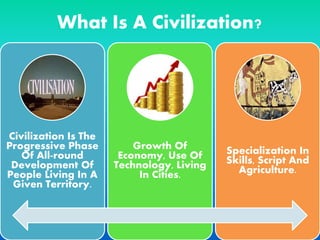
What Is A Civilization?
Civilization Is The
Progressive Phase
Of All-round
Development Of
People Living In A
Given Territory.
Growth Of
Economy, Use Of
Technology, Living
In Cities.
Specialization In
Skills, Script And
Agriculture.
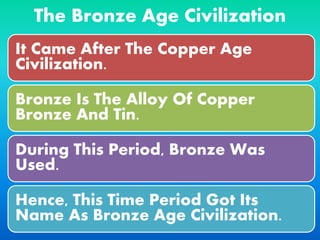
The Bronze Age Civilization
It Came After The Copper Age
Civilization.
Bronze Is The Alloy Of Copper
Bronze And Tin.
During This Period, Bronze Was
Used.
Hence, This Time Period Got Its
Name As Bronze Age Civilization.
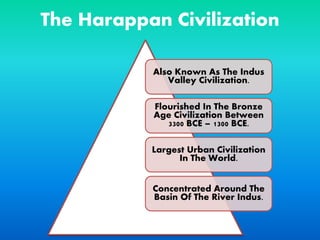
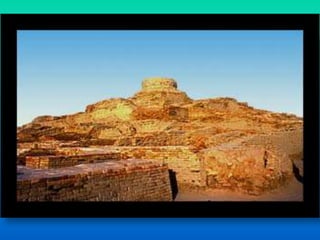
The Harappan Civilization
Also Known As The Indus
Valley Civilization.
Flourished In The Bronze
Age Civilization Between
3300 BCE – 1300 BCE.
Largest Urban Civilization
In The World.
Concentrated Around The
Basin Of The River Indus.
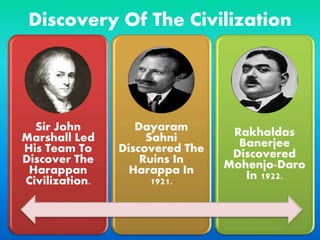
Discovery Of The Civilization
Sir John
Marshall Led
His Team To
Discover The
Harappan
Civilization.
Dayaram
Sahni
Discovered The
Ruins In
Harappa In
1921.
Rakhaldas
Banerjee
Discovered
Mohenjo-Daro
In 1922.
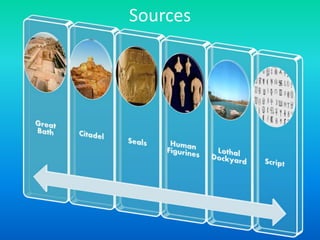
Sources
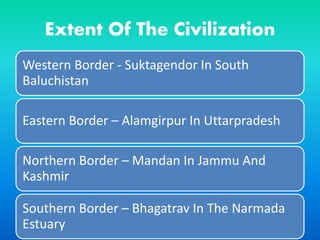
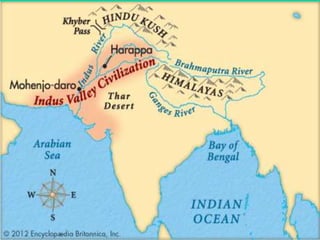
Extent Of The Civilization
Western Border - Suktagendor In South
Baluchistan
Eastern Border – Alamgirpur In Uttarpradesh
Northern Border – Mandan In Jammu And
Kashmir
Southern Border – Bhagatrav In The Narmada
Estuary
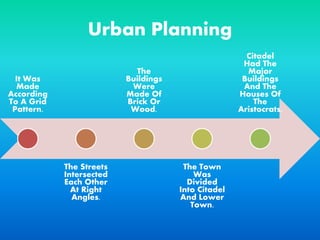
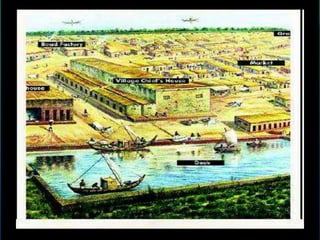
Urban Planning
It Was
Made
According
To A Grid
Pattern.
The Streets
Intersected
Each Other
At Right
Angles.
The
Buildings
Were
Made Of
Brick Or
Wood.
The Town
Was
Divided
Into Citadel
And Lower
Town.
Citadel
Had The
Major
Buildings
And The
Houses Of
The
Aristocrats.
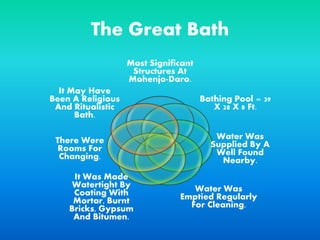
The Great Bath
Most Significant
Structures At
Mohenjo-Daro.
Bathing Pool = 39
X 28 X 8 Ft.
Water Was
Supplied By A
Well Found
Nearby.
Water Was
Emptied Regularly
For Cleaning.
It Was Made
Watertight By
Coating With
Mortar, Burnt
Bricks, Gypsum
And Bitumen.
There Were
Rooms For
Changing.
It May Have
Been A Religious
And Ritualistic
Bath.
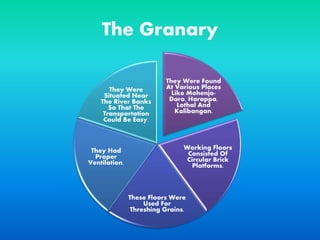
The Granary
They Were Found
At Various Places
Like Mohenjo-
Daro, Harappa,
Lothal And
Kalibangan.
Working Floors
Consisted Of
Circular Brick
Platforms.
These Floors Were
Used For
Threshing Grains.
They Had
Proper
Ventilation.
They Were
Situated Near
The River Banks
So That The
Transportation
Could Be Easy.
Trade Practices
• Harappa And Mohenjo-Daro And Lothal
• Lothal - Chanhudaro
Cont….
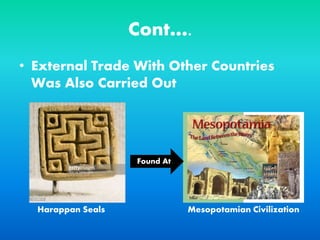
• External Trade With Other Countries
Was Also Carried Out
Harappan Seals Mesopotamian Civilization
Found At
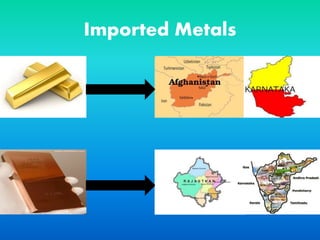
Imported Metals
Contd….
Barter System Prevailed
International Trade –
Seaways
Domestic Trade – Bullock
Carts, Etc
Barter System
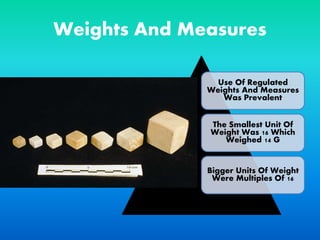
Weights And Measures
Use Of Regulated
Weights And Measures
Was Prevalent
The Smallest Unit Of
Weight Was 16 Which
Weighed 14 G
Bigger Units Of Weight
Were Multiples Of 16
Transport
Model Of Terracotta Ship Was
Discovered At Lothal Dockyard
Lothal Dockyard Is The World’s
Earliest Known Dockyards
Bullock Carts Were Used For
Inland Transportation
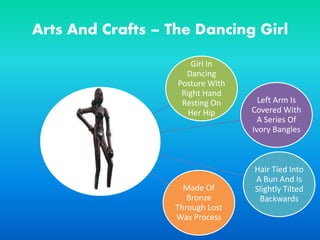
Arts And Crafts – The Dancing Girl
Girl In
Dancing
Posture With
Right Hand
Resting On
Her Hip
Left Arm Is
Covered With
A Series Of
Ivory Bangles
Hair Tied Into
A Bun And Is
Slightly Tilted
Backwards
Made Of
Bronze
Through Lost
Wax Process
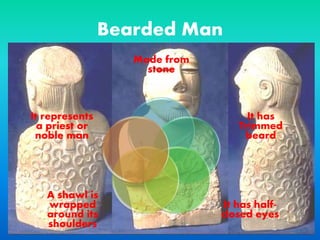
Bearded Man
Made from
stone
It has
Trimmed
beard
It has half-
closed eyes
A shawl is
wrapped
around its
shoulders
It represents
a priest or
noble man
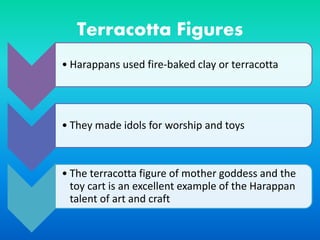
Terracotta Figures
• Harappans used fire-baked clay or terracotta
• They made idols for worship and toys
• The terracotta figure of mother goddess and the
toy cart is an excellent example of the Harappan
talent of art and craft
Occupation And Livelihood
Main Occupation = Agriculture
Leisure Activity = Art And Craft
Metal Work = Copper And Bronze Used To Make
Vessels, Etc
Beads = Used To Make Ornaments And Jewelry
Other Crafts = Pottery, Spinning, Carving And
Weaving
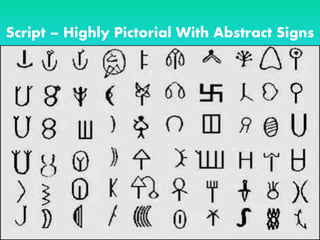
Script – Highly Pictorial With Abstract Signs
Forms Of Worship
Mother Goddess – Represented The Earth.
Statues Made From Terracotta. Smoke Stains
Also Found
Male Deity – Horned Three - Faced Deity Sitting
In A Yogi Posture. Surrounded By Animals.
Represents Pashupati – Avatar Of Lord Shiva.
Nature And Its Elements – Worshipped Trees,
Animals, Birds, Fire And Water.
Contd….
They Believed In Magic
And Charm
Also Believed In
Ghosts And Spirits
It Is Believed That
Some Harappans
Buried The Dead
While Some Of Them
Cremated And Put
Them In Urns
dec
THE HARAPPAN CIVILISATION

THE HARAPPAN CIVILISATION

  • 1.
  • 3.
    What Is ACivilization? Civilization Is The Progressive Phase Of All-round Development Of People Living In A Given Territory. Growth Of Economy, Use Of Technology, Living In Cities. Specialization In Skills, Script And Agriculture.
  • 4.
    The Bronze AgeCivilization It Came After The Copper Age Civilization. Bronze Is The Alloy Of Copper Bronze And Tin. During This Period, Bronze Was Used. Hence, This Time Period Got Its Name As Bronze Age Civilization.
  • 5.
    The Harappan Civilization AlsoKnown As The Indus Valley Civilization. Flourished In The Bronze Age Civilization Between 3300 BCE – 1300 BCE. Largest Urban Civilization In The World. Concentrated Around The Basin Of The River Indus.
  • 6.
    Discovery Of TheCivilization Sir John Marshall Led His Team To Discover The Harappan Civilization. Dayaram Sahni Discovered The Ruins In Harappa In 1921. Rakhaldas Banerjee Discovered Mohenjo-Daro In 1922.
  • 7.
  • 8.
    Extent Of TheCivilization Western Border - Suktagendor In South Baluchistan Eastern Border – Alamgirpur In Uttarpradesh Northern Border – Mandan In Jammu And Kashmir Southern Border – Bhagatrav In The Narmada Estuary
  • 10.
    Urban Planning It Was Made According ToA Grid Pattern. The Streets Intersected Each Other At Right Angles. The Buildings Were Made Of Brick Or Wood. The Town Was Divided Into Citadel And Lower Town. Citadel Had The Major Buildings And The Houses Of The Aristocrats.
  • 12.
    The Great Bath MostSignificant Structures At Mohenjo-Daro. Bathing Pool = 39 X 28 X 8 Ft. Water Was Supplied By A Well Found Nearby. Water Was Emptied Regularly For Cleaning. It Was Made Watertight By Coating With Mortar, Burnt Bricks, Gypsum And Bitumen. There Were Rooms For Changing. It May Have Been A Religious And Ritualistic Bath.
  • 14.
    The Granary They WereFound At Various Places Like Mohenjo- Daro, Harappa, Lothal And Kalibangan. Working Floors Consisted Of Circular Brick Platforms. These Floors Were Used For Threshing Grains. They Had Proper Ventilation. They Were Situated Near The River Banks So That The Transportation Could Be Easy.
  • 16.
    Trade Practices • HarappaAnd Mohenjo-Daro And Lothal • Lothal - Chanhudaro
  • 17.
    Cont…. • External TradeWith Other Countries Was Also Carried Out Harappan Seals Mesopotamian Civilization Found At
  • 18.
  • 19.
    Contd…. Barter System Prevailed InternationalTrade – Seaways Domestic Trade – Bullock Carts, Etc
  • 20.
  • 21.
    Weights And Measures UseOf Regulated Weights And Measures Was Prevalent The Smallest Unit Of Weight Was 16 Which Weighed 14 G Bigger Units Of Weight Were Multiples Of 16
  • 22.
    Transport Model Of TerracottaShip Was Discovered At Lothal Dockyard Lothal Dockyard Is The World’s Earliest Known Dockyards Bullock Carts Were Used For Inland Transportation
  • 23.
    Arts And Crafts– The Dancing Girl Girl In Dancing Posture With Right Hand Resting On Her Hip Left Arm Is Covered With A Series Of Ivory Bangles Hair Tied Into A Bun And Is Slightly Tilted Backwards Made Of Bronze Through Lost Wax Process
  • 24.
    Bearded Man Made from stone Ithas Trimmed beard It has half- closed eyes A shawl is wrapped around its shoulders It represents a priest or noble man
  • 25.
    Terracotta Figures • Harappansused fire-baked clay or terracotta • They made idols for worship and toys • The terracotta figure of mother goddess and the toy cart is an excellent example of the Harappan talent of art and craft
  • 26.
    Occupation And Livelihood MainOccupation = Agriculture Leisure Activity = Art And Craft Metal Work = Copper And Bronze Used To Make Vessels, Etc Beads = Used To Make Ornaments And Jewelry Other Crafts = Pottery, Spinning, Carving And Weaving
  • 27.
    Script – HighlyPictorial With Abstract Signs
  • 28.
    Forms Of Worship MotherGoddess – Represented The Earth. Statues Made From Terracotta. Smoke Stains Also Found Male Deity – Horned Three - Faced Deity Sitting In A Yogi Posture. Surrounded By Animals. Represents Pashupati – Avatar Of Lord Shiva. Nature And Its Elements – Worshipped Trees, Animals, Birds, Fire And Water.
  • 29.
    Contd…. They Believed InMagic And Charm Also Believed In Ghosts And Spirits It Is Believed That Some Harappans Buried The Dead While Some Of Them Cremated And Put Them In Urns
  • 30.