Emotional Design
How to create & encourage emotional connections using design


               A talk by: Christina A. Brodbeck, Co-Founder of theicebreak, an app for couples.
               @jellyfishbloom
First, A Little Story to Start Things Off

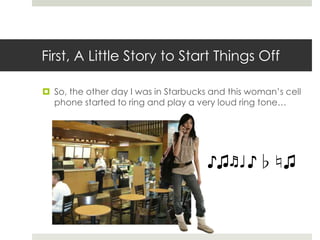
 So, the other day I was in Starbucks and this woman’s cell
  phone started to ring and play a very loud ring tone…


                                      ♪♫♬♩♪♭♮♫
And the ring tone was Celine Dion


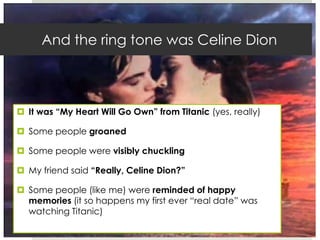
 It was “My Heart Will Go Own” from Titanic (yes, really)

 Some people groaned

 Some people were visibly chuckling

 My friend said “Really, Celine Dion?”

 Some people (like me) were reminded of happy
  memories (it so happens my first ever “real date” was
  watching Titanic)
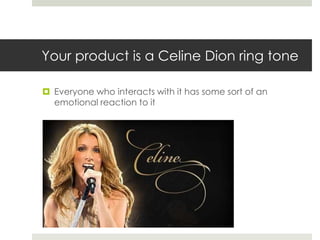
Your product is a Celine Dion ring tone

 Everyone who interacts with it has some sort of an
  emotional reaction to it
Part I: How to create the
emotional response you want
Emotional Design is not a new idea

 It’s just that traditionally we cared more about “does it
  work” than “does it connect.” But you need to care
  about both.

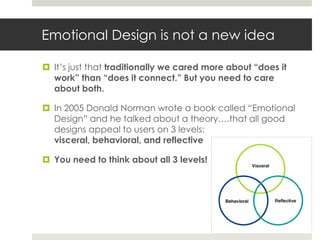
 In 2005 Donald Norman wrote a book called “Emotional
  Design” and he talked about a theory….that all good
  designs appeal to users on 3 levels:
  visceral, behavioral, and reflective

 You need to think about all 3 levels!
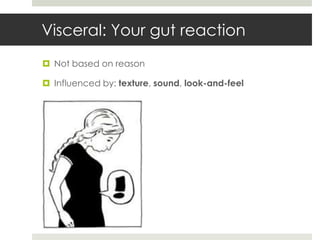
Visceral: Your gut reaction
 Not based on reason

 Influenced by: texture, sound, look-and-feel
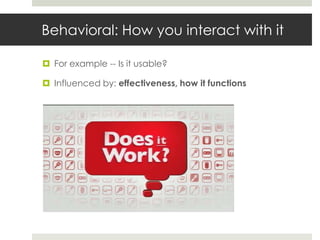
Behavioral: How you interact with it

 For example -- Is it usable?

 Influenced by: effectiveness, how it functions
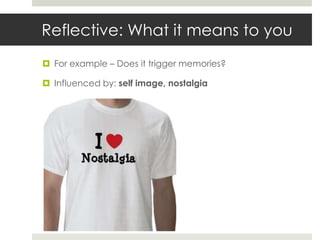
Reflective: What it means to you
 For example – Does it trigger memories?

 Influenced by: self image, nostalgia
Since we’re in Chicago…

Take a minute…and think of one of your
favorite “Chicago” brands or products
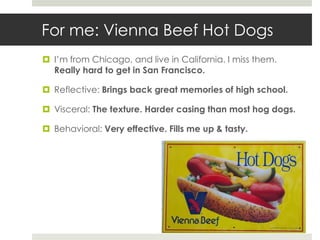
For me: Vienna Beef Hot Dogs
 I’m from Chicago, and live in California. I miss them.
  Really hard to get in San Francisco.

 Reflective: Brings back great memories of high school.

 Visceral: The texture. Harder casing than most hog dogs.

 Behavioral: Very effective. Fills me up & tasty.
How to Step 1: Personify Your Design & Brand

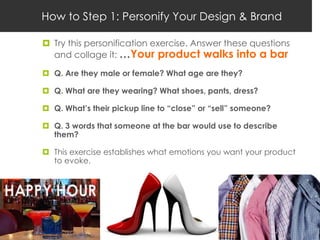
 Try this personification exercise. Answer these questions
  and collage it: …Your product walks into a bar

 Q. Are they male or female? What age are they?

 Q. What are they wearing? What shoes, pants, dress?

 Q. What’s their pickup line to “close” or “sell” someone?

 Q. 3 words that someone at the bar would use to describe
  them?

 This exercise establishes what emotions you want your product
  to evoke.
How to Step 2: Figure Out Your Core
Demographic & Design for Them
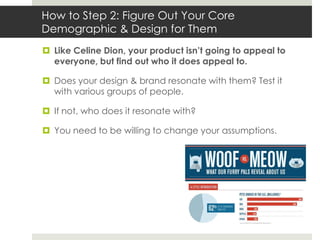
 Like Celine Dion, your product isn’t going to appeal to
  everyone, but find out who it does appeal to.

 Does your design & brand resonate with them? Test it
  with various groups of people.

 If not, who does it resonate with?

 You need to be willing to change your assumptions.
Real World Example: theicebreak
 In our initial closed beta of 80 people we found that
  theicebreak was resonating most with non-techies and
  non-early adopters. It was appealing to people with
  more traditional values.

 So we decided to design for them.

Success: Today 81% of our users are
 from outside of CA and NY…places
 where generally people are more
 traditional.
Color Choice

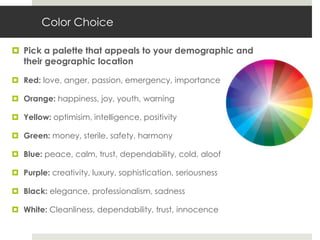
 Pick a palette that appeals to your demographic and
  their geographic location

 Red: love, anger, passion, emergency, importance

 Orange: happiness, joy, youth, warning

 Yellow: optimisim, intelligence, positivity

 Green: money, sterile, safety, harmony

 Blue: peace, calm, trust, dependability, cold, aloof

 Purple: creativity, luxury, sophistication, seriousness

 Black: elegance, professionalism, sadness

 White: Cleanliness, dependability, trust, innocence
Tone & Language

 Language: You want to talk with your users not to you
  users

 Conversational speech makes users feel relaxed, at ease, and
  natural

 Small doses of humor makes people feel comfortable (like
  Freddie the Mailchimp mascot)
Design a Personal Relationship with Your Users

 Give it a personal touch

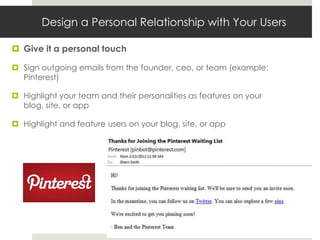
 Sign outgoing emails from the founder, ceo, or team (example:
  Pinterest)

 Highlight your team and their personalities as features on your
  blog, site, or app

 Highlight and feature users on your blog, site, or app
Turn Negative Experiences Into Positive Ones

 Intercept what could be perceived as bad and spin it as
  good

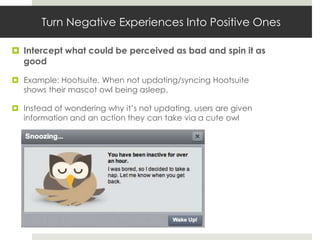
 Example: Hootsuite. When not updating/syncing Hootsuite
  shows their mascot owl being asleep.

 Instead of wondering why it’s not updating, users are given
  information and an action they can take via a cute owl
Tell a Relatable Story, Not Just the Facts

 Package facts and data so the user gets a result they can
  relate to instead of just a bunch of random information

 Tell them what the data means, and how it applies to
  their lives

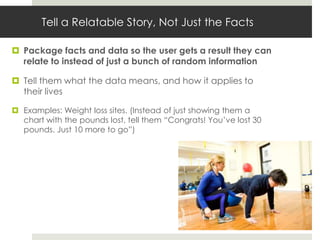
 Examples: Weight loss sites. (Instead of just showing them a
  chart with the pounds lost, tell them “Congrats! You’ve lost 30
  pounds. Just 10 more to go”)
Make it Familiar

 Use familiar icons and terms people already have a
  connection with

 Example: iPhone phone icon

 Makes people feel comfortable, relaxed, and brings back
  memories
Use “Aspirational” Photographs

 Sell users their dream. Use photos to spark emotions of
  what they aspire to want or be, but don’t have

 The fashion industry knows this well.

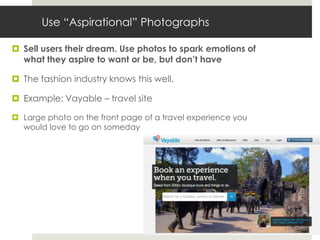
 Example: Vayable – travel site

 Large photo on the front page of a travel experience you
  would love to go on someday
Part II: How to design products
where users tell you how they feel

Your product = user’s emotions.

(Difference – Part I: You tell them
how to feel. Part II: They tell you
how they feel)
We’ve Moved into The Emotional Web

 Trend: The Internet has moved beyond tools for functional
  need, and instead into tools for self-actualization and
  esteem

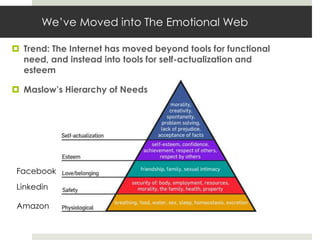
 Maslow’s Hierarchy of Needs


 Facebook
 Linkedin

 Amazon
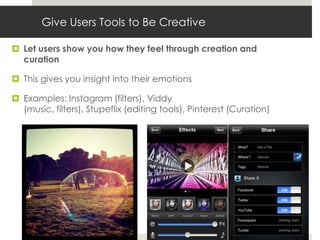
Give Users Tools to Be Creative

 Let users show you how they feel through creation and
  curation

 This gives you insight into their emotions

 Examples: Instagram (filters), Viddy
  (music, filters), Stupeflix (editing tools), Pinterest (Curation)
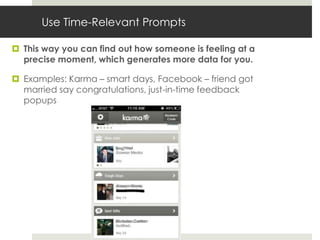
Use Time-Relevant Prompts

 This way you can find out how someone is feeling at a
  precise moment, which generates more data for you.

 Examples: Karma – smart days, Facebook – friend got
  married say congratulations, just-in-time feedback
  popups
Use Minimal UI

 Make the UI more about the user than the product. Your
  UI should fade into the background. Let the user stand
  out.

 This way you find out what’s important to them and how
  they feel about things, by what the user showcases.

 Examples: Evernote Clearly – what they
  highlight, Pinterest – what’s on their board
Make them Feel Safe & Secure

 In safe spaces, people give more freely of their emotions.
  Then they will tell you how they feel.

 Example: theicebreak (intimate data = anonymous
  identities, which encourage honest answers)

Success: 74% of users say theicebreak
 has helped their relationship. Overall
 happiness of our users has increased
 by 10%

Emotional Design

  • 1.
    Emotional Design How tocreate & encourage emotional connections using design A talk by: Christina A. Brodbeck, Co-Founder of theicebreak, an app for couples. @jellyfishbloom
  • 2.
    First, A LittleStory to Start Things Off  So, the other day I was in Starbucks and this woman’s cell phone started to ring and play a very loud ring tone… ♪♫♬♩♪♭♮♫
  • 3.
    And the ringtone was Celine Dion  It was “My Heart Will Go Own” from Titanic (yes, really)  Some people groaned  Some people were visibly chuckling  My friend said “Really, Celine Dion?”  Some people (like me) were reminded of happy memories (it so happens my first ever “real date” was watching Titanic)
  • 4.
    Your product isa Celine Dion ring tone  Everyone who interacts with it has some sort of an emotional reaction to it
  • 5.
    Part I: Howto create the emotional response you want
  • 6.
    Emotional Design isnot a new idea  It’s just that traditionally we cared more about “does it work” than “does it connect.” But you need to care about both.  In 2005 Donald Norman wrote a book called “Emotional Design” and he talked about a theory….that all good designs appeal to users on 3 levels: visceral, behavioral, and reflective  You need to think about all 3 levels!
  • 7.
    Visceral: Your gutreaction  Not based on reason  Influenced by: texture, sound, look-and-feel
  • 8.
    Behavioral: How youinteract with it  For example -- Is it usable?  Influenced by: effectiveness, how it functions
  • 9.
    Reflective: What itmeans to you  For example – Does it trigger memories?  Influenced by: self image, nostalgia
  • 10.
    Since we’re inChicago… Take a minute…and think of one of your favorite “Chicago” brands or products
  • 11.
    For me: ViennaBeef Hot Dogs  I’m from Chicago, and live in California. I miss them. Really hard to get in San Francisco.  Reflective: Brings back great memories of high school.  Visceral: The texture. Harder casing than most hog dogs.  Behavioral: Very effective. Fills me up & tasty.
  • 12.
    How to Step1: Personify Your Design & Brand  Try this personification exercise. Answer these questions and collage it: …Your product walks into a bar  Q. Are they male or female? What age are they?  Q. What are they wearing? What shoes, pants, dress?  Q. What’s their pickup line to “close” or “sell” someone?  Q. 3 words that someone at the bar would use to describe them?  This exercise establishes what emotions you want your product to evoke.
  • 13.
    How to Step2: Figure Out Your Core Demographic & Design for Them  Like Celine Dion, your product isn’t going to appeal to everyone, but find out who it does appeal to.  Does your design & brand resonate with them? Test it with various groups of people.  If not, who does it resonate with?  You need to be willing to change your assumptions.
  • 14.
    Real World Example:theicebreak  In our initial closed beta of 80 people we found that theicebreak was resonating most with non-techies and non-early adopters. It was appealing to people with more traditional values.  So we decided to design for them. Success: Today 81% of our users are from outside of CA and NY…places where generally people are more traditional.
  • 15.
    Color Choice  Picka palette that appeals to your demographic and their geographic location  Red: love, anger, passion, emergency, importance  Orange: happiness, joy, youth, warning  Yellow: optimisim, intelligence, positivity  Green: money, sterile, safety, harmony  Blue: peace, calm, trust, dependability, cold, aloof  Purple: creativity, luxury, sophistication, seriousness  Black: elegance, professionalism, sadness  White: Cleanliness, dependability, trust, innocence
  • 16.
    Tone & Language Language: You want to talk with your users not to you users  Conversational speech makes users feel relaxed, at ease, and natural  Small doses of humor makes people feel comfortable (like Freddie the Mailchimp mascot)
  • 17.
    Design a PersonalRelationship with Your Users  Give it a personal touch  Sign outgoing emails from the founder, ceo, or team (example: Pinterest)  Highlight your team and their personalities as features on your blog, site, or app  Highlight and feature users on your blog, site, or app
  • 18.
    Turn Negative ExperiencesInto Positive Ones  Intercept what could be perceived as bad and spin it as good  Example: Hootsuite. When not updating/syncing Hootsuite shows their mascot owl being asleep.  Instead of wondering why it’s not updating, users are given information and an action they can take via a cute owl
  • 19.
    Tell a RelatableStory, Not Just the Facts  Package facts and data so the user gets a result they can relate to instead of just a bunch of random information  Tell them what the data means, and how it applies to their lives  Examples: Weight loss sites. (Instead of just showing them a chart with the pounds lost, tell them “Congrats! You’ve lost 30 pounds. Just 10 more to go”)
  • 20.
    Make it Familiar Use familiar icons and terms people already have a connection with  Example: iPhone phone icon  Makes people feel comfortable, relaxed, and brings back memories
  • 21.
    Use “Aspirational” Photographs Sell users their dream. Use photos to spark emotions of what they aspire to want or be, but don’t have  The fashion industry knows this well.  Example: Vayable – travel site  Large photo on the front page of a travel experience you would love to go on someday
  • 22.
    Part II: Howto design products where users tell you how they feel Your product = user’s emotions. (Difference – Part I: You tell them how to feel. Part II: They tell you how they feel)
  • 23.
    We’ve Moved intoThe Emotional Web  Trend: The Internet has moved beyond tools for functional need, and instead into tools for self-actualization and esteem  Maslow’s Hierarchy of Needs Facebook Linkedin Amazon
  • 24.
    Give Users Toolsto Be Creative  Let users show you how they feel through creation and curation  This gives you insight into their emotions  Examples: Instagram (filters), Viddy (music, filters), Stupeflix (editing tools), Pinterest (Curation)
  • 25.
    Use Time-Relevant Prompts This way you can find out how someone is feeling at a precise moment, which generates more data for you.  Examples: Karma – smart days, Facebook – friend got married say congratulations, just-in-time feedback popups
  • 26.
    Use Minimal UI Make the UI more about the user than the product. Your UI should fade into the background. Let the user stand out.  This way you find out what’s important to them and how they feel about things, by what the user showcases.  Examples: Evernote Clearly – what they highlight, Pinterest – what’s on their board
  • 27.
    Make them FeelSafe & Secure  In safe spaces, people give more freely of their emotions. Then they will tell you how they feel.  Example: theicebreak (intimate data = anonymous identities, which encourage honest answers) Success: 74% of users say theicebreak has helped their relationship. Overall happiness of our users has increased by 10%