INTERFACE DESIGN
- 10 trends we’ll see in 2017 -
- WHAT’S STILL CURRENT-
TREND N°1
SIMPLICITY AND
CLARITY
The omnipresence of mobile has
transformed interfaces and the way
content is displayed: the user is shown
what he came to look for and is helped
to perform a precise action that limits
the amount of text.
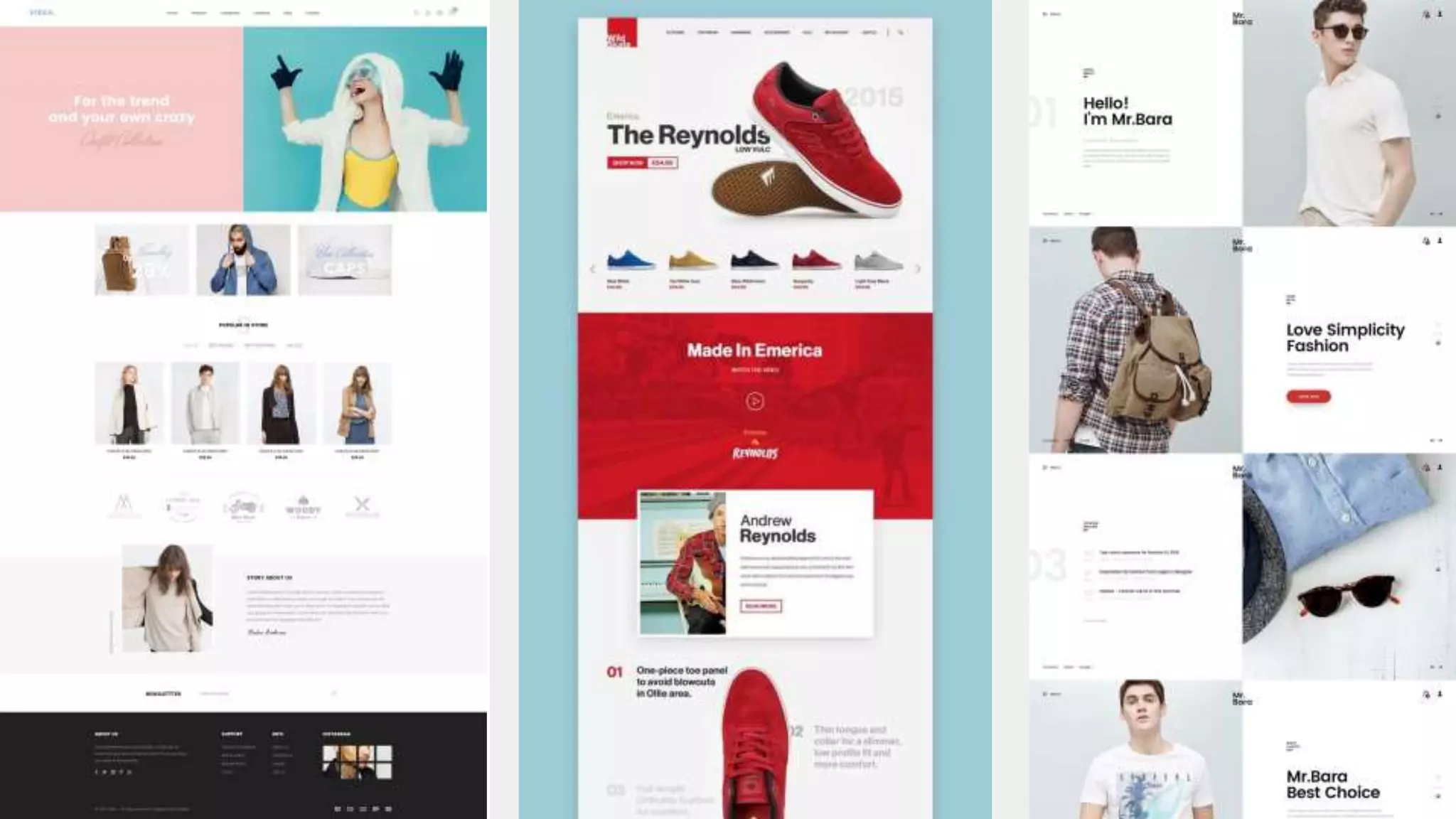
The presence of white space is very
important. We see more and more page
designs that are airy and geometric, and
sometimes also less structured grids that
allow for a more dynamic screen.
TREND N°2
COLOR
AND CONTRASTS
Simple doesn’t mean cold.
Color and gradients bring warmth back to
interfaces. The preference is to define a
simple interplay of colors and to place the
emphasis on the action or accent color to
create contrast.
TREND N°3
HIERARCHY AND
TYPOGRAPHY
The choice of fonts is fundamental and
contributes to the brand and platform
identity.
Typography remains an inescapable
means to arrange information
hierarchically thanks to size differences
and variations in weight.
Accessibility constraints which are ever
more present in conventional interfaces
will give typography back its importance.
TREND N°4
ILLUSTRATION IN
ALL ITS FORMS
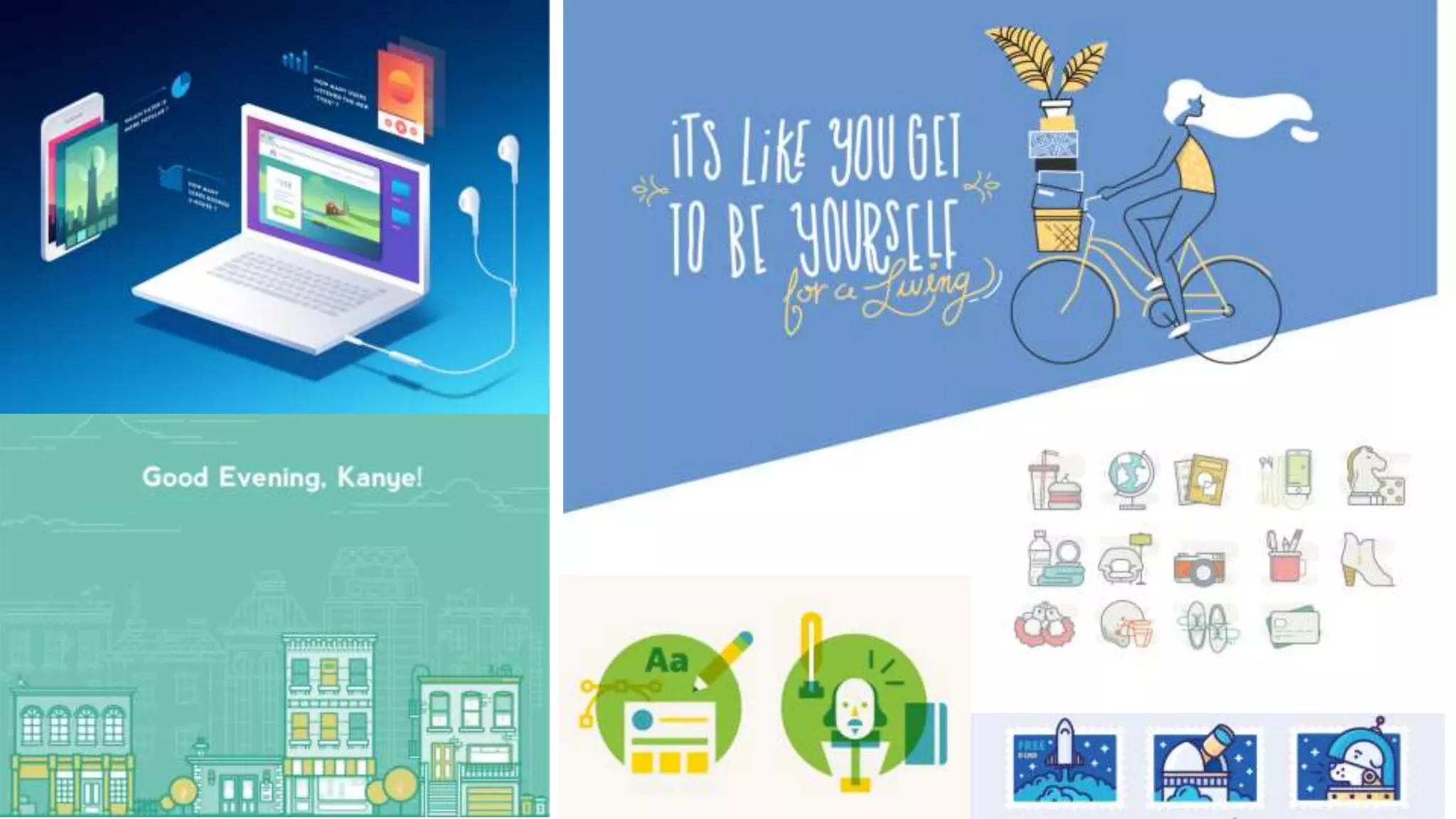
In response to flat design and the
impersonal stock image visuals, we are
seeing the increasing appearance of
illustrations.
The playful and differentiating approach of
an illustration enables us to give
personality to interfaces, to affirm the
identity of a brand and to find a new way
to present content. They are particularly
relevant to create storytelling.
It is important for a brand to have its
own library of illustrations.
TREND N°5
UI MOTION AND
EMOTIONAL DESIGN
Animations aren’t just there to create a
”wow effect”. They help with
understanding the interface and user
interactions.
Animations are inspired by the laws of
physics (e.g. Material Design) while
remaining distinct. Micro-interactions
enable us to give feedback to the user
following an action.
Be careful not to abuse it, to maintain
consistency and sense.
- WHAT IS NEW (OR ALMOST NEW) -
Having a global and consistent
experience across all media relies
on the creation of a true visual
language.
Future interfaces will thus no longer be
conceived by screen but rather as
systems of components which are
living and evolving.
TREND N°6
A VISUAL
LANGUAGE
(in praise of consistency)
With connected objects and 3D
printing, digital is reconnecting with
the physical world.
Without going so far as to return to
Skeumorphism, we are observing a trend
of getting closer to the physical world with
interfaces that we want to touch
(materials) and with which we want to
play (shadows, animations...).
TREND N°7
CREATIVE ASSETS
THAT BREAK OUT
OF THE SCREEN
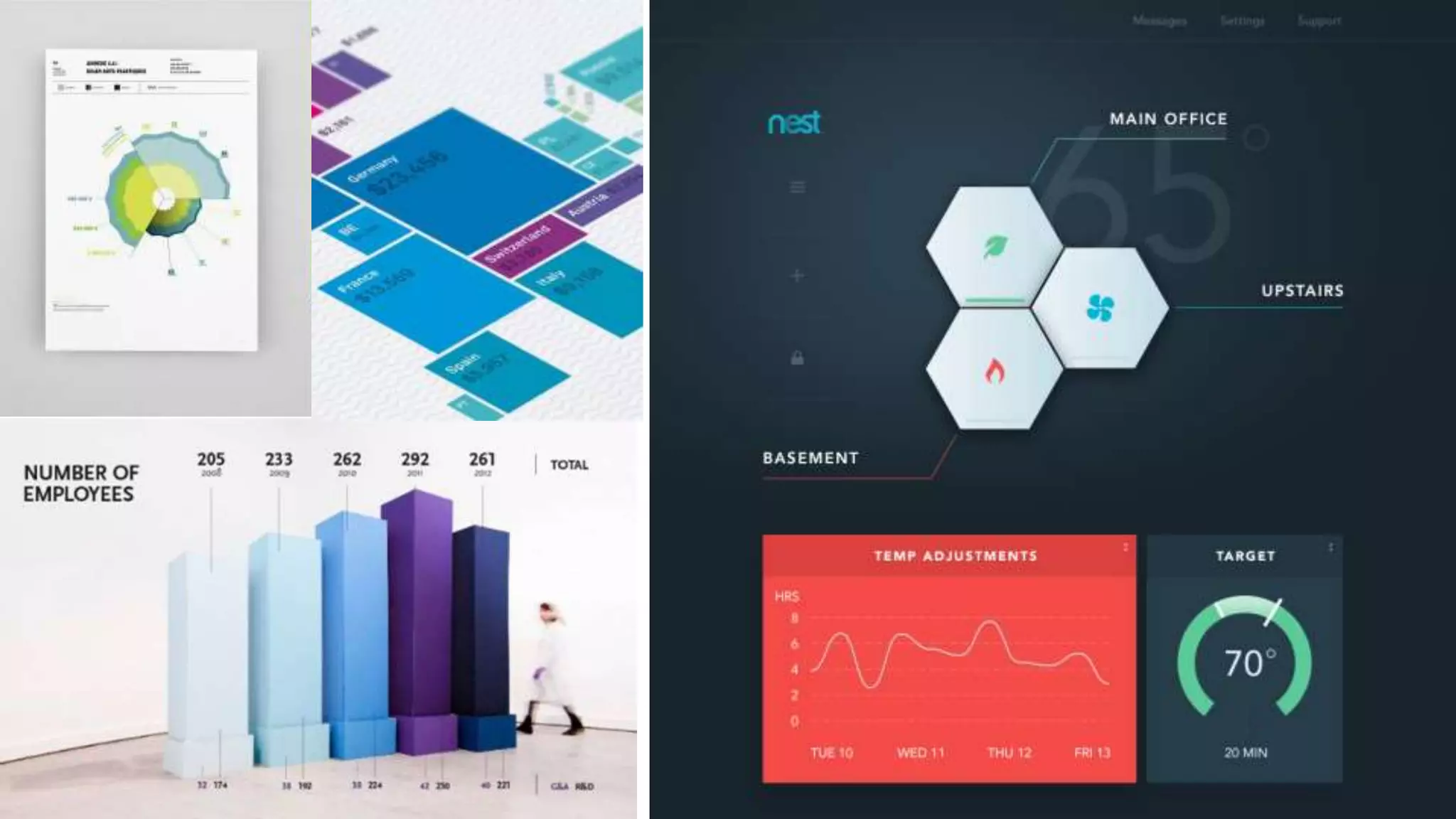
Big data is here, there’s no longer any
doubt for anyone.
This data has to be used and analyzed in
order to give the user the best experience
possible.
A clear and relevant representation of this
data will provide structure, especially in
banking applications.
TREND N°8
REPRESENTING
DATA
TREND N°9
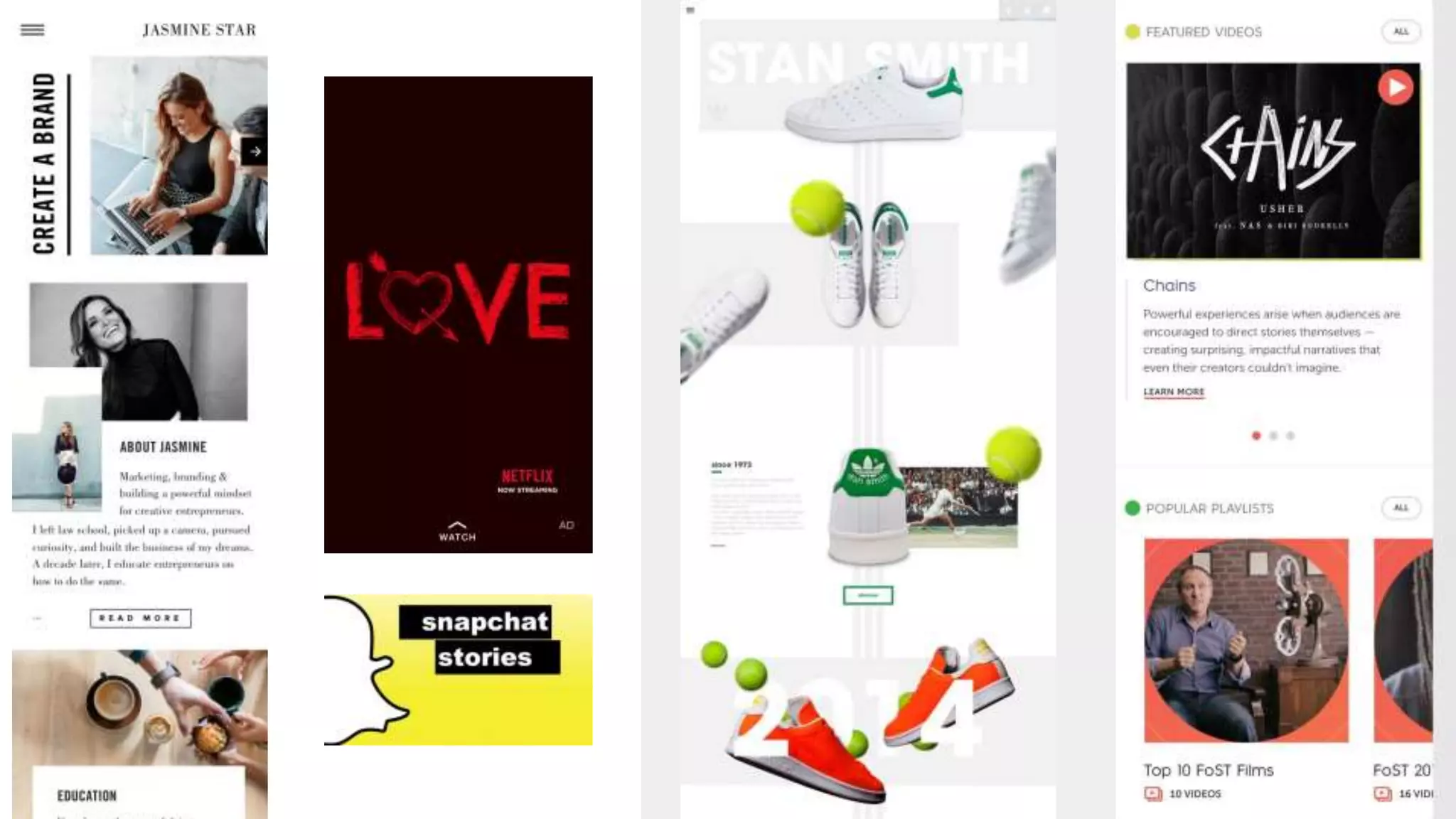
TELLING STORIES
Storytelling is more than ever the
current way to involve the user in a
story or, more simply, in a series of
arguments.
Very long single pages (no one is afraid
of scrolling anymore!) unfold during the
course of reading and become true
narrations.
This enables us to replace a sometimes
monotonous reading of content with a
delicious process of discovery.
We’re also seeing the death of royalty-
free photos in favor of authentic, living
ones.
TREND N°10
LIVING NEW
EXPERIENCES
There are countless new technologies
that just a few years ago were fiction.
Virtual reality, augmented reality, Games
that make users go out into the streets
(Pokemon Go)...
The user will thus want more and more
new experiences (visual, sound and
tactile) and products that break
established codes.
Thanks to all these technologies, we can
expect design that is personalized,
predictive, and intelligent.
UI Design Trends for 2017

UI Design Trends for 2017

  • 1.
    INTERFACE DESIGN - 10trends we’ll see in 2017 -
  • 2.
  • 3.
    TREND N°1 SIMPLICITY AND CLARITY Theomnipresence of mobile has transformed interfaces and the way content is displayed: the user is shown what he came to look for and is helped to perform a precise action that limits the amount of text. The presence of white space is very important. We see more and more page designs that are airy and geometric, and sometimes also less structured grids that allow for a more dynamic screen.
  • 5.
    TREND N°2 COLOR AND CONTRASTS Simpledoesn’t mean cold. Color and gradients bring warmth back to interfaces. The preference is to define a simple interplay of colors and to place the emphasis on the action or accent color to create contrast.
  • 7.
    TREND N°3 HIERARCHY AND TYPOGRAPHY Thechoice of fonts is fundamental and contributes to the brand and platform identity. Typography remains an inescapable means to arrange information hierarchically thanks to size differences and variations in weight. Accessibility constraints which are ever more present in conventional interfaces will give typography back its importance.
  • 9.
    TREND N°4 ILLUSTRATION IN ALLITS FORMS In response to flat design and the impersonal stock image visuals, we are seeing the increasing appearance of illustrations. The playful and differentiating approach of an illustration enables us to give personality to interfaces, to affirm the identity of a brand and to find a new way to present content. They are particularly relevant to create storytelling. It is important for a brand to have its own library of illustrations.
  • 11.
    TREND N°5 UI MOTIONAND EMOTIONAL DESIGN Animations aren’t just there to create a ”wow effect”. They help with understanding the interface and user interactions. Animations are inspired by the laws of physics (e.g. Material Design) while remaining distinct. Micro-interactions enable us to give feedback to the user following an action. Be careful not to abuse it, to maintain consistency and sense.
  • 13.
    - WHAT ISNEW (OR ALMOST NEW) -
  • 14.
    Having a globaland consistent experience across all media relies on the creation of a true visual language. Future interfaces will thus no longer be conceived by screen but rather as systems of components which are living and evolving. TREND N°6 A VISUAL LANGUAGE (in praise of consistency)
  • 16.
    With connected objectsand 3D printing, digital is reconnecting with the physical world. Without going so far as to return to Skeumorphism, we are observing a trend of getting closer to the physical world with interfaces that we want to touch (materials) and with which we want to play (shadows, animations...). TREND N°7 CREATIVE ASSETS THAT BREAK OUT OF THE SCREEN
  • 18.
    Big data ishere, there’s no longer any doubt for anyone. This data has to be used and analyzed in order to give the user the best experience possible. A clear and relevant representation of this data will provide structure, especially in banking applications. TREND N°8 REPRESENTING DATA
  • 20.
    TREND N°9 TELLING STORIES Storytellingis more than ever the current way to involve the user in a story or, more simply, in a series of arguments. Very long single pages (no one is afraid of scrolling anymore!) unfold during the course of reading and become true narrations. This enables us to replace a sometimes monotonous reading of content with a delicious process of discovery. We’re also seeing the death of royalty- free photos in favor of authentic, living ones.
  • 22.
    TREND N°10 LIVING NEW EXPERIENCES Thereare countless new technologies that just a few years ago were fiction. Virtual reality, augmented reality, Games that make users go out into the streets (Pokemon Go)... The user will thus want more and more new experiences (visual, sound and tactile) and products that break established codes. Thanks to all these technologies, we can expect design that is personalized, predictive, and intelligent.