



technology evaluation in the classroom
What is technology?
technology   plural   technologies )   (1) the study of or a collection of techniques.  (2) a particular technological concept  (3) the body of tools and other implements produced by a given society.  wiktionary
Technology is a word that is made of two greek words. Techne and Logos. Techne is the Greek word for Art. Logos is the Greek word for "reasonable language" or "reasoning about". Therefore a direct translation might be "the reasonable language of art" or "reasoning about art"
reasoning about art
So this is not confusing we might substitute the word "technique" for art. For example, a technique which is an "art form" even though it is quite technical in nature. The resulting literal definition might then be "reasoning about techniques." Technology is therefore "thinking about the best way to do things" Eric (eric@tekblog.net) on  wiktionary discussion
thinking about the  best way to do things
Etymology of these both words is more complicated than that. Techne (also spelled tekhne) means art as in skill or craft (if we want to see a difference between art and skill). Logos means "language", "reason", "reasoning", or even "world". Also, technology isn't just "thinking", it is also constructing and manipulating the world.
Martin Heidegger  saw technology as a mode of thinking where everything that is, is seen from the perspective of manipulation. He said this is the prevailing mode of thinking today.  Nikke on  wiktionary discussion
 
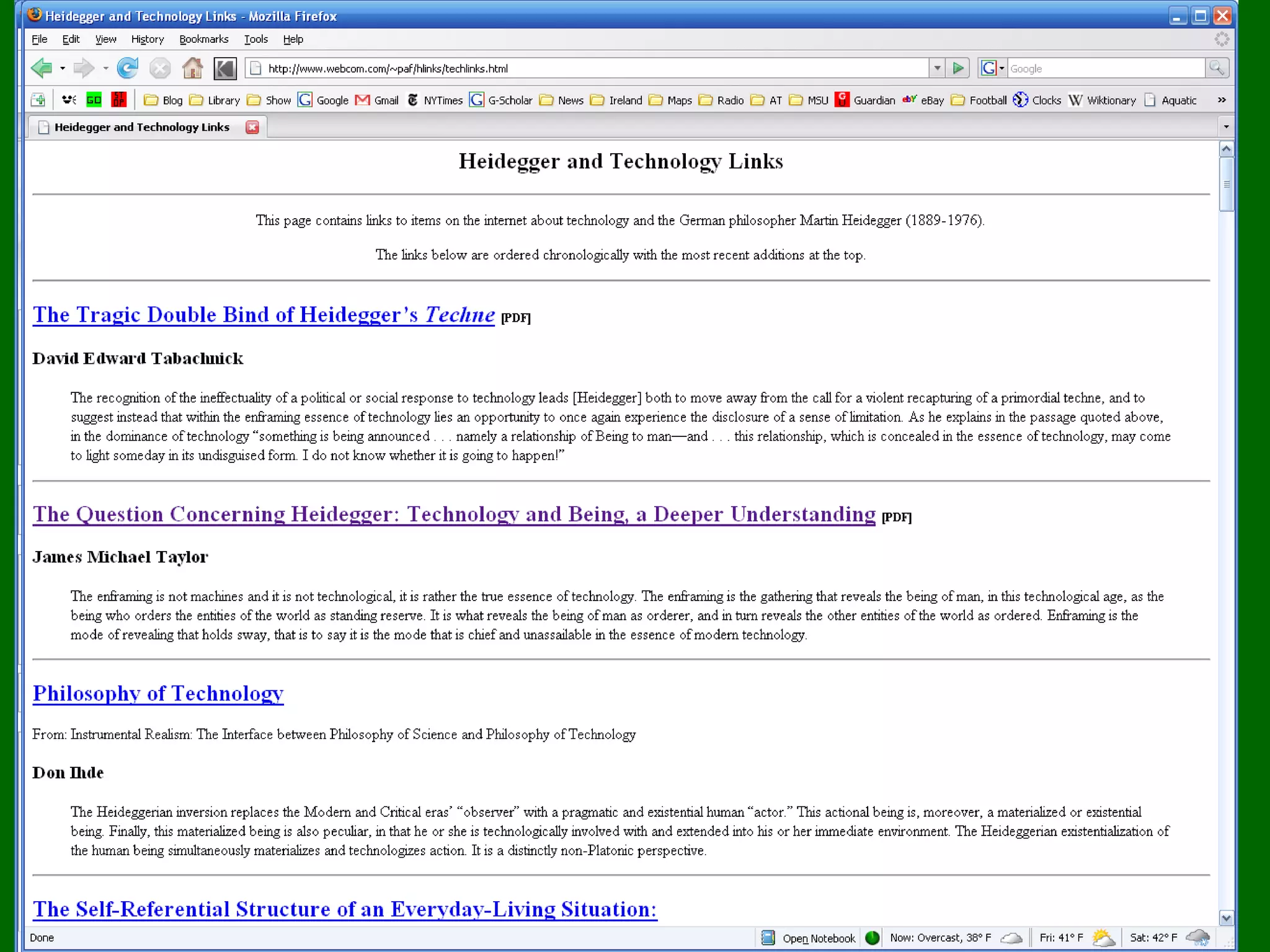
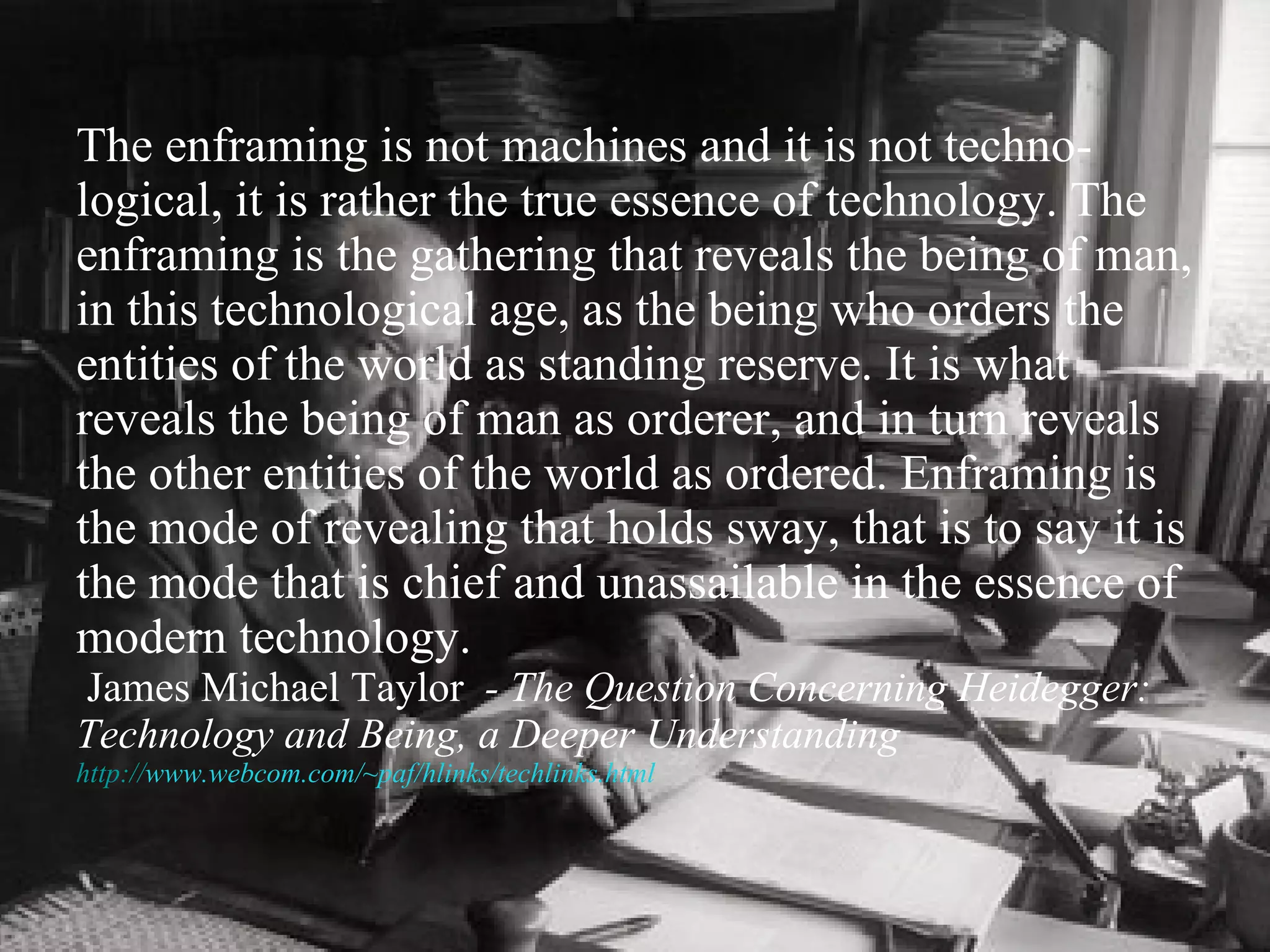
The enframing is not machines and it is not techno-logical, it is rather the true essence of technology. The enframing is the gathering that reveals the being of man, in this technological age, as the being who orders the entities of the world as standing reserve. It is what reveals the being of man as orderer, and in turn reveals the other entities of the world as ordered. Enframing is the mode of revealing that holds sway, that is to say it is the mode that is chief and unassailable in the essence of modern technology.     James Michael Taylor   - The Question Concerning Heidegger: Technology and Being, a Deeper Understanding  http:// www.webcom.com/~paf/hlinks/techlinks.html
Martin Heidegger  saw technology as a mode of thinking where everything that is, is seen from the perspective of manipulation. He said this is the prevailing mode of thinking today.  Nikke on  wiktionary discussion
everything is seen from the perspective of manipulation
What technologies are in use in this room?
 
Which technologies enable? Which technologies disable?
for who? (whom?)
in which situations?
evaluating
How do we analyze the gap between a student’s present technique…
…  and the “best way” to manipulate the world to accomplish a task?
Stop thinking through  the “deficit model”
Start thinking “strengths and issues”
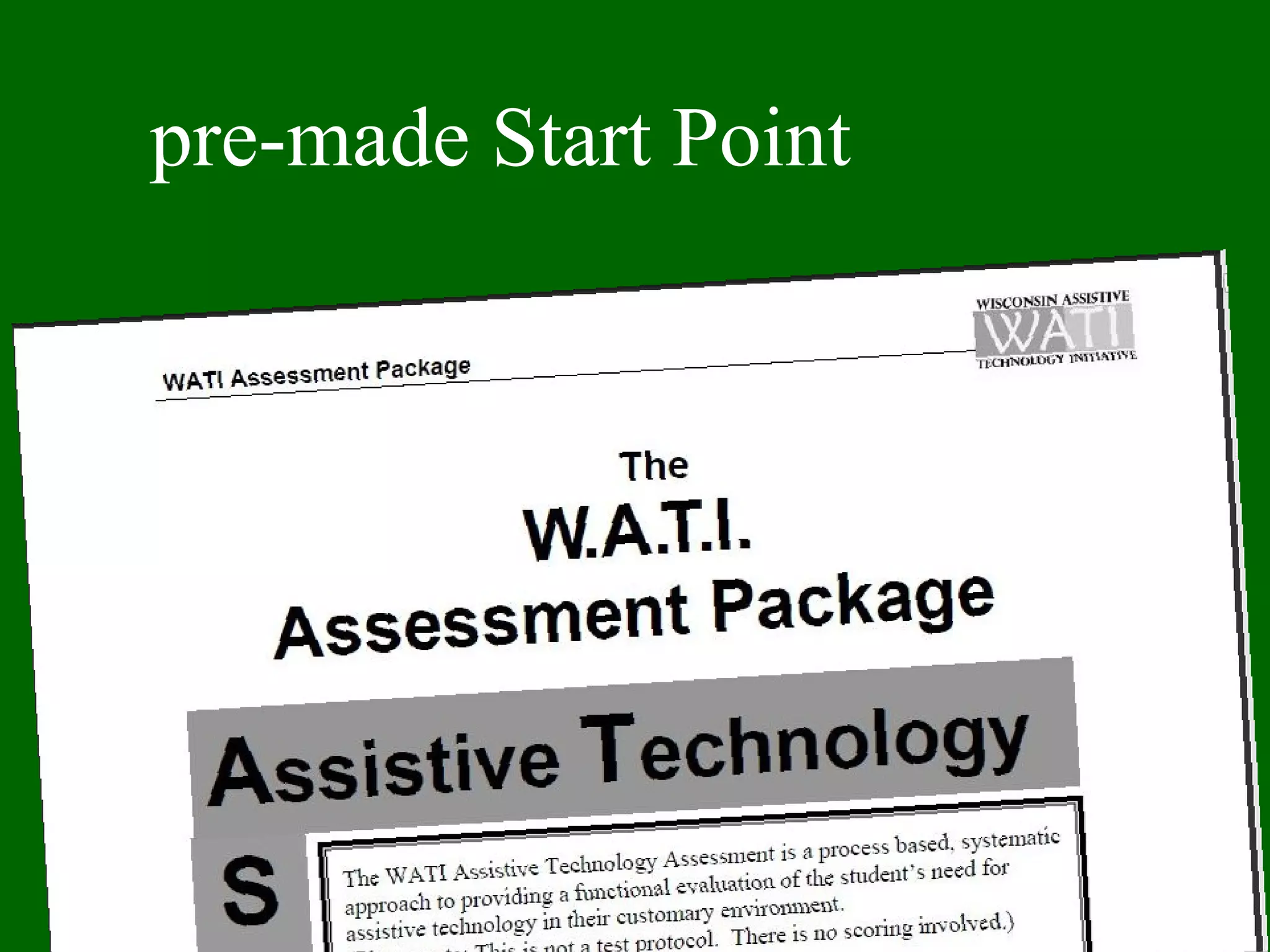
pre-made Start Point
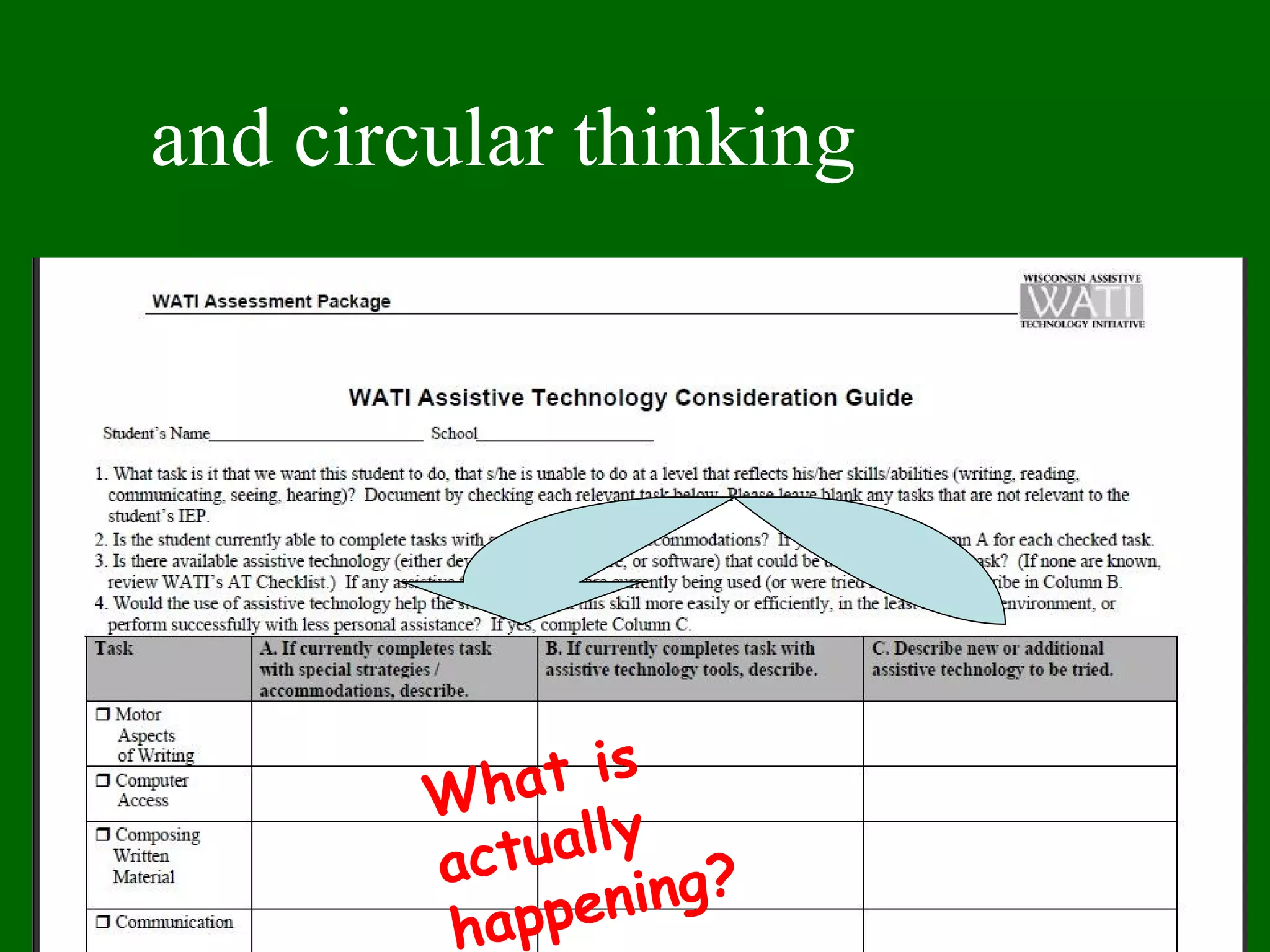
and circular thinking What is actually happening?
Information Gathering
Look across all activities What is working? What is not? What are the best times? What are the worst? Best places? Worst places?
Look across all activities Best times? Worst times? Best medium? Worst medium? Most engaging? Least engaging?
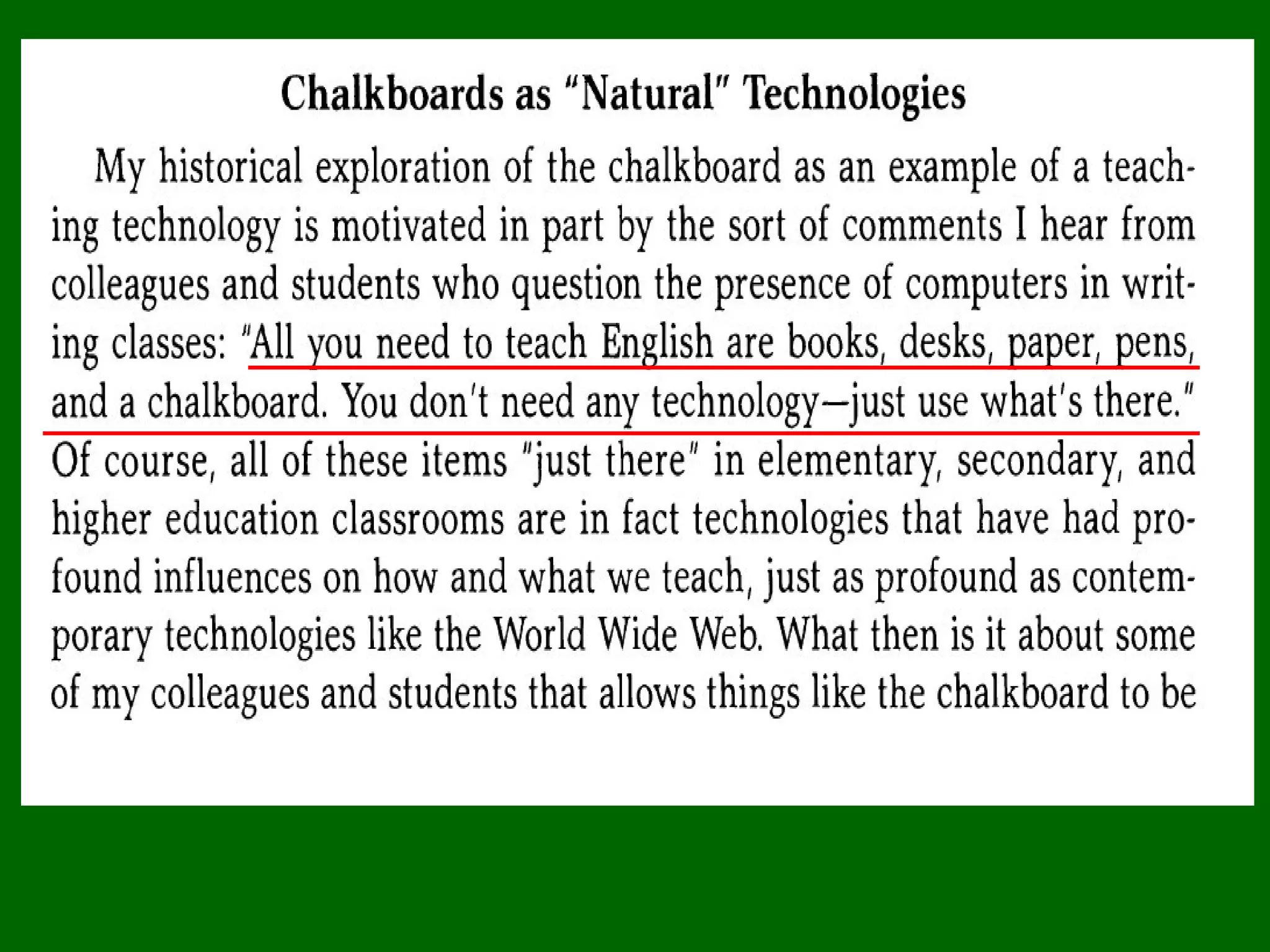
Remember, “technology” is everything… the room, the building, the chairs, the desks, the schedule, the books…
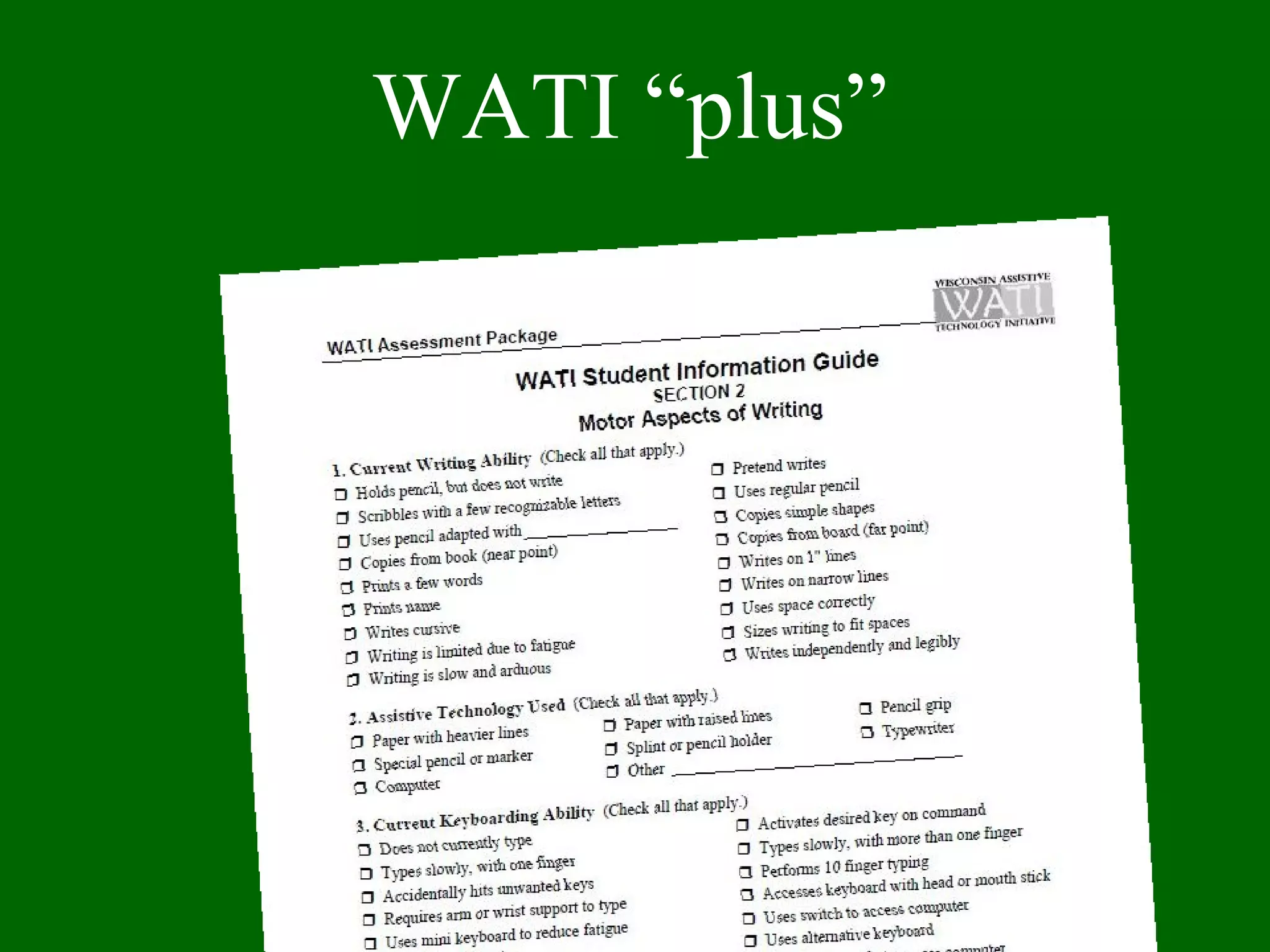
WATI “plus”
plus? times of day kinds of light reaction to sounds skin sensitivity personal space need for movement…
So, you are looking  for every situation where the tool and the student  are a bad match.
But you are also looking for what tools are effective
Always looking to find strengths which might  help leap over problems  – with the right tool.
Reading
Look for knowledge of alphabet symbol recognition sight-word recognition phonological awareness phonemic awareness
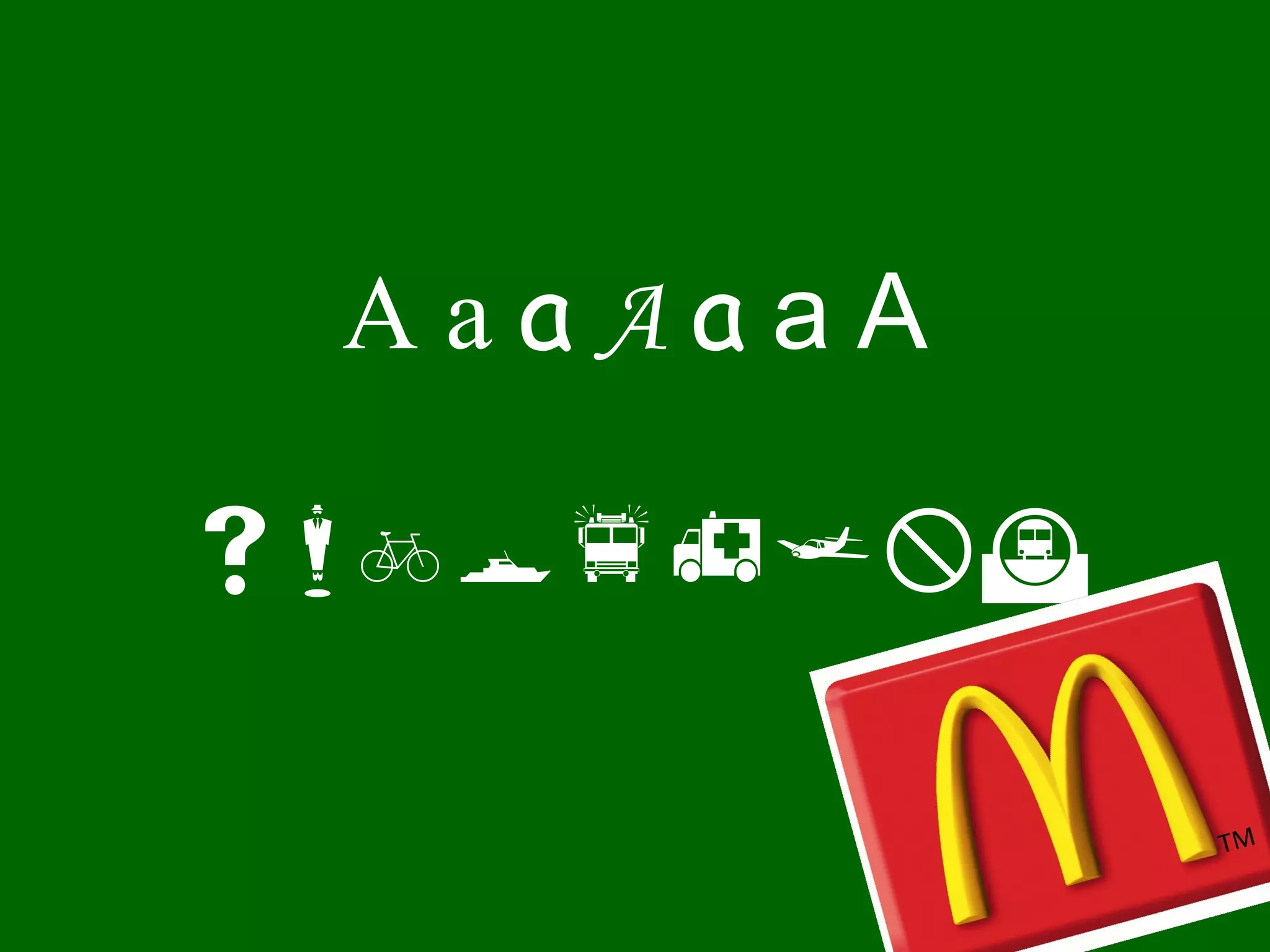
A a  a   A   a   a   A 
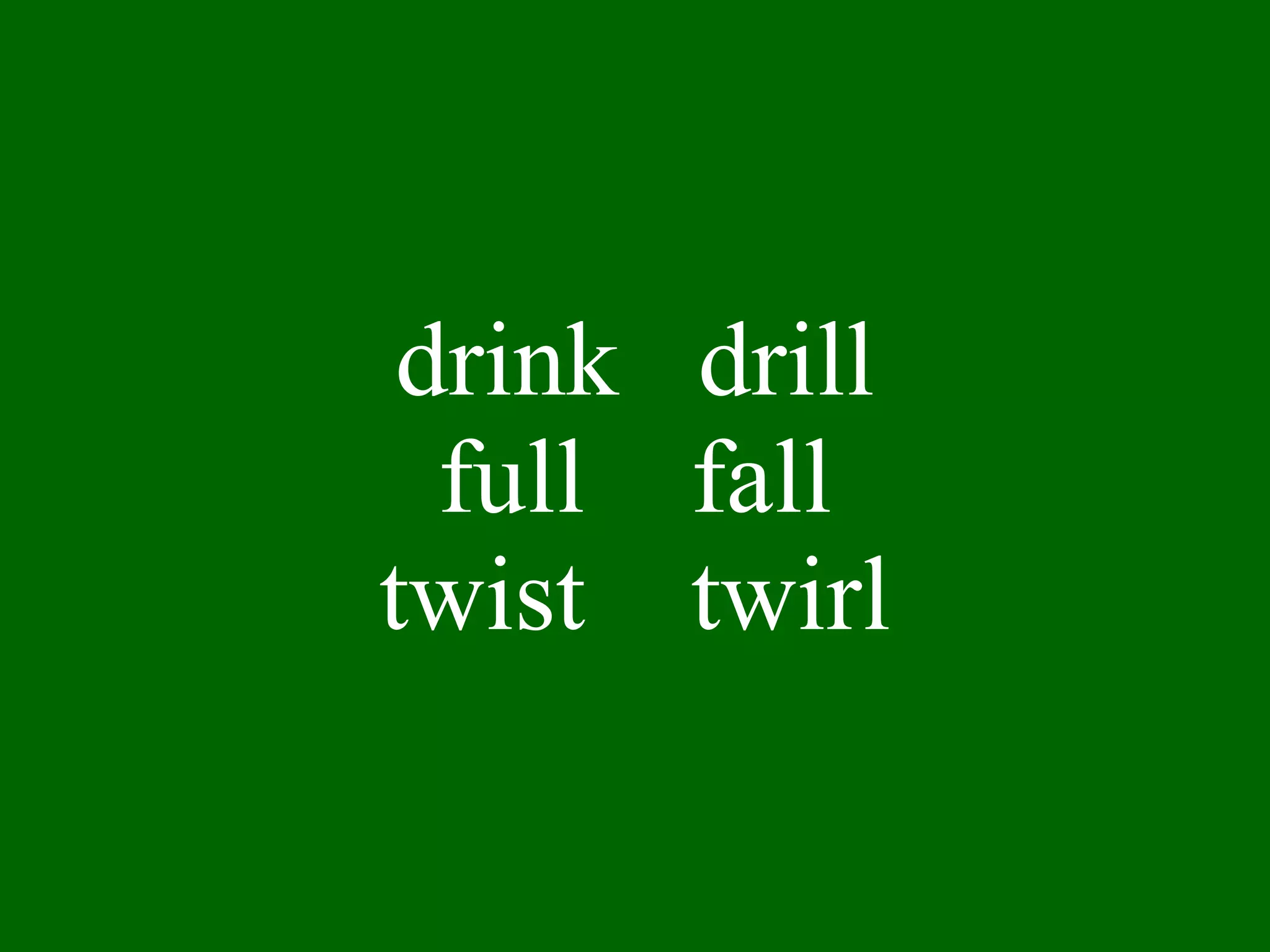
drink  drill full  fall twist  twirl
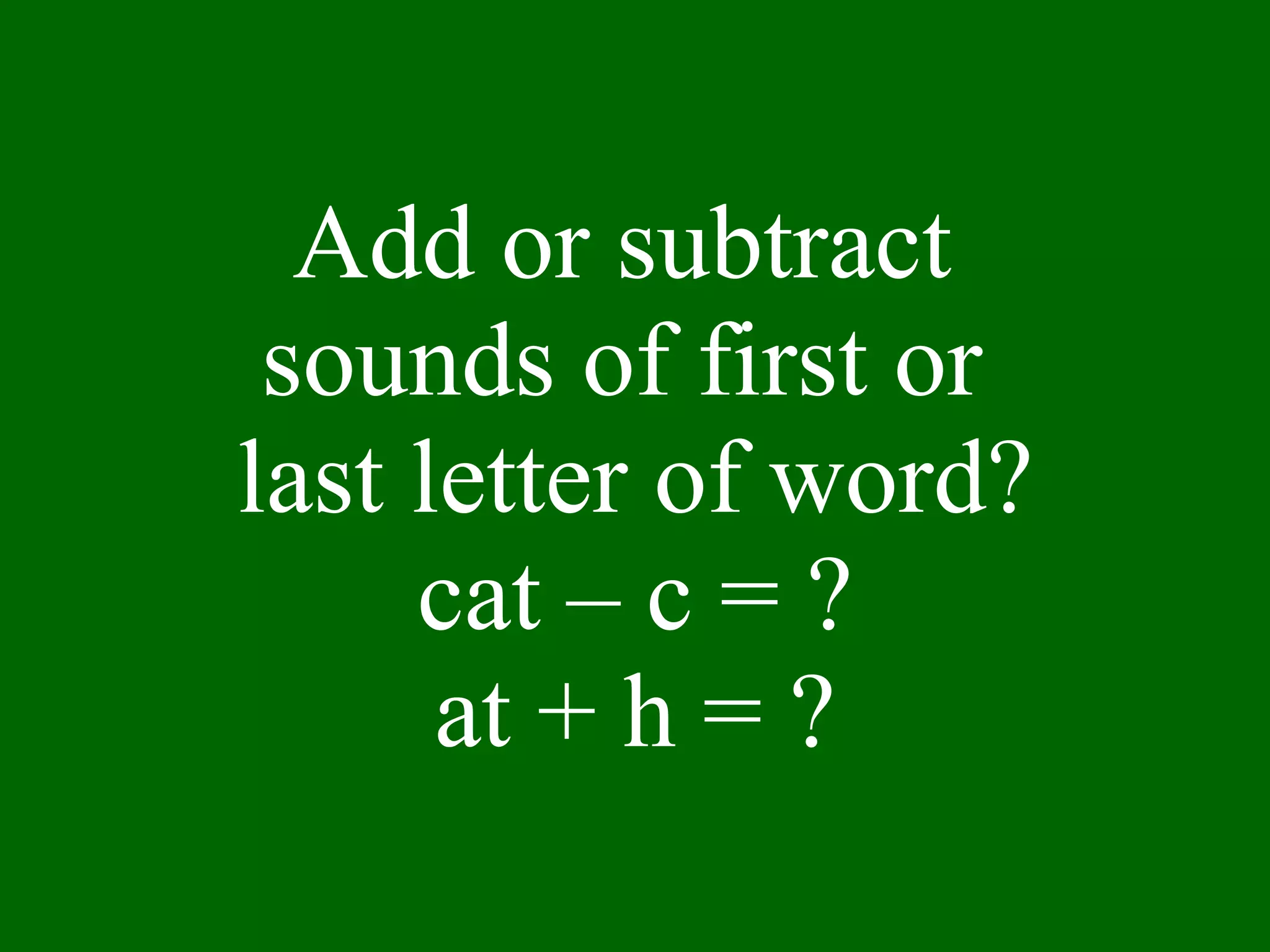
Add or subtract  sounds of first or  last letter of word? cat – c = ? at + h = ?
Break words  into sounds?
Tools index card text-to-speech (free) text-to-speech (paid) audiobooks altered type
Writing
Look for physical capabilities (pen/mouse/keypad/voice) code capabilities (alphabet/QWERTY) word knowledge
Look for  sentence construction paragraph construction  ability to tell a story understanding write/speak divide
Keyboarding speed Keyboarding dexterity Handwriting efficiency Handwriting legibility
Ability to find letters on keyboard Ability to remember how to form letters
What keyboard/keypad is best?
What is vocabulary Ability to speak in complete sentences
Ability to tell coherent stories Ability to read own writing
Tools Alternative keyboards keypads (real/virtual) Speech Recognition Twitter or TodaysMeet Audio/Video
Tools VoiceThread Inspiration/Webspiration Text-to-speech for editing Online Audiences
Attention
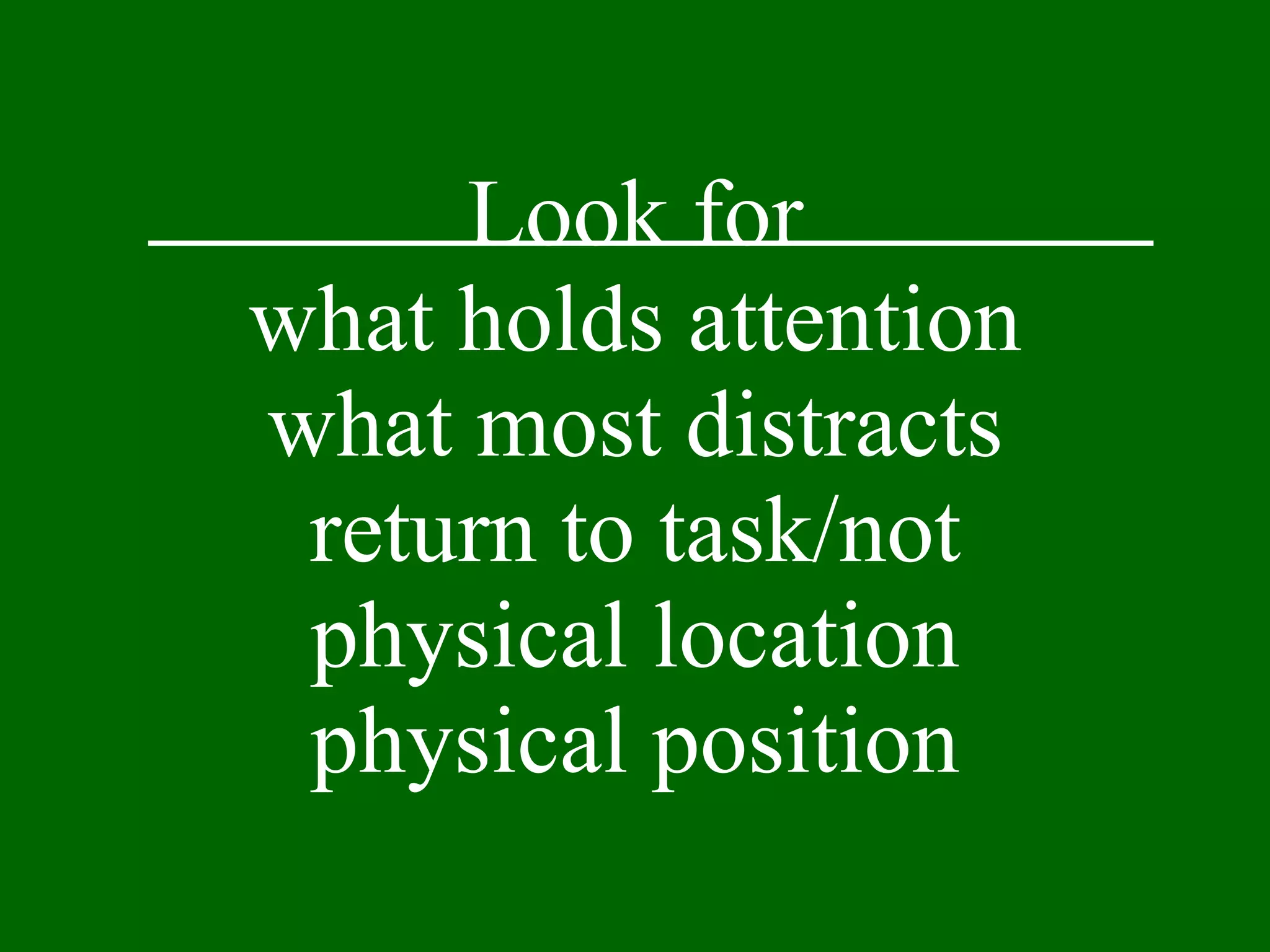
Look for what holds attention what most distracts return to task/not physical location physical position
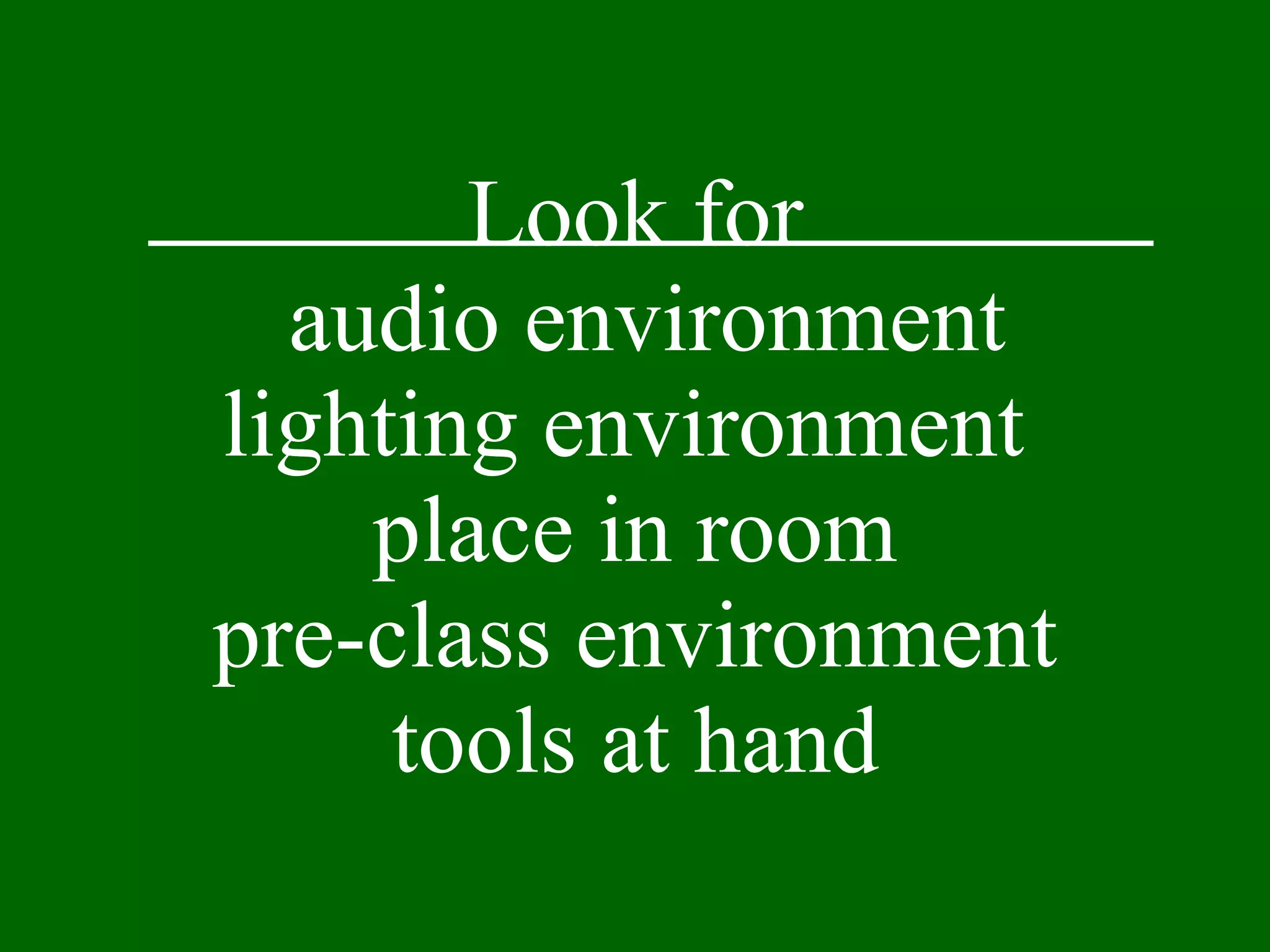
Look for  audio environment lighting environment  place in room pre-class environment tools at hand
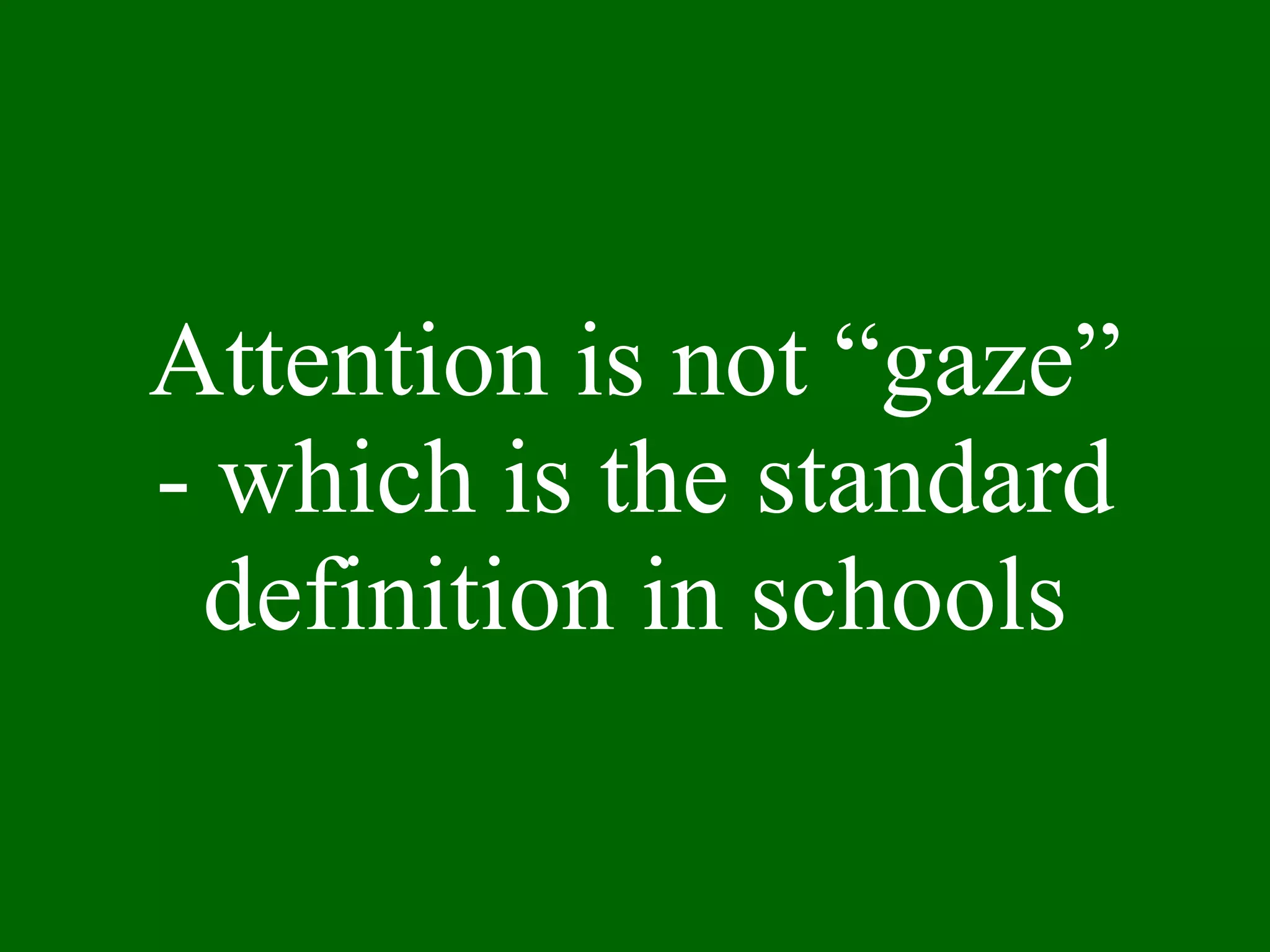
Attention is not “gaze” - which is the standard definition in schools
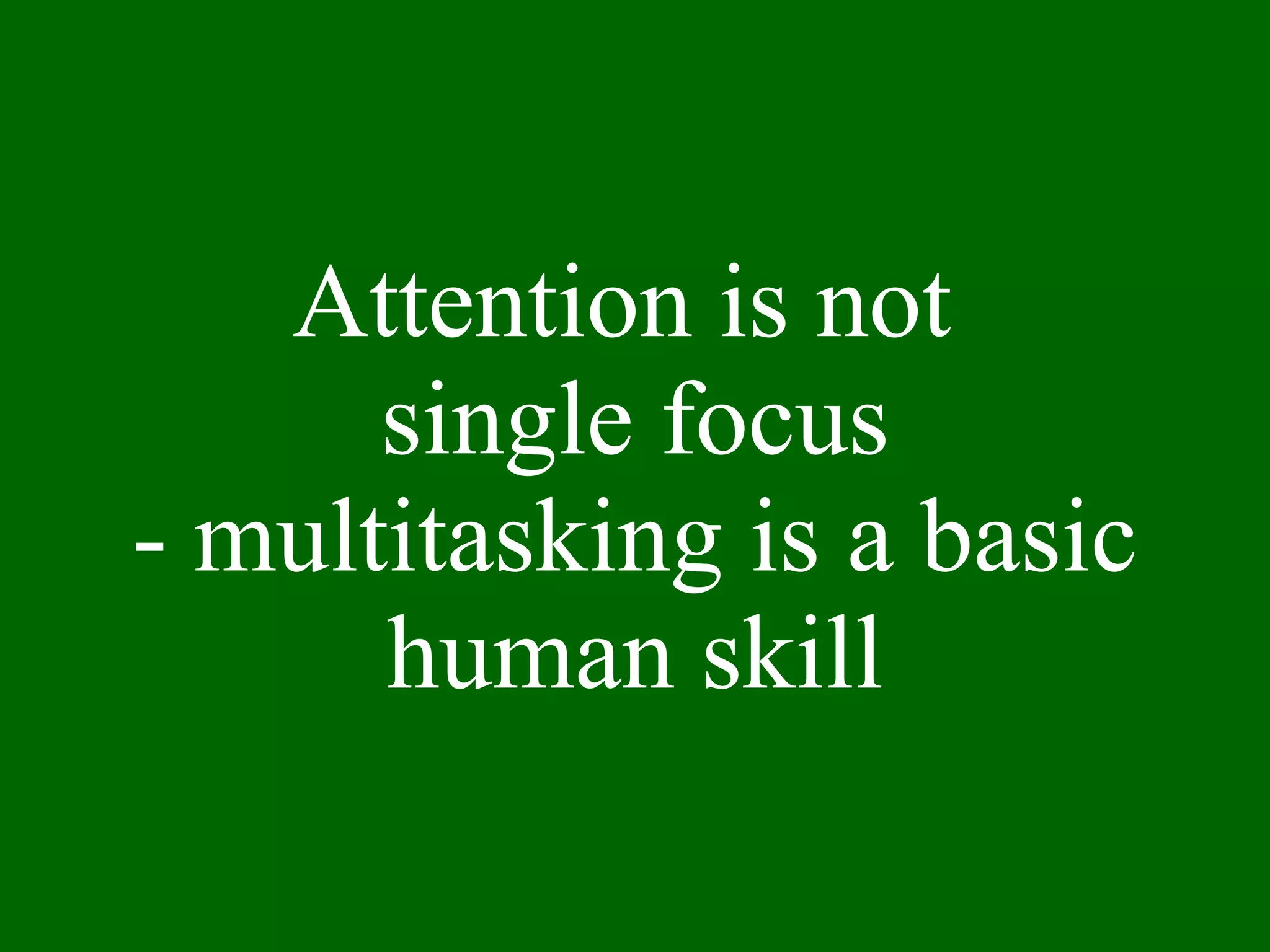
Attention is not  single focus - multitasking is a basic human skill
Attention is closely connected to comfort
Attention is based in interest and relevance “duh”
Attention is developmentally different for children raised with different technologies
Tools Easing pre-task environment Creating comfort Creating Relevance Interest-based curriculum “Acceptable fidgits”
Tools Seating/Standing Clothing Tools – Computers -  Tablets - Mobiles Escapes
speedchange.blogspot.com [email_address]

Evaluation for Assistive Technology

  • 1.
  • 2.
  • 3.
    technology plural technologies ) (1) the study of or a collection of techniques. (2) a particular technological concept (3) the body of tools and other implements produced by a given society. wiktionary
  • 4.
    Technology is aword that is made of two greek words. Techne and Logos. Techne is the Greek word for Art. Logos is the Greek word for "reasonable language" or "reasoning about". Therefore a direct translation might be "the reasonable language of art" or "reasoning about art"
  • 5.
  • 6.
    So this isnot confusing we might substitute the word "technique" for art. For example, a technique which is an "art form" even though it is quite technical in nature. The resulting literal definition might then be "reasoning about techniques." Technology is therefore "thinking about the best way to do things" Eric (eric@tekblog.net) on wiktionary discussion
  • 7.
    thinking about the best way to do things
  • 8.
    Etymology of theseboth words is more complicated than that. Techne (also spelled tekhne) means art as in skill or craft (if we want to see a difference between art and skill). Logos means "language", "reason", "reasoning", or even "world". Also, technology isn't just "thinking", it is also constructing and manipulating the world.
  • 9.
    Martin Heidegger saw technology as a mode of thinking where everything that is, is seen from the perspective of manipulation. He said this is the prevailing mode of thinking today. Nikke on wiktionary discussion
  • 10.
  • 11.
    The enframing isnot machines and it is not techno-logical, it is rather the true essence of technology. The enframing is the gathering that reveals the being of man, in this technological age, as the being who orders the entities of the world as standing reserve. It is what reveals the being of man as orderer, and in turn reveals the other entities of the world as ordered. Enframing is the mode of revealing that holds sway, that is to say it is the mode that is chief and unassailable in the essence of modern technology. James Michael Taylor - The Question Concerning Heidegger: Technology and Being, a Deeper Understanding http:// www.webcom.com/~paf/hlinks/techlinks.html
  • 12.
    Martin Heidegger saw technology as a mode of thinking where everything that is, is seen from the perspective of manipulation. He said this is the prevailing mode of thinking today. Nikke on wiktionary discussion
  • 13.
    everything is seenfrom the perspective of manipulation
  • 14.
    What technologies arein use in this room?
  • 15.
  • 16.
    Which technologies enable?Which technologies disable?
  • 17.
  • 18.
  • 19.
  • 20.
    How do weanalyze the gap between a student’s present technique…
  • 21.
    … andthe “best way” to manipulate the world to accomplish a task?
  • 22.
    Stop thinking through the “deficit model”
  • 23.
  • 24.
  • 25.
    and circular thinkingWhat is actually happening?
  • 26.
  • 27.
    Look across allactivities What is working? What is not? What are the best times? What are the worst? Best places? Worst places?
  • 28.
    Look across allactivities Best times? Worst times? Best medium? Worst medium? Most engaging? Least engaging?
  • 29.
    Remember, “technology” iseverything… the room, the building, the chairs, the desks, the schedule, the books…
  • 30.
  • 31.
    plus? times ofday kinds of light reaction to sounds skin sensitivity personal space need for movement…
  • 32.
    So, you arelooking for every situation where the tool and the student are a bad match.
  • 33.
    But you arealso looking for what tools are effective
  • 34.
    Always looking tofind strengths which might help leap over problems – with the right tool.
  • 35.
  • 36.
    Look for knowledgeof alphabet symbol recognition sight-word recognition phonological awareness phonemic awareness
  • 37.
    A a a A a a A 
  • 38.
    drink drillfull fall twist twirl
  • 39.
    Add or subtract sounds of first or last letter of word? cat – c = ? at + h = ?
  • 40.
    Break words into sounds?
  • 41.
    Tools index cardtext-to-speech (free) text-to-speech (paid) audiobooks altered type
  • 42.
  • 43.
    Look for physicalcapabilities (pen/mouse/keypad/voice) code capabilities (alphabet/QWERTY) word knowledge
  • 44.
    Look for sentence construction paragraph construction ability to tell a story understanding write/speak divide
  • 45.
    Keyboarding speed Keyboardingdexterity Handwriting efficiency Handwriting legibility
  • 46.
    Ability to findletters on keyboard Ability to remember how to form letters
  • 47.
  • 48.
    What is vocabularyAbility to speak in complete sentences
  • 49.
    Ability to tellcoherent stories Ability to read own writing
  • 50.
    Tools Alternative keyboardskeypads (real/virtual) Speech Recognition Twitter or TodaysMeet Audio/Video
  • 51.
    Tools VoiceThread Inspiration/WebspirationText-to-speech for editing Online Audiences
  • 52.
  • 53.
    Look for whatholds attention what most distracts return to task/not physical location physical position
  • 54.
    Look for audio environment lighting environment place in room pre-class environment tools at hand
  • 55.
    Attention is not“gaze” - which is the standard definition in schools
  • 56.
    Attention is not single focus - multitasking is a basic human skill
  • 57.
    Attention is closelyconnected to comfort
  • 58.
    Attention is basedin interest and relevance “duh”
  • 59.
    Attention is developmentallydifferent for children raised with different technologies
  • 60.
    Tools Easing pre-taskenvironment Creating comfort Creating Relevance Interest-based curriculum “Acceptable fidgits”
  • 61.
    Tools Seating/Standing ClothingTools – Computers - Tablets - Mobiles Escapes
  • 62.