Using Technology to Foster Critical and Creative Thinking in TheClassroomhttp://www.youtube.com/watch?v=dGCJ46vyR9oLisa BergFinal ProjectEd 6117Critical andCreative ThinkingJuly 1, 2009(http://images.google.com)
Incorporating technology in the elementary classroom?  Can that be age appropriate?(http://images.google.com)
(http://images.google.com)
Technology is great for the elementary classroom!Click on this voice thread I created to hear why!http://voicethread.com/share/552308/http://images.google.com
Click on the link below for a quick tutorial to make your own Voicethread to use as a link on your own web pages to facilitate on-line critical review of concepts and/or project sharing.http://voicethread.com/share/409/http://images.google.com
Top 5in TechnologyKey Trends
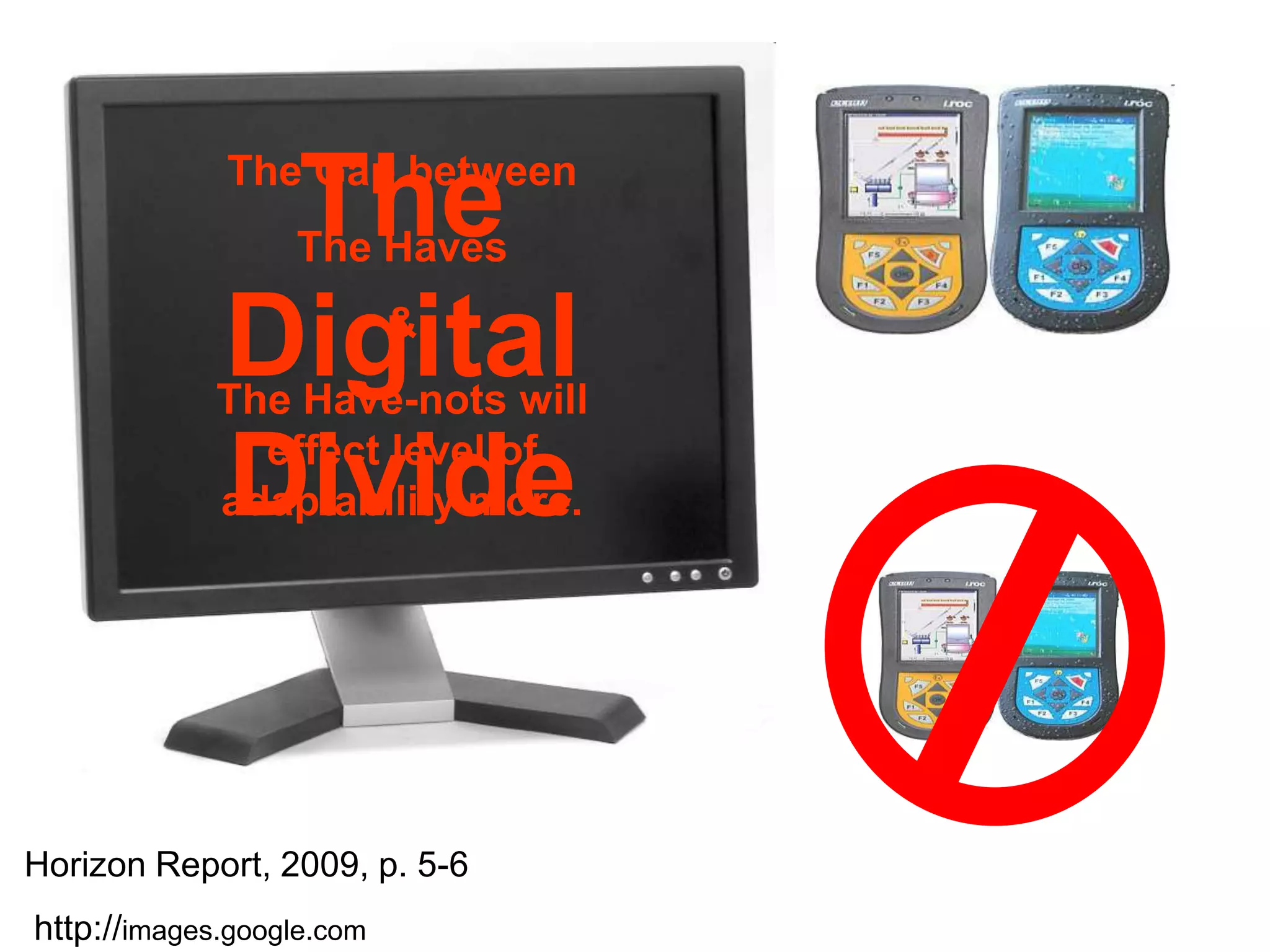
The Digital DivideThe Gap betweenThe Haves& The Have-nots will effect level of adaptability more.Horizon Report, 2009, p. 5-6http://images.google.com
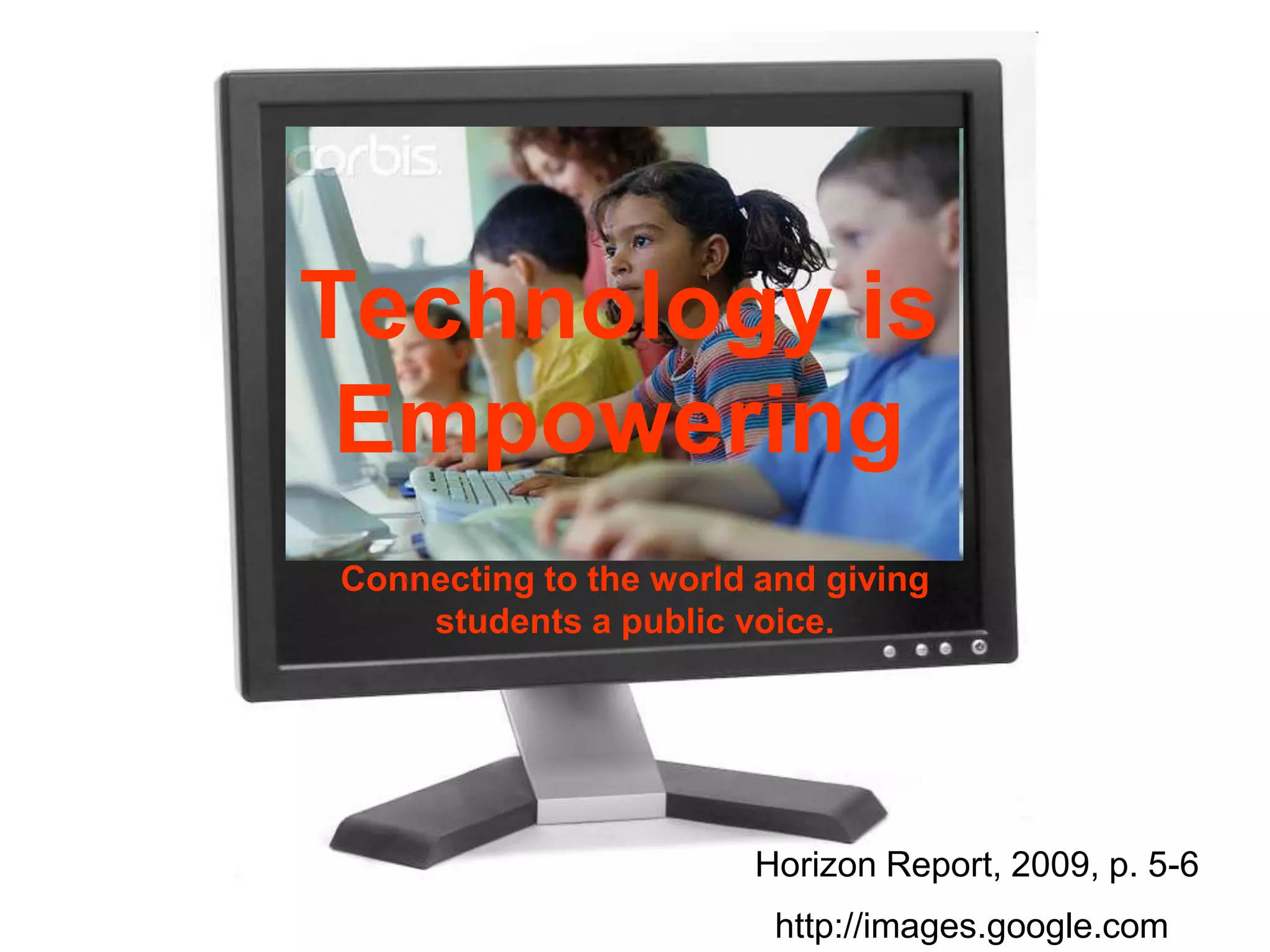
Technology is EmpoweringConnecting to the world and giving students a public voice.Horizon Report, 2009, p. 5-6http://images.google.com
Learners expect personalized content.…(Horizon Report, 2009, p. 5-6)http://images.google.com
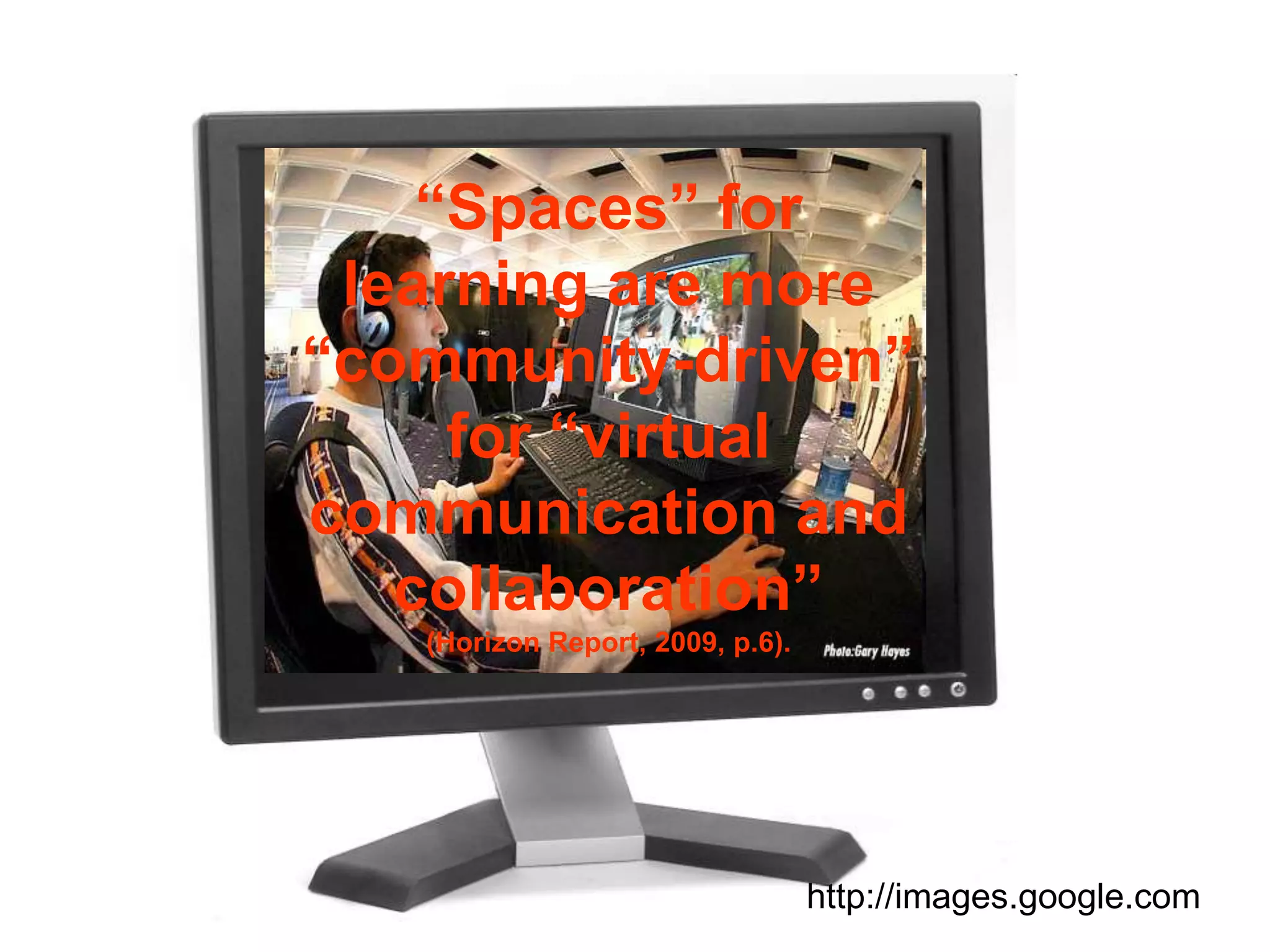
“Spaces” for learning are more “community-driven” for “virtual communication and collaboration”(Horizon Report, 2009, p.6).http://images.google.com
“The perceived value of innovation and creativity is increasing”(Horizon Report, 2009, p.6).(http://images.google.com
“This may be the first large technological shift in history that's being driven bychildren.”(Robinson,2008)
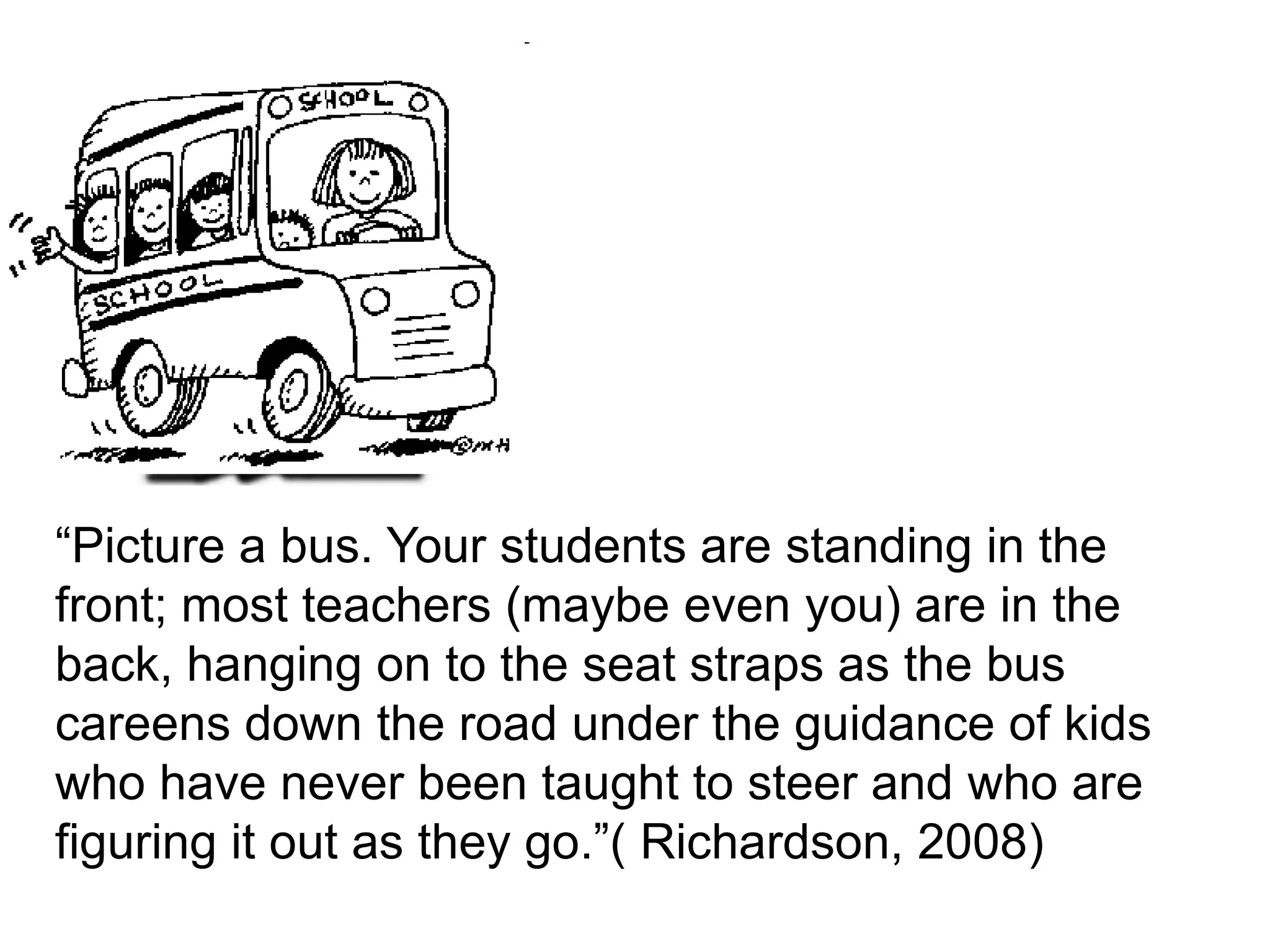
“Picture a bus. Your students are standing in the front; most teachers (maybe even you) are in the back, hanging on to the seat straps as the bus careens down the road under the guidance of kids who have never been taught to steer and who are figuring it out as they go.”( Richardson, 2008)
What exactly do you mean by technology?  Can you give me some examples?(http://images.google.com)
Here are 6 technologies sure to impact education in the next 5 years!(http://images.google.com)
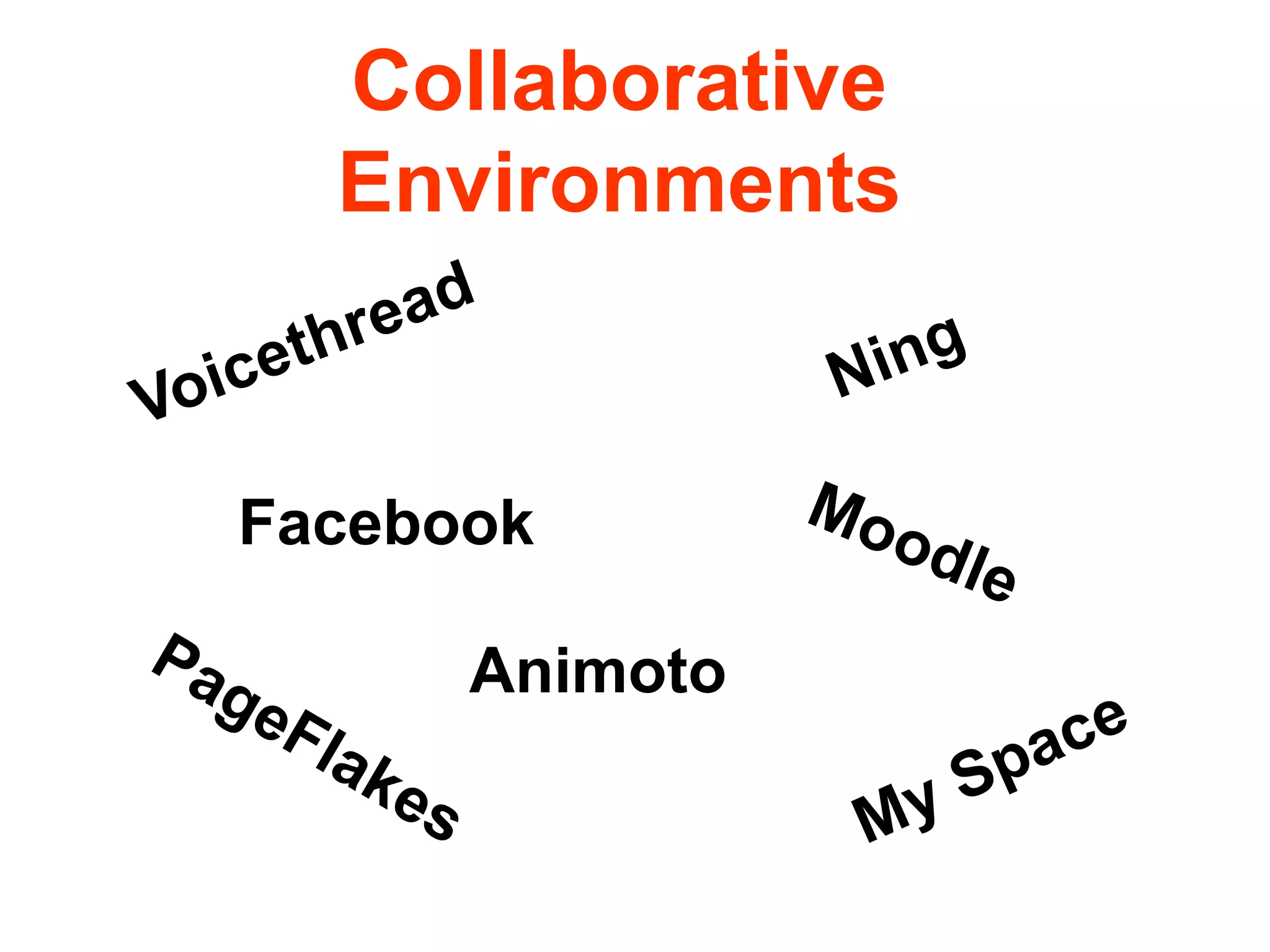
Collaborative EnvironmentsVoicethreadNingFacebookMoodleAnimotoPageFlakes My Space
Collaboration with peers using research, critical review, creating, and presenting prepares students for a future of innovation and creativity!“Along with traditional thinking skills it is now essential to add: many media, creating, making connections, approaching a subject sideways, or solving a problem from the inside out--- in other words, the kind of thinking fluent enough to come up with the innovations the future will demand" (Marcus & Monday, 2009, p. 9).(http://images.google.com)
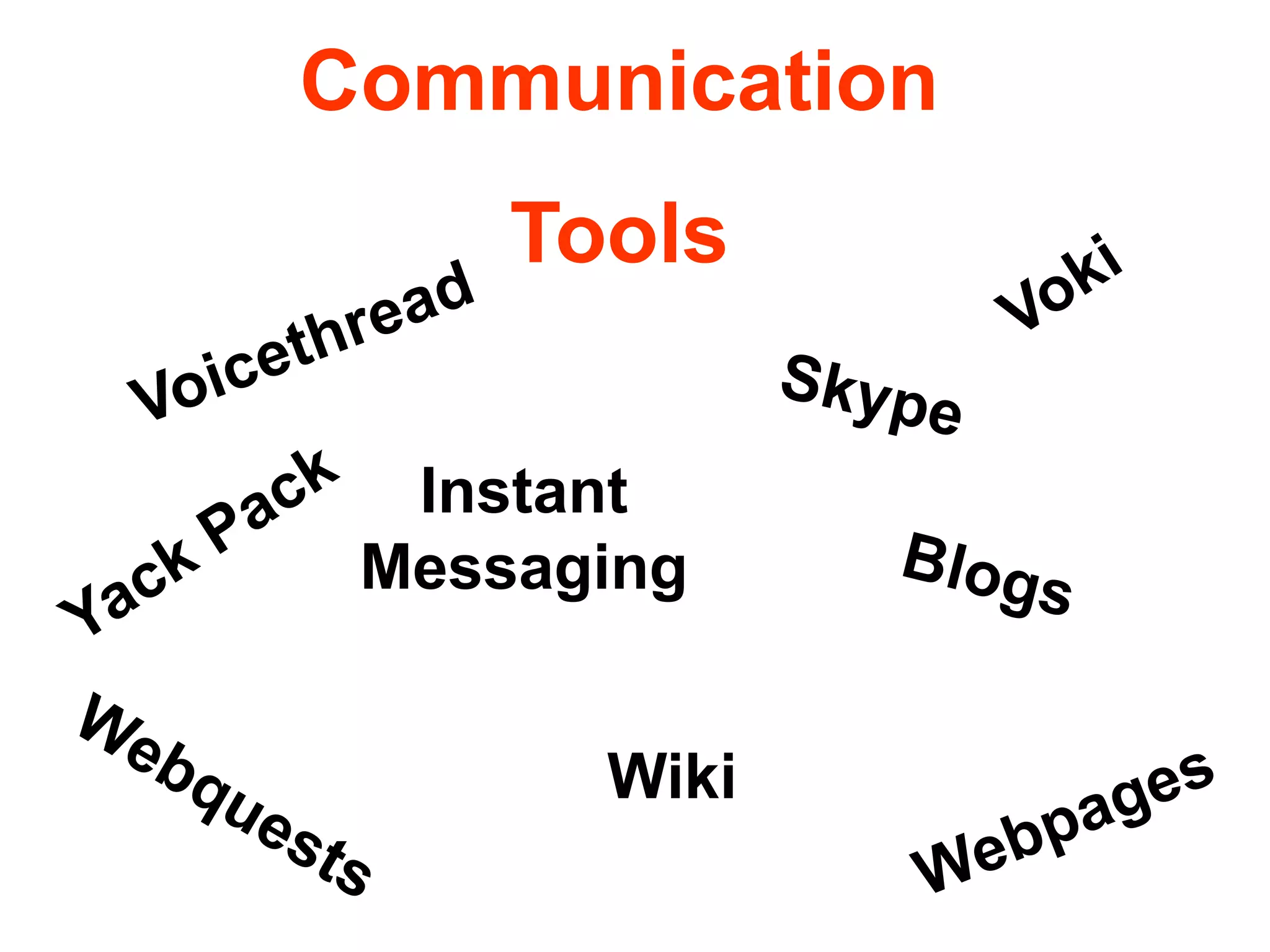
Communication ToolsVokiVoicethreadSkypeInstant MessagingYack PackBlogsWikiWebquestsWebpages
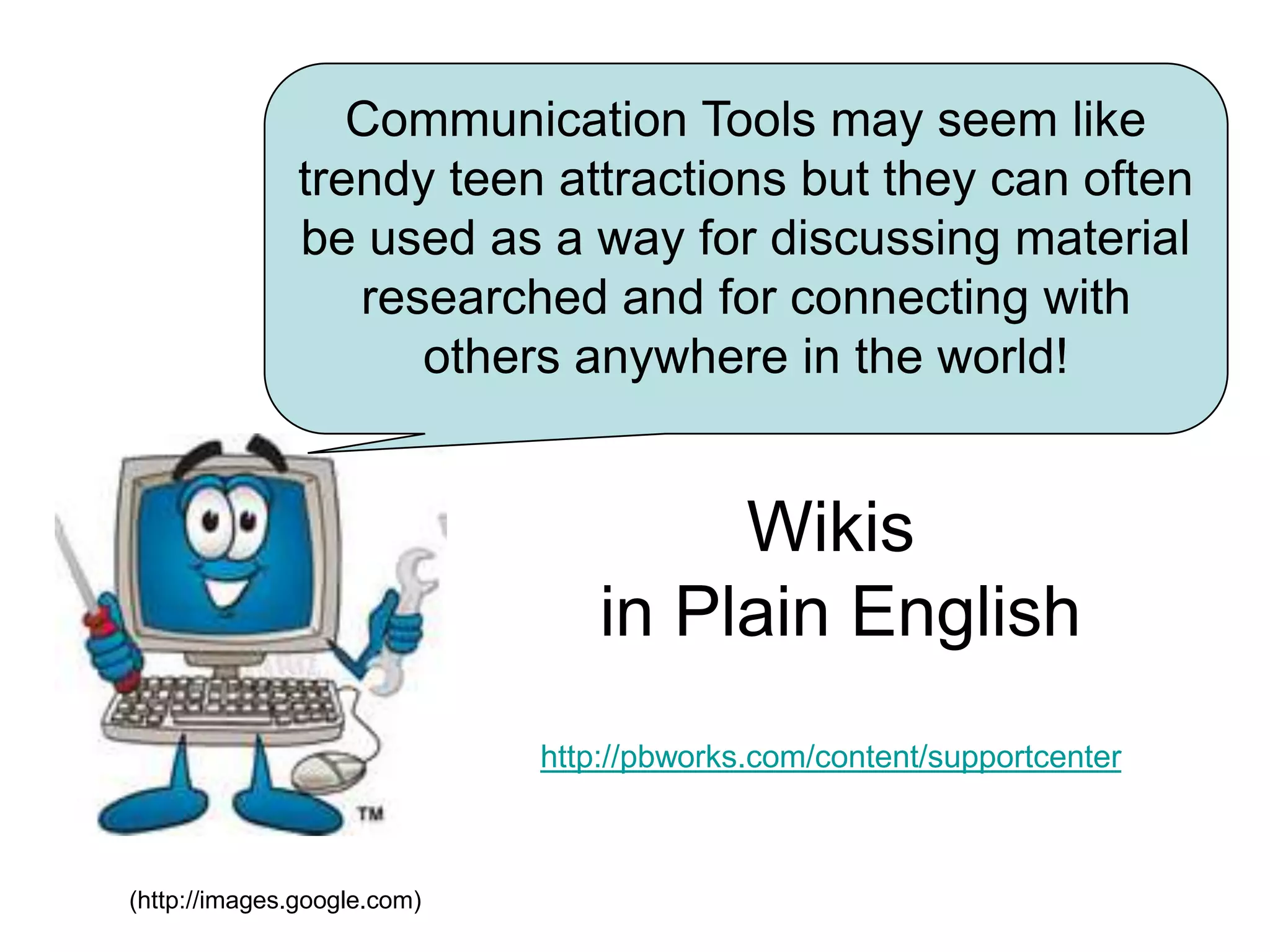
Communication Tools may seem like trendy teen attractions but they can often be used as a way for discussing material researched and for connecting with others anywhere in the world!Wikis in Plain Englishhttp://pbworks.com/content/supportcenter(http://images.google.com)
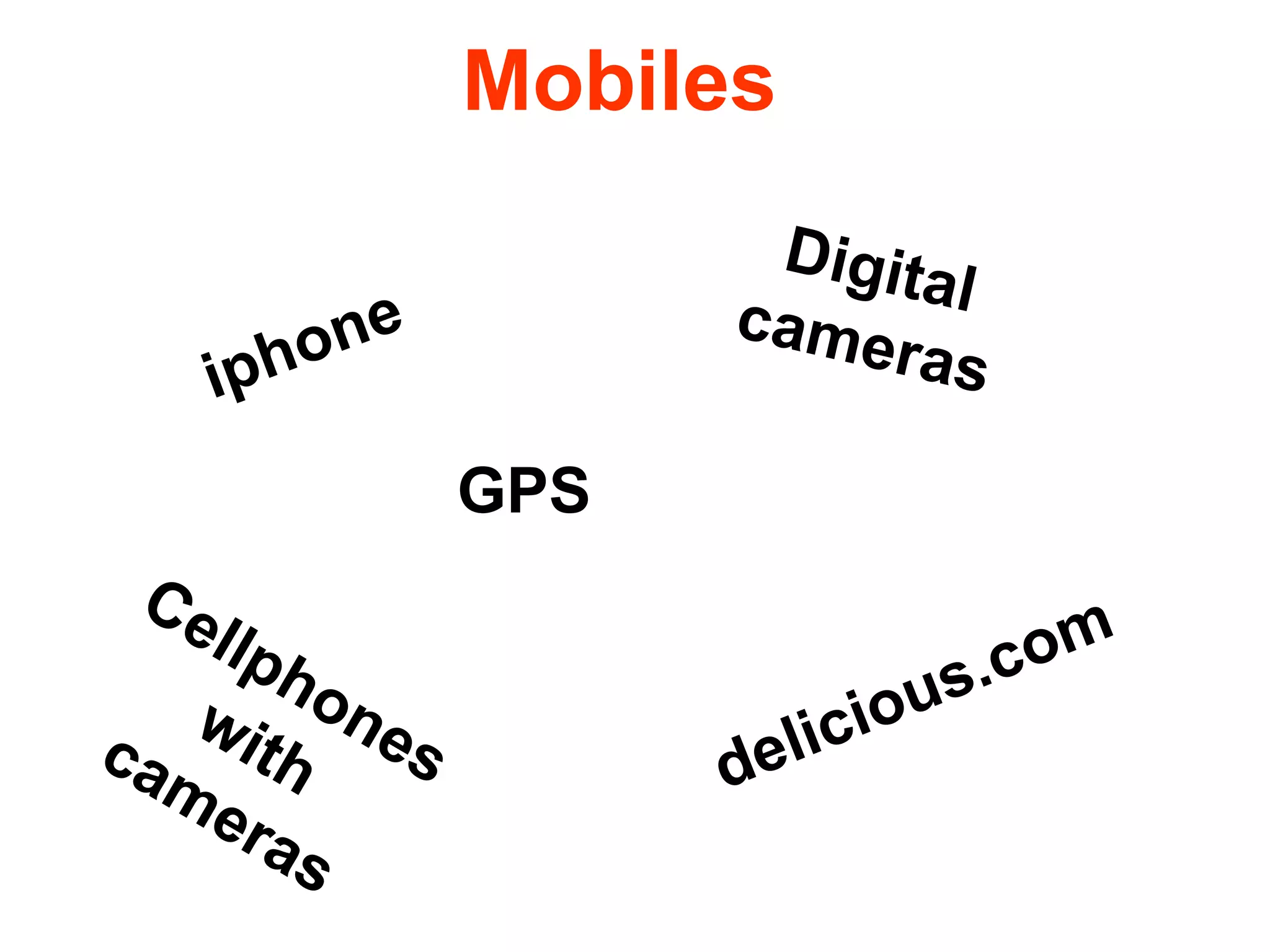
MobilesDigital camerasiphoneGPSCellphones with camerasdelicious.com
Ya, Ya!  I know!  These tools seem a bit out there for use in elementary school, but soon they will be a common feature that our students will be more familiar with than us.  Can you imagine how these will spark up field trips!(http://images.google.com)
Cloud ComputingFlickrSlideshareGoogleYoutubeBlogger.com Vimeo
These tools can be helpful to school districts to provide other ways to create, display, and store student work rather than expensive application software.(http://images.google.com)
Smart Objects SmartboardSmart Response LELeapfrogSiftablesPoken
SMART Tools can provide valuable teaching tools for students of any age!(http://images.google.com) http://www.youtube.com/watch?v=8PSZ0DB0Vmg
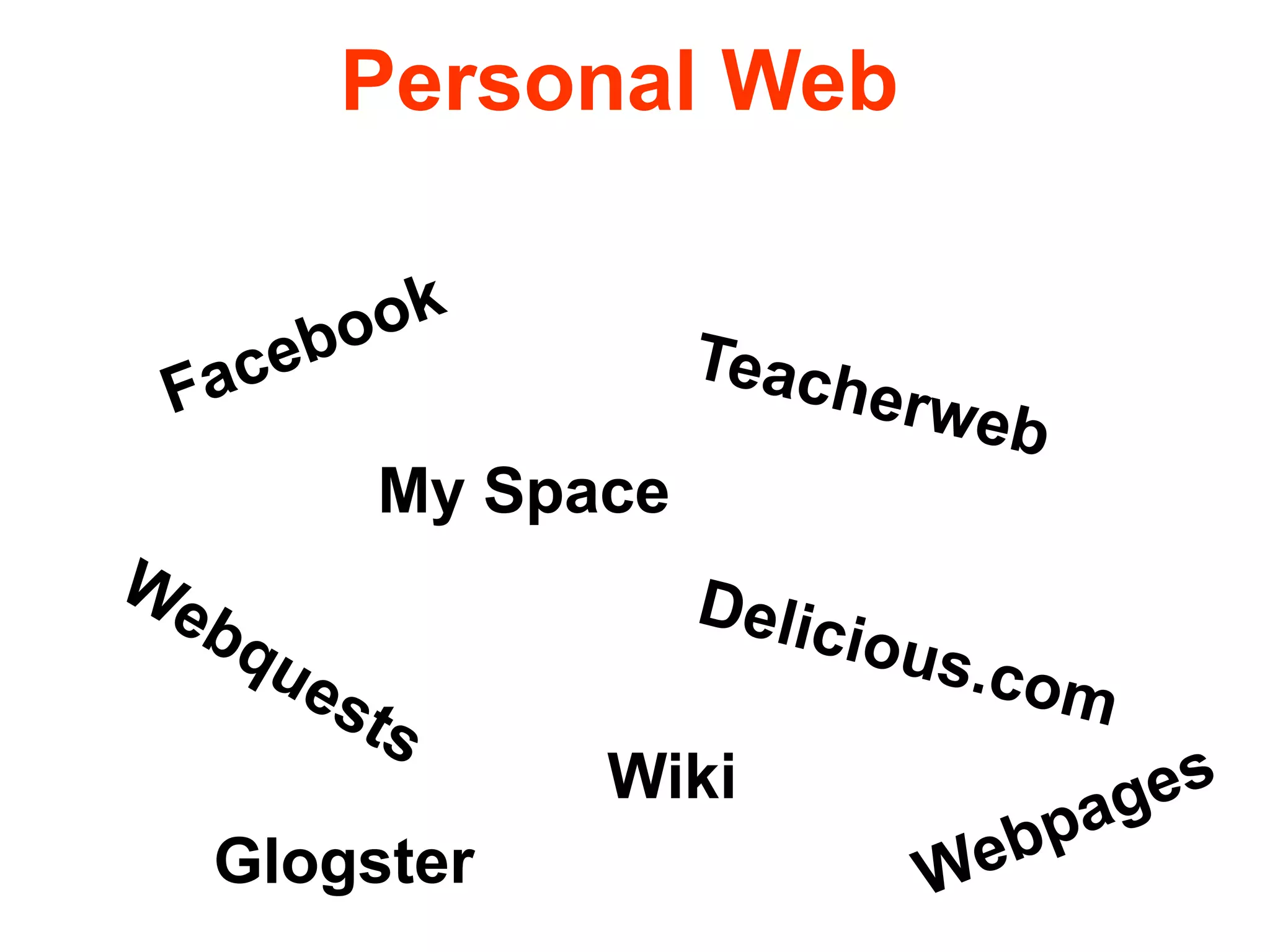
Personal WebFacebookTeacherwebMy SpaceDelicious.comWebquestsWikiWebpagesGlogster
You may have notice repetition in my examples.  So many of these tools provide multiple benefits for school use!(http://images.google.com)
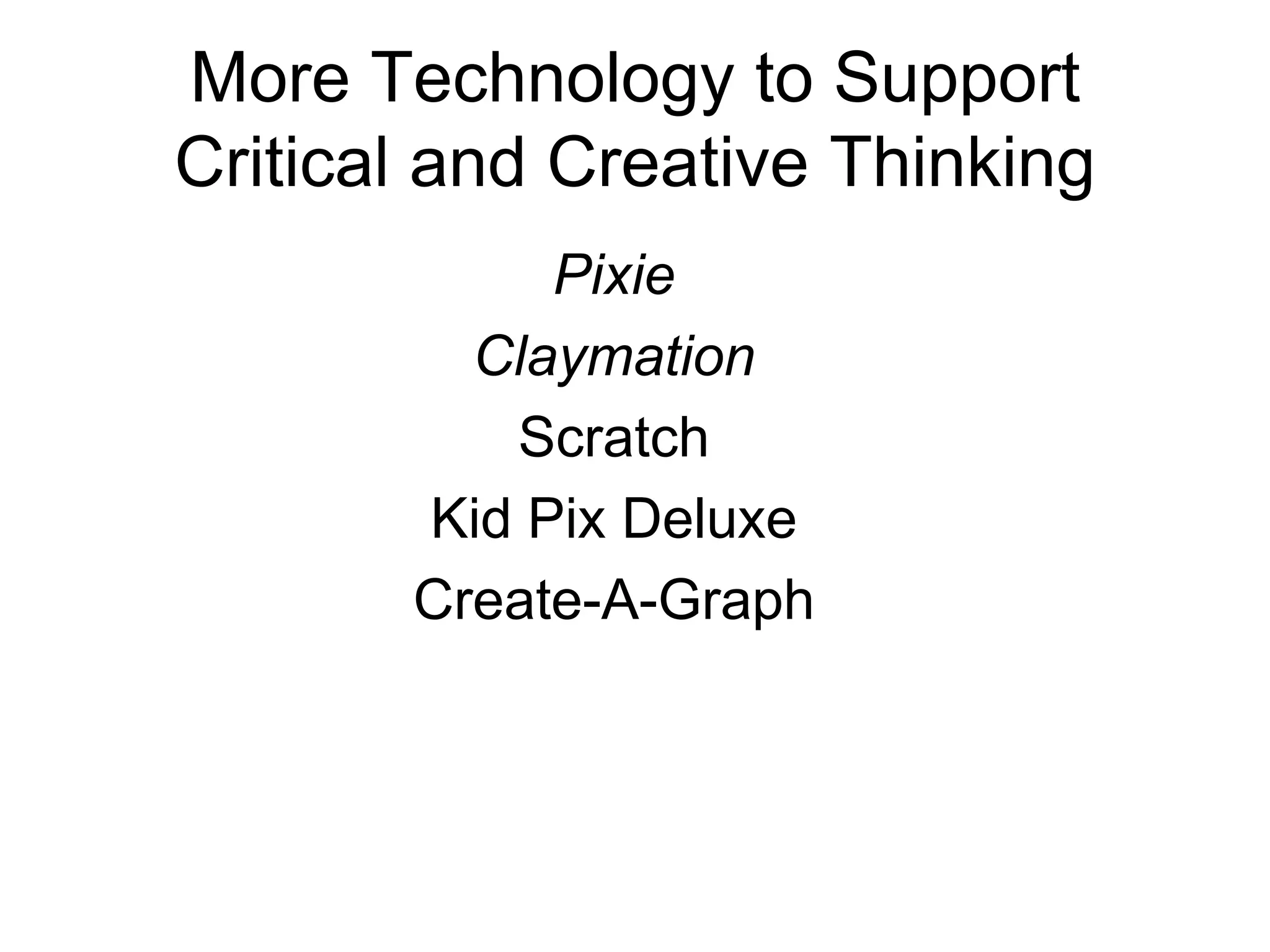
More Technology to SupportCritical and Creative ThinkingPixieClaymationScratchKid Pix DeluxeCreate-A-Graph
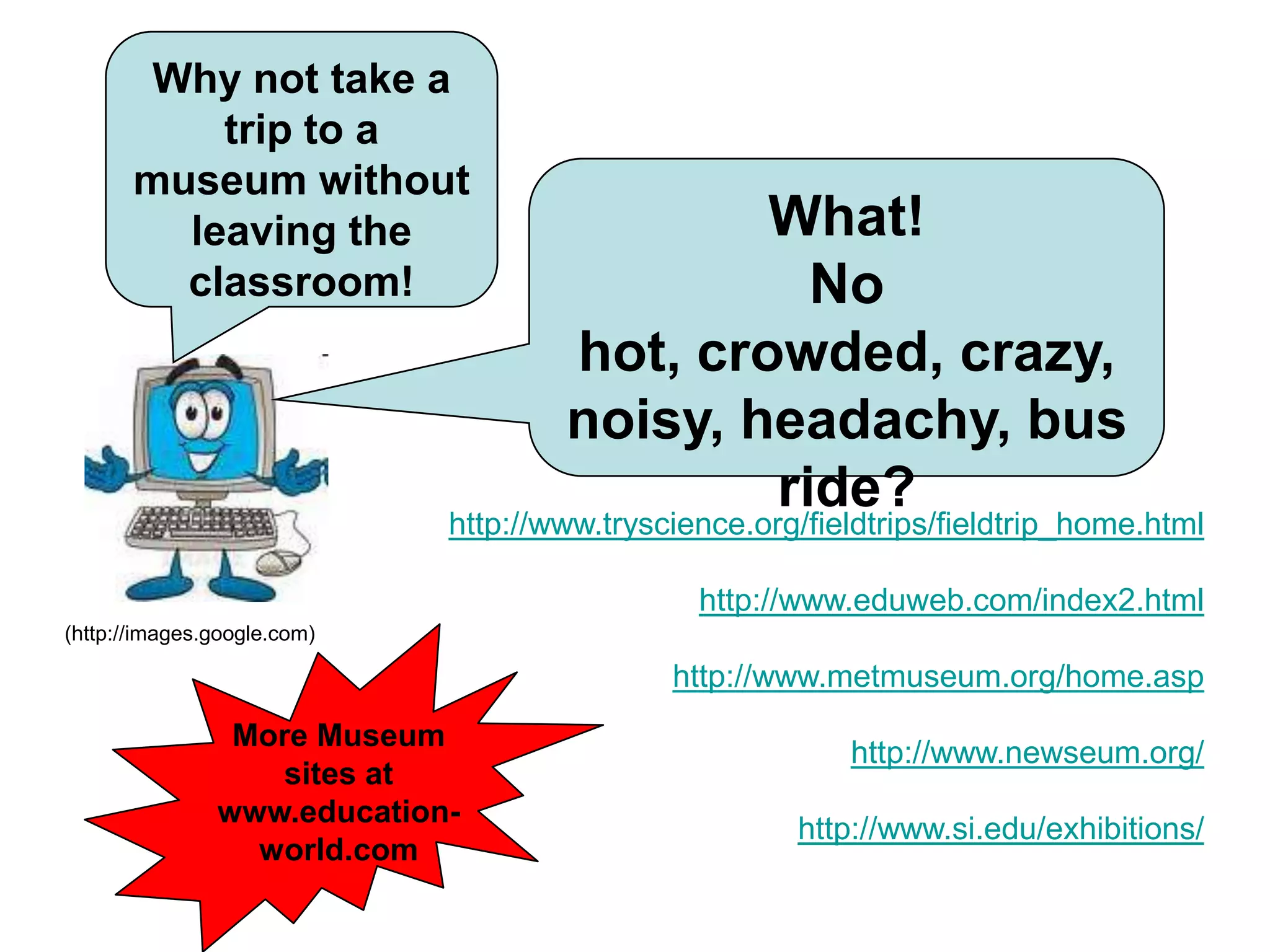
Why not take a trip to a museum without leaving the classroom!What!No hot, crowded, crazy, noisy, headachy, bus ride?http://www.tryscience.org/fieldtrips/fieldtrip_home.htmlhttp://www.eduweb.com/index2.htmlhttp://www.metmuseum.org/home.asphttp://www.newseum.org/http://www.si.edu/exhibitions/(http://images.google.com)MMore Museum sites at www.education-world.com
What does the Future hold?Read about the latest in technology tools for  tomorrow’s teachers from the Horizon Report 2009 K-12 edition. http://www.newworldkids.org/downloadresources/GREAT LINKS!(http://images.google.com)
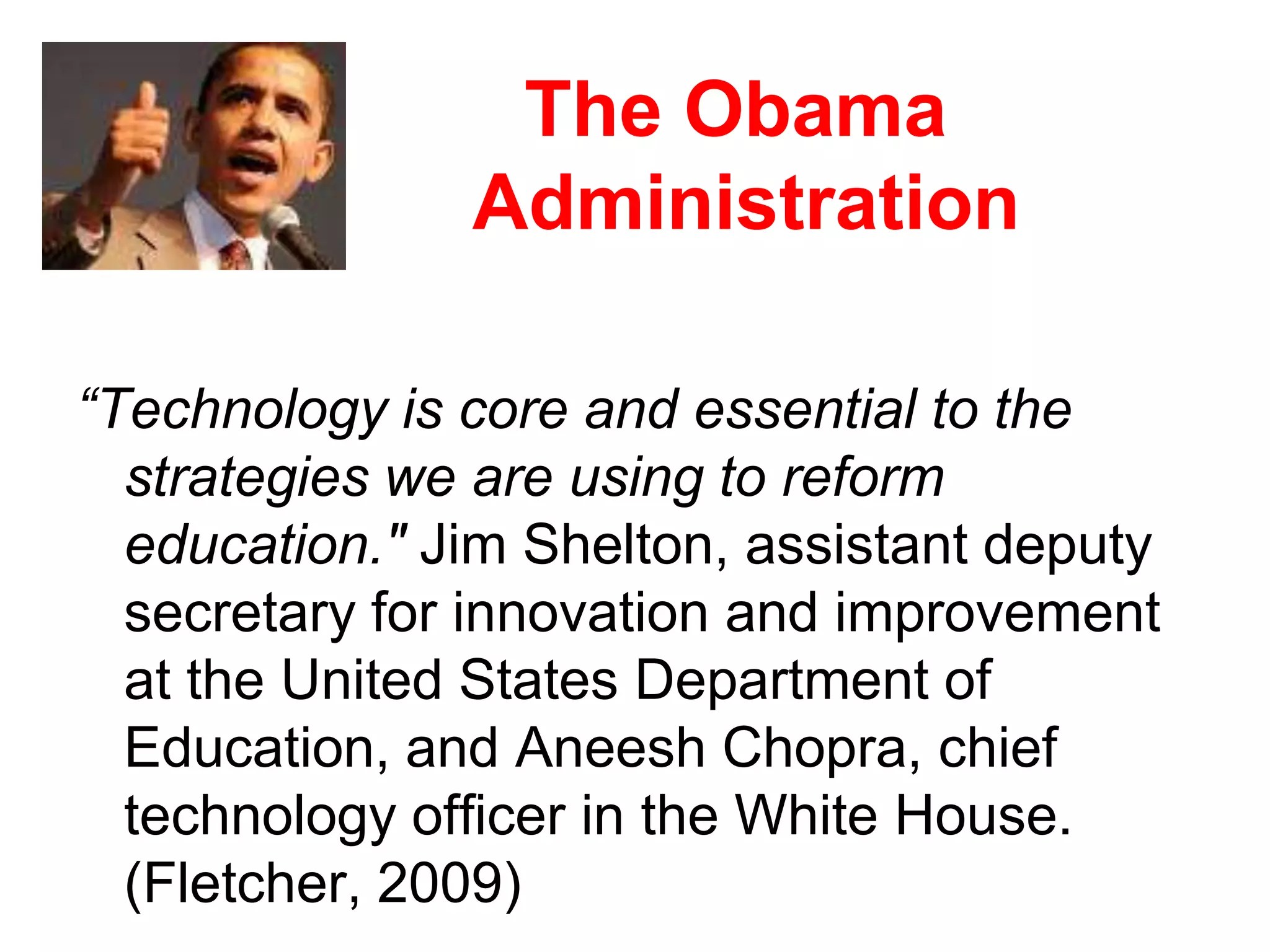
The Obama Administration“Technology is core and essential to the strategies we are using to reform education." Jim Shelton, assistant deputy secretary for innovation and improvement at the United States Department of Education, and Aneesh Chopra, chief technology officer in the White House. (Fletcher, 2009)
AND…“Chopra said that technology in education is less about hardware and software and more about what we teach, the method in which we teach it, and professional development and support for educators.” (Fletcher, 2009)
Why is creativity in technology  important for our future?Susan Marcus & Susie Monday, co- authors of New World Kids: The Parents' Guide to Creative Thinking (2009) believe “Looking at two-year-olds (or five or ten) today, it is impossible to imagine what the  world will be like or what their career choices will be by the time they are grown. The scale of change, largely driven and enabled by technology, is unprecedented in human history. And it is the change itself, this reordering, this reinventing the new world that will occupy our children’s future” (2009, back cover).
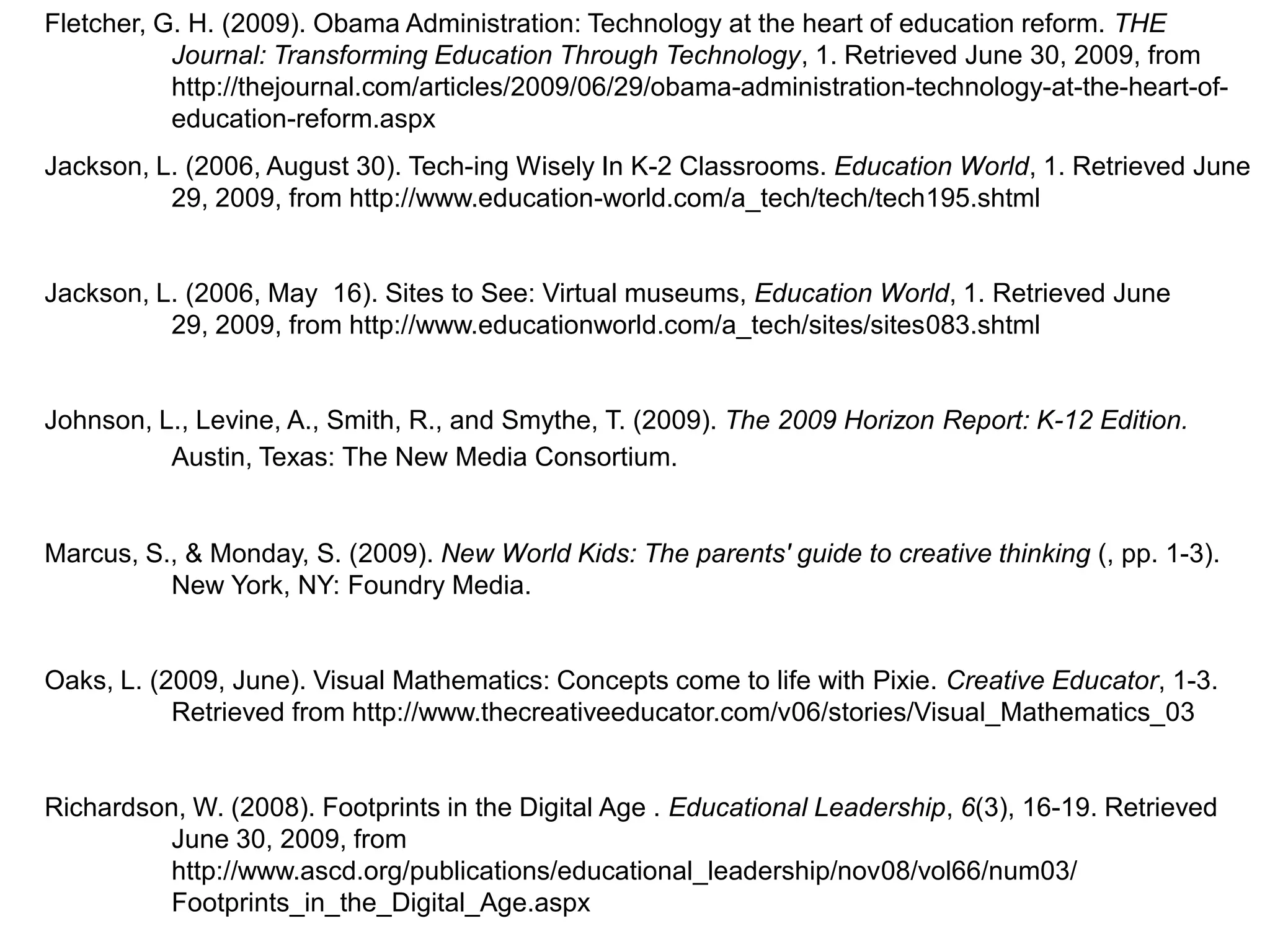
Fletcher, G. H. (2009). Obama Administration: Technology at the heart of education reform. THE 	Journal: Transforming Education Through Technology, 1. Retrieved June 30, 2009, from                            	http://thejournal.com/articles/2009/06/29/obama-administration-technology-at-the-heart-of-	education-reform.aspx Jackson, L. (2006, August 30). Tech-ing Wisely In K-2 Classrooms. Education World, 1. Retrieved June 	29, 2009, from http://www.education-world.com/a_tech/tech/tech195.shtml Jackson, L. (2006, May  16). Sites to See: Virtual museums, Education World, 1. Retrieved June 	29, 2009, from http://www.educationworld.com/a_tech/sites/sites083.shtmlJohnson, L., Levine, A., Smith, R., and Smythe, T. (2009). The 2009 Horizon Report: K-12 Edition. 	Austin, Texas: The New Media Consortium.Marcus, S., & Monday, S. (2009). New World Kids: The parents' guide to creative thinking (, pp. 1-3). 	New York, NY: Foundry Media. Oaks, L. (2009, June). Visual Mathematics: Concepts come to life with Pixie. Creative Educator, 1-3. 	Retrieved from http://www.thecreativeeducator.com/v06/stories/Visual_Mathematics_03 Richardson, W. (2008). Footprints in the Digital Age . Educational Leadership, 6(3), 16-19. Retrieved 	June 30, 2009, from 	http://www.ascd.org/publications/educational_leadership/nov08/vol66/num03/	Footprints_in_the_Digital_Age.aspx

Tecnology in the classroom

  • 1.
    Using Technology toFoster Critical and Creative Thinking in TheClassroomhttp://www.youtube.com/watch?v=dGCJ46vyR9oLisa BergFinal ProjectEd 6117Critical andCreative ThinkingJuly 1, 2009(http://images.google.com)
  • 2.
    Incorporating technology inthe elementary classroom? Can that be age appropriate?(http://images.google.com)
  • 3.
  • 4.
    Technology is greatfor the elementary classroom!Click on this voice thread I created to hear why!http://voicethread.com/share/552308/http://images.google.com
  • 5.
    Click on thelink below for a quick tutorial to make your own Voicethread to use as a link on your own web pages to facilitate on-line critical review of concepts and/or project sharing.http://voicethread.com/share/409/http://images.google.com
  • 6.
  • 7.
    The Digital DivideTheGap betweenThe Haves& The Have-nots will effect level of adaptability more.Horizon Report, 2009, p. 5-6http://images.google.com
  • 8.
    Technology is EmpoweringConnectingto the world and giving students a public voice.Horizon Report, 2009, p. 5-6http://images.google.com
  • 9.
    Learners expect personalizedcontent.…(Horizon Report, 2009, p. 5-6)http://images.google.com
  • 10.
    “Spaces” for learningare more “community-driven” for “virtual communication and collaboration”(Horizon Report, 2009, p.6).http://images.google.com
  • 11.
    “The perceived valueof innovation and creativity is increasing”(Horizon Report, 2009, p.6).(http://images.google.com
  • 12.
    “This may bethe first large technological shift in history that's being driven bychildren.”(Robinson,2008)
  • 13.
    “Picture a bus.Your students are standing in the front; most teachers (maybe even you) are in the back, hanging on to the seat straps as the bus careens down the road under the guidance of kids who have never been taught to steer and who are figuring it out as they go.”( Richardson, 2008)
  • 14.
    What exactly doyou mean by technology? Can you give me some examples?(http://images.google.com)
  • 15.
    Here are 6technologies sure to impact education in the next 5 years!(http://images.google.com)
  • 16.
  • 17.
    Collaboration with peersusing research, critical review, creating, and presenting prepares students for a future of innovation and creativity!“Along with traditional thinking skills it is now essential to add: many media, creating, making connections, approaching a subject sideways, or solving a problem from the inside out--- in other words, the kind of thinking fluent enough to come up with the innovations the future will demand" (Marcus & Monday, 2009, p. 9).(http://images.google.com)
  • 18.
  • 19.
    Communication Tools mayseem like trendy teen attractions but they can often be used as a way for discussing material researched and for connecting with others anywhere in the world!Wikis in Plain Englishhttp://pbworks.com/content/supportcenter(http://images.google.com)
  • 20.
  • 21.
    Ya, Ya! I know! These tools seem a bit out there for use in elementary school, but soon they will be a common feature that our students will be more familiar with than us. Can you imagine how these will spark up field trips!(http://images.google.com)
  • 22.
  • 23.
    These tools canbe helpful to school districts to provide other ways to create, display, and store student work rather than expensive application software.(http://images.google.com)
  • 24.
    Smart Objects SmartboardSmartResponse LELeapfrogSiftablesPoken
  • 25.
    SMART Tools canprovide valuable teaching tools for students of any age!(http://images.google.com) http://www.youtube.com/watch?v=8PSZ0DB0Vmg
  • 26.
  • 27.
    You may havenotice repetition in my examples. So many of these tools provide multiple benefits for school use!(http://images.google.com)
  • 28.
    More Technology toSupportCritical and Creative ThinkingPixieClaymationScratchKid Pix DeluxeCreate-A-Graph
  • 29.
    Why not takea trip to a museum without leaving the classroom!What!No hot, crowded, crazy, noisy, headachy, bus ride?http://www.tryscience.org/fieldtrips/fieldtrip_home.htmlhttp://www.eduweb.com/index2.htmlhttp://www.metmuseum.org/home.asphttp://www.newseum.org/http://www.si.edu/exhibitions/(http://images.google.com)MMore Museum sites at www.education-world.com
  • 30.
    What does theFuture hold?Read about the latest in technology tools for tomorrow’s teachers from the Horizon Report 2009 K-12 edition. http://www.newworldkids.org/downloadresources/GREAT LINKS!(http://images.google.com)
  • 31.
    The Obama Administration“Technologyis core and essential to the strategies we are using to reform education." Jim Shelton, assistant deputy secretary for innovation and improvement at the United States Department of Education, and Aneesh Chopra, chief technology officer in the White House. (Fletcher, 2009)
  • 32.
    AND…“Chopra said thattechnology in education is less about hardware and software and more about what we teach, the method in which we teach it, and professional development and support for educators.” (Fletcher, 2009)
  • 33.
    Why is creativityin technology important for our future?Susan Marcus & Susie Monday, co- authors of New World Kids: The Parents' Guide to Creative Thinking (2009) believe “Looking at two-year-olds (or five or ten) today, it is impossible to imagine what the world will be like or what their career choices will be by the time they are grown. The scale of change, largely driven and enabled by technology, is unprecedented in human history. And it is the change itself, this reordering, this reinventing the new world that will occupy our children’s future” (2009, back cover).
  • 34.
    Fletcher, G. H.(2009). Obama Administration: Technology at the heart of education reform. THE Journal: Transforming Education Through Technology, 1. Retrieved June 30, 2009, from http://thejournal.com/articles/2009/06/29/obama-administration-technology-at-the-heart-of- education-reform.aspx Jackson, L. (2006, August 30). Tech-ing Wisely In K-2 Classrooms. Education World, 1. Retrieved June 29, 2009, from http://www.education-world.com/a_tech/tech/tech195.shtml Jackson, L. (2006, May 16). Sites to See: Virtual museums, Education World, 1. Retrieved June 29, 2009, from http://www.educationworld.com/a_tech/sites/sites083.shtmlJohnson, L., Levine, A., Smith, R., and Smythe, T. (2009). The 2009 Horizon Report: K-12 Edition. Austin, Texas: The New Media Consortium.Marcus, S., & Monday, S. (2009). New World Kids: The parents' guide to creative thinking (, pp. 1-3). New York, NY: Foundry Media. Oaks, L. (2009, June). Visual Mathematics: Concepts come to life with Pixie. Creative Educator, 1-3. Retrieved from http://www.thecreativeeducator.com/v06/stories/Visual_Mathematics_03 Richardson, W. (2008). Footprints in the Digital Age . Educational Leadership, 6(3), 16-19. Retrieved June 30, 2009, from http://www.ascd.org/publications/educational_leadership/nov08/vol66/num03/ Footprints_in_the_Digital_Age.aspx