




Reality Check 2.010: http://www.flickr.com/photos/faberitius/2285165863 Helene Blowers Digital Strategy Director Columbus Metropolitan Library www.LibraryBytes.com 5 Trends Shaping Libraries
"What matters here is technical capital, it's  social capital .  These tools don't get socially interesting until they get technologically boring.  It isn't when the shiny new tools show up that their uses start permeating; it's when everyone is able to take them for granted.“ -  Clay Shirky, Ted Talk 6/09   http://www.flickr.com/photos/milivoj/2166043959/
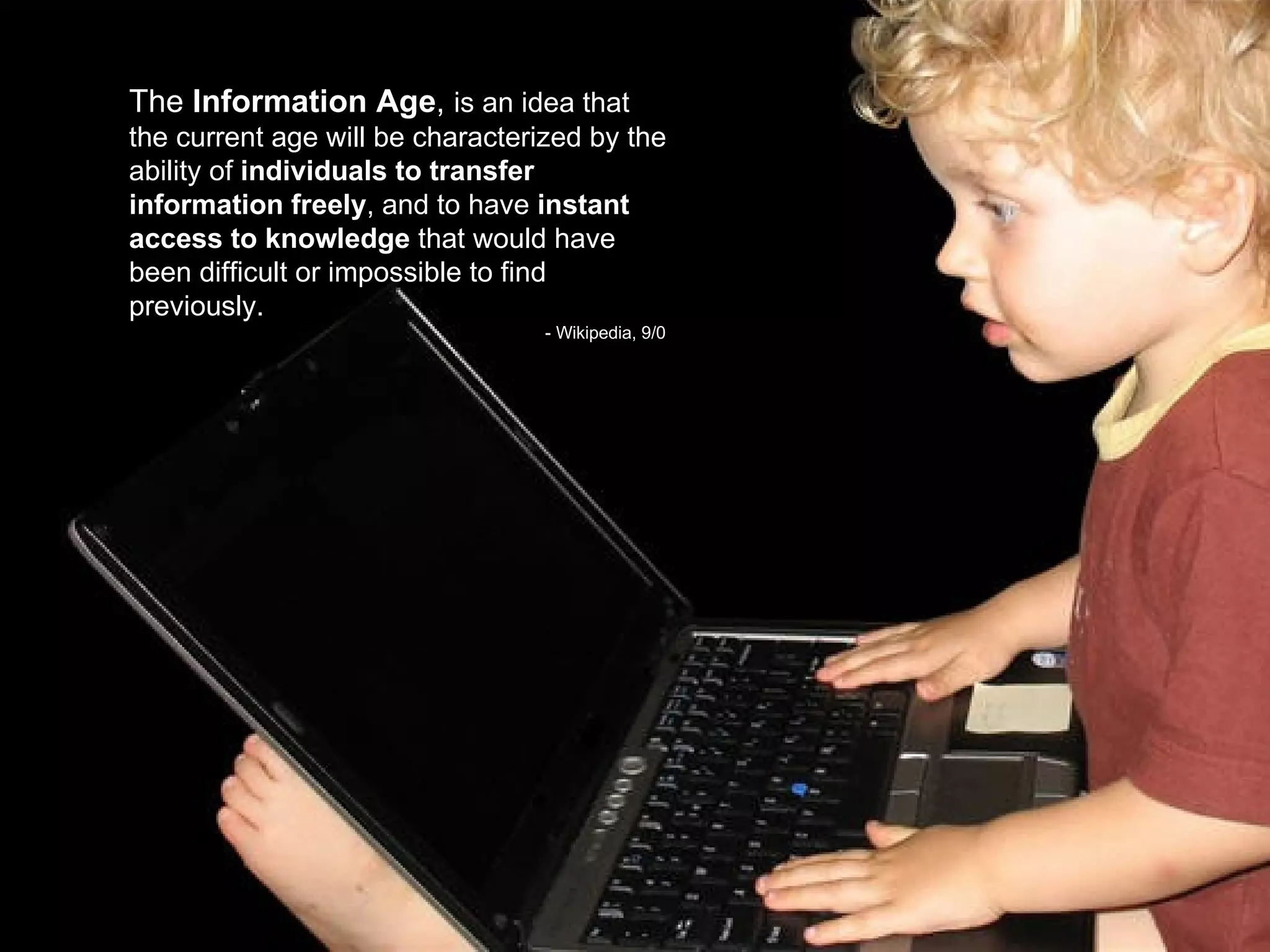
The  Information Age ,  is an idea that the current age will be characterized by the ability of  individuals to transfer information freely , and to have  instant access to knowledge  that would have been difficult or impossible to find previously.  - Wikipedia, 9/0 9
http://www.flickr.com/photos/jaeming/3788942583/
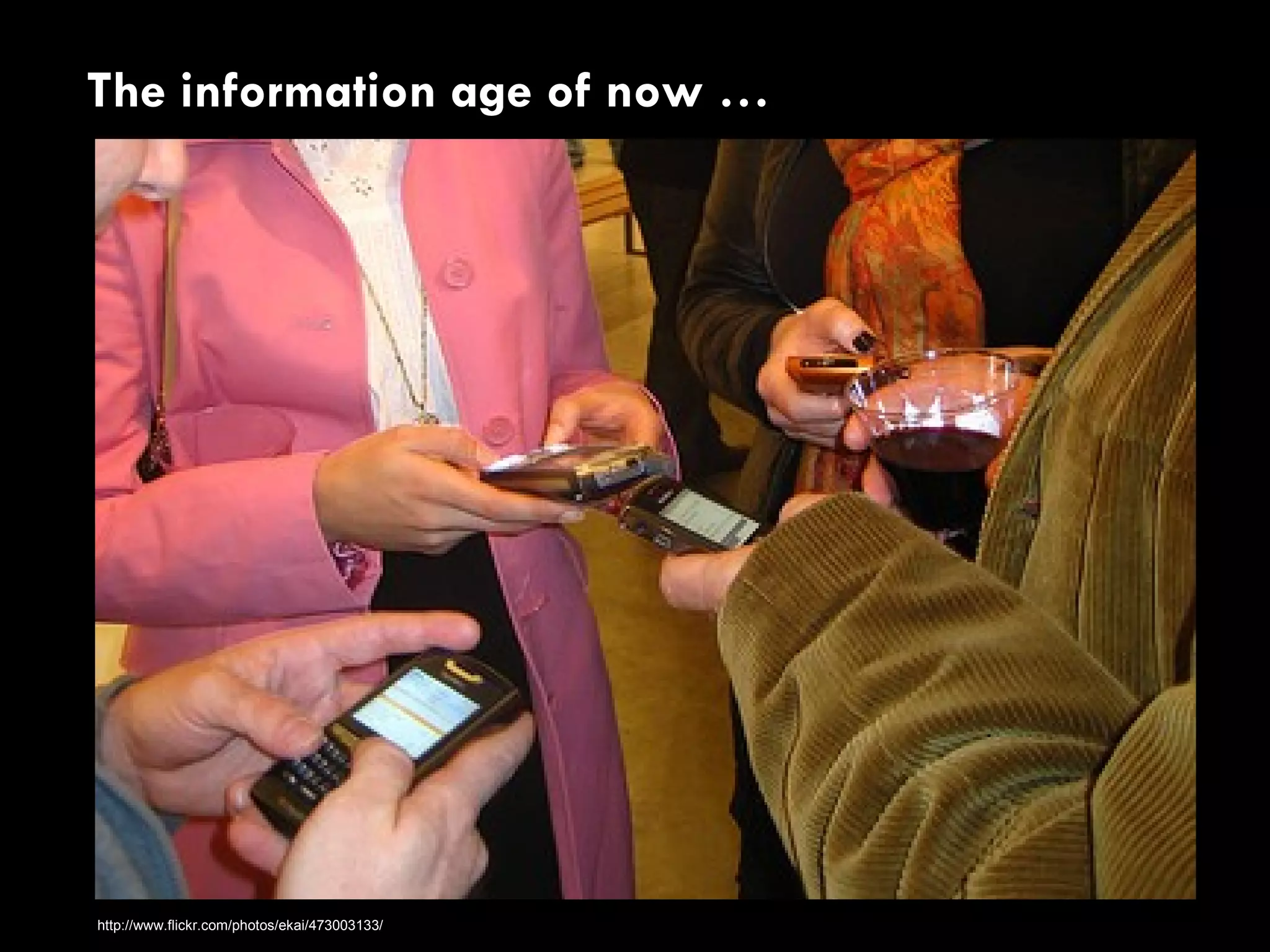
The information age of now … http://www.flickr.com/photos/ekai/473003133/
http://www.youtube.com/watch?v=qiP79vYsfbo We Think
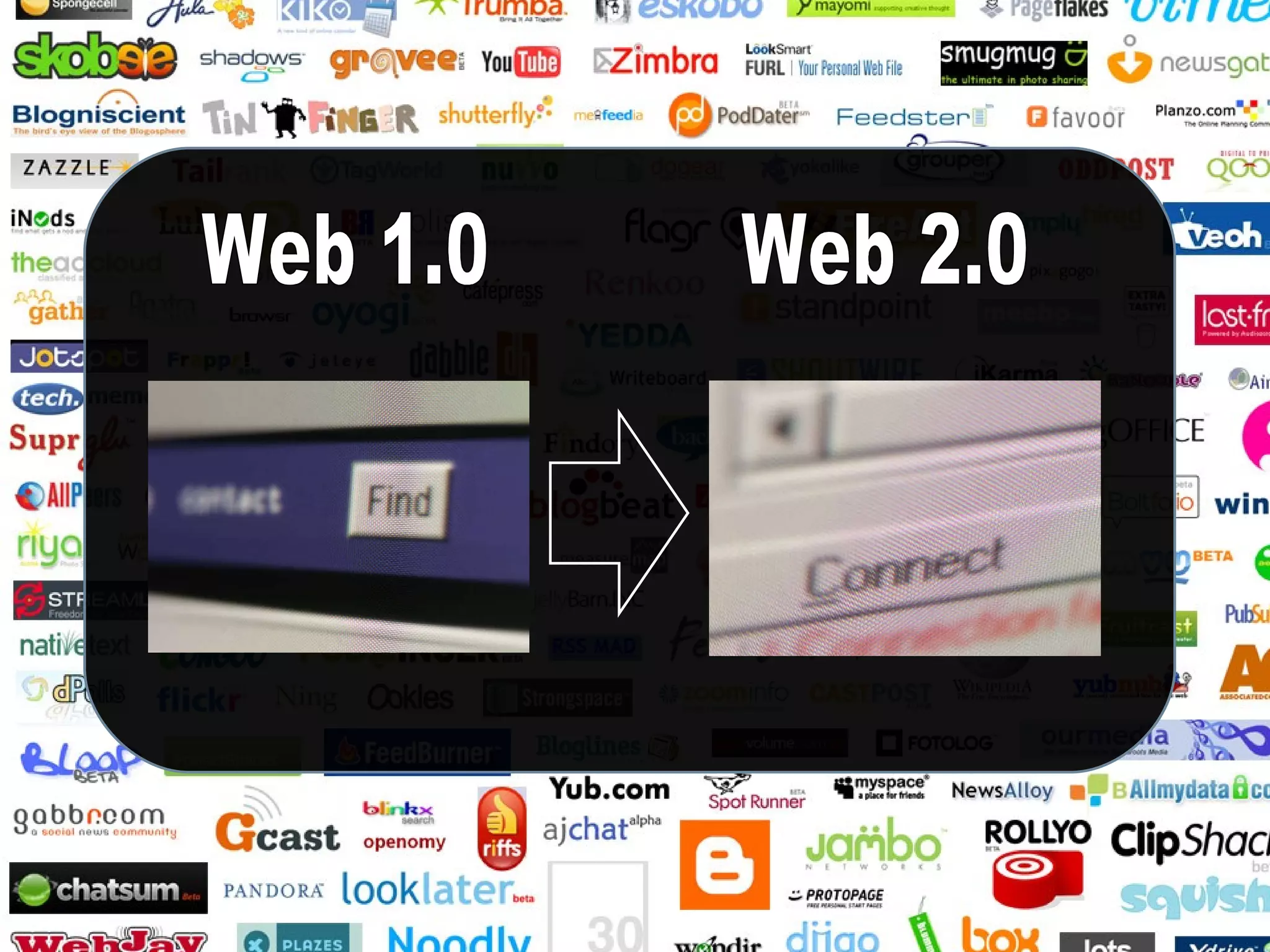
Web 1.0 Web 2.0
http://www.flickr.com/photos/gerlos/3119891607/
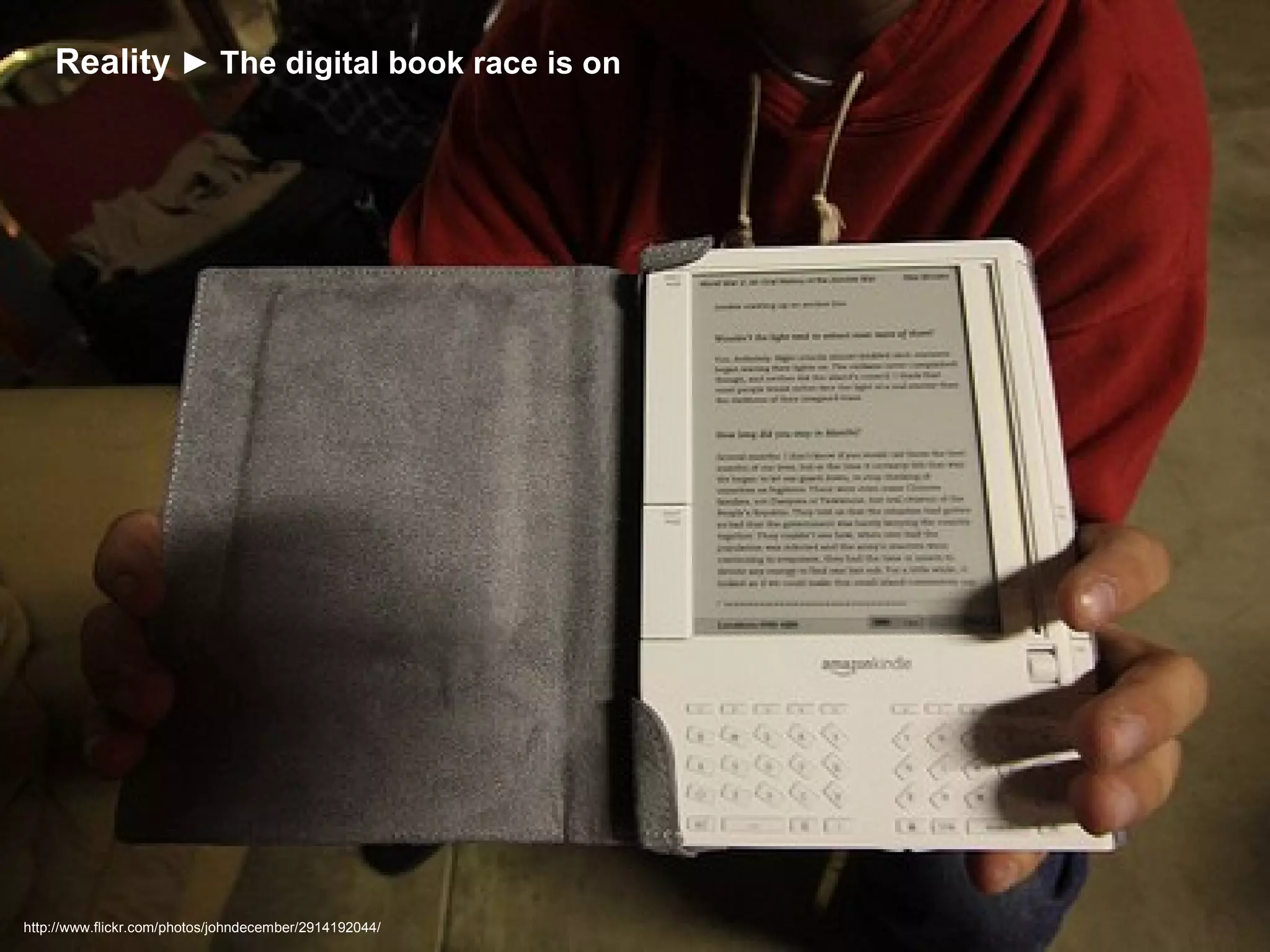
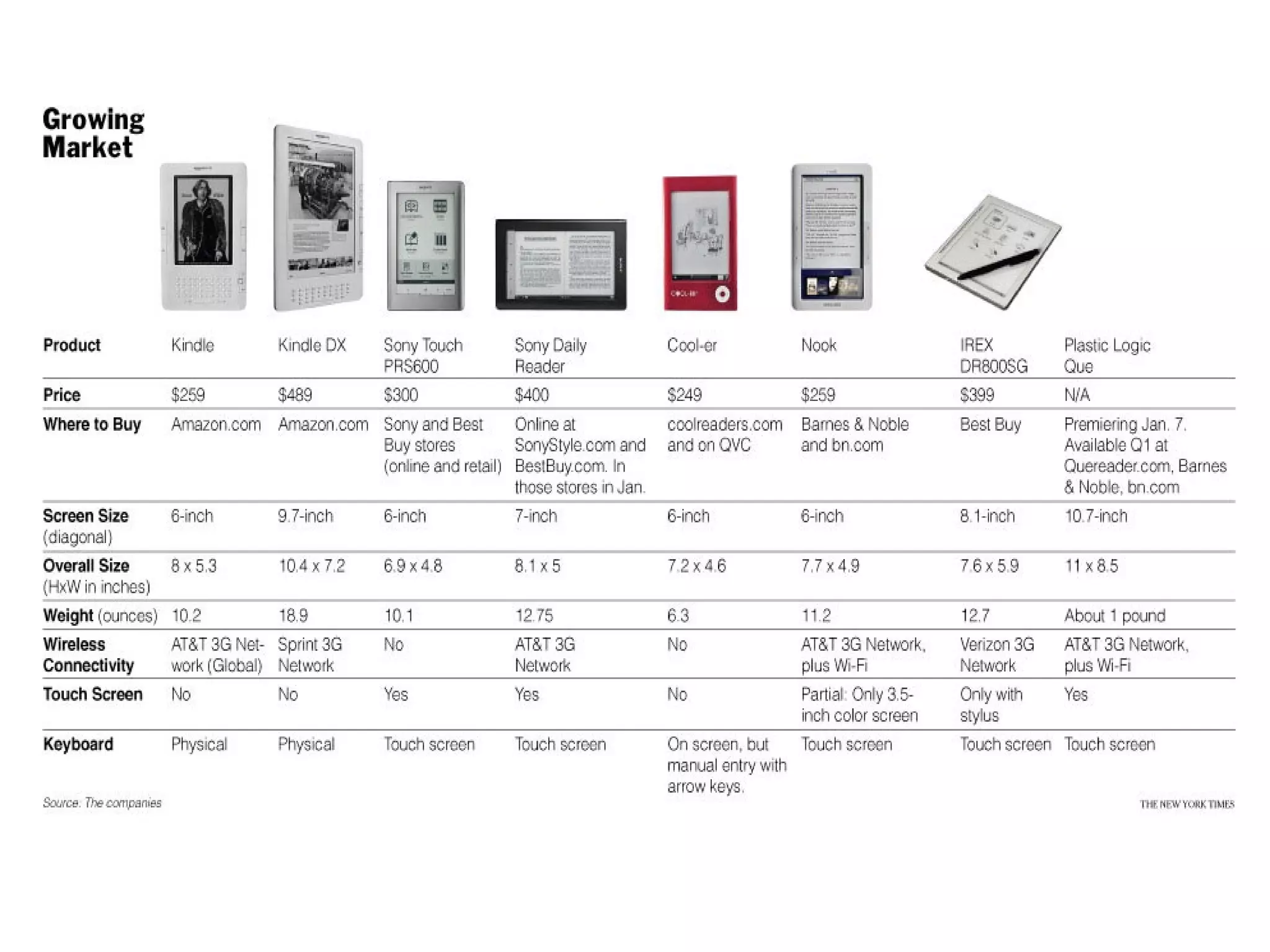
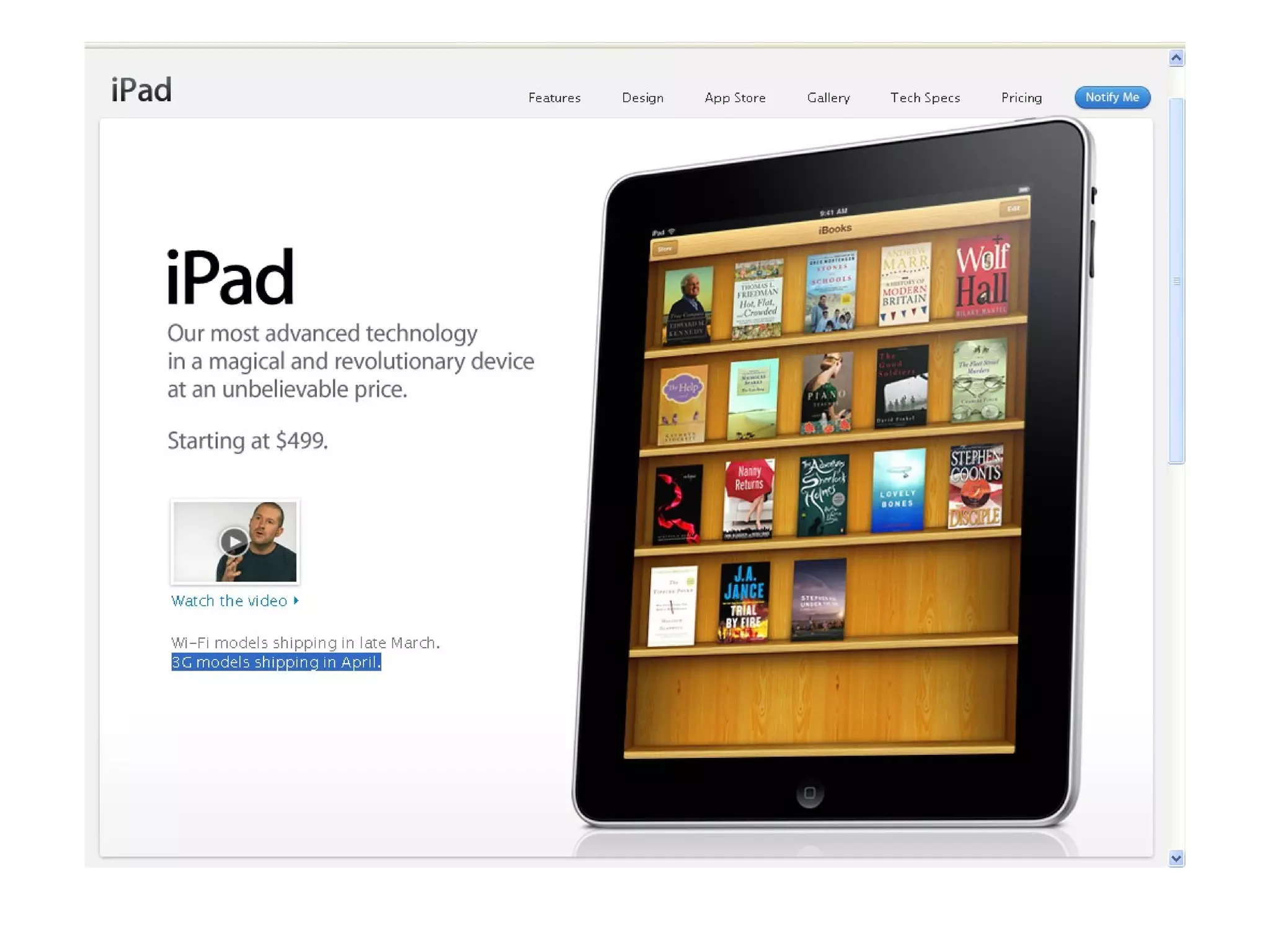
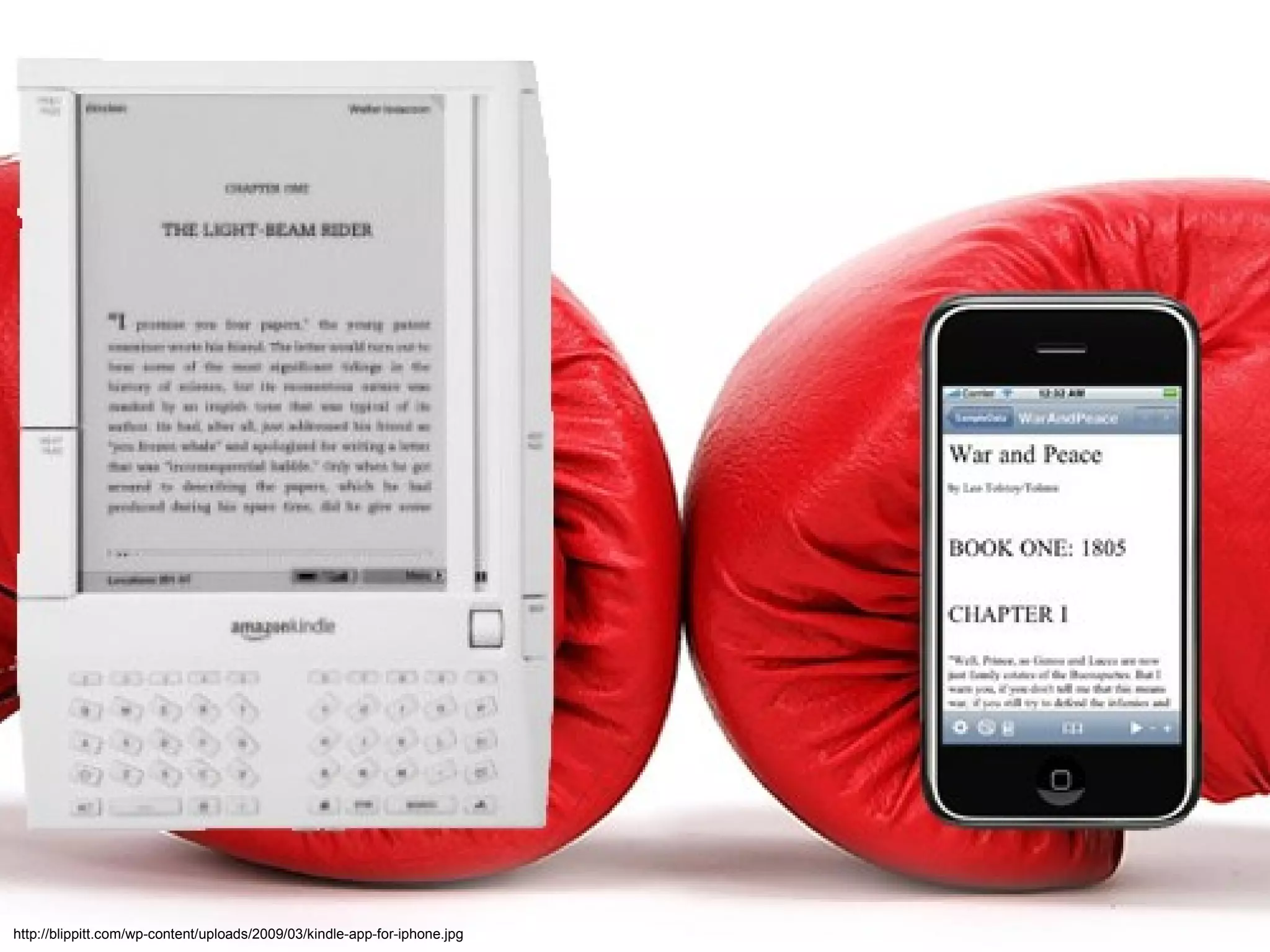
http://www.flickr.com/photos/johndecember/2914192044/ Reality   ► The digital book race is on
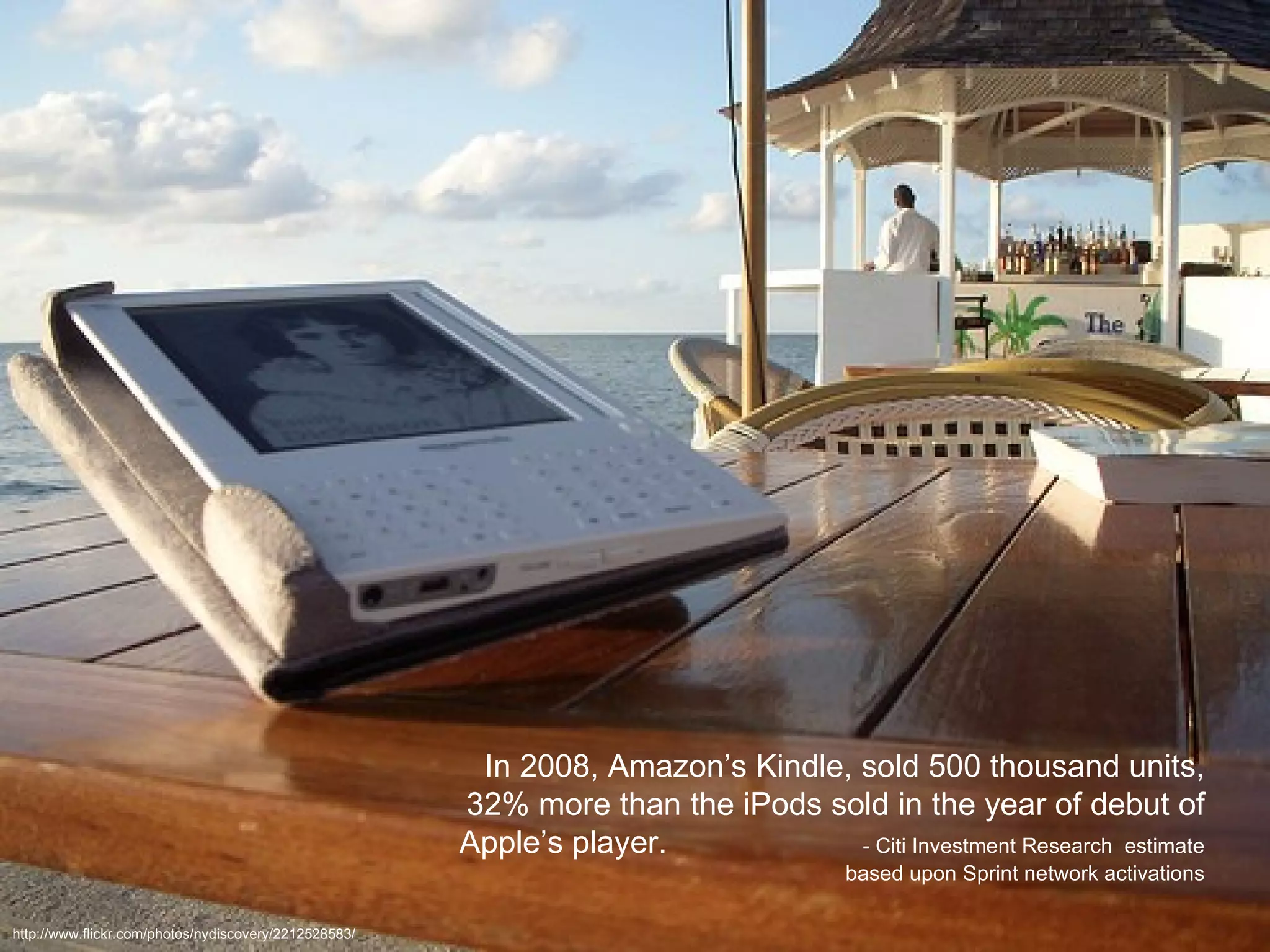
In 2008, Amazon’s Kindle, sold 500 thousand units, 32% more than the iPods sold in the year of debut of Apple’s player.  - Citi Investment Research  estimate based upon Sprint network activations http://www.flickr.com/photos/nydiscovery/2212528583/
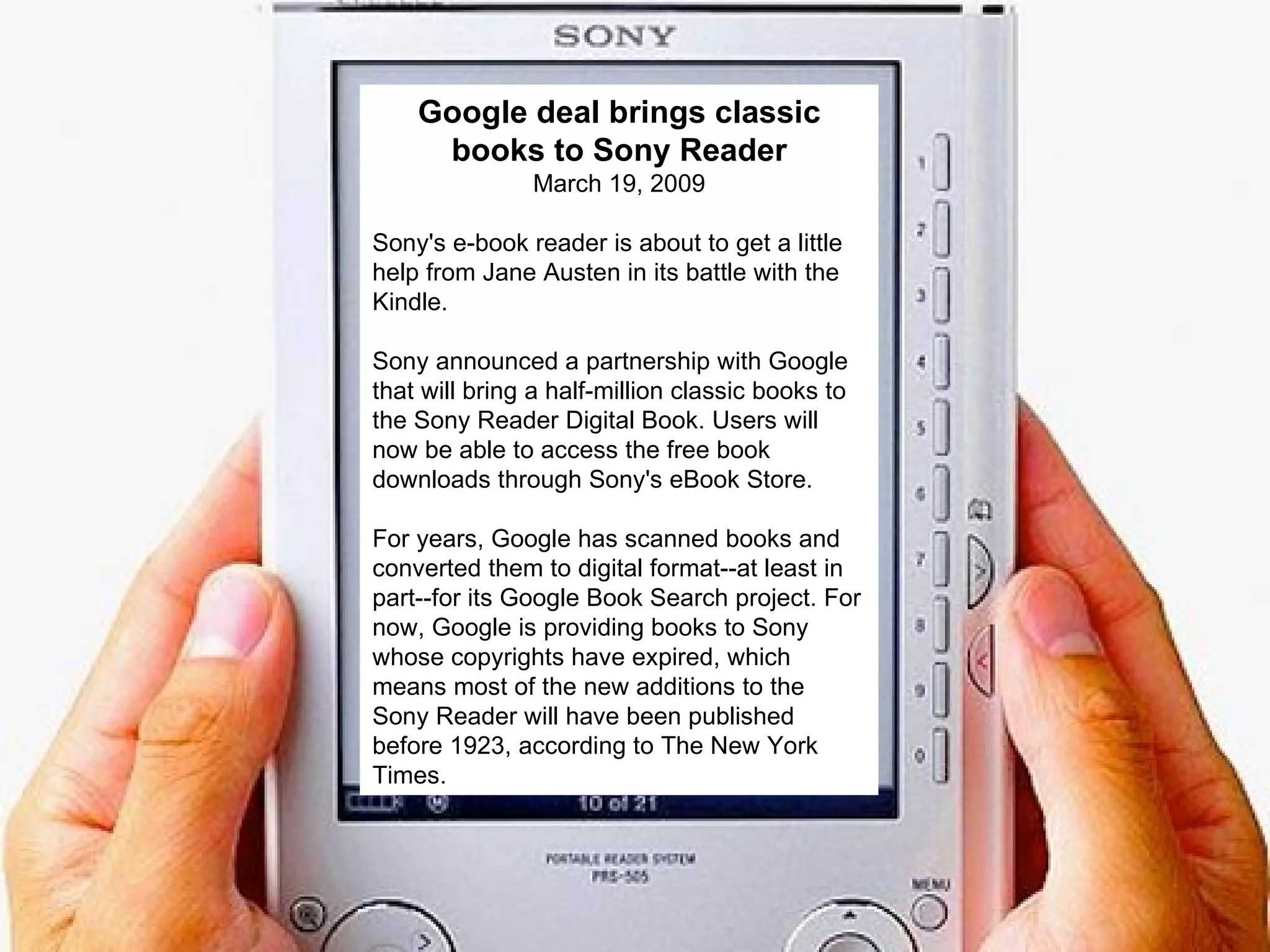
Google deal brings classic books to Sony Reader March 19, 2009 Sony's e-book reader is about to get a little help from Jane Austen in its battle with the Kindle.  Sony announced a partnership with Google that will bring a half-million classic books to the Sony Reader Digital Book. Users will now be able to access the free book downloads through Sony's eBook Store.  For years, Google has scanned books and converted them to digital format--at least in part--for its Google Book Search project. For now, Google is providing books to Sony whose copyrights have expired, which means most of the new additions to the Sony Reader will have been published before 1923, according to The New York Times.
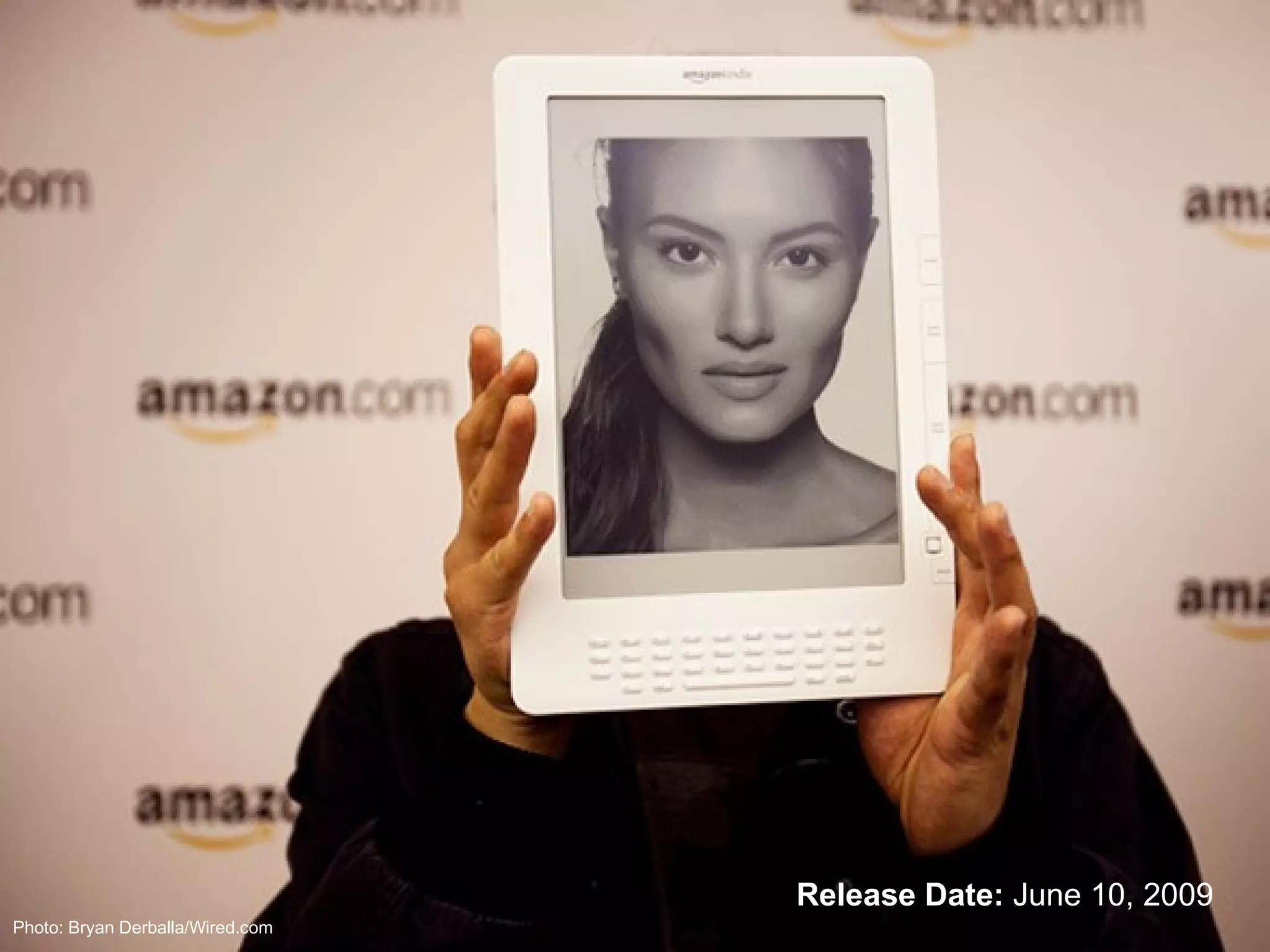
Photo: Bryan Derballa/Wired.com  Release Date:  June 10, 2009
 
 
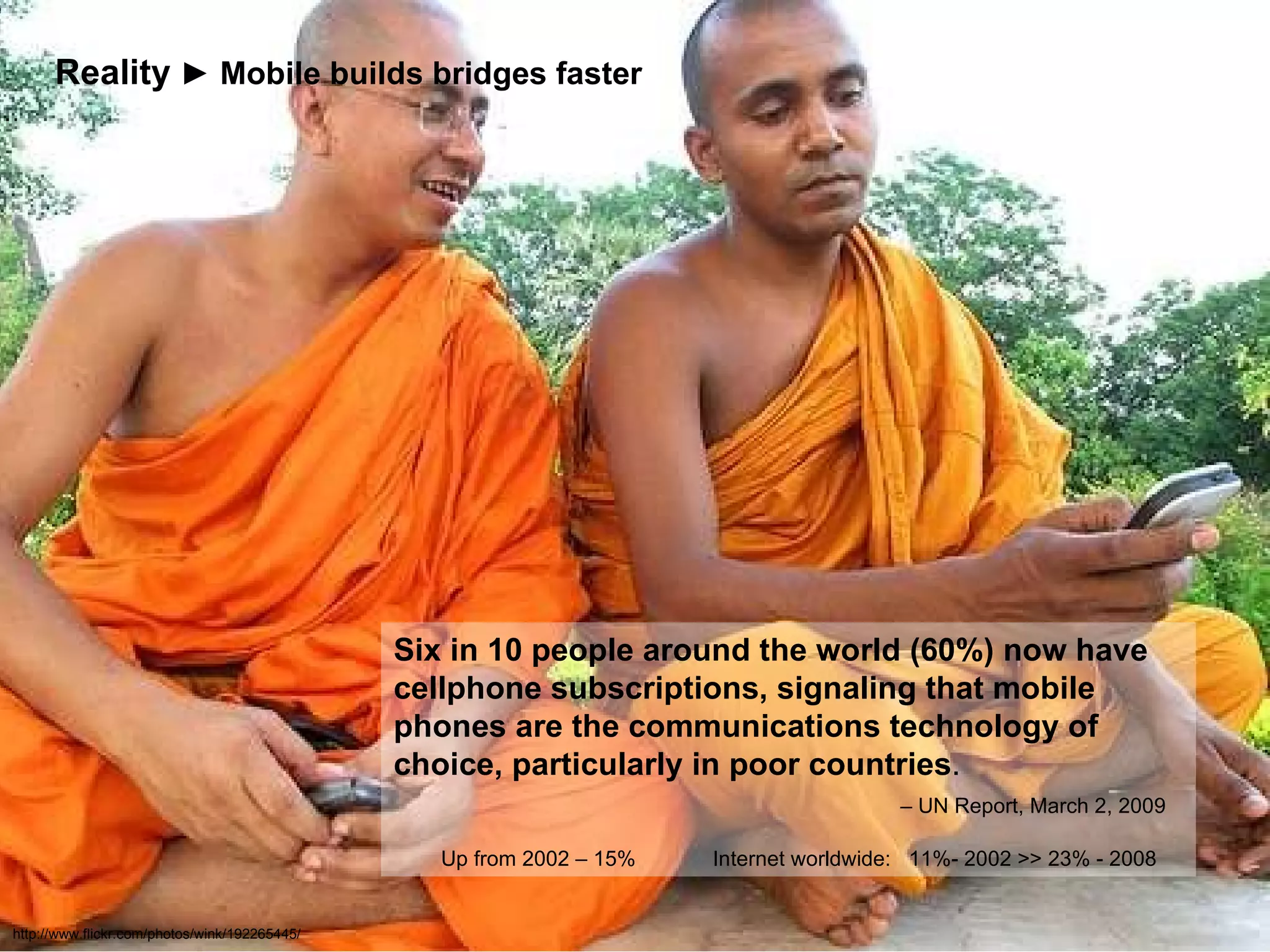
http://www.flickr.com/photos/wink/192265445/ Six in 10 people around the world (60%) now have cellphone subscriptions, signaling that mobile phones are the communications technology of choice, particularly in poor countries .    – UN Report, March 2, 2009    Up from 2002 – 15%  Internet worldwide:  11%- 2002 >> 23% - 2008 Reality   ► Mobile builds bridges faster
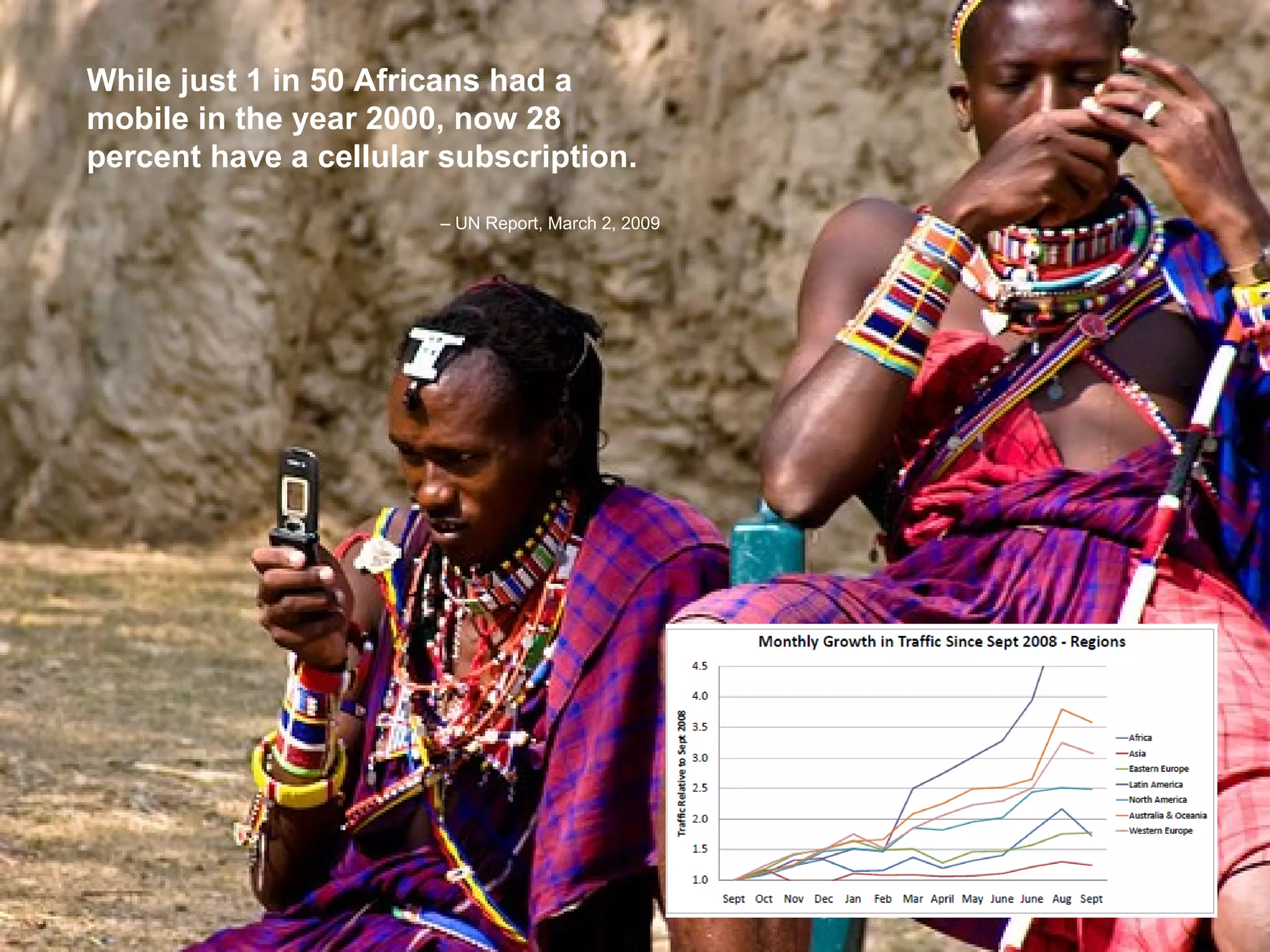
While just 1 in 50 Africans had a mobile in the year 2000, now 28 percent have a cellular subscription.     –  UN Report, March 2, 2009
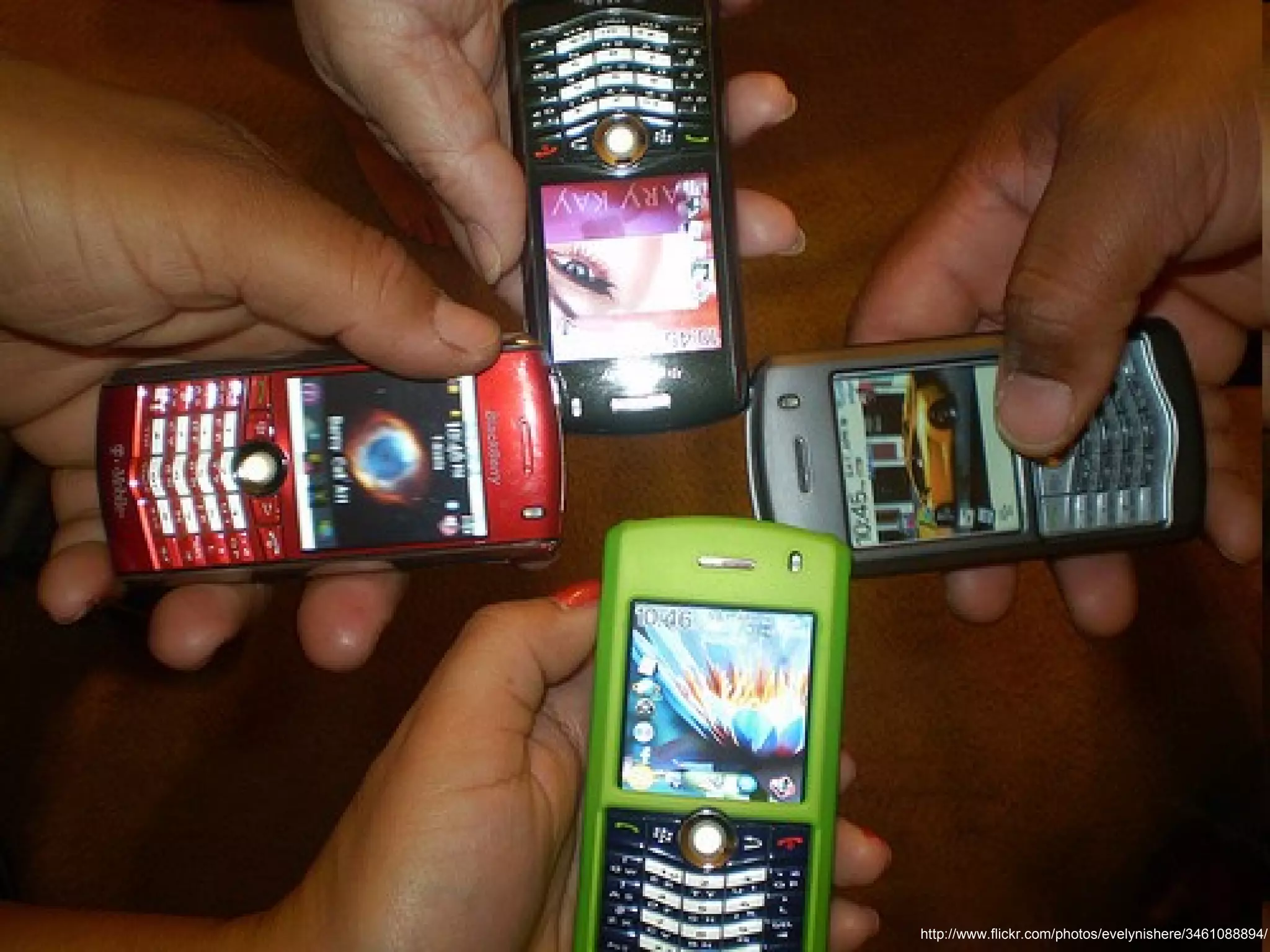
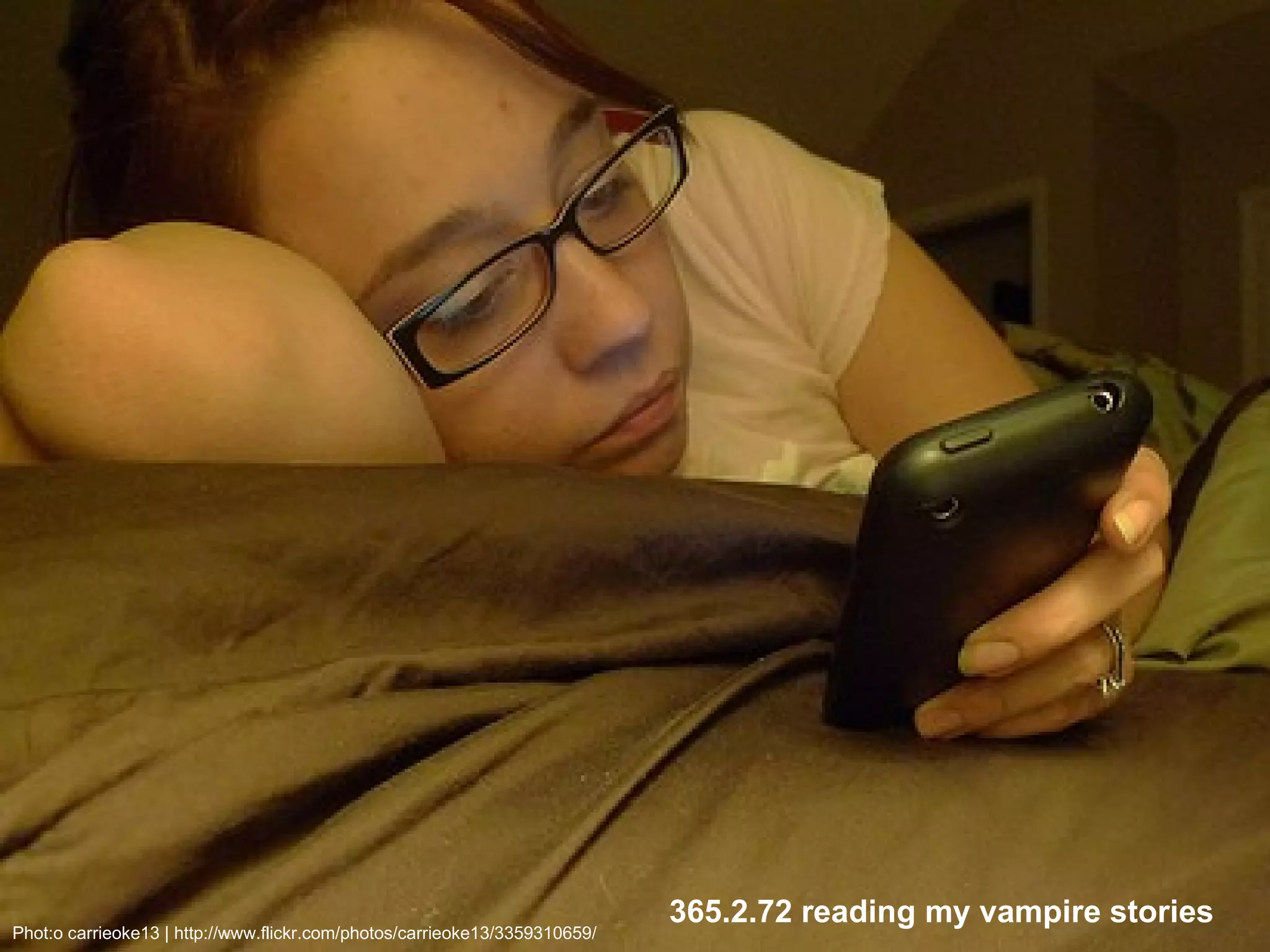
# 1 WiFi users in US = Smartphones  60% Wi-Fi connections were made by integrated devices, up from 49 % in the previous quarter (AT&T report, Oct 09) http://www.flickr.com/photos/evelynishere/3461088894/
 
http://blippitt.com/wp-content/uploads/2009/03/kindle-app-for-iphone.jpg
365.2.72 reading my vampire stories Phot:o carrieoke13 | http://www.flickr.com/photos/carrieoke13/3359310659/
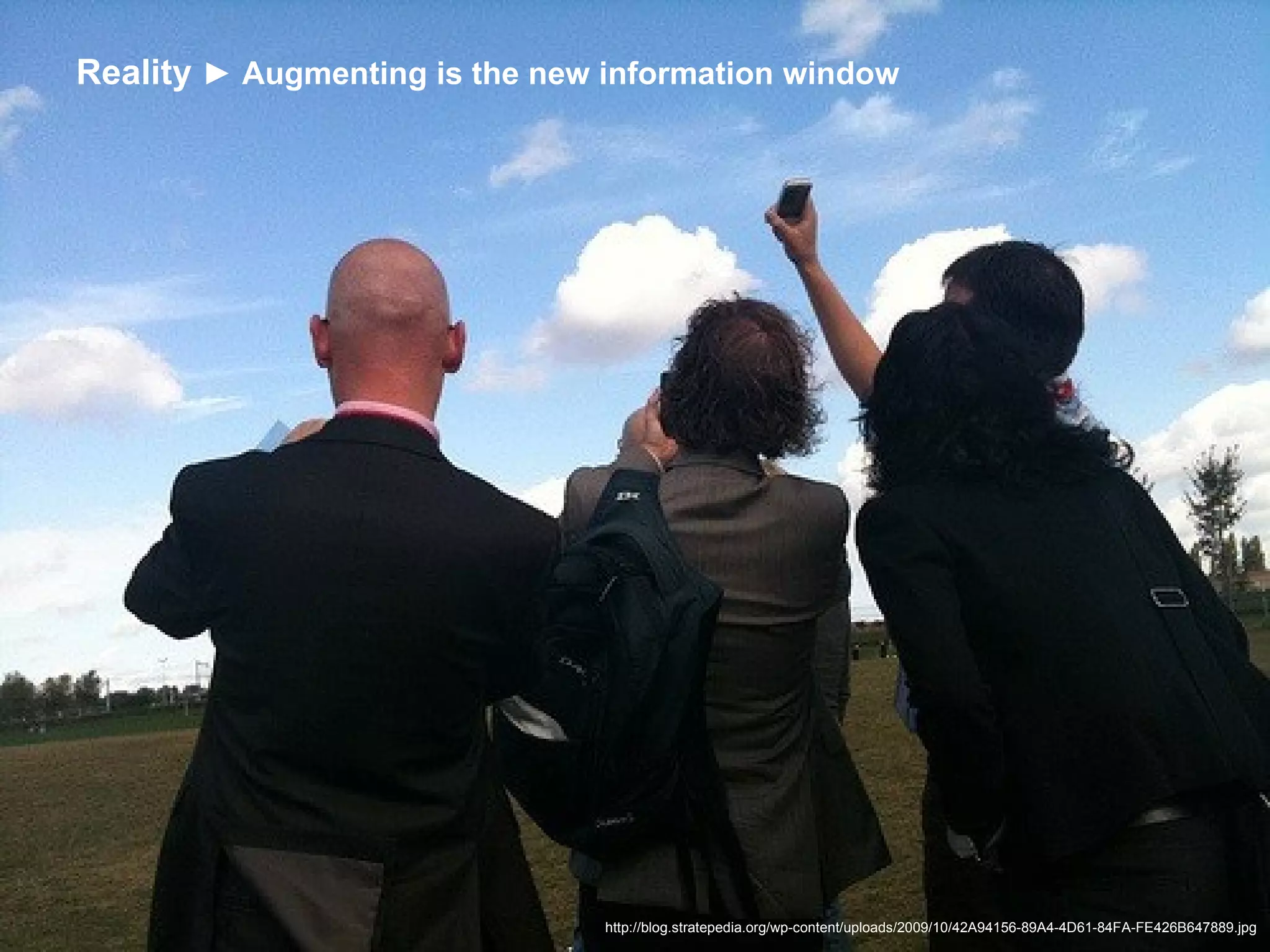
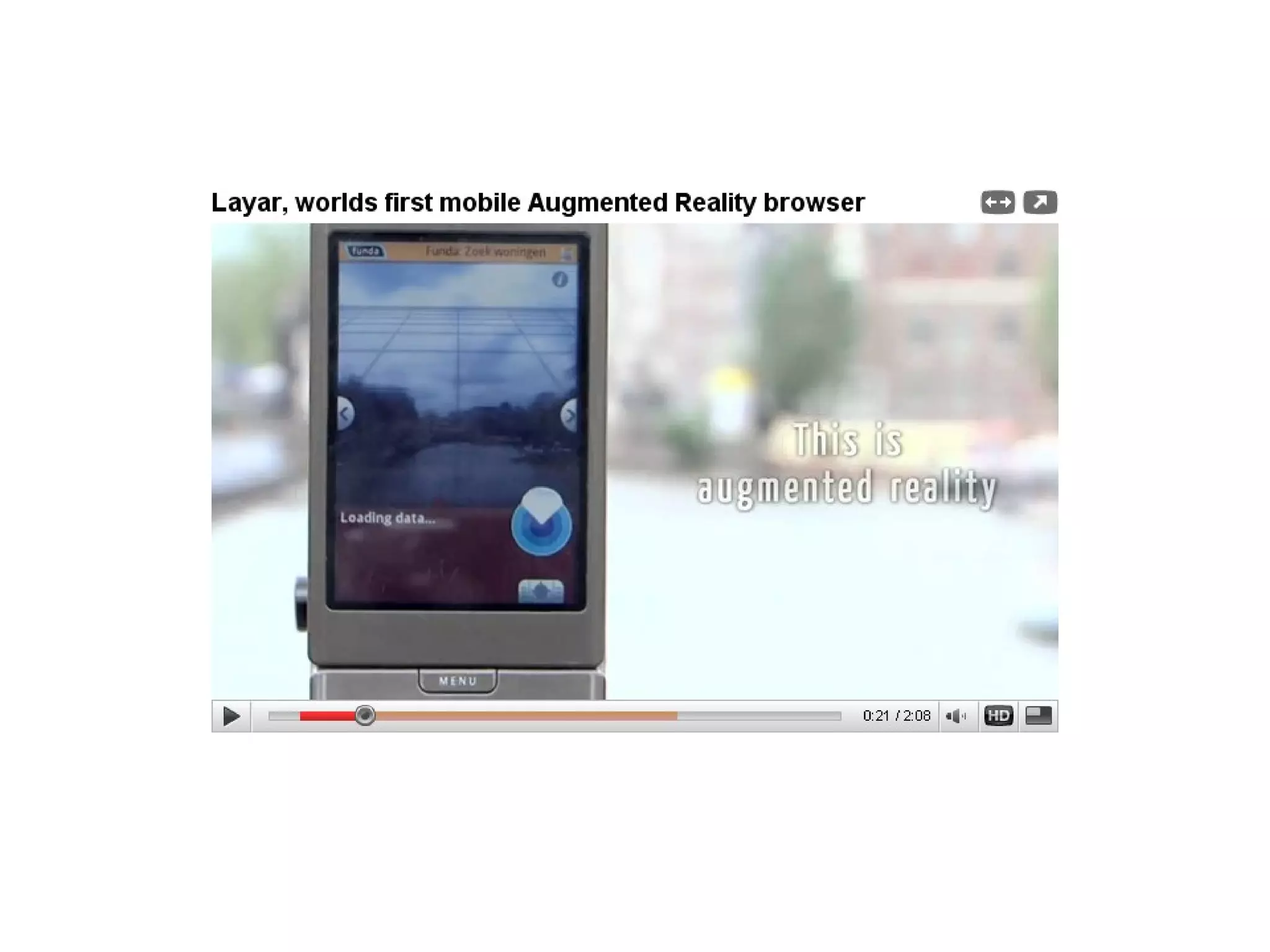
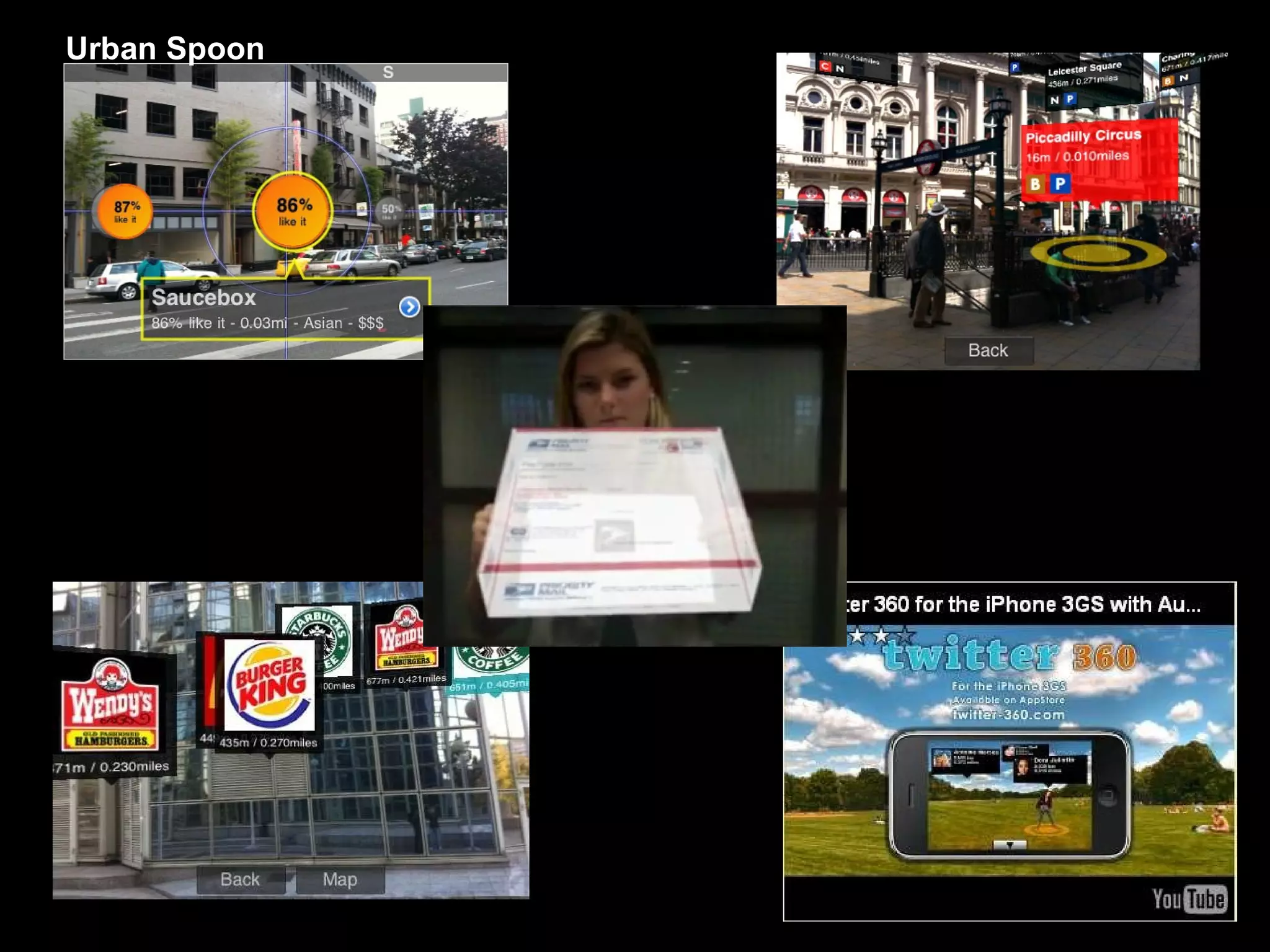
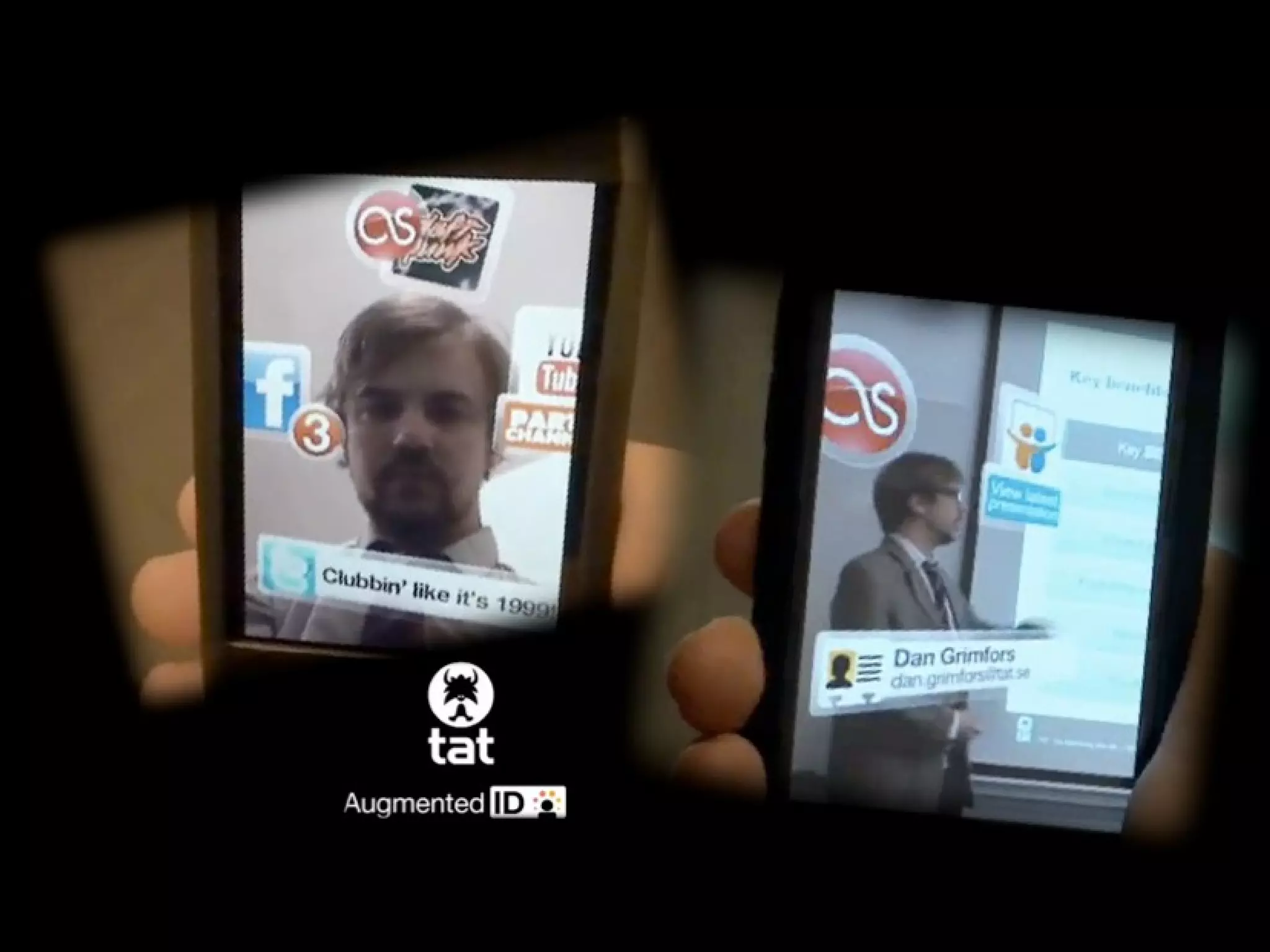
Reality  ► Augmenting is the new information window http://blog.stratepedia.org/wp-content/uploads/2009/10/42A94156-89A4-4D61-84FA-FE426B647889.jpg
 
http://www.youtube.com/watch?v=b64_16K2e08
Urban Spoon
 
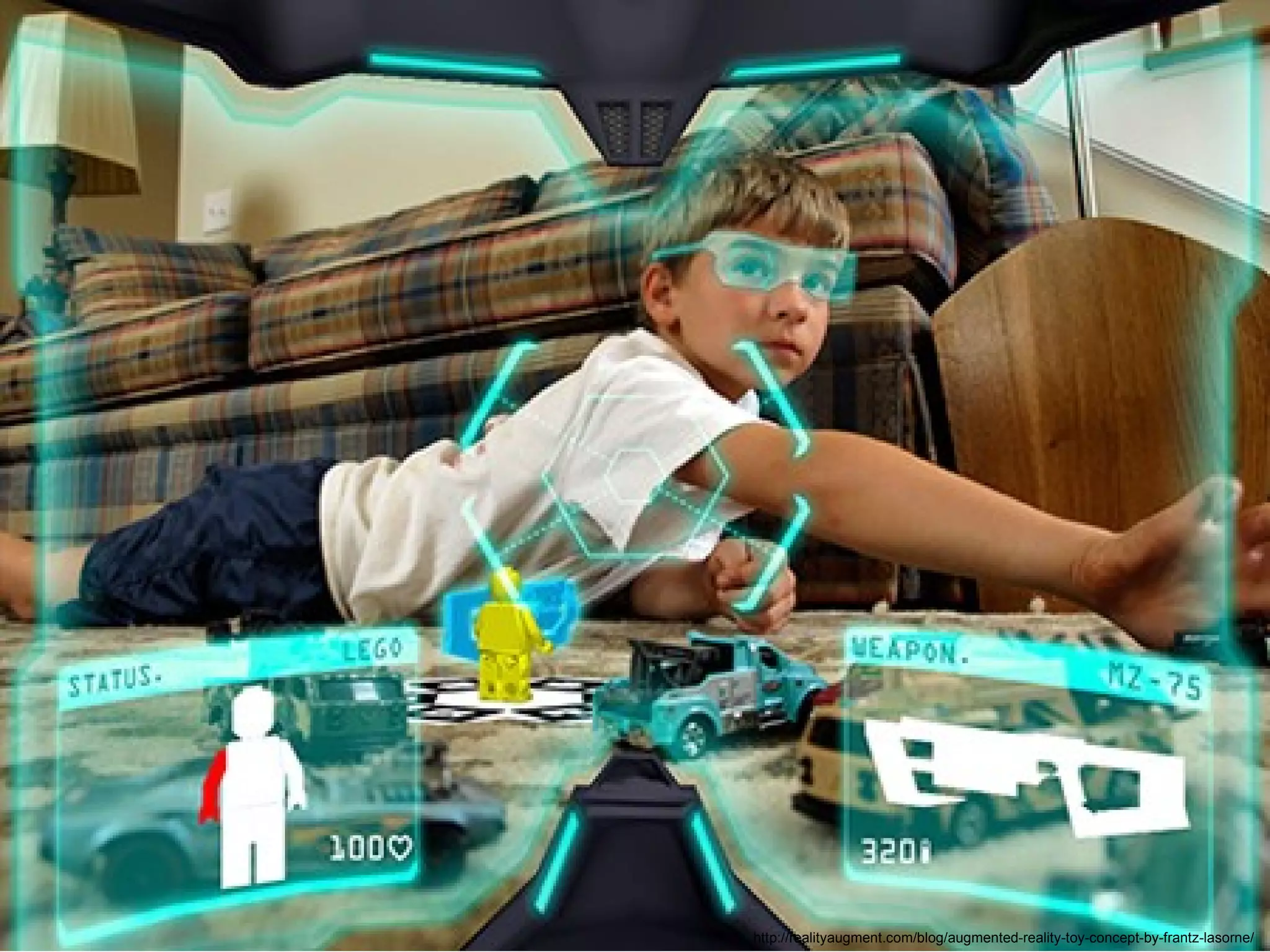
http://realityaugment.com/blog/augmented-reality-toy-concept-by-frantz-lasorne/
Reality   ► Print is in peril
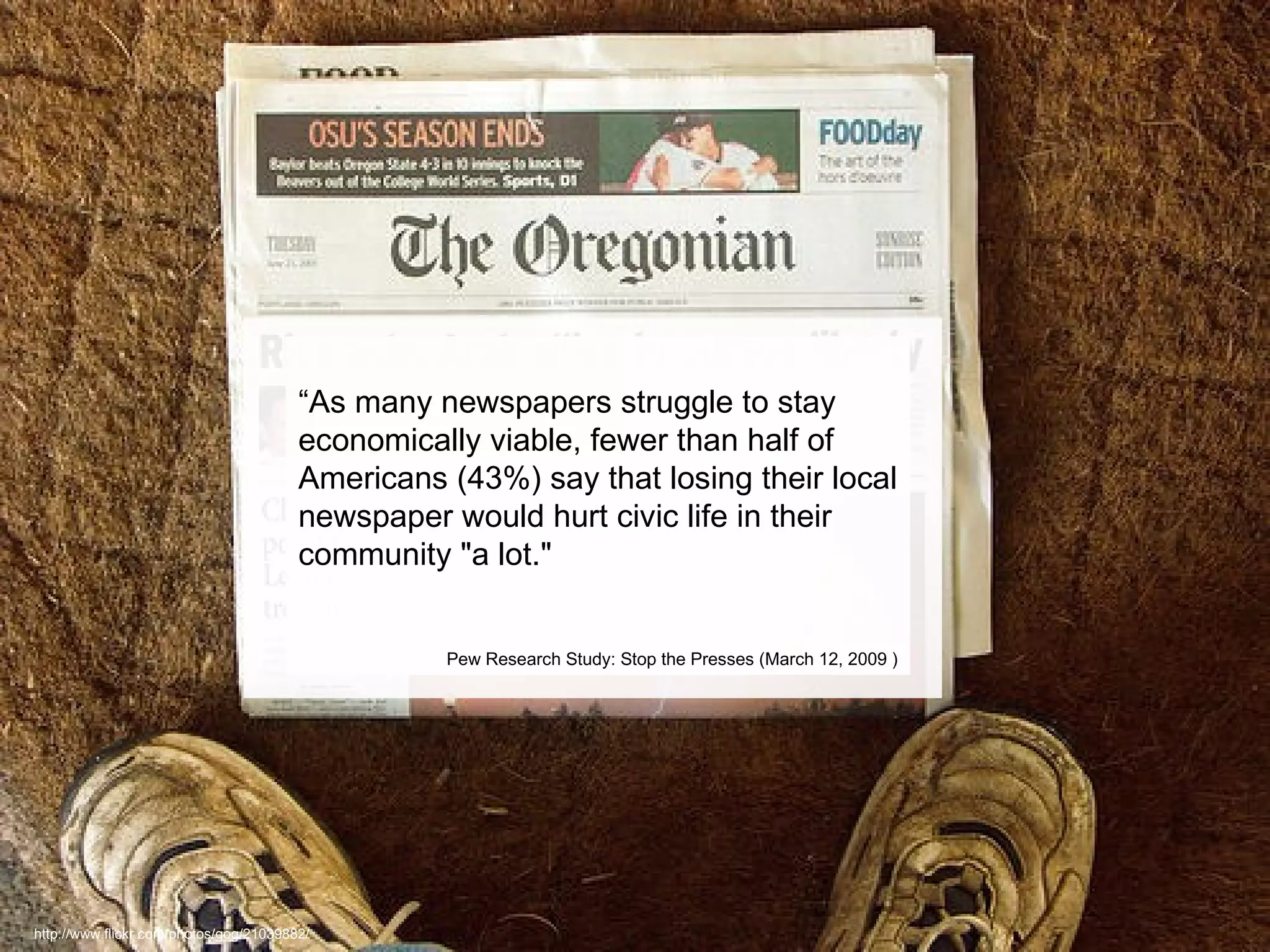
“ As many newspapers struggle to stay economically viable, fewer than half of Americans (43%) say that losing their local newspaper would hurt civic life in their community "a lot."  Pew Research Study: Stop the Presses (March 12, 2009 ) http://www.flickr.com/photos/gog/21039882/
http://www.flickr.com/photos/smohundro/3362589055/
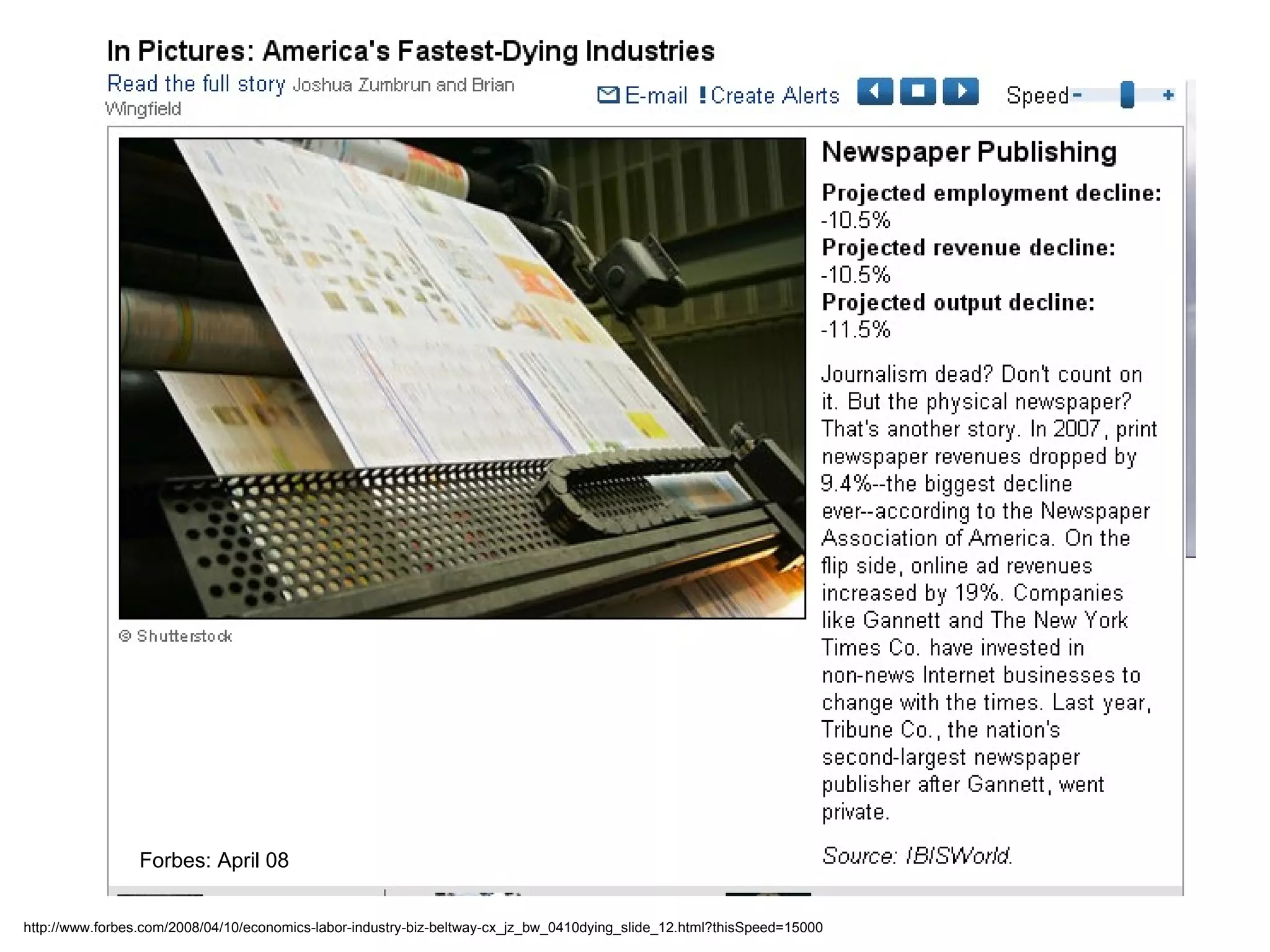
http://www.forbes.com/2008/04/10/economics-labor-industry-biz-beltway-cx_jz_bw_0410dying_slide_12.html?thisSpeed=15000 Forbes: April 08
 
Reality: There’s a new digital divide
 
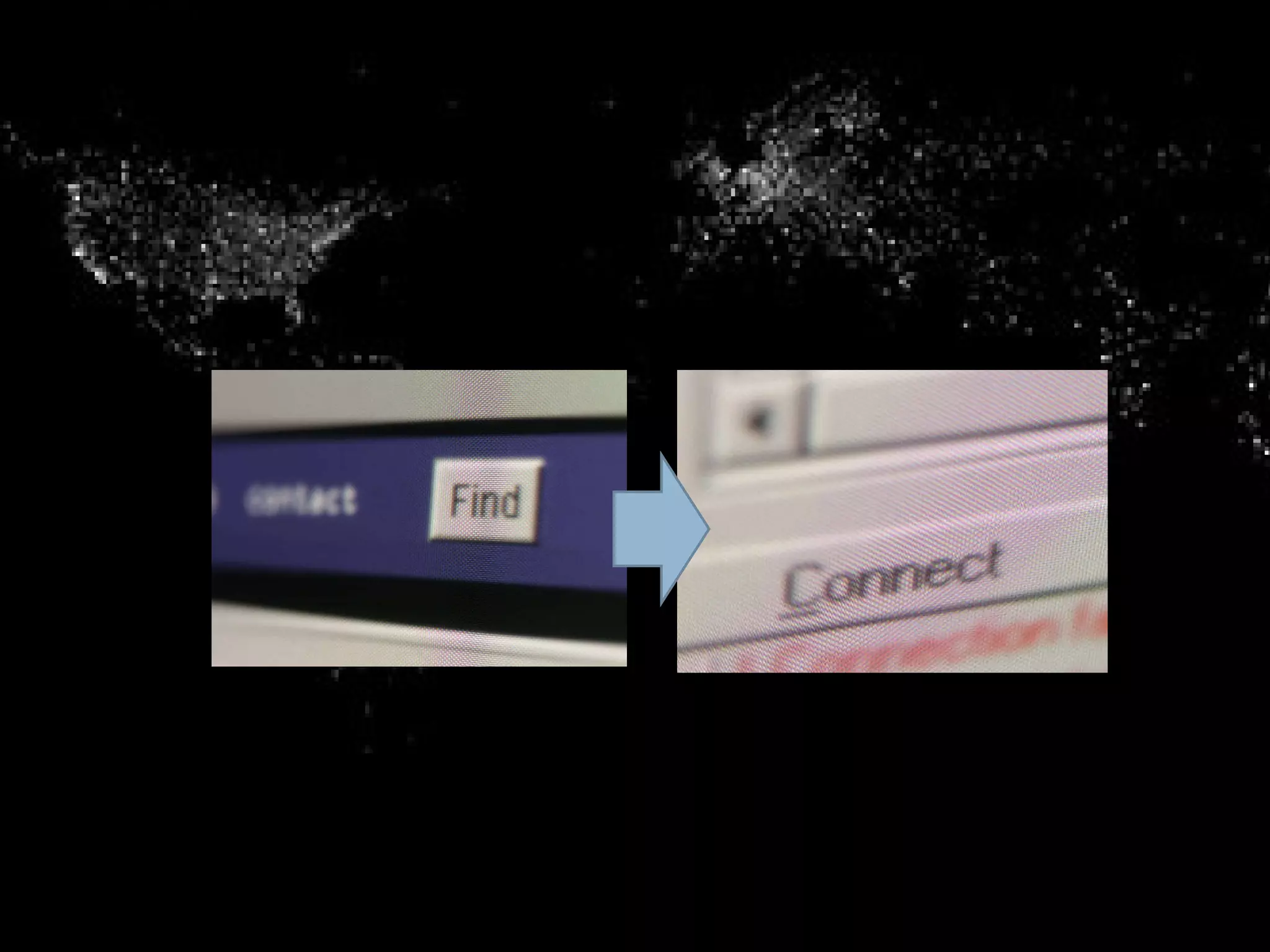
Those who know how to  “think” about search  vs. those who don’t. The New Digital Divide
Those who know how to  “think” about search   vs. those who don’t . Those who know how to  validate soft   information  vs. those who don’t The New Digital Divide
Those who know how to  “think” about search  vs. those who don’t. Those who know how to  validate soft information  vs. those who don’t Those who know where to find  information in new “hot”  channels  vs.    those who don’t. The New Digital Divide
Those who know how to  “think” about search  vs. those who don’t. Those who know how to  validate soft information  vs. those who don’t Those who know where to find  information in new “hot”  channels  vs.    those who don’t. Those who understand the  current culture of informal languages  vs.    those who don’t. . The New Digital Divide
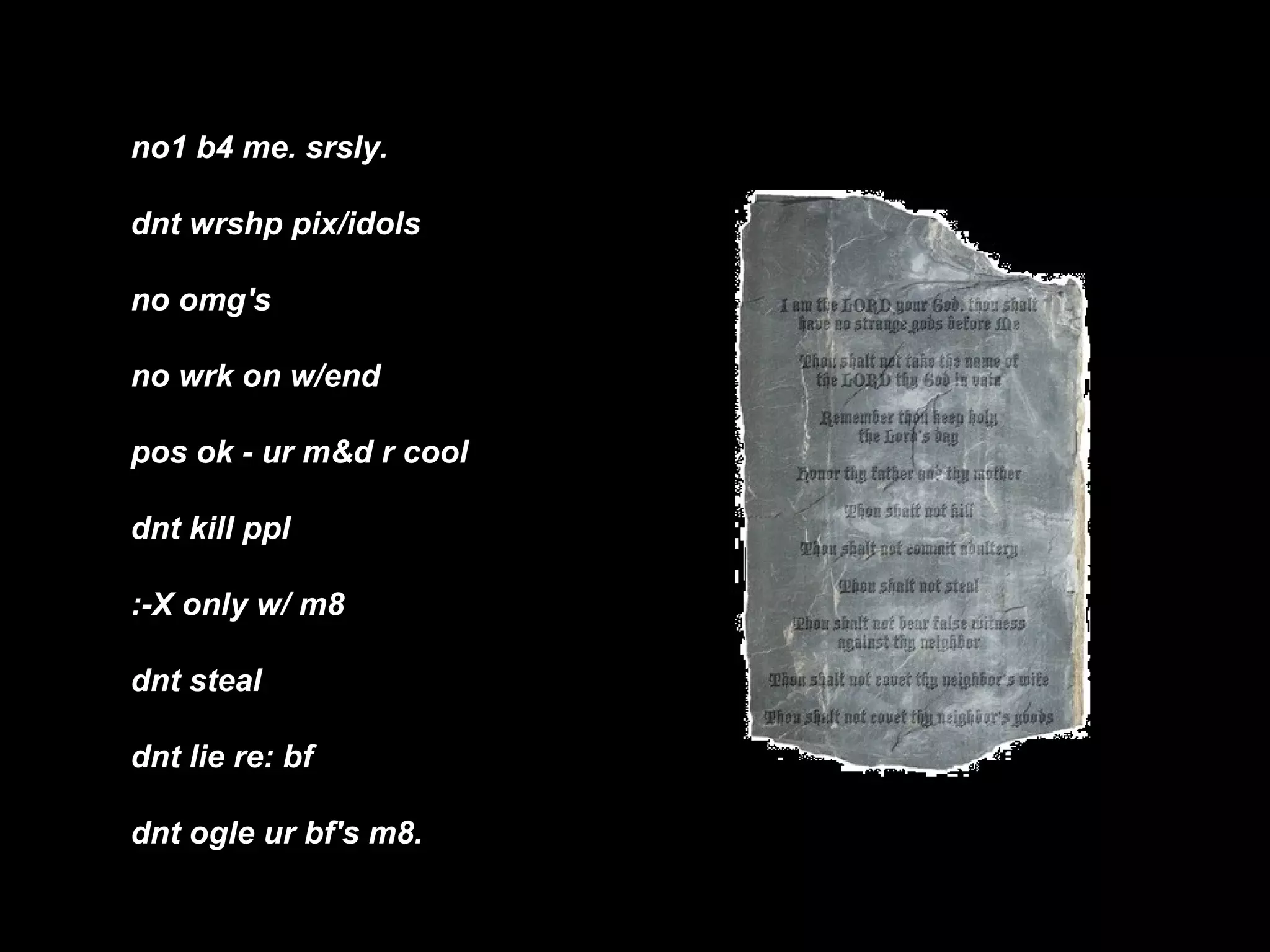
no1 b4 me. srsly. dnt wrshp pix/idols no omg's no wrk on w/end  pos ok - ur m&d r cool dnt kill ppl :-X only w/ m8 dnt steal dnt lie re: bf dnt ogle ur bf's m8.
Those who know how to  “think” about search  vs. those who don’t. Those who know how to  validate soft information  vs. those who don’t Those who know where to find  information in new “hot”  channels  vs.    those who don’t. Those who understand the  current culture of informal languages  vs.    those who don’t. Those who know how  to get information to travel  to them vs. those    who still chase it.  . The New Digital Divide
Those who know how to  “think” about search  vs. those who don’t. Those who know how to  validate soft information  vs. those who don’t Those who know where to find  information in new “hot”  channels  vs.    those who don’t. Those who understand the  current culture of informal languages  vs.    those who don’t. Those who know how  to get information to travel  to them vs. those    who still chase it.  Those who have the knowledge and skills  to create and re-mix digital    media  and those who don’t.  The New Digital Divide
 
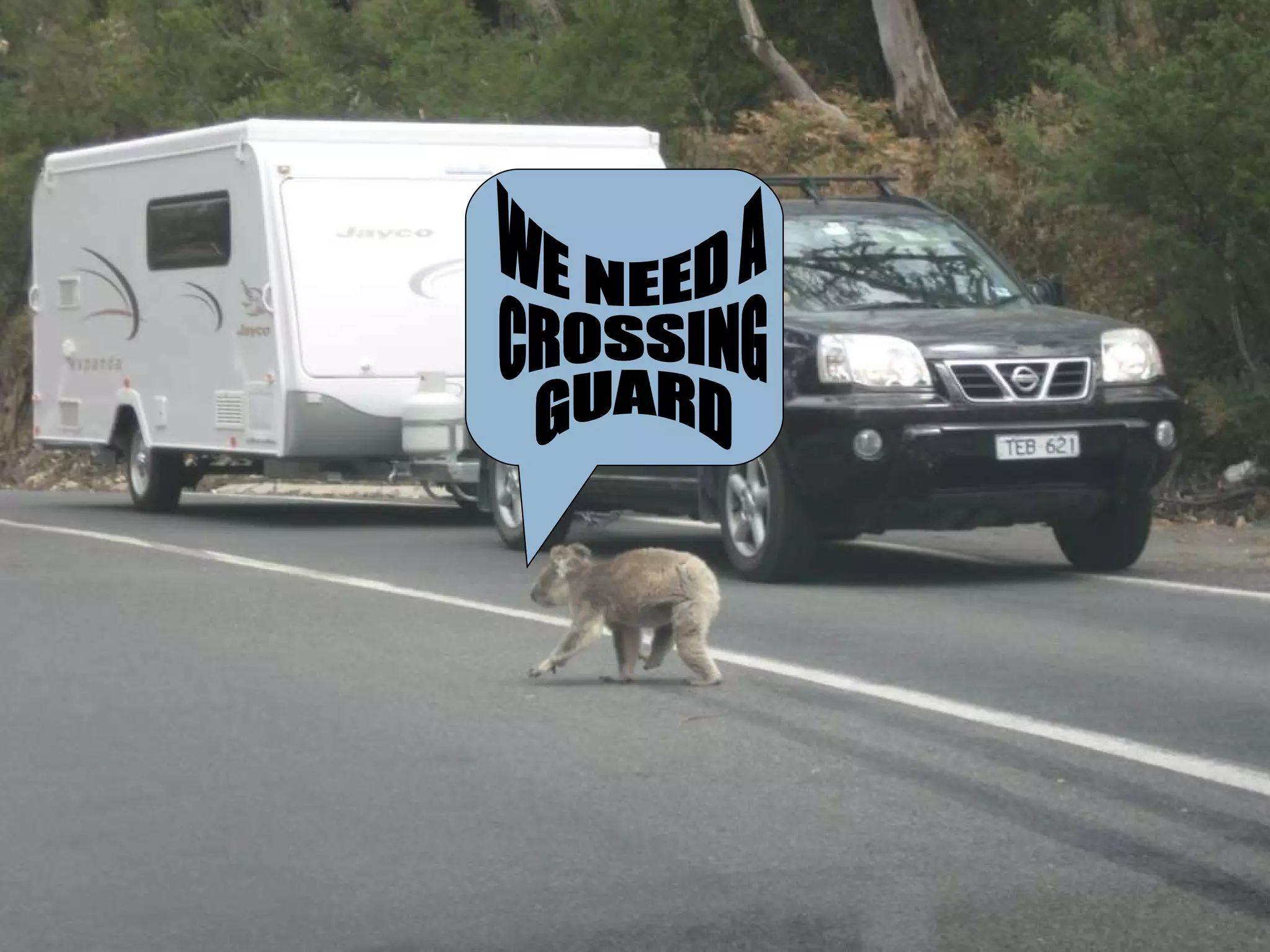
WE NEED A CROSSING  GUARD
Those who know how to  “think” about search  vs. those who don’t. Those who know how to  validate soft information  vs. those who don’t Those who know where to find  information in new “hot”  channels  vs.    those who don’t. Those who understand the  current culture of informal languages  vs.    those who don’t. Those who know how  to get information to travel  to them vs. those    who still chase it.  Those who have the knowledge and skills  to create and re-mix digital    media  and those who don’t.  Those that understand  learning is a continual process  vs. those that    view learning as an achievement. The New Digital Divide
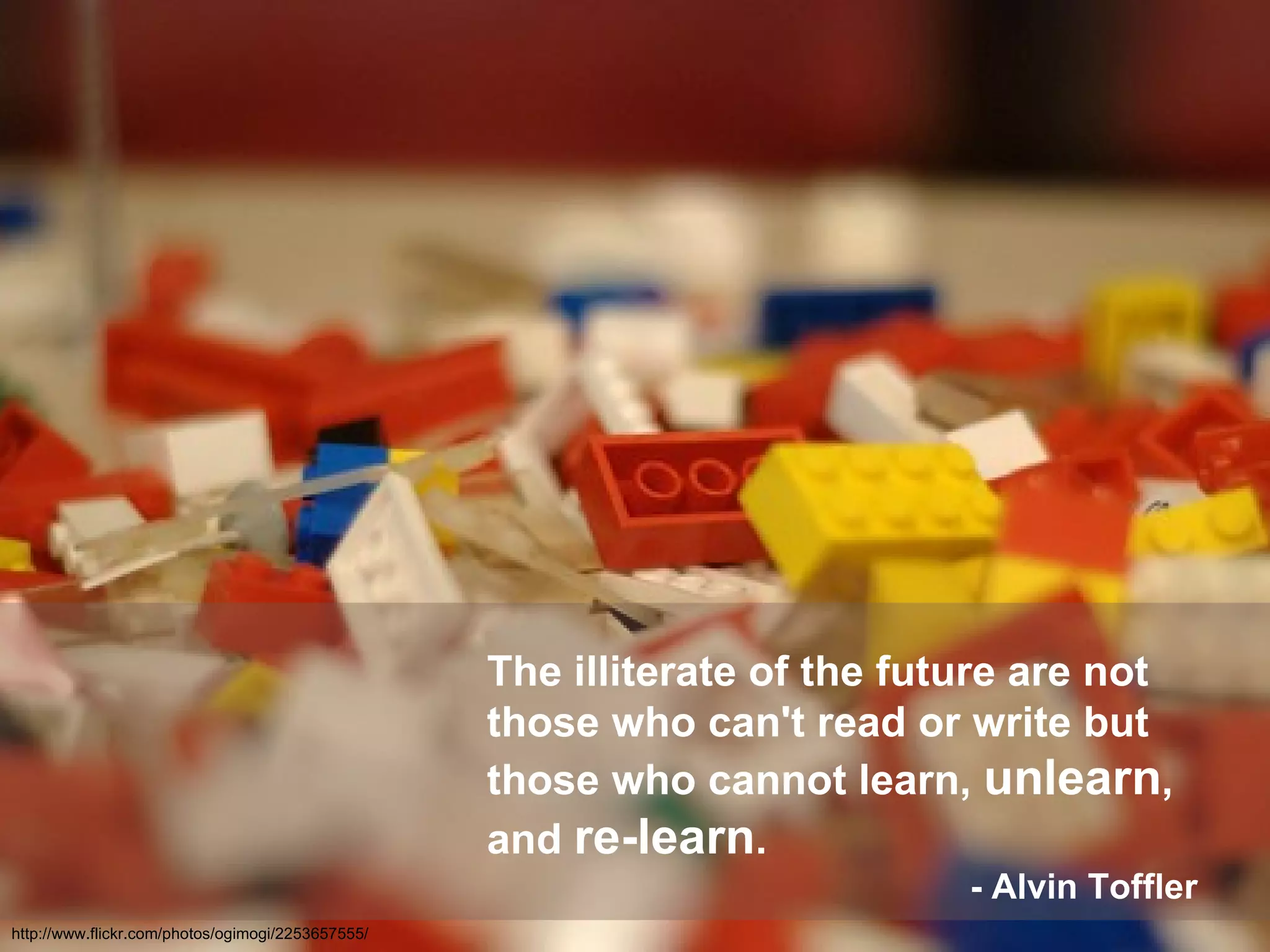
The illiterate of the future are not those who can't read or write but those who cannot learn,  unlearn , and  re-learn . - Alvin Toffler   http://www.flickr.com/photos/ogimogi/2253657555/
http://www.flickr.com/photos/maggiesworld/812273556/ Shared Discovery
Photo: Aaron Schmidt |  walkingPaper.org
Helene Blowers Digital Strategy Director Columbus Metropolitan Library [email_address] My Slides are @   www.LibraryBytes.com http://www.flickr.com/photos/gregwake/2961213279/

Reality Check 2010: 5 Trands Shaping Libraries

  • 1.
    Reality Check 2.010:http://www.flickr.com/photos/faberitius/2285165863 Helene Blowers Digital Strategy Director Columbus Metropolitan Library www.LibraryBytes.com 5 Trends Shaping Libraries
  • 2.
    "What matters hereis technical capital, it's social capital . These tools don't get socially interesting until they get technologically boring. It isn't when the shiny new tools show up that their uses start permeating; it's when everyone is able to take them for granted.“ - Clay Shirky, Ted Talk 6/09 http://www.flickr.com/photos/milivoj/2166043959/
  • 3.
    The InformationAge , is an idea that the current age will be characterized by the ability of individuals to transfer information freely , and to have instant access to knowledge that would have been difficult or impossible to find previously. - Wikipedia, 9/0 9
  • 4.
  • 5.
    The information ageof now … http://www.flickr.com/photos/ekai/473003133/
  • 6.
  • 7.
  • 8.
  • 9.
  • 10.
    In 2008, Amazon’sKindle, sold 500 thousand units, 32% more than the iPods sold in the year of debut of Apple’s player. - Citi Investment Research estimate based upon Sprint network activations http://www.flickr.com/photos/nydiscovery/2212528583/
  • 11.
    Google deal bringsclassic books to Sony Reader March 19, 2009 Sony's e-book reader is about to get a little help from Jane Austen in its battle with the Kindle. Sony announced a partnership with Google that will bring a half-million classic books to the Sony Reader Digital Book. Users will now be able to access the free book downloads through Sony's eBook Store. For years, Google has scanned books and converted them to digital format--at least in part--for its Google Book Search project. For now, Google is providing books to Sony whose copyrights have expired, which means most of the new additions to the Sony Reader will have been published before 1923, according to The New York Times.
  • 12.
    Photo: Bryan Derballa/Wired.com Release Date: June 10, 2009
  • 13.
  • 14.
  • 15.
    http://www.flickr.com/photos/wink/192265445/ Six in10 people around the world (60%) now have cellphone subscriptions, signaling that mobile phones are the communications technology of choice, particularly in poor countries . – UN Report, March 2, 2009 Up from 2002 – 15% Internet worldwide: 11%- 2002 >> 23% - 2008 Reality ► Mobile builds bridges faster
  • 16.
    While just 1in 50 Africans had a mobile in the year 2000, now 28 percent have a cellular subscription. – UN Report, March 2, 2009
  • 17.
    # 1 WiFiusers in US = Smartphones 60% Wi-Fi connections were made by integrated devices, up from 49 % in the previous quarter (AT&T report, Oct 09) http://www.flickr.com/photos/evelynishere/3461088894/
  • 18.
  • 19.
  • 20.
    365.2.72 reading myvampire stories Phot:o carrieoke13 | http://www.flickr.com/photos/carrieoke13/3359310659/
  • 21.
    Reality ►Augmenting is the new information window http://blog.stratepedia.org/wp-content/uploads/2009/10/42A94156-89A4-4D61-84FA-FE426B647889.jpg
  • 22.
  • 23.
  • 24.
  • 25.
  • 26.
  • 27.
    Reality ► Print is in peril
  • 28.
    “ As manynewspapers struggle to stay economically viable, fewer than half of Americans (43%) say that losing their local newspaper would hurt civic life in their community "a lot." Pew Research Study: Stop the Presses (March 12, 2009 ) http://www.flickr.com/photos/gog/21039882/
  • 29.
  • 30.
  • 31.
  • 32.
    Reality: There’s anew digital divide
  • 33.
  • 34.
    Those who knowhow to “think” about search vs. those who don’t. The New Digital Divide
  • 35.
    Those who knowhow to “think” about search vs. those who don’t . Those who know how to validate soft information vs. those who don’t The New Digital Divide
  • 36.
    Those who knowhow to “think” about search vs. those who don’t. Those who know how to validate soft information vs. those who don’t Those who know where to find information in new “hot” channels vs. those who don’t. The New Digital Divide
  • 37.
    Those who knowhow to “think” about search vs. those who don’t. Those who know how to validate soft information vs. those who don’t Those who know where to find information in new “hot” channels vs. those who don’t. Those who understand the current culture of informal languages vs. those who don’t. . The New Digital Divide
  • 38.
    no1 b4 me.srsly. dnt wrshp pix/idols no omg's no wrk on w/end pos ok - ur m&d r cool dnt kill ppl :-X only w/ m8 dnt steal dnt lie re: bf dnt ogle ur bf's m8.
  • 39.
    Those who knowhow to “think” about search vs. those who don’t. Those who know how to validate soft information vs. those who don’t Those who know where to find information in new “hot” channels vs. those who don’t. Those who understand the current culture of informal languages vs. those who don’t. Those who know how to get information to travel to them vs. those who still chase it. . The New Digital Divide
  • 40.
    Those who knowhow to “think” about search vs. those who don’t. Those who know how to validate soft information vs. those who don’t Those who know where to find information in new “hot” channels vs. those who don’t. Those who understand the current culture of informal languages vs. those who don’t. Those who know how to get information to travel to them vs. those who still chase it. Those who have the knowledge and skills to create and re-mix digital media and those who don’t. The New Digital Divide
  • 41.
  • 42.
    WE NEED ACROSSING GUARD
  • 43.
    Those who knowhow to “think” about search vs. those who don’t. Those who know how to validate soft information vs. those who don’t Those who know where to find information in new “hot” channels vs. those who don’t. Those who understand the current culture of informal languages vs. those who don’t. Those who know how to get information to travel to them vs. those who still chase it. Those who have the knowledge and skills to create and re-mix digital media and those who don’t. Those that understand learning is a continual process vs. those that view learning as an achievement. The New Digital Divide
  • 44.
    The illiterate ofthe future are not those who can't read or write but those who cannot learn, unlearn , and re-learn . - Alvin Toffler   http://www.flickr.com/photos/ogimogi/2253657555/
  • 45.
  • 46.
    Photo: Aaron Schmidt| walkingPaper.org
  • 47.
    Photo: Aaron Schmidt| walkingPaper.org
  • 48.
    Helene Blowers DigitalStrategy Director Columbus Metropolitan Library [email_address] My Slides are @ www.LibraryBytes.com http://www.flickr.com/photos/gregwake/2961213279/

Editor's Notes

  • #4 http://www.mothersdaycentral.com/fun/net-safety/images/kidsnet.jpg
  • #9 Rember I’m a trend watcher. So this is what I’ve noticed
  • #11 http://mediamemo.allthingsd.com/20090203/citi-says-amazon-sold-500000-kindles-last-year-12-billion-business-next-year/ http://www.heraldnet.com/article/20090208/BIZ/702089935
  • #16 http://www.cbc.ca/technology/story/2009/03/02/un-telecommunications.html http://www.tgdaily.com/html_tmp/content-view-41586-113.html Two thirds of the world’s cell phone subscriptions are in developing nations, with the highest growth rate in Africa where a quarter of the population now has a mobile, a United Nations agency said on Friday. While just 1 in 50 Africans had a mobile in the year 2000, now 28 percent have a cellular subscription, according to the International Telecommunications Union (ITU). The world has more than three times more mobile cellular subscriptions than fixed telephone lines, and in some countries in Asia and Europe people have more than one contract each, pushing the mobile access rate above 100 percent.
  • #17 www.textually.org/.../1022720488_0a1b779fc8.jpg Admob mobilemetrics chart
  • #18 http://www.npr.org/blogs/alltechconsidered/2009/10/gauging_the_mobile_web.html?ft=1&f=102920358 http://www.informationweek.com/news/hardware/handheld/showArticle.jhtml?articleID=220900396 http://www.sfgate.com/cgi-bin/blogs/techchron/detail?entry_id=50197
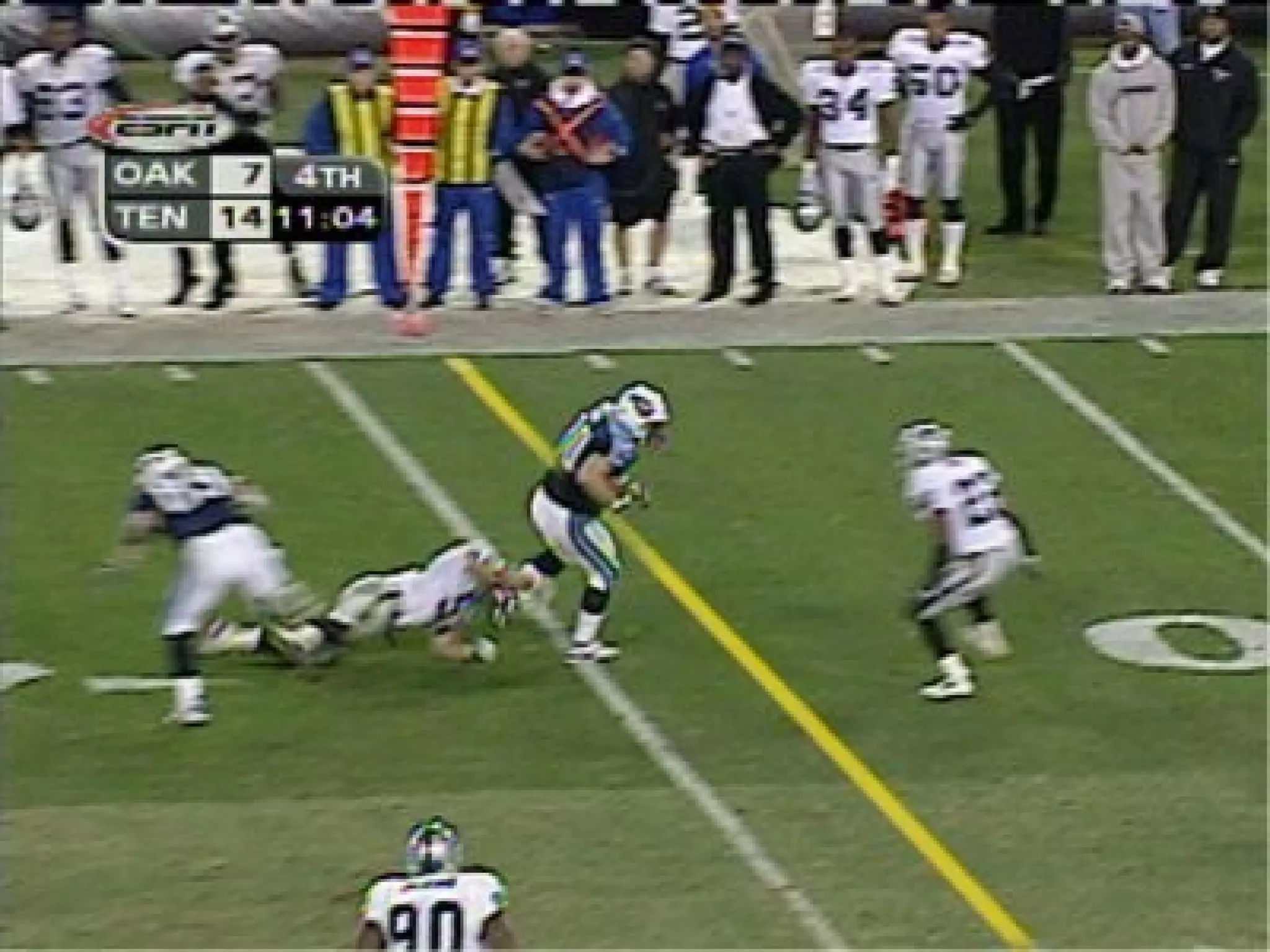
  • #23 Sportsvision’s “1st and ten” system premiered in fall of 1998 – 1 st augmented reality application for mass market.
  • #25 Virtual box simulator
  • #29 http://pewresearch.org/pubs/1147/newspapers-struggle-public-not-concerned
  • #39 http://www.fastcompany.com/blog/cliff-kuang/design-innovation/10-commandments-txt-spk-3-no-omgs