Decode Text
Muhammad Yusuf
m.yusuf.edu@gmail.com
Can you read the following?
अल्लाह 阿拉
Аллах
I would like you to reflect.
Why could you not able to read it.
What are decodable texts?
Decodable texts are those, that only contain letters and
sounds a child or student has already learned.
Text in which the majority of words can be identified using
their most common sounds.
They support explicit reading instruction at the very
beginning of reading instruction, generally kindergarten
and first grade. This approach to instruction introduces
children systematically to letters and sounds, according to
a language specific scope and sequence.
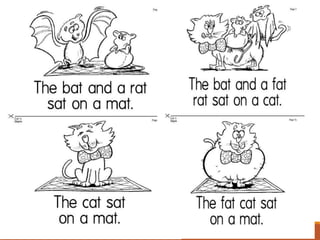
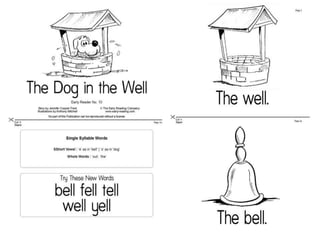
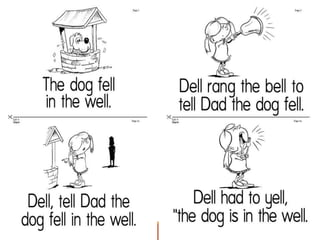
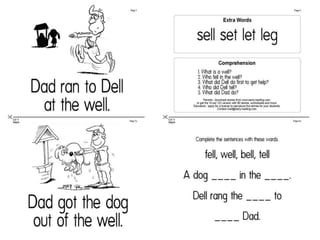
Lets share some
example from
English context
How do I determine if books or text are decodable?
1. The code the child has learned. These are the
sounds that the child has directly learned. In the
beginning this code knowledge is limited. As the
child learns more and more of the phonemic code
the amount of material that is decodable will
expand rapidly.
2. The phonetic structure of the
words. Decodable words consist of
phonograms the child knows. Remember
decidability is based on the phonograms not
the letters of the alphabet
3. The length of the word. Young children need to begin
with single syllable words. After they have mastered single
syllable words move to 2 syllable words. Remember, you
still need to evaluate phonemic code as word length is
only part of decodability. Short words can have complex
code that is not yet decodable by beginners (for example:
owl, art, boy, roar, right, soil, year). The easiest words to
read are consonant-vowel-consonant patterns (for
example: ran, sit, fun, red, mom, him,…).
Now your time start
Could you write a short
decodable story in
Urdu/Sindhi?
www.righttrackreading.com/decodabletext.html
Reference:
www.early-reading.com/

Decodable text for Early Grade learner

  • 1.
  • 2.
    Can you readthe following? अल्लाह 阿拉 Аллах I would like you to reflect. Why could you not able to read it.
  • 3.
    What are decodabletexts? Decodable texts are those, that only contain letters and sounds a child or student has already learned. Text in which the majority of words can be identified using their most common sounds. They support explicit reading instruction at the very beginning of reading instruction, generally kindergarten and first grade. This approach to instruction introduces children systematically to letters and sounds, according to a language specific scope and sequence.
  • 4.
    Lets share some examplefrom English context
  • 10.
    How do Idetermine if books or text are decodable? 1. The code the child has learned. These are the sounds that the child has directly learned. In the beginning this code knowledge is limited. As the child learns more and more of the phonemic code the amount of material that is decodable will expand rapidly.
  • 11.
    2. The phoneticstructure of the words. Decodable words consist of phonograms the child knows. Remember decidability is based on the phonograms not the letters of the alphabet
  • 12.
    3. The lengthof the word. Young children need to begin with single syllable words. After they have mastered single syllable words move to 2 syllable words. Remember, you still need to evaluate phonemic code as word length is only part of decodability. Short words can have complex code that is not yet decodable by beginners (for example: owl, art, boy, roar, right, soil, year). The easiest words to read are consonant-vowel-consonant patterns (for example: ran, sit, fun, red, mom, him,…).
  • 13.
    Now your timestart Could you write a short decodable story in Urdu/Sindhi?
  • 14.