Feature Writing
Feature Writing Key function is to humanize, to add color, to educate, to entertain, to illuminate May or may not be tied to a current event Will often be longer than a traditional news story
Features Use features when you want to: Explain, expand and/or analyze previous news stories Profile a person Document a trend in society Create a “how to” guide
Types of Features Personality profiles  Human interest stories Trend stories  Analysis stories
Feature Writing Does not have to be written in the inverted pyramid format Written to hook the reader and draw them into the story
Observations Feature stories allow you to integrate details that are observed…not just spoken Sprinkle direct quotations, observations and additional background throughout the story
Example: Piracy in Hong Kong
Choosing the Theme Has the story been done before?  Is the story of interest to the audience?  Does the story have holding power (emotional appeal)?  What makes the story worthy of being reported?  The theme answers the question, "So what?"
Example: Forrest Gump
Writing the Lead A summary may not be the best lead A lead block of one or two paragraphs often begins a feature  Rather than put the news elements of the story in the lead, the feature writer uses the first two or three paragraphs to set a mood, to arouse readers, to invite them inside
Nut Graph The “So What” paragraph Usually in the third or fourth paragraph Explains the reason the story is being written
Body of the Feature Provides vital information while it educates, entertains, and emotionally ties an audience to the subject
Body of the Feature Important components include: Background information The “thread” of the story Dialogue Voice
Background Information A paragraph or two of background should be placed high in the story to bring the audience up to date
The “Thread” of the Story Connect the beginning, body and conclusion of the story Because a feature generally runs longer than a news story, it is effective to weave a thread throughout the story, which connects the lead to the body and to the conclusion This thread can be a single person, an event or a thing, and it usually highlights the theme
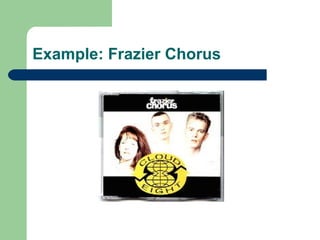
Example: Frazier Chorus
Dialogue May be used to keep a story moving In feature reporting, it must be accurate Can give readers strong mental images and keep them attached to the writing and to the story’s key players
Establish A Voice The "signature" or personal style of each writer Voice is the personality of the writer and can be used to inject color, tone, and subtle emotional commentary into the story. Voice should be used subtly
Wrapping it Up The ending will wrap up the story and come back to the lead, often with a quotation or a surprising climax. Often, a feature ends where the lead started, with a single person or event.

Feature writing4832

  • 1.
  • 2.
    Feature Writing Keyfunction is to humanize, to add color, to educate, to entertain, to illuminate May or may not be tied to a current event Will often be longer than a traditional news story
  • 3.
    Features Use featureswhen you want to: Explain, expand and/or analyze previous news stories Profile a person Document a trend in society Create a “how to” guide
  • 4.
    Types of FeaturesPersonality profiles Human interest stories Trend stories Analysis stories
  • 5.
    Feature Writing Doesnot have to be written in the inverted pyramid format Written to hook the reader and draw them into the story
  • 6.
    Observations Feature storiesallow you to integrate details that are observed…not just spoken Sprinkle direct quotations, observations and additional background throughout the story
  • 7.
  • 8.
    Choosing the ThemeHas the story been done before? Is the story of interest to the audience? Does the story have holding power (emotional appeal)? What makes the story worthy of being reported? The theme answers the question, "So what?"
  • 9.
  • 10.
    Writing the LeadA summary may not be the best lead A lead block of one or two paragraphs often begins a feature Rather than put the news elements of the story in the lead, the feature writer uses the first two or three paragraphs to set a mood, to arouse readers, to invite them inside
  • 11.
    Nut Graph The“So What” paragraph Usually in the third or fourth paragraph Explains the reason the story is being written
  • 12.
    Body of theFeature Provides vital information while it educates, entertains, and emotionally ties an audience to the subject
  • 13.
    Body of theFeature Important components include: Background information The “thread” of the story Dialogue Voice
  • 14.
    Background Information Aparagraph or two of background should be placed high in the story to bring the audience up to date
  • 15.
    The “Thread” ofthe Story Connect the beginning, body and conclusion of the story Because a feature generally runs longer than a news story, it is effective to weave a thread throughout the story, which connects the lead to the body and to the conclusion This thread can be a single person, an event or a thing, and it usually highlights the theme
  • 16.
  • 17.
    Dialogue May beused to keep a story moving In feature reporting, it must be accurate Can give readers strong mental images and keep them attached to the writing and to the story’s key players
  • 18.
    Establish A VoiceThe "signature" or personal style of each writer Voice is the personality of the writer and can be used to inject color, tone, and subtle emotional commentary into the story. Voice should be used subtly
  • 19.
    Wrapping it UpThe ending will wrap up the story and come back to the lead, often with a quotation or a surprising climax. Often, a feature ends where the lead started, with a single person or event.