WIRELESS SENSOR NETWORKS
FOR TRAFFIC CONTROL
VIRUS
SL Name ID E-mail
01 Md. Ohidul Islam
02 Imran Khan
03 Kamrun Nahar Liza
04 Mainul Hasan Khan
05 Abdul Hai Aimon
Introduction
• Wireless sensor network
• Importance of WSN
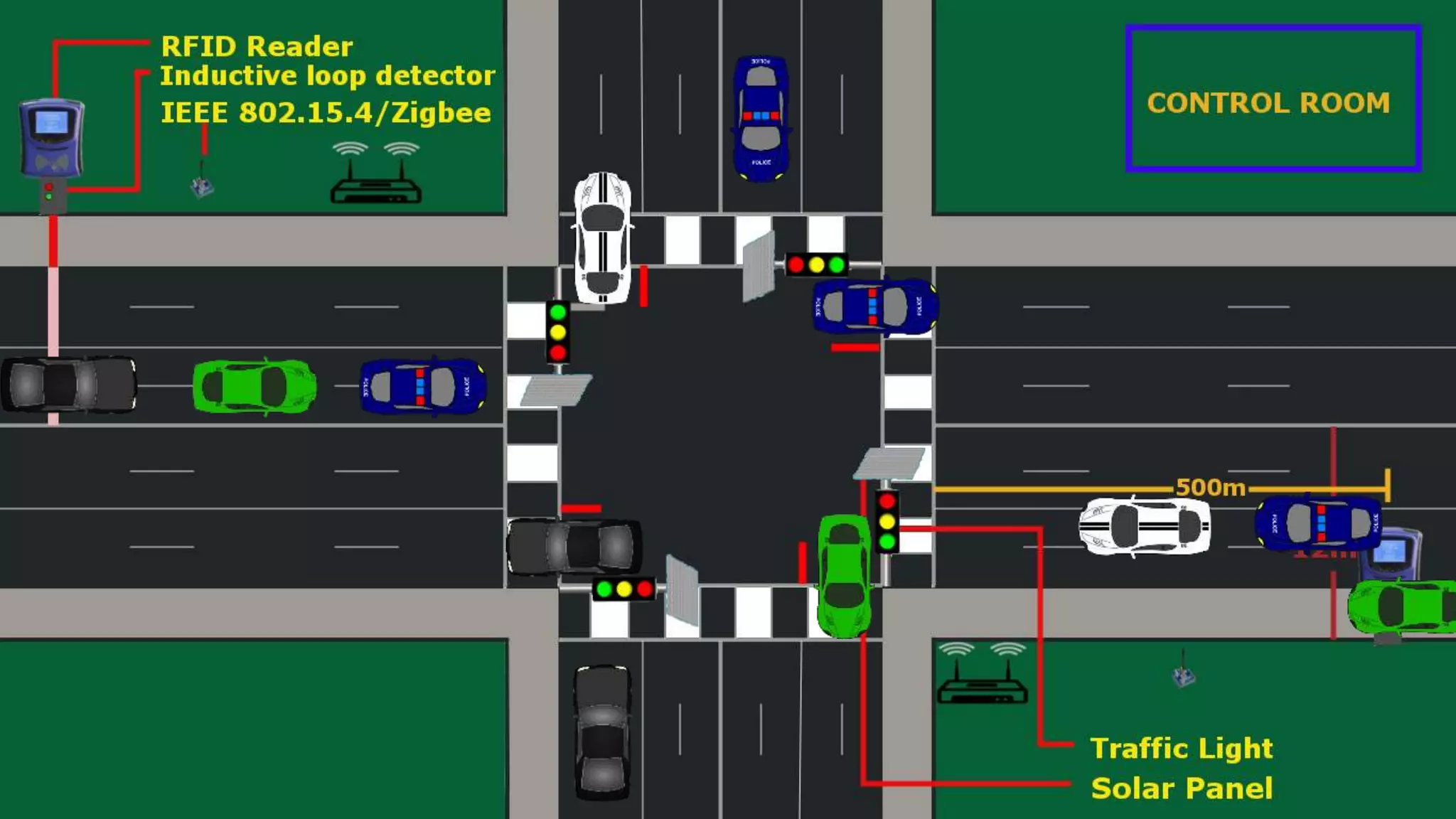
• Using WSN for Traffic Control
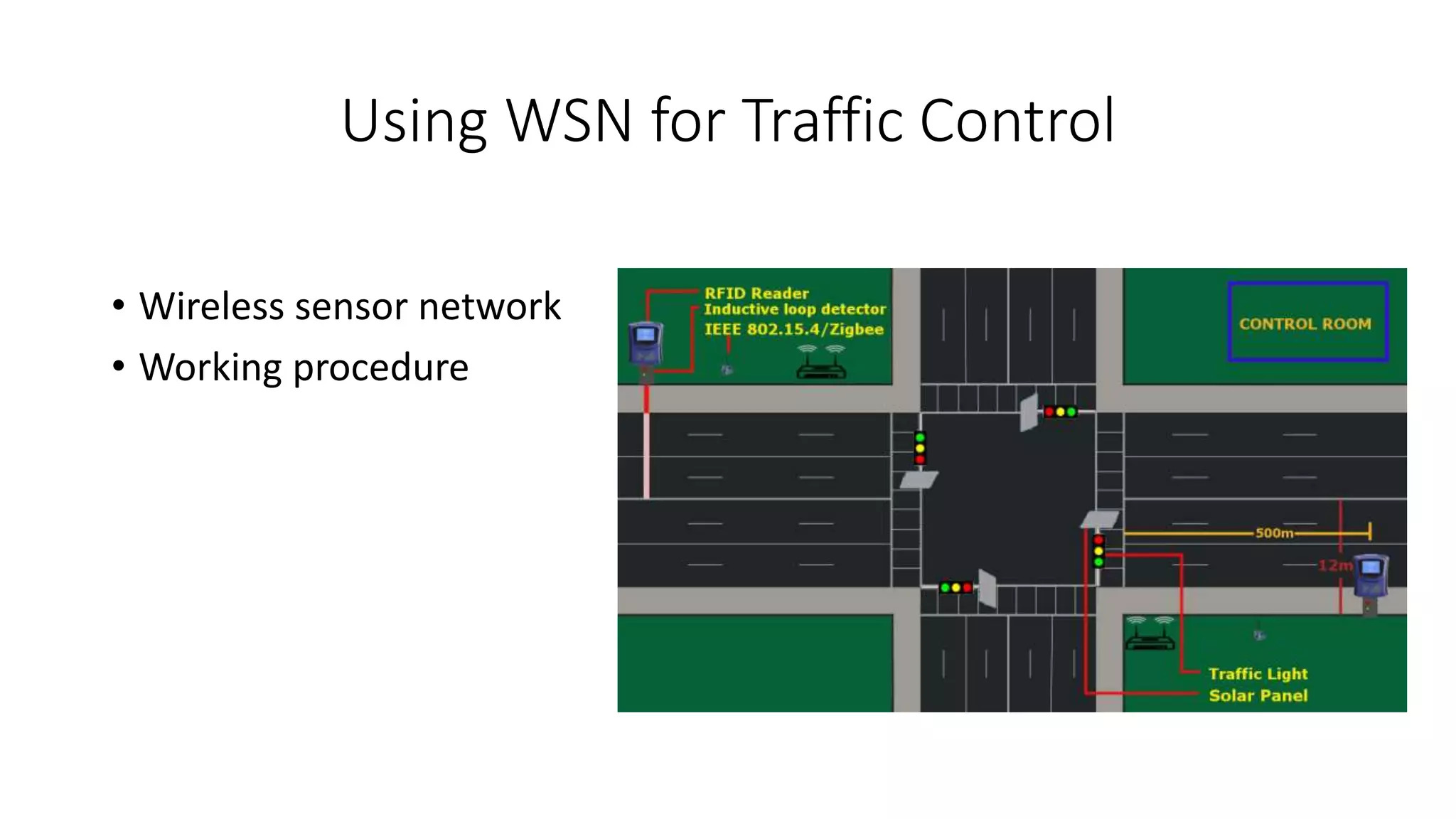
Using WSN for Traffic Control
• Wireless sensor network
• Working procedure
RELATED WORK
Simulation of Dynamic Traffic control system based on Wireless sensor network:
The work in proposed a smart traffic control system based on the wireless sensor network and an
alerting system for red light crossing scenario to alert the drivers on other sides to save their lives.
This technique is based on the queue length of the vehicles on the traffic lights. They also
represent the simulation of 4 models which are used in the different parts of the world and shows
competing results in the terms of waiting time and number of vehicles not served first time.
Bus Management System Using RFID in WSN:
The work in this proposed paper an approach to integrate Wireless Sensor Network (WSN) in the
RFID Reader to implement bus management system where motion sensors are used to send
command to the RFID reader to enter in the read when it detects the RFID tag movement around
it and then RFID Reader reads the contents of RFID tag and pass this information to host
application via IEEE 802.15.4/ZigBee standard, that reduces the cost and time by eliminating the
wired installation of cable. Here they also compare Bluetooth and ZigBee technique for wireless
communication.
Wireless Sensor Networks for Road Traffic Monitoring:
The authors of the paper present Wireless Sensor Networks (WSNs) consist of
large number of sensor nodes. Each node is empowered by a communication
interface that is mainly characterized by low power, short transmission
distance and minimal data rate such as the maximum data rate in ZigBee
technology is 256 kbps, while approximately the physical transmission range
between 10 to 20 meters. Currently, WSN Technology is being distributed over
a large roadway of areas, in order to monitor traffic and environmental data.
This approach allows several Intelligent Transport Systems (ITSs) applications to
exploit the primary collected data in order to generate intelligent decisions
based on earlier valuable selected information. Therefore, in this work we
present a MAC protocol that is suitable for WSN where its nodes are assigned
to a linear topology. The investigated protocol is realized by adapting an
already existing Jennic MAC protocol. We demonstrate the validity of the MAC
by building a complete end-to-end road traffic monitoring system using 4
Jennic nodes deployed in an indoor environment with the aim to prove the
MAC potential in meeting the expectations of ITS applications.
Hardware Tools
• RFID
• Inductive loop detector
• ZigBee
• Solar panel
• LED Light
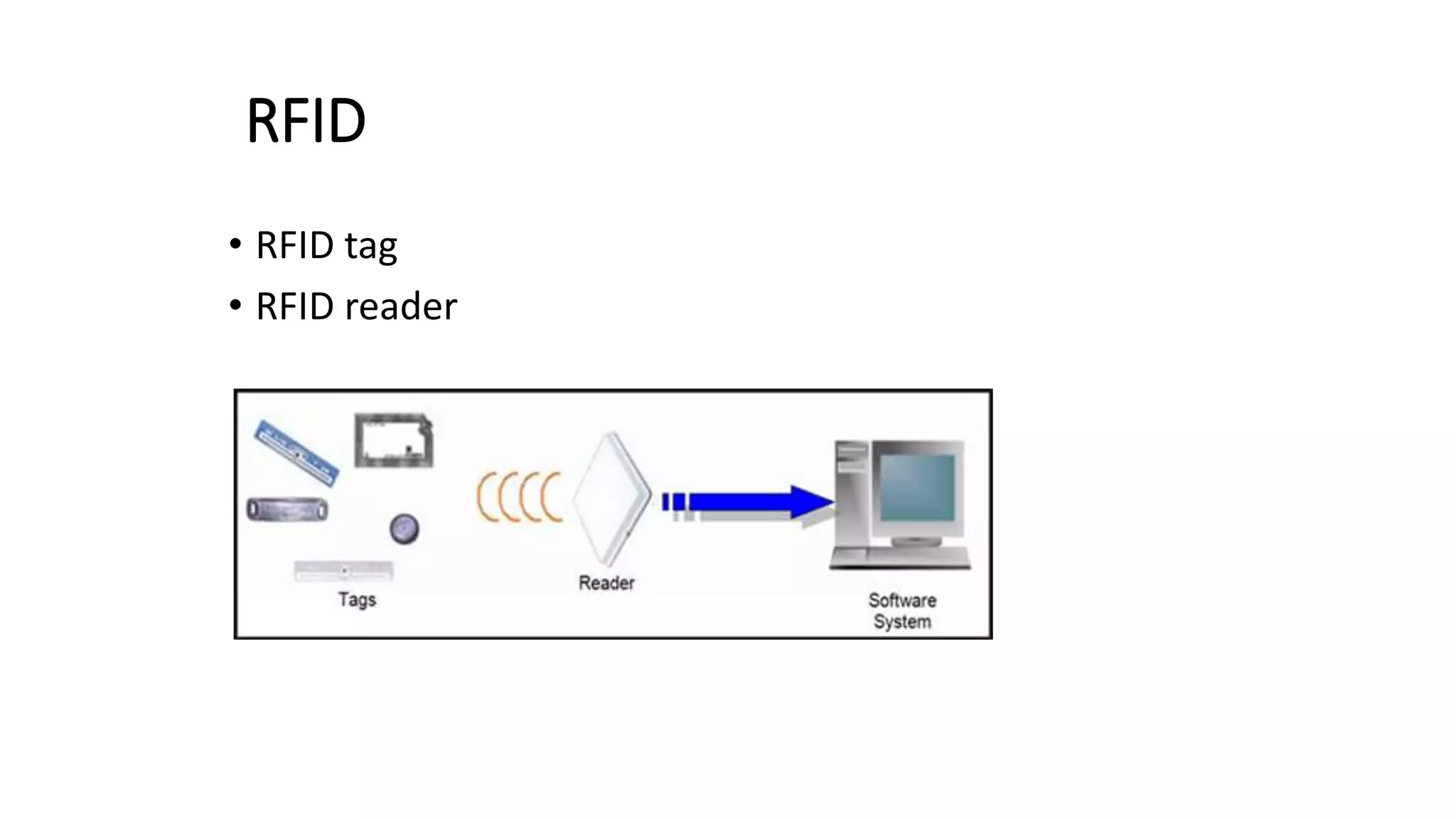
RFID
• RFID tag
• RFID reader
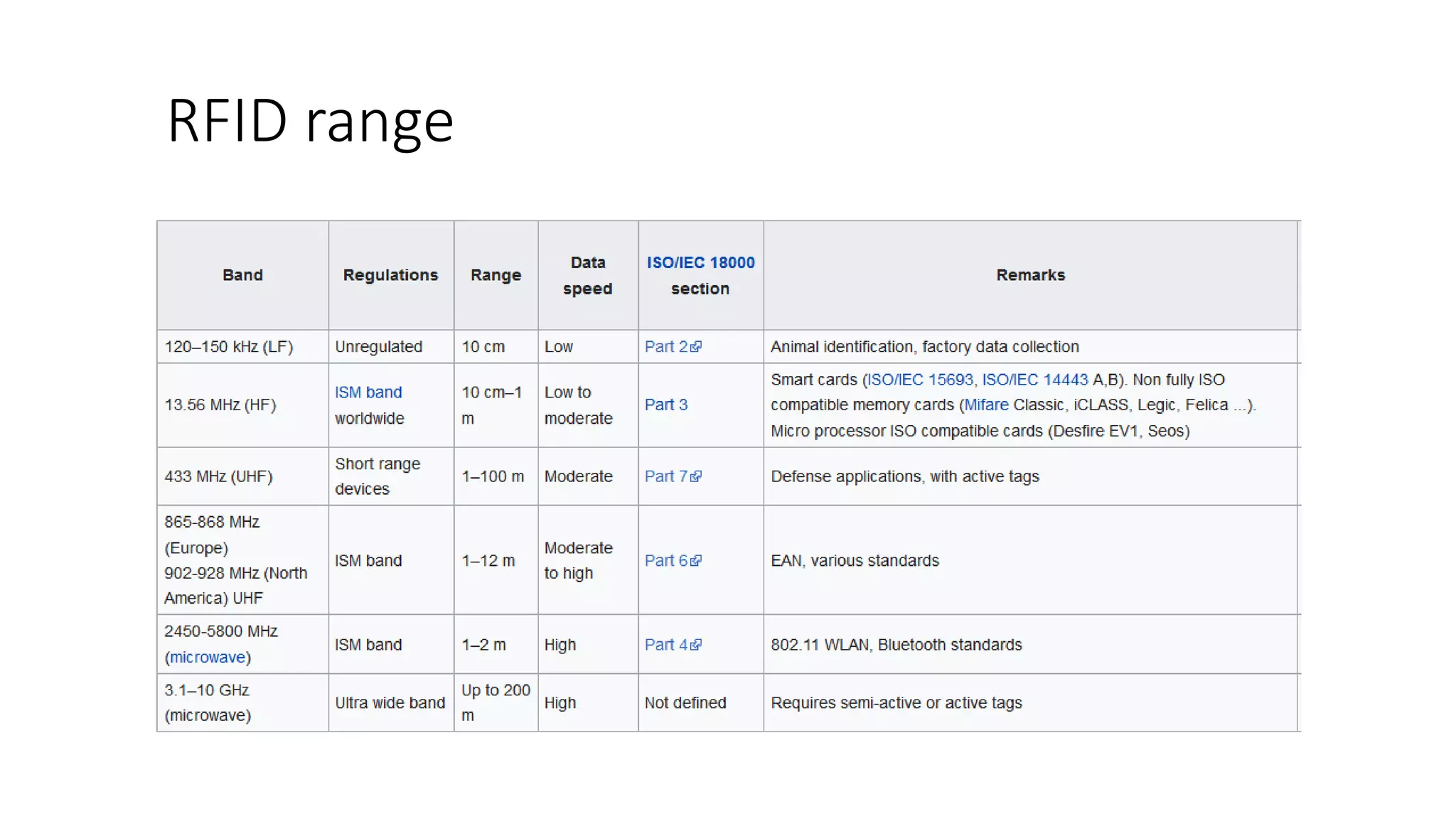
RFID range
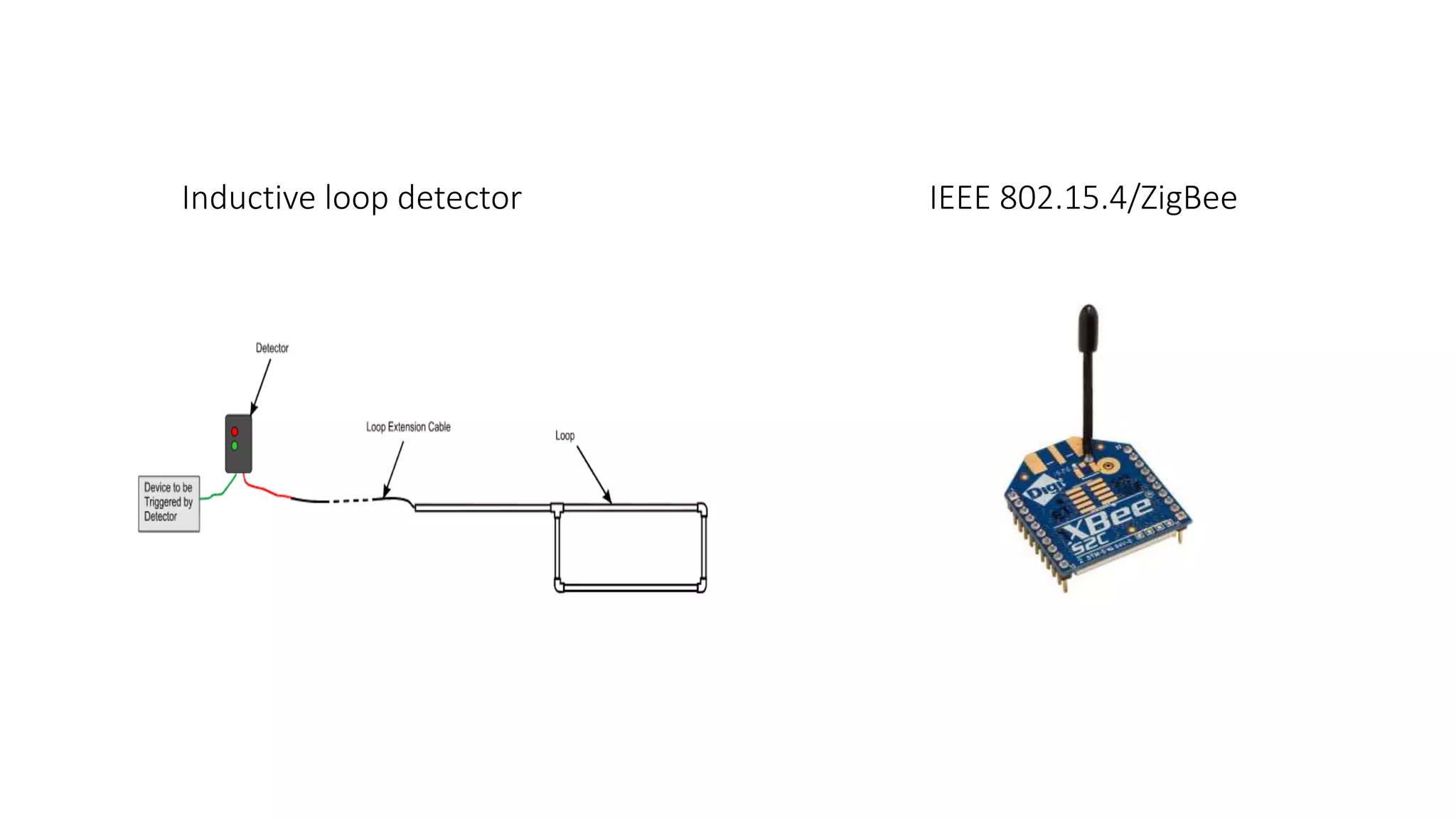
Inductive loop detector IEEE 802.15.4/ZigBee
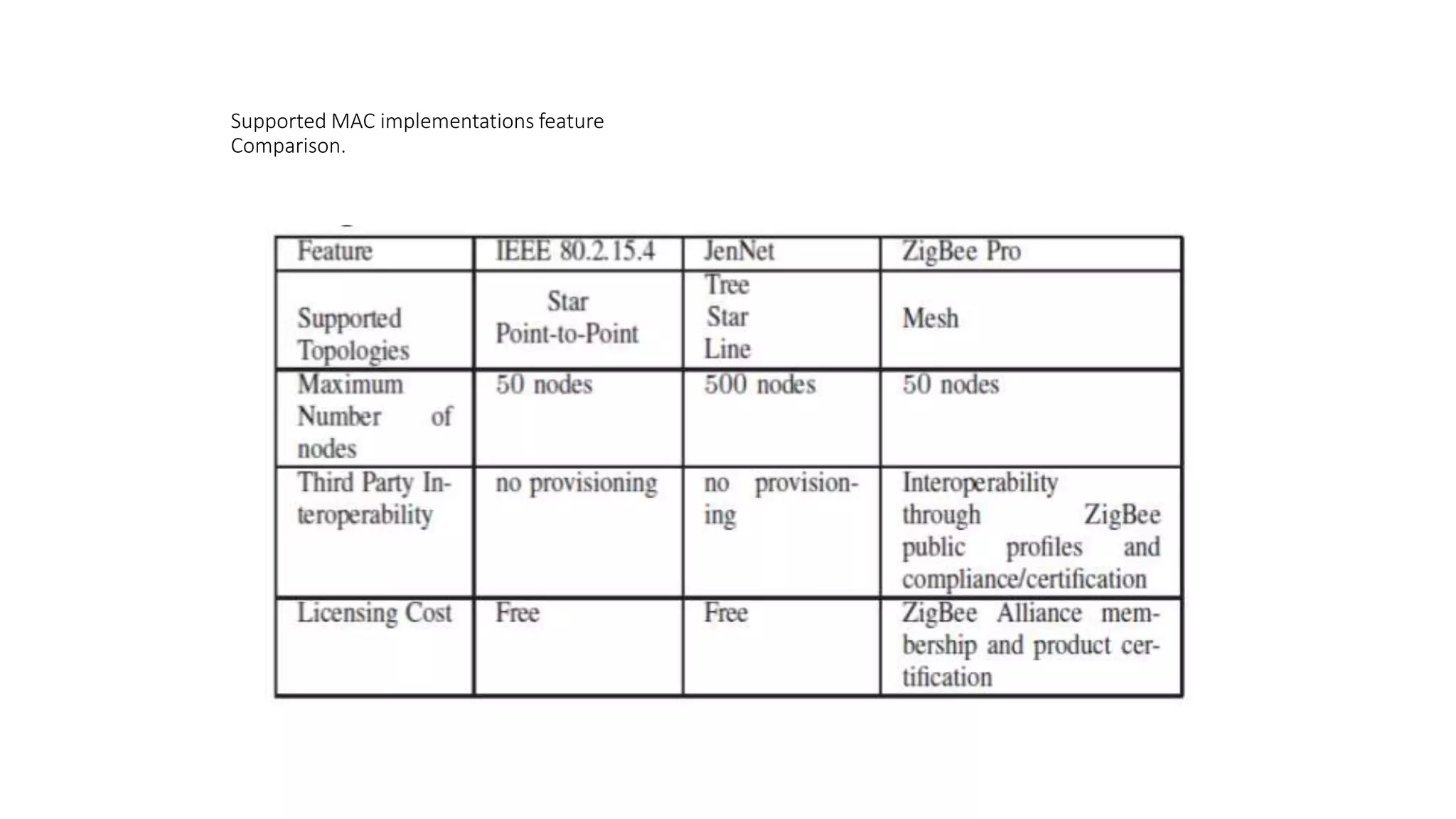
Supported MAC implementations feature
Comparison.
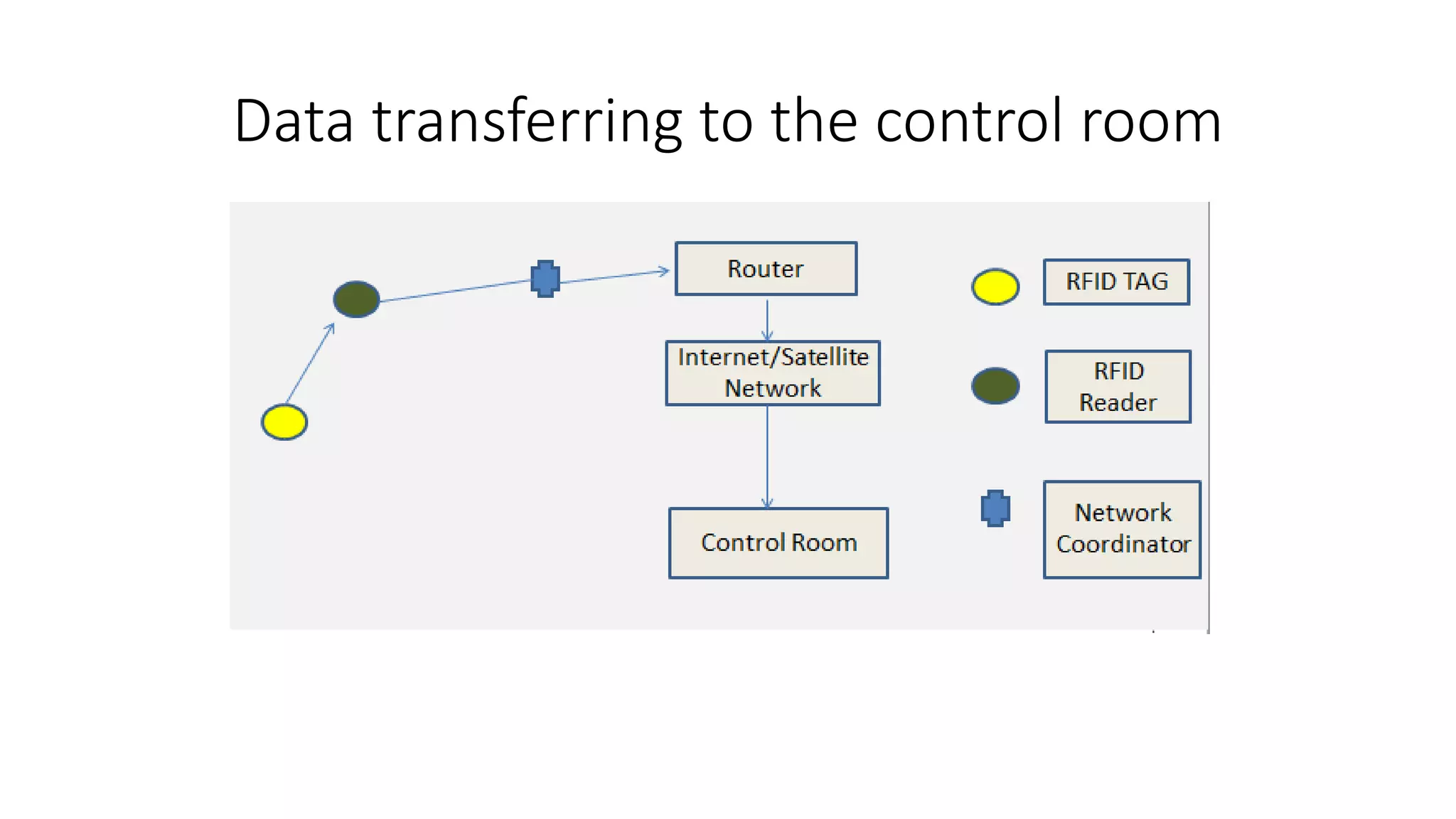
Data transferring to the control room
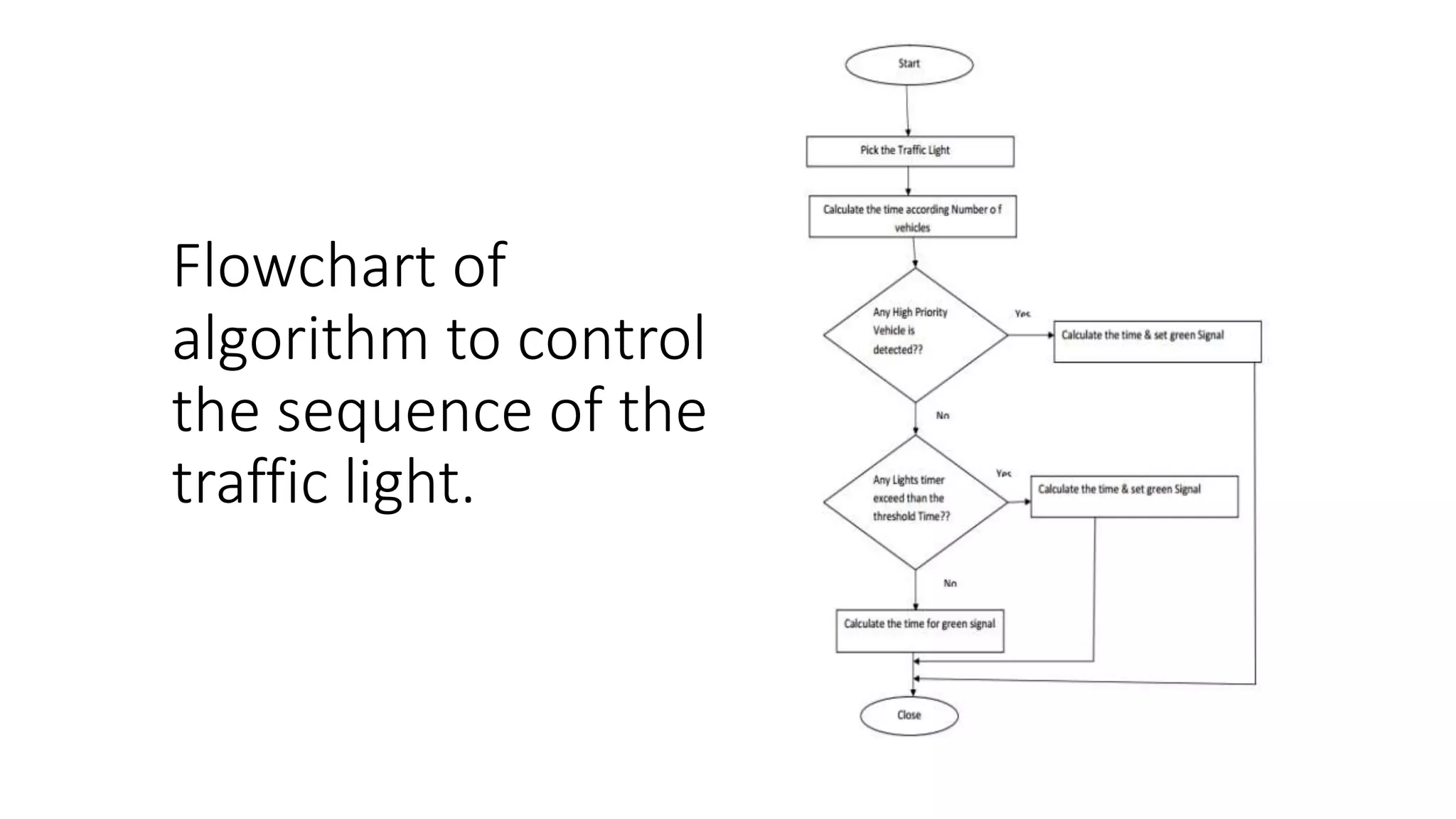
Algorithm to control the sequence of the traffic light.
• While (true)
1. Store all lights in Queue
2. Sense the vehicles on different lights continuously
3. If a high priority vehicle is detected then
a. Send an emergency signal to center Traffic light
controller
b. Find the road corresponding to the reader that
detect a high priority vehicle
c. Set the corresponding traffic light Green
4. Else
5. For i=1 to 4
a. At decision point dp Pick the traffic light Queue[i]
a. At traffic i Count the number of vehicles & check type
of vehicle
b. If Emergency vehicle found then
1. Go to step 3
c. Else follow steps d to f
d. Find the priority of the different vehicle at traffic light
i
e. Calculate the total sum according to Number of
vehicle
f. On the basis of sum calculate the time for green signal
g. If any light doesn’t get it term within the threshold
time then
1. Give the turn to that light
6. End Loop
• 7.END
Flowchart of
algorithm to control
the sequence of the
traffic light.
Advantage of our project
• Low cost
• Easily maintenance
• Less human power
• Lessen the traffic jam
• Controlling the emergency vehicles
• Easily find out about details of the car
Future Plan
• Use accelerometers to estimate vehicles weight
• Use sensor to intelligent monitoring and early warning system for any
kind of disaster
Conclusion
In this paper, wireless sensor network architecture for Traffic management using the RFID and
Inductive loop detector is proposed. The proposed work considers not only the priority of the
vehicles but also the density of the vehicles on the road and controls the traffic light sequence
efficiently and more accurately and the accuracy of the RFID is more than Cameras. So it also
improves the performance of traffic light Violation Detection System. When traffic signal are
control by traffic police or automatic traffic lights, the traffic jam are not concerned as a matter
because less traffic management. But this proposed system makes sure traffic management
system works efficiently to lessen their works. This proposed system also helps to lessen the
valuable times of thousand people in every day. It also makes the traffic control management
easy. RFID tagging of traffic signals to convey their information to the car. The proposed on-
board architecture is portable and easily adaptable to any commercial car with minimal
modification.

Wireless sensor network for traffic control

  • 1.
  • 2.
    VIRUS SL Name IDE-mail 01 Md. Ohidul Islam 02 Imran Khan 03 Kamrun Nahar Liza 04 Mainul Hasan Khan 05 Abdul Hai Aimon
  • 3.
    Introduction • Wireless sensornetwork • Importance of WSN • Using WSN for Traffic Control
  • 4.
    Using WSN forTraffic Control • Wireless sensor network • Working procedure
  • 5.
    RELATED WORK Simulation ofDynamic Traffic control system based on Wireless sensor network: The work in proposed a smart traffic control system based on the wireless sensor network and an alerting system for red light crossing scenario to alert the drivers on other sides to save their lives. This technique is based on the queue length of the vehicles on the traffic lights. They also represent the simulation of 4 models which are used in the different parts of the world and shows competing results in the terms of waiting time and number of vehicles not served first time. Bus Management System Using RFID in WSN: The work in this proposed paper an approach to integrate Wireless Sensor Network (WSN) in the RFID Reader to implement bus management system where motion sensors are used to send command to the RFID reader to enter in the read when it detects the RFID tag movement around it and then RFID Reader reads the contents of RFID tag and pass this information to host application via IEEE 802.15.4/ZigBee standard, that reduces the cost and time by eliminating the wired installation of cable. Here they also compare Bluetooth and ZigBee technique for wireless communication.
  • 6.
    Wireless Sensor Networksfor Road Traffic Monitoring: The authors of the paper present Wireless Sensor Networks (WSNs) consist of large number of sensor nodes. Each node is empowered by a communication interface that is mainly characterized by low power, short transmission distance and minimal data rate such as the maximum data rate in ZigBee technology is 256 kbps, while approximately the physical transmission range between 10 to 20 meters. Currently, WSN Technology is being distributed over a large roadway of areas, in order to monitor traffic and environmental data. This approach allows several Intelligent Transport Systems (ITSs) applications to exploit the primary collected data in order to generate intelligent decisions based on earlier valuable selected information. Therefore, in this work we present a MAC protocol that is suitable for WSN where its nodes are assigned to a linear topology. The investigated protocol is realized by adapting an already existing Jennic MAC protocol. We demonstrate the validity of the MAC by building a complete end-to-end road traffic monitoring system using 4 Jennic nodes deployed in an indoor environment with the aim to prove the MAC potential in meeting the expectations of ITS applications.
  • 7.
    Hardware Tools • RFID •Inductive loop detector • ZigBee • Solar panel • LED Light
  • 8.
  • 9.
  • 10.
    Inductive loop detectorIEEE 802.15.4/ZigBee
  • 11.
    Supported MAC implementationsfeature Comparison.
  • 13.
    Data transferring tothe control room
  • 14.
    Algorithm to controlthe sequence of the traffic light. • While (true) 1. Store all lights in Queue 2. Sense the vehicles on different lights continuously 3. If a high priority vehicle is detected then a. Send an emergency signal to center Traffic light controller b. Find the road corresponding to the reader that detect a high priority vehicle c. Set the corresponding traffic light Green 4. Else 5. For i=1 to 4 a. At decision point dp Pick the traffic light Queue[i] a. At traffic i Count the number of vehicles & check type of vehicle b. If Emergency vehicle found then 1. Go to step 3 c. Else follow steps d to f d. Find the priority of the different vehicle at traffic light i e. Calculate the total sum according to Number of vehicle f. On the basis of sum calculate the time for green signal g. If any light doesn’t get it term within the threshold time then 1. Give the turn to that light 6. End Loop • 7.END
  • 15.
    Flowchart of algorithm tocontrol the sequence of the traffic light.
  • 16.
    Advantage of ourproject • Low cost • Easily maintenance • Less human power • Lessen the traffic jam • Controlling the emergency vehicles • Easily find out about details of the car
  • 17.
    Future Plan • Useaccelerometers to estimate vehicles weight • Use sensor to intelligent monitoring and early warning system for any kind of disaster
  • 18.
    Conclusion In this paper,wireless sensor network architecture for Traffic management using the RFID and Inductive loop detector is proposed. The proposed work considers not only the priority of the vehicles but also the density of the vehicles on the road and controls the traffic light sequence efficiently and more accurately and the accuracy of the RFID is more than Cameras. So it also improves the performance of traffic light Violation Detection System. When traffic signal are control by traffic police or automatic traffic lights, the traffic jam are not concerned as a matter because less traffic management. But this proposed system makes sure traffic management system works efficiently to lessen their works. This proposed system also helps to lessen the valuable times of thousand people in every day. It also makes the traffic control management easy. RFID tagging of traffic signals to convey their information to the car. The proposed on- board architecture is portable and easily adaptable to any commercial car with minimal modification.