What Staff Training Program?
Minimum Investment, Maximum Impact Staff
Education Strategies
Emily Clasper
Suffolk Cooperative Library System

Alaska Library Association Conference, 2014
#akla
Library Staff Training Programs
Training and continuing
education opportunities often
offered to library staff:

•
•
•
•
•
•

Photo Credit: E. Clasper Suffolk Cooperative Library System

Workshops
Demos
Webinars
Task-specific training
Speakers
Development programs
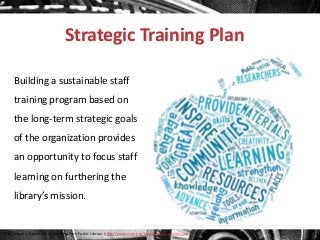
Strategic Training Plan
Building a sustainable staff
training program based on
the long-term strategic goals

of the organization provides
an opportunity to focus staff
learning on furthering the
library’s mission.

Text: Mission Statement of the New York Public Library. http://www.nypl.org/help/about-nypl/mission
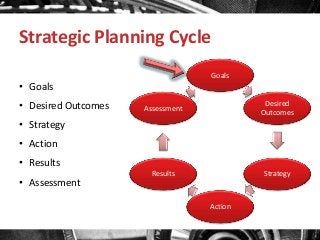
Strategic Planning Cycle
Goals

• Goals
• Desired Outcomes

Assessment

Desired
Outcomes

Results

Strategy

• Strategy
• Action
• Results

• Assessment

Action
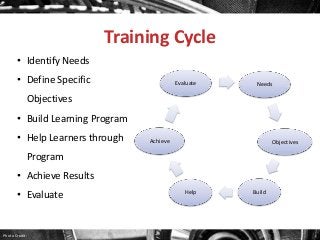
Training Cycle
• Identify Needs
• Define Specific

Evaluate

Needs

Objectives
• Build Learning Program

• Help Learners through

Achieve

Objectives

Program
• Achieve Results

• Evaluate

Photo Credit:

Help

Build
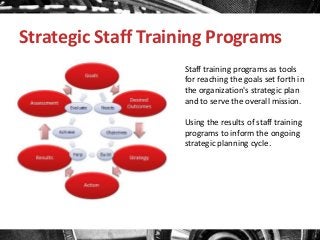
Strategic Staff Training Programs
Staff training programs as tools
for reaching the goals set forth in
the organization's strategic plan
and to serve the overall mission.
Using the results of staff training
programs to inform the ongoing
strategic planning cycle.
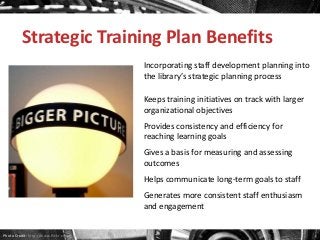
Strategic Training Plan Benefits
Incorporating staff development planning into
the library’s strategic planning process
Keeps training initiatives on track with larger
organizational objectives
Provides consistency and efficiency for
reaching learning goals
Gives a basis for measuring and assessing
outcomes
Helps communicate long-term goals to staff
Generates more consistent staff enthusiasm
and engagement

Photo Credit: http://www.flickr.com/photos/krossbow/3279873902
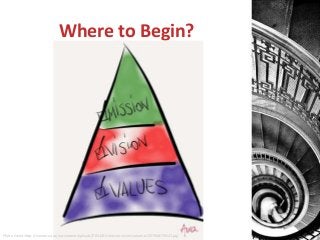
Where to Begin?

Photo Credit:http://auraserea.ro/wp-content/uploads/2013/01/mission-vision-values-e1357948779221.jpg
The Library’s Mission
The mission of the X Public Library is
to provide quality materials and
services that fulfill educational,
informational, cultural, and
recreational needs of the entire
community in an atmosphere that is
welcoming, respectful, and
businesslike.
The University Libraries inspire
learning and discovery through
information resources,
collaboration, and expertise

Photo Credit:

The Library and Information Access
supports the information, curricular and
research needs of the university's
diverse community through the widest
possible range of resources. We are
committed to information literacy,
lifelong learning, and creative endeavors
in a welcoming environment.
Library X enhances the quality of life in
our diverse community by providing the
resources and services for lifelong
learning and enjoyment, the space and
opportunities to gather and connect,
and by fostering a love of reading.
The Library’s Goals
•
•
•
•
•
•

Provide a balanced, multi-format collection
Collaborate with libraries and other organizations
Improve access to the collections
Provide a comfortable setting for patron use
Serve as a center for local history
Help patrons develop skills for career and vocational
advancement

What Else?

Photo Credit:
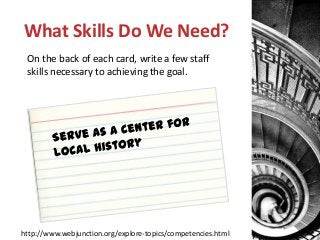
What Skills Do We Need?
On the back of each card, write a few staff
skills necessary to achieving the goal.

http://www.webjunction.org/explore-topics/competencies.html
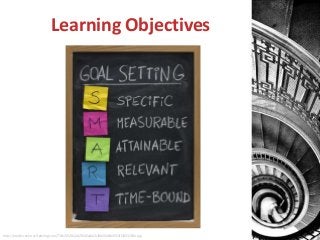
Learning Objectives

http://media-cache-ec0.pinimg.com/736x/36/06/ad/3606add2b7bb66b64ef554ff1003283e.jpg
Training Tools
Considerations:
 Cost
 Logistics
 Challenges/Rewards
 Staff Motivation
 Outcomes
 Evaluation
 Sustainability
The Usual Suspects
•
•
•
•
•
•
•

Classroom Courses
Meetings
Speakers
Demos
Workshops
Webinars
Task Training

Photo Credit: http://www.flickr.com/photos/47823583@N03/8522077880
Outside of the Box
•
•
•
•
•
•
•
•

Discussion Groups
Online Learning Programs
Peer Partnerships
Mentoring Programs
Community Partnerships
Group Projects/Games
Flipped Learning Models
Blended Approaches

Photo Credit:http://static.flickr.com/3359/3523627575_b704d966d3.jpg
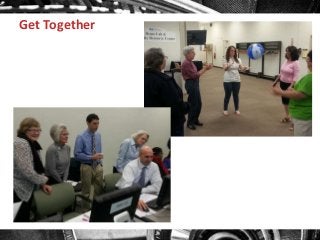
Get Together
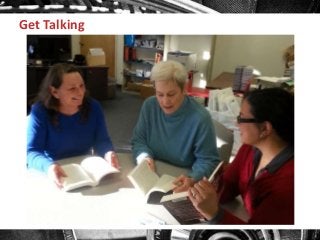
Get Talking
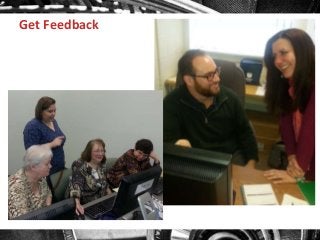
Get Feedback
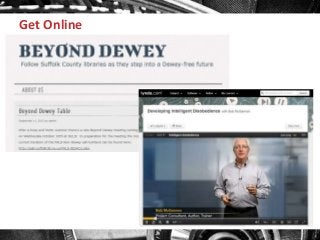
Get Online
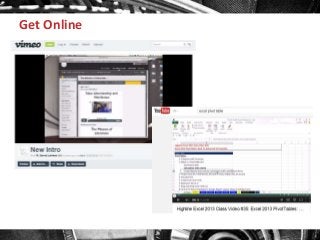
Get Online
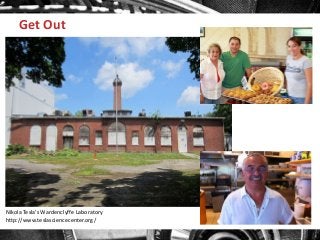
Get Out

Nikola Tesla’s Wardenclyffe Laboratory
http://www.teslasciencecenter.org/
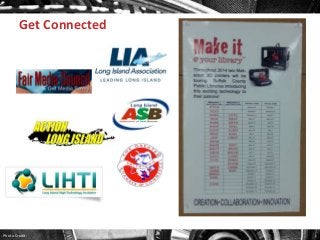
Get Connected

Photo Credit:
Get Your Hands Dirty
Get Flipped

Photo Credit: http://www.coolinfographics.com/storage/post-images/Flipped%20Classroom%20Infographic.jpg?__SQUARESPACE_CACHEVERSION=1315882004793
Get Flipped

Photo Credit: http://www.coolinfographics.com/storage/post-images/Flipped%20Classroom%20Infographic.jpg?__SQUARESPACE_CACHEVERSION=1315882004793
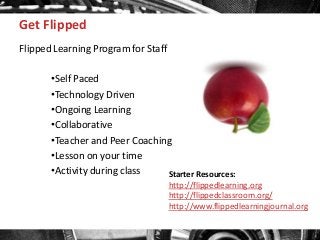
Get Flipped
Flipped Learning Program for Staff

•Self Paced
•Technology Driven
•Ongoing Learning
•Collaborative
•Teacher and Peer Coaching
•Lesson on your time
•Activity during class
Starter Resources:
http://flippedlearning.org
http://flippedclassroom.org/
http://www.flippedlearningjournal.org
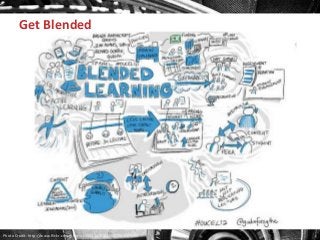
Get Blended

Photo Credit: http://www.flickr.com/photos/59217476@N00/7704609288
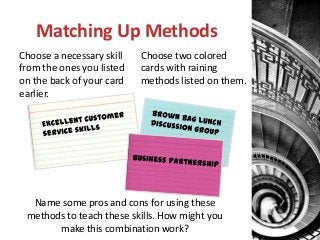
Matching Up Methods
Choose a necessary skill
from the ones you listed
on the back of your card
earlier.

Choose two colored
cards with raining
methods listed on them.

Name some pros and cons for using these
methods to teach these skills. How might you
make this combination work?
The Commitment
Making a commitment to staff development
means management support of employees
as learners.

How do we
make this
support a
reality?

Photo Credit: http://static.flickr.com/7351/9907581715_7276d45574.jpg
Best Practices
• Get to know your organization’s mission, vision, and
strategic objectives
• Base training and development topics and desired
outcomes on strategies for reaching organizational goals.
• Coordinate efforts within the larger strategic framework
and planning structure.
• Adapt to feedback and changes in direction.
• Take opportunities to allow findings from these activities
inform the strategic planning process in the future.
• Make sure staff have the time and resources to fully
engage.

Photo Credit: http://static.flickr.com/7351/9907581715_7276d45574.jpg
Emily Clasper
emily@eclasper.com
@eclasper

http://slidesha.re/1iXpGW6
Alaska Library Association Conference, 2014
#akla

Photo Credit: Thomas Hawk http://www.flickr.com/photos/51035555243@N01/3191454610/

What Staff Training Program?

  • 1.
    What Staff TrainingProgram? Minimum Investment, Maximum Impact Staff Education Strategies Emily Clasper Suffolk Cooperative Library System Alaska Library Association Conference, 2014 #akla
  • 2.
    Library Staff TrainingPrograms Training and continuing education opportunities often offered to library staff: • • • • • • Photo Credit: E. Clasper Suffolk Cooperative Library System Workshops Demos Webinars Task-specific training Speakers Development programs
  • 3.
    Strategic Training Plan Buildinga sustainable staff training program based on the long-term strategic goals of the organization provides an opportunity to focus staff learning on furthering the library’s mission. Text: Mission Statement of the New York Public Library. http://www.nypl.org/help/about-nypl/mission
  • 4.
    Strategic Planning Cycle Goals •Goals • Desired Outcomes Assessment Desired Outcomes Results Strategy • Strategy • Action • Results • Assessment Action
  • 5.
    Training Cycle • IdentifyNeeds • Define Specific Evaluate Needs Objectives • Build Learning Program • Help Learners through Achieve Objectives Program • Achieve Results • Evaluate Photo Credit: Help Build
  • 6.
    Strategic Staff TrainingPrograms Staff training programs as tools for reaching the goals set forth in the organization's strategic plan and to serve the overall mission. Using the results of staff training programs to inform the ongoing strategic planning cycle.
  • 7.
    Strategic Training PlanBenefits Incorporating staff development planning into the library’s strategic planning process Keeps training initiatives on track with larger organizational objectives Provides consistency and efficiency for reaching learning goals Gives a basis for measuring and assessing outcomes Helps communicate long-term goals to staff Generates more consistent staff enthusiasm and engagement Photo Credit: http://www.flickr.com/photos/krossbow/3279873902
  • 8.
    Where to Begin? PhotoCredit:http://auraserea.ro/wp-content/uploads/2013/01/mission-vision-values-e1357948779221.jpg
  • 9.
    The Library’s Mission Themission of the X Public Library is to provide quality materials and services that fulfill educational, informational, cultural, and recreational needs of the entire community in an atmosphere that is welcoming, respectful, and businesslike. The University Libraries inspire learning and discovery through information resources, collaboration, and expertise Photo Credit: The Library and Information Access supports the information, curricular and research needs of the university's diverse community through the widest possible range of resources. We are committed to information literacy, lifelong learning, and creative endeavors in a welcoming environment. Library X enhances the quality of life in our diverse community by providing the resources and services for lifelong learning and enjoyment, the space and opportunities to gather and connect, and by fostering a love of reading.
  • 10.
    The Library’s Goals • • • • • • Providea balanced, multi-format collection Collaborate with libraries and other organizations Improve access to the collections Provide a comfortable setting for patron use Serve as a center for local history Help patrons develop skills for career and vocational advancement What Else? Photo Credit:
  • 11.
    What Skills DoWe Need? On the back of each card, write a few staff skills necessary to achieving the goal. http://www.webjunction.org/explore-topics/competencies.html
  • 12.
  • 13.
    Training Tools Considerations:  Cost Logistics  Challenges/Rewards  Staff Motivation  Outcomes  Evaluation  Sustainability
  • 14.
    The Usual Suspects • • • • • • • ClassroomCourses Meetings Speakers Demos Workshops Webinars Task Training Photo Credit: http://www.flickr.com/photos/47823583@N03/8522077880
  • 16.
    Outside of theBox • • • • • • • • Discussion Groups Online Learning Programs Peer Partnerships Mentoring Programs Community Partnerships Group Projects/Games Flipped Learning Models Blended Approaches Photo Credit:http://static.flickr.com/3359/3523627575_b704d966d3.jpg
  • 17.
  • 18.
  • 19.
  • 20.
  • 21.
  • 22.
    Get Out Nikola Tesla’sWardenclyffe Laboratory http://www.teslasciencecenter.org/
  • 23.
  • 24.
  • 25.
  • 26.
    Get Flipped Photo Credit:http://www.coolinfographics.com/storage/post-images/Flipped%20Classroom%20Infographic.jpg?__SQUARESPACE_CACHEVERSION=1315882004793
  • 27.
    Get Flipped Photo Credit:http://www.coolinfographics.com/storage/post-images/Flipped%20Classroom%20Infographic.jpg?__SQUARESPACE_CACHEVERSION=1315882004793
  • 28.
    Get Flipped Flipped LearningProgram for Staff •Self Paced •Technology Driven •Ongoing Learning •Collaborative •Teacher and Peer Coaching •Lesson on your time •Activity during class Starter Resources: http://flippedlearning.org http://flippedclassroom.org/ http://www.flippedlearningjournal.org
  • 29.
    Get Blended Photo Credit:http://www.flickr.com/photos/59217476@N00/7704609288
  • 30.
    Matching Up Methods Choosea necessary skill from the ones you listed on the back of your card earlier. Choose two colored cards with raining methods listed on them. Name some pros and cons for using these methods to teach these skills. How might you make this combination work?
  • 31.
    The Commitment Making acommitment to staff development means management support of employees as learners. How do we make this support a reality? Photo Credit: http://static.flickr.com/7351/9907581715_7276d45574.jpg
  • 32.
    Best Practices • Getto know your organization’s mission, vision, and strategic objectives • Base training and development topics and desired outcomes on strategies for reaching organizational goals. • Coordinate efforts within the larger strategic framework and planning structure. • Adapt to feedback and changes in direction. • Take opportunities to allow findings from these activities inform the strategic planning process in the future. • Make sure staff have the time and resources to fully engage. Photo Credit: http://static.flickr.com/7351/9907581715_7276d45574.jpg
  • 33.
    Emily Clasper emily@eclasper.com @eclasper http://slidesha.re/1iXpGW6 Alaska LibraryAssociation Conference, 2014 #akla Photo Credit: Thomas Hawk http://www.flickr.com/photos/51035555243@N01/3191454610/

Editor's Notes

  • #3 Not all industries offer professional development the way we do.
  • #4 You also have a framework for considering your library’s resources as part of the planning process.
  • #9 Begin where everything you do in our organization should startwith the mission.
  • #10 Do you know your library’s mission? How well?
  • #11 Knowing the mission leads to the development of organizational goals. What are yours?Write these goals on index cards
  • #12 Hand out index cards with goals. Groups write some staff skills on the back. 5 min and share
  • #13 Now you can develop some learning objectives for your staff. These are skills that can transfer between projects and initiatives. What do they need to work towards? What skills should be developed and to what degree?
  • #14 For each tool/methodology we consider, think about each of these things.
  • #15 These are the most commonly used methods for implementing staff training. They’re a good start, but can often be costly, inefficient, or otherwise not practical or sustainable.
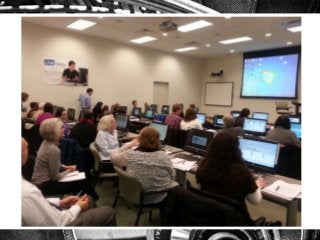
  • #16 SCLS training room. I’m guessing not everyone has facilities to handle formal hands on course programs like this on a regular basis.
  • #17 Other avenues to explore for providing learning experiences for staff. Most can be as formal/informal, complex as you wish. Can be put together as part of a sustainable program that costs very little, is flexible to your available resources, and will engage staff.
  • #18 Group WorkSocial Learning CollaborationsLearning Communities
  • #19 Discussion GroupsBrown bag lunchesReading groupSome structure provided, but the content is participant driven
  • #20 One-On-OnePeer teaching/learningMentoring programCoachingJob exchanges
  • #21 Online Learning ProgramsMOOCS/online courses (badging/microcredentials)Webinars - WebJunctionVideo tutorialsHome grown: 23-things style/learning blogOnline learning community
  • #22 Online Learning ProgramsMOOCS/online courses (badging/microcredentials)Webinars - WebJunctionVideo tutorialsHome grown: 23-things style/learning blogOnline learning communityTip of the iceberg – what other online resources do you use for learning?
  • #23 Group Projects/gamesCommunity Scavenger HuntTeam competitionsHands on play
  • #24 Partnerships – We have natural partners in our communities who we can exchange learning with!Library exchange program Community field tripsBusiness Partnerships
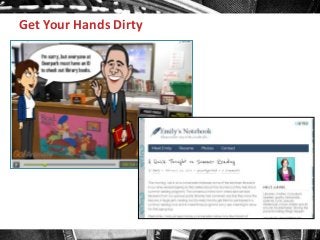
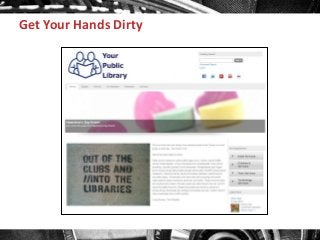
  • #25 Hands On Learning Opportunities – encourage staff to play, try, experiment!Assignments/projects:Make a video tutorialBlog your thoughtsGather feedback from patrons
  • #26 Hands On Learning Opportunities – encourage staff to play, try, experiment!Assignments/projects:Make a video tutorialBlog your thoughtsGather feedback from patrons
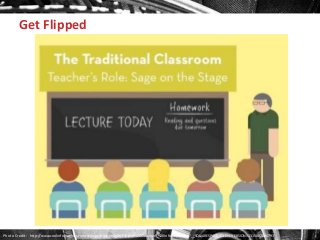
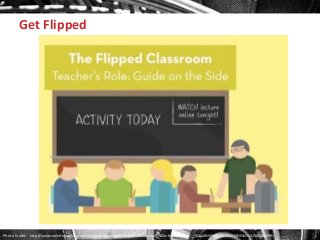
  • #27 Flipped Learning Models/Blended Approaches
  • #28 Flipped Learning Models/Blended Approaches
  • #30 Why not combine?SCLS Idea Lab-Monthly topic w resources shared on blog (articles, video, etc)Participants go through materials at own paceBrown Bag lunch for discussionEncourage blogging, tweeting, online interaction on topic, sharing more perspectivesOccasional happy hours, other meetupsEncourage poster sessions, presentations etc. by participantsCE credits offered, but participation level up to leraner
  • #32 What tools and resources are needed?How can we allay fears?How do we make the program we implement a partnership?
  • #33 What tools and resources are needed?How can we allay fears?How do we make the program we implement a partnership?