What is Science?
David Geelan
There are at least four parts to a definition:

• A set of methods and standards for creating and
  testing knowledge claims
• A body of knowledge that has been created by
  scientists and has (so far) succeeded in passing such
  testing
• The domain of human knowledge that deals with the
  natural world
• A world view or set of values – a commitment to the
  methods and standards of science in their appropriate
  domain
Four Broad Disciplines
• Physics
• Chemistry
• Biology
• Earth and Space Sciences – geology, meteorology,
 astronomy
• The boundaries of the disciplines are blurred (and
 artificial) – chemical physics, physical chemistry,
 biophysics, bioinformatics, molecular biology, etc

• Science uses mathematics and technology as tools
What’s The Big Idea?
• In teaching it is useful to identify a few ‘big ideas’ that
 we want students to know

• More important than memorising facts and factoids


• e.g. in Chemistry, one big idea is ‘everything is made
 out of chemicals’
What is science to children?
• Fun!
• Activities
• A school subject
• A way of knowing about the world
Two purposes of science teaching
• Preparation of future scientists, doctors and engineers


• Preparation of all students to be informed,
 participating members of society
‘Scientia’
• The word ‘science’ comes from the Greek word
 ‘scientia’, meaning ‘knowledge’

• Science is about making and testing ‘knowledge
 claims’ - claims that we know something

• We test our claims to know about the world, against
 the world itself, using experiments
Scientific Methods
• (read the relevant literature to know what has been
  done before)
• Propose an hypothesis
• Determine what kind of evidence would verify
  (support) or falsify the hypothesis
• Gather the evidence (dependent, independent and
  controlled variables)
• Analyse it to test whether it supports the hypothesis
• Critically evaluate your methods and actions
A Fair Test
• Adolescents love fairness!


• When we claim to know something in science, we
 have to be able to support that claim with evidence that
 we have used the right procedures

• The procedures (scientific methods) are what make us
 confident about our claims
My Claim
• More coffee makes lecturers perform better


• To test my claim, what will we need to measure?
 (dependent variable)

• What will we need to change? (independent variable)


• What will we need to keep the same? (controlled
 variables)
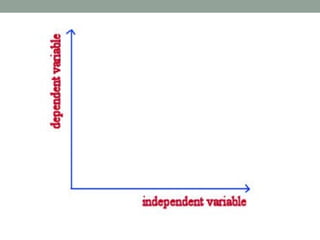
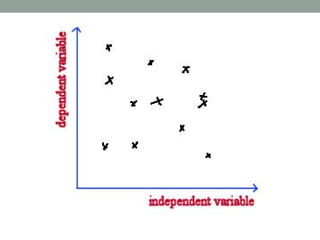
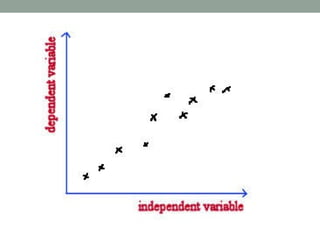
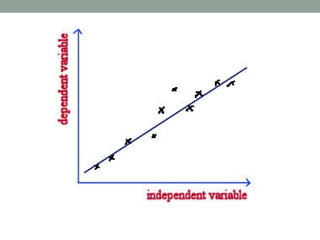
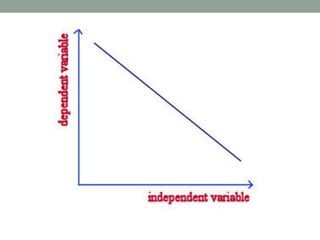
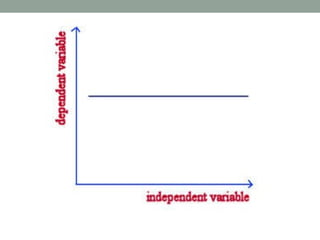
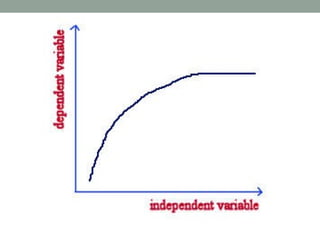
Graphs
• One way to represent our evidence is with a graph


• We put the independent variable (what we change) on
 the bottom axis and the dependent variable (what we
 measure) on the left axis
Another claim
• Bouncy balls will bounce higher when they’re warm
 than when they’re cold

• What will we measure?


• What will we change?


• What will we keep the same?

What is science

  • 1.
  • 2.
    There are atleast four parts to a definition: • A set of methods and standards for creating and testing knowledge claims • A body of knowledge that has been created by scientists and has (so far) succeeded in passing such testing • The domain of human knowledge that deals with the natural world • A world view or set of values – a commitment to the methods and standards of science in their appropriate domain
  • 3.
    Four Broad Disciplines •Physics • Chemistry • Biology • Earth and Space Sciences – geology, meteorology, astronomy
  • 4.
    • The boundariesof the disciplines are blurred (and artificial) – chemical physics, physical chemistry, biophysics, bioinformatics, molecular biology, etc • Science uses mathematics and technology as tools
  • 5.
    What’s The BigIdea? • In teaching it is useful to identify a few ‘big ideas’ that we want students to know • More important than memorising facts and factoids • e.g. in Chemistry, one big idea is ‘everything is made out of chemicals’
  • 6.
    What is scienceto children? • Fun! • Activities • A school subject • A way of knowing about the world
  • 7.
    Two purposes ofscience teaching • Preparation of future scientists, doctors and engineers • Preparation of all students to be informed, participating members of society
  • 8.
    ‘Scientia’ • The word‘science’ comes from the Greek word ‘scientia’, meaning ‘knowledge’ • Science is about making and testing ‘knowledge claims’ - claims that we know something • We test our claims to know about the world, against the world itself, using experiments
  • 9.
    Scientific Methods • (readthe relevant literature to know what has been done before) • Propose an hypothesis • Determine what kind of evidence would verify (support) or falsify the hypothesis • Gather the evidence (dependent, independent and controlled variables) • Analyse it to test whether it supports the hypothesis • Critically evaluate your methods and actions
  • 10.
    A Fair Test •Adolescents love fairness! • When we claim to know something in science, we have to be able to support that claim with evidence that we have used the right procedures • The procedures (scientific methods) are what make us confident about our claims
  • 11.
    My Claim • Morecoffee makes lecturers perform better • To test my claim, what will we need to measure? (dependent variable) • What will we need to change? (independent variable) • What will we need to keep the same? (controlled variables)
  • 12.
    Graphs • One wayto represent our evidence is with a graph • We put the independent variable (what we change) on the bottom axis and the dependent variable (what we measure) on the left axis
  • 20.
    Another claim • Bouncyballs will bounce higher when they’re warm than when they’re cold • What will we measure? • What will we change? • What will we keep the same?