
What is
Enterprise Service Management?
Contact Info
Senior Director, Enterprise
Service Management Strategy
E: Bill.Sheridan@Cherwell.com
As Cherwell’s Senior Director of Enterprise
Service Management Strategy, Bill helps
bring new solutions to the Cherwell
community which extend the CSM platform
into other departments and functional
groups. In his role, Bill works with a
specialized content development team
within the R&D organization that is adept at
understanding non-ITSM requirements and
delivering them as sophisticated solutions
that customers can leverage.
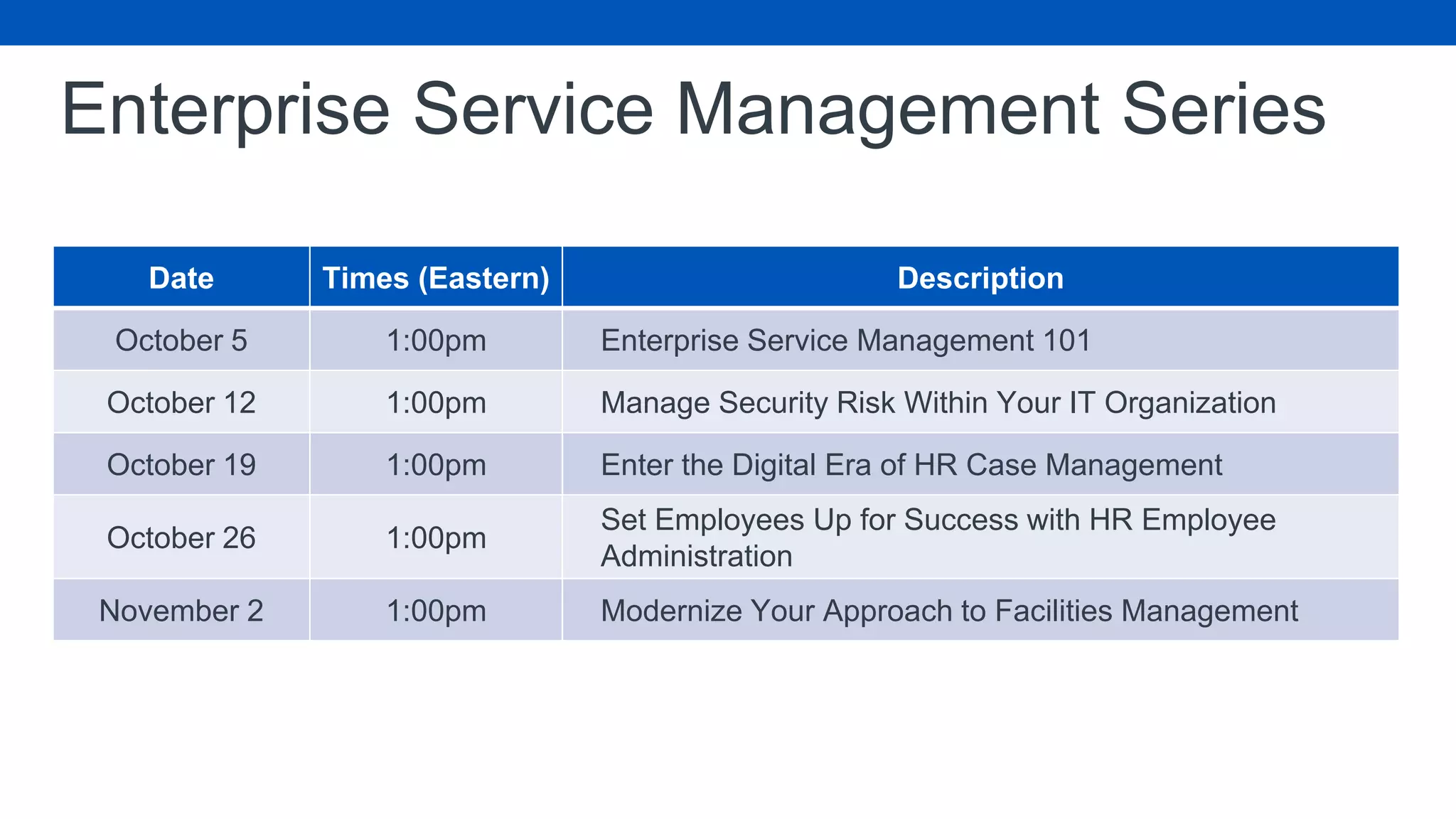
Enterprise Service Management Series
Date Times (Eastern) Description
October 5 1:00pm Enterprise Service Management 101
October 12 1:00pm Manage Security Risk Within Your IT Organization
October 19 1:00pm Enter the Digital Era of HR Case Management
October 26 1:00pm
Set Employees Up for Success with HR Employee
Administration
November 2 1:00pm Modernize Your Approach to Facilities Management
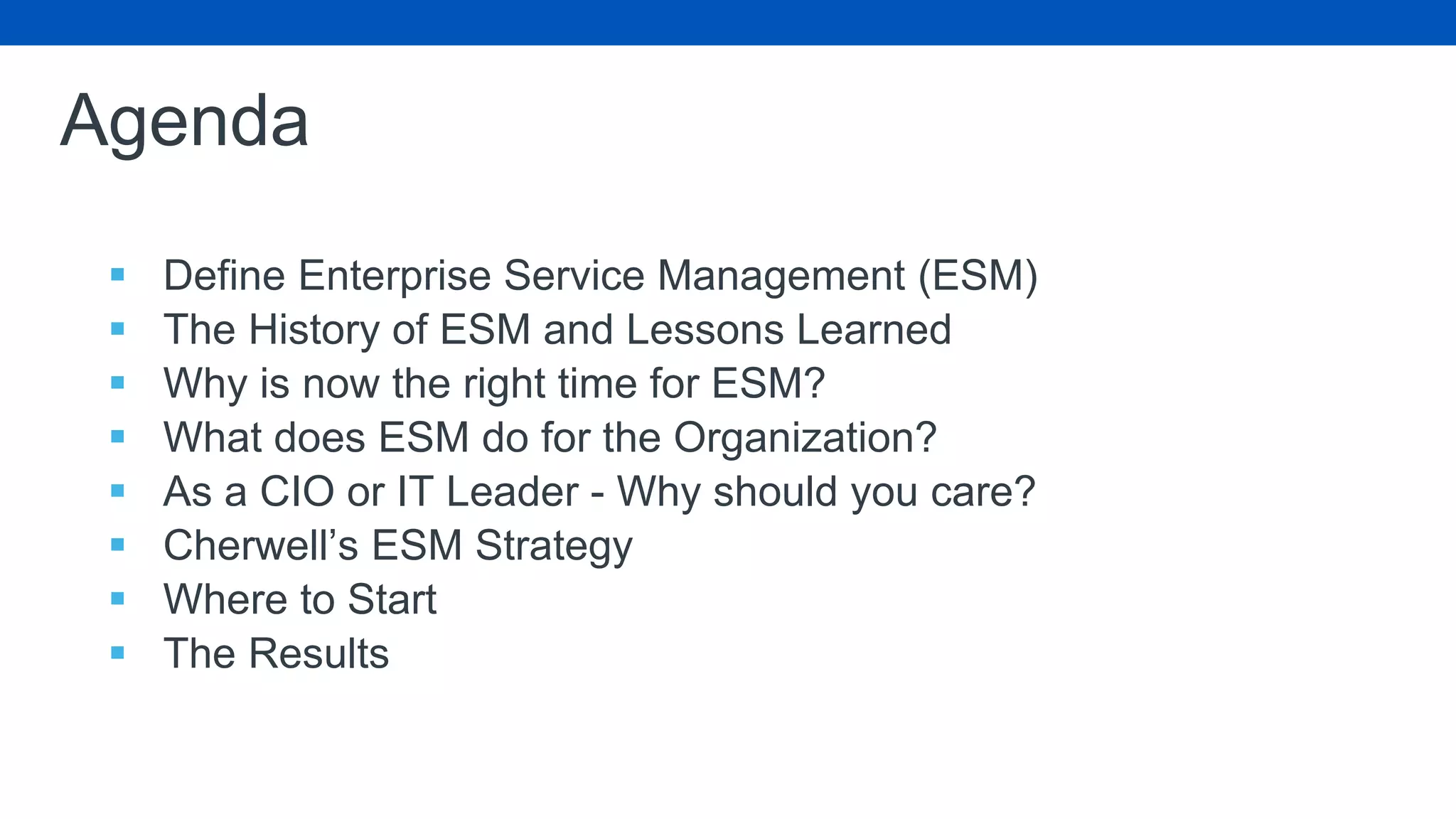
Agenda
 Define Enterprise Service Management (ESM)
 The History of ESM and Lessons Learned
 Why is now the right time for ESM?
 What does ESM do for the Organization?
 As a CIO or IT Leader - Why should you care?
 Cherwell’s ESM Strategy
 Where to Start
 The Results
What Is Enterprise Service Management?
Enterprise Service Management (ESM) is IT’s opportunity to
leverage the maturity and broad portfolio of ITIL/ITSM based
processes to champion service delivery excellence to other
lines of business within the organization. When implemented
effectively, IT Service Management principles and tools can
streamline fulfillment and improve employee productivity across
numerous operational departments.
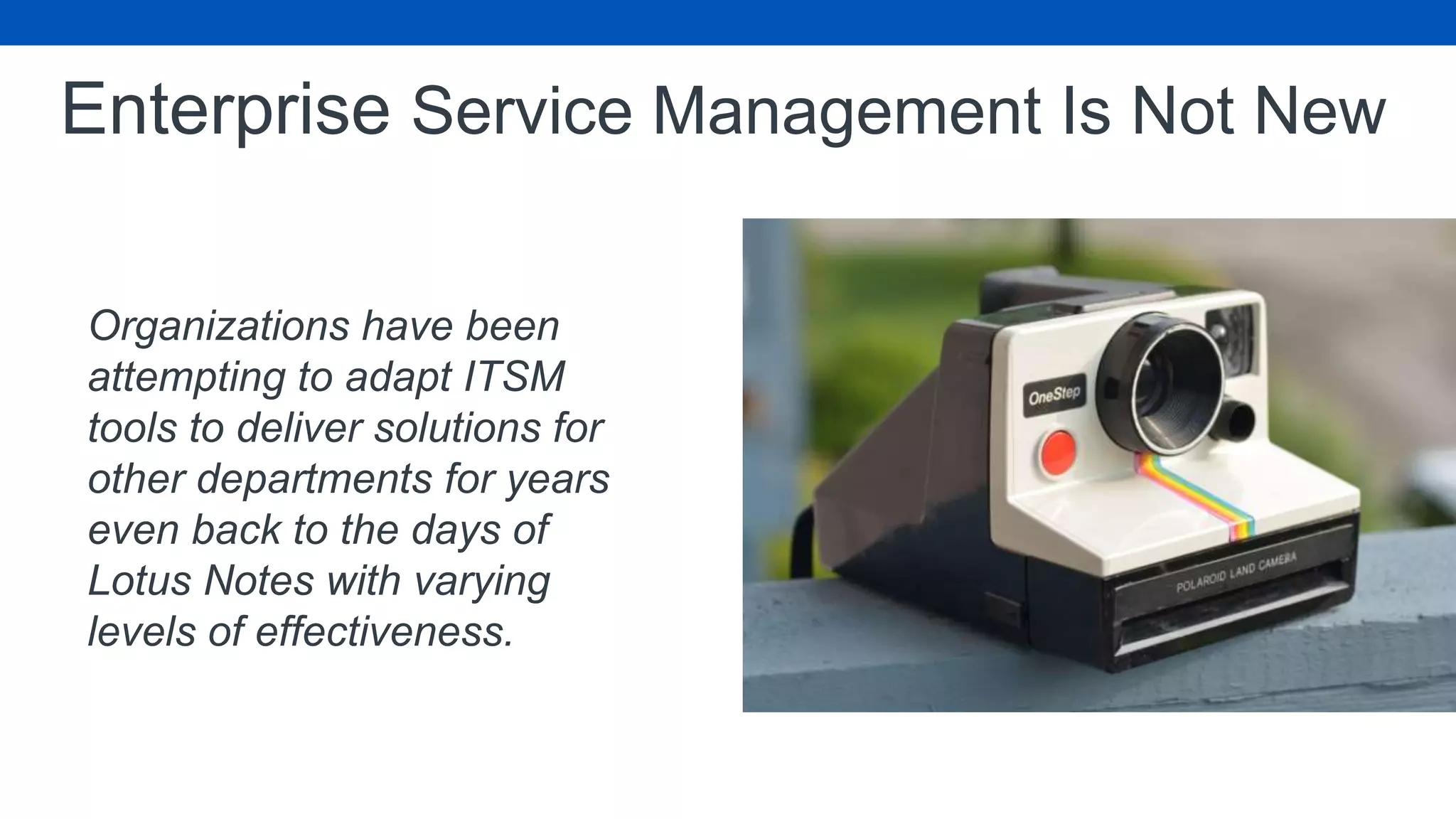
Enterprise Service Management Is Not New
Organizations have been
attempting to adapt ITSM
tools to deliver solutions for
other departments for years
even back to the days of
Lotus Notes with varying
levels of effectiveness.
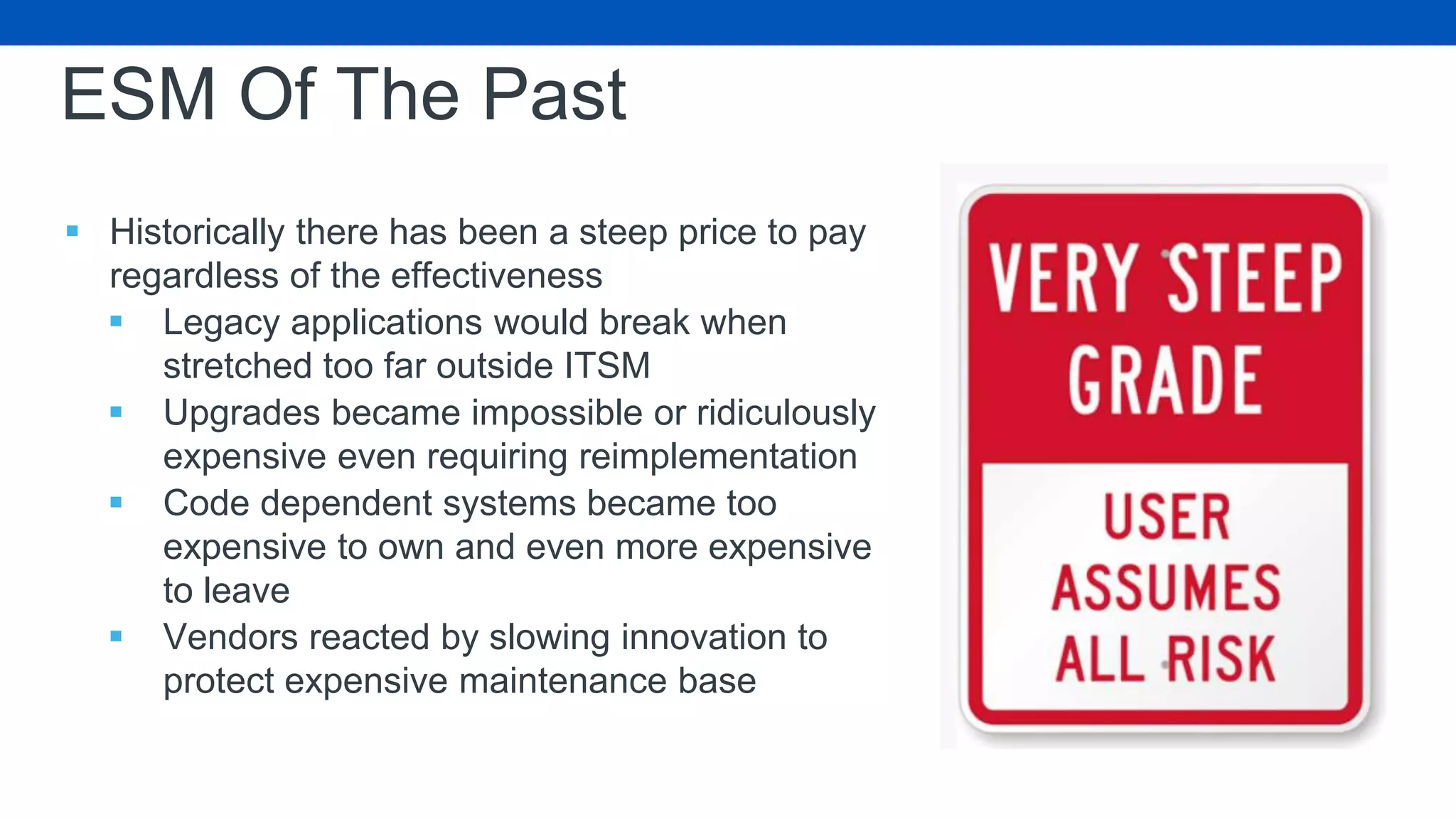
ESM Of The Past
 Historically there has been a steep price to pay
regardless of the effectiveness
 Legacy applications would break when
stretched too far outside ITSM
 Upgrades became impossible or ridiculously
expensive even requiring reimplementation
 Code dependent systems became too
expensive to own and even more expensive
to leave
 Vendors reacted by slowing innovation to
protect expensive maintenance base
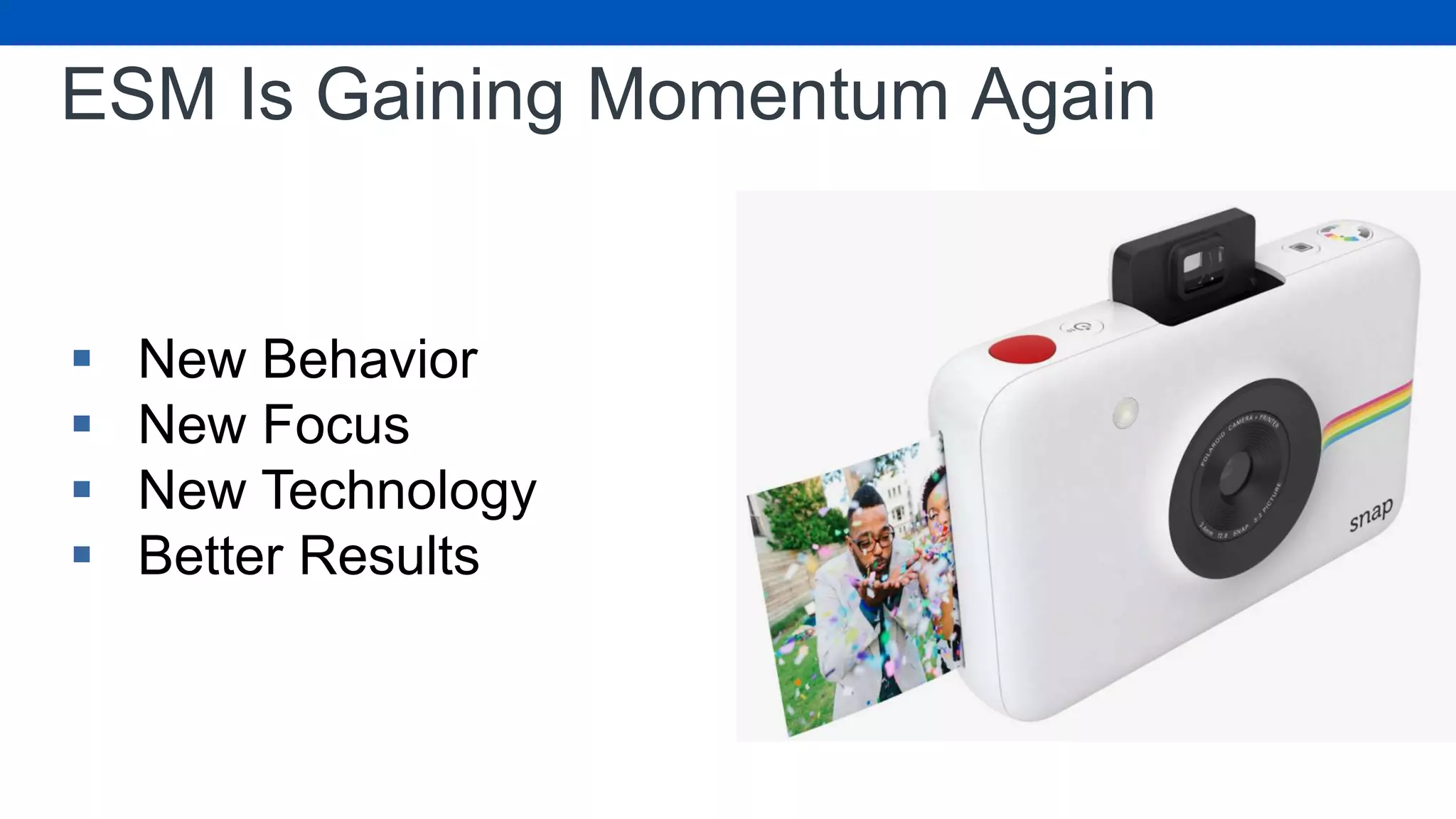
ESM Is Gaining Momentum Again
 New Behavior
 New Focus
 New Technology
 Better Results
A New Approach…
Reason #1
User Adoption
… With New Paradigms… SaaS
… And Better Options
Reason #3
Technology
 Business Object Platform
 Code-free Extensibility
 Point & Click Configuration
Can ESM Help Your Organization?
• Email is not a Workflow
Engine
• Email aliases don’t do
any actual work
• “I just did that last week”
• Only Rick knows how to
do that
• Employees cannot find
what they need
• Confusion about who
owns the request
• Transparency across
functional groups lacking
As A CIO Or IT Leader, Why Should You
Care?
 Digital Transformation
Highway
 Cloud Providers are either
your customer or your
competition
 CFOs and LOBs are
moving to the Cloud
 IT still owns the integration
strategy
 IT’s budget, Influence and
perceived value
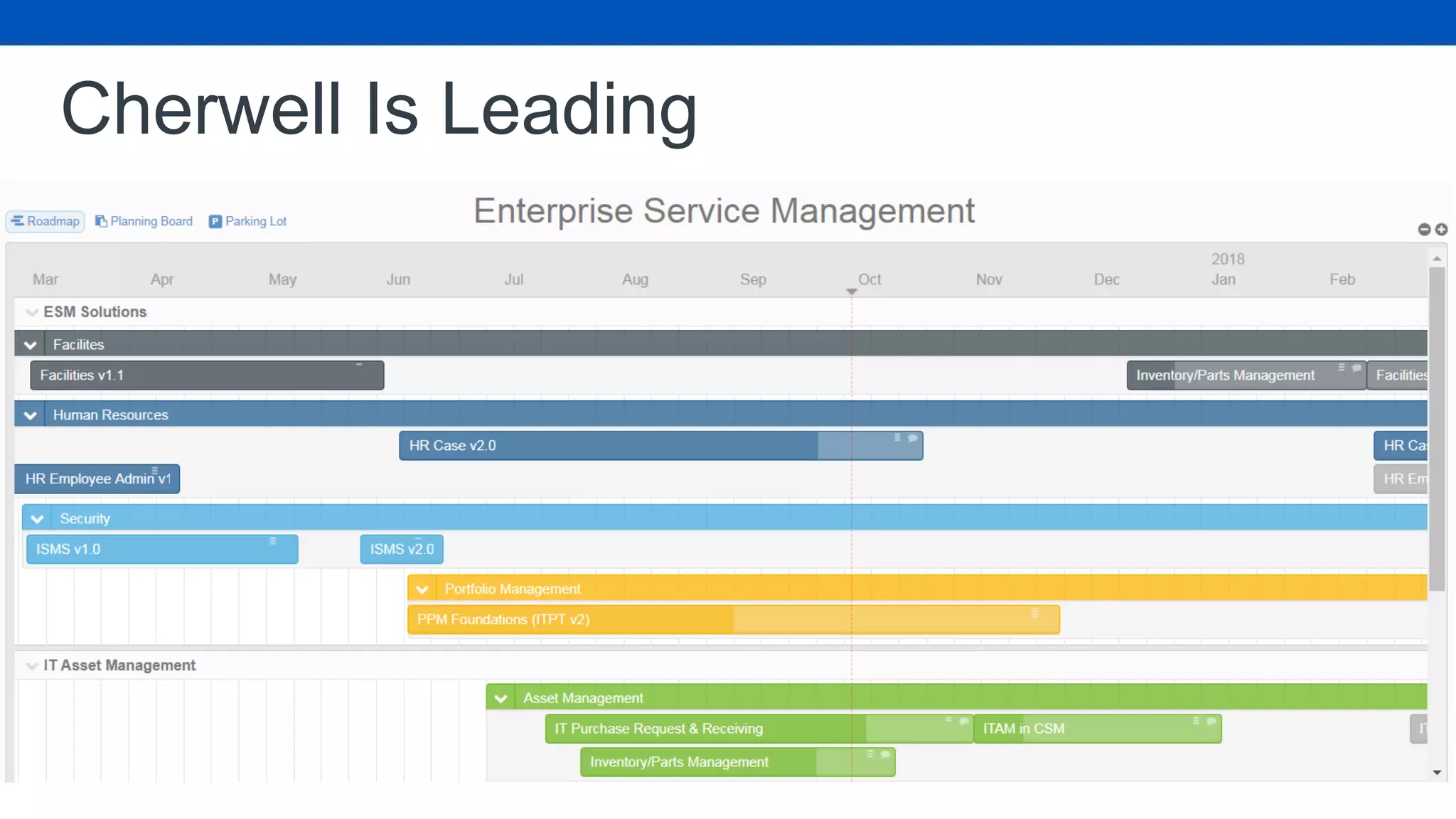
Cherwell Is Leading
Where To Start
 Leverage Cherwell’s
Integrated ESM Solutions
 Consolidate Service
Requests across
organization
 Create an Enterprise Portal
for End Users
 Replace Email!
 Close Gaps in Processes
and COTS
The End Result
 Positively Impact the core business
 Make employees more productive
 Accelerating the effort to deliver
services of other LOBs to the
organization
 Driving down recurring costs
 Spending more time and budget on
innovation rather than maintenance
 Influence corporate strategy, don’t
just implement it!
QUESTIONS?

What is Enterprise Service Management and How You Can Get Started

  • 1.
  • 2.
    Contact Info Senior Director,Enterprise Service Management Strategy E: Bill.Sheridan@Cherwell.com As Cherwell’s Senior Director of Enterprise Service Management Strategy, Bill helps bring new solutions to the Cherwell community which extend the CSM platform into other departments and functional groups. In his role, Bill works with a specialized content development team within the R&D organization that is adept at understanding non-ITSM requirements and delivering them as sophisticated solutions that customers can leverage.
  • 3.
    Enterprise Service ManagementSeries Date Times (Eastern) Description October 5 1:00pm Enterprise Service Management 101 October 12 1:00pm Manage Security Risk Within Your IT Organization October 19 1:00pm Enter the Digital Era of HR Case Management October 26 1:00pm Set Employees Up for Success with HR Employee Administration November 2 1:00pm Modernize Your Approach to Facilities Management
  • 4.
    Agenda  Define EnterpriseService Management (ESM)  The History of ESM and Lessons Learned  Why is now the right time for ESM?  What does ESM do for the Organization?  As a CIO or IT Leader - Why should you care?  Cherwell’s ESM Strategy  Where to Start  The Results
  • 5.
    What Is EnterpriseService Management? Enterprise Service Management (ESM) is IT’s opportunity to leverage the maturity and broad portfolio of ITIL/ITSM based processes to champion service delivery excellence to other lines of business within the organization. When implemented effectively, IT Service Management principles and tools can streamline fulfillment and improve employee productivity across numerous operational departments.
  • 6.
    Enterprise Service ManagementIs Not New Organizations have been attempting to adapt ITSM tools to deliver solutions for other departments for years even back to the days of Lotus Notes with varying levels of effectiveness.
  • 7.
    ESM Of ThePast  Historically there has been a steep price to pay regardless of the effectiveness  Legacy applications would break when stretched too far outside ITSM  Upgrades became impossible or ridiculously expensive even requiring reimplementation  Code dependent systems became too expensive to own and even more expensive to leave  Vendors reacted by slowing innovation to protect expensive maintenance base
  • 8.
    ESM Is GainingMomentum Again  New Behavior  New Focus  New Technology  Better Results
  • 9.
    A New Approach… Reason#1 User Adoption
  • 10.
    … With NewParadigms… SaaS
  • 11.
    … And BetterOptions Reason #3 Technology  Business Object Platform  Code-free Extensibility  Point & Click Configuration
  • 12.
    Can ESM HelpYour Organization? • Email is not a Workflow Engine • Email aliases don’t do any actual work • “I just did that last week” • Only Rick knows how to do that • Employees cannot find what they need • Confusion about who owns the request • Transparency across functional groups lacking
  • 13.
    As A CIOOr IT Leader, Why Should You Care?  Digital Transformation Highway  Cloud Providers are either your customer or your competition  CFOs and LOBs are moving to the Cloud  IT still owns the integration strategy  IT’s budget, Influence and perceived value
  • 14.
  • 15.
    Where To Start Leverage Cherwell’s Integrated ESM Solutions  Consolidate Service Requests across organization  Create an Enterprise Portal for End Users  Replace Email!  Close Gaps in Processes and COTS
  • 16.
    The End Result Positively Impact the core business  Make employees more productive  Accelerating the effort to deliver services of other LOBs to the organization  Driving down recurring costs  Spending more time and budget on innovation rather than maintenance  Influence corporate strategy, don’t just implement it!
  • 17.

Editor's Notes

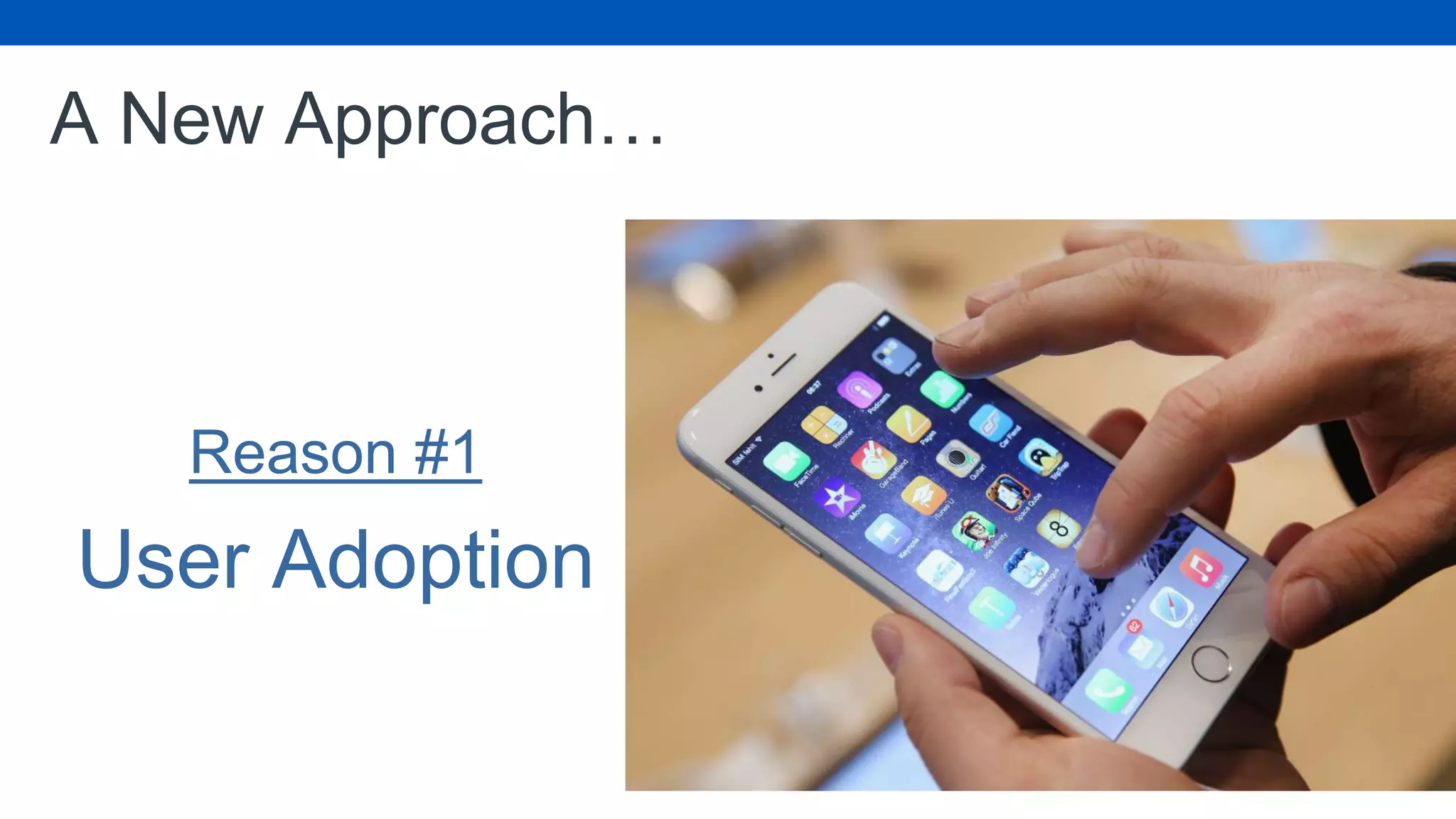
  • #10 User Adoption – The Consumerization of IT, integration of search (Google) in our lives and the proliferation of smartphones has created a new end-user that will embrace an Enterprise Service Catalog, self-service utilities and can navigate technology across many unique requests.
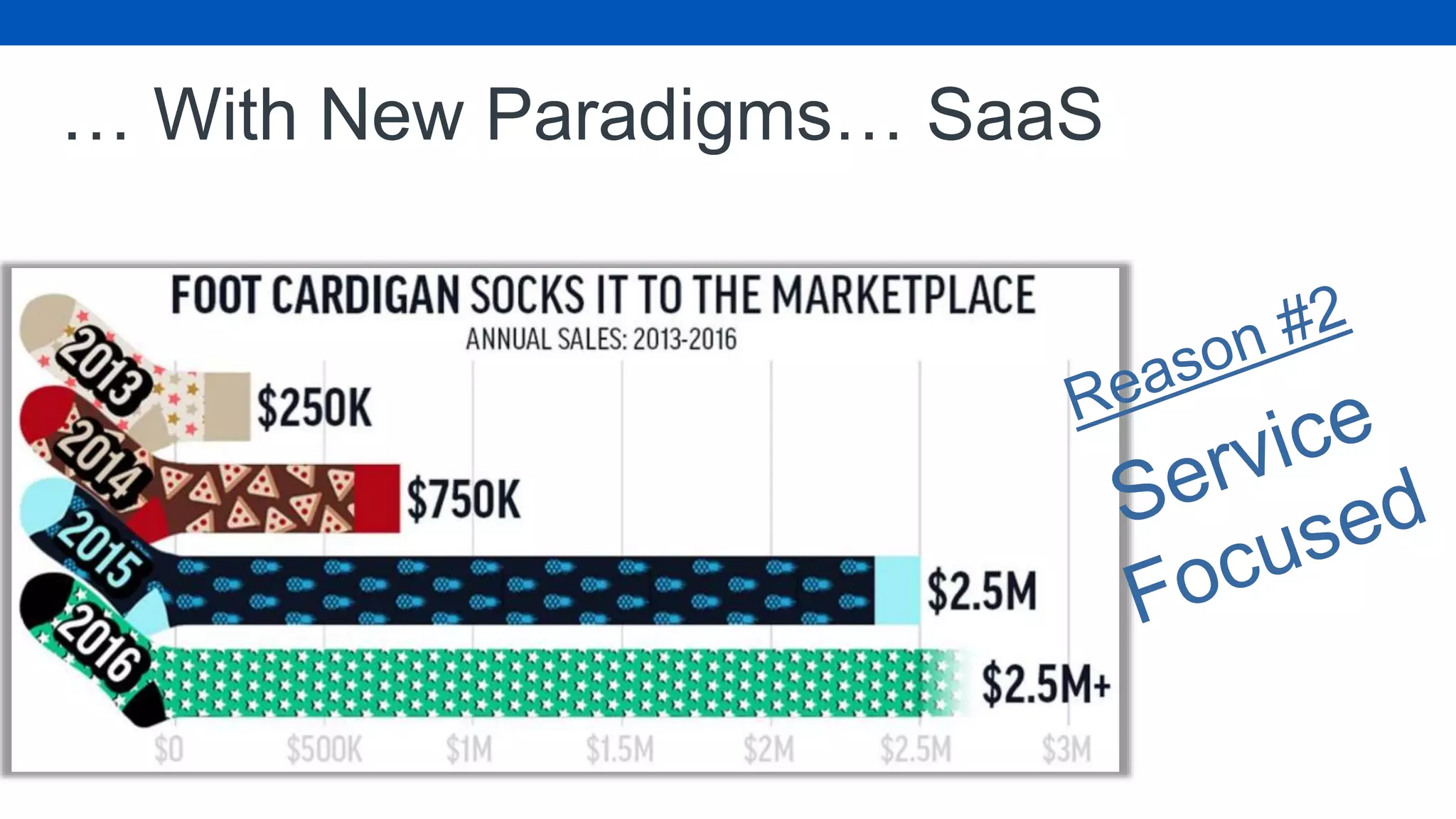
  • #11 Service Driven Focus – The last decade has seen IT and businesses at large transition to a service driven focus rather than functional groups that traditionally created silos and process gaps. Delivery of product as a service is mainstream for most consumers who are the technology users in the organization
  • #12 Technology – The technology now exists so a user can extend beyond ITSM without breaking the application, without writing expensive code and without making upgrades impossible. In fact, Cherwell Service Management is so well designed as a service platform it practically begs to be extended.
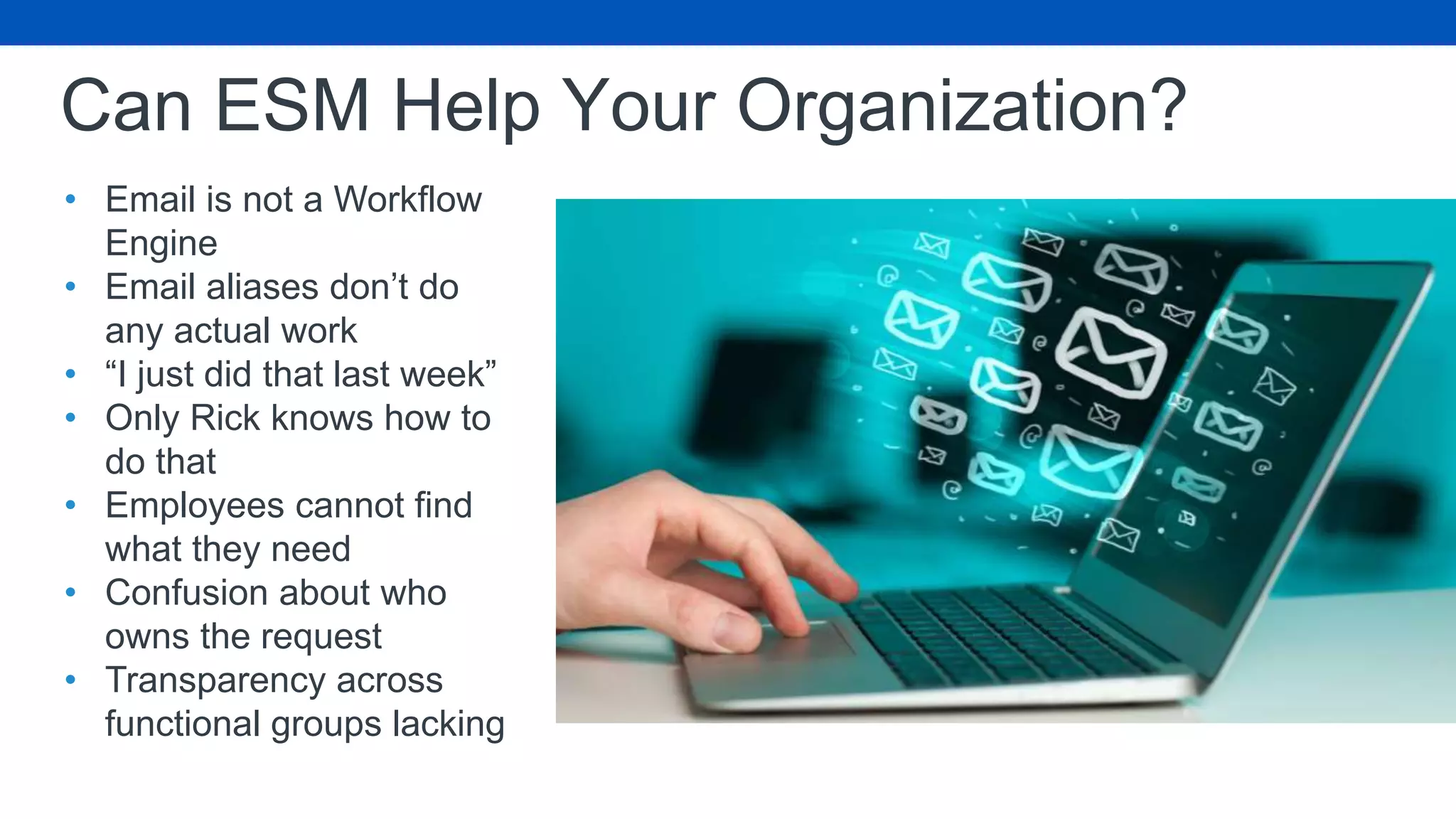
  • #13 Business processes that are email based requests Departments with email aliases Manual or repetitive processes Subject Matter Expert involvement Ask any department the top 3 – 5 requests they deal with daily Departments that are known to have poor customer service
  • #14 Cloud Providers are either your customer or competition and it depends largely on IT’s value position in the organization CFOs and LOBs are aligning their needs with Cloud Providers with less or no input from internal IT IT still owning the integration strategy Reduce IT’s budget, constrict its Influence and perceived value and increase the opportunity for outsourcing Enterprise Service Management Facilitates the Process and Cultural OCM of a Digital Transformation Initiative
  • #15 Cherwell is creating feature rich content that extends beyond ITSM into other areas. Our solutions improve transparency to the end users across all service organizations, improve the cooperation and process flow of departmental groups, offer an opportunity to digitize gap processes to improve service levels gain valuable performance insights and much more When mature, can consolidate disparate solutions to a single integrated platform
  • #16 Leverage Cherwell’s Integrated ESM Solutions as an opportunity to bring more value to the organization quickly while minimizing risk Look across departments for Service Request processes that Cherwell can help automate and improve visibility and transparency Focused on End-Users with an Enterprise Portal Replace business functions that are being performed in email Close Gaps in Processes and COTS
  • #17 Delivering solutions that impact the business not just support systems Streamlining processes and making employees more productive Accelerating the effort to deliver services of other LOBs to the organization Driving down recurring costs through optimization of its investments Spending more time and budget on innovation rather than maintenance Establishing IT as an invaluable component of the corporate strategy