What IT Organizations can Learn from Digital Marketing
There's a lot of knowledge sharing that can be beneficial for different departments within you business. IT knows processes and marketing knows how to communicate with people. Check out the slideshare to learn more.
#4 Consumerization presents both challenges and opportunities to IT organizations must deal with and respond to.
IT organizations need strategies and solutions at the intersection of IT and the business that provide the means to gather business user patterns and preferences, to drive higher levels of IT-business engagement.
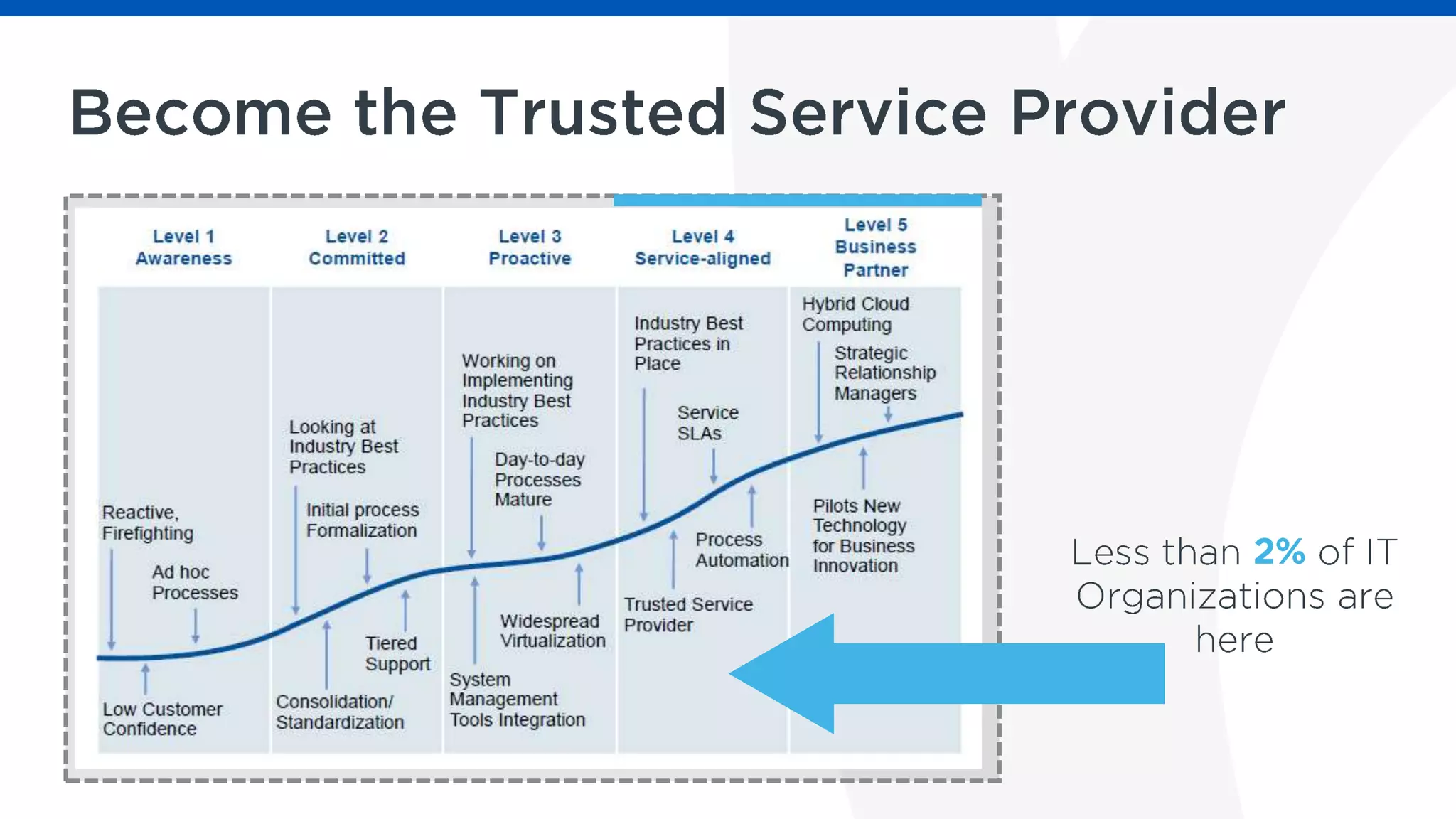
#5 You want to be an IT service provider to the business – and achieve the long coveted service-aligned IT maturity level. This is model many IT organizations are very familiar with, and despite their best efforts, almost 90% are at the reactive or proactive stage.
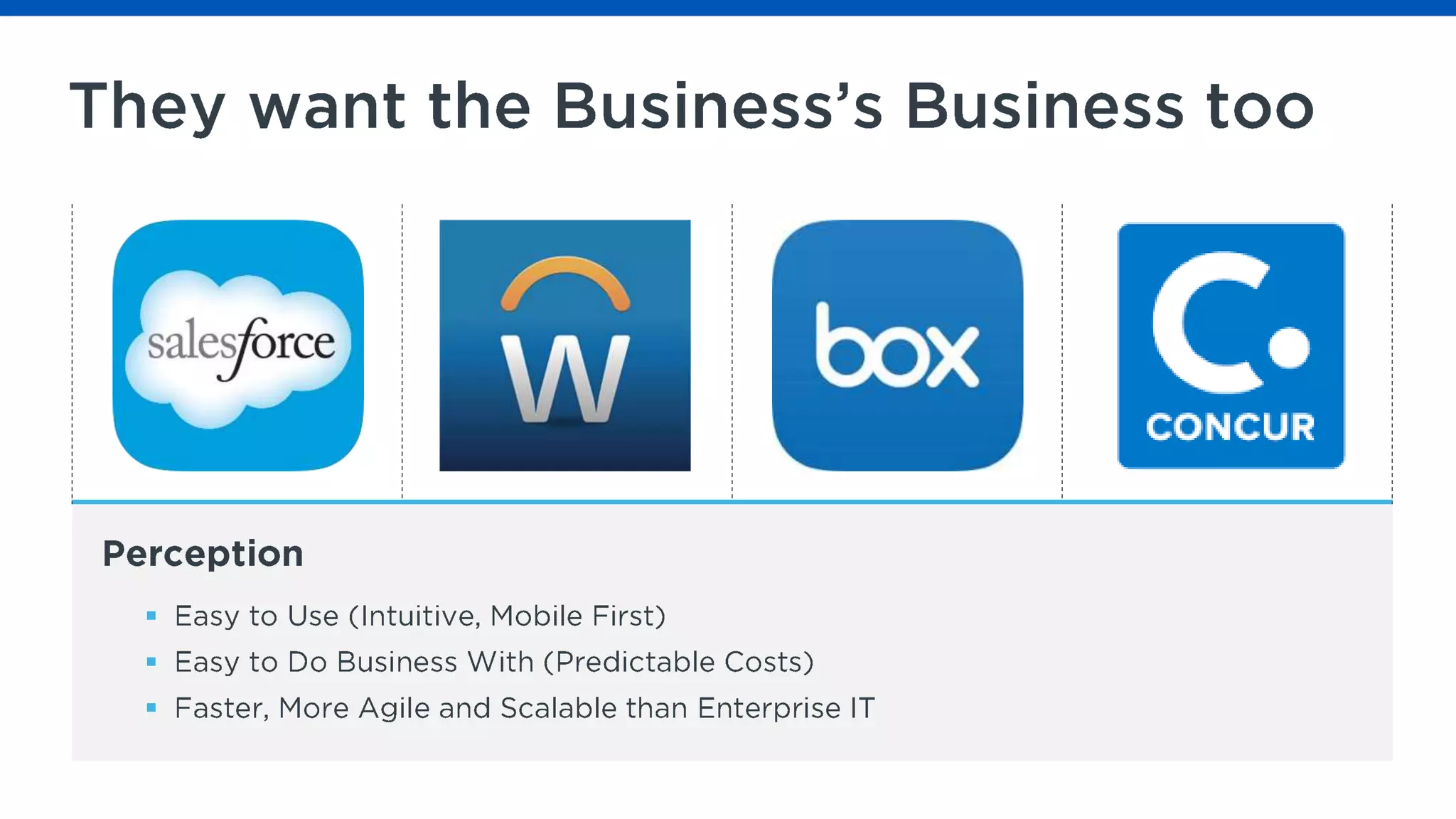
#6 At the same time of IT’s pursuit of service-alignment, along came cloud service providers with the same goal in mind. They want to be service providers to your business as well, and often empower your business users to go around IT to utilize their services.
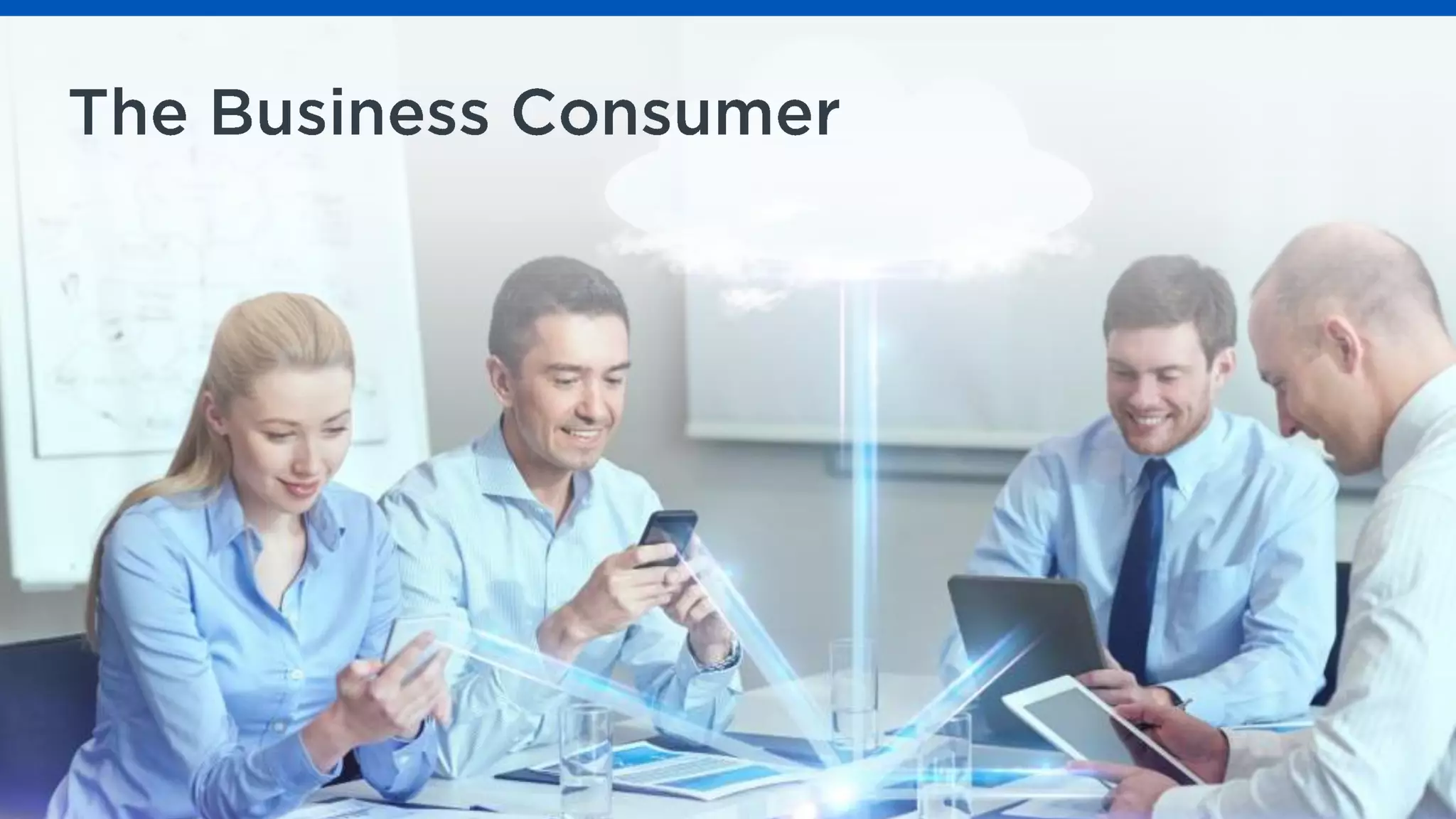
#7 These guys market to the business consumer. According to Gartner, the business consumer is one who tends to make more consumer-like choices in their approach to navigating the enterprise computing environment. The failure to compete doesn’t directly result in the defunding of IT. The cost of competing ineffectively is rooted in increased complexity. Technology is procured outside of IT, and IT is expected to support it, integrate it and secure it – requirements IT has to enable the business to create and protect value. Too often, the involvement of IT is viewed as the bottleneck.
#8 The opportunities to cater to the business consumer, and yet still account for the creation and protection of value is an option, however very few IT organizations have realized this. IT has come to the point where they realize can’t ignore the value that cloud service providers bring to the table, and much of the conversation in IT management is around becoming a broker of services,. Some, particularly business stakeholders might question why IT should be the broker of services.
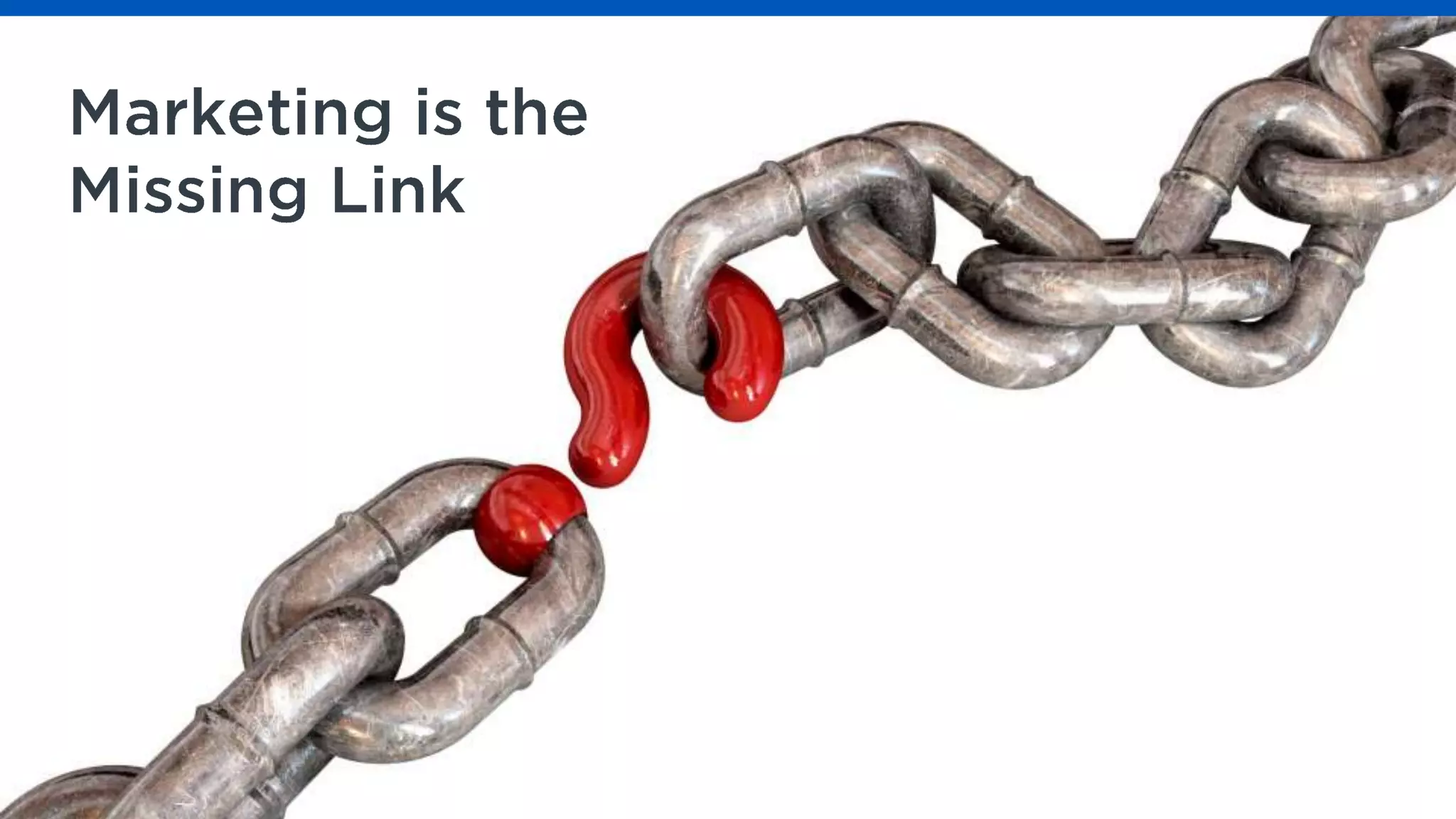
#9 So why are cloud service providers having better success with your business customers than you are? The answer might be what you think it is. It’s not always about who has the best technology. Don’t you understand their requirements better? Don’t you understand the business goals and objectives better? More specifically, don’t you understand how your users actually interact with current services and systems? You are sitting on data and information that the marketing organization of those cloud service providers would love to have their hands on. It’s simple: they market. And they market well. In some instances they have successful generated demand for their products and services. The question is: why aren’t you marketing? You can employ digital marketing techniques to IT management to net the same results.
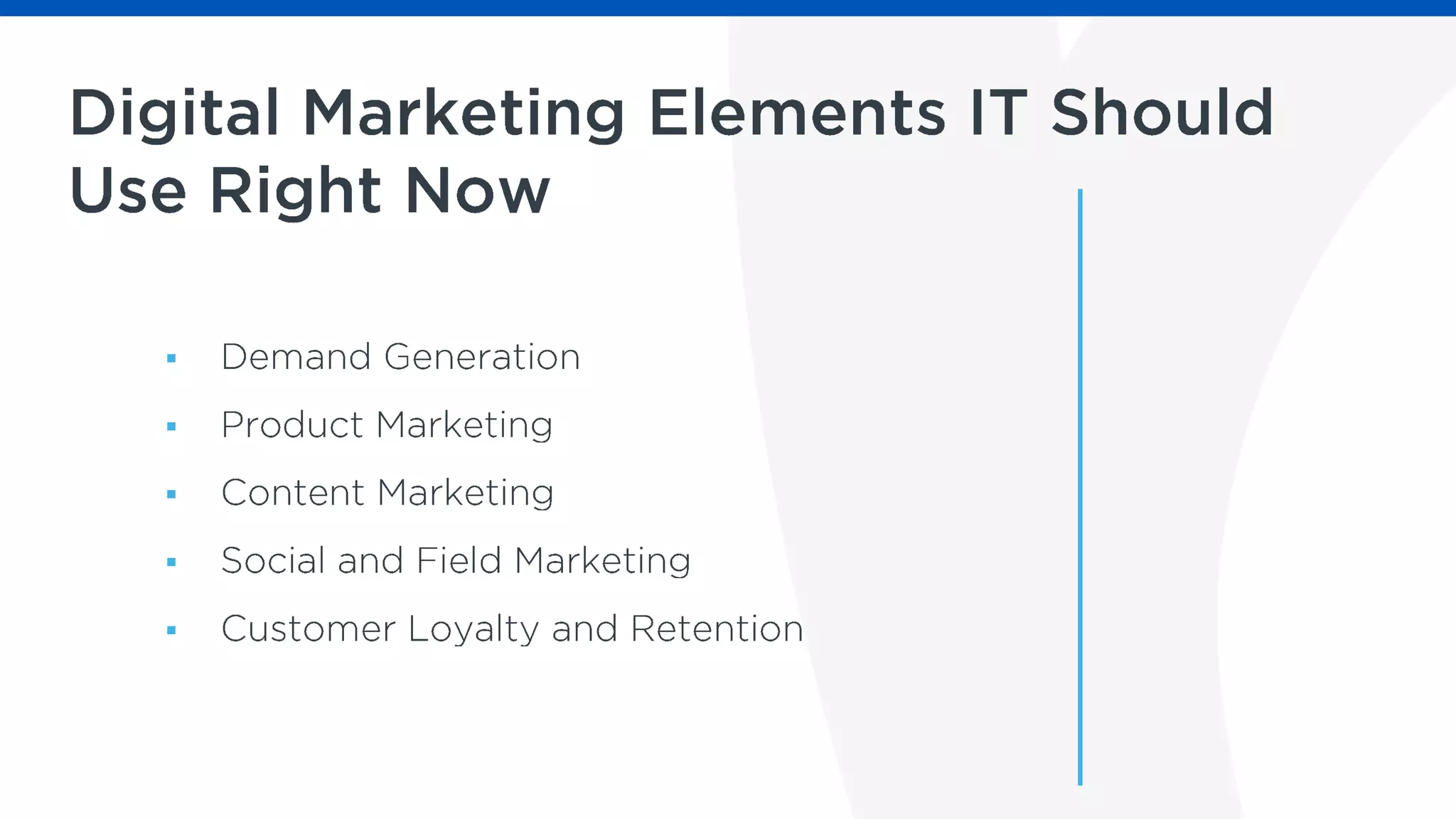
#10 Demand Generation: Generate demand for your services. Often, Shadow IT is the result of misinformed users, who aren’t aware of, or unfamiliar with how to use corporate IT services. Understanding that this gap is one IT can easily solve, the goal with demand generation at the top of the funnel is to raise awareness of the existing of the product/service you are trying to sell. Once users are aware, the aim is to engage them (with content – coming up). Last, the user can evaluate IT services vs. consumer or enterprise cloud based solutions armed with a deep understanding of the choice made.
Product Marketing: Draft a messaging framework. Clearly State your value proposition. This creates the messages for IT. The messaging framework should include spell out what makes your IT organization unique in its ability to provide services to the business. Many IT self service portals to a poor job of getting users to support themselves, even though almost 60% of issues can self-resolved. The IT self service portal can be a very effective tool to market and brand your IT department, but only when it is designed properly. Can people find what they need easily? Is it easy to use? Does it “covert” well? Are call to actions clear? Do you have website analytics? If no- redesign your portal right away.
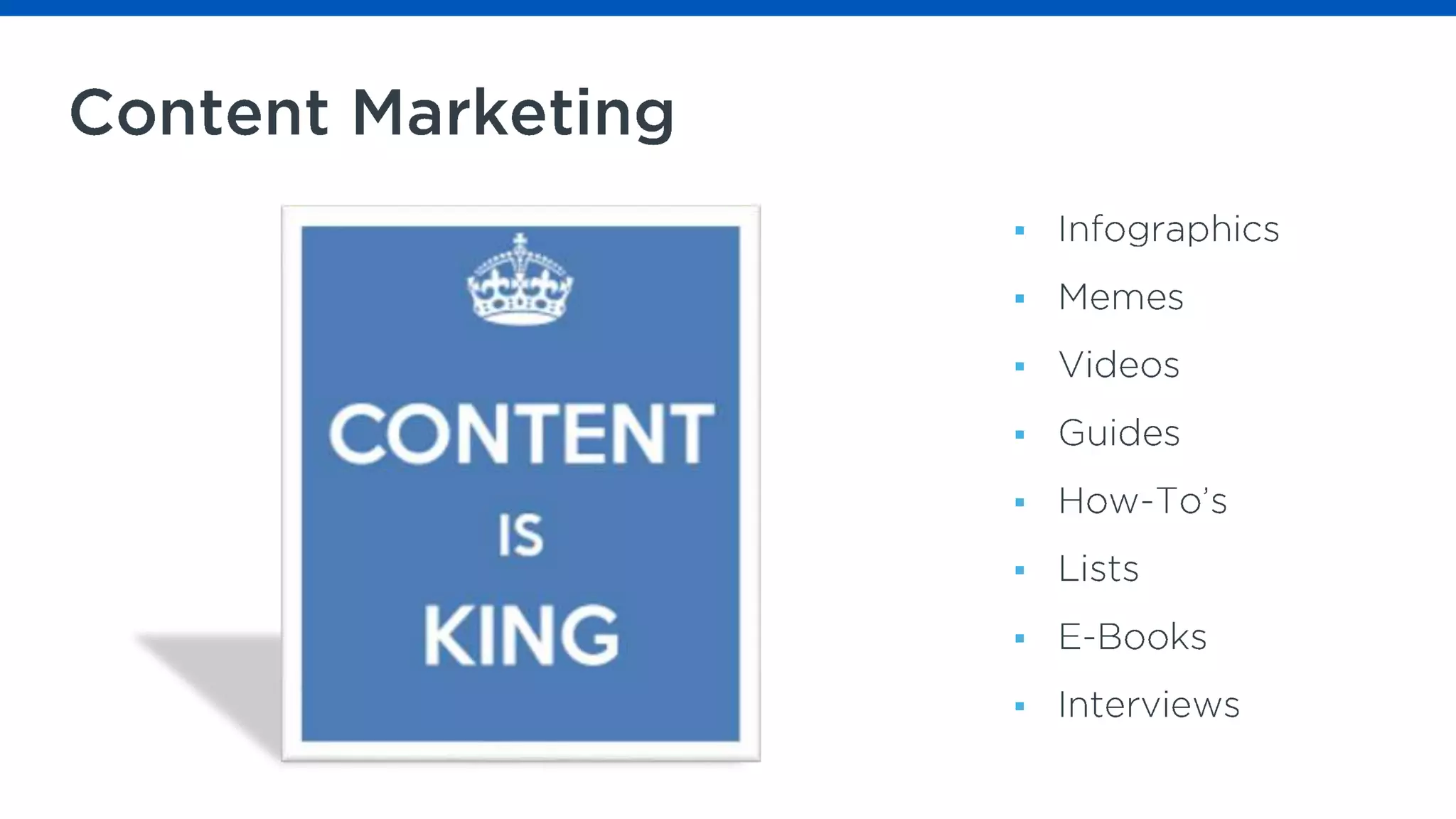
Content Marketing: Content marketing of these types of digital assets align with demand generation. The goal is to endear yourself to your “prospects” as trusted, thought leaders who are capable of solving their technology related issues. This involves a significant amount of work, but when done correctly can “win” business. In B2B marketing, content should drive traffic to your portal and increase brand awareness. The goal is similar for IT marketing – you want to stay relevant and “in the face” of your prospects.
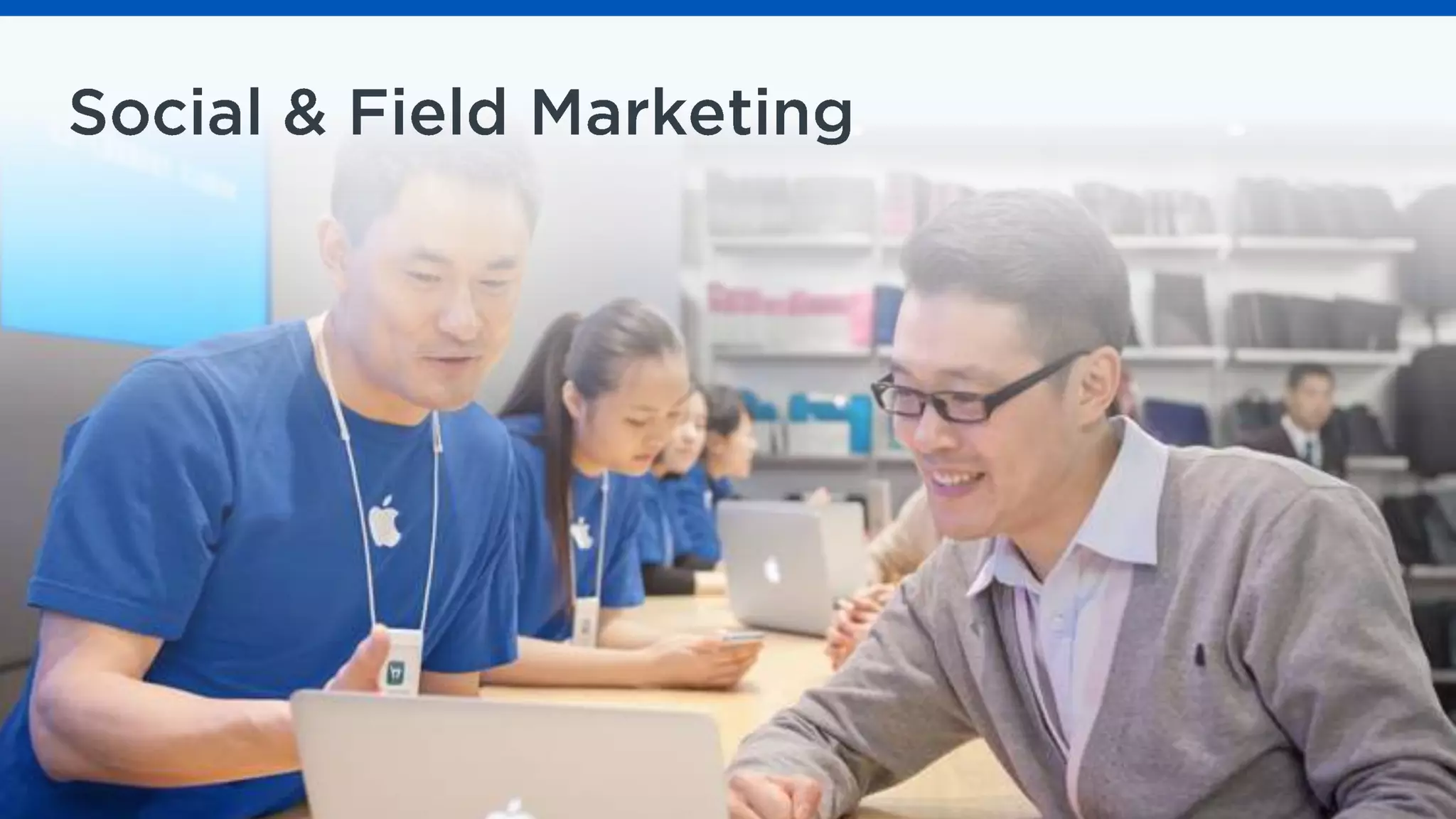
Social and Field Marketing: Social and Field Marketing. Incorporate social and field marketing practices to promote your digital assets and make sure other marketing elements land with both your sellers and buyers. Can you engage with your users on the social media platform of their choosing? From a field marketing perspective, the ability to directly engage face-to-face with your prospects is a huge selling tool. IT organizations are having success with lunch and learn type events, and even standing up tech support stops to mirror Apple Genius Bars.
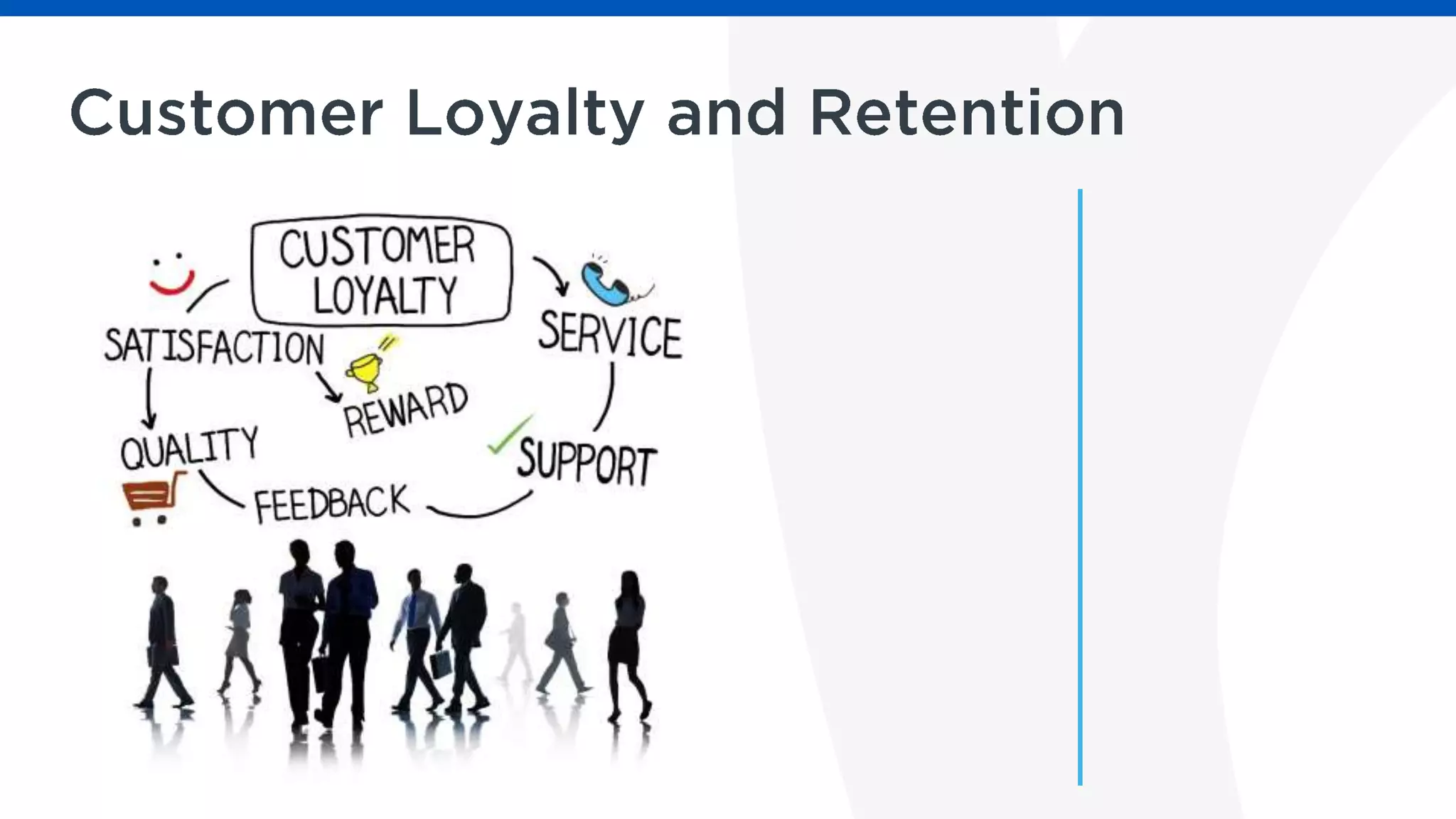
Customer Loyalty and Retention: Customer satisfaction can’t be an afterthought. The other side of the demand generation funnel shows how satisfied customers can validate your claims as a trusted provider. It’s not enough to win the business – you must keep it. Go beyond standard, transactional IT satisfaction surveys and engage your business stakeholders directly. To do this – the emphasis has to be less on technical competency and more on marketing communication and design services.
#11 Demand Generation: Generate demand for your services. Often, Shadow IT is the result of misinformed users, who aren’t aware of, or unfamiliar with how to use corporate IT services. Understanding that this gap is one IT can easily solve, the goal with demand generation at the top of the funnel is to raise awareness of the existing of the product/service you are trying to sell. Once users are aware, the aim is to engage them (with content – coming up). Last, the user can evaluate IT services vs. consumer or enterprise cloud based solutions armed with a deep understanding of the choice made.
#12 Product Marketing: Draft a messaging framework. Clearly State your value proposition. This creates the messages for IT. The messaging framework should include spell out what makes your IT organization unique in its ability to provide services to the business. Many IT self service portals to a poor job of getting users to support themselves, even though almost 60% of issues can self-resolved. The IT self service portal can be a very effective tool to market and brand your IT department, but only when it is designed properly. Can people find what they need easily? Is it easy to use? Does it “covert” well? Are call to actions clear? Do you have website analytics? If no- redesign your portal right away.
#13 Content Marketing: Content marketing of these types of digital assets align with demand generation. The goal is to endear yourself to your “prospects” as trusted, thought leaders who are capable of solving their technology related issues. This involves a significant amount of work, but when done correctly can “win” business. In B2B marketing, content should drive traffic to your portal and increase brand awareness. The goal is similar for IT marketing – you want to stay relevant and “in the face” of your prospects.
#14 Social and Field Marketing: Social and Field Marketing. Incorporate social and field marketing practices to promote your digital assets and make sure other marketing elements land with both your sellers and buyers. Can you engage with your users on the social media platform of their choosing? From a field marketing perspective, the ability to directly engage face-to-face with your prospects is a huge selling tool. IT organizations are having success with lunch and learn type events, and even standing up tech support stops to mirror Apple Genius Bars.
#15 Customer Loyalty and Retention: Customer satisfaction can’t be an afterthought. The other side of the demand generation funnel shows how satisfied customers can validate your claims as a trusted provider. It’s not enough to win the business – you must keep it. Go beyond standard, transactional IT satisfaction surveys and engage your business stakeholders directly. To do this – the emphasis has to be less on technical competency and more on marketing communication and design services.