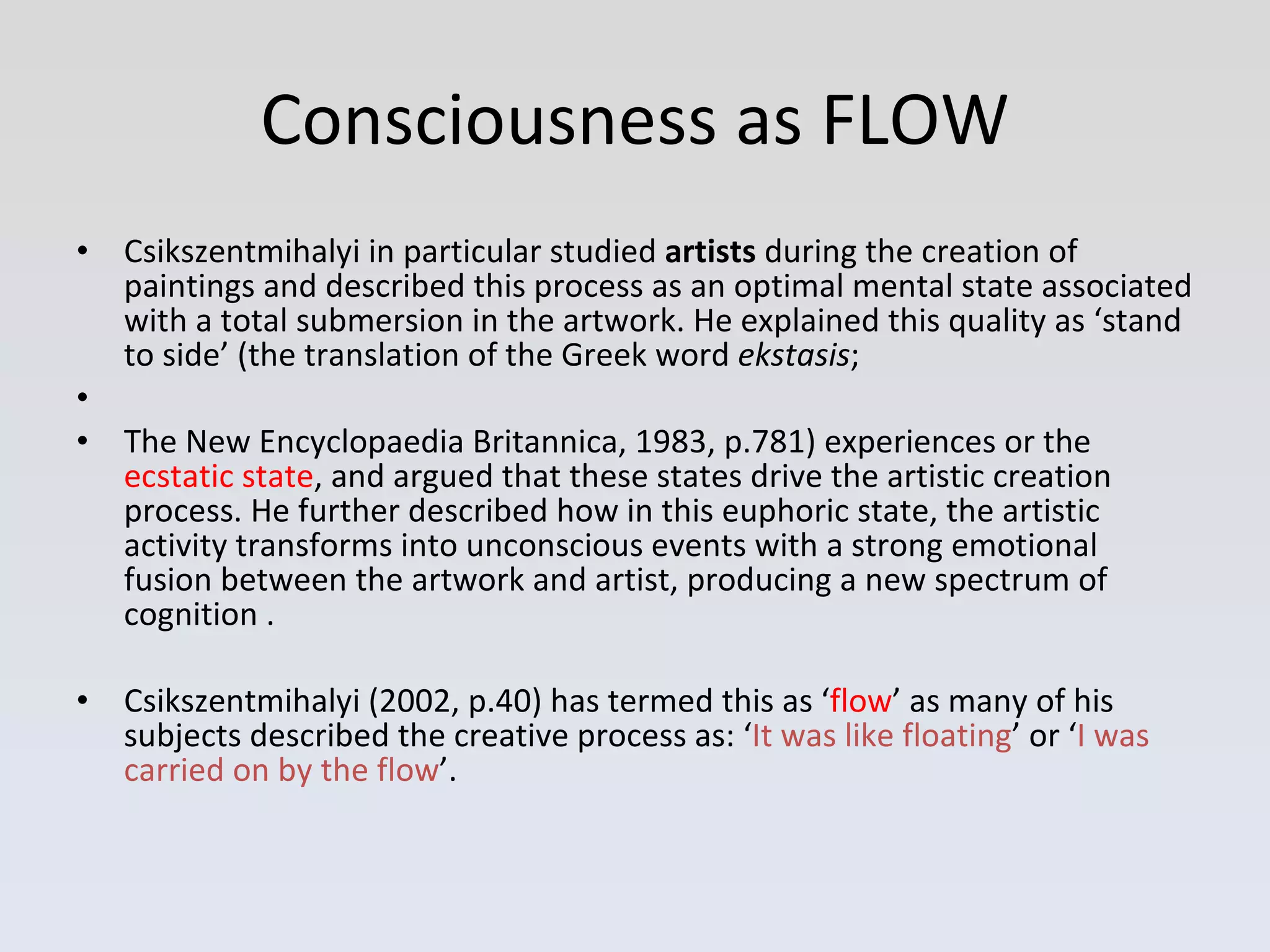
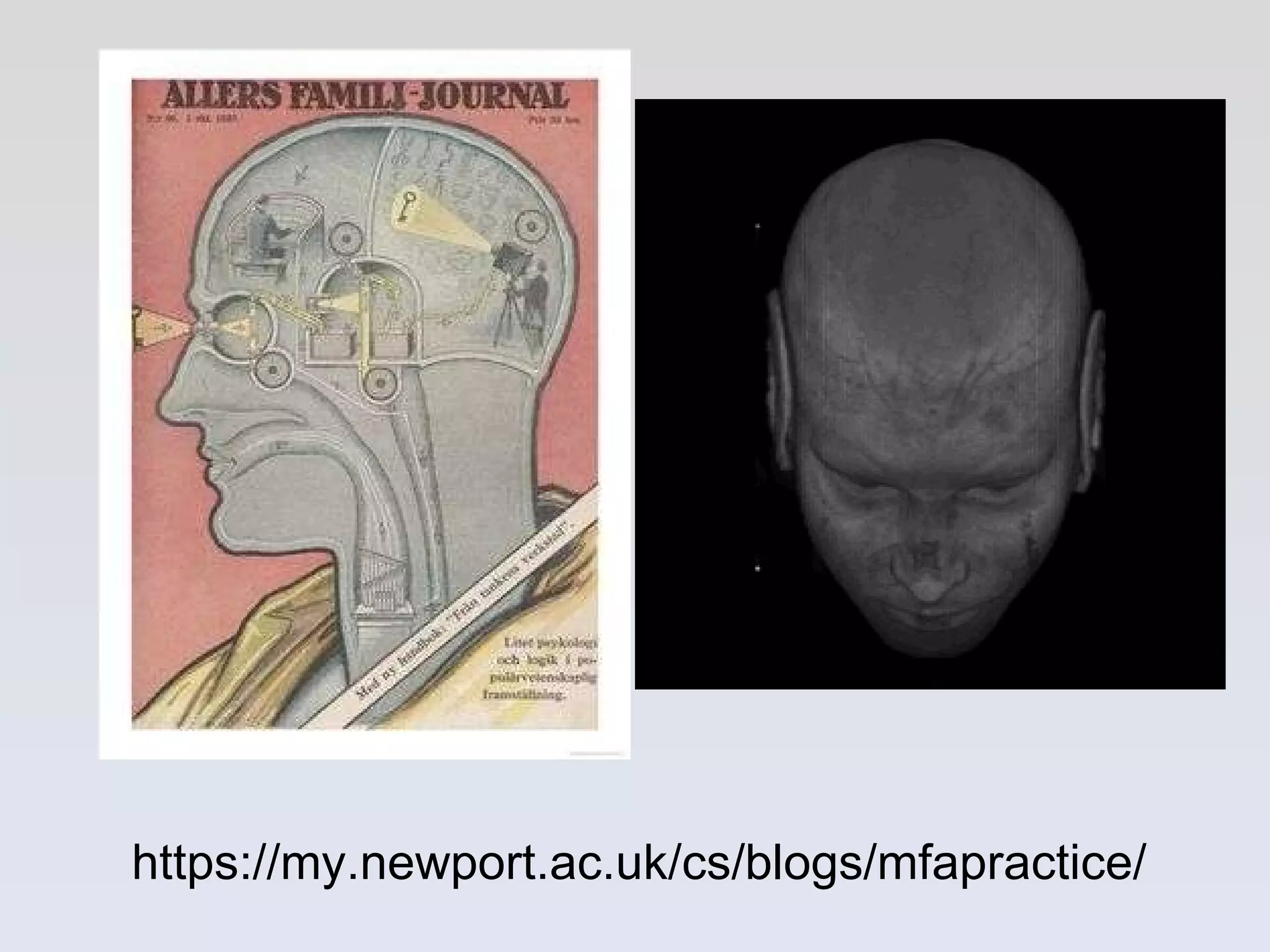
The document provides an overview of consciousness and related concepts through definitions, examples, and theories. It discusses consciousness as:
1) A mystery that modern science still aims to explain, such as how physical processes in the brain give rise to subjective experience.
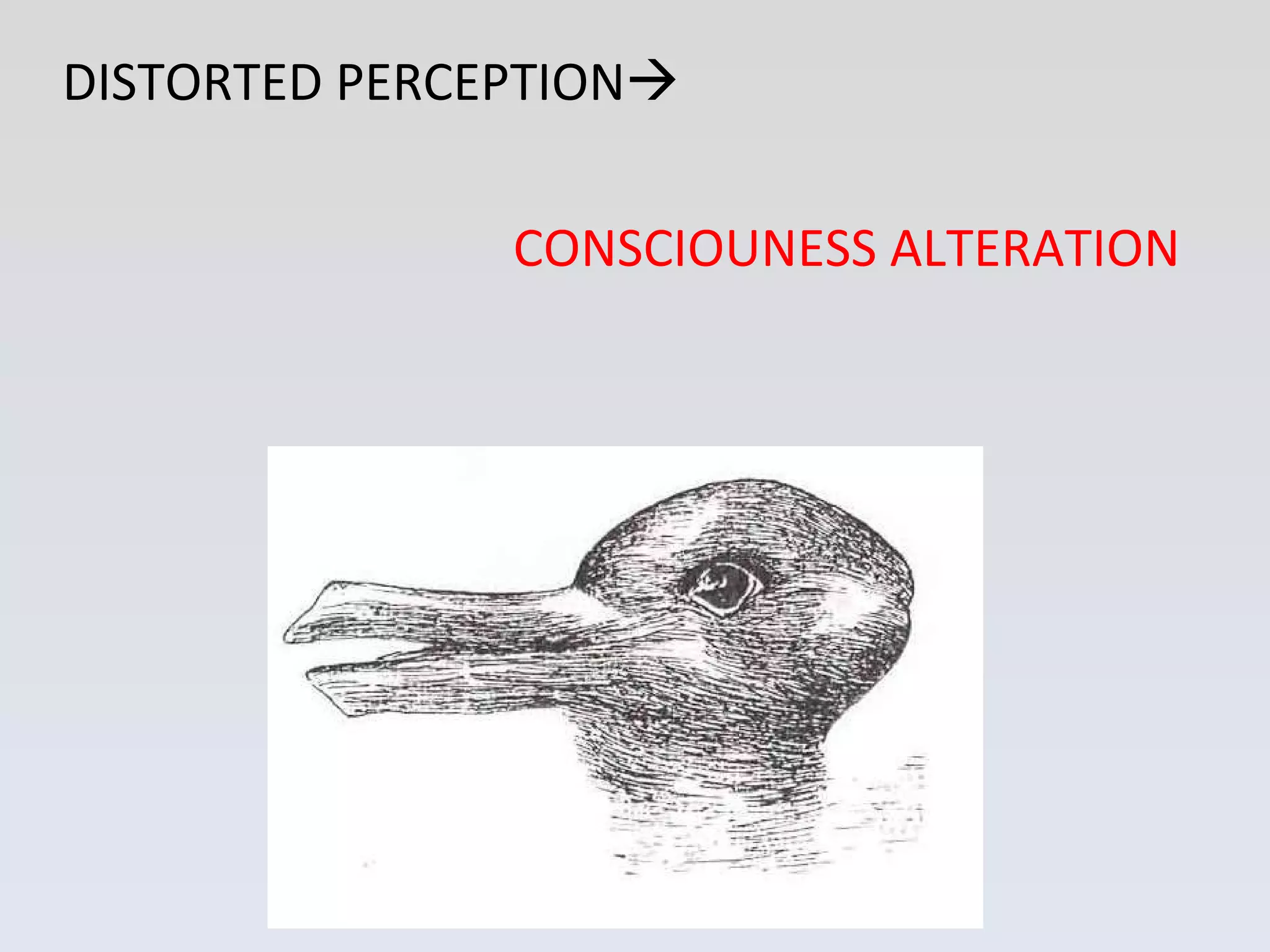
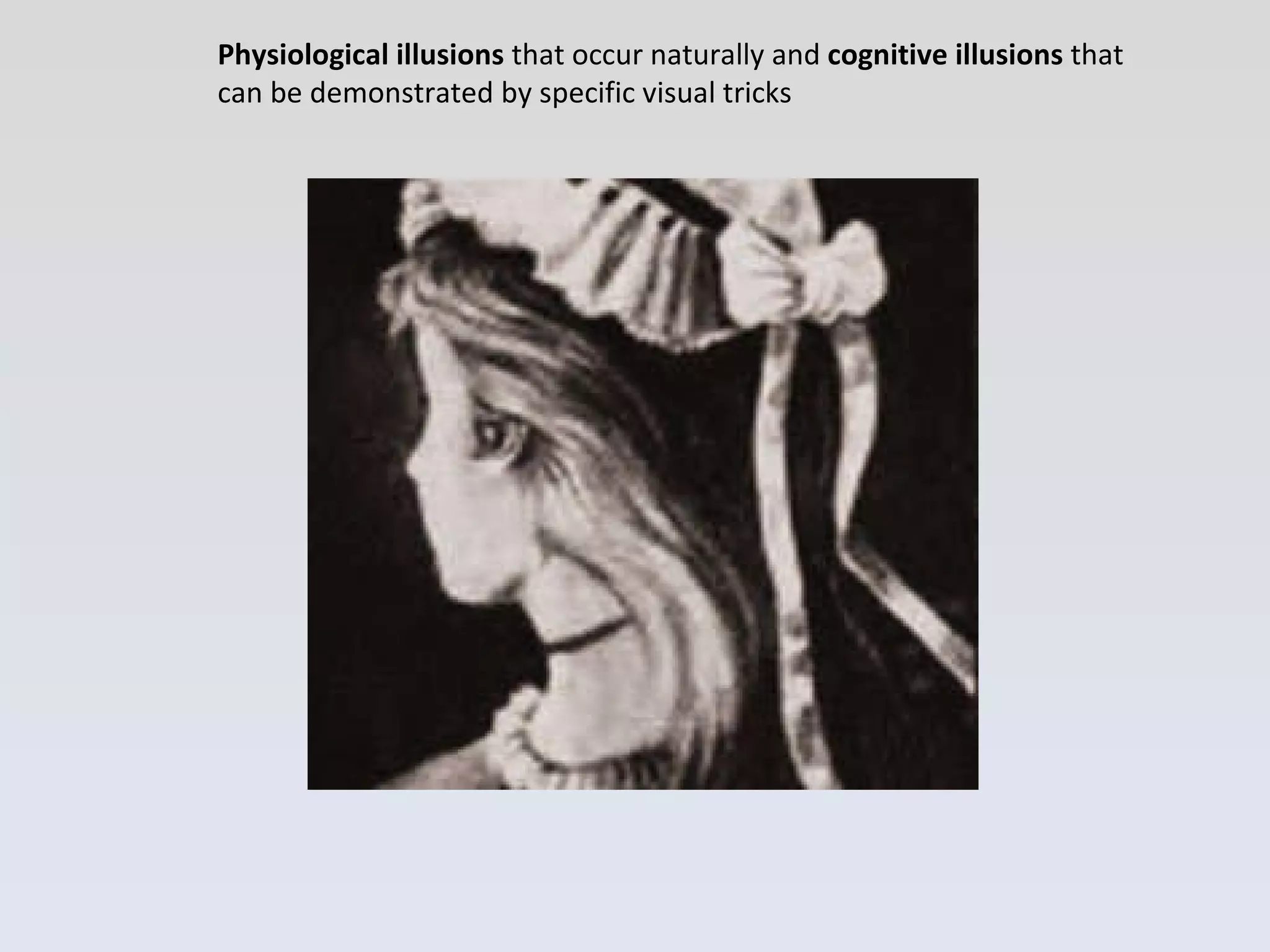
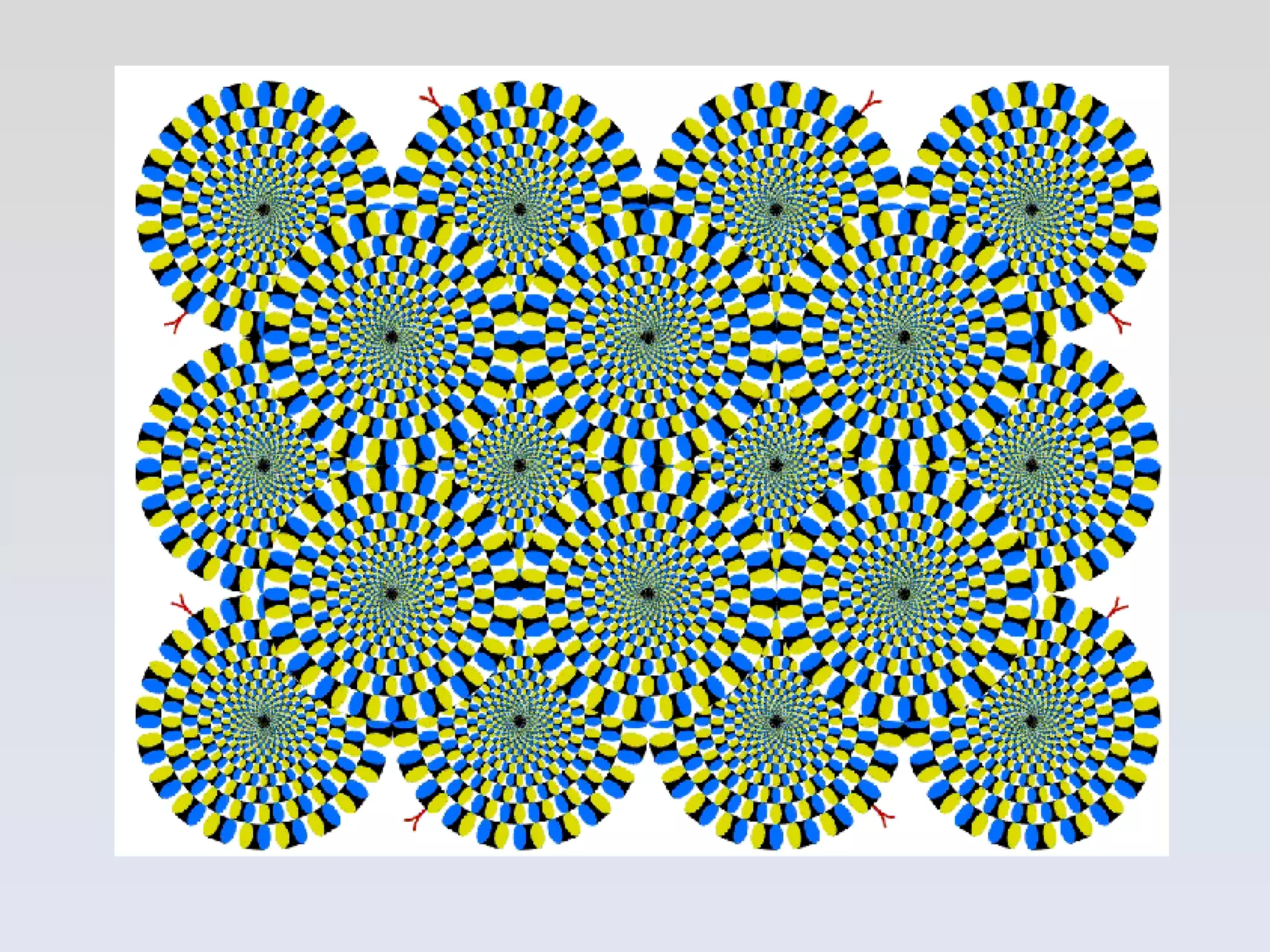
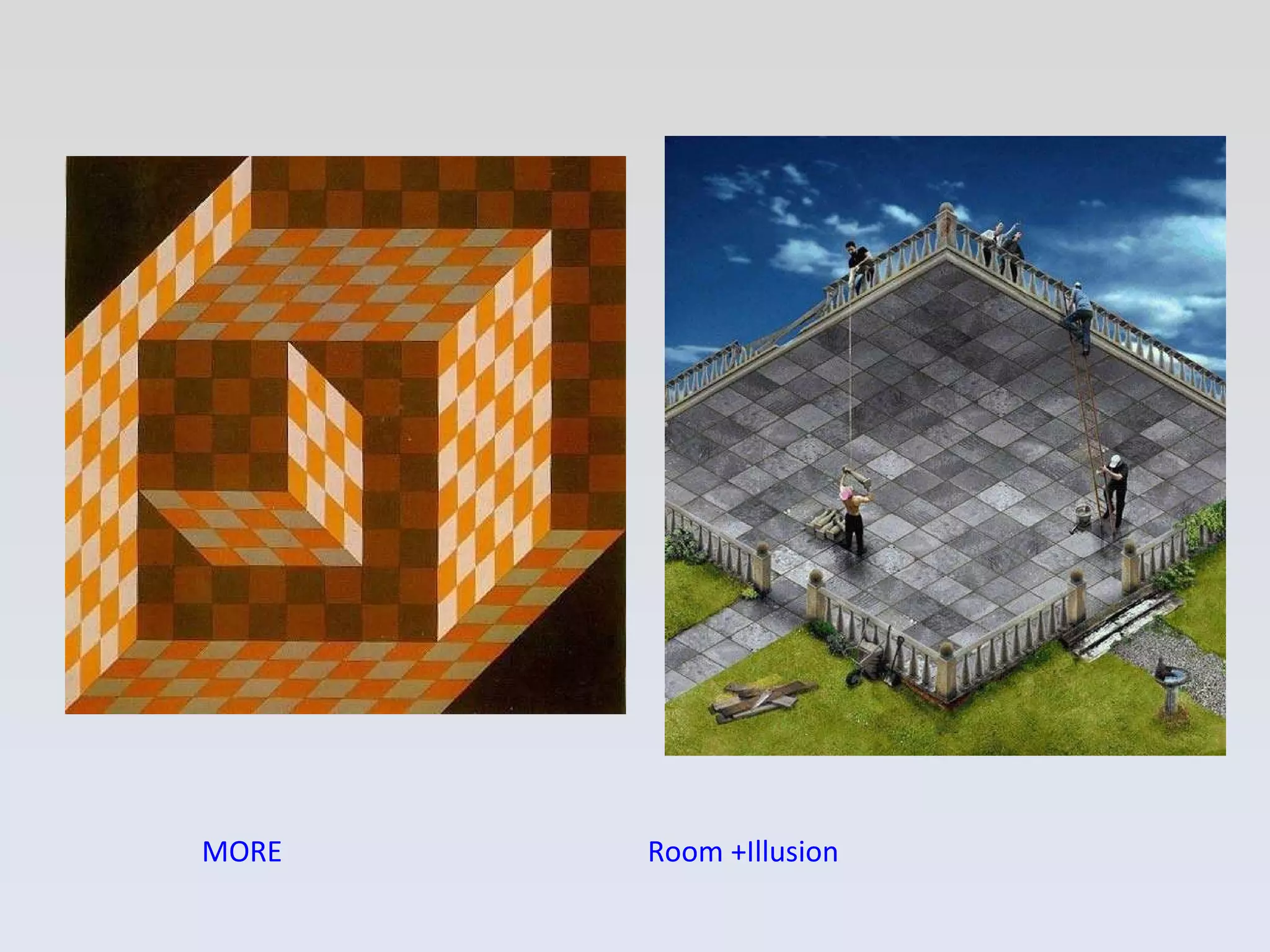
2) A state of awareness that can be altered through different states of brain activity, perception, experiences like dreams, meditation, and altered states induced by drugs or sensory tricks.
3) A topic explored through different philosophical perspectives, such as dualism, functionalism, and theories that consciousness is an illusion or epiphenomenon of physical processes.
In this document
Powered by AI
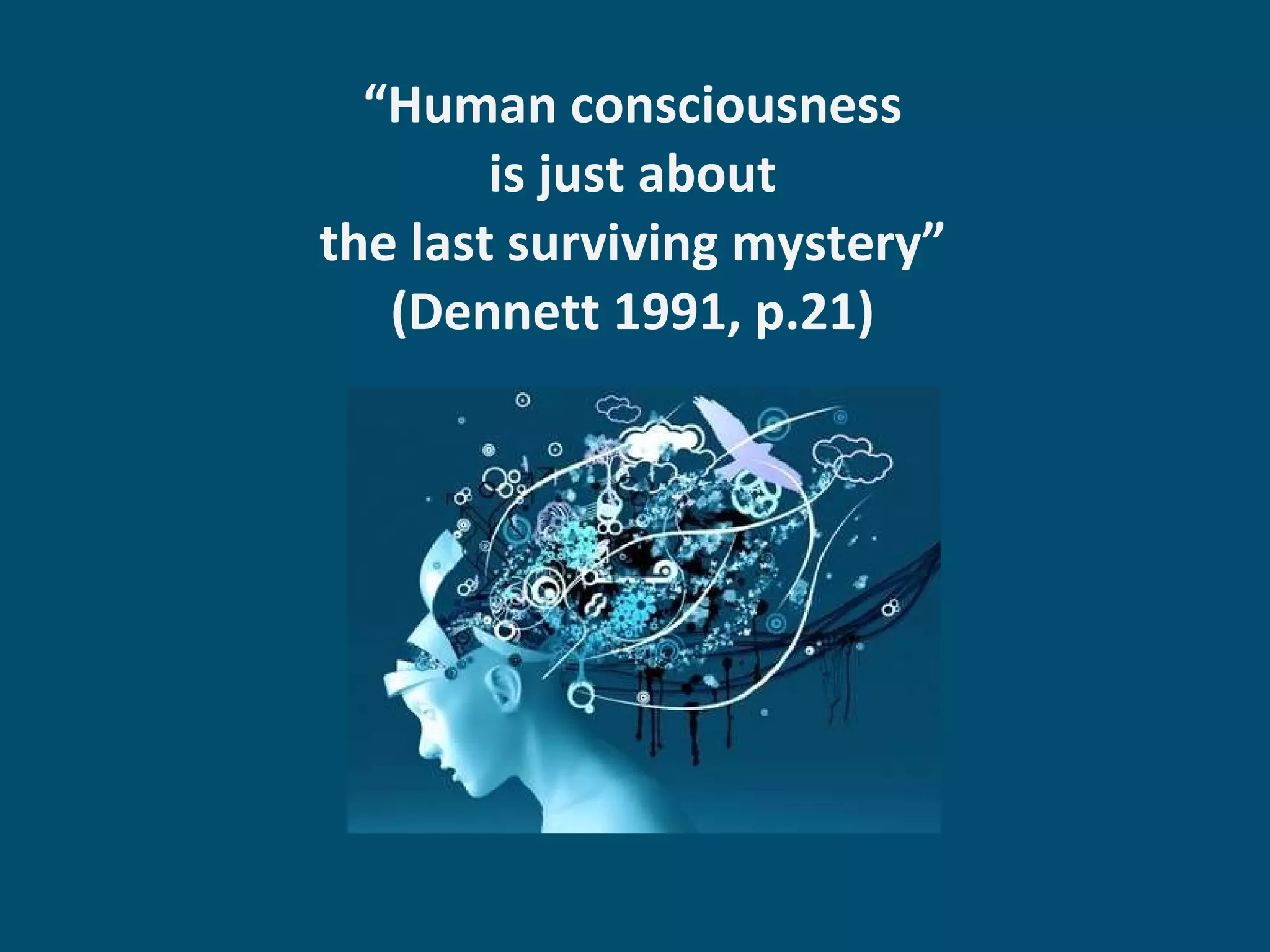
Introduction to consciousness studies; quotes by Blackmore and Dennett highlight its significance.
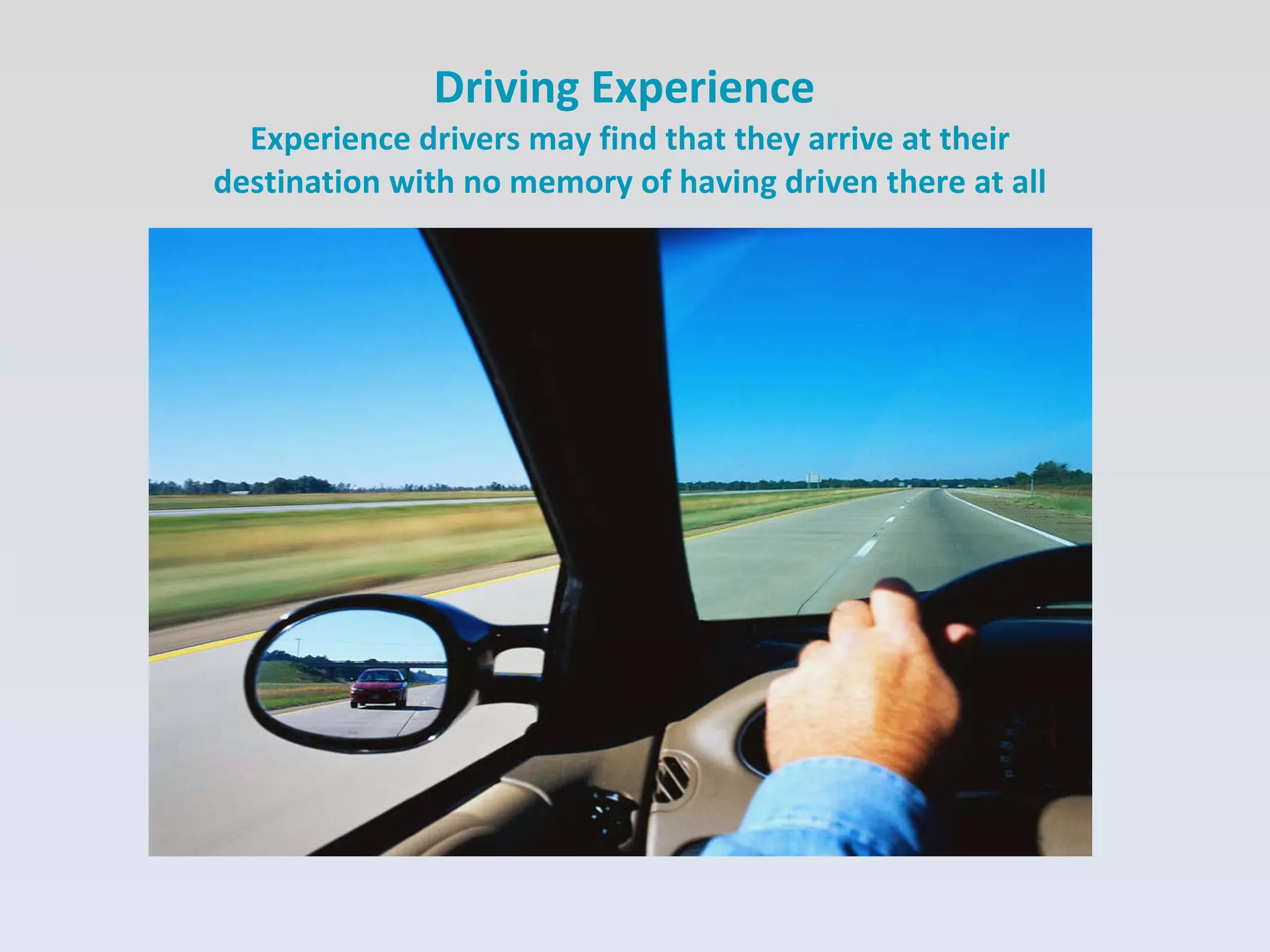
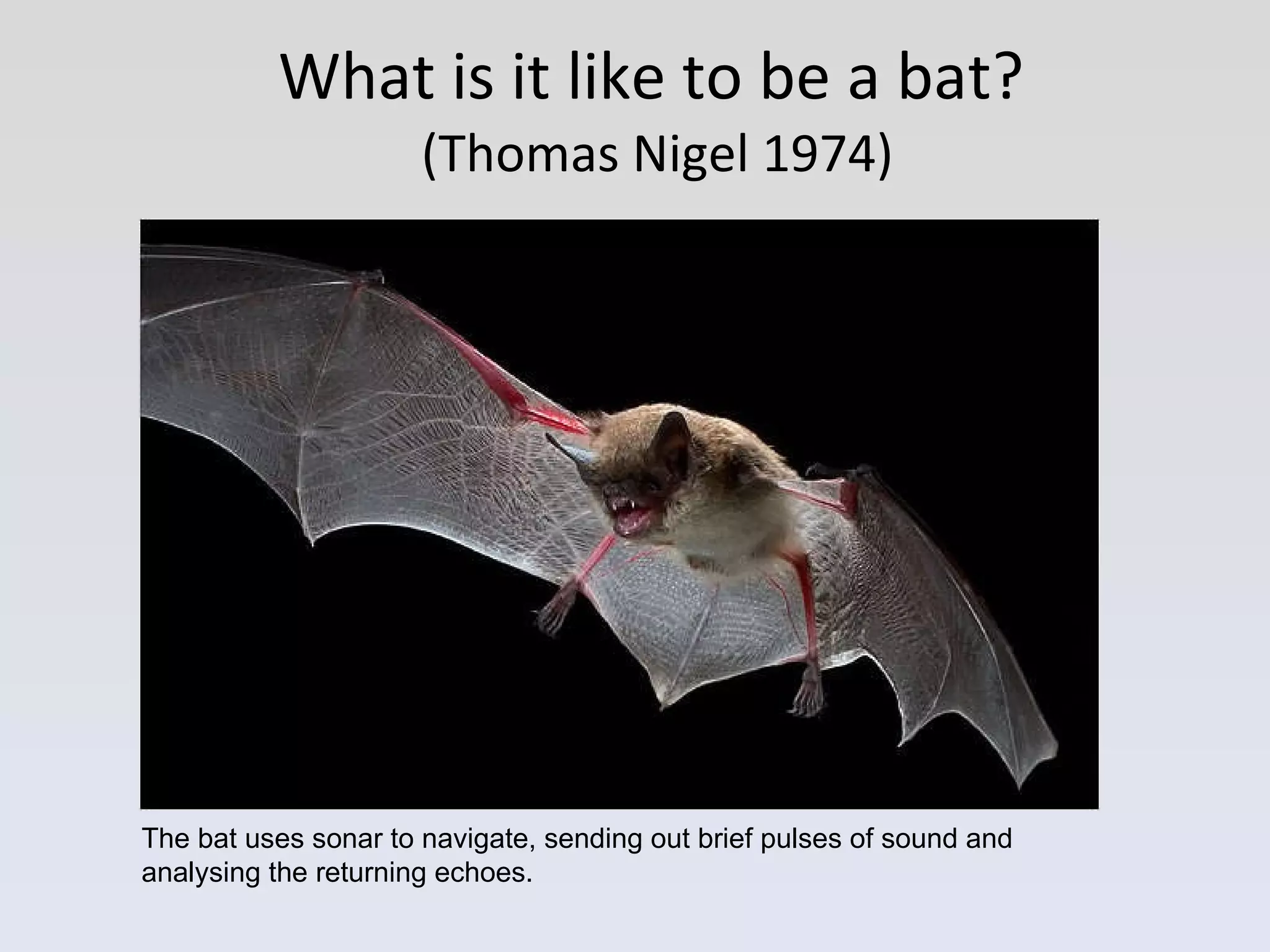
Exploration of human experience in consciousness using metaphors such as driving and bat sonar.
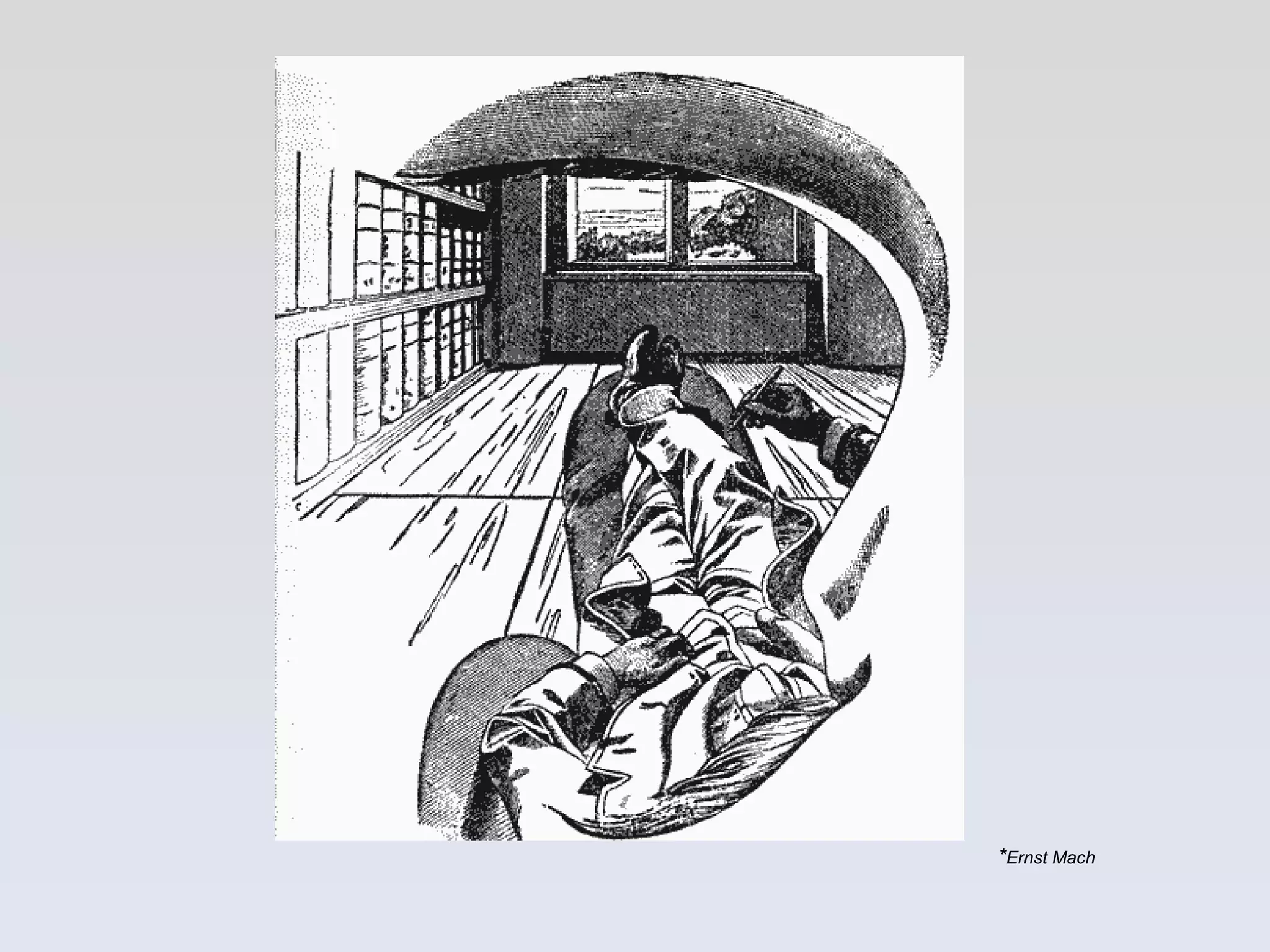
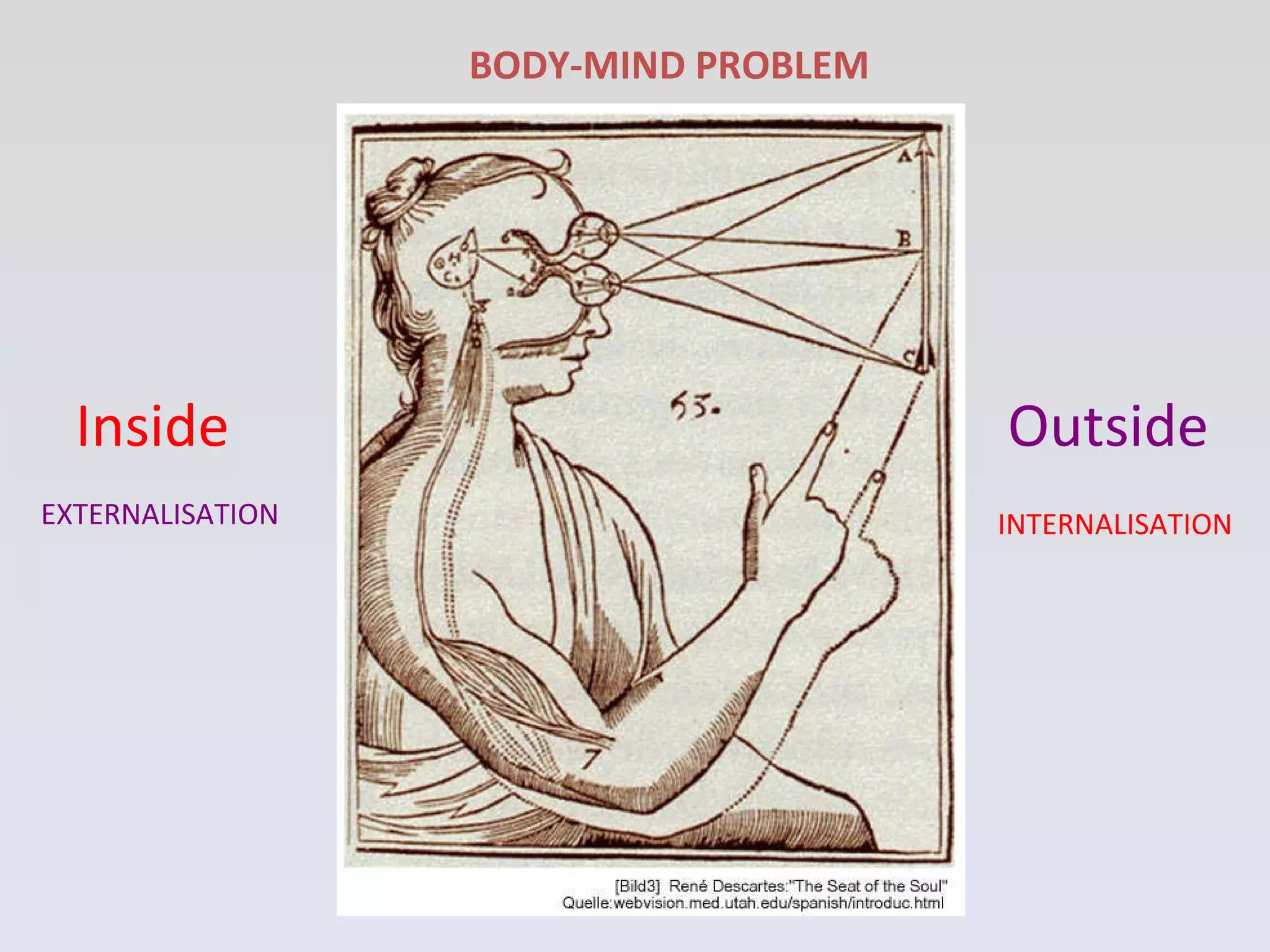
Discussion of internal and external perceptions, and the dualism in human experiential reality.
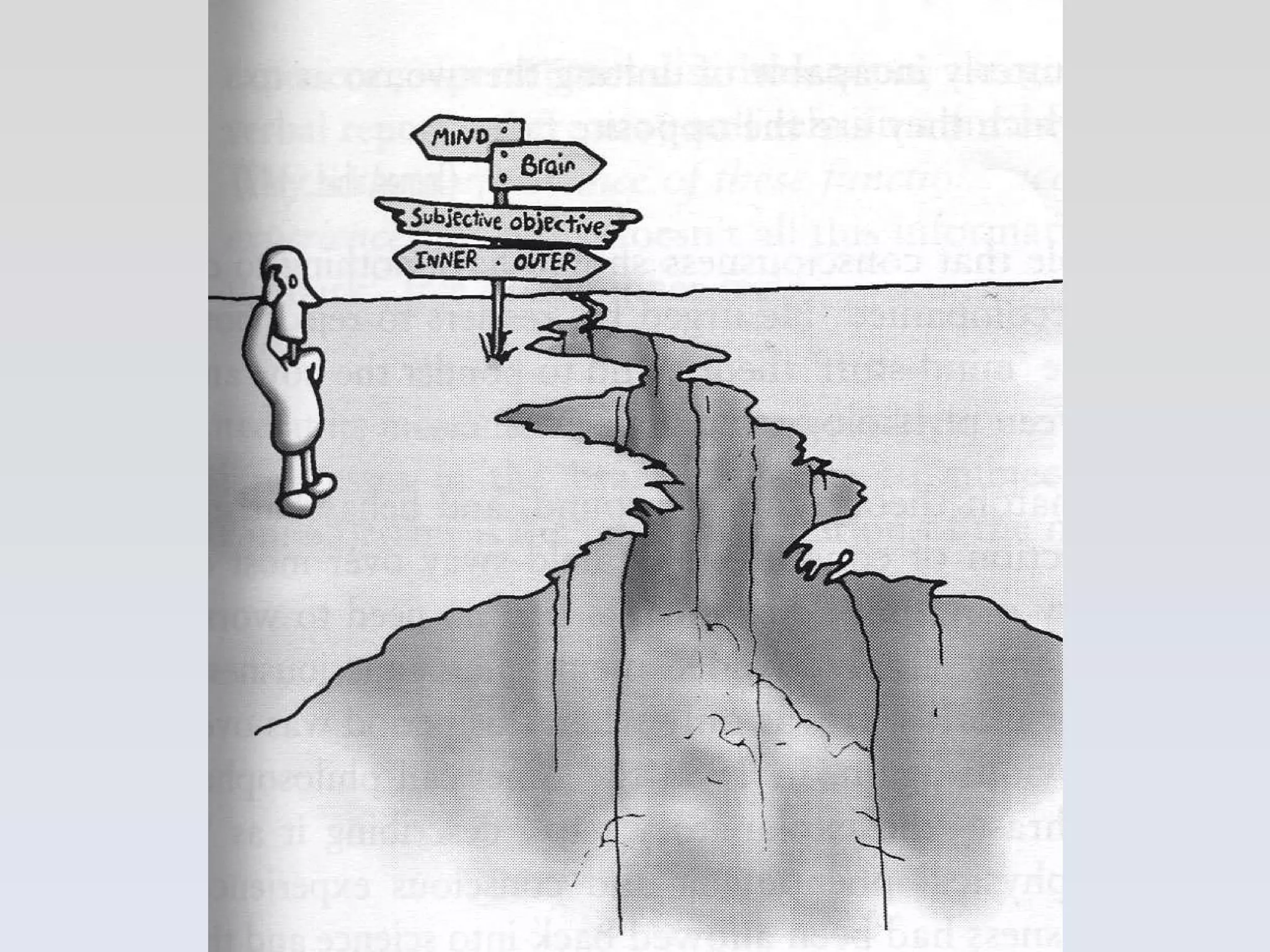
Chalmers' hard problem explaining the link between physical brain processes and subjective experiences.
Introduction to Descartes’ theories on dualism and the distinction of mind and body.
Use of technology in exploring consciousness, including robotic applications and Cartesian digital reality.
Descartes' mechanistic view of reflex actions and critique of Cartesian materialism by Dennett.
Various perspectives on what consciousness is, including theories on its nature and existence.
Introduction to unconscious processes and Rorschach test exploring hidden thoughts affecting behavior.
Examination of brainwave patterns and their correlation with consciousness levels and mental states.
Study of perception processes, including how stimuli are organized into experiences and related videos.
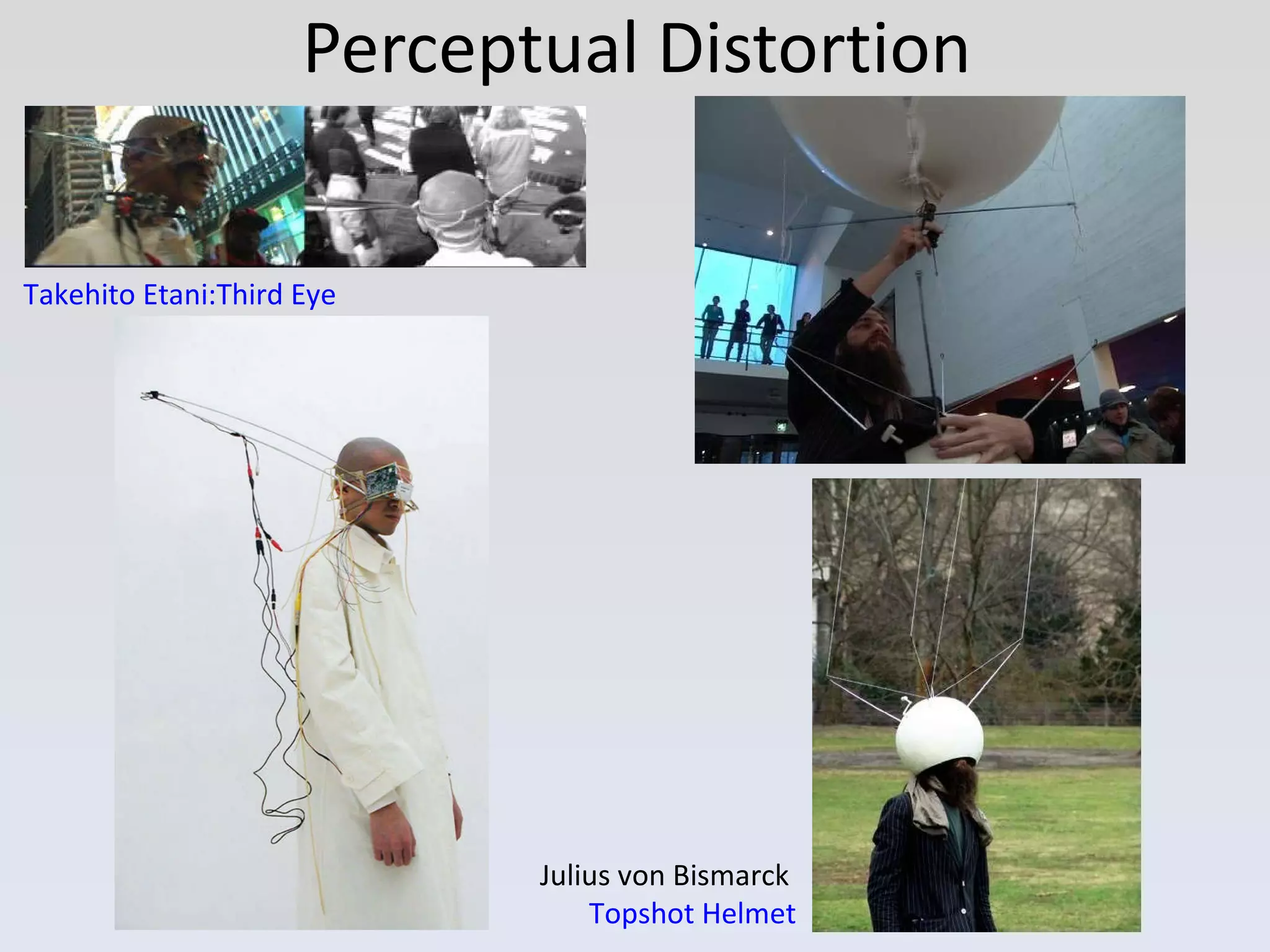
Discussion on the phenomenon of phantom limbs and how perceptions can be altered or distorted.
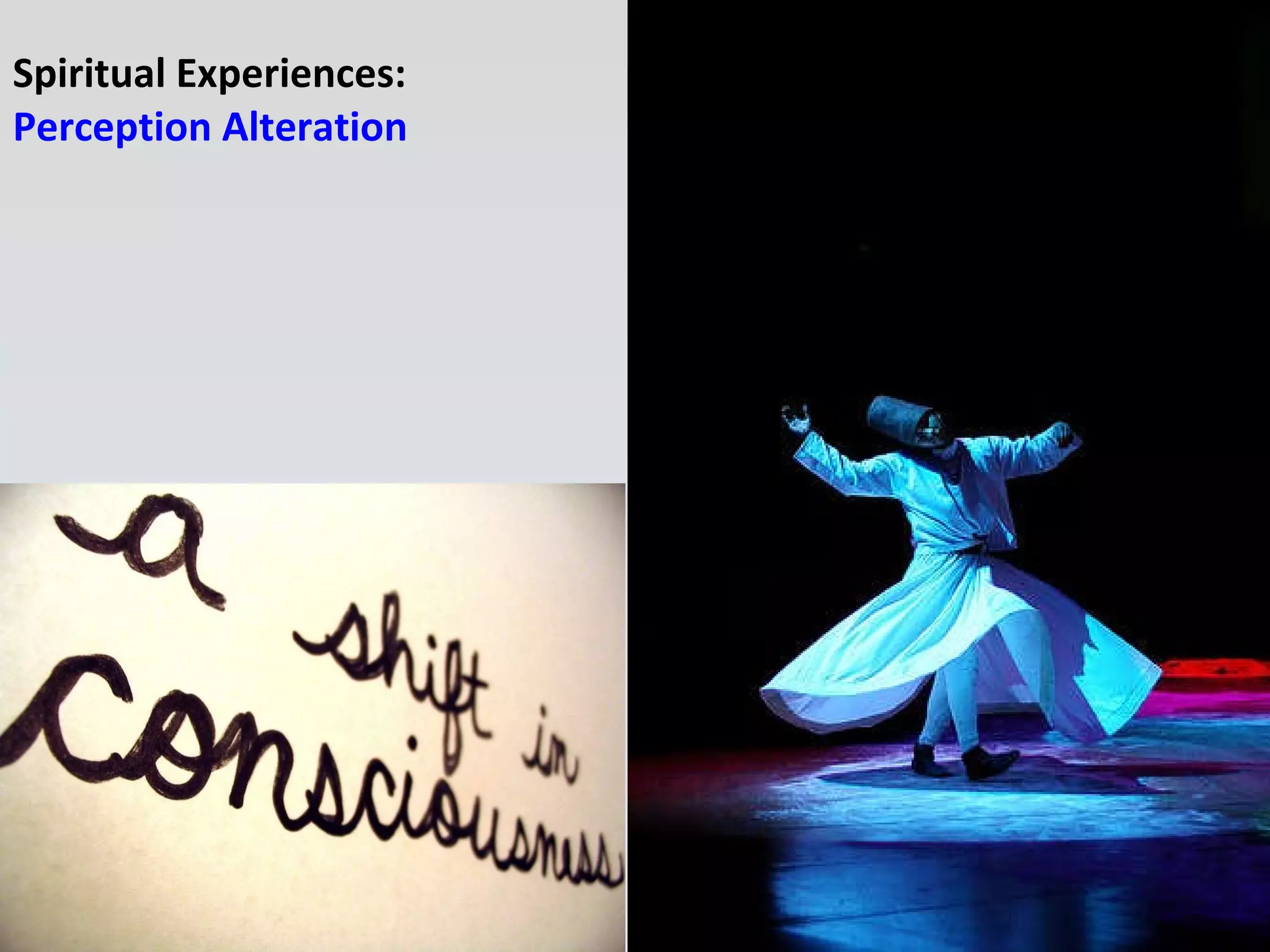
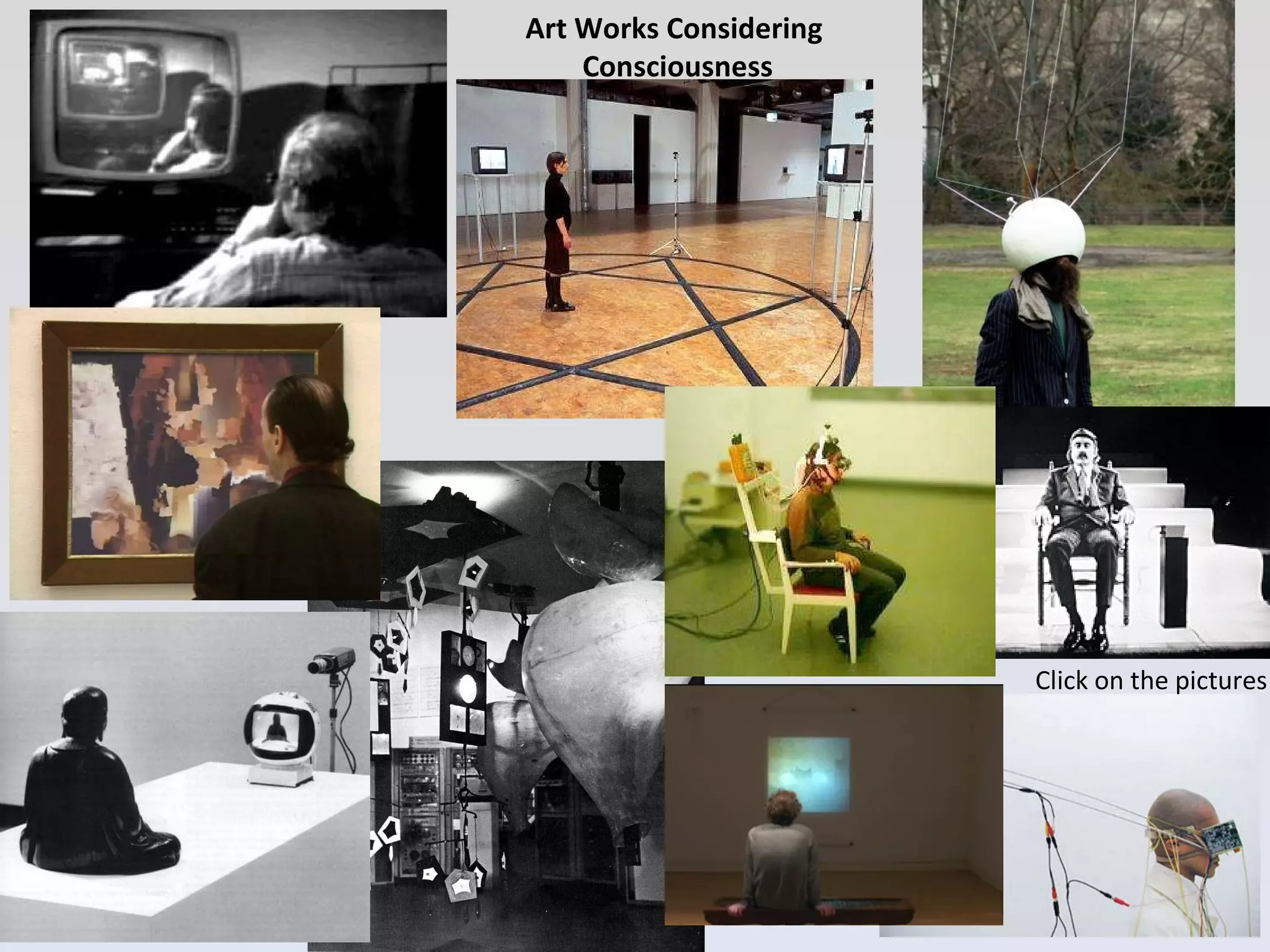
Definitions and applications of altered states of consciousness, including biofeedback in arts.
Exploration of attention's role in perception and self-awareness; focus on cognitive reactions.
Concept of consciousness as a flowing stream; Csikszentmihalyi's study on artistic creation and flow.
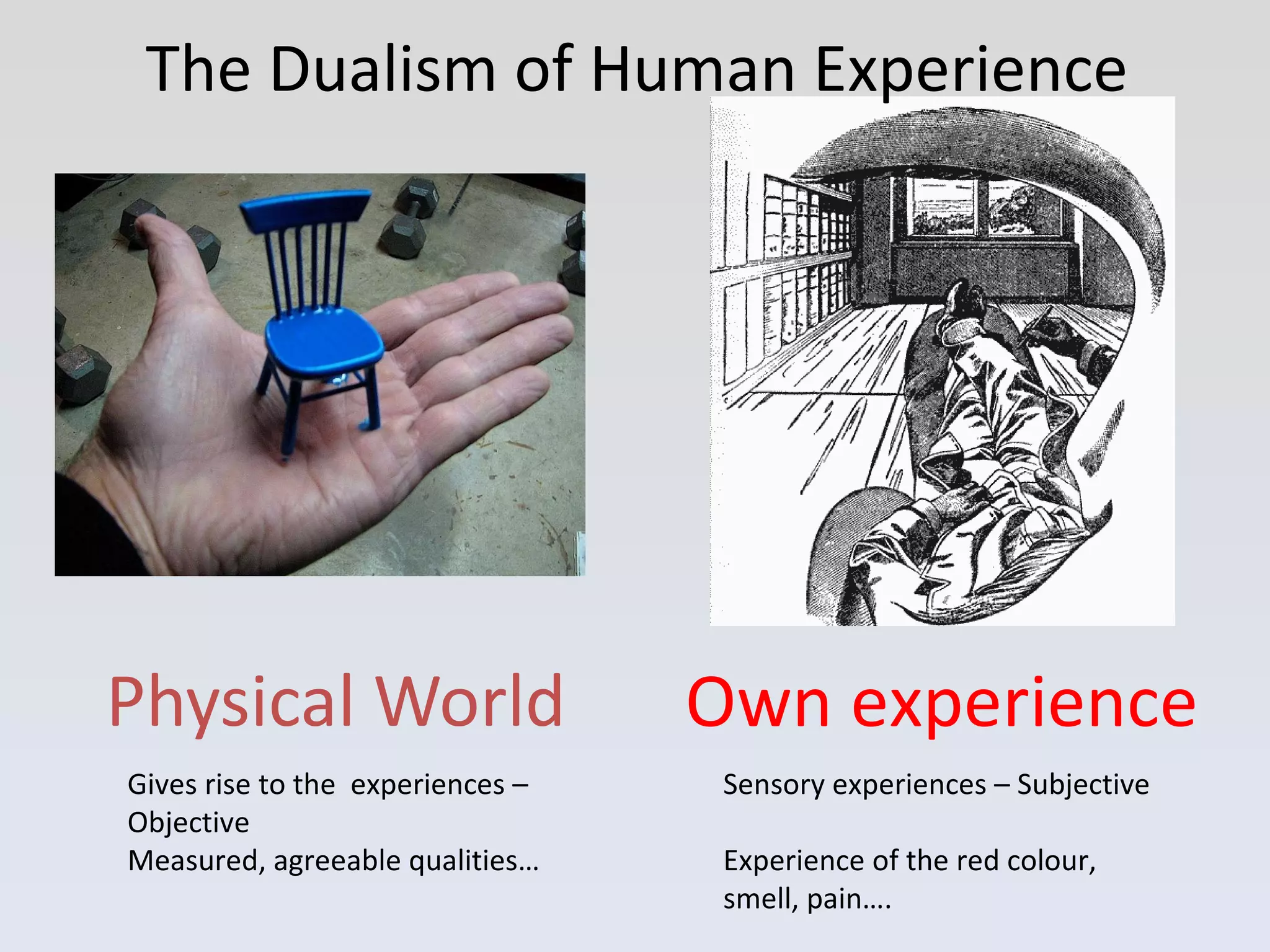
The Dualism ofHuman Experience Physical World Own experience Sensory experiences – Subjective Experience of the red colour, smell, pain…. Gives rise to the experiences – Objective Measured, agreeable qualities…
13.
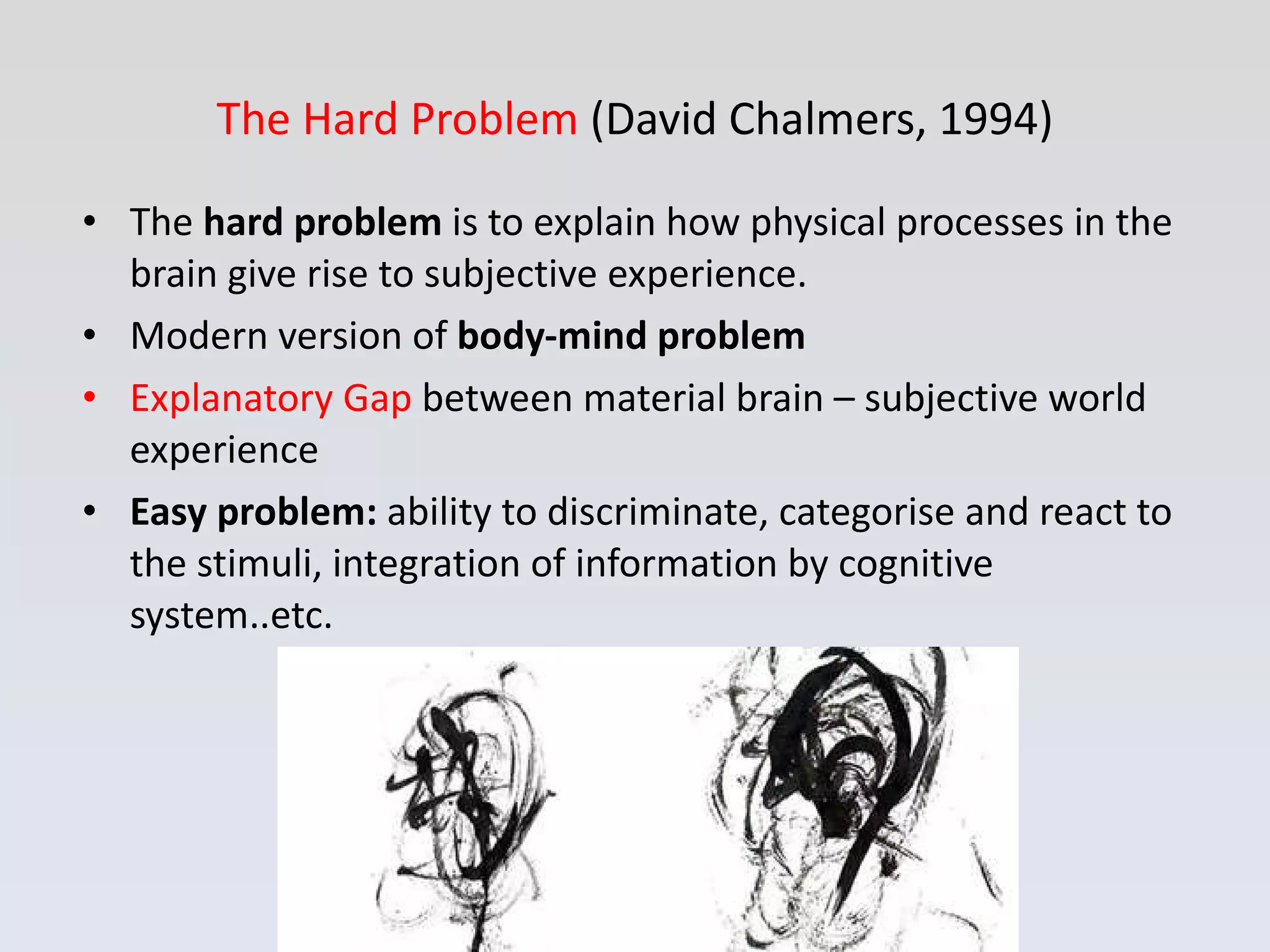
The Hard Problem (David Chalmers, 1994) The hard problem is to explain how physical processes in the brain give rise to subjective experience. Modern version of body-mind problem Explanatory Gap between material brain – subjective world experience Easy problem: ability to discriminate, categorise and react to the stimuli, integration of information by cognitive system..etc.
14.
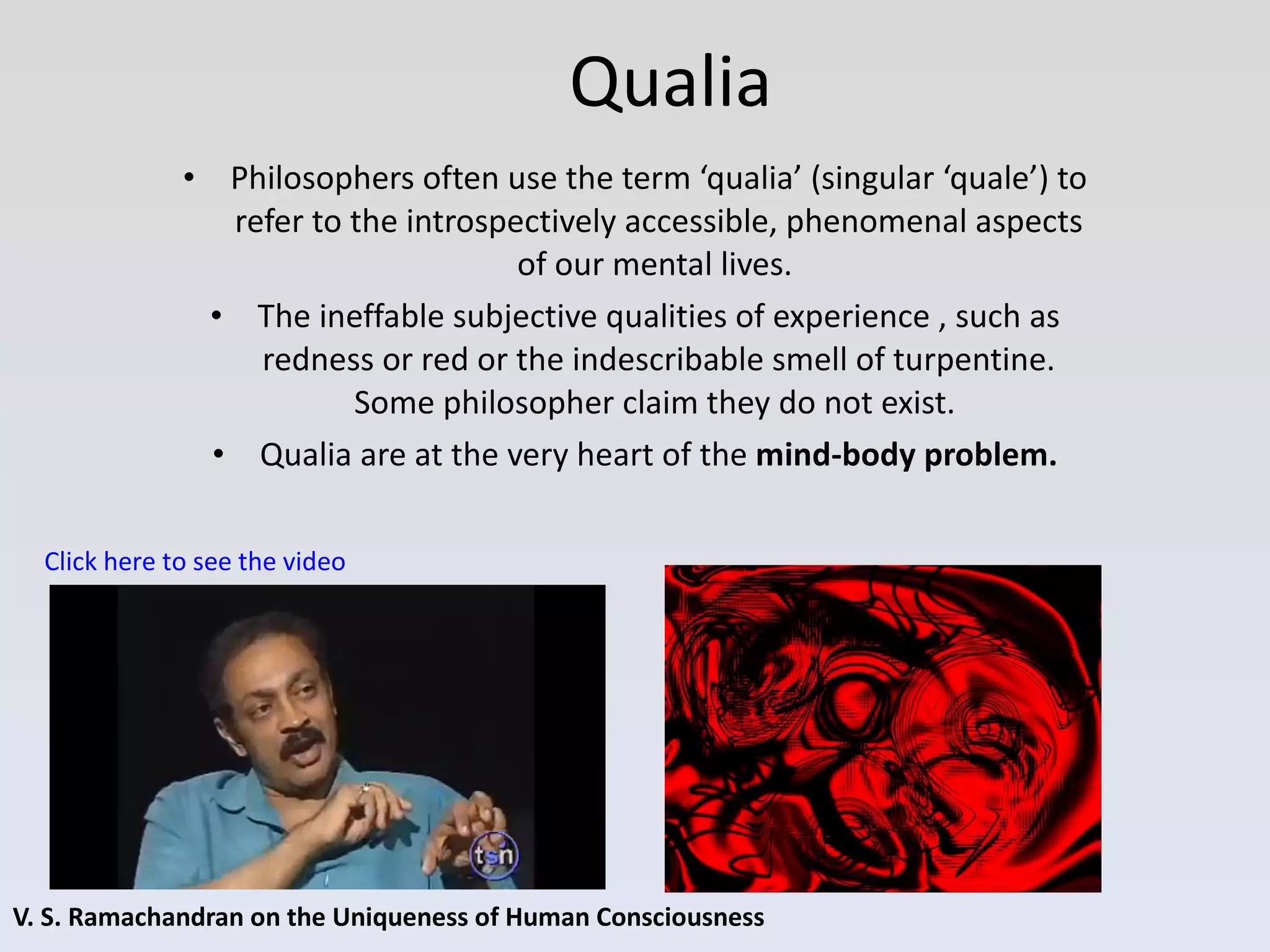
Qualia V. S.Ramachandran on the Uniqueness of Human Consciousness Philosophers often use the term ‘qualia’ (singular ‘quale’) to refer to the introspectively accessible, phenomenal aspects of our mental lives. The ineffable subjective qualities of experience , such as redness or red or the indescribable smell of turpentine. Some philosopher claim they do not exist. Qualia are at the very heart of the mind-body problem. Click here to see the video
15.
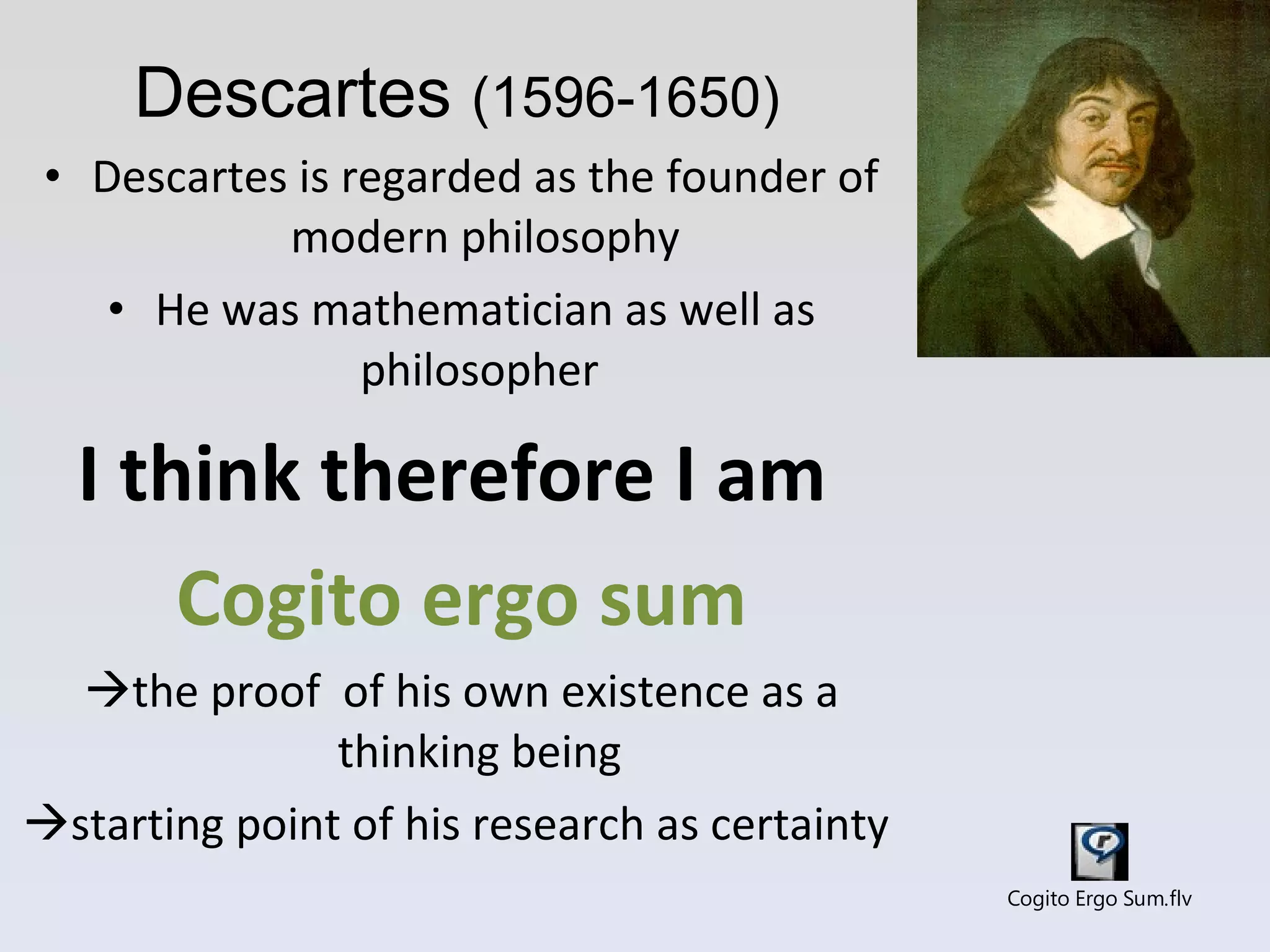
Descartes is regardedas the founder of modern philosophy He was mathematician as well as philosopher I think therefore I am Cogito ergo sum the proof of his own existence as a thinking being starting point of his research as certainty Descartes (1596-1650)
16.
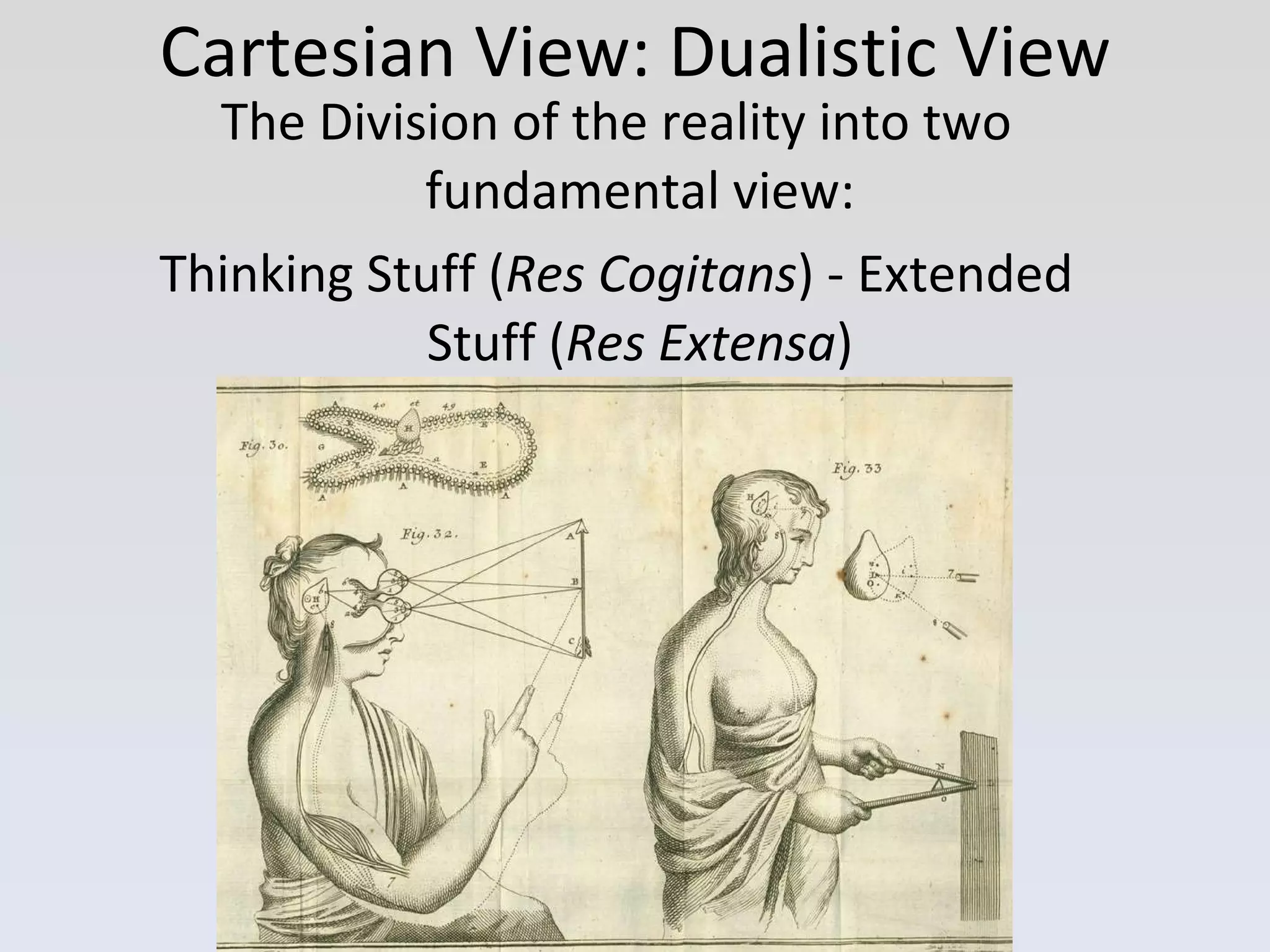
Cartesian View: DualisticView The Division of the reality into two fundamental view: Thinking Stuff ( Res Cogitans ) - Extended Stuff ( Res Extensa )
17.
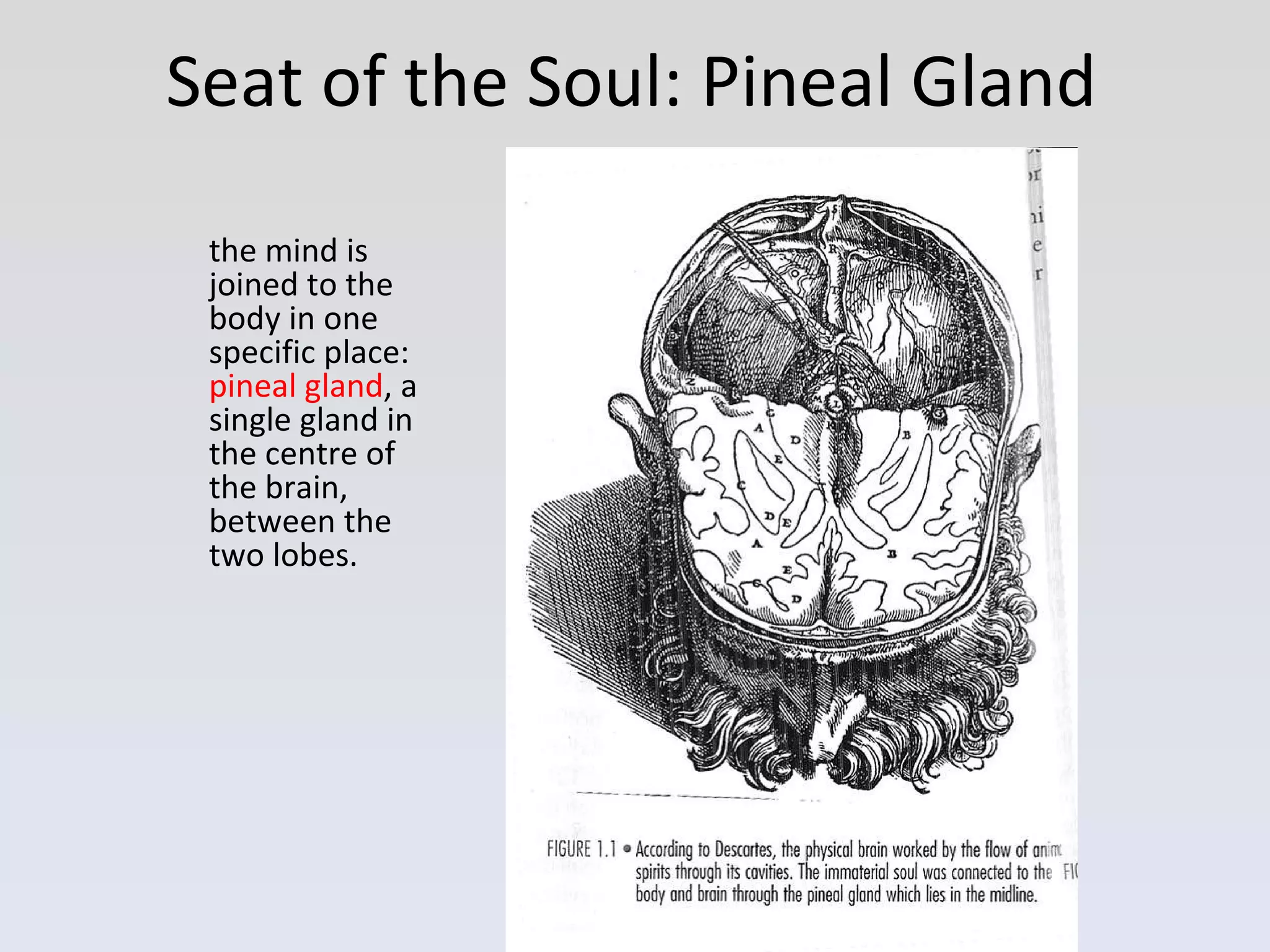
Seat of theSoul: Pineal Gland the mind is joined to the body in one specific place: pineal gland , a single gland in the centre of the brain, between the two lobes.
18.
[P]erception ... isneither a seeing, nor a touching, nor an imagining. ... [R]ather it is an inspection on the part of the mind alone. "sense perception relies on the mind rather than on the body"
19.
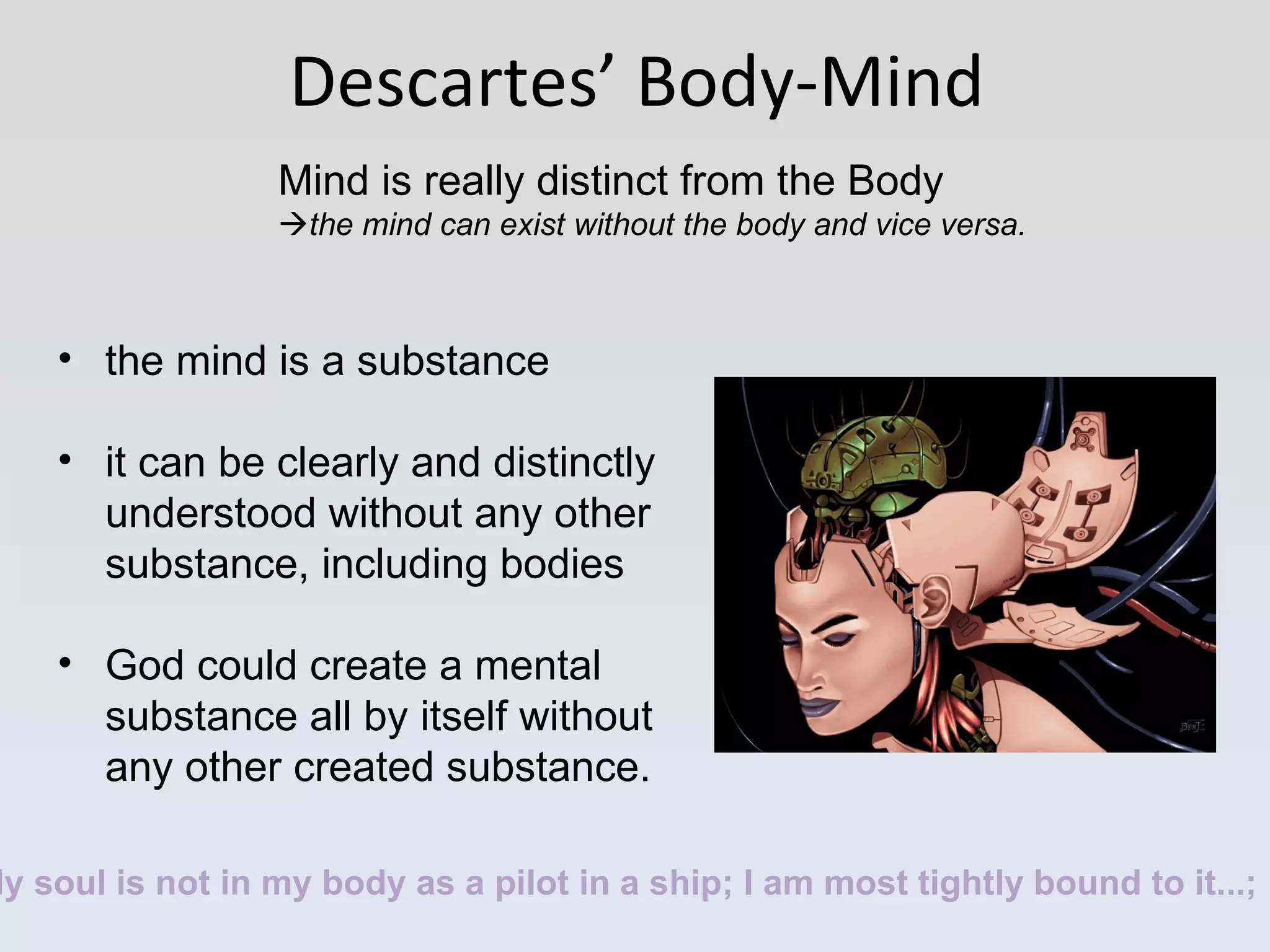
Descartes’ Body-Mind Mindis really distinct from the Body the mind can exist without the body and vice versa. the mind is a substance it can be clearly and distinctly understood without any other substance, including bodies God could create a mental substance all by itself without any other created substance. My soul is not in my body as a pilot in a ship; I am most tightly bound to it...;
20.
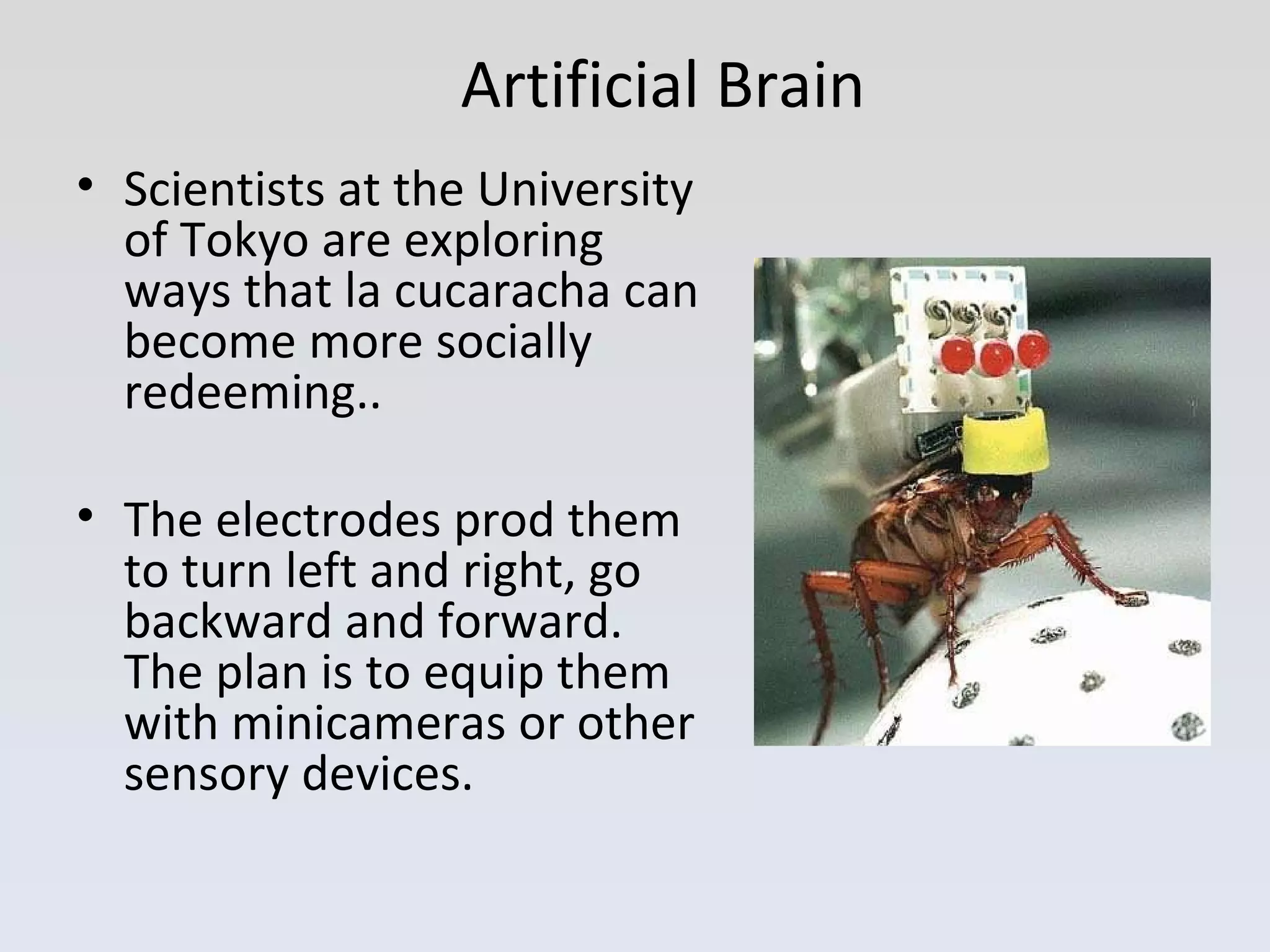
Artificial Brain Scientistsat the University of Tokyo are exploring ways that la cucaracha can become more socially redeeming.. The electrodes prod them to turn left and right, go backward and forward. The plan is to equip them with minicameras or other sensory devices.
21.
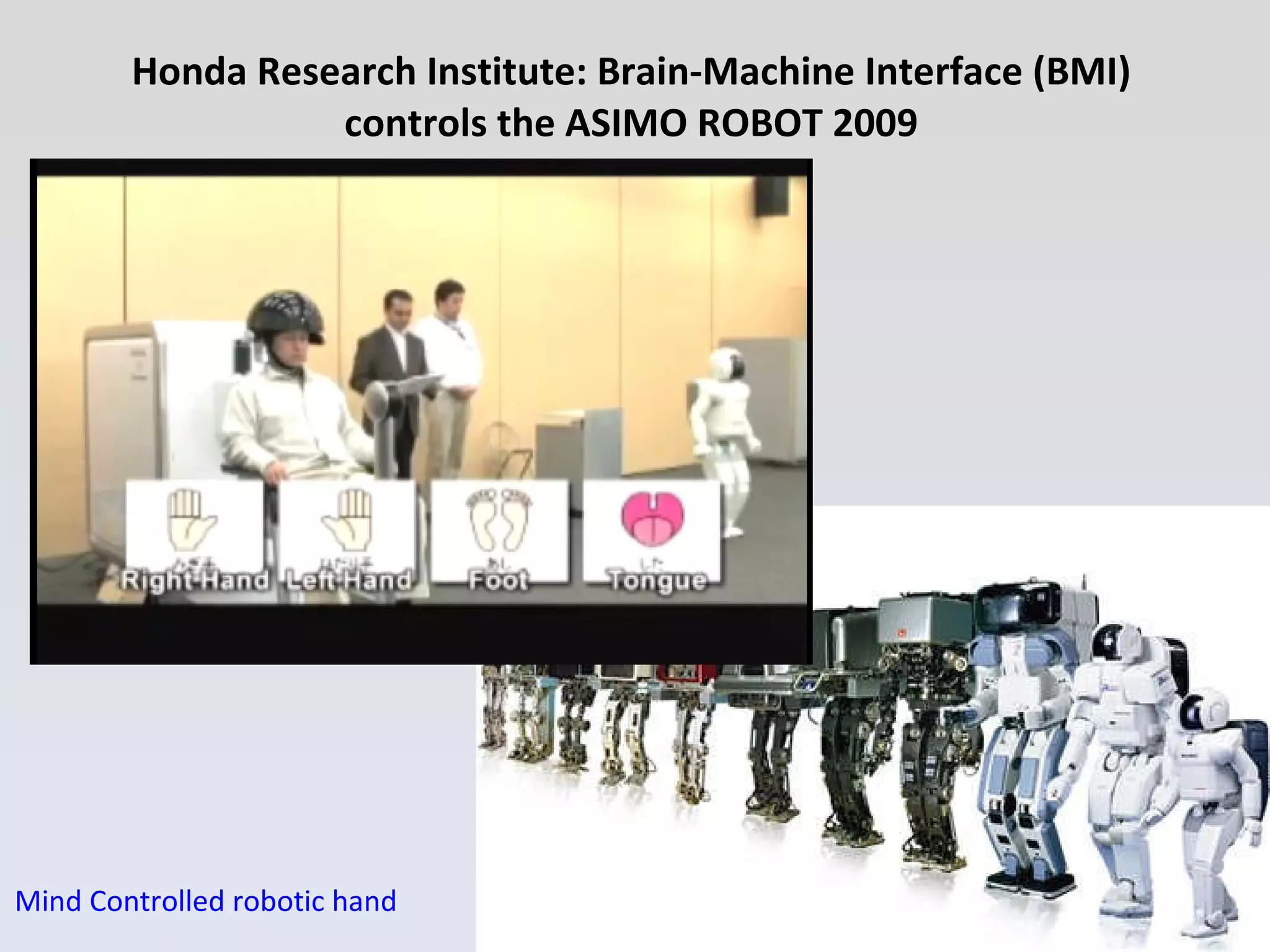
Honda Research Institute:Brain-Machine Interface (BMI) controls the ASIMO ROBOT 2009 Mind Controlled robotic hand
22.
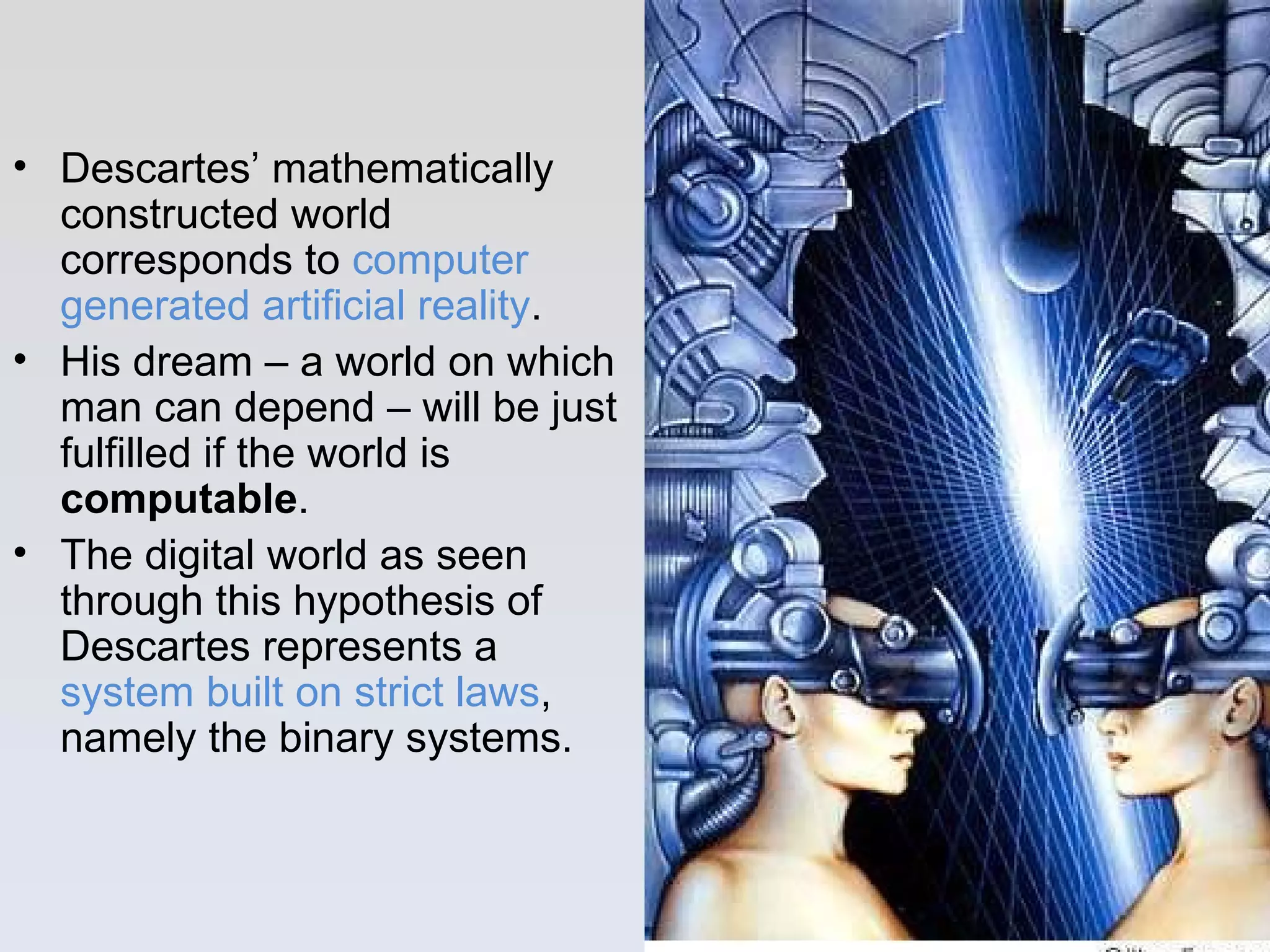
Descartes’ mathematically constructedworld corresponds to computer generated artificial reality . His dream – a world on which man can depend – will be just fulfilled if the world is computable . The digital world as seen through this hypothesis of Descartes represents a system built on strict laws , namely the binary systems.
23.
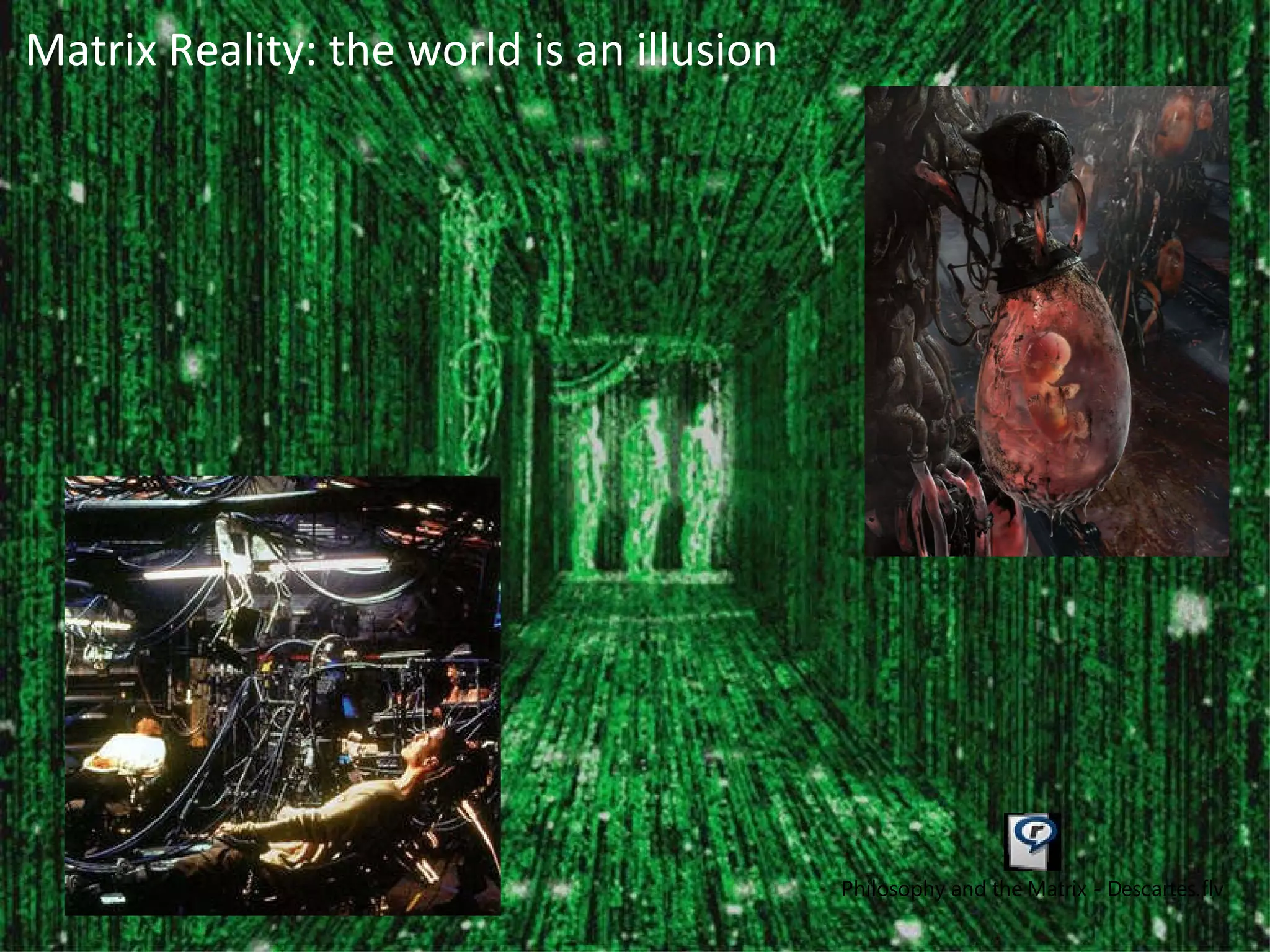
Rene Descartes “If the fire A is close to the foot B , the small parts of this fire, which, as you know, move very quickly, have the force to move the part of the skin of the foot that they touch, and by this means pull the small thread C , which you can see is attached, simultaneously opening the entrance of the pore d , e , where this small thread ends…the entrance of the pore or small passage d , e , being thus opened, the animal spirits in the concavity F enter the thread and are carried by it to the muscles that are used to withdraw the foot from the fire. “ A B C d F C e MECHANICAL RESPONSES – MENTAL WORLD Descartes tried to explain reflex responses, like removing your foot from a hot fire, in purely mechanical terms. He believed that the fire affected the skin, pulling a tiny threat which opened a pore in the brain’s ventricle and caused animal spirits to flow. But what is conscious responses ? It is tempting to think that a signal must come ‘into consciousness’ before we can decide to act on it. Matrix Reality: the world is an illusion
24.
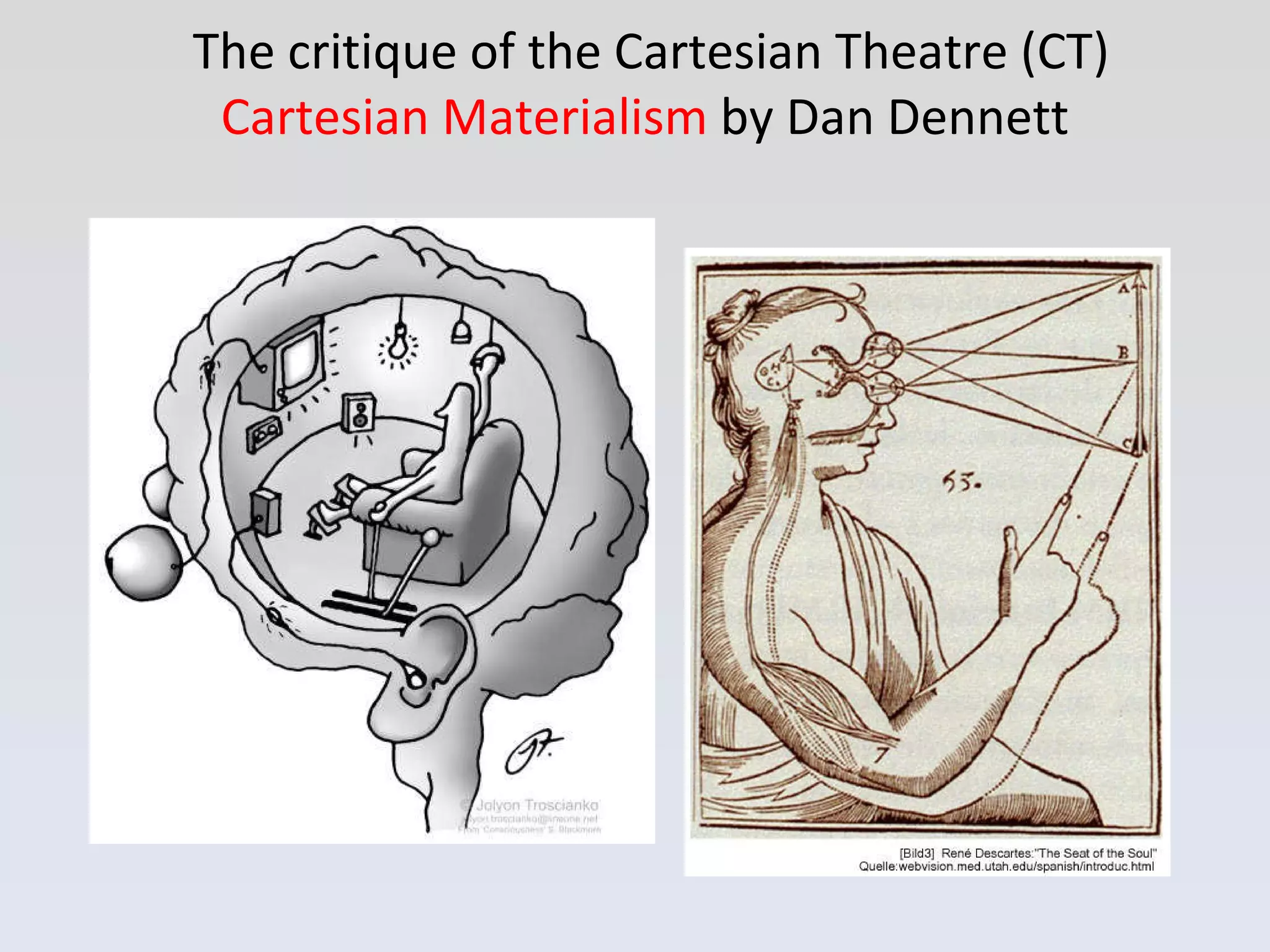
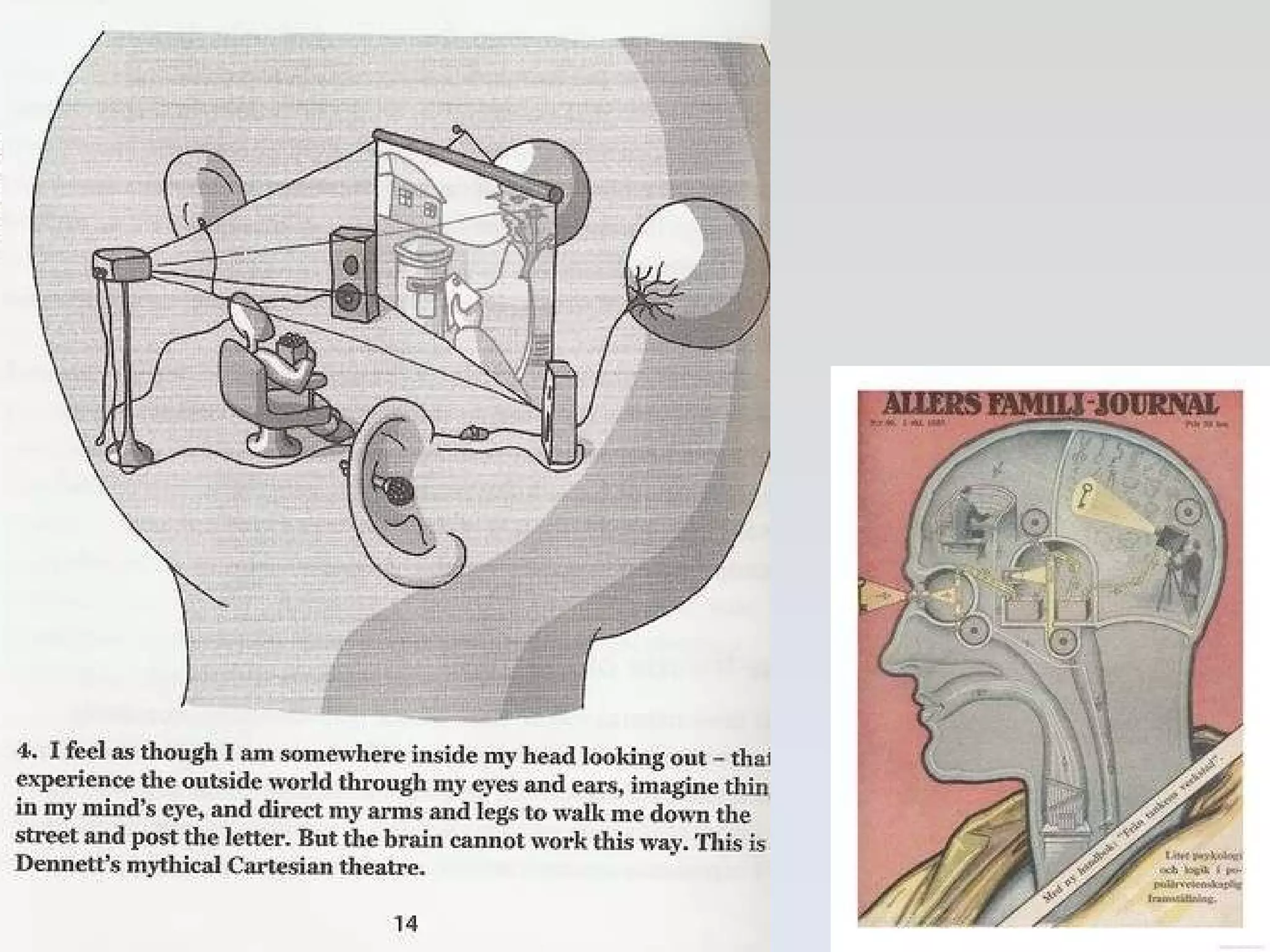
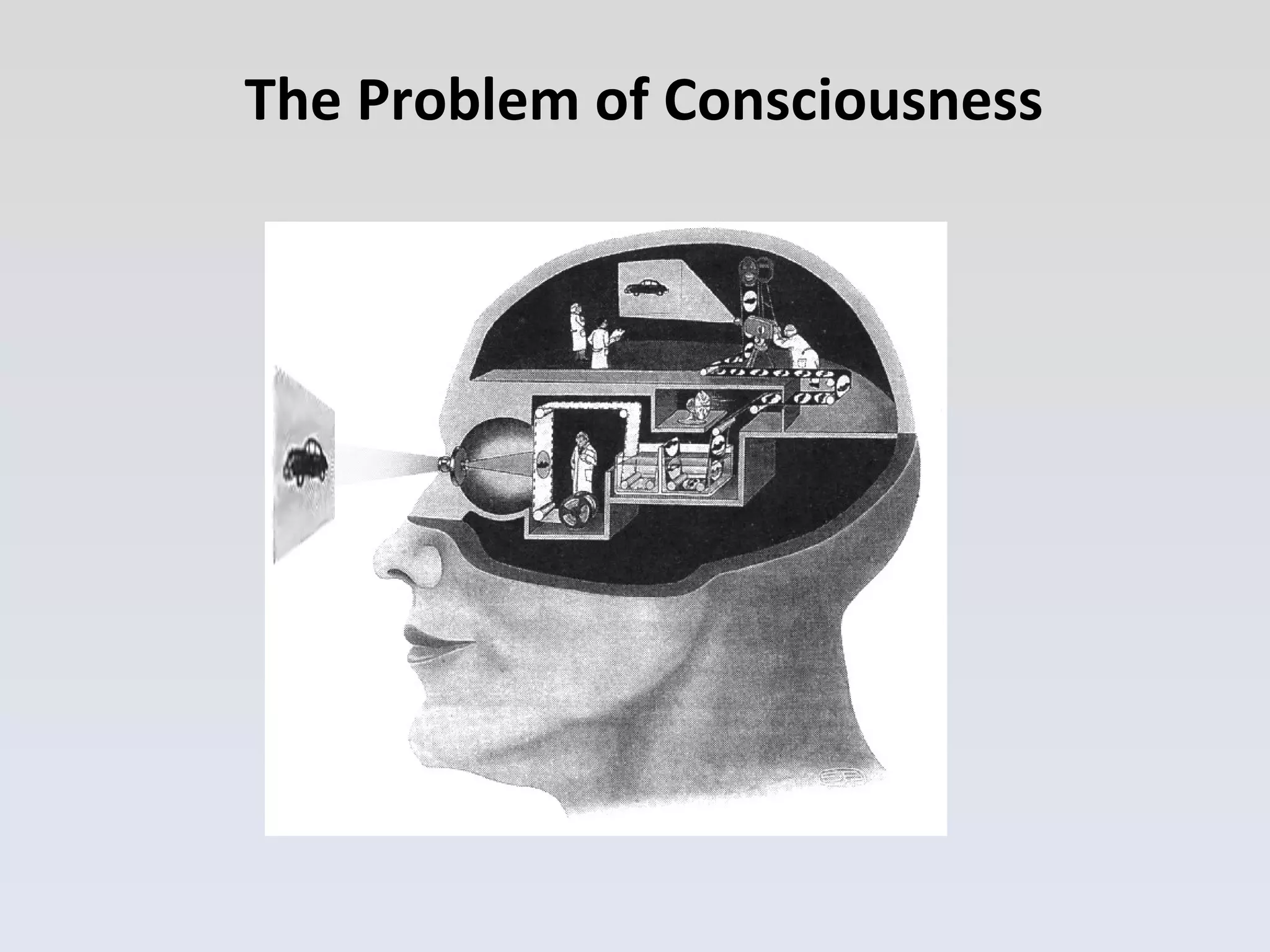
The critique ofthe Cartesian Theatre (CT) Cartesian Materialism by Dan Dennett
25.
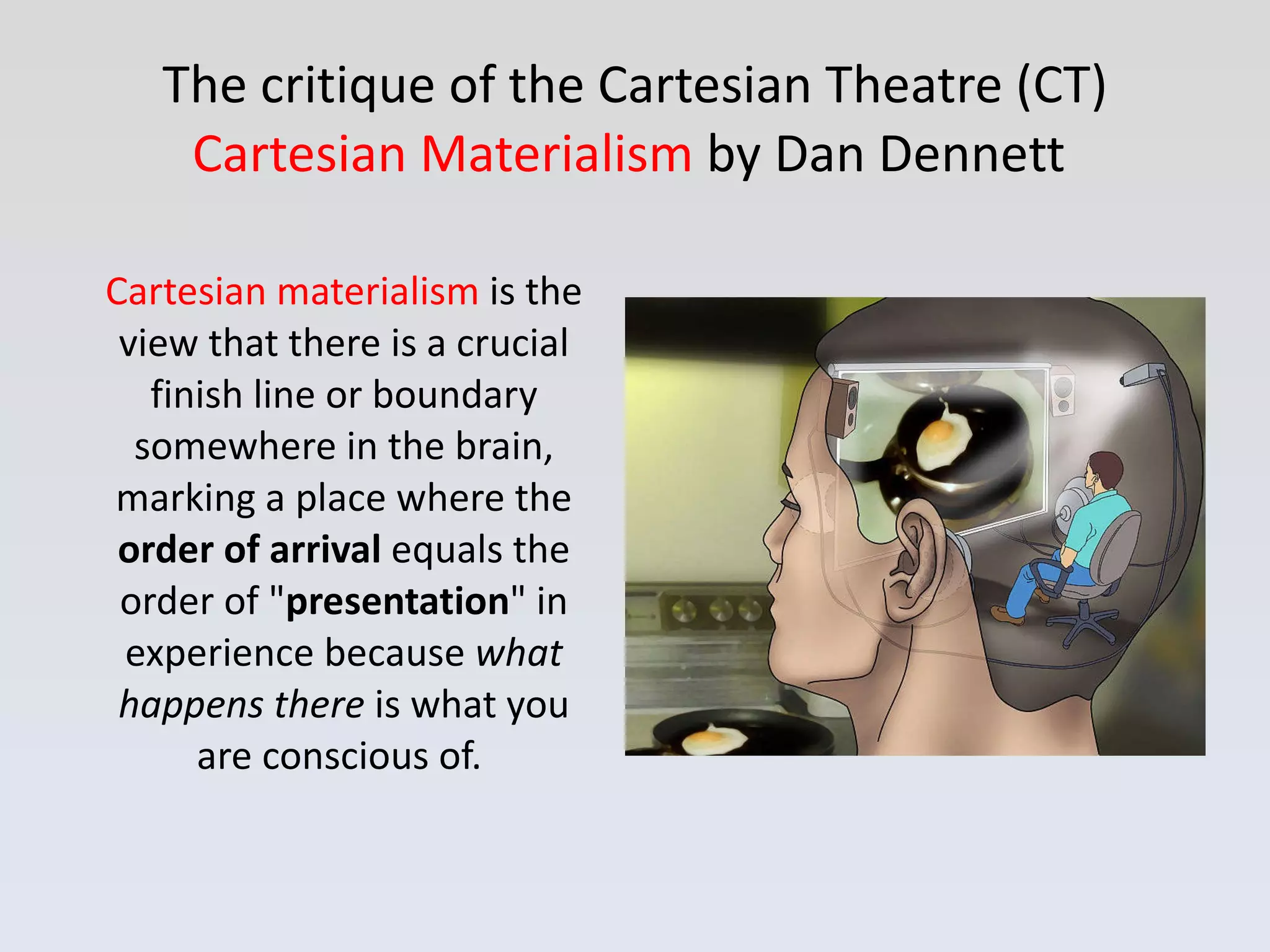
The critique ofthe Cartesian Theatre (CT) Cartesian Materialism by Dan Dennett Cartesian materialism is the view that there is a crucial finish line or boundary somewhere in the brain, marking a place where the order of arrival equals the order of " presentation " in experience because what happens there is what you are conscious of.
26.
27.
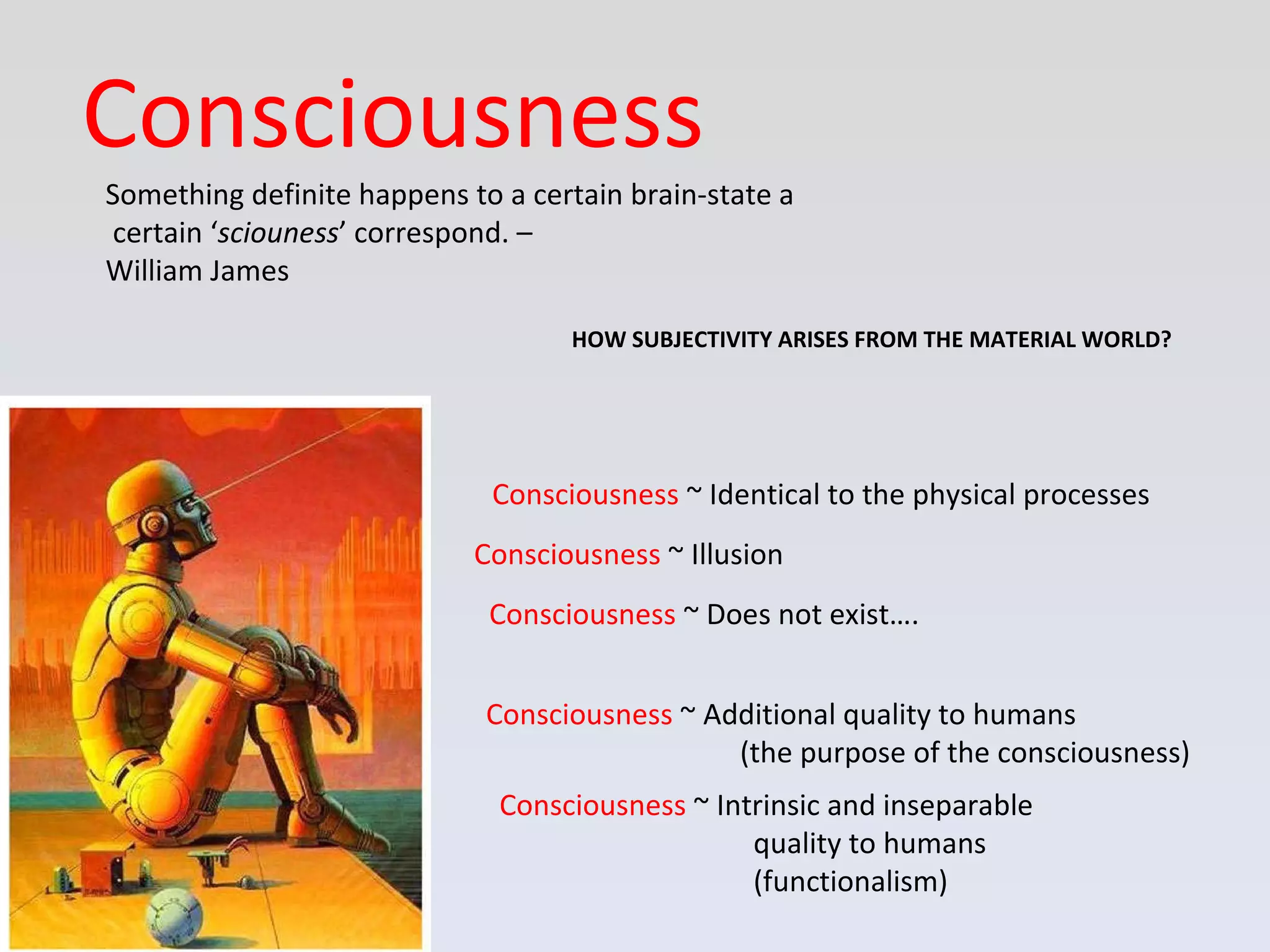
Consciousness Something definitehappens to a certain brain-state a certain ‘ sciouness ’ correspond. – William James HOW SUBJECTIVITY ARISES FROM THE MATERIAL WORLD? Consciousness ~ Identical to the physical processes Consciousness ~ Illusion Consciousness ~ Does not exist…. Consciousness ~ Additional quality to humans (the purpose of the consciousness) Consciousness ~ Intrinsic and inseparable quality to humans (functionalism)
28.
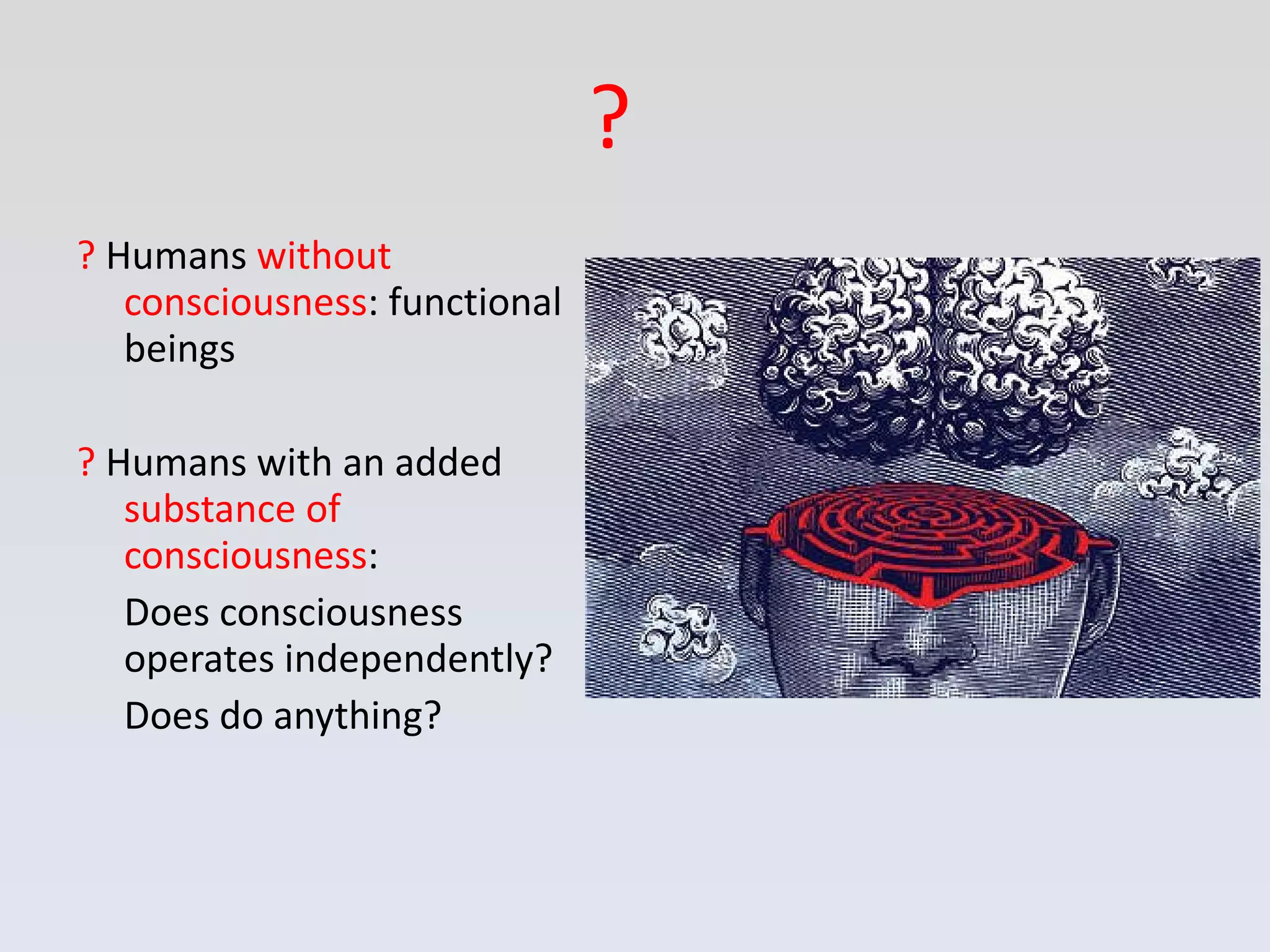
? Humans without consciousness : functional beings ? Humans with an added substance of consciousness : Does consciousness operates independently? Does do anything? ?
29.
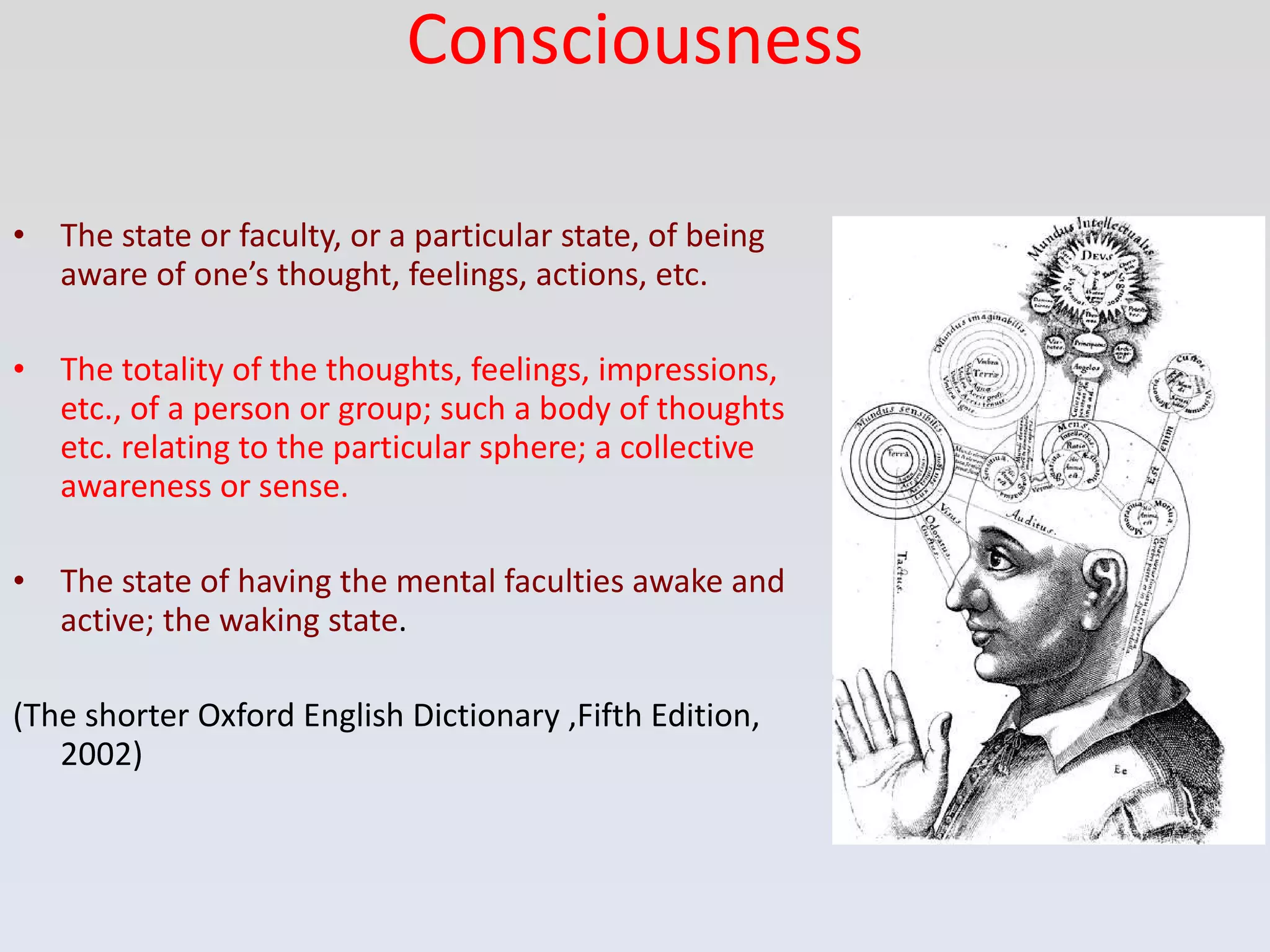
Consciousness The stateor faculty, or a particular state, of being aware of one’s thought, feelings, actions, etc. The totality of the thoughts, feelings, impressions, etc., of a person or group; such a body of thoughts etc. relating to the particular sphere; a collective awareness or sense. The state of having the mental faculties awake and active; the waking state . (The shorter Oxford English Dictionary ,Fifth Edition, 2002)
30.
Unconscious the complexof mental activities within an individual that proceed without his awareness . Sigmund Freud , the founder of psychoanalysis , stated that such unconscious processes may affect a person’s behaviour even though he cannot report on them. Freud and his followers felt that dreams and slips of the tongue were really concealed examples of unconscious content too threatening to be confronted directly.
31.
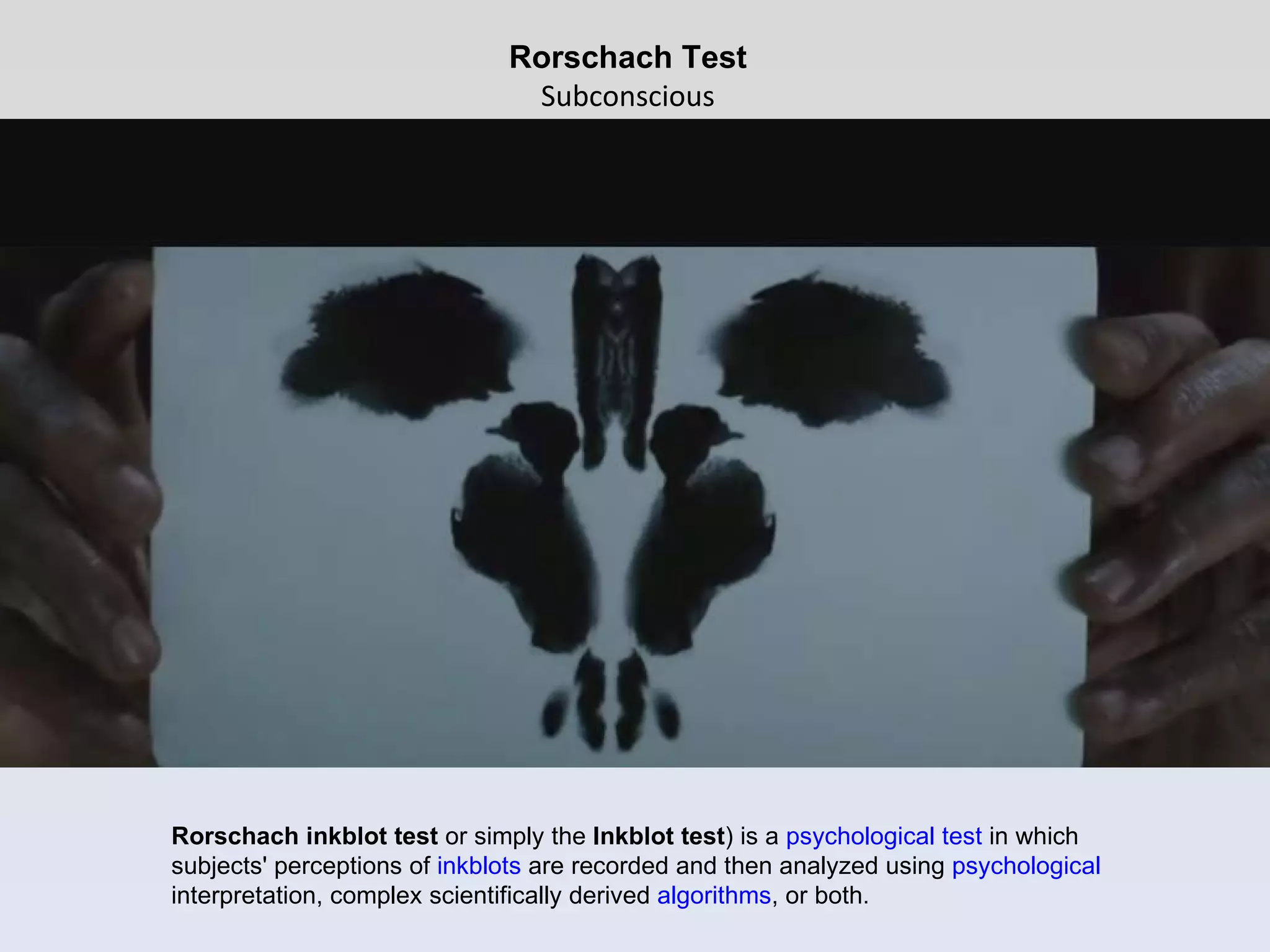
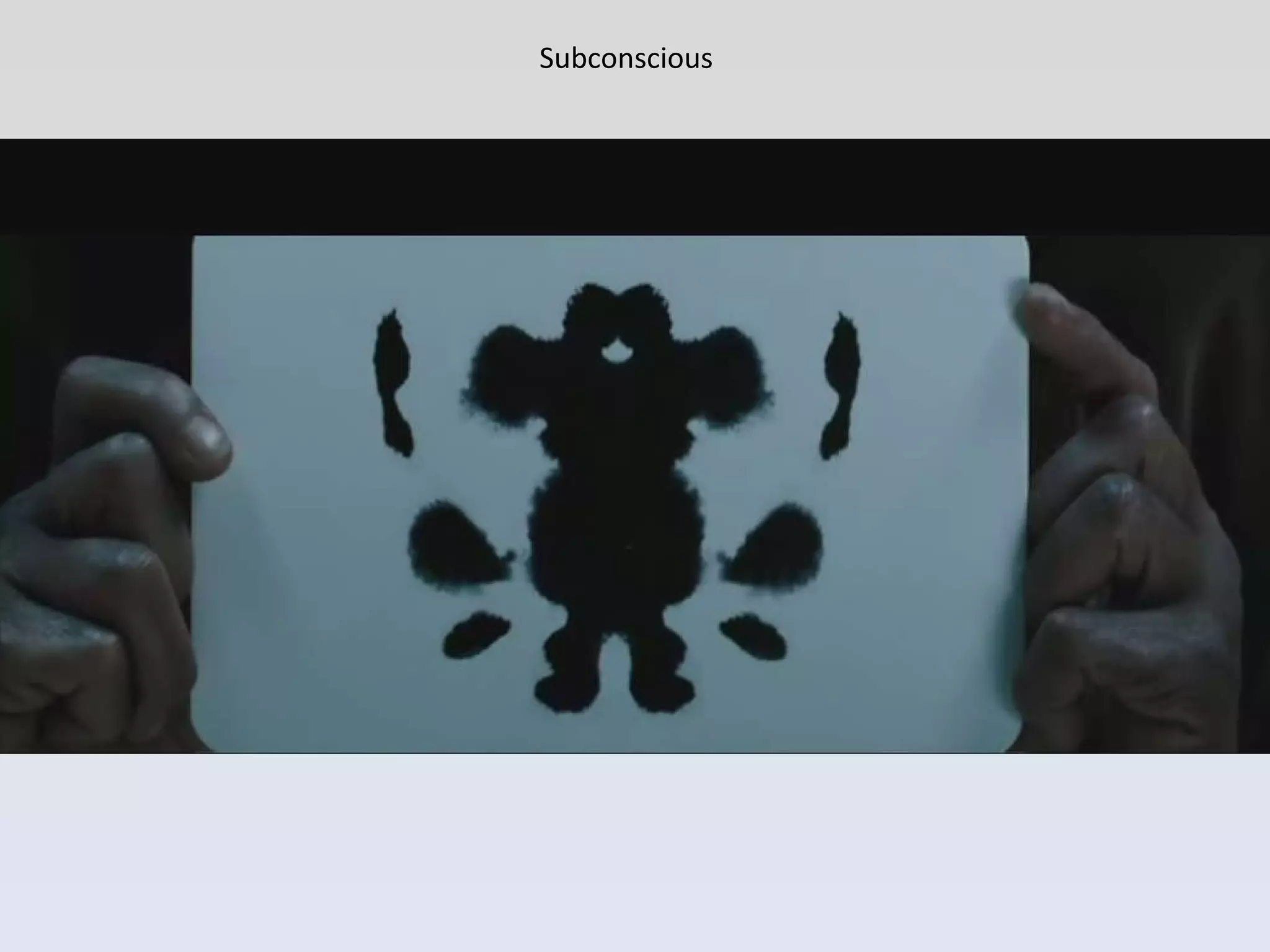
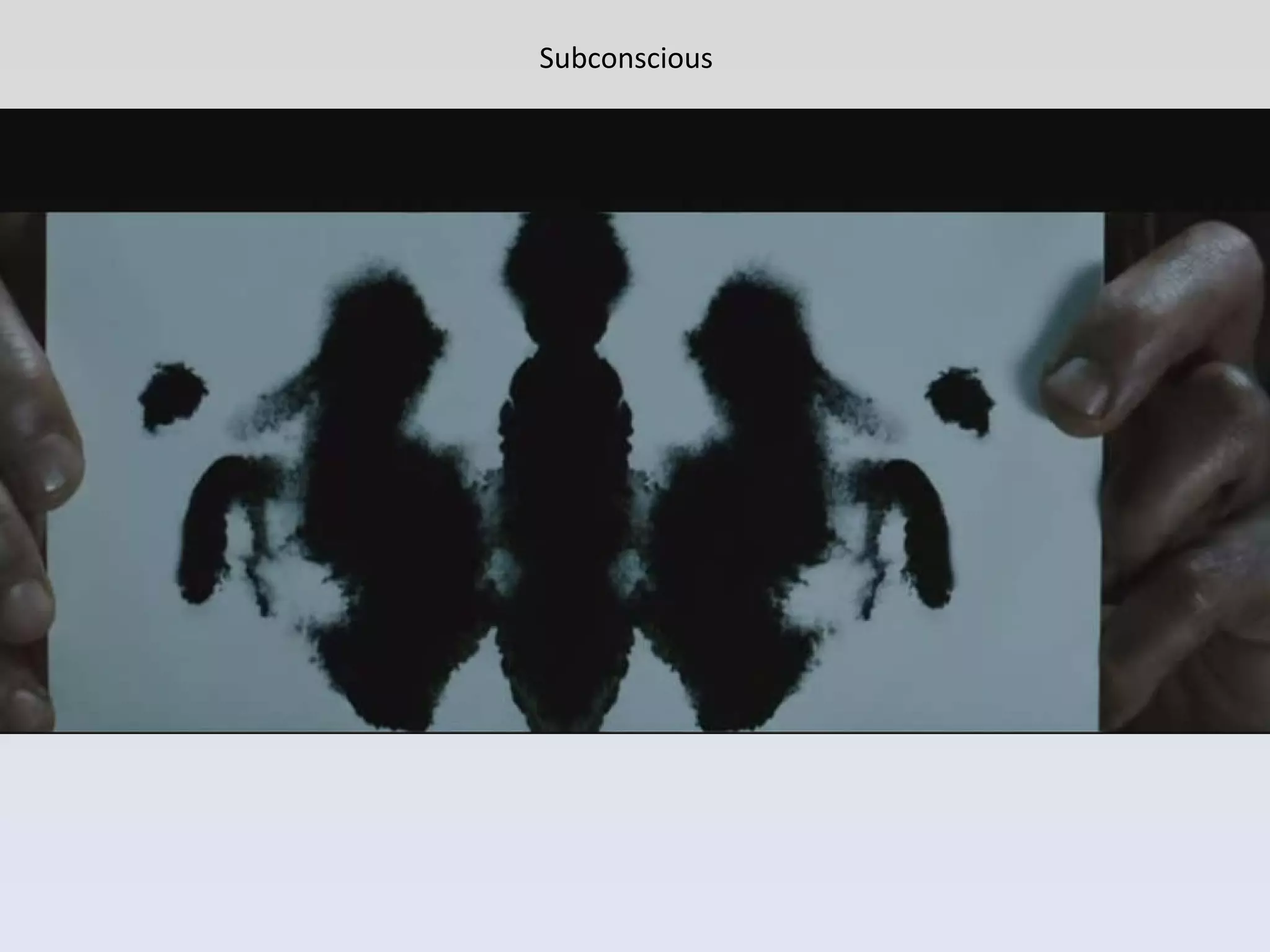
Rorschach Test SubconsciousRorschach inkblot test or simply the Inkblot test ) is a psychological test in which subjects' perceptions of inkblots are recorded and then analyzed using psychological interpretation, complex scientifically derived algorithms , or both.
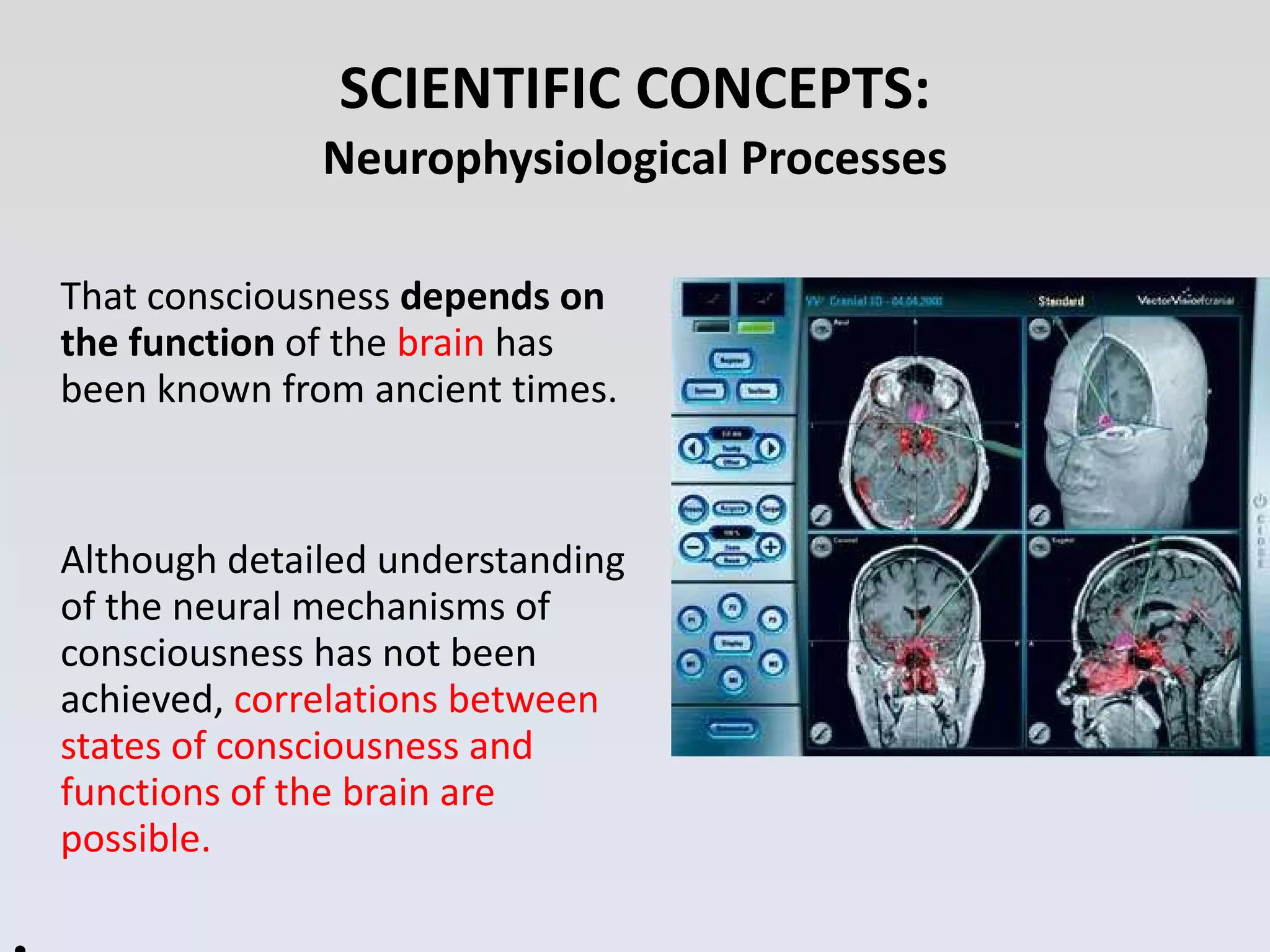
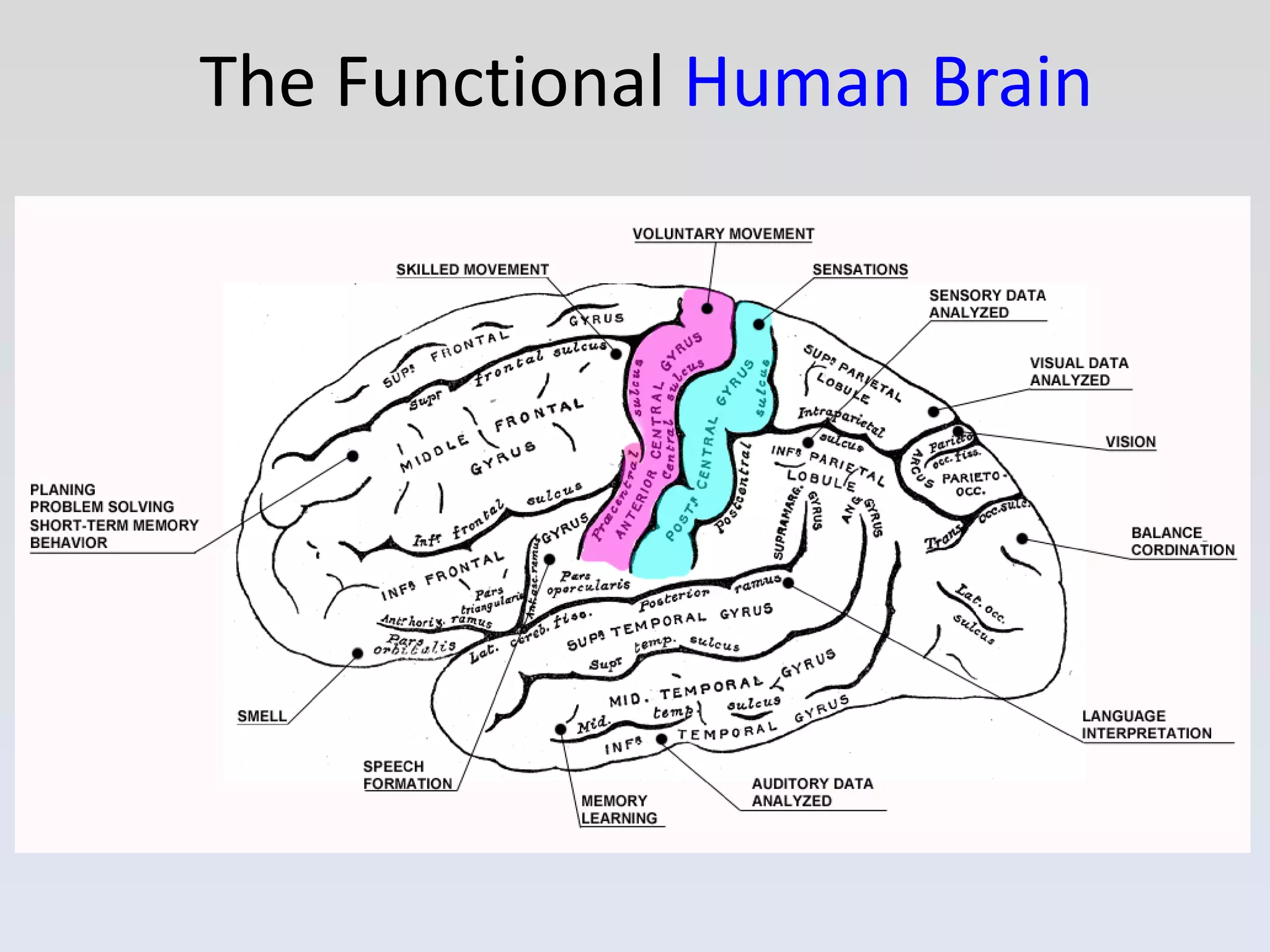
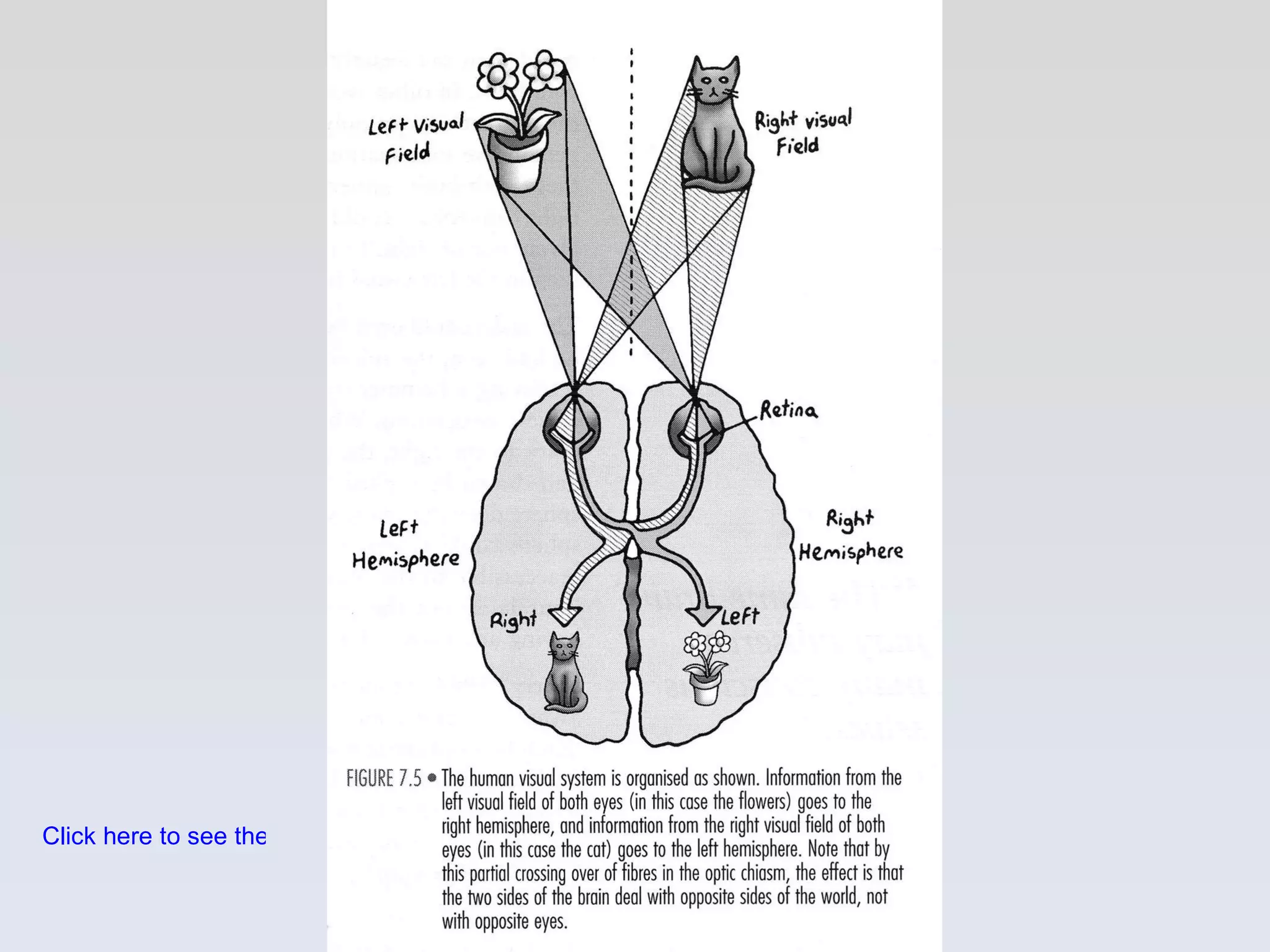
SCIENTIFIC CONCEPTS: NeurophysiologicalProcesses That consciousness depends on the function of the brain has been known from ancient times. Although detailed understanding of the neural mechanisms of consciousness has not been achieved, correlations between states of consciousness and functions of the brain are possible.
35.
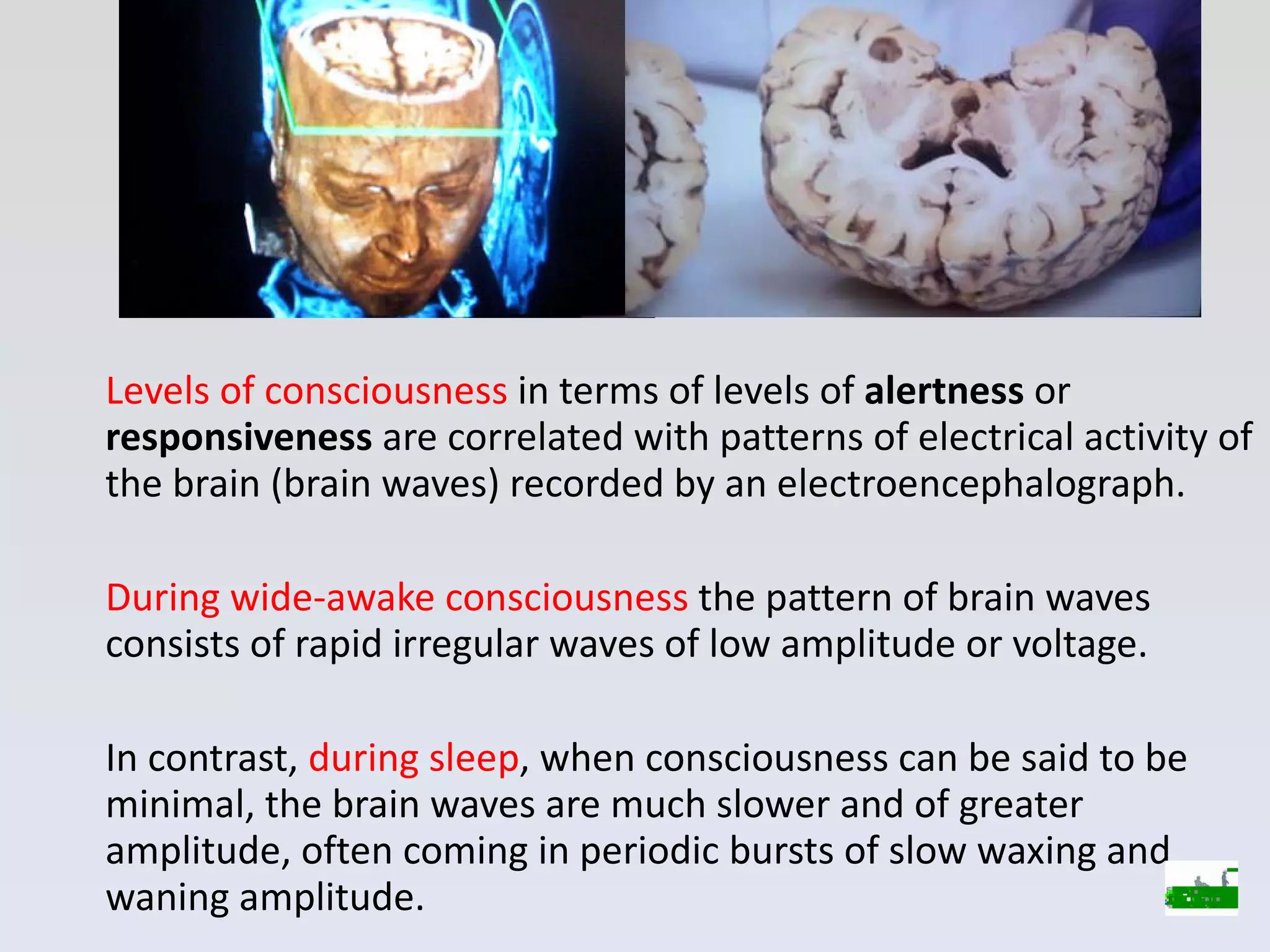
Levels of consciousness in terms of levels of alertness or responsiveness are correlated with patterns of electrical activity of the brain (brain waves) recorded by an electroencephalograph. During wide-awake consciousness the pattern of brain waves consists of rapid irregular waves of low amplitude or voltage. In contrast, during sleep , when consciousness can be said to be minimal, the brain waves are much slower and of greater amplitude, often coming in periodic bursts of slow waxing and waning amplitude.
36.
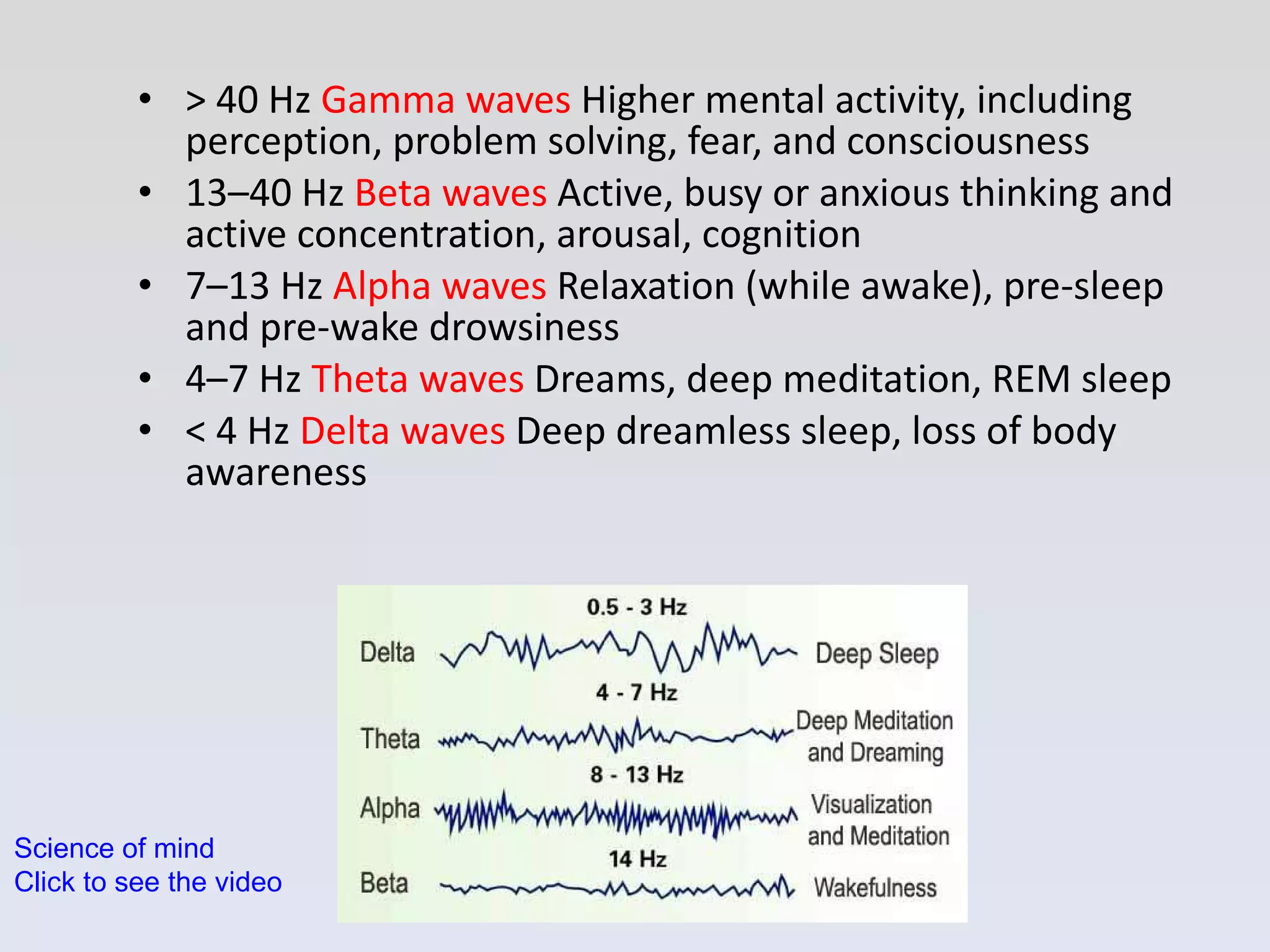
> 40 Hz Gamma waves Higher mental activity, including perception, problem solving, fear, and consciousness 13–40 Hz Beta waves Active, busy or anxious thinking and active concentration, arousal, cognition 7–13 Hz Alpha waves Relaxation (while awake), pre-sleep and pre-wake drowsiness 4–7 Hz Theta waves Dreams, deep meditation, REM sleep < 4 Hz Delta waves Deep dreamless sleep, loss of body awareness Science of mind Click to see the video
In humans, theprocess whereby sensory stimulation is translated into organised experience. That experience, or percept, is the joint product of the stimulation and of the process itself. Perception
45.
Because the perceptualprocess is not itself public or directly observable (except to the perceiver himself, whose percepts are given directly in experience), the validity of perceptual theories can be checked only indirectly. That is, predictions derived from theory are compared with appropriate empirical data , quite often through experimental research. Perception
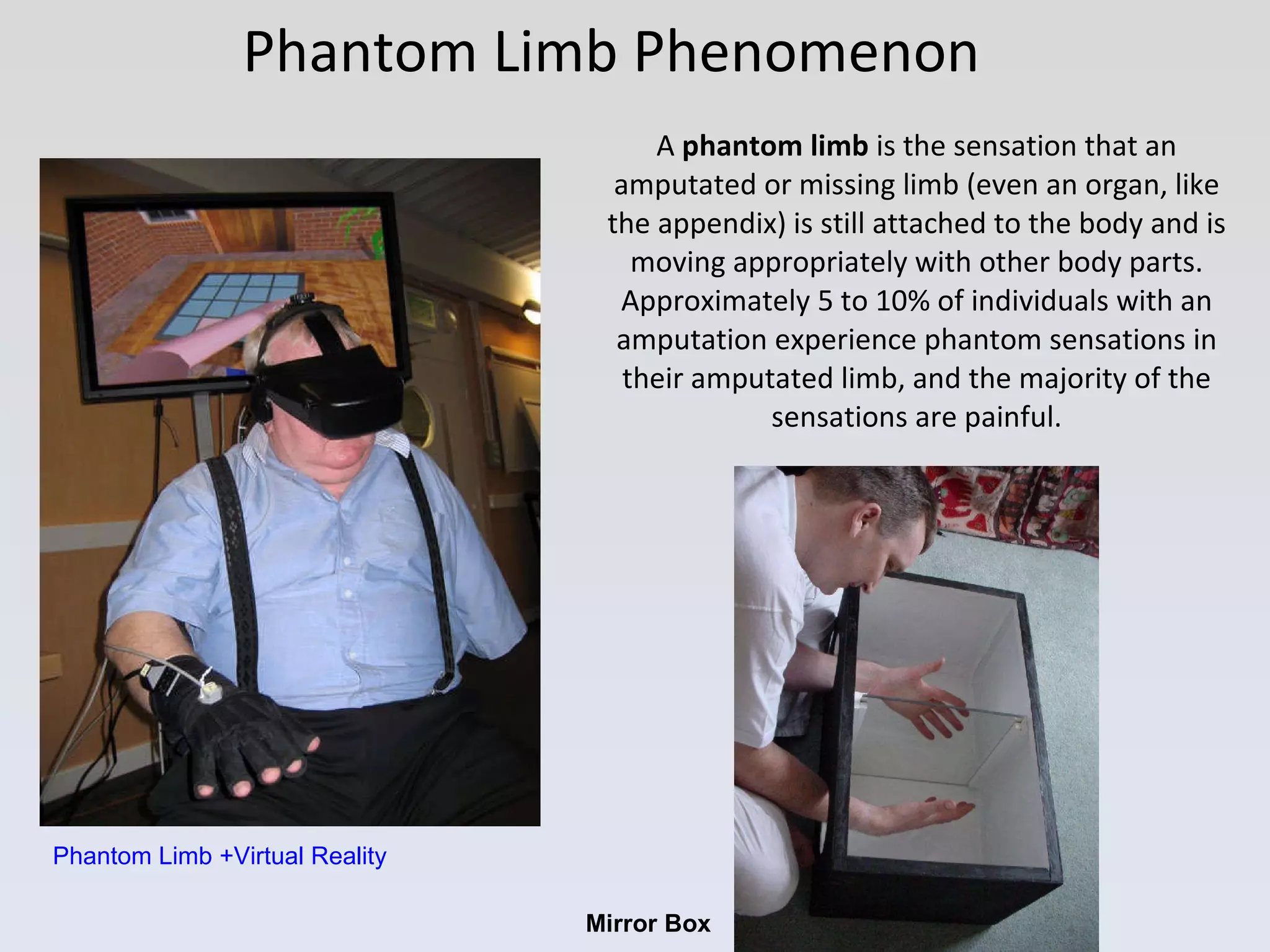
Phantom Limb PhenomenonA phantom limb is the sensation that an amputated or missing limb (even an organ, like the appendix) is still attached to the body and is moving appropriately with other body parts. Approximately 5 to 10% of individuals with an amputation experience phantom sensations in their amputated limb, and the majority of the sensations are painful. Mirror Box Phantom Limb +Virtual Reality
Altered state ofconsciousness was introduced by Charles Tart (1969, p. 2) who defined it as where one ‘…clearly feels a qualitative shift in his pattern of mental functioning.’ It explains states that are greatly different from the normal beta state. The terminology is often linked to the condition of trance. NEW EXPERIMENTAL KNOWLADGE
51.
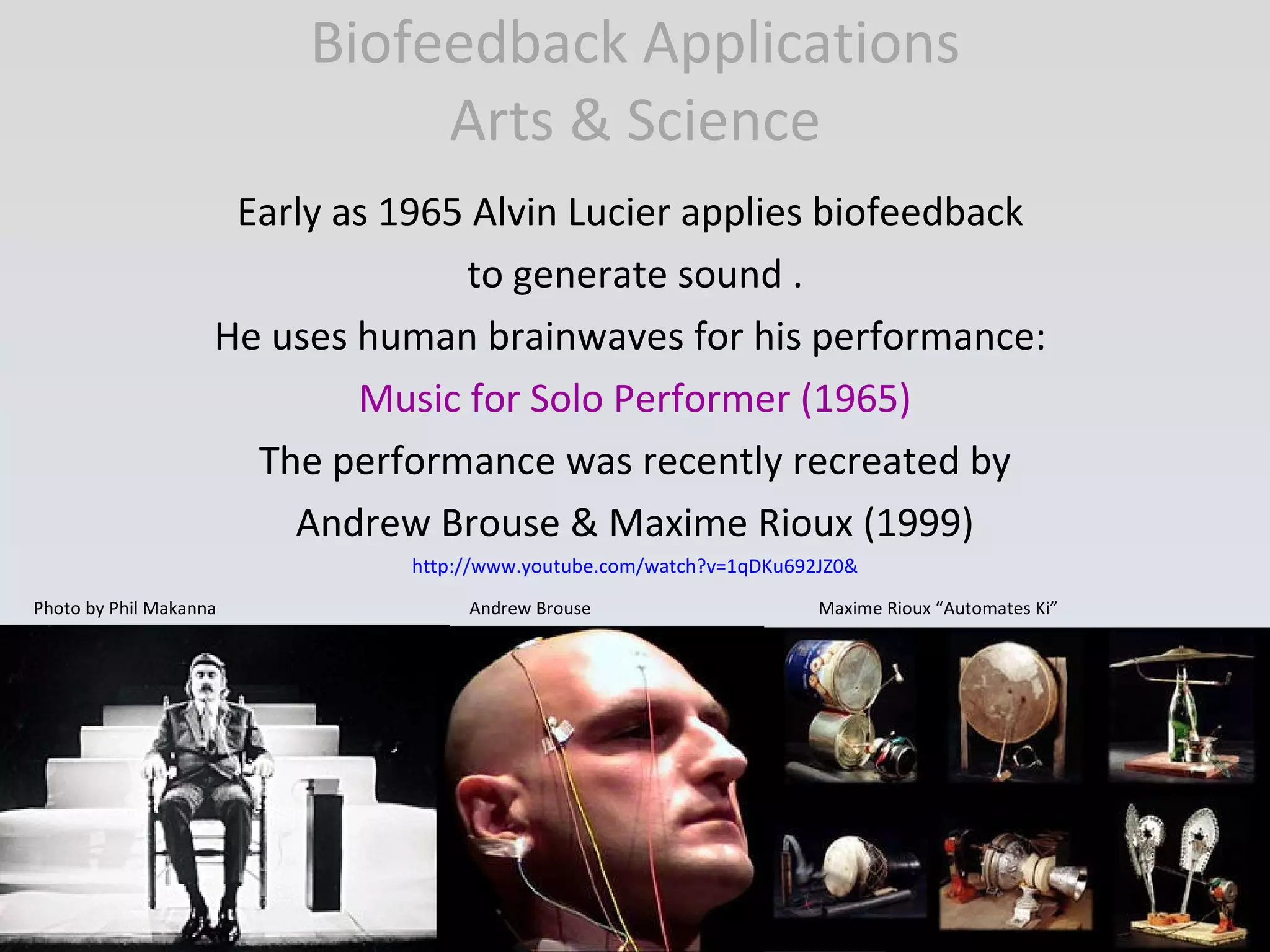
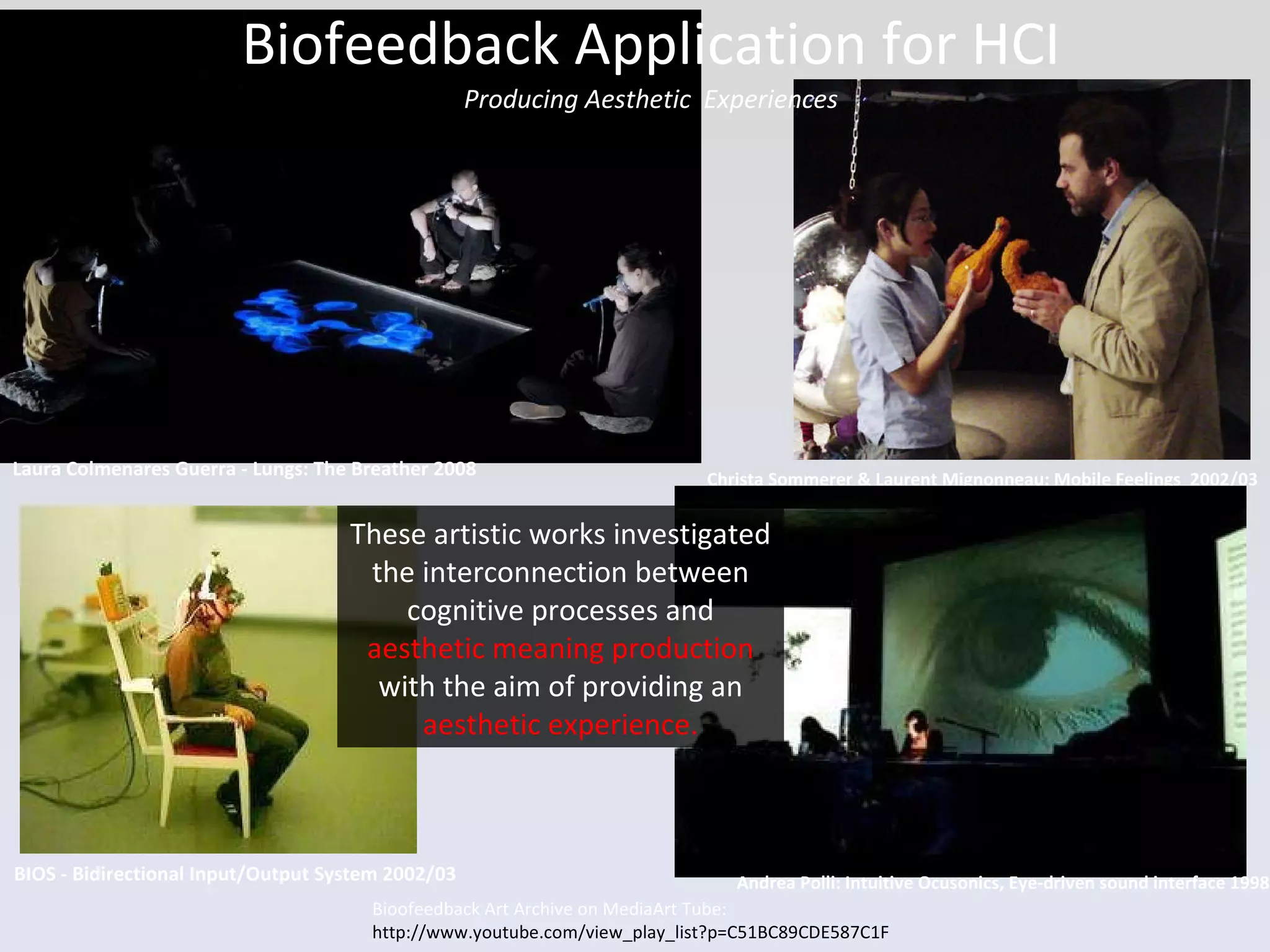
Biofeedback Applications Arts& Science Early as 1965 Alvin Lucier applies biofeedback to generate sound . He uses human brainwaves for his performance: Music for Solo Performer (1965) The performance was recently recreated by Andrew Brouse & Maxime Rioux (1999) http://www.youtube.com/watch?v=1qDKu692JZ0& Photo by Phil Makanna Andrew Brouse Maxime Rioux “Automates Ki”
52.
Biofeedback Application forHCI Producing Aesthetic Experiences Bioofeedback Art Archive on MediaArt Tube: http://www.youtube.com/view_play_list?p=C51BC89CDE587C1F Laura Colmenares Guerra - Lungs: The Breather 2008 BIOS - Bidirectional Input/Output System 2002/03 Christa Sommerer & Laurent Mignonneau: Mobile Feelings 2002/03 Andrea Polli: Intuitive Ocusonics, Eye-driven sound interface 1998 These artistic works investigated the interconnection between cognitive processes and aesthetic meaning production with the aim of providing an aesthetic experience.
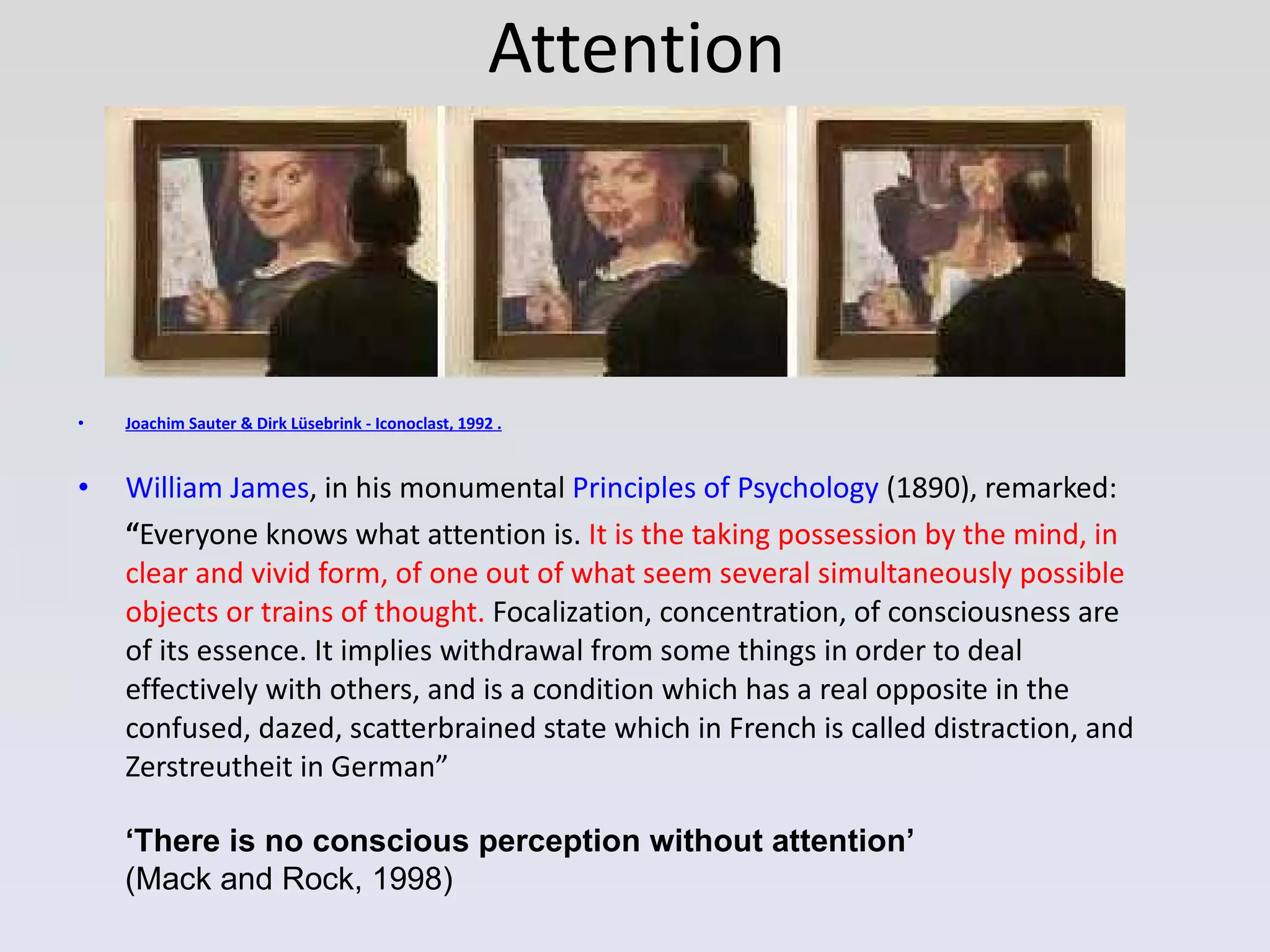
Attention Joachim Sauter& Dirk Lüsebrink - Iconoclast, 1992 . William James , in his monumental Principles of Psychology (1890), remarked: “ Everyone knows what attention is. It is the taking possession by the mind, in clear and vivid form, of one out of what seem several simultaneously possible objects or trains of thought. Focalization, concentration, of consciousness are of its essence. It implies withdrawal from some things in order to deal effectively with others, and is a condition which has a real opposite in the confused, dazed, scatterbrained state which in French is called distraction, and Zerstreutheit in German” ‘ There is no conscious perception without attention’ (Mack and Rock, 1998)
55.
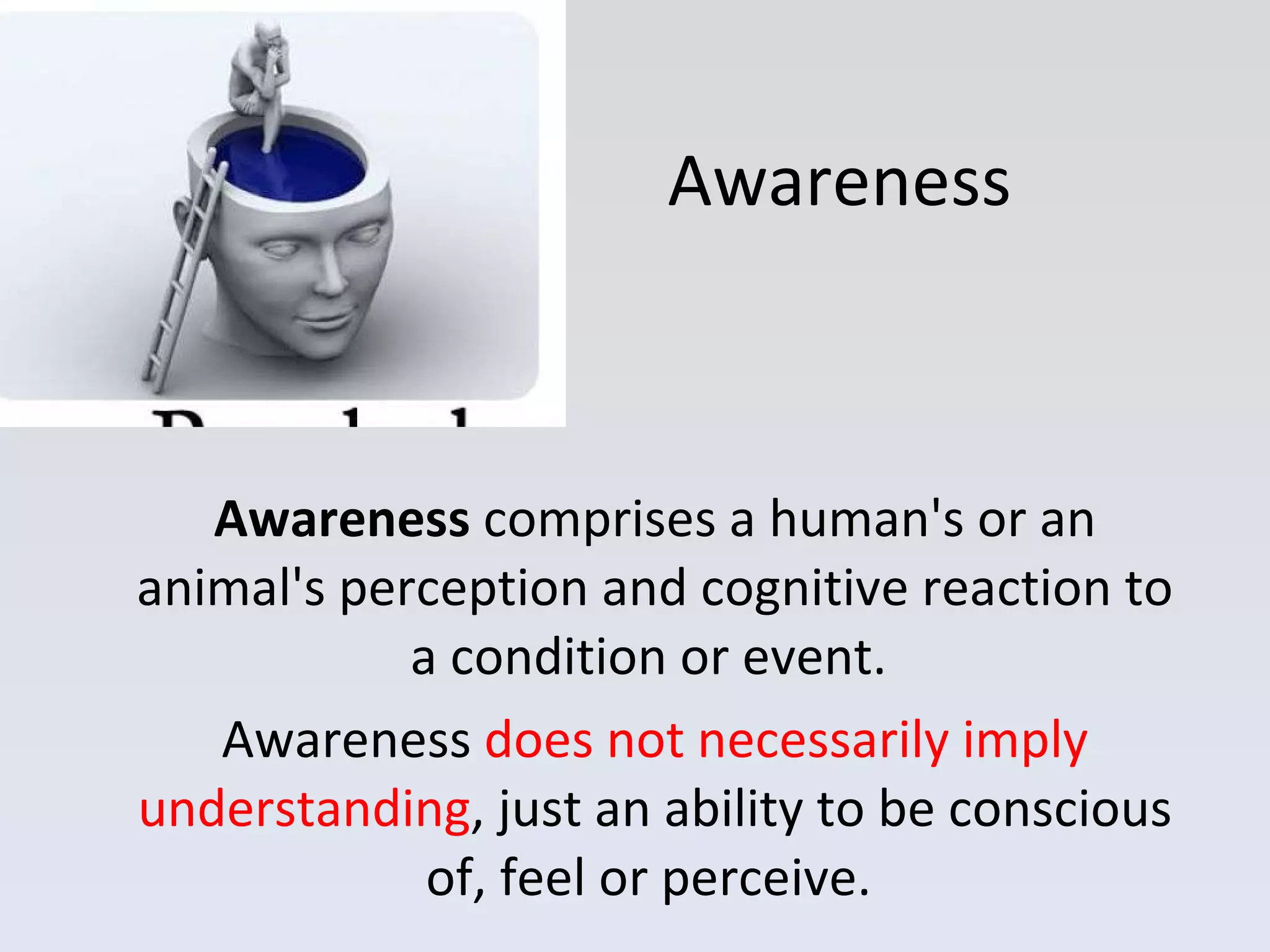
Awareness Awareness comprises a human's or an animal's perception and cognitive reaction to a condition or event. Awareness does not necessarily imply understanding , just an ability to be conscious of, feel or perceive.
56.
Self-Awareness Self-awareness” refersto the capacity to become the object of one’s own attention. It occurs when an organism focuses not on the external environment, but on the internal milieu ; It becomes a reflective observer , processing self -information. The organism becomes aware that it is awake and actually experiencing specific mental events, emitting behaviors, and possessing unique characteristics. A language-competent creature may thus verbalize “ I feel tired ,” “ I’ve been working for three hours ,” or “ I am a good-looking, intelligent person .” SELF-REFLECTION
57.
Introspection (from Latin introspicere , “ to look within ”), the process of observing the operations of one’s own mind with a view to discovering the laws that govern the mind. Introspection is the chief method of psychology.
Consciousness as aSTREAM William James (1890, p.239) is one of the initial scholars who described consciousness as a flow. James (1890, p.239), in his book The Stream of Thought , characterizes it as flowing: ‘ Consciousness … does not appear to itself chopped up in bits. Such words as ‘chain’ and ‘train’ do not describe it fitly as it presents itself in the first instance. It is nothing joined; it flows. A ‘river’ or a ‘stream’ are the metaphors by which it is most naturally described .’ Similarly to Csikszentmihalyi, James sees consciousness as adoptive and thus one can regulate it.
60.
Consciousness as FLOWCsikszentmihalyi in particular studied artists during the creation of paintings and described this process as an optimal mental state associated with a total submersion in the artwork. He explained this quality as ‘stand to side’ (the translation of the Greek word ekstasis ; The New Encyclopaedia Britannica, 1983, p.781) experiences or the ecstatic state , and argued that these states drive the artistic creation process. He further described how in this euphoric state, the artistic activity transforms into unconscious events with a strong emotional fusion between the artwork and artist, producing a new spectrum of cognition . Csikszentmihalyi (2002, p.40) has termed this as ‘ flow ’ as many of his subjects described the creative process as: ‘ It was like floating ’ or ‘ I was carried on by the flow ’.
![[P]erception ... is neither a seeing, nor a touching, nor an imagining. ... [R]ather it is an inspection on the part of the mind alone. "sense perception relies on the mind rather than on the body"](https://image.slidesharecdn.com/whatisconsciousness2011-110315085402-phpapp01/75/What-is-consciousness-18-2048.jpg)