© Middlesex University
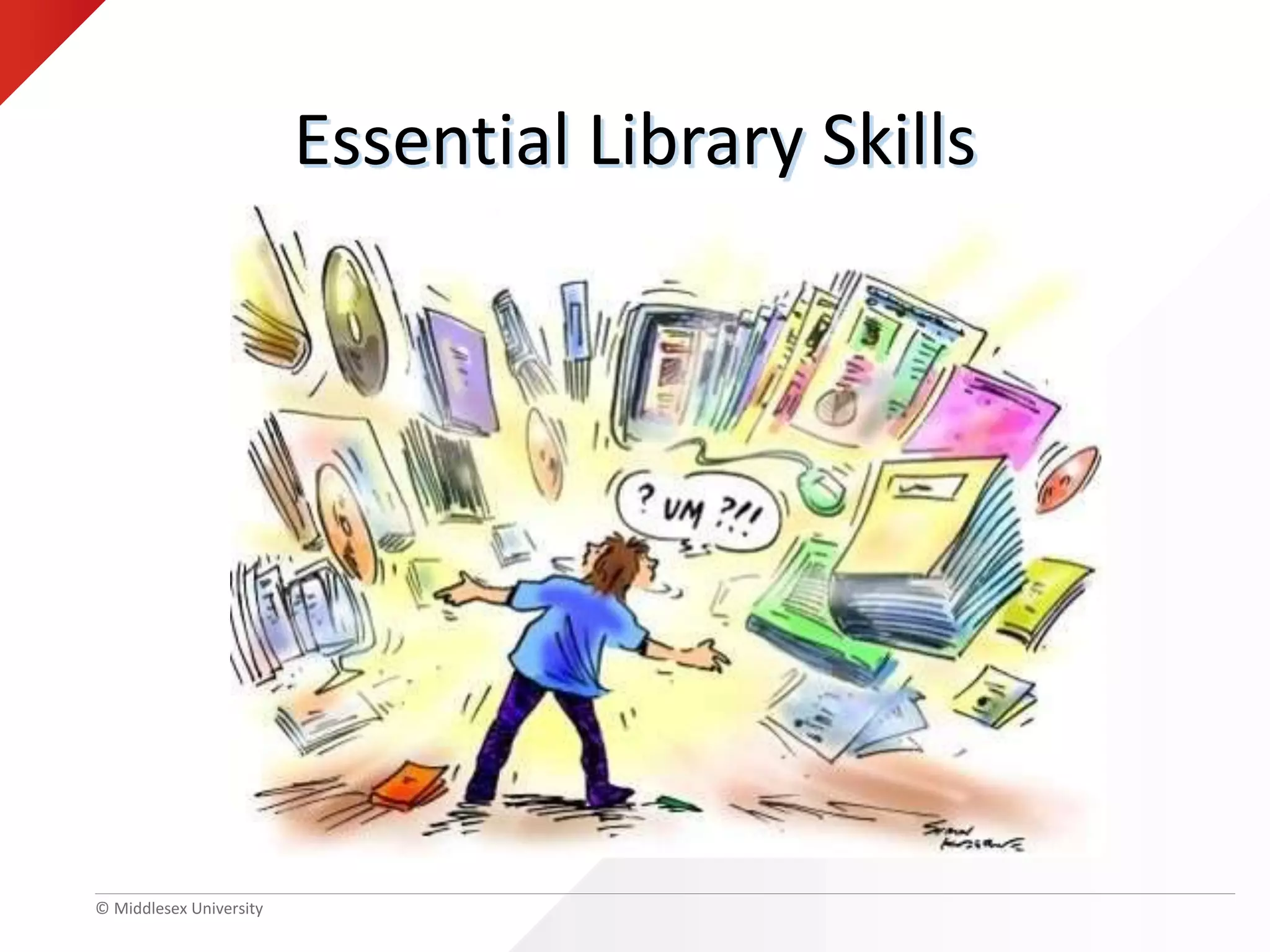
Essential Library Skills
© Middlesex University
Today we are going to cover...
• Different types of resources for your studies
• Keywords
• Using Library Search to search for information
• Saving searches
• Your library subject guide and online referencing guide (Cite Them Right)
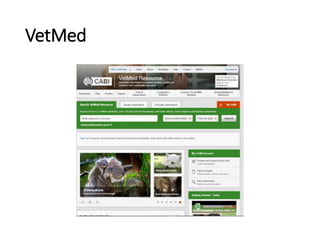
• VetMed database
© Middlesex University
Information Resources
How many different types of information
resources can you think of?
I have over 20 on the next slide……no
pressure
Take a moment and write a few down
Presentation title
|
3
© Middlesex University
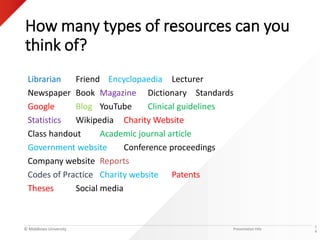
How many types of resources can you
think of?
Librarian Friend Encyclopaedia Lecturer
Newspaper Book Magazine Dictionary Standards
Google Blog YouTube Clinical guidelines
Statistics Wikipedia Charity Website
Class handout Academic journal article
Government website Conference proceedings
Company website Reports
Codes of Practice Charity website Patents
Theses Social media
Presentation title
|
4
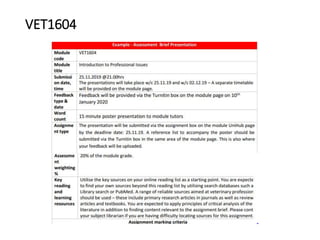
VET1604
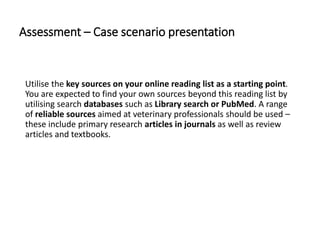
Assessment – Case scenario presentation
Utilise the key sources on your online reading list as a starting point.
You are expected to find your own sources beyond this reading list by
utilising search databases such as Library search or PubMed. A range
of reliable sources aimed at veterinary professionals should be used –
these include primary research articles in journals as well as review
articles and textbooks.
© Middlesex University
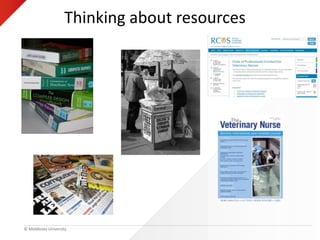
Thinking about resources
© Middlesex University
Information Flow
Information Sources are typically categorised into three broad categories
• Primary literature is where new research or theories are first revealed,
and includes journals and conferences – original material
• Secondary literature provides a more digested overview of a subject e.g.
books – interpretation of other sources
• Tertiary literature records facts and brief descriptions of key
information, as in reference material e.g. encyclopedias
Presentation title
|
8
© Middlesex University
Thinking about resources
Go to this link to complete this online quiz
https://ispri.ng/87Kvl
Good Luck!
Presentation title
|
9
Other types of resources
There are some other resources which are especially important for
students like yourself working in a health profession
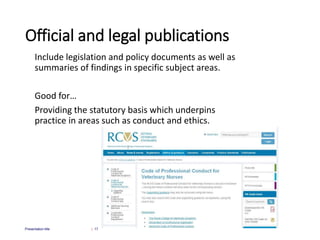
Official and legal publications
Include legislation and policy documents as well as
summaries of findings in specific subject areas.
Good for…
Providing the statutory basis which underpins
practice in areas such as conduct and ethics.
| 17
Presentation title
Clinical Guidelines & Systematic Reviews
Exceptionally influential in medical, nursing and health-care research,
they provide an evidence base for national recommendations for
standards of treatment and care.
Good for…
Informing practice, including decision making about treatment options.
Evaluate Your Sources
C
A
R
P
• Currency
• Authority/Accuracy
• Relevance
• Purpose/Point of
View
Currency
• When was the information published or posted?
• Has the information been revised or updated?
• Does your topic require current information, or will older sources
work as well?
Accuracy/Authority
• Is the information supported by evidence (e.g. references,
research data)?
• Has the information been reviewed or refereed?
• Can you verify any of the information in another source or
from personal knowledge?
• Are there spelling, grammar or typographical errors?
• Who is the author/publisher/source/sponsor?
• What are the author's credentials or organisational
affiliations?
• Is the author qualified to write on the topic?
• Is there contact information, such as a publisher or email
address?
• Does the URL reveal anything about the author or source?
examples: .com .edu .gov .org .net
Relevancy
• Does the information relate to your topic or answer your question?
• Who is the intended audience?
• Is the information at an appropriate academic level?
• Have you looked at a variety of sources before determining this is
one you will use?
• Would you be comfortable citing this source in your research paper?
Purpose
• What is the purpose of the information? Is it to inform, teach, sell,
entertain or persuade?
• Do the authors/sponsors make their intentions or purpose clear?
• Is the information fact, opinion or propaganda?
• Does the point of view appear objective and impartial?
• Are there political, ideological, cultural, religious, institutional or
personal biases?
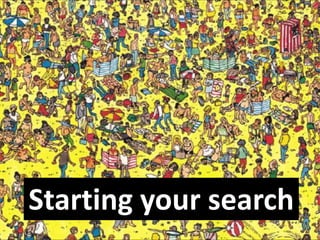
Starting your search
Keywords
What are they?
Keywords are words or phrases that
describe content you are searching
for
Thinking about keywords
Please go to this link to play the keywords
game
https://ispri.ng/m0xyg
Good Luck!
• Keep it simple!
• Experiment with different words and concepts, remember
different spellings and terminology e.g. US v UK
• Truncating to broaden your search Vet* = all words
beginning with VET
• If you have too many items think about using limits e.g.
date? Type of resource? Subject area?, Language
• Try the advanced search options most databases have them
• Change databases – you won’t find everything in one
resource
A few search tips
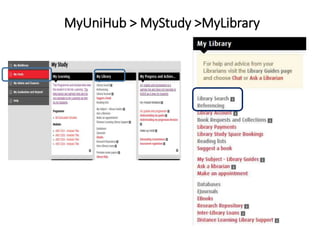
MyUniHub > MyStudy >MyLibrary
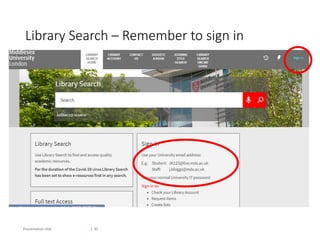
Library Search – Remember to sign in
Presentation title | 30
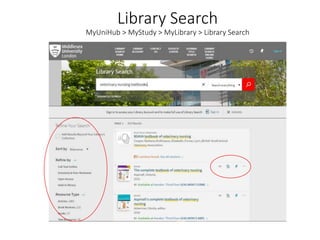
Library Search
MyUniHub > MyStudy > MyLibrary > Library Search
Task
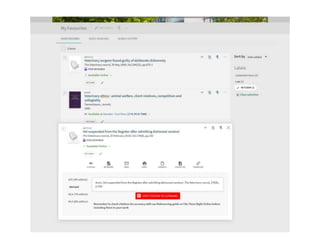
• Try searching for one book and two journal articles related to your topic
(remember to sign in to Library Search)
• Pin each item to your favourites
• Go to your favourites
• Save the reference for each on a word doc. (remember which style to
use)
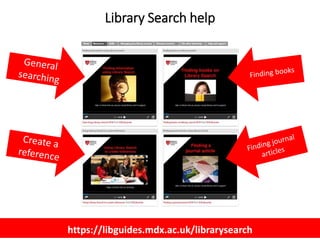
Library Search help
https://libguides.mdx.ac.uk/librarysearch
Referencing…
What's the point of references?
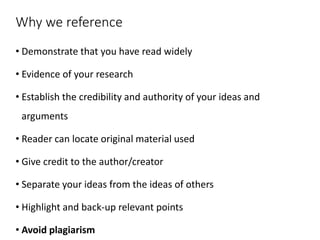
Why we reference
• Demonstrate that you have read widely
• Evidence of your research
• Establish the credibility and authority of your ideas and
arguments
• Reader can locate original material used
• Give credit to the author/creator
• Separate your ideas from the ideas of others
• Highlight and back-up relevant points
• Avoid plagiarism
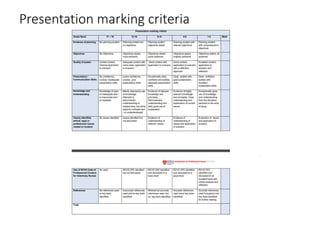
Presentation marking criteria
What is referencing?
• There are two parts to a reference: a citation within your writing,
and an entry in your reference list with the full details of the source.
• Citation – Should appear in your text whenever you refer to the ideas
or work of another author
• Reference list – A complete listing of all the books, journal articles,
websites and other sources that you have referred to in your work
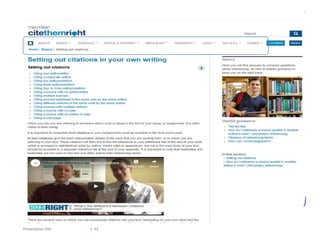
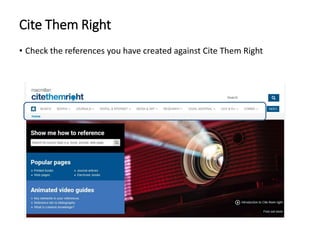
Cite Them Right
• Check the references you have created against Cite Them Right
Presentation title | 43
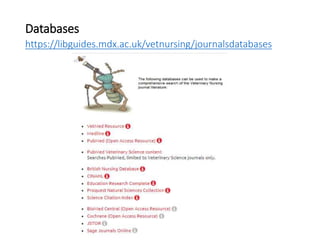
Databases
https://libguides.mdx.ac.uk/vetnursing/journalsdatabases
VetMed
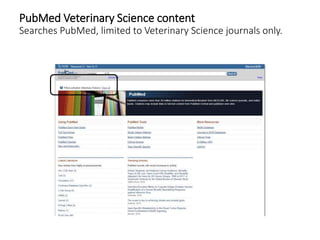
PubMed Veterinary Science content
Searches PubMed, limited to Veterinary Science journals only.
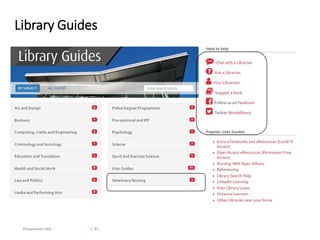
Library Guides
Presentation title | 47
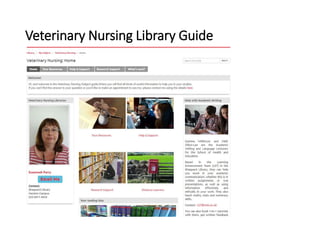
Veterinary Nursing Library Guide
If you need help….Susannah Parry s.parry@mdx.ac.uk
My Subject – library guide for Veterinary Nursing
http://libguides.mdx.ac.uk/vetnursing/welcome
Librarians online chat Monday – Friday, 9-5

Vet Essential library skills (2021)

  • 1.
  • 2.
    © Middlesex University Todaywe are going to cover... • Different types of resources for your studies • Keywords • Using Library Search to search for information • Saving searches • Your library subject guide and online referencing guide (Cite Them Right) • VetMed database
  • 3.
    © Middlesex University InformationResources How many different types of information resources can you think of? I have over 20 on the next slide……no pressure Take a moment and write a few down Presentation title | 3
  • 4.
    © Middlesex University Howmany types of resources can you think of? Librarian Friend Encyclopaedia Lecturer Newspaper Book Magazine Dictionary Standards Google Blog YouTube Clinical guidelines Statistics Wikipedia Charity Website Class handout Academic journal article Government website Conference proceedings Company website Reports Codes of Practice Charity website Patents Theses Social media Presentation title | 4
  • 5.
  • 6.
    Assessment – Casescenario presentation Utilise the key sources on your online reading list as a starting point. You are expected to find your own sources beyond this reading list by utilising search databases such as Library search or PubMed. A range of reliable sources aimed at veterinary professionals should be used – these include primary research articles in journals as well as review articles and textbooks.
  • 7.
  • 8.
    © Middlesex University InformationFlow Information Sources are typically categorised into three broad categories • Primary literature is where new research or theories are first revealed, and includes journals and conferences – original material • Secondary literature provides a more digested overview of a subject e.g. books – interpretation of other sources • Tertiary literature records facts and brief descriptions of key information, as in reference material e.g. encyclopedias Presentation title | 8
  • 9.
    © Middlesex University Thinkingabout resources Go to this link to complete this online quiz https://ispri.ng/87Kvl Good Luck! Presentation title | 9
  • 10.
    Other types ofresources There are some other resources which are especially important for students like yourself working in a health profession
  • 11.
    Official and legalpublications Include legislation and policy documents as well as summaries of findings in specific subject areas. Good for… Providing the statutory basis which underpins practice in areas such as conduct and ethics. | 17 Presentation title
  • 12.
    Clinical Guidelines &Systematic Reviews Exceptionally influential in medical, nursing and health-care research, they provide an evidence base for national recommendations for standards of treatment and care. Good for… Informing practice, including decision making about treatment options.
  • 13.
    Evaluate Your Sources C A R P •Currency • Authority/Accuracy • Relevance • Purpose/Point of View
  • 14.
    Currency • When wasthe information published or posted? • Has the information been revised or updated? • Does your topic require current information, or will older sources work as well?
  • 15.
    Accuracy/Authority • Is theinformation supported by evidence (e.g. references, research data)? • Has the information been reviewed or refereed? • Can you verify any of the information in another source or from personal knowledge? • Are there spelling, grammar or typographical errors? • Who is the author/publisher/source/sponsor? • What are the author's credentials or organisational affiliations? • Is the author qualified to write on the topic? • Is there contact information, such as a publisher or email address? • Does the URL reveal anything about the author or source? examples: .com .edu .gov .org .net
  • 16.
    Relevancy • Does theinformation relate to your topic or answer your question? • Who is the intended audience? • Is the information at an appropriate academic level? • Have you looked at a variety of sources before determining this is one you will use? • Would you be comfortable citing this source in your research paper?
  • 17.
    Purpose • What isthe purpose of the information? Is it to inform, teach, sell, entertain or persuade? • Do the authors/sponsors make their intentions or purpose clear? • Is the information fact, opinion or propaganda? • Does the point of view appear objective and impartial? • Are there political, ideological, cultural, religious, institutional or personal biases?
  • 18.
  • 19.
    Keywords What are they? Keywordsare words or phrases that describe content you are searching for
  • 20.
    Thinking about keywords Pleasego to this link to play the keywords game https://ispri.ng/m0xyg Good Luck!
  • 21.
    • Keep itsimple! • Experiment with different words and concepts, remember different spellings and terminology e.g. US v UK • Truncating to broaden your search Vet* = all words beginning with VET • If you have too many items think about using limits e.g. date? Type of resource? Subject area?, Language • Try the advanced search options most databases have them • Change databases – you won’t find everything in one resource A few search tips
  • 22.
  • 23.
    Library Search –Remember to sign in Presentation title | 30
  • 24.
    Library Search MyUniHub >MyStudy > MyLibrary > Library Search
  • 26.
    Task • Try searchingfor one book and two journal articles related to your topic (remember to sign in to Library Search) • Pin each item to your favourites • Go to your favourites • Save the reference for each on a word doc. (remember which style to use)
  • 27.
  • 28.
  • 29.
    What's the pointof references?
  • 30.
    Why we reference •Demonstrate that you have read widely • Evidence of your research • Establish the credibility and authority of your ideas and arguments • Reader can locate original material used • Give credit to the author/creator • Separate your ideas from the ideas of others • Highlight and back-up relevant points • Avoid plagiarism
  • 31.
  • 32.
    What is referencing? •There are two parts to a reference: a citation within your writing, and an entry in your reference list with the full details of the source. • Citation – Should appear in your text whenever you refer to the ideas or work of another author • Reference list – A complete listing of all the books, journal articles, websites and other sources that you have referred to in your work
  • 34.
    Cite Them Right •Check the references you have created against Cite Them Right
  • 35.
  • 36.
  • 37.
  • 38.
    PubMed Veterinary Sciencecontent Searches PubMed, limited to Veterinary Science journals only.
  • 39.
  • 40.
  • 41.
    If you needhelp….Susannah Parry s.parry@mdx.ac.uk My Subject – library guide for Veterinary Nursing http://libguides.mdx.ac.uk/vetnursing/welcome Librarians online chat Monday – Friday, 9-5

Editor's Notes

  • #2 Information there is a lot of it about and you need to be able to master it!
  • #4 Use flip chart and volunteer to write up things said by students
  • #5 See how many they match to your list Any new ones?
  • #6 Assessment – Case scenario presentation Utilise the key sources on your online reading list as a starting point. You are expected to find your own sources beyond this reading list by utilising search databases such as Library search or PubMed. A range of reliable sources aimed at veterinary professionals should be used – these include primary research articles in journals as well as review articles and textbooks.
  • #7 Key reading and learning resources
  • #8 So now that you know a bit about the resources the library has, we are going to think about where can you find information. So for example, if you are given an essay to write, where would you start to look for information? (Let them tell you - Books, Newspaper, online, Journals,).
  • #12 Good for: broad/general overview of a subject and background information Edited for quality and accuracy Not so good for: May not be specific enough Can be out of date, check the edition and publication date
  • #13 Good for: Up-to-date Specialist/focussed Present latest research Edited for accuracy/quality (peer reviewed) Lots of references Not so good for: Can be hard to locate/access Expensive May be too specific May be at wrong level Academic journals – peer reviewed articles – somebody else who is an expert in that field has looked at this article and approved it as having been researched well, important enough to be published in an academic journal for other specialists and other health professionals to read and learn from
  • #14 Good for: Latest information Current events Concise info Product news Often available online with RSS/Twitter etc Not so good for: Detail Objective information ie. can be bias, adverts, preferential products etc Often hard to find old issues Back issues/archive
  • #15 Good for: Up-to-date Edited Readily available (latest copies especially) Not so good for: Can be bias Can be unbalanced Can be sensationalist Hard to get hold of/access (back issues) Broadsheet v tabloid – have they heard these terms
  • #16 There are loads of different types of information available on the internet, anything from social media and crowd sourced resources such as Wikipedia to organisational or academic sources. You need to be really critical of information that you find on the Internet and consider the provenance of the information i.e. who created it, when and why? Good for: Easy to use/search All subjects covered Can be very up-to-date Mobile Not so good for: No editorial control Unreliable sources Can be created by anyone Material can lack provenance Can be out-of-date Not everyone has access Websites are a broad range – the official website of something like the Nursing & Midwifery Council or the British Heart Foundation is very useful Other websites might have no authority at all as a health resource. Does this organization have an important prescence in the real world, is it trustworthy?
  • #18 Very important in health areas. Protecting the patients and the professionals.
  • #19 You are expected to do evidence based work – these are very important for you. You need to be using trusted professional resources to inform your knowledge and use for your assignments
  • #26 Keywords are words or phrases that describe content you are searching for
  • #28 What can you see in the picture…fruit If type ‘fruit’ intoCan do in groups writing down keywords and after 5-10 mins sharing back to the group OR from the front of the class with flip chart and volunteer to write the keywords as they are called out by the class and discussed What can you see in the picture…fruit If type ‘fruit’ into database will get millions of hits, how can you break it down ie. search for something more specific to get more manageable results Can you be more specific ie.  Type of fruit: apples, oranges, bananas etc Location: Stall, market, outdoor market, fruit market, Britain Detail: boxes, signs, astroturf, prices, colour of fruit, lights, pound £ signs, special offer etc People in background: old, young, male, female > stall holder, customers, browsers etc   Think of related subjects eg.  retail, commercial, financial, point-of-sale Shopping, shops, fish/meat/clothes market,  shopping centres, high street Town, city, centre, British town Nutrition: vitamins and minerals Also: Words with more than one meaning Orange or Blackberry: fruit NOT telephone Apple: fruit NOT computer Thinking beyond the obvious, looking for the detail that might make a difference.  database will get millions of hits, how can you break it down ie. search for something more specific to get more manageable results Can you be more specific ie.  Type of fruit: apples, oranges, bananas etc Location: Stall, market, outdoor market, fruit market, Britain Detail: boxes, signs, astroturf, prices, colour of fruit, lights, pound £ signs, special offer etc People in background: old, young, male, female > stall holder, customers, browsers etc Think of related subjects eg.  retail, commercial, financial, point-of-sale Shopping, shops, fish/meat/clothes market, shopping centres, high street Town, city, centre, British town Nutrition: vits and mins Also: Words with more than one meaning Orange or Blackberry: fruit NOT telephone Apple: fruit NOT computer Thinking beyond the obvious, looking for the detail that might make a difference.
  • #29 Combine search terms Use AND to Narrow them Use OR to broaden them Use Not to exclude them VET* = words beginning with VET NURS* = nurse, nurses, nursing
  • #30 Accessing resources Click on MyStudy. You can now access library resources from the MyLibrary box……detail on next page. Either get all students to log in individually or buddy up and work in pairs
  • #32  Log in to library search if you haven’t already “” = citation Folded page = Refworks Pin = Add this item to your saved searches
  • #36 Help available here on using Library search. Lots of power point presentations on all aspects of finding information
  • #37 Referencing is acknowledging other people’s work It shows a link between what you write and your evidence Keep a note of all your reference as you go along Why Reference? Show your tutor the evidence of your research and thereby appreciate your contribution to the topic Establish the credibility and authority of your ideas and arguments Enable the reader to locate the original material you used Give credit to the original author/creator Enable the reader to form their own views on the value of your sources and how you have interpreted them Distinguish between your own ideas and opinions and those of others Highlight and back-up relevant points by quoting, paraphrasing or summarising from the original text Achieve a better mark or grade Avoid plagiarism. Quoting: Use when the original wording conveys the idea perfectly Use author’s exact words Put “quotation marks” around the author’s words Refer to the author in text and include book/journal in reference list Paraphrasing: Present the author’s ideas in your own words Still need to refer to the author….the words are yours, but the idea is theirs
  • #38 Ask students what's the point of referencing What style do we use - HARVARD
  • #39 Why Reference? Show your tutor the evidence of your research and thereby appreciate your contribution to the topic Establish the credibility and authority of your ideas and arguments Enable the reader to locate the original material you used Give credit to the original author/creator Enable the reader to form their own views on the value of your sources and how you have interpreted them Distinguish between your own ideas and opinions and those of others Highlight and back-up relevant points by quoting, paraphrasing or summarising from the original text Achieve a better mark or grade Avoid plagiarism. Quoting: Use when the original wording conveys the idea perfectly Use author’s exact words Put “quotation marks” around the author’s words Refer to the author in text and include book/journal in reference list Paraphrasing: Present the author’s ideas in your own words Still need to refer to the author….the words are yours, but the idea is theirs
  • #40 Look at the bottom of the slide under Referencing…. Good Referencing can get you better marks
  • #41 A reference list is a list of all of the sources you have cited in your work. A bibliography also includes sources that you may have used for background reading but not explicitly referred to in your work.
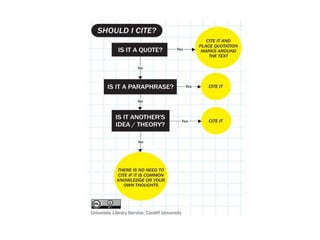
  • #42 If you are unsure then make sure you reference it Covers images and diagrams to
  • #43 What reference style are you using?
  • #46 Useful getting started video on the homepage Covers all aspects of veterinary medicine including nursing If time get them to use it
  • #48 Vet Nursing is under Health heading