UX Research in an Agile World 
Hira Javed 
November 23, 2014
About Me 
Usability Specialist 
@hirajaved10 
UX Instructor 
http://lnkd.in/HGSpHW
“Research is formalized curiosity. 
It is poking and prying with a purpose.” 
- Zora Neale Hurston
UX Research is about… 
Understanding the user: 
• What they do 
• How they do it 
• Why they do it
Why do UX research?
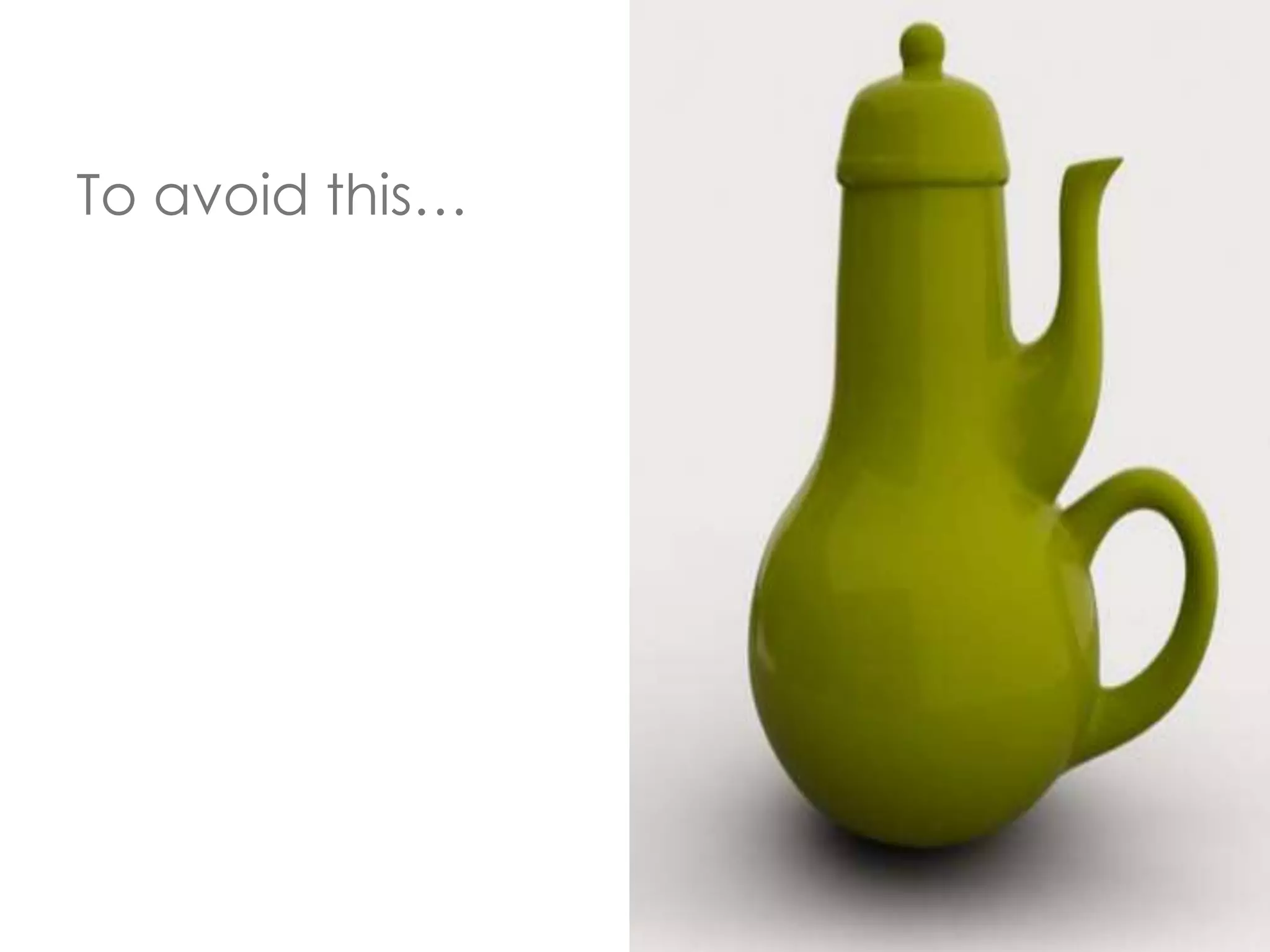
To avoid this…
and this…
and therefore this…
“building the right thing and we’re building 
the thing right.” 
- Natalie Hanson
Goals of UX Research 
• To add context and insight to the the 
design process. 

• To measure the effectiveness of design 
solutions implemented.
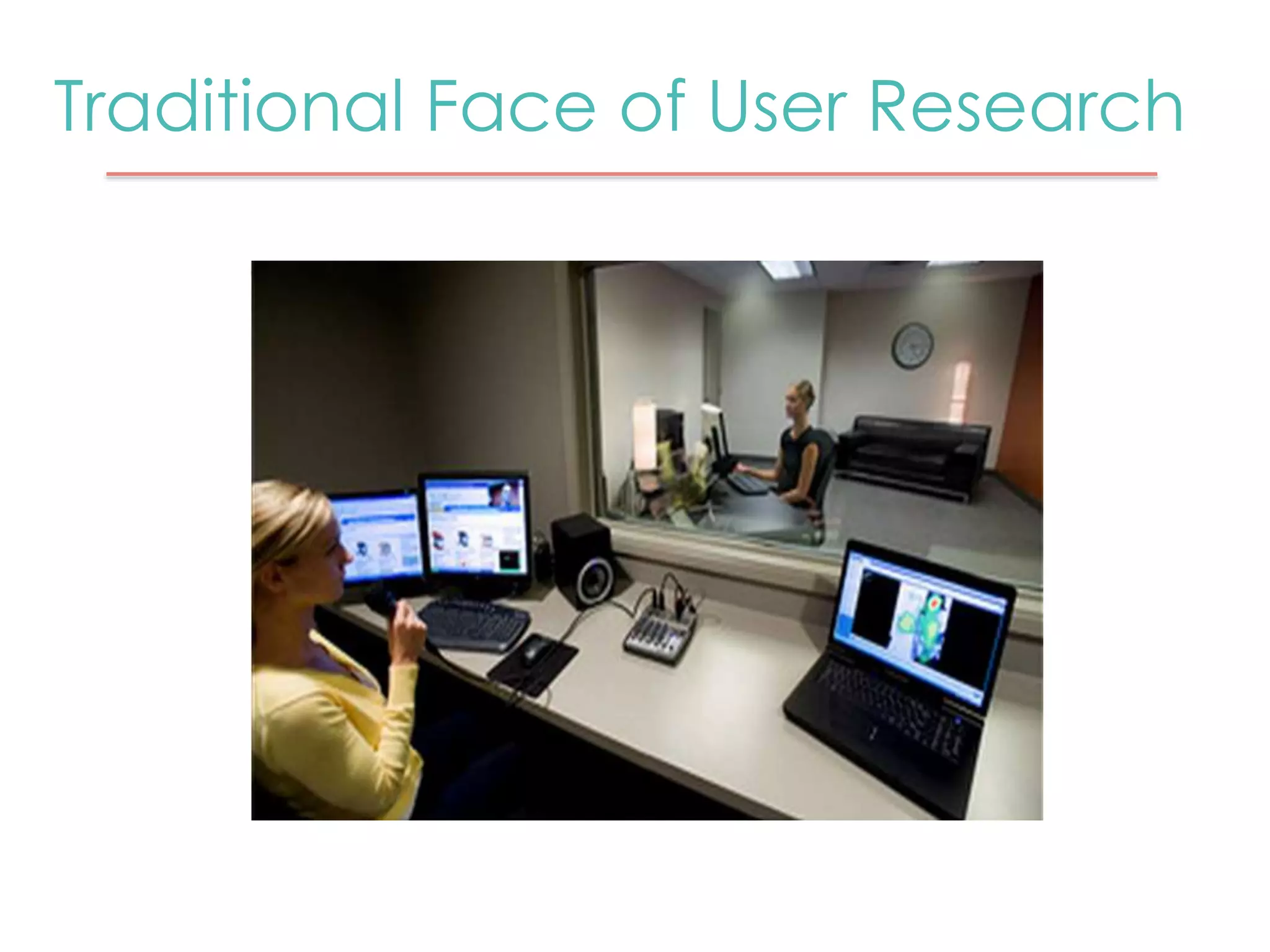
Traditional Face of User Research
But times they are 
a-changin’
Forces Affecting User Research
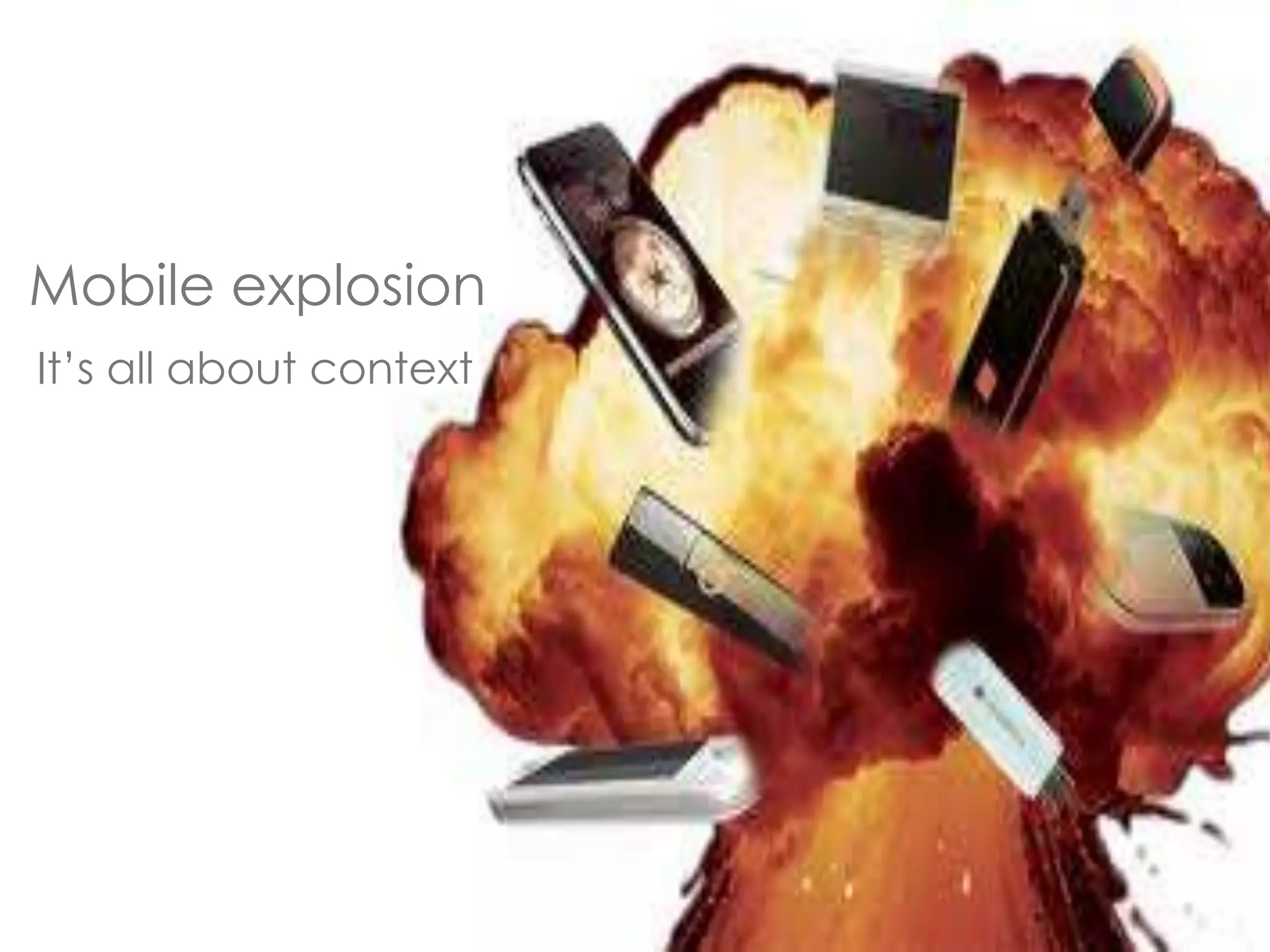
Mobile explosion 
It’s all about context
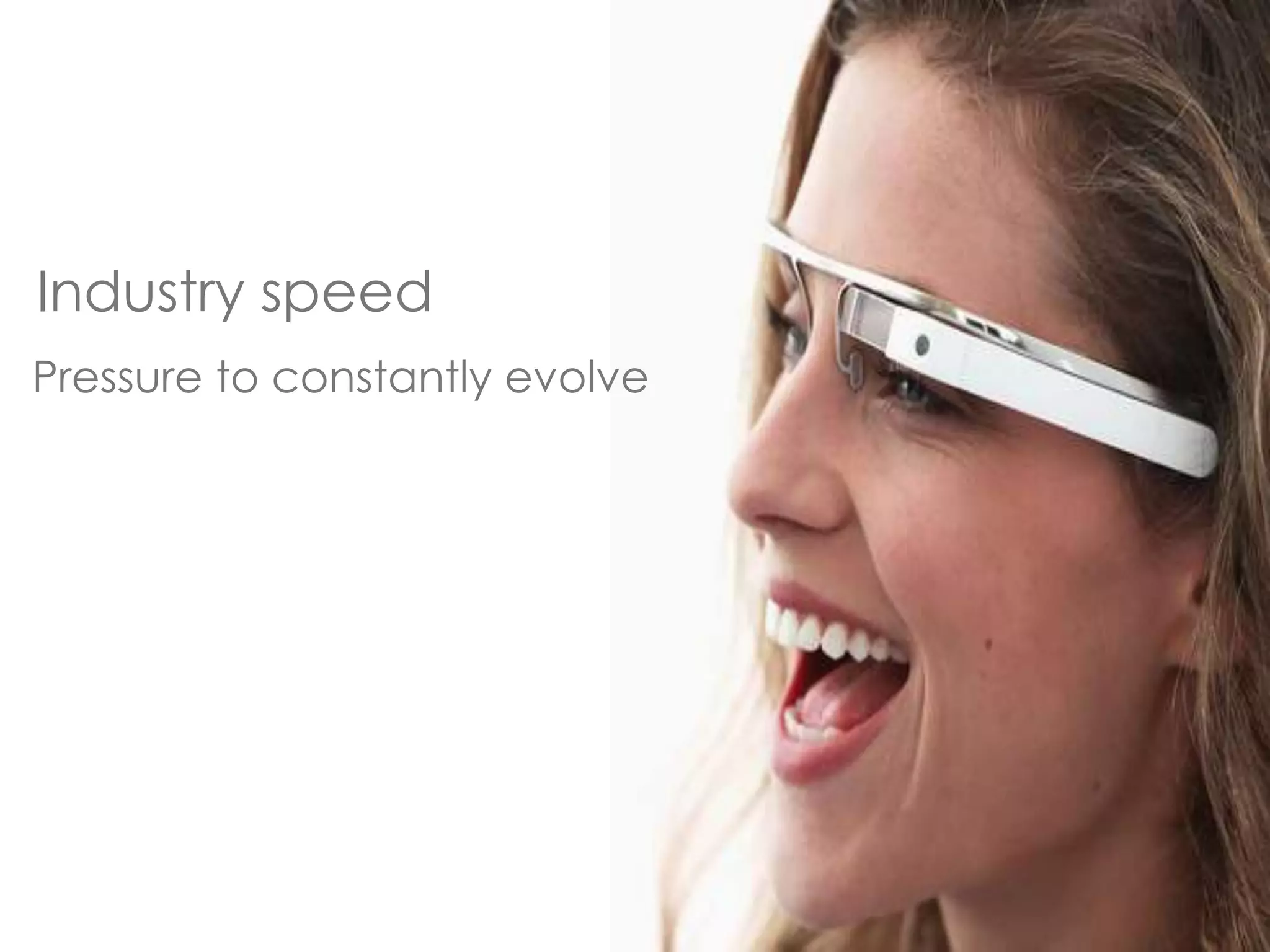
Industry speed 
Pressure to constantly evolve
Agile development 
Sprints don’t wait
UX Culture 
People want to be 
involved
Traditional methods 
take time
We have to make these faster…
Narrow 
objectives
Shorter Timelines
Informal deliverables
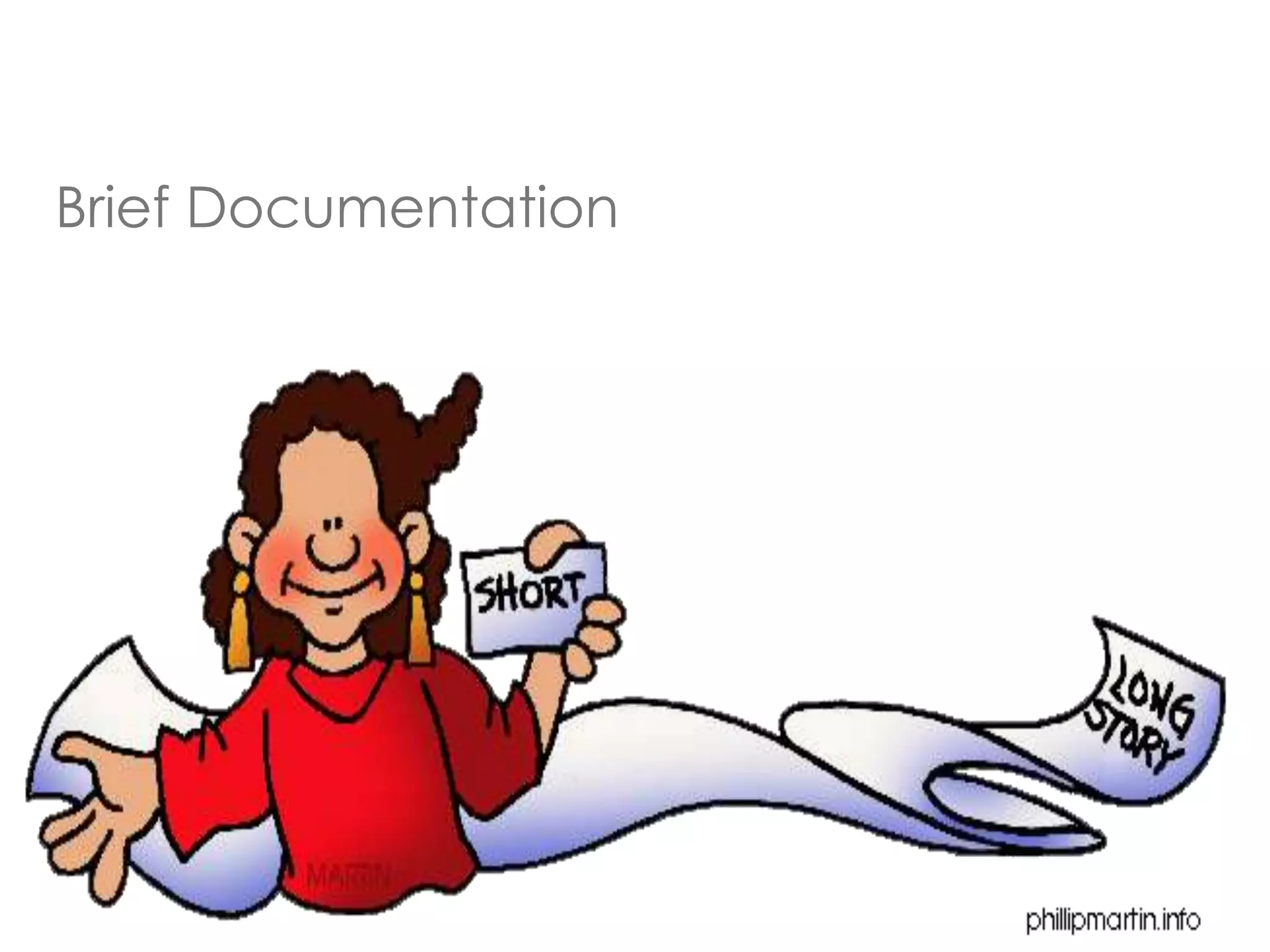
Brief Documentation
Agile UX Research 
• TexAgile is about thinking holistically, working 
incrementally. 
• UX research process needs to align with this 
incremental workflow. 
• Research should commence in sprint 0 or 
earlier. 
• Prototypes will need to be tested one sprint 
ahead of development.
Research Methods
Heuristic Evaluation 
• Evaluate part of a design against set of 
usability best practises. 
• Can be done in 30 minutes 
• Can be used to provide usability feedback 
in each sprint.
Quick Competitive Review 
• Identify best practices and trends in the 
competitive landscape. 
• Can be completed in a day (depending on 
research objective). 
• Can be used to provide feedback during the 
discovery phase.
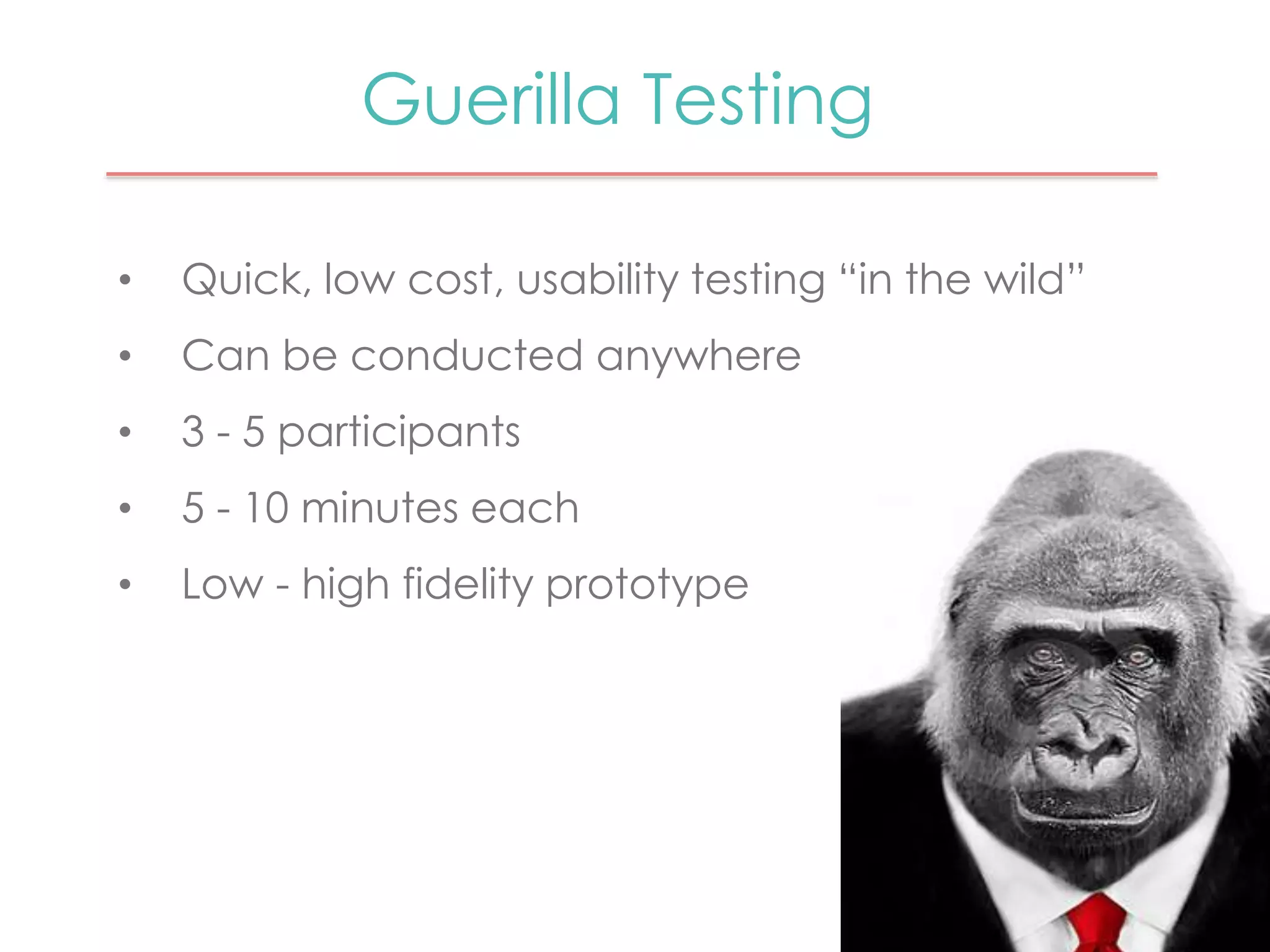
Guerilla Testing 
• Quick, low cost, usability testing “in the wild” 
• Can be conducted anywhere 
• 3 - 5 participants 
• 5 - 10 minutes each 
• Low - high fidelity prototype
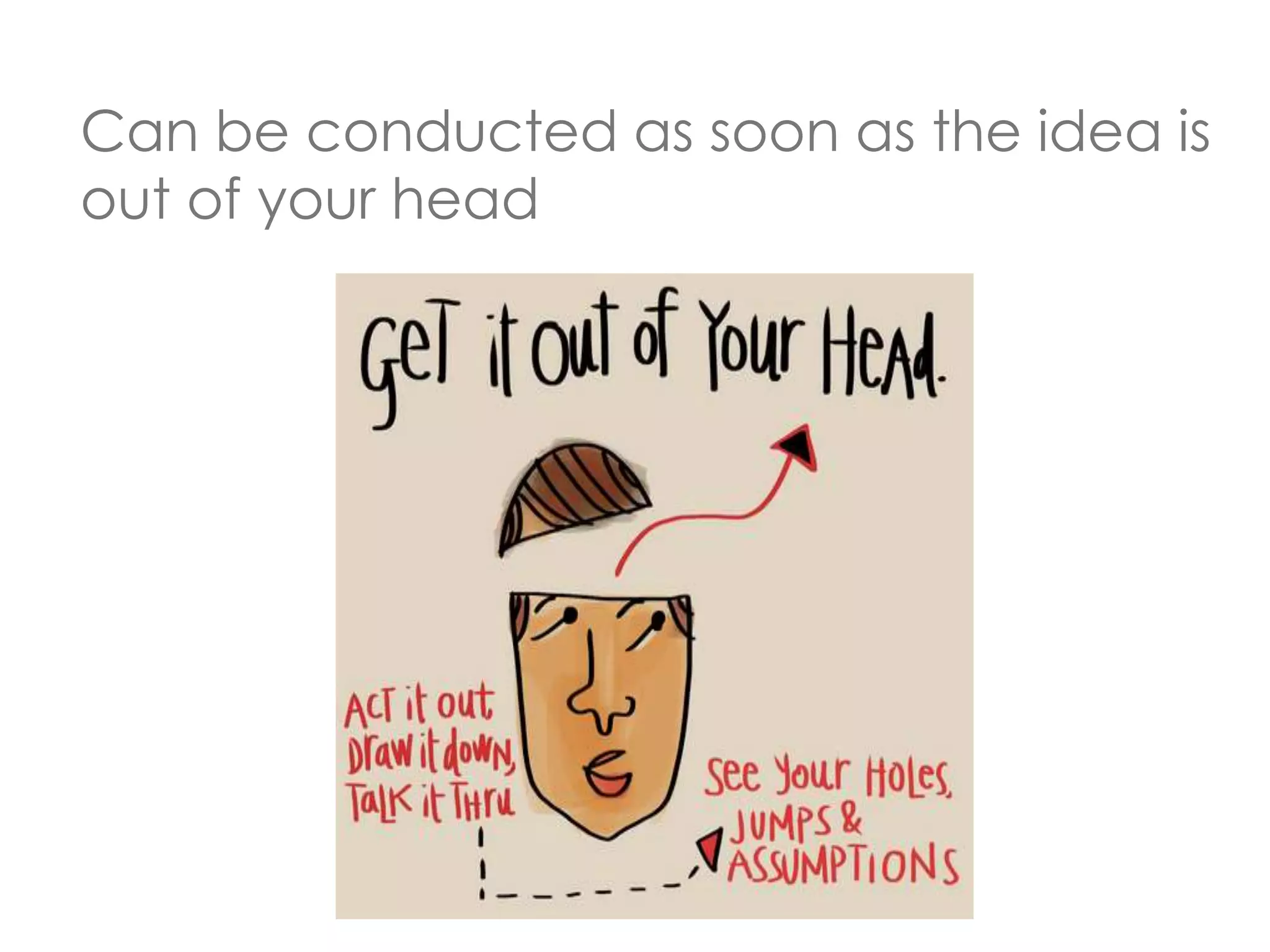
Can be conducted as soon as the idea is 
out of your head
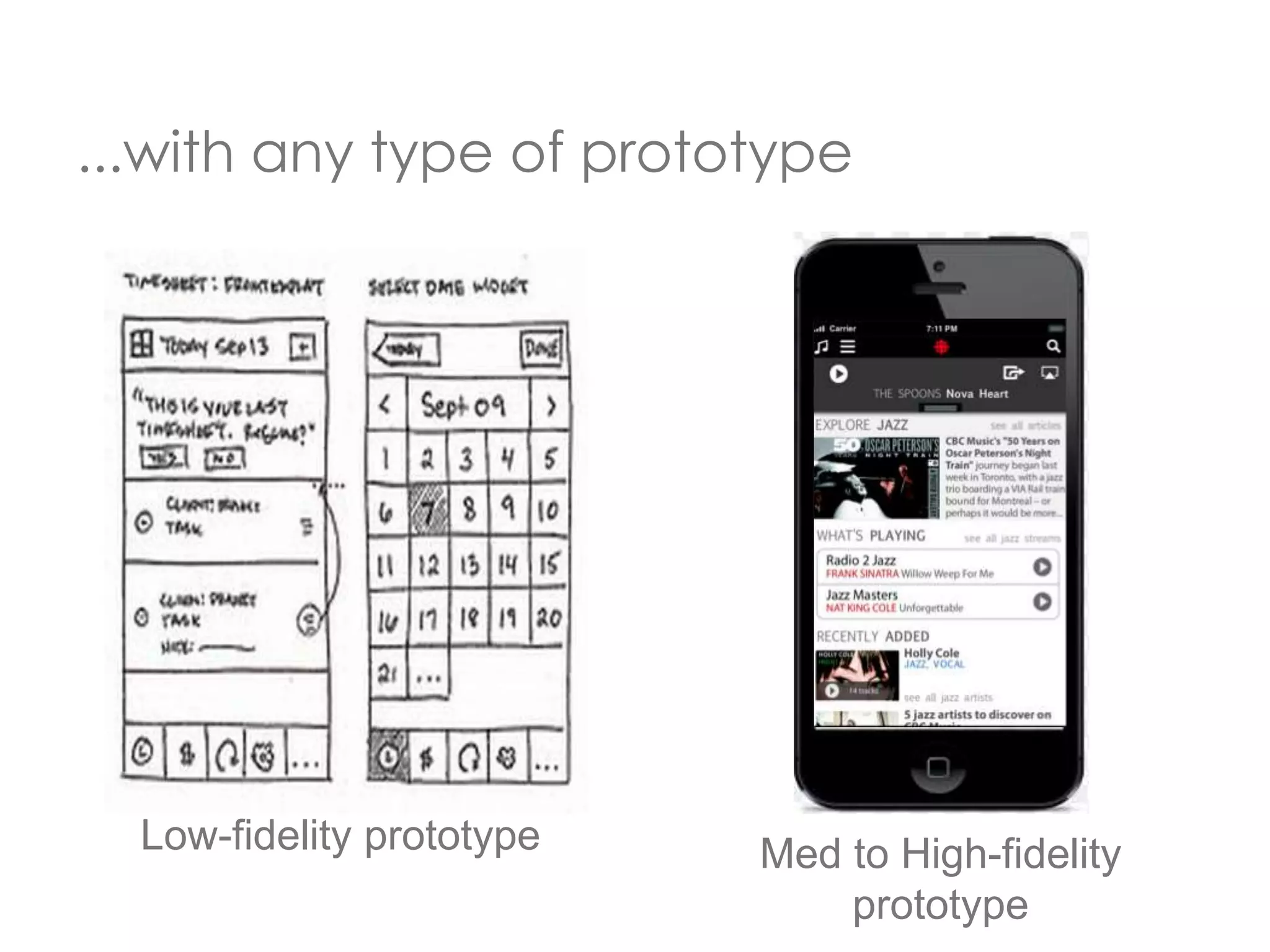
...with any type of prototype 
Low-fidelity prototype Med to High-fidelity 
prototype
How to Plan a Guerilla Test
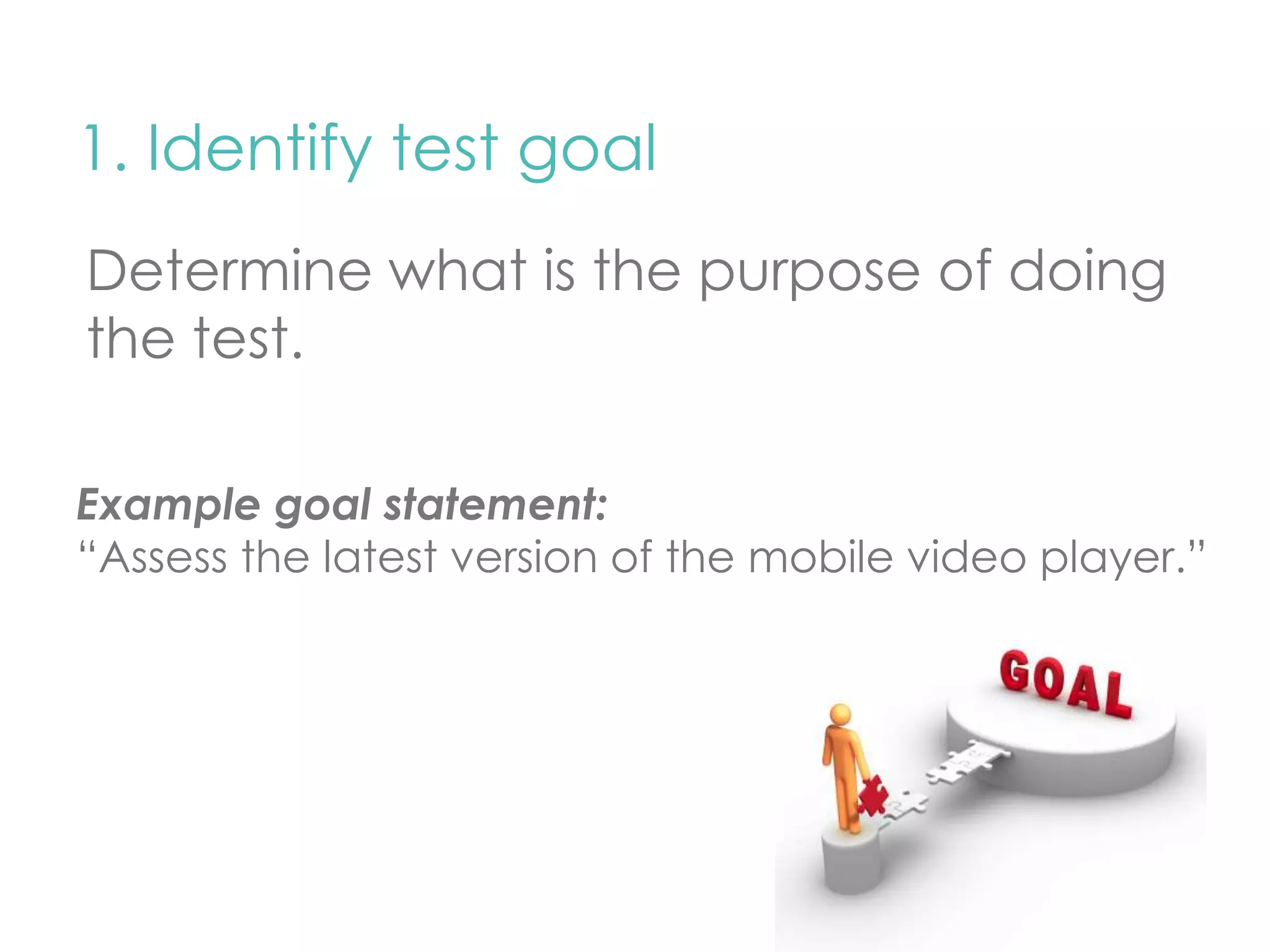
1. Identify test goal 
Determine what is the purpose of doing 
the test. 
Example goal statement: 
“Assess the latest version of the mobile video player.”
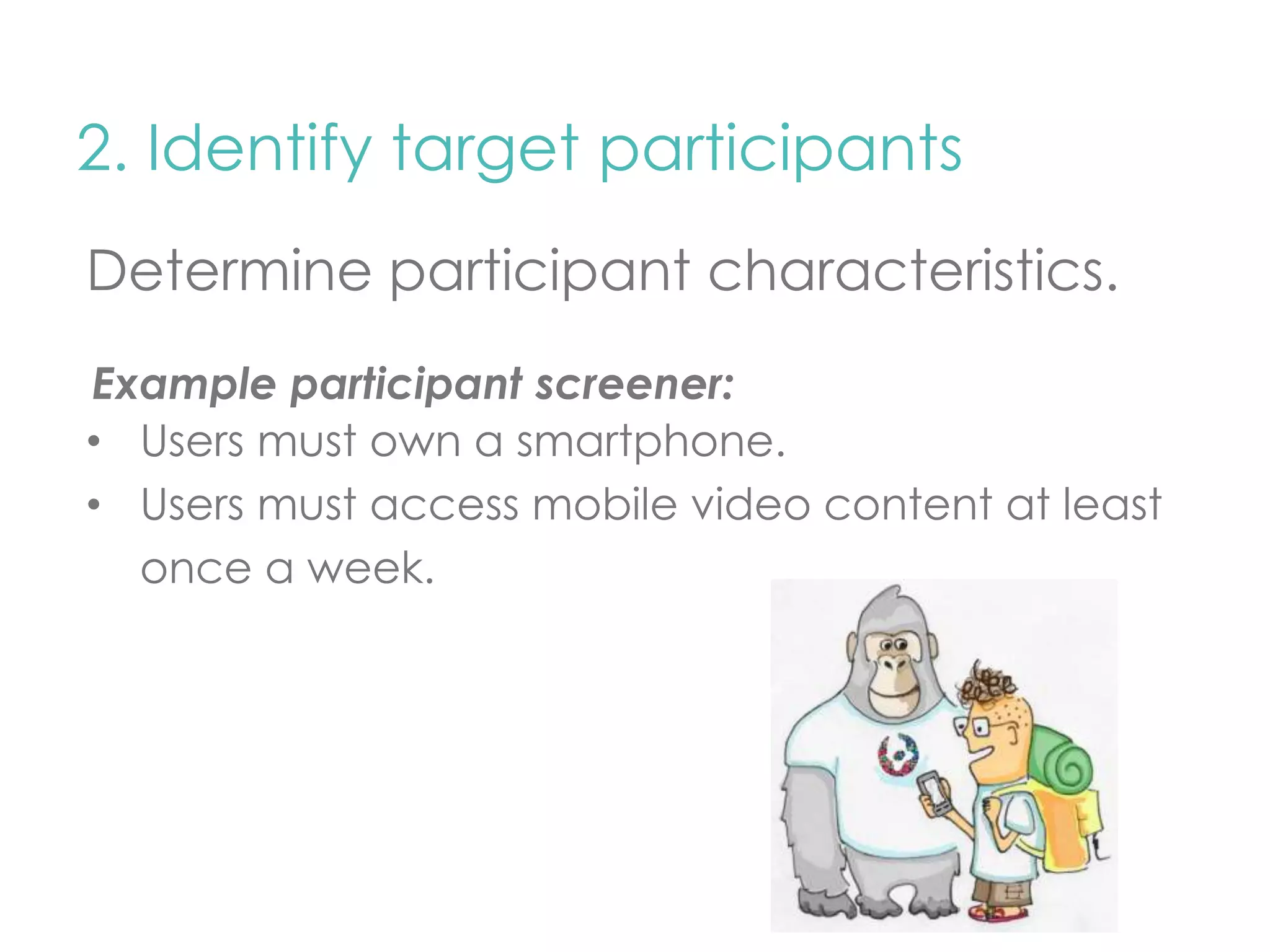
2. Identify target participants 
Determine participant characteristics. 
Example participant screener: 
• Users must own a smartphone. 
• Users must access mobile video content at least 
once a week.
3. Identify test objectives 
Determine what you’re trying to learn. 
What questions are your trying to 
answer? 
Example test objectives: 
• Can users easily and effectively use the video 
player? 
• Can users interact with the scrubber? 
• Do users understand how to share a video?
4. Create tasks 
Create user tasks that will allow you to 
assess your objectives. 
Example tasks: 
• Play a video and view comments 
• Share a video
5. Create scenarios 
Create realistic scenarios of when users 
may do those tasks. 
Example scenarios: 
• Let’s say a friend told you about a great comment 
Rob Ford made at the end of this video clip. Can 
you play the clip and go to the comment? 
• You loved the clip and want to send it to another 
friend. Can you show me how you would do that?
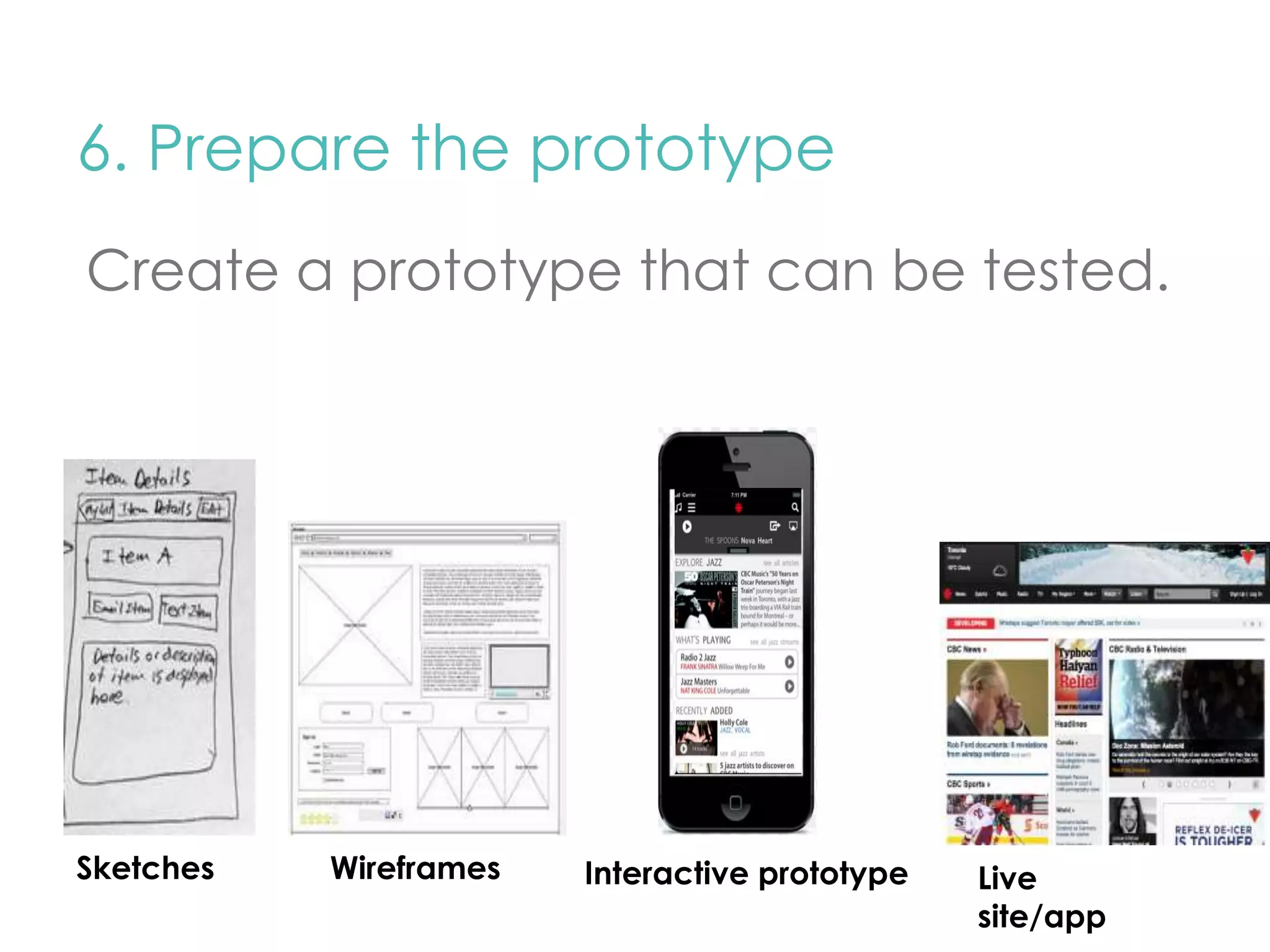
6. Prepare the prototype 
Create a prototype that can be tested. 
Sketches Wireframes Live 
site/app 
Interactive prototype
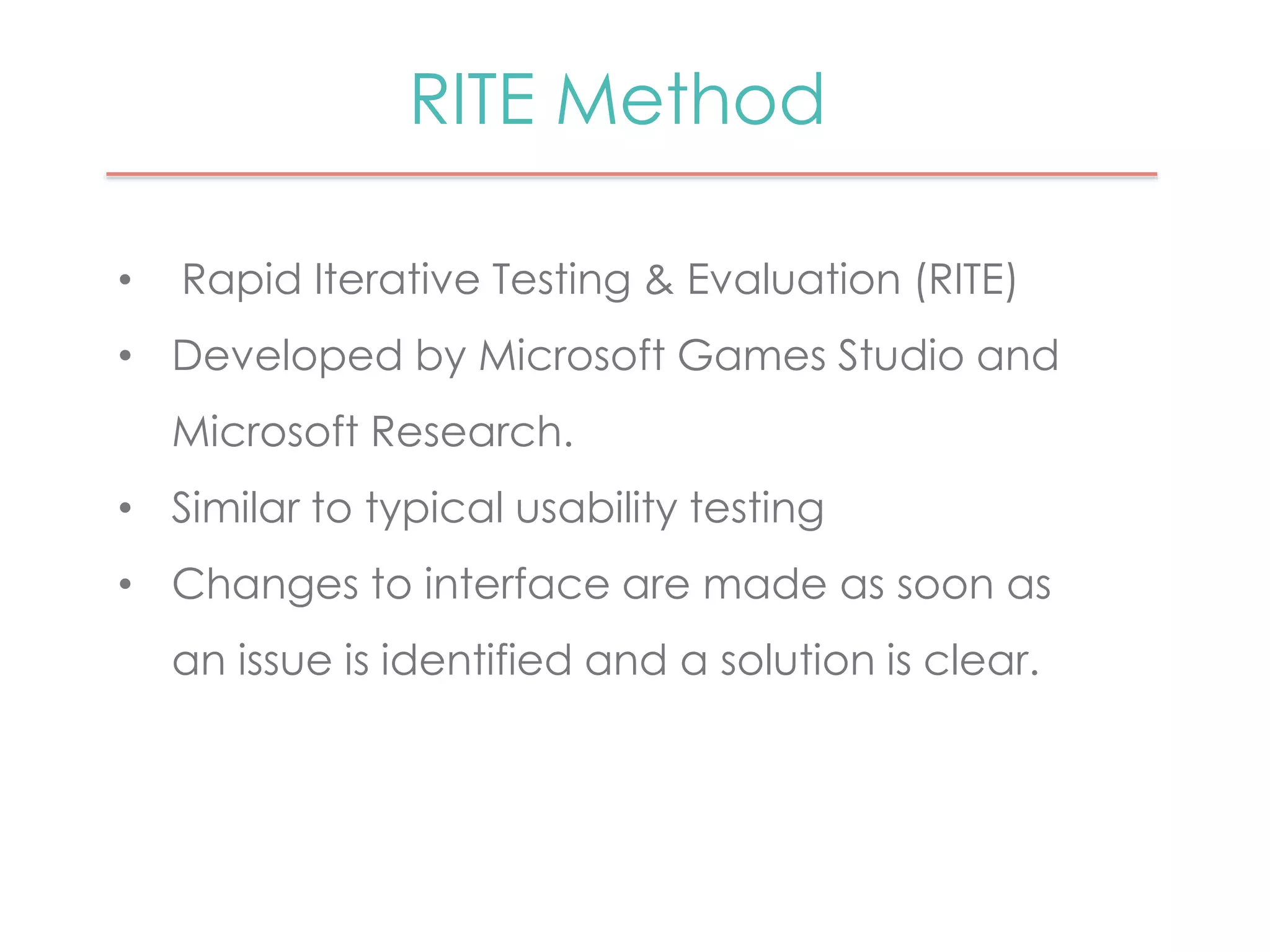
RITE Method 
• Rapid Iterative Testing & Evaluation (RITE) 
• Developed by Microsoft Games Studio and 
Microsoft Research. 
• Similar to typical usability testing 
• Changes to interface are made as soon as 
an issue is identified and a solution is clear.
RITE Method 
• The improved interface is tested with the next user. 
• Requires a dedicated researcher, and designer or 
developer. 
• Used to make design changes in small increments. 
• Can be completed in one day or over a few days. 
• Key decision makers must observe the test sessions.
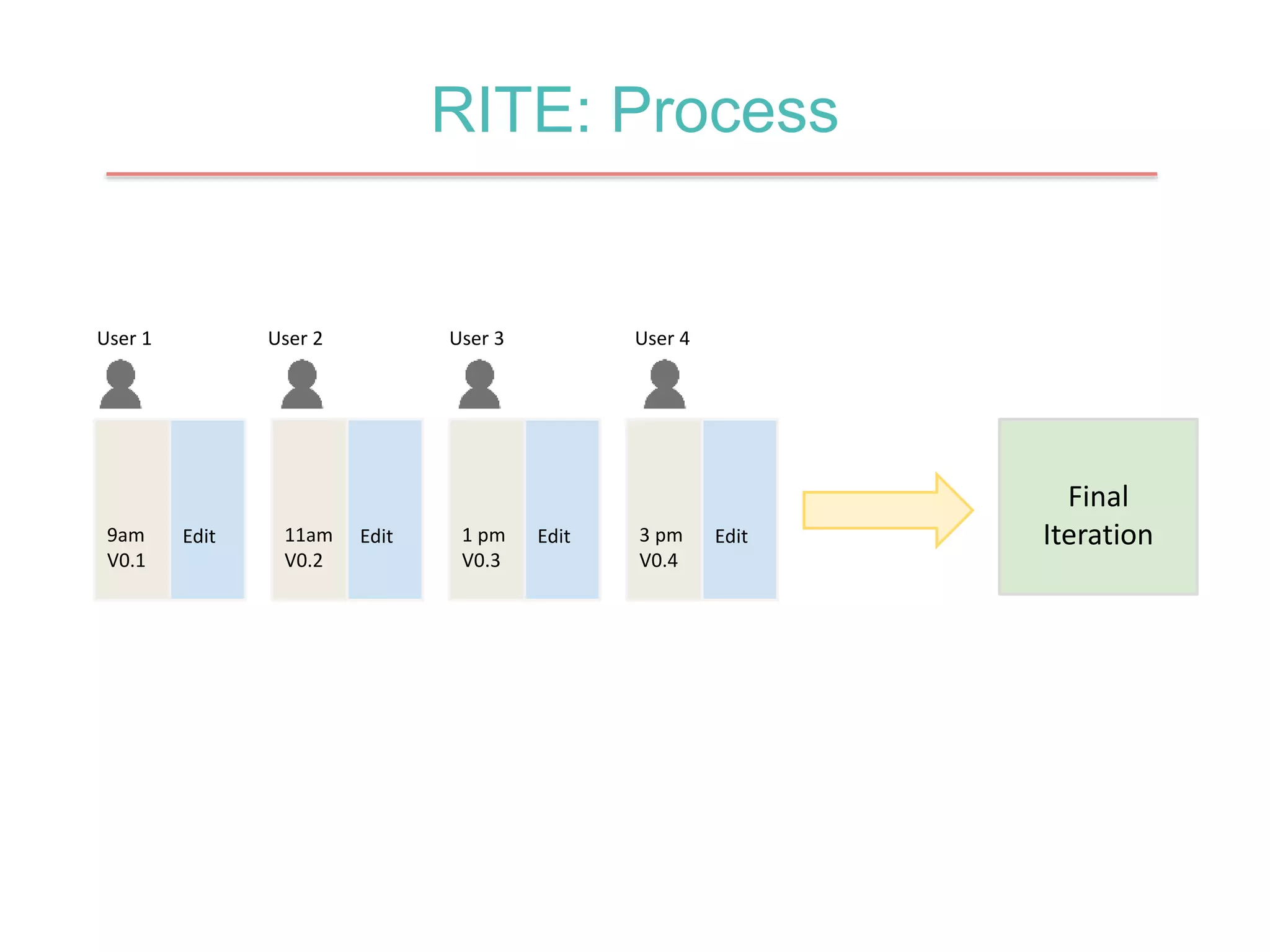
RITE: Process 
9am 
V0.1 
Edit 11am 
V0.2 
Edit 1 pm 
V0.3 
Edit 3 pm 
V0.4 
Edit 
Final 
Iteration 
User 1 User 2 User 3 User 4
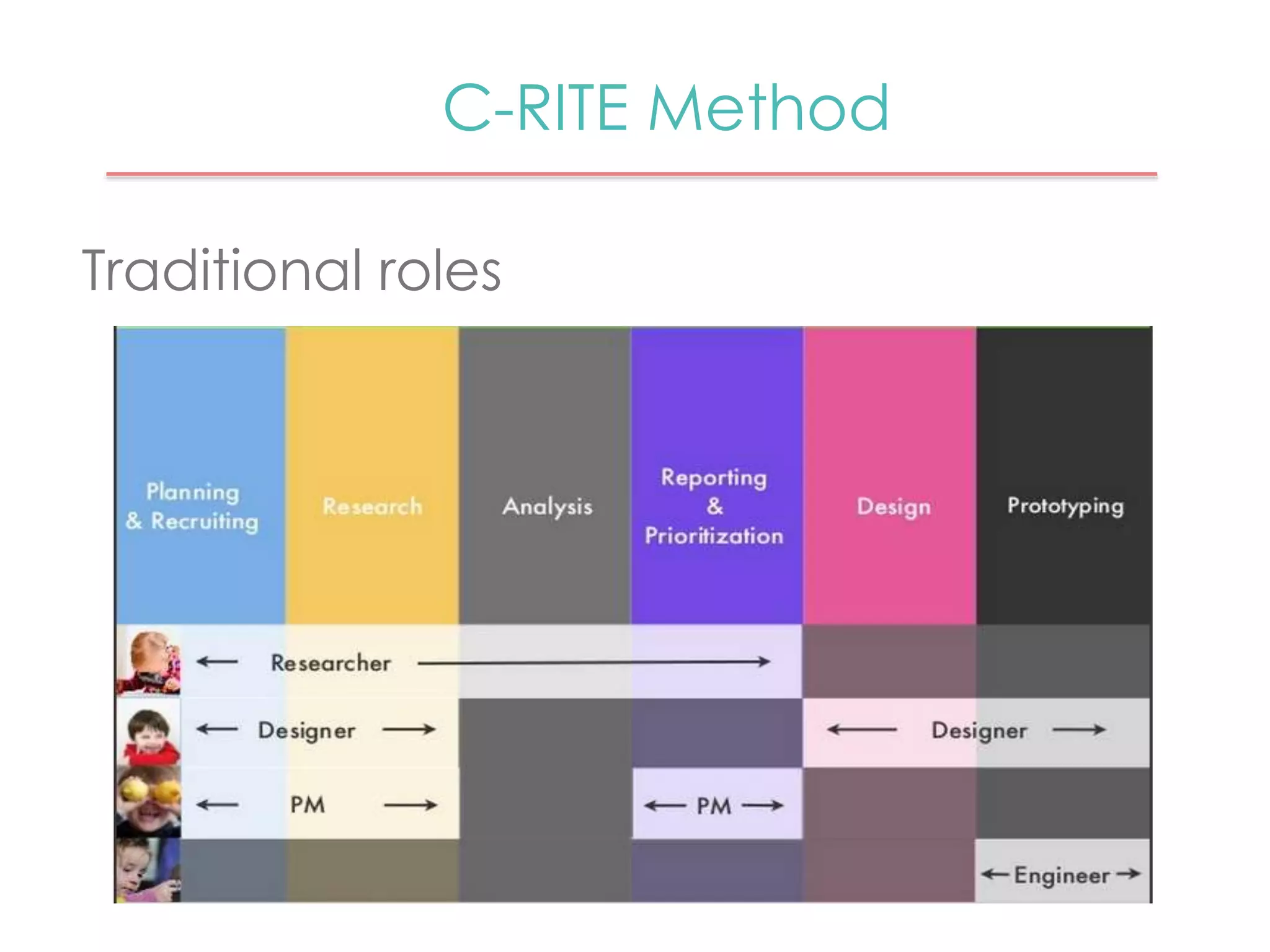
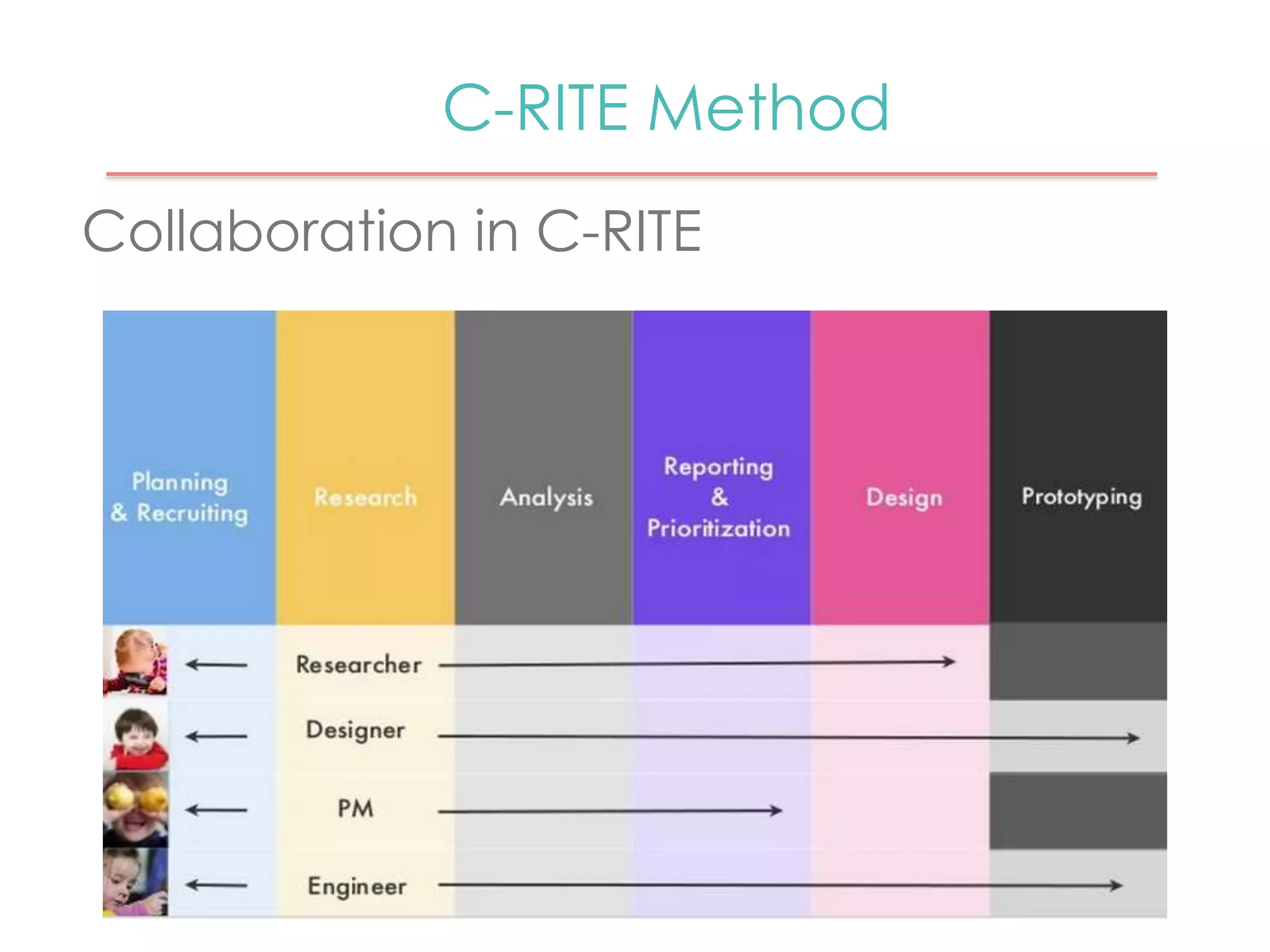
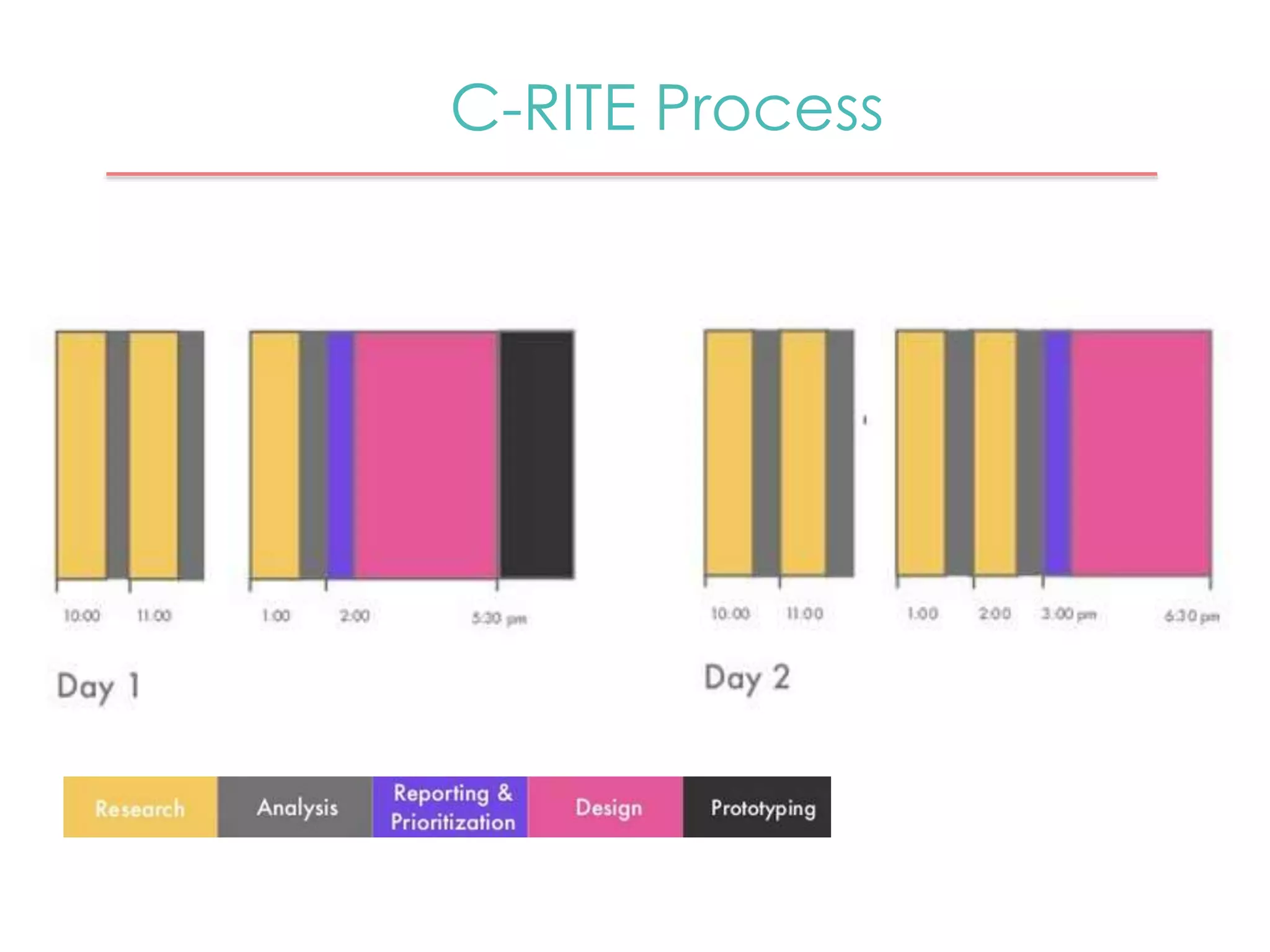
C-RITE Method 
• Collaborate Rapid Iterative Testing & Evaluation 
• Used by Android teams in Google 
• 6 research sessions in 2 days. 
• Prototype changes between day 1 and 2. 
• Stakeholders collaborate in all UX phases.
C-RITE Method 
Collaborative design workshop for 
each day. 
• Designers demonstrate problem solving skills. 
• Engineers solve technical constraints. 
• Researchers guide insight interpretation. 
• PM gives business and scheduling input. 
• Can be repeated weekly.
C-RITE Method 
Traditional roles
C-RITE Method 
Collaboration in C-RITE
C-RITE Process
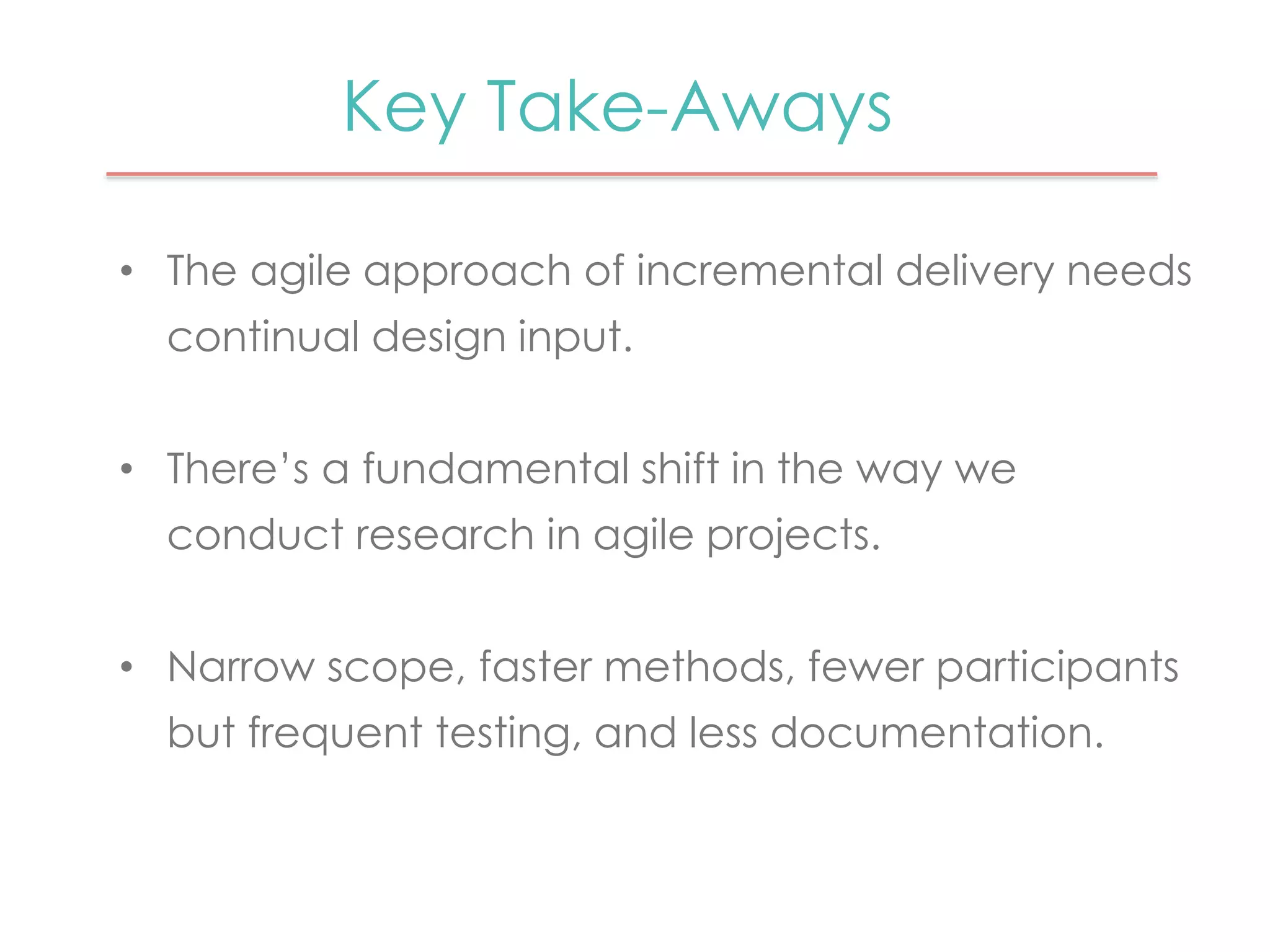
Key Take-Aways 
• The agile approach of incremental delivery needs 
continual design input. 
• There’s a fundamental shift in the way we 
conduct research in agile projects. 
• Narrow scope, faster methods, fewer participants 
but frequent testing, and less documentation.
User research 
won’t hold you back
Any Questions?

UX Research in an Agile World

  • 1.
    UX Research inan Agile World Hira Javed November 23, 2014
  • 2.
    About Me UsabilitySpecialist @hirajaved10 UX Instructor http://lnkd.in/HGSpHW
  • 3.
    “Research is formalizedcuriosity. It is poking and prying with a purpose.” - Zora Neale Hurston
  • 4.
    UX Research isabout… Understanding the user: • What they do • How they do it • Why they do it
  • 5.
    Why do UXresearch?
  • 6.
  • 7.
  • 8.
  • 9.
    “building the rightthing and we’re building the thing right.” - Natalie Hanson
  • 10.
    Goals of UXResearch • To add context and insight to the the design process. • To measure the effectiveness of design solutions implemented.
  • 11.
    Traditional Face ofUser Research
  • 12.
    But times theyare a-changin’
  • 13.
  • 14.
    Mobile explosion It’sall about context
  • 15.
    Industry speed Pressureto constantly evolve
  • 16.
  • 17.
    UX Culture Peoplewant to be involved
  • 18.
  • 19.
    We have tomake these faster…
  • 20.
  • 21.
  • 22.
  • 23.
  • 24.
    Agile UX Research • TexAgile is about thinking holistically, working incrementally. • UX research process needs to align with this incremental workflow. • Research should commence in sprint 0 or earlier. • Prototypes will need to be tested one sprint ahead of development.
  • 25.
  • 26.
    Heuristic Evaluation •Evaluate part of a design against set of usability best practises. • Can be done in 30 minutes • Can be used to provide usability feedback in each sprint.
  • 27.
    Quick Competitive Review • Identify best practices and trends in the competitive landscape. • Can be completed in a day (depending on research objective). • Can be used to provide feedback during the discovery phase.
  • 28.
    Guerilla Testing •Quick, low cost, usability testing “in the wild” • Can be conducted anywhere • 3 - 5 participants • 5 - 10 minutes each • Low - high fidelity prototype
  • 29.
    Can be conductedas soon as the idea is out of your head
  • 30.
    ...with any typeof prototype Low-fidelity prototype Med to High-fidelity prototype
  • 31.
    How to Plana Guerilla Test
  • 32.
    1. Identify testgoal Determine what is the purpose of doing the test. Example goal statement: “Assess the latest version of the mobile video player.”
  • 33.
    2. Identify targetparticipants Determine participant characteristics. Example participant screener: • Users must own a smartphone. • Users must access mobile video content at least once a week.
  • 34.
    3. Identify testobjectives Determine what you’re trying to learn. What questions are your trying to answer? Example test objectives: • Can users easily and effectively use the video player? • Can users interact with the scrubber? • Do users understand how to share a video?
  • 35.
    4. Create tasks Create user tasks that will allow you to assess your objectives. Example tasks: • Play a video and view comments • Share a video
  • 36.
    5. Create scenarios Create realistic scenarios of when users may do those tasks. Example scenarios: • Let’s say a friend told you about a great comment Rob Ford made at the end of this video clip. Can you play the clip and go to the comment? • You loved the clip and want to send it to another friend. Can you show me how you would do that?
  • 37.
    6. Prepare theprototype Create a prototype that can be tested. Sketches Wireframes Live site/app Interactive prototype
  • 38.
    RITE Method •Rapid Iterative Testing & Evaluation (RITE) • Developed by Microsoft Games Studio and Microsoft Research. • Similar to typical usability testing • Changes to interface are made as soon as an issue is identified and a solution is clear.
  • 39.
    RITE Method •The improved interface is tested with the next user. • Requires a dedicated researcher, and designer or developer. • Used to make design changes in small increments. • Can be completed in one day or over a few days. • Key decision makers must observe the test sessions.
  • 40.
    RITE: Process 9am V0.1 Edit 11am V0.2 Edit 1 pm V0.3 Edit 3 pm V0.4 Edit Final Iteration User 1 User 2 User 3 User 4
  • 41.
    C-RITE Method •Collaborate Rapid Iterative Testing & Evaluation • Used by Android teams in Google • 6 research sessions in 2 days. • Prototype changes between day 1 and 2. • Stakeholders collaborate in all UX phases.
  • 42.
    C-RITE Method Collaborativedesign workshop for each day. • Designers demonstrate problem solving skills. • Engineers solve technical constraints. • Researchers guide insight interpretation. • PM gives business and scheduling input. • Can be repeated weekly.
  • 43.
  • 44.
  • 45.
  • 46.
    Key Take-Aways •The agile approach of incremental delivery needs continual design input. • There’s a fundamental shift in the way we conduct research in agile projects. • Narrow scope, faster methods, fewer participants but frequent testing, and less documentation.
  • 47.
    User research won’thold you back
  • 48.

Editor's Notes

  • #10 We want to make sure we’re building the right thing and we’re building the thing right.
  • #11 - UX research is not tied to a specific point in the design process. It can be incorporated before, during and after the design solution has been implemented. - User research is done to inform design decisions. - Implementation of these design solutions are then tested with users to measure how effective they are in meeting user needs and business needs.
  • #12 In the past a lot of user research has been done in the formal lab setting Formally recruits They come to a formal lab You pay them an incentive Stakeholders behind on way glass It can take 6 weeks from start to finish
  • #15 It all about context’ Where people are where are they using the devices It all about understanding how a user interact with a site in particular setting reading news waiting line checking the sport scores on date or watch TV online
  • #16 So if you have wait 6 weeks to have testing done, you may already be ready to redesign again
  • #17 Increasingly adoption of agile development practices. In this world you are not going to stop a strint for lengthy testing
  • #18 Organizations have evolved to the point where they are no longer asking what is usability or user research but how can it help them. And seeing more and more people wanting to be involved in research
  • #19 Tried and tested methods such as heuristic evaluation, usability testing, card sorting and interviews are still really relevant and applicable in helping us understand our users. But some of these traditional methods can take time and don’t fit in with this faster development process and the realities of the new digital landscape.
  • #21 Taken these older methods and shined them up, made them more agile Narrow objectives Shorter timelines Brief documentation Informal deliverables
  • #27 Expert evaluation of the interface against a set of usability best practices Used to identify major usability problems Heuristic evaluation...could review whole website and can be done to review whole concept
  • #29 Expert evaluation of the interface against a set of usability best practices Used to identify major usability problems Heuristic evaluation...could review whole website and can be done to review whole concept
  • #31 Whether in the form of a sketch or an interactive prototype
  • #35 Describe the issues and questions you want to answer with the test. This is the most critical part of planning the test because it focuses the research.
  • #36 What tasks do you want the users to do to help you answer those questions.
  • #48 The digital world is changing and user research has changed along with it. But the focus is and will always be on keeping the user at the centre of design. One thing we do want to leave you with is that these research methods will not hold you back. They are there to help you design good products.