


Lessons learnt from going Agile in local governmentMichele Ide-Smith
BeforeIt took ages to get development underwayStakeholders were impatient to see resultsDevelopers felt micro-managedLots of long, tedious meetingsProjects dragged on, and on, and onThere was unfinished functionalityStakeholders didn’t get what they expected
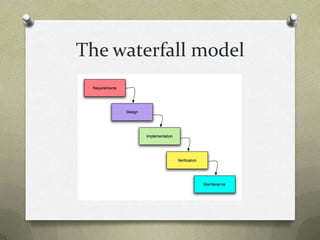
The waterfall model
AfterProjects show results much more quicklyClear expectation of time and cost up frontStakeholders are informed and involvedRequirements can and do changeDevelopers have more autonomyFunctionality gets finished and deployed (mostly)
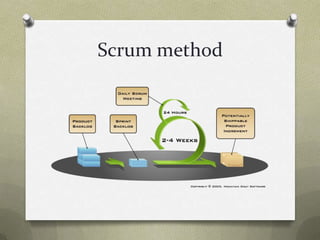
Scrum method
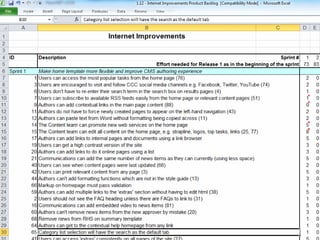
Example backlog
Example burndowns
Top lessons learntNo silos – everyone must buy in to AgileEstimation is still importantAgile might not suit all dev projectsSprints need dedicated resourceDon’t skimp on planningBuild multi-disciplinary teamsNuture collaboration
1. No silosProjects have dependenciesSprints require tight coordination of resources and other workstreams (inputs/outputs)Get buy-in to using Agile methods across the organisation through early educationAvoid unnecessary blockers!
2. Estimation is still importantDevelopers break down user stories into tasksEstimation using complexity pointsDevelopers must learn their velocity (progress in each sprint)Or their burndown (backlog progress) will resemble a flatline
3. Agile may not suit all dev projectsAgile works well for mature productsCan lead to quick progress and great resultsNew projects with unknowns carry more riskStill possible to have an unfinished product
4. Sprints need dedicated resourceScrum roles need dedicated resourceOther work commitments are blockers!Product owners should attend daily stand ups, planning and review meetings
5. Don’t skimp on planningPlan ahead of development SprintsSometimes called ‘Sprint Zero’Set up environments for dev and testingConduct user researchStart design workTechnical feasibility
6. Build multi-disciplinary teamsThink about the complete user journeyHow will software be implemented in a mature, working website?Include content writers, UX’ers and sys admins in the team
7. Nurture collaborationAvoid sending long emailsCo-locate developers, product owners, consultants, UX’ers and content writersOtherwise, use phone conferencing and virtual meetings Stick designs up on wall spaceor windows
BarriersCultural: silos, lack of management buy-inLack of dedicated resource during sprintsLack of dedicated meeting rooms for daily stand-ups and other meetingsLittle or no wall space for collaborating on and reviewing designs
Remember the 12th Agile principle“At regular intervals, the team reflects on how to become more effective, then tunes and adjusts its behaviour accordingly.”
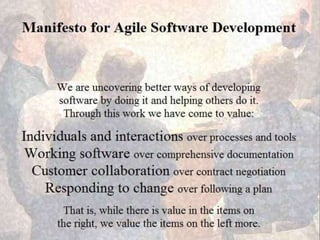
For more info:My going Agile blog postMy barriers to Agile web design postAgile manifesto and principlesScrum Alliance

Lessons learnt from agile in local government

  • 1.
    Lessons learnt fromgoing Agile in local governmentMichele Ide-Smith
  • 2.
    BeforeIt took agesto get development underwayStakeholders were impatient to see resultsDevelopers felt micro-managedLots of long, tedious meetingsProjects dragged on, and on, and onThere was unfinished functionalityStakeholders didn’t get what they expected
  • 3.
  • 4.
    AfterProjects show resultsmuch more quicklyClear expectation of time and cost up frontStakeholders are informed and involvedRequirements can and do changeDevelopers have more autonomyFunctionality gets finished and deployed (mostly)
  • 6.
  • 7.
  • 8.
  • 9.
    Top lessons learntNosilos – everyone must buy in to AgileEstimation is still importantAgile might not suit all dev projectsSprints need dedicated resourceDon’t skimp on planningBuild multi-disciplinary teamsNuture collaboration
  • 10.
    1. No silosProjectshave dependenciesSprints require tight coordination of resources and other workstreams (inputs/outputs)Get buy-in to using Agile methods across the organisation through early educationAvoid unnecessary blockers!
  • 11.
    2. Estimation isstill importantDevelopers break down user stories into tasksEstimation using complexity pointsDevelopers must learn their velocity (progress in each sprint)Or their burndown (backlog progress) will resemble a flatline
  • 12.
    3. Agile maynot suit all dev projectsAgile works well for mature productsCan lead to quick progress and great resultsNew projects with unknowns carry more riskStill possible to have an unfinished product
  • 13.
    4. Sprints needdedicated resourceScrum roles need dedicated resourceOther work commitments are blockers!Product owners should attend daily stand ups, planning and review meetings
  • 14.
    5. Don’t skimpon planningPlan ahead of development SprintsSometimes called ‘Sprint Zero’Set up environments for dev and testingConduct user researchStart design workTechnical feasibility
  • 15.
    6. Build multi-disciplinaryteamsThink about the complete user journeyHow will software be implemented in a mature, working website?Include content writers, UX’ers and sys admins in the team
  • 16.
    7. Nurture collaborationAvoidsending long emailsCo-locate developers, product owners, consultants, UX’ers and content writersOtherwise, use phone conferencing and virtual meetings Stick designs up on wall spaceor windows
  • 17.
    BarriersCultural: silos, lackof management buy-inLack of dedicated resource during sprintsLack of dedicated meeting rooms for daily stand-ups and other meetingsLittle or no wall space for collaborating on and reviewing designs
  • 18.
    Remember the 12thAgile principle“At regular intervals, the team reflects on how to become more effective, then tunes and adjusts its behaviour accordingly.”
  • 19.
    For more info:Mygoing Agile blog postMy barriers to Agile web design postAgile manifesto and principlesScrum Alliance