Using social media to develop 
your scientific career 
Daniel S. Quintana - @dsquintana 
NORMENT, KG Jebsen centre for psychosis research, University of Oslo
There are two approaches 
for the scientist on social 
media 
‣ Talking to other scientists" 
‣ Engaging the public"
As scientists, we’re losing the 
public relations battle.
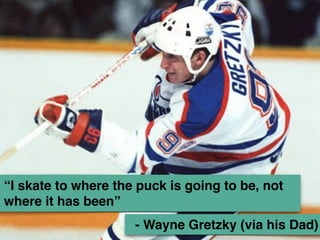
“I skate to where the puck is going to be, not 
where it has been” 
- Wayne Gretzky (via his Dad)
While science outreach is 
crucial, here we’re going 
to focus on 
communication with other 
scientists & interested 
stakeholders.
I’m not pretending to be a 
expert here, this is about 
my personal experience - 
with some data thrown in
“We don’t have a choice on 
social media. The choice is 
how well we do it.” 
Erik Qualman, author of ‘Socialnomics’"
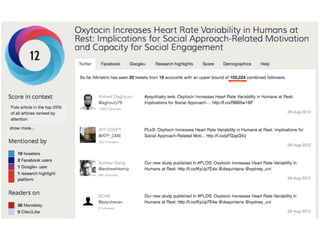
People are 
already talking 
about your 
research online, 
don’t miss the 
chance to be a 
part of that 
conversation.
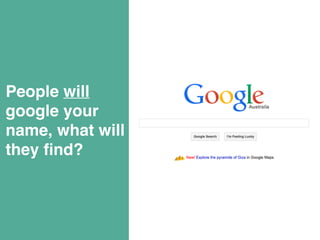
People will 
google your 
name, what will 
they find?
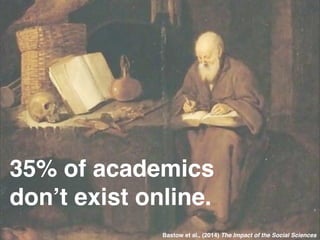
35% of academics 
don’t exist online. 
Bastow et al., (2014) The Impact of the Social Sciences
Can people easily find 
your publications? Your 
CV? Your area of 
expertise?
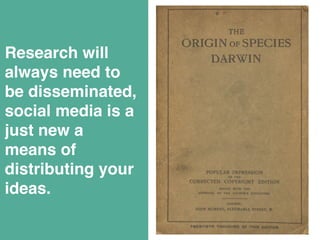
Research will 
always need to 
be disseminated, 
social media is a 
just new a 
means of 
distributing your 
ideas.
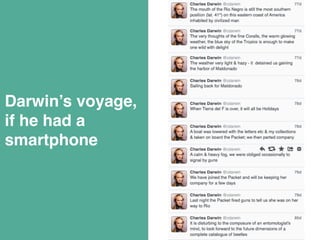
Darwin’s voyage, 
if he had a 
smartphone
In an another lab, almost 
10,000 people ‘liked’ a 
news story about their 
research that a local TV 
station posted on their 
Facebook page. 
They only realised this sometime later, when it was 
too late - stories have a VERY short half-life online.
Five reasons why social 
media is worth your time 
1. Exposure" 
2. Collaboration" 
3. Source of information" 
4. Shift from impact factors to social media metrics" 
5. Peer support
1. Social media boosts 
your exposure 
‣ Traditionally, you had to rely on journal 
publications (slow) or conferences 
(infrequent/expensive)" 
‣ Social media helps level the playing field " 
‣ Good ideas are spread, exponentially " 
‣ Less time between ‘publications’, you can 
continually add to the conversation"
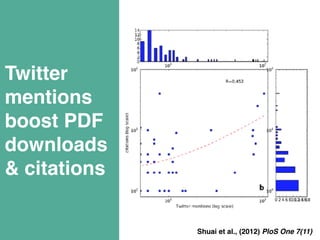
Twitter 
mentions 
boost PDF 
downloads 
& citations 
Shuai et al., (2012) PloS One 7(11)"
2. Social media can 
facilitate collaboration 
‣ Someone out there is in need of your 
expertise, now they can find you" 
‣ The distance between disciplines become 
much smaller" 
‣ Pre-conference ice breaker" 
‣ Twitter collaborations are now becoming 
more commonplace"
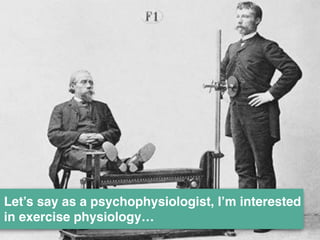
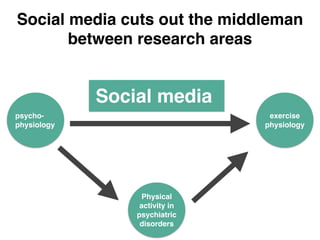
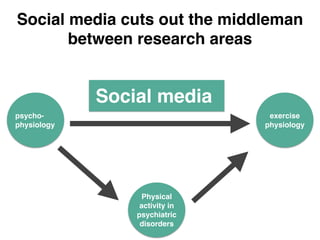
Let’s say as a psychophysiologist, I’m interested 
in exercise physiology…
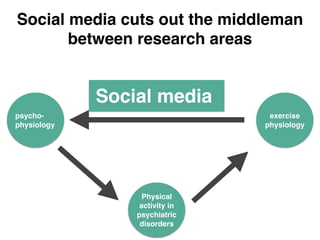
Social media cuts out the middleman 
between research areas 
HRV 3.0. 
Social media 
psycho-physiology 
exercise 
physiology 
Physical 
activity in 
psychiatric 
disorders
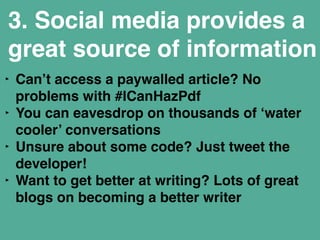
3. Social media provides a 
great source of information 
‣ Can’t access a paywalled article? No 
problems with #ICanHazPdf" 
‣ You can eavesdrop on thousands of ‘water 
cooler’ conversations" 
‣ Unsure about some code? Just tweet the 
developer!" 
‣ Want to get better at writing? Lots of great 
blogs on becoming a better writer
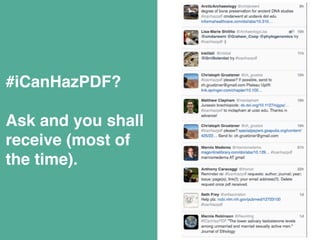
#iCanHazPDF?" 
! 
Ask and you shall 
receive (most of 
the time).
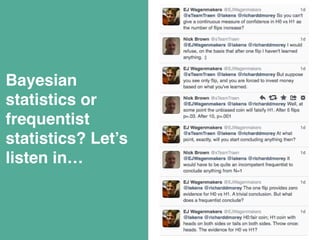
Bayesian 
statistics or 
frequentist 
statistics? Let’s 
listen in…" 
!
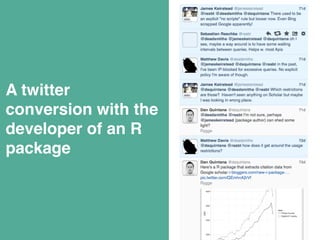
A twitter 
conversion with the 
developer of an R 
package" 
!
4. The shift from impact 
factors to altmetrics 
‣ Altmetrics = alternative metrics" 
‣ More journals are emphasising altmetrics 
(e.g., Frontiers, PLoS)" 
‣ Also a shift to post-publication review (e.g., 
Pubmed commons)" 
! 
!
5. Social media provides 
peer support 
‣ Communities have come together to form 
ad-hoc peer support" 
‣ #PhDchat & #ECRchat" 
‣ #ShutUpAndWrite" 
‣ #Rstats" 
!
Common objections 
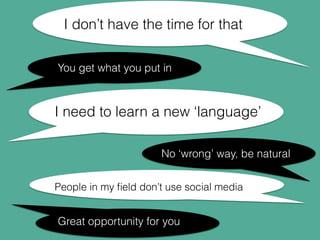
I don’t have the time for that 
I need to learn a new ‘language’ 
People in my field don’t use social media
I don’t have the time for that 
You get what you put in 
I need to learn a new ‘language’ 
No ‘wrong’ way, be natural 
People in my field don’t use social media 
Great opportunity for you
What are some social 
media platforms that can 
you use? 
‣ Twitter" 
‣ Blogging" 
‣ academia.edu/Researchgate.net" 
‣ Linkedin/Facebook" 
‣ Slideshare/Figshare
Twitter 
‣ No barrier for entry, just sign up at 
twitter.com" 
‣ Huge community of researchers" 
‣ Unlike Facebook, majority of profiles 
are public" 
‣ Easy to add links and images" 
!
Blogging 
‣ There are a number of blogging 
platforms, you can get started in 
minutes" 
‣ Roadtest your ideas - many posts have 
evolved into papers and books" 
‣ No matter how niche, there’s an 
audience" 
‣ Good writing practice" 
!
Facebook ! 
‣ Best suited for scientific outreach 
and groups" 
‣ Some scientists use this as a 
communication tool with others but 
many keep Facebook for family/ 
friends " 
‣ Less ‘open’ than twitter" 
‣ Facebook chooses what your 
followers see (twitter doesn’t)" 
!
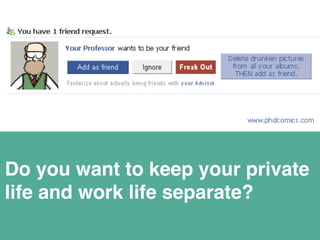
Do you want to keep your private 
life and work life separate?
Facebook for outreach 
! 
‣ Groups can have a number of 
administrators that can share the 
load " 
‣ You can set up notifications so you 
don’t miss posts" 
‣ Always interesting content to share" 
!
Linkedin 
‣ Linkedin profiles rank high when 
your name is googled" 
‣ Engage with industry" 
‣ List your publications " 
‣ Universities and industry post jobs 
here" 
! 
!
academia.edu/researchgate 
‣ Both perform similar functions, good 
means of highlighting your research" 
‣ “Facebook” for academia" 
‣ Can add your CV and publications" 
!
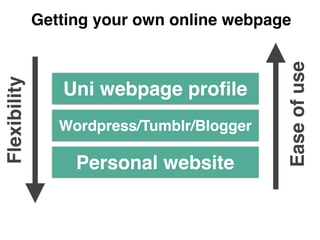
Getting your own online webpage 
HRV 3.0. 
How can this 
knowledge 
Uni webpage profile 
inform 
Wordpress/Tumblr/Blogger 
prevention & 
treatment? 
Flexibility 
Ease of use 
Personal website
Some twitter tips 
‣ Change the default profile picture (doesn’t 
have to be a profile shot but could help for 
conferences etc…)" 
‣ Write an informative bio" 
‣ In bio, link to website " 
‣ Make ‘lists’ to turn down the noise" 
‣ Search and save #hashtags (great for 
conferences)
Some twitter tips 
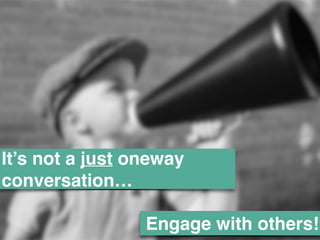
It’s not a just oneway 
conversation… 
Engage with others!
How to get started on 
twitter 
‣ Have a look at who other people are 
following" 
‣ Share some links, if you’ve come across 
an interesting paper your followers would 
find that interesting too" 
‣ Have fun! Doesn’t have to all be about 
work" 
!
How to keep an eye on 
trends 
‣ Set up article, author and keyword alerts 
on Google Scholar" 
‣ Google news alerts with names or 
keywords" 
! 
!
With social media, you 
can access data on how 
you’re doing
Information provided by 
twitter analytics 
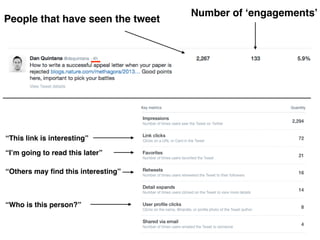
‣ How many people see your posts?" 
‣ Are people actually engaging with these 
posts?" 
‣ Where do my followers live (i.e., when 
will they be most active on twitter?)" 
‣ Easy to set up at analytics.twitter.com"
People that have seen the tweet 
Number of ‘engagements’ 
“This link is interesting” 
“I’m going to read this later” 
“Others may find this interesting” 
“Who is this person?”
Information provided by 
google analytics 
‣ How do people reach your website?" 
‣ Where are they from?" 
‣ What percentage are using smartphones?" 
‣ Not as straightforward to set up but there are 
plenty of guides online"
Case study:" 
! 
How I discovered people 
from a separate field are 
interested in my 
research.
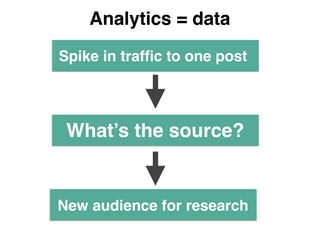
Analytics = data 
HRV 3.0. 
Spike in traffic to one post 
How can this 
knowledge 
inform 
What’s the source? 
prevention & 
treatment? 
New audience for research
Social media cuts out the middleman 
between research areas 
HRV 3.0. 
Social media 
psycho-physiology 
exercise 
physiology 
Physical 
activity in 
psychiatric 
disorders
Social media cuts out the middleman 
between research areas 
HRV 3.0. 
Social media 
psycho-physiology 
exercise 
physiology 
Physical 
activity in 
psychiatric 
disorders
Ok, I’m not quite ready 
to dive into social media 
now but what should I 
do at the minimum?
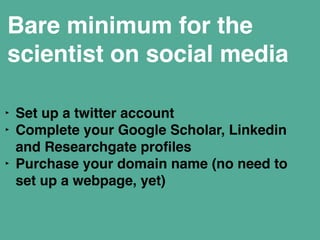
Bare minimum for the 
scientist on social media 
‣ Set up a twitter account" 
‣ Complete your Google Scholar, Linkedin 
and Researchgate profiles" 
‣ Purchase your domain name (no need to 
set up a webpage, yet)"
Any questions? 
Just ask (or tweet @dsquintana)

Using social media to develop your scientific career

  • 1.
    Using social mediato develop your scientific career Daniel S. Quintana - @dsquintana NORMENT, KG Jebsen centre for psychosis research, University of Oslo
  • 2.
    There are twoapproaches for the scientist on social media ‣ Talking to other scientists" ‣ Engaging the public"
  • 3.
    As scientists, we’relosing the public relations battle.
  • 4.
    “I skate towhere the puck is going to be, not where it has been” - Wayne Gretzky (via his Dad)
  • 5.
    While science outreachis crucial, here we’re going to focus on communication with other scientists & interested stakeholders.
  • 6.
    I’m not pretendingto be a expert here, this is about my personal experience - with some data thrown in
  • 7.
    “We don’t havea choice on social media. The choice is how well we do it.” Erik Qualman, author of ‘Socialnomics’"
  • 8.
    People are alreadytalking about your research online, don’t miss the chance to be a part of that conversation.
  • 10.
    People will googleyour name, what will they find?
  • 11.
    35% of academics don’t exist online. Bastow et al., (2014) The Impact of the Social Sciences
  • 12.
    Can people easilyfind your publications? Your CV? Your area of expertise?
  • 13.
    Research will alwaysneed to be disseminated, social media is a just new a means of distributing your ideas.
  • 14.
    Darwin’s voyage, ifhe had a smartphone
  • 15.
    In an anotherlab, almost 10,000 people ‘liked’ a news story about their research that a local TV station posted on their Facebook page. They only realised this sometime later, when it was too late - stories have a VERY short half-life online.
  • 16.
    Five reasons whysocial media is worth your time 1. Exposure" 2. Collaboration" 3. Source of information" 4. Shift from impact factors to social media metrics" 5. Peer support
  • 17.
    1. Social mediaboosts your exposure ‣ Traditionally, you had to rely on journal publications (slow) or conferences (infrequent/expensive)" ‣ Social media helps level the playing field " ‣ Good ideas are spread, exponentially " ‣ Less time between ‘publications’, you can continually add to the conversation"
  • 18.
    Twitter mentions boostPDF downloads & citations Shuai et al., (2012) PloS One 7(11)"
  • 19.
    2. Social mediacan facilitate collaboration ‣ Someone out there is in need of your expertise, now they can find you" ‣ The distance between disciplines become much smaller" ‣ Pre-conference ice breaker" ‣ Twitter collaborations are now becoming more commonplace"
  • 20.
    Let’s say asa psychophysiologist, I’m interested in exercise physiology…
  • 21.
    Social media cutsout the middleman between research areas HRV 3.0. Social media psycho-physiology exercise physiology Physical activity in psychiatric disorders
  • 22.
    3. Social mediaprovides a great source of information ‣ Can’t access a paywalled article? No problems with #ICanHazPdf" ‣ You can eavesdrop on thousands of ‘water cooler’ conversations" ‣ Unsure about some code? Just tweet the developer!" ‣ Want to get better at writing? Lots of great blogs on becoming a better writer
  • 23.
    #iCanHazPDF?" ! Askand you shall receive (most of the time).
  • 24.
    Bayesian statistics or frequentist statistics? Let’s listen in…" !
  • 25.
    A twitter conversionwith the developer of an R package" !
  • 26.
    4. The shiftfrom impact factors to altmetrics ‣ Altmetrics = alternative metrics" ‣ More journals are emphasising altmetrics (e.g., Frontiers, PLoS)" ‣ Also a shift to post-publication review (e.g., Pubmed commons)" ! !
  • 27.
    5. Social mediaprovides peer support ‣ Communities have come together to form ad-hoc peer support" ‣ #PhDchat & #ECRchat" ‣ #ShutUpAndWrite" ‣ #Rstats" !
  • 28.
    Common objections Idon’t have the time for that I need to learn a new ‘language’ People in my field don’t use social media
  • 29.
    I don’t havethe time for that You get what you put in I need to learn a new ‘language’ No ‘wrong’ way, be natural People in my field don’t use social media Great opportunity for you
  • 30.
    What are somesocial media platforms that can you use? ‣ Twitter" ‣ Blogging" ‣ academia.edu/Researchgate.net" ‣ Linkedin/Facebook" ‣ Slideshare/Figshare
  • 31.
    Twitter ‣ Nobarrier for entry, just sign up at twitter.com" ‣ Huge community of researchers" ‣ Unlike Facebook, majority of profiles are public" ‣ Easy to add links and images" !
  • 32.
    Blogging ‣ Thereare a number of blogging platforms, you can get started in minutes" ‣ Roadtest your ideas - many posts have evolved into papers and books" ‣ No matter how niche, there’s an audience" ‣ Good writing practice" !
  • 33.
    Facebook ! ‣Best suited for scientific outreach and groups" ‣ Some scientists use this as a communication tool with others but many keep Facebook for family/ friends " ‣ Less ‘open’ than twitter" ‣ Facebook chooses what your followers see (twitter doesn’t)" !
  • 34.
    Do you wantto keep your private life and work life separate?
  • 35.
    Facebook for outreach ! ‣ Groups can have a number of administrators that can share the load " ‣ You can set up notifications so you don’t miss posts" ‣ Always interesting content to share" !
  • 36.
    Linkedin ‣ Linkedinprofiles rank high when your name is googled" ‣ Engage with industry" ‣ List your publications " ‣ Universities and industry post jobs here" ! !
  • 37.
    academia.edu/researchgate ‣ Bothperform similar functions, good means of highlighting your research" ‣ “Facebook” for academia" ‣ Can add your CV and publications" !
  • 38.
    Getting your ownonline webpage HRV 3.0. How can this knowledge Uni webpage profile inform Wordpress/Tumblr/Blogger prevention & treatment? Flexibility Ease of use Personal website
  • 39.
    Some twitter tips ‣ Change the default profile picture (doesn’t have to be a profile shot but could help for conferences etc…)" ‣ Write an informative bio" ‣ In bio, link to website " ‣ Make ‘lists’ to turn down the noise" ‣ Search and save #hashtags (great for conferences)
  • 40.
    Some twitter tips It’s not a just oneway conversation… Engage with others!
  • 41.
    How to getstarted on twitter ‣ Have a look at who other people are following" ‣ Share some links, if you’ve come across an interesting paper your followers would find that interesting too" ‣ Have fun! Doesn’t have to all be about work" !
  • 42.
    How to keepan eye on trends ‣ Set up article, author and keyword alerts on Google Scholar" ‣ Google news alerts with names or keywords" ! !
  • 43.
    With social media,you can access data on how you’re doing
  • 44.
    Information provided by twitter analytics ‣ How many people see your posts?" ‣ Are people actually engaging with these posts?" ‣ Where do my followers live (i.e., when will they be most active on twitter?)" ‣ Easy to set up at analytics.twitter.com"
  • 45.
    People that haveseen the tweet Number of ‘engagements’ “This link is interesting” “I’m going to read this later” “Others may find this interesting” “Who is this person?”
  • 46.
    Information provided by google analytics ‣ How do people reach your website?" ‣ Where are they from?" ‣ What percentage are using smartphones?" ‣ Not as straightforward to set up but there are plenty of guides online"
  • 47.
    Case study:" ! How I discovered people from a separate field are interested in my research.
  • 48.
    Analytics = data HRV 3.0. Spike in traffic to one post How can this knowledge inform What’s the source? prevention & treatment? New audience for research
  • 49.
    Social media cutsout the middleman between research areas HRV 3.0. Social media psycho-physiology exercise physiology Physical activity in psychiatric disorders
  • 50.
    Social media cutsout the middleman between research areas HRV 3.0. Social media psycho-physiology exercise physiology Physical activity in psychiatric disorders
  • 51.
    Ok, I’m notquite ready to dive into social media now but what should I do at the minimum?
  • 52.
    Bare minimum forthe scientist on social media ‣ Set up a twitter account" ‣ Complete your Google Scholar, Linkedin and Researchgate profiles" ‣ Purchase your domain name (no need to set up a webpage, yet)"
  • 53.
    Any questions? Justask (or tweet @dsquintana)