Jef f Wisniewski 
Web Ser vices & 
Communicat ions 
Librar ian 
Univer si ty of 
Pi t tsburgh 
jef fw@pi t t .edu 
@jef fwisniewski 
GATHERING AND 
PRESENTING (AND ACTING 
ON) USER INPUT
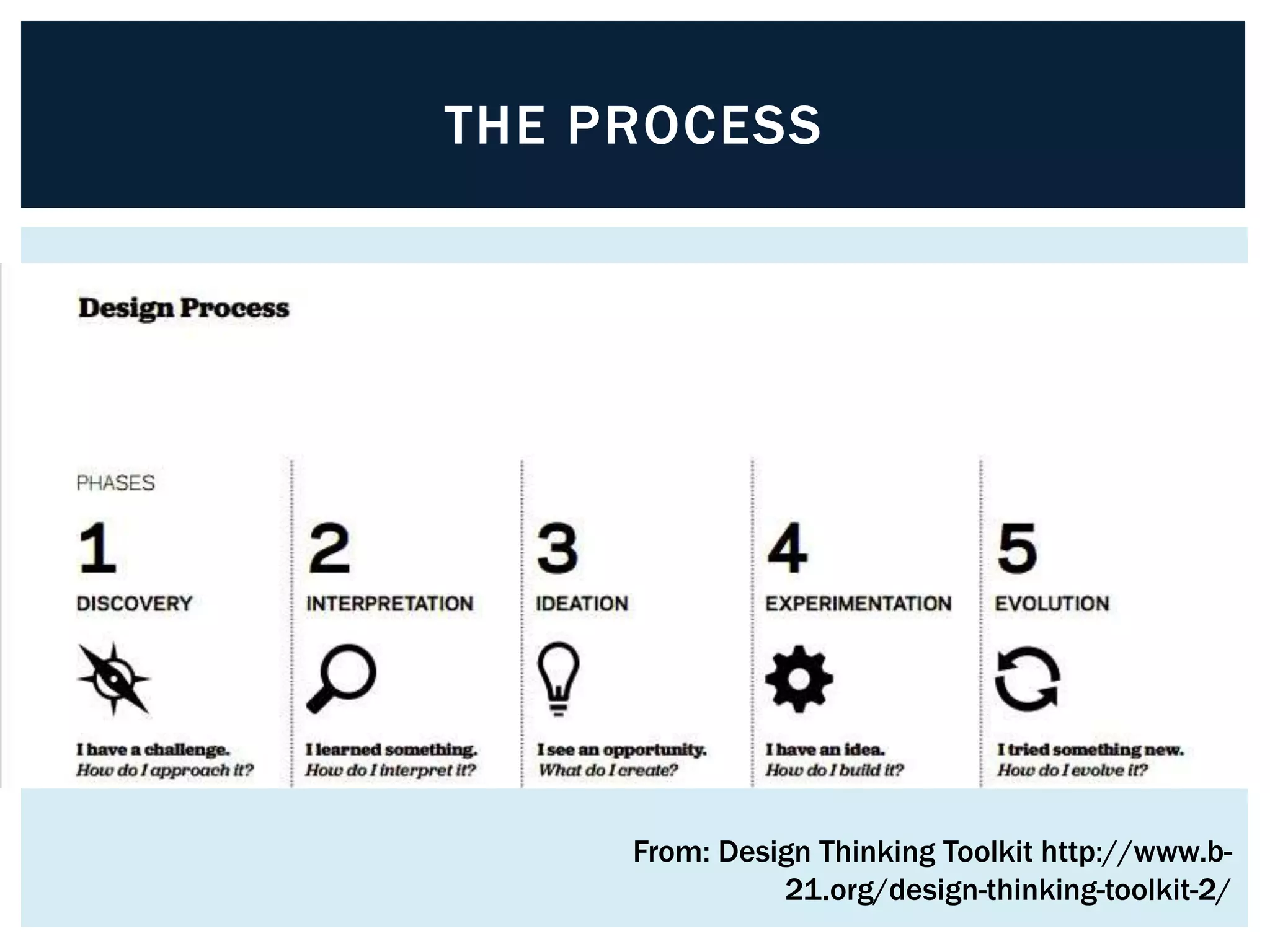
THE PROCESS 
From: Design Thinking Toolkit http://www.b- 
21.org/design-thinking-toolkit-2/
FEEDBACK IS… 
 A process, not a thing 
 Explicit (what they say) 
 Implicit (what they do) 
 Active (surveying) 
 Passive (website analytics) 
 Online 
 Of fline
BAD ASSUMPTIONS 
 No news is good news 
 No complaints= happy users 
 The complaints you hear are the only ones 
 Anecdotal evidence is not biased 
 Build it and they will come
METHODOLOGIES 
WHAT we did 
 HOW we did it 
WHY we did it 
 PROS and CONS 
What we LEARNED
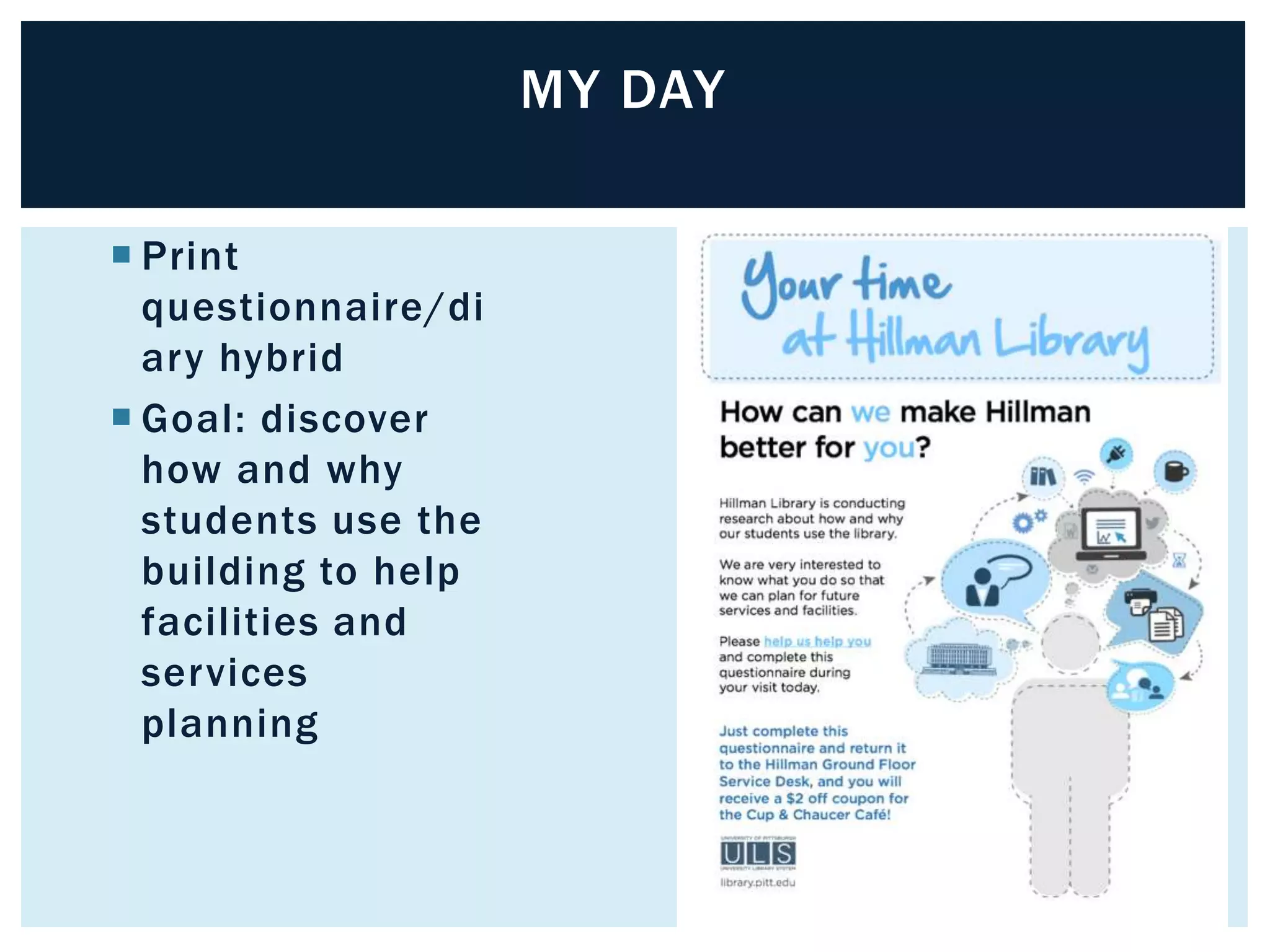
 Print 
questionnaire/di 
ary hybrid 
 Goal: discover 
how and why 
students use the 
building to help 
facilities and 
services 
planning 
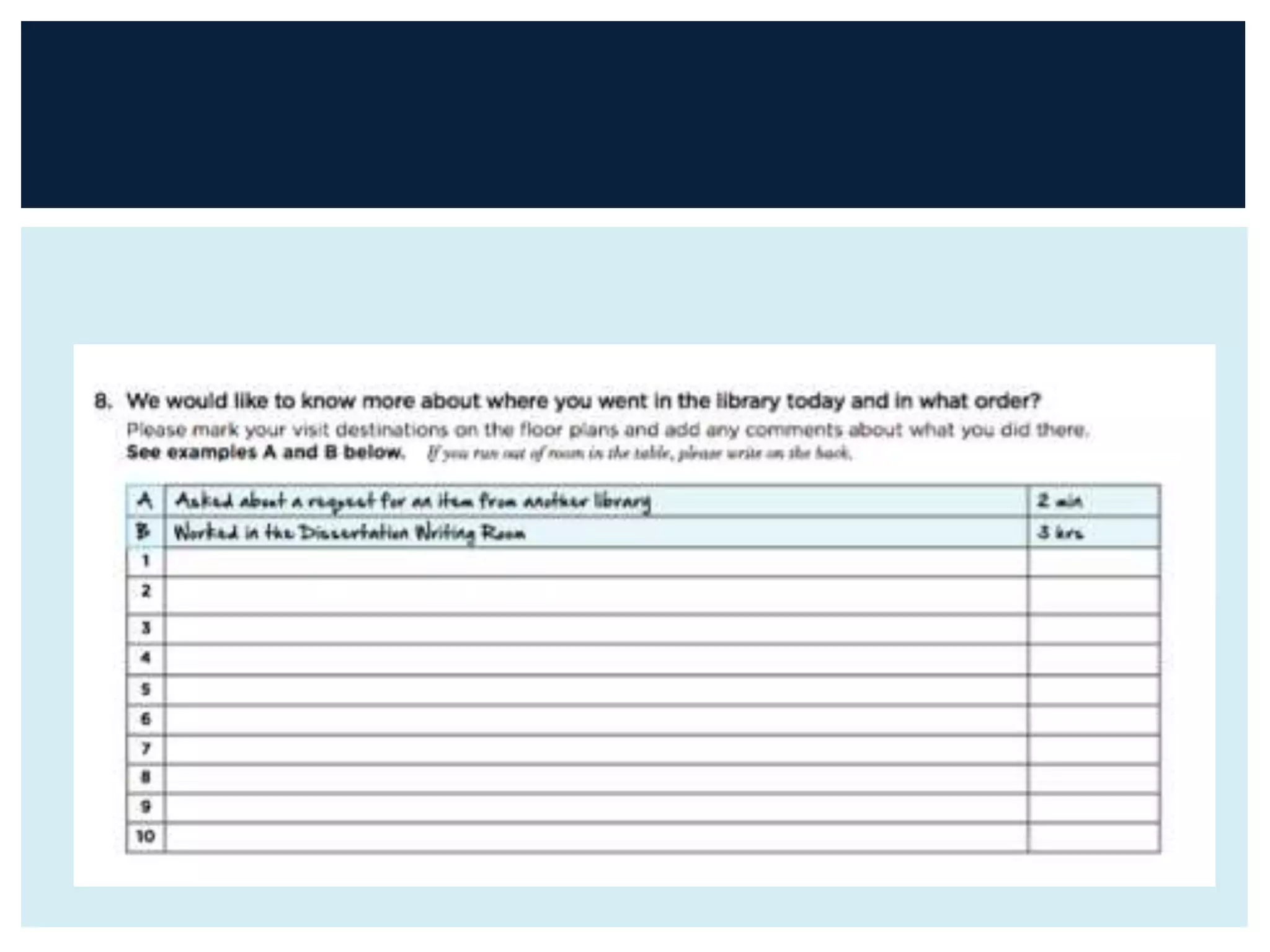
MY DAY
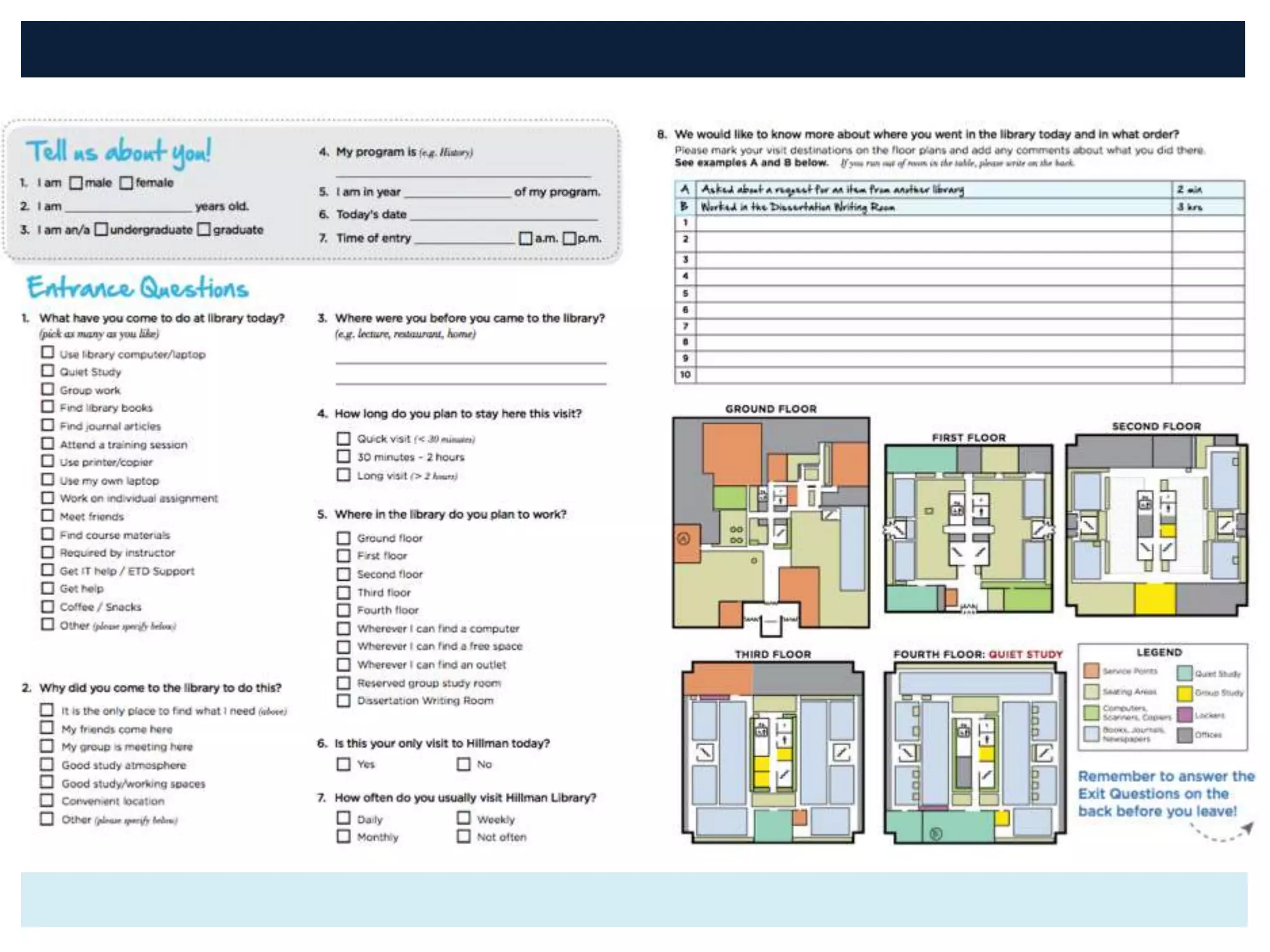
 Three parts: 
METHODOLOGY 
 Entrance (motivation) 
During (activities) 
 Exit (achievements) 
 169 responses (65% response rate) 
 Incentive: $2.00 café gif t card
PROS AND CONS 
 Pro: Mostly structured data 
 Pro: Demographic data allows for deeper analysis 
 Pro: Contact information allows for direct follow up 
as appropriate 
 Con: Survey design and design of survey time 
consuming 
 Con: unstructured data time consuming to code and 
analyze
FINDINGS 
Most respondents accomplished their goals for the 
visit 
Many respondents reported that they visited library 
to under take group or social activities 
 Respondents selected Hillman for its convenient 
location and good study atmosphere
FINDINGS 
 Library is primarily a before or af ter class 
destination 
 A majority of respondents visit daily 
 40% visit more than once a day 
 40% spend between 30 min and 2 hrs, 40% more 
than two hours 
 Less than 10% come for library specific things: 
finding materials, getting help, etc.
FINDINGS 
What could we do better? 
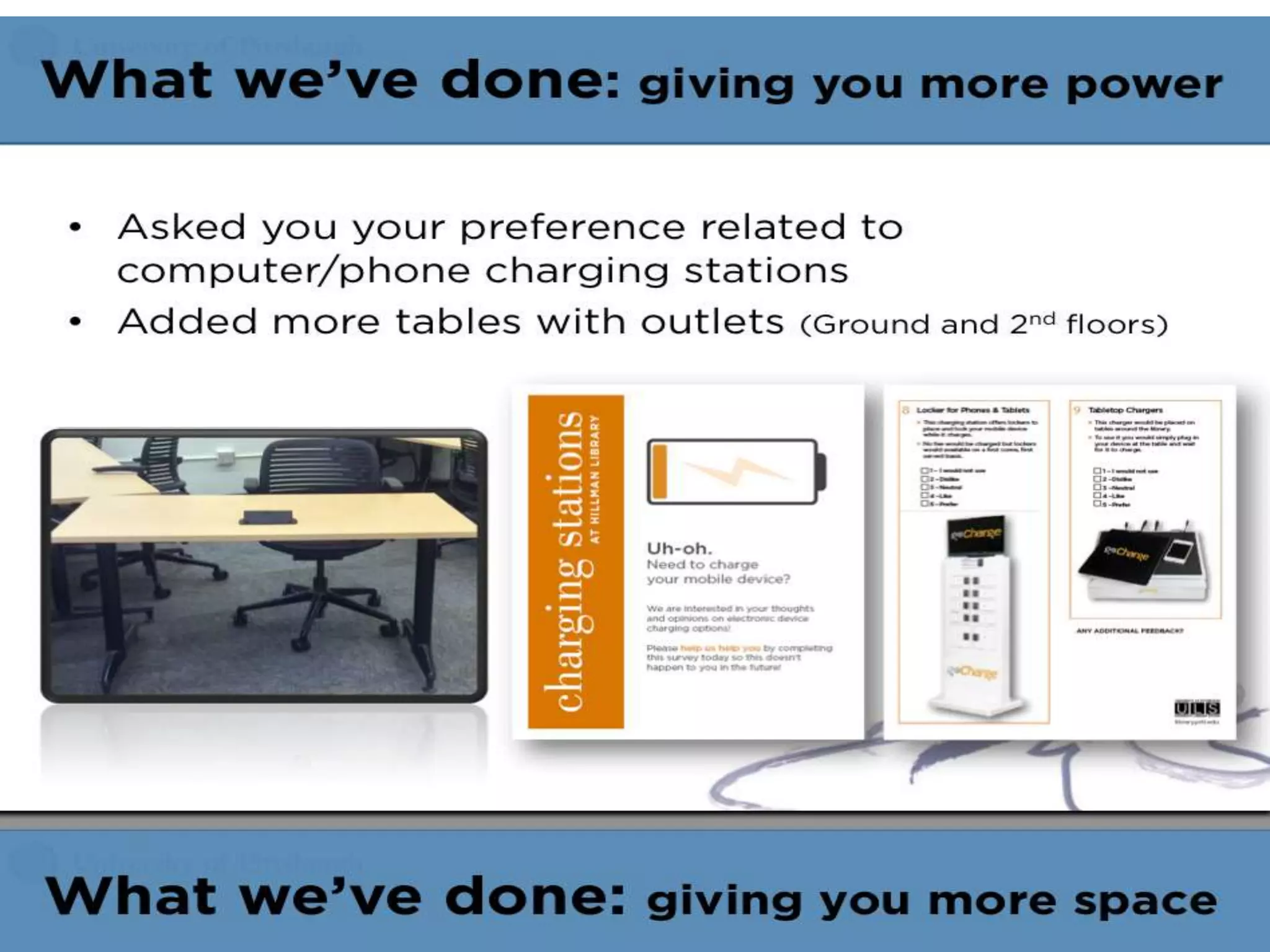
More power outlets 
Stronger wi-fi 
More seating and more tables
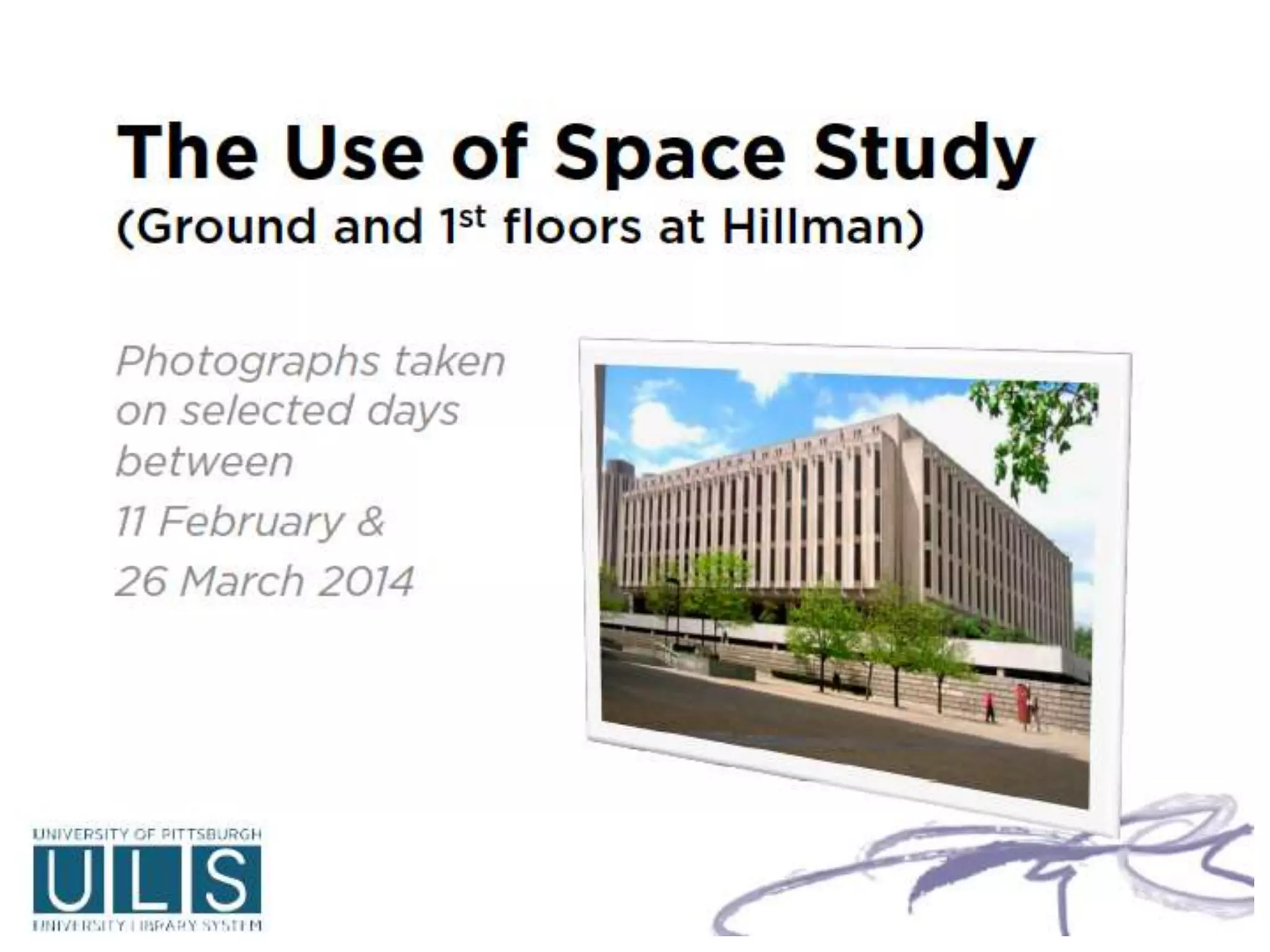
FURNITURE MOVEMENT STUDY
METHODOLOGY 
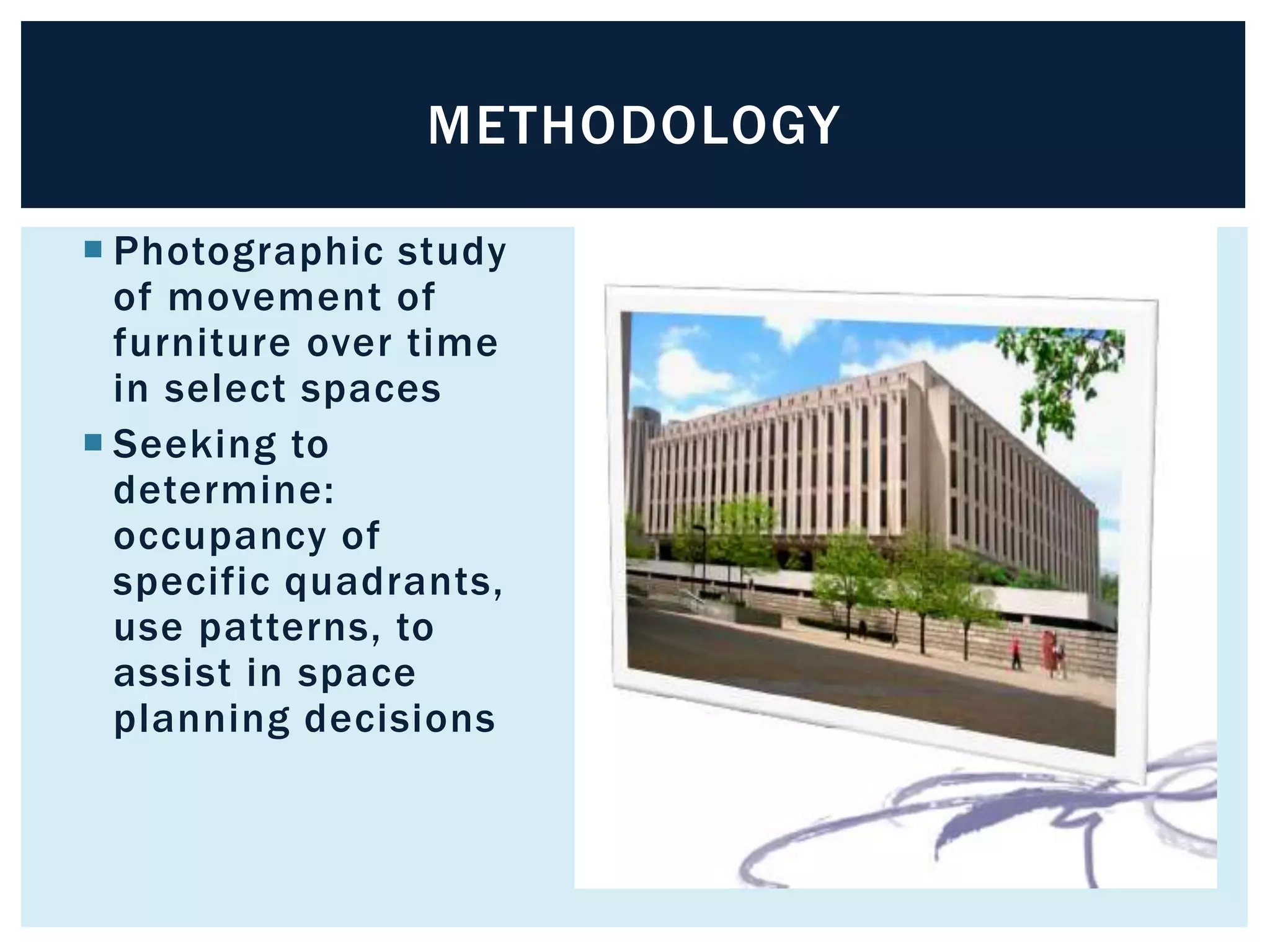
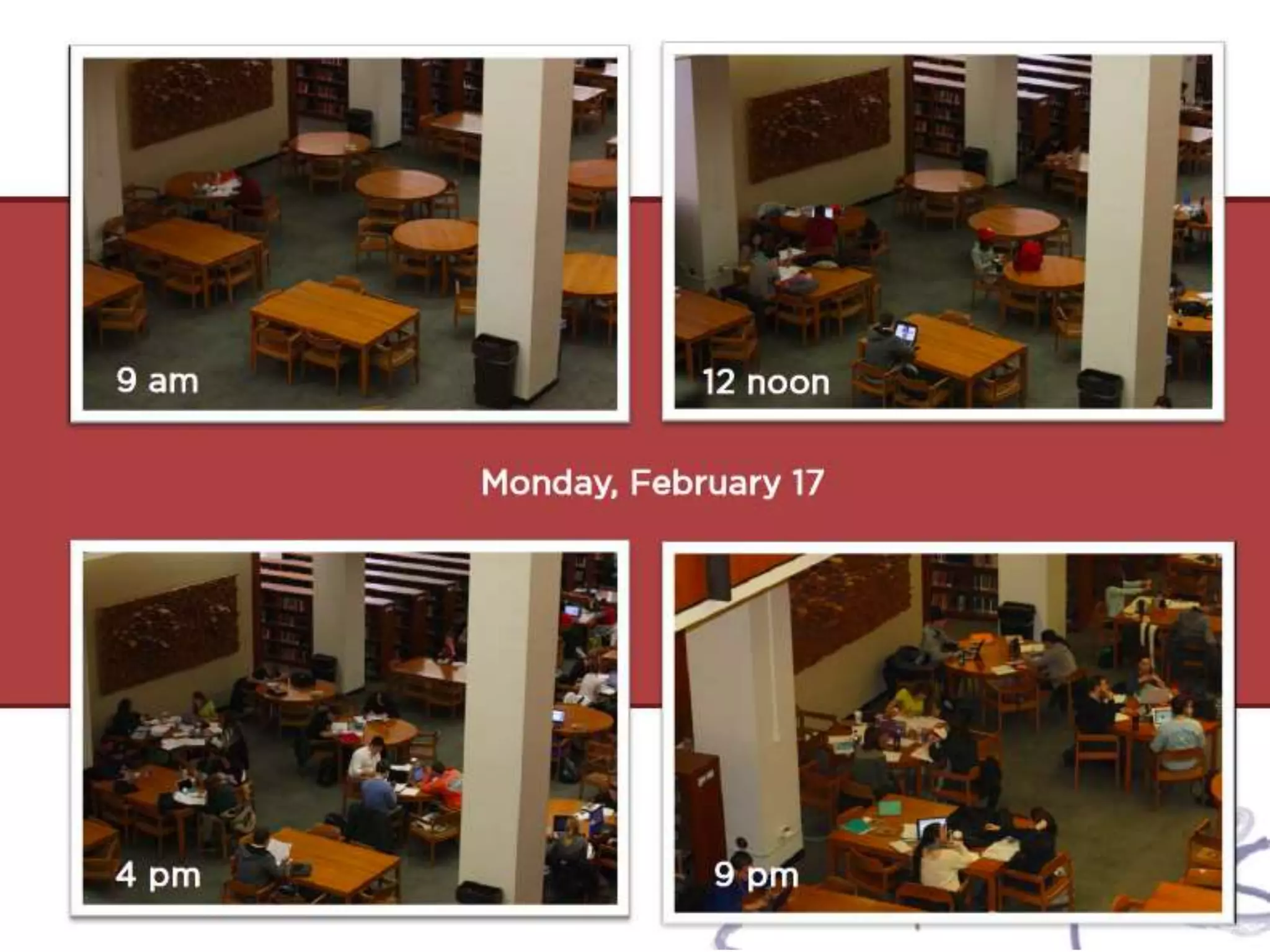
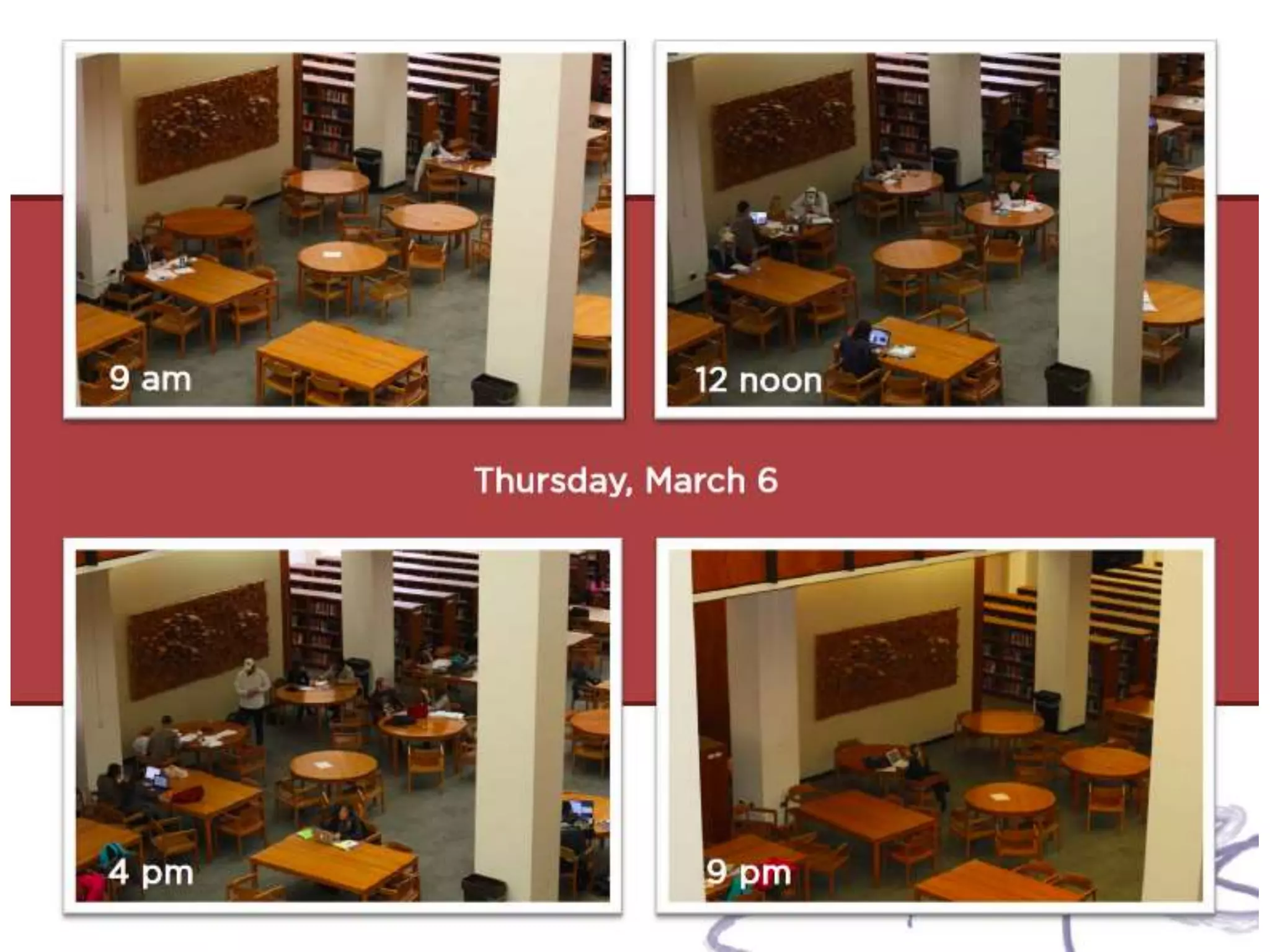
 Photographic study 
of movement of 
furniture over time 
in select spaces 
 Seeking to 
determine: 
occupancy of 
specific quadrants, 
use patterns, to 
assist in space 
planning decisions
METHODOLOGY
PROS AND CONS 
 Pro: deeper understanding of space utilization than 
aggregate use information can provide 
 Pro: visual analysis of data not burdensome; no 
number crunching 
 Con: Pre-selected universe for analysis. Did we miss 
something? 
 Con: Labor intensive data gathering
FINDINGS 
 Information to help in scheduling least disruptive 
programming, repairs, renovations 
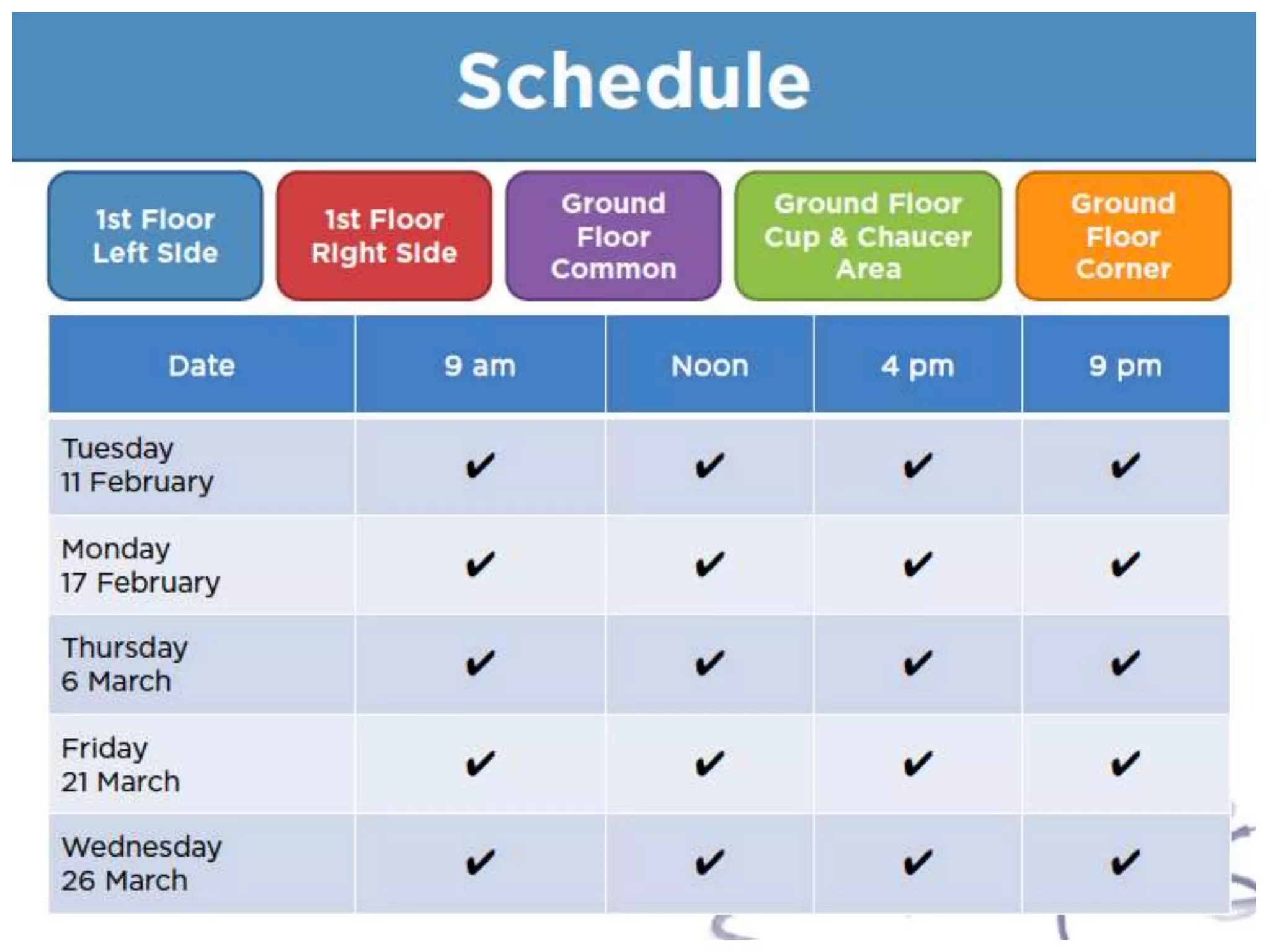
 The “weekend” begins on our campus on Thursday 
Make it movable, or they will 
 Lower use quadrants oh high use floors as spaces for 
new services
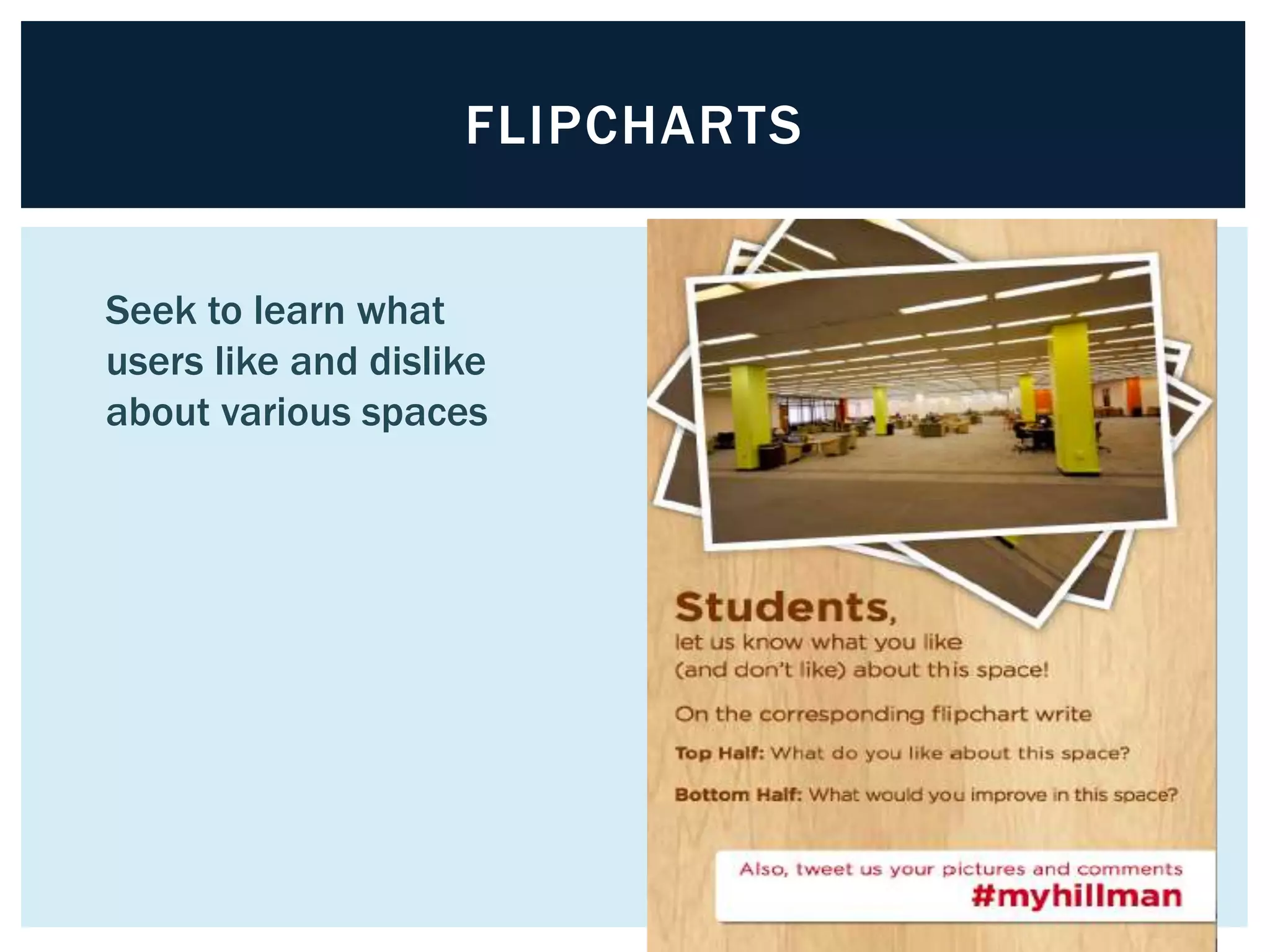
FLIPCHARTS 
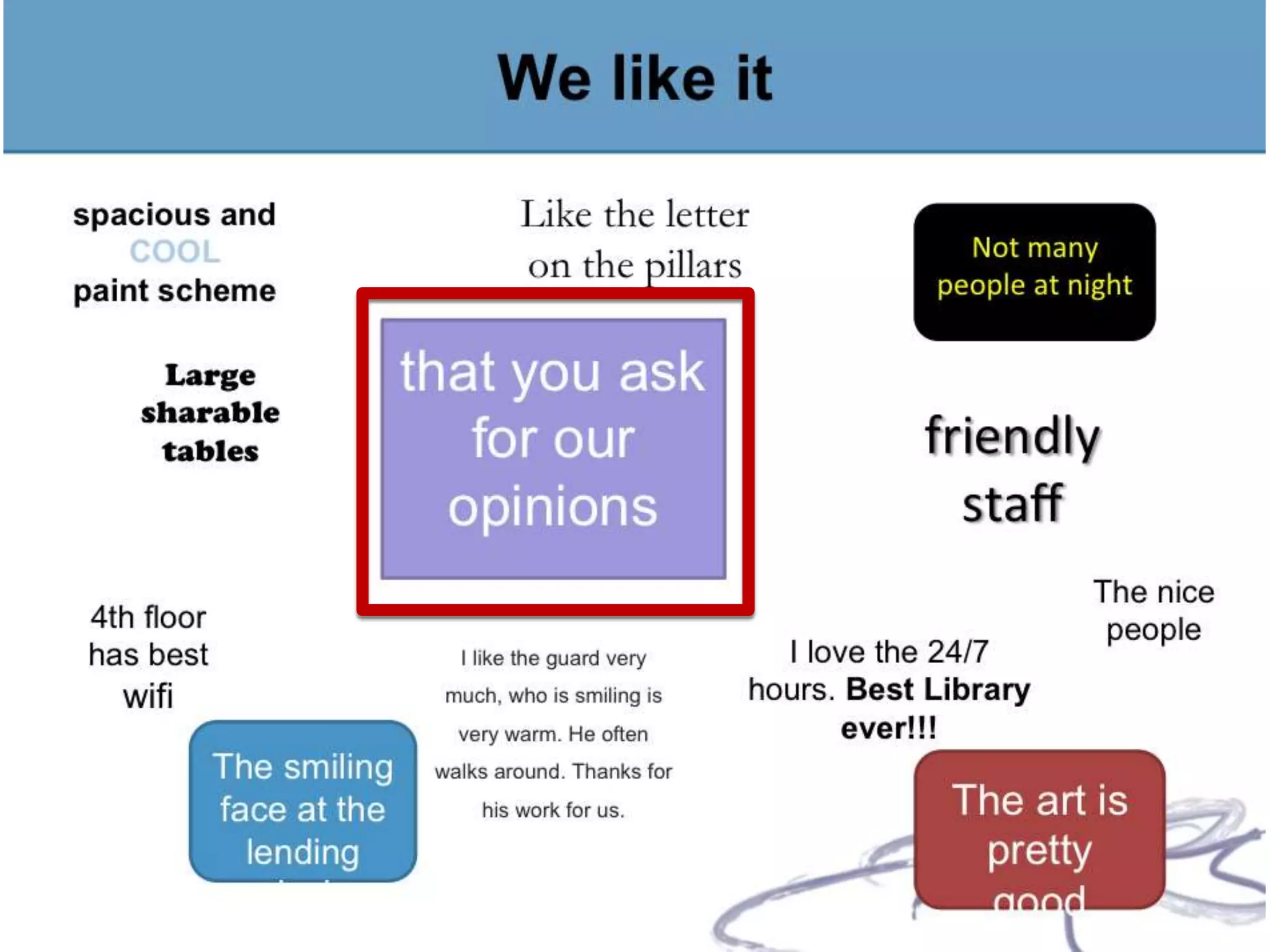
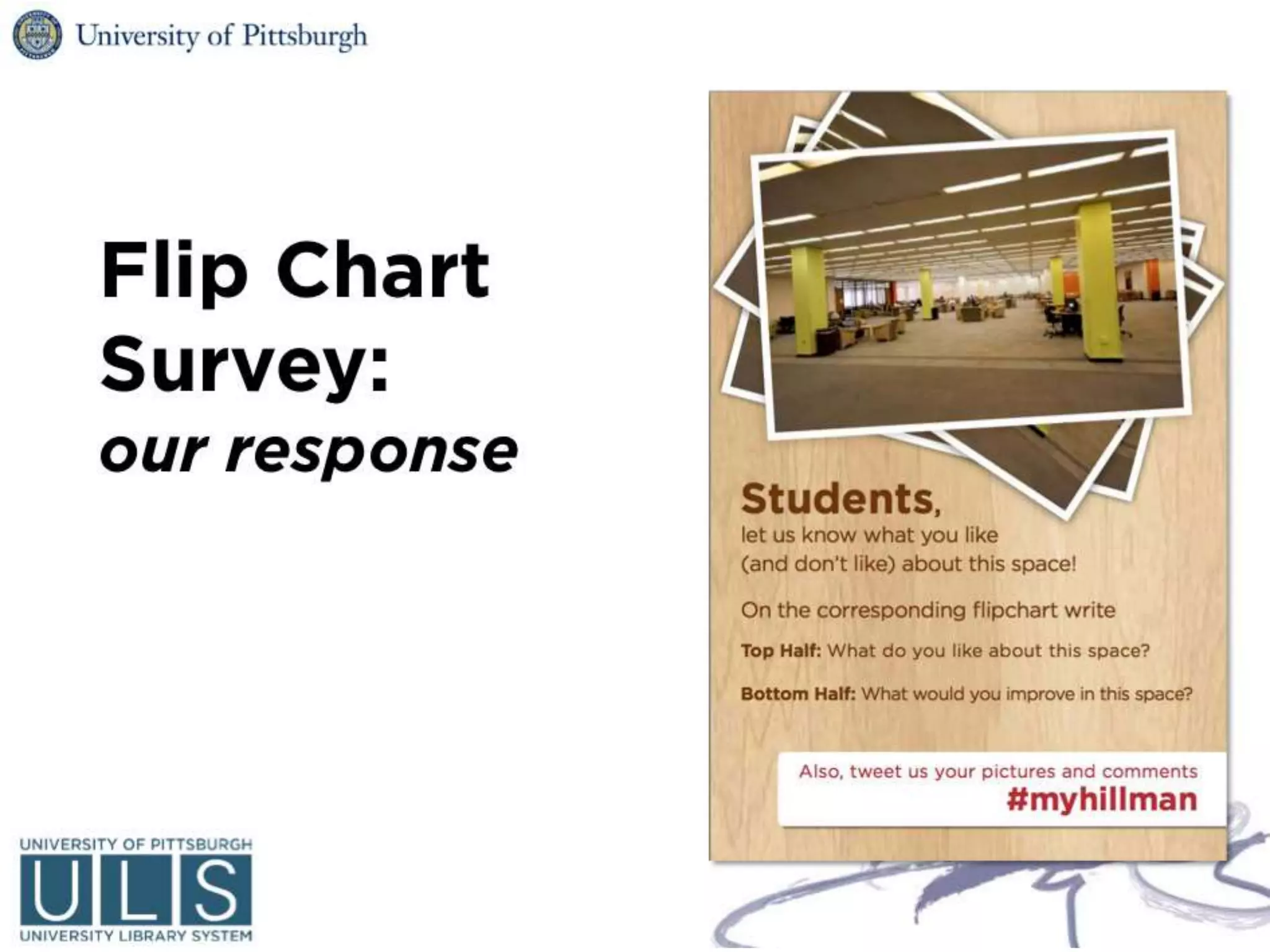
Seek to learn what 
users like and dislike 
about various spaces
METHODOLOGY 
 Flipcharts and markers placed in 14 locations in 
building 
 2 weeks in March and 2 weeks in April 
 Sheets collected daily 
 Results analyzed
PROS AND CONS 
 Pro: Quick, easy, cheap to implement 
 Pro: Unfiltered feedback 
 Con: Analysis of fully unstructured data time 
consuming 
 Con: No demographic data 
 Con: No ability to directly follow up
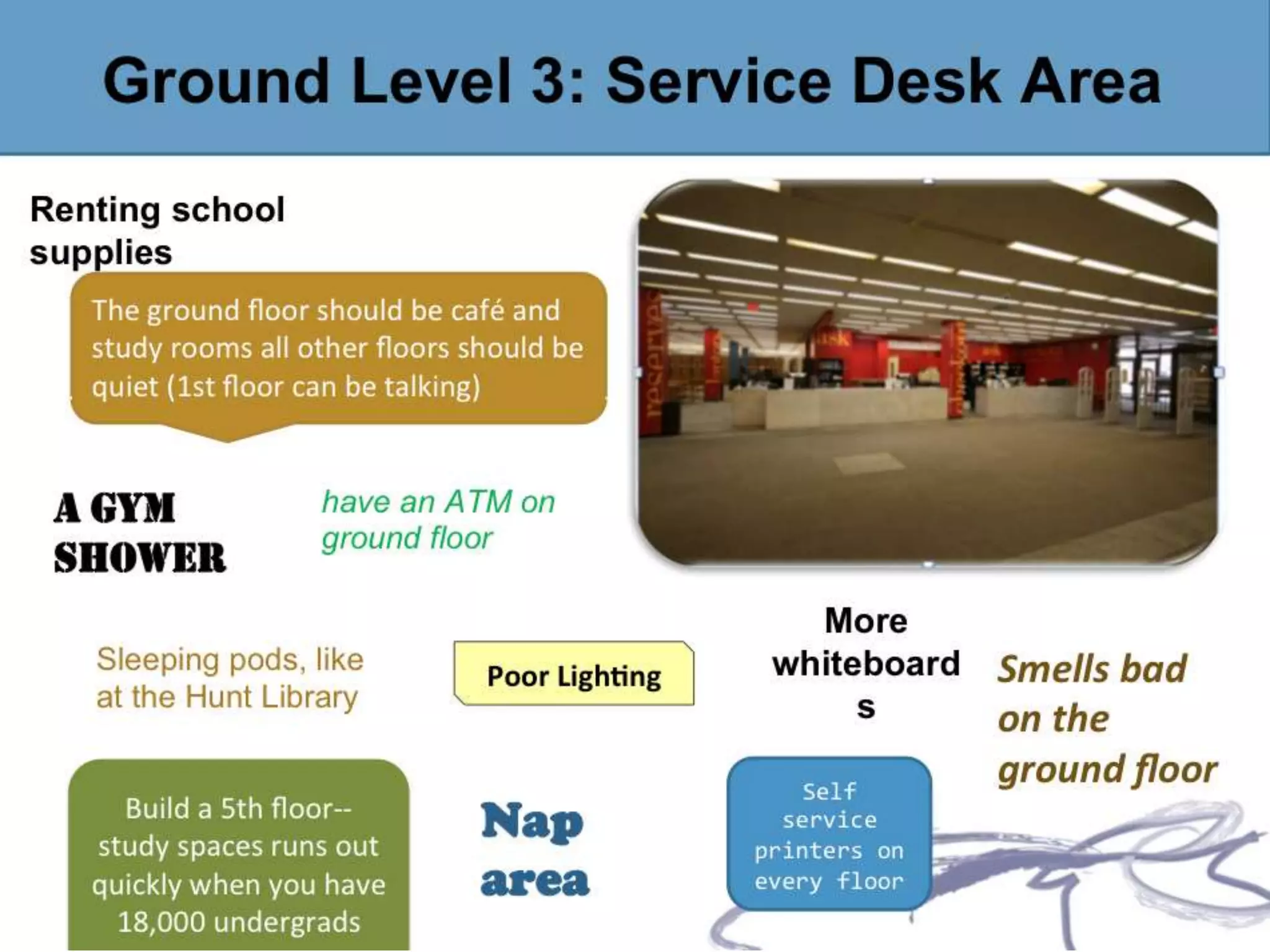
WHAT WE LEARNED 
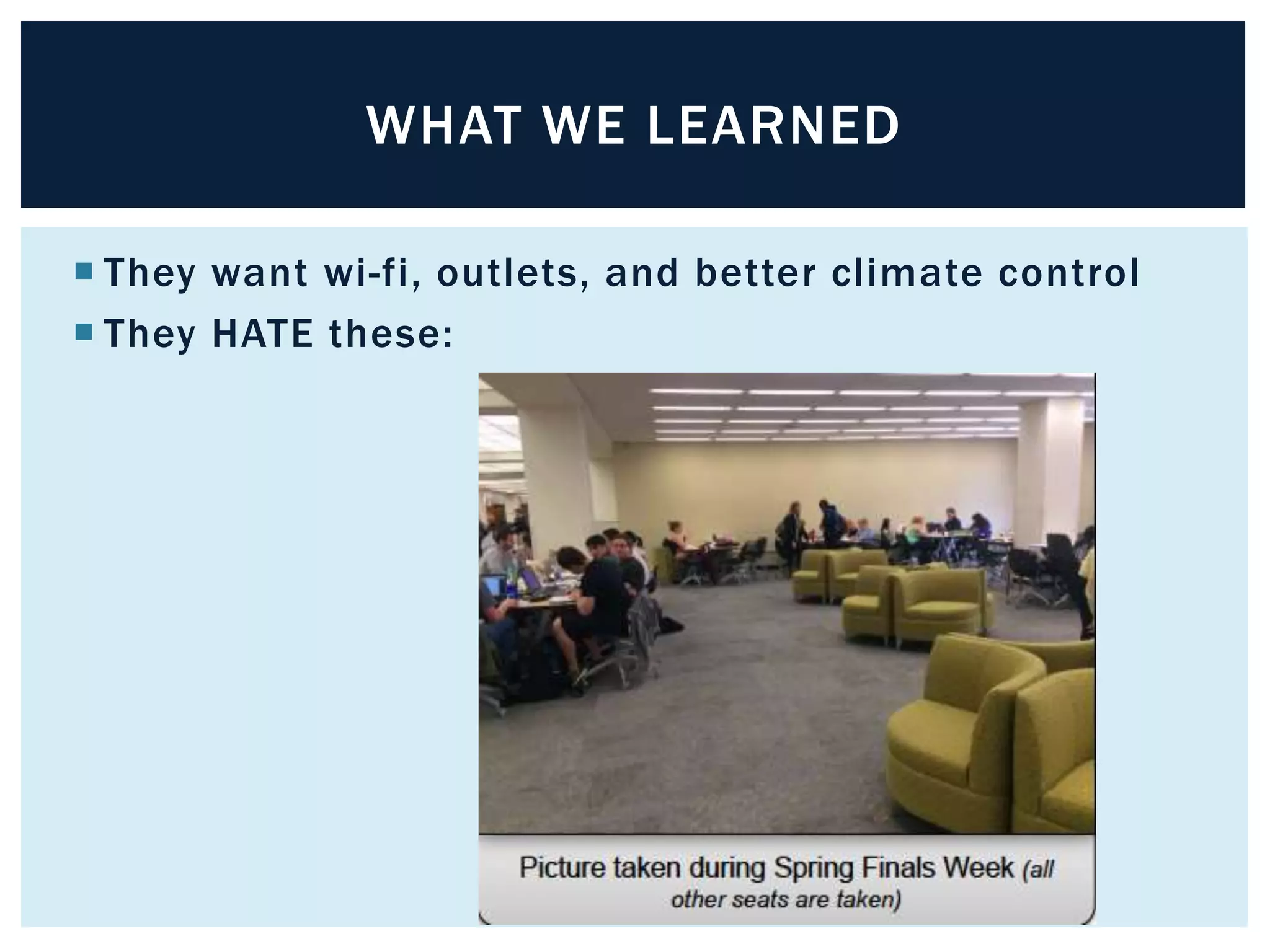
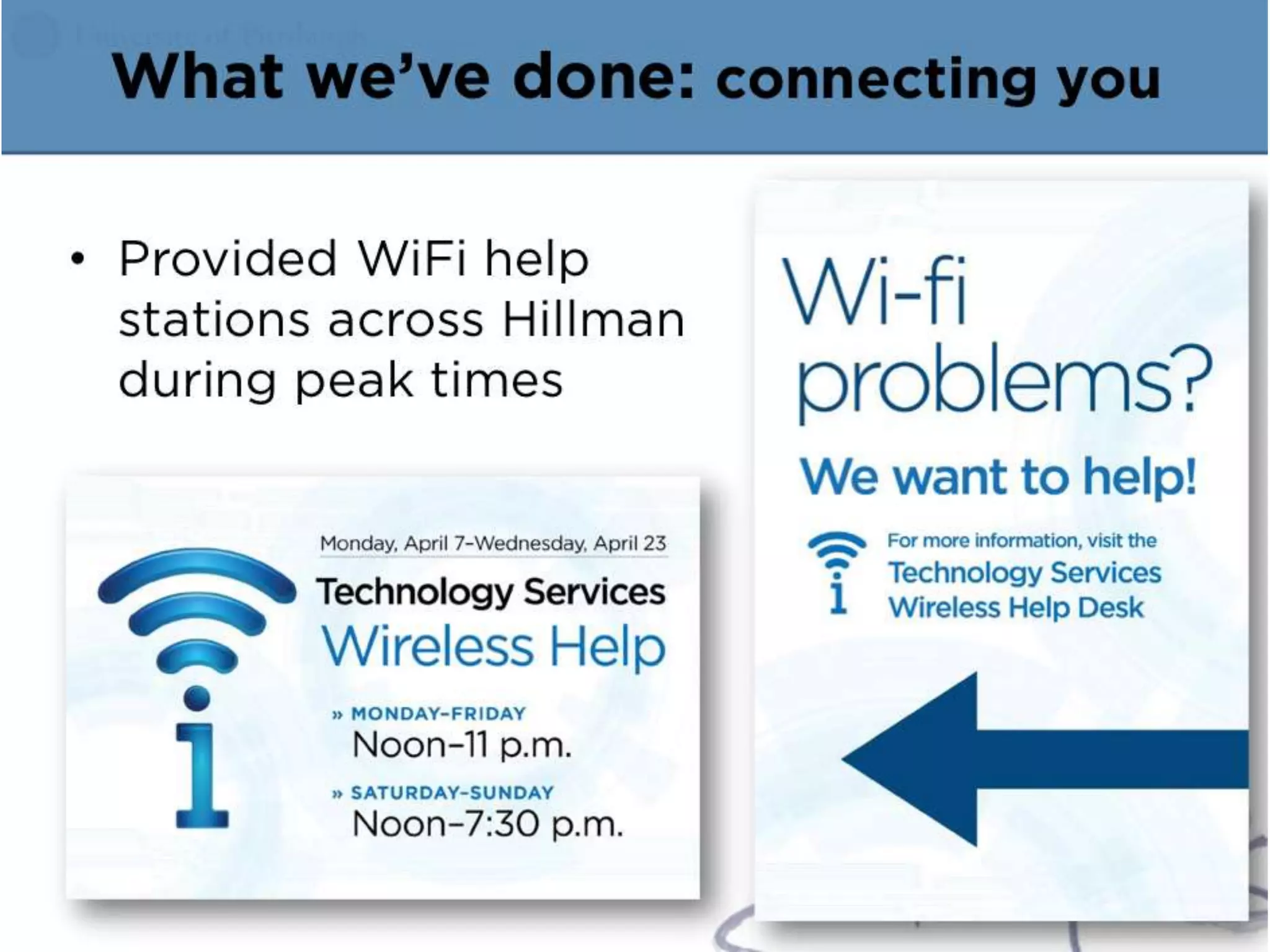
 They want wi-fi, outlets, and better climate control 
 They HATE these:
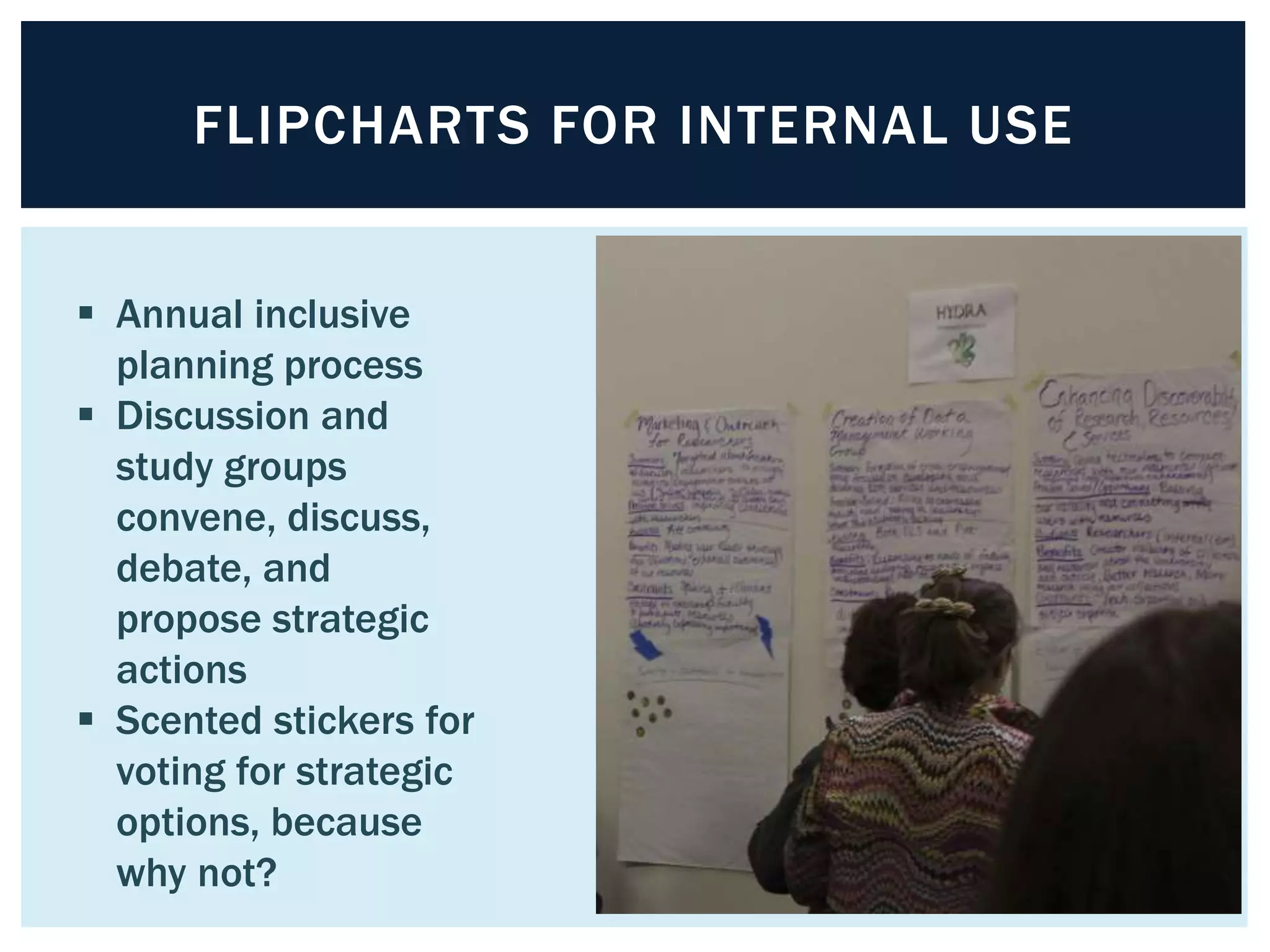
FLIPCHARTS FOR INTERNAL USE 
 Annual inclusive 
planning process 
 Discussion and 
study groups 
convene, discuss, 
debate, and 
propose strategic 
actions 
 Scented stickers for 
voting for strategic 
options, because 
why not?
BRAND PERCEPTION STUDY 
 Exercise to investigate faculty opinions regarding the ULS and 
awareness of faculty-focused products and services
METHODOLOGY 
Discussion Groups 
 Three Groups of Faculty 
 Discuss perceptions of the ULS, services, staf f, 
communications and messaging 
 Sessions transcribed and transcripts analyzed 
Fol low Up Interviews with Selected Faculty
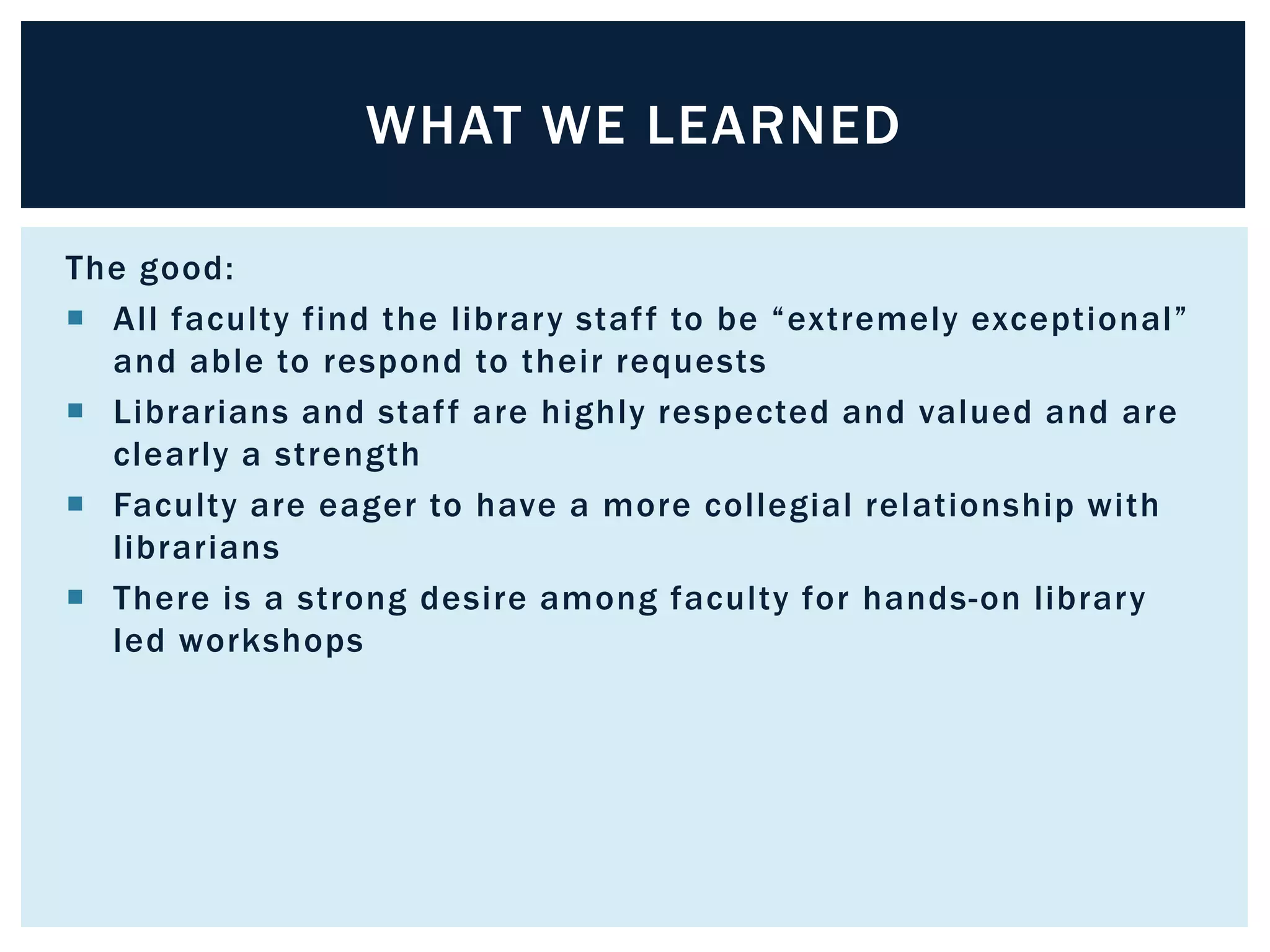
The good: 
 A l l f a c u lt y fi n d t h e l i b r ar y s t a f f to b e “ ex t r eme ly exc e pt io n al” 
and able to respond to their requests 
 Librarians and staf f are highly respected and valued and are 
clearly a strength 
 Faculty are eager to have a more col legial relationship with 
l ibrarians 
 There is a strong desire among faculty for hands-on l ibrary 
led workshops 
WHAT WE LEARNED
WHAT WE LEARNED 
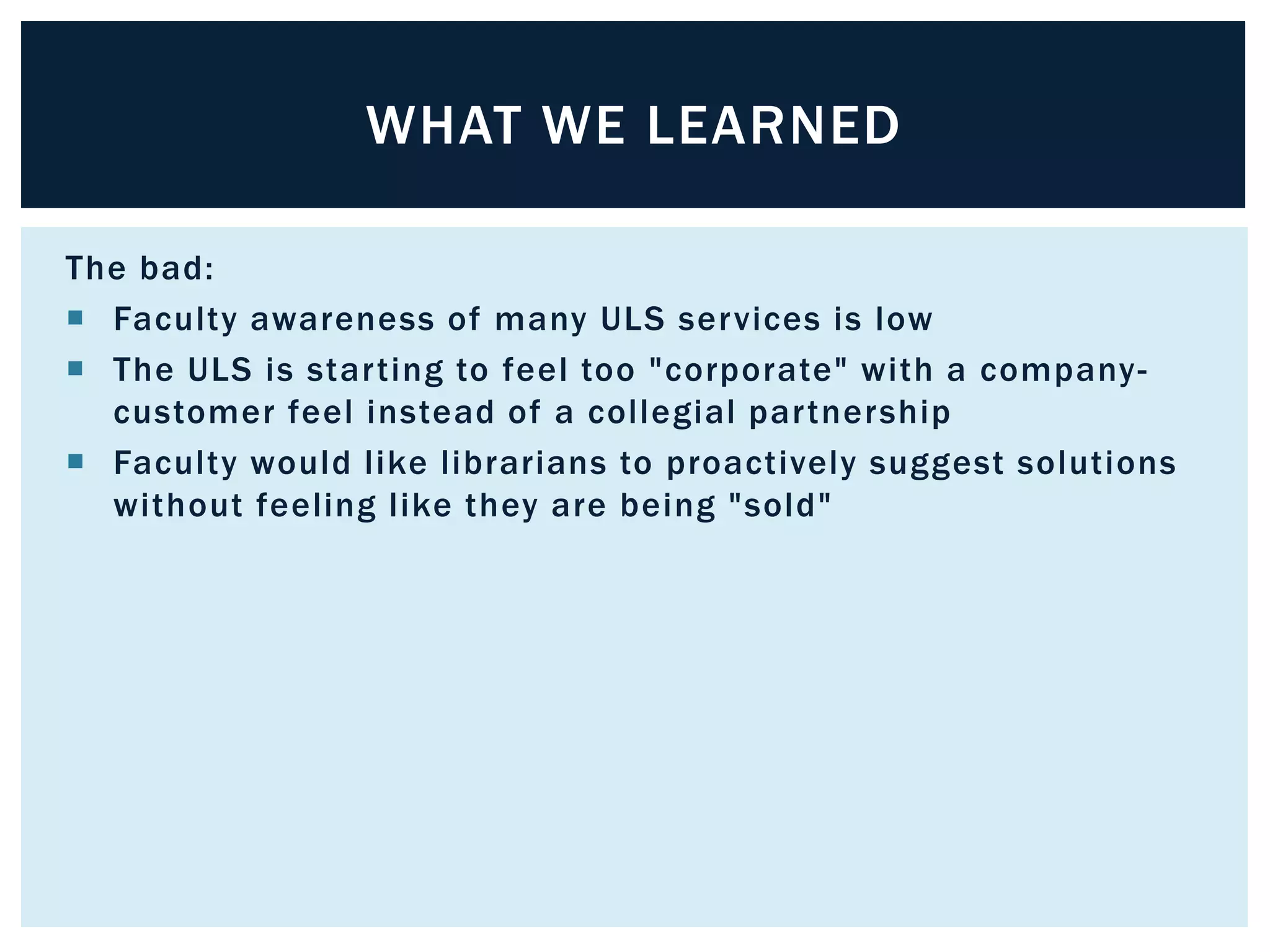
The bad: 
 Faculty awareness of many ULS services is low 
 The ULS is star ting to feel too "corporate" with a company-customer 
feel instead of a col legial par tnership 
 Faculty would l ike l ibrarians to proactively suggest solutions 
without feeling l ike they are being "sold"
PROS AND CONS 
 Pro: Rich, unfi ltered information 
 Pro: Direct engagement with faculty 
 Con: Time consuming to plan, conduct, transcribe, analyze
“ Fo r faculty and students, it really boils down to your 
relationship with the librarians. If you utilize them, you will have 
su c c ess. ” 
David Sanchez 
Civi l and Environmental 
Engineering Depar tment
DID YOU KNOW… 
We can consult with you about 
the management of your research 
data?
“ T h e U L S sh o u ld be a d e s t in atio n site. . . I t ’ s f u ll of treasures 
including a wealth of collections and archives for visitors to 
enjoy. I also think the social aspect of the library —with the cof fee 
shop and collaboration areas—is extraordinary and extremely 
healthy. You really feel a strong sense of community in the 
libr ar y. ” 
El len Cohn 
Communications Science 
and Disorders Depar tment
Did you know… 
We have tools to help you demonstrate the impact of your 
research?
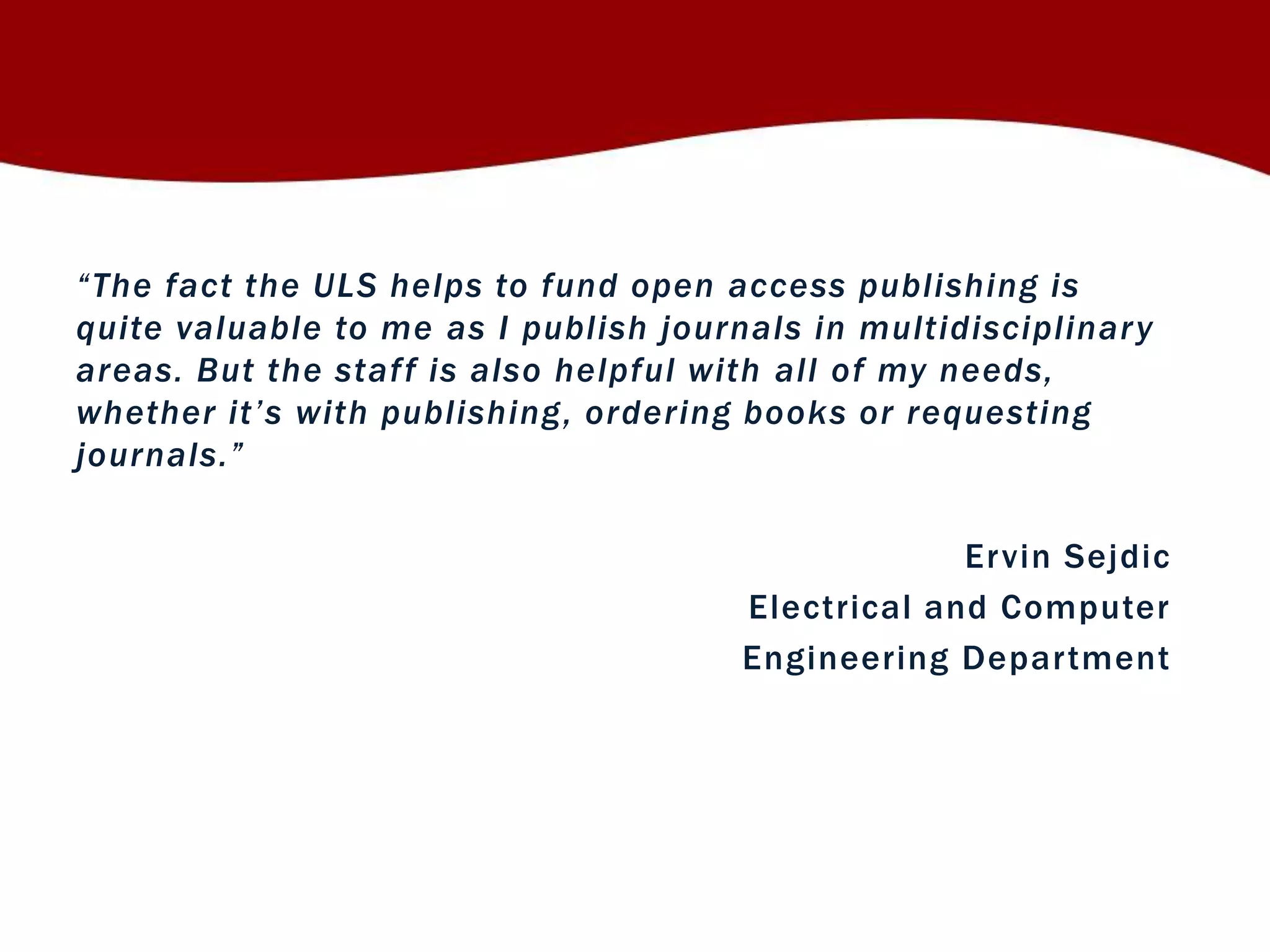
“ T h e fact the ULS helps to fund open access publishing is 
quite valuable to me as I publish journals in multidisciplinary 
areas. But the staf f is also helpful with all of my needs, 
wh ether it ’ s with publishing, ordering books or requesting 
jo u r n als. ” 
Ervin Sejdic 
Electrical and Computer 
Engineering Depar tment
 Google analytics 
Campaigns for measuring channels 
Content grouping for evaluating success of certain 
types of content 
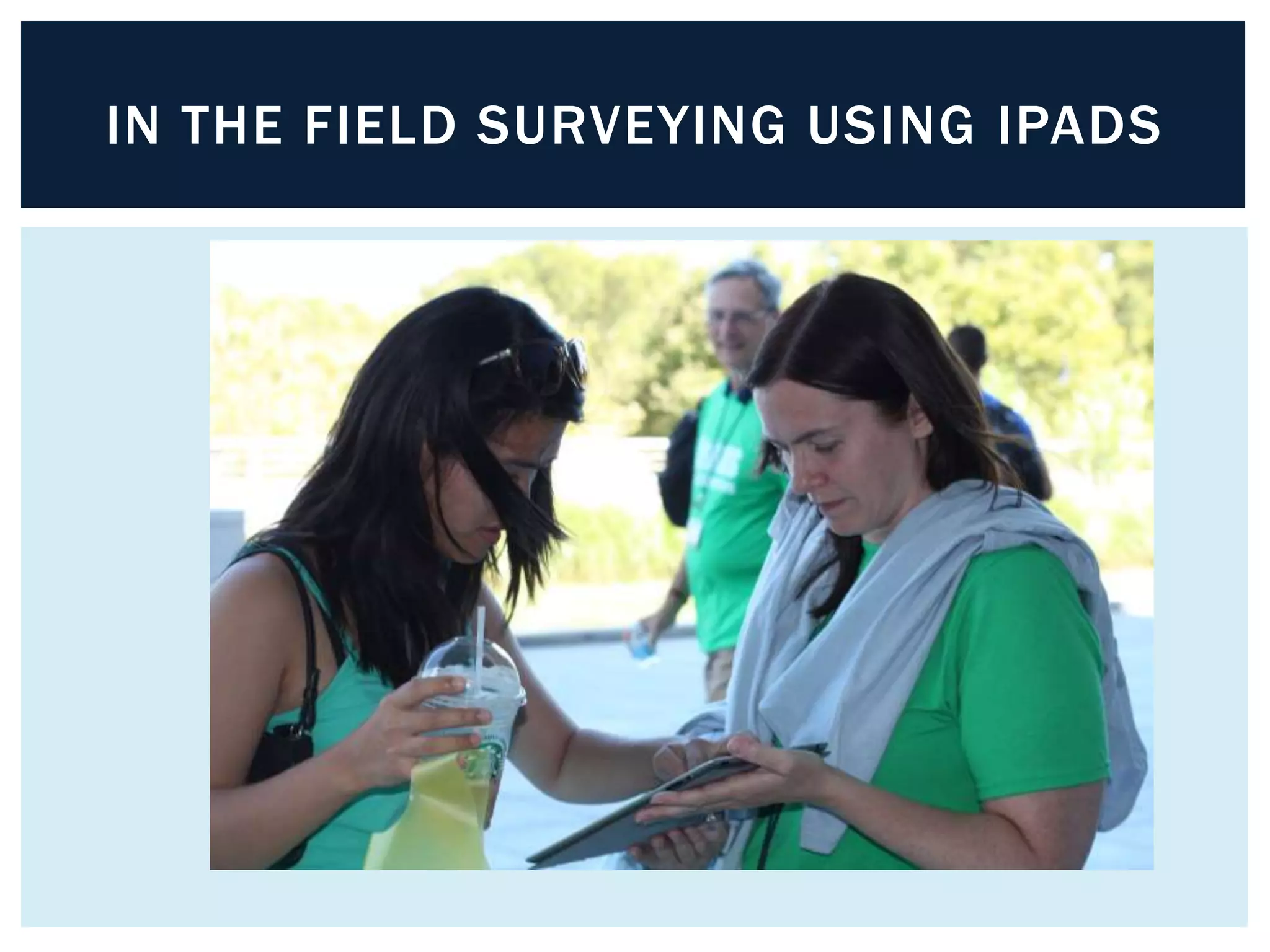
 iPad surveying 
Communication channel effectiveness 
Programming analysis 
 How did you hear? 
More like this? 
ONLINE
GOOGLE ANALYTICS 
 “Campaigns” to assess ef fectiveness of 
communication channels 
 “Content Grouping” to assess ef fectiveness of 
various types of content
GOOGLE ANALYTICS: CAMPAIGNS 
 Assess ef fectiveness of communication channels 
(email, PDF flyer, web page, etc) 
 Online asset tagged with special code; GA collects 
information
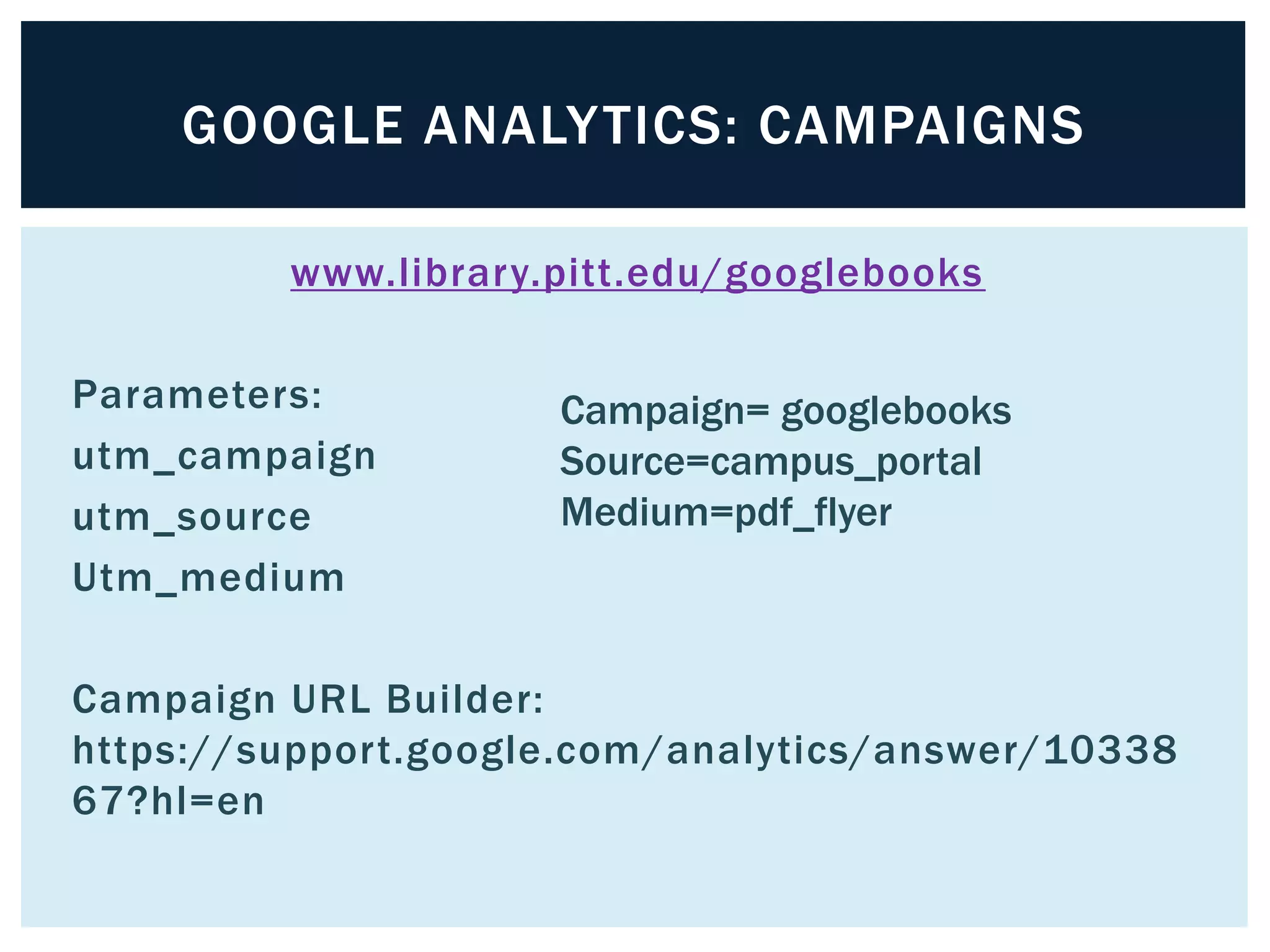
GOOGLE ANALYTICS: CAMPAIGNS 
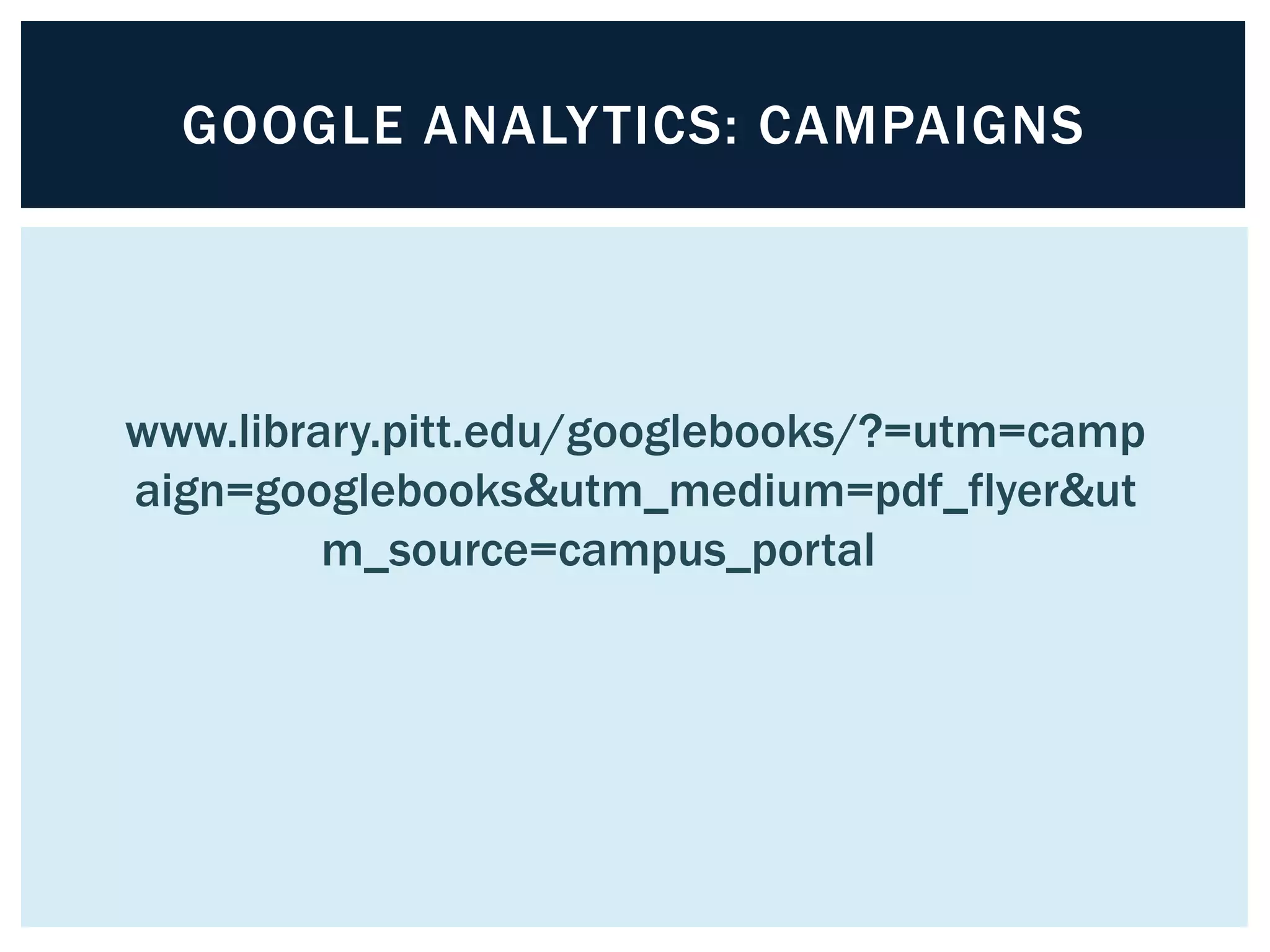
www.library.pitt.edu/googlebooks 
Parameters: 
utm_campaign 
utm_source 
Utm_medium 
Campaign= googlebooks 
Source=campus_portal 
Medium=pdf_flyer 
Campaign URL Builder: 
https://support.google.com/analytics/answer/10338 
67?hl=en
GOOGLE ANALYTICS: CAMPAIGNS 
www.library.pitt.edu/googlebooks/?=utm=camp 
aign=googlebooks&utm_medium=pdf_flyer&ut 
m_source=campus_portal
GOOGLE ANALYTICS: CONTENT 
GROUPING 
 The big picture is too big to be informative 
 Dif ferent perspectives for dif ferent content types 
Example: time on page (average): 
 Blogs, reviews, essays (engagement content)= HIGH 
 Database descriptions, login pages (por tal 
content)=LOW
GOOGLE ANALYTICS: CONTENT 
GROUPING 
 The big picture is too big to be informative 
 Dif ferent perspectives for dif ferent content types 
Example: time on page (average): 
 Blogs, reviews, essays (engagement content)= HIGH 
 Database descriptions, login pages (por tal content)=LOW 
https://suppor t.google.com/analytics/answer/2853423?hl 
=en
IN THE FIELD SURVEYING USING IPADS
METHODOLOGY 
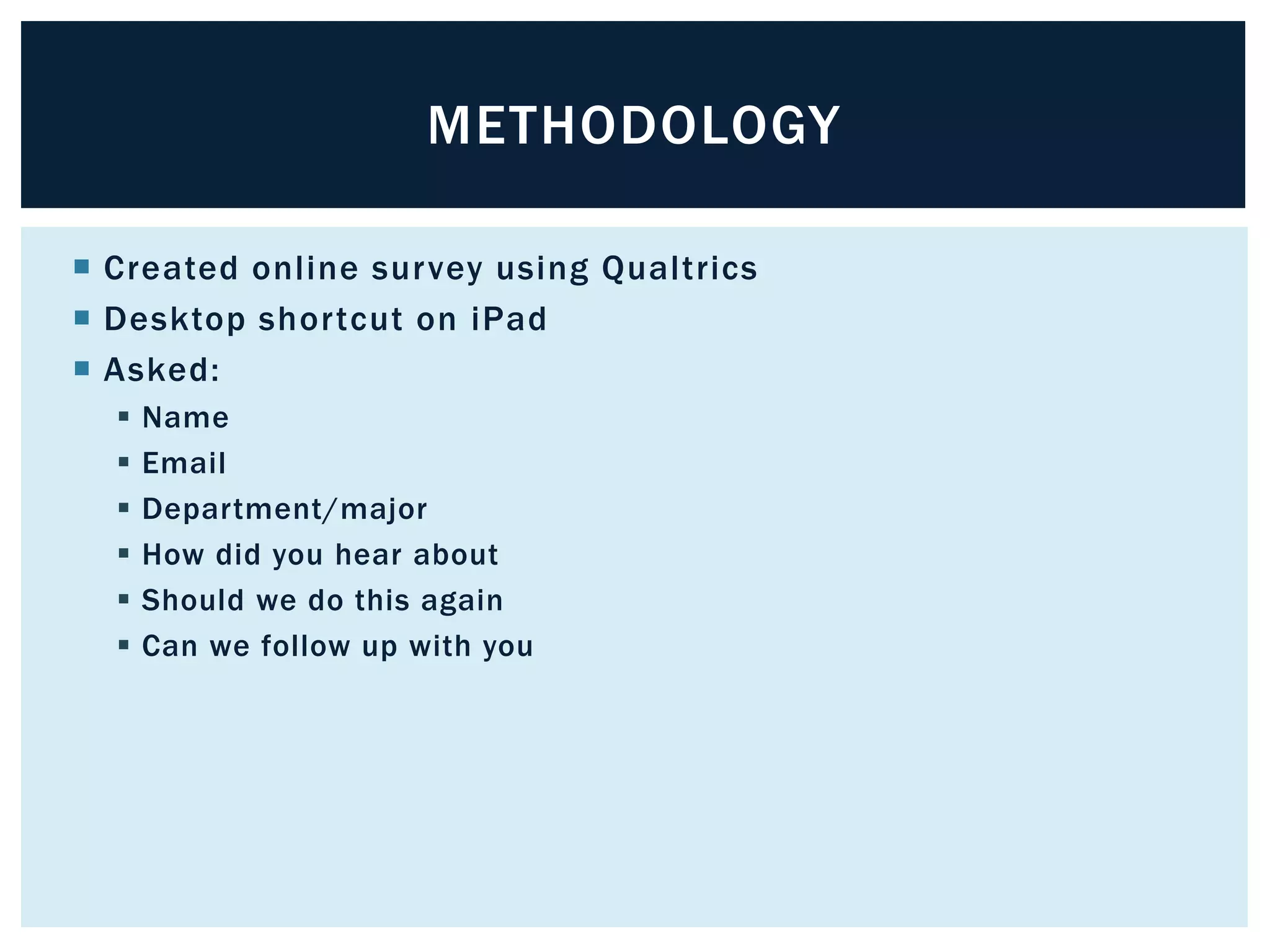
 Created onl ine survey using Qualtrics 
 Desktop shor tcut on iPad 
 Asked: 
 Name 
 Email 
 Department/major 
 How did you hear about 
 Should we do this again 
 Can we follow up with you
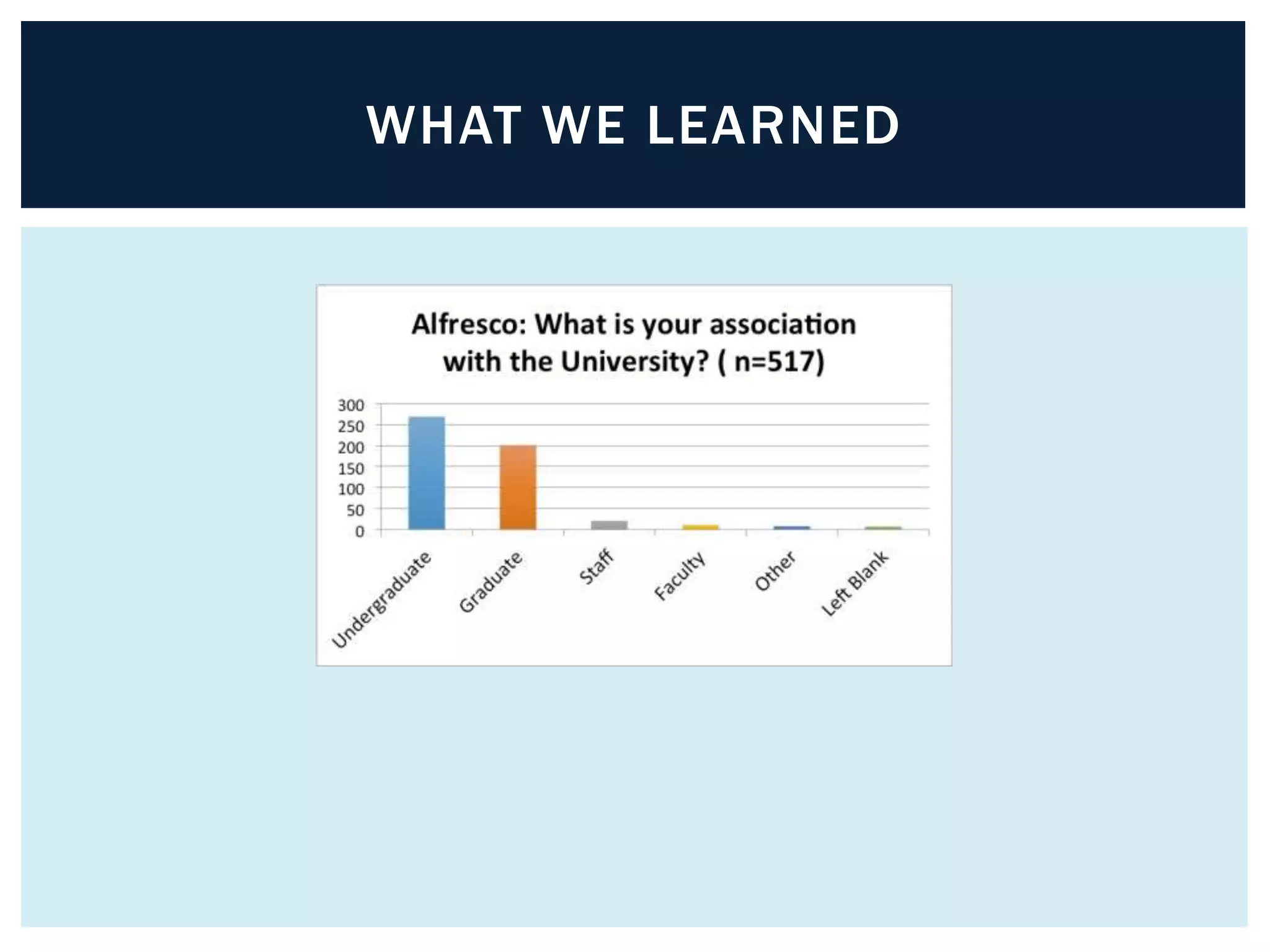
WHAT WE LEARNED
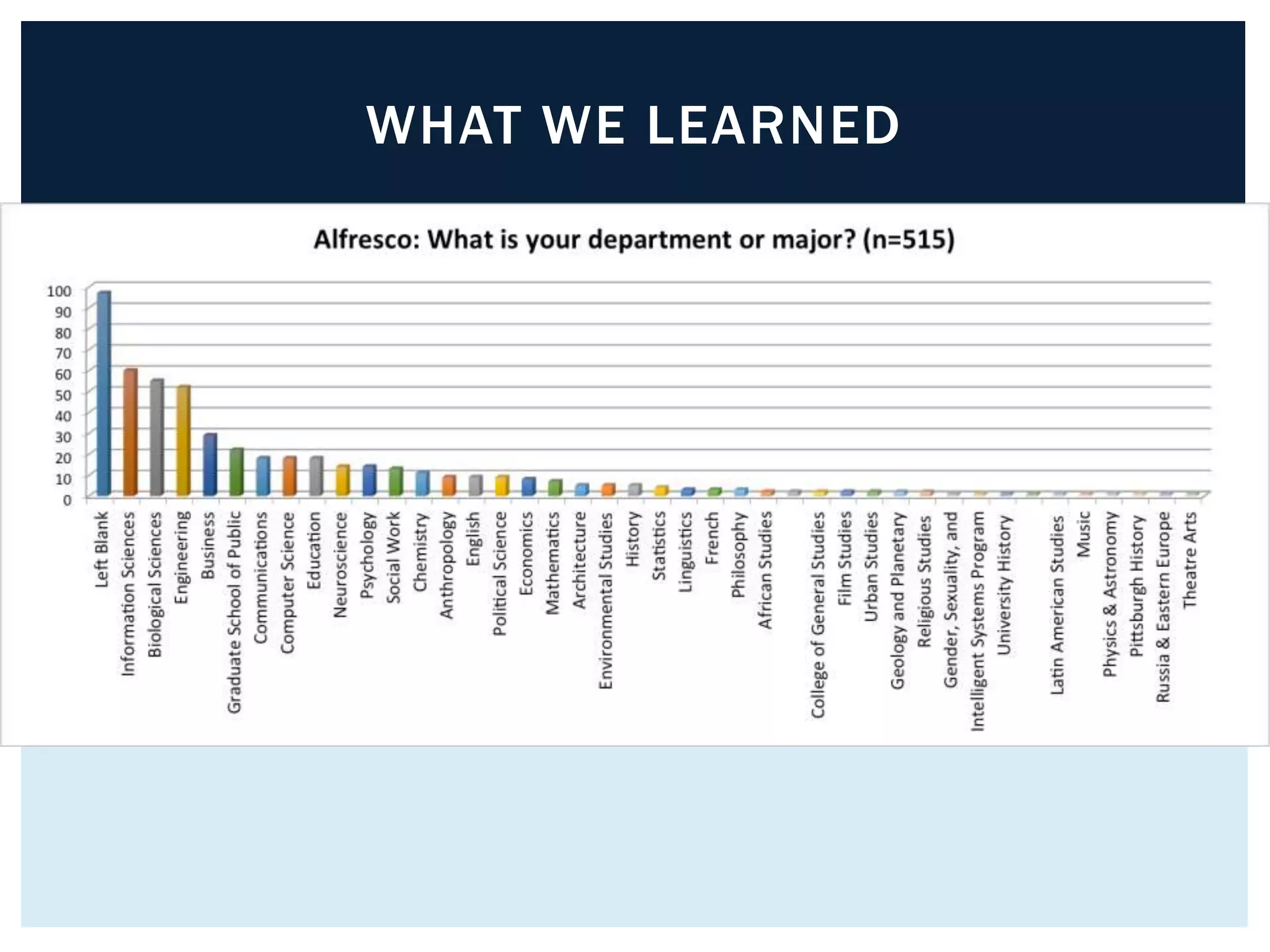
WHAT WE LEARNED
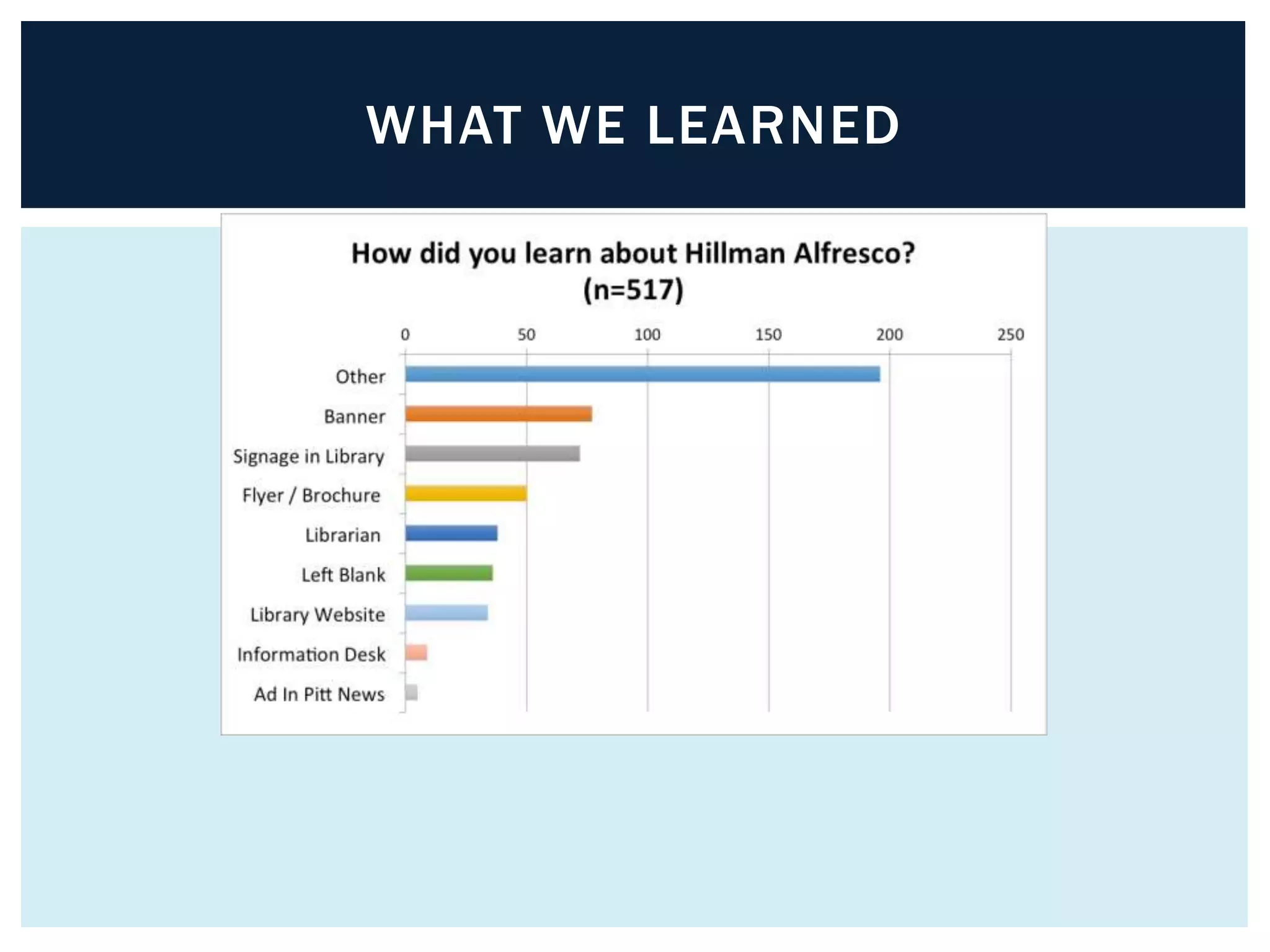
WHAT WE LEARNED
THANKS 
 To my Communications team 
 To our Of fice of Strategic Assessment
THANK YOU! 
Questions? Comments? Things to 
share? 
jeffw@pitt.edu 
@jeffwisniewski

Gathering & Presenting User Input

  • 1.
    Jef f Wisniewski Web Ser vices & Communicat ions Librar ian Univer si ty of Pi t tsburgh jef fw@pi t t .edu @jef fwisniewski GATHERING AND PRESENTING (AND ACTING ON) USER INPUT
  • 2.
    THE PROCESS From:Design Thinking Toolkit http://www.b- 21.org/design-thinking-toolkit-2/
  • 3.
    FEEDBACK IS… A process, not a thing  Explicit (what they say)  Implicit (what they do)  Active (surveying)  Passive (website analytics)  Online  Of fline
  • 4.
    BAD ASSUMPTIONS No news is good news  No complaints= happy users  The complaints you hear are the only ones  Anecdotal evidence is not biased  Build it and they will come
  • 5.
    METHODOLOGIES WHAT wedid  HOW we did it WHY we did it  PROS and CONS What we LEARNED
  • 6.
     Print questionnaire/di ary hybrid  Goal: discover how and why students use the building to help facilities and services planning MY DAY
  • 7.
     Three parts: METHODOLOGY  Entrance (motivation) During (activities)  Exit (achievements)  169 responses (65% response rate)  Incentive: $2.00 café gif t card
  • 10.
    PROS AND CONS  Pro: Mostly structured data  Pro: Demographic data allows for deeper analysis  Pro: Contact information allows for direct follow up as appropriate  Con: Survey design and design of survey time consuming  Con: unstructured data time consuming to code and analyze
  • 11.
    FINDINGS Most respondentsaccomplished their goals for the visit Many respondents reported that they visited library to under take group or social activities  Respondents selected Hillman for its convenient location and good study atmosphere
  • 12.
    FINDINGS  Libraryis primarily a before or af ter class destination  A majority of respondents visit daily  40% visit more than once a day  40% spend between 30 min and 2 hrs, 40% more than two hours  Less than 10% come for library specific things: finding materials, getting help, etc.
  • 13.
    FINDINGS What couldwe do better? More power outlets Stronger wi-fi More seating and more tables
  • 14.
  • 15.
    METHODOLOGY  Photographicstudy of movement of furniture over time in select spaces  Seeking to determine: occupancy of specific quadrants, use patterns, to assist in space planning decisions
  • 16.
  • 17.
    PROS AND CONS  Pro: deeper understanding of space utilization than aggregate use information can provide  Pro: visual analysis of data not burdensome; no number crunching  Con: Pre-selected universe for analysis. Did we miss something?  Con: Labor intensive data gathering
  • 18.
    FINDINGS  Informationto help in scheduling least disruptive programming, repairs, renovations  The “weekend” begins on our campus on Thursday Make it movable, or they will  Lower use quadrants oh high use floors as spaces for new services
  • 21.
    FLIPCHARTS Seek tolearn what users like and dislike about various spaces
  • 22.
    METHODOLOGY  Flipchartsand markers placed in 14 locations in building  2 weeks in March and 2 weeks in April  Sheets collected daily  Results analyzed
  • 23.
    PROS AND CONS  Pro: Quick, easy, cheap to implement  Pro: Unfiltered feedback  Con: Analysis of fully unstructured data time consuming  Con: No demographic data  Con: No ability to directly follow up
  • 26.
    WHAT WE LEARNED  They want wi-fi, outlets, and better climate control  They HATE these:
  • 30.
    FLIPCHARTS FOR INTERNALUSE  Annual inclusive planning process  Discussion and study groups convene, discuss, debate, and propose strategic actions  Scented stickers for voting for strategic options, because why not?
  • 31.
    BRAND PERCEPTION STUDY  Exercise to investigate faculty opinions regarding the ULS and awareness of faculty-focused products and services
  • 32.
    METHODOLOGY Discussion Groups  Three Groups of Faculty  Discuss perceptions of the ULS, services, staf f, communications and messaging  Sessions transcribed and transcripts analyzed Fol low Up Interviews with Selected Faculty
  • 33.
    The good: A l l f a c u lt y fi n d t h e l i b r ar y s t a f f to b e “ ex t r eme ly exc e pt io n al” and able to respond to their requests  Librarians and staf f are highly respected and valued and are clearly a strength  Faculty are eager to have a more col legial relationship with l ibrarians  There is a strong desire among faculty for hands-on l ibrary led workshops WHAT WE LEARNED
  • 34.
    WHAT WE LEARNED The bad:  Faculty awareness of many ULS services is low  The ULS is star ting to feel too "corporate" with a company-customer feel instead of a col legial par tnership  Faculty would l ike l ibrarians to proactively suggest solutions without feeling l ike they are being "sold"
  • 35.
    PROS AND CONS  Pro: Rich, unfi ltered information  Pro: Direct engagement with faculty  Con: Time consuming to plan, conduct, transcribe, analyze
  • 37.
    “ Fo rfaculty and students, it really boils down to your relationship with the librarians. If you utilize them, you will have su c c ess. ” David Sanchez Civi l and Environmental Engineering Depar tment
  • 38.
    DID YOU KNOW… We can consult with you about the management of your research data?
  • 39.
    “ T he U L S sh o u ld be a d e s t in atio n site. . . I t ’ s f u ll of treasures including a wealth of collections and archives for visitors to enjoy. I also think the social aspect of the library —with the cof fee shop and collaboration areas—is extraordinary and extremely healthy. You really feel a strong sense of community in the libr ar y. ” El len Cohn Communications Science and Disorders Depar tment
  • 40.
    Did you know… We have tools to help you demonstrate the impact of your research?
  • 41.
    “ T he fact the ULS helps to fund open access publishing is quite valuable to me as I publish journals in multidisciplinary areas. But the staf f is also helpful with all of my needs, wh ether it ’ s with publishing, ordering books or requesting jo u r n als. ” Ervin Sejdic Electrical and Computer Engineering Depar tment
  • 42.
     Google analytics Campaigns for measuring channels Content grouping for evaluating success of certain types of content  iPad surveying Communication channel effectiveness Programming analysis  How did you hear? More like this? ONLINE
  • 43.
    GOOGLE ANALYTICS “Campaigns” to assess ef fectiveness of communication channels  “Content Grouping” to assess ef fectiveness of various types of content
  • 44.
    GOOGLE ANALYTICS: CAMPAIGNS  Assess ef fectiveness of communication channels (email, PDF flyer, web page, etc)  Online asset tagged with special code; GA collects information
  • 45.
    GOOGLE ANALYTICS: CAMPAIGNS www.library.pitt.edu/googlebooks Parameters: utm_campaign utm_source Utm_medium Campaign= googlebooks Source=campus_portal Medium=pdf_flyer Campaign URL Builder: https://support.google.com/analytics/answer/10338 67?hl=en
  • 46.
    GOOGLE ANALYTICS: CAMPAIGNS www.library.pitt.edu/googlebooks/?=utm=camp aign=googlebooks&utm_medium=pdf_flyer&ut m_source=campus_portal
  • 47.
    GOOGLE ANALYTICS: CONTENT GROUPING  The big picture is too big to be informative  Dif ferent perspectives for dif ferent content types Example: time on page (average):  Blogs, reviews, essays (engagement content)= HIGH  Database descriptions, login pages (por tal content)=LOW
  • 48.
    GOOGLE ANALYTICS: CONTENT GROUPING  The big picture is too big to be informative  Dif ferent perspectives for dif ferent content types Example: time on page (average):  Blogs, reviews, essays (engagement content)= HIGH  Database descriptions, login pages (por tal content)=LOW https://suppor t.google.com/analytics/answer/2853423?hl =en
  • 49.
    IN THE FIELDSURVEYING USING IPADS
  • 50.
    METHODOLOGY  Createdonl ine survey using Qualtrics  Desktop shor tcut on iPad  Asked:  Name  Email  Department/major  How did you hear about  Should we do this again  Can we follow up with you
  • 51.
  • 52.
  • 53.
  • 54.
    THANKS  Tomy Communications team  To our Of fice of Strategic Assessment
  • 55.
    THANK YOU! Questions?Comments? Things to share? jeffw@pitt.edu @jeffwisniewski