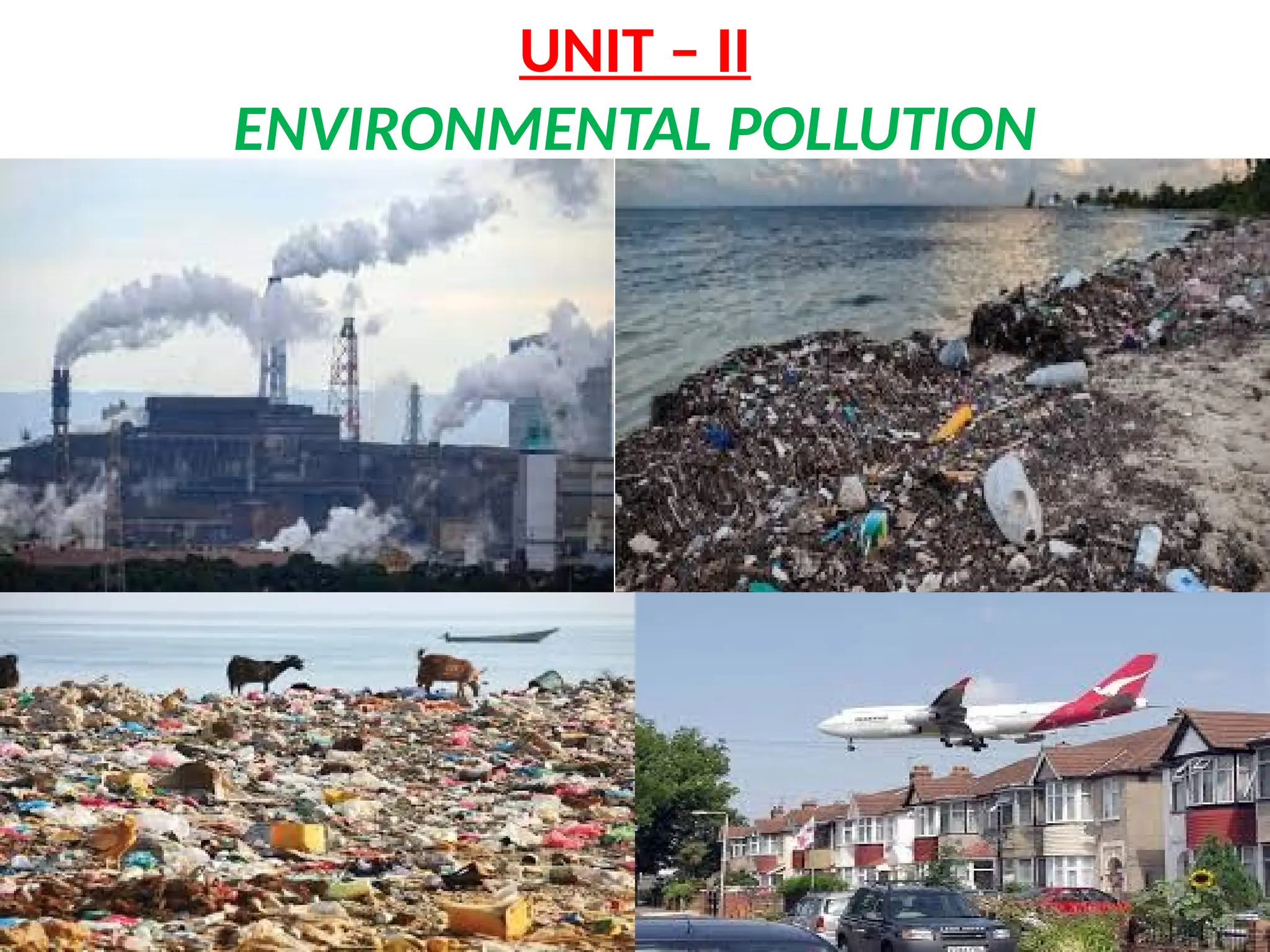
UNIT – II
ENVIRONMENTAL POLLUTION
DISCIPLINE MAKES TODAY HARD,
BUT IT MAKES
TOMORROW EASY
EXCUSES MAKE TODAY EASY,
BUT THEY MAKE
TOMORROW HARD
by
Dr.L.Muruganandam
POLLUTION
• undesirable change in physical, chemical &
biological characteristics of the environment.
(Unwanted alteration of the environment)
• Pollutants: substances responsible for the
undesirable changes in the environment.
• The air we breathe, the water we drink and the
places where we live are contaminated with toxic
substances resulting in air, water and land pollution.
These result in health hazards.
Classification of Pollutants
According to the stability of the pollutants,
i) Bio-degradable pollutants:quickly
decomposed by natural process.
Example: domestic sewage.
ii) Non bio-degradable pollutants:
either do not decompose or
decompose slowly in the
environment.
Example: DDT, aluminium cans etc.
Classification of Pollution
Based on the type of environment affected,
classified into seven types.
Four types only in our syllabus
Air pollution
Water pollution
Soil Pollution
Noise pollution
Pollutants released in the environment, enter into
soil by adsorption, into water by dissolution and
into air by evaporation.
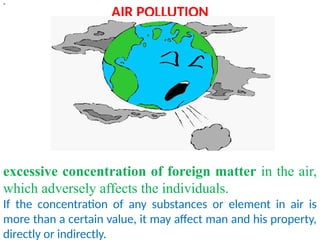
AIR POLLUTION
“
excessive concentration of foreign matter in the air,
which adversely affects the individuals.
If the concentration of any substances or element in air is
more than a certain value, it may affect man and his property,
directly or indirectly.
Contd…
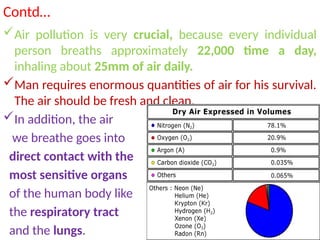
Air pollution is very crucial, because every individual
person breaths approximately 22,000 time a day,
inhaling about 25mm of air daily.
Man requires enormous quantities of air for his survival.
The air should be fresh and clean.
In addition, the air
we breathe goes into
direct contact with the
most sensitive organs
of the human body like
the respiratory tract
and the lungs.
Classification
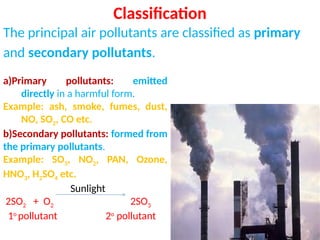
The principal air pollutants are classified as primary
and secondary pollutants.
a)Primary pollutants: emitted
directly in a harmful form.
Example: ash, smoke, fumes, dust,
NO, SO2, CO etc.
b)Secondary pollutants: formed from
the primary pollutants.
Example: SO3, NO2, PAN, Ozone,
HNO3, H2SO4 etc.
Sunlight
2SO2 + O2 2SO3
1o
pollutant 2o
pollutant
Sources of Air Pollution
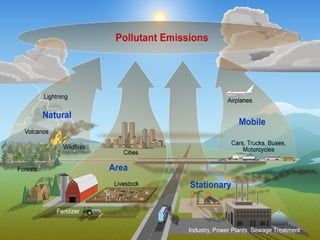
1. Natural sources
Produced by natural process like volcanic
eruptions, forest fires, sea salt sprays, biological
decay, photochemical oxidation of terpenes,
radioactive minerals present in the earth crust
etc.
2. Man made sources
Produced by human activities like thermal
power plants, industrial units, vehicular
emission, fossil fuel burning, agricultural
activities etc.
Common air pollutants- Causes & Effects
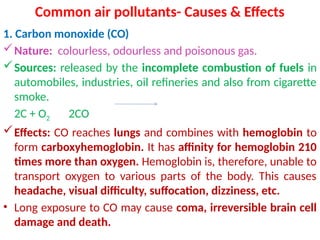
1. Carbon monoxide (CO)
Nature: colourless, odourless and poisonous gas.
Sources: released by the incomplete combustion of fuels in
automobiles, industries, oil refineries and also from cigarette
smoke.
2C + O2 2CO
Effects: CO reaches lungs and combines with hemoglobin to
form carboxyhemoglobin. It has affinity for hemoglobin 210
times more than oxygen. Hemoglobin is, therefore, unable to
transport oxygen to various parts of the body. This causes
headache, visual difficulty, suffocation, dizziness, etc.
• Long exposure to CO may cause coma, irreversible brain cell
damage and death.
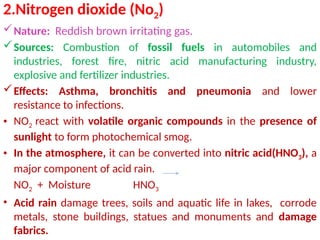
2.Nitrogen dioxide (No2)
Nature: Reddish brown irritating gas.
Sources: Combustion of fossil fuels in automobiles and
industries, forest fire, nitric acid manufacturing industry,
explosive and fertilizer industries.
Effects: Asthma, bronchitis and pneumonia and lower
resistance to infections.
• NO2 react with volatile organic compounds in the presence of
sunlight to form photochemical smog.
• In the atmosphere, it can be converted into nitric acid(HNO3), a
major component of acid rain.
NO2 + Moisture HNO3
• Acid rain damage trees, soils and aquatic life in lakes, corrode
metals, stone buildings, statues and monuments and damage
fabrics.
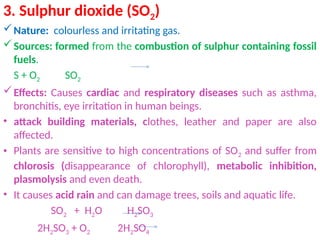
3. Sulphur dioxide (SO2)
Nature: colourless and irritating gas.
Sources: formed from the combustion of sulphur containing fossil
fuels.
S + O2 SO2
Effects: Causes cardiac and respiratory diseases such as asthma,
bronchitis, eye irritation in human beings.
• attack building materials, clothes, leather and paper are also
affected.
• Plants are sensitive to high concentrations of SO2 and suffer from
chlorosis (disappearance of chlorophyll), metabolic inhibition,
plasmolysis and even death.
• It causes acid rain and can damage trees, soils and aquatic life.
SO2 + H2O H2SO3
2H2SO3 + O2 2H2SO4
4. Suspended Particulate Matter(SPM)
Nature: Variety of suspended droplets, solid
particles. Mixtures of the two are referred to as
particulates.
They are suspended in atmosphere for short
periods to long periods.
Sources: Burning of coal in power plants and fuels
in vehicles, agriculture, unpaved roads and
construction.
Effects: Nose & throat irradiation, lung damage,
bronchitis, asthma, reproductive problems, cancer,
visibility reduction
5. Ozone (O3)
Nature: Highly reactive irritating gas with an unpleasant
odor.
 Sources: oxides of nitrogen react with the unburnt
hydrocarbons released by the exhausts of automobiles produce
secondary pollutants like peroxyacetyl nitrate, ozone, aldehydes
and ketones etc.
Sunlight
Hydrocarbons + NOx Photochemical smog
 Effects:
• irritation to eye, nose and throat causing headache.
• Ozone is known to damage chromosome.
• Both O3 and PAN cause damage to plants by interfering with
plant cell metabolism. Yellowing and premature fall of leaves.
6. Photochemical Smog
Nature: Brownish smoke like appearance frequently forms
on clear, sunny days over large cities.
Sources: It is a mixture of smoke and fog, which forms
droplets that remain suspended in the air.
London smog: It consists of coal smoke and fog. The
chemical composition is the mixture of SO2, SO3 and
humidity.
Los Angels smog: It occurs due to the reaction of oxides of
nitrogen with CO2, H2O, CO and unburned hydrocarbon
particles from automobile exhausts.
Effects
• It causes bronchial irritation, breathing problems, heart
diseases, pneumonia, cough and eye, nose & throat
7. Lead
Nature: Solid toxic metal and its compounds
emitted into the atmosphere as particulate matter.
It enters the body as Pb2+
.
Source
• Lead is the anti-knocking agent used in petrol.
• Paint (old houses), smelters (metal refineries),
storage batteries are the other sources.
Effects
• It causes brain damage and digestive problems.
• Affects the central nervous system and impairs
kidney functions.
8. Chloro Fluoro Carbon
Sources: used as coolants in refrigerators and air
conditioners, as propellants, cleaning solvents, etc.
Effect: Depletion of Ozone layer.
9. Hydrocarbons
Nature: Accumulated due to the decay of vegetable
matters.
Sources: produced from coal fields, natural fires,
incomplete combustion, organic chemical factories, plastic
industries etc.
Effects
• A high concentration of hydrocarbons irritates skin and
eyes, affect lungs causing lung cancer.
• Some hydrocarbons are carcinogenic.
10. Chromium
Nature: Solid toxic metal.
Sources: Paint, smelters, chrome plating etc.
Effects: Gastro intestinal disorder, central nervous
system, cancer, perforation of nasal septum etc.
CONTROL MEASURES
The following methods are most effective for
dealing with the control of air pollution.
1. Source correction methods (or)
source control
2. Pollution control equipment (or)
control measures in industrial
centers.
1. SOURCE CONTROL
1. Use only unleaded petrol.
2. Use petroleum products and other fuels with low sulphur and ash
content.
3. Reduce the number of private vehicles on the road by developing an
efficient public transport system.
4. Encouraging people to walk or use cycles.
5. Ensure that houses, schools, restaurants etc. are not located on busy
streets and near industries.
6. Plant trees along busy streets. They remove particulates and carbon
monoxide and absorb noise.
7. Industries and waste disposal sites should be situated outside the city
centre.
8. Use catalytic converters to help control the emissions of CO and
hydrocarbons.
9. Use less polluting fuels (Hydrogen gas).
10. Use non-conventional sources of energy.
2. POLLUTION CONTROL EQUIPMENTS
• The emission rates should be restricted to
permissible levels by each and every industry.
• Continuous monitoring of the atmosphere for the
pollutants should be carried out to know the
emission levels.
• Sufficient amount of oxygen must be supplied to the
combustion chamber for the complete combustion.
• Equipments should be used to control air pollution.
• Electrostatic precipitator, Bag house filter, Cyclone
separator and Wet scrubber are used to remove the
particulate from the exhaust gases.
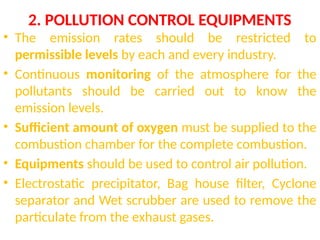
1. Electrostatic precipitator(ESP)
Works on the principle of electrostatic precipitation i.e.
electrically charged particulates present in the
polluted gas, are separated from the gas stream under
the influence of the electrical field.
Easily remove more than 98% of the particles.
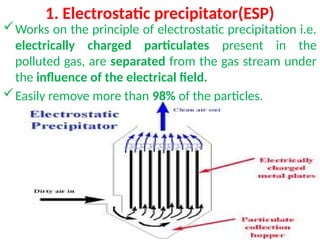
2. Baghouse filter(Fabric filters)
• In a fabric filter system, a stream of the polluted gas
is passed through a fabric that filters out the
particulate pollutants and allows the clear gas to
pass through.
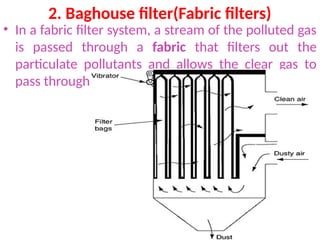
3. Cyclone collector (or) separator
• The gas containing particulate is allowed to flow into a
light circular spiral-filtered chamber. The centrifugal
force exerted on the dispersed particulate, forces the
particulates towards the walls of the chamber, where
they start setting down due to gravity.
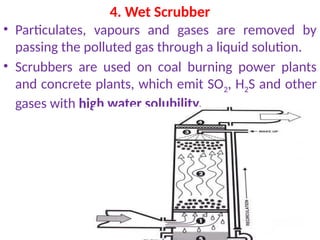
4. Wet Scrubber
• Particulates, vapours and gases are removed by
passing the polluted gas through a liquid solution.
• Scrubbers are used on coal burning power plants
and concrete plants, which emit SO2, H2S and other
gases with high water solubility.
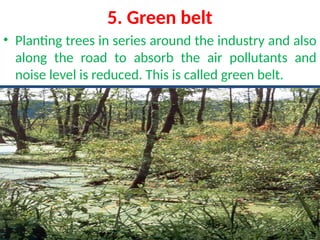
5. Green belt
• Planting trees in series around the industry and also
along the road to absorb the air pollutants and
noise level is reduced. This is called green belt.
WATER POLLUTION
“alteration in physical,
chemical and biological
characteristics of water, which
may cause harmful effects on
humans, plants, animals and
aquatic life”.
Sources of water pollution
• Point sources
• Non-point sources
1. Point sources
 specific sites near water
 discrete and identifiable
 easy to monitor and regulate.
Examples: Industries, power plants, underground coal mines, oil wells etc.
2. Non-point sources (or) Diffused sources
 not at any particular site
 sources are scattered
 difficult to monitor and regulate.
Examples: Surface run-off from agricultural fields, atmosphere deposition,
and construction sites etc.
Ground Water Pollution
• Ground water forms about 6.2% of the total water
available on planet earth.
• Ground water seems to be less prone to pollution
as the soil mantle through which water passes,
helps to retain various contaminations due to its
cation exchange capacity.
• Septic tanks, industries(textile, chemical, tanneries
etc.), deep well injection, mining etc., are mainly
responsible for ground water pollution.
• Groundwater pollution with fluoride and nitrate
ions and arsenic, are posing serious health hazards.
Surface Water Pollution
1. Sewage: Pouring the drains and sewers in fresh water bodies
causes water pollution.
2. Industrial effluents: Industrial wastes containing toxic
chemicals, acids, alkalis, metallic salts, phenols, cyanides,
ammonia, radioactive substances, etc.
3. Synthetic detergents: Synthetic detergents used in washing and
cleaning produce foam and thus pollute water.
4. Agrochemicals: Agrochemicals like fertilizers and pesticides
washed by rain-water and surface run-off pollute water.
5. Oil: Oil spillage into sea-water during drilling and shipment,
pollute water.
6. Waste heat: Waste heat from industrial discharges increases the
temperature of water bodies.
Common water pollutants and their effects
1. Infections agents (or) Pathogens
• Wastewater sewage contains many pathogenic organisms
like bacteria, viruses, protozoa and parasitic worms.
• Water borne diseases like cholera, dysentery, typhoid,
jaundice etc. are spread by water contaminated with
sewage.
2. Oxygen demanding wastes
• Organic matter(animal manure, plant debris) which reaches
water bodies is decomposed by aerobic bacteria in water.
For this degradation, oxygen dissolved in water is
consumed.
• The saturation value of DO varies from 8-15 mg/L. For
active fish species 5-8 mg/L of DO is required. Lower DO
may be harmful to animals especially fish population.
Contd…
3. Inorganic chemicals
 Water soluble inorganic chemicals, compounds of toxic metals and
salts in ocean water and fluoride found in some soils.
 Sources: Surface runoff, industrial and household cleaners.
 Effects
i. Excess of fluoride in drinking water causes defects in teeth and bones.
This is called fluorosis.
ii. Lower crop yields.
iii. Accelerate corrosion of metals exposed to such water.
iv. Harm fish and other aquatic life.
v. Arsenic pollution of groundwater in Bangladesh and West Bengal
cause various types of abnormalities.
vi. Pollution by cadmium had caused the disease called Itai-Itai in the
people of Japan. In this disease bones, livers, kidney, lungs, pancreas
and thyroid are affected. (cadmium contaminated rice)
Contd…
4. Organic chemicals
Example: Oil, gasoline, plastics, pesticides, cleaning
solvents, detergents.
Sources: Industrial effluents, household cleaners, surface
runoff water from farms.
Effects
i. Nervous system damage and different types of cancer to
human health.
ii. Non-biodegradable pesticides (DDT) travel through food
chain and ultimately reach the intestines of the humans.
They accumulate in the fatty tissues and affect the
nervous system. The concentration of these toxic
substances builds up at successive levels of food chain.
This process is called biomagnifications.
Contd…
Components DDT concentration (ppm)
Birds 10.00
Needle Fish 1.0
Minnows 0.1
Zooplanktons 0.01
Water 0.000001
iv. In 1953, people in Japan suffered from numbness of body
parts, vision and hearing problems and abnormal mental
behaviors. This disease called Minamata disease (dancing
disease) occurred due to consumption of methylmercury
contaminated fish caught from Minamata Bay in Japan.
v. Oil pollutants have been known to be responsible for the
death of many water birds and fishes.
Contd…
5. Plant nutrients
Example: Water soluble compounds containing nitrate,
Phosphate and ammonium ions.
Source: Sewage, manure and runoff of agricultural and
urban fertilizers.
Effects
• excessive growth of algae and other aquatic plants, which
die, decay; consume dissolved oxygen from water. Under
anaerobic conditions foul smelling gases are produced.
• Drinking water with excessive levels of nitrates, reduce the
oxygen carrying capacity of the blood and can kill urban
children and infants. This disease is called blue baby
syndrome or mathaemoglobinemia.
Contd…
6. Sediment
Example: Soil, Silt.
Source: Land erosion
Effects
• These sediments increase turbidity. The reduced
light penetration may restrict the photosynthetic
activity of plants.
• This inhibits the vision of aquatic animals and
interferes with feeding of aquatic animals.
• Disrupt aquatic food webs.
Contd…
7. Radioactive materials
Example: Radioactive isotopes of Iodine, radon,
uranium, cesium and thorium.
Sources: Nuclear power plants, mining and processing
of uranium and other ores, nuclear weapons production
and natural sources.
Effect: Genetic mutations, birth defects and cancers.
8. Heat (thermal pollution)
Sources: Water cooling of nuclear power stations and
some type of industrial plants.
Effects: Lower dissolved oxygen levels. This affects the
aquatic life.
Characteristics/Testing of waste water
1. Dissolved Oxygen
Amount of oxygen dissolved in given quantity of
water at particular P & T.
2. Biological Oxygen Demand(BOD)
Amount of oxygen required for the biological
oxygen decomposition of organic matter present
in the water.
3. Chemical Oxygen Demand(COD)
Amount of oxygen required for chemical
oxidation of organic matter using oxidising agent.
Control of water pollution
reduce water pollution from point sources by
legislation.
The following points help in reducing from non-
point sources.
i. Careful use of agrochemicals.
ii. Use of nitrogen fixing plants.
iii. Adopting integrated pest management.
iv. Prevent run-off of manure.
v. Separate drainage for sewage and rain water.
vi. Planting trees .
Contd…
• treatment of wastewater is essential before being
discharged. Reduction of Total Dissolved Solids(TDS),
Biological Oxygen Demand(BOD), Chemical Oxygen
Demand (COD), nitrates and phosphates, oil and
grease, toxic metals etc.
• treated by primary and secondary treatments to
reduce BOD and COD levels to the permissible levels
before discharge.
• Advanced treatment for removal of nitrates and
phosphates will prevent eutrophication.
• Before the discharge of wastewater, it should be
disinfected to kill the disease-causing organisms like
bacteria.
Contd…
• Disinfection by ozone/UV radiations/chlorination.
• Public awareness regarding adverse effects.
• Suitable laws, standards and practices should be
framed. Punishment should be given.
• reuse or recycle of treated sewage effluents and
industrial wastes encouraged.
• Catchments area of rivers, streams and lake should
be protected from possibilities of pollution.
• Scientists and experienced persons on water
treatment should be utilized for efficient
wastewater treatment system.
Wastewater treatment
• The composition of municipal wastewater varies
from place to place.
• The type of treatment depends on its characteristics
and the desired quality of water.
• The wastewater treatment plants are generally
primary, secondary or advanced treatment.
The purpose of wastewater treatment is
Harmful compds harmless compds.
• Eliminate offensive smell.
• remove organic/inorganic substances, nutrients,
toxic substances.
• kill pathogenic organisms,
Primary treatment
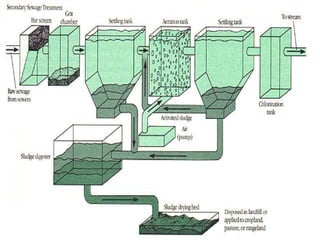
• debris and large particles can be removed with
the help of screen.
• then passed through grit chamber where sand,
grit and other solids settle down.
• then passed through the sedimentation tank
where most of suspended solids settle down due
to gravity.
• For better removal of suspended solids,
chemically treated polymers are used.
• About 35% of BOD and 60% of suspended solids
are removed during primary treatment.
Secondary treatment
It is a biological process which
involves
micro-organisms.
It removes upto 90% of BOD and
90%
of suspended solids.
Biodegradable oxygen demanding
wastes
are stabilized.
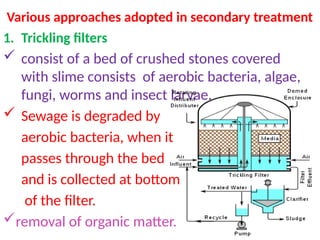
Various approaches adopted in secondary treatment
1. Trickling filters
 consist of a bed of crushed stones covered
with slime consists of aerobic bacteria, algae,
fungi, worms and insect larvae.
 Sewage is degraded by
aerobic bacteria, when it
passes through the bed
and is collected at bottom
of the filter.
removal of organic matter.
Activated sludge process
• The effluent from the primary clarifier goes to
aeration tank.
• Aeration tank also receives micro-organisms
from the secondary settling tank known as
activated sludge.
• Oxygen is pumped into aeration tank for
maintaining aerobic conditions after few hours of
agitation; the wastewater goes to secondary
settling tank, where solids settle at the bottom.
• The sludge is produced, dewatered and disposed
off. This can be used for landfills.
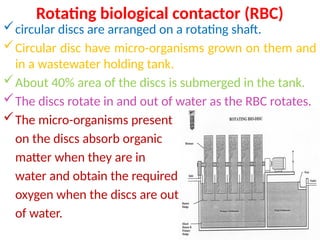
Rotating biological contactor (RBC)
circular discs are arranged on a rotating shaft.
Circular disc have micro-organisms grown on them and
in a wastewater holding tank.
About 40% area of the discs is submerged in the tank.
The discs rotate in and out of water as the RBC rotates.
The micro-organisms present
on the discs absorb organic
matter when they are in
water and obtain the required
oxygen when the discs are out
of water.
Advanced sewage treatment
 After the primary & secondary treatment many undesirable
substances still remain in the effluent.
 The treatment involves specific steps depending upon the
type of substances to be removed. The materials to be
removed in such treatment may include nitrates and
phosphates, colours, bacteria, viruses, pesticides, toxic
metals etc.
• Chlorination is done to kill harmful bacteria and viruses.
• chlorine may produce cancer causing chlorinated
hydrocarbons by reacting with organic matter.
• Other methods are UV light and ozone treatment. The
sludge produced after such treatment is used as a fertilizer.
However there are chances of toxic metals and other
untreated substances to build up in the food chain or leach
Upflow anaerobic sludge blanket (UASB) reactor
• consists of four stages of anaerobic digestion; hydrolysis,
acidogenesis, acetogenesis and methanogenesis.
• A dense blanket of granular anaerobic biomass is used to
convert organic compounds that are passed through the
sludge blanket continuously biogas is collected at the top of
the reactor.
• The wastewater to be treated is fed into the reactor at the
bottom. As the influent flows through the loops and enters
the reactor chamber, hydrolysis occurs.
• The above mentioned four anaerobic process convert the
influent into H2, CO2, CH4 acetate, new cell-matter etc. COD
removal of up to 80% is achieved. Methane and CO2
produced are separated from the reactor.
SOIL POLUTION
“Contaminating soil by human
and natural activities, which may
cause harmful effects on living
beings”
All the soil pollutants have an adversely
affect on the physical, chemical and
biological properties of the soil and
reduce its productivity.
Sources of soil pollution
• Rapid urbanization, increase in population and building
construction has resulted in the reduction of lands for
the wastes to be disposed.
• Every year, solid wastes are increasing tremendously all
over the world depending upon the living standards of
the people.
• Soil pollution mainly results from the following sources.
• Industrial wastes
• Urban wastes from cities, rural waste from villages
• Agricultural wastes / practices
• Radioactive pollutants and
• Biological agents
Contd…
1. Industrial wastes
Disposal of industrial waste is the major problem.
 Sources
effluents discharged from chemical industries, paper mills,
tanneries, textile mills, steel industries, distilleries,
refineries, pesticides & fertilizer industries, pharmaceutical
industries, thermal & nuclear power plants, mining
industries etc.
Nature of Industrial wastes
organic compounds along with inorganic complexes and
non-biodegradable materials.
hazardous chemicals can enter into food chain from the
soil or water, disturb the biochemical process.
Contd…
2. Urban wastes
both commercial and domestic wastes consisting of
dried sludge of sewage.
Constituents of urban refuse
plastics, glasses, metallic cans, fibers, paper, rubbers,
street sweepings, fuel residues, leaves, containers,
and other discarded manufactured products.
In India, about 115 million of urban population
produced nearly 15 million tones of solid wastes.
Urban domestic wastes like glass, plastics, metallic
cans are dangerous, because they cannot be easily
degraded.
Contd…
3. Agricultural Practices
Modern agricultural practices pollute the soil to a
large extent.
Today with the advancing agro-technology, huge
quantities of fertilizers, pesticides, herbicides and
weedicides are the non-degradable toxic
chemicals. DDT, BHC etc. inhibit the non-target
organisms, and reduce soil productivity. These
chemicals accumulate the food chain and ultimately
affect human health.
Contd…
4. Radioactive pollutants
explosion of radioactive devices; radioactive wastes
discharged from industries and laboratories.
Isotopes of radium, uranium, thorium, strontium,
iodine and cesium and of many other elements
reach the soil and persist there for a long time and
keep on emitting radiations.
Examples
Radio nuclides of radium, thorium, uranium,
isotopes of potassium and carbon are very common
in soil, rock, water and air.
Contd…
• Radioactive waste contains Strontium-90, Iodine-129,
Cesium-137 and isotopes of iron, which are most injurious.
Sr-90 gets deposited in bones become brittle and is prone
to fracture.
• Nuclear reactor produces waste containing Ruthenium-
106, Iodine-131, Barium-140, Lanthanum – 140, and
Cesium-144 along with the primary nuclides Sr-90 and Cs-
137. All these radio nuclides on the soil emit gamma
radiations.
5. Biological agents
Soil receives excreta from animals and humans. The
sewage sludge contains many pathogenic organisms,
bacteria, viruses and industrial worms, which cause
pollution in the soil.
Contd…
a. Pathogenic organisms occurring naturally in contaminated
soil
Soil has its own distinctive flora and fauna it is inhabited by
bacteria, fungi, algal, protozoan, nematodes,
earthworms, anthropoids etc. These organisms are
important agents in increasing or decreasing the soil
fertility in altering the physical texture of the soil.
b. Pathogenic organisms excreted or discharged by man
Human excreta include pathogens such as bacteria and
parasitic worms.
c. Pathogenic organisms excreted by animals
pathogenic bacteria and parasitic worms excreted or
discharged by animals. These microorganisms are
transmitted from animals to soil and then from soil to man.
Control measures of soil pollution
1. Soil erosion
controlled by a variety of forestry and farm practices.
For example,
Trees may be planted on barren slopes.
Contour farming, terracing, strip cropping and alley
cropping may be practiced.
2. Proper dumping of unwanted materials
Effluents should be properly treated before discharging.
Solid waste properly collected and disposed-off by
appropriate method.
Recently, Controlled tipping is followed for solid waste
disposal.
Contd…
3. Production of natural fertilizers
Excessive use of chemical fertilizers and insecticides
should be avoided. Biopesticides and natural fertilizers
like animal dung and plant wastes should be used.
4. Proper Hygienic condition
People and especially rural women should be trained
regarding the sanitary habits.
 stes should be banned.
5. Public Awareness
Informal and formal public awareness programs
should be imparted to educate people on health
hazards by environmental pollution.
Contd…
6. Recycling and Reuse of wastes
To minimize soil pollution, the wastes such as paper,
plastics, metals, glasses, organics, petroleum products and
industrial effluents etc., should be recycled and reused.
For example,
Biodegradable wastes should be used for biogas
production.
Cattle dung should be used for methane generation.
7. Ban on toxic chemicals
Ban should be imposed on chemicals and pesticides like
DDT, BHC, etc., which are toxic to plants and animals.
Nuclear explosions and the improper disposal of
radioactive wastes should be banned.
NOISE POLLUTION
We hear various types of sounds every day. A type of sound
may be pleasant to someone and at the same time unpleasant
to others. The unpleasant and unwanted sound is called noise.
“the unwanted, unpleasant or disagreeable
sound that causes discomfort for all living
beings”.
Noise is expressed as a dimensionless unit, decibel
(dB), which is one tenth of the longest unit Bel, one dB
is equal to the faintest sound, a human ear can hear
Noise can affect human ear because of its loudness and
frequency.
Contd…
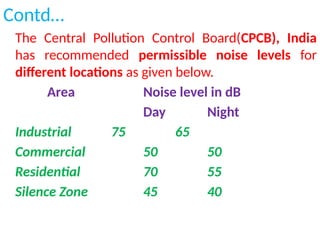
The Central Pollution Control Board(CPCB), India
has recommended permissible noise levels for
different locations as given below.
Area Noise level in dB
Day Night
Industrial 75 65
Commercial 50 50
Residential 70 55
Silence Zone 45 40
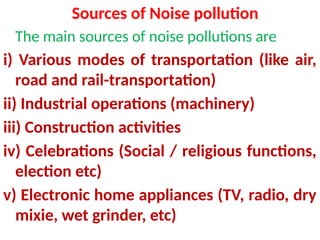
Sources of Noise pollution
The main sources of noise pollutions are
i) Various modes of transportation (like air,
road and rail-transportation)
ii) Industrial operations (machinery)
iii) Construction activities
iv) Celebrations (Social / religious functions,
election etc)
v) Electronic home appliances (TV, radio, dry
mixie, wet grinder, etc)
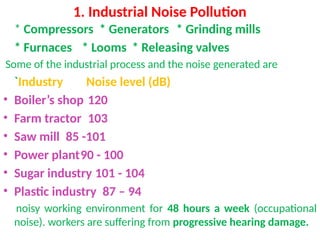
1. Industrial Noise Pollution
* Compressors * Generators * Grinding mills
* Furnaces * Looms * Releasing valves
Some of the industrial process and the noise generated are
`Industry Noise level (dB)
• Boiler’s shop 120
• Farm tractor 103
• Saw mill 85 -101
• Power plant90 - 100
• Sugar industry 101 - 104
• Plastic industry 87 – 94
noisy working environment for 48 hours a week (occupational
noise). workers are suffering from progressive hearing damage.
2. Transport noise
Continuous movement of vehicles cause transport
noise.
Transport noise can be further sub-divided into
i) Road traffic noise ii) Aircraft noise iii) Rail traffic noise
The number of road vehicles has increased enormously
in recent years.
The noise levels have peak values, when aircrafts during
takeoff and landing at airports.
People residing near the railway track are affected by
the noise produced, especially during night hours.
In metropolitan cities has shown that noise level in
Delhi, Bombay and Calcutta is as high as 90 dB.
3. Neighborhood Noise
Transistor, radio, TV, other musical instruments, air
conditioner, washing machine, etc., are common
sources of noise at home.
4. Noise pollution during Diwali
Diwali is a festival of lights. Traditionally, people of
all ages enjoy firecrackers. Some accidents do occur
every year claiming a few lives. Besides, noise
generated by various firecrackers is beyond the
permissible noise levels of 125 dB as per the
Environmental protection Rules, 1999. Therefore, it
is important to educate people about the harmful
effects of noise during such festivals like Diwali.
Effect of Noise Pollution
Noise causes the following effects
1. Interferes with man’s communication: In a
noisy area, communication in severely
affected.
2. Hearing damage: Noise can cause temporary
or permanent hearing loss. It depends on
intensity and duration of sound level.
• 125 dB gives the sensation of pain in the ear.
• When a person exposed to very loud and
sudden noise, acute damage occurs to the car
3. Physiological and Psychological changes
Continuous exposure to noise affects the functioning of various systems
of the body.
a. Physiological effect
• Causes contraction of blood vessels. This makes the skin pale. It leads to
excessive secretion of adrenalin hormone into blood stream - high blood
pressure.
• Cause heart attacks and neurological problems, birth defects and
abortion.
• Affect the digestive, respiratory, cardiovascular systems and semicircular
canals of the internal ear. The rate of heart beat may also be affected.
• The human blood is also thickened by excessive noises.
• Headache, hypertension, sleeplessness, gastro-intestinal and digestive
disorders, peptic ulcers are caused.
b. Psychological effect
Result in behavioral changes, emotional changes; sleep loss, lowering of
concentration and memory etc.
Control of Noise pollution
1. Source control
• source modification - treatment to machine surfaces, design
changes, limiting the operational timings and so on.
• Noise making machines should be kept in containers with sound
absorbing media.
• Proper oiling will reduce the noise from the machinery.
2. Design of doors and windows
Sound wave travels through very thin cracks between the door
and wall. Excellent sound insulation is obtained by constructing
glazed window with double or triple panes of glass.
3. Treatment of ceilings and floorings
Suitable sound absorbing materials like sound proof tiles,
perforated plywood and specially made porous material are
available. They can be fixed on walls, floors and ceilings.
Contd…
4. Planting trees
Plants and trees should be planted along the highways and
near industrial areas. Trees absorb and dissipate sound
energy and act as a buffer zone.
5. Through law
Legislation can ensure that sound production is minimized
at various social functions.
6. Firecrackers should not be used in silence zones.
[area comprising not less than 100 meters around
hospitals, educational institutions, courts, religious places]
7. Ear Protection Aids
For noisy industries, the workers should be provided with
ear protection aids like earplugs, headphones or noise
helmets.
SOLID WASTE MANAGEMENT
“all the waste arising from human and animal
activities that are solid and are discarded as useless
or unwanted”.
• Higher standards of living of increasing population increase
in the quantity and variety of waste generated.
• Management become very important to minimize the
adverse effects.
• Classified as municipal, industrial, agricultural, medical,
mining waste and sewage sludge.
• Hazardous wastes can cause death or injury to human and
animal life.
• More than 4,000 tones of solid waste are generated daily
in New Delhi alone.
Classification
classified on the basis of their origin
a. Urban waste
b. Industrial waste
c. Hazardous waste
1. Sources of urban solid waste
a. Waste from homes (Domestic waste)
Variety of discharged materials - polyethylene bags,
aluminium cans, scrap metals, glass bottles, waste paper, cloth,
food waste etc.
b. Waste from shops(Commercial waste)
From hotels, markets, workshops, institutions etc., -
waste paper, packaging materials, cans, bottles, polyethylene bags,
peanut shells, eggshells, tea leaves etc.,
Contd…
c. Biomedical waste
Waste organic materials - anatomical wastes,
pathological wastes, infectious waste etc.
d. Construction / Demolition waste
Waste construction materials - debris and rubbish,
wood, concrete etc.
e. Horticulture waste
Waste from Parks - vegetable parts, residues and
remains of slaughtered animals.
Nature / Type of the waste
(i) Bio degradable wastes
waste materials that can be degraded by
microorganisms.
Ex: vegetable wastes, tea leaves, egg shells,
peanut shells, dry leaves etc.,
(ii) Non-biodegradable wastes
Wastes that cannot be degraded by
microorganisms.
Ex: polythene bags, scrap metal, glass bottles,
synthetic cloth etc.
Contd…
2. Sources of industrial solid waste
materials including factory rubbish, packing material,
organic wastes, acids, alkalis, and metal etc.
During some industrial processing, large quantities of
hazardous and toxic materials are produced.
The main sources of industrial wastes are:
• Chemical industries – Acids, bases, reactive waste, organic
waste, toxic chemicals.
• Metal industries – Heavy metal, cylinder waste, solid wastes.
• Nuclear power plant – Radioactive wastes.
• Paper, paint, plastic, glass, ceramics, battery industries
• Petroleum refining industry – Benzene, sludge from refining
processes.
Effect of Solid Waste
• Improper disposal – foul smell and breeds
various microbes affects land value.
• Toxic metals and hazardous wastes – affects
soil productivity and characteristics.
• Chemicals percolate – contaminate ground
water.
• Burning of industrial waste produce furans,
dioxines, polychlorinated biphenyls –
harmful to living things.
Solid Waste Management
“Process of collecting, treating and disposing of
solid waste”
three R’s’ – Reduce, Reuse & Recycle
i. Reduction in use of raw materials
Reduction in the use of raw materials will
decrease the production of waste.
Reduced demand of metallic product will
decrease the mining of the metals and cause
less production of waste.
Contd…
ii. Reuse of waste materials
• refillable containers - discarded after use can be
reused.
• Making rubber rings from the discarded cycle
tubes, reduces waste generation during
manufacturing of rubber bands.
iii. Recycling of materials
• Reprocessing of discarded materials into new
useful products.
• For example: Recycling of paper will reduce
cutting of trees.
Process of Solid Waste Management
For discarding the wastes, the following methods
can be adopted
i) Solid waste generation
ii) Collection of wastes
iii) Transportation
iv) Storage
v) Segregation of wastes
vi) Disposal methods
(a)Landfill (b) Incineration (c) Composting
Contd…
1. Sanitary landfill
garbage is spread out in thin layers, compacted and covered with
clay or plastic foam. After two or three years, solid waste volume
shrinks by 25 – 30% and the land is used for parks, roads and small
buildings.
• Cheapest method of waste disposal.
• In the modern landfills, the bottom is covered with an impermeable
layer(several layers of clay, thick plastic and sand).
• The layer protects the ground water from being contaminated due
to percolation of leachate.
• Leachate from bottom is pumped and sent for treatment.
• When landfill is full, it is covered with clay, sand, gravel and top soil
to prevent leakage of water.
• Methane produced by anaerobic decomposition is collected and
burnt to produce electricity or heat.
Contd…
Advantages
• Simple and economical.
• Segregation is not required.
• Land filled areas can be used for other purposes.
• Converts low-lying, marshy waste-land into useful areas.
• Natural resources are returned to soil and recycled.
Disadvantages
• Large area is required.
• Land is available away from town, transportation cost is heavy.
• Bad odours, if landfills are not properly packed.
• Land filled areas will be the breeding place for mosquitoes and
flies.
• Causes fire hazard due to the formation of methane in wet
weather.
Contd…
2. Incineration
• most hygienic way of disposing solid waste.
• more suitable, if the waste contains more hazardous
material and organic content.
• the municipal solid wastes are burnt in a furnace called
incinerator.
• combustible substances(rubbish, garbage, dead
organisms) and noncombustible matter(glass, porcelain,
metals) are separated before feeding to incinerators.
• left out ashes and clinker from the incinerators may be
accounted for only about 10 to 20%.
• heat produced during the burning of refuse is used in the
form of steam power for generation of electricity.
Contd…
Advantages
• Residue is only 20 – 25% of original weight; the clinker can be
used after treatment.
• Requires very little space.
• Cost of transportation is not as high as incinerators located
within city limits.
• Safest from hygienic point of view.
• An incinerator plant of 300 tons per day capacity can generate
3MW of power.
Disadvantages
• Capital and operating cost is high.
• Needs skilled personnel.
• Formation of smoke, dust and ashes need further disposal, due
to which air pollution may be caused.
Contd…
3. Composting
Due to shortage of space for landfill in bigger cities, the
biodegradable waste is allowed to degrade or decompose
in an oxygen rich medium - composting.
• Microorganisms(actinomycetes), introduced for active
decomposition within 2 or 3 days biological action starts,
organic matters are destroyed and heat is liberated
increasing the temperature of the compost by about 75ºC
and refuse is converted to brown coloured, odourless mass
- humus and used for agricultural fields.
World Health Organization (WHO) has set up a compost
plant in New Delhi in 1981 with a capacity to handle 90 to
100 tons of waste every day.
Contd…
Advantages
• When the manure is added to soil, it increases the
condition of the soil and fertility.
• Recycling occurs
• Number of industrial solid wastes can be treated.
• Manure can be sold, thereby reducing the cost of
disposing of wastes.
Disadvantages
• Non-biodegradable waste has to be disposed
separately.
• “There are no wastes materials in Nature, there are
only wasted materials”
Individual Participation
• Plant more trees.
• Help more in pollution prevention and pollution control.
• Use eco friendly products.
• Use water, energy and other resources efficiently.
• Purchase recyclable, recycled and environmentally safe
products.
• Use CFC free refrigerators.
• Reduce your dependency on fossil fuel especially coal or oil.
• Use natural gas.
• Reduce deforestation.
• Increase the use of renewable resources like solar energy,
tidal energy, wind energy etc.
Contd…
• Reduce garbage by recycling and reuse.
• Improve energy efficiency. This will reduce the amount of waste
energy, i.e., more is achieved with less energy.
• Use mass transport system. For short visits, use bicycle or go on foot.
Decrease the use of automobiles.
• Use organic manure instead of commercial inorganic fertilizers.
• Use rechargeable batteries. Rechargeable batteries will reduce metal
pollution.
• Use pesticides only when absolutely necessary and that too in right
amount.
• Do not put pesticides, paints, solvents, oils, or other harmful
chemicals into the drain.
• Don’t use polystyrene cups that have CFC molecules in them.
• Control population growth.
• Don’t cut the trees for construction purposes.
HAZARDOUS WASTE
“Waste that has potential threats to
public health/environment”
Ex: cleaning solvents, spent acids
&bases, metal finishing wastes, painting
wastes, disinfectants & pesticides etc.,
TYPES & CHARACTERISTICS
1. Toxic wastes: poisionous even trace amounts, acute and
chronic effects.
2. Carcinogenic wastes: causes cancer after many yrs of
exposure.
3. Mutagenic wastes: causes major biological changes in the off-
spring of exposed humans & wild life.
4. Reactive wastes: chemically unusable & react violently with
air/water, forms toxic vapours.
5. Ignitable waste: burn at low temp. & cause fire hazard.
6. Corrosive wastes: alkaline/acidic, destroy solid & living tissue.
7. Infectious waste: bandages, needles, biological research
facilities.
8. Radioactive wastes: emission of ionising energy harm to
living organisms.
HAZARDOUS WASTE MANAGEMENT
“collection, treatment and disposal of waste
materials can cause substantial harm to
human/environment”
• Improper hazardous waste storage/disposal causes
water & land pollution.
• People near waste disposal sites in vulnerable
position.
Steps involved in hazardous waste management
1. Analysis 2. Collection 3. Transportation
4. Recovery 5. Recycling 6. Disposal
1.Analysis
Physical & chemical properties must be analysed before
collection & used as a fertilizer, liming material or soil
amendment.
2. Collection
Collected & transported by truck over public highways
& also shipped.
3. Treatment (or) recovery
Treated by
i) Physical method - evaporation, sedimentation etc.,
ii) Chemical ,, - precipitation, ion-exchange etc.,
ii) Thermal ,, - multiple hearth furnace, rotary kiln etc.,
iii) Biological ,, - land farming, bio-remediation etc.,
4: Storage and Disposal
Wastes not destroyed by incineration or other
chemical processes need to be disposed properly.
a) Surface storage
i) New waste piles:
 carefully constructed over an impervious base.
 Protected from wind dispersion, erosion & leaching.
 Ex: Non-containerized solid, non-flowing waste.
ii) Ponds
 Lined with impervious clay soils and flexible membrane
liners to protect ground water.
 Leachate collection systems installed between the
liners.
b. Deep-well injection
• Involves pumping liquid waste through a steel
casing into a porous layer of limestone/sandstone.
• High pressure is applied to force the liquid into the
pores where it is permanently stored.
c. Land fills
 Provides atleast 3mts of separation between the
bottom of the landfill and the underlying bed
rock/water table.
 Also provided with two impermeable liners and
leachate collection system, which pumps the
collected leachate to a treatment plant.
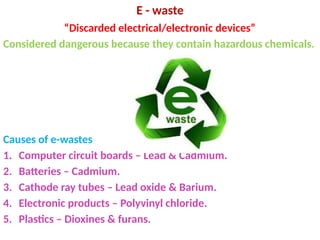
E - waste
“Discarded electrical/electronic devices”
Considered dangerous because they contain hazardous chemicals.
Causes of e-wastes
1. Computer circuit boards – Lead & Cadmium.
2. Batteries – Cadmium.
3. Cathode ray tubes – Lead oxide & Barium.
4. Electronic products – Polyvinyl chloride.
5. Plastics – Dioxines & furans.
E – waste management
“Holistic method of cutting down e-waste from the
earth and to prevent harmful effect”
E – waste management techniques
1.Inventory management - proper control over the
materials, used in the manufacturing process.
2.Production process modification – by changing the
production process.
3.Sustainable product design – computer design with
lighter & more integrated.
4. Use of renewable materials - plant based
materials or plant producted polymers.
Beneficial uses of recycling e-waste
Preserves both environmental & human
health.
Allows for recovery of precious metals.
Recovers important components of
devices.
Saves natural resources.
Reduce green house gas emission.
Increase employment opportunities.
Occupational Health And Safety
Management System(OHASMS)
 Fundamental part of an organization’s risk
management strategy.
 Enables an organization to protects work force
and others under its control
Importance
• Reduces risk/accidents/injuries by
identifying and mitigating hazards
Case studies on OHASMS
1. Footwear manufacturing industry in Ambur, Tamil nadu.
Objective
To access the status of occupational health and safety with
respect to social compliance
Observation
Azim leather industry, Ambur. Overall health and safety
management practice was found to be good.
Production process
• Raw materials collection , cutting, assembling, joining insole
& outsole to the shoe, finishing and packing.
• 70% workers are female.
• Employed experts to look after the work and improve
efficiency of workers.
Some of encouraging practices
• Positive attitude of owner towards welfare of the workers.
• Dedicated work force.
• Experienced and professional management.
• Good relationship between management & workers.
• Disbursement of salary and wages to workers.
• First aid box available in all floors.
• Primary health centre available.
• Certified physician and nurse.
• Child care centre.
• Well maintained hygienic canteen.
• Regular fire drill conducting.
• Regular testing of drinking water.
Deficiency found and solution
Environmental Conservation rules, labour rules of
Indian Government & International guidelines
To maintain cleanliness.
Temp and humidity measurement measuring
equipment needed.
Monitor and maintain suitable Lightings,
Display of safety data sheets for chemical storage
areas.
Confirm risk assessment work place, public health
and safety
Report or Conclusion
Overall health and safety management practice in
Azim leather industry, Ambur was found good.
Though some deficiency were found during this
visit, commitment of top management towards
health and safety was impressive.
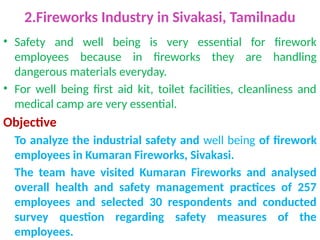
2.Fireworks Industry in Sivakasi, Tamilnadu
• Safety and well being is very essential for firework
employees because in fireworks they are handling
dangerous materials everyday.
• For well being first aid kit, toilet facilities, cleanliness and
medical camp are very essential.
Objective
To analyze the industrial safety and well being of firework
employees in Kumaran Fireworks, Sivakasi.
The team have visited Kumaran Fireworks and analysed
overall health and safety management practices of 257
employees and selected 30 respondents and conducted
survey question regarding safety measures of the
employees.
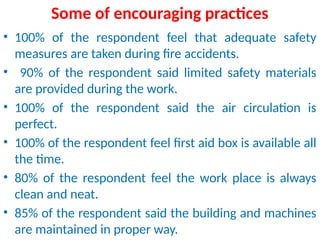
Some of encouraging practices
• 100% of the respondent feel that adequate safety
measures are taken during fire accidents.
• 90% of the respondent said limited safety materials
are provided during the work.
• 100% of the respondent said the air circulation is
perfect.
• 100% of the respondent feel first aid box is available all
the time.
• 80% of the respondent feel the work place is always
clean and neat.
• 85% of the respondent said the building and machines
are maintained in proper way.
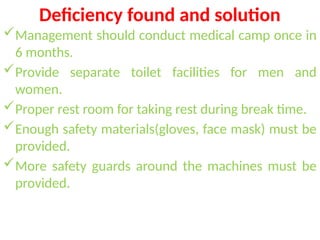
Deficiency found and solution
Management should conduct medical camp once in
6 months.
Provide separate toilet facilities for men and
women.
Proper rest room for taking rest during break time.
Enough safety materials(gloves, face mask) must be
provided.
More safety guards around the machines must be
provided.
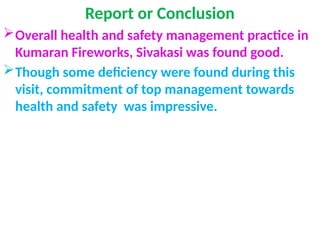
Report or Conclusion
Overall health and safety management practice in
Kumaran Fireworks, Sivakasi was found good.
Though some deficiency were found during this
visit, commitment of top management towards
health and safety was impressive.
Environmental Protection
“Practice of protecting the natural environment from severe
pollution”
Objectives
Control natural resources.
Conserve the existing natural environment
Repair damage and reverse trends.
Importance
• Reduce air, water and land pollution.
• Facilitate the conservation of natural resources.
• Ensure the protection of biodiversity.
• Implement sustainable development.
• Restore the ecological balance.
• Save from harmful effects of global warming.
WATER (Prevention and Control of Pollution) Act,
1974
• Provides for maintaining & restoring the sources of water.
• Provides for preventing and controlling water pollution.
Objectives
• Protect water from all kinds of pollution.
• Preserve quality.
• Establishment of central & state boards for preventing
water pollution.
• Restrain for discharging sewage/effluent into water body.
• Any contravention of the standards leads to prison for 3 – 6
months.
• Requires permission to set up an industry which do not
discharge of effluent.
State Pollution Control Board
• Take steps to establish any industry/treatment/
disposal system or extension/addition in industry,
discharge of effluent into stream or river.
• Use any new or altered outlet for the discharge.
• Make new discharge of sewage.
Punishment
• In case of violation, notice served to offender. Even
closure or stoppage of supply of electricity, water
any other services.
• Imprisonment of 11/2 – 6 years and fine of Rs. 5,000.
Air (Prevention & Control of Pollution) Act,1981
• Act enacted in the conference held at Stockholm in
1972.
• Deals with problem related to air pollution, quality of
air etc.
• Establishment of Central and State control Boards with
absolute powers to monitor air quality and pollution
control.
OBJECTIVES
• Prevent, control and abatement of air pollution.
• To maintain quality of air.
• To establish board for the prevention and control of air
pollution.
IMPORTANT FEATURES
• SPCB - verify emissions from
industrial/automobiles units.
- collect information related to air pollution.
- function as inspectorate of air pollution.
- examine the standards manufacturing
processes and control of equipment.
- advise to state government to declare
heavily polluted areas.
- advice to avoid burning of waste products.
CPCB - coordinate , settle disputes between state boards,
provides technical assistance and guidance to SPCB.
- advice central government.
- organises training programme.
- awareness thro mass media.
- preparation of manual for treatment.
- collect, compile & publishes data related to
pollution.
- establishes lab for water analysis.
- study the water quality parameters.
• Prohibit operation of industrial units in heavily polluted
areas.
• Violation of law – punishable with imprisonment of 3
months or fine up to Rupees 10,000 or both
FOREST (CONSERVATION OR PRESERVATION) ACT, 1980
 Conservation of all types of forest & related aspects.
 Aimed to arrest deforestation.
OBJECTIVES
 To protect and conserve the forest.
 To ensure judicious use of forest products.
IMPORTANT FEATURES
• Reserved forest shall not be diverted without the prior
permission of central government.
• Forest land may not be used for non-forest purposes.
• To stop any illegal non-forest activity within forest area.
• Clearance of forest land for re-afforestation is forbidden.
• Violation is punishable.
WILDLIFE (PROTECTION) ACT, 1972, AMENDED IN
1983, 1986 & 1991
• Protect and preserve wildlife.
• Wild life refers to all animals and plants.
• Declining the use of wildlife skins, furs, feather etc.
• Some of them listed as endangered species in the
Act.
• Wildlife –integral part of our ecology, plays an
essential role in its functioning.
• Wildlife populations are regularly monitored and
management strategies formulated to protect
them.
OBJECTIVES
• To maintain essential ecological processes and life
supporting systems.
• To preserve biodiversity.
• To ensure continuous use of species.
IMPORTANT FEATURES
• Act covers rights and non-rights of forest dwellers.
• Restricted grazing in sanctuaries, not allowed in national
parks.
• Prohibits collection of non-timber products.
• Mining non-forest activity, prior approval of Central govt.
is a must.
• Any proposal to Central government must include cost -
benefit analysis, socio-economic impact etc.
IBWL – 1952
 Wildlife related terminology.
 Appointment of wildlife advisory board, wardens and
their powers & duties.
 Preparation of endangered species list.
 Setting of sanctuaries, parks etc.
 Trade & commerce of some wildlife(licence for sale,
possession, trade etc.
 Imposes a ban – scheduled animals.
 Legal powers of officers & punishment.
 Captive breeding program(adopted all states except J & K.
 Lion – 1972, Crocodile – 1974, Deer – 1981.
ENVIRONMENT (PROTECTION) ACT , 1986
• Act came into force on November, 19, 1986 the birth
anniversary of our late Prime Minister Indira Gandhi.
• Shmt. Indira Gandhi, pioneer of environmental
protection issues in our country.
• Act empowers Central government to fix standards for
quality air, soil, water, noise. To formulate procedures &
safe guards for handling hazardous substances.
• OBJECTIVES
• To protect & improve environment.
• To prevent hazards to all living creatures and property.
• To maintain harmony between human and environment.
IMPORTANT FEATURES OF ENVIRONMENT ACT
• Empowers Government to lay down procedures,
safeguards for prevention of accidents which causes
pollution, remedial measures if accident occurs.
• Government has the authority to close /prohibit /
regulate any industry, if there is any violation.
• Stringent penalties – imprisonment up to 5 years or
punishment with fine up to 1 lakh or both.
• If violation continues, additional fine of Rs.5,000 per
day for the entire period of violation.
• Punishment for the person who is directly in charge.
He may be the director/manager/secretary.
POLLUTION
CASE
STUDIES
Air Pollution
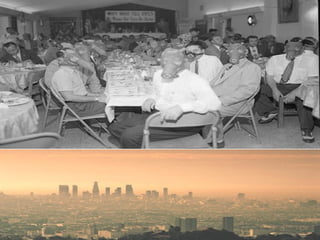
1. London smog
 December 5, 1952 - heavy smog formation over
the city of London, prevailed for 5 days - London
smog.
produced by the mixing of smoke, fog, SO2 and
ammonium sulphate.
SO2 contribute to the formation of polluted smog
combines with moisture and produces H2SO3
vapours in the atmosphere.
When the automobile exhausts are trapped by this
smog and exposed to sunlight, it produces
Contd…
Effects
• prevents the sunlight entering the earth
and reduces the visibility causing
darkness. This causes road accidents and
the delay in the schedule of flights.
• Causes irritation of the eye, pneumonia
and bronchitis in human beings
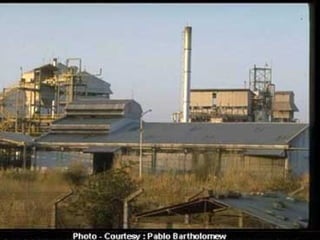
2. Bhopal gas tragedy
The poisonous gas, methyl isocyanate(MIC) leakage in the
pesticides manufacturing plant of Union Carbide of India
Ltd(UCIL), Bhopal, Madhya Pradesh, India, on December 3,
1984.
MIC gas is stored under specific pressure in storage tankers.
But one day the pressure in the storage tank No:610
increased abnormally till it reached an explosive level.
The pressure increased from 8 psi to 40 psi and finally the
pressure release (i.e. safety valve) opened.
MIC gas was released in the atmosphere under pressure.
The safety valve remained open for two hours releasing
over 46 tones of MIC in liquid form spreading over 40 sq.
km. affected people residing within 5 to 8 km area.
Contd…
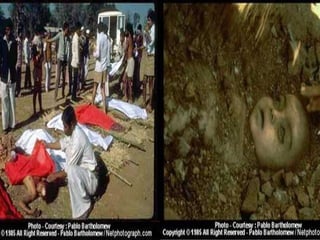
Effects
• About 5200 persons were killed.
• About 2,50,000 persons got exposed to MIC.
• An estimated 65,000 people suffered from severe
eye, respiratory, neuromuscular, gastrointestinal and
gynecological disorders.
• 1000 persons became blind.
• MIC induced mutations.
• About 1,600 domestic animals were killed.
• The vegetation of that area was also greatly
affected.
3. Darkening effect of Taj Mahal
Taj mahal is a white marble stone mausoleum in
Agra on the bank of Yamuna.
It was built by the Mughal Emperor Shajahan in
memory of his beloved wife Mumtaj, which is
described as one of the Seven Wonders of the
World.
It was built by a very superior kind of white marble,
which shines brightly during the full moon time.
But recently, it was observed that the walls of Taj
Mahal became darkened as well as disfigured in a
gradual manner.
Contd…
The reason is the air pollution caused by the nearby Mathura
oil refinery, which ejects large quantities of SO2 gas into the
atmosphere. When rainwater and SO2 react, it produces
sulphurous acid and sulphuric acid.
H2O + SO2 H2SO4
SO2 + O2 SO3
H2O + SO3 H2SO4
The rainwater along with sulphuric acid reacts with marble
stone to produce calcium sulphate. This causes darkening and
disfigurement of the marble stones.
CaCO3 + H2SO4 CaSO4 + H2O + CO2
The above process of pollution is known as “stone leprosy”.
Water pollution
4. Pollution of river Ganga
The river Ganga originates in the Gangotri glacier -
foot hills of the Himalayas.
three major sources of water pollutants make the
water unfit for drinking/bathing purpose.
• Domestic sewage: sewages from 25 major cities are
allowed to contaminate.
• Industrial Effluent: Effluent from nearly 600
tanneries pollutes.
• The chemicals due to synthetic fertilizers, pesticides
etc. that run off into river Ganga by rain, also pollute.
Contd…
5. Arsenic Pollution in Ground Water
• West Bengal, Bihar and Bangladesh
• Excessive use of lead arsenate and copper arsenate
as pesticides in summer paddy and jute crops.
• Ironically, the installations of tube wells triggered
the naturally occurring arsenic that already existed
in the earth to dissolve into the drinking water.
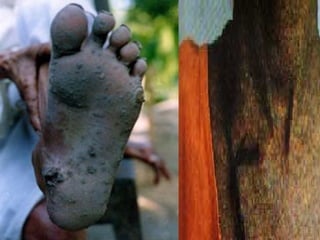
• The arsenic that was present in the water was
colorless, tasteless and odorless, therefore people
did not realize that their drinking water was
contaminated by arsenic until there was a
widespread of people suffering from various
diseases, such as warts, skin lesions, and cancers.
MARINE POLLUTION
6. The Minamata diseases
Chisso chemical company, manufacturing
acetaldehyde and vinyl polymer discharged mercury
into Minamata bay.
The effluent containing mercury ions was converted
into a highly toxic chemical of methyl mercury by the
micro-organisms present in the muddy sediments.
Hundreds of people were affected with nervous
disorders by eating poisoned fish and many people
died. The disaster is called as “Minamata or Dancing
disease”. Finally in 1969, the plant was closed.
7. Gulf War
 The Gulf War took place in Kuwait from Jan. 16 - Feb. 26, 1991.
 US army supporting Kuwait army in order to turn down the
brutal aggression of Kuwait by Iraq.
 The Gulf war took place for nearly 42 days.
 The American fighters dropped a lakh of bombs (1 ton capacity).
 The Iraqi army have set fire on nearly 750 oil wells of Kuwait.
 Most of the oil wells are on shore or offshore of the sea.
 The oil floating over sea water covered nearly 80km long and 20
km wide area.
Effects
• More than a million birds have been killed.
• The crude oil containing poisonous organic compounds
vaporized and caused toxic effect in human beings.
• The oil slick in the sea made the desalination plants ineffective.
Nuclear pollution
8. Nuclear bomb blast
During the Second World War a last option to control Japan, the
countries like United States, Britain, France and Russia under the
leadership of the president Truman’s direction, dropped one atom
bomb “little boy” on August 6, 1945. It fell over Hiroshima. The
bomb was made up of enriched U235
.
Another atom bomb “Fat man” was dropped on August 6, 1945
over Nagasaki. It was made up of PU235
. These radioactive metals
had half-life of several thousand years.
Effects
• Hiroshima blast destroyed 11 sq.km and Nagasaki 5.sq.km.
• 3,40,000 persons were killed.
• Genetic mutation, Blood cancer, Brain damage, Breathing difficulty.
• Fall of hair in large amount within a very short period.
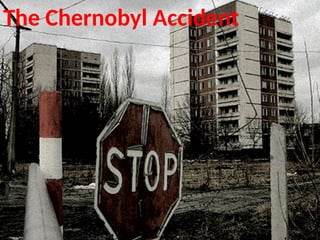
9. Chernobyl nuclear disaster
The meltdown of the Chernobyl nuclear reactor of Russia due to
the failure of the cooling systems in the reactor has leaked out
the radioactive materials. This disaster happened on April 26,
1986.
 The whole reactor was burning. A large quantity of radioactive
materials were thrown out to the atmosphere. These materials
settled down on the surface of the earth as radioactive fallout.
One of the reasons for this accident is mainly due to the poor
design of the reactor. The cooling systems of nuclear reactors,
the ordinary water is used as a coolant as a cost saving device.
Effects
• 31 persons died and 239 people were hospitalized, 5,76,000
suffered from cancer.
• Blood abnormalities, hanges in lungs, cataract, reproductive
failure and cancer.
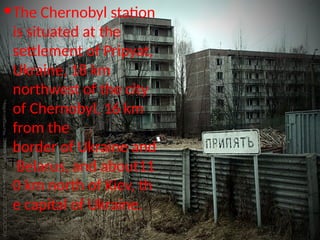
The Chernobyl Accident
The Chernobyl station
is situated at the
settlement of Pripyat,
Ukraine, 18 km
northwest of the city
of Chernobyl, 16 km
from the
border of Ukraine and
Belarus, and about11
0 km north of Kiev, th
e capital of Ukraine.
Soil Pollution
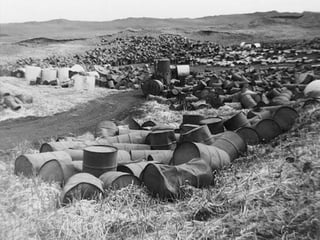
10. Love Canal Tragedy
 Love Canal is a neighborhood in Niagara Falls
 In 1940 the U.S. Army dumped waste from World War II.
 Hooker Chemical purchased the land in 1942 and lined it with clay
and estimated 21,000 tons of hazardous chemical waste in large
metal barrels and covered them with more clay.
 In 1953, Hooker sold the land to the Niagara Falls school board.
They built a public school on the site and sold the surrounding land
for a housing project that built 200 homes. During construction, the
canal’s clay cap and walls were breached, damaging some of the
metal barrels.
 Eventually, the chemical waste seeped into people's basements,
and the metal barrels worked their way to the surface. Trees and
gardens began to die; bicycle tires and the rubber soles of children's
shoes disintegrated in noxious puddles.
DISASTER MANAGEMENT
disaster is a sudden calamity, which brings misfortune and
miseries to humanity.
Disasters have serious impact on human life, economy and
environment.
They disrupt the normal pattern of life, because a disaster
is often severe, sudden, unexpected and widespread.
Types
1. Natural disasters - two types
a) Geophysical origin - earth quakes, volcanic eruptions
landslides.
b) Climate origin - drought, flood, cyclone and forest fire.
2. Man-made disasters are accidents, pollution, fire, and
spread of epidemics.
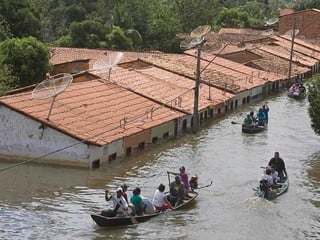
Flood
Excess water that overflows stream banks and covers adjacent land
due to heavy rains.
Causes of flood
• Heavy intense rainfall.
• The melting of accumulated snow.
• The melting of snow combined with rain.
• Over saturated soil, when the ground cannot hold anymore water.
• River, stream reservoir levels caused by unusually large amounts of
rain.
• Urbanization, construction of road & buildings.
• Clearing the forest for agriculture.
 Next to Bangladesh, India is the most flood affected country in the
world. The flood affected areas have been increasing in the last
few decades and during 1950 – 90, the annual increase has been
about 50 percent.
Contd…
Damage
• Contamination, damage to building and Property.
• Soil erosion, Silting of dams & reservoirs, habitat loss etc.
Control method
• Forecast, warming and advice through media(radio/TV).
• Valuable household items, animals and other necessary
materials like food, clothes, medicines, etc., should be shifted to
safer places.
• Elderly people and children should be evacuated to safe
shelters on emergency basis.
• Government agencies and NGOs should help the flood affected
people by providing public health services. To modify the loss,
disaster relief and tax relief should be provided.
2. Earthquakes
“the sudden violent shaking of a part of the earth due to sudden
movements of earth’s crust along faults”
• The earth’s crust has several tectonic plates of solid rocks, which slowly move
along their boundaries.
• When friction prevents these plates from slipping, stress builds up. This results in
sudden fractures causes earthquakes, the violent, short-term vibrations in the
earth.
• The point on the fault at which the first movement occurs - epicenter.
Measure of Earthquakes
The severity measured by its magnitude on Richter scale,
Richter Scale Severity of earthquake
Less than 4.0 Insignificant
4.0 to 4.9 Minor
5.0 to 5.9Damaging
6.0 to 6.9Destructive
7.0 to 7.9Major
More than 8Great
Contd…
• The largest earthquake recorded on may 22, 1960 in Chile,
with the estimated magnitude of 9.5 on Richter scale. It
affected 90,000 square miles and killed 6,000 people.
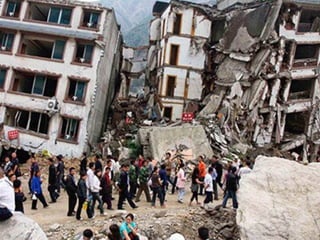
• The devastating earthquake, which hit Bhuj Town in
Gujarat had caused massive damage, killing 20,000 –
30,000 people and leaving many injured. It has an energy
equivalent to a 5.3 megaton hydrogen bomb.
Effects
• Shaking sometimes a permanent vertical or horizontal
displacement of the ground occurs.
• rockslides, flooding caused by subsidence of land.
• Coastal area earthquake-generated water wave called
Tsunami.
Contd…
Causes
• Impoundment of huge quantities of water in lake behind a big dam.
• Underground nuclear testing.
• Deep well disposal of liquid waste.
Precautionary measures
• Damage to property and life can be prevented by constructing
earthquake-resistant buildings.
• Wooden houses are preferred in earthquake prone areas.
• People should come out of their houses and stay in the open till the
tremors subside.
• People should stay away from the buildings and electric poles.
• The police control room, the fire control office, the nearby Red Cross
office or the Non-Governmental organization (NGO) in the area should be
informed immediately.
• Relief camps may be arranged either by the government agencies or other
social groups.
3. TSUNAMI
“harbour wave”. “Tsu” means harbour and “nami” stands for wave.
“large waves are generated, when the sea floor is deformed by seismic activity,
vertically displacing the overlying water in the ocean.”
Tsunami Phenomenon
• Tsunami is not a single wave, but a series of waves.
• Tsunami travels across the deep sea at very high speed of around 1000 kmph.
Causes
• Under sea volcanic eruption that creates tremendous force.
• Deformation of the sea floor due to tectonic movement.
• 2004 Tsunami of Asia
Tsunami – Huge seismic sea waves, triggered by a massive undersea earthquake
with epicenter near Sumatra in Indonesia, on 26th
December, 2004, left over
1,50,000 people dead and tens of thousands homeless in India, Sri Lanka and
South-East Asia.measured 8.9 Richter. Much destruction was caused in India, Sri
Lanka, Malaysia, Maldives, and Thailand within two hours.
The waves rose as high as 6-10 meters throughout the Indian Ocean and
Andaman Sea. This earthquake was the world’s fifth most powerful since 1900.
CYCLONES
“A closed circulating wind rotating counter-clockwise in the
Northern Hemisphere and anticlockwise in the Southern
hemisphere”
 Cyclones are intense storms that develop over warm tropical sea.
 One of the requirements for formation is Sea Surface Temperature
(SST) should be above 26ºC.
 The tropical cyclones move at the speed of 10 – 30km per hour.
 The wind of a cyclone blows at a speed of 120km per hour.
hurricanes - Atlantic, Caribbean and North Eastern Pacific
Typhoons - Western Pacific
Cyclones - Indian Ocean
willy willies - Australia
• Approximately 100 to 120 cyclones develop worldwide every year.
• More storms occur in the Bay of Bengal, than in the Arabian sea. Of 5
– 6 storms that from in the year about half of them are severe.
Contd…
Preventive methods
• Planting more trees on the coastal belt.
• Construction of dams, storm shelter, wind breaks, proper drainage and wide roads for quick
evacuation.
• Check that your home is in good condition, especially the roof.
• Trim any tree branches hanging over your roof.
• People can avoid settling in places, which are vulnerable to cyclone attack.
• Government can give meteorological information in advance, so that people can be informed
on the attack of cyclone.
Prevention at the time of cyclone Hits
• Store all loose items inside.
• Fuel your car and park it under solid cover.
• Close the shutters and windows.
• Disconnect all electrical appliances and turnoff the gas.
• Continue to listen to your radio for updates and advice.
Prevention taken after cyclone
• Don’t go outside until officially advised to do so.
• Check for gas leaks and do not use electrical appliances if wet.
• Beware of fallen power lines, damaged bridges, buildings and trees.
• Continue to listen to your radio and watch television for official warming and advice.
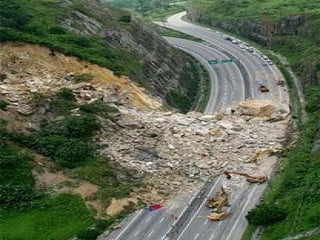
5. Landslide
when coherent rock of soil masses move down slope due to
gravitational pull (or) falling of rocks resulting from heavy
rains.
Causes
• Rain, Deforestation, Floods etc.
• Forces either increasing the top material weight.
Effect
• heavy damage to crops and property.
• Road, bridges, rail links, telephone lines, power transmission
lines get damaged.
• The low lying areas are encircled with flood waters and get
isolated for days together. Resulting in spread of epidemics such
as cholera, viral fevers and so on.
• Flow deposit that divert the passage, Erosion of soil.
Contd…
Precautionary measures
• Draining the surface and subsurface water.
• Providing slope support like wired stone blocks.
• Concrete support at the base of a slope.
• Ban on construction in hilly slopes or landslide
prone areas by the government.
• Planting of deep rooted vegetation.
• Inspect and repair all drainage systems.
• Advanced meteorological information from
government will prevent major disaster.
• “Nature” is a wonderful book authored by God.

Unit II Pollution Environmental Science.pptx

  • 1.
  • 2.
    DISCIPLINE MAKES TODAYHARD, BUT IT MAKES TOMORROW EASY EXCUSES MAKE TODAY EASY, BUT THEY MAKE TOMORROW HARD by Dr.L.Muruganandam
  • 3.
    POLLUTION • undesirable changein physical, chemical & biological characteristics of the environment. (Unwanted alteration of the environment) • Pollutants: substances responsible for the undesirable changes in the environment. • The air we breathe, the water we drink and the places where we live are contaminated with toxic substances resulting in air, water and land pollution. These result in health hazards.
  • 4.
    Classification of Pollutants Accordingto the stability of the pollutants, i) Bio-degradable pollutants:quickly decomposed by natural process. Example: domestic sewage. ii) Non bio-degradable pollutants: either do not decompose or decompose slowly in the environment. Example: DDT, aluminium cans etc.
  • 5.
    Classification of Pollution Basedon the type of environment affected, classified into seven types. Four types only in our syllabus Air pollution Water pollution Soil Pollution Noise pollution Pollutants released in the environment, enter into soil by adsorption, into water by dissolution and into air by evaporation.
  • 6.
    AIR POLLUTION “ excessive concentrationof foreign matter in the air, which adversely affects the individuals. If the concentration of any substances or element in air is more than a certain value, it may affect man and his property, directly or indirectly.
  • 7.
    Contd… Air pollution isvery crucial, because every individual person breaths approximately 22,000 time a day, inhaling about 25mm of air daily. Man requires enormous quantities of air for his survival. The air should be fresh and clean. In addition, the air we breathe goes into direct contact with the most sensitive organs of the human body like the respiratory tract and the lungs.
  • 8.
    Classification The principal airpollutants are classified as primary and secondary pollutants. a)Primary pollutants: emitted directly in a harmful form. Example: ash, smoke, fumes, dust, NO, SO2, CO etc. b)Secondary pollutants: formed from the primary pollutants. Example: SO3, NO2, PAN, Ozone, HNO3, H2SO4 etc. Sunlight 2SO2 + O2 2SO3 1o pollutant 2o pollutant
  • 9.
    Sources of AirPollution 1. Natural sources Produced by natural process like volcanic eruptions, forest fires, sea salt sprays, biological decay, photochemical oxidation of terpenes, radioactive minerals present in the earth crust etc. 2. Man made sources Produced by human activities like thermal power plants, industrial units, vehicular emission, fossil fuel burning, agricultural activities etc.
  • 11.
    Common air pollutants-Causes & Effects 1. Carbon monoxide (CO) Nature: colourless, odourless and poisonous gas. Sources: released by the incomplete combustion of fuels in automobiles, industries, oil refineries and also from cigarette smoke. 2C + O2 2CO Effects: CO reaches lungs and combines with hemoglobin to form carboxyhemoglobin. It has affinity for hemoglobin 210 times more than oxygen. Hemoglobin is, therefore, unable to transport oxygen to various parts of the body. This causes headache, visual difficulty, suffocation, dizziness, etc. • Long exposure to CO may cause coma, irreversible brain cell damage and death.
  • 12.
    2.Nitrogen dioxide (No2) Nature:Reddish brown irritating gas. Sources: Combustion of fossil fuels in automobiles and industries, forest fire, nitric acid manufacturing industry, explosive and fertilizer industries. Effects: Asthma, bronchitis and pneumonia and lower resistance to infections. • NO2 react with volatile organic compounds in the presence of sunlight to form photochemical smog. • In the atmosphere, it can be converted into nitric acid(HNO3), a major component of acid rain. NO2 + Moisture HNO3 • Acid rain damage trees, soils and aquatic life in lakes, corrode metals, stone buildings, statues and monuments and damage fabrics.
  • 13.
    3. Sulphur dioxide(SO2) Nature: colourless and irritating gas. Sources: formed from the combustion of sulphur containing fossil fuels. S + O2 SO2 Effects: Causes cardiac and respiratory diseases such as asthma, bronchitis, eye irritation in human beings. • attack building materials, clothes, leather and paper are also affected. • Plants are sensitive to high concentrations of SO2 and suffer from chlorosis (disappearance of chlorophyll), metabolic inhibition, plasmolysis and even death. • It causes acid rain and can damage trees, soils and aquatic life. SO2 + H2O H2SO3 2H2SO3 + O2 2H2SO4
  • 14.
    4. Suspended ParticulateMatter(SPM) Nature: Variety of suspended droplets, solid particles. Mixtures of the two are referred to as particulates. They are suspended in atmosphere for short periods to long periods. Sources: Burning of coal in power plants and fuels in vehicles, agriculture, unpaved roads and construction. Effects: Nose & throat irradiation, lung damage, bronchitis, asthma, reproductive problems, cancer, visibility reduction
  • 15.
    5. Ozone (O3) Nature:Highly reactive irritating gas with an unpleasant odor.  Sources: oxides of nitrogen react with the unburnt hydrocarbons released by the exhausts of automobiles produce secondary pollutants like peroxyacetyl nitrate, ozone, aldehydes and ketones etc. Sunlight Hydrocarbons + NOx Photochemical smog  Effects: • irritation to eye, nose and throat causing headache. • Ozone is known to damage chromosome. • Both O3 and PAN cause damage to plants by interfering with plant cell metabolism. Yellowing and premature fall of leaves.
  • 16.
    6. Photochemical Smog Nature:Brownish smoke like appearance frequently forms on clear, sunny days over large cities. Sources: It is a mixture of smoke and fog, which forms droplets that remain suspended in the air. London smog: It consists of coal smoke and fog. The chemical composition is the mixture of SO2, SO3 and humidity. Los Angels smog: It occurs due to the reaction of oxides of nitrogen with CO2, H2O, CO and unburned hydrocarbon particles from automobile exhausts. Effects • It causes bronchial irritation, breathing problems, heart diseases, pneumonia, cough and eye, nose & throat
  • 17.
    7. Lead Nature: Solidtoxic metal and its compounds emitted into the atmosphere as particulate matter. It enters the body as Pb2+ . Source • Lead is the anti-knocking agent used in petrol. • Paint (old houses), smelters (metal refineries), storage batteries are the other sources. Effects • It causes brain damage and digestive problems. • Affects the central nervous system and impairs kidney functions.
  • 18.
    8. Chloro FluoroCarbon Sources: used as coolants in refrigerators and air conditioners, as propellants, cleaning solvents, etc. Effect: Depletion of Ozone layer. 9. Hydrocarbons Nature: Accumulated due to the decay of vegetable matters. Sources: produced from coal fields, natural fires, incomplete combustion, organic chemical factories, plastic industries etc. Effects • A high concentration of hydrocarbons irritates skin and eyes, affect lungs causing lung cancer. • Some hydrocarbons are carcinogenic.
  • 19.
    10. Chromium Nature: Solidtoxic metal. Sources: Paint, smelters, chrome plating etc. Effects: Gastro intestinal disorder, central nervous system, cancer, perforation of nasal septum etc.
  • 20.
    CONTROL MEASURES The followingmethods are most effective for dealing with the control of air pollution. 1. Source correction methods (or) source control 2. Pollution control equipment (or) control measures in industrial centers.
  • 21.
    1. SOURCE CONTROL 1.Use only unleaded petrol. 2. Use petroleum products and other fuels with low sulphur and ash content. 3. Reduce the number of private vehicles on the road by developing an efficient public transport system. 4. Encouraging people to walk or use cycles. 5. Ensure that houses, schools, restaurants etc. are not located on busy streets and near industries. 6. Plant trees along busy streets. They remove particulates and carbon monoxide and absorb noise. 7. Industries and waste disposal sites should be situated outside the city centre. 8. Use catalytic converters to help control the emissions of CO and hydrocarbons. 9. Use less polluting fuels (Hydrogen gas). 10. Use non-conventional sources of energy.
  • 22.
    2. POLLUTION CONTROLEQUIPMENTS • The emission rates should be restricted to permissible levels by each and every industry. • Continuous monitoring of the atmosphere for the pollutants should be carried out to know the emission levels. • Sufficient amount of oxygen must be supplied to the combustion chamber for the complete combustion. • Equipments should be used to control air pollution. • Electrostatic precipitator, Bag house filter, Cyclone separator and Wet scrubber are used to remove the particulate from the exhaust gases.
  • 23.
    1. Electrostatic precipitator(ESP) Workson the principle of electrostatic precipitation i.e. electrically charged particulates present in the polluted gas, are separated from the gas stream under the influence of the electrical field. Easily remove more than 98% of the particles.
  • 24.
    2. Baghouse filter(Fabricfilters) • In a fabric filter system, a stream of the polluted gas is passed through a fabric that filters out the particulate pollutants and allows the clear gas to pass through.
  • 25.
    3. Cyclone collector(or) separator • The gas containing particulate is allowed to flow into a light circular spiral-filtered chamber. The centrifugal force exerted on the dispersed particulate, forces the particulates towards the walls of the chamber, where they start setting down due to gravity.
  • 26.
    4. Wet Scrubber •Particulates, vapours and gases are removed by passing the polluted gas through a liquid solution. • Scrubbers are used on coal burning power plants and concrete plants, which emit SO2, H2S and other gases with high water solubility.
  • 27.
    5. Green belt •Planting trees in series around the industry and also along the road to absorb the air pollutants and noise level is reduced. This is called green belt.
  • 28.
    WATER POLLUTION “alteration inphysical, chemical and biological characteristics of water, which may cause harmful effects on humans, plants, animals and aquatic life”.
  • 29.
    Sources of waterpollution • Point sources • Non-point sources 1. Point sources  specific sites near water  discrete and identifiable  easy to monitor and regulate. Examples: Industries, power plants, underground coal mines, oil wells etc. 2. Non-point sources (or) Diffused sources  not at any particular site  sources are scattered  difficult to monitor and regulate. Examples: Surface run-off from agricultural fields, atmosphere deposition, and construction sites etc.
  • 30.
    Ground Water Pollution •Ground water forms about 6.2% of the total water available on planet earth. • Ground water seems to be less prone to pollution as the soil mantle through which water passes, helps to retain various contaminations due to its cation exchange capacity. • Septic tanks, industries(textile, chemical, tanneries etc.), deep well injection, mining etc., are mainly responsible for ground water pollution. • Groundwater pollution with fluoride and nitrate ions and arsenic, are posing serious health hazards.
  • 31.
    Surface Water Pollution 1.Sewage: Pouring the drains and sewers in fresh water bodies causes water pollution. 2. Industrial effluents: Industrial wastes containing toxic chemicals, acids, alkalis, metallic salts, phenols, cyanides, ammonia, radioactive substances, etc. 3. Synthetic detergents: Synthetic detergents used in washing and cleaning produce foam and thus pollute water. 4. Agrochemicals: Agrochemicals like fertilizers and pesticides washed by rain-water and surface run-off pollute water. 5. Oil: Oil spillage into sea-water during drilling and shipment, pollute water. 6. Waste heat: Waste heat from industrial discharges increases the temperature of water bodies.
  • 32.
    Common water pollutantsand their effects 1. Infections agents (or) Pathogens • Wastewater sewage contains many pathogenic organisms like bacteria, viruses, protozoa and parasitic worms. • Water borne diseases like cholera, dysentery, typhoid, jaundice etc. are spread by water contaminated with sewage. 2. Oxygen demanding wastes • Organic matter(animal manure, plant debris) which reaches water bodies is decomposed by aerobic bacteria in water. For this degradation, oxygen dissolved in water is consumed. • The saturation value of DO varies from 8-15 mg/L. For active fish species 5-8 mg/L of DO is required. Lower DO may be harmful to animals especially fish population.
  • 33.
    Contd… 3. Inorganic chemicals Water soluble inorganic chemicals, compounds of toxic metals and salts in ocean water and fluoride found in some soils.  Sources: Surface runoff, industrial and household cleaners.  Effects i. Excess of fluoride in drinking water causes defects in teeth and bones. This is called fluorosis. ii. Lower crop yields. iii. Accelerate corrosion of metals exposed to such water. iv. Harm fish and other aquatic life. v. Arsenic pollution of groundwater in Bangladesh and West Bengal cause various types of abnormalities. vi. Pollution by cadmium had caused the disease called Itai-Itai in the people of Japan. In this disease bones, livers, kidney, lungs, pancreas and thyroid are affected. (cadmium contaminated rice)
  • 34.
    Contd… 4. Organic chemicals Example:Oil, gasoline, plastics, pesticides, cleaning solvents, detergents. Sources: Industrial effluents, household cleaners, surface runoff water from farms. Effects i. Nervous system damage and different types of cancer to human health. ii. Non-biodegradable pesticides (DDT) travel through food chain and ultimately reach the intestines of the humans. They accumulate in the fatty tissues and affect the nervous system. The concentration of these toxic substances builds up at successive levels of food chain. This process is called biomagnifications.
  • 35.
    Contd… Components DDT concentration(ppm) Birds 10.00 Needle Fish 1.0 Minnows 0.1 Zooplanktons 0.01 Water 0.000001 iv. In 1953, people in Japan suffered from numbness of body parts, vision and hearing problems and abnormal mental behaviors. This disease called Minamata disease (dancing disease) occurred due to consumption of methylmercury contaminated fish caught from Minamata Bay in Japan. v. Oil pollutants have been known to be responsible for the death of many water birds and fishes.
  • 36.
    Contd… 5. Plant nutrients Example:Water soluble compounds containing nitrate, Phosphate and ammonium ions. Source: Sewage, manure and runoff of agricultural and urban fertilizers. Effects • excessive growth of algae and other aquatic plants, which die, decay; consume dissolved oxygen from water. Under anaerobic conditions foul smelling gases are produced. • Drinking water with excessive levels of nitrates, reduce the oxygen carrying capacity of the blood and can kill urban children and infants. This disease is called blue baby syndrome or mathaemoglobinemia.
  • 37.
    Contd… 6. Sediment Example: Soil,Silt. Source: Land erosion Effects • These sediments increase turbidity. The reduced light penetration may restrict the photosynthetic activity of plants. • This inhibits the vision of aquatic animals and interferes with feeding of aquatic animals. • Disrupt aquatic food webs.
  • 38.
    Contd… 7. Radioactive materials Example:Radioactive isotopes of Iodine, radon, uranium, cesium and thorium. Sources: Nuclear power plants, mining and processing of uranium and other ores, nuclear weapons production and natural sources. Effect: Genetic mutations, birth defects and cancers. 8. Heat (thermal pollution) Sources: Water cooling of nuclear power stations and some type of industrial plants. Effects: Lower dissolved oxygen levels. This affects the aquatic life.
  • 39.
    Characteristics/Testing of wastewater 1. Dissolved Oxygen Amount of oxygen dissolved in given quantity of water at particular P & T. 2. Biological Oxygen Demand(BOD) Amount of oxygen required for the biological oxygen decomposition of organic matter present in the water. 3. Chemical Oxygen Demand(COD) Amount of oxygen required for chemical oxidation of organic matter using oxidising agent.
  • 40.
    Control of waterpollution reduce water pollution from point sources by legislation. The following points help in reducing from non- point sources. i. Careful use of agrochemicals. ii. Use of nitrogen fixing plants. iii. Adopting integrated pest management. iv. Prevent run-off of manure. v. Separate drainage for sewage and rain water. vi. Planting trees .
  • 41.
    Contd… • treatment ofwastewater is essential before being discharged. Reduction of Total Dissolved Solids(TDS), Biological Oxygen Demand(BOD), Chemical Oxygen Demand (COD), nitrates and phosphates, oil and grease, toxic metals etc. • treated by primary and secondary treatments to reduce BOD and COD levels to the permissible levels before discharge. • Advanced treatment for removal of nitrates and phosphates will prevent eutrophication. • Before the discharge of wastewater, it should be disinfected to kill the disease-causing organisms like bacteria.
  • 42.
    Contd… • Disinfection byozone/UV radiations/chlorination. • Public awareness regarding adverse effects. • Suitable laws, standards and practices should be framed. Punishment should be given. • reuse or recycle of treated sewage effluents and industrial wastes encouraged. • Catchments area of rivers, streams and lake should be protected from possibilities of pollution. • Scientists and experienced persons on water treatment should be utilized for efficient wastewater treatment system.
  • 43.
    Wastewater treatment • Thecomposition of municipal wastewater varies from place to place. • The type of treatment depends on its characteristics and the desired quality of water. • The wastewater treatment plants are generally primary, secondary or advanced treatment. The purpose of wastewater treatment is Harmful compds harmless compds. • Eliminate offensive smell. • remove organic/inorganic substances, nutrients, toxic substances. • kill pathogenic organisms,
  • 44.
    Primary treatment • debrisand large particles can be removed with the help of screen. • then passed through grit chamber where sand, grit and other solids settle down. • then passed through the sedimentation tank where most of suspended solids settle down due to gravity. • For better removal of suspended solids, chemically treated polymers are used. • About 35% of BOD and 60% of suspended solids are removed during primary treatment.
  • 46.
    Secondary treatment It isa biological process which involves micro-organisms. It removes upto 90% of BOD and 90% of suspended solids. Biodegradable oxygen demanding wastes are stabilized.
  • 47.
    Various approaches adoptedin secondary treatment 1. Trickling filters  consist of a bed of crushed stones covered with slime consists of aerobic bacteria, algae, fungi, worms and insect larvae.  Sewage is degraded by aerobic bacteria, when it passes through the bed and is collected at bottom of the filter. removal of organic matter.
  • 48.
    Activated sludge process •The effluent from the primary clarifier goes to aeration tank. • Aeration tank also receives micro-organisms from the secondary settling tank known as activated sludge. • Oxygen is pumped into aeration tank for maintaining aerobic conditions after few hours of agitation; the wastewater goes to secondary settling tank, where solids settle at the bottom. • The sludge is produced, dewatered and disposed off. This can be used for landfills.
  • 49.
    Rotating biological contactor(RBC) circular discs are arranged on a rotating shaft. Circular disc have micro-organisms grown on them and in a wastewater holding tank. About 40% area of the discs is submerged in the tank. The discs rotate in and out of water as the RBC rotates. The micro-organisms present on the discs absorb organic matter when they are in water and obtain the required oxygen when the discs are out of water.
  • 50.
    Advanced sewage treatment After the primary & secondary treatment many undesirable substances still remain in the effluent.  The treatment involves specific steps depending upon the type of substances to be removed. The materials to be removed in such treatment may include nitrates and phosphates, colours, bacteria, viruses, pesticides, toxic metals etc. • Chlorination is done to kill harmful bacteria and viruses. • chlorine may produce cancer causing chlorinated hydrocarbons by reacting with organic matter. • Other methods are UV light and ozone treatment. The sludge produced after such treatment is used as a fertilizer. However there are chances of toxic metals and other untreated substances to build up in the food chain or leach
  • 51.
    Upflow anaerobic sludgeblanket (UASB) reactor • consists of four stages of anaerobic digestion; hydrolysis, acidogenesis, acetogenesis and methanogenesis. • A dense blanket of granular anaerobic biomass is used to convert organic compounds that are passed through the sludge blanket continuously biogas is collected at the top of the reactor. • The wastewater to be treated is fed into the reactor at the bottom. As the influent flows through the loops and enters the reactor chamber, hydrolysis occurs. • The above mentioned four anaerobic process convert the influent into H2, CO2, CH4 acetate, new cell-matter etc. COD removal of up to 80% is achieved. Methane and CO2 produced are separated from the reactor.
  • 52.
    SOIL POLUTION “Contaminating soilby human and natural activities, which may cause harmful effects on living beings” All the soil pollutants have an adversely affect on the physical, chemical and biological properties of the soil and reduce its productivity.
  • 53.
    Sources of soilpollution • Rapid urbanization, increase in population and building construction has resulted in the reduction of lands for the wastes to be disposed. • Every year, solid wastes are increasing tremendously all over the world depending upon the living standards of the people. • Soil pollution mainly results from the following sources. • Industrial wastes • Urban wastes from cities, rural waste from villages • Agricultural wastes / practices • Radioactive pollutants and • Biological agents
  • 54.
    Contd… 1. Industrial wastes Disposalof industrial waste is the major problem.  Sources effluents discharged from chemical industries, paper mills, tanneries, textile mills, steel industries, distilleries, refineries, pesticides & fertilizer industries, pharmaceutical industries, thermal & nuclear power plants, mining industries etc. Nature of Industrial wastes organic compounds along with inorganic complexes and non-biodegradable materials. hazardous chemicals can enter into food chain from the soil or water, disturb the biochemical process.
  • 55.
    Contd… 2. Urban wastes bothcommercial and domestic wastes consisting of dried sludge of sewage. Constituents of urban refuse plastics, glasses, metallic cans, fibers, paper, rubbers, street sweepings, fuel residues, leaves, containers, and other discarded manufactured products. In India, about 115 million of urban population produced nearly 15 million tones of solid wastes. Urban domestic wastes like glass, plastics, metallic cans are dangerous, because they cannot be easily degraded.
  • 56.
    Contd… 3. Agricultural Practices Modernagricultural practices pollute the soil to a large extent. Today with the advancing agro-technology, huge quantities of fertilizers, pesticides, herbicides and weedicides are the non-degradable toxic chemicals. DDT, BHC etc. inhibit the non-target organisms, and reduce soil productivity. These chemicals accumulate the food chain and ultimately affect human health.
  • 57.
    Contd… 4. Radioactive pollutants explosionof radioactive devices; radioactive wastes discharged from industries and laboratories. Isotopes of radium, uranium, thorium, strontium, iodine and cesium and of many other elements reach the soil and persist there for a long time and keep on emitting radiations. Examples Radio nuclides of radium, thorium, uranium, isotopes of potassium and carbon are very common in soil, rock, water and air.
  • 58.
    Contd… • Radioactive wastecontains Strontium-90, Iodine-129, Cesium-137 and isotopes of iron, which are most injurious. Sr-90 gets deposited in bones become brittle and is prone to fracture. • Nuclear reactor produces waste containing Ruthenium- 106, Iodine-131, Barium-140, Lanthanum – 140, and Cesium-144 along with the primary nuclides Sr-90 and Cs- 137. All these radio nuclides on the soil emit gamma radiations. 5. Biological agents Soil receives excreta from animals and humans. The sewage sludge contains many pathogenic organisms, bacteria, viruses and industrial worms, which cause pollution in the soil.
  • 59.
    Contd… a. Pathogenic organismsoccurring naturally in contaminated soil Soil has its own distinctive flora and fauna it is inhabited by bacteria, fungi, algal, protozoan, nematodes, earthworms, anthropoids etc. These organisms are important agents in increasing or decreasing the soil fertility in altering the physical texture of the soil. b. Pathogenic organisms excreted or discharged by man Human excreta include pathogens such as bacteria and parasitic worms. c. Pathogenic organisms excreted by animals pathogenic bacteria and parasitic worms excreted or discharged by animals. These microorganisms are transmitted from animals to soil and then from soil to man.
  • 60.
    Control measures ofsoil pollution 1. Soil erosion controlled by a variety of forestry and farm practices. For example, Trees may be planted on barren slopes. Contour farming, terracing, strip cropping and alley cropping may be practiced. 2. Proper dumping of unwanted materials Effluents should be properly treated before discharging. Solid waste properly collected and disposed-off by appropriate method. Recently, Controlled tipping is followed for solid waste disposal.
  • 61.
    Contd… 3. Production ofnatural fertilizers Excessive use of chemical fertilizers and insecticides should be avoided. Biopesticides and natural fertilizers like animal dung and plant wastes should be used. 4. Proper Hygienic condition People and especially rural women should be trained regarding the sanitary habits.  stes should be banned. 5. Public Awareness Informal and formal public awareness programs should be imparted to educate people on health hazards by environmental pollution.
  • 62.
    Contd… 6. Recycling andReuse of wastes To minimize soil pollution, the wastes such as paper, plastics, metals, glasses, organics, petroleum products and industrial effluents etc., should be recycled and reused. For example, Biodegradable wastes should be used for biogas production. Cattle dung should be used for methane generation. 7. Ban on toxic chemicals Ban should be imposed on chemicals and pesticides like DDT, BHC, etc., which are toxic to plants and animals. Nuclear explosions and the improper disposal of radioactive wastes should be banned.
  • 63.
    NOISE POLLUTION We hearvarious types of sounds every day. A type of sound may be pleasant to someone and at the same time unpleasant to others. The unpleasant and unwanted sound is called noise. “the unwanted, unpleasant or disagreeable sound that causes discomfort for all living beings”. Noise is expressed as a dimensionless unit, decibel (dB), which is one tenth of the longest unit Bel, one dB is equal to the faintest sound, a human ear can hear Noise can affect human ear because of its loudness and frequency.
  • 64.
    Contd… The Central PollutionControl Board(CPCB), India has recommended permissible noise levels for different locations as given below. Area Noise level in dB Day Night Industrial 75 65 Commercial 50 50 Residential 70 55 Silence Zone 45 40
  • 65.
    Sources of Noisepollution The main sources of noise pollutions are i) Various modes of transportation (like air, road and rail-transportation) ii) Industrial operations (machinery) iii) Construction activities iv) Celebrations (Social / religious functions, election etc) v) Electronic home appliances (TV, radio, dry mixie, wet grinder, etc)
  • 66.
    1. Industrial NoisePollution * Compressors * Generators * Grinding mills * Furnaces * Looms * Releasing valves Some of the industrial process and the noise generated are `Industry Noise level (dB) • Boiler’s shop 120 • Farm tractor 103 • Saw mill 85 -101 • Power plant90 - 100 • Sugar industry 101 - 104 • Plastic industry 87 – 94 noisy working environment for 48 hours a week (occupational noise). workers are suffering from progressive hearing damage.
  • 67.
    2. Transport noise Continuousmovement of vehicles cause transport noise. Transport noise can be further sub-divided into i) Road traffic noise ii) Aircraft noise iii) Rail traffic noise The number of road vehicles has increased enormously in recent years. The noise levels have peak values, when aircrafts during takeoff and landing at airports. People residing near the railway track are affected by the noise produced, especially during night hours. In metropolitan cities has shown that noise level in Delhi, Bombay and Calcutta is as high as 90 dB.
  • 68.
    3. Neighborhood Noise Transistor,radio, TV, other musical instruments, air conditioner, washing machine, etc., are common sources of noise at home. 4. Noise pollution during Diwali Diwali is a festival of lights. Traditionally, people of all ages enjoy firecrackers. Some accidents do occur every year claiming a few lives. Besides, noise generated by various firecrackers is beyond the permissible noise levels of 125 dB as per the Environmental protection Rules, 1999. Therefore, it is important to educate people about the harmful effects of noise during such festivals like Diwali.
  • 69.
    Effect of NoisePollution Noise causes the following effects 1. Interferes with man’s communication: In a noisy area, communication in severely affected. 2. Hearing damage: Noise can cause temporary or permanent hearing loss. It depends on intensity and duration of sound level. • 125 dB gives the sensation of pain in the ear. • When a person exposed to very loud and sudden noise, acute damage occurs to the car
  • 70.
    3. Physiological andPsychological changes Continuous exposure to noise affects the functioning of various systems of the body. a. Physiological effect • Causes contraction of blood vessels. This makes the skin pale. It leads to excessive secretion of adrenalin hormone into blood stream - high blood pressure. • Cause heart attacks and neurological problems, birth defects and abortion. • Affect the digestive, respiratory, cardiovascular systems and semicircular canals of the internal ear. The rate of heart beat may also be affected. • The human blood is also thickened by excessive noises. • Headache, hypertension, sleeplessness, gastro-intestinal and digestive disorders, peptic ulcers are caused. b. Psychological effect Result in behavioral changes, emotional changes; sleep loss, lowering of concentration and memory etc.
  • 71.
    Control of Noisepollution 1. Source control • source modification - treatment to machine surfaces, design changes, limiting the operational timings and so on. • Noise making machines should be kept in containers with sound absorbing media. • Proper oiling will reduce the noise from the machinery. 2. Design of doors and windows Sound wave travels through very thin cracks between the door and wall. Excellent sound insulation is obtained by constructing glazed window with double or triple panes of glass. 3. Treatment of ceilings and floorings Suitable sound absorbing materials like sound proof tiles, perforated plywood and specially made porous material are available. They can be fixed on walls, floors and ceilings.
  • 72.
    Contd… 4. Planting trees Plantsand trees should be planted along the highways and near industrial areas. Trees absorb and dissipate sound energy and act as a buffer zone. 5. Through law Legislation can ensure that sound production is minimized at various social functions. 6. Firecrackers should not be used in silence zones. [area comprising not less than 100 meters around hospitals, educational institutions, courts, religious places] 7. Ear Protection Aids For noisy industries, the workers should be provided with ear protection aids like earplugs, headphones or noise helmets.
  • 73.
    SOLID WASTE MANAGEMENT “allthe waste arising from human and animal activities that are solid and are discarded as useless or unwanted”. • Higher standards of living of increasing population increase in the quantity and variety of waste generated. • Management become very important to minimize the adverse effects. • Classified as municipal, industrial, agricultural, medical, mining waste and sewage sludge. • Hazardous wastes can cause death or injury to human and animal life. • More than 4,000 tones of solid waste are generated daily in New Delhi alone.
  • 74.
    Classification classified on thebasis of their origin a. Urban waste b. Industrial waste c. Hazardous waste 1. Sources of urban solid waste a. Waste from homes (Domestic waste) Variety of discharged materials - polyethylene bags, aluminium cans, scrap metals, glass bottles, waste paper, cloth, food waste etc. b. Waste from shops(Commercial waste) From hotels, markets, workshops, institutions etc., - waste paper, packaging materials, cans, bottles, polyethylene bags, peanut shells, eggshells, tea leaves etc.,
  • 75.
    Contd… c. Biomedical waste Wasteorganic materials - anatomical wastes, pathological wastes, infectious waste etc. d. Construction / Demolition waste Waste construction materials - debris and rubbish, wood, concrete etc. e. Horticulture waste Waste from Parks - vegetable parts, residues and remains of slaughtered animals.
  • 76.
    Nature / Typeof the waste (i) Bio degradable wastes waste materials that can be degraded by microorganisms. Ex: vegetable wastes, tea leaves, egg shells, peanut shells, dry leaves etc., (ii) Non-biodegradable wastes Wastes that cannot be degraded by microorganisms. Ex: polythene bags, scrap metal, glass bottles, synthetic cloth etc.
  • 77.
    Contd… 2. Sources ofindustrial solid waste materials including factory rubbish, packing material, organic wastes, acids, alkalis, and metal etc. During some industrial processing, large quantities of hazardous and toxic materials are produced. The main sources of industrial wastes are: • Chemical industries – Acids, bases, reactive waste, organic waste, toxic chemicals. • Metal industries – Heavy metal, cylinder waste, solid wastes. • Nuclear power plant – Radioactive wastes. • Paper, paint, plastic, glass, ceramics, battery industries • Petroleum refining industry – Benzene, sludge from refining processes.
  • 78.
    Effect of SolidWaste • Improper disposal – foul smell and breeds various microbes affects land value. • Toxic metals and hazardous wastes – affects soil productivity and characteristics. • Chemicals percolate – contaminate ground water. • Burning of industrial waste produce furans, dioxines, polychlorinated biphenyls – harmful to living things.
  • 79.
    Solid Waste Management “Processof collecting, treating and disposing of solid waste” three R’s’ – Reduce, Reuse & Recycle i. Reduction in use of raw materials Reduction in the use of raw materials will decrease the production of waste. Reduced demand of metallic product will decrease the mining of the metals and cause less production of waste.
  • 80.
    Contd… ii. Reuse ofwaste materials • refillable containers - discarded after use can be reused. • Making rubber rings from the discarded cycle tubes, reduces waste generation during manufacturing of rubber bands. iii. Recycling of materials • Reprocessing of discarded materials into new useful products. • For example: Recycling of paper will reduce cutting of trees.
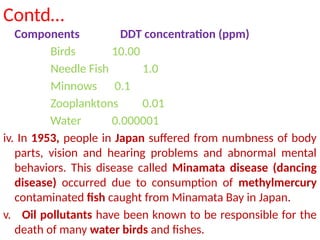
  • 81.
    Process of SolidWaste Management For discarding the wastes, the following methods can be adopted i) Solid waste generation ii) Collection of wastes iii) Transportation iv) Storage v) Segregation of wastes vi) Disposal methods (a)Landfill (b) Incineration (c) Composting
  • 82.
    Contd… 1. Sanitary landfill garbageis spread out in thin layers, compacted and covered with clay or plastic foam. After two or three years, solid waste volume shrinks by 25 – 30% and the land is used for parks, roads and small buildings. • Cheapest method of waste disposal. • In the modern landfills, the bottom is covered with an impermeable layer(several layers of clay, thick plastic and sand). • The layer protects the ground water from being contaminated due to percolation of leachate. • Leachate from bottom is pumped and sent for treatment. • When landfill is full, it is covered with clay, sand, gravel and top soil to prevent leakage of water. • Methane produced by anaerobic decomposition is collected and burnt to produce electricity or heat.
  • 83.
    Contd… Advantages • Simple andeconomical. • Segregation is not required. • Land filled areas can be used for other purposes. • Converts low-lying, marshy waste-land into useful areas. • Natural resources are returned to soil and recycled. Disadvantages • Large area is required. • Land is available away from town, transportation cost is heavy. • Bad odours, if landfills are not properly packed. • Land filled areas will be the breeding place for mosquitoes and flies. • Causes fire hazard due to the formation of methane in wet weather.
  • 84.
    Contd… 2. Incineration • mosthygienic way of disposing solid waste. • more suitable, if the waste contains more hazardous material and organic content. • the municipal solid wastes are burnt in a furnace called incinerator. • combustible substances(rubbish, garbage, dead organisms) and noncombustible matter(glass, porcelain, metals) are separated before feeding to incinerators. • left out ashes and clinker from the incinerators may be accounted for only about 10 to 20%. • heat produced during the burning of refuse is used in the form of steam power for generation of electricity.
  • 85.
    Contd… Advantages • Residue isonly 20 – 25% of original weight; the clinker can be used after treatment. • Requires very little space. • Cost of transportation is not as high as incinerators located within city limits. • Safest from hygienic point of view. • An incinerator plant of 300 tons per day capacity can generate 3MW of power. Disadvantages • Capital and operating cost is high. • Needs skilled personnel. • Formation of smoke, dust and ashes need further disposal, due to which air pollution may be caused.
  • 86.
    Contd… 3. Composting Due toshortage of space for landfill in bigger cities, the biodegradable waste is allowed to degrade or decompose in an oxygen rich medium - composting. • Microorganisms(actinomycetes), introduced for active decomposition within 2 or 3 days biological action starts, organic matters are destroyed and heat is liberated increasing the temperature of the compost by about 75ºC and refuse is converted to brown coloured, odourless mass - humus and used for agricultural fields. World Health Organization (WHO) has set up a compost plant in New Delhi in 1981 with a capacity to handle 90 to 100 tons of waste every day.
  • 87.
    Contd… Advantages • When themanure is added to soil, it increases the condition of the soil and fertility. • Recycling occurs • Number of industrial solid wastes can be treated. • Manure can be sold, thereby reducing the cost of disposing of wastes. Disadvantages • Non-biodegradable waste has to be disposed separately. • “There are no wastes materials in Nature, there are only wasted materials”
  • 88.
    Individual Participation • Plantmore trees. • Help more in pollution prevention and pollution control. • Use eco friendly products. • Use water, energy and other resources efficiently. • Purchase recyclable, recycled and environmentally safe products. • Use CFC free refrigerators. • Reduce your dependency on fossil fuel especially coal or oil. • Use natural gas. • Reduce deforestation. • Increase the use of renewable resources like solar energy, tidal energy, wind energy etc.
  • 89.
    Contd… • Reduce garbageby recycling and reuse. • Improve energy efficiency. This will reduce the amount of waste energy, i.e., more is achieved with less energy. • Use mass transport system. For short visits, use bicycle or go on foot. Decrease the use of automobiles. • Use organic manure instead of commercial inorganic fertilizers. • Use rechargeable batteries. Rechargeable batteries will reduce metal pollution. • Use pesticides only when absolutely necessary and that too in right amount. • Do not put pesticides, paints, solvents, oils, or other harmful chemicals into the drain. • Don’t use polystyrene cups that have CFC molecules in them. • Control population growth. • Don’t cut the trees for construction purposes.
  • 90.
    HAZARDOUS WASTE “Waste thathas potential threats to public health/environment” Ex: cleaning solvents, spent acids &bases, metal finishing wastes, painting wastes, disinfectants & pesticides etc.,
  • 91.
    TYPES & CHARACTERISTICS 1.Toxic wastes: poisionous even trace amounts, acute and chronic effects. 2. Carcinogenic wastes: causes cancer after many yrs of exposure. 3. Mutagenic wastes: causes major biological changes in the off- spring of exposed humans & wild life. 4. Reactive wastes: chemically unusable & react violently with air/water, forms toxic vapours. 5. Ignitable waste: burn at low temp. & cause fire hazard. 6. Corrosive wastes: alkaline/acidic, destroy solid & living tissue. 7. Infectious waste: bandages, needles, biological research facilities. 8. Radioactive wastes: emission of ionising energy harm to living organisms.
  • 92.
    HAZARDOUS WASTE MANAGEMENT “collection,treatment and disposal of waste materials can cause substantial harm to human/environment” • Improper hazardous waste storage/disposal causes water & land pollution. • People near waste disposal sites in vulnerable position. Steps involved in hazardous waste management 1. Analysis 2. Collection 3. Transportation 4. Recovery 5. Recycling 6. Disposal
  • 93.
    1.Analysis Physical & chemicalproperties must be analysed before collection & used as a fertilizer, liming material or soil amendment. 2. Collection Collected & transported by truck over public highways & also shipped. 3. Treatment (or) recovery Treated by i) Physical method - evaporation, sedimentation etc., ii) Chemical ,, - precipitation, ion-exchange etc., ii) Thermal ,, - multiple hearth furnace, rotary kiln etc., iii) Biological ,, - land farming, bio-remediation etc.,
  • 94.
    4: Storage andDisposal Wastes not destroyed by incineration or other chemical processes need to be disposed properly. a) Surface storage i) New waste piles:  carefully constructed over an impervious base.  Protected from wind dispersion, erosion & leaching.  Ex: Non-containerized solid, non-flowing waste. ii) Ponds  Lined with impervious clay soils and flexible membrane liners to protect ground water.  Leachate collection systems installed between the liners.
  • 95.
    b. Deep-well injection •Involves pumping liquid waste through a steel casing into a porous layer of limestone/sandstone. • High pressure is applied to force the liquid into the pores where it is permanently stored. c. Land fills  Provides atleast 3mts of separation between the bottom of the landfill and the underlying bed rock/water table.  Also provided with two impermeable liners and leachate collection system, which pumps the collected leachate to a treatment plant.
  • 96.
    E - waste “Discardedelectrical/electronic devices” Considered dangerous because they contain hazardous chemicals. Causes of e-wastes 1. Computer circuit boards – Lead & Cadmium. 2. Batteries – Cadmium. 3. Cathode ray tubes – Lead oxide & Barium. 4. Electronic products – Polyvinyl chloride. 5. Plastics – Dioxines & furans.
  • 97.
    E – wastemanagement “Holistic method of cutting down e-waste from the earth and to prevent harmful effect” E – waste management techniques 1.Inventory management - proper control over the materials, used in the manufacturing process. 2.Production process modification – by changing the production process. 3.Sustainable product design – computer design with lighter & more integrated. 4. Use of renewable materials - plant based materials or plant producted polymers.
  • 98.
    Beneficial uses ofrecycling e-waste Preserves both environmental & human health. Allows for recovery of precious metals. Recovers important components of devices. Saves natural resources. Reduce green house gas emission. Increase employment opportunities.
  • 99.
    Occupational Health AndSafety Management System(OHASMS)  Fundamental part of an organization’s risk management strategy.  Enables an organization to protects work force and others under its control Importance • Reduces risk/accidents/injuries by identifying and mitigating hazards
  • 100.
    Case studies onOHASMS 1. Footwear manufacturing industry in Ambur, Tamil nadu. Objective To access the status of occupational health and safety with respect to social compliance Observation Azim leather industry, Ambur. Overall health and safety management practice was found to be good. Production process • Raw materials collection , cutting, assembling, joining insole & outsole to the shoe, finishing and packing. • 70% workers are female. • Employed experts to look after the work and improve efficiency of workers.
  • 101.
    Some of encouragingpractices • Positive attitude of owner towards welfare of the workers. • Dedicated work force. • Experienced and professional management. • Good relationship between management & workers. • Disbursement of salary and wages to workers. • First aid box available in all floors. • Primary health centre available. • Certified physician and nurse. • Child care centre. • Well maintained hygienic canteen. • Regular fire drill conducting. • Regular testing of drinking water.
  • 102.
    Deficiency found andsolution Environmental Conservation rules, labour rules of Indian Government & International guidelines To maintain cleanliness. Temp and humidity measurement measuring equipment needed. Monitor and maintain suitable Lightings, Display of safety data sheets for chemical storage areas. Confirm risk assessment work place, public health and safety
  • 103.
    Report or Conclusion Overallhealth and safety management practice in Azim leather industry, Ambur was found good. Though some deficiency were found during this visit, commitment of top management towards health and safety was impressive.
  • 104.
    2.Fireworks Industry inSivakasi, Tamilnadu • Safety and well being is very essential for firework employees because in fireworks they are handling dangerous materials everyday. • For well being first aid kit, toilet facilities, cleanliness and medical camp are very essential. Objective To analyze the industrial safety and well being of firework employees in Kumaran Fireworks, Sivakasi. The team have visited Kumaran Fireworks and analysed overall health and safety management practices of 257 employees and selected 30 respondents and conducted survey question regarding safety measures of the employees.
  • 105.
    Some of encouragingpractices • 100% of the respondent feel that adequate safety measures are taken during fire accidents. • 90% of the respondent said limited safety materials are provided during the work. • 100% of the respondent said the air circulation is perfect. • 100% of the respondent feel first aid box is available all the time. • 80% of the respondent feel the work place is always clean and neat. • 85% of the respondent said the building and machines are maintained in proper way.
  • 106.
    Deficiency found andsolution Management should conduct medical camp once in 6 months. Provide separate toilet facilities for men and women. Proper rest room for taking rest during break time. Enough safety materials(gloves, face mask) must be provided. More safety guards around the machines must be provided.
  • 107.
    Report or Conclusion Overallhealth and safety management practice in Kumaran Fireworks, Sivakasi was found good. Though some deficiency were found during this visit, commitment of top management towards health and safety was impressive.
  • 108.
    Environmental Protection “Practice ofprotecting the natural environment from severe pollution” Objectives Control natural resources. Conserve the existing natural environment Repair damage and reverse trends. Importance • Reduce air, water and land pollution. • Facilitate the conservation of natural resources. • Ensure the protection of biodiversity. • Implement sustainable development. • Restore the ecological balance. • Save from harmful effects of global warming.
  • 109.
    WATER (Prevention andControl of Pollution) Act, 1974 • Provides for maintaining & restoring the sources of water. • Provides for preventing and controlling water pollution. Objectives • Protect water from all kinds of pollution. • Preserve quality. • Establishment of central & state boards for preventing water pollution. • Restrain for discharging sewage/effluent into water body. • Any contravention of the standards leads to prison for 3 – 6 months. • Requires permission to set up an industry which do not discharge of effluent.
  • 110.
    State Pollution ControlBoard • Take steps to establish any industry/treatment/ disposal system or extension/addition in industry, discharge of effluent into stream or river. • Use any new or altered outlet for the discharge. • Make new discharge of sewage. Punishment • In case of violation, notice served to offender. Even closure or stoppage of supply of electricity, water any other services. • Imprisonment of 11/2 – 6 years and fine of Rs. 5,000.
  • 111.
    Air (Prevention &Control of Pollution) Act,1981 • Act enacted in the conference held at Stockholm in 1972. • Deals with problem related to air pollution, quality of air etc. • Establishment of Central and State control Boards with absolute powers to monitor air quality and pollution control. OBJECTIVES • Prevent, control and abatement of air pollution. • To maintain quality of air. • To establish board for the prevention and control of air pollution.
  • 112.
    IMPORTANT FEATURES • SPCB- verify emissions from industrial/automobiles units. - collect information related to air pollution. - function as inspectorate of air pollution. - examine the standards manufacturing processes and control of equipment. - advise to state government to declare heavily polluted areas. - advice to avoid burning of waste products.
  • 113.
    CPCB - coordinate, settle disputes between state boards, provides technical assistance and guidance to SPCB. - advice central government. - organises training programme. - awareness thro mass media. - preparation of manual for treatment. - collect, compile & publishes data related to pollution. - establishes lab for water analysis. - study the water quality parameters. • Prohibit operation of industrial units in heavily polluted areas. • Violation of law – punishable with imprisonment of 3 months or fine up to Rupees 10,000 or both
  • 114.
    FOREST (CONSERVATION ORPRESERVATION) ACT, 1980  Conservation of all types of forest & related aspects.  Aimed to arrest deforestation. OBJECTIVES  To protect and conserve the forest.  To ensure judicious use of forest products. IMPORTANT FEATURES • Reserved forest shall not be diverted without the prior permission of central government. • Forest land may not be used for non-forest purposes. • To stop any illegal non-forest activity within forest area. • Clearance of forest land for re-afforestation is forbidden. • Violation is punishable.
  • 115.
    WILDLIFE (PROTECTION) ACT,1972, AMENDED IN 1983, 1986 & 1991 • Protect and preserve wildlife. • Wild life refers to all animals and plants. • Declining the use of wildlife skins, furs, feather etc. • Some of them listed as endangered species in the Act. • Wildlife –integral part of our ecology, plays an essential role in its functioning. • Wildlife populations are regularly monitored and management strategies formulated to protect them.
  • 116.
    OBJECTIVES • To maintainessential ecological processes and life supporting systems. • To preserve biodiversity. • To ensure continuous use of species. IMPORTANT FEATURES • Act covers rights and non-rights of forest dwellers. • Restricted grazing in sanctuaries, not allowed in national parks. • Prohibits collection of non-timber products. • Mining non-forest activity, prior approval of Central govt. is a must. • Any proposal to Central government must include cost - benefit analysis, socio-economic impact etc.
  • 117.
    IBWL – 1952 Wildlife related terminology.  Appointment of wildlife advisory board, wardens and their powers & duties.  Preparation of endangered species list.  Setting of sanctuaries, parks etc.  Trade & commerce of some wildlife(licence for sale, possession, trade etc.  Imposes a ban – scheduled animals.  Legal powers of officers & punishment.  Captive breeding program(adopted all states except J & K.  Lion – 1972, Crocodile – 1974, Deer – 1981.
  • 118.
    ENVIRONMENT (PROTECTION) ACT, 1986 • Act came into force on November, 19, 1986 the birth anniversary of our late Prime Minister Indira Gandhi. • Shmt. Indira Gandhi, pioneer of environmental protection issues in our country. • Act empowers Central government to fix standards for quality air, soil, water, noise. To formulate procedures & safe guards for handling hazardous substances. • OBJECTIVES • To protect & improve environment. • To prevent hazards to all living creatures and property. • To maintain harmony between human and environment.
  • 119.
    IMPORTANT FEATURES OFENVIRONMENT ACT • Empowers Government to lay down procedures, safeguards for prevention of accidents which causes pollution, remedial measures if accident occurs. • Government has the authority to close /prohibit / regulate any industry, if there is any violation. • Stringent penalties – imprisonment up to 5 years or punishment with fine up to 1 lakh or both. • If violation continues, additional fine of Rs.5,000 per day for the entire period of violation. • Punishment for the person who is directly in charge. He may be the director/manager/secretary.
  • 120.
  • 121.
    Air Pollution 1. Londonsmog  December 5, 1952 - heavy smog formation over the city of London, prevailed for 5 days - London smog. produced by the mixing of smoke, fog, SO2 and ammonium sulphate. SO2 contribute to the formation of polluted smog combines with moisture and produces H2SO3 vapours in the atmosphere. When the automobile exhausts are trapped by this smog and exposed to sunlight, it produces
  • 122.
    Contd… Effects • prevents thesunlight entering the earth and reduces the visibility causing darkness. This causes road accidents and the delay in the schedule of flights. • Causes irritation of the eye, pneumonia and bronchitis in human beings
  • 124.
    2. Bhopal gastragedy The poisonous gas, methyl isocyanate(MIC) leakage in the pesticides manufacturing plant of Union Carbide of India Ltd(UCIL), Bhopal, Madhya Pradesh, India, on December 3, 1984. MIC gas is stored under specific pressure in storage tankers. But one day the pressure in the storage tank No:610 increased abnormally till it reached an explosive level. The pressure increased from 8 psi to 40 psi and finally the pressure release (i.e. safety valve) opened. MIC gas was released in the atmosphere under pressure. The safety valve remained open for two hours releasing over 46 tones of MIC in liquid form spreading over 40 sq. km. affected people residing within 5 to 8 km area.
  • 126.
    Contd… Effects • About 5200persons were killed. • About 2,50,000 persons got exposed to MIC. • An estimated 65,000 people suffered from severe eye, respiratory, neuromuscular, gastrointestinal and gynecological disorders. • 1000 persons became blind. • MIC induced mutations. • About 1,600 domestic animals were killed. • The vegetation of that area was also greatly affected.
  • 128.
    3. Darkening effectof Taj Mahal Taj mahal is a white marble stone mausoleum in Agra on the bank of Yamuna. It was built by the Mughal Emperor Shajahan in memory of his beloved wife Mumtaj, which is described as one of the Seven Wonders of the World. It was built by a very superior kind of white marble, which shines brightly during the full moon time. But recently, it was observed that the walls of Taj Mahal became darkened as well as disfigured in a gradual manner.
  • 129.
    Contd… The reason isthe air pollution caused by the nearby Mathura oil refinery, which ejects large quantities of SO2 gas into the atmosphere. When rainwater and SO2 react, it produces sulphurous acid and sulphuric acid. H2O + SO2 H2SO4 SO2 + O2 SO3 H2O + SO3 H2SO4 The rainwater along with sulphuric acid reacts with marble stone to produce calcium sulphate. This causes darkening and disfigurement of the marble stones. CaCO3 + H2SO4 CaSO4 + H2O + CO2 The above process of pollution is known as “stone leprosy”.
  • 130.
    Water pollution 4. Pollutionof river Ganga The river Ganga originates in the Gangotri glacier - foot hills of the Himalayas. three major sources of water pollutants make the water unfit for drinking/bathing purpose. • Domestic sewage: sewages from 25 major cities are allowed to contaminate. • Industrial Effluent: Effluent from nearly 600 tanneries pollutes. • The chemicals due to synthetic fertilizers, pesticides etc. that run off into river Ganga by rain, also pollute.
  • 131.
    Contd… 5. Arsenic Pollutionin Ground Water • West Bengal, Bihar and Bangladesh • Excessive use of lead arsenate and copper arsenate as pesticides in summer paddy and jute crops. • Ironically, the installations of tube wells triggered the naturally occurring arsenic that already existed in the earth to dissolve into the drinking water. • The arsenic that was present in the water was colorless, tasteless and odorless, therefore people did not realize that their drinking water was contaminated by arsenic until there was a widespread of people suffering from various diseases, such as warts, skin lesions, and cancers.
  • 133.
    MARINE POLLUTION 6. TheMinamata diseases Chisso chemical company, manufacturing acetaldehyde and vinyl polymer discharged mercury into Minamata bay. The effluent containing mercury ions was converted into a highly toxic chemical of methyl mercury by the micro-organisms present in the muddy sediments. Hundreds of people were affected with nervous disorders by eating poisoned fish and many people died. The disaster is called as “Minamata or Dancing disease”. Finally in 1969, the plant was closed.
  • 134.
    7. Gulf War The Gulf War took place in Kuwait from Jan. 16 - Feb. 26, 1991.  US army supporting Kuwait army in order to turn down the brutal aggression of Kuwait by Iraq.  The Gulf war took place for nearly 42 days.  The American fighters dropped a lakh of bombs (1 ton capacity).  The Iraqi army have set fire on nearly 750 oil wells of Kuwait.  Most of the oil wells are on shore or offshore of the sea.  The oil floating over sea water covered nearly 80km long and 20 km wide area. Effects • More than a million birds have been killed. • The crude oil containing poisonous organic compounds vaporized and caused toxic effect in human beings. • The oil slick in the sea made the desalination plants ineffective.
  • 135.
    Nuclear pollution 8. Nuclearbomb blast During the Second World War a last option to control Japan, the countries like United States, Britain, France and Russia under the leadership of the president Truman’s direction, dropped one atom bomb “little boy” on August 6, 1945. It fell over Hiroshima. The bomb was made up of enriched U235 . Another atom bomb “Fat man” was dropped on August 6, 1945 over Nagasaki. It was made up of PU235 . These radioactive metals had half-life of several thousand years. Effects • Hiroshima blast destroyed 11 sq.km and Nagasaki 5.sq.km. • 3,40,000 persons were killed. • Genetic mutation, Blood cancer, Brain damage, Breathing difficulty. • Fall of hair in large amount within a very short period.
  • 136.
    9. Chernobyl nucleardisaster The meltdown of the Chernobyl nuclear reactor of Russia due to the failure of the cooling systems in the reactor has leaked out the radioactive materials. This disaster happened on April 26, 1986.  The whole reactor was burning. A large quantity of radioactive materials were thrown out to the atmosphere. These materials settled down on the surface of the earth as radioactive fallout. One of the reasons for this accident is mainly due to the poor design of the reactor. The cooling systems of nuclear reactors, the ordinary water is used as a coolant as a cost saving device. Effects • 31 persons died and 239 people were hospitalized, 5,76,000 suffered from cancer. • Blood abnormalities, hanges in lungs, cataract, reproductive failure and cancer.
  • 137.
  • 138.
    The Chernobyl station issituated at the settlement of Pripyat, Ukraine, 18 km northwest of the city of Chernobyl, 16 km from the border of Ukraine and Belarus, and about11 0 km north of Kiev, th e capital of Ukraine.
  • 139.
    Soil Pollution 10. LoveCanal Tragedy  Love Canal is a neighborhood in Niagara Falls  In 1940 the U.S. Army dumped waste from World War II.  Hooker Chemical purchased the land in 1942 and lined it with clay and estimated 21,000 tons of hazardous chemical waste in large metal barrels and covered them with more clay.  In 1953, Hooker sold the land to the Niagara Falls school board. They built a public school on the site and sold the surrounding land for a housing project that built 200 homes. During construction, the canal’s clay cap and walls were breached, damaging some of the metal barrels.  Eventually, the chemical waste seeped into people's basements, and the metal barrels worked their way to the surface. Trees and gardens began to die; bicycle tires and the rubber soles of children's shoes disintegrated in noxious puddles.
  • 142.
    DISASTER MANAGEMENT disaster isa sudden calamity, which brings misfortune and miseries to humanity. Disasters have serious impact on human life, economy and environment. They disrupt the normal pattern of life, because a disaster is often severe, sudden, unexpected and widespread. Types 1. Natural disasters - two types a) Geophysical origin - earth quakes, volcanic eruptions landslides. b) Climate origin - drought, flood, cyclone and forest fire. 2. Man-made disasters are accidents, pollution, fire, and spread of epidemics.
  • 143.
    Flood Excess water thatoverflows stream banks and covers adjacent land due to heavy rains. Causes of flood • Heavy intense rainfall. • The melting of accumulated snow. • The melting of snow combined with rain. • Over saturated soil, when the ground cannot hold anymore water. • River, stream reservoir levels caused by unusually large amounts of rain. • Urbanization, construction of road & buildings. • Clearing the forest for agriculture.  Next to Bangladesh, India is the most flood affected country in the world. The flood affected areas have been increasing in the last few decades and during 1950 – 90, the annual increase has been about 50 percent.
  • 145.
    Contd… Damage • Contamination, damageto building and Property. • Soil erosion, Silting of dams & reservoirs, habitat loss etc. Control method • Forecast, warming and advice through media(radio/TV). • Valuable household items, animals and other necessary materials like food, clothes, medicines, etc., should be shifted to safer places. • Elderly people and children should be evacuated to safe shelters on emergency basis. • Government agencies and NGOs should help the flood affected people by providing public health services. To modify the loss, disaster relief and tax relief should be provided.
  • 146.
    2. Earthquakes “the suddenviolent shaking of a part of the earth due to sudden movements of earth’s crust along faults” • The earth’s crust has several tectonic plates of solid rocks, which slowly move along their boundaries. • When friction prevents these plates from slipping, stress builds up. This results in sudden fractures causes earthquakes, the violent, short-term vibrations in the earth. • The point on the fault at which the first movement occurs - epicenter. Measure of Earthquakes The severity measured by its magnitude on Richter scale, Richter Scale Severity of earthquake Less than 4.0 Insignificant 4.0 to 4.9 Minor 5.0 to 5.9Damaging 6.0 to 6.9Destructive 7.0 to 7.9Major More than 8Great
  • 148.
    Contd… • The largestearthquake recorded on may 22, 1960 in Chile, with the estimated magnitude of 9.5 on Richter scale. It affected 90,000 square miles and killed 6,000 people. • The devastating earthquake, which hit Bhuj Town in Gujarat had caused massive damage, killing 20,000 – 30,000 people and leaving many injured. It has an energy equivalent to a 5.3 megaton hydrogen bomb. Effects • Shaking sometimes a permanent vertical or horizontal displacement of the ground occurs. • rockslides, flooding caused by subsidence of land. • Coastal area earthquake-generated water wave called Tsunami.
  • 149.
    Contd… Causes • Impoundment ofhuge quantities of water in lake behind a big dam. • Underground nuclear testing. • Deep well disposal of liquid waste. Precautionary measures • Damage to property and life can be prevented by constructing earthquake-resistant buildings. • Wooden houses are preferred in earthquake prone areas. • People should come out of their houses and stay in the open till the tremors subside. • People should stay away from the buildings and electric poles. • The police control room, the fire control office, the nearby Red Cross office or the Non-Governmental organization (NGO) in the area should be informed immediately. • Relief camps may be arranged either by the government agencies or other social groups.
  • 150.
    3. TSUNAMI “harbour wave”.“Tsu” means harbour and “nami” stands for wave. “large waves are generated, when the sea floor is deformed by seismic activity, vertically displacing the overlying water in the ocean.” Tsunami Phenomenon • Tsunami is not a single wave, but a series of waves. • Tsunami travels across the deep sea at very high speed of around 1000 kmph. Causes • Under sea volcanic eruption that creates tremendous force. • Deformation of the sea floor due to tectonic movement. • 2004 Tsunami of Asia Tsunami – Huge seismic sea waves, triggered by a massive undersea earthquake with epicenter near Sumatra in Indonesia, on 26th December, 2004, left over 1,50,000 people dead and tens of thousands homeless in India, Sri Lanka and South-East Asia.measured 8.9 Richter. Much destruction was caused in India, Sri Lanka, Malaysia, Maldives, and Thailand within two hours. The waves rose as high as 6-10 meters throughout the Indian Ocean and Andaman Sea. This earthquake was the world’s fifth most powerful since 1900.
  • 151.
    CYCLONES “A closed circulatingwind rotating counter-clockwise in the Northern Hemisphere and anticlockwise in the Southern hemisphere”  Cyclones are intense storms that develop over warm tropical sea.  One of the requirements for formation is Sea Surface Temperature (SST) should be above 26ºC.  The tropical cyclones move at the speed of 10 – 30km per hour.  The wind of a cyclone blows at a speed of 120km per hour. hurricanes - Atlantic, Caribbean and North Eastern Pacific Typhoons - Western Pacific Cyclones - Indian Ocean willy willies - Australia • Approximately 100 to 120 cyclones develop worldwide every year. • More storms occur in the Bay of Bengal, than in the Arabian sea. Of 5 – 6 storms that from in the year about half of them are severe.
  • 152.
    Contd… Preventive methods • Plantingmore trees on the coastal belt. • Construction of dams, storm shelter, wind breaks, proper drainage and wide roads for quick evacuation. • Check that your home is in good condition, especially the roof. • Trim any tree branches hanging over your roof. • People can avoid settling in places, which are vulnerable to cyclone attack. • Government can give meteorological information in advance, so that people can be informed on the attack of cyclone. Prevention at the time of cyclone Hits • Store all loose items inside. • Fuel your car and park it under solid cover. • Close the shutters and windows. • Disconnect all electrical appliances and turnoff the gas. • Continue to listen to your radio for updates and advice. Prevention taken after cyclone • Don’t go outside until officially advised to do so. • Check for gas leaks and do not use electrical appliances if wet. • Beware of fallen power lines, damaged bridges, buildings and trees. • Continue to listen to your radio and watch television for official warming and advice.
  • 153.
    5. Landslide when coherentrock of soil masses move down slope due to gravitational pull (or) falling of rocks resulting from heavy rains. Causes • Rain, Deforestation, Floods etc. • Forces either increasing the top material weight. Effect • heavy damage to crops and property. • Road, bridges, rail links, telephone lines, power transmission lines get damaged. • The low lying areas are encircled with flood waters and get isolated for days together. Resulting in spread of epidemics such as cholera, viral fevers and so on. • Flow deposit that divert the passage, Erosion of soil.
  • 155.
    Contd… Precautionary measures • Drainingthe surface and subsurface water. • Providing slope support like wired stone blocks. • Concrete support at the base of a slope. • Ban on construction in hilly slopes or landslide prone areas by the government. • Planting of deep rooted vegetation. • Inspect and repair all drainage systems. • Advanced meteorological information from government will prevent major disaster. • “Nature” is a wonderful book authored by God.