UbD + DI + TPaCK Acronyms for Instructional Design
The Game Plan Consider the Principles of Learning Understand Framework of TPACK Understand Process of UbD Acquire some Differentiation Strategies Design some Curriculum
Ambitious
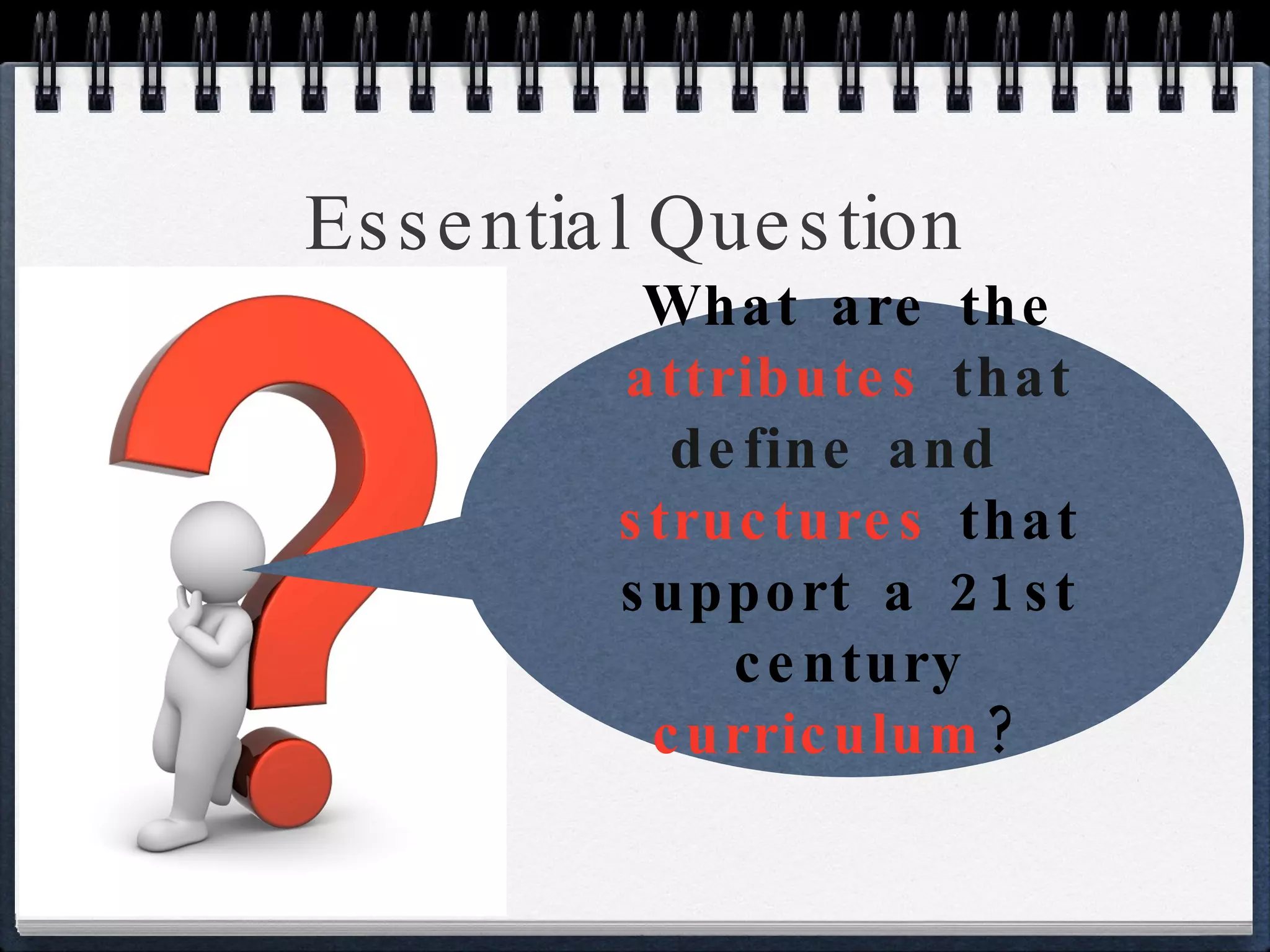
Essential Question What are the  attributes  that define and   structures  that support a 21st century  curriculum ?
Essential Question How do I design  contemporary curriculum  that best meets the  learning  needs of my  students ?
A PreAssessment Google Form Assessment http://bit.ly/bjooSU   Other Options DyKnow Clickers or Polling Software WebAssign, Moodle or Quia Quizzes Blog Prompts/Electronic Journals
 
A Quote: Our job as educators is to make explicit that which we had hoped would be implicit.
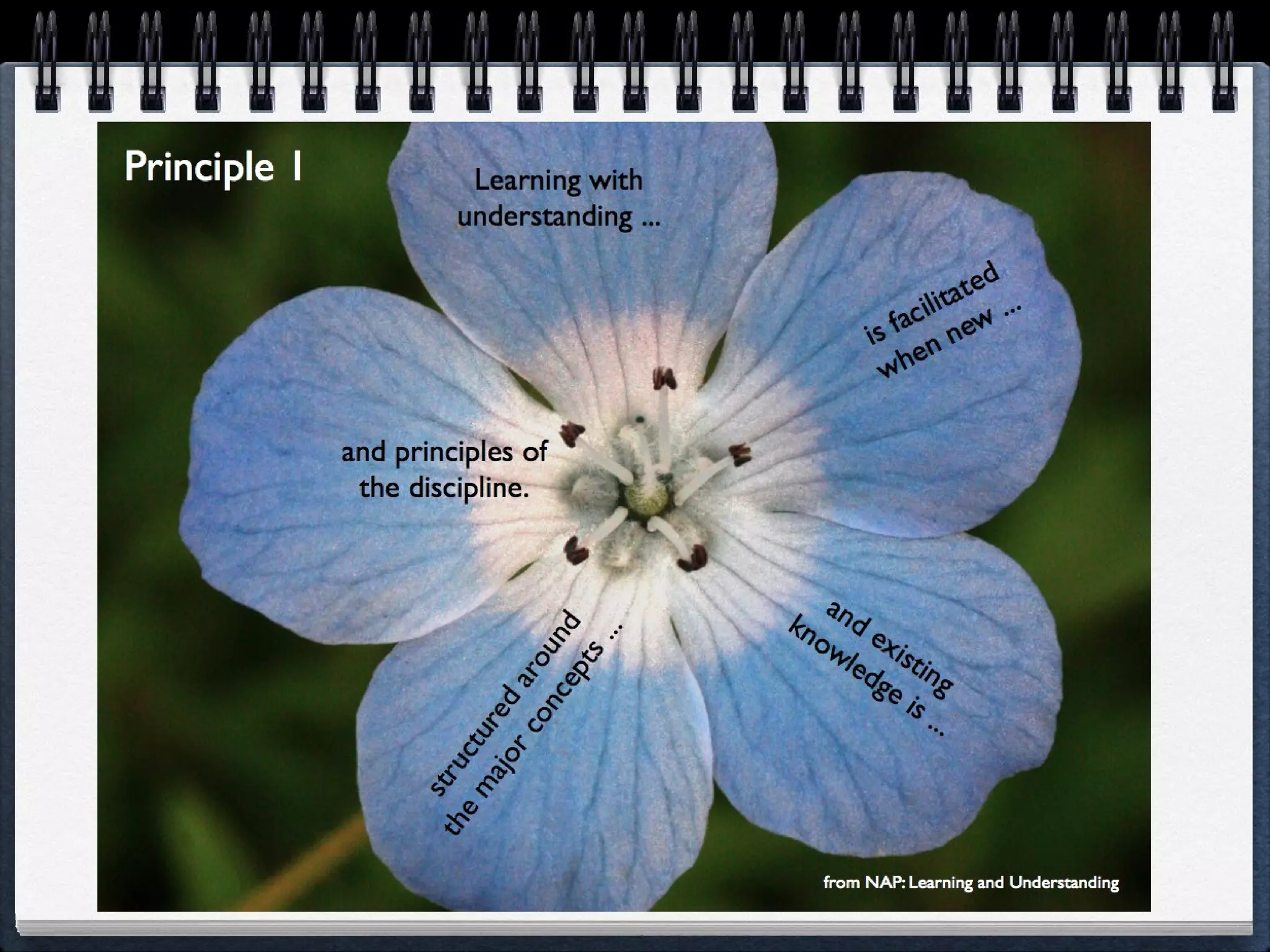
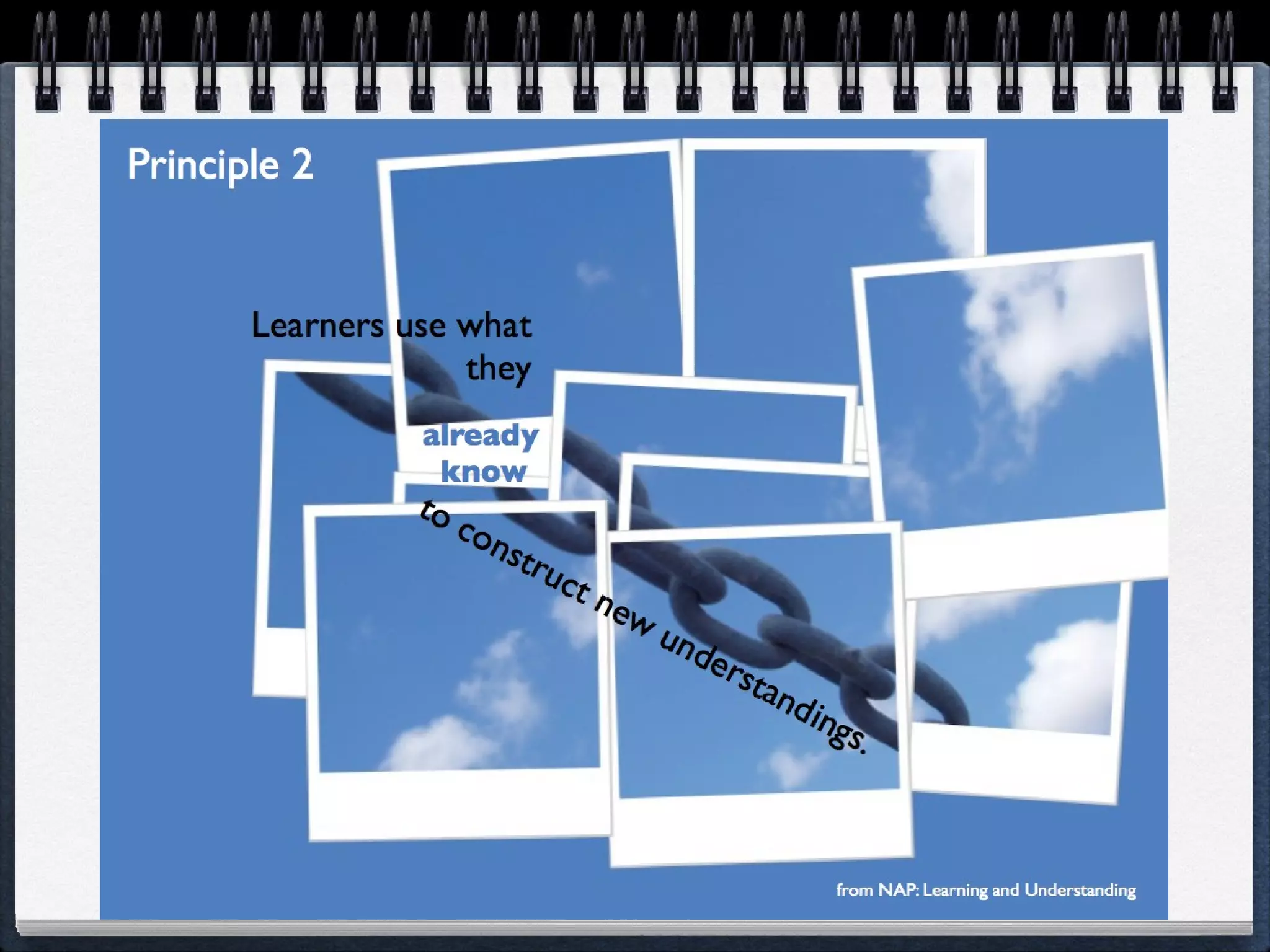
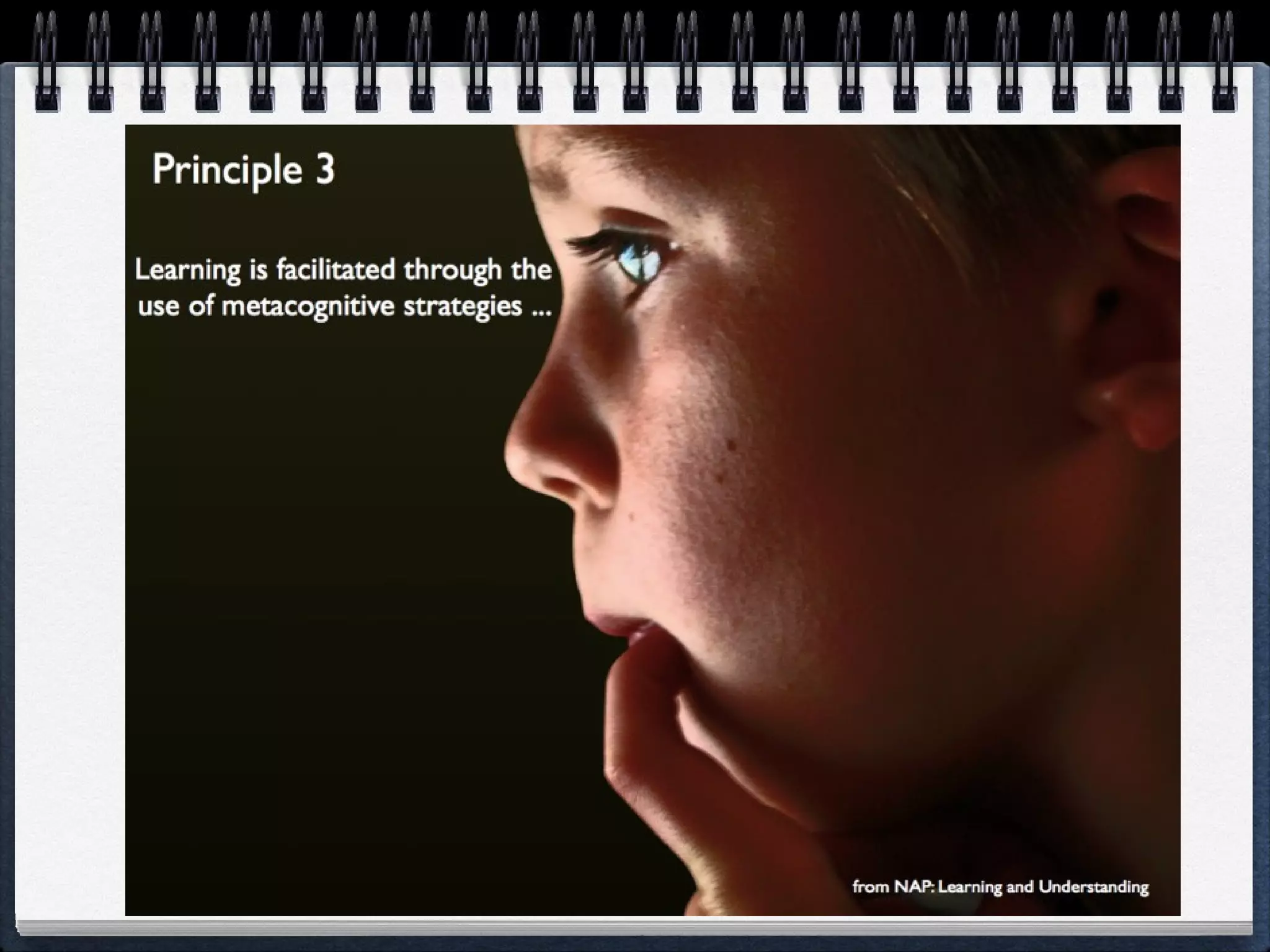
Principles of Learning 10 Principles of Learning from Wiggins  Seven Principles from  Learning and Understanding Carnegie Mellon’s Principles-


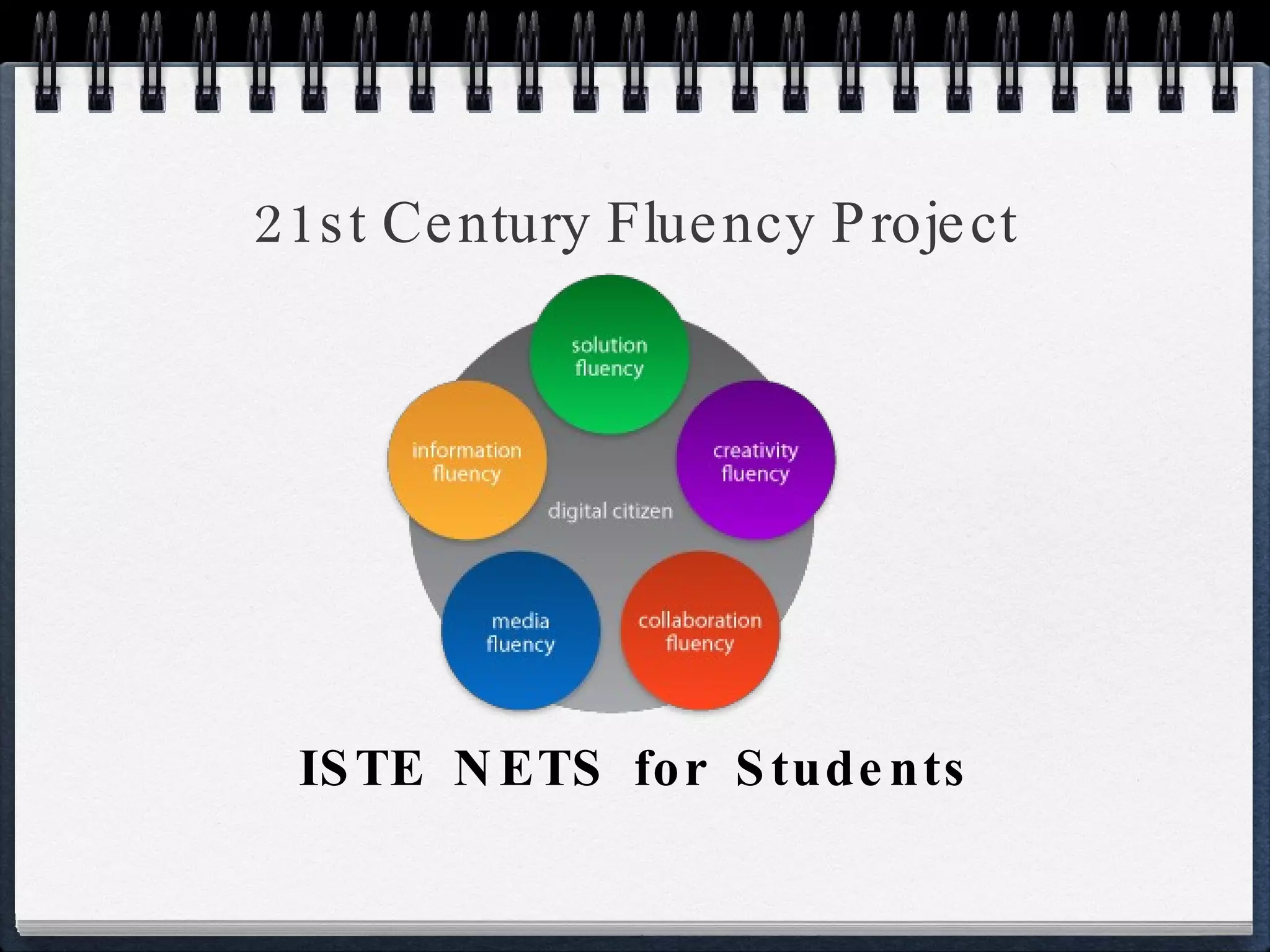
21st Century Fluency Project ISTE NETS for Students
Environment
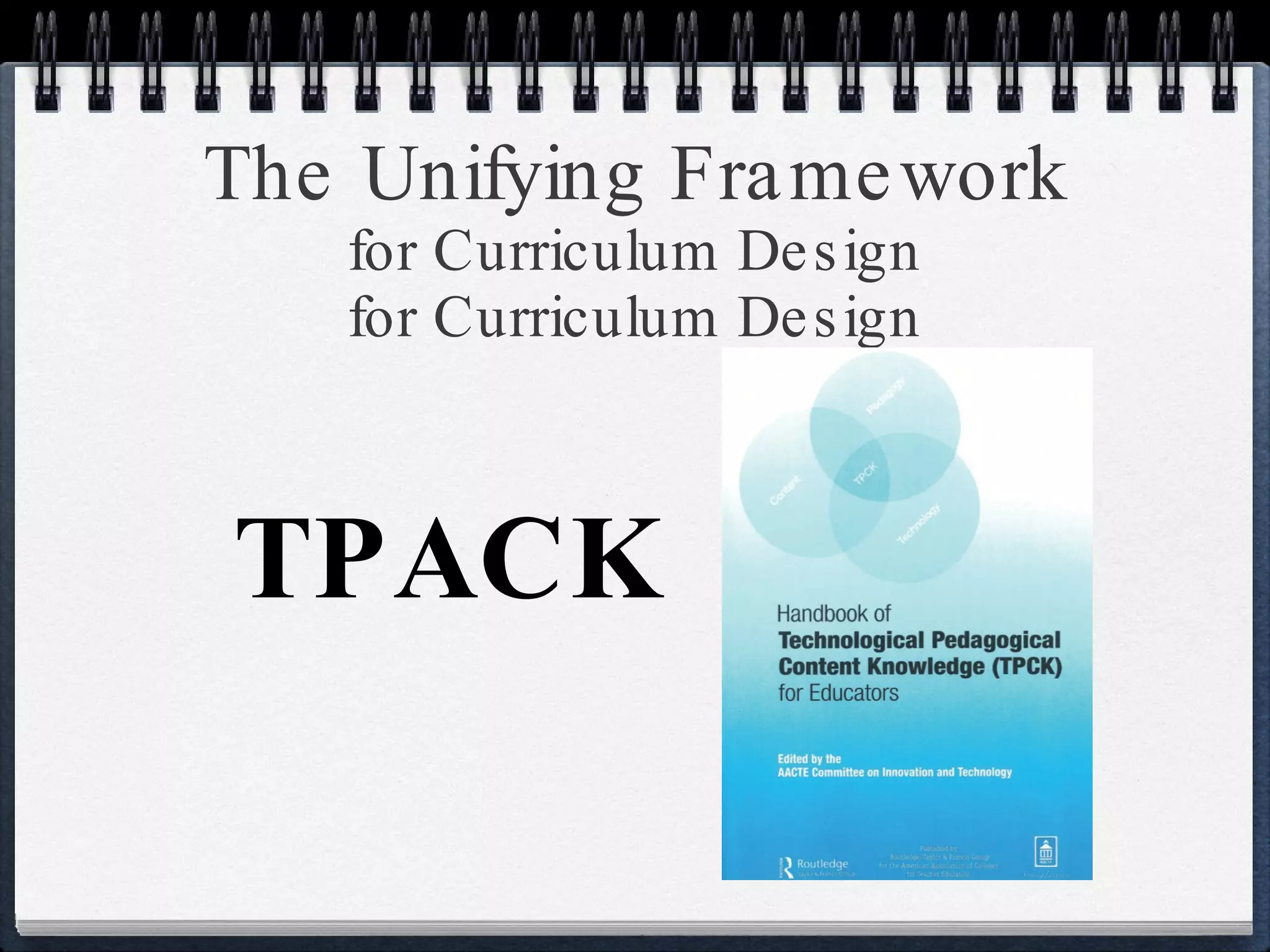
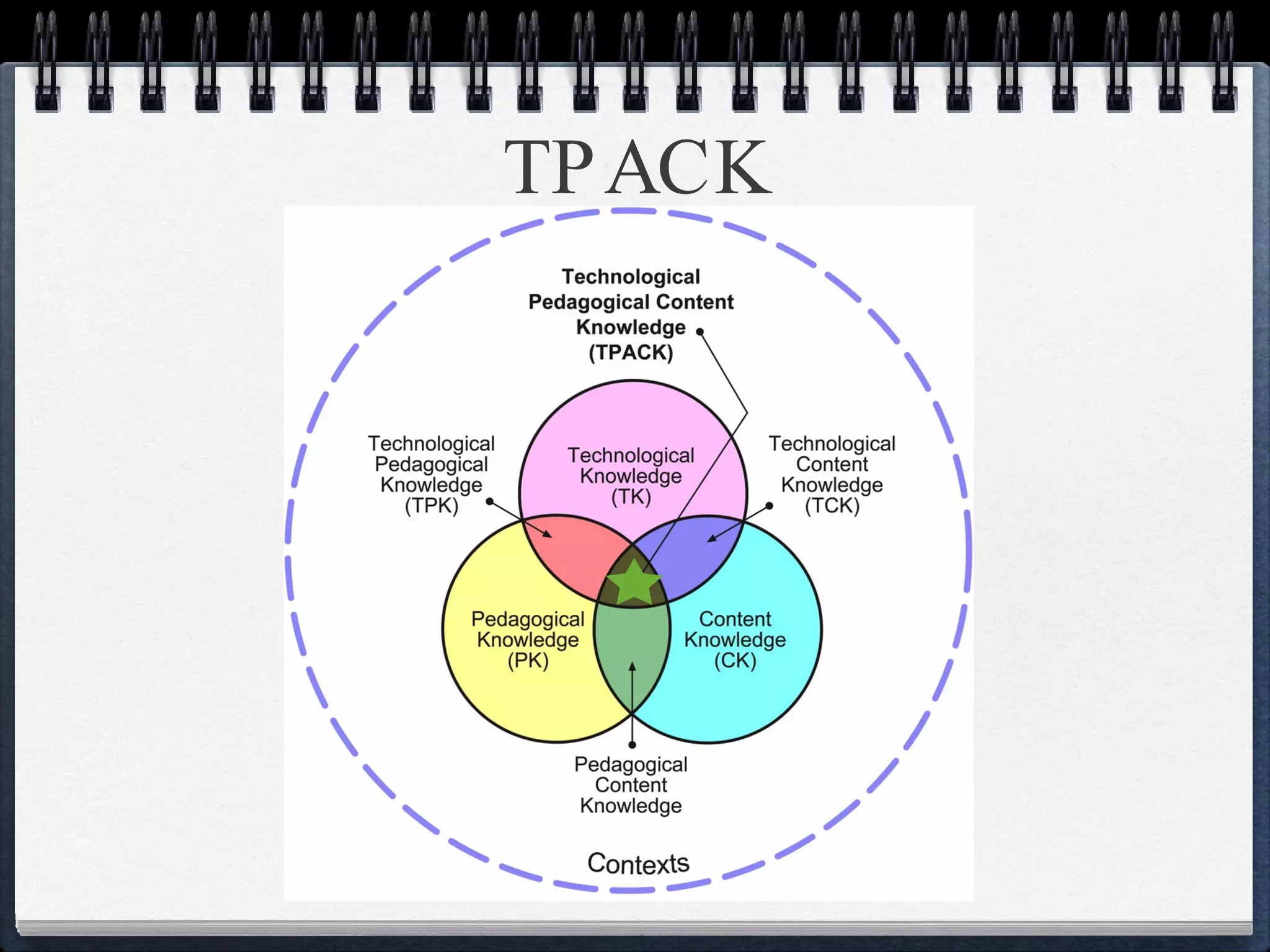
The Unifying Framework for Curriculum Design for Curriculum Design TPACK
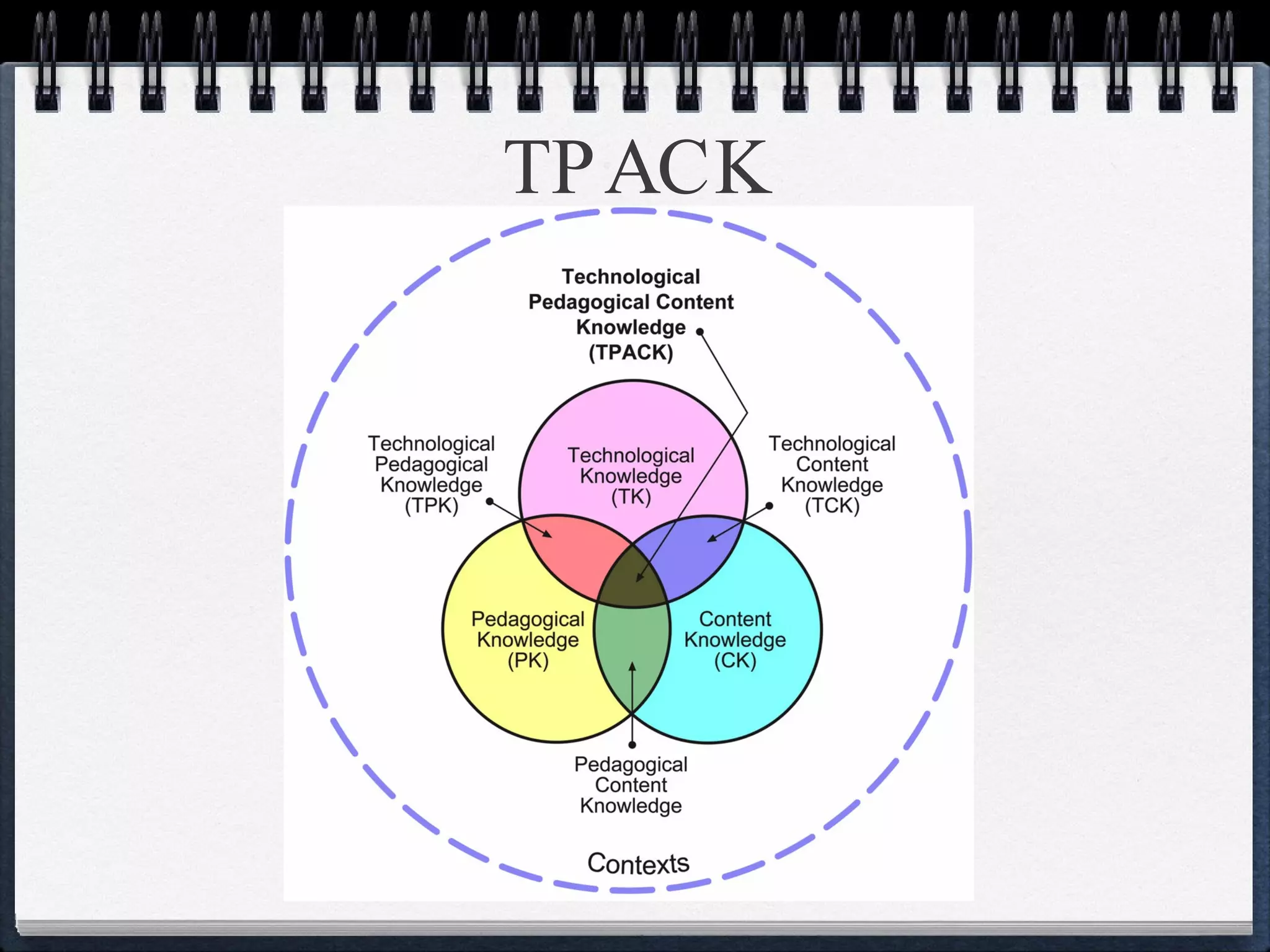
TPACK
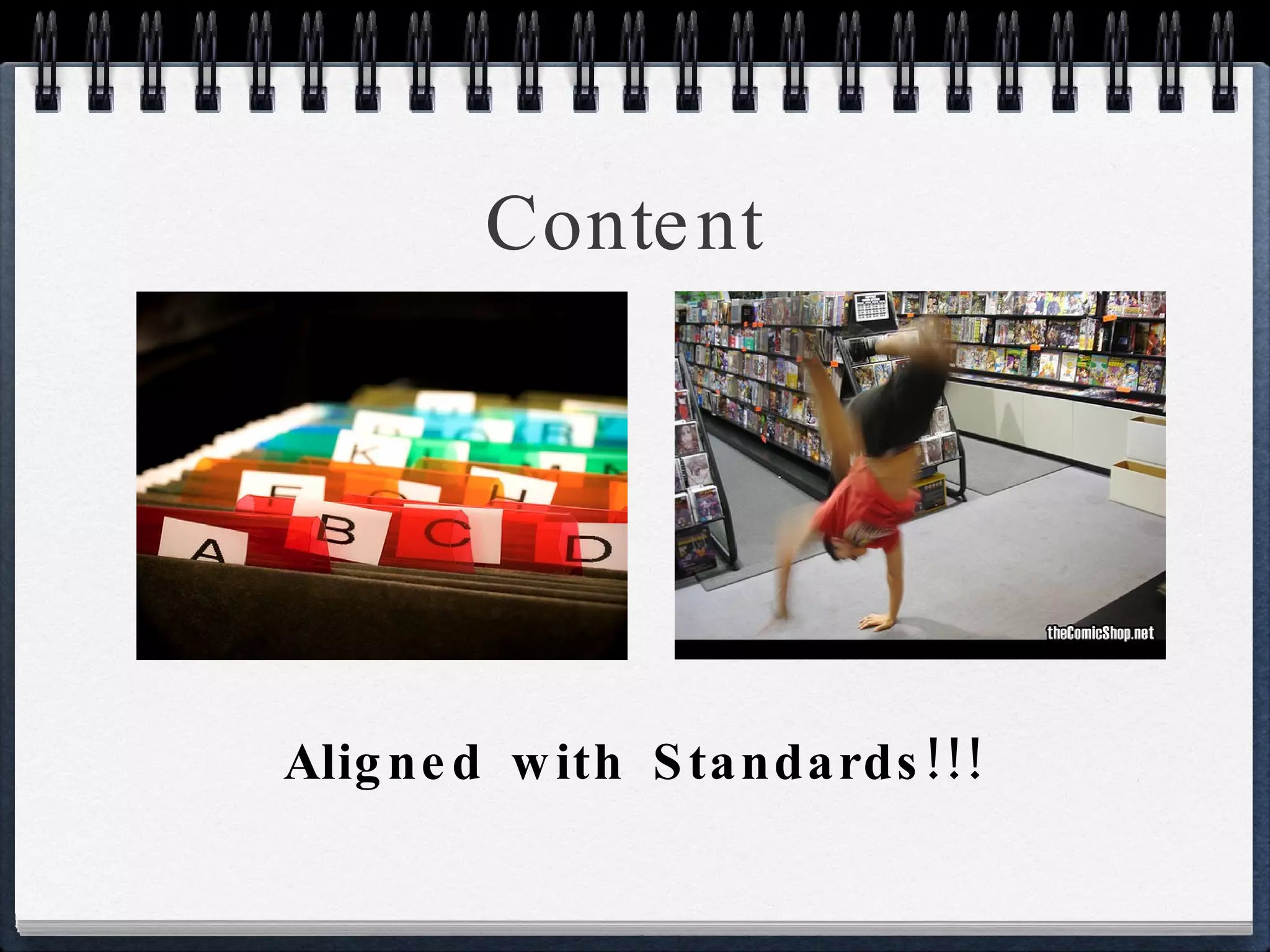
Content  Aligned with Standards!!!
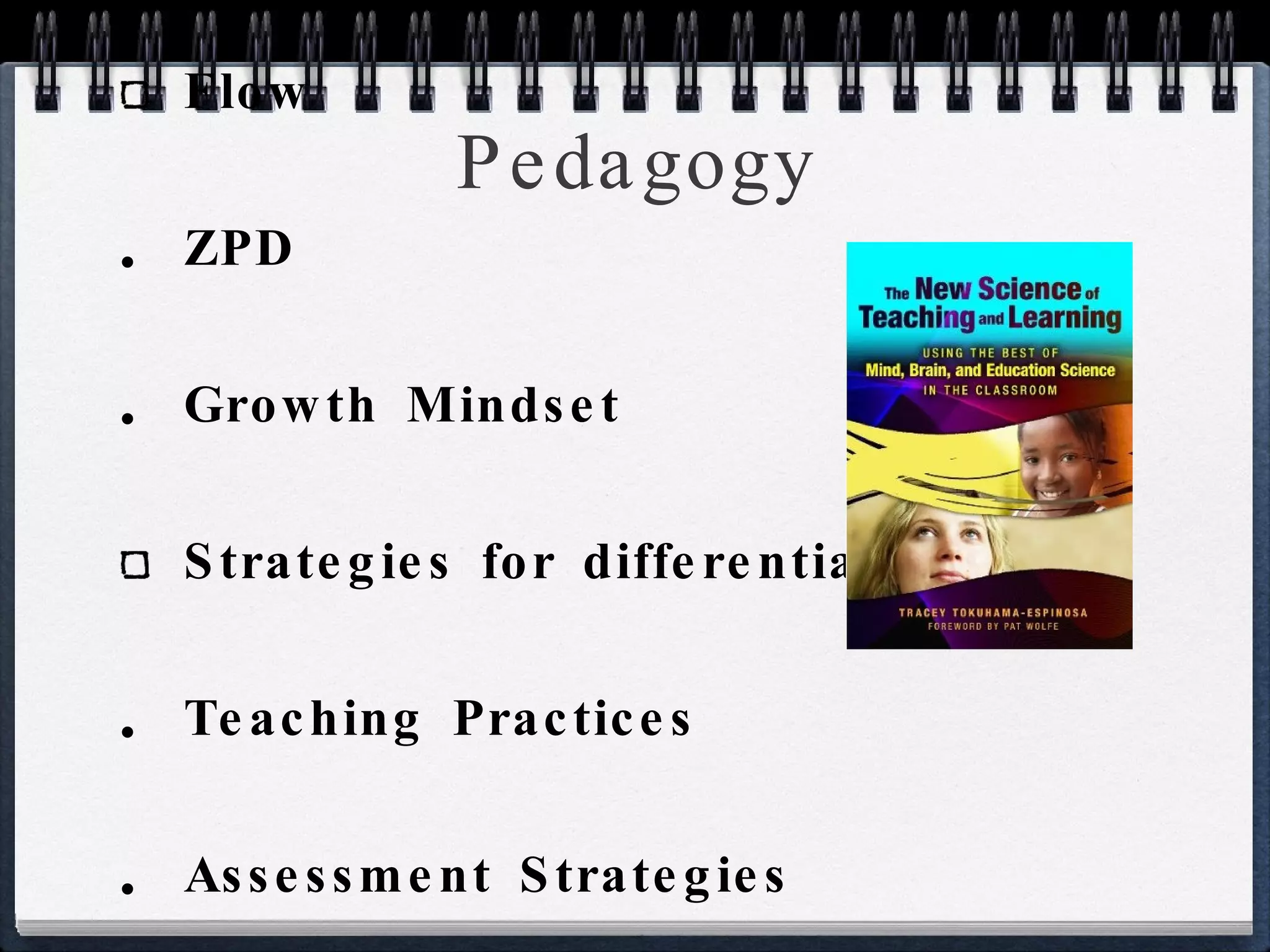
Pedagogy brain based research Flow ZPD Growth Mindset Strategies for differentiation Teaching Practices Assessment Strategies
Technology cms web 2.0 hardware software tool kit in general
TPACK
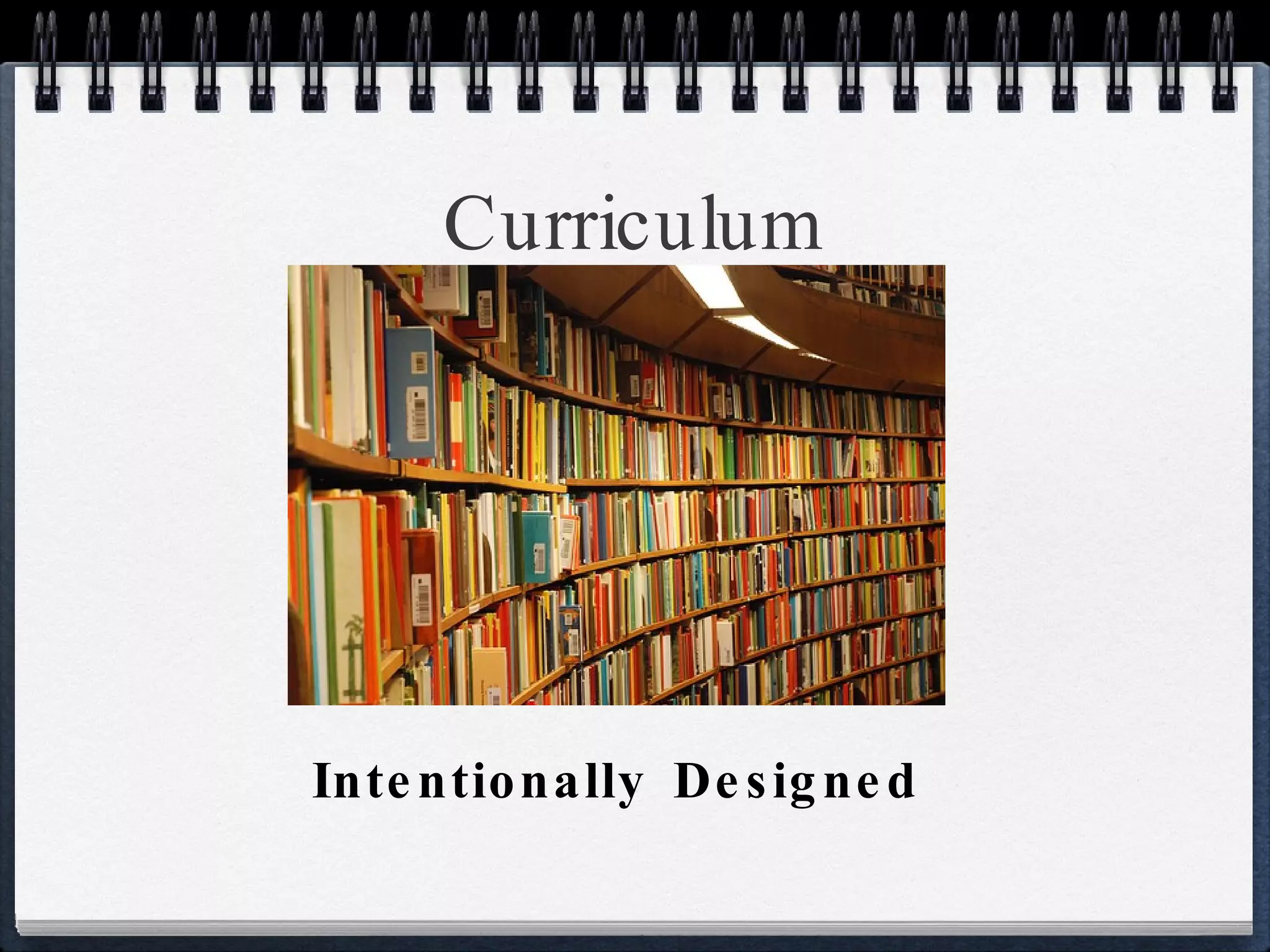
Curriculum Intentionally Designed
A guaranteed and viable curriculum is the number one factor impacting student achievement.  (Marzano -  What Works in Schools.  2003)
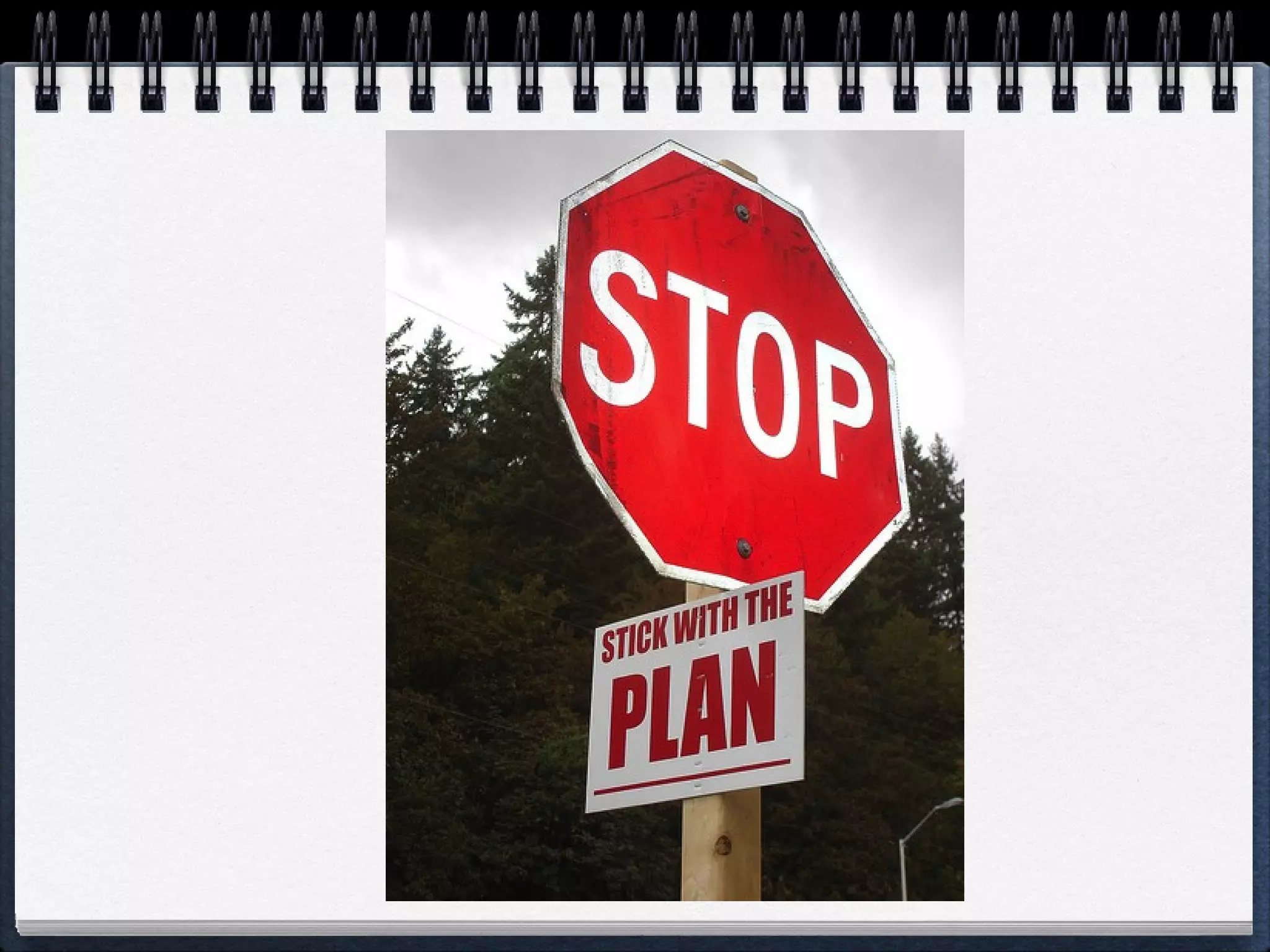
Designing the Curriculum
What are the essential questions? How is what we’re teaching relevant to the student’s life? How do they extend the learning to demonstrate true understanding? When do they have the opportunity to  explain, interpret, apply, show perspective, display empathy, and self-knowledge  of what they have learned? When do they get to self-reflect? Do they have a metacognitive vocabulary?
 
Assessment PreAssessment Formative Assessment Summative Assessment
Find a Partner
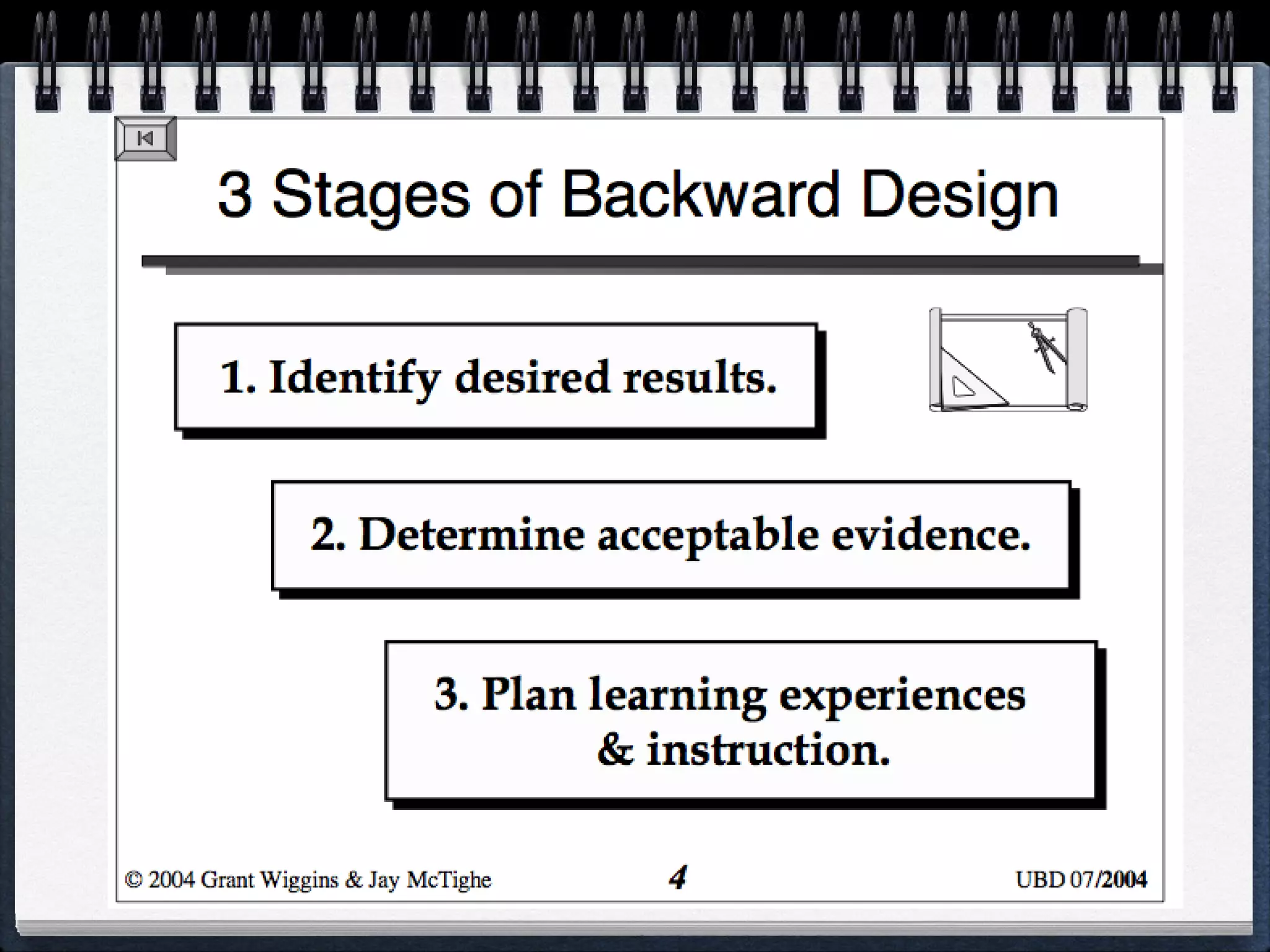
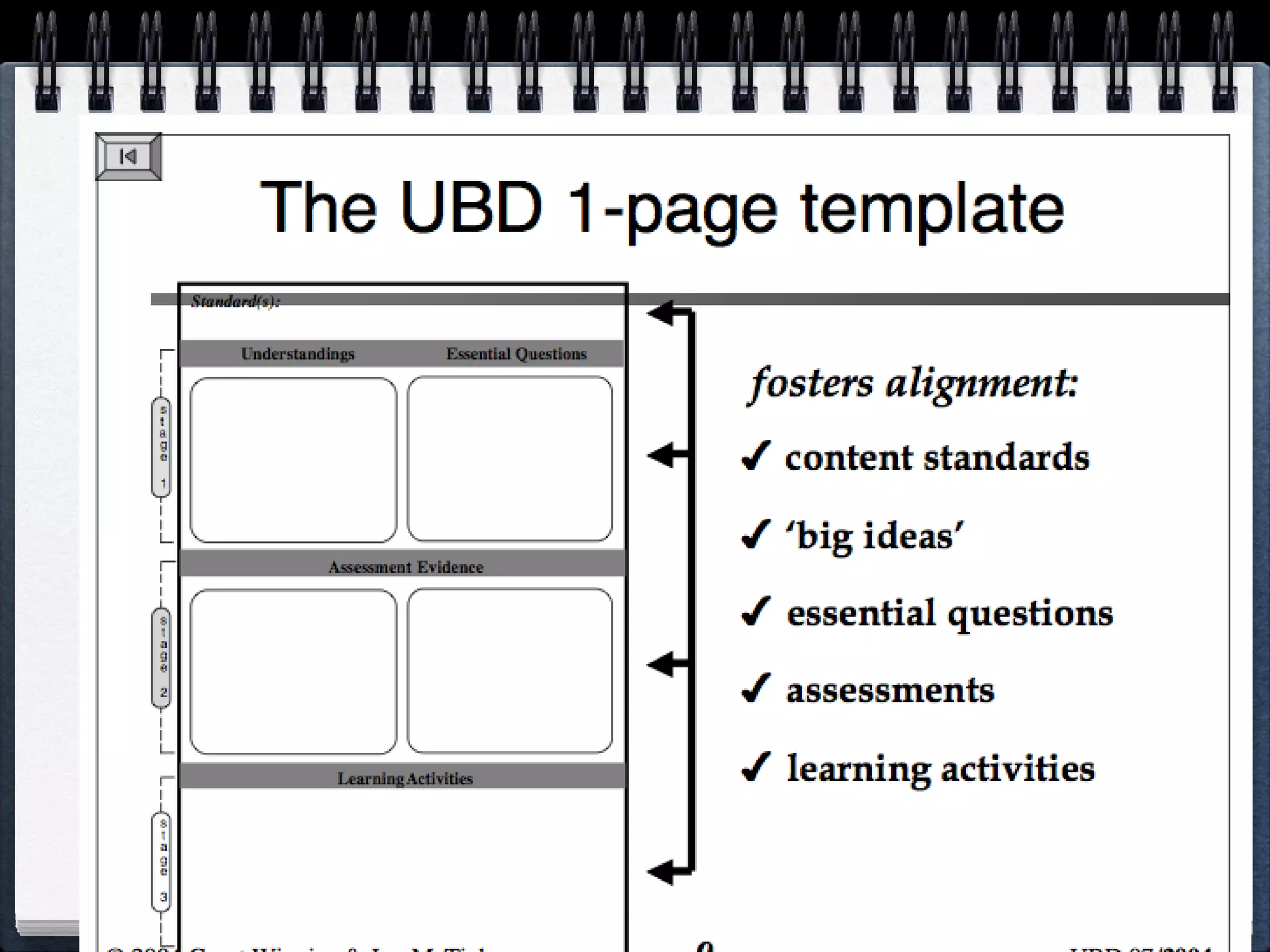
Designing Curriculum using UbD using UbD
 
 
THINK!


UnPacking Goals
Essential Questions
Enduring Understandings
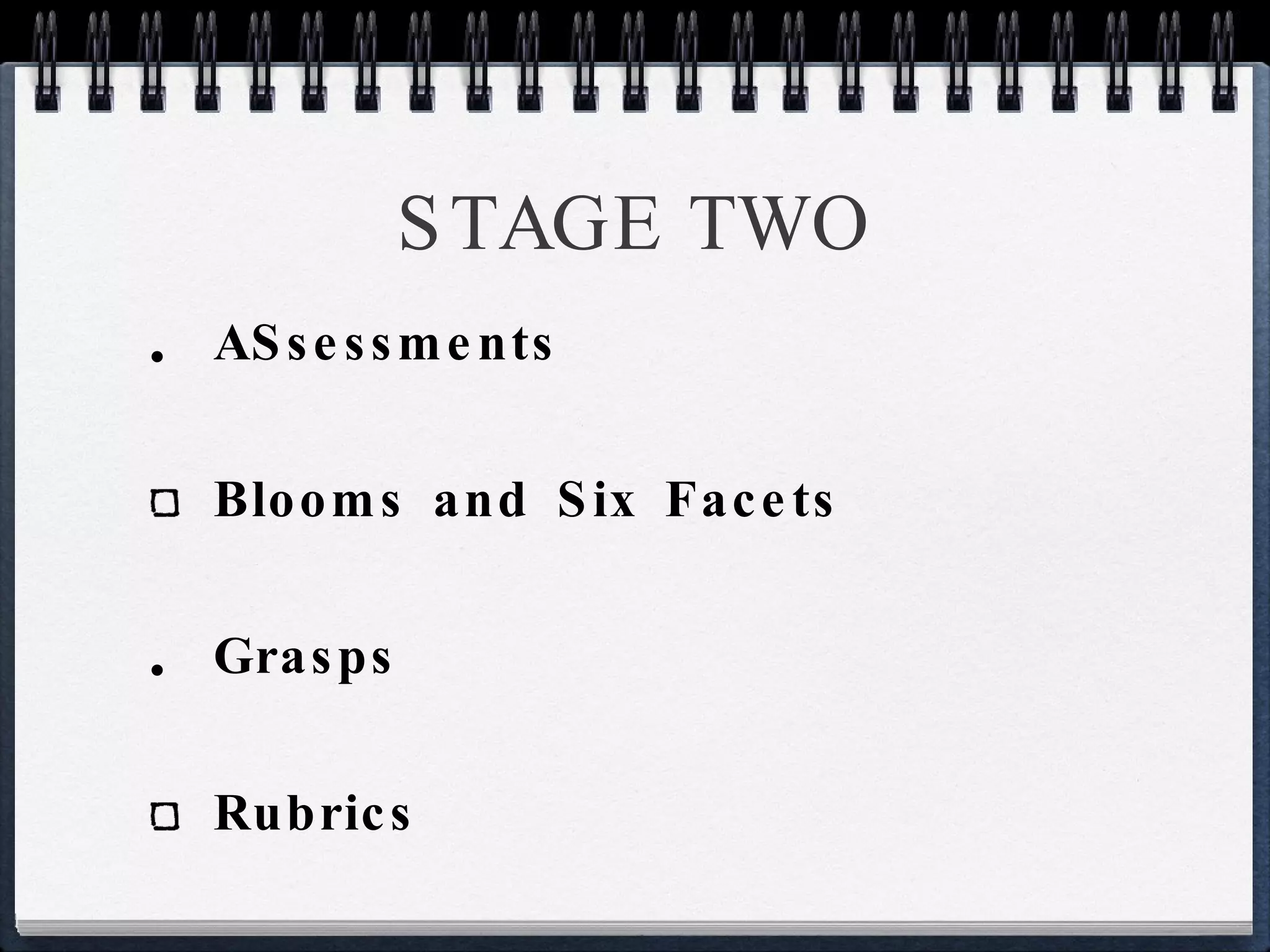
STAGE TWO ASsessments Blooms and Six Facets Grasps Rubrics
Stage Three WHERETO
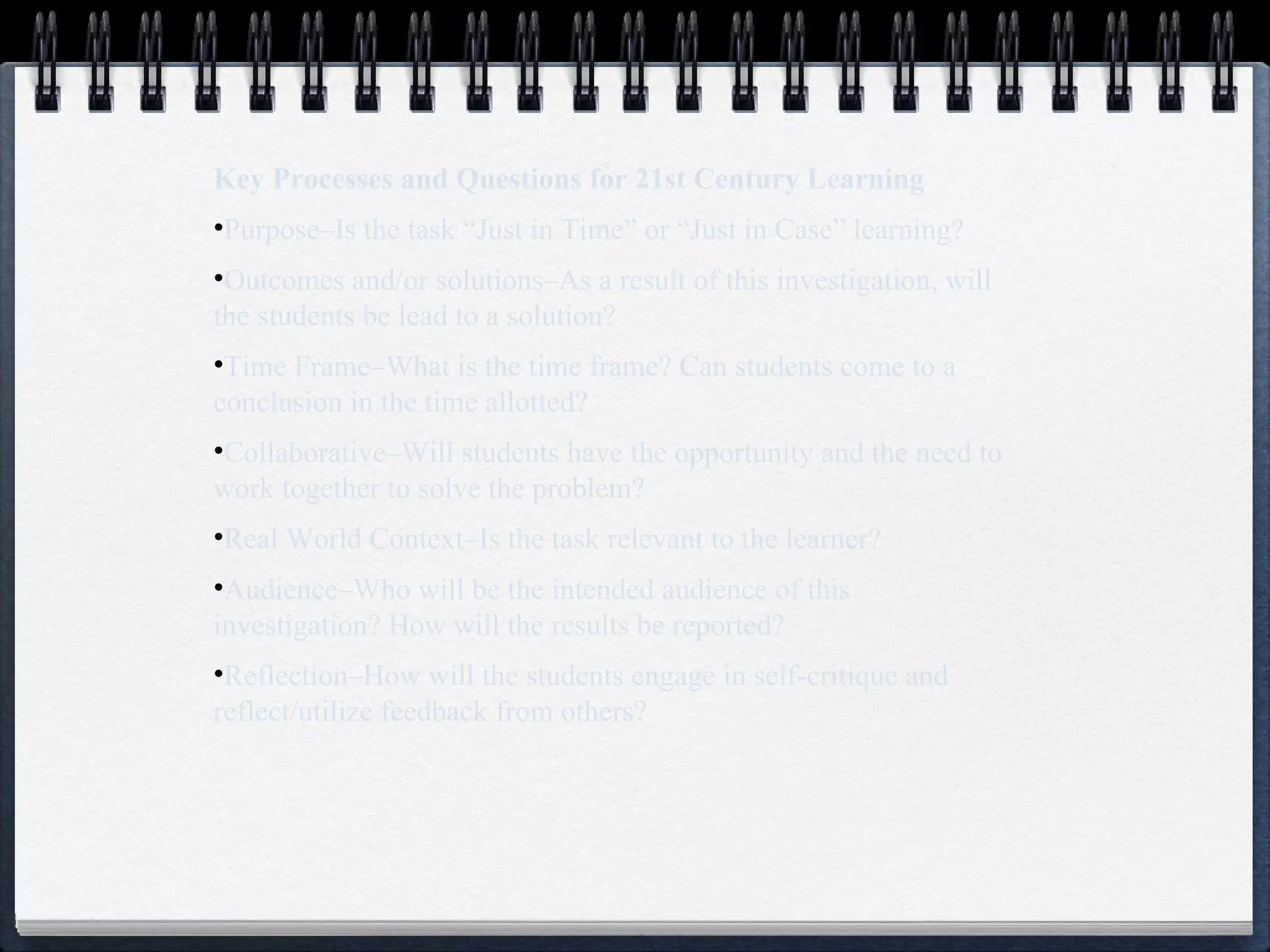
Key Processes and Questions for 21st Century Learning Purpose–Is the task “Just in Time” or “Just in Case” learning? Outcomes and/or solutions–As a result of this investigation, will the students be lead to a solution? Time Frame–What is the time frame? Can students come to a conclusion in the time allotted? Collaborative–Will students have the opportunity and the need to work together to solve the problem? Real World Context–Is the task relevant to the learner? Audience–Who will be the intended audience of this investigation? How will the results be reported? Reflection–How will the students engage in self-critique and reflect/utilize feedback from others?
 
 
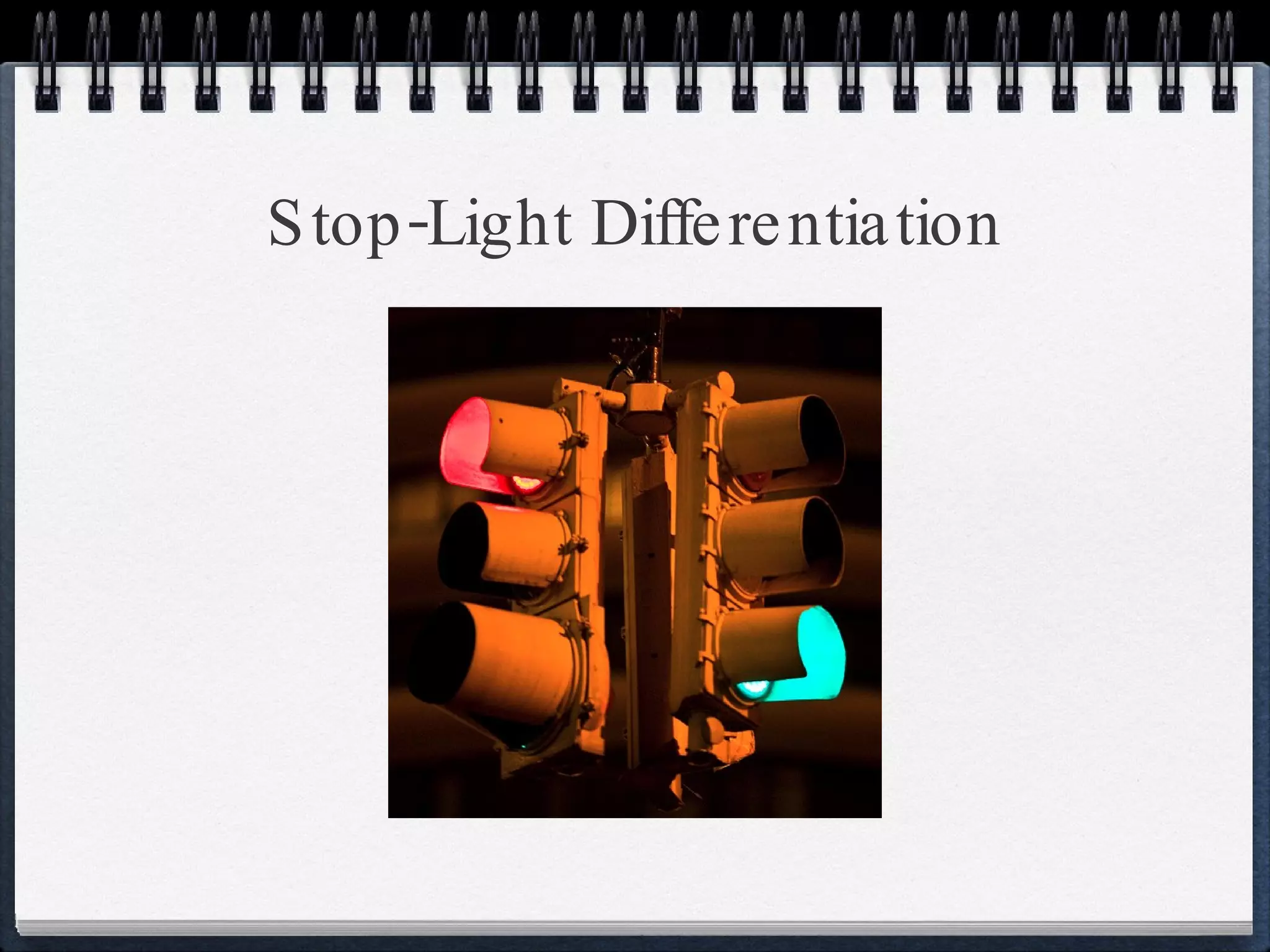
Stop-Light Differentiation
http://www.flickr.com/photos/dkuropatwa/3747619480/sizes/o/in/photostream/ Working Together Teamwork Puzzle Concept - http://www.flickr.com/photos/22177648@N06/2137737248/   CheckMarks -http:// www.flickr.com/photos/9411503@N07/3192311442/ Questio n Mark-  http://www.flickr.com/photos/crystalj ingsr/3914729343/sizes/o/ Light Bulb-  http://www.flickr.com/p hotos/alancleaver/2279694390/sizes/o/in/set-72157606825074174/ FOlders-  http://www.flickr.com/photos/30231516@N00/399354425/ Curriculum -   http://www.flickr.com/photos/7200789@N06/1460025318/ WOrld/Yellow Dude-  http://www.f lickr.com/photos/crystaljingsr/3915514240/in/photostream/ Multiple Stopsigns-  http://www.flickr .com/photos/69616736@N00/22205084/ Stop Stick with P lan-  http://www.flickr.com/photos/33124677@N00/56803146/ THinking  Man-  http://www.flickr.com/photos/22177648@N06/21369 47623/ stoplight final page-http:// www.flickr.com/photos/51035555243@N01 /2379132152/ /2379132152/

Ubd

  • 1.
    UbD + DI+ TPaCK Acronyms for Instructional Design
  • 2.
    The Game PlanConsider the Principles of Learning Understand Framework of TPACK Understand Process of UbD Acquire some Differentiation Strategies Design some Curriculum
  • 3.
  • 4.
    Essential Question Whatare the attributes that define and structures that support a 21st century curriculum ?
  • 5.
    Essential Question Howdo I design contemporary curriculum that best meets the learning needs of my students ?
  • 6.
    A PreAssessment GoogleForm Assessment http://bit.ly/bjooSU Other Options DyKnow Clickers or Polling Software WebAssign, Moodle or Quia Quizzes Blog Prompts/Electronic Journals
  • 7.
  • 8.
    A Quote: Ourjob as educators is to make explicit that which we had hoped would be implicit.
  • 9.
    Principles of Learning10 Principles of Learning from Wiggins  Seven Principles from Learning and Understanding Carnegie Mellon’s Principles-
  • 10.
  • 11.
  • 12.
  • 13.
  • 14.
  • 15.
  • 16.
  • 17.
    21st Century FluencyProject ISTE NETS for Students
  • 18.
  • 19.
    The Unifying Frameworkfor Curriculum Design for Curriculum Design TPACK
  • 20.
  • 21.
    Content Alignedwith Standards!!!
  • 22.
    Pedagogy brain basedresearch Flow ZPD Growth Mindset Strategies for differentiation Teaching Practices Assessment Strategies
  • 23.
    Technology cms web2.0 hardware software tool kit in general
  • 24.
  • 25.
  • 26.
    A guaranteed andviable curriculum is the number one factor impacting student achievement. (Marzano - What Works in Schools. 2003)
  • 27.
  • 28.
    What are theessential questions? How is what we’re teaching relevant to the student’s life? How do they extend the learning to demonstrate true understanding? When do they have the opportunity to explain, interpret, apply, show perspective, display empathy, and self-knowledge of what they have learned? When do they get to self-reflect? Do they have a metacognitive vocabulary?
  • 29.
  • 30.
    Assessment PreAssessment FormativeAssessment Summative Assessment
  • 31.
  • 32.
  • 33.
  • 34.
  • 35.
  • 36.
  • 37.
  • 38.
  • 39.
  • 40.
  • 41.
  • 42.
    STAGE TWO ASsessmentsBlooms and Six Facets Grasps Rubrics
  • 43.
  • 44.
    Key Processes andQuestions for 21st Century Learning Purpose–Is the task “Just in Time” or “Just in Case” learning? Outcomes and/or solutions–As a result of this investigation, will the students be lead to a solution? Time Frame–What is the time frame? Can students come to a conclusion in the time allotted? Collaborative–Will students have the opportunity and the need to work together to solve the problem? Real World Context–Is the task relevant to the learner? Audience–Who will be the intended audience of this investigation? How will the results be reported? Reflection–How will the students engage in self-critique and reflect/utilize feedback from others?
  • 45.
  • 46.
  • 47.
  • 48.
    http://www.flickr.com/photos/dkuropatwa/3747619480/sizes/o/in/photostream/ Working TogetherTeamwork Puzzle Concept - http://www.flickr.com/photos/22177648@N06/2137737248/ CheckMarks -http:// www.flickr.com/photos/9411503@N07/3192311442/ Questio n Mark- http://www.flickr.com/photos/crystalj ingsr/3914729343/sizes/o/ Light Bulb- http://www.flickr.com/p hotos/alancleaver/2279694390/sizes/o/in/set-72157606825074174/ FOlders- http://www.flickr.com/photos/30231516@N00/399354425/ Curriculum - http://www.flickr.com/photos/7200789@N06/1460025318/ WOrld/Yellow Dude- http://www.f lickr.com/photos/crystaljingsr/3915514240/in/photostream/ Multiple Stopsigns- http://www.flickr .com/photos/69616736@N00/22205084/ Stop Stick with P lan- http://www.flickr.com/photos/33124677@N00/56803146/ THinking Man- http://www.flickr.com/photos/22177648@N06/21369 47623/ stoplight final page-http:// www.flickr.com/photos/51035555243@N01 /2379132152/ /2379132152/

Editor's Notes

  • #3 basic understanding - with support material to go deeper
  • #6 not exactly an essentail question-
  • #9 Preassessment allows me to figure out misconceptions and prior knowledge-
  • #10 these are statements that should frame our philosophical approach
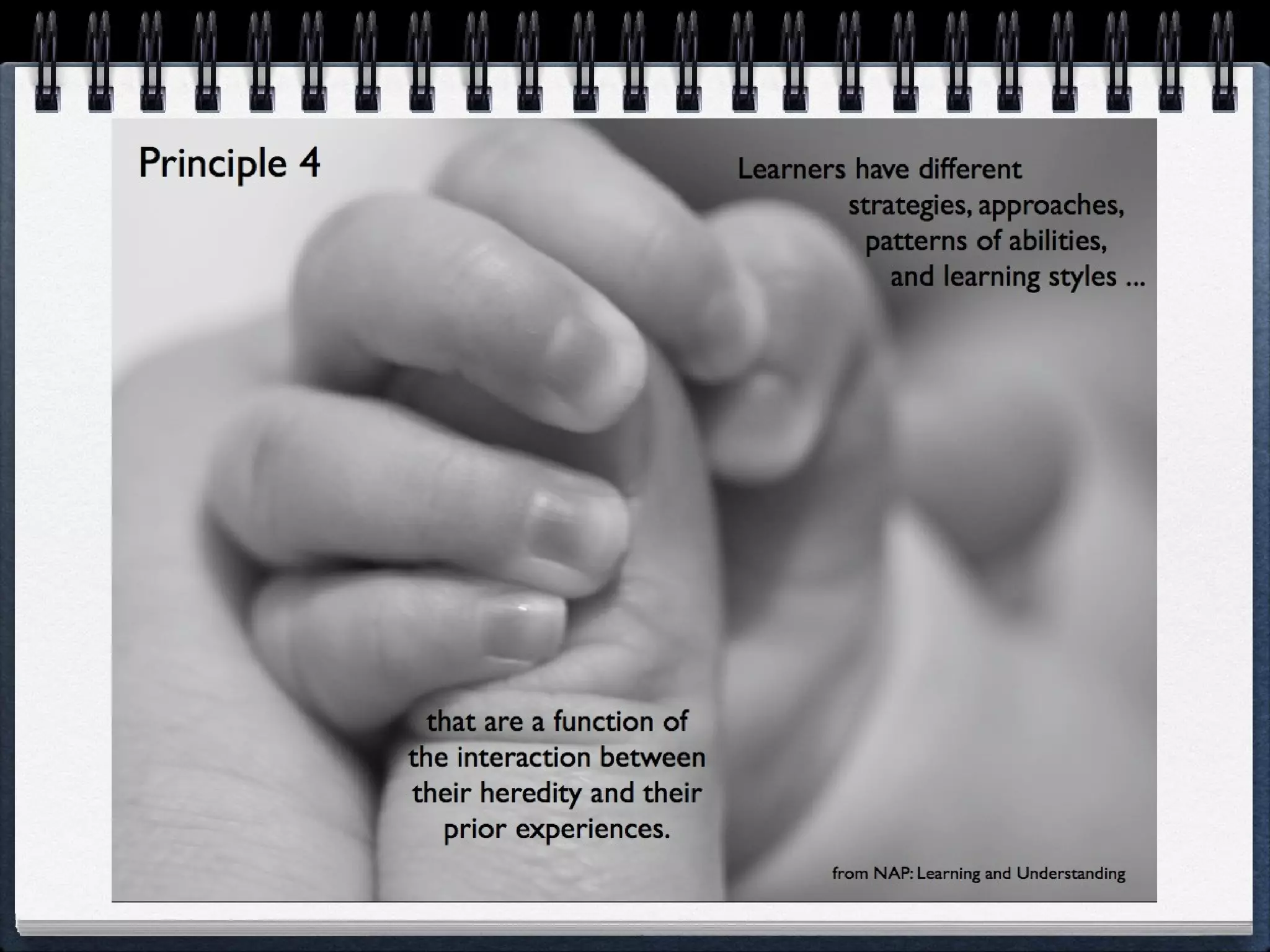
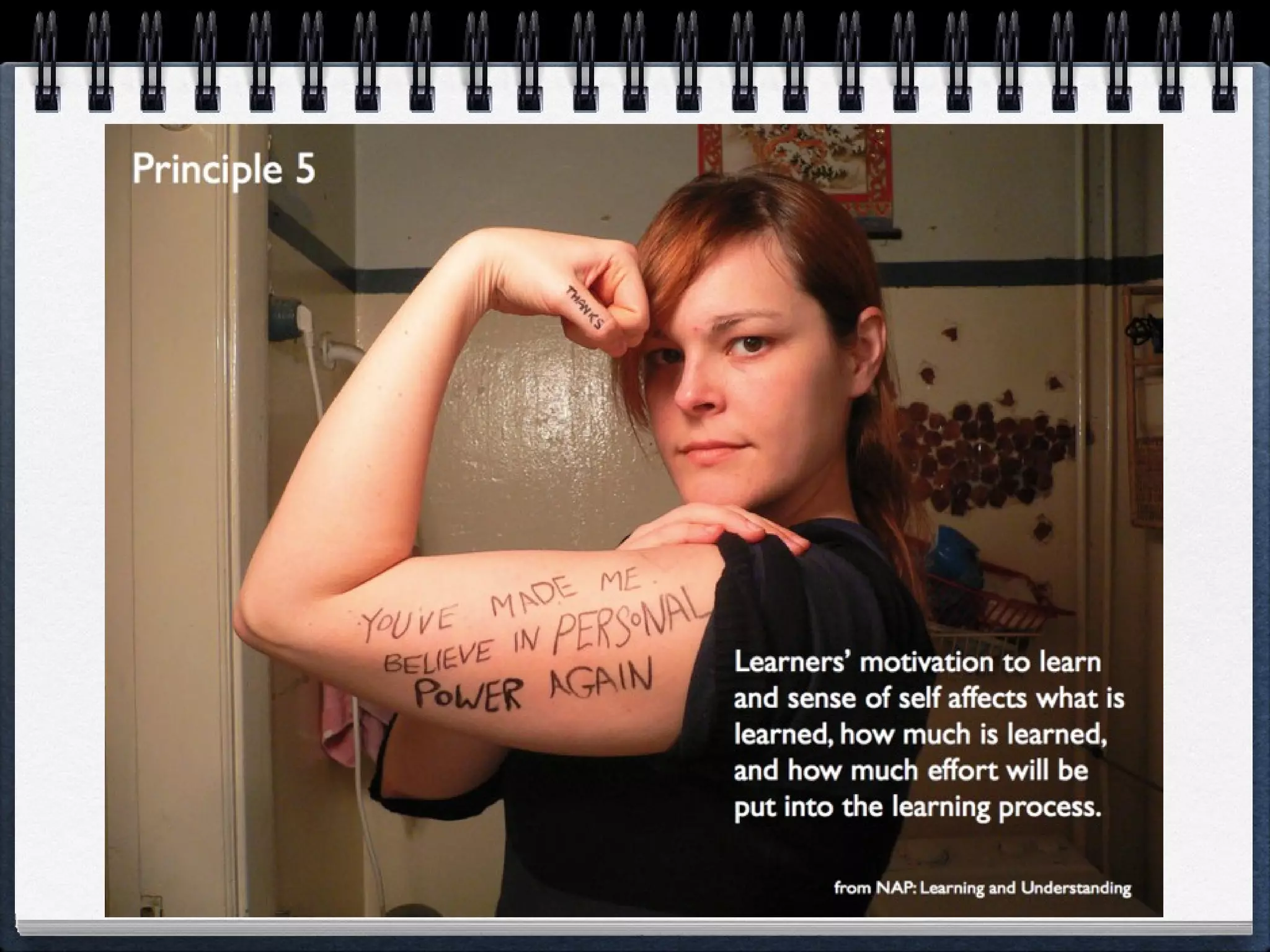
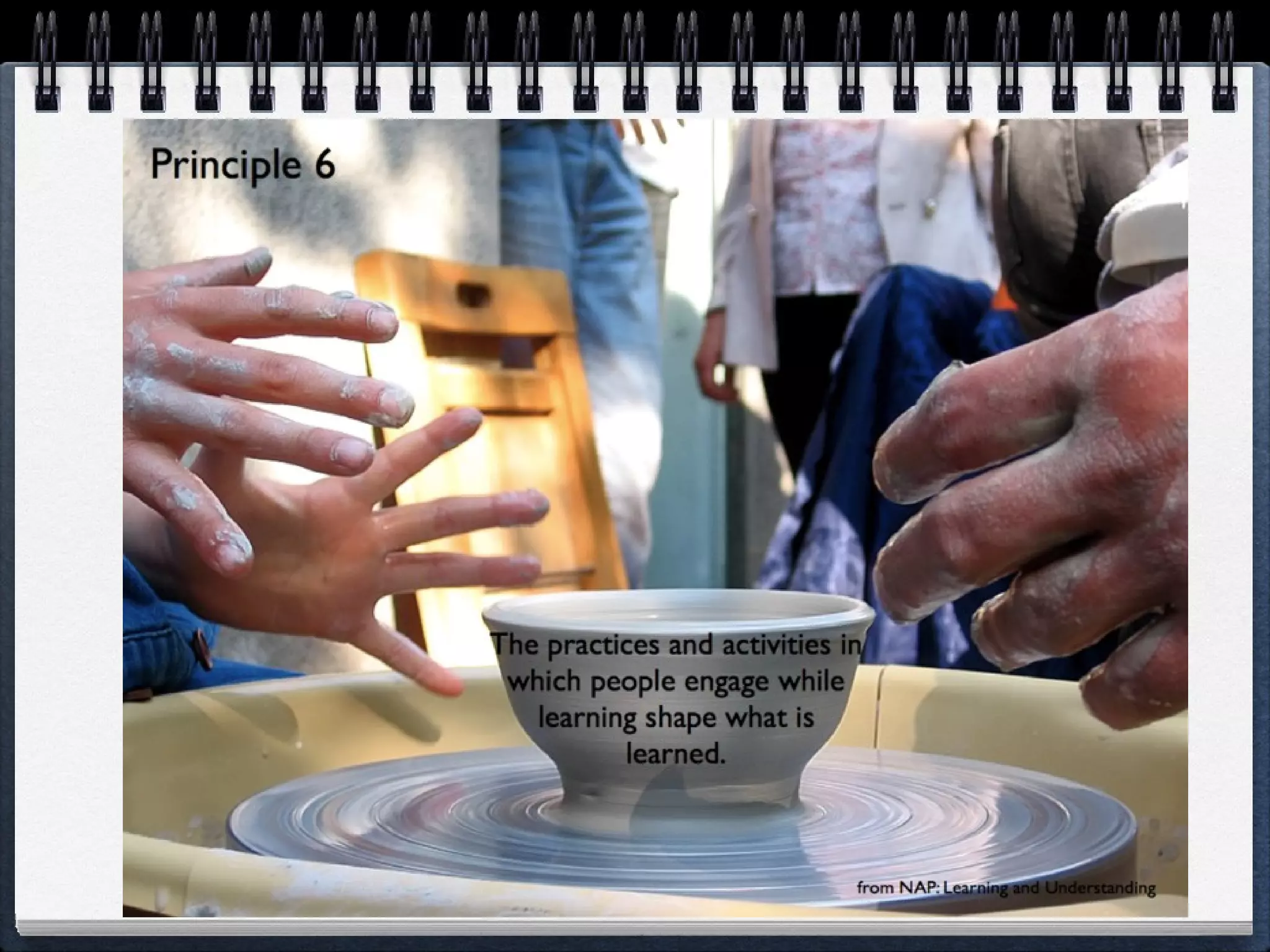
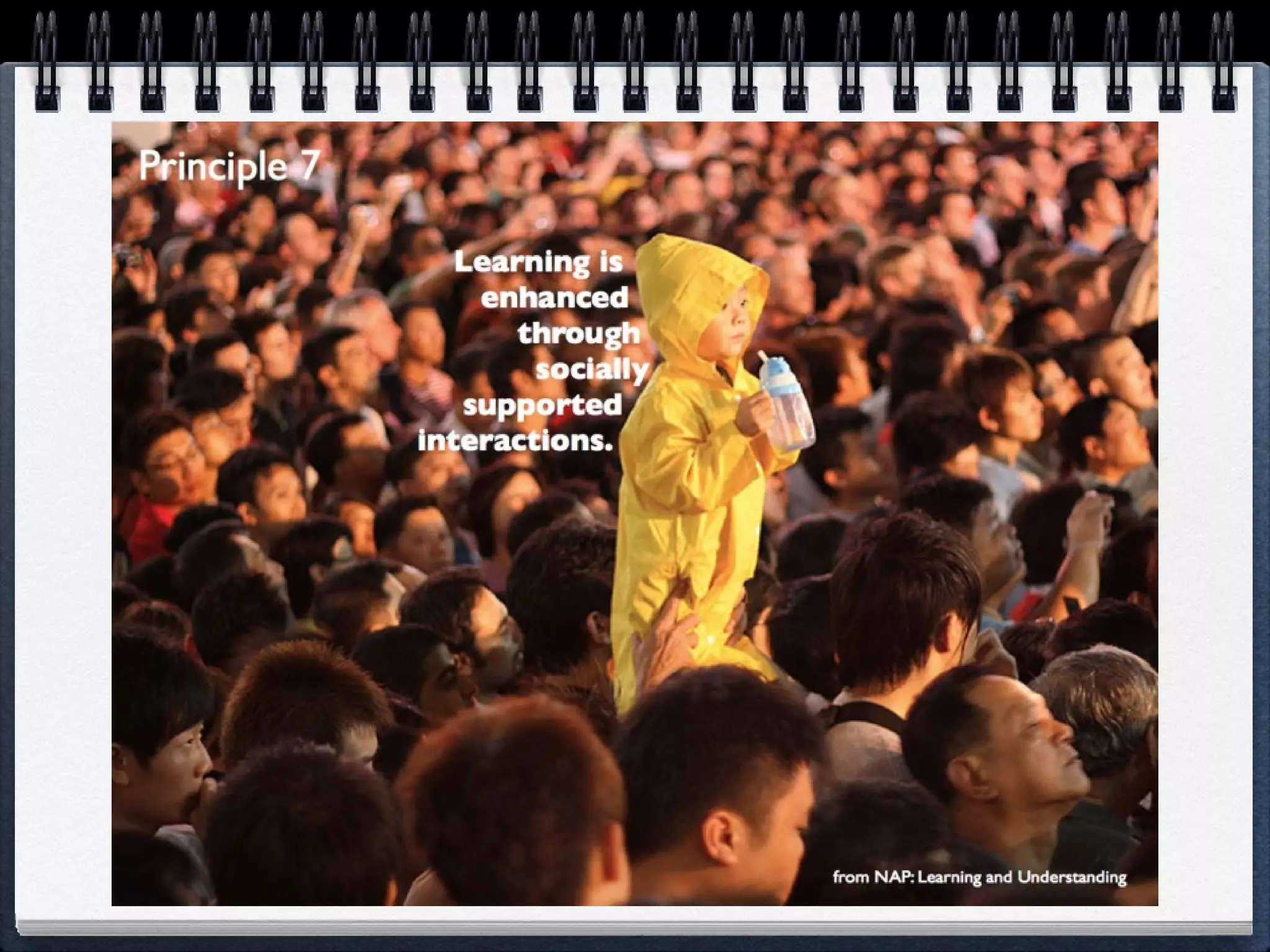
  • #11 a brief look at the 7 from dkuropatwa- handout has the others- they have common themes that arise from good teaching and brain research- i need to define what the major principles/standards are
  • #12 preassessment helps me identify prior knowledge
  • #13 they need to be reflective, they need to have a vocabulary of learning
  • #14 we have to differentiate
  • #15 create an environment around a growth mindset- engage students, find hooks
  • #16 learn by doing, not be hearing-
  • #17 learning is social -
  • #18 what they need to learn
  • #21 http://site.aace.org/conf/archive/2008/mishra-keynote-08.mov
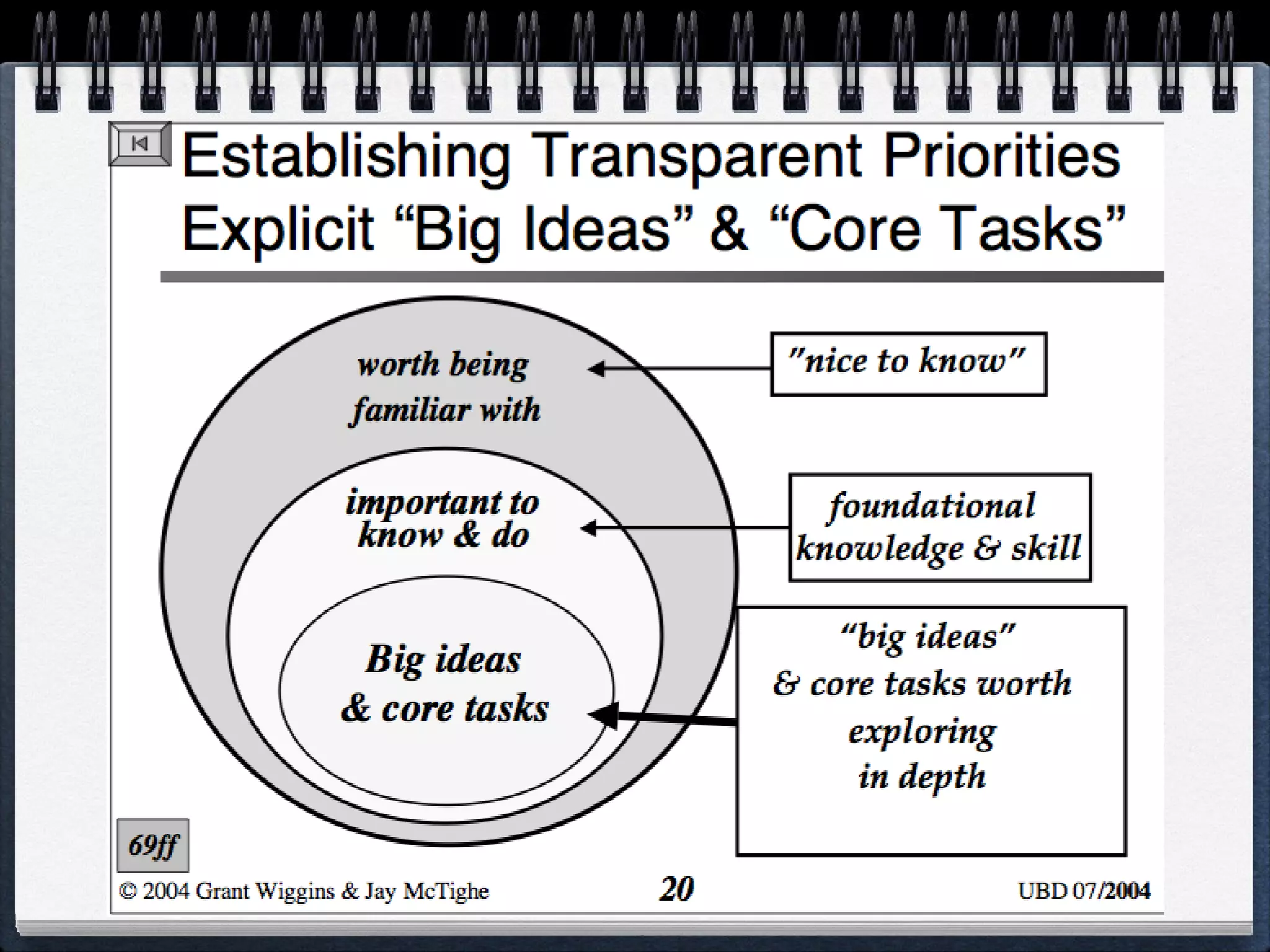
  • #22 mile wide, inch deep- need for essential questions
  • #25 http://site.aace.org/conf/archive/2008/mishra-keynote-08.mov
  • #32 Discuss the last preassessment you gave and what it told you? Discuss an example of formative assessment- What type(s) of summative assessment do you usually give?
  • #36 Pick a unit that you want to design for next year- Design with UbD/Layer on DI/Layer on Tech
  • #45 from churches