Gardner’s Art Through the Ages,
                           12e
                        Chapter 34
                 From the Modern
    to the Post-Modern and Beyond:
           Art of the Later 20th Century


                                     1
Site Specific Art
• Understand the development of Environmental and Site
  Specific Art as an outgrowth of ecological and environmental
  concerns.


                                                                 2
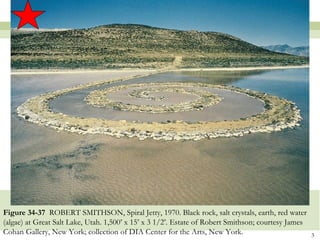
Figure 34-37 ROBERT SMITHSON, Spiral Jetty, 1970. Black rock, salt crystals, earth, red water
(algae) at Great Salt Lake, Utah. 1,500’ x 15’ x 3 1/2’. Estate of Robert Smithson; courtesy James
Cohan Gallery, New York; collection of DIA Center for the Arts, New York.                            3
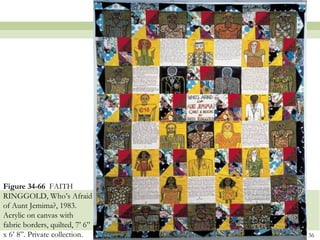
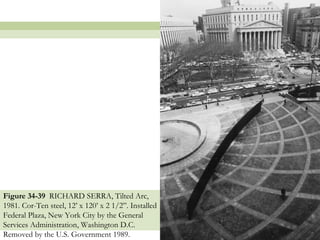
Figure 34-39 RICHARD SERRA, Tilted Arc,
1981. Cor-Ten steel, 12’ x 120’ x 2 1/2”. Installed
Federal Plaza, New York City by the General
Services Administration, Washington D.C.
Removed by the U.S. Government 1989.                  4
New Models for Architecture
• Examine the organic and fluid forms developed as new
  models for modernist architecture.
• Recognize the distinctions between the works of Modernist
  and Postmodern architects.


                                                              5
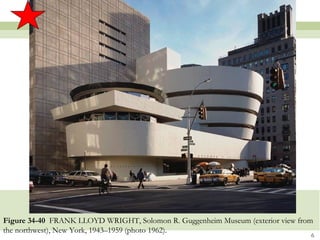
Figure 34-40 FRANK LLOYD WRIGHT, Solomon R. Guggenheim Museum (exterior view from
the northwest), New York, 1943–1959 (photo 1962).
                                                                                6
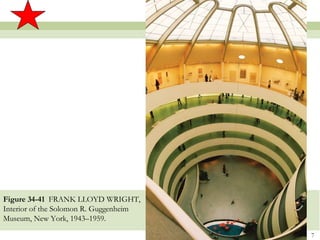
Figure 34-41 FRANK LLOYD WRIGHT,
Interior of the Solomon R. Guggenheim
Museum, New York, 1943–1959.

                                        7
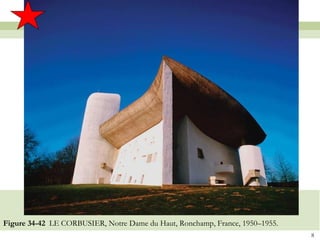
Figure 34-42 LE CORBUSIER, Notre Dame du Haut, Ronchamp, France, 1950–1955.
                                                                              8
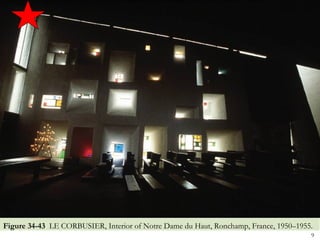
Figure 34-43 LE CORBUSIER, Interior of Notre Dame du Haut, Ronchamp, France, 1950–1955.
                                                                                      9
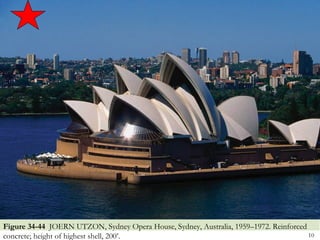
Figure 34-44 JOERN UTZON, Sydney Opera House, Sydney, Australia, 1959–1972. Reinforced
concrete; height of highest shell, 200’.                                               10
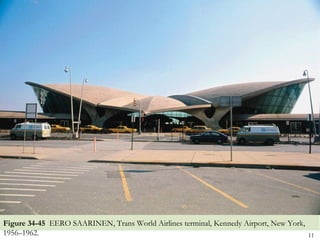
Figure 34-45 EERO SAARINEN, Trans World Airlines terminal, Kennedy Airport, New York,
1956–1962.                                                                              11
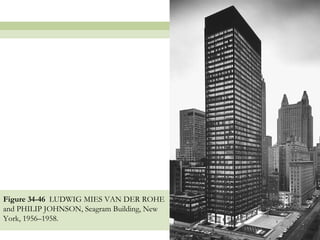
Figure 34-46 LUDWIG MIES VAN DER ROHE
and PHILIP JOHNSON, Seagram Building, New
York, 1956–1958.

                                            12
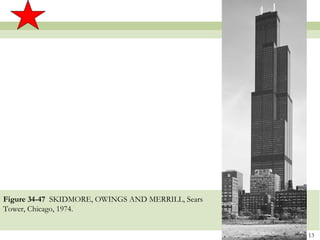
Figure 34-47 SKIDMORE, OWINGS AND MERRILL, Sears
Tower, Chicago, 1974.


                                                   13
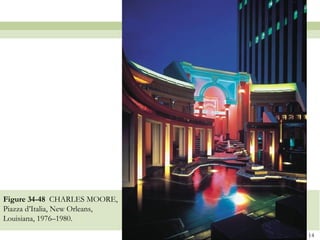
Figure 34-48 CHARLES MOORE,
Piazza d’Italia, New Orleans,
Louisiana, 1976–1980.

                                14
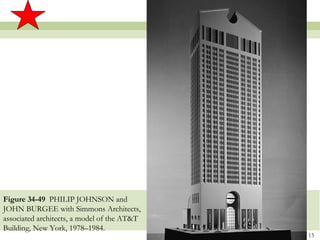
Figure 34-49 PHILIP JOHNSON and
JOHN BURGEE with Simmons Architects,
associated architects, a model of the AT&T
Building, New York, 1978–1984.
                                             15
Postmodern Architecture
• Examine the elements and issues of Postmodern architecture
  in its use of classical and colonial forms as well as later
  deconstructivist forms.


                                                                16
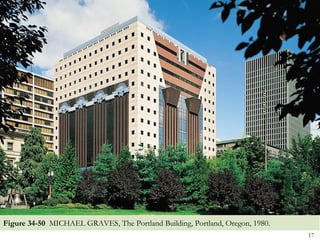
Figure 34-50 MICHAEL GRAVES, The Portland Building, Portland, Oregon, 1980.
                                                                              17
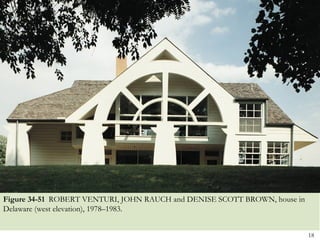
Figure 34-51 ROBERT VENTURI, JOHN RAUCH and DENISE SCOTT BROWN, house in
Delaware (west elevation), 1978–1983.


                                                                           18
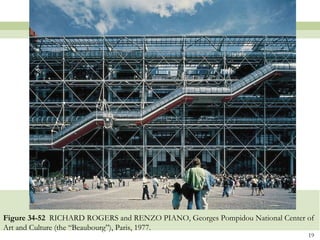
Figure 34-52 RICHARD ROGERS and RENZO PIANO, Georges Pompidou National Center of
Art and Culture (the “Beaubourg”), Paris, 1977.
                                                                              19
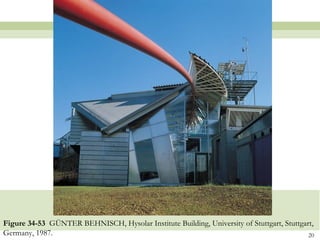
Figure 34-53 GÜNTER BEHNISCH, Hysolar Institute Building, University of Stuttgart, Stuttgart,
Germany, 1987.                                                                             20
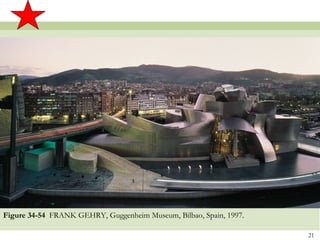
Figure 34-54 FRANK GEHRY, Guggenheim Museum, Bilbao, Spain, 1997.

                                                                    21
Postmodernism in Painting, Sculpture, and
             New Media
 • Understand the inclusion of traditional elements, historical
   references, and artistic self-consciousness in Postmodern art.
 • Examine Neo-expressionist interest in intense emotions and
   in the physicality of paint and media combinations.
 • Understand the contemporary political content of feminist
   and cultural heritage art.
 • Examine the use of new video and digital technologies
   available in the making of art.
 • Understand cultural criticism as inherent to Postmodernism.


                                                                    22
Postmodern Painting
                and Other Media
• Understand the traditional elements, historical references,
  and artistic self-consciousness.
• Examine Neo-expressionist intense emotions and the
  physicality of media combinations.


                                                                23
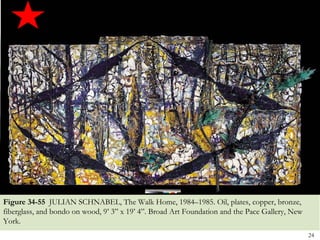
Figure 34-55 JULIAN SCHNABEL, The Walk Home, 1984–1985. Oil, plates, copper, bronze,
fiberglass, and bondo on wood, 9’ 3” x 19’ 4”. Broad Art Foundation and the Pace Gallery, New
York.
                                                                                                24
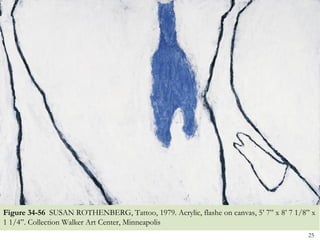
Figure 34-56 SUSAN ROTHENBERG, Tattoo, 1979. Acrylic, flashe on canvas, 5’ 7” x 8’ 7 1/8” x
1 1/4”. Collection Walker Art Center, Minneapolis
                                                                                        25
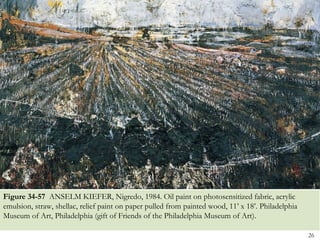
Figure 34-57 ANSELM KIEFER, Nigredo, 1984. Oil paint on photosensitized fabric, acrylic
emulsion, straw, shellac, relief paint on paper pulled from painted wood, 11’ x 18’. Philadelphia
Museum of Art, Philadelphia (gift of Friends of the Philadelphia Museum of Art).

                                                                                                    26
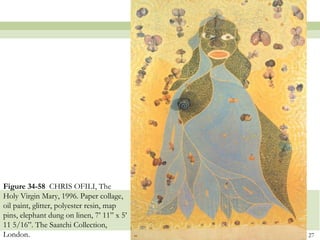
Figure 34-58 CHRIS OFILI, The
Holy Virgin Mary, 1996. Paper collage,
oil paint, glitter, polyester resin, map
pins, elephant dung on linen, 7’ 11” x 5’
11 5/16”. The Saatchi Collection,
London.                                     27
Postmodern Art as Political Weapon

• Understand the social content and political statements of
  feminist art along with innovative and expressive use of
  materials.
• Understand the use of art to express gender and cultural
  heritage issues, as well as the experimental forms and
  innovative use of materials.


                                                              28
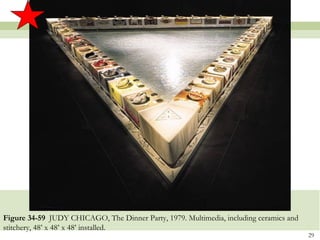
Figure 34-59 JUDY CHICAGO, The Dinner Party, 1979. Multimedia, including ceramics and
stitchery, 48’ x 48’ x 48’ installed.
                                                                                        29
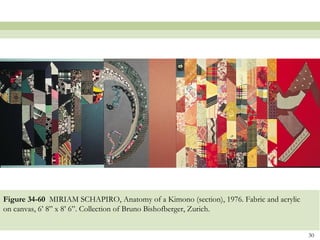
Figure 34-60 MIRIAM SCHAPIRO, Anatomy of a Kimono (section), 1976. Fabric and acrylic
on canvas, 6’ 8” x 8’ 6”. Collection of Bruno Bishofberger, Zurich.


                                                                                        30
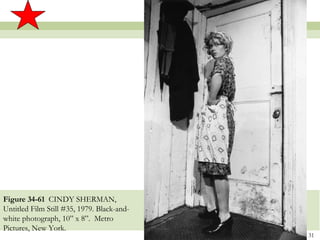
Figure 34-61 CINDY SHERMAN,
Untitled Film Still #35, 1979. Black-and-
white photograph, 10” x 8”. Metro
Pictures, New York.
                                            31
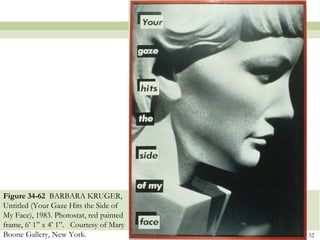
Figure 34-62 BARBARA KRUGER,
Untitled (Your Gaze Hits the Side of
My Face), 1983. Photostat, red painted
frame, 6’ 1” x 4’ 1”. Courtesy of Mary
Boone Gallery, New York.                 32
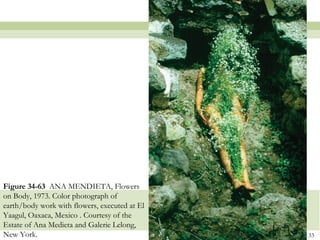
Figure 34-63 ANA MENDIETA, Flowers
on Body, 1973. Color photograph of
earth/body work with flowers, executed at El
Yaagul, Oaxaca, Mexico . Courtesy of the
Estate of Ana Medieta and Galerie Lelong,
New York.                                      33
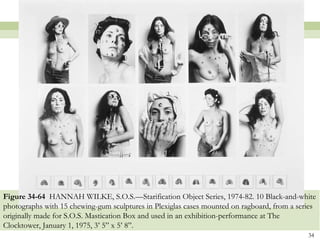
Figure 34-64 HANNAH WILKE, S.O.S.—Starification Object Series, 1974-82. 10 Black-and-white
photographs with 15 chewing-gum sculptures in Plexiglas cases mounted on ragboard, from a series
originally made for S.O.S. Mastication Box and used in an exhibition-performance at The
Clocktower, January 1, 1975, 3’ 5” x 5’ 8”.
                                                                                             34
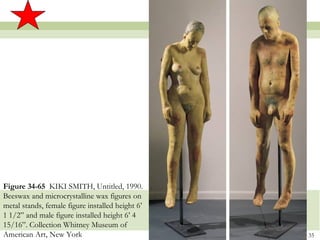
Figure 34-65 KIKI SMITH, Untitled, 1990.
Beeswax and microcrystalline wax figures on
metal stands, female figure installed height 6’
1 1/2” and male figure installed height 6’ 4
15/16”. Collection Whitney Museum of
American Art, New York                            35
Figure 34-66 FAITH
RINGGOLD, Who’s Afraid
of Aunt Jemima?, 1983.
Acrylic on canvas with
fabric borders, quilted, 7’ 6”
x 6’ 8”. Private collection.     36
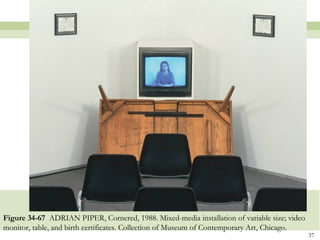
Figure 34-67 ADRIAN PIPER, Cornered, 1988. Mixed-media installation of variable size; video
monitor, table, and birth certificates. Collection of Museum of Contemporary Art, Chicago.
                                                                                              37
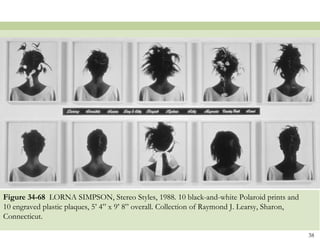
Figure 34-68 LORNA SIMPSON, Stereo Styles, 1988. 10 black-and-white Polaroid prints and
10 engraved plastic plaques, 5’ 4” x 9’ 8” overall. Collection of Raymond J. Learsy, Sharon,
Connecticut.

                                                                                               38
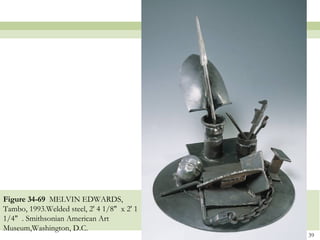
Figure 34-69 MELVIN EDWARDS,
Tambo, 1993.Welded steel, 2' 4 1/8" x 2' 1
1/4" . Smithsonian American Art
Museum,Washington, D.C.
                                             39
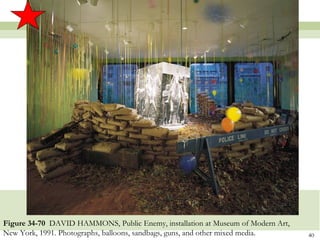
Figure 34-70 DAVID HAMMONS, Public Enemy, installation at Museum of Modern Art,
New York, 1991. Photographs, balloons, sandbags, guns, and other mixed media.     40
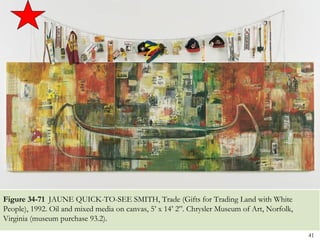
Figure 34-71 JAUNE QUICK-TO-SEE SMITH, Trade (Gifts for Trading Land with White
People), 1992. Oil and mixed media on canvas, 5’ x 14’ 2”. Chrysler Museum of Art, Norfolk,
Virginia (museum purchase 93.2).

                                                                                              41
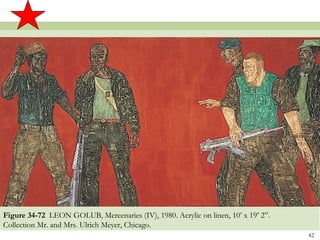
Figure 34-72 LEON GOLUB, Mercenaries (IV), 1980. Acrylic on linen, 10’ x 19’ 2”.
Collection Mr. and Mrs. Ulrich Meyer, Chicago.
                                                                                   42
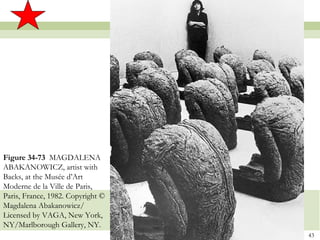
Figure 34-73 MAGDALENA
ABAKANOWICZ, artist with
Backs, at the Musée d’Art
Moderne de la Ville de Paris,
Paris, France, 1982. Copyright ©
Magdalena Abakanowicz/
Licensed by VAGA, New York,
NY/Marlborough Gallery, NY.
                                   43
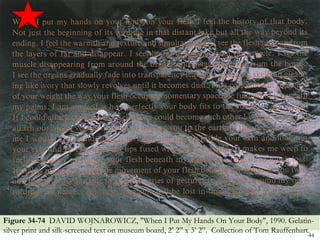
Figure 34-74 DAVID WOJNAROWICZ, "When I Put My Hands On Your Body", 1990. Gelatin-
silver print and silk-screened text on museum board, 2’ 2” x 3’ 2”. Collection of Tom Rauffenbart.
                                                                                                44
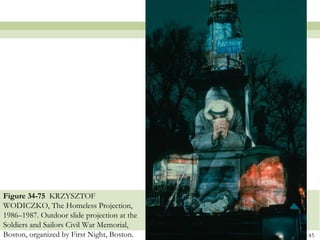
Figure 34-75 KRZYSZTOF
WODICZKO, The Homeless Projection,
1986–1987. Outdoor slide projection at the
Soldiers and Sailors Civil War Memorial,
Boston, organized by First Night, Boston.    45
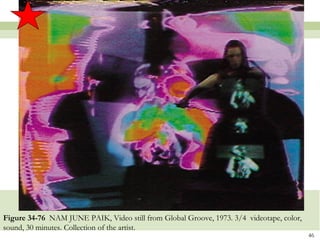
Figure 34-76 NAM JUNE PAIK, Video still from Global Groove, 1973. 3/4 videotape, color,
sound, 30 minutes. Collection of the artist.
                                                                                          46
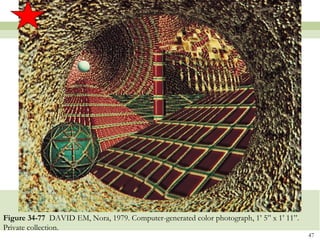
Figure 34-77 DAVID EM, Nora, 1979. Computer-generated color photograph, 1’ 5” x 1’ 11”.
Private collection.
                                                                                          47
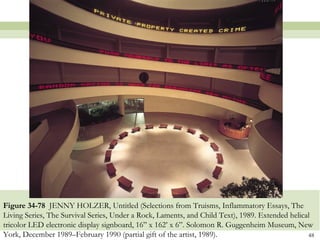
Figure 34-78 JENNY HOLZER, Untitled (Selections from Truisms, Inflammatory Essays, The
Living Series, The Survival Series, Under a Rock, Laments, and Child Text), 1989. Extended helical
tricolor LED electronic display signboard, 16” x 162’ x 6”. Solomon R. Guggenheim Museum, New
York, December 1989–February 1990 (partial gift of the artist, 1989).                            48
New Technologies for Art

• Examine the expressive use of video and digital technologies
  by Postmodern artists.


                                                                 49
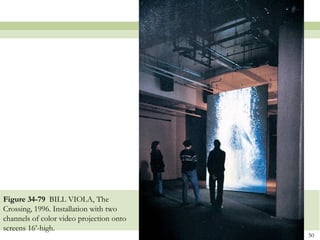
Figure 34-79 BILL VIOLA, The
Crossing, 1996. Installation with two
channels of color video projection onto
screens 16’-high.
                                          50
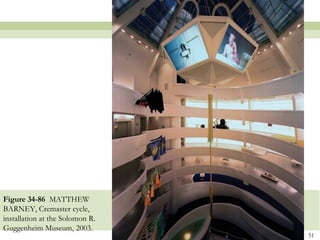
Figure 34-86 MATTHEW
BARNEY, Cremaster cycle,
installation at the Solomon R.
Guggenheim Museum, 2003.
                                 51
Criticism of Commodity Culture, Art
      History, and Art Institutions
• Understand Postmodernist criticism of contemporary
  commodity culture, and criticism of galleries and museums.
• Examine Postmodern art that draws attention to global social
  injustice and world problems.


                                                                 52
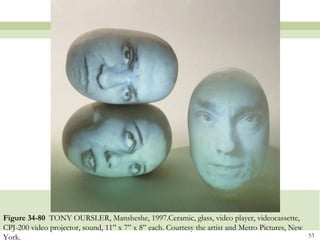
Figure 34-80 TONY OURSLER, Mansheshe, 1997.Ceramic, glass, video player, videocassette,
CPJ-200 video projector, sound, 11” x 7” x 8” each. Courtesy the artist and Metro Pictures, New
York.                                                                                             53
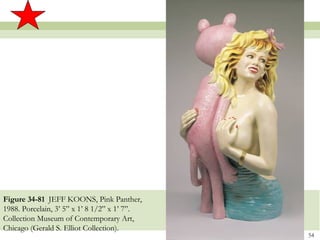
Figure 34-81 JEFF KOONS, Pink Panther,
1988. Porcelain, 3’ 5” x 1’ 8 1/2” x 1’ 7”.
Collection Museum of Contemporary Art,
Chicago (Gerald S. Elliot Collection).
                                              54
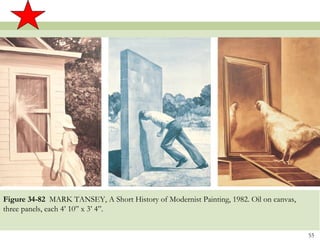
Figure 34-82 MARK TANSEY, A Short History of Modernist Painting, 1982. Oil on canvas,
three panels, each 4’ 10” x 3’ 4”.


                                                                                        55
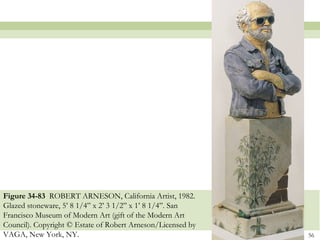
Figure 34-83 ROBERT ARNESON, California Artist, 1982.
Glazed stoneware, 5’ 8 1/4” x 2’ 3 1/2” x 1’ 8 1/4”. San
Francisco Museum of Modern Art (gift of the Modern Art
Council). Copyright © Estate of Robert Arneson/Licensed by
VAGA, New York, NY.                                          56
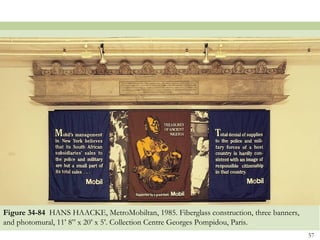
Figure 34-84 HANS HAACKE, MetroMobiltan, 1985. Fiberglass construction, three banners,
and photomural, 11’ 8” x 20’ x 5’. Collection Centre Georges Pompidou, Paris.
                                                                                         57
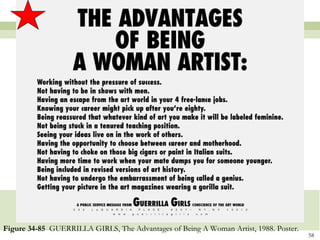
Figure 34-85 GUERRILLA GIRLS, The Advantages of Being A Woman Artist, 1988. Poster.
                                                                                      58
Discussion Questions
 How are the two main processes of Abstract
  Expressionism different? Name and processes and one
  artist for each.
 What do Minimalist sculptors mean by the concept of
  objecthood?
 What is meant by Conceptual Art and the elimination of the
  object?
 Why do you think Modernist art and architecture alienated
  the public? Do you agree that Postmodern art and
  architecture are more in tune to the public’s interests?
 In what ways has new technology already changed our
  perception of what art is?


                                                               59

U21 pics b

  • 1.
    Gardner’s Art Throughthe Ages, 12e Chapter 34 From the Modern to the Post-Modern and Beyond: Art of the Later 20th Century 1
  • 2.
    Site Specific Art •Understand the development of Environmental and Site Specific Art as an outgrowth of ecological and environmental concerns. 2
  • 3.
    Figure 34-37 ROBERTSMITHSON, Spiral Jetty, 1970. Black rock, salt crystals, earth, red water (algae) at Great Salt Lake, Utah. 1,500’ x 15’ x 3 1/2’. Estate of Robert Smithson; courtesy James Cohan Gallery, New York; collection of DIA Center for the Arts, New York. 3
  • 4.
    Figure 34-39 RICHARDSERRA, Tilted Arc, 1981. Cor-Ten steel, 12’ x 120’ x 2 1/2”. Installed Federal Plaza, New York City by the General Services Administration, Washington D.C. Removed by the U.S. Government 1989. 4
  • 5.
    New Models forArchitecture • Examine the organic and fluid forms developed as new models for modernist architecture. • Recognize the distinctions between the works of Modernist and Postmodern architects. 5
  • 6.
    Figure 34-40 FRANKLLOYD WRIGHT, Solomon R. Guggenheim Museum (exterior view from the northwest), New York, 1943–1959 (photo 1962). 6
  • 7.
    Figure 34-41 FRANKLLOYD WRIGHT, Interior of the Solomon R. Guggenheim Museum, New York, 1943–1959. 7
  • 8.
    Figure 34-42 LECORBUSIER, Notre Dame du Haut, Ronchamp, France, 1950–1955. 8
  • 9.
    Figure 34-43 LECORBUSIER, Interior of Notre Dame du Haut, Ronchamp, France, 1950–1955. 9
  • 10.
    Figure 34-44 JOERNUTZON, Sydney Opera House, Sydney, Australia, 1959–1972. Reinforced concrete; height of highest shell, 200’. 10
  • 11.
    Figure 34-45 EEROSAARINEN, Trans World Airlines terminal, Kennedy Airport, New York, 1956–1962. 11
  • 12.
    Figure 34-46 LUDWIGMIES VAN DER ROHE and PHILIP JOHNSON, Seagram Building, New York, 1956–1958. 12
  • 13.
    Figure 34-47 SKIDMORE,OWINGS AND MERRILL, Sears Tower, Chicago, 1974. 13
  • 14.
    Figure 34-48 CHARLESMOORE, Piazza d’Italia, New Orleans, Louisiana, 1976–1980. 14
  • 15.
    Figure 34-49 PHILIPJOHNSON and JOHN BURGEE with Simmons Architects, associated architects, a model of the AT&T Building, New York, 1978–1984. 15
  • 16.
    Postmodern Architecture • Examinethe elements and issues of Postmodern architecture in its use of classical and colonial forms as well as later deconstructivist forms. 16
  • 17.
    Figure 34-50 MICHAELGRAVES, The Portland Building, Portland, Oregon, 1980. 17
  • 18.
    Figure 34-51 ROBERTVENTURI, JOHN RAUCH and DENISE SCOTT BROWN, house in Delaware (west elevation), 1978–1983. 18
  • 19.
    Figure 34-52 RICHARDROGERS and RENZO PIANO, Georges Pompidou National Center of Art and Culture (the “Beaubourg”), Paris, 1977. 19
  • 20.
    Figure 34-53 GÜNTERBEHNISCH, Hysolar Institute Building, University of Stuttgart, Stuttgart, Germany, 1987. 20
  • 21.
    Figure 34-54 FRANKGEHRY, Guggenheim Museum, Bilbao, Spain, 1997. 21
  • 22.
    Postmodernism in Painting,Sculpture, and New Media • Understand the inclusion of traditional elements, historical references, and artistic self-consciousness in Postmodern art. • Examine Neo-expressionist interest in intense emotions and in the physicality of paint and media combinations. • Understand the contemporary political content of feminist and cultural heritage art. • Examine the use of new video and digital technologies available in the making of art. • Understand cultural criticism as inherent to Postmodernism. 22
  • 23.
    Postmodern Painting and Other Media • Understand the traditional elements, historical references, and artistic self-consciousness. • Examine Neo-expressionist intense emotions and the physicality of media combinations. 23
  • 24.
    Figure 34-55 JULIANSCHNABEL, The Walk Home, 1984–1985. Oil, plates, copper, bronze, fiberglass, and bondo on wood, 9’ 3” x 19’ 4”. Broad Art Foundation and the Pace Gallery, New York. 24
  • 25.
    Figure 34-56 SUSANROTHENBERG, Tattoo, 1979. Acrylic, flashe on canvas, 5’ 7” x 8’ 7 1/8” x 1 1/4”. Collection Walker Art Center, Minneapolis 25
  • 26.
    Figure 34-57 ANSELMKIEFER, Nigredo, 1984. Oil paint on photosensitized fabric, acrylic emulsion, straw, shellac, relief paint on paper pulled from painted wood, 11’ x 18’. Philadelphia Museum of Art, Philadelphia (gift of Friends of the Philadelphia Museum of Art). 26
  • 27.
    Figure 34-58 CHRISOFILI, The Holy Virgin Mary, 1996. Paper collage, oil paint, glitter, polyester resin, map pins, elephant dung on linen, 7’ 11” x 5’ 11 5/16”. The Saatchi Collection, London. 27
  • 28.
    Postmodern Art asPolitical Weapon • Understand the social content and political statements of feminist art along with innovative and expressive use of materials. • Understand the use of art to express gender and cultural heritage issues, as well as the experimental forms and innovative use of materials. 28
  • 29.
    Figure 34-59 JUDYCHICAGO, The Dinner Party, 1979. Multimedia, including ceramics and stitchery, 48’ x 48’ x 48’ installed. 29
  • 30.
    Figure 34-60 MIRIAMSCHAPIRO, Anatomy of a Kimono (section), 1976. Fabric and acrylic on canvas, 6’ 8” x 8’ 6”. Collection of Bruno Bishofberger, Zurich. 30
  • 31.
    Figure 34-61 CINDYSHERMAN, Untitled Film Still #35, 1979. Black-and- white photograph, 10” x 8”. Metro Pictures, New York. 31
  • 32.
    Figure 34-62 BARBARAKRUGER, Untitled (Your Gaze Hits the Side of My Face), 1983. Photostat, red painted frame, 6’ 1” x 4’ 1”. Courtesy of Mary Boone Gallery, New York. 32
  • 33.
    Figure 34-63 ANAMENDIETA, Flowers on Body, 1973. Color photograph of earth/body work with flowers, executed at El Yaagul, Oaxaca, Mexico . Courtesy of the Estate of Ana Medieta and Galerie Lelong, New York. 33
  • 34.
    Figure 34-64 HANNAHWILKE, S.O.S.—Starification Object Series, 1974-82. 10 Black-and-white photographs with 15 chewing-gum sculptures in Plexiglas cases mounted on ragboard, from a series originally made for S.O.S. Mastication Box and used in an exhibition-performance at The Clocktower, January 1, 1975, 3’ 5” x 5’ 8”. 34
  • 35.
    Figure 34-65 KIKISMITH, Untitled, 1990. Beeswax and microcrystalline wax figures on metal stands, female figure installed height 6’ 1 1/2” and male figure installed height 6’ 4 15/16”. Collection Whitney Museum of American Art, New York 35
  • 36.
    Figure 34-66 FAITH RINGGOLD,Who’s Afraid of Aunt Jemima?, 1983. Acrylic on canvas with fabric borders, quilted, 7’ 6” x 6’ 8”. Private collection. 36
  • 37.
    Figure 34-67 ADRIANPIPER, Cornered, 1988. Mixed-media installation of variable size; video monitor, table, and birth certificates. Collection of Museum of Contemporary Art, Chicago. 37
  • 38.
    Figure 34-68 LORNASIMPSON, Stereo Styles, 1988. 10 black-and-white Polaroid prints and 10 engraved plastic plaques, 5’ 4” x 9’ 8” overall. Collection of Raymond J. Learsy, Sharon, Connecticut. 38
  • 39.
    Figure 34-69 MELVINEDWARDS, Tambo, 1993.Welded steel, 2' 4 1/8" x 2' 1 1/4" . Smithsonian American Art Museum,Washington, D.C. 39
  • 40.
    Figure 34-70 DAVIDHAMMONS, Public Enemy, installation at Museum of Modern Art, New York, 1991. Photographs, balloons, sandbags, guns, and other mixed media. 40
  • 41.
    Figure 34-71 JAUNEQUICK-TO-SEE SMITH, Trade (Gifts for Trading Land with White People), 1992. Oil and mixed media on canvas, 5’ x 14’ 2”. Chrysler Museum of Art, Norfolk, Virginia (museum purchase 93.2). 41
  • 42.
    Figure 34-72 LEONGOLUB, Mercenaries (IV), 1980. Acrylic on linen, 10’ x 19’ 2”. Collection Mr. and Mrs. Ulrich Meyer, Chicago. 42
  • 43.
    Figure 34-73 MAGDALENA ABAKANOWICZ,artist with Backs, at the Musée d’Art Moderne de la Ville de Paris, Paris, France, 1982. Copyright © Magdalena Abakanowicz/ Licensed by VAGA, New York, NY/Marlborough Gallery, NY. 43
  • 44.
    Figure 34-74 DAVIDWOJNAROWICZ, "When I Put My Hands On Your Body", 1990. Gelatin- silver print and silk-screened text on museum board, 2’ 2” x 3’ 2”. Collection of Tom Rauffenbart. 44
  • 45.
    Figure 34-75 KRZYSZTOF WODICZKO,The Homeless Projection, 1986–1987. Outdoor slide projection at the Soldiers and Sailors Civil War Memorial, Boston, organized by First Night, Boston. 45
  • 46.
    Figure 34-76 NAMJUNE PAIK, Video still from Global Groove, 1973. 3/4 videotape, color, sound, 30 minutes. Collection of the artist. 46
  • 47.
    Figure 34-77 DAVIDEM, Nora, 1979. Computer-generated color photograph, 1’ 5” x 1’ 11”. Private collection. 47
  • 48.
    Figure 34-78 JENNYHOLZER, Untitled (Selections from Truisms, Inflammatory Essays, The Living Series, The Survival Series, Under a Rock, Laments, and Child Text), 1989. Extended helical tricolor LED electronic display signboard, 16” x 162’ x 6”. Solomon R. Guggenheim Museum, New York, December 1989–February 1990 (partial gift of the artist, 1989). 48
  • 49.
    New Technologies forArt • Examine the expressive use of video and digital technologies by Postmodern artists. 49
  • 50.
    Figure 34-79 BILLVIOLA, The Crossing, 1996. Installation with two channels of color video projection onto screens 16’-high. 50
  • 51.
    Figure 34-86 MATTHEW BARNEY,Cremaster cycle, installation at the Solomon R. Guggenheim Museum, 2003. 51
  • 52.
    Criticism of CommodityCulture, Art History, and Art Institutions • Understand Postmodernist criticism of contemporary commodity culture, and criticism of galleries and museums. • Examine Postmodern art that draws attention to global social injustice and world problems. 52
  • 53.
    Figure 34-80 TONYOURSLER, Mansheshe, 1997.Ceramic, glass, video player, videocassette, CPJ-200 video projector, sound, 11” x 7” x 8” each. Courtesy the artist and Metro Pictures, New York. 53
  • 54.
    Figure 34-81 JEFFKOONS, Pink Panther, 1988. Porcelain, 3’ 5” x 1’ 8 1/2” x 1’ 7”. Collection Museum of Contemporary Art, Chicago (Gerald S. Elliot Collection). 54
  • 55.
    Figure 34-82 MARKTANSEY, A Short History of Modernist Painting, 1982. Oil on canvas, three panels, each 4’ 10” x 3’ 4”. 55
  • 56.
    Figure 34-83 ROBERTARNESON, California Artist, 1982. Glazed stoneware, 5’ 8 1/4” x 2’ 3 1/2” x 1’ 8 1/4”. San Francisco Museum of Modern Art (gift of the Modern Art Council). Copyright © Estate of Robert Arneson/Licensed by VAGA, New York, NY. 56
  • 57.
    Figure 34-84 HANSHAACKE, MetroMobiltan, 1985. Fiberglass construction, three banners, and photomural, 11’ 8” x 20’ x 5’. Collection Centre Georges Pompidou, Paris. 57
  • 58.
    Figure 34-85 GUERRILLAGIRLS, The Advantages of Being A Woman Artist, 1988. Poster. 58
  • 59.
    Discussion Questions  Howare the two main processes of Abstract Expressionism different? Name and processes and one artist for each.  What do Minimalist sculptors mean by the concept of objecthood?  What is meant by Conceptual Art and the elimination of the object?  Why do you think Modernist art and architecture alienated the public? Do you agree that Postmodern art and architecture are more in tune to the public’s interests?  In what ways has new technology already changed our perception of what art is? 59