Hypothermia
By ahmed c1
DEFINITION
• internal temperature <358C [<958F] (by
rectal, tympanic, or esophageal
thermometer).
• Hypothermia may be mild(34 358C [93
958F]), moderate (30 348C[86 938F]), or
severe (<308C [<868F])
CAUSES
INCREASED HEAT LOSS
ENVIRONMENTAL; cold exposure
DERMATOLOGIC; burns, extensive
psoriasis, vasodilation (drugs, alcohol,
sepsis, pancreatitis)
IATROGENIC cold fluid infusion, CPR,
renal replacement therapy
ALTERED REGULATION
•CENTRAL :
stroke, Parkinson’s disease,
multiplesclerosis, hypothalamic dysfunction,
anorexia nervosa,
drugs (barbiturate, TCA, sedatives, alcohol)
•PERIPHERAL
neuropathies, diabetes
DECREASED METABOLISM
•ENDOCRINE
hypothyroidism, hypopituitarism, adrenal
insufficiency, hypoglycemia
•METABOLIC
anorexia nervosa, malnutrition
RISK FACTORS
• extremes of age,
• alcoholism,
• malnutrition, homelessness,
• mental illness
HISTORY
exposure to cold (duration, environment)
shivering,
confusion,
delirium,
palpitations,
weakness, ulcers, frostbite, fever, weight loss,
past medical history (hypothyroidism,
diabetes,alcoholism, psoriasis),
medications,
social history
Physical examination
vitals(bradycardia,apnea,hypertension/
hypotension,hypoxemia),
respiratory and cardiovascular examination
(arrhythmia),
skin examination (frostbite, burns, psoriasis)
GCS(rigidity, hyporeflexia),
INVESTIGATIONS
BASIC
•LABS
CBC, lytes, urea, Cr, glucose, CK, troponin,
AST, ALT, ALP, bilirubin, TSH, urinalysis,
blood cultures
•ECG Osborn wave (elevated J point),
prolonged RR, PR, QRS, and QT intervals
COMPLICATIONS
hypothermia affects most organs,
causing cognitive (coma),
neuromuscular(rigidity),
respiratory (pulmonary edema),
cardiac(arrhythmia), and
cutaneous complications (frostbite).
Sepsis, pneumonia, hypokalemia,
hypoglycemia, and rhabdomyolysis may
also occur
MANAGEMENT
• ABC, O2 to keep sat >94%, IV. Caution
with fluid overload (decreased cardiac
output in hypothermic patients) and
vasopressors (arrhythmogenic potential).
• Resuscitation should continue until patient
completely rewarmed
MONITORING
continuous cardiac monitoring. Also
closely monitor electrolytes and glucose.
Vagotonic maneuvers (e.g. intubation or
suctioning) may precipitate asystole
• REWARMING environment (remove cold
clothing. Warming blanket). Active
rewarming (warm IV fluids 40 428C [104
1088F]. If severe hypothermia,consider
colonic/bladder irrigation, peritoneal or
pleural lavage, extracorporeal blood
rewarming.
• Goal of rewarming is 0.5 28C/h [1.88F/h]
to minimize risk of VF and hypovolemic
shock)
FROSTBITE
supportive care. Skin grafting and
amputation may be required if gangrene
develops
SPECIFIC ENTITIES
ELECTRICAL INJURY
Causes include
lightening,taser, and stun gun
injuries may involve
the skin(burns), heart (VF, asystole, cardiac
contusion),bones/muscles (deep
electrothermal tissue injury,osteonecrosis,
compartment syndrome, rhabdomyolysis
with renal failure, posterior shoulder
dislocation),
• and neurologic system (loss of
consciousness, weakness or paralysis,
respiratory depression, autonomic
dysfunction)
DIAGNOSIS clinical. Obtain CBC, lytes,
urea, Cr,glucose, CK, appropriate imaging,
drug and alcohol levels, urinalysis, CXR,
ABG, ECG
TREATMENTS
ABC, O2, IV. Supportive management of
complications. Monitor for compartment
syndromes. Psychiatry consult for post
traumatic stress disorder
SUBMERSION INJURY(drowning)
cause of drowning
•(accidental, suicidal, alcohol or illicit drug
use,concomitant myocardial
infarction/stroke).
•Complications include respiratory failure,
ARDS,hypothermia, arrhythmia (atrial
fibrillation, bradycardia, ventricular
tachycardia), acidosis (metabolic,
respiratory), anoxic brain injury,
cerebraledema, and seizures
DIAGNOSIS clinical. Obtain CBC, lytes,
urea, Cr,glucose, osmolality, drug and
alcohol levels, urinalysis, CXR, ABG, and
ECG
TREATMENTS
• ABC, O2, IV. Supportive management of
complications. 75% of near drowning victims
survive
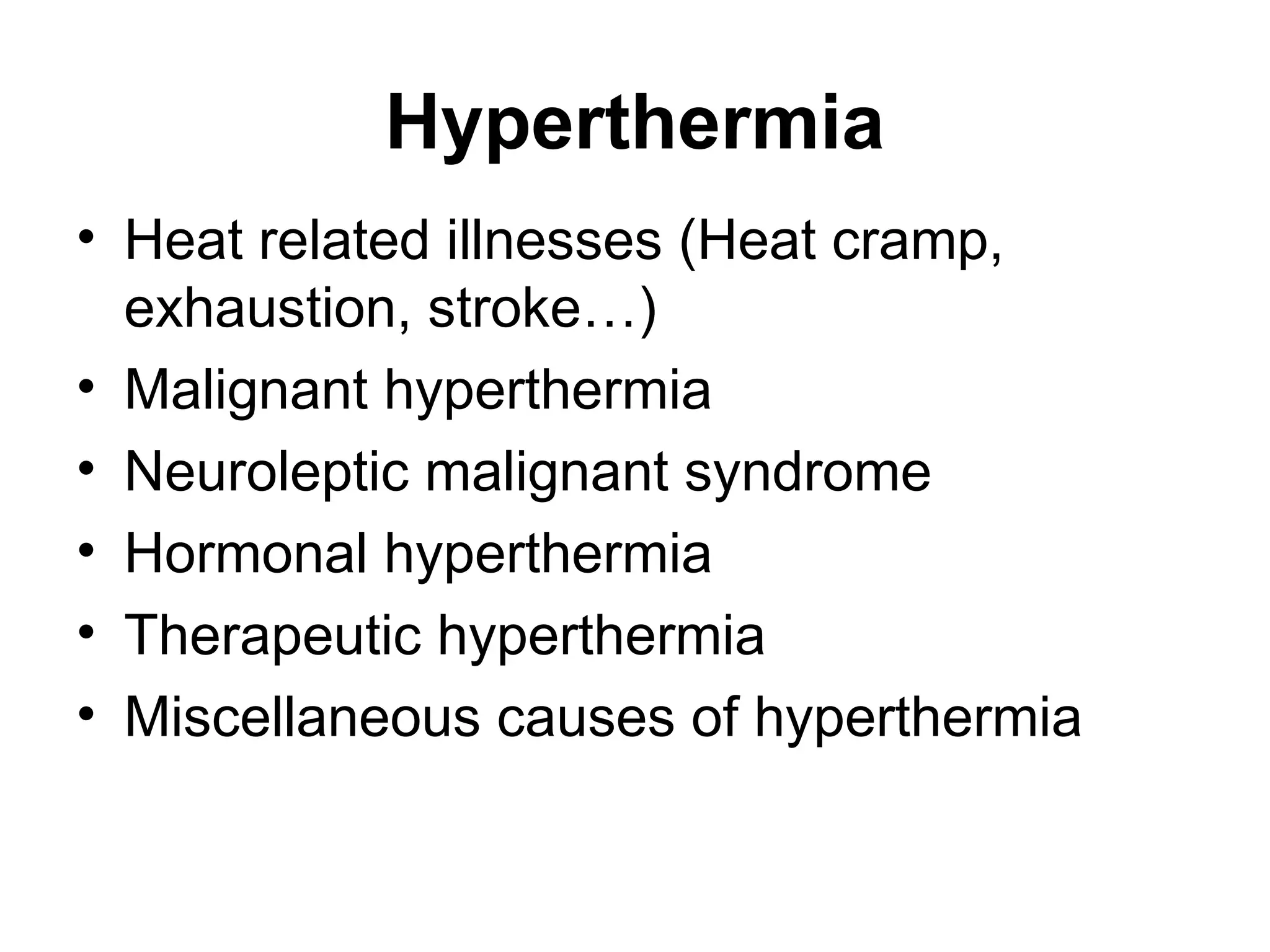
Hyperthermia
• Heat related illnesses (Heat cramp,
exhaustion, stroke…)
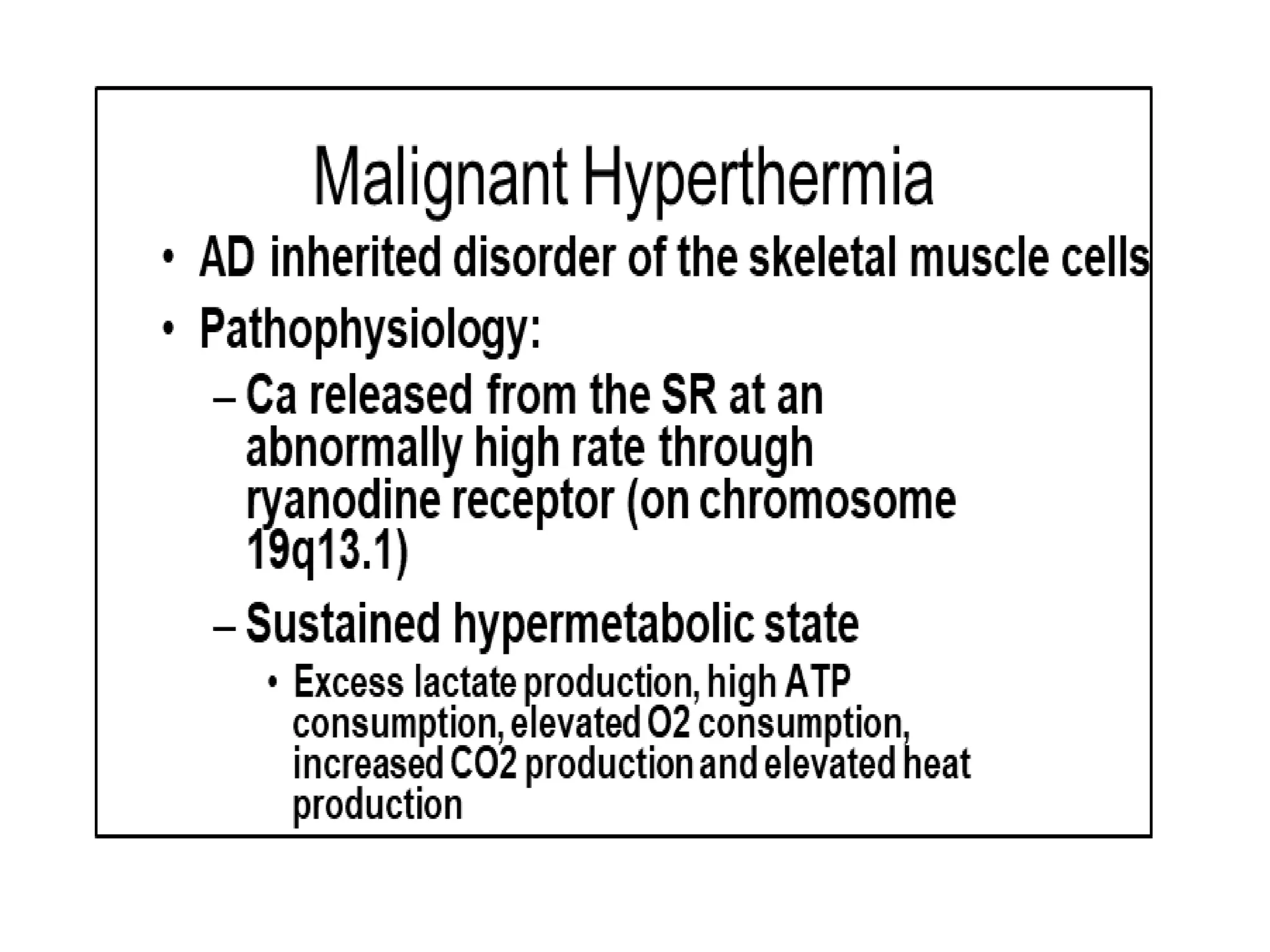
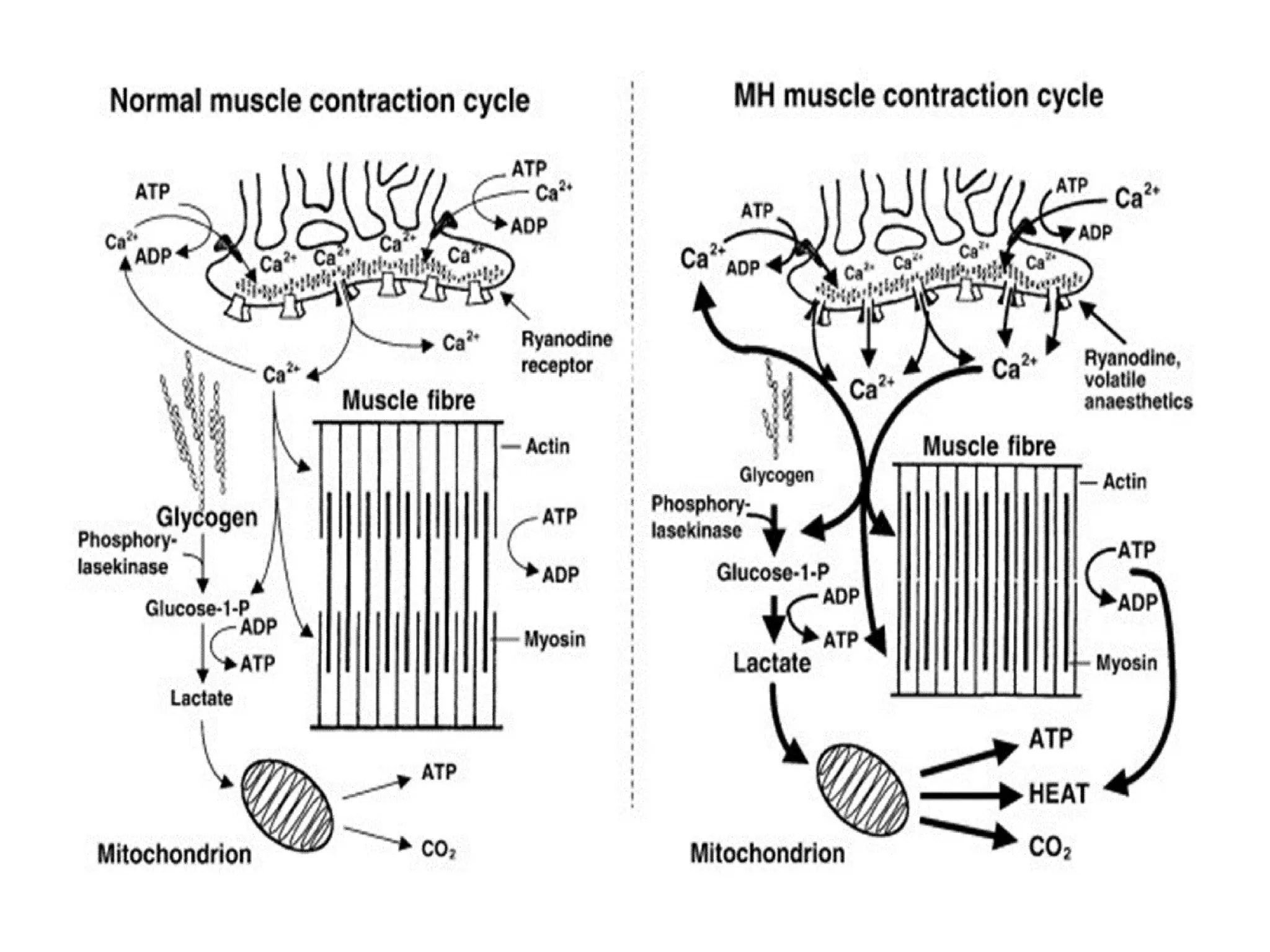
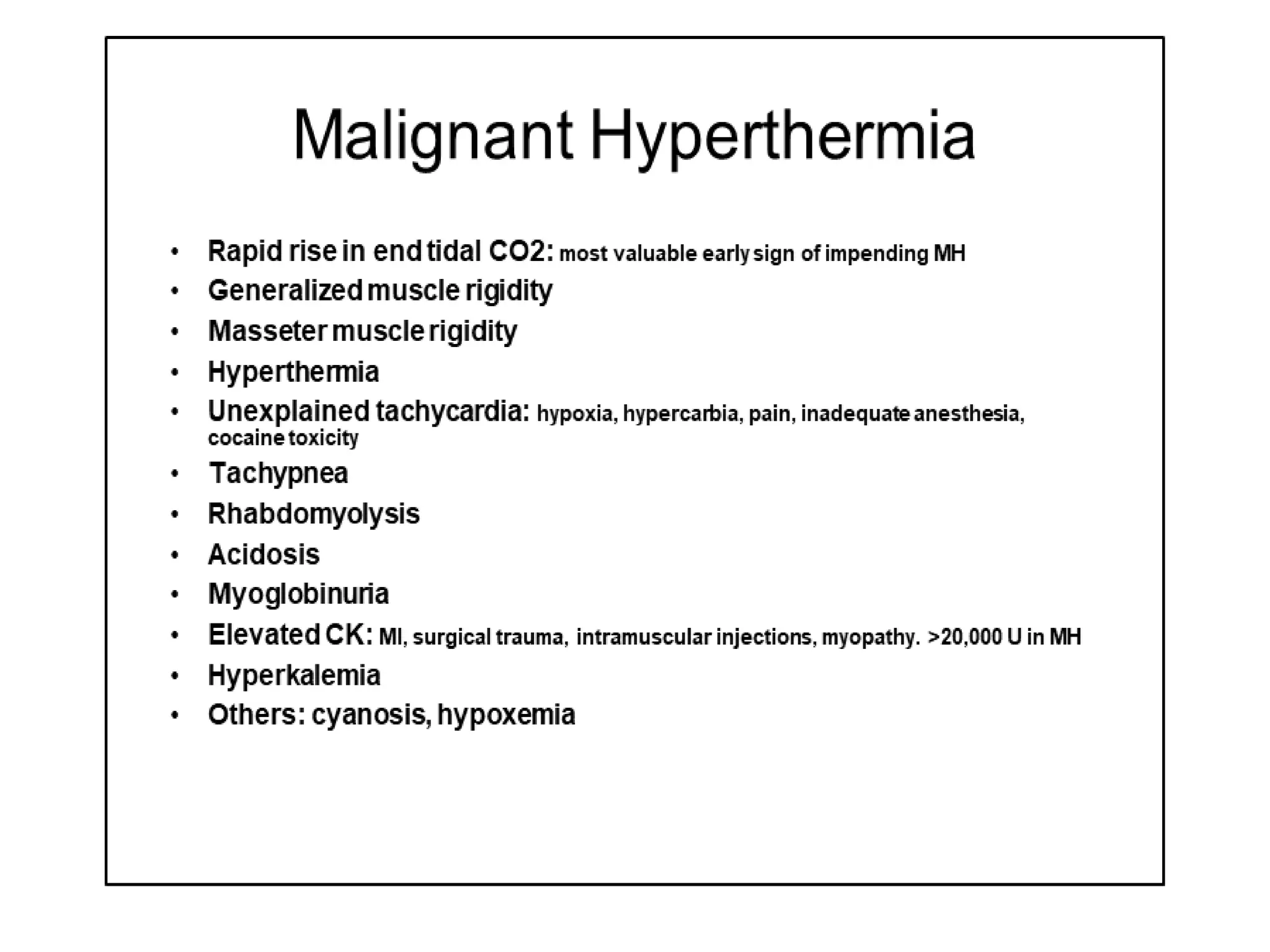
• Malignant hyperthermia
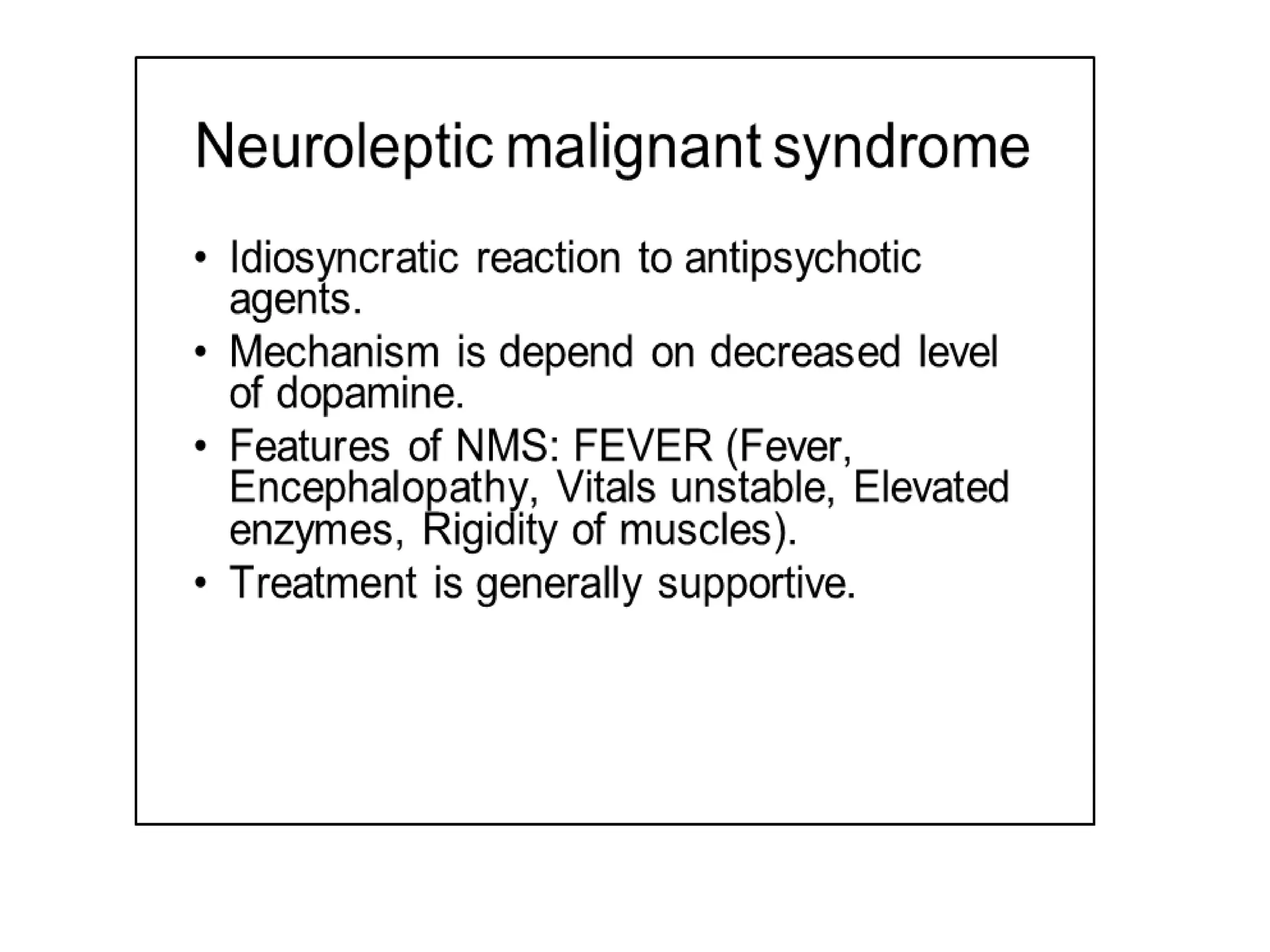
• Neuroleptic malignant syndrome
• Hormonal hyperthermia
• Therapeutic hyperthermia
• Miscellaneous causes of hyperthermia
ttt....................................ppt

ttt....................................ppt

  • 1.
  • 2.
    DEFINITION • internal temperature<358C [<958F] (by rectal, tympanic, or esophageal thermometer). • Hypothermia may be mild(34 358C [93 958F]), moderate (30 348C[86 938F]), or severe (<308C [<868F])
  • 3.
    CAUSES INCREASED HEAT LOSS ENVIRONMENTAL;cold exposure DERMATOLOGIC; burns, extensive psoriasis, vasodilation (drugs, alcohol, sepsis, pancreatitis) IATROGENIC cold fluid infusion, CPR, renal replacement therapy
  • 4.
    ALTERED REGULATION •CENTRAL : stroke,Parkinson’s disease, multiplesclerosis, hypothalamic dysfunction, anorexia nervosa, drugs (barbiturate, TCA, sedatives, alcohol) •PERIPHERAL neuropathies, diabetes
  • 5.
    DECREASED METABOLISM •ENDOCRINE hypothyroidism, hypopituitarism,adrenal insufficiency, hypoglycemia •METABOLIC anorexia nervosa, malnutrition
  • 6.
    RISK FACTORS • extremesof age, • alcoholism, • malnutrition, homelessness, • mental illness
  • 7.
    HISTORY exposure to cold(duration, environment) shivering, confusion, delirium, palpitations, weakness, ulcers, frostbite, fever, weight loss, past medical history (hypothyroidism, diabetes,alcoholism, psoriasis), medications, social history
  • 8.
    Physical examination vitals(bradycardia,apnea,hypertension/ hypotension,hypoxemia), respiratory andcardiovascular examination (arrhythmia), skin examination (frostbite, burns, psoriasis) GCS(rigidity, hyporeflexia),
  • 9.
    INVESTIGATIONS BASIC •LABS CBC, lytes, urea,Cr, glucose, CK, troponin, AST, ALT, ALP, bilirubin, TSH, urinalysis, blood cultures •ECG Osborn wave (elevated J point), prolonged RR, PR, QRS, and QT intervals
  • 10.
    COMPLICATIONS hypothermia affects mostorgans, causing cognitive (coma), neuromuscular(rigidity), respiratory (pulmonary edema), cardiac(arrhythmia), and cutaneous complications (frostbite). Sepsis, pneumonia, hypokalemia, hypoglycemia, and rhabdomyolysis may also occur
  • 11.
    MANAGEMENT • ABC, O2to keep sat >94%, IV. Caution with fluid overload (decreased cardiac output in hypothermic patients) and vasopressors (arrhythmogenic potential). • Resuscitation should continue until patient completely rewarmed
  • 12.
    MONITORING continuous cardiac monitoring.Also closely monitor electrolytes and glucose. Vagotonic maneuvers (e.g. intubation or suctioning) may precipitate asystole
  • 13.
    • REWARMING environment(remove cold clothing. Warming blanket). Active rewarming (warm IV fluids 40 428C [104 1088F]. If severe hypothermia,consider colonic/bladder irrigation, peritoneal or pleural lavage, extracorporeal blood rewarming. • Goal of rewarming is 0.5 28C/h [1.88F/h] to minimize risk of VF and hypovolemic shock)
  • 14.
    FROSTBITE supportive care. Skingrafting and amputation may be required if gangrene develops
  • 15.
    SPECIFIC ENTITIES ELECTRICAL INJURY Causesinclude lightening,taser, and stun gun injuries may involve the skin(burns), heart (VF, asystole, cardiac contusion),bones/muscles (deep electrothermal tissue injury,osteonecrosis, compartment syndrome, rhabdomyolysis with renal failure, posterior shoulder dislocation),
  • 16.
    • and neurologicsystem (loss of consciousness, weakness or paralysis, respiratory depression, autonomic dysfunction)
  • 17.
    DIAGNOSIS clinical. ObtainCBC, lytes, urea, Cr,glucose, CK, appropriate imaging, drug and alcohol levels, urinalysis, CXR, ABG, ECG TREATMENTS ABC, O2, IV. Supportive management of complications. Monitor for compartment syndromes. Psychiatry consult for post traumatic stress disorder
  • 18.
    SUBMERSION INJURY(drowning) cause ofdrowning •(accidental, suicidal, alcohol or illicit drug use,concomitant myocardial infarction/stroke). •Complications include respiratory failure, ARDS,hypothermia, arrhythmia (atrial fibrillation, bradycardia, ventricular tachycardia), acidosis (metabolic, respiratory), anoxic brain injury, cerebraledema, and seizures
  • 19.
    DIAGNOSIS clinical. ObtainCBC, lytes, urea, Cr,glucose, osmolality, drug and alcohol levels, urinalysis, CXR, ABG, and ECG TREATMENTS • ABC, O2, IV. Supportive management of complications. 75% of near drowning victims survive
  • 20.
    Hyperthermia • Heat relatedillnesses (Heat cramp, exhaustion, stroke…) • Malignant hyperthermia • Neuroleptic malignant syndrome • Hormonal hyperthermia • Therapeutic hyperthermia • Miscellaneous causes of hyperthermia