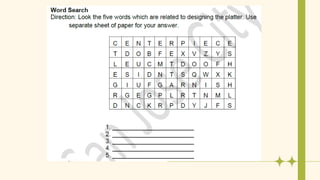
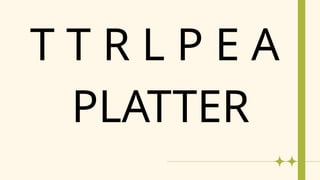
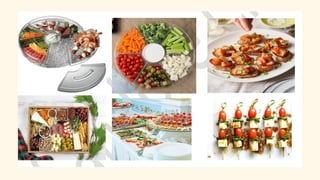
T T R L P E A
PLATTER
E A P H S S
SHAPES
T X T RE U E
TEXTURE
F L V R S A O
FLAVORS
O O I P R T N
PORTION
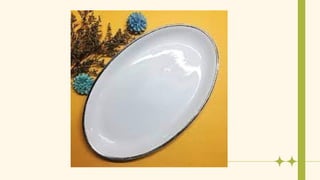
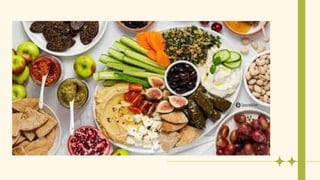
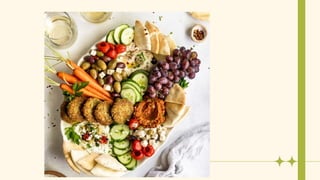
PLATER a large plate used for
serving food, or a meal.
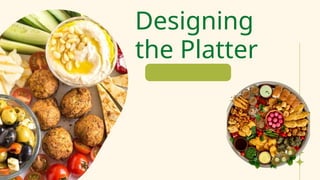
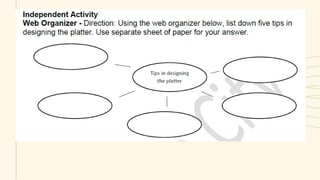
Designing
the Platter
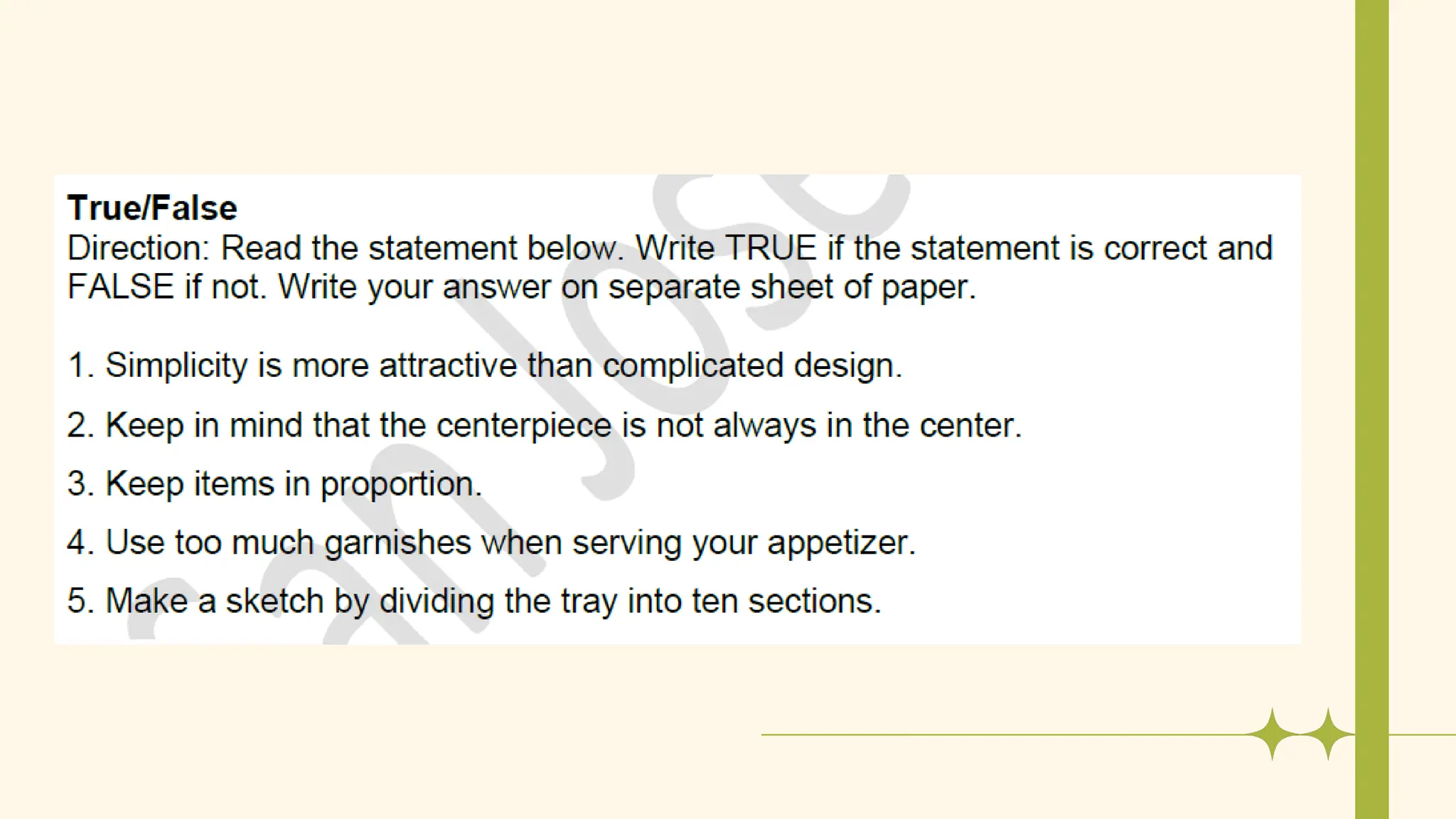
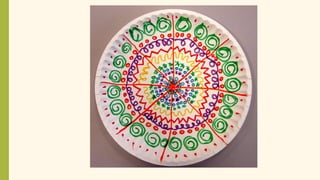
1. Plan ahead. Make a sketch
by dividing the tray into six or
eight sections. This will help
you lay out a balance and
symmetrical design. The sketch
should indicate the
centerpiece, slices of foods and
garnishes
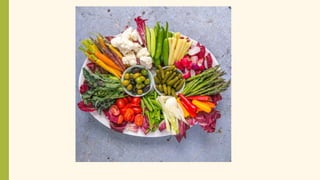
2. Get movement into
your design. Good design
makes your eyes move
across the platter
following the lines you
have set up. It could be
arranged in rows or lines.
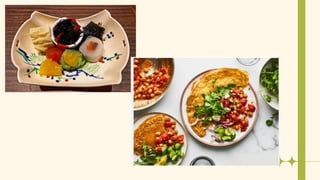
3. Give the design a focal
point. Use centerpiece to
emphasize and
strengthen the design by
giving it direction and
height. Note that
centerpiece is not always
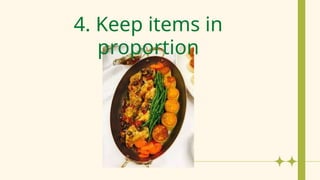
4. Keep items in
proportion
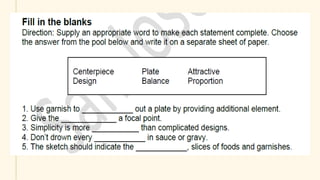
5. Make the garnish count. Use
garnish to balance out a plate by
providing additional elements. Two
items on a plate often look
unbalanced, but adding a garnish
completes the picture. On the other
hand, do not add unnecessary
garnishes.
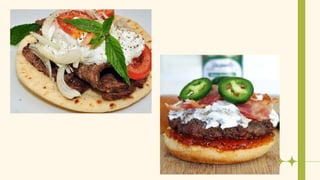
A garnish is a small amount of salad,
herbs, or other food that is used to
decorate cooked or prepared food.
Garnish, an embellishment added to a food
to enhance its appearance or taste. Simple
garnishes such as chopped herbs,
decoratively cut lemons, parsley and
watercress sprigs, browned breadcrumbs,
sieved hard-cooked eggs, and broiled
tomatoes are appropriate to a wide variety
of foods; their purpose is to provide contrast
in colour, texture, and taste, and to give a
finished appearance to the dish.
sample of herbs =fresh rosemary,
thyme, oregano, basil, mint, and
edible flowers like nasturtiums.
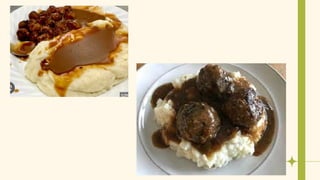
6. Don’t drown every plate in sauce or
gravy. It may hides colors and shapes.
You may cover a part of it or a band of
sauce across the center.
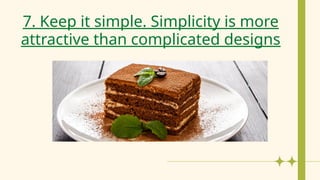
7. Keep it simple. Simplicity is more
attractive than complicated designs
8. Let the guest see the best side of
everything. Angle overlapping slices
and wedged-shaped pieces toward
the customer and the best side of
each slice is face up.
TLE 10 GENESIS COOKERY Designing Platter .pptx

TLE 10 GENESIS COOKERY Designing Platter .pptx

  • 3.
    T T RL P E A PLATTER
  • 4.
    E A PH S S SHAPES
  • 5.
    T X TRE U E TEXTURE
  • 6.
    F L VR S A O FLAVORS
  • 7.
    O O IP R T N PORTION
  • 9.
    PLATER a largeplate used for serving food, or a meal.
  • 12.
  • 13.
    1. Plan ahead.Make a sketch by dividing the tray into six or eight sections. This will help you lay out a balance and symmetrical design. The sketch should indicate the centerpiece, slices of foods and garnishes
  • 15.
    2. Get movementinto your design. Good design makes your eyes move across the platter following the lines you have set up. It could be arranged in rows or lines.
  • 17.
    3. Give thedesign a focal point. Use centerpiece to emphasize and strengthen the design by giving it direction and height. Note that centerpiece is not always
  • 19.
    4. Keep itemsin proportion
  • 20.
    5. Make thegarnish count. Use garnish to balance out a plate by providing additional elements. Two items on a plate often look unbalanced, but adding a garnish completes the picture. On the other hand, do not add unnecessary garnishes.
  • 22.
    A garnish isa small amount of salad, herbs, or other food that is used to decorate cooked or prepared food.
  • 23.
    Garnish, an embellishmentadded to a food to enhance its appearance or taste. Simple garnishes such as chopped herbs, decoratively cut lemons, parsley and watercress sprigs, browned breadcrumbs, sieved hard-cooked eggs, and broiled tomatoes are appropriate to a wide variety of foods; their purpose is to provide contrast in colour, texture, and taste, and to give a finished appearance to the dish.
  • 24.
    sample of herbs=fresh rosemary, thyme, oregano, basil, mint, and edible flowers like nasturtiums.
  • 25.
    6. Don’t drownevery plate in sauce or gravy. It may hides colors and shapes. You may cover a part of it or a band of sauce across the center.
  • 27.
    7. Keep itsimple. Simplicity is more attractive than complicated designs
  • 28.
    8. Let theguest see the best side of everything. Angle overlapping slices and wedged-shaped pieces toward the customer and the best side of each slice is face up.