
Non-CTO’s Guide @STACIEANDREWS
This Presentation Was Originally  Part of Our Speech Given At:
Speaker (About Me) DEVELOPER DESIGNER MARKETER 8 Yrs. Blending Technical + Design + Marketing Allowing Companies To Better Tack, Prove, And Increase Results.  Formal Degrees in Computer Science and Marketing Broad experience as a designer for Award-Winning Traditional and New Media Agencies  Increasing ROI for local and international brands since 2005 with my team at Provado Marketing.  …a Full-Service Marketing Agency
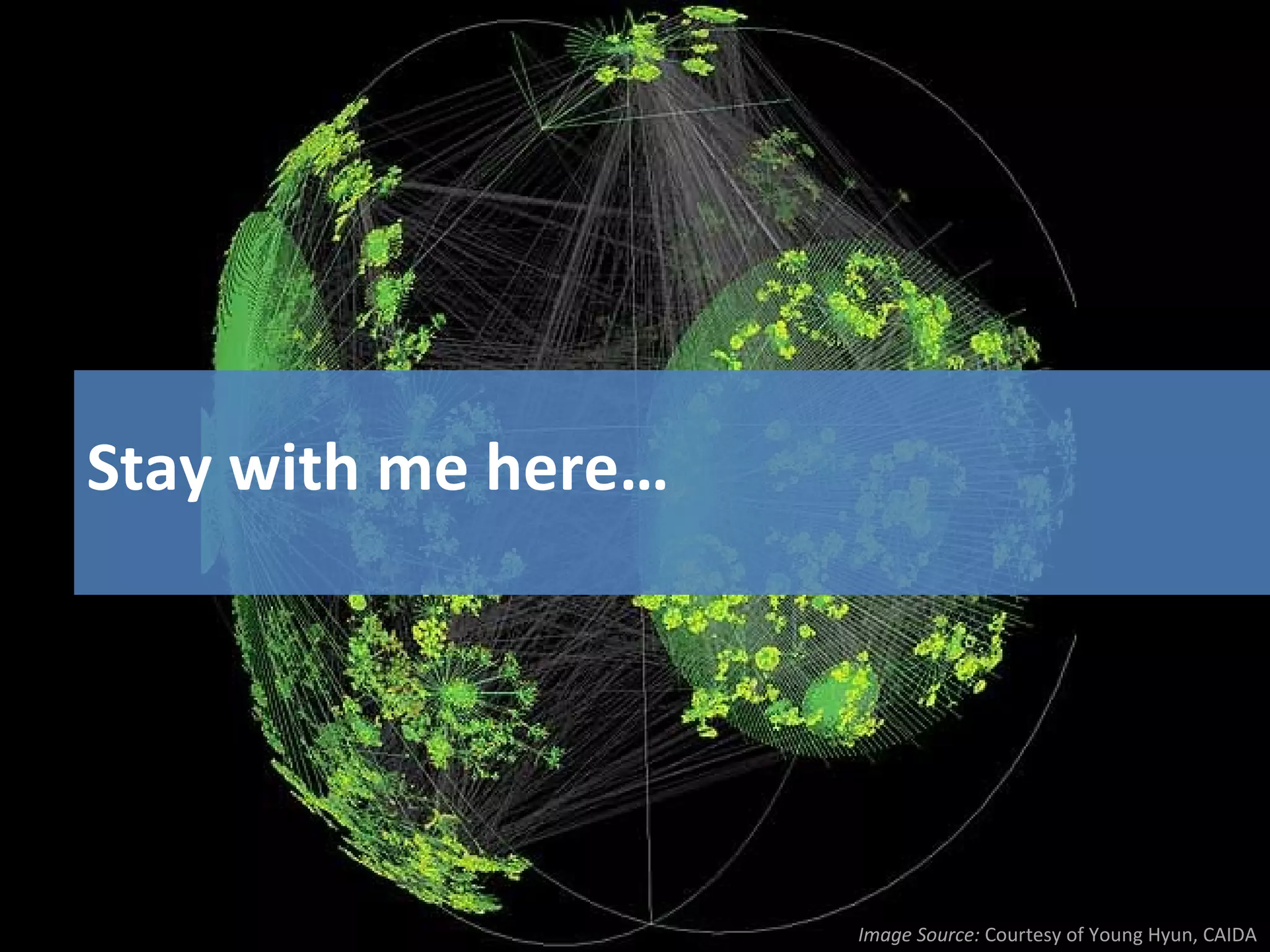
Stay with me here… Image Source:  Courtesy of Young Hyun, CAIDA
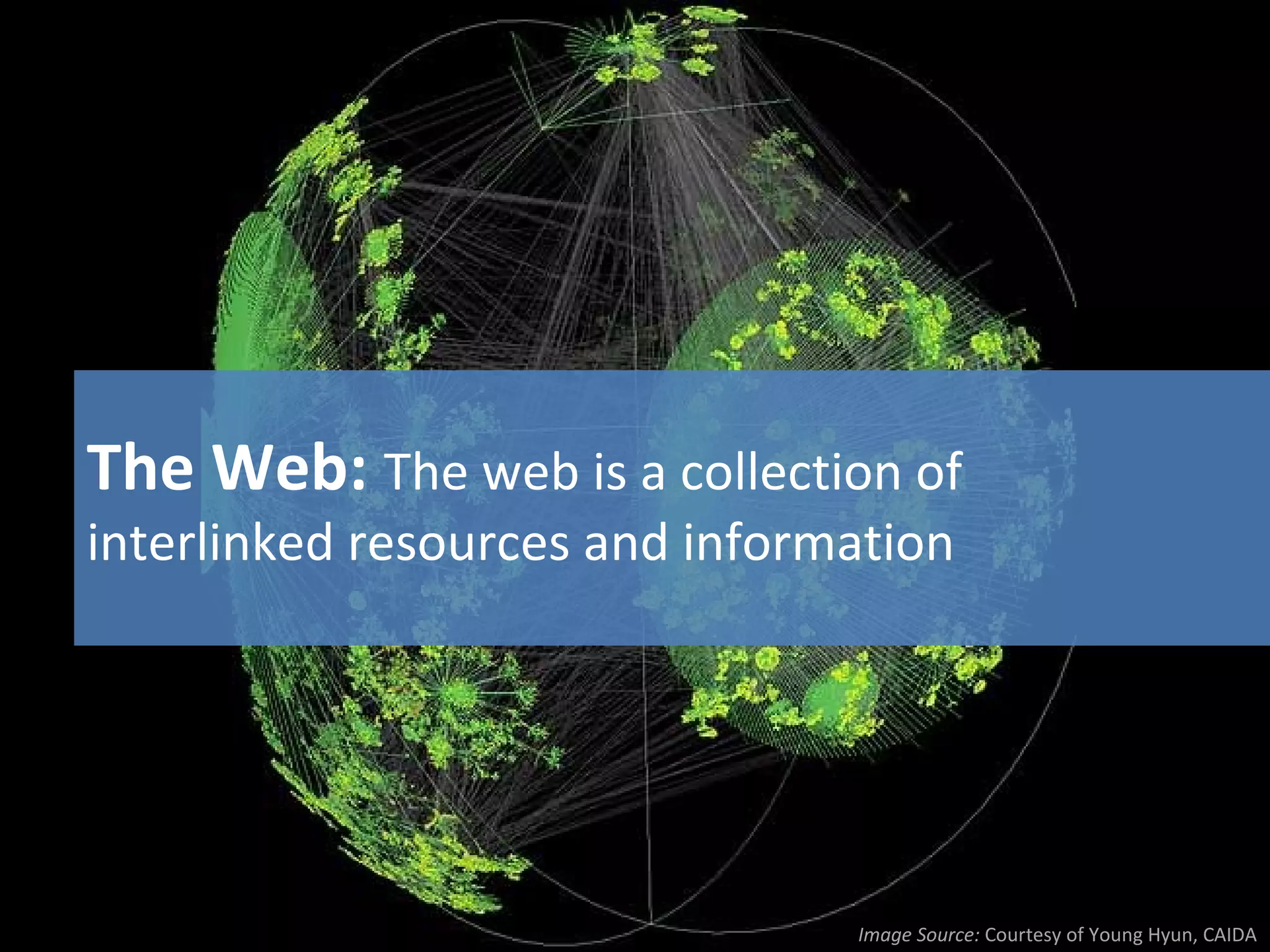
The Web:   The web is a collection of  interlinked resources and information Image Source:  Courtesy of Young Hyun, CAIDA
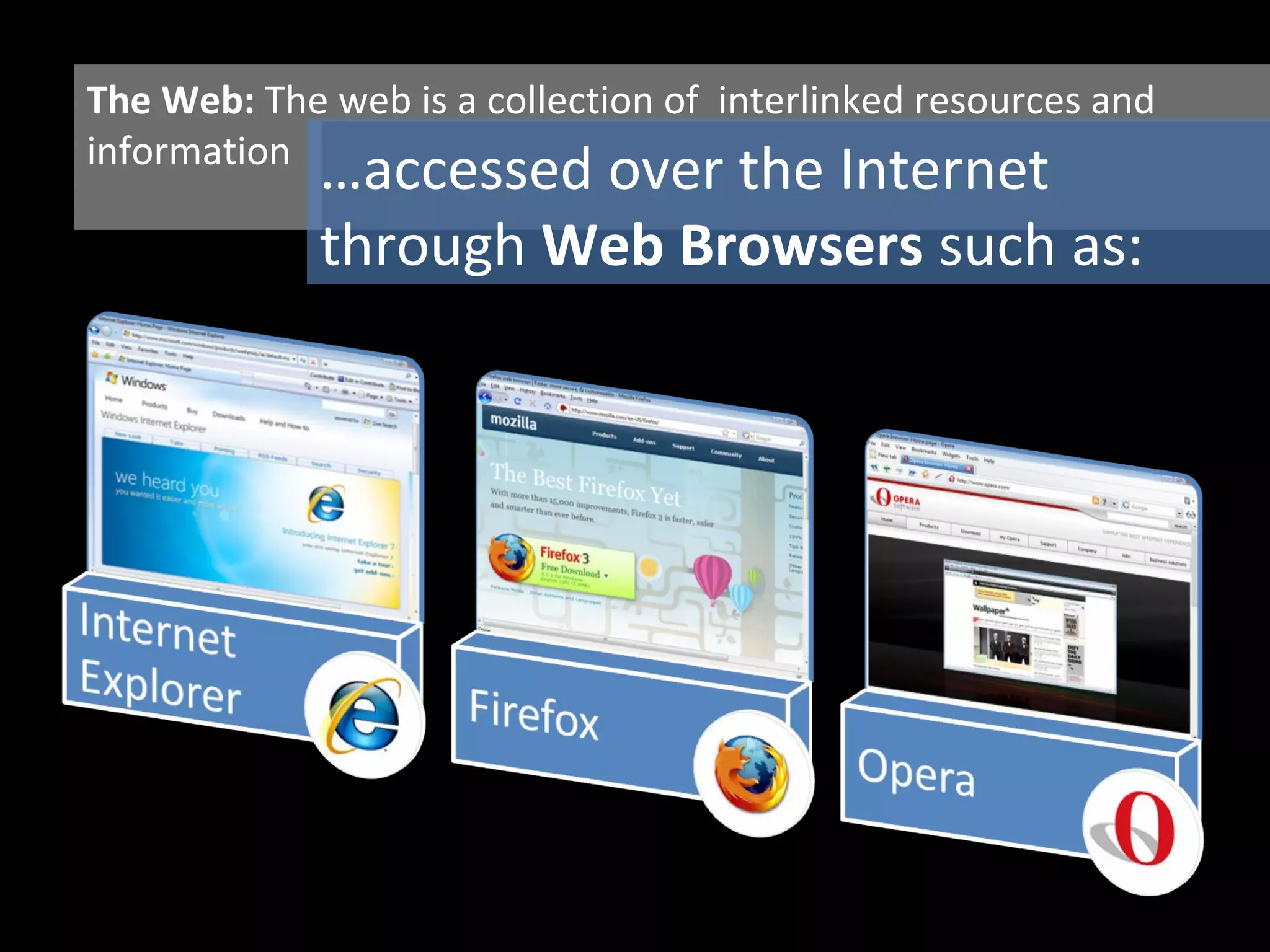
The Web:  The web is a collection of  interlinked resources and information … accessed over the Internet through  Web Browsers  such as:
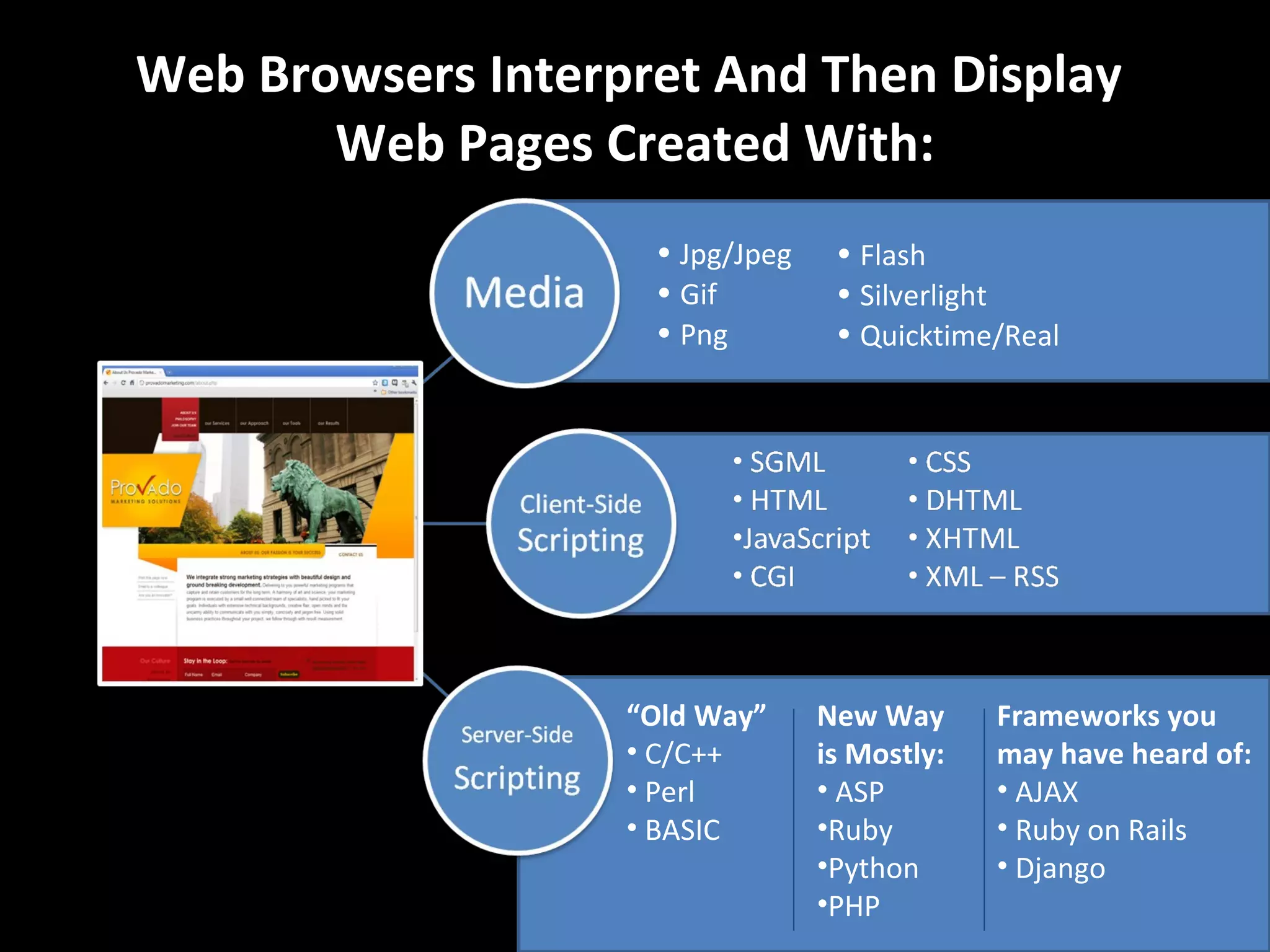
Web Browsers Interpret And Then Display  Web Pages Created With: “ Old Way”   C/C++ Perl BASIC New Way is Mostly: ASP Ruby Python PHP Frameworks you may have heard of: AJAX Ruby on Rails Django Jpg/Jpeg Gif Png Flash Silverlight Quicktime/Real
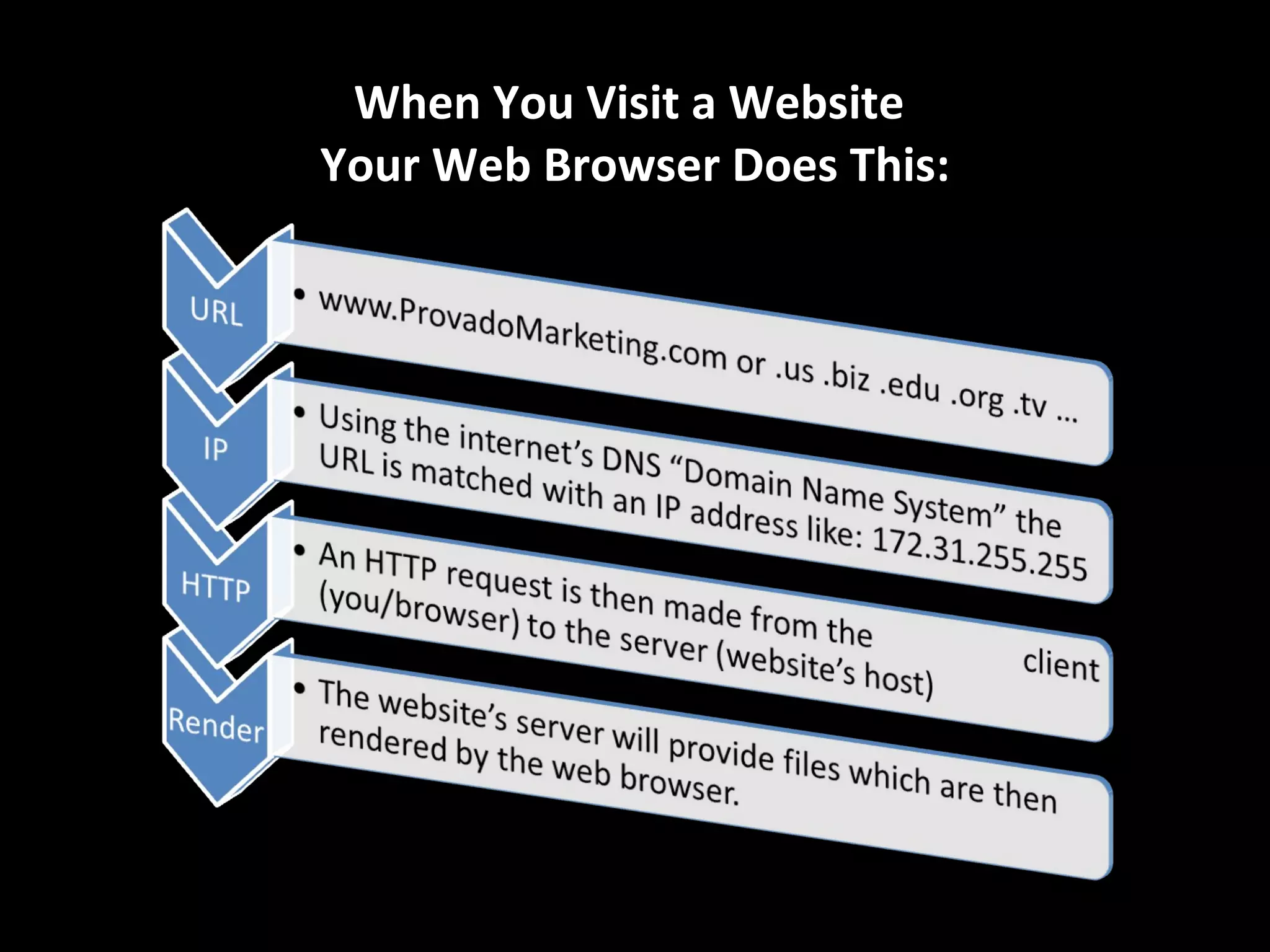
When You Visit a Website  Your Web Browser Does This:
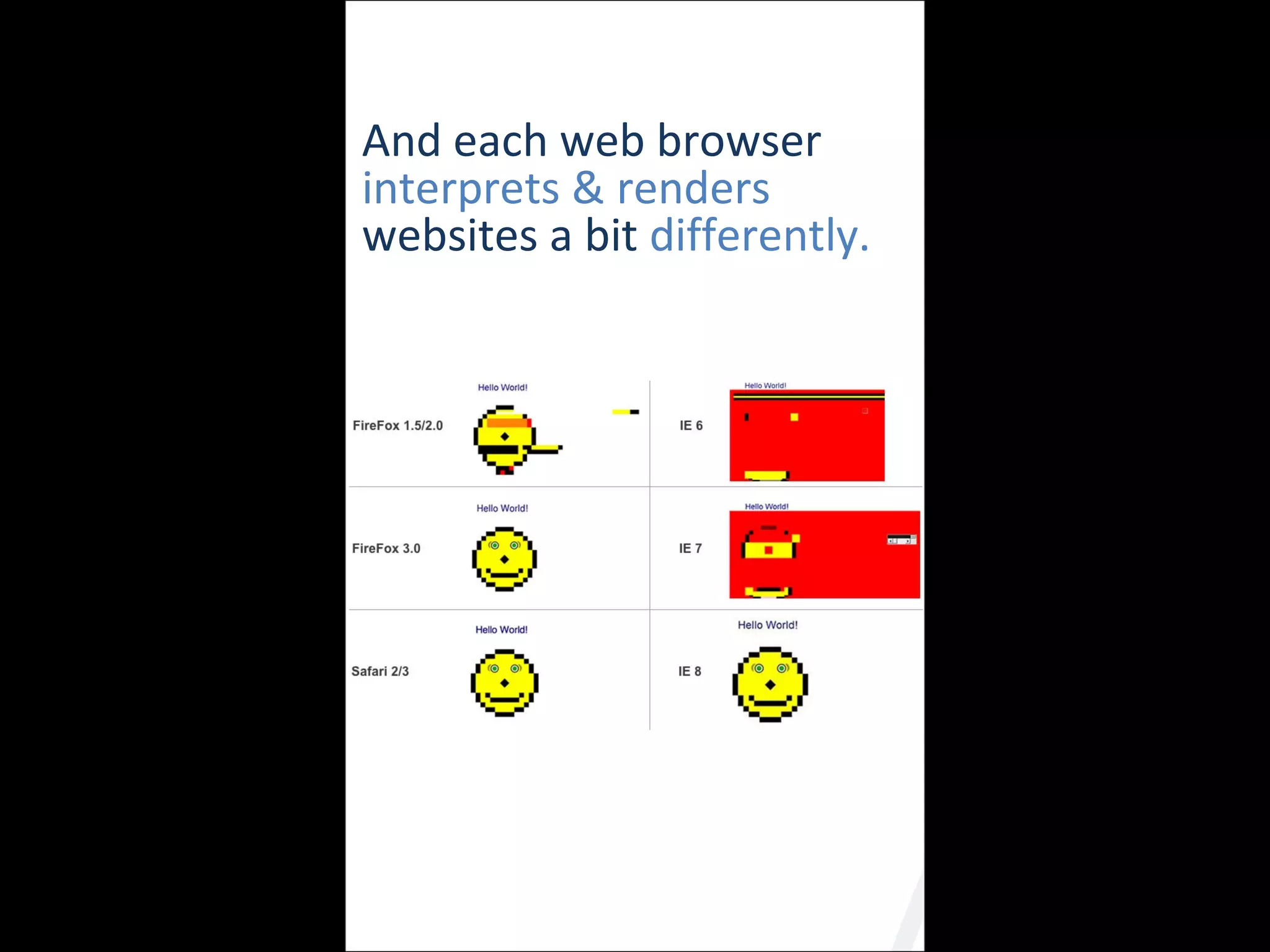
And each web browser  interprets & renders  websites a bit  differently.
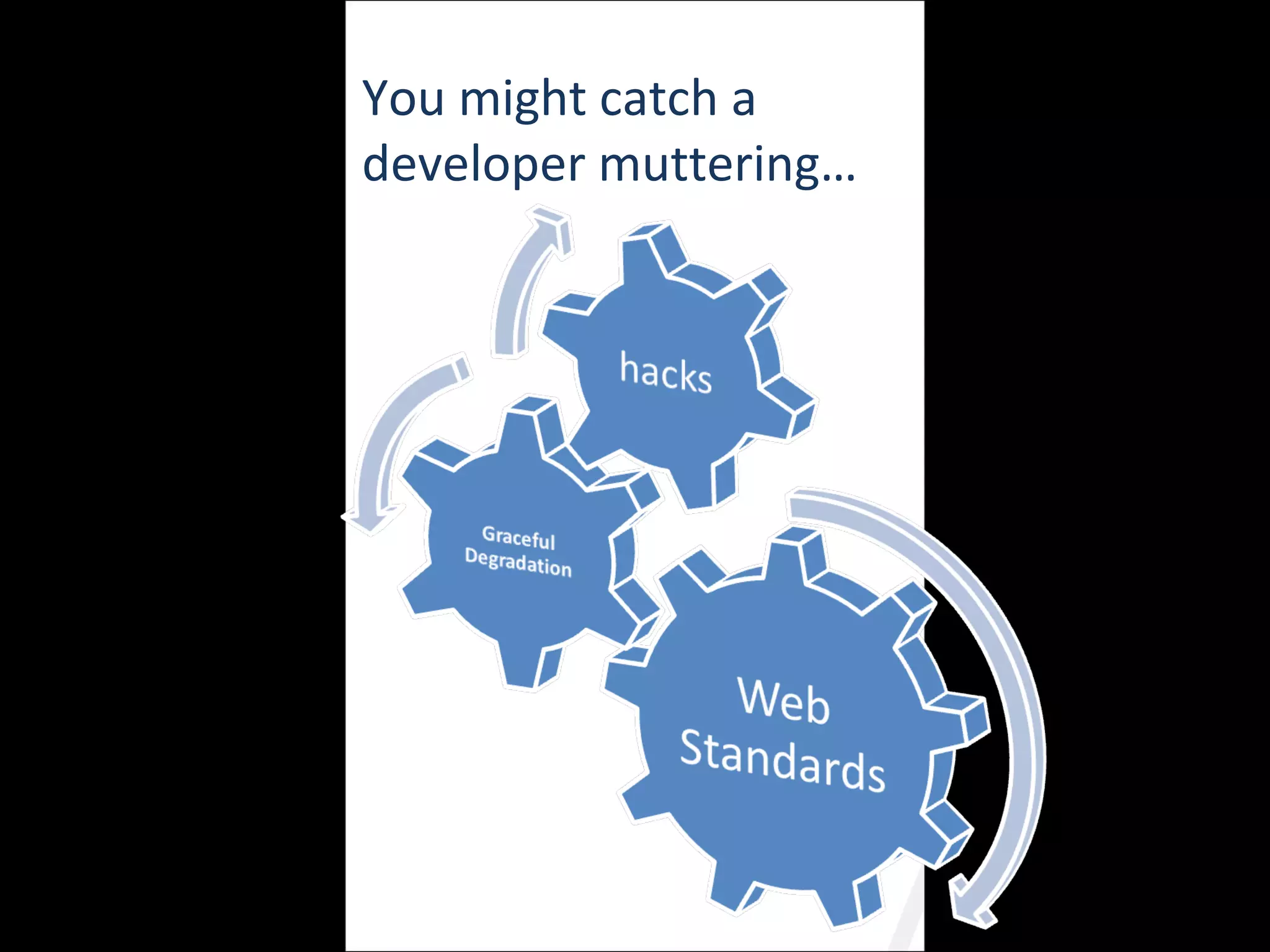
You might catch a developer muttering…
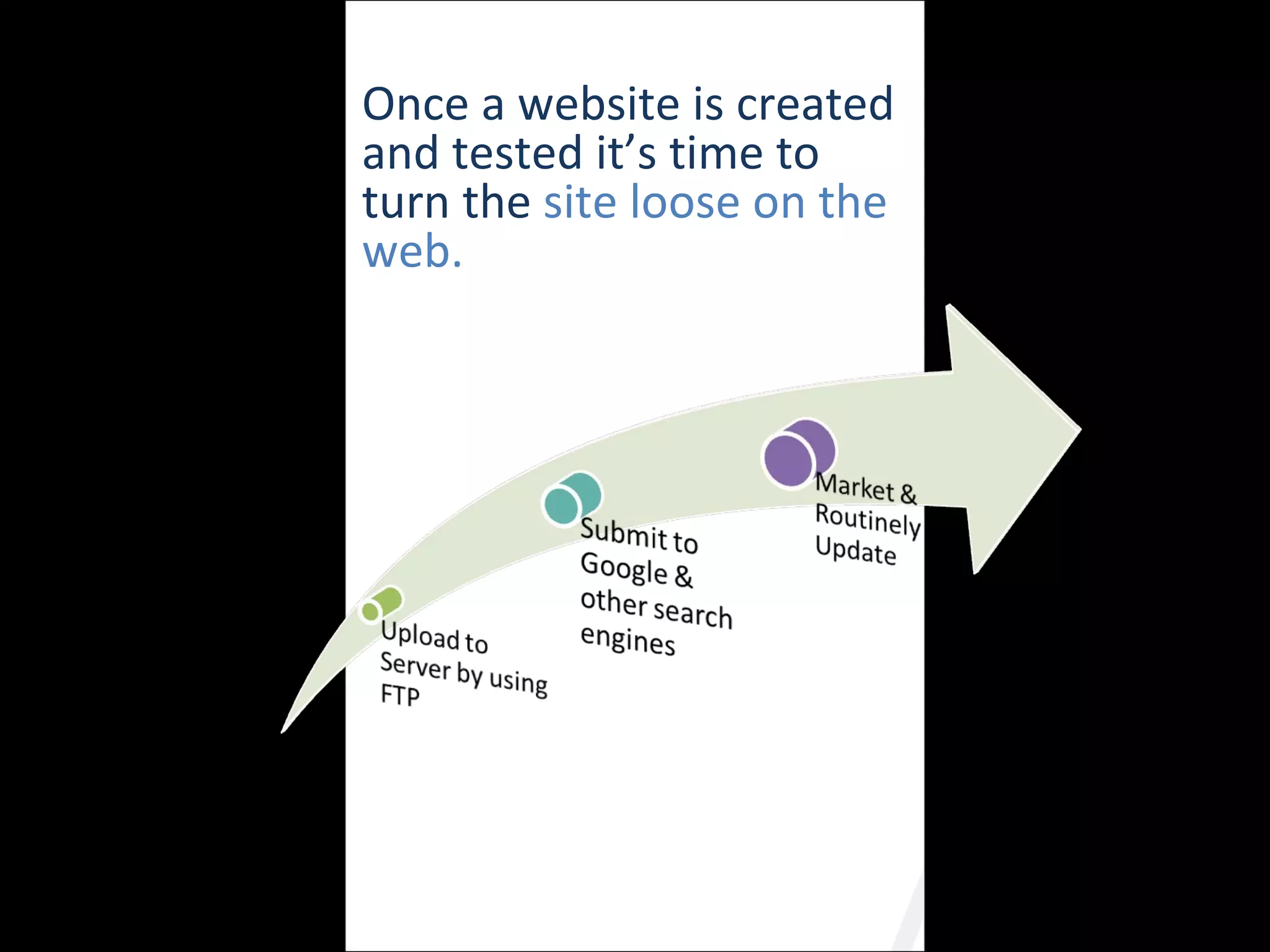
Once a website is created and tested it’s time to turn the  site loose on the web.
Search Engine Optimization  SEO
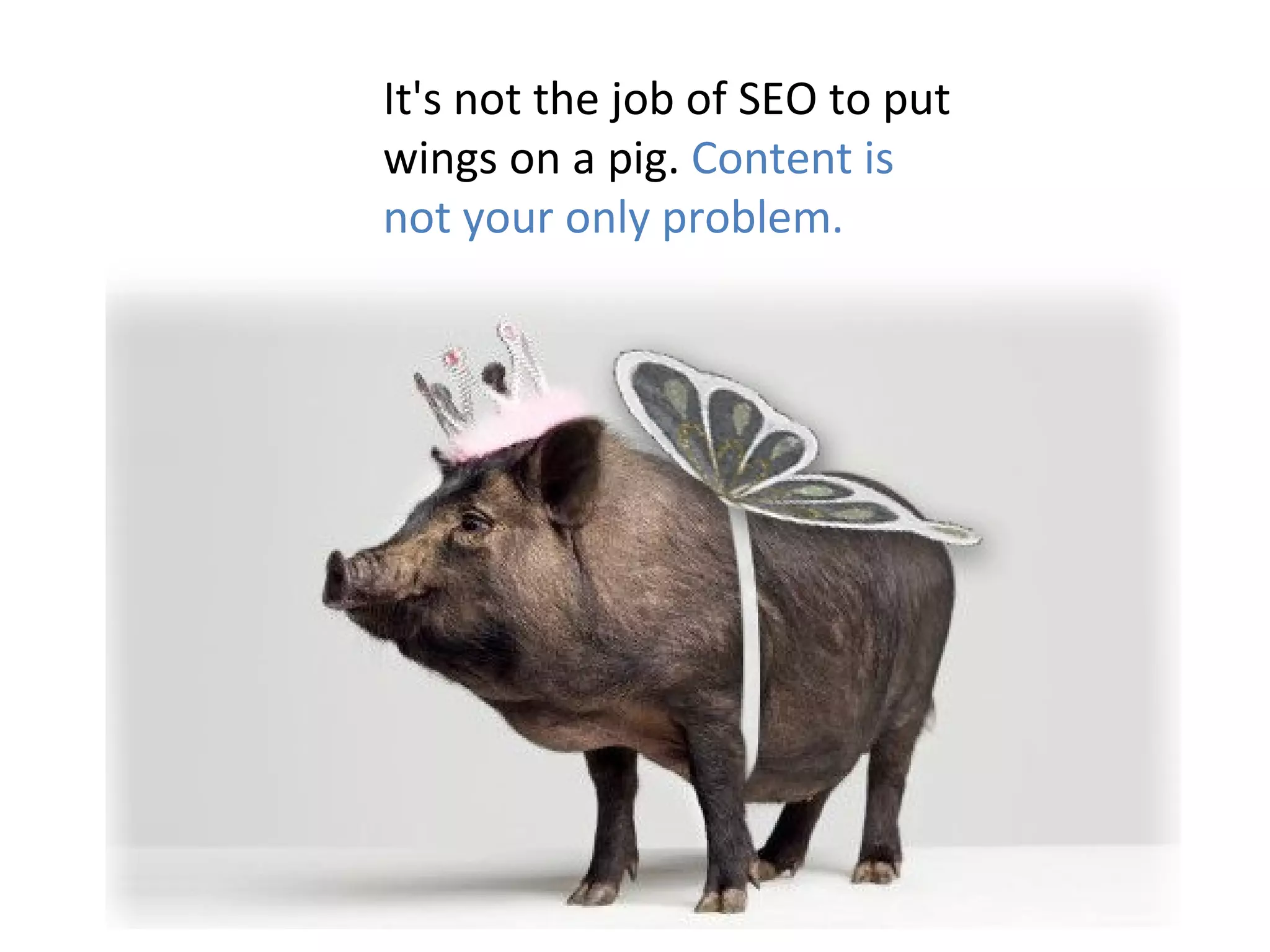
It's not the job of SEO to put wings on a pig.  Content is not your only problem.
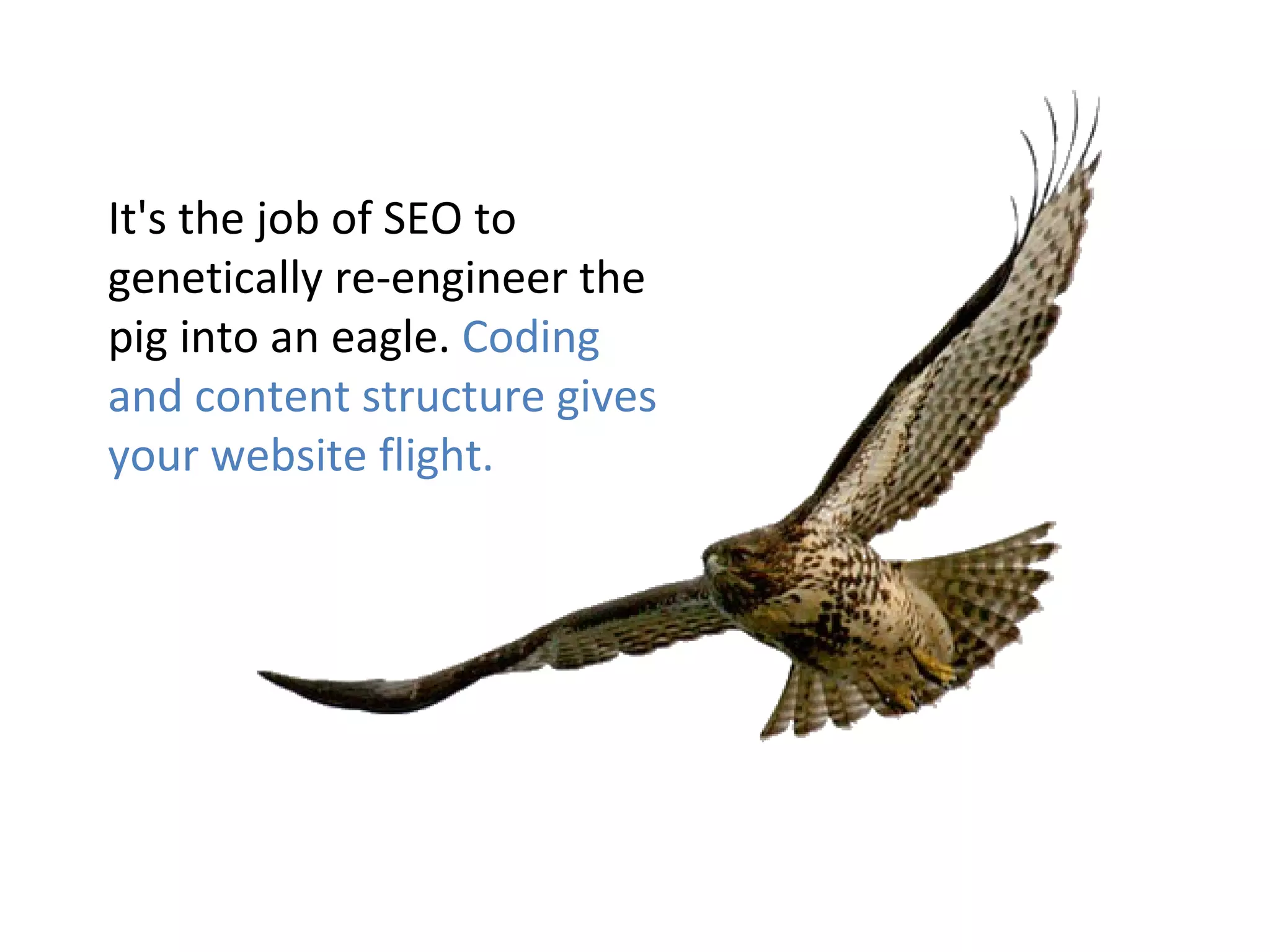
It's the job of SEO to genetically re-engineer the pig into an eagle.  Coding and content structure gives your website flight.
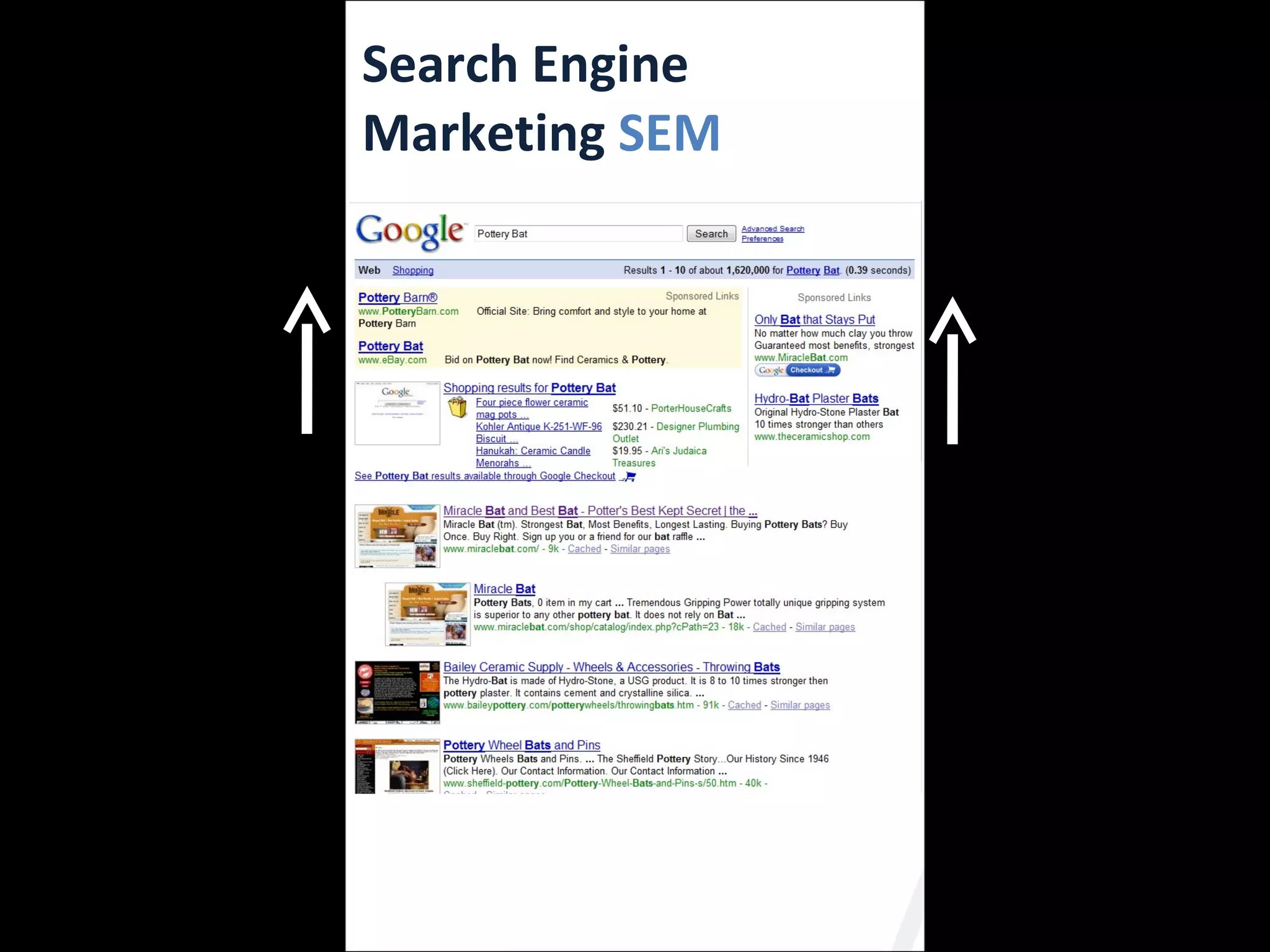
Search Engine Marketing  SEM
And when we say  Web X.x…  we’re  speaking of web movements.
The General Idea  1.0  Data being digitalized (books, music and news) 2.0  Sharing Data, collaborating,  more then retrieving information 3.0  is the future where machines understand meaning…
Aggregators Folksonomy Wikis User Centered Joy of Use Usability Design Follow Me Standardization Participation Convergence Remixability DataDriven Open APIs Audio Video RSS Mobility Recommendation Social Software Simplicity AJAX CSS Affiliation On Twitter Web Standards Microformats Blogs Pagerank XFN Sharing Podcasting Videocasting IM Collaboration Perpetual Beta FOAF Six Degrees Widgets Browser Pay Per Click Trust VC SEM XHTML Atom UMTS SEO Ruby on Rails PHP Semantic XML Syndication SOAP Accessibility Modularity OpenID Want More? @STACIEANDREWS

The Non-CTO's Guide to Web Terms and Technology

  • 1.
  • 2.
    This Presentation WasOriginally Part of Our Speech Given At:
  • 3.
    Speaker (About Me)DEVELOPER DESIGNER MARKETER 8 Yrs. Blending Technical + Design + Marketing Allowing Companies To Better Tack, Prove, And Increase Results. Formal Degrees in Computer Science and Marketing Broad experience as a designer for Award-Winning Traditional and New Media Agencies Increasing ROI for local and international brands since 2005 with my team at Provado Marketing. …a Full-Service Marketing Agency
  • 4.
    Stay with mehere… Image Source: Courtesy of Young Hyun, CAIDA
  • 5.
    The Web: The web is a collection of interlinked resources and information Image Source: Courtesy of Young Hyun, CAIDA
  • 6.
    The Web: The web is a collection of interlinked resources and information … accessed over the Internet through Web Browsers such as:
  • 7.
    Web Browsers InterpretAnd Then Display Web Pages Created With: “ Old Way” C/C++ Perl BASIC New Way is Mostly: ASP Ruby Python PHP Frameworks you may have heard of: AJAX Ruby on Rails Django Jpg/Jpeg Gif Png Flash Silverlight Quicktime/Real
  • 8.
    When You Visita Website Your Web Browser Does This:
  • 9.
    And each webbrowser interprets & renders websites a bit differently.
  • 10.
    You might catcha developer muttering…
  • 11.
    Once a websiteis created and tested it’s time to turn the site loose on the web.
  • 12.
  • 13.
    It's not thejob of SEO to put wings on a pig. Content is not your only problem.
  • 14.
    It's the jobof SEO to genetically re-engineer the pig into an eagle. Coding and content structure gives your website flight.
  • 15.
  • 16.
    And when wesay Web X.x… we’re speaking of web movements.
  • 17.
    The General Idea 1.0 Data being digitalized (books, music and news) 2.0 Sharing Data, collaborating, more then retrieving information 3.0 is the future where machines understand meaning…
  • 18.
    Aggregators Folksonomy WikisUser Centered Joy of Use Usability Design Follow Me Standardization Participation Convergence Remixability DataDriven Open APIs Audio Video RSS Mobility Recommendation Social Software Simplicity AJAX CSS Affiliation On Twitter Web Standards Microformats Blogs Pagerank XFN Sharing Podcasting Videocasting IM Collaboration Perpetual Beta FOAF Six Degrees Widgets Browser Pay Per Click Trust VC SEM XHTML Atom UMTS SEO Ruby on Rails PHP Semantic XML Syndication SOAP Accessibility Modularity OpenID Want More? @STACIEANDREWS

Editor's Notes

  • #2 This presentation was originally held in front of the Association for Consulting Expertise – The panel of specialists were Barry Tarr at SeaChange IT and Richard Miller at Technology Partner Consulting both specialists respectively in IT Development and Technology Support. We where very excited to be asked to join this panel and cover the basics of how the web is used to access information and also define (and clear up) a couple terms related to the web.
  • #5 Universe of information
  • #6 Universe of information
  • #7 Now is a great time to update your browser to make sure you have the very latest versions. It’s more secure and allows you to access technology and interact with the web more effectively.
  • #8 Standard Generalized Markup Language SGML which really birthed a lot of these other scripts here like HTML and XML in particular. And was the originator of what we call a semantic web where information is understood not only by humans but computers as well. CSS Version 3 Blind, people with disabilities --- people with mobile ‘smart-phones’. XFN – HTML micro format relationship link A web application framework is as a loose definition a library of terms put together based on a collection of other technologies. All these scripts work with databases of information but they also work on there own. It is important that we as web developers are constantly learning and updating our knowledge of emerging developments and new languages so that when we are developing projects for clients we can be sure it is not only handled correctly by past and future browsers, search engines, web applications that the project is being developed to meet the needs of our clients both now and in the future.
  • #9 Locating the website files Uniform Resource Locator Hyper Transfer Protocol SOAP is a protocol for exchanging XML-based messages using HTTP. SOAP forms foundation layer of the web services protocol stack providing a basic messaging framework upon which abstract layers can be built.
  • #11 Web Standards refers to our responsibility as developers to maintain coding that past and future browsers can handle as well as making sure we adapt to a set of ever changing technical specifications, some of which govern the internet, outlining best practices so that we also can collaborate with other development team members.
  • #12 #2 we submit to speed up the crawling process
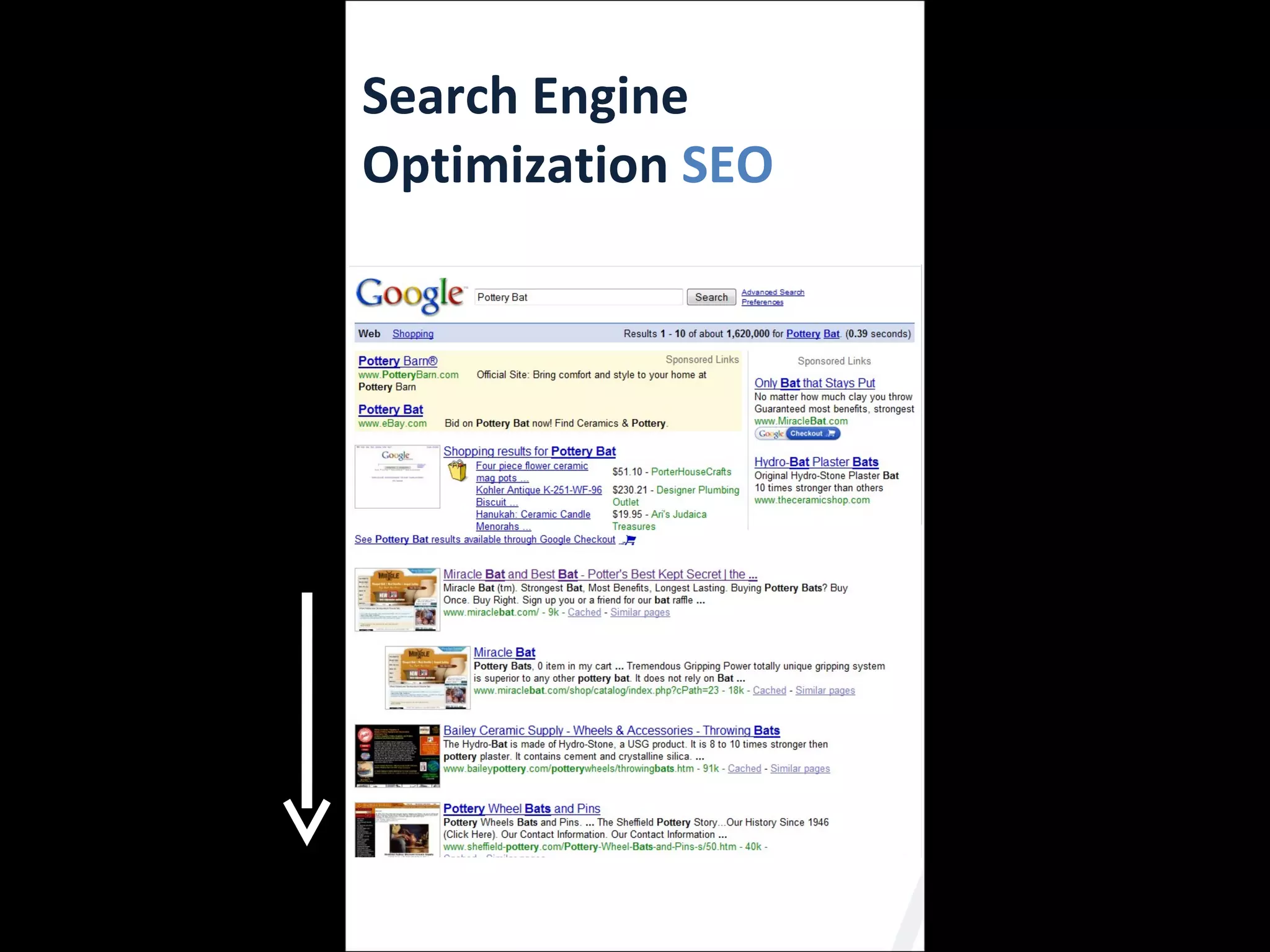
  • #13 As a demonstration we Googled: Pottery Bat. Turning up over 1 million results. Down here is the start of organic/unpaid listings – oh and there is our client Miracle Bat at both the number 1 and number 2 spots, the absolute ideal area to be in if you want customers. In contrast Miracle Bat’s closest competition doesn’t even show up in the natural search area – even if you dig 10 pages deep. A common misconception is that SEO is something you do after your website is up. But that’s like.. Like..
  • #15 When you have done it right your not tempted to use risky black-hat tricks.
  • #16 SEM is a much broader term which includes SEO and also the practice of paying for search listings. Prices change depending on the popularity of the keyword or words.
  • #17 Buzzwords like Web 1 - 2.0 - 3.0 etc. try define everything you see on the internet. That’s a lot of work for one term so everyone tends to define it a bit differently.