Name :- Kishan Jadav
MA Sem :- 02
Batch :- 2020-2022
Roll no. :- 10
Enrollment No. :- 3069206420200008
Paper No. :- 109 Literary Theory & Criticism and Indian Aesthetics
Topic :- The Hero's Archetypal characters.
Email id :- jadavkishan55555@gmail.com
Submitted to :- S.B.Gardi Department Of English,MKBU
Introduction :-
Broadly, a hero is a main character in literature. The
hero character may possess great or admirable
qualities and be forced to overcome obstacles in the
course of the story.
Archetypes fall into two major categories: characters,
situations/symbols. It is easiest to understand them
with the help of examples. Listed below are some of
the most common archetypes in each category.
Characters
The word "archetype" derives from a Latin word which translates
to pattern, model or type Archetype is an original model which
other things are similarly patterned after Archetypes are the basic
building blocks for creating a story and characters • An archetype
can be an image, story pattern, character type, setting, theme or
idea.
A term used to describe universal symbols that evoke deep and
sometimes unconscious responses in a reader. Characters, images,
and themes that symbolically embody universal meanings and
basic human experiences, regardless of when or where they live,
are considered archetypes. • Common literary archetypes include:
stories quests, initiations, outcasts, descents to the underworld,
and ascents to heaven.
What is an Archetype?
Common Character Archetypes •
The Hero: The courageous figure, the one who's always running in
and saving the day.
The Outcast: A figure who is banished from a social group for some
crime against his fellow man or has left it on a võluntary basis.
Usually destined to become á wanderer.
• The Scapegoạt: The scapegoat figure is one who gets blamed for
everything, regardless of whether he/she is actually at fault;
sacrificed but they often become more powerful force dead than
alive.
Common Character Archetypes, Continued
The Star-Crossed Lovers; This is the young couple
joined by love but unexpectedly parted by fate.
Mentor: teacher or counselor to the initiate; often are
father or mother figúres to the hero or heroine
Temptress: sepsyous þeauty; þrings about the beçause
he is s downfall hero from his goals/responsibilities.
The Archetypal Hero:
Can either be male or female (in western literature,
the hero is usually male) Usually superior than
common people in three ways:
1. Morally– the hero holds higher morals than the
opponent
2. Mentally – her hero is smarter or more clever than
the opponent
3. Physically – the hero is stronger than the opponent
TYPES OF HEROES
The Willing Hero: Willing to undertake any quest courageously, puts his
needs aside to help others • Ex: Captain America, Superman, King
Arthur
The Unwilling Hero: Doubtful, passive, unwilling to begin the journey •
Ex: Achilles, Shrek, Neo (The Matrix)
The Loner Hero: Able to opposition alone • Ex: James Bond, Indiana
Jones, Batman
The Tragic Hero: Have a tragic flaw which hurt them in the end • Ex:
Romeo, Darth Vader, Mufasa (Lion King)
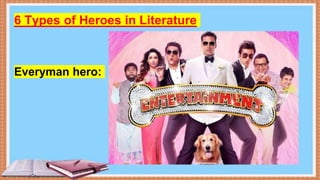
Everyman hero:
6 Types of Heroes in Literature
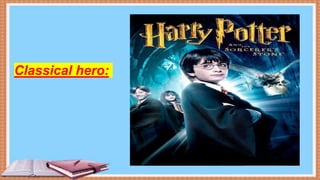
Classical hero:
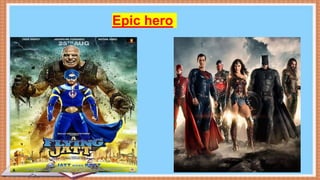
Epic hero
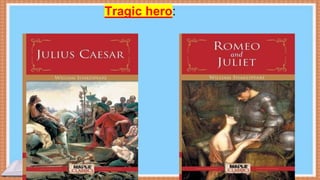
Tragic hero:
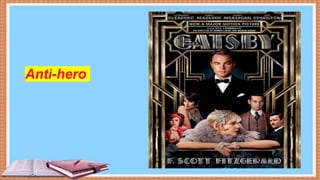
Anti-hero
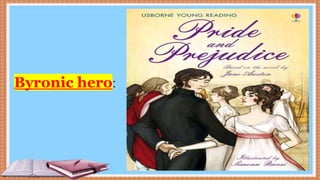
Byronic hero:
Conclusion :-
So this types of different heroes.
All are Archetypical heros characters.
In all things represented main theme of
hero.
References :
Abrams, M. H. “Archetypal Criticisms.” A Glossary of
Literary Terms.11th ed., Cengage Learning, 2015, pp 18-19.
Drabble, Margaret. The Oxford Companion to English
Literature, edited by Margaret Drabble. 6th ed., Oxford
University Press, 2000.
Frye, N. (1951). The archetypes of literature. The Kenyon
Review, 13(1), 92-110.
Leitch, Vincent B. “Northrop Frye.” The Norton Anthology:
Theory and Criticism, edited by Vincent. B. Leitch. Norton,
2001, pp 38, 386.
Thank you

The Hero's Archetypal characters

  • 1.
    Name :- KishanJadav MA Sem :- 02 Batch :- 2020-2022 Roll no. :- 10 Enrollment No. :- 3069206420200008 Paper No. :- 109 Literary Theory & Criticism and Indian Aesthetics Topic :- The Hero's Archetypal characters. Email id :- jadavkishan55555@gmail.com Submitted to :- S.B.Gardi Department Of English,MKBU
  • 2.
    Introduction :- Broadly, ahero is a main character in literature. The hero character may possess great or admirable qualities and be forced to overcome obstacles in the course of the story. Archetypes fall into two major categories: characters, situations/symbols. It is easiest to understand them with the help of examples. Listed below are some of the most common archetypes in each category. Characters
  • 3.
    The word "archetype"derives from a Latin word which translates to pattern, model or type Archetype is an original model which other things are similarly patterned after Archetypes are the basic building blocks for creating a story and characters • An archetype can be an image, story pattern, character type, setting, theme or idea. A term used to describe universal symbols that evoke deep and sometimes unconscious responses in a reader. Characters, images, and themes that symbolically embody universal meanings and basic human experiences, regardless of when or where they live, are considered archetypes. • Common literary archetypes include: stories quests, initiations, outcasts, descents to the underworld, and ascents to heaven. What is an Archetype?
  • 4.
    Common Character Archetypes• The Hero: The courageous figure, the one who's always running in and saving the day. The Outcast: A figure who is banished from a social group for some crime against his fellow man or has left it on a võluntary basis. Usually destined to become á wanderer. • The Scapegoạt: The scapegoat figure is one who gets blamed for everything, regardless of whether he/she is actually at fault; sacrificed but they often become more powerful force dead than alive.
  • 5.
    Common Character Archetypes,Continued The Star-Crossed Lovers; This is the young couple joined by love but unexpectedly parted by fate. Mentor: teacher or counselor to the initiate; often are father or mother figúres to the hero or heroine Temptress: sepsyous þeauty; þrings about the beçause he is s downfall hero from his goals/responsibilities.
  • 6.
    The Archetypal Hero: Caneither be male or female (in western literature, the hero is usually male) Usually superior than common people in three ways: 1. Morally– the hero holds higher morals than the opponent 2. Mentally – her hero is smarter or more clever than the opponent 3. Physically – the hero is stronger than the opponent
  • 7.
    TYPES OF HEROES TheWilling Hero: Willing to undertake any quest courageously, puts his needs aside to help others • Ex: Captain America, Superman, King Arthur The Unwilling Hero: Doubtful, passive, unwilling to begin the journey • Ex: Achilles, Shrek, Neo (The Matrix) The Loner Hero: Able to opposition alone • Ex: James Bond, Indiana Jones, Batman The Tragic Hero: Have a tragic flaw which hurt them in the end • Ex: Romeo, Darth Vader, Mufasa (Lion King)
  • 8.
    Everyman hero: 6 Typesof Heroes in Literature
  • 9.
  • 10.
  • 11.
  • 12.
  • 13.
  • 14.
    Conclusion :- So thistypes of different heroes. All are Archetypical heros characters. In all things represented main theme of hero.
  • 15.
    References : Abrams, M.H. “Archetypal Criticisms.” A Glossary of Literary Terms.11th ed., Cengage Learning, 2015, pp 18-19. Drabble, Margaret. The Oxford Companion to English Literature, edited by Margaret Drabble. 6th ed., Oxford University Press, 2000. Frye, N. (1951). The archetypes of literature. The Kenyon Review, 13(1), 92-110. Leitch, Vincent B. “Northrop Frye.” The Norton Anthology: Theory and Criticism, edited by Vincent. B. Leitch. Norton, 2001, pp 38, 386.
  • 16.