The Case for Materials Characterization Foothill College NANO53
Overview The role of characterization PNPA model Types of information Example problems Materials analyzed
Why Characterize? Nanostructures are unknown QA/QC of fabrication process Failure analysis of products Materials characterization Process development / optimization
PNPA – Nanomaterials Engineering Rubric Applications  drive  requirements Requirements  inform  material selection Nanostructured  materials  engineering Process design  and  optimization Characterization tools  and  approach
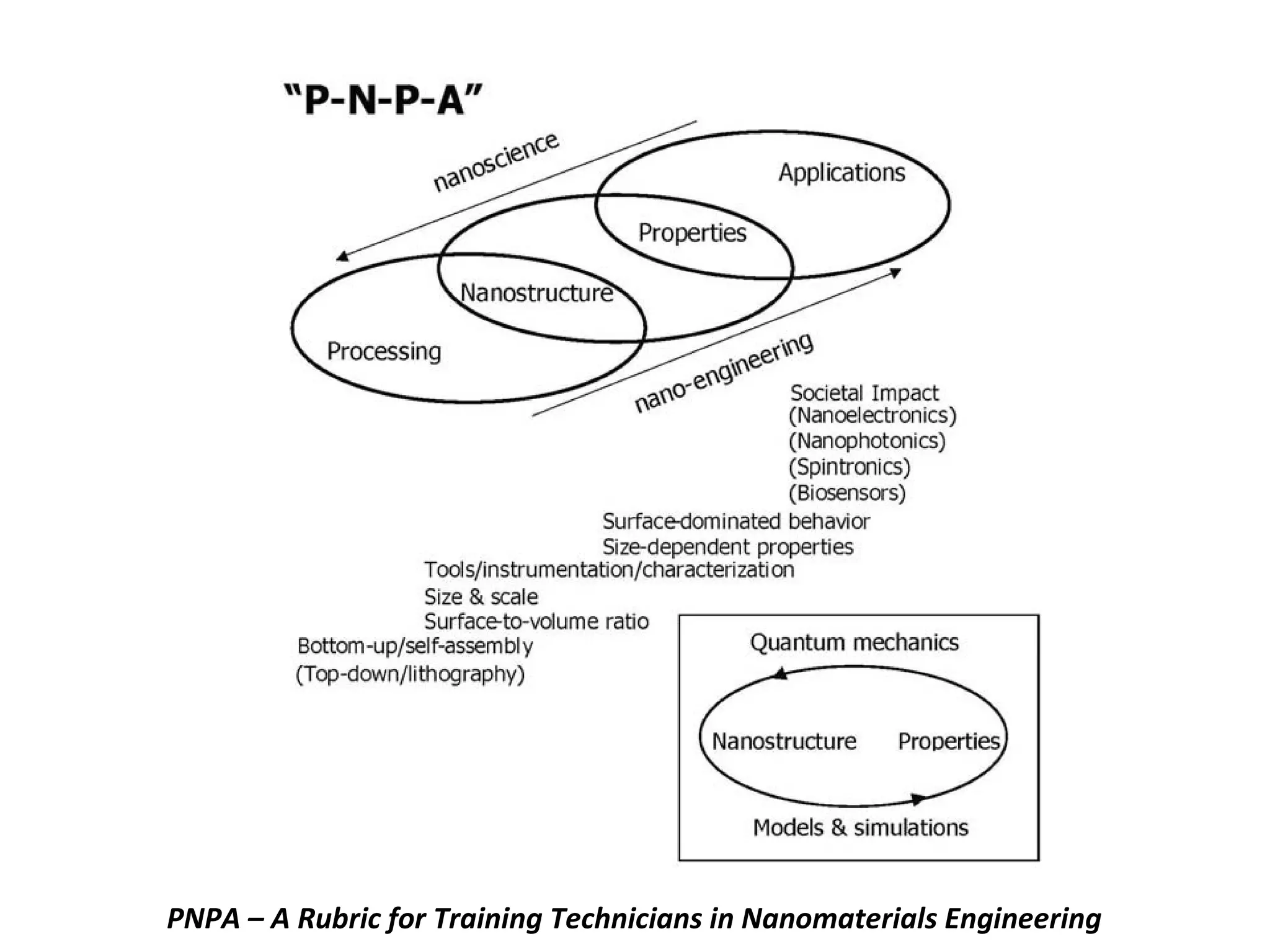
PNPA – A Rubric for Training Technicians in Nanomaterials Engineering
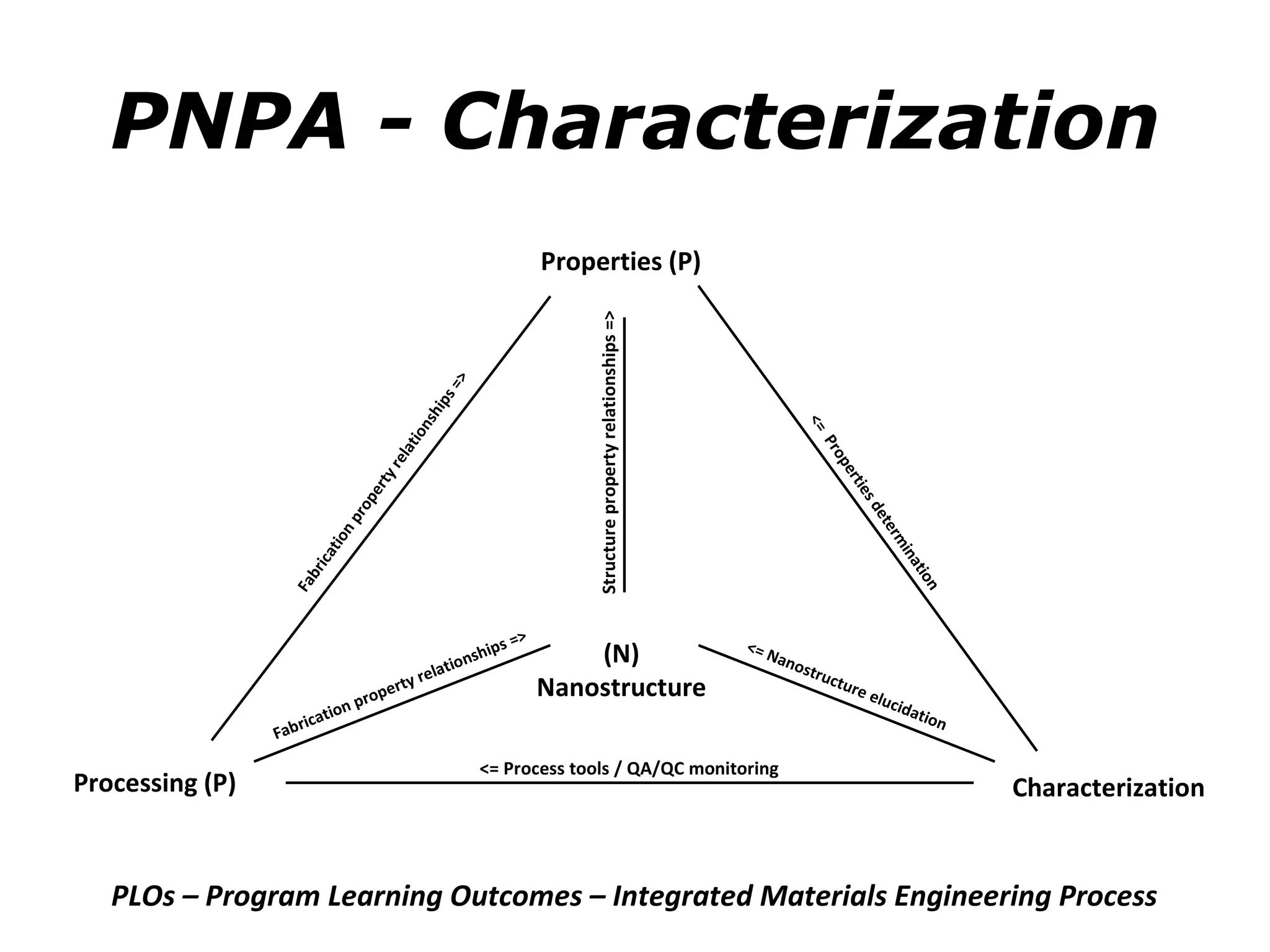
PNPA - Characterization Processing (P) Properties (P) Characterization (N) Nanostructure PLOs – Program Learning Outcomes – Integrated Materials Engineering Process Structure property relationships => Fabrication property relationships => <= Nanostructure elucidation <= Process tools / QA/QC monitoring Fabrication property relationships => <=  Properties determination
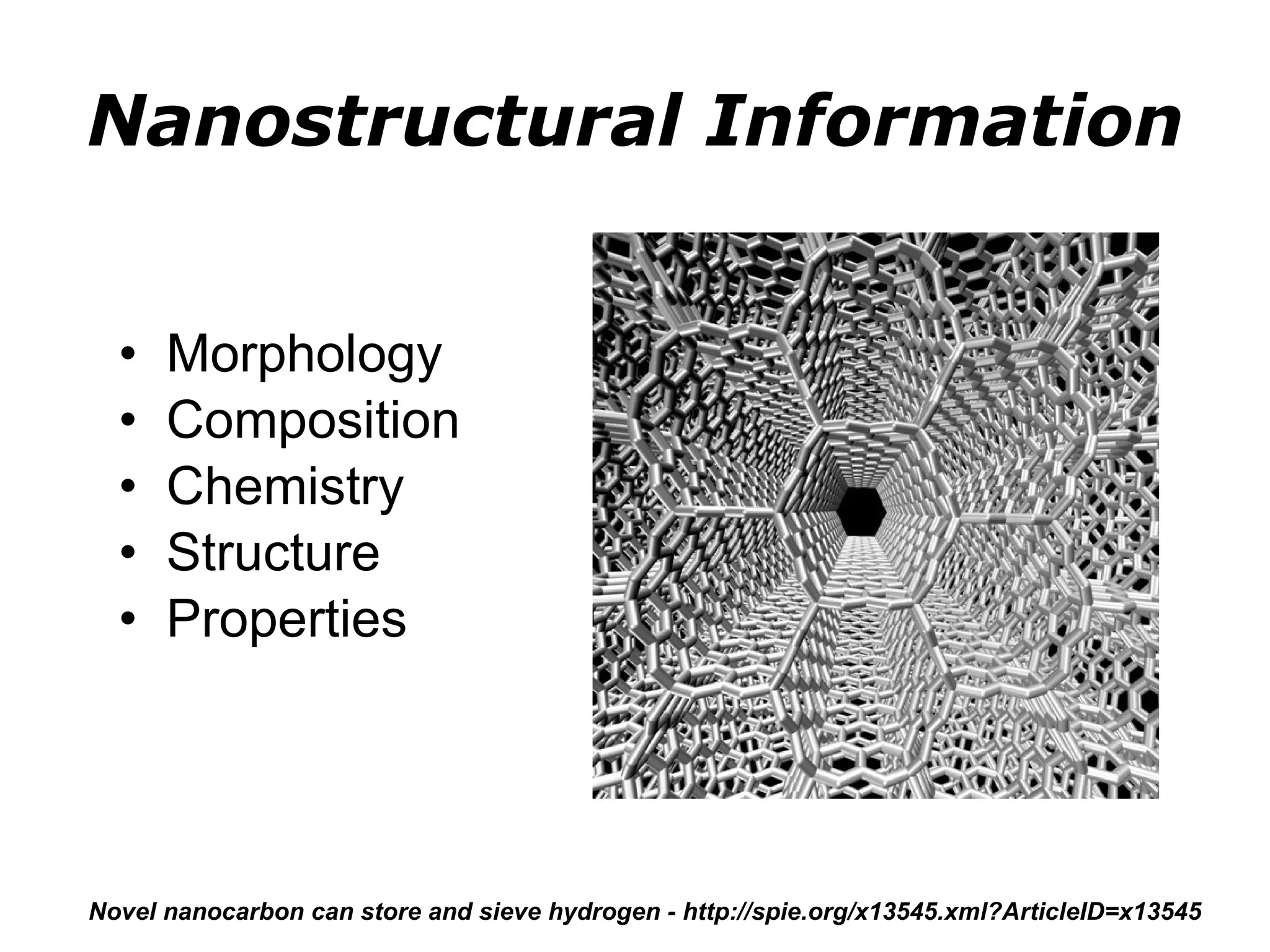
Nanostructural Information Morphology Composition Chemistry Structure Properties Novel nanocarbon can store and sieve hydrogen - http://spie.org/x13545.xml?ArticleID=x13545
Process Optimization Relate structure to properties Relate structure to process Relate process to properties Optimize structure / property process / relationships Optimize process parameters for manufacturing / cost / safety etc.
Taguchi Methods Taguchi methods  are  statistical  methods developed by  Genichi Taguchi  to improve the quality of manufactured goods, and more recently also applied to, engineering, biotechnology, marketing and advertising. Professional  statisticians  have welcomed the goals and improvements brought about by Taguchi methods, particularly by Taguchi's development of designs for studying variation, but have criticized the  inefficiency  of some of Taguchi's proposals. [5] http://en.wikipedia.org/wiki/Taguchi_methods
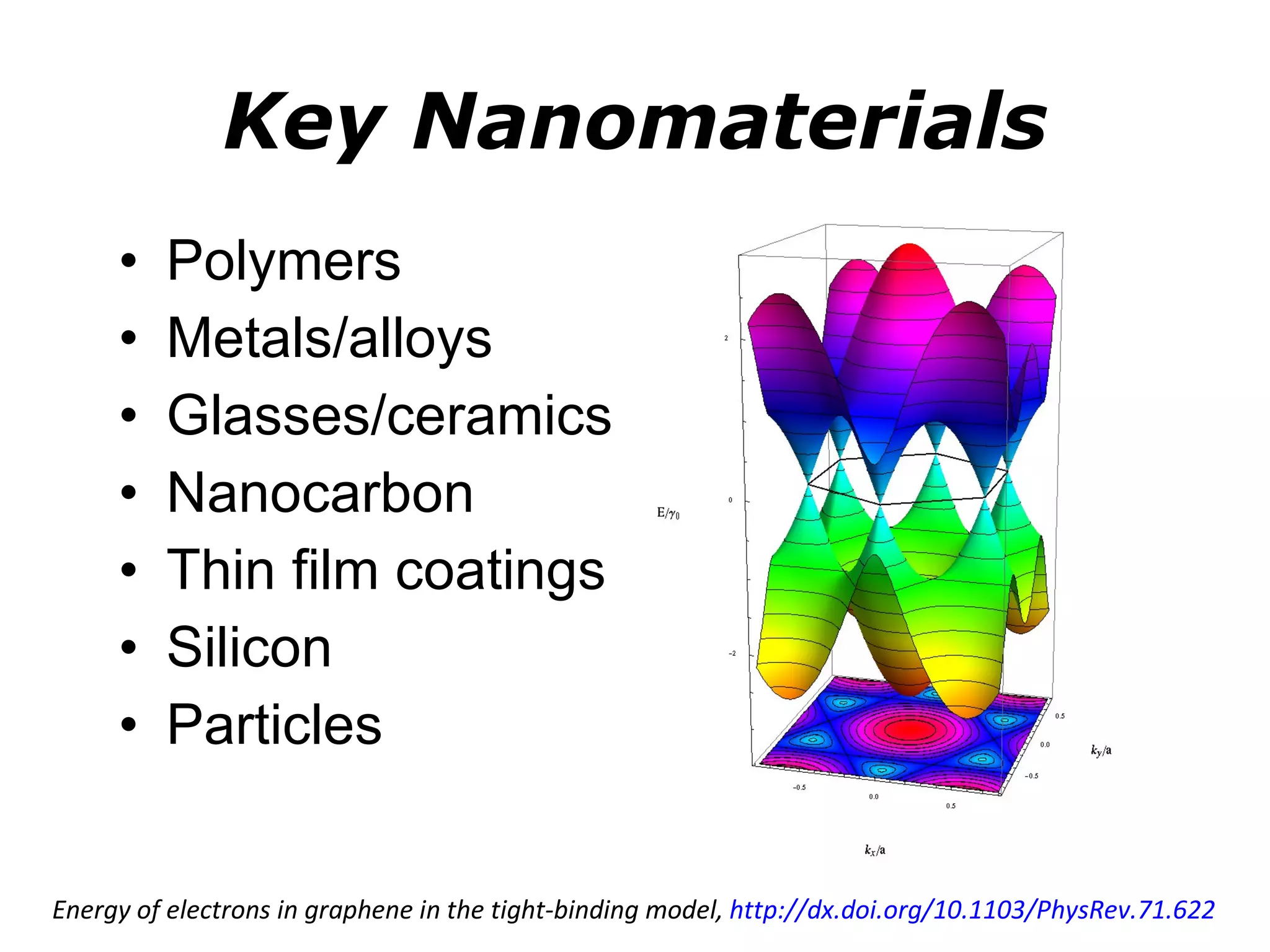
Key Nanomaterials Polymers Metals/alloys Glasses/ceramics Nanocarbon Thin film coatings Silicon Particles  Energy of electrons in graphene in the tight-binding model,  http://dx.doi.org/10.1103/PhysRev.71.622
What we Need to Know Surface finish Surface composition and chemistry Layer thickness Bulk composition and chemistry Material phase and structure
Types of Testing Materials characterization Process development support Failure analysis QA/QC  Authenticity testing
Tools Image (SEM, AFM, TEM) Surface (AES, XPS) Organic (FTIR, Raman, GC/MS, LC/MS, NMR Chemical (ICP, XRF, TEM) Structural (XRD, Raman) Modeling and simulation
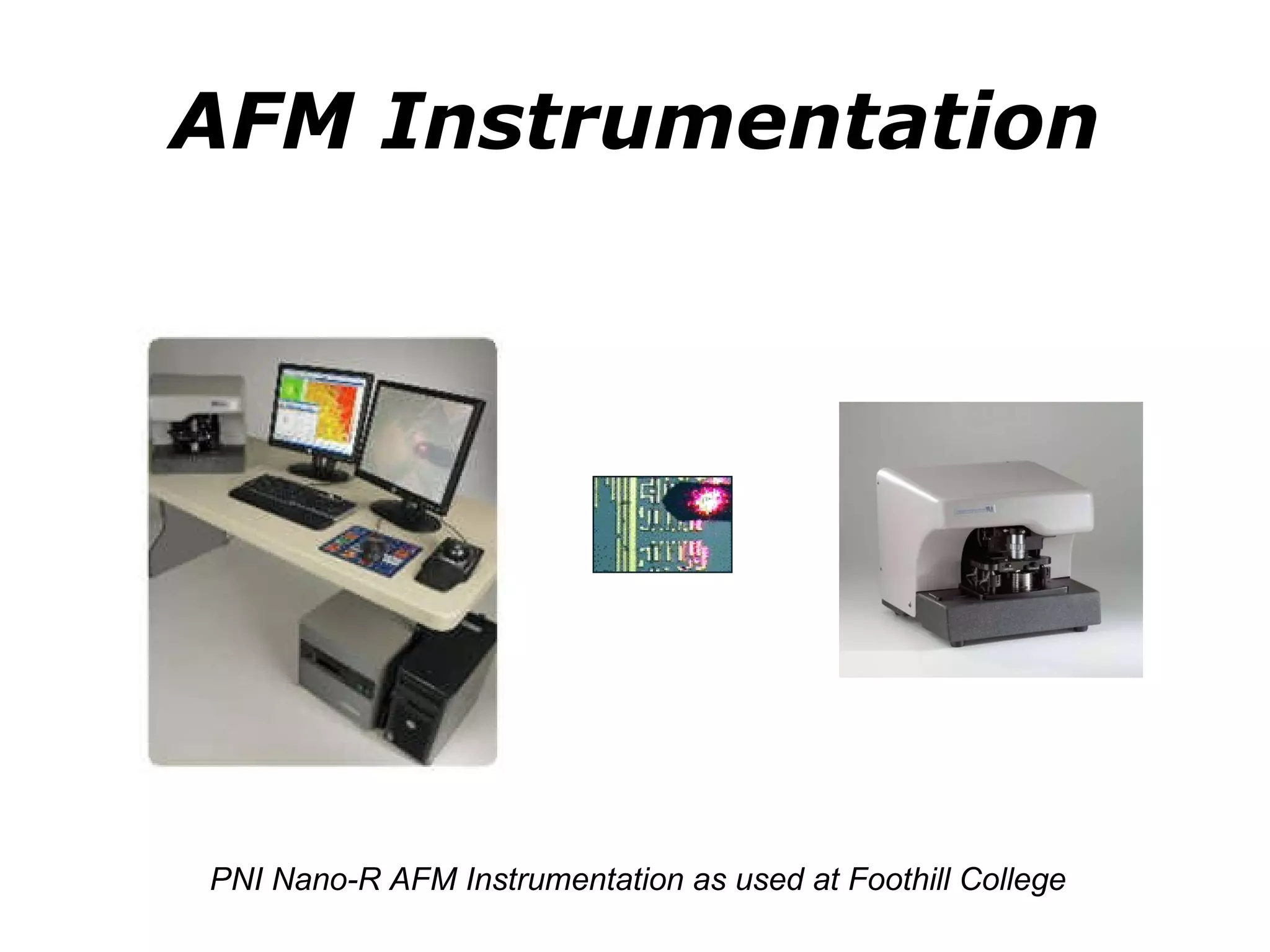
AFM Instrumentation PNI Nano-R AFM Instrumentation as used at Foothill College
 
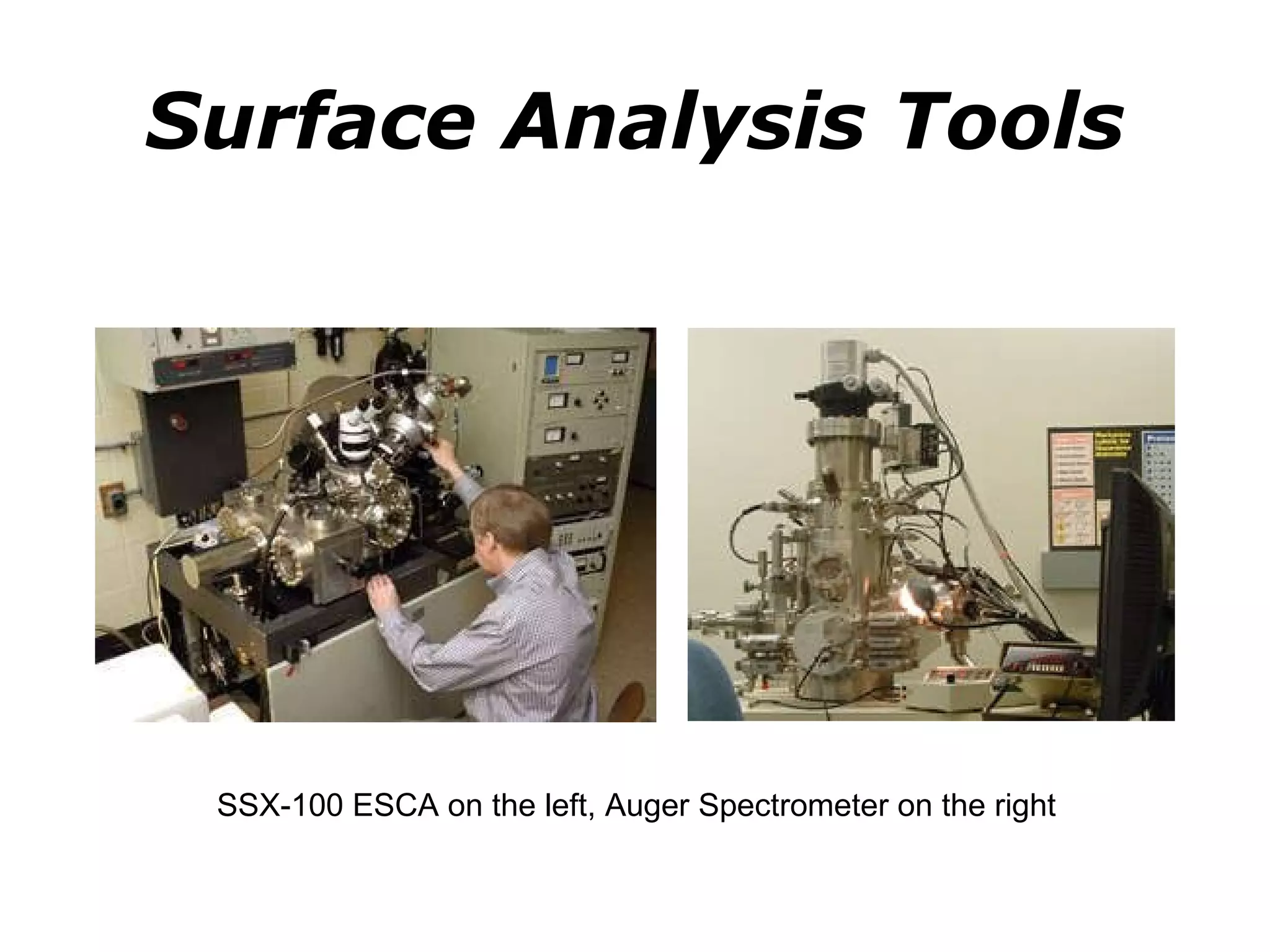
Surface Analysis Tools SSX-100 ESCA on the left, Auger Spectrometer on the right
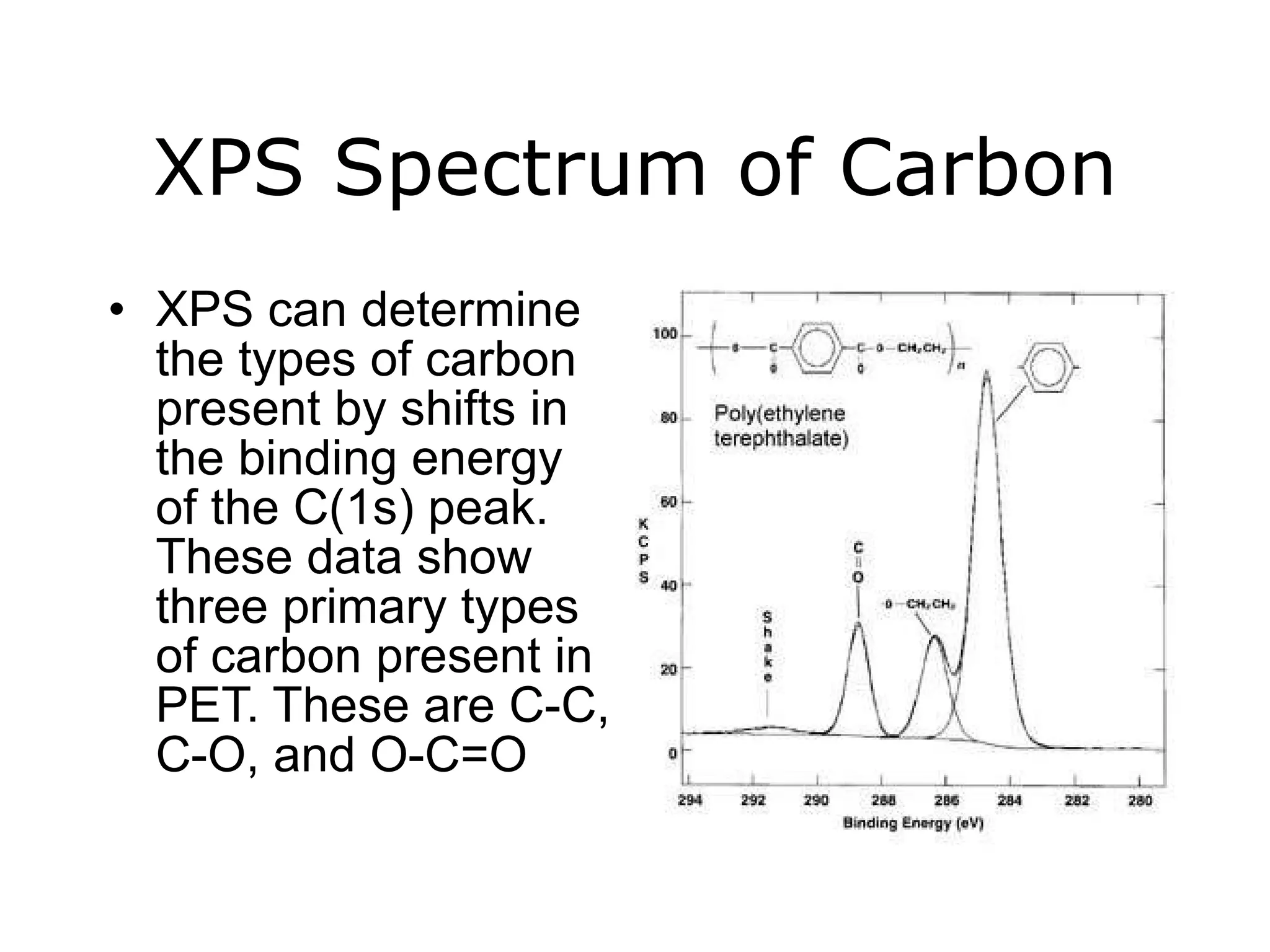
XPS Spectrum of Carbon XPS can determine the types of carbon present by shifts in the binding energy of the C(1s) peak. These data show three primary types of carbon present in PET. These are C-C, C-O, and O-C=O
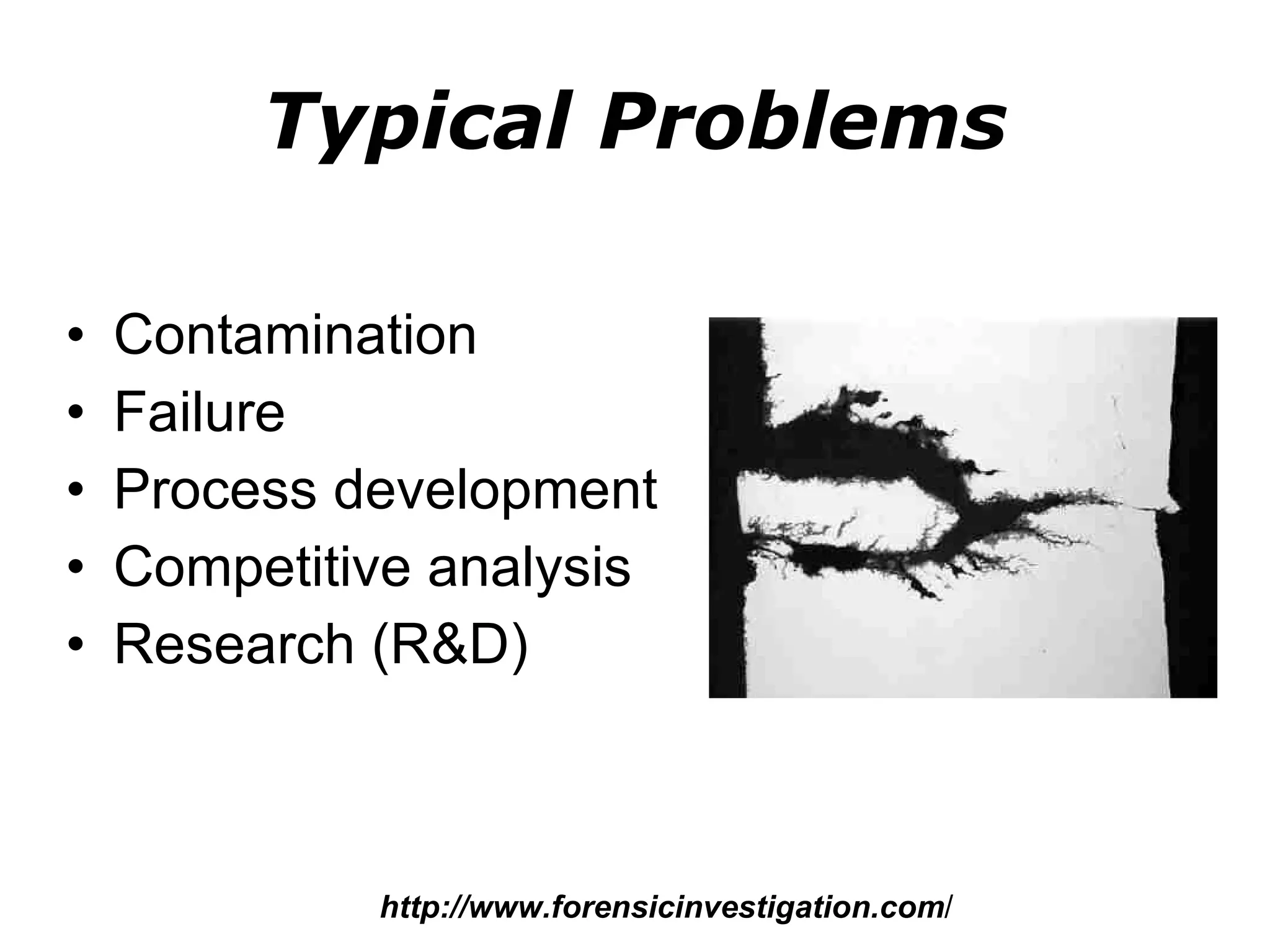
Typical Problems Contamination Failure Process development Competitive analysis Research (R&D)  http://www.forensicinvestigation.com /
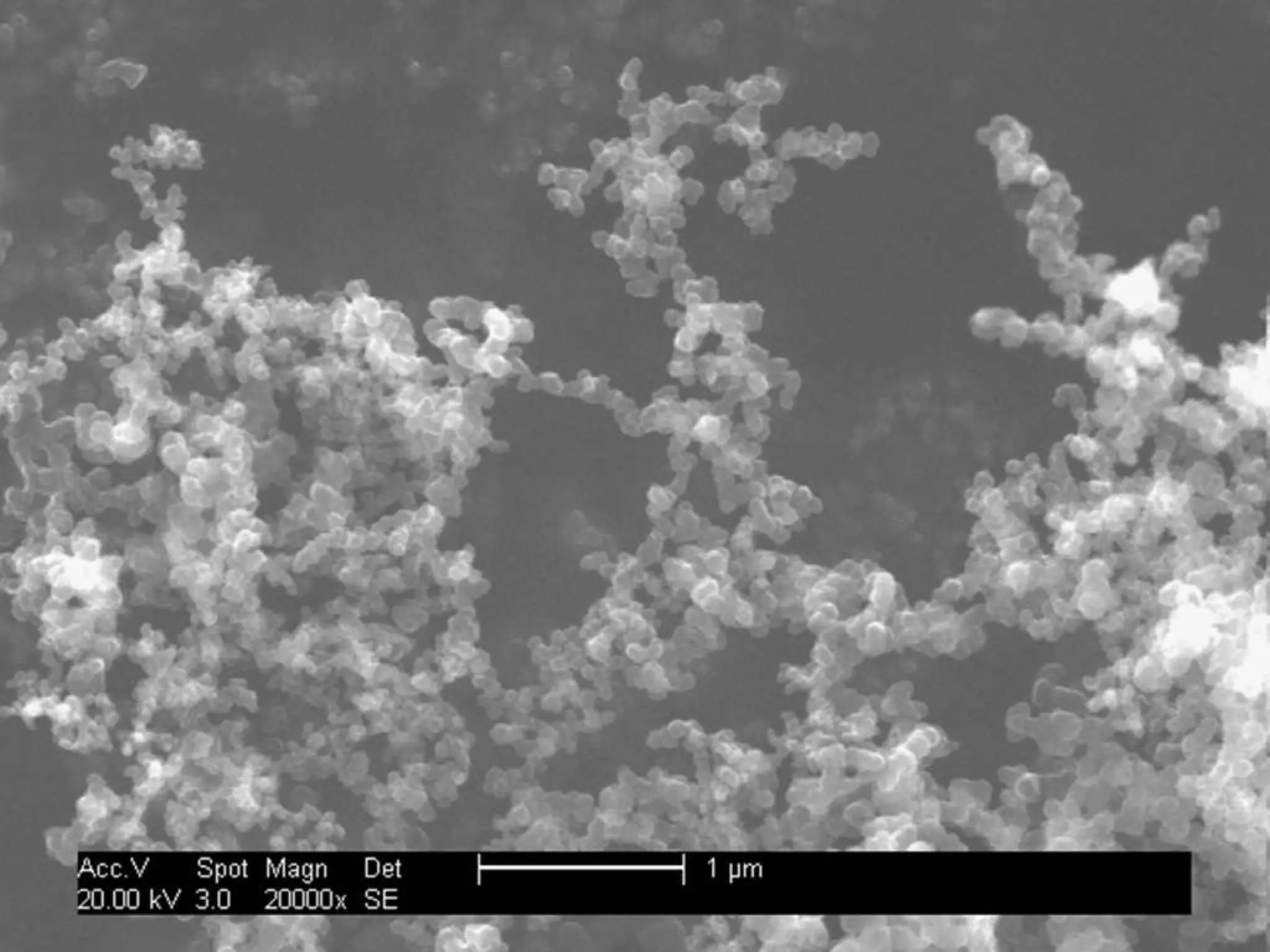
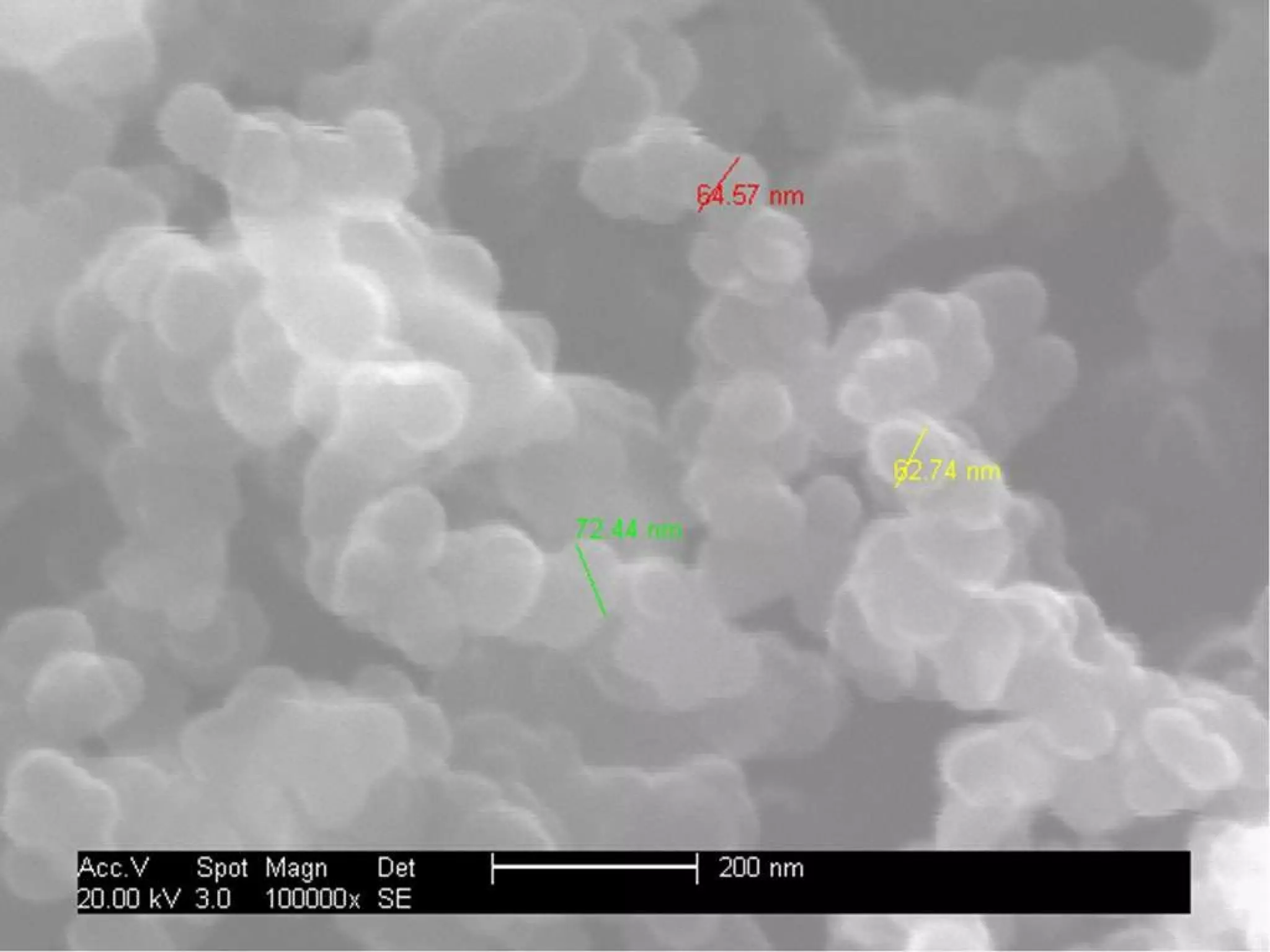
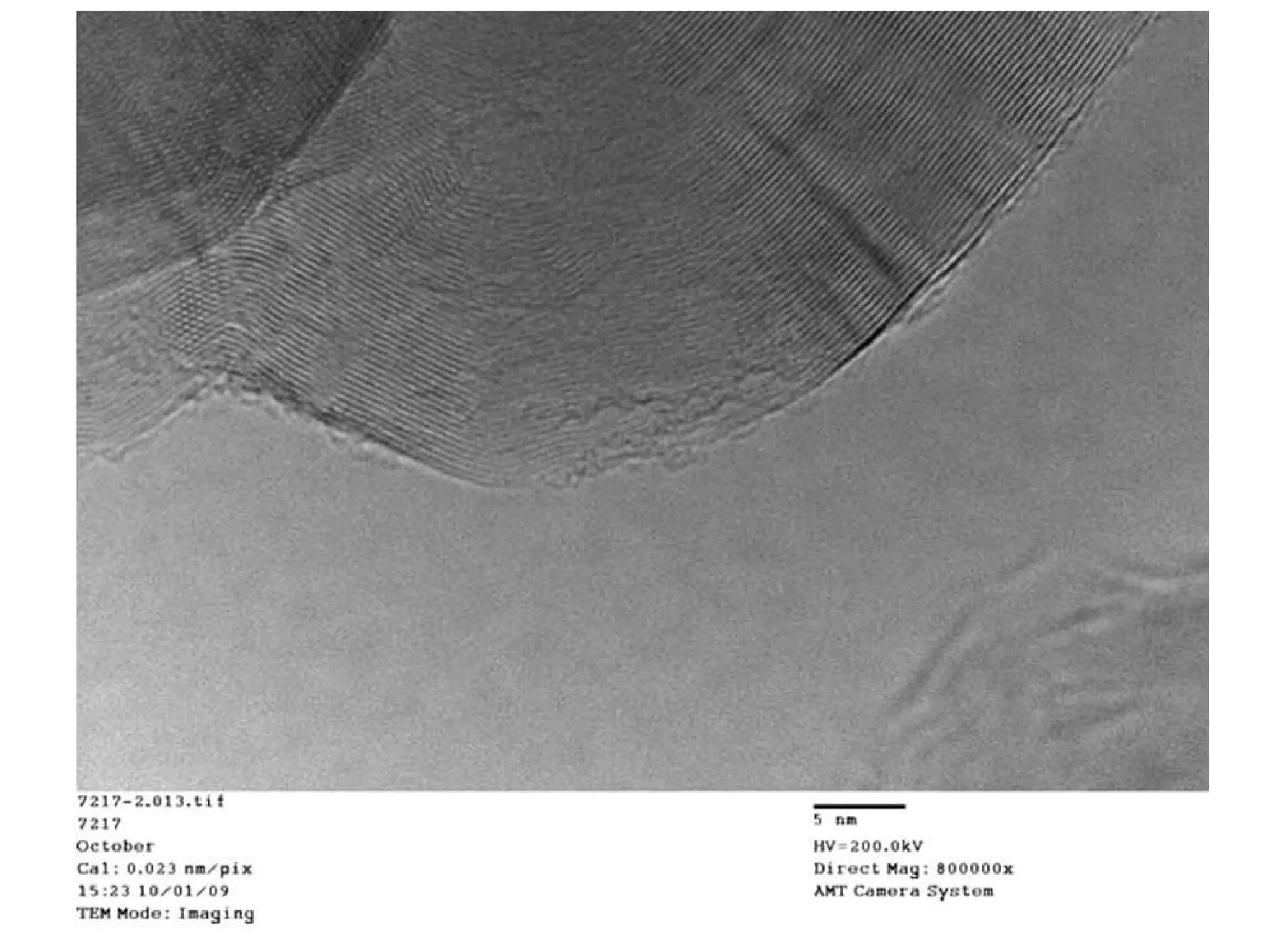
Nanocarbon Graphitic like structures  CNT, graphene, etc Soot that has been annealed (graphitized) Graphitic planes are observed by TEM No one knows what the 3D structure is Electron tomography might be useful


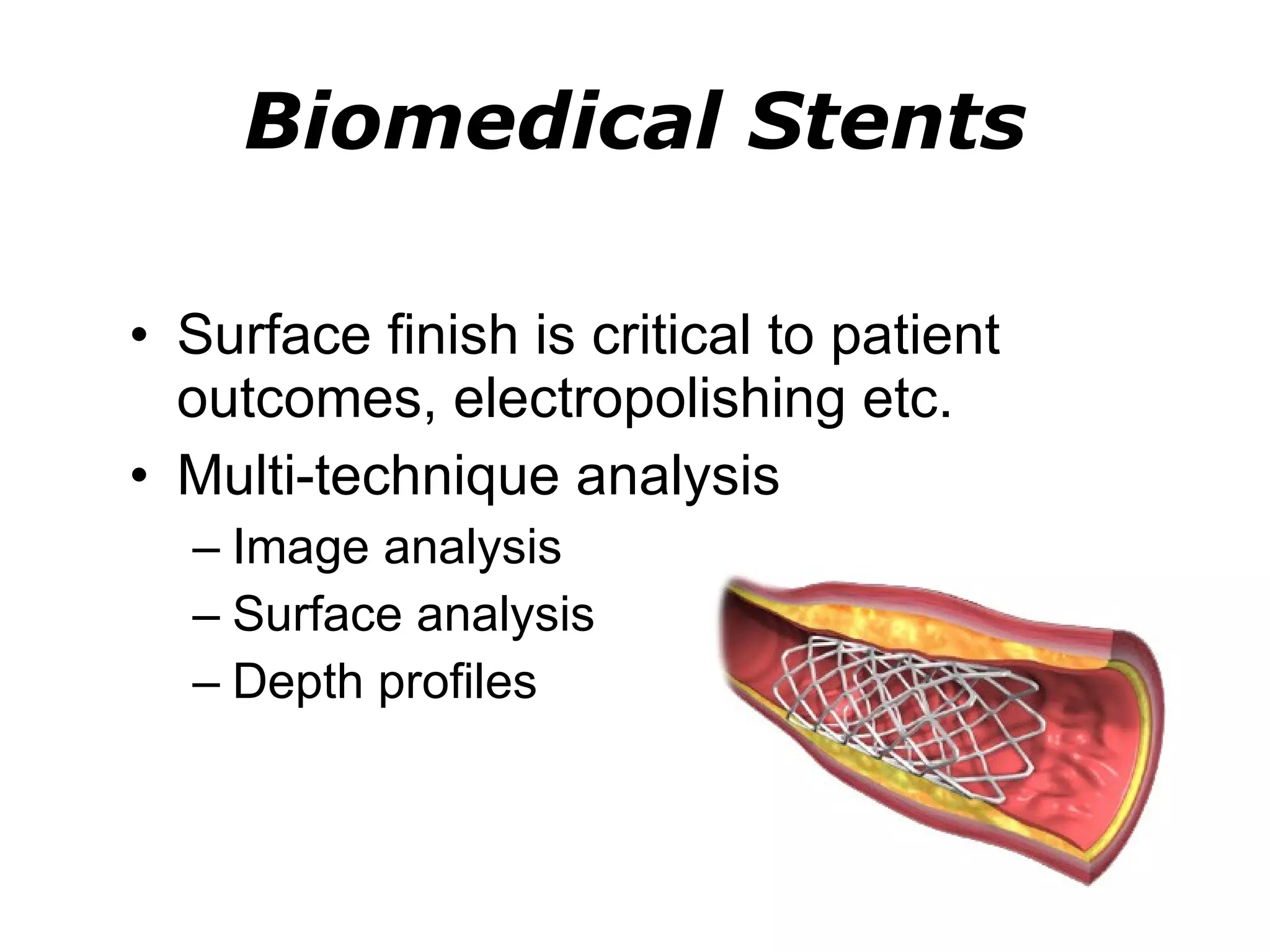
Biomedical Stents Surface finish is critical to patient outcomes, electropolishing etc. Multi-technique analysis Image analysis Surface analysis Depth profiles
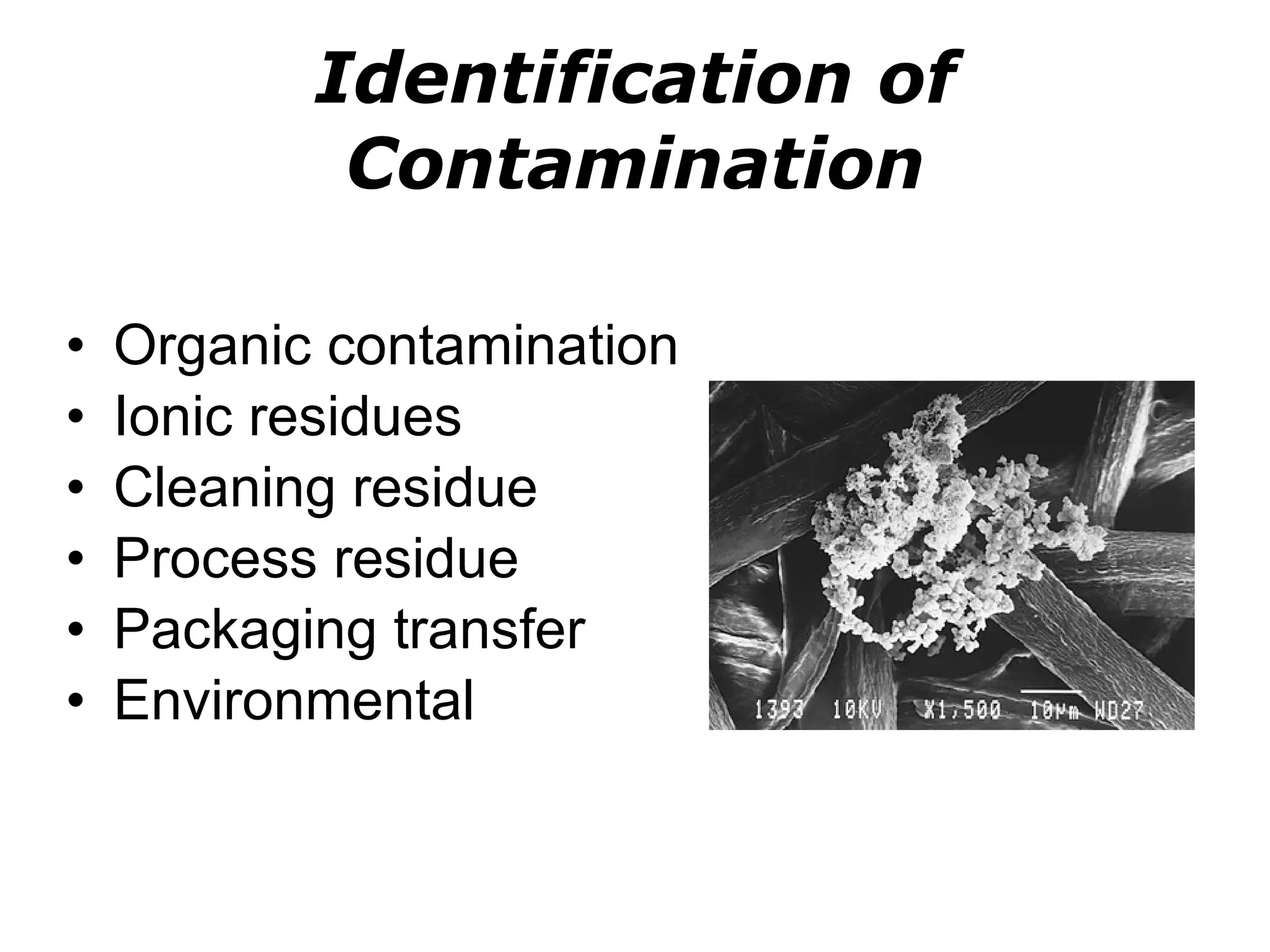
Identification of Contamination Organic contamination Ionic residues Cleaning residue Process residue Packaging transfer Environmental
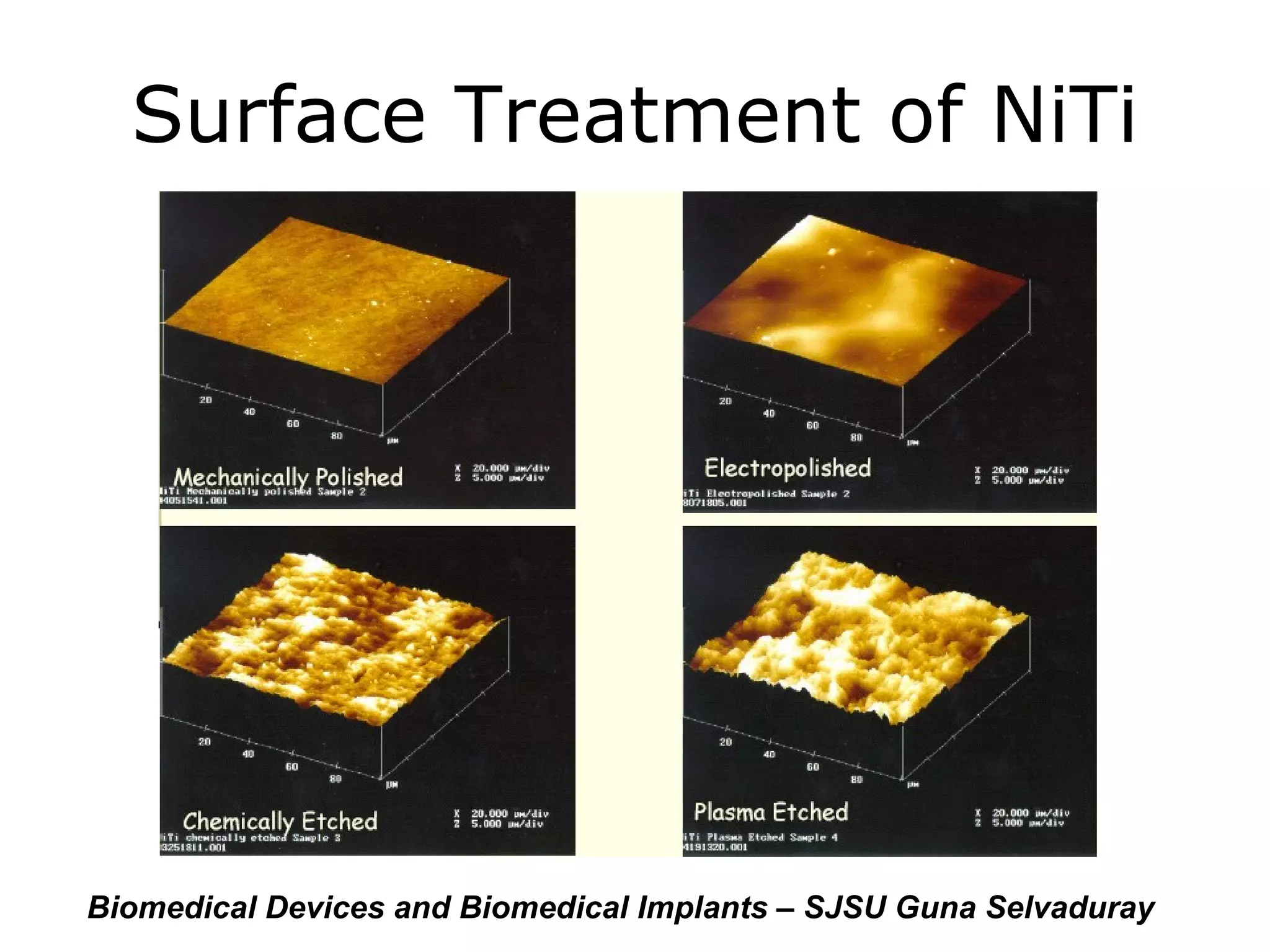
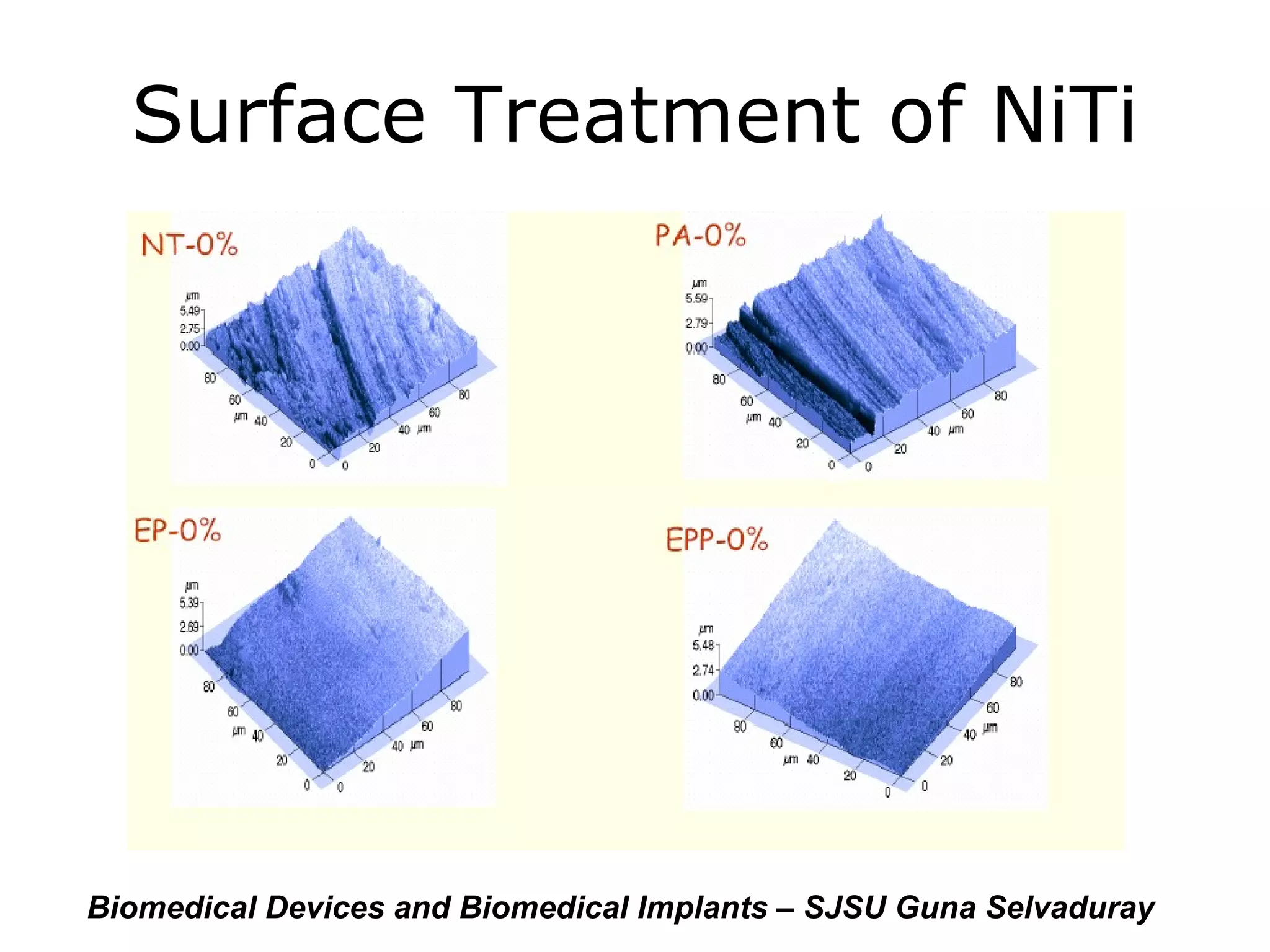
Surface Treatment of NiTi Biomedical Devices and Biomedical Implants – SJSU Guna Selvaduray
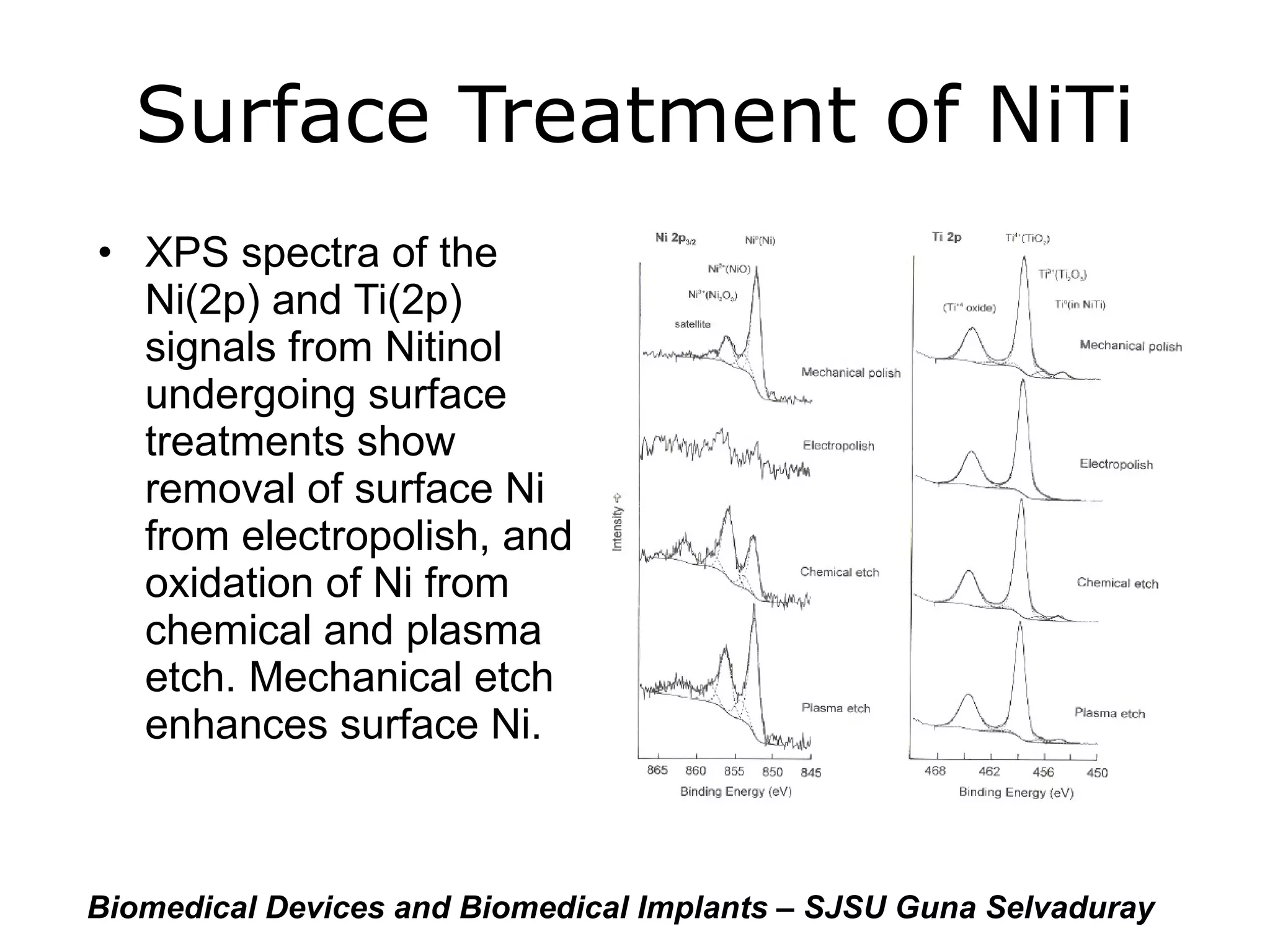
XPS spectra of the Ni(2p) and Ti(2p) signals from Nitinol undergoing surface treatments show removal of surface Ni from electropolish, and oxidation of Ni from chemical and plasma etch. Mechanical etch enhances surface Ni. Surface Treatment of NiTi Biomedical Devices and Biomedical Implants – SJSU Guna Selvaduray
Multi-technique Analysis Image – surface morphology Surface – surface chemistry Structural – crystal domain Organic – molecular specific identification (separation) Chemical – elemental analysis
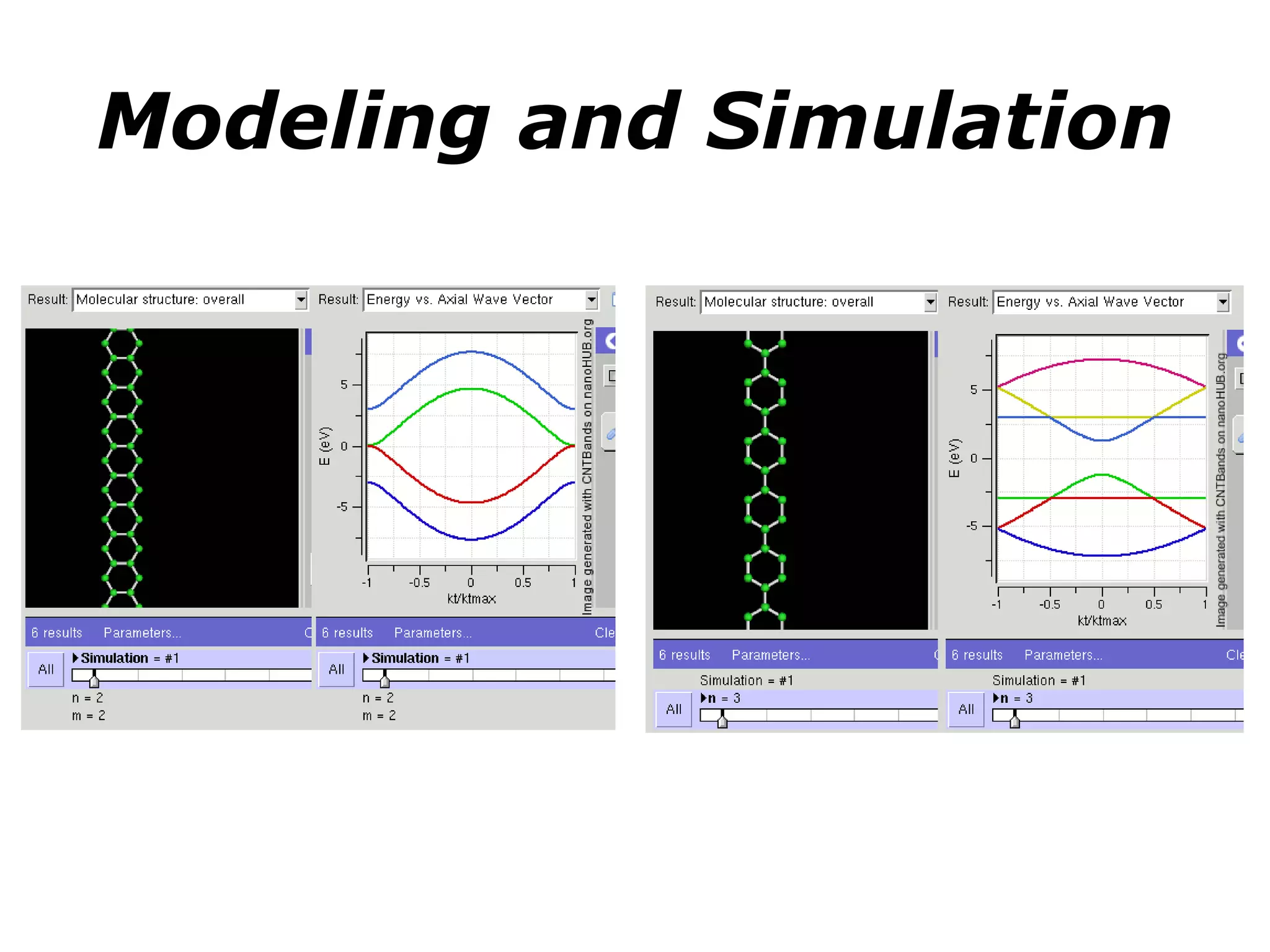
Modeling and Simulation
Not Being Blind Developing a process with NO characterization tools Using properties measurements only Not knowing why something is good Not knowing if you can do better Not having a baseline of quality

The Case for Materials Characterization

  • 1.
    The Case forMaterials Characterization Foothill College NANO53
  • 2.
    Overview The roleof characterization PNPA model Types of information Example problems Materials analyzed
  • 3.
    Why Characterize? Nanostructuresare unknown QA/QC of fabrication process Failure analysis of products Materials characterization Process development / optimization
  • 4.
    PNPA – NanomaterialsEngineering Rubric Applications drive requirements Requirements inform material selection Nanostructured materials engineering Process design and optimization Characterization tools and approach
  • 5.
    PNPA – ARubric for Training Technicians in Nanomaterials Engineering
  • 6.
    PNPA - CharacterizationProcessing (P) Properties (P) Characterization (N) Nanostructure PLOs – Program Learning Outcomes – Integrated Materials Engineering Process Structure property relationships => Fabrication property relationships => <= Nanostructure elucidation <= Process tools / QA/QC monitoring Fabrication property relationships => <= Properties determination
  • 7.
    Nanostructural Information MorphologyComposition Chemistry Structure Properties Novel nanocarbon can store and sieve hydrogen - http://spie.org/x13545.xml?ArticleID=x13545
  • 8.
    Process Optimization Relatestructure to properties Relate structure to process Relate process to properties Optimize structure / property process / relationships Optimize process parameters for manufacturing / cost / safety etc.
  • 9.
    Taguchi Methods Taguchimethods  are  statistical  methods developed by  Genichi Taguchi  to improve the quality of manufactured goods, and more recently also applied to, engineering, biotechnology, marketing and advertising. Professional statisticians  have welcomed the goals and improvements brought about by Taguchi methods, particularly by Taguchi's development of designs for studying variation, but have criticized the  inefficiency  of some of Taguchi's proposals. [5] http://en.wikipedia.org/wiki/Taguchi_methods
  • 10.
    Key Nanomaterials PolymersMetals/alloys Glasses/ceramics Nanocarbon Thin film coatings Silicon Particles Energy of electrons in graphene in the tight-binding model,  http://dx.doi.org/10.1103/PhysRev.71.622
  • 11.
    What we Needto Know Surface finish Surface composition and chemistry Layer thickness Bulk composition and chemistry Material phase and structure
  • 12.
    Types of TestingMaterials characterization Process development support Failure analysis QA/QC Authenticity testing
  • 13.
    Tools Image (SEM,AFM, TEM) Surface (AES, XPS) Organic (FTIR, Raman, GC/MS, LC/MS, NMR Chemical (ICP, XRF, TEM) Structural (XRD, Raman) Modeling and simulation
  • 14.
    AFM Instrumentation PNINano-R AFM Instrumentation as used at Foothill College
  • 15.
  • 16.
    Surface Analysis ToolsSSX-100 ESCA on the left, Auger Spectrometer on the right
  • 17.
    XPS Spectrum ofCarbon XPS can determine the types of carbon present by shifts in the binding energy of the C(1s) peak. These data show three primary types of carbon present in PET. These are C-C, C-O, and O-C=O
  • 18.
    Typical Problems ContaminationFailure Process development Competitive analysis Research (R&D) http://www.forensicinvestigation.com /
  • 19.
    Nanocarbon Graphitic likestructures CNT, graphene, etc Soot that has been annealed (graphitized) Graphitic planes are observed by TEM No one knows what the 3D structure is Electron tomography might be useful
  • 20.
  • 21.
  • 22.
  • 23.
    Biomedical Stents Surfacefinish is critical to patient outcomes, electropolishing etc. Multi-technique analysis Image analysis Surface analysis Depth profiles
  • 24.
    Identification of ContaminationOrganic contamination Ionic residues Cleaning residue Process residue Packaging transfer Environmental
  • 25.
    Surface Treatment ofNiTi Biomedical Devices and Biomedical Implants – SJSU Guna Selvaduray
  • 26.
    Surface Treatment ofNiTi Biomedical Devices and Biomedical Implants – SJSU Guna Selvaduray
  • 27.
    XPS spectra ofthe Ni(2p) and Ti(2p) signals from Nitinol undergoing surface treatments show removal of surface Ni from electropolish, and oxidation of Ni from chemical and plasma etch. Mechanical etch enhances surface Ni. Surface Treatment of NiTi Biomedical Devices and Biomedical Implants – SJSU Guna Selvaduray
  • 28.
    Multi-technique Analysis Image– surface morphology Surface – surface chemistry Structural – crystal domain Organic – molecular specific identification (separation) Chemical – elemental analysis
  • 29.
  • 30.
    Not Being BlindDeveloping a process with NO characterization tools Using properties measurements only Not knowing why something is good Not knowing if you can do better Not having a baseline of quality