Integrating Electron Microscopy 
into Nanoscience and Materials 
Engineering Programs 
SPIE Scanning Microscopy 
September 17, 2014
Overview 
• Skills gap in new hires 
• Characterization curriculum 
• Incubating Innovation 
• NASA-ASL MACS lab 
• Socialization of Science 
• Instrument training 
• Integrated microscopy program
Problem => Solution 
• Skills gap in new hires 
• Laboratory experience 
• Lack of relevant materials 
• Curriculum development 
• Budget / resource 
constraints 
Boeing – SRI Study 2006/2007 NCLT - http://community.nsee.us/grg/34076.pdf
ASL Advanced Studies Lab 
• NASA-UCSC Collaboration 
• Foothill De Anza College District (Foothill 
and De Anza College) 
• NASA scientists / researchers 
• UCSC/SJSU/SCU, and other faculty 
• MACS Facility for Collaborative Science
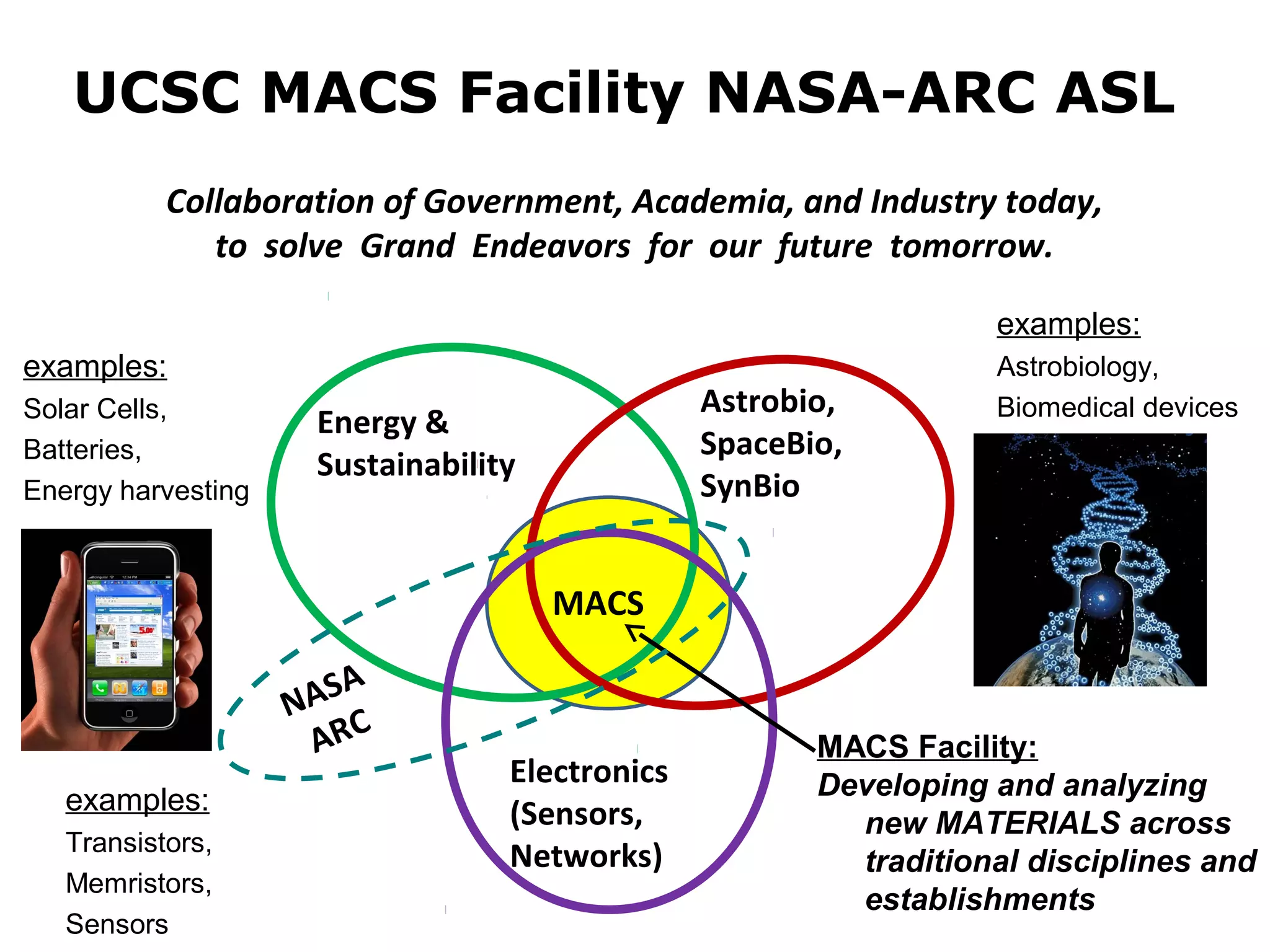
UCSC MACS Facility NASA-ARC ASL 
Collaboration of Government, Academia, and Industry today, 
to solve Grand Endeavors for our future tomorrow. 
Energy & 
Sustainability 
Astrobio, 
SpaceBio, 
SynBio 
Electronics 
(Sensors, 
Networks) 
examples: 
Solar Cells, 
Batteries, 
Energy harvesting 
examples: 
Transistors, 
Memristors, 
Sensors 
examples: 
Astrobiology, 
Biomedical devices 
MACS 
MACS Facility: 
Developing and analyzing 
new MATERIALS across 
traditional disciplines and 
establishments 
NASA 
ARC
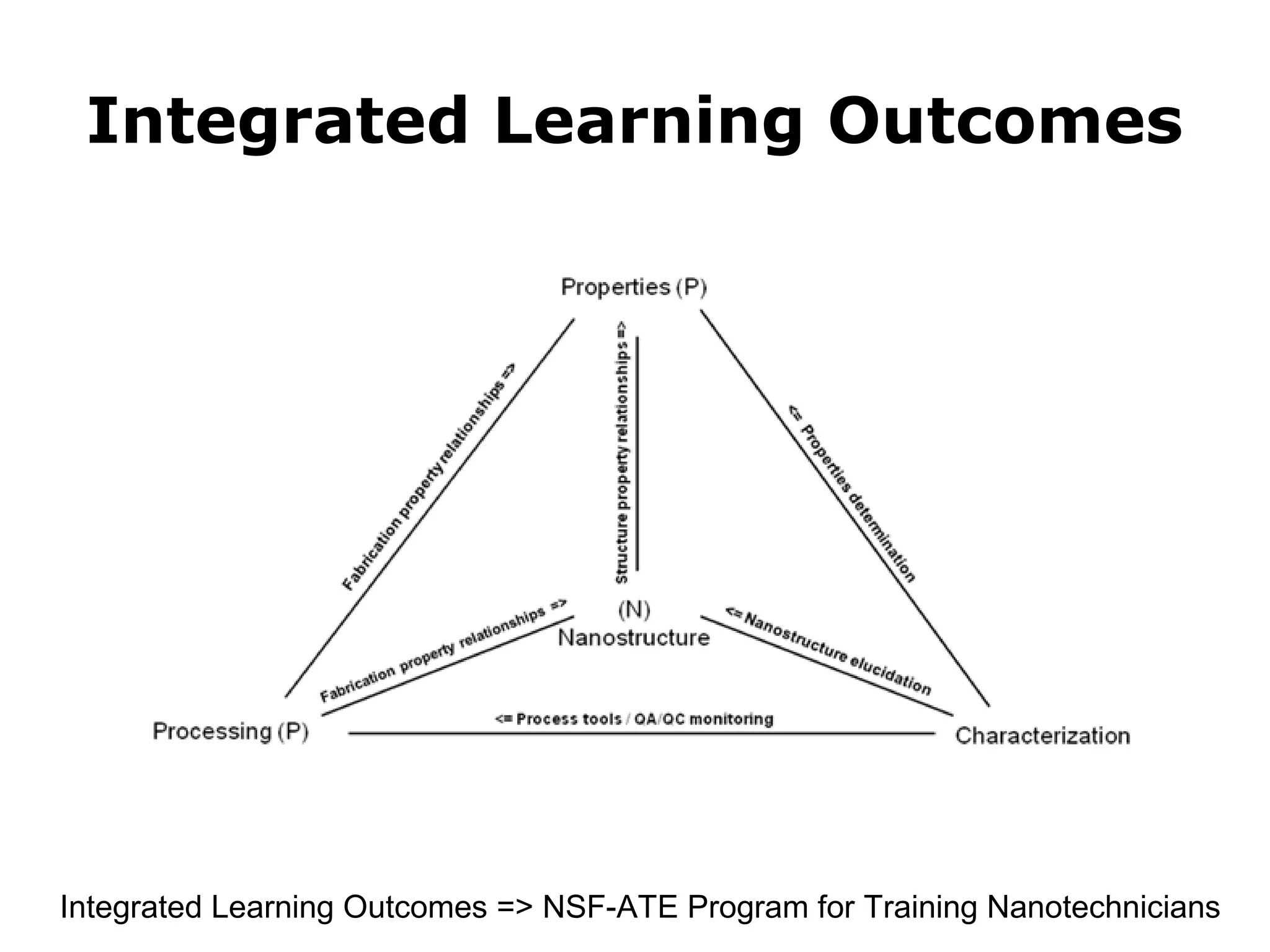
Integrated Learning Outcomes 
Integrated Learning Outcomes => NSF-ATE Program for Training Nanotechnicians
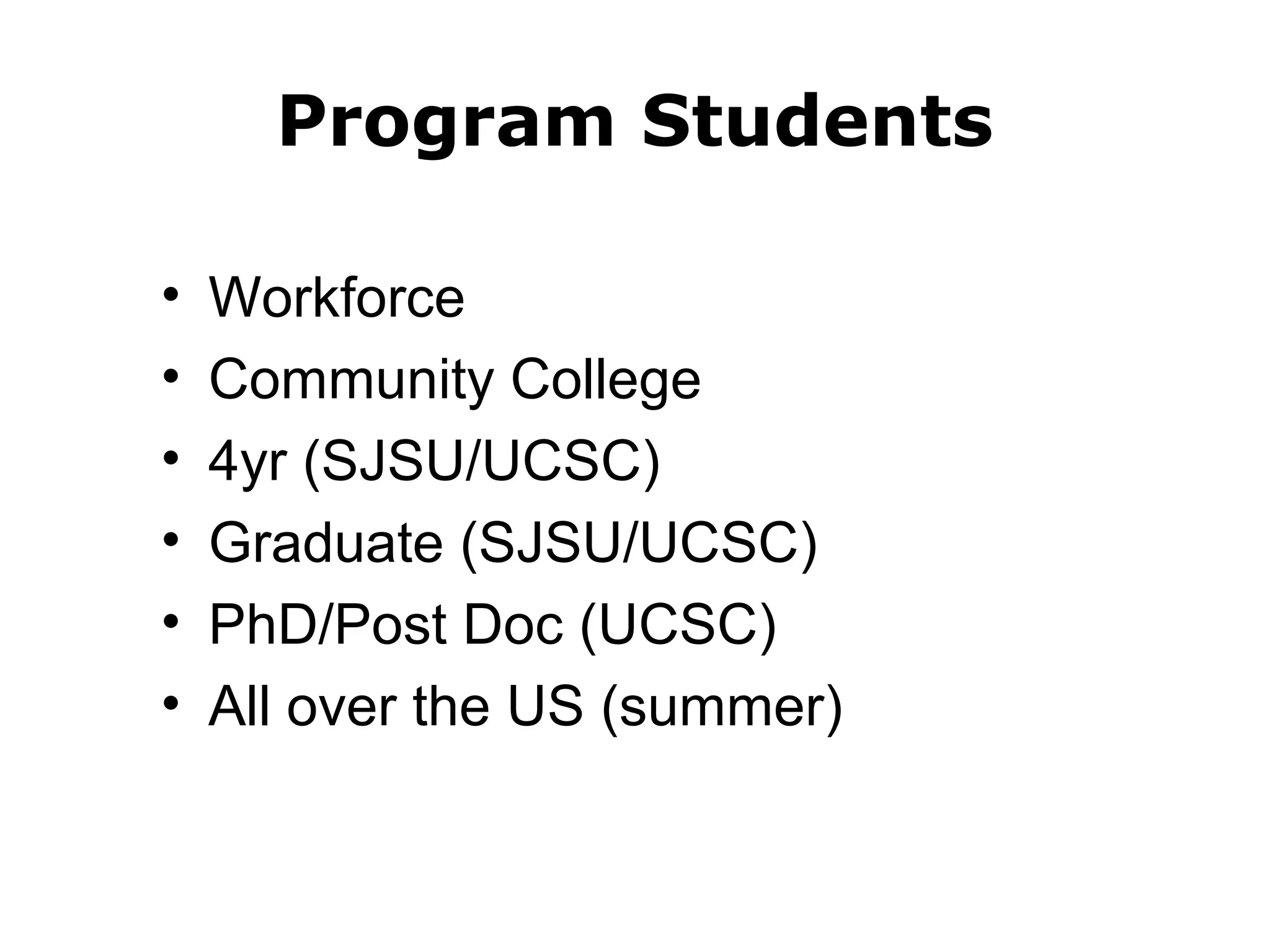
Program Students 
• Workforce 
• Community College 
• 4yr (SJSU/UCSC) 
• Graduate (SJSU/UCSC) 
• PhD/Post Doc (UCSC) 
• All over the US (summer)
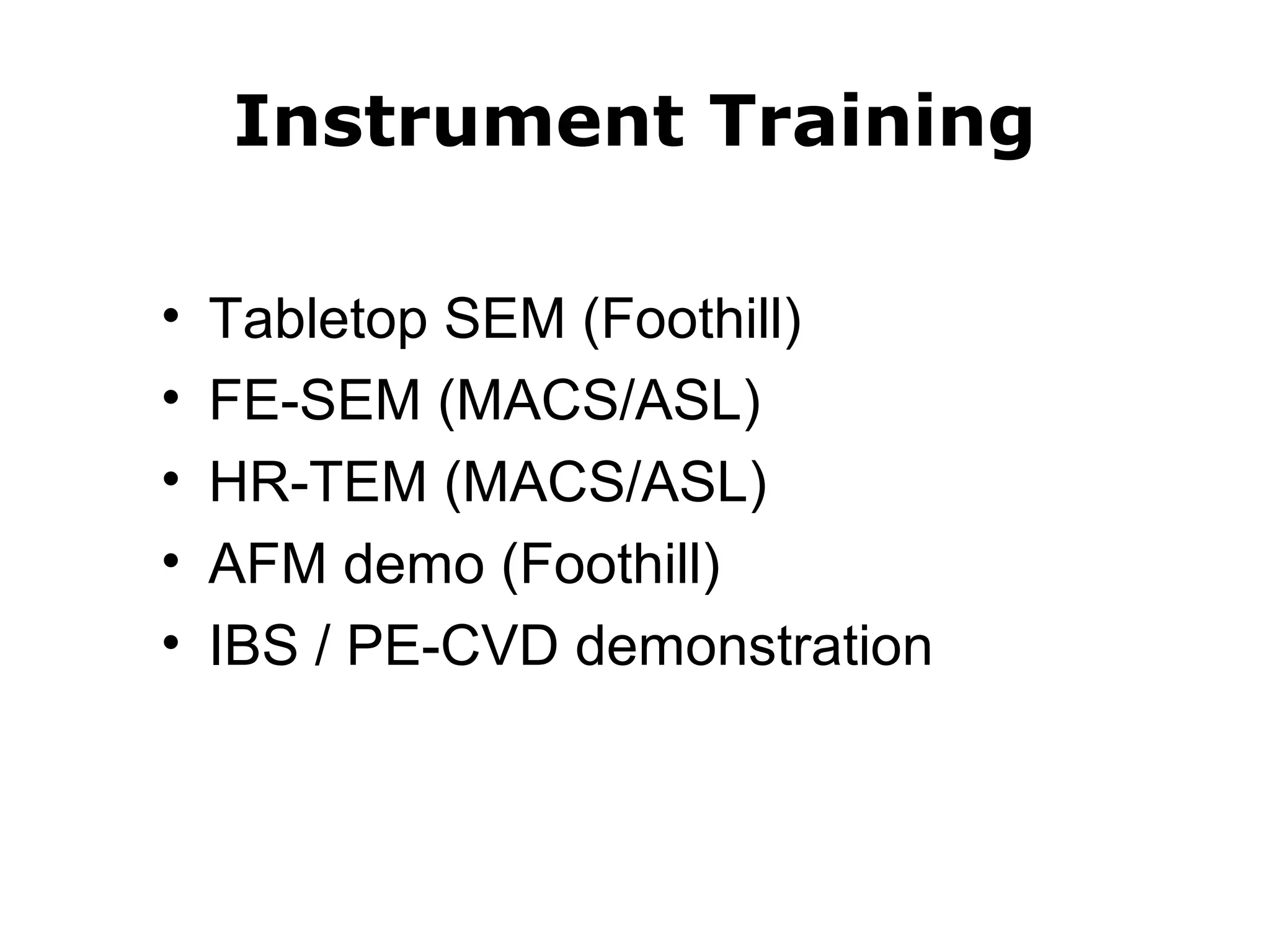
Instrument Training 
• Tabletop SEM (Foothill) 
• FE-SEM (MACS/ASL) 
• HR-TEM (MACS/ASL) 
• AFM demo (Foothill) 
• IBS / PE-CVD demonstration
Socialization of Science 
• Mentoring of students 
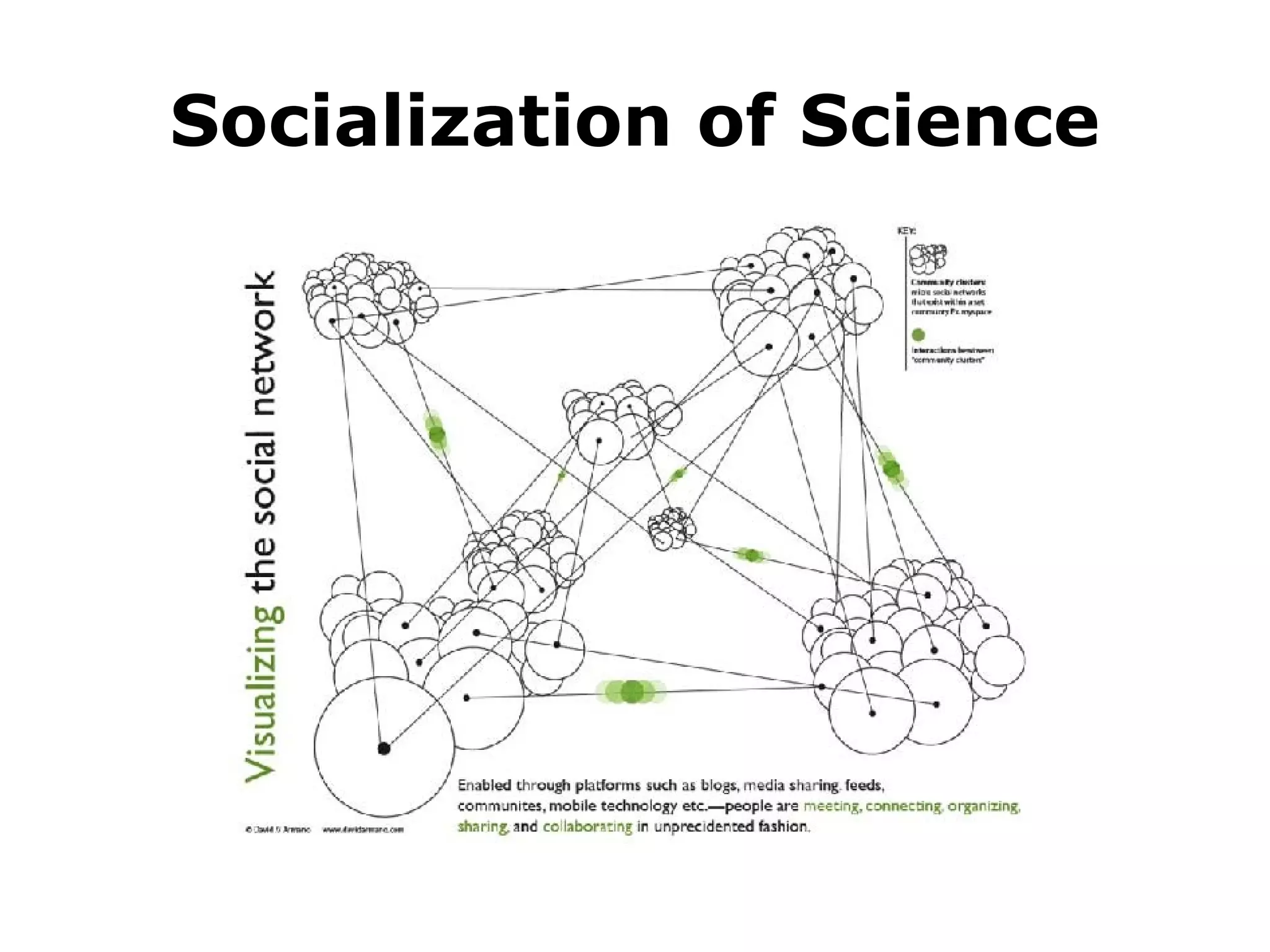
• Influence (social) networks 
• Four levels of college students 
• Faculty researchers 
• Small business innovators
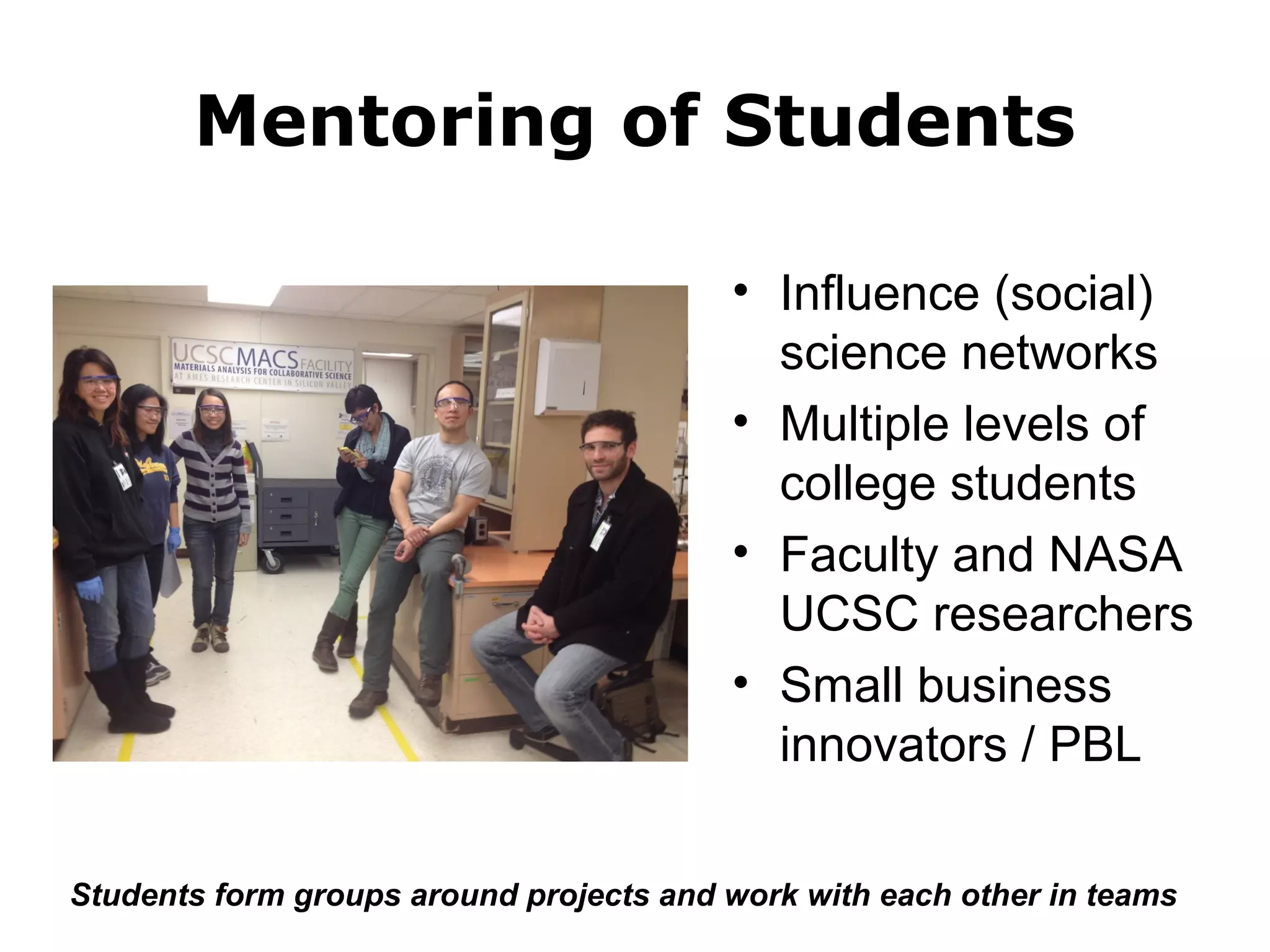
Mentoring of Students 
• Influence (social) 
science networks 
• Multiple levels of 
college students 
• Faculty and NASA 
UCSC researchers 
• Small business 
innovators / PBL 
Students form groups around projects and work with each other in teams
Socialization of Science
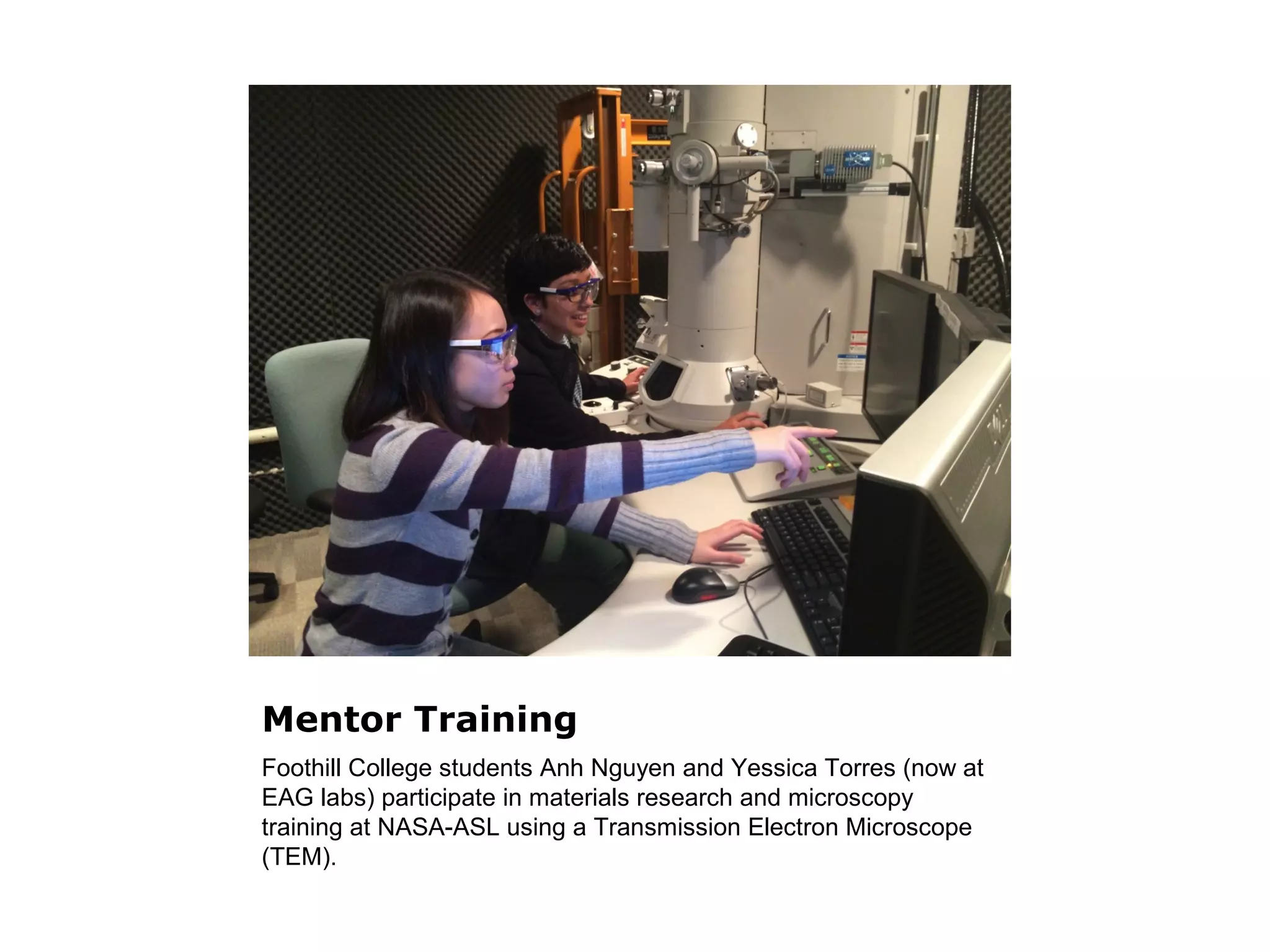
Mentor Training 
Foothill College students Anh Nguyen and Yessica Torres (now at 
EAG labs) participate in materials research and microscopy 
training at NASA-ASL using a Transmission Electron Microscope 
(TEM).
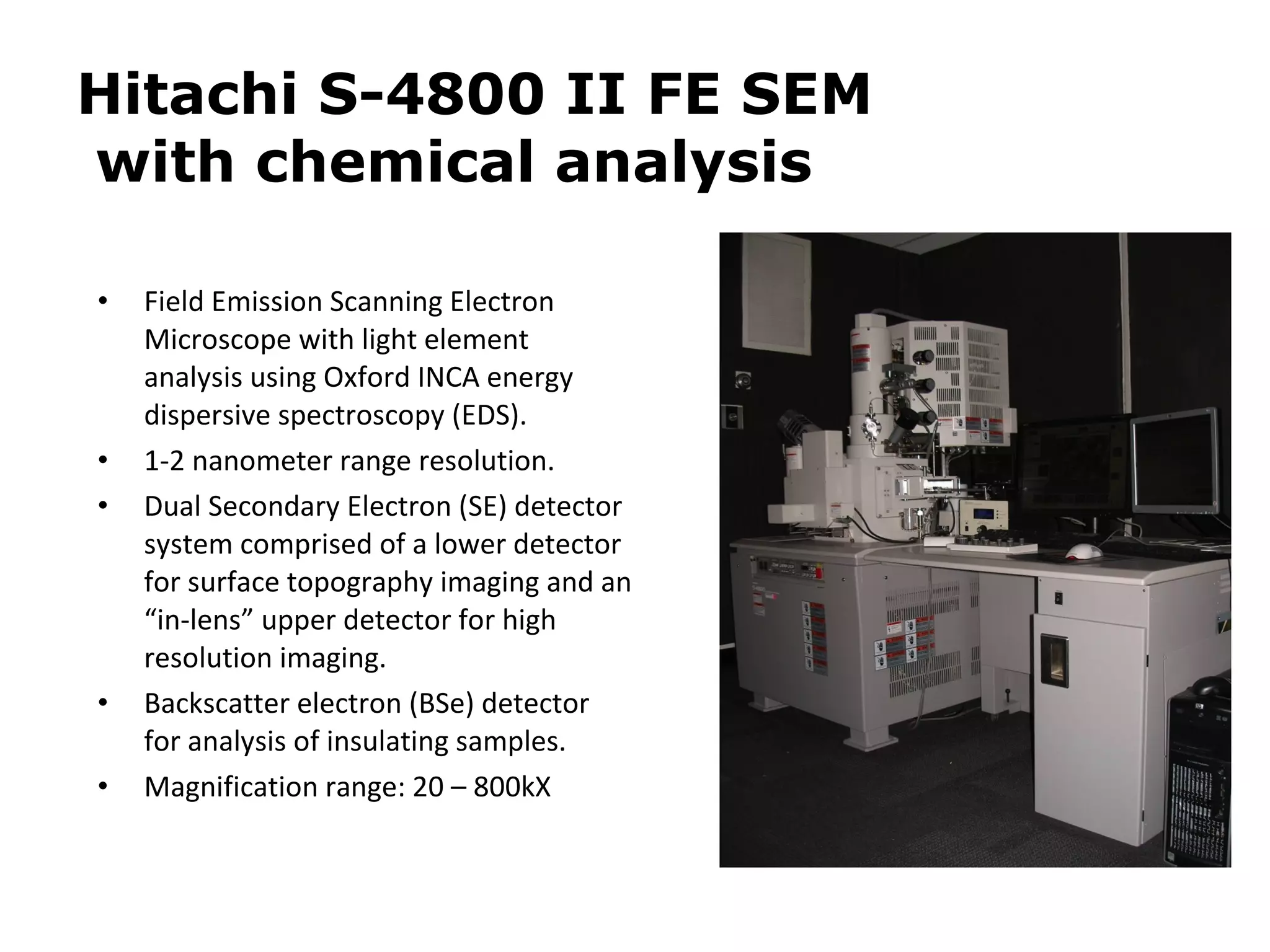
Hitachi S-4800 II FE SEM 
with chemical analysis 
• Field Emission Scanning Electron 
Microscope with light element 
analysis using Oxford INCA energy 
dispersive spectroscopy (EDS). 
• 1-2 nanometer range resolution. 
• Dual Secondary Electron (SE) detector 
system comprised of a lower detector 
for surface topography imaging and an 
“in-lens” upper detector for high 
resolution imaging. 
• Backscatter electron (BSe) detector 
for analysis of insulating samples. 
• Magnification range: 20 – 800kX
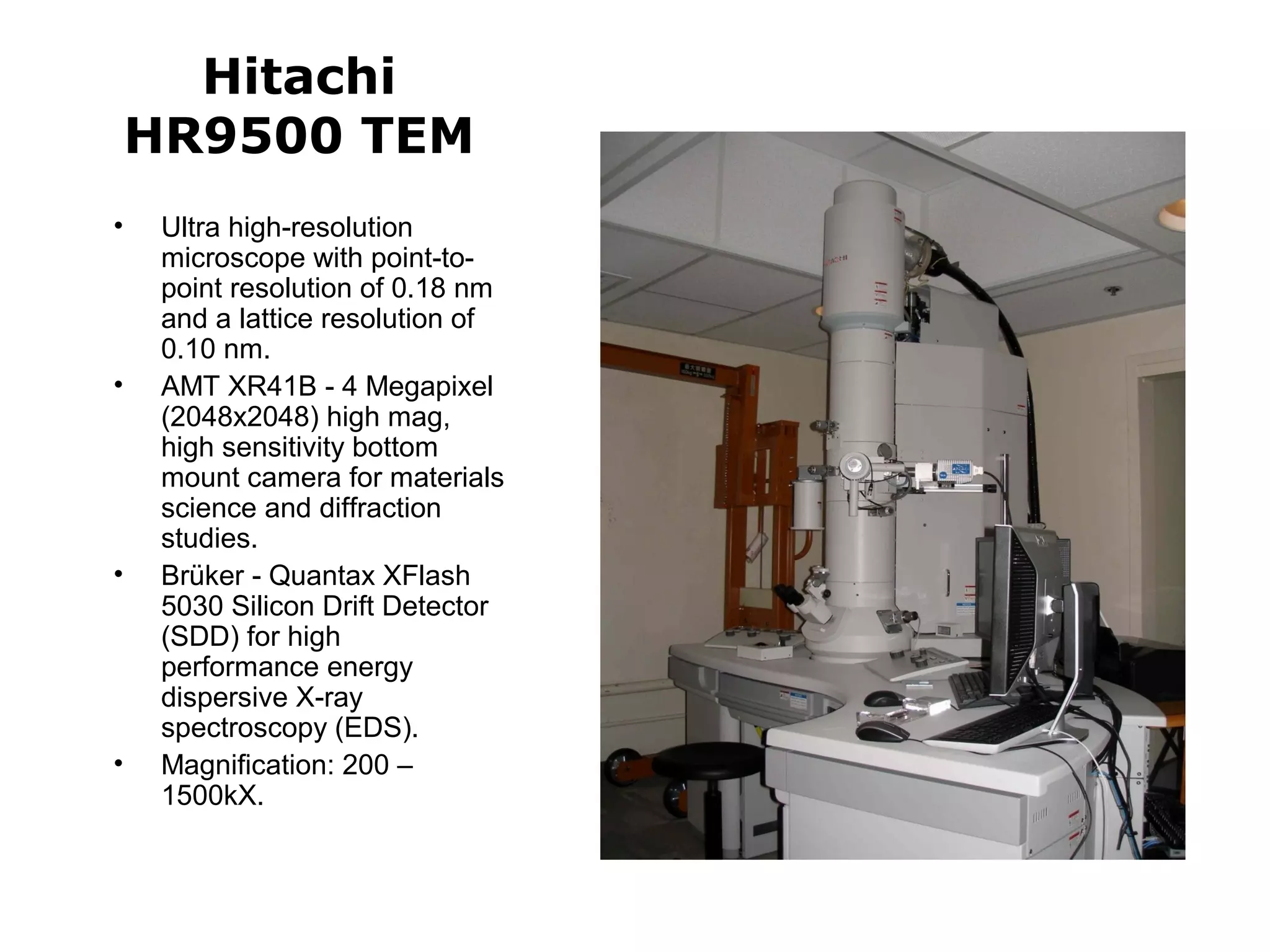
Hitachi 
HR9500 TEM 
• Ultra high-resolution 
microscope with point-to-point 
resolution of 0.18 nm 
and a lattice resolution of 
0.10 nm. 
• AMT XR41B - 4 Megapixel 
(2048x2048) high mag, 
high sensitivity bottom 
mount camera for materials 
science and diffraction 
studies. 
• Brüker - Quantax XFlash 
5030 Silicon Drift Detector 
(SDD) for high 
performance energy 
dispersive X-ray 
spectroscopy (EDS). 
• Magnification: 200 – 
1500kX.
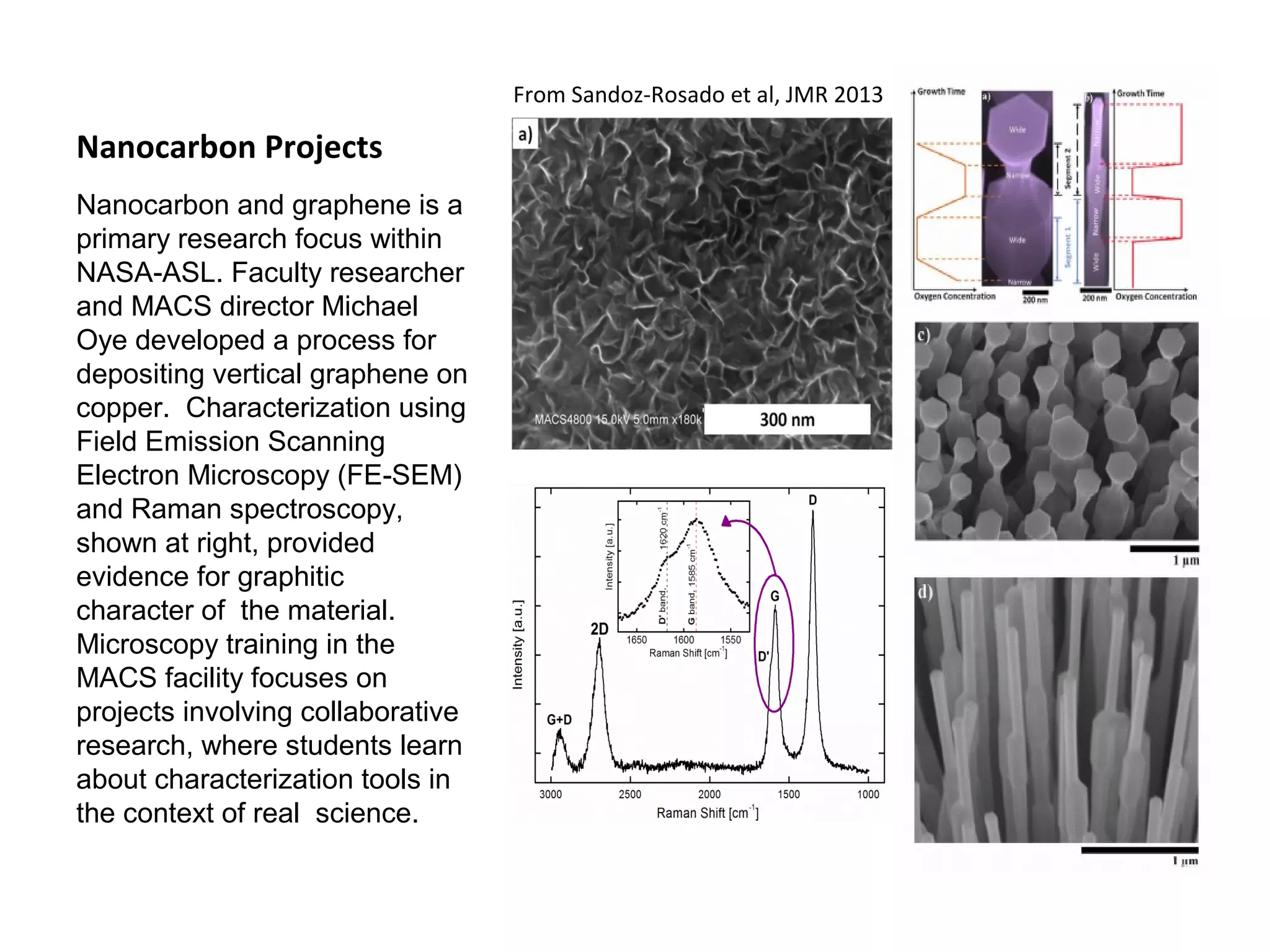
Nanocarbon Projects 
Nanocarbon and graphene is a 
primary research focus within 
NASA-ASL. Faculty researcher 
and MACS director Michael 
Oye developed a process for 
depositing vertical graphene on 
copper. Characterization using 
Field Emission Scanning 
Electron Microscopy (FE-SEM) 
and Raman spectroscopy, 
shown at right, provided 
evidence for graphitic 
character of the material. 
Microscopy training in the 
MACS facility focuses on 
projects involving collaborative 
research, where students learn 
about characterization tools in 
the context of real science. 
From Sandoz-Rosado et al, JMR 2013
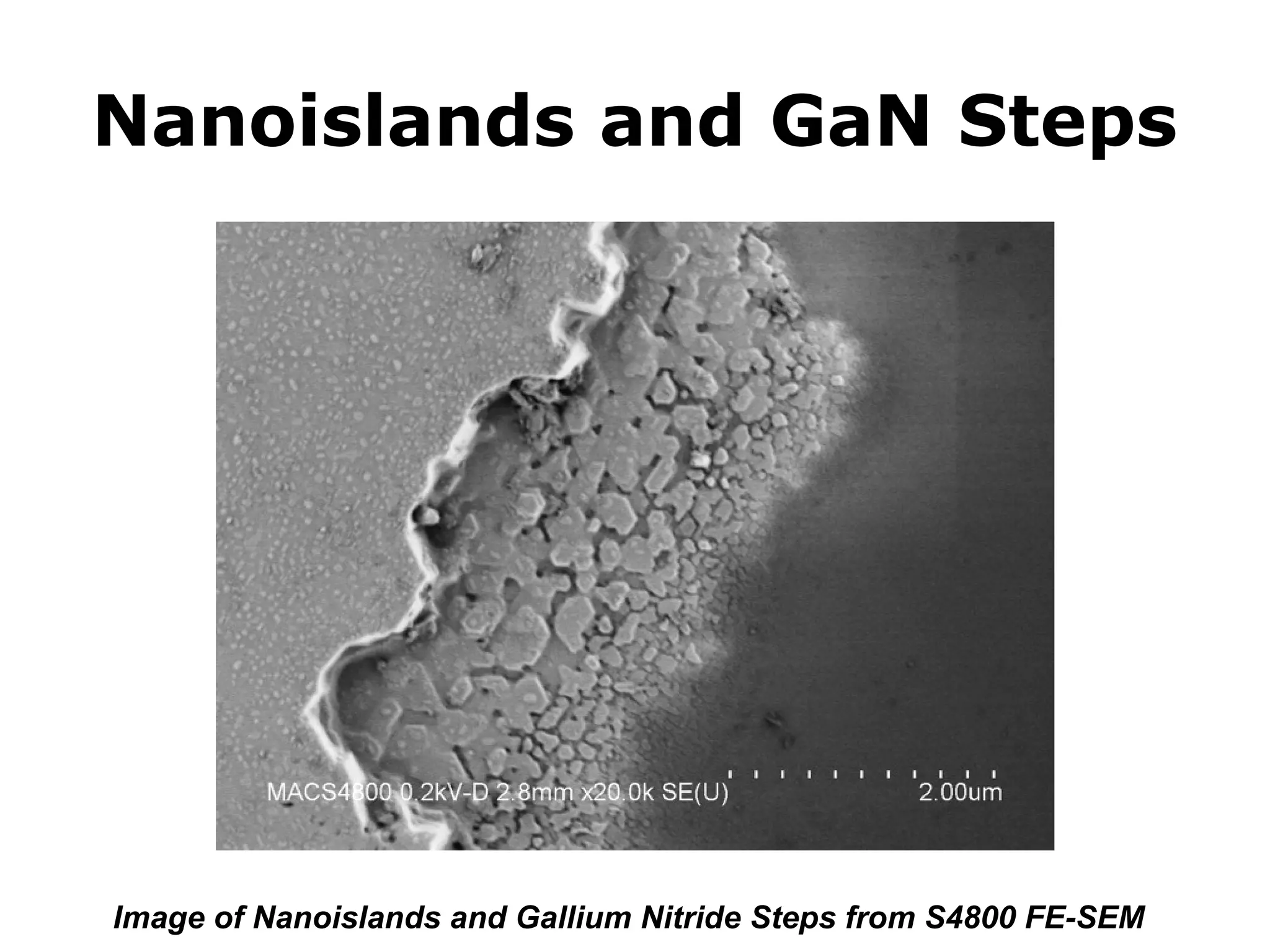
Nanoislands and GaN Steps 
Image of Nanoislands and Gallium Nitride Steps from S4800 FE-SEM
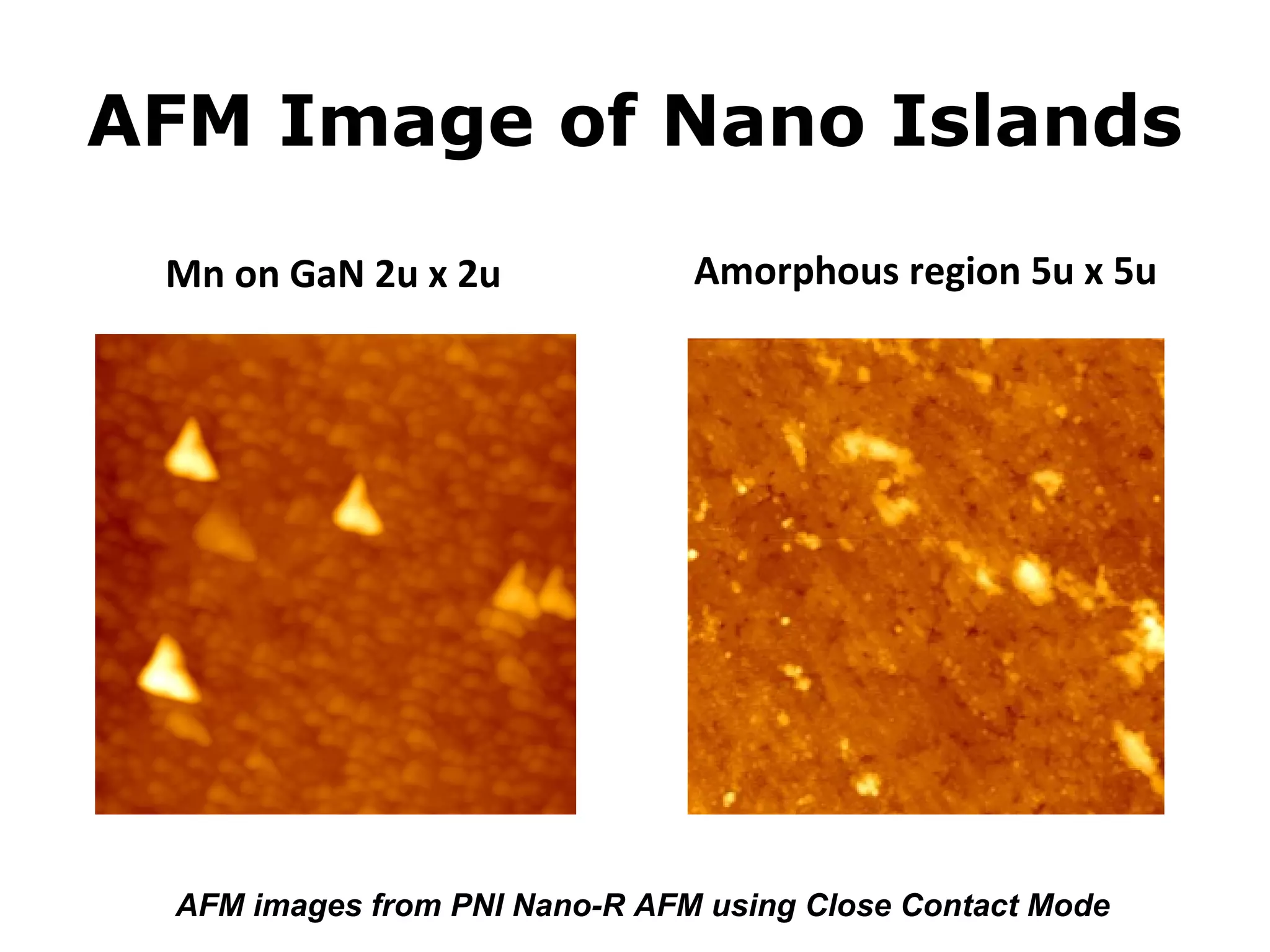
AFM Image of Nano Islands 
Mn on GaN 2u x 2u Amorphous region 5u x 5u 
AFM images from PNI Nano-R AFM using Close Contact Mode
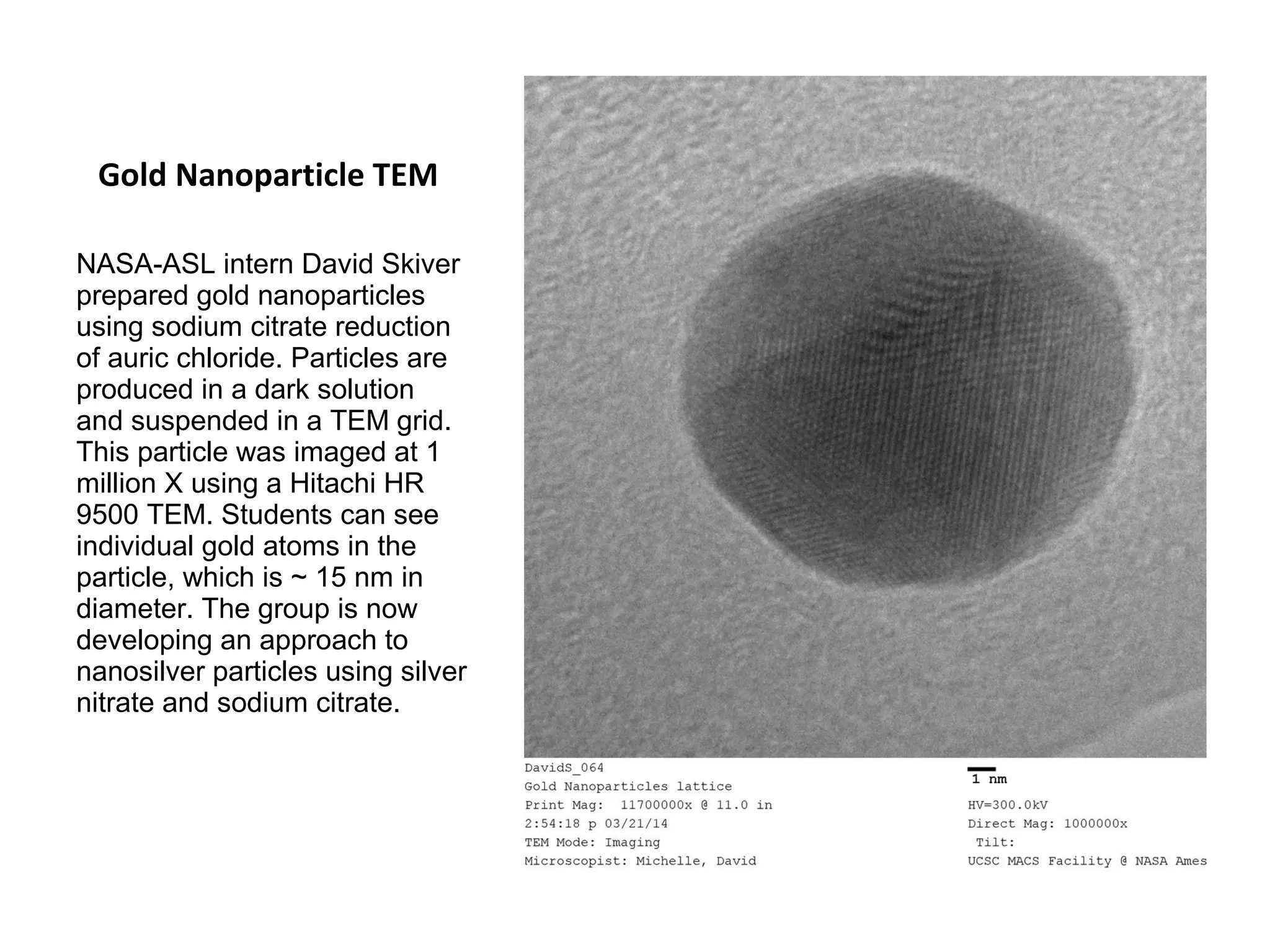
Gold Nanoparticle TEM 
NASA-ASL intern David Skiver 
prepared gold nanoparticles 
using sodium citrate reduction 
of auric chloride. Particles are 
produced in a dark solution 
and suspended in a TEM grid. 
This particle was imaged at 1 
million X using a Hitachi HR 
9500 TEM. Students can see 
individual gold atoms in the 
particle, which is ~ 15 nm in 
diameter. The group is now 
developing an approach to 
nanosilver particles using silver 
nitrate and sodium citrate.
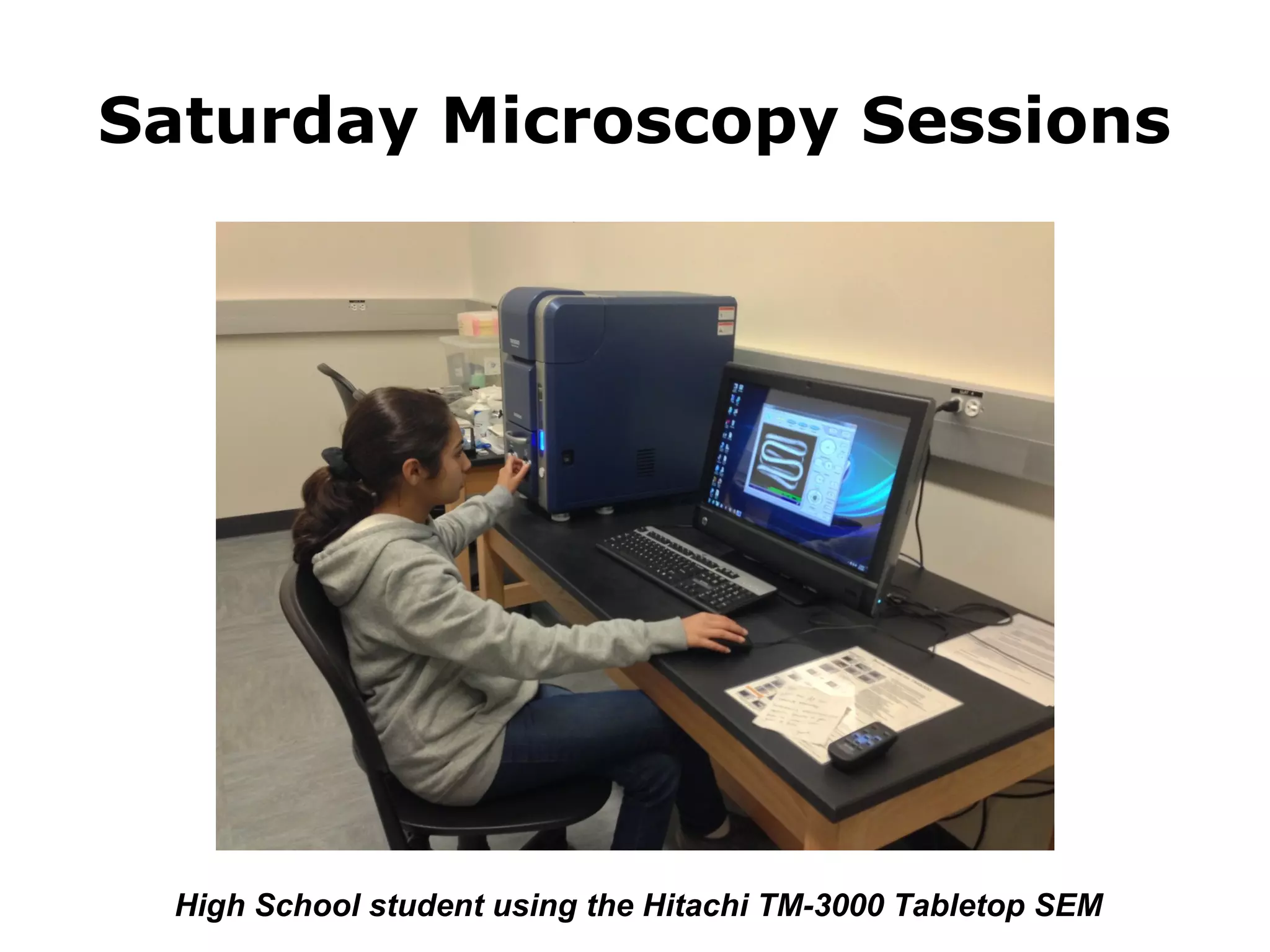
Saturday Microscopy Sessions 
High School student using the Hitachi TM-3000 Tabletop SEM
Summary 
• Nanoscience and nanotechnology require real 
images for learning about nanostructures 
• Gaining real experience through hands-on 
activities is an effective learning approach 
• Access to microscopy tools can be challenging 
for colleges with limited budgets/partners 
• The NASA-ASL MACS facility provides 
opportunities for real microscopy training 
• Microscopy is also a great way to have fun!

SPIE scanning microscopy

  • 1.
    Integrating Electron Microscopy into Nanoscience and Materials Engineering Programs SPIE Scanning Microscopy September 17, 2014
  • 2.
    Overview • Skillsgap in new hires • Characterization curriculum • Incubating Innovation • NASA-ASL MACS lab • Socialization of Science • Instrument training • Integrated microscopy program
  • 3.
    Problem => Solution • Skills gap in new hires • Laboratory experience • Lack of relevant materials • Curriculum development • Budget / resource constraints Boeing – SRI Study 2006/2007 NCLT - http://community.nsee.us/grg/34076.pdf
  • 4.
    ASL Advanced StudiesLab • NASA-UCSC Collaboration • Foothill De Anza College District (Foothill and De Anza College) • NASA scientists / researchers • UCSC/SJSU/SCU, and other faculty • MACS Facility for Collaborative Science
  • 5.
    UCSC MACS FacilityNASA-ARC ASL Collaboration of Government, Academia, and Industry today, to solve Grand Endeavors for our future tomorrow. Energy & Sustainability Astrobio, SpaceBio, SynBio Electronics (Sensors, Networks) examples: Solar Cells, Batteries, Energy harvesting examples: Transistors, Memristors, Sensors examples: Astrobiology, Biomedical devices MACS MACS Facility: Developing and analyzing new MATERIALS across traditional disciplines and establishments NASA ARC
  • 6.
    Integrated Learning Outcomes Integrated Learning Outcomes => NSF-ATE Program for Training Nanotechnicians
  • 7.
    Program Students •Workforce • Community College • 4yr (SJSU/UCSC) • Graduate (SJSU/UCSC) • PhD/Post Doc (UCSC) • All over the US (summer)
  • 8.
    Instrument Training •Tabletop SEM (Foothill) • FE-SEM (MACS/ASL) • HR-TEM (MACS/ASL) • AFM demo (Foothill) • IBS / PE-CVD demonstration
  • 9.
    Socialization of Science • Mentoring of students • Influence (social) networks • Four levels of college students • Faculty researchers • Small business innovators
  • 10.
    Mentoring of Students • Influence (social) science networks • Multiple levels of college students • Faculty and NASA UCSC researchers • Small business innovators / PBL Students form groups around projects and work with each other in teams
  • 11.
  • 12.
    Mentor Training FoothillCollege students Anh Nguyen and Yessica Torres (now at EAG labs) participate in materials research and microscopy training at NASA-ASL using a Transmission Electron Microscope (TEM).
  • 13.
    Hitachi S-4800 IIFE SEM with chemical analysis • Field Emission Scanning Electron Microscope with light element analysis using Oxford INCA energy dispersive spectroscopy (EDS). • 1-2 nanometer range resolution. • Dual Secondary Electron (SE) detector system comprised of a lower detector for surface topography imaging and an “in-lens” upper detector for high resolution imaging. • Backscatter electron (BSe) detector for analysis of insulating samples. • Magnification range: 20 – 800kX
  • 14.
    Hitachi HR9500 TEM • Ultra high-resolution microscope with point-to-point resolution of 0.18 nm and a lattice resolution of 0.10 nm. • AMT XR41B - 4 Megapixel (2048x2048) high mag, high sensitivity bottom mount camera for materials science and diffraction studies. • Brüker - Quantax XFlash 5030 Silicon Drift Detector (SDD) for high performance energy dispersive X-ray spectroscopy (EDS). • Magnification: 200 – 1500kX.
  • 15.
    Nanocarbon Projects Nanocarbonand graphene is a primary research focus within NASA-ASL. Faculty researcher and MACS director Michael Oye developed a process for depositing vertical graphene on copper. Characterization using Field Emission Scanning Electron Microscopy (FE-SEM) and Raman spectroscopy, shown at right, provided evidence for graphitic character of the material. Microscopy training in the MACS facility focuses on projects involving collaborative research, where students learn about characterization tools in the context of real science. From Sandoz-Rosado et al, JMR 2013
  • 16.
    Nanoislands and GaNSteps Image of Nanoislands and Gallium Nitride Steps from S4800 FE-SEM
  • 17.
    AFM Image ofNano Islands Mn on GaN 2u x 2u Amorphous region 5u x 5u AFM images from PNI Nano-R AFM using Close Contact Mode
  • 18.
    Gold Nanoparticle TEM NASA-ASL intern David Skiver prepared gold nanoparticles using sodium citrate reduction of auric chloride. Particles are produced in a dark solution and suspended in a TEM grid. This particle was imaged at 1 million X using a Hitachi HR 9500 TEM. Students can see individual gold atoms in the particle, which is ~ 15 nm in diameter. The group is now developing an approach to nanosilver particles using silver nitrate and sodium citrate.
  • 19.
    Saturday Microscopy Sessions High School student using the Hitachi TM-3000 Tabletop SEM
  • 20.
    Summary • Nanoscienceand nanotechnology require real images for learning about nanostructures • Gaining real experience through hands-on activities is an effective learning approach • Access to microscopy tools can be challenging for colleges with limited budgets/partners • The NASA-ASL MACS facility provides opportunities for real microscopy training • Microscopy is also a great way to have fun!

Editor's Notes