The Architecture
of Understanding
Peter Morville, NWSPUG + Tech Toledo, 2016
6	
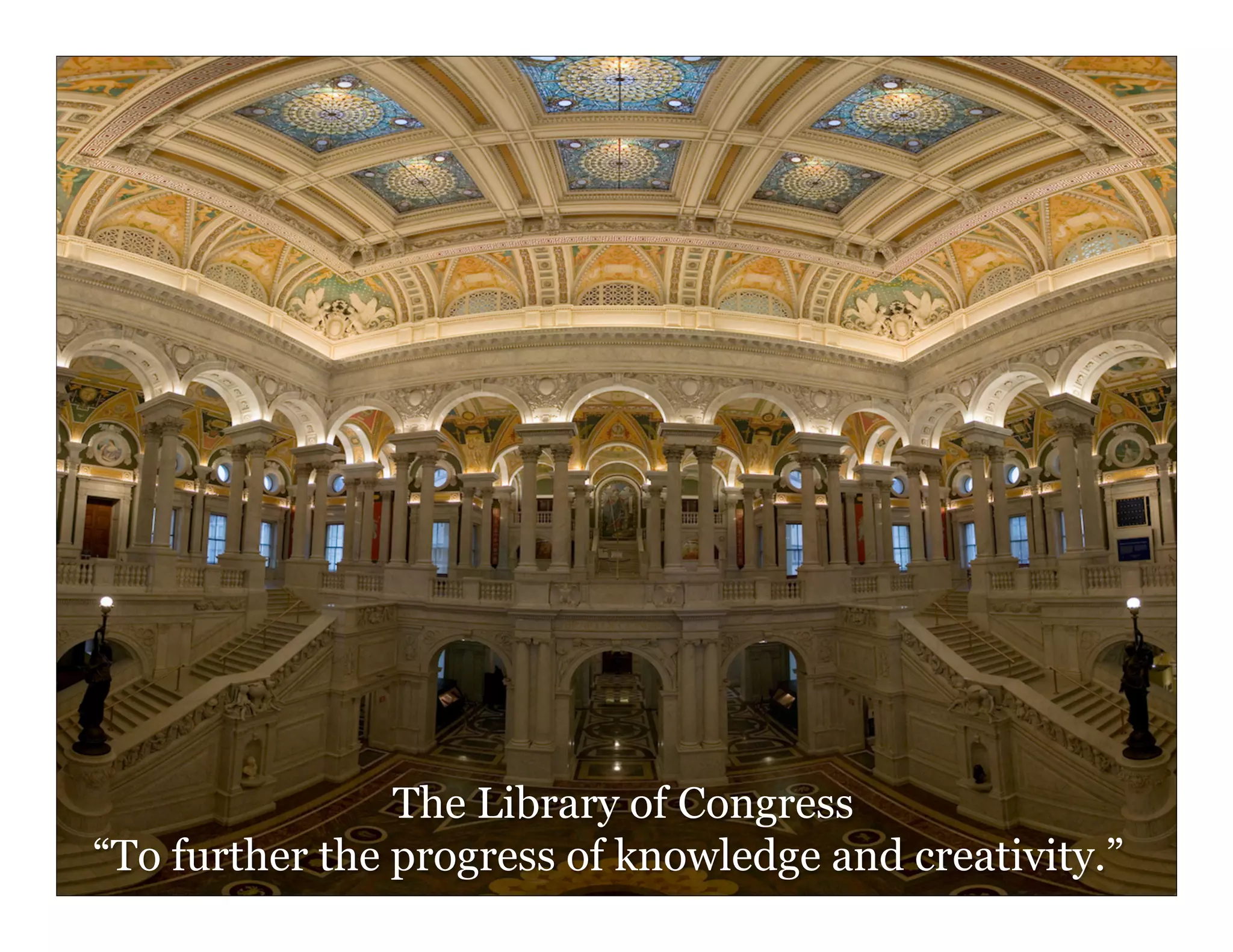
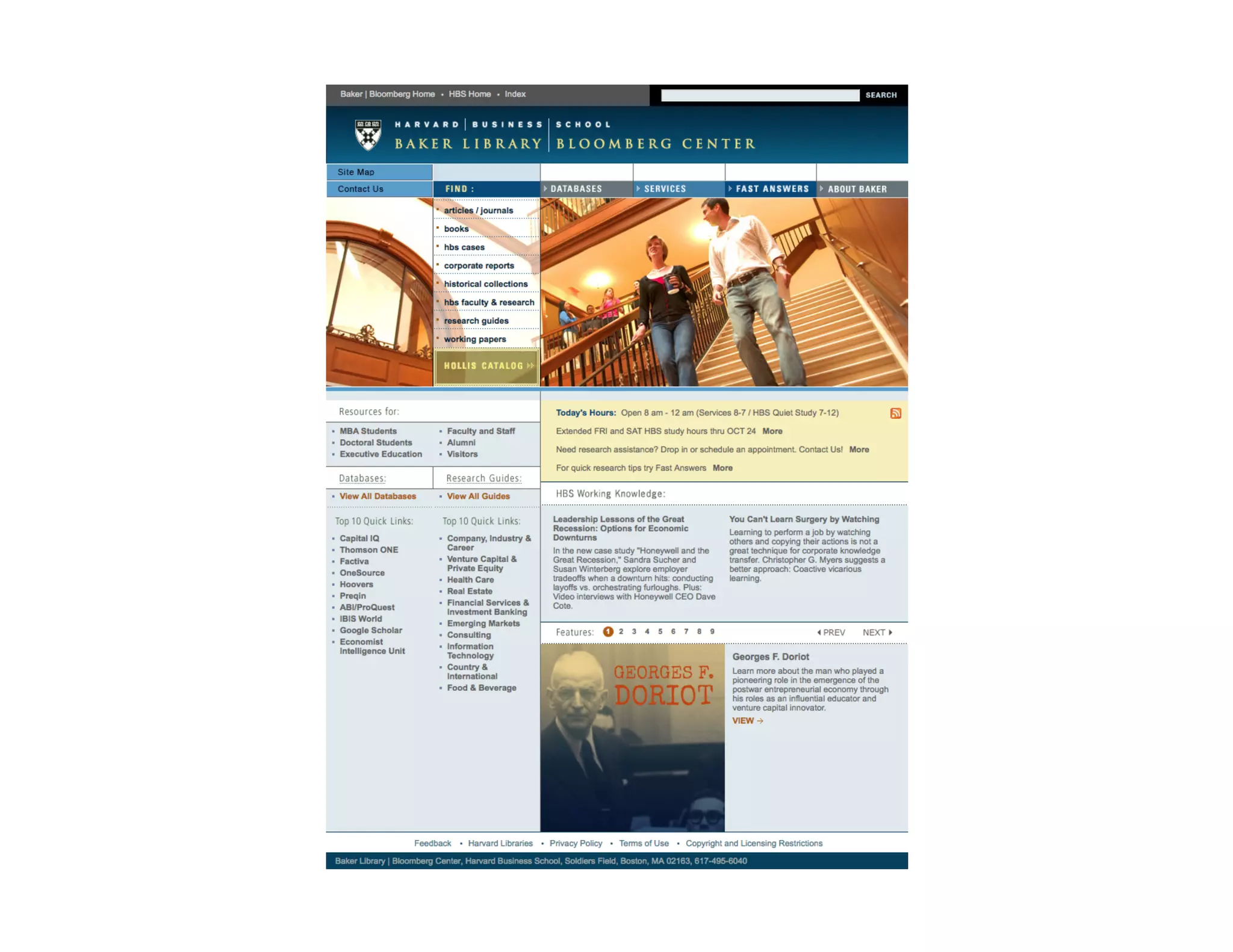
The Library of Congress
β€œTo further the progress of knowledge and creativity.”
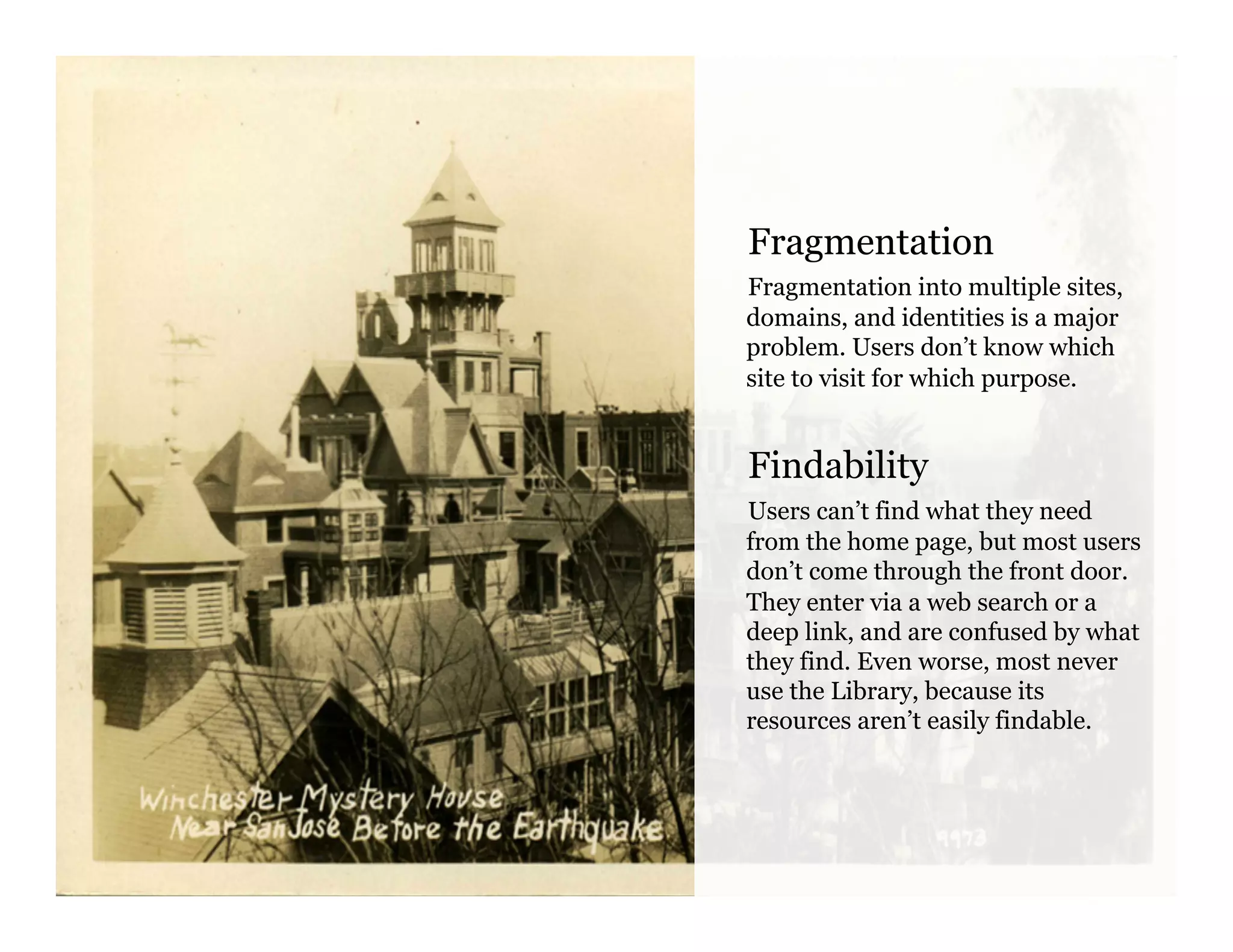
Fragmentation
Fragmentation into multiple sites,
domains, and identities is a major
problem. Users don’t know which
site to visit for which purpose.
Findability
Users can’t find what they need
from the home page, but most users
don’t come through the front door.
They enter via a web search or a
deep link, and are confused by what
they find. Even worse, most never
use the Library, because its
resources aren’t easily findable.
8	
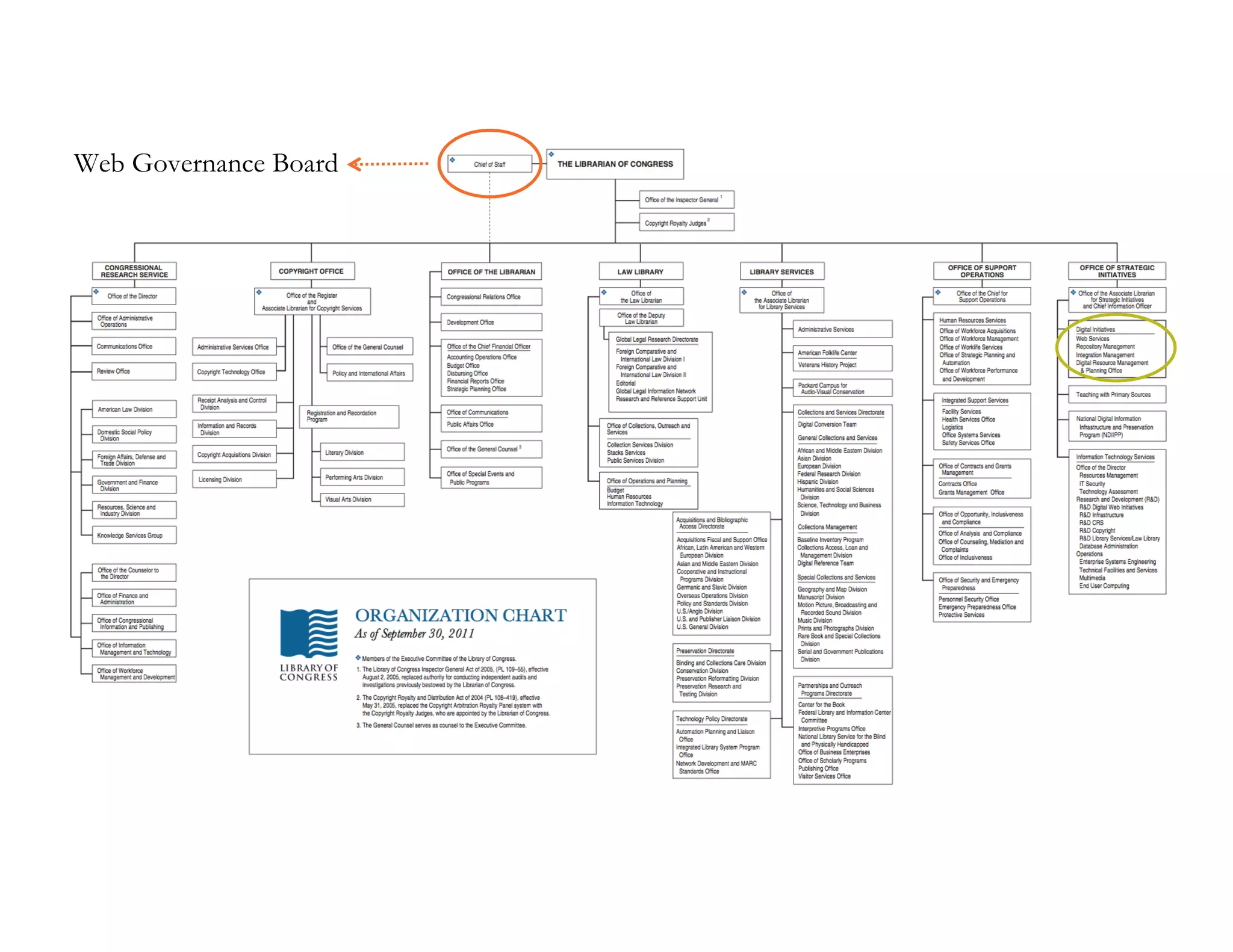
Web Governance Board
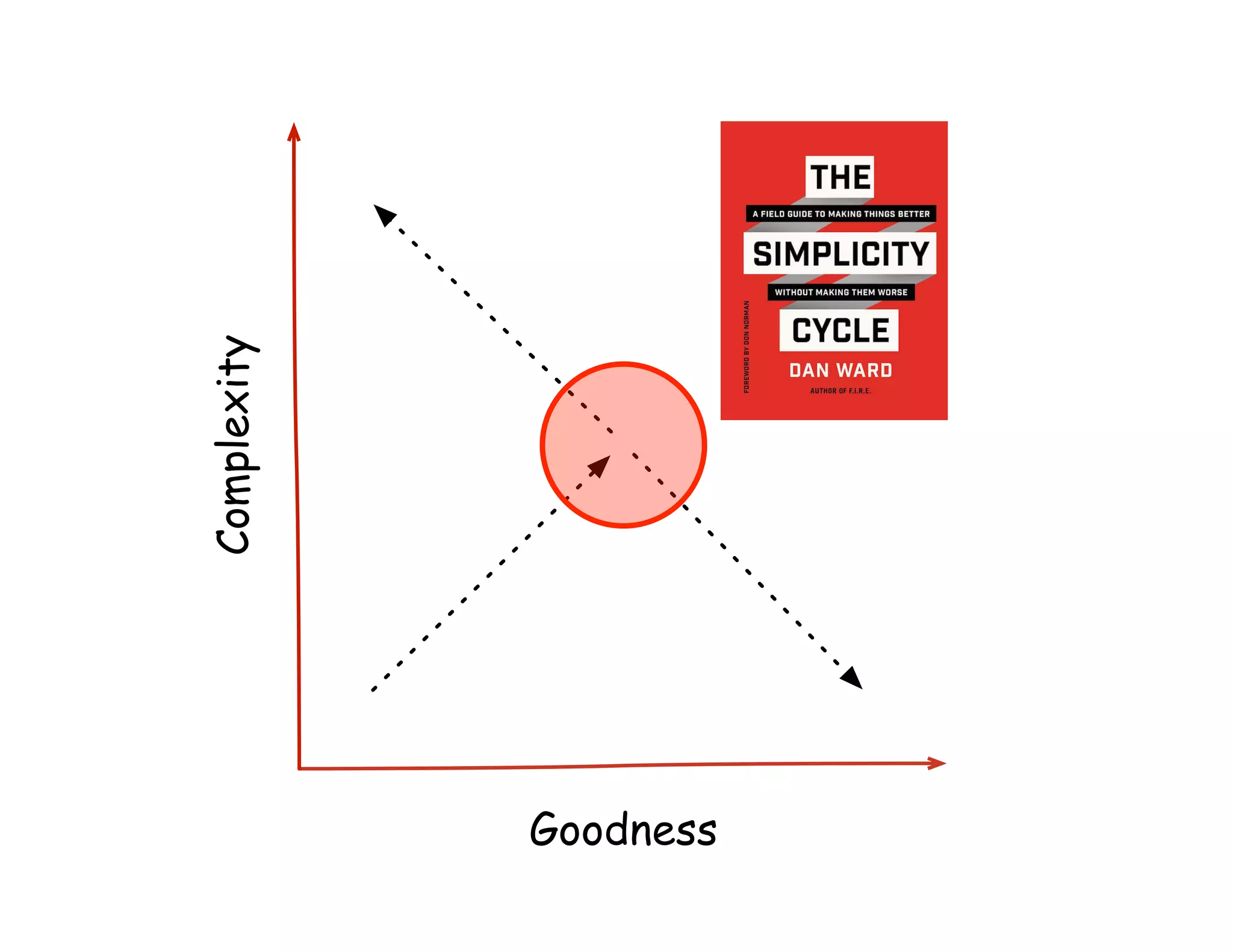
Goodness
Complexity
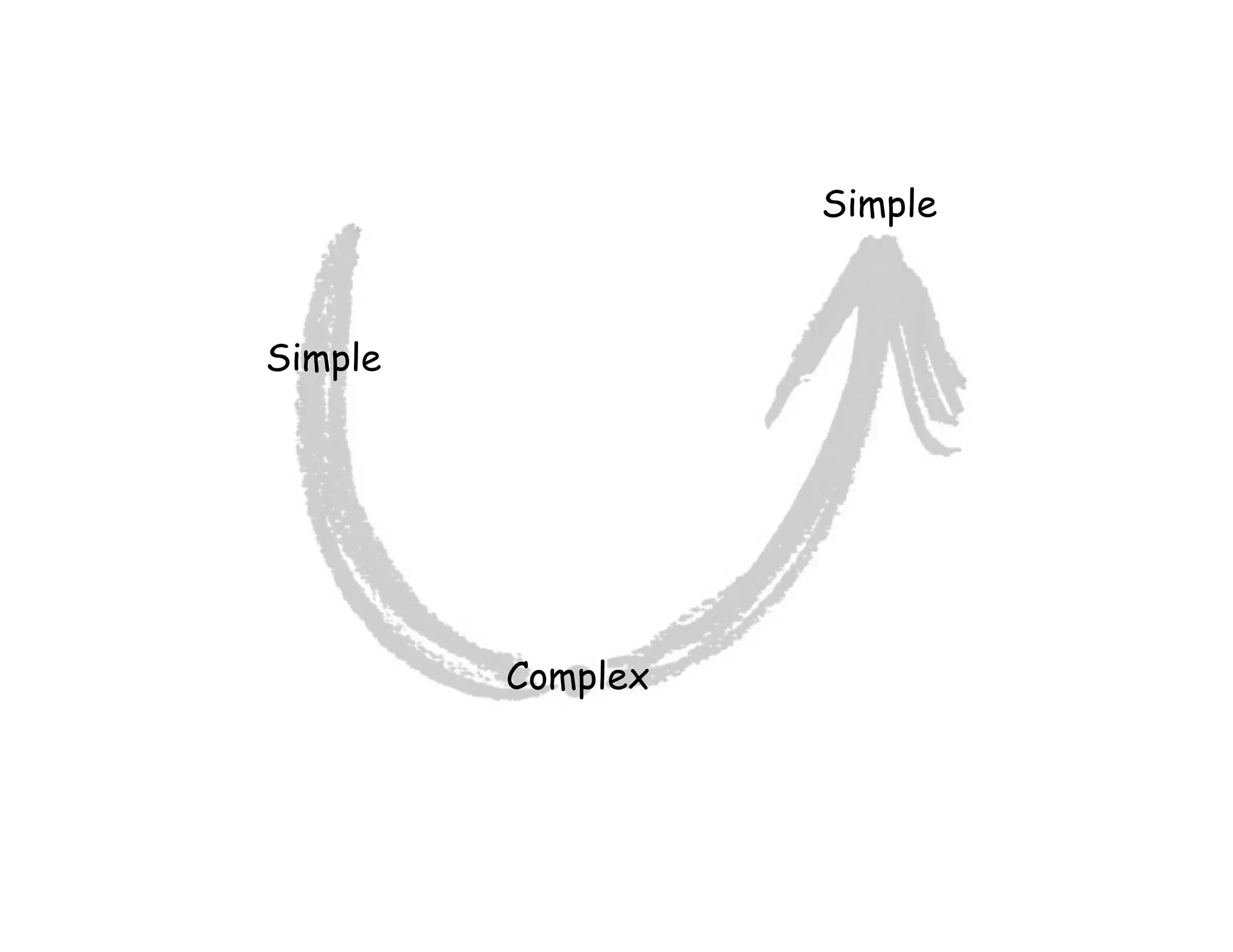
Simple
Complex
Simple
Nature
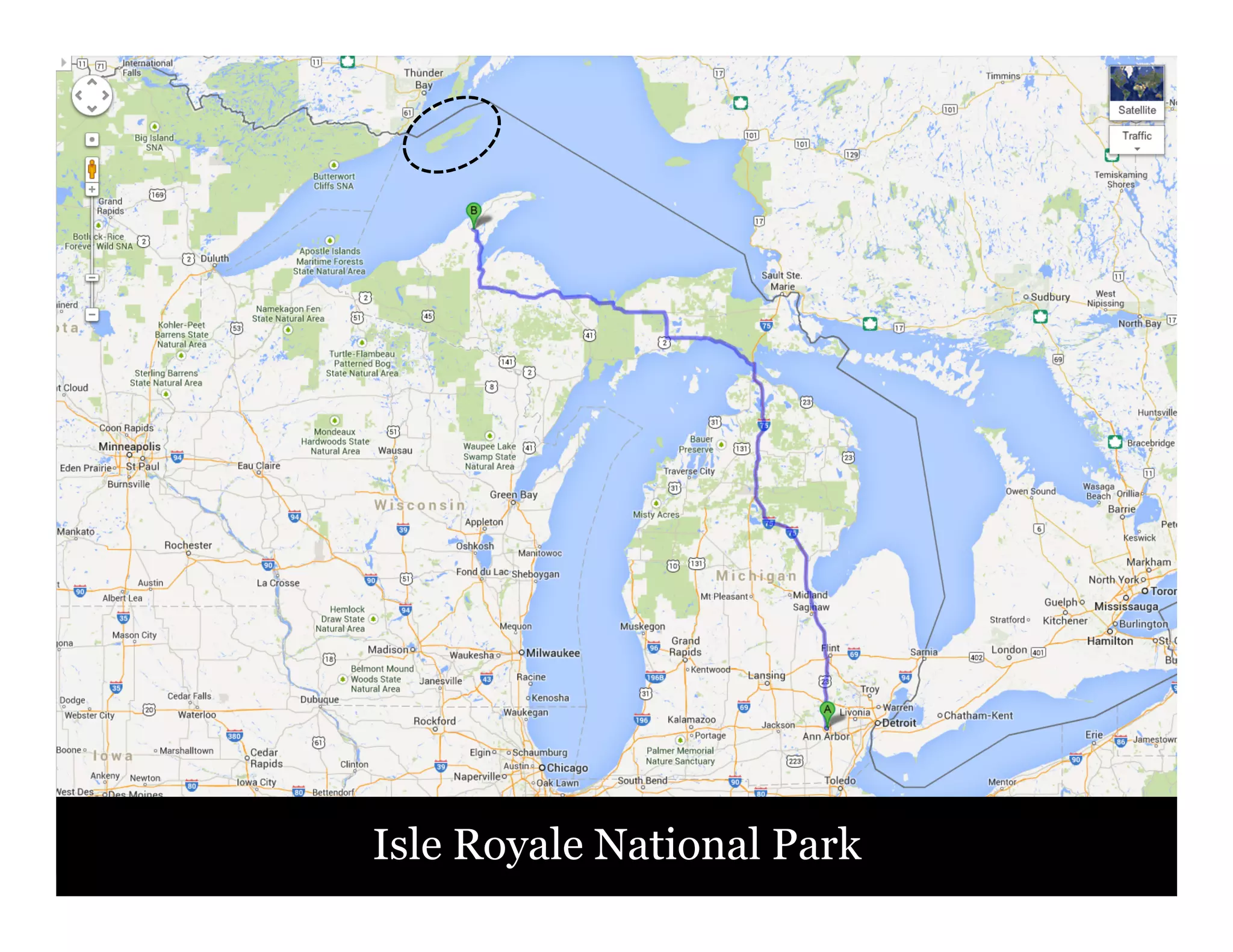
Isle Royale National Park
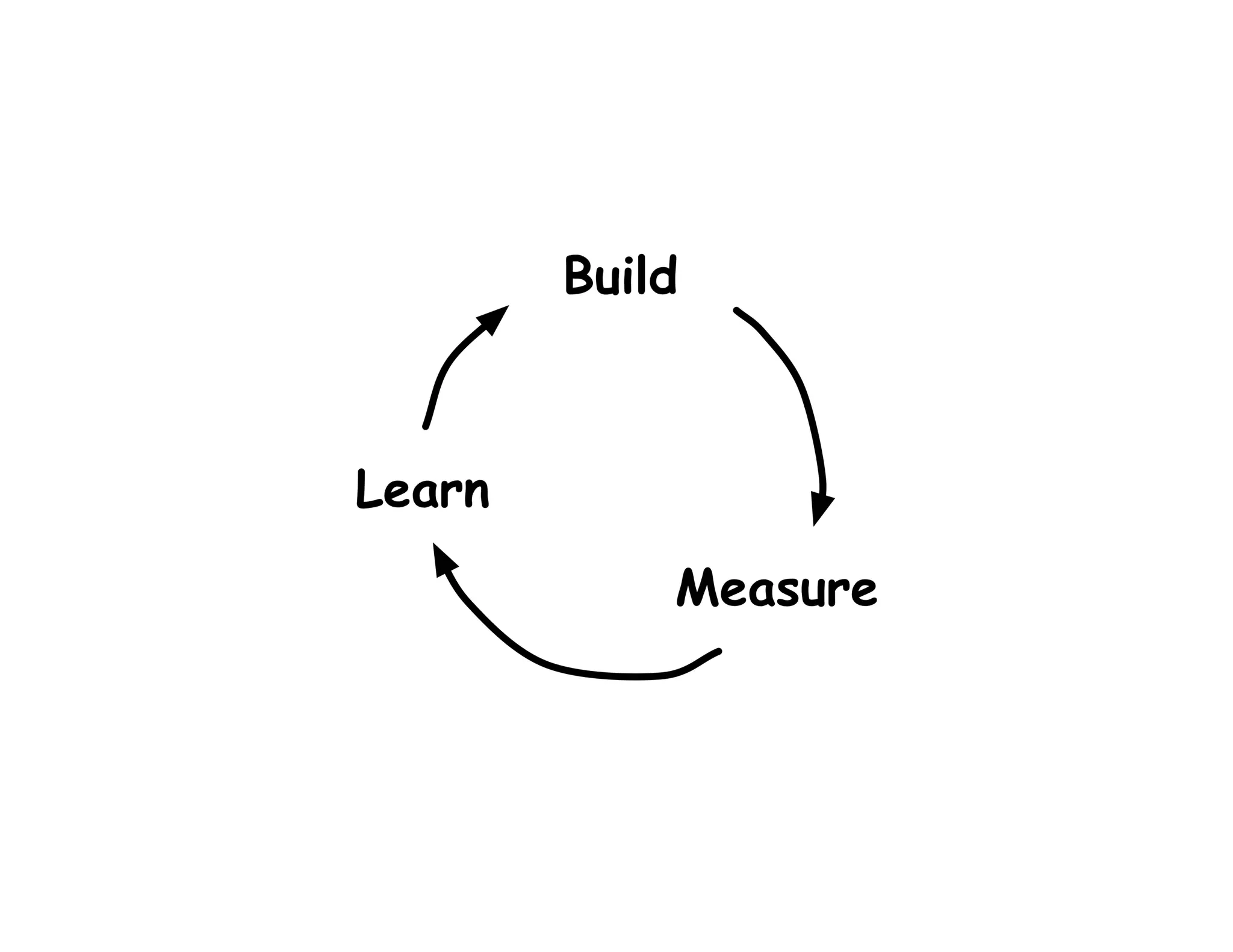
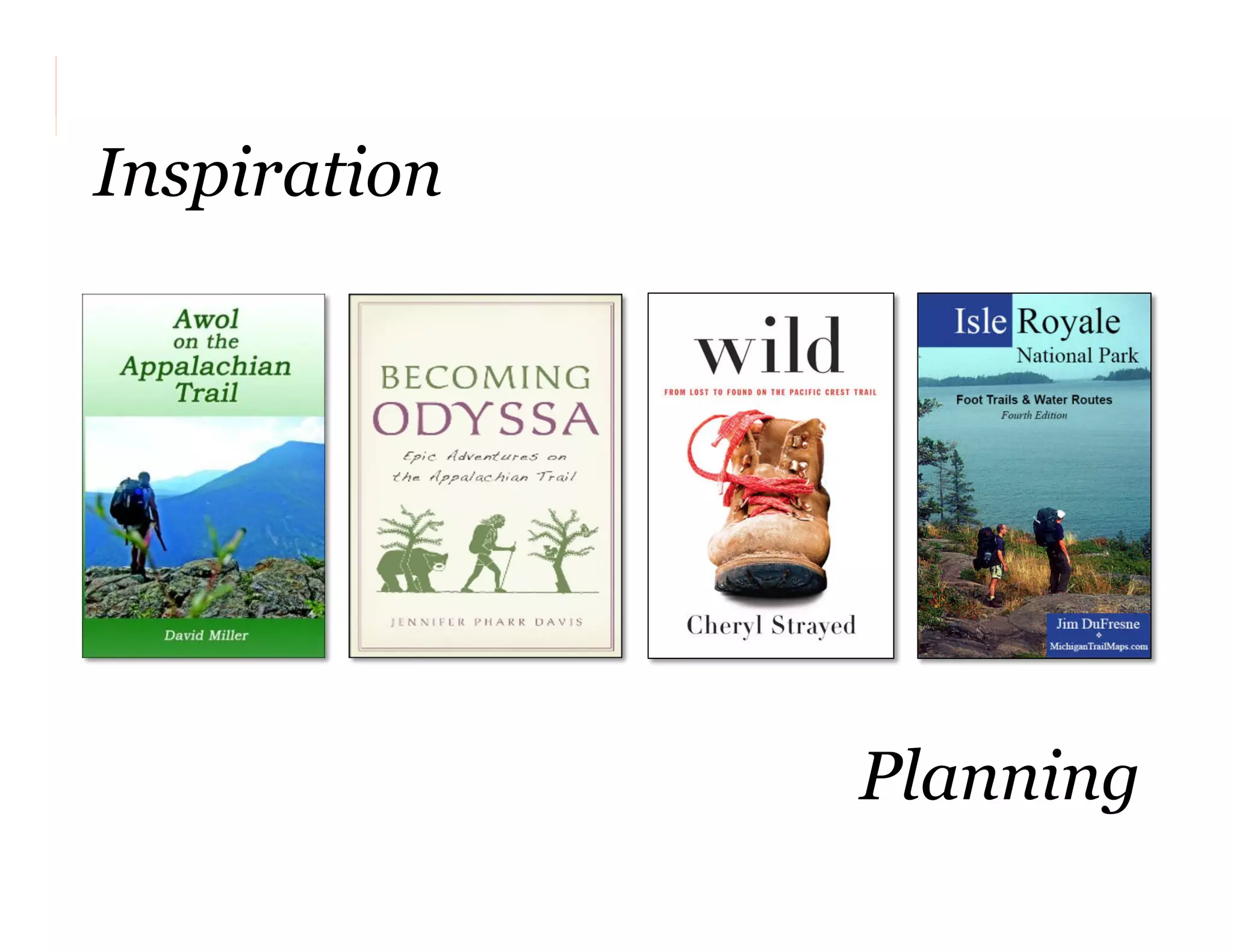
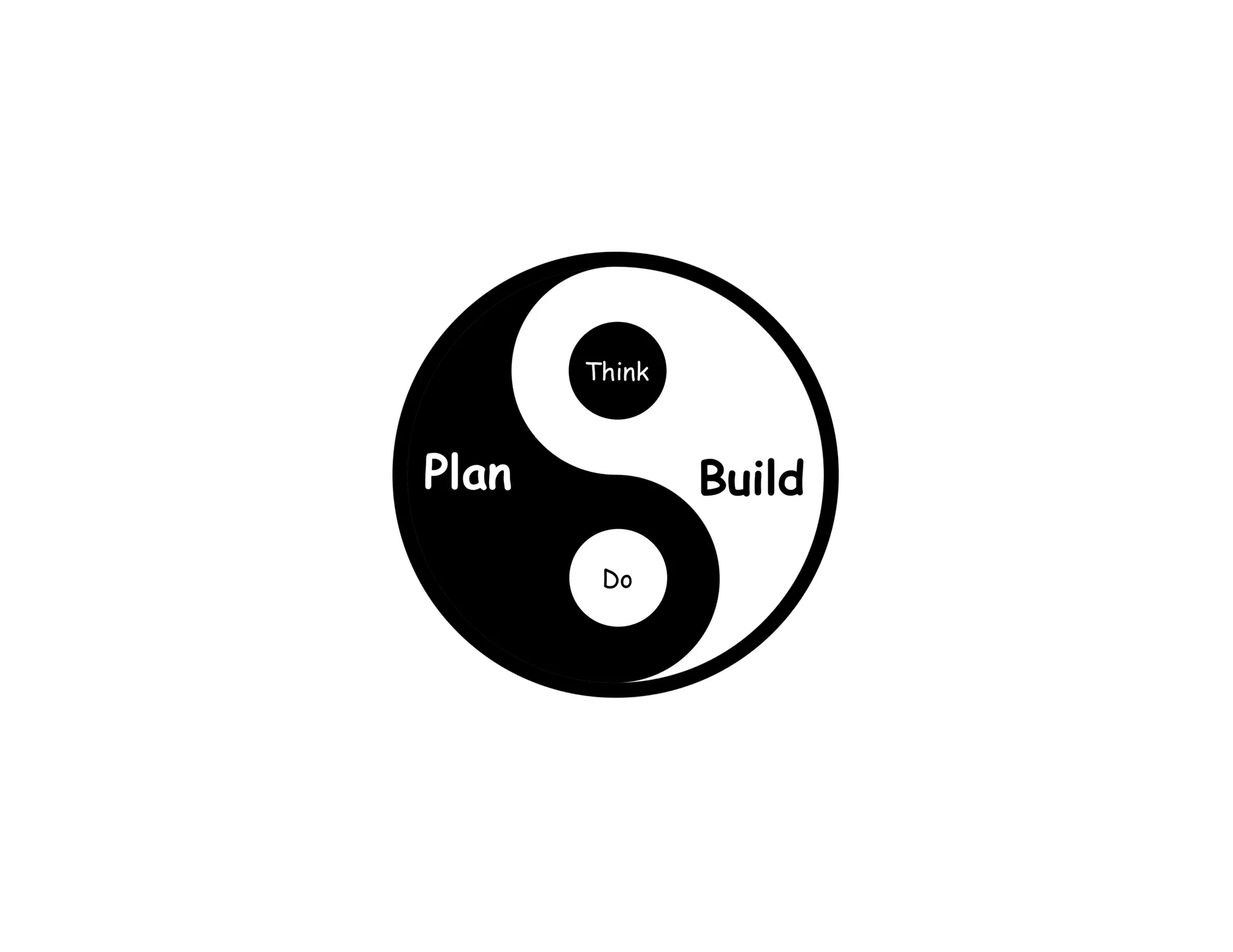
Planning
Inspiration
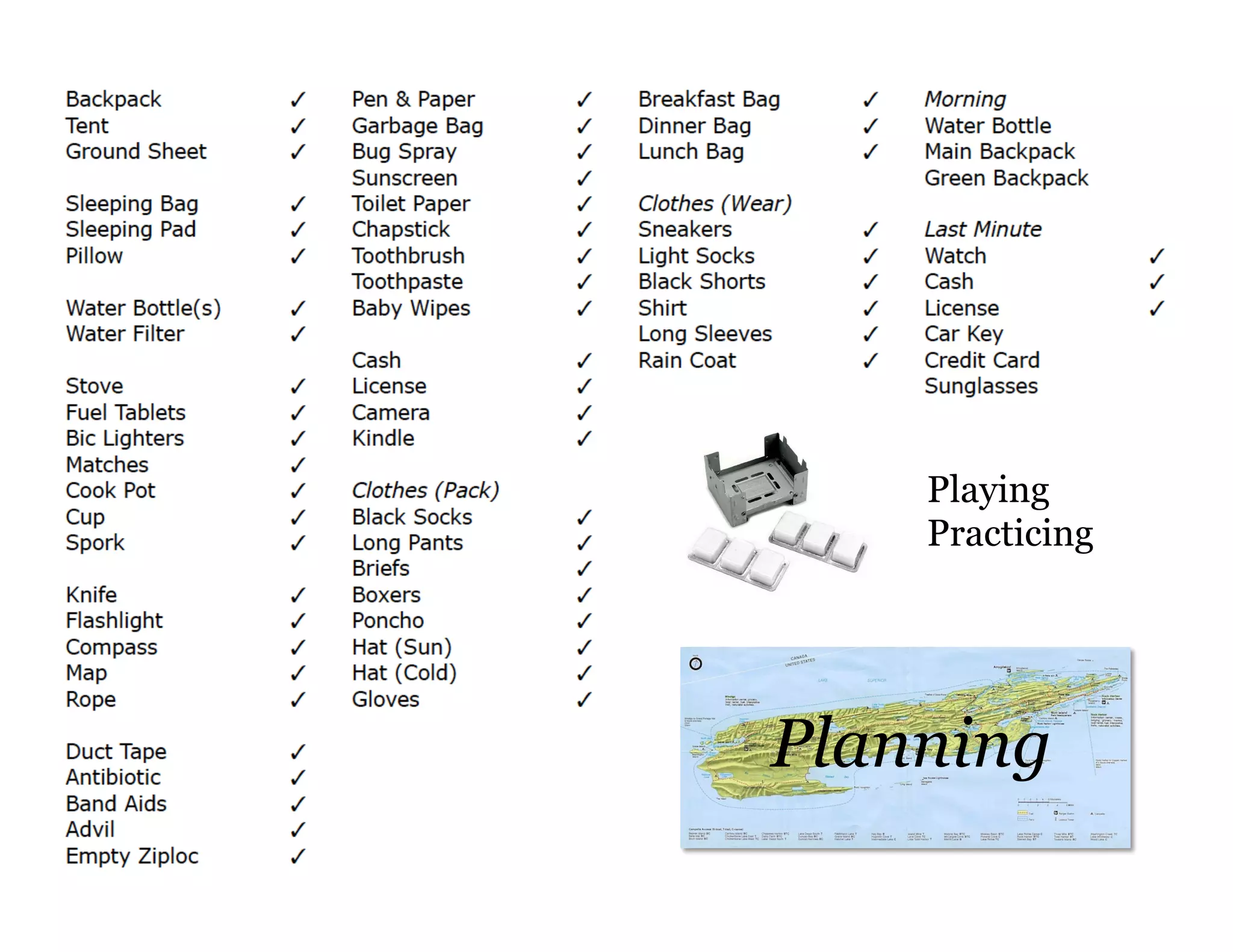
Planning
Playing
Practicing
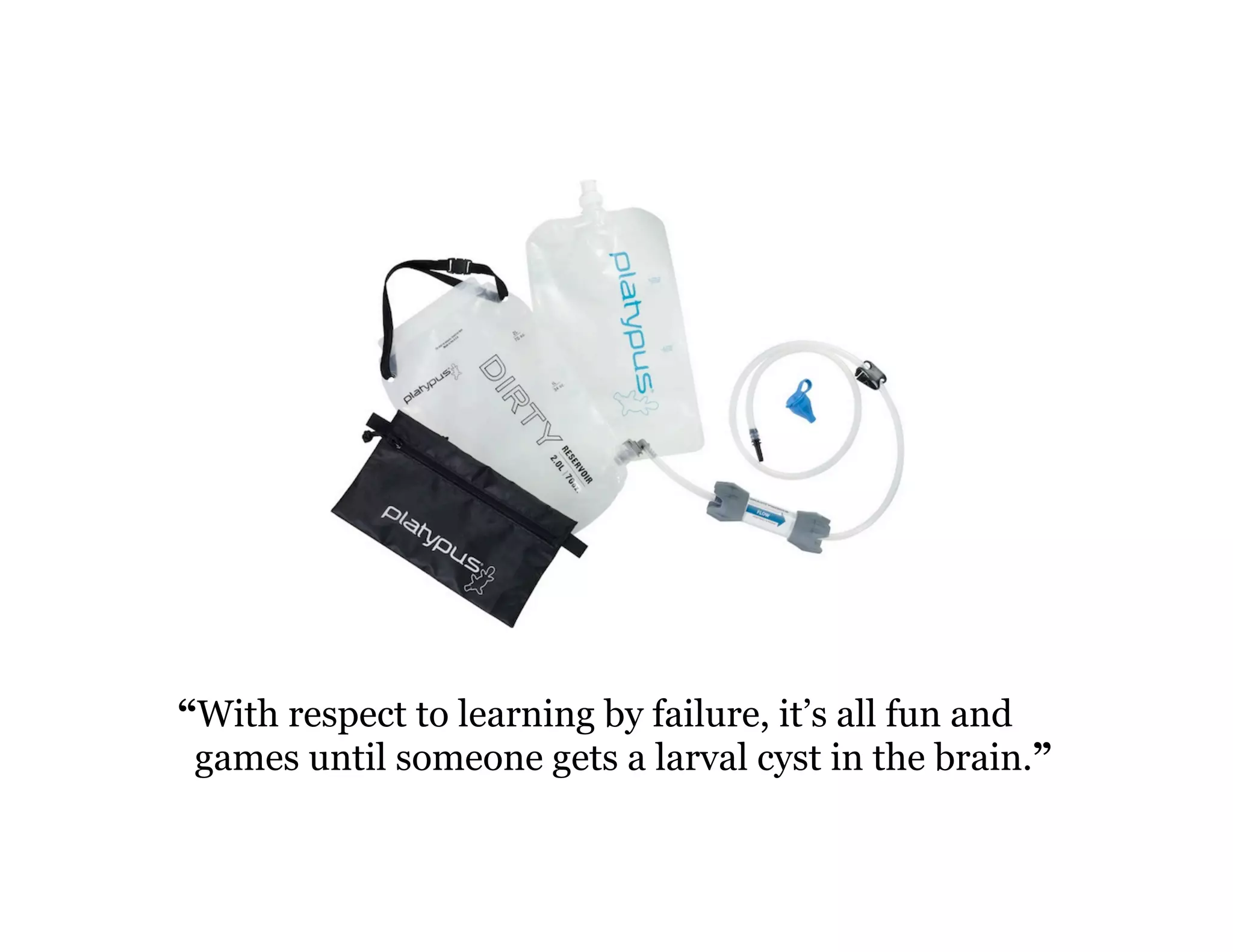
β€œWith respect to learning by failure, it’s all fun and
games until someone gets a larval cyst in the brain.”
β€œThere is a problem in discussing
systems only with words. Words and
sentences must, by necessity, come only
one at a time in linear, logical order.
Systems happen all at once. They are
connected not just in one direction, but
in many directions simultaneously.”
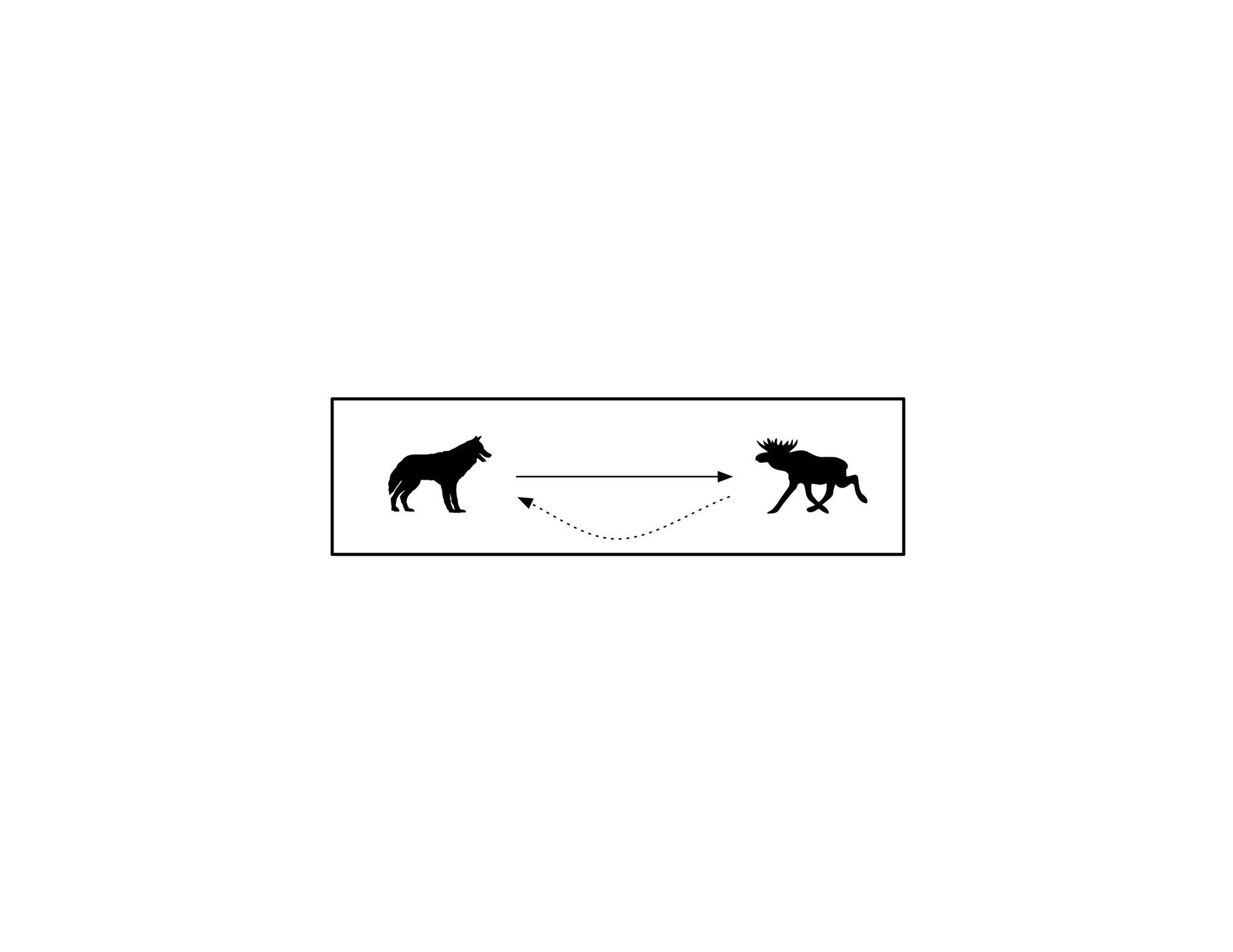
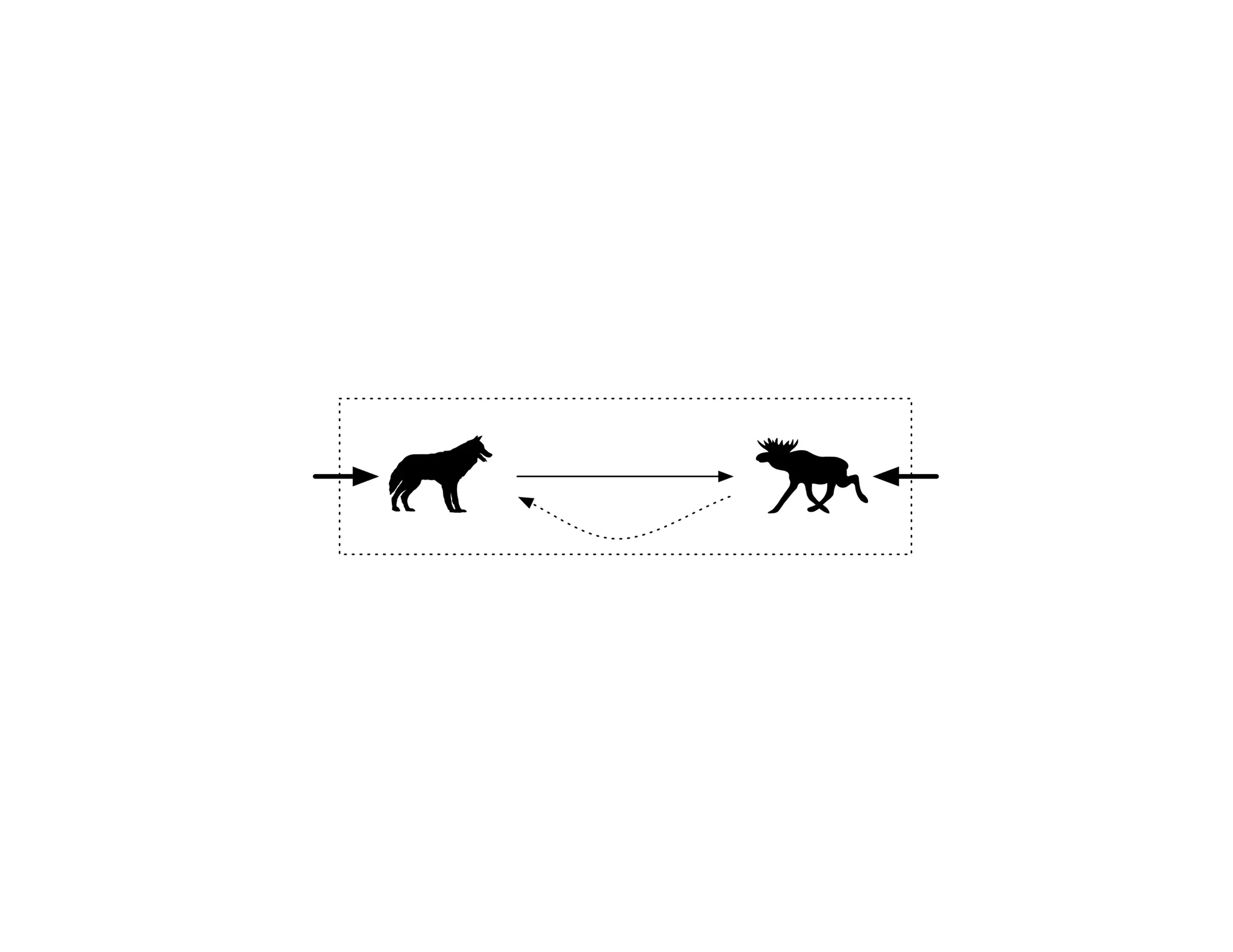
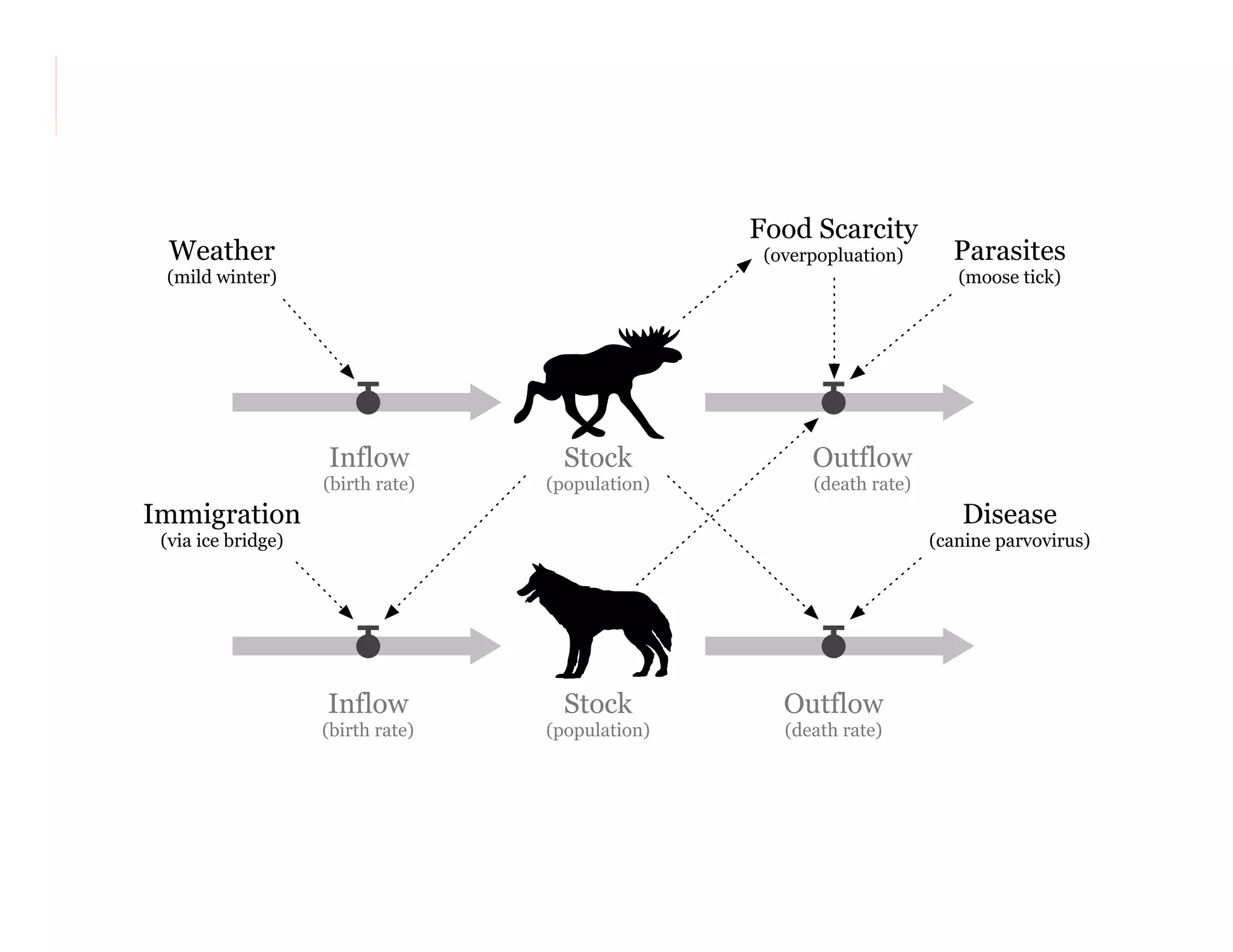
Food Scarcity
(overpopluation)
T T
Inflow
(birth rate)
Outflow
(death rate)
Stock
(population)
T T
Disease
(canine parvovirus)
Immigration
(via ice bridge)
Parasites
(moose tick)
Weather
(mild winter)
Inflow
(birth rate)
Outflow
(death rate)
Stock
(population)
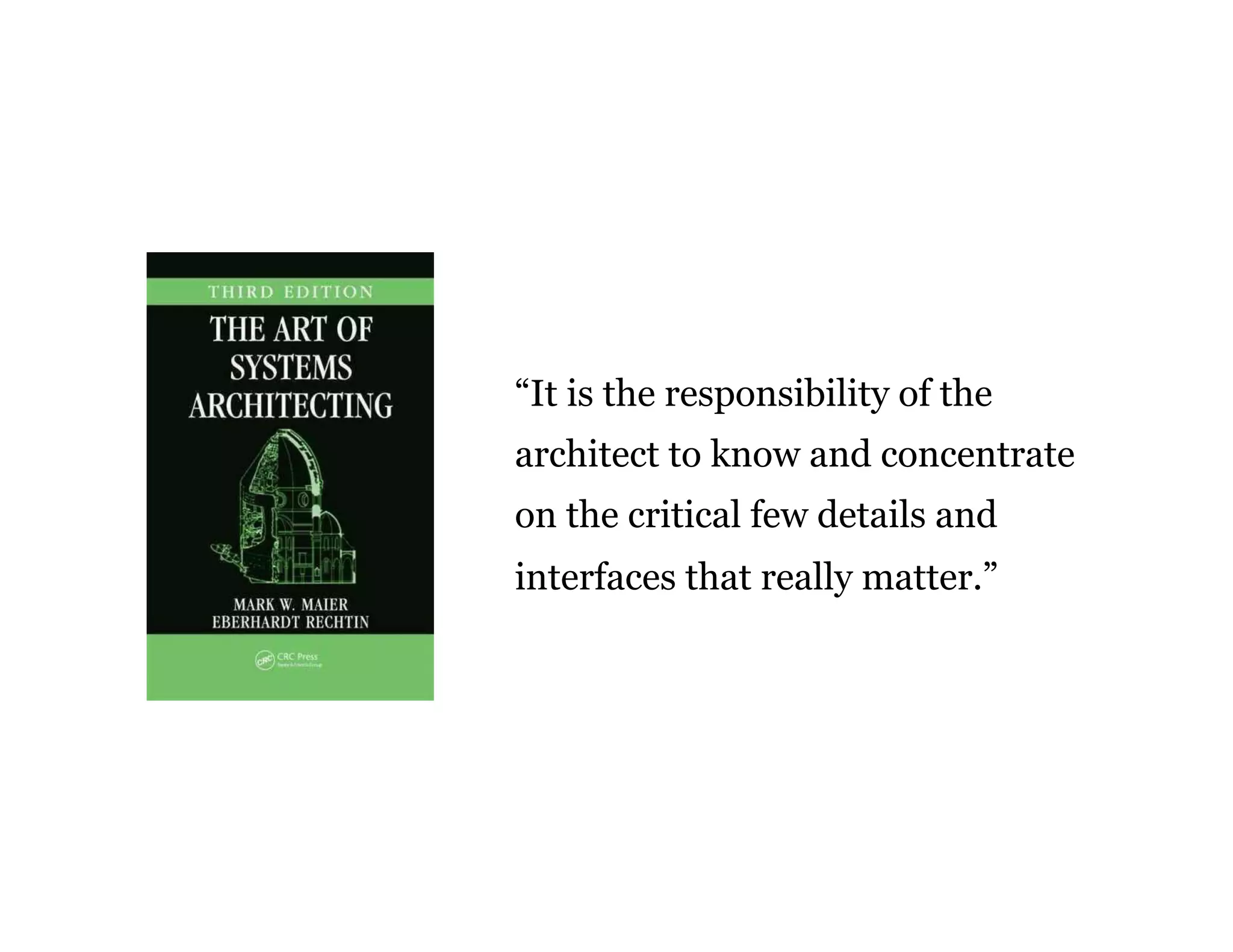
β€œIt is the responsibility of the
architect to know and concentrate
on the critical few details and
interfaces that really matter.”
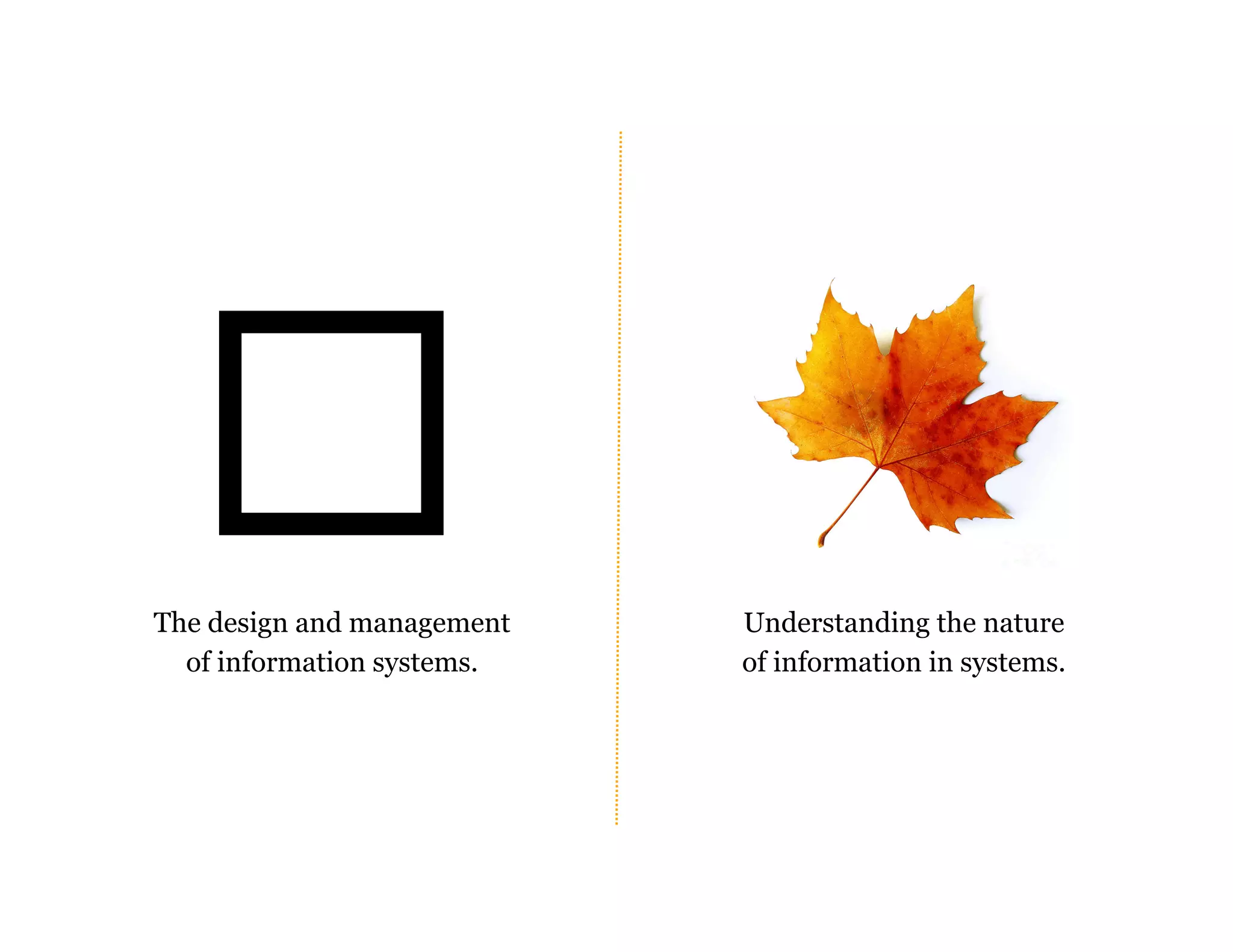
The design and management
of information systems.
Understanding the nature
of information in systems.
Categories
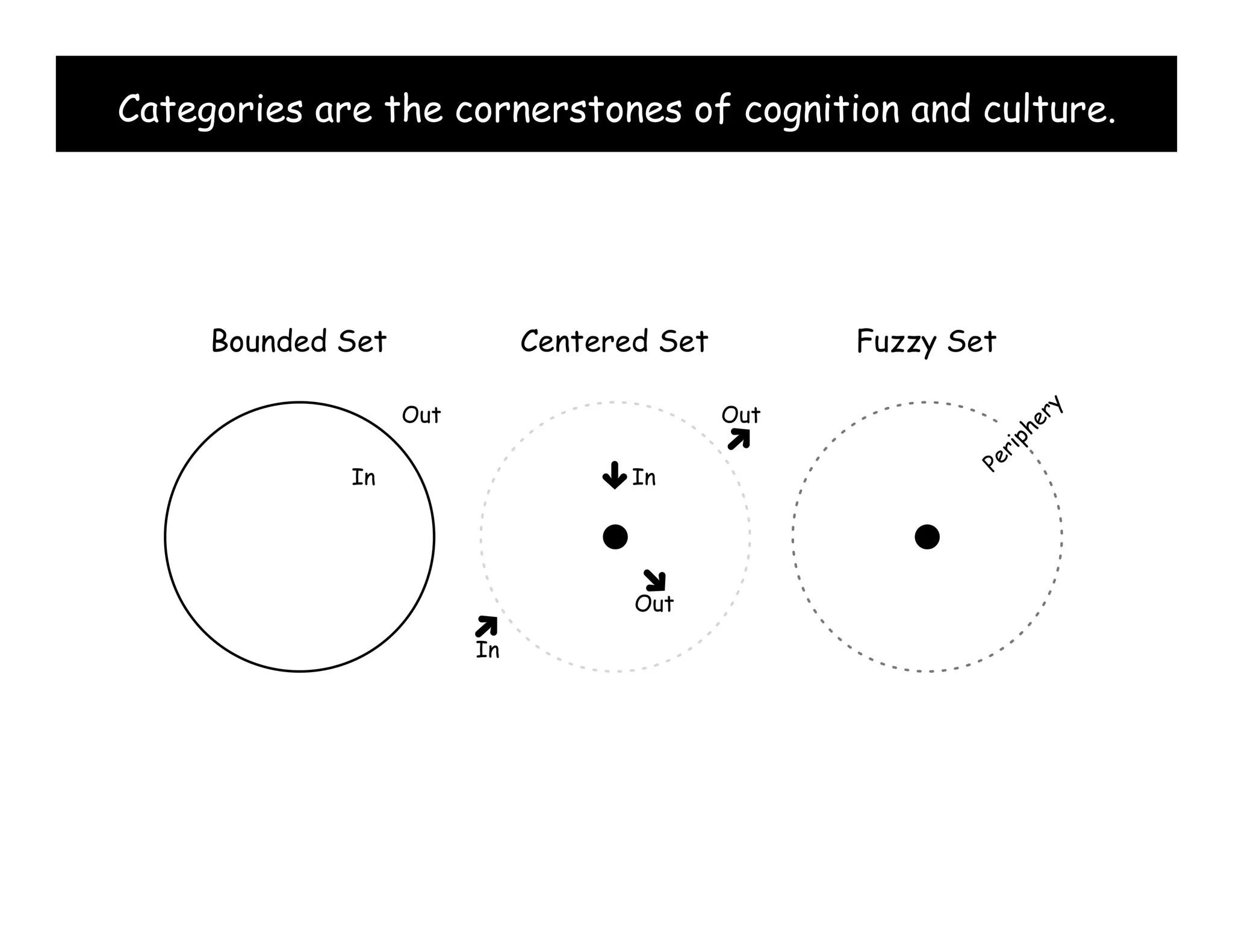
Categories are the cornerstones of cognition and culture.
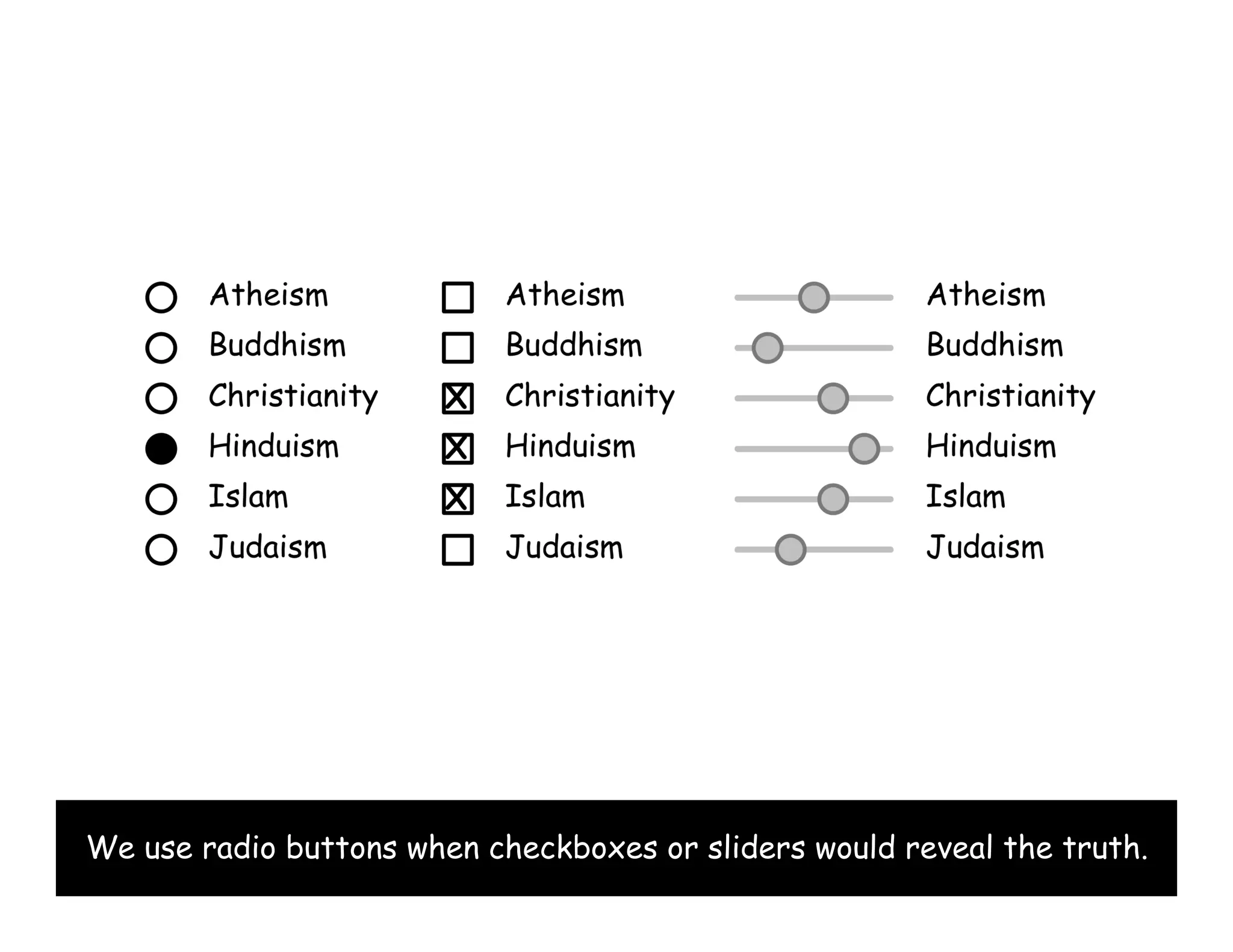
We use radio buttons when checkboxes or sliders would reveal the truth.
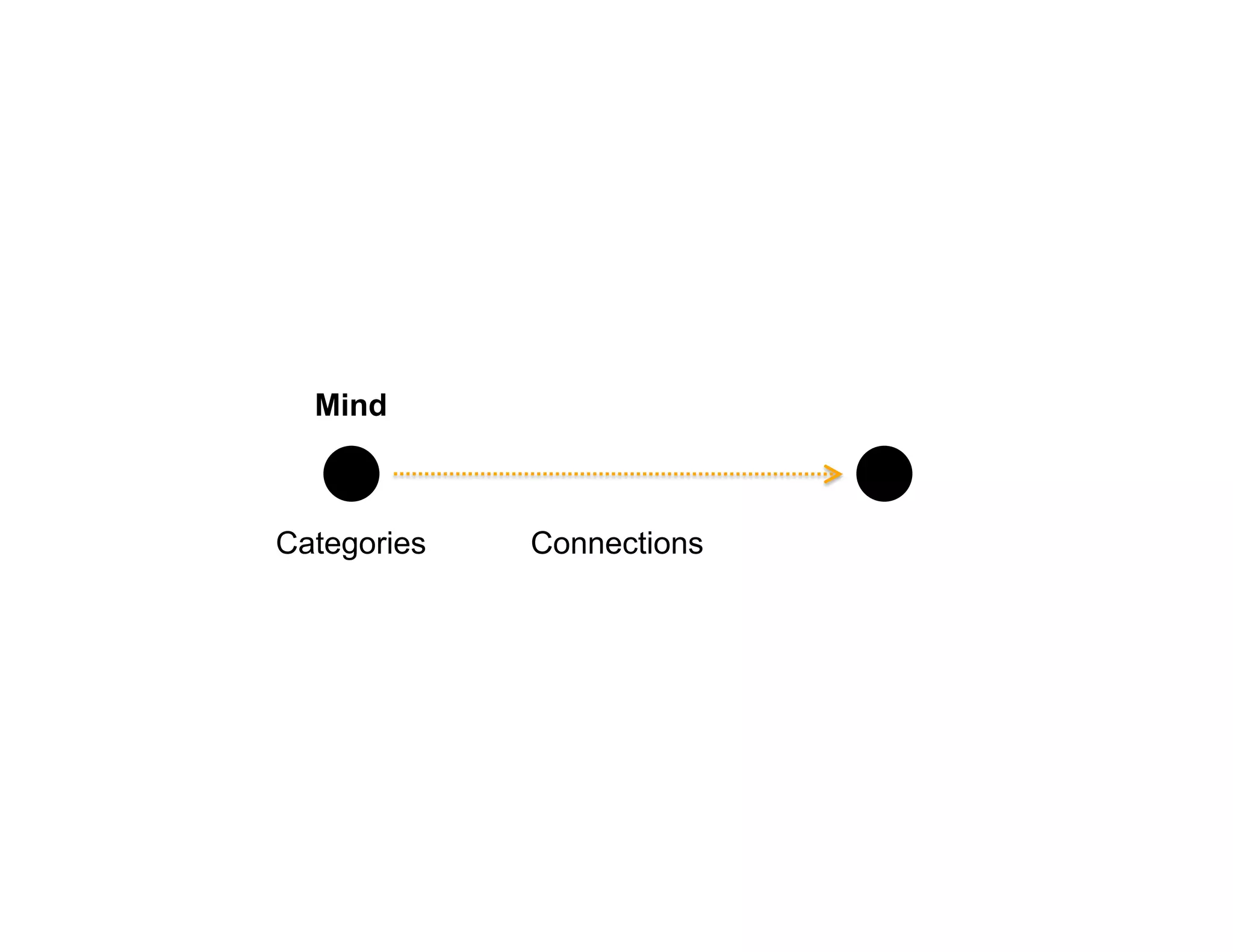
Connections
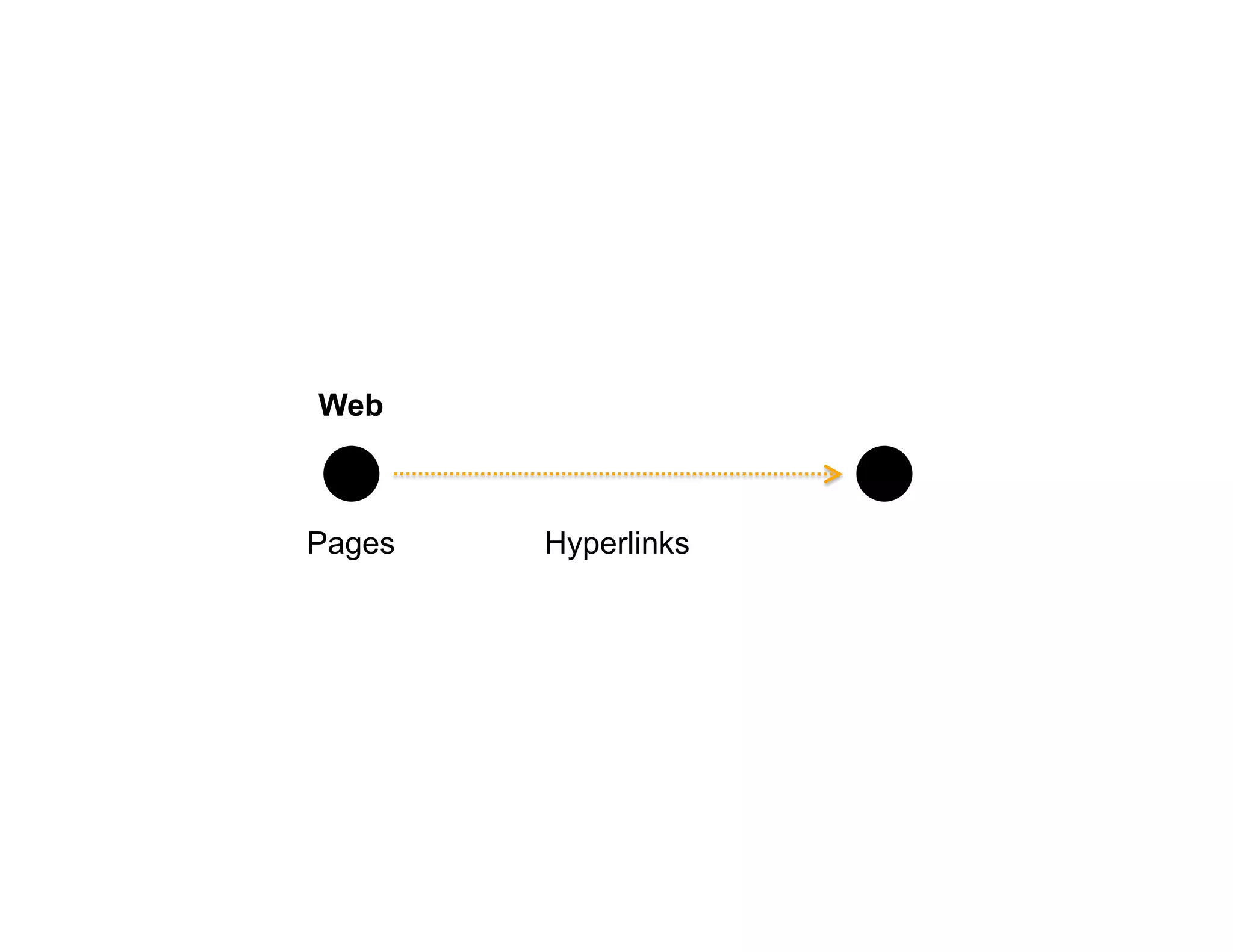
HyperlinksPages
Web
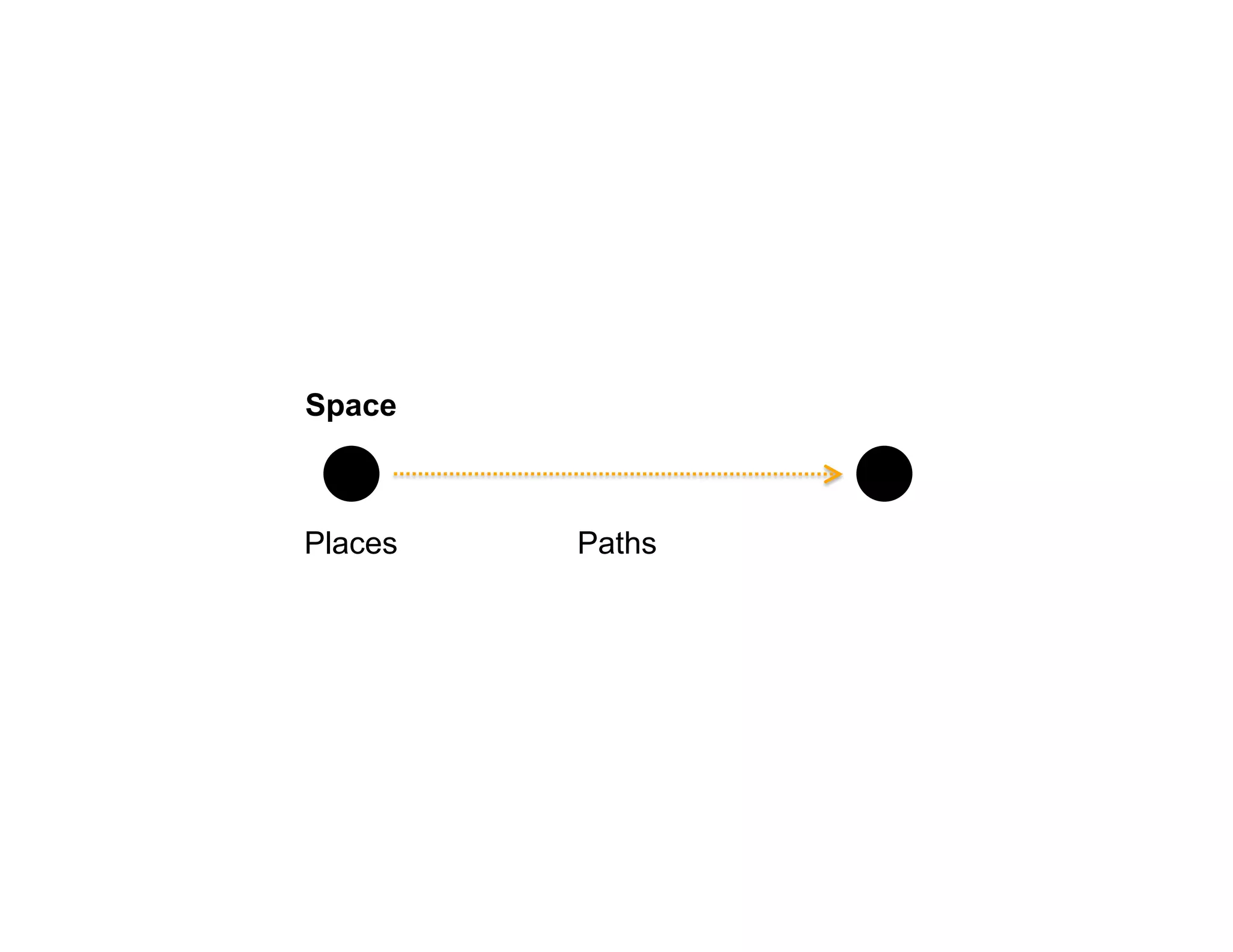
PathsPlaces
Space
ConnectionsCategories
Mind
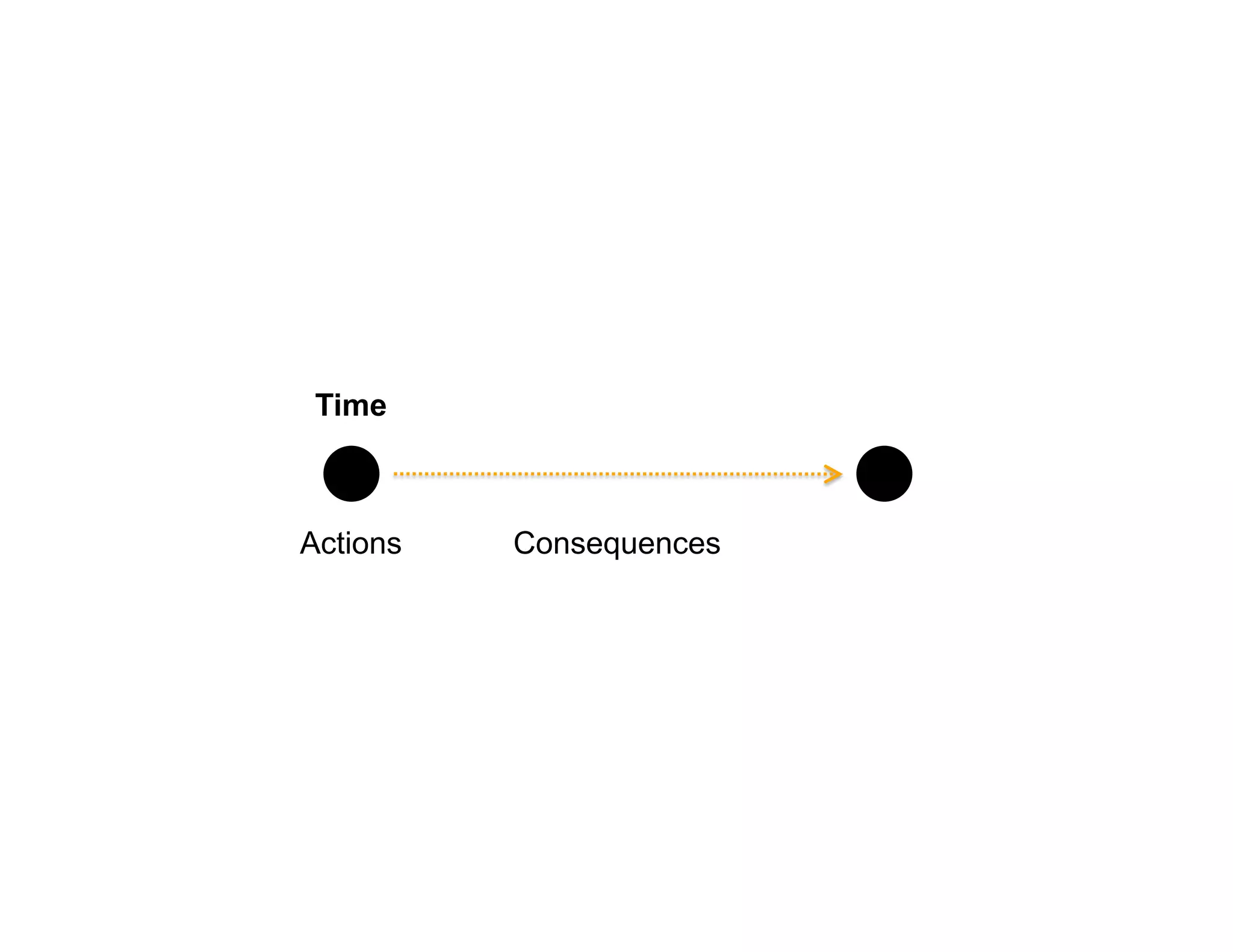
ConsequencesActions
Time
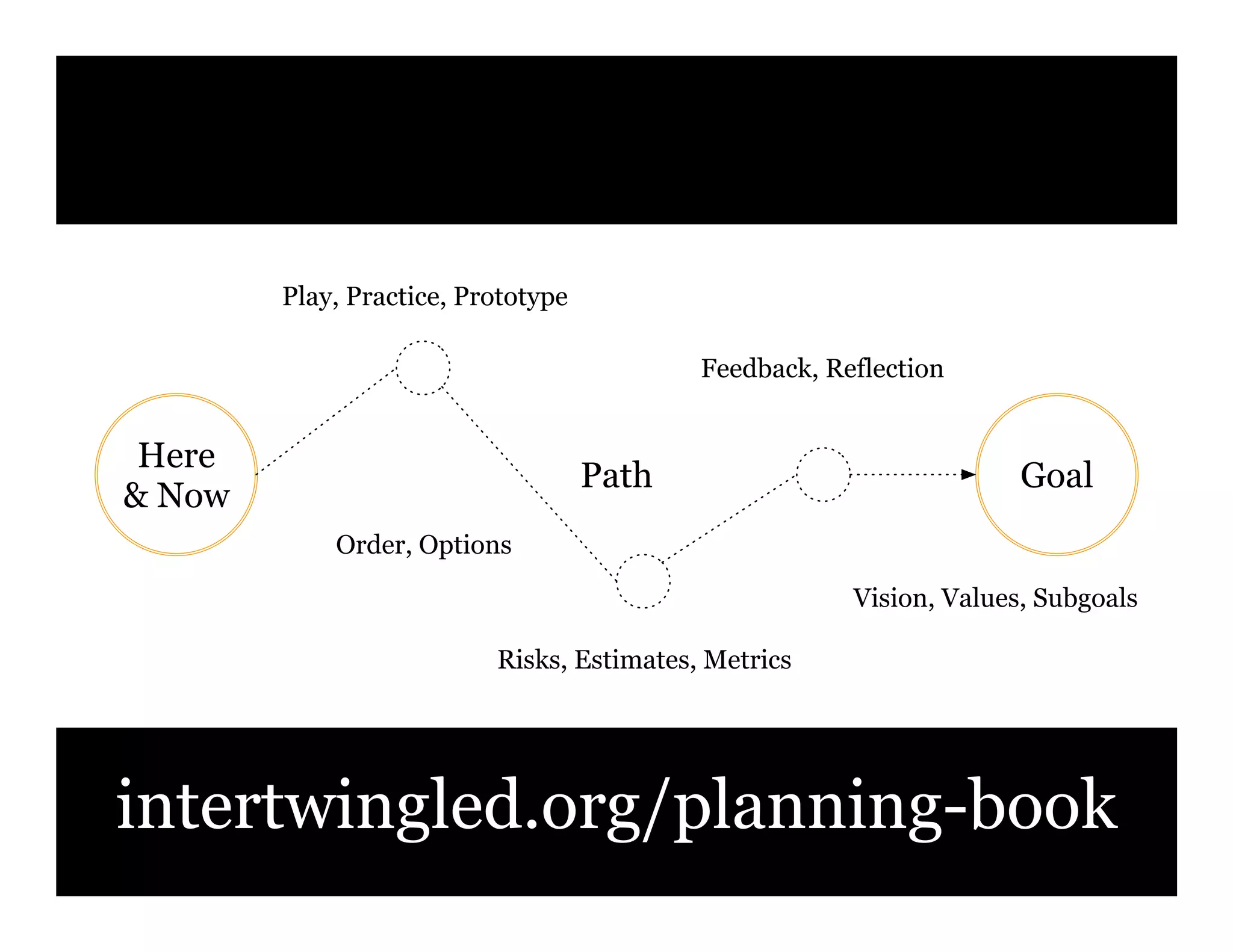
intertwingled.org/planning-book
GoalPath
Here
& Now
Risks, Estimates, Metrics
Play, Practice, Prototype
Feedback, Reflection
Order, Options
Vision, Values, Subgoals
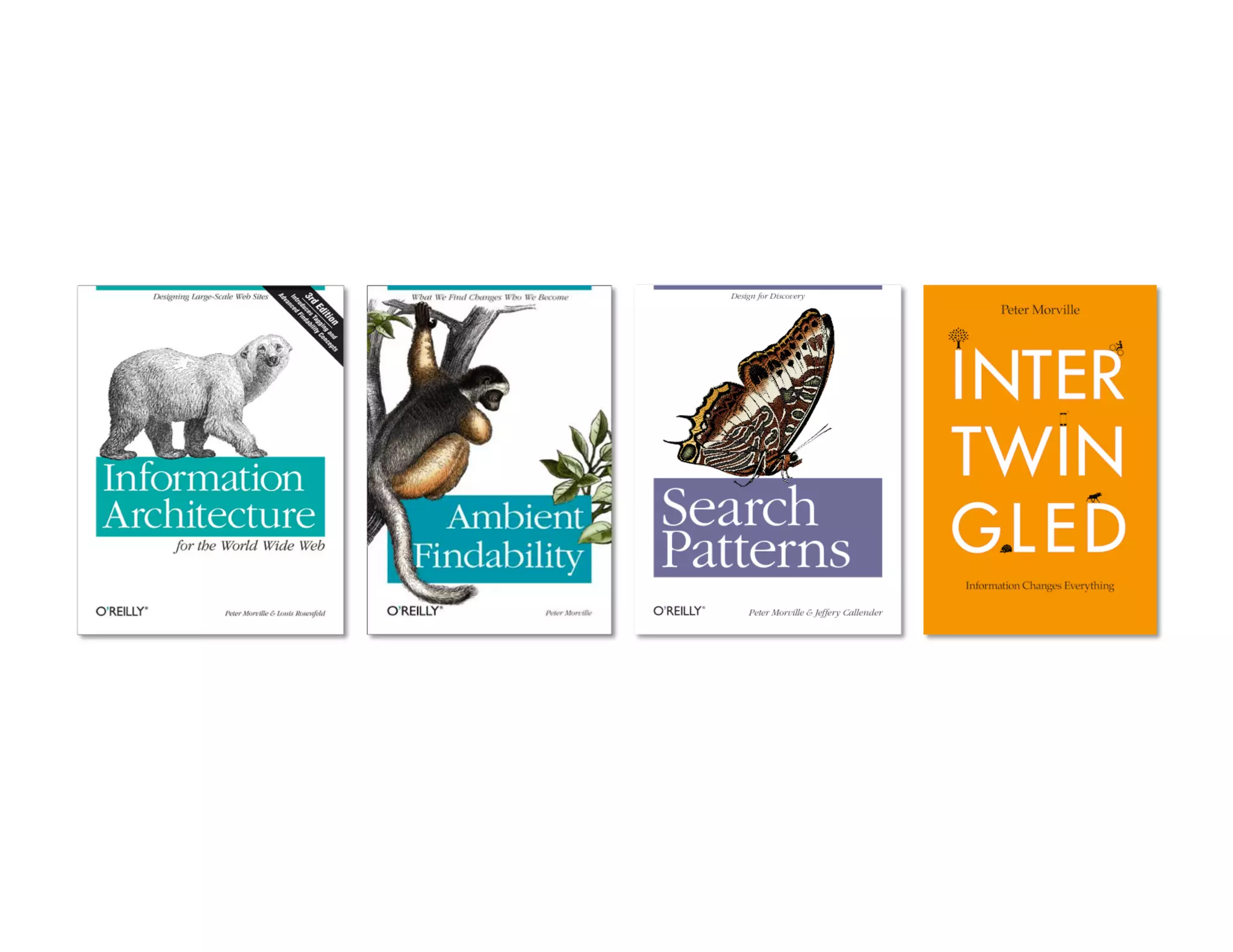
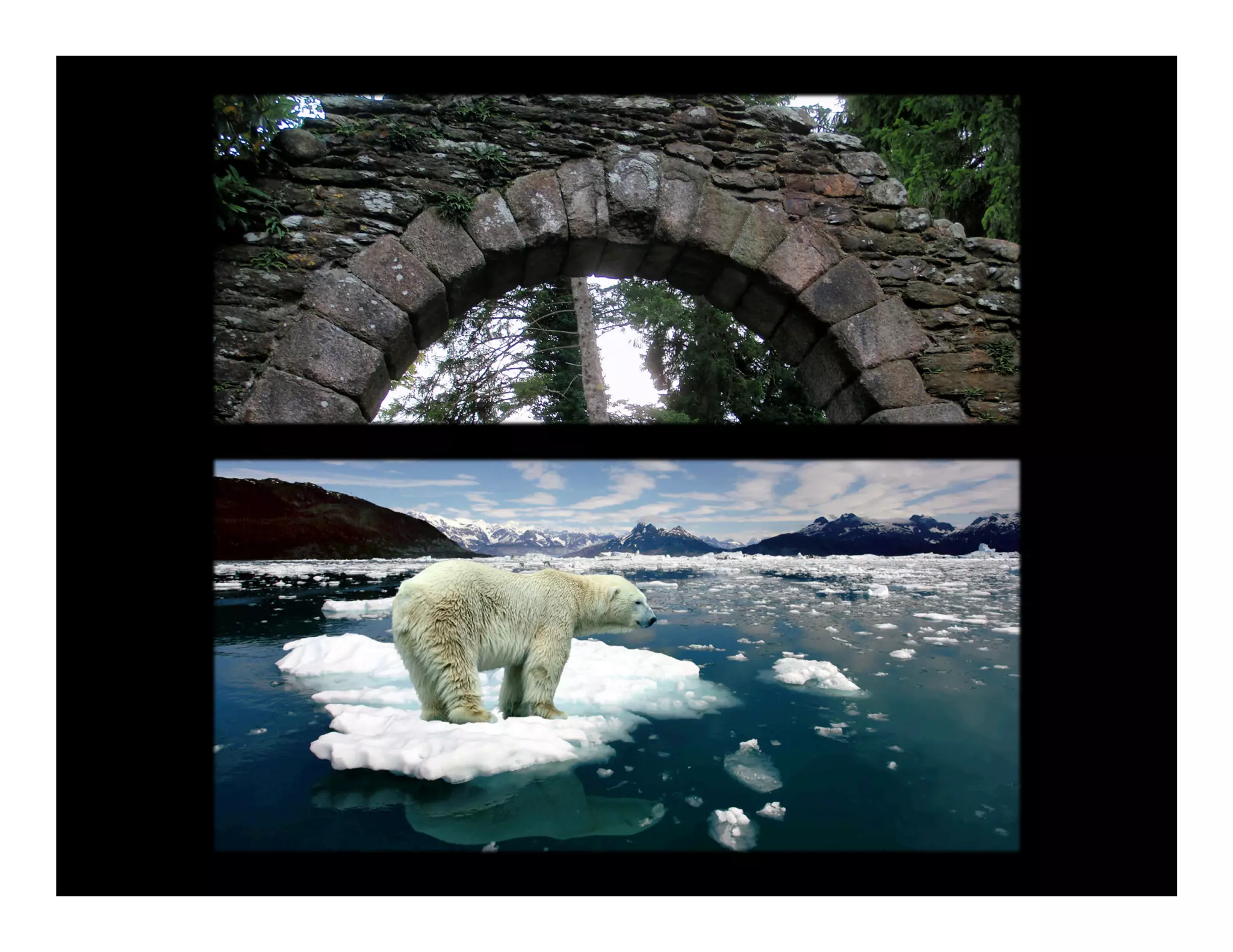
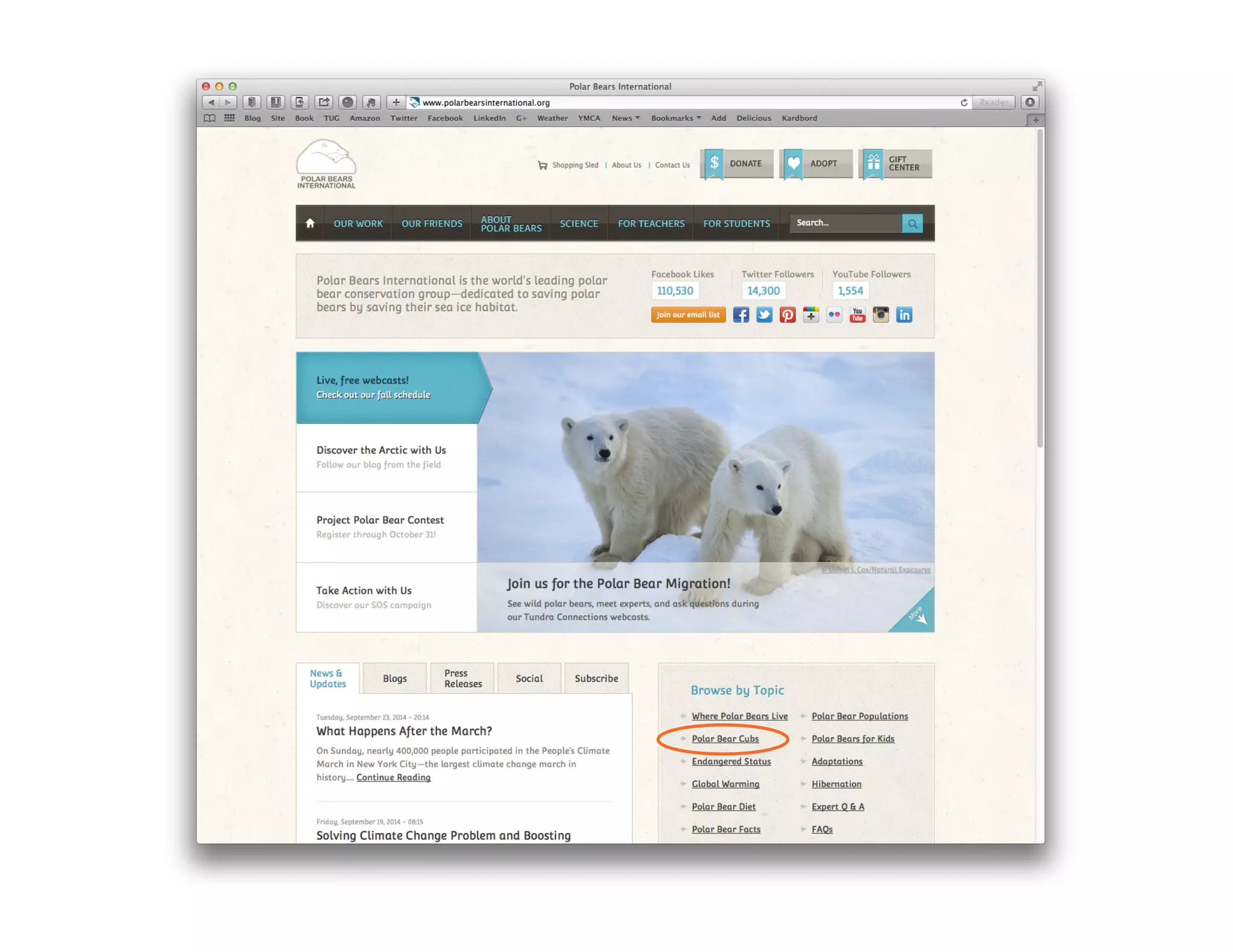
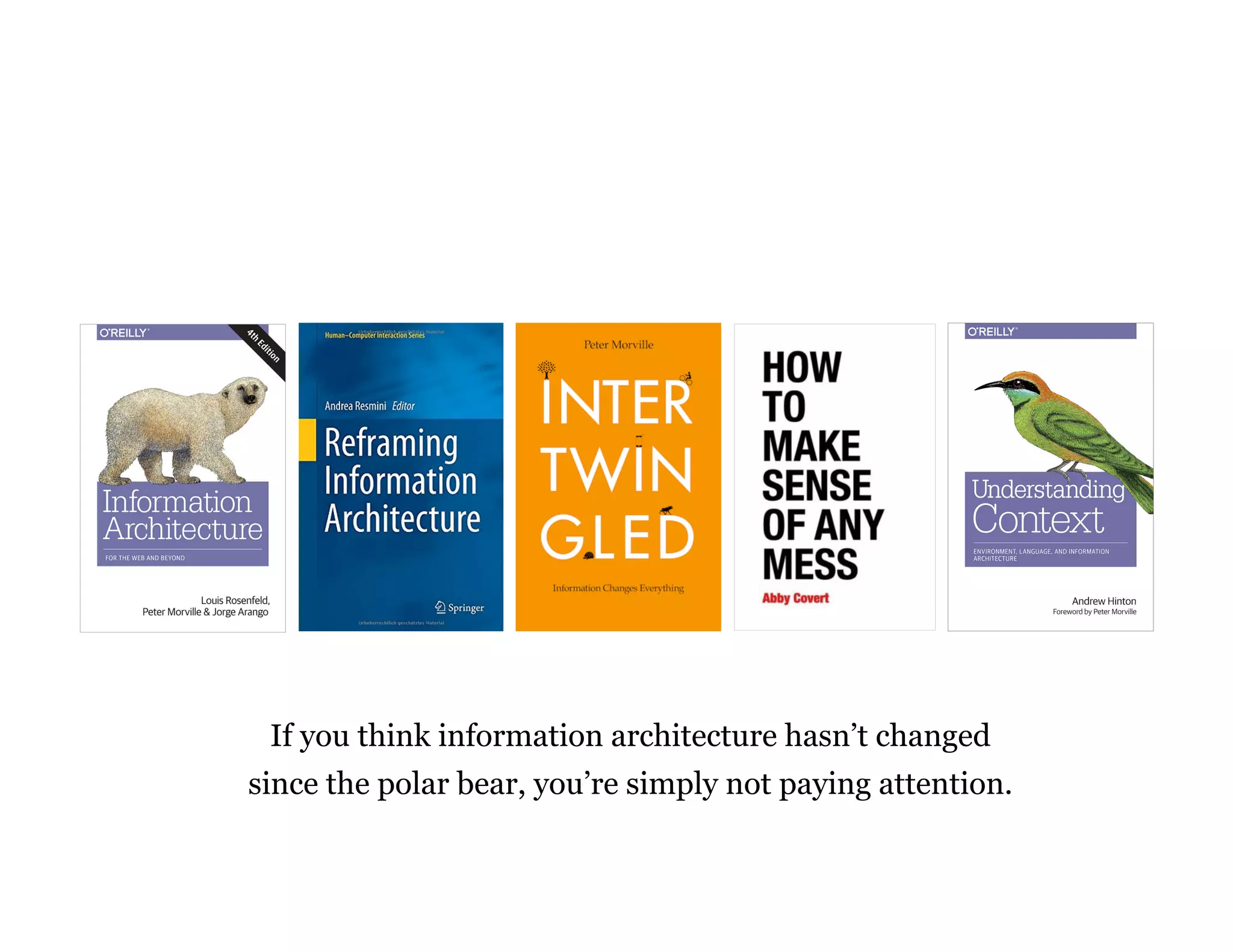
If you think information architecture hasn’t changed
since the polar bear, you’re simply not paying attention.
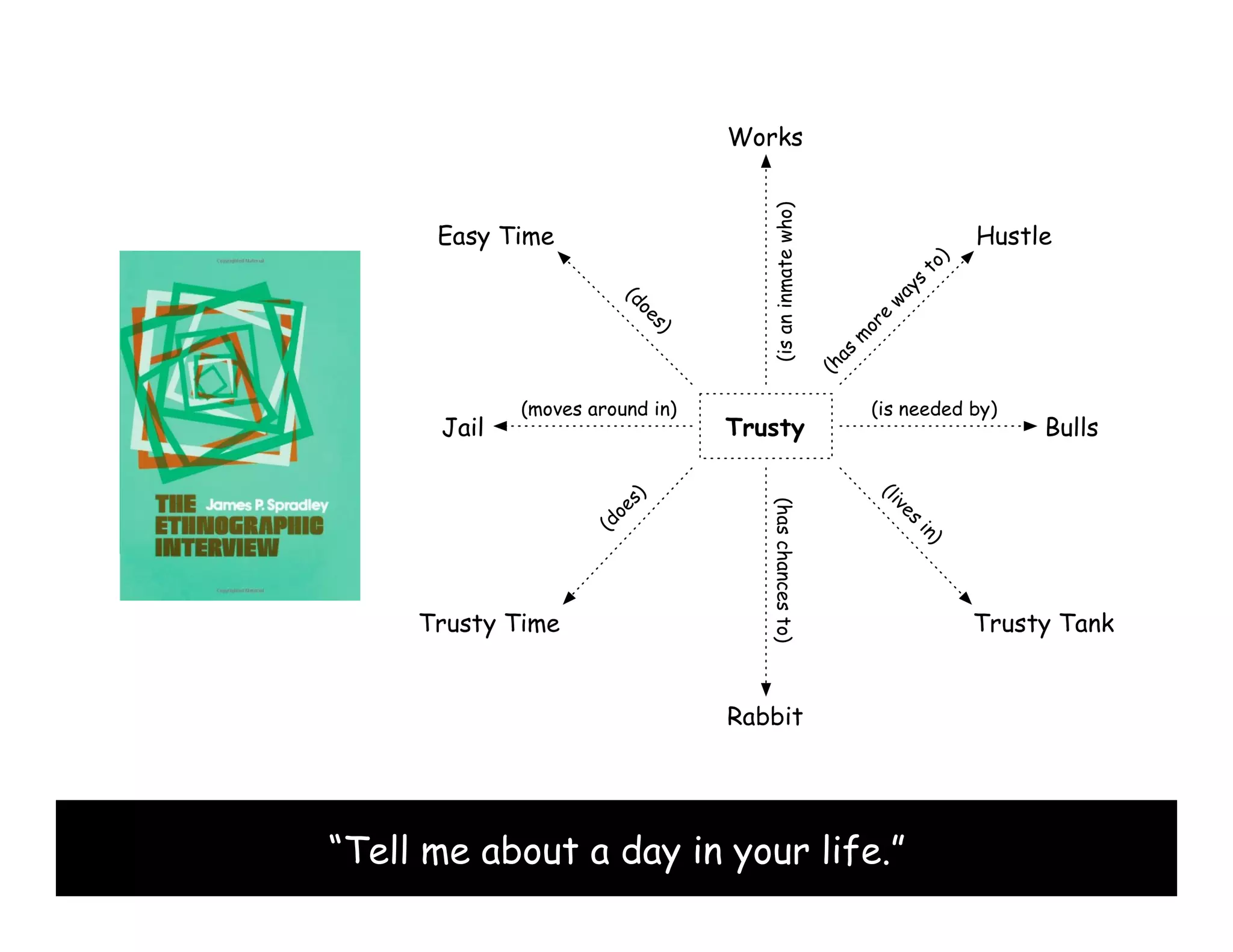
β€œTell me about a day in your life.”
Culture
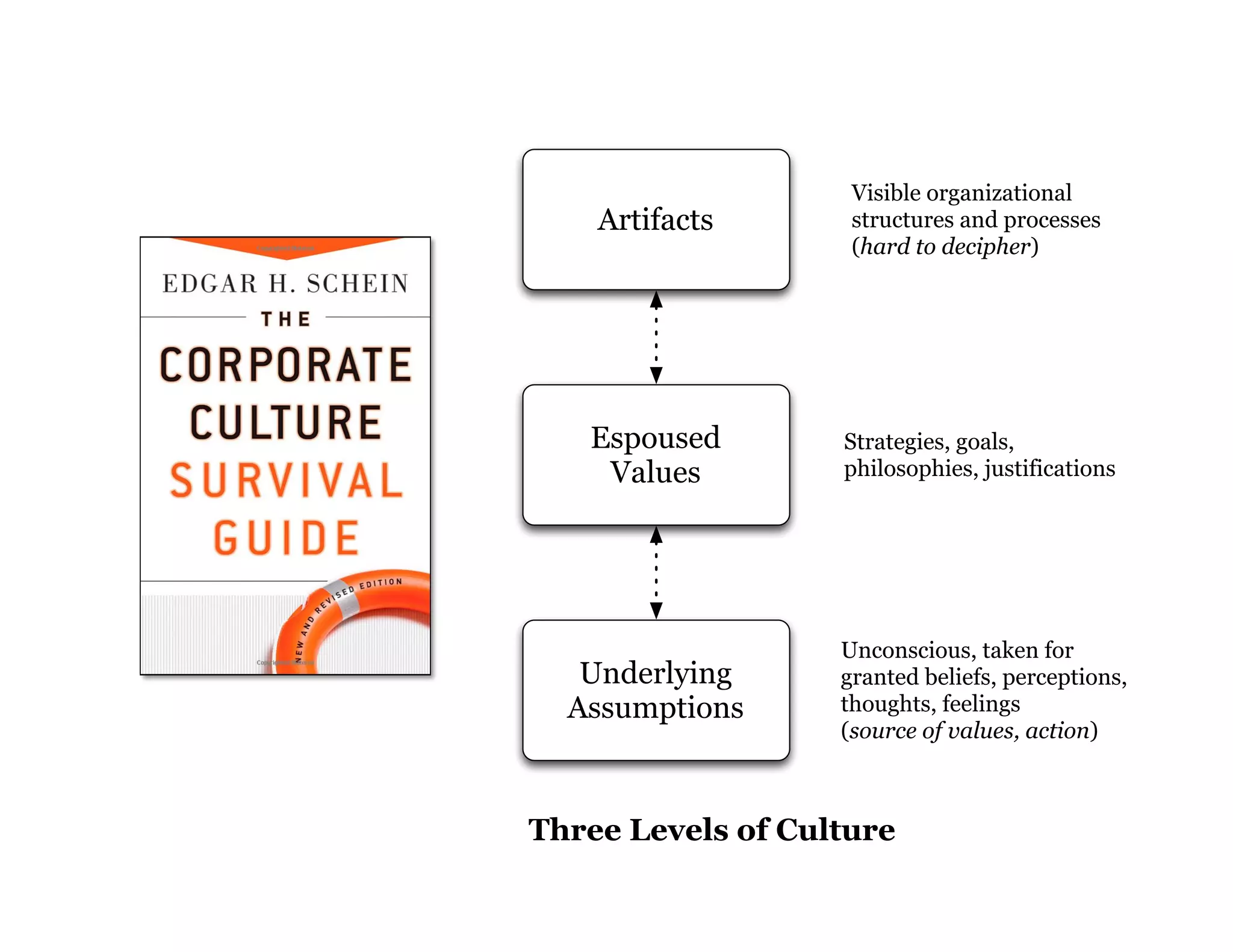
Underlying
Assumptions
Espoused
Values
Artifacts
Visible organizational
structures and processes
(hard to decipher)
Strategies, goals,
philosophies, justifications
Unconscious, taken for
granted beliefs, perceptions,
thoughts, feelings
(source of values, action)
Three Levels of Culture
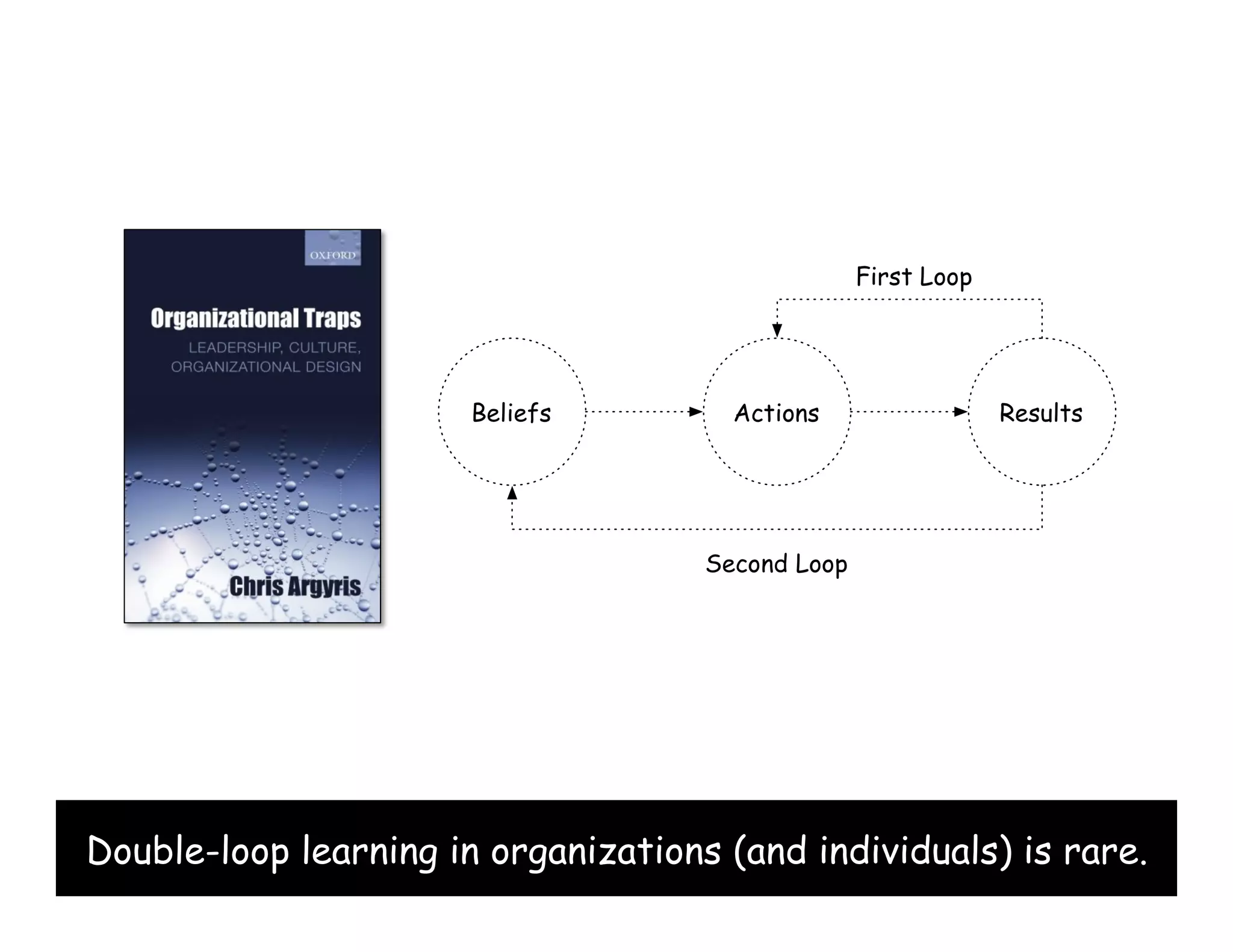
Double-loop learning in organizations (and individuals) is rare.
The relationship between information and culture.
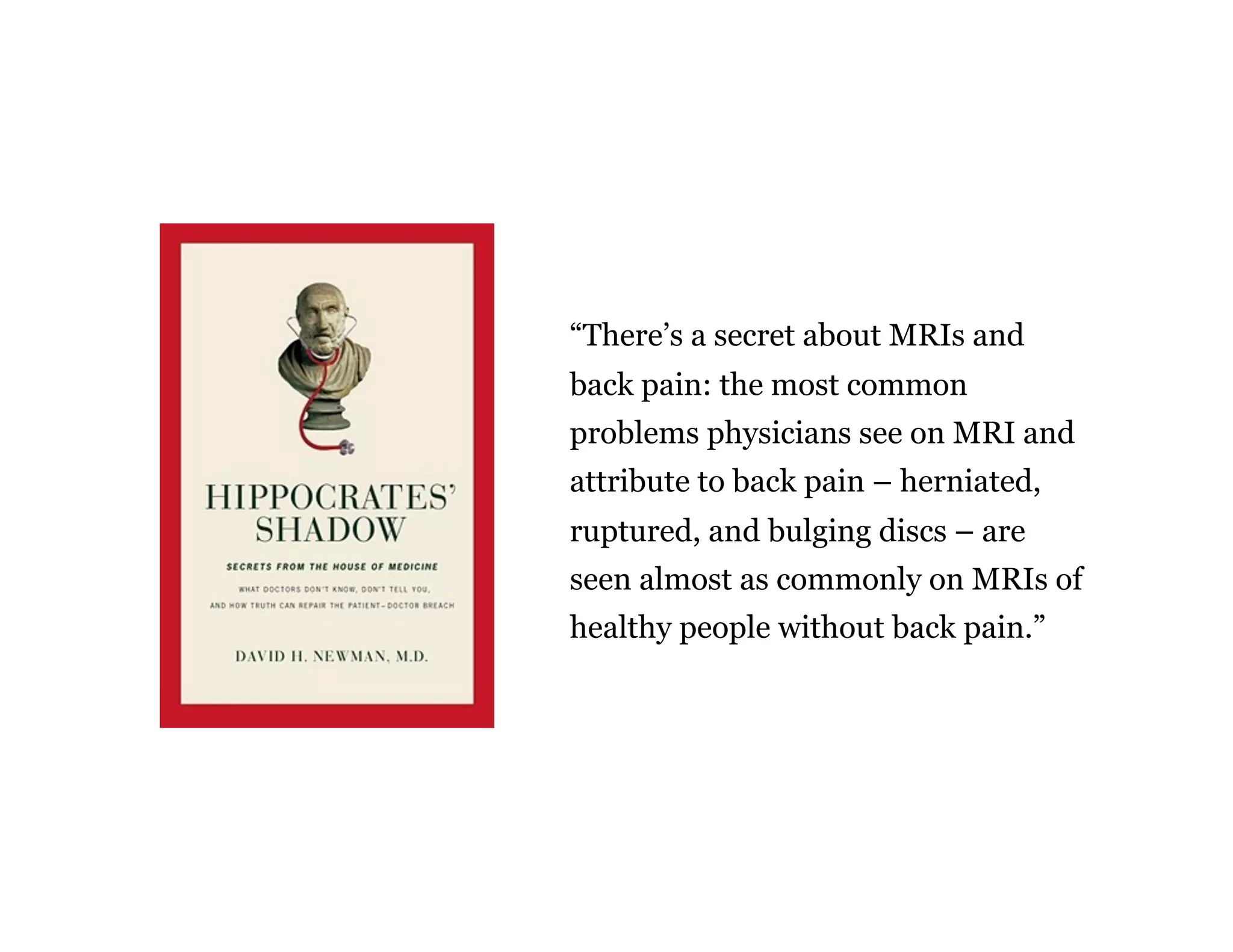
β€œThere’s a secret about MRIs and
back pain: the most common
problems physicians see on MRI and
attribute to back pain – herniated,
ruptured, and bulging discs – are
seen almost as commonly on MRIs of
healthy people without back pain.”
β€œIf you want to accelerate
someone’s death, give him a
personal doctor. I don’t mean
provide him with a bad doctor.
Just pay for him to choose his
own. Any doctor will do.”
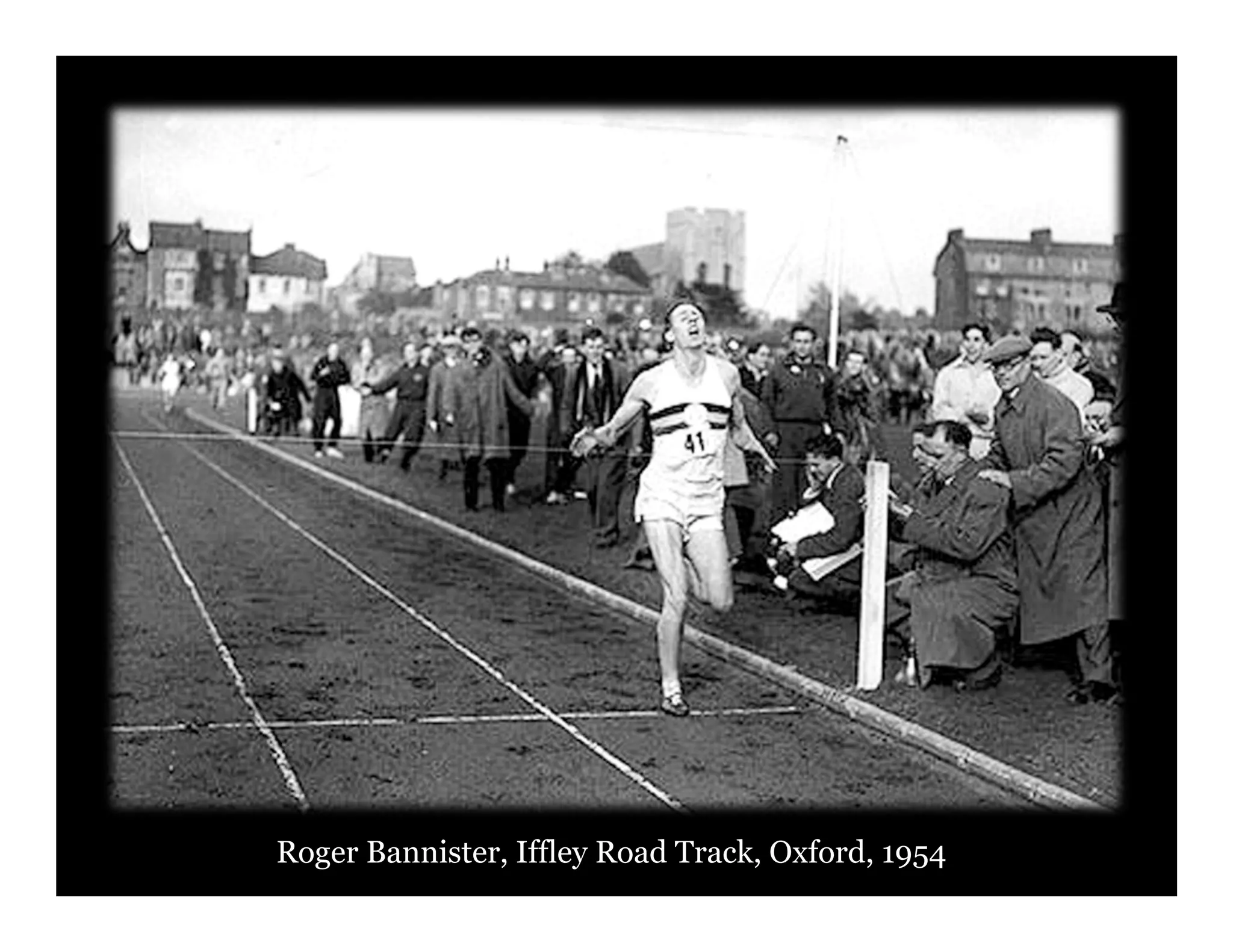
45	 Roger Bannister, Iffley Road Track, Oxford, 1954
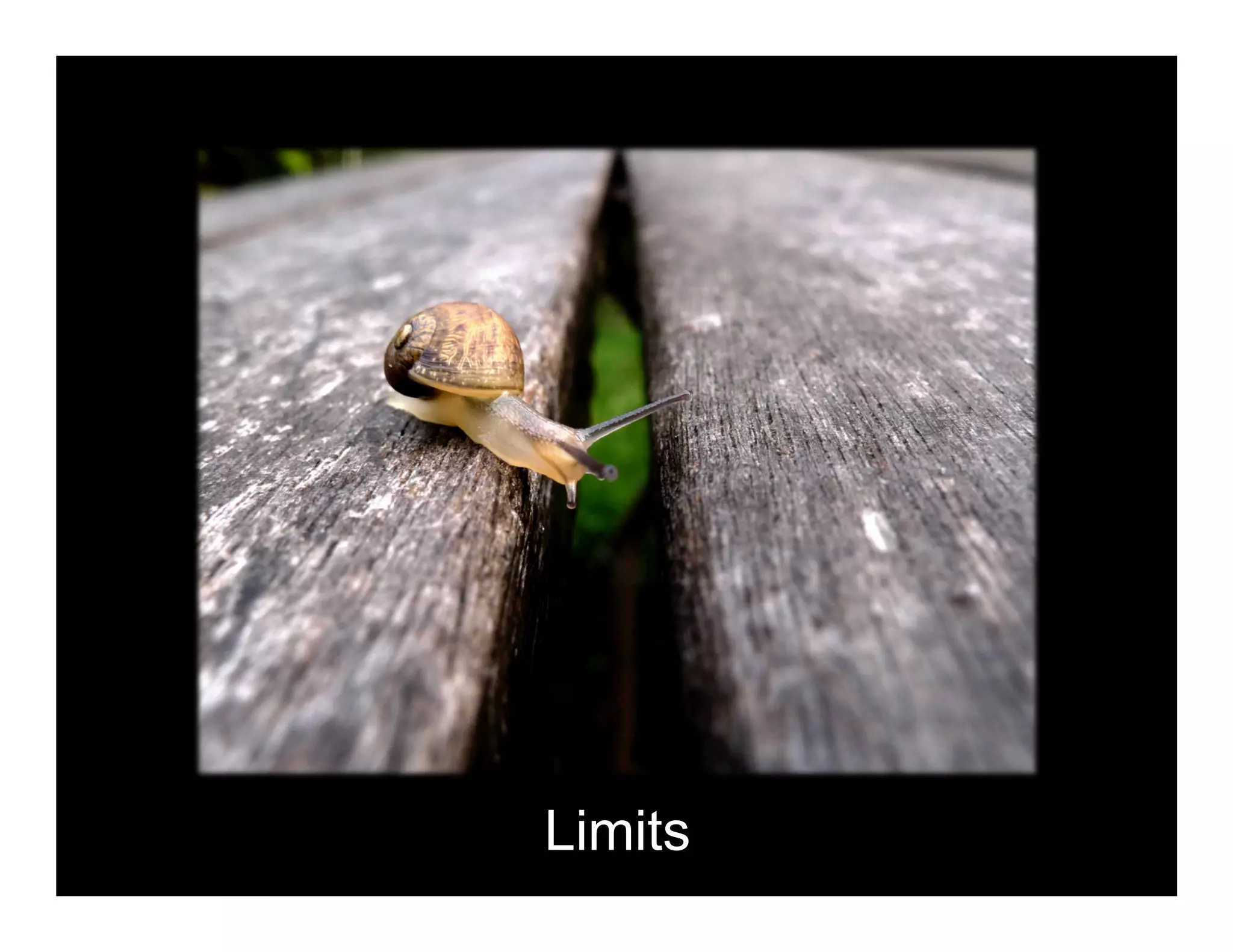
Limits
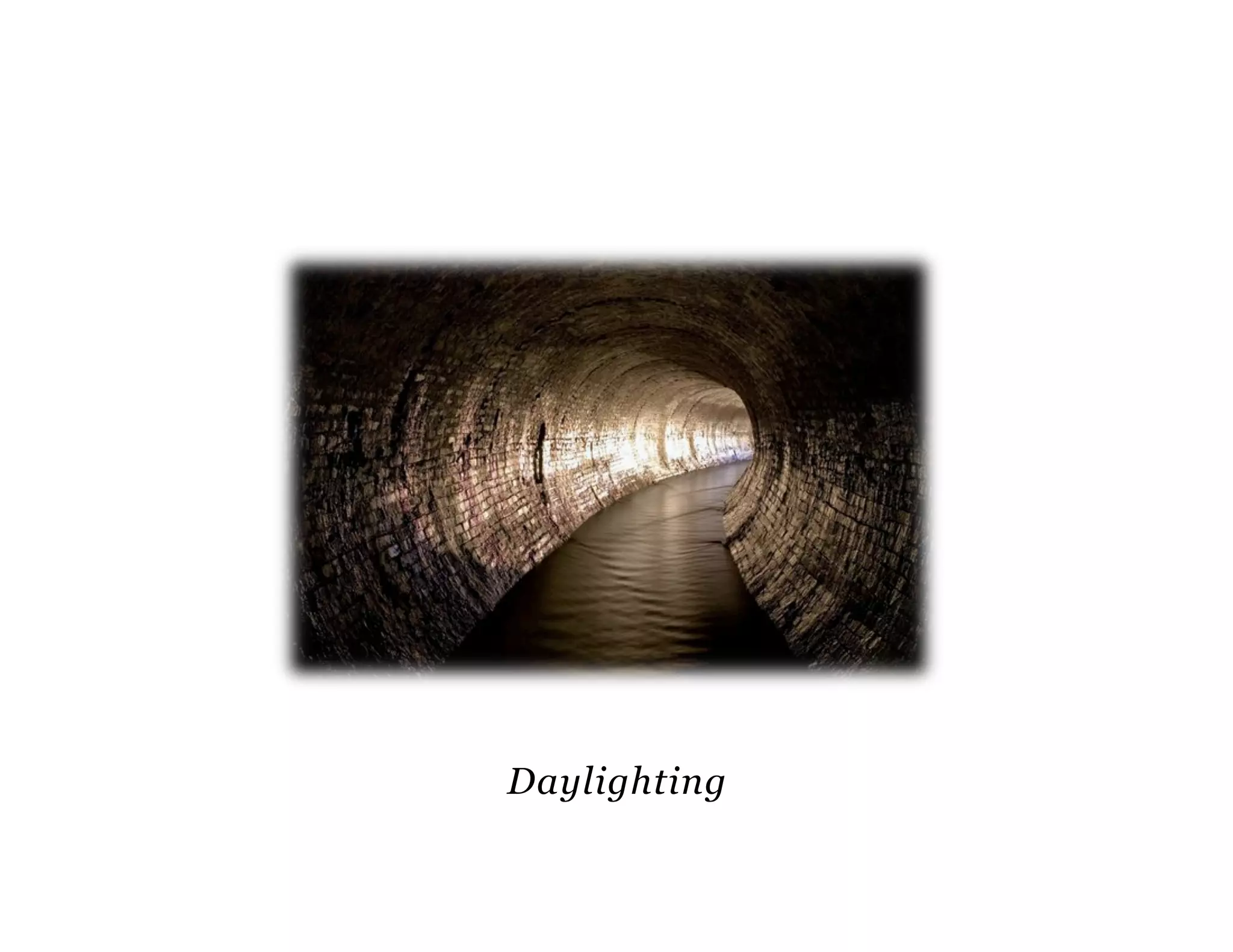
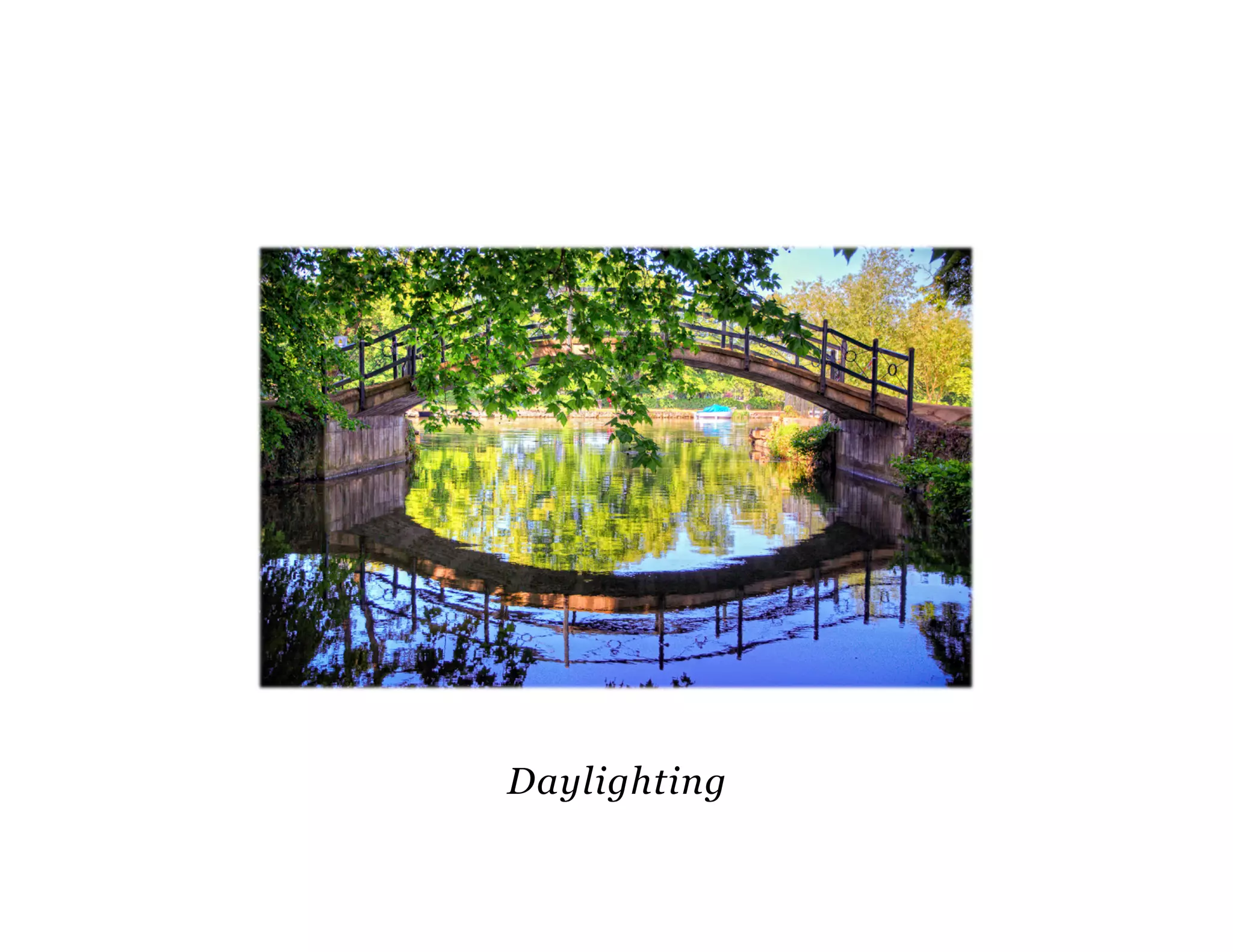
Daylighting
Daylighting
50
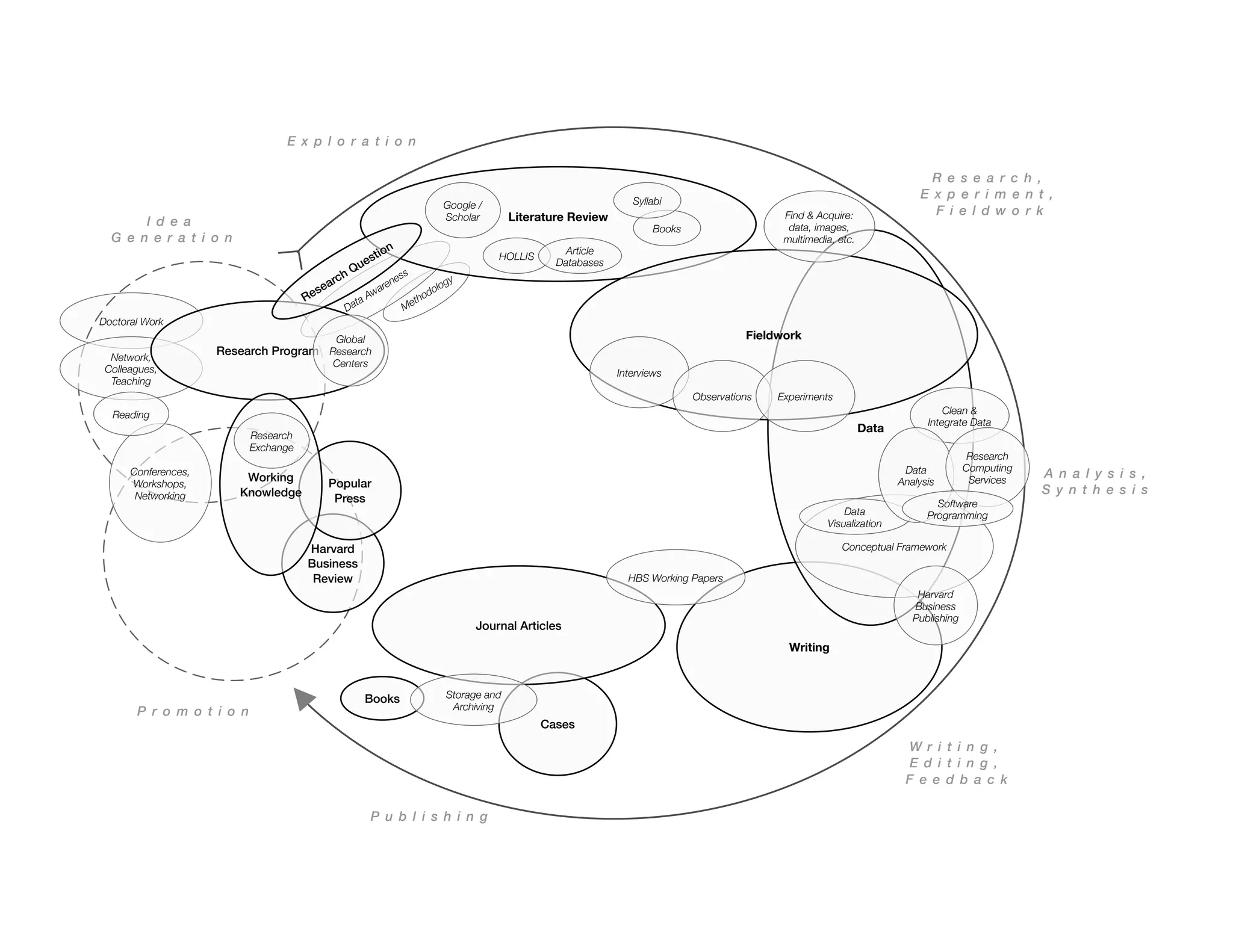
Making the Invisible Visible
Doctoral Work
E x p l o r a t i o n
R e s e a r c h ,
E x p e r i m e n t ,
F i e l d w o r k
A n a l y s i s ,
S y n t h e s i s
W r i t i n g ,
E d i t i n g ,
F e e d b a c k
P u b l i s h i n g
I d e a
G e n e r a t i o n
P r o m o t i o n
Methodology
Data Awareness
Network,
Colleagues,
Teaching
Harvard
Business
Review
Conferences,
Workshops,
Networking
Popular
Press
Literature Review
Writing
Cases
Books
Journal Articles
HBS Working Papers
Data
Fieldwork
Interviews
Observations Experiments
Research Program
Clean &
Integrate Data
Working
Knowledge
Conceptual Framework
Reading
Research Question
Google /
Scholar
Books
Syllabi
Data
Visualization
Data
Analysis
Global
Research
Centers
Harvard
Business
Publishing
Research
Computing
Services
Software
Programming
Find & Acquire:
data, images,
multimedia, etc.
HOLLIS
Research
Exchange
Storage and
Archiving
Article
Databases
MBAStudents
ResearchActivities
Pre-HBS Post-HBSYear 1 Year 2
CareerCourse Individual
Admissions
Recruiting
Previous Career
Orientation
Nearing Graduation
- copy before losing access
- academic research winds down
- career search ramps up
Request Cases
- via library site
- hard to search
Library Overview in Class
- depends on faculty invitation
Internship
Papers and Projects
FIELD 1
FIELD 2
FIELD 3
Personal Interests and Entrepreneurship
CPD: Industry 101 Presentations
CPD: Target List Presentations
CPD: Interview
Presentation Prep
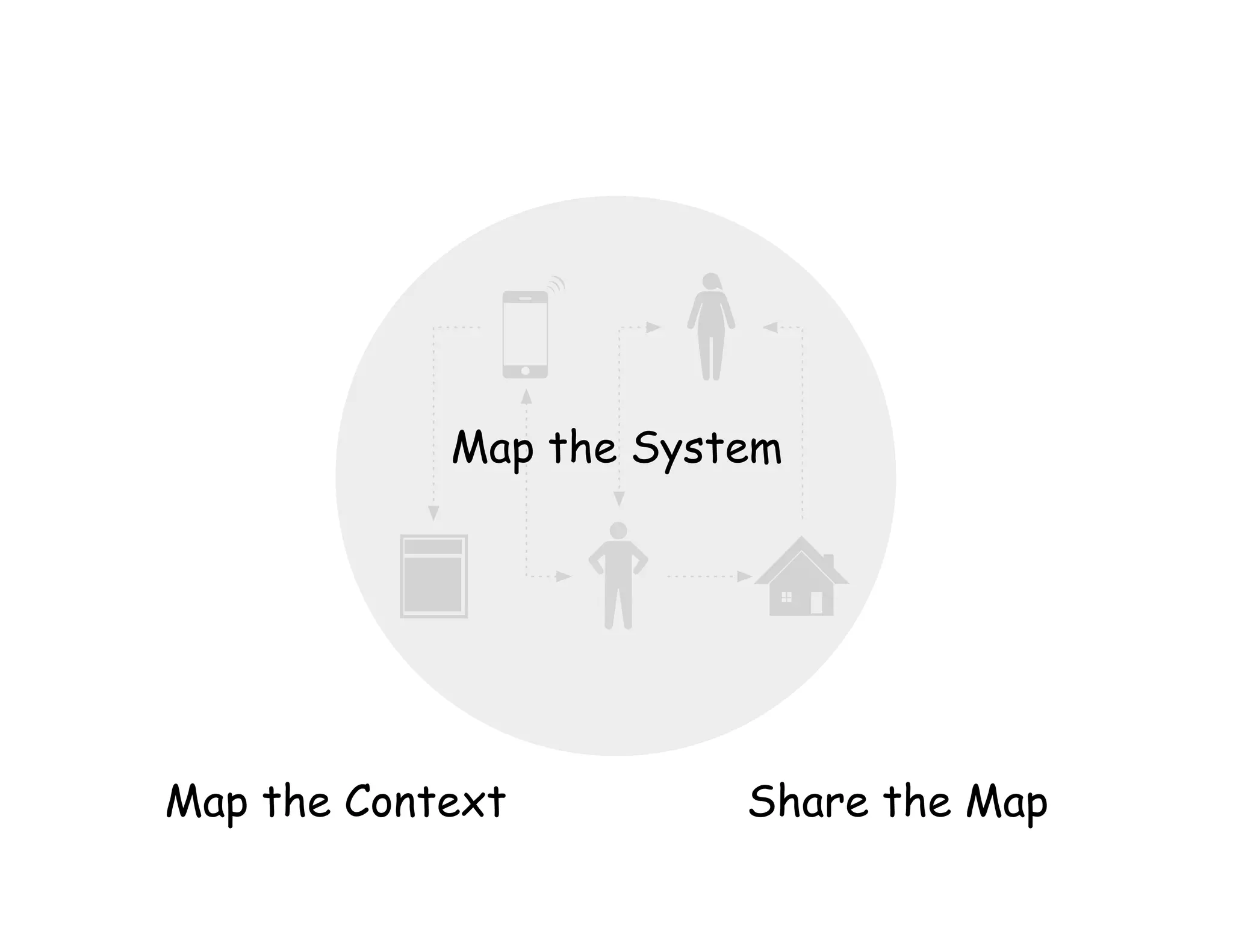
Map the System
Map the Context Share the Map
β€œWhere architects use forms and spaces to design
environments for inhabitation, information architects use
nodes and links to create environments for understanding.”
Jorge Arango, Architectures (2011)
57
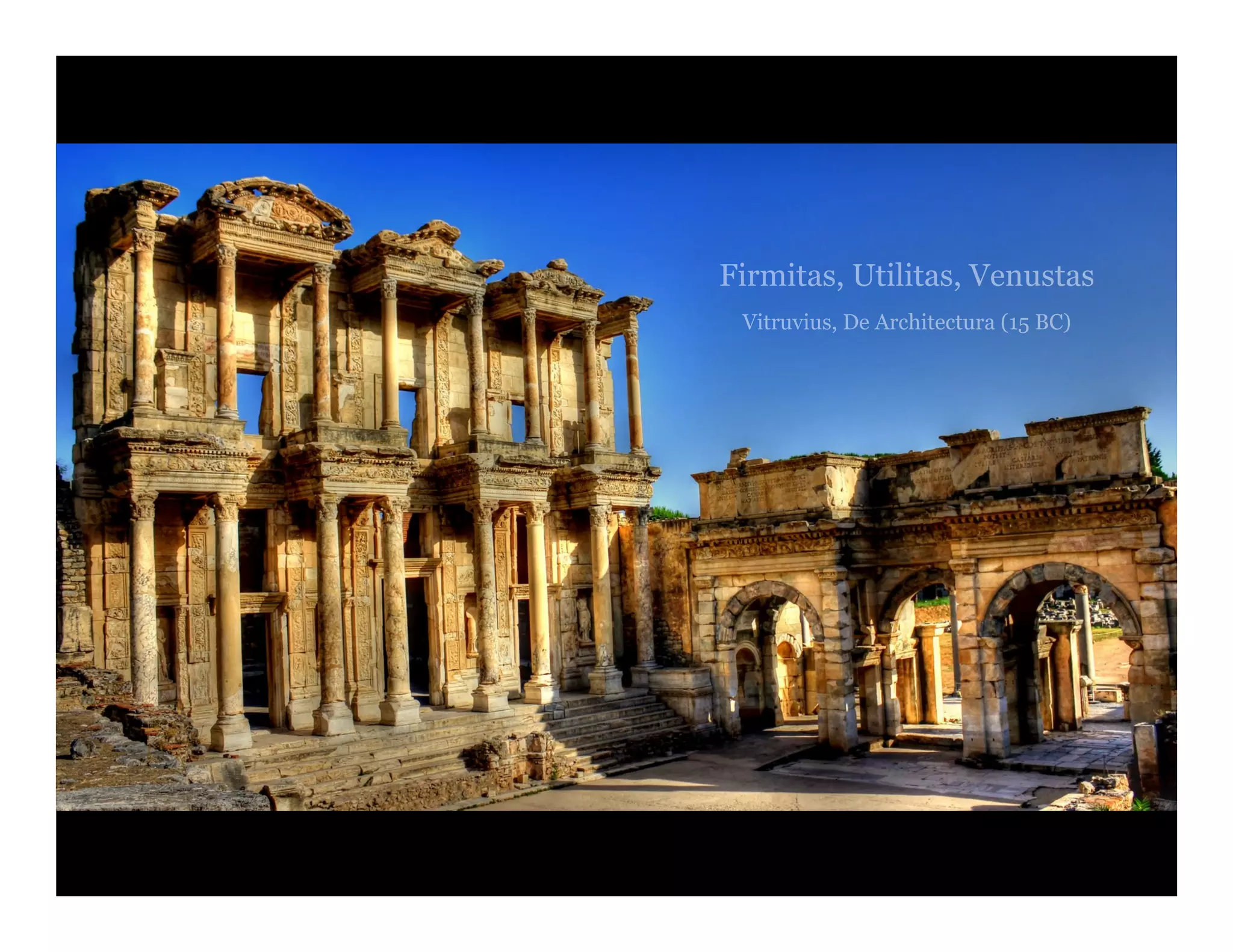
Firmitas, Utilitas, Venustas
Vitruvius, De Architectura (15 BC)
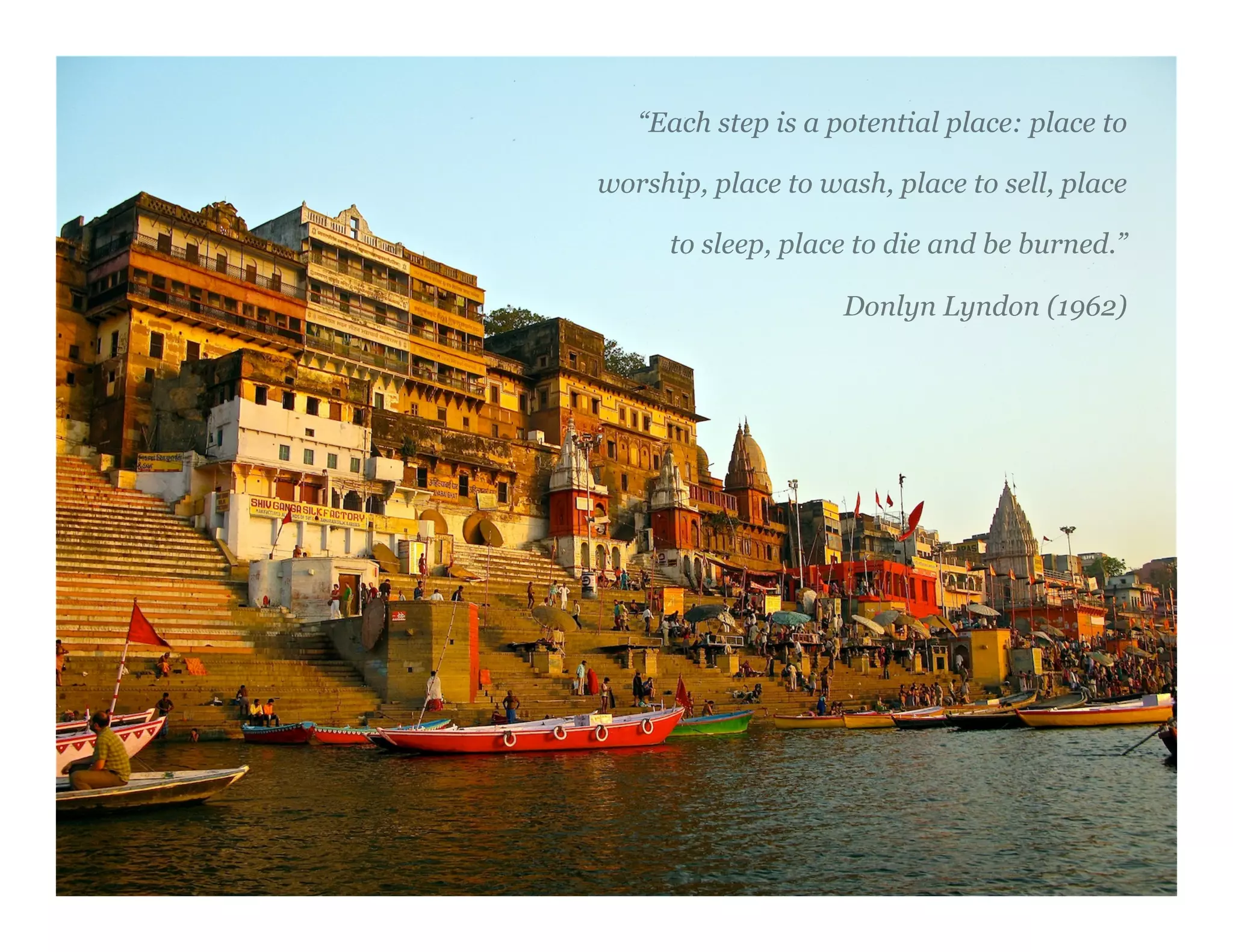
β€œEach step is a potential place: place to
worship, place to wash, place to sell, place
to sleep, place to die and be burned.”
Donlyn Lyndon (1962)
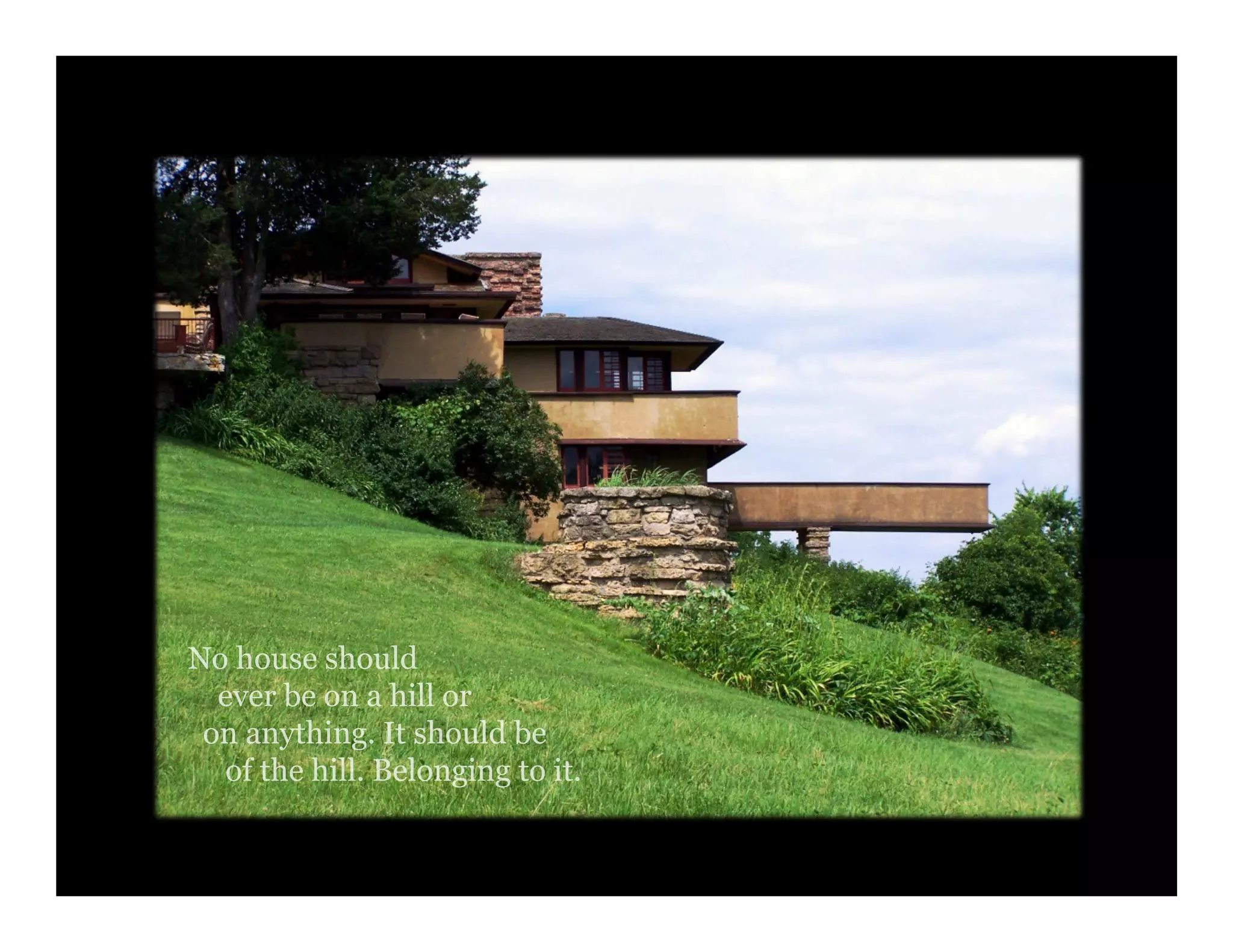
No house should
ever be on a hill or
on anything. It should be
of the hill. Belonging to it.
61	
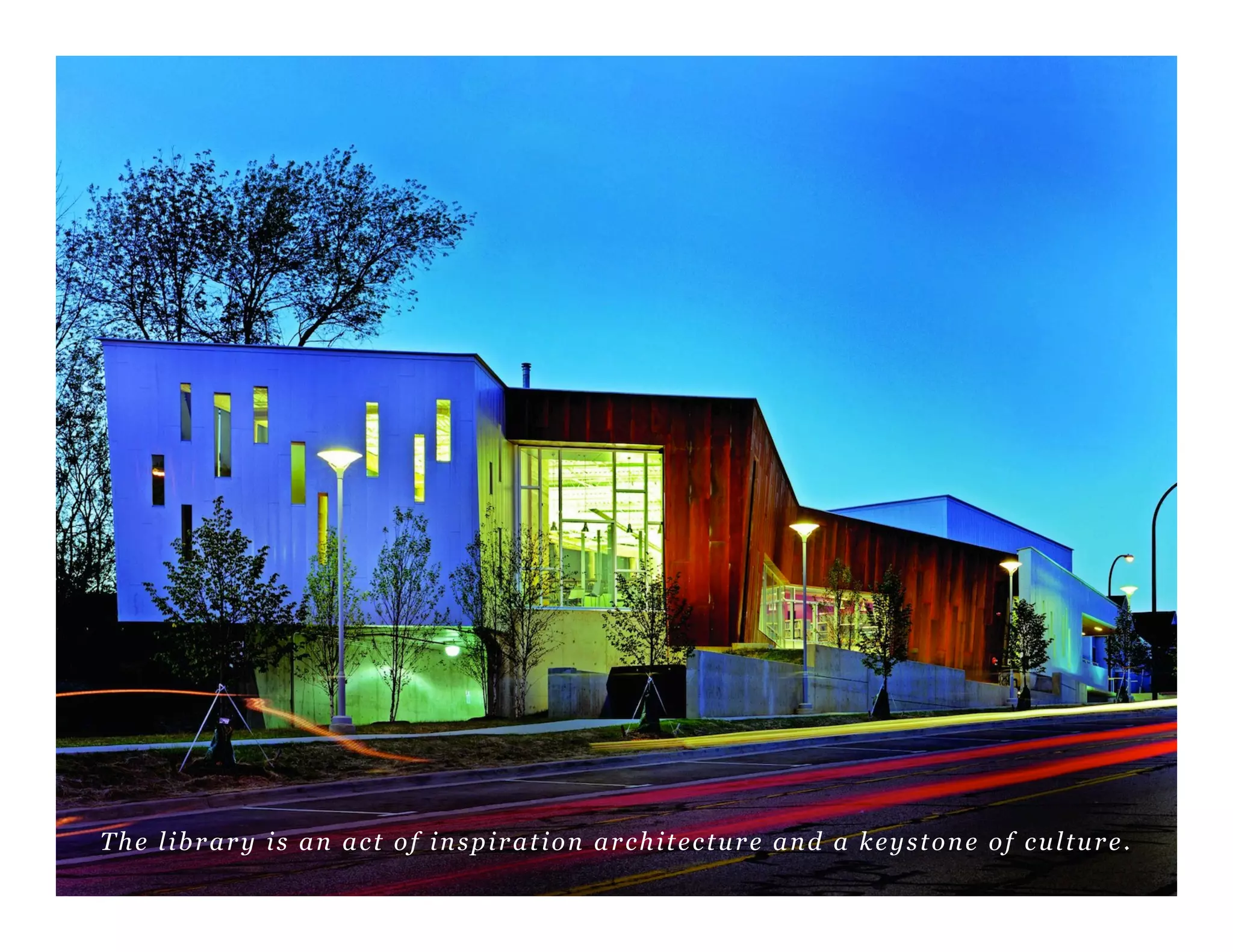
The library is an act of inspiration architecture and a keystone of culture.
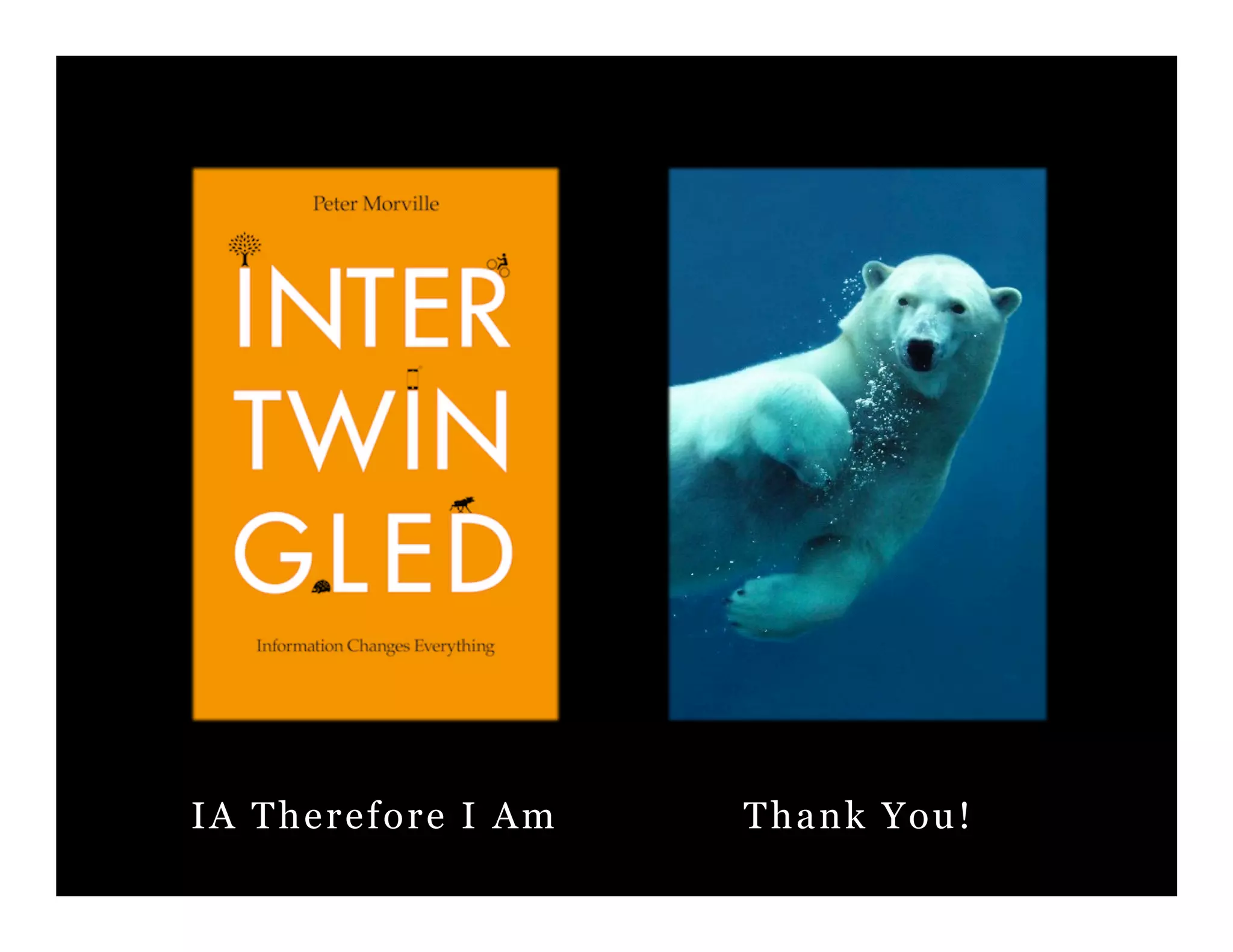
Thank You!IA Therefore I Am

The Architecture of Understanding

  • 1.
    The Architecture of Understanding PeterMorville, NWSPUG + Tech Toledo, 2016
  • 6.
    6 The Library ofCongress β€œTo further the progress of knowledge and creativity.”
  • 7.
    Fragmentation Fragmentation into multiplesites, domains, and identities is a major problem. Users don’t know which site to visit for which purpose. Findability Users can’t find what they need from the home page, but most users don’t come through the front door. They enter via a web search or a deep link, and are confused by what they find. Even worse, most never use the Library, because its resources aren’t easily findable.
  • 8.
  • 10.
  • 11.
  • 12.
  • 15.
  • 16.
  • 17.
  • 18.
    β€œWith respect tolearning by failure, it’s all fun and games until someone gets a larval cyst in the brain.”
  • 22.
    β€œThere is aproblem in discussing systems only with words. Words and sentences must, by necessity, come only one at a time in linear, logical order. Systems happen all at once. They are connected not just in one direction, but in many directions simultaneously.”
  • 23.
    Food Scarcity (overpopluation) T T Inflow (birthrate) Outflow (death rate) Stock (population) T T Disease (canine parvovirus) Immigration (via ice bridge) Parasites (moose tick) Weather (mild winter) Inflow (birth rate) Outflow (death rate) Stock (population)
  • 24.
    β€œIt is theresponsibility of the architect to know and concentrate on the critical few details and interfaces that really matter.”
  • 25.
    The design andmanagement of information systems. Understanding the nature of information in systems.
  • 27.
  • 29.
    Categories are thecornerstones of cognition and culture.
  • 30.
    We use radiobuttons when checkboxes or sliders would reveal the truth.
  • 31.
  • 32.
  • 33.
  • 34.
  • 35.
  • 36.
    intertwingled.org/planning-book GoalPath Here & Now Risks, Estimates,Metrics Play, Practice, Prototype Feedback, Reflection Order, Options Vision, Values, Subgoals
  • 37.
    If you thinkinformation architecture hasn’t changed since the polar bear, you’re simply not paying attention.
  • 38.
    β€œTell me abouta day in your life.”
  • 39.
  • 40.
    Underlying Assumptions Espoused Values Artifacts Visible organizational structures andprocesses (hard to decipher) Strategies, goals, philosophies, justifications Unconscious, taken for granted beliefs, perceptions, thoughts, feelings (source of values, action) Three Levels of Culture
  • 41.
    Double-loop learning inorganizations (and individuals) is rare.
  • 42.
    The relationship betweeninformation and culture.
  • 43.
    β€œThere’s a secretabout MRIs and back pain: the most common problems physicians see on MRI and attribute to back pain – herniated, ruptured, and bulging discs – are seen almost as commonly on MRIs of healthy people without back pain.”
  • 44.
    β€œIf you wantto accelerate someone’s death, give him a personal doctor. I don’t mean provide him with a bad doctor. Just pay for him to choose his own. Any doctor will do.”
  • 45.
    45 Roger Bannister,Iffley Road Track, Oxford, 1954
  • 46.
  • 48.
  • 49.
  • 50.
  • 52.
    Doctoral Work E xp l o r a t i o n R e s e a r c h , E x p e r i m e n t , F i e l d w o r k A n a l y s i s , S y n t h e s i s W r i t i n g , E d i t i n g , F e e d b a c k P u b l i s h i n g I d e a G e n e r a t i o n P r o m o t i o n Methodology Data Awareness Network, Colleagues, Teaching Harvard Business Review Conferences, Workshops, Networking Popular Press Literature Review Writing Cases Books Journal Articles HBS Working Papers Data Fieldwork Interviews Observations Experiments Research Program Clean & Integrate Data Working Knowledge Conceptual Framework Reading Research Question Google / Scholar Books Syllabi Data Visualization Data Analysis Global Research Centers Harvard Business Publishing Research Computing Services Software Programming Find & Acquire: data, images, multimedia, etc. HOLLIS Research Exchange Storage and Archiving Article Databases
  • 53.
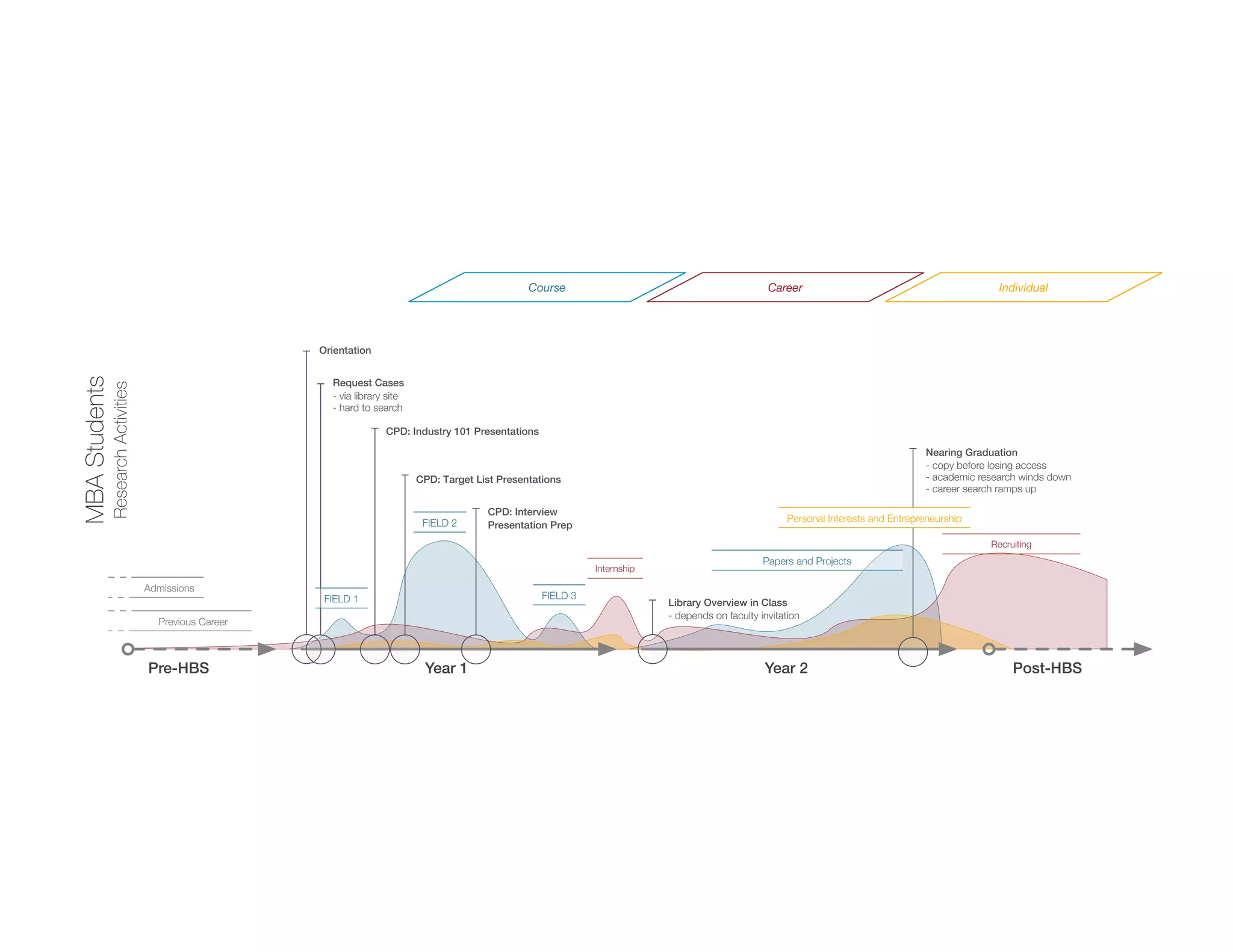
    MBAStudents ResearchActivities Pre-HBS Post-HBSYear 1Year 2 CareerCourse Individual Admissions Recruiting Previous Career Orientation Nearing Graduation - copy before losing access - academic research winds down - career search ramps up Request Cases - via library site - hard to search Library Overview in Class - depends on faculty invitation Internship Papers and Projects FIELD 1 FIELD 2 FIELD 3 Personal Interests and Entrepreneurship CPD: Industry 101 Presentations CPD: Target List Presentations CPD: Interview Presentation Prep
  • 55.
    Map the System Mapthe Context Share the Map
  • 56.
    β€œWhere architects useforms and spaces to design environments for inhabitation, information architects use nodes and links to create environments for understanding.” Jorge Arango, Architectures (2011)
  • 57.
  • 58.
  • 59.
    β€œEach step isa potential place: place to worship, place to wash, place to sell, place to sleep, place to die and be burned.” Donlyn Lyndon (1962)
  • 60.
    No house should everbe on a hill or on anything. It should be of the hill. Belonging to it.
  • 61.
    61 The library isan act of inspiration architecture and a keystone of culture.
  • 62.