



The Architecture
of Understanding
Peter Morville, Text Analytics World 2015
6	
  
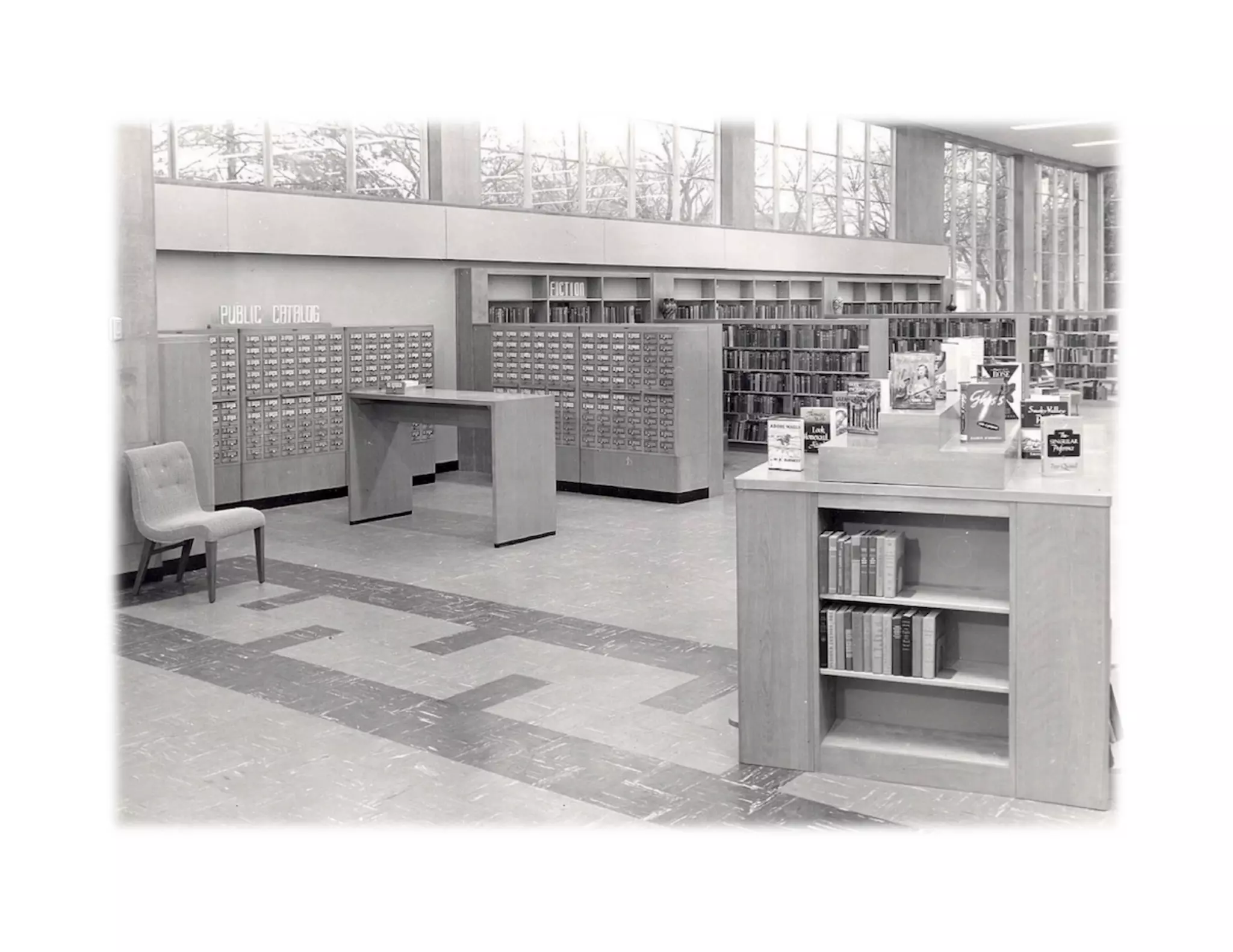
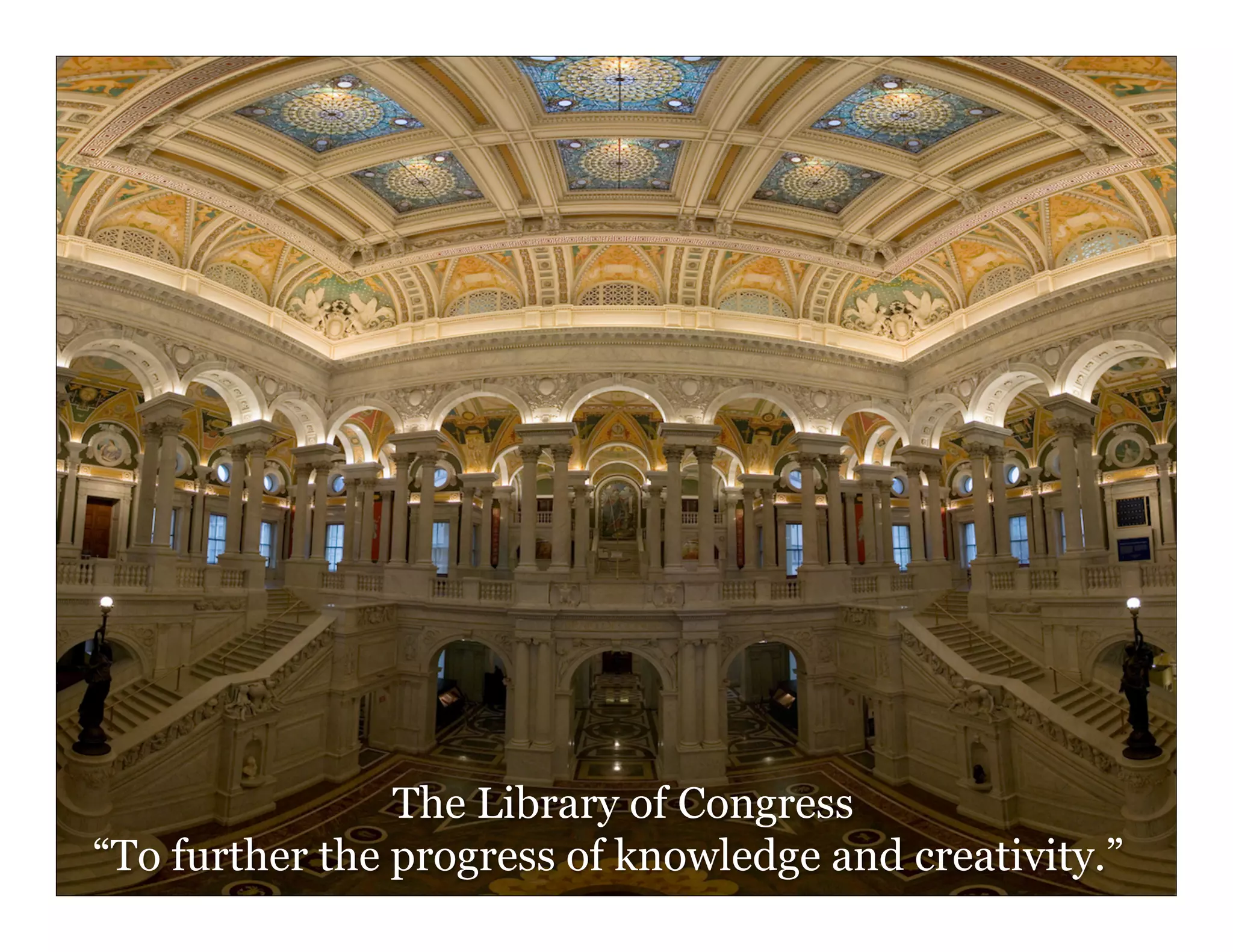
The Library of Congress
“To further the progress of knowledge and creativity.”
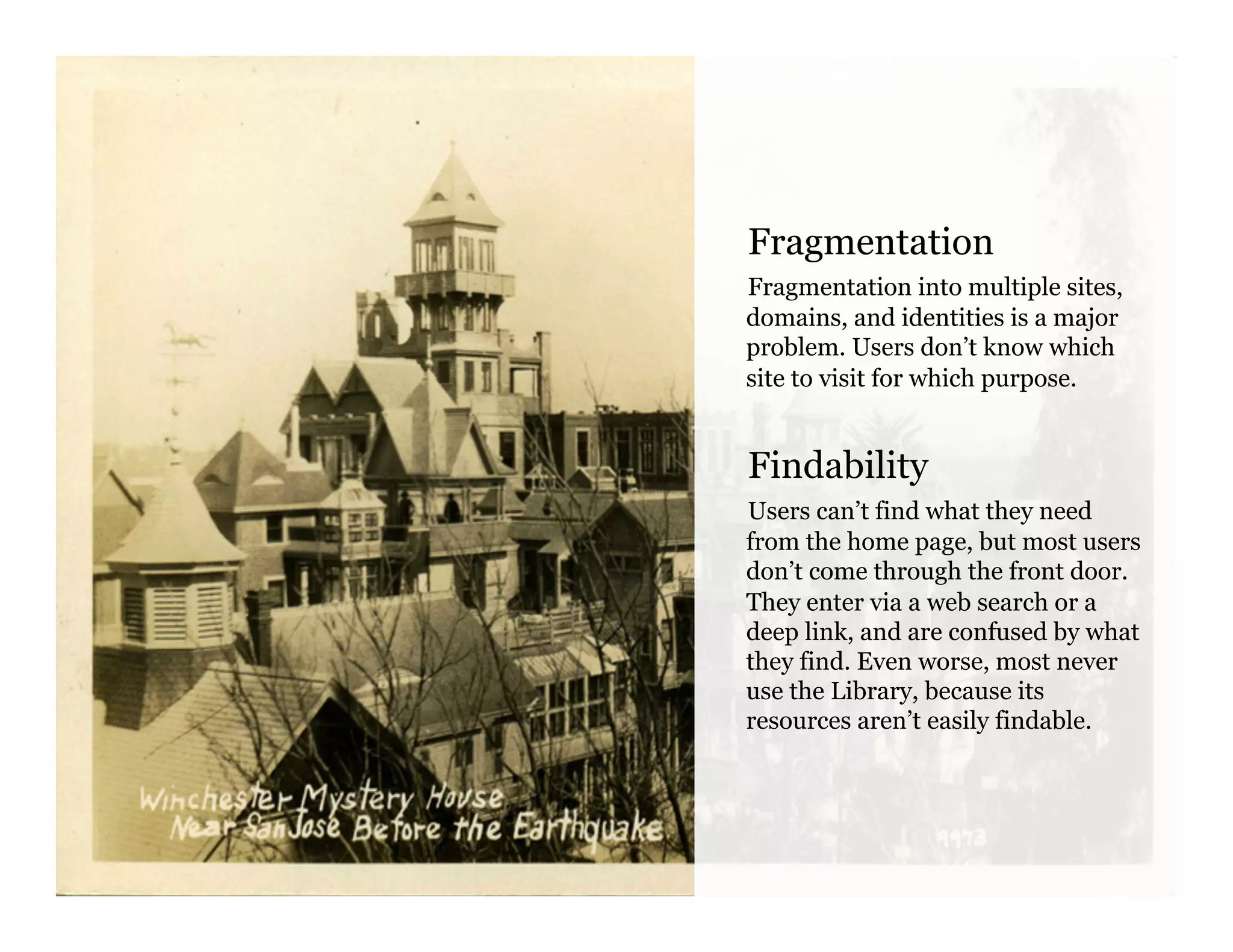
Fragmentation
Fragmentation into multiple sites,
domains, and identities is a major
problem. Users don’t know which
site to visit for which purpose.
Findability
Users can’t find what they need
from the home page, but most users
don’t come through the front door.
They enter via a web search or a
deep link, and are confused by what
they find. Even worse, most never
use the Library, because its
resources aren’t easily findable.
8	
  
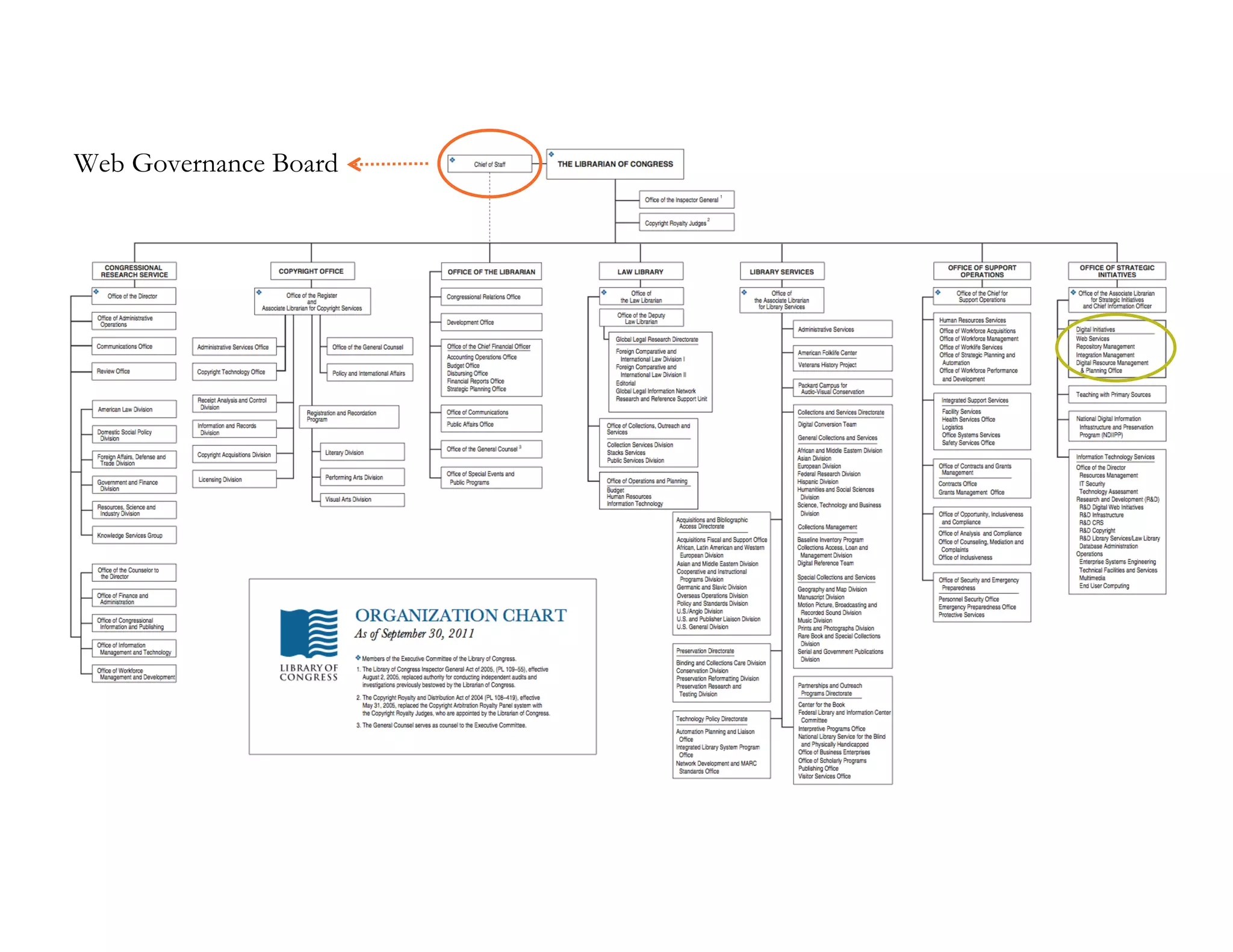
Web Governance Board
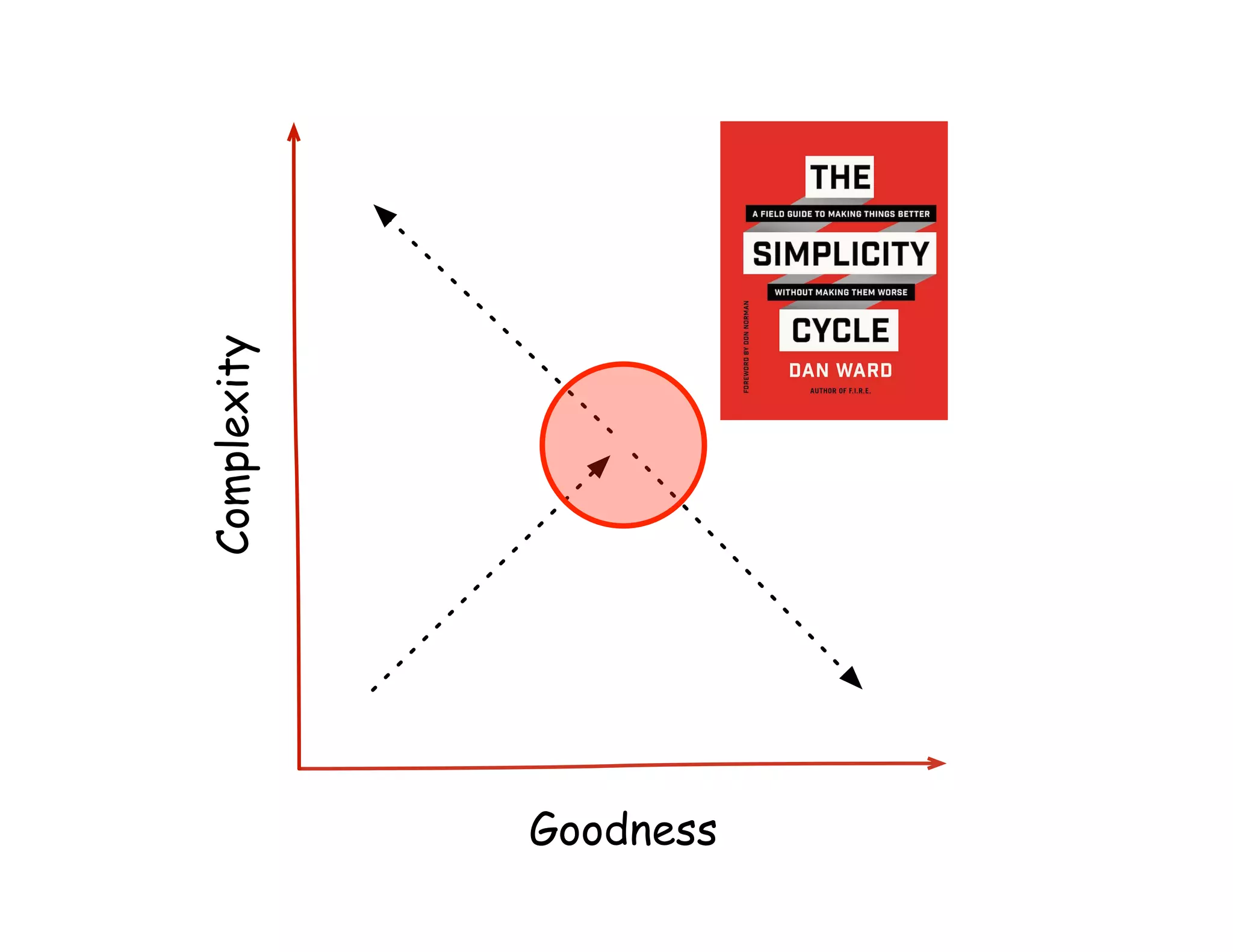
Goodness
Complexity
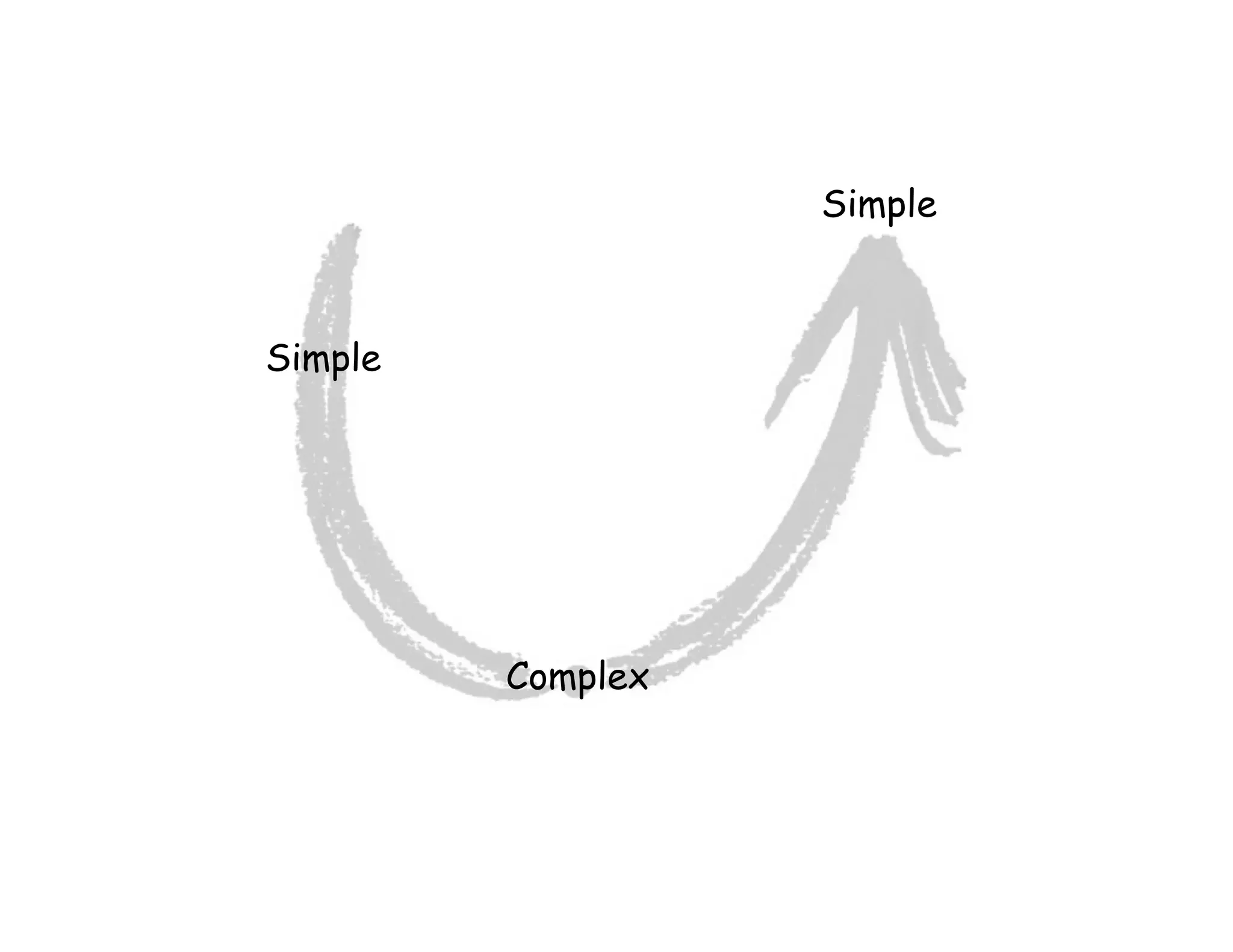
Simple
Complex
Simple
Nature
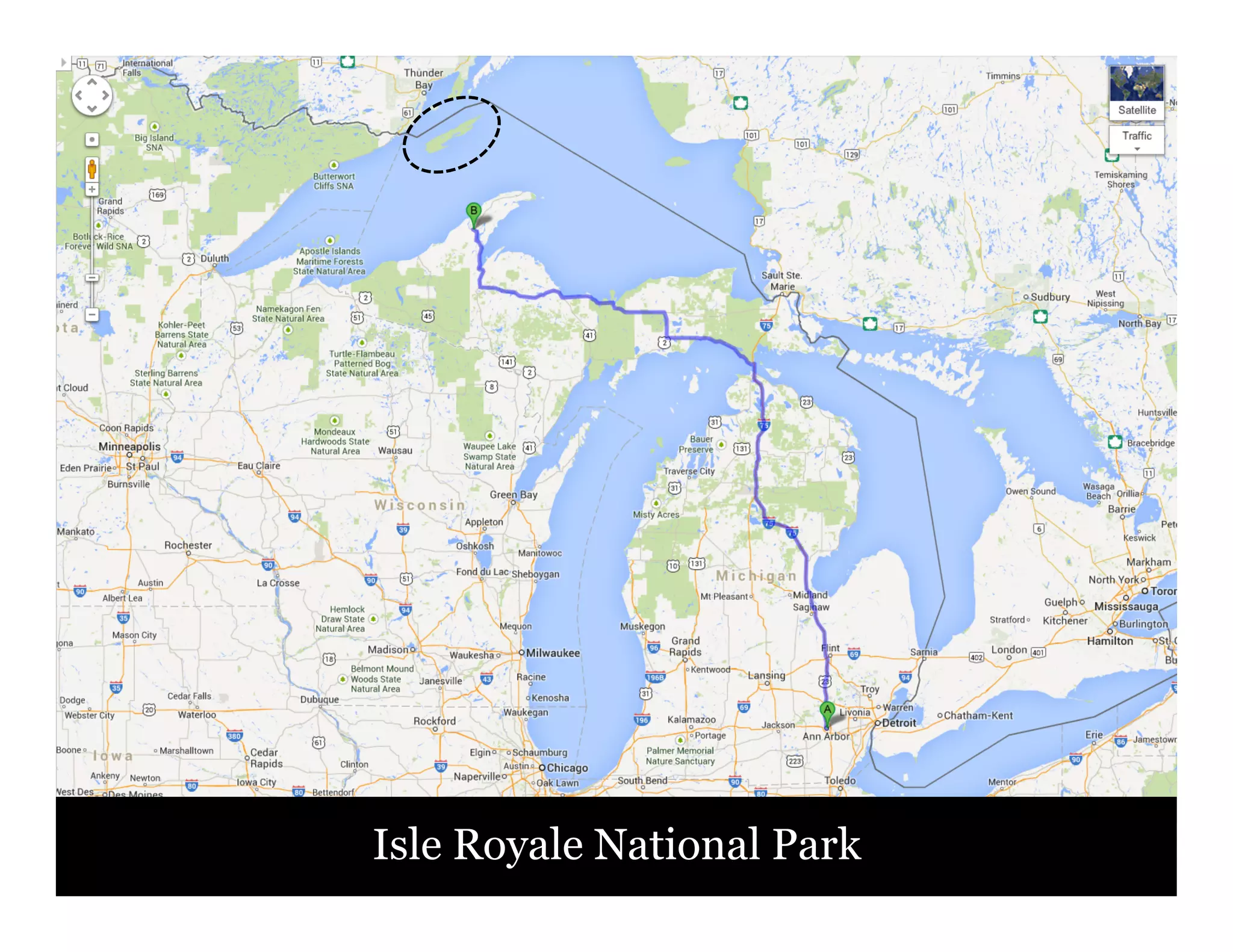
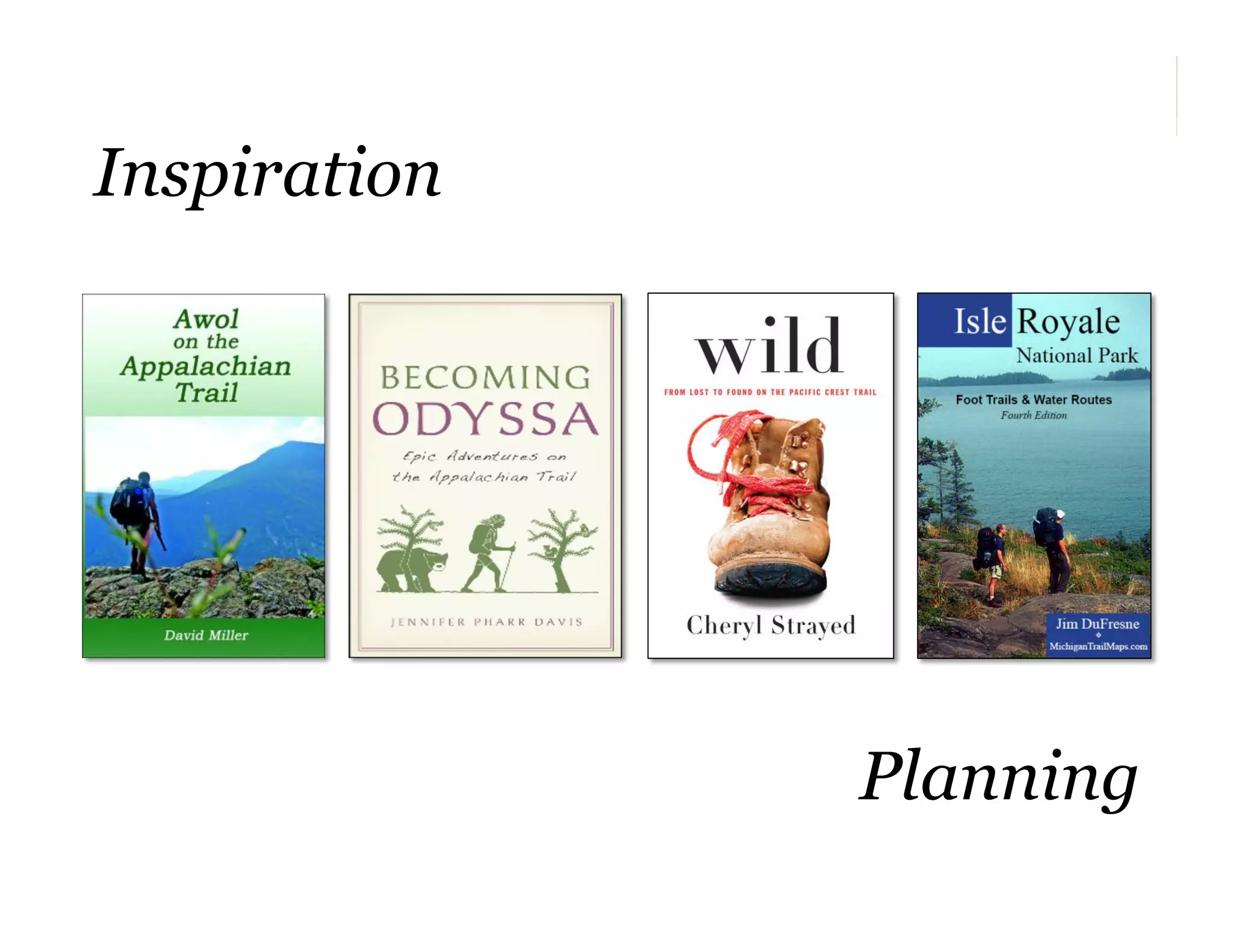
Isle Royale National Park
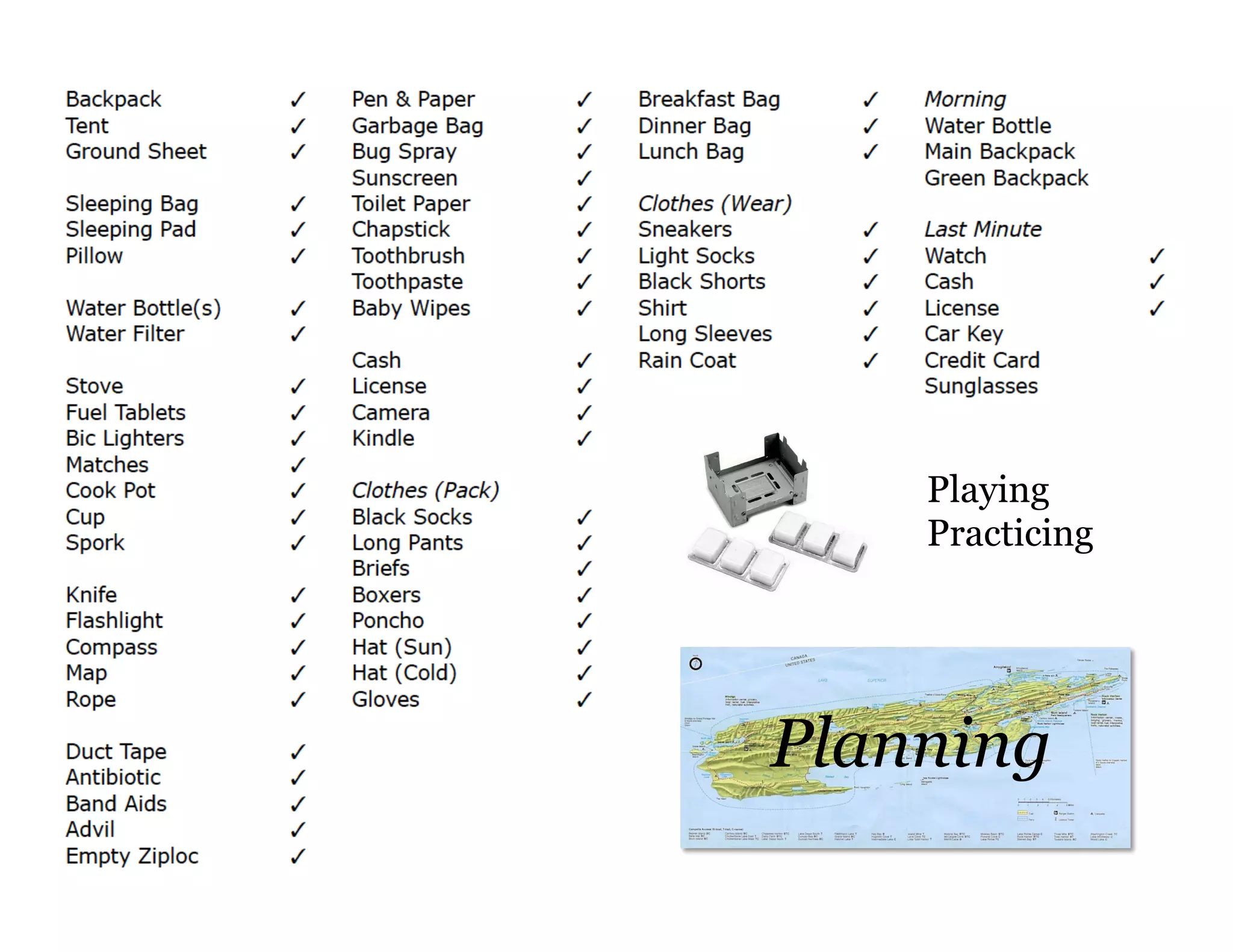
Planning
Inspiration
Planning
Playing
Practicing
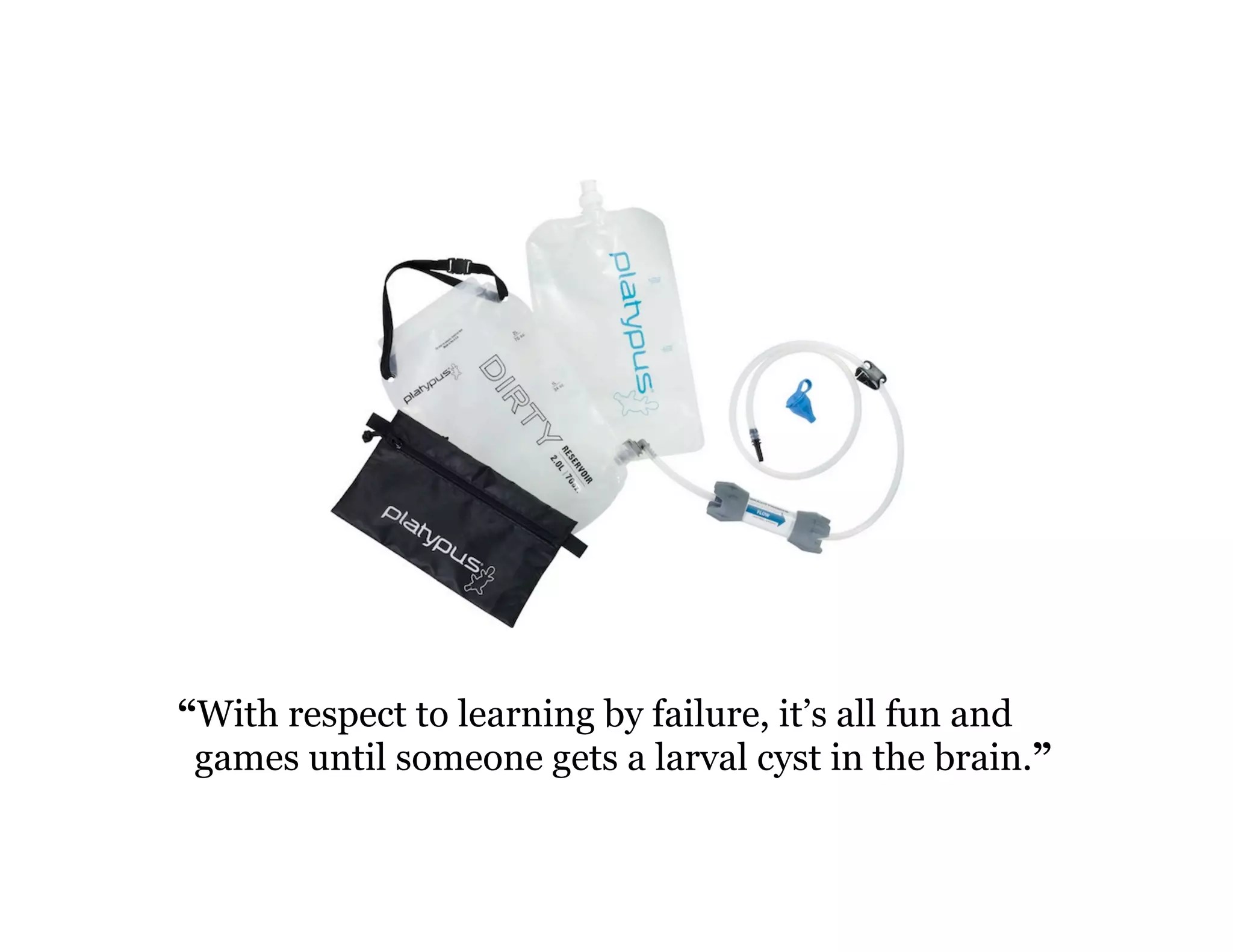
“With respect to learning by failure, it’s all fun and
games until someone gets a larval cyst in the brain.”
“There is a problem in discussing
systems only with words. Words and
sentences must, by necessity, come only
one at a time in linear, logical order.
Systems happen all at once. They are
connected not just in one direction, but
in many directions simultaneously.”
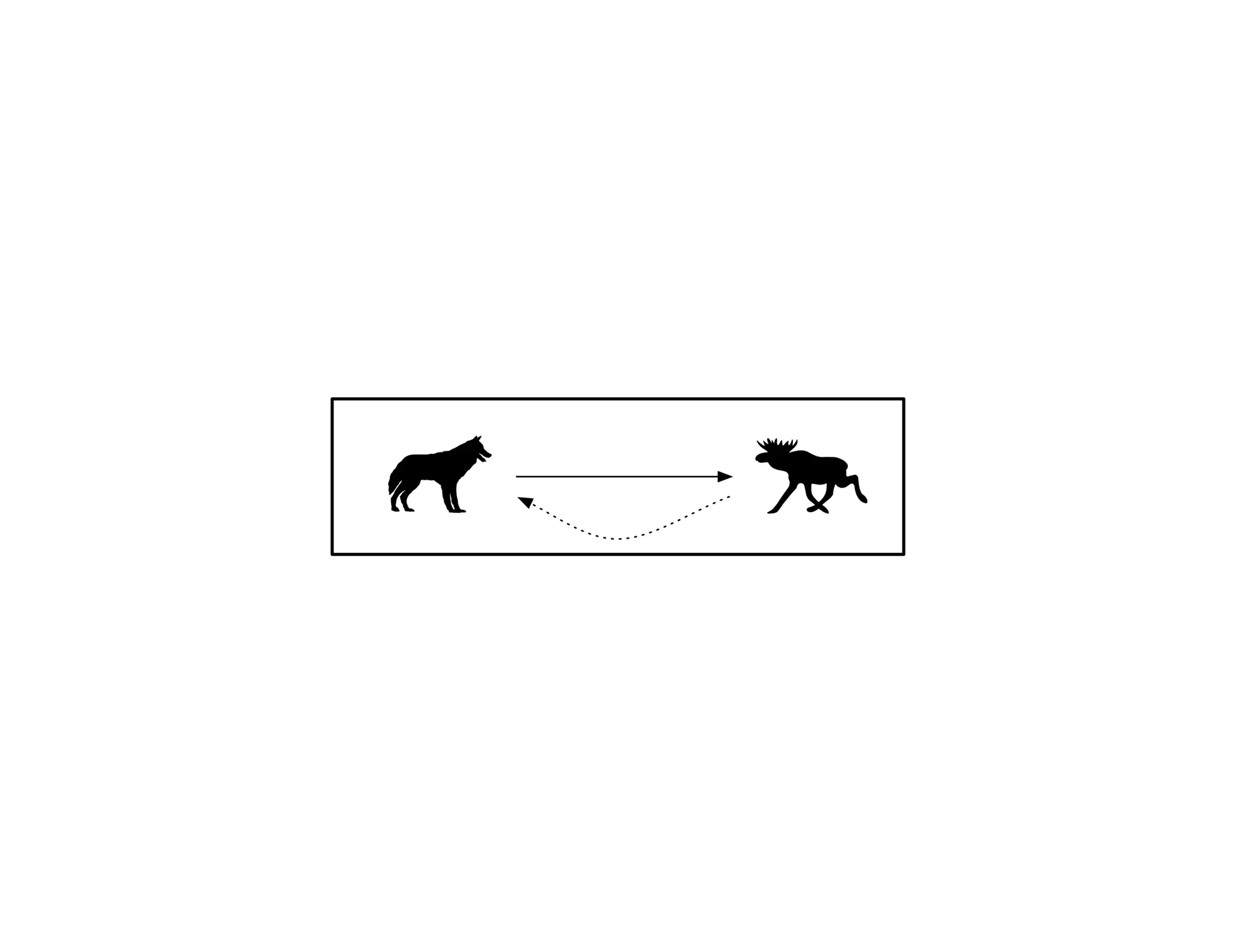
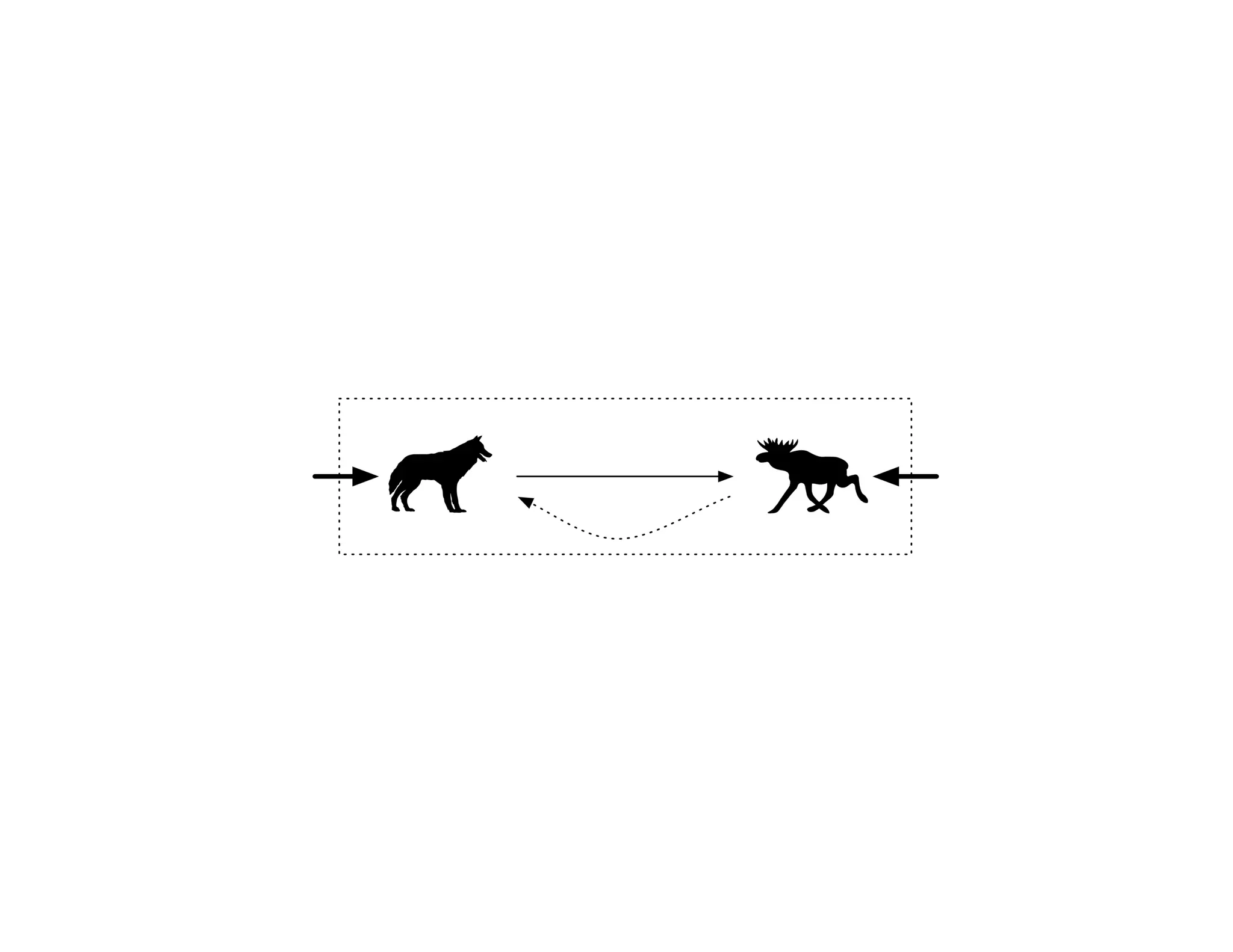
Food Scarcity
(overpopluation)
T T
Inflow
(birth rate)
Outflow
(death rate)
Stock
(population)
T T
Disease
(canine parvovirus)
Immigration
(via ice bridge)
Parasites
(moose tick)
Weather
(mild winter)
Inflow
(birth rate)
Outflow
(death rate)
Stock
(population)
“It is the responsibility of the
architect to know and concentrate
on the critical few details and
interfaces that really matter.”
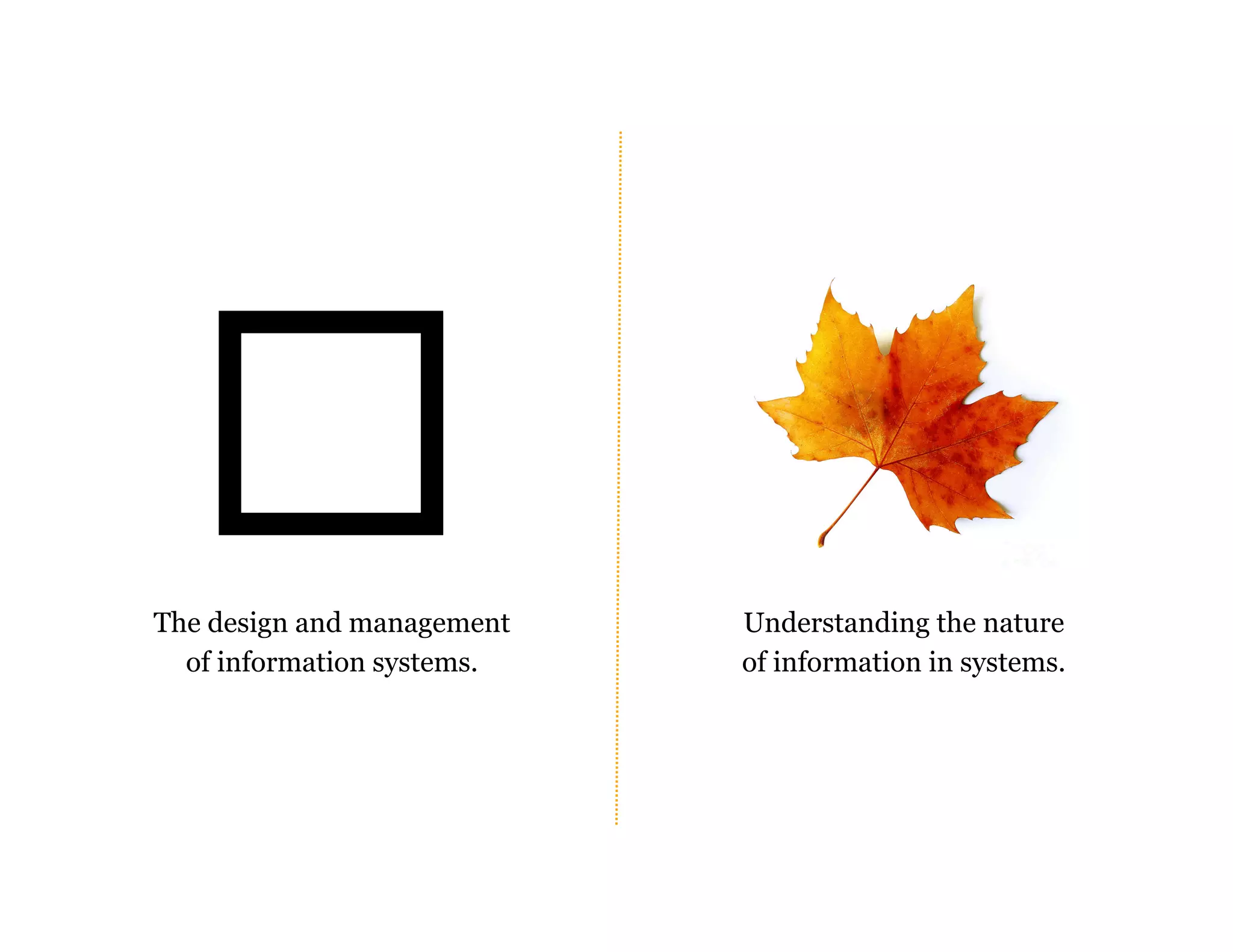
The design and management
of information systems.
Understanding the nature
of information in systems.
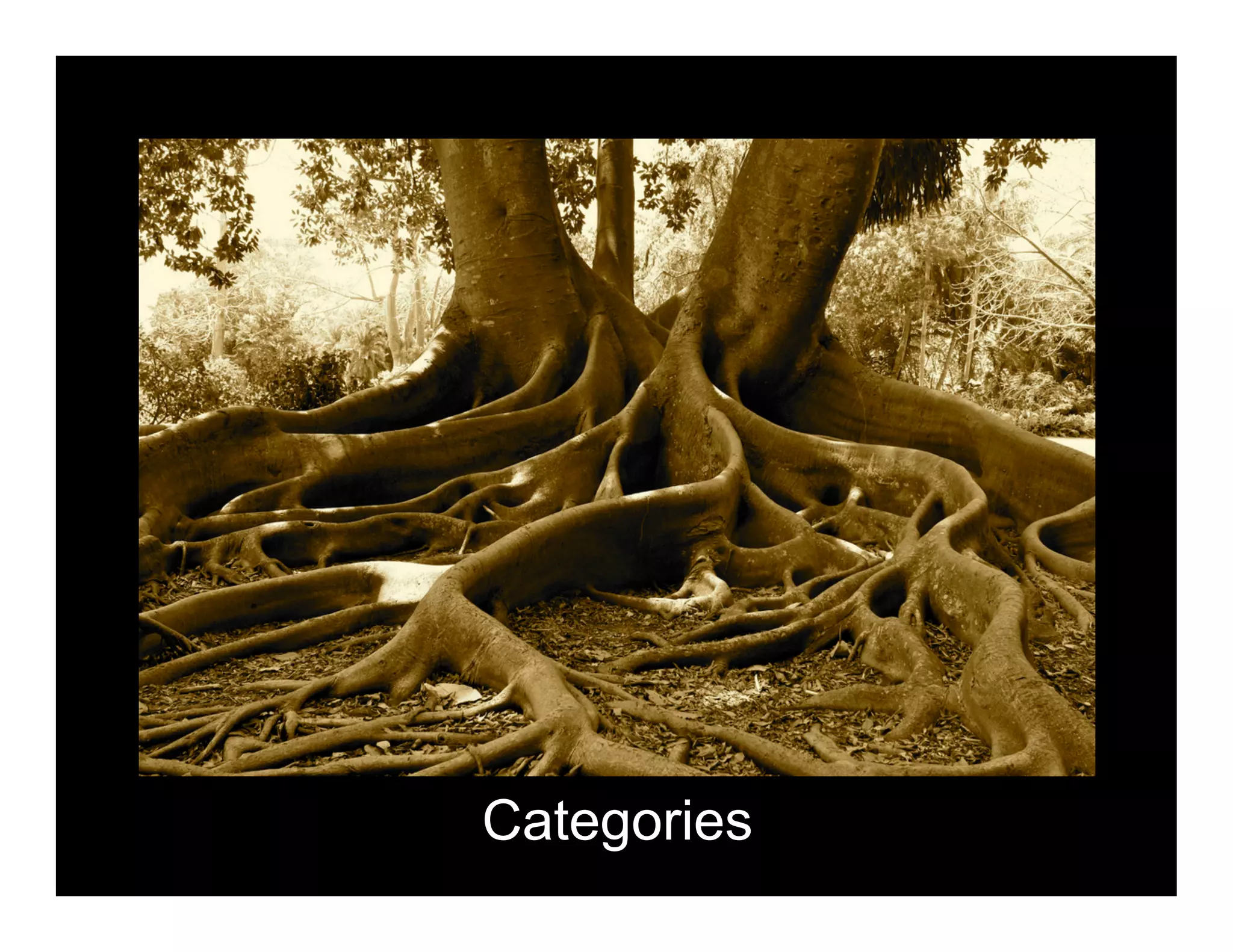
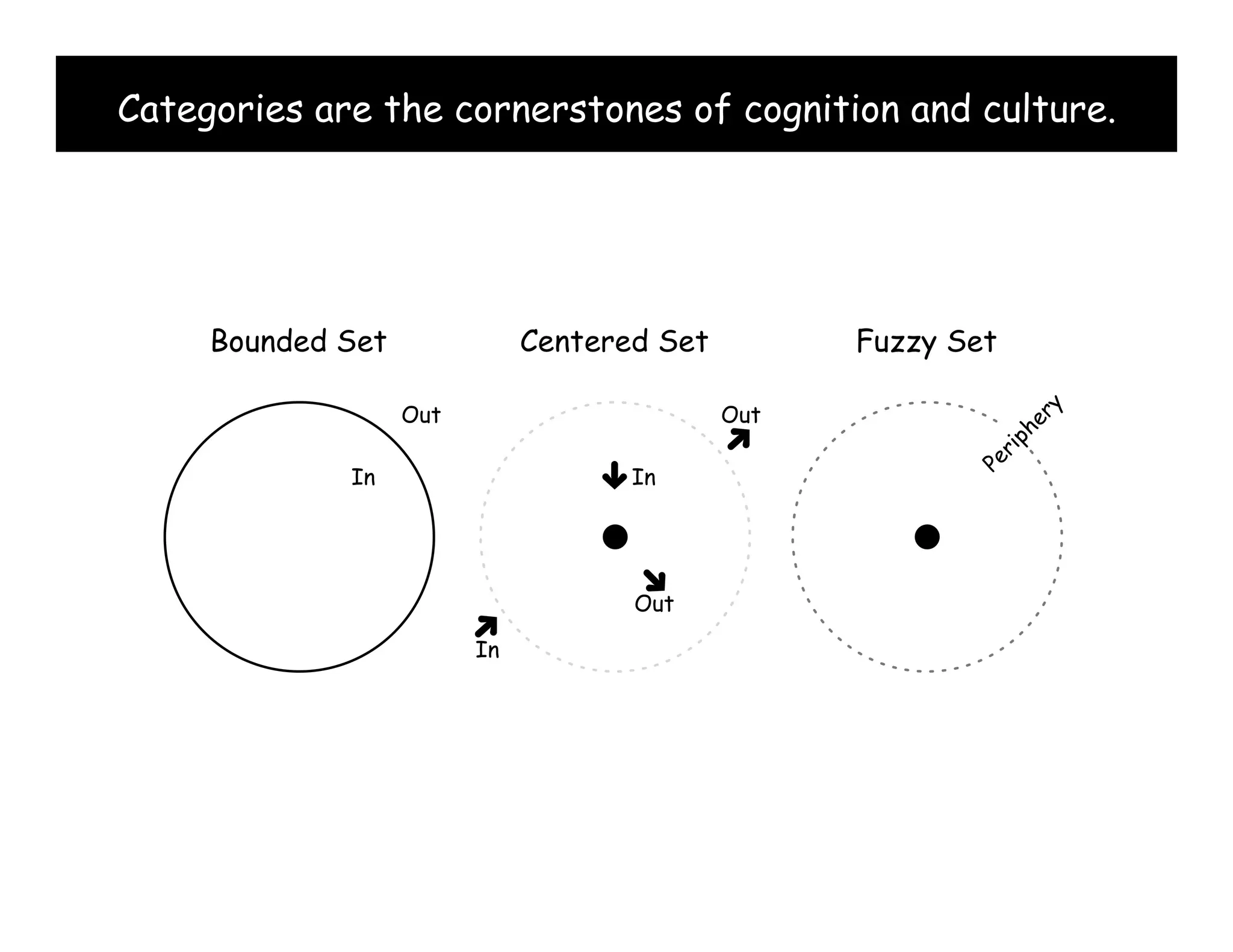
Categories
Categories are the cornerstones of cognition and culture.
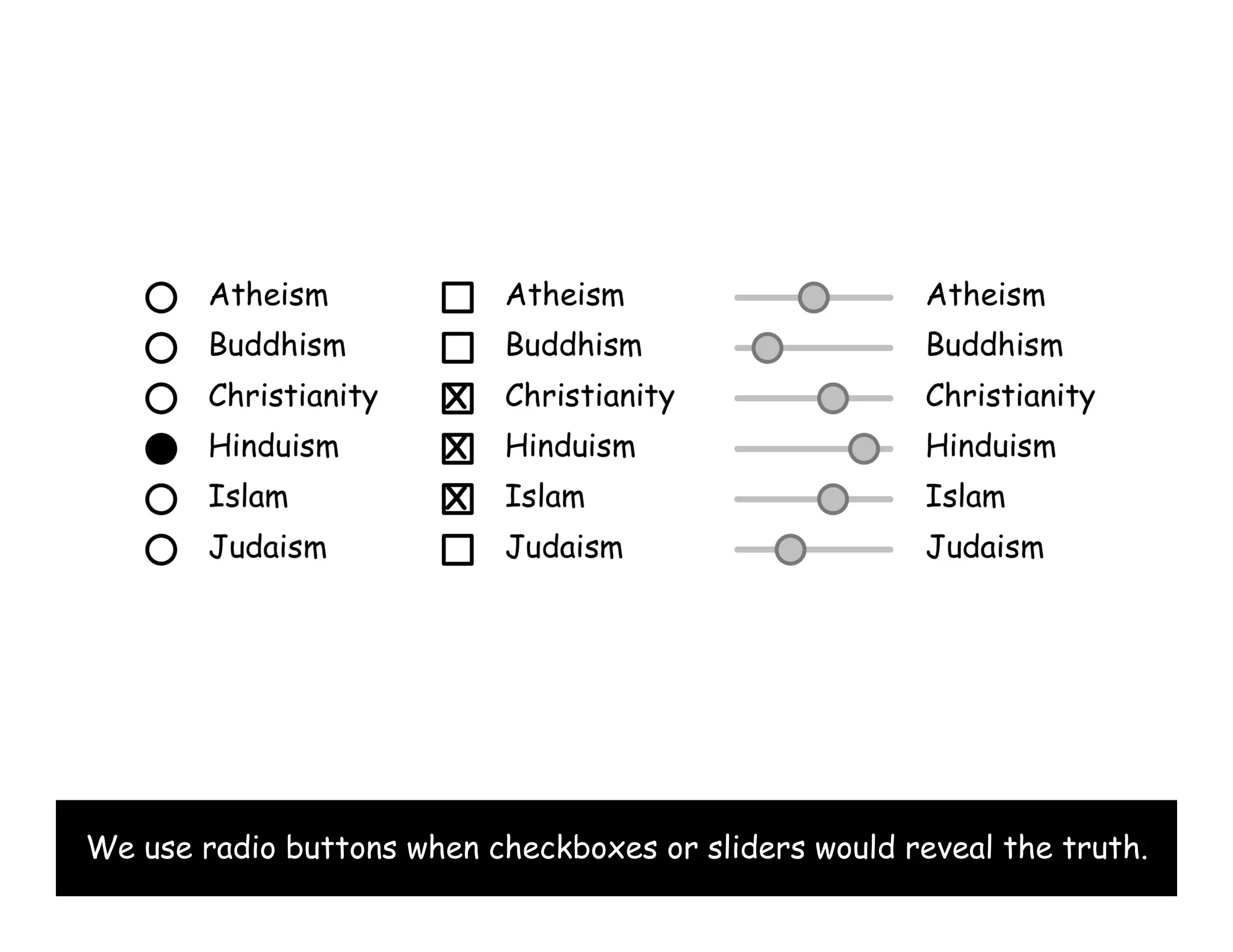
We use radio buttons when checkboxes or sliders would reveal the truth.
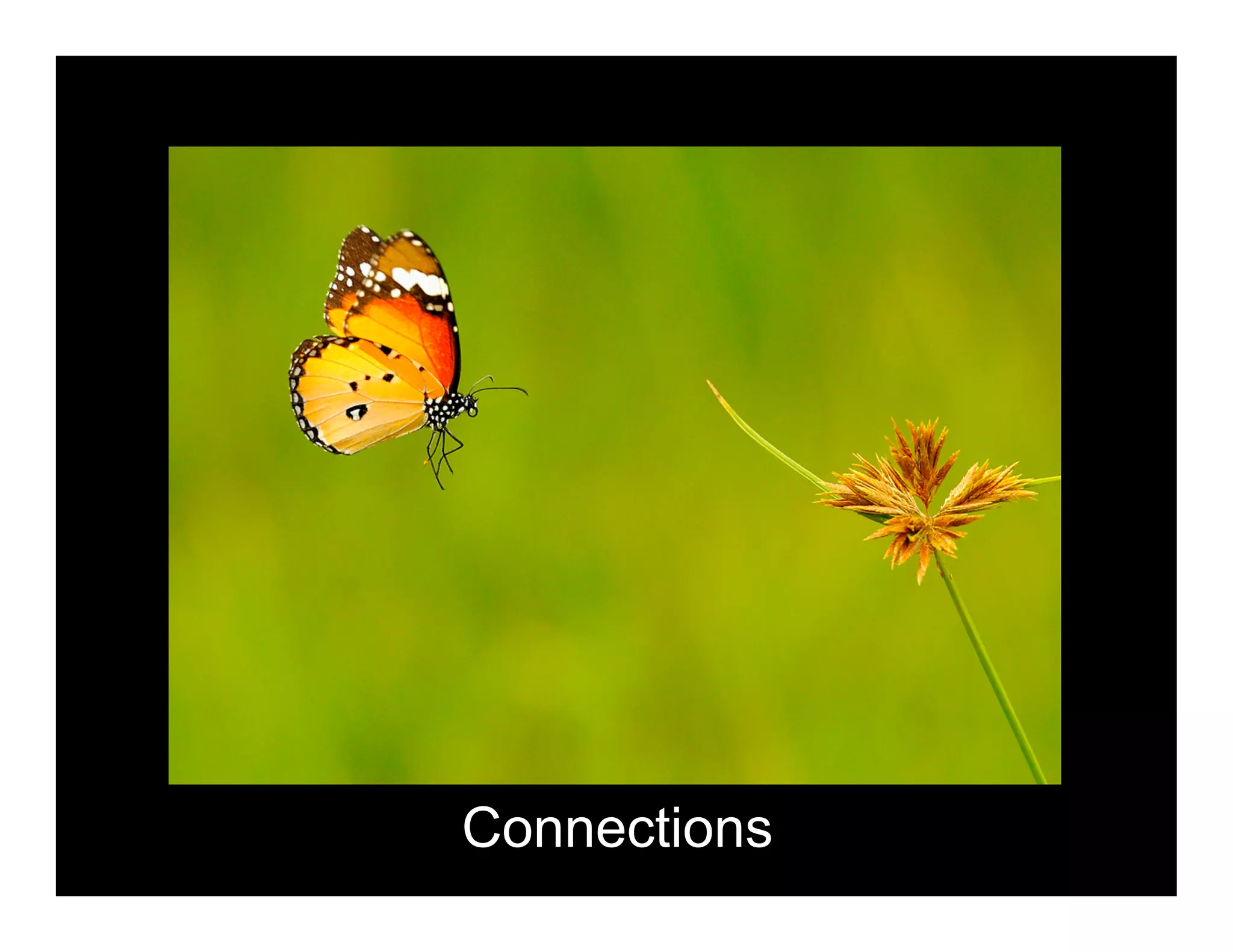
Connections
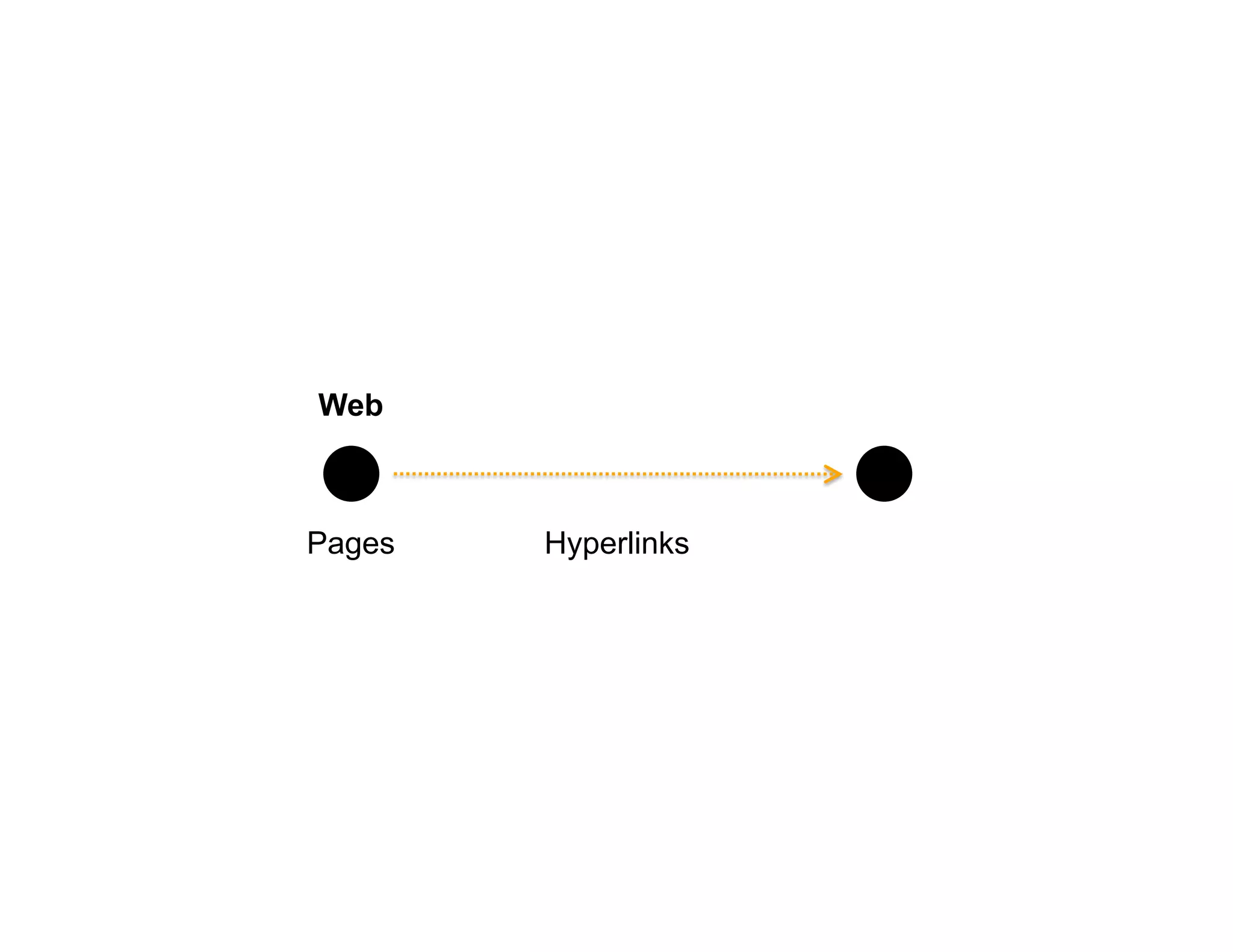
HyperlinksPages
Web
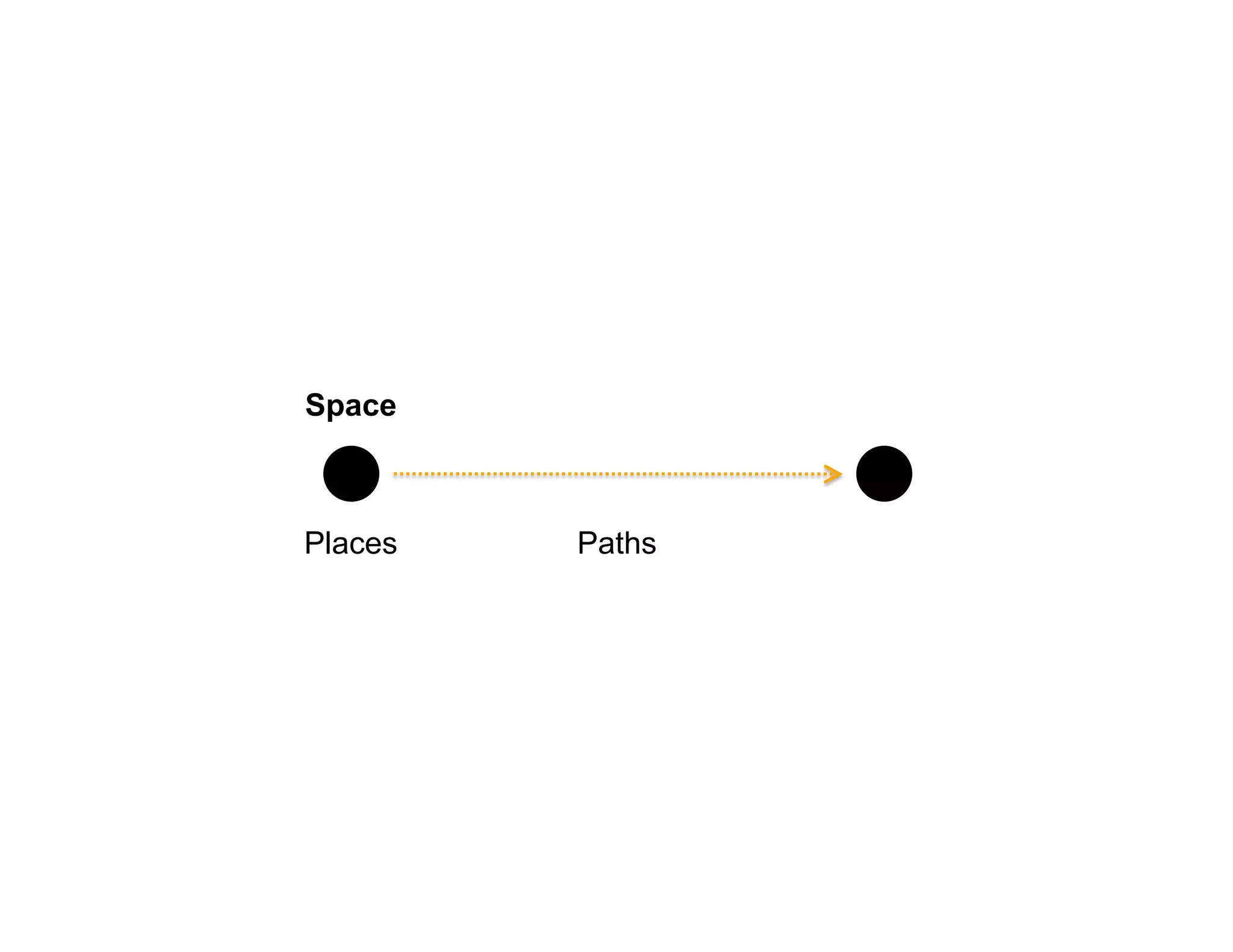
PathsPlaces
Space
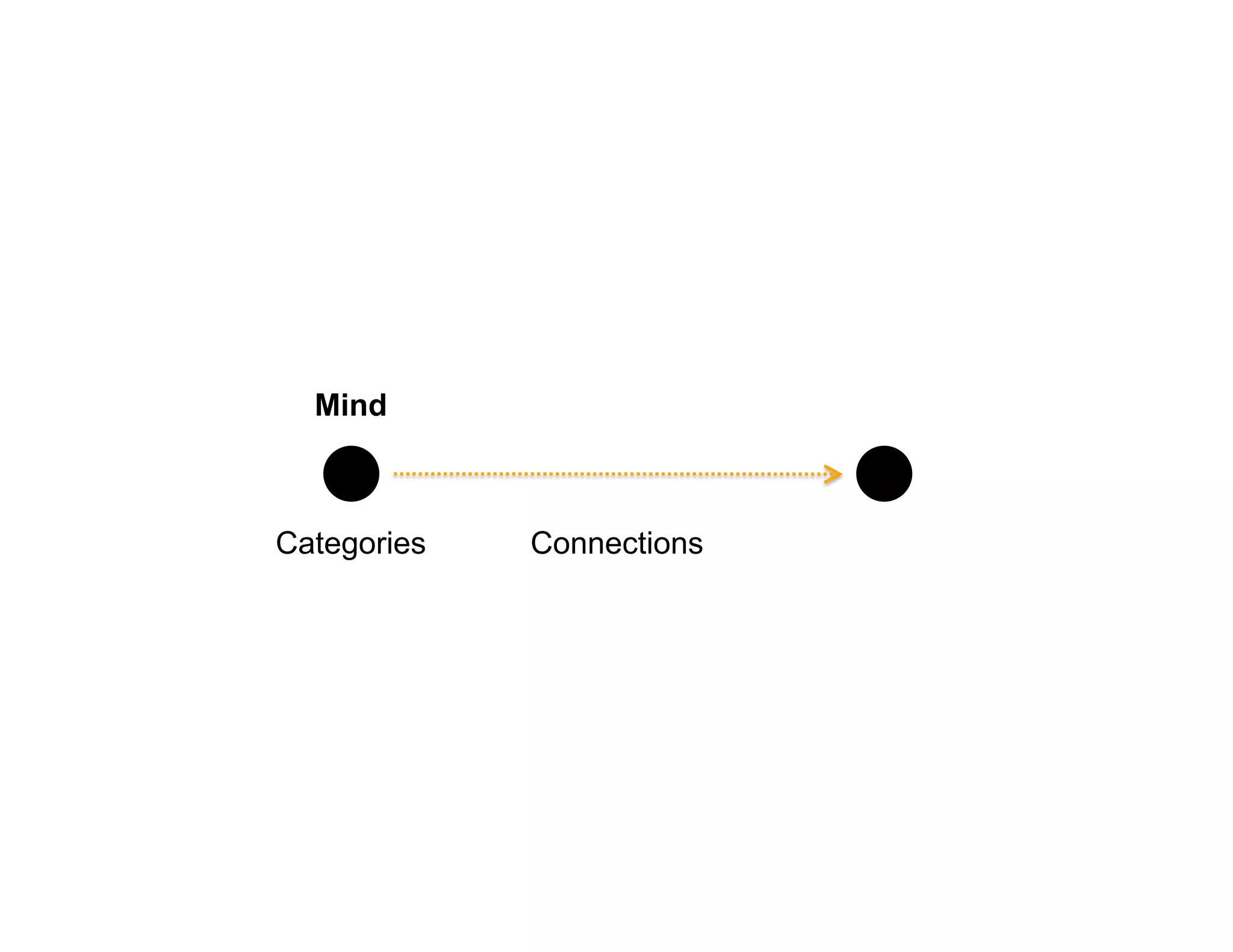
ConnectionsCategories
Mind
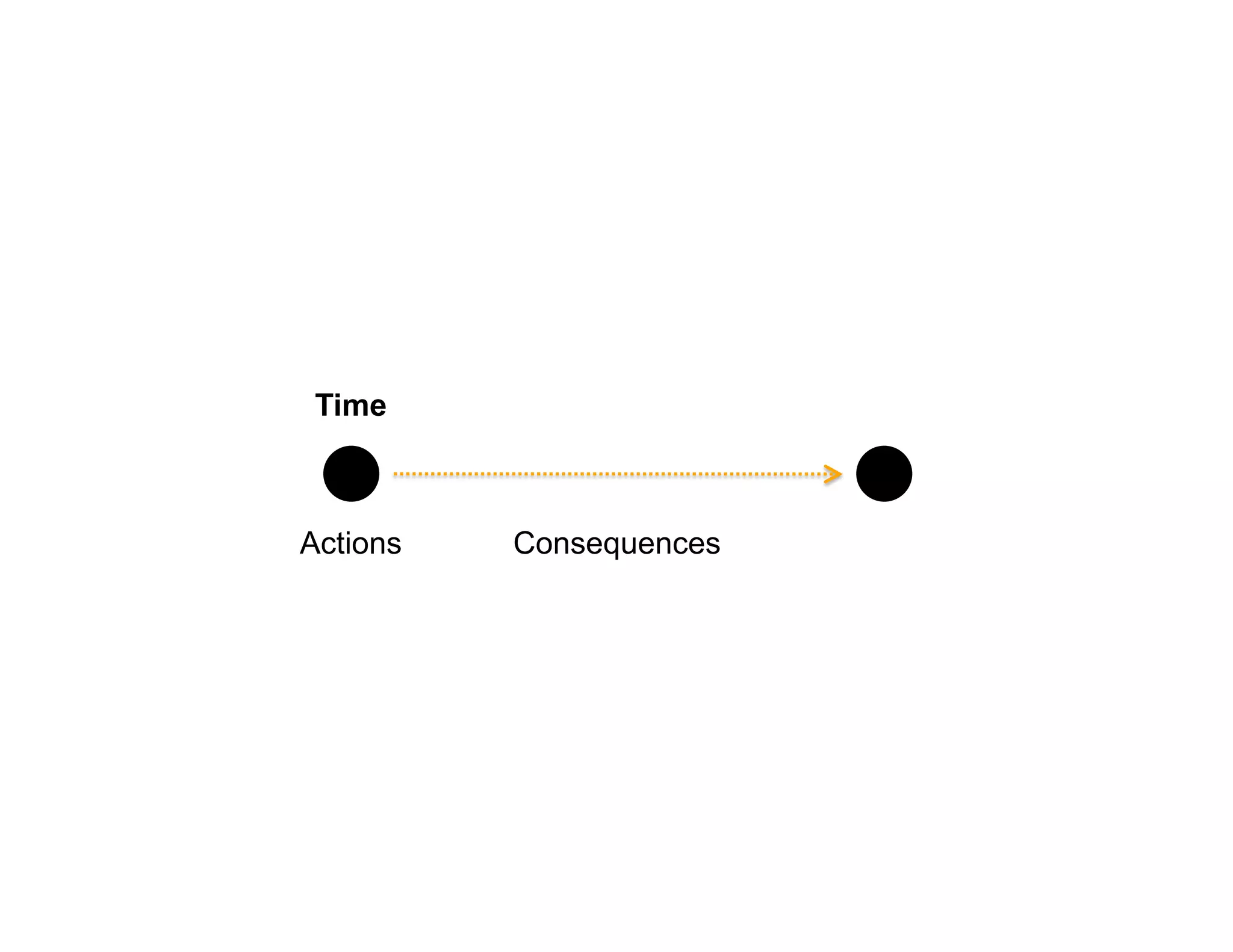
ConsequencesActions
Time
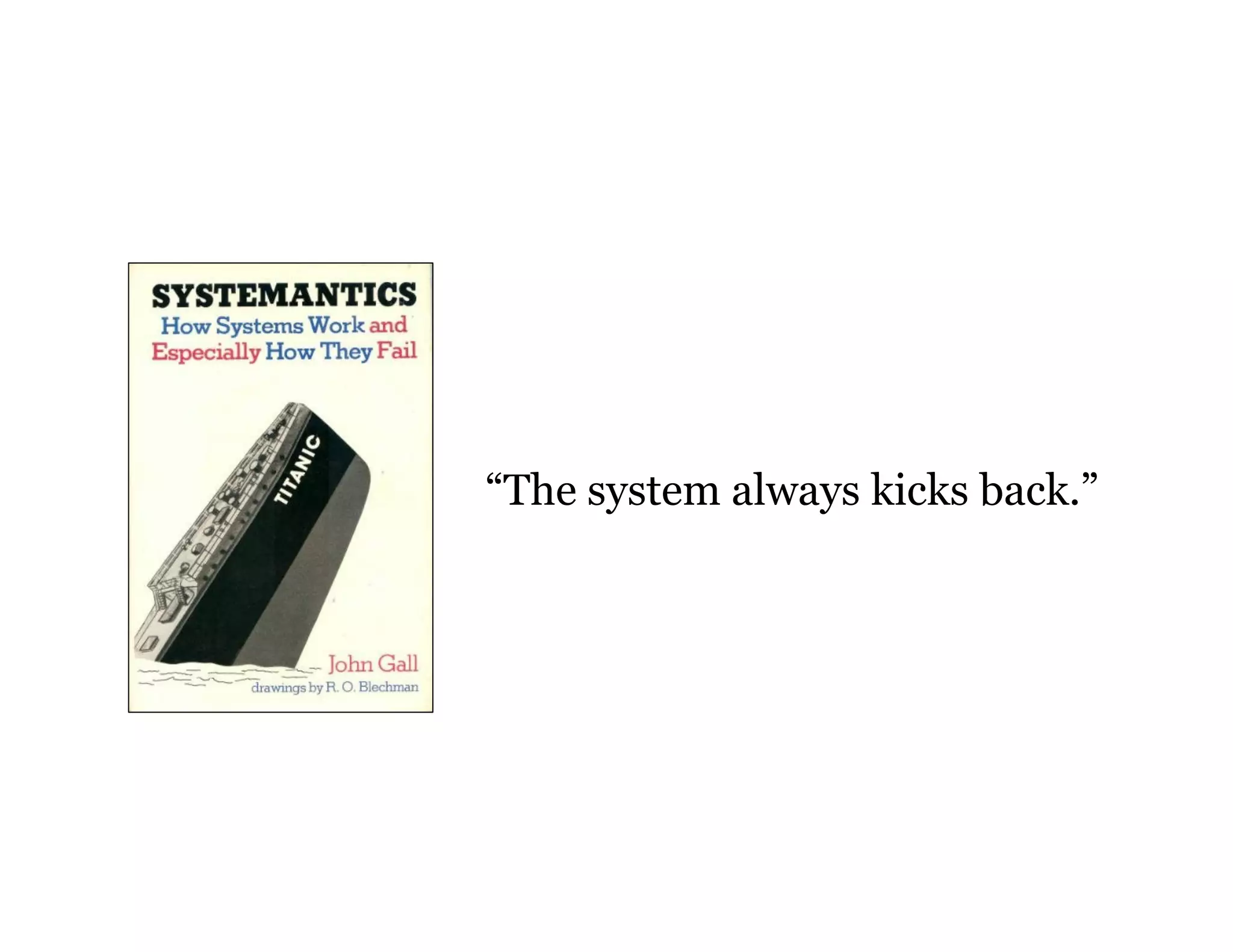
“The system always kicks back.”
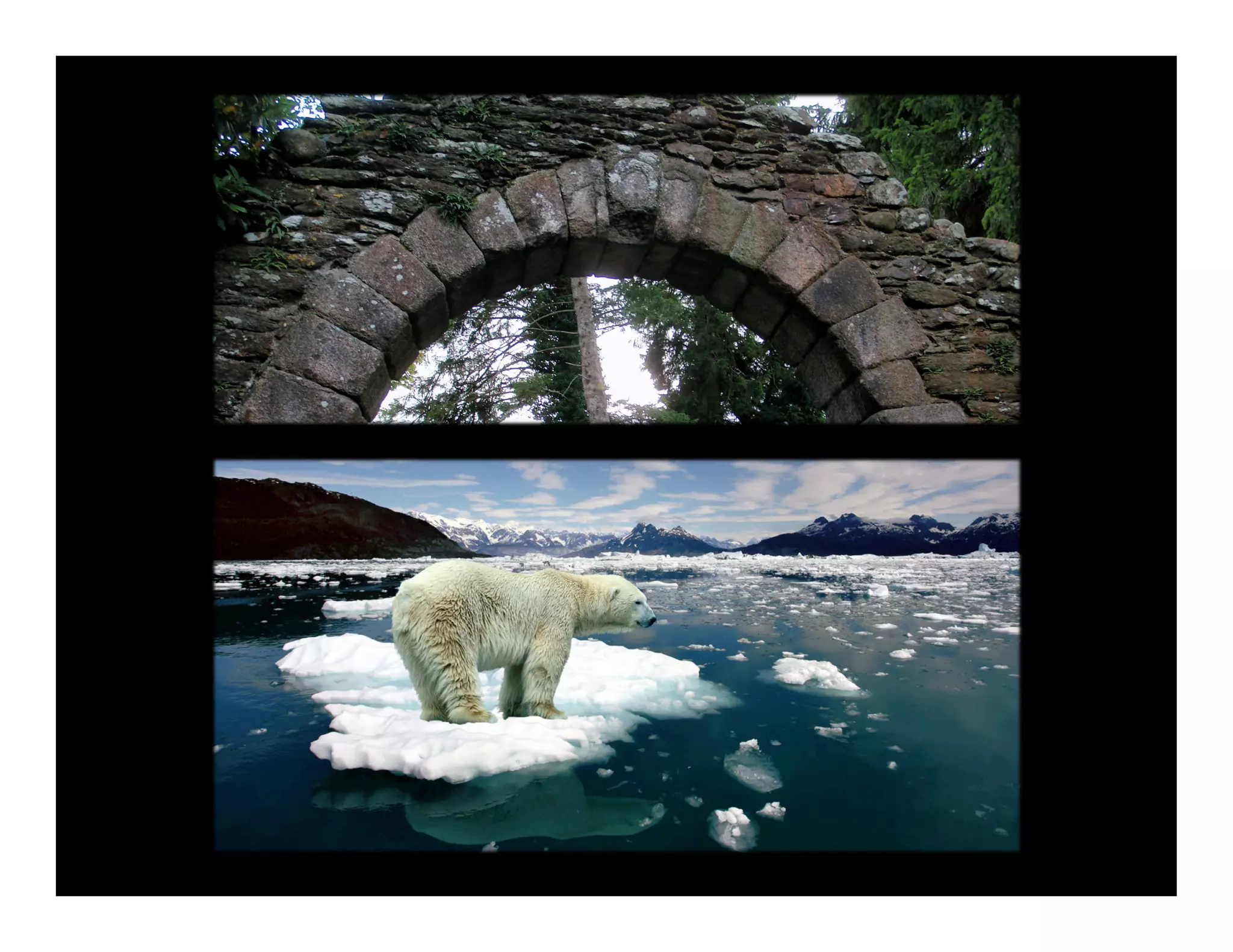
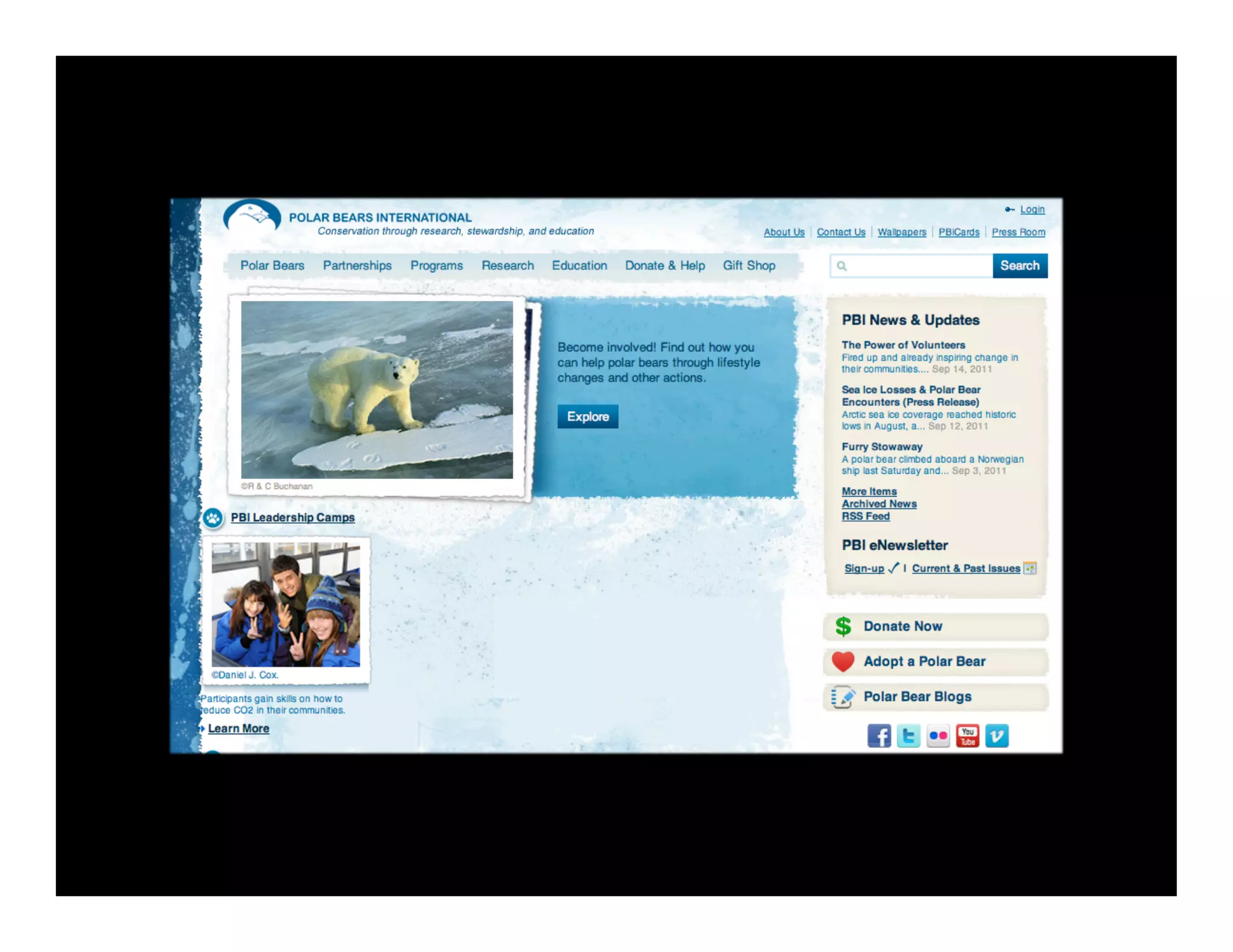
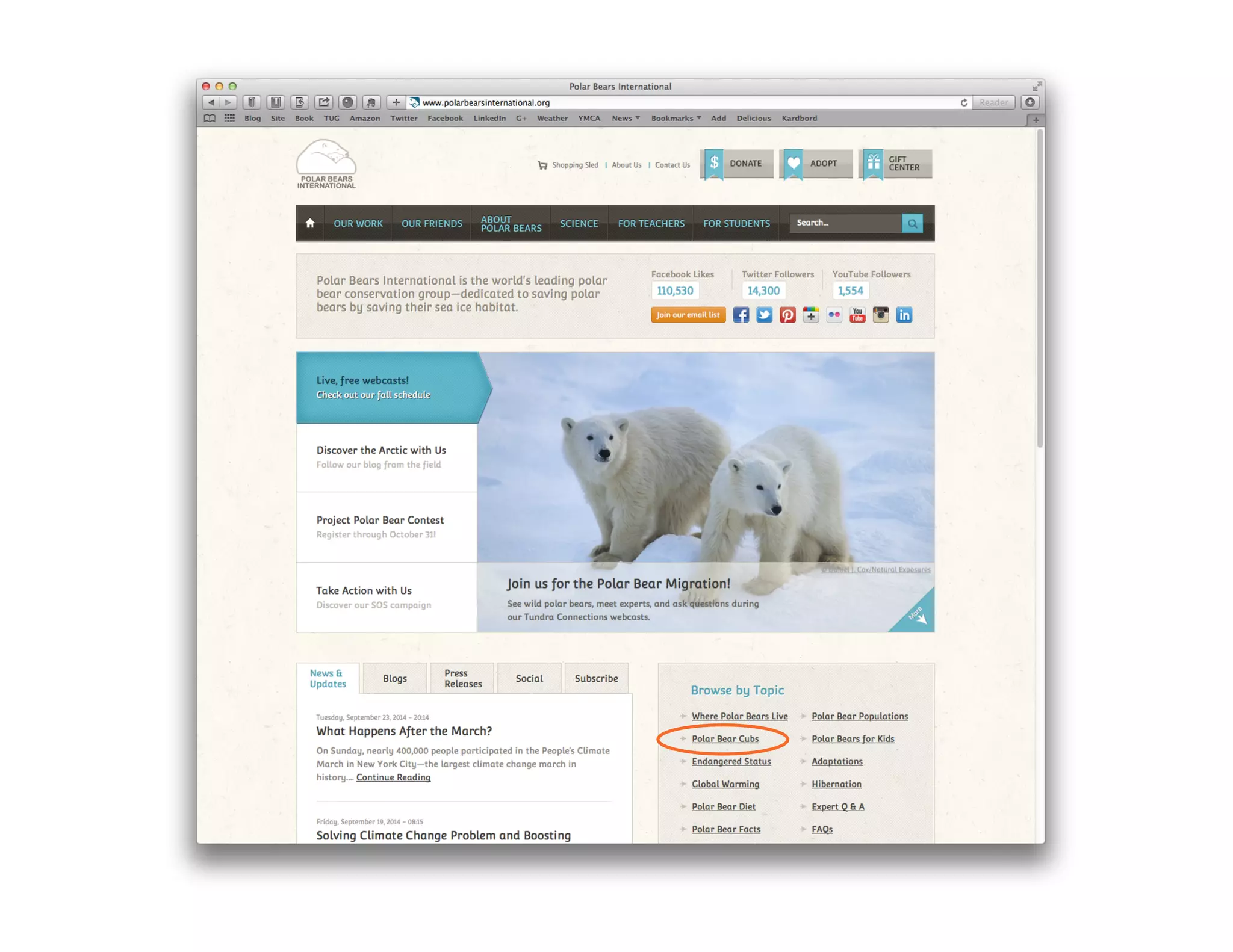
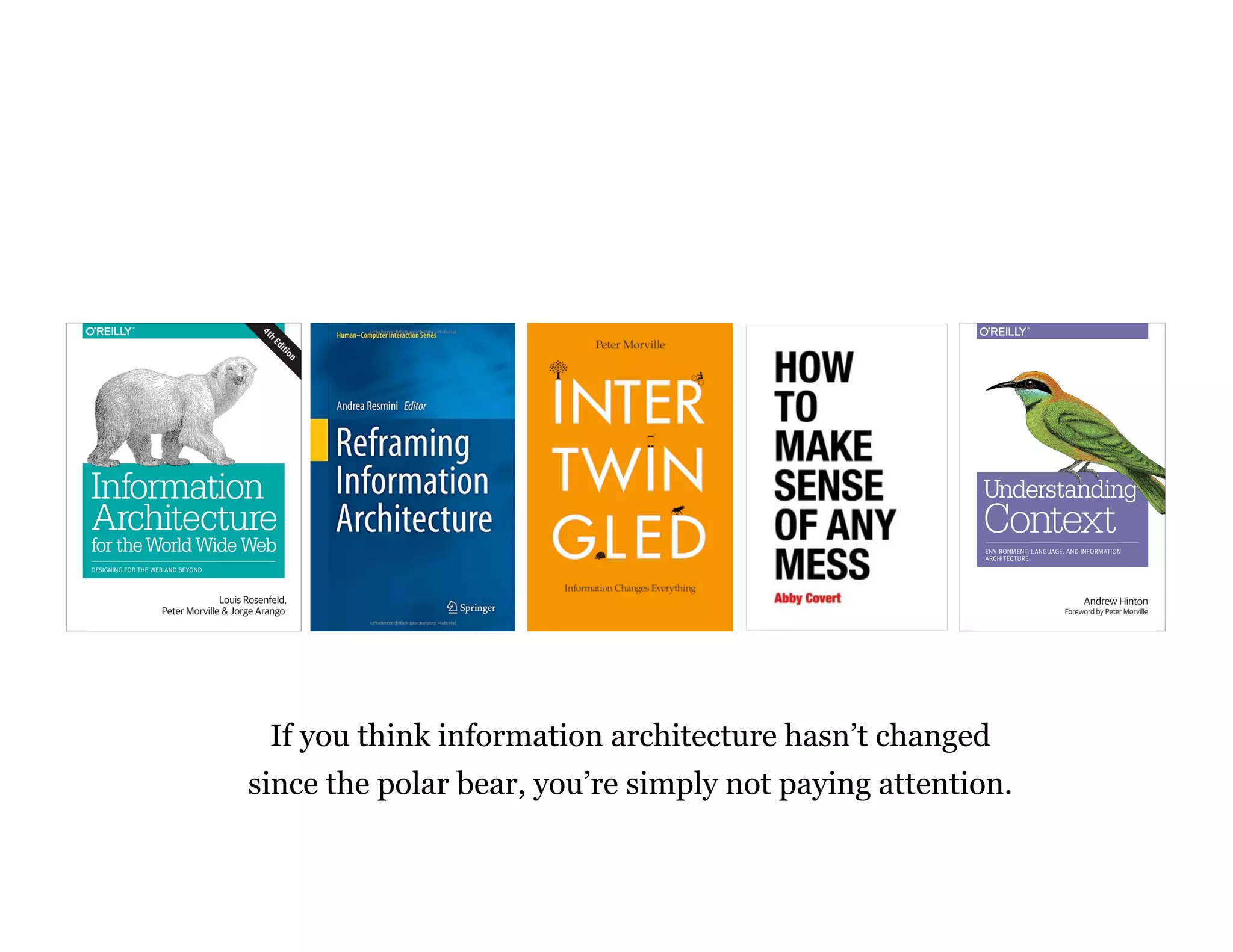
If you think information architecture hasn’t changed
since the polar bear, you’re simply not paying attention.
39	
  
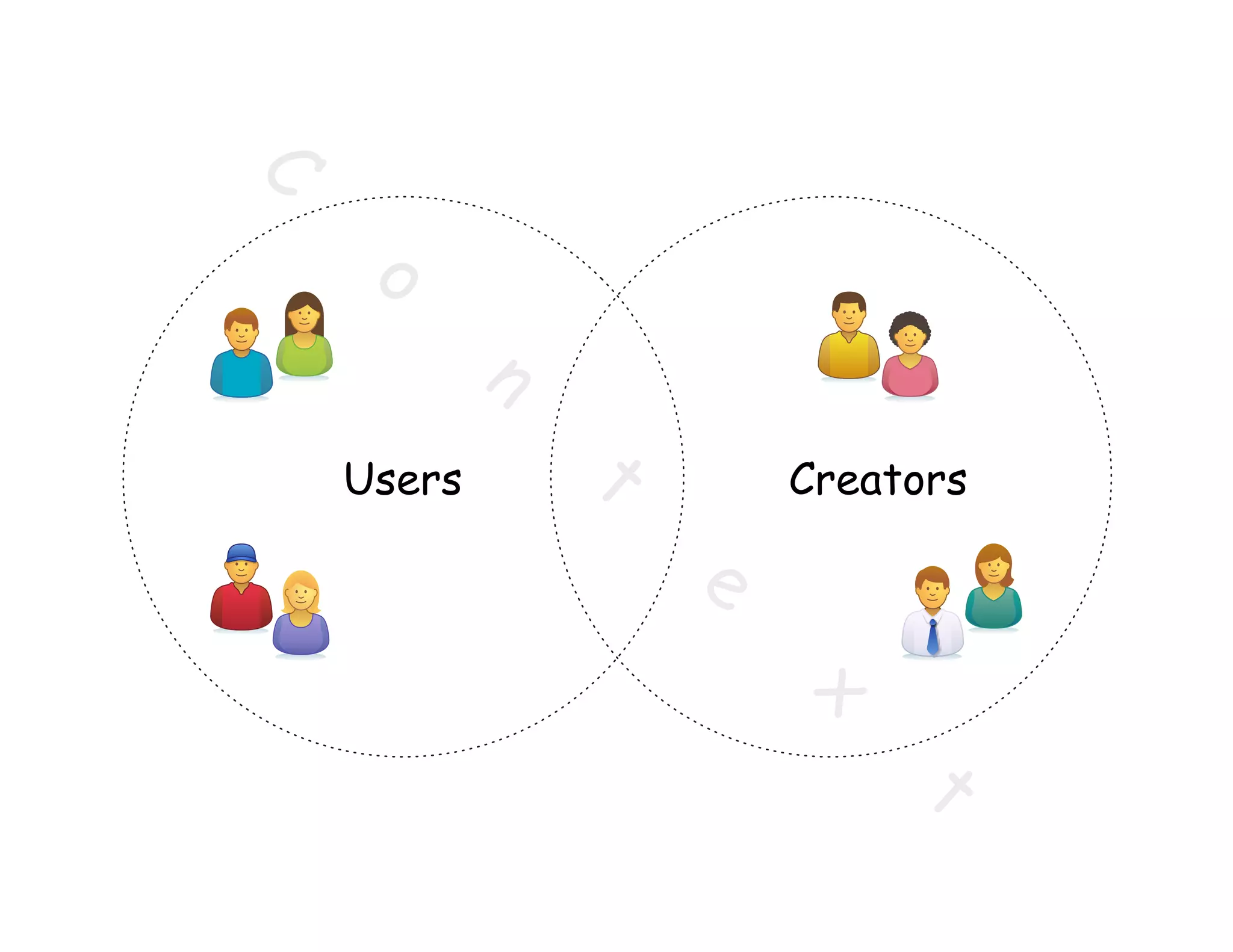
C
o
n
t
e
x
t
Users Creators
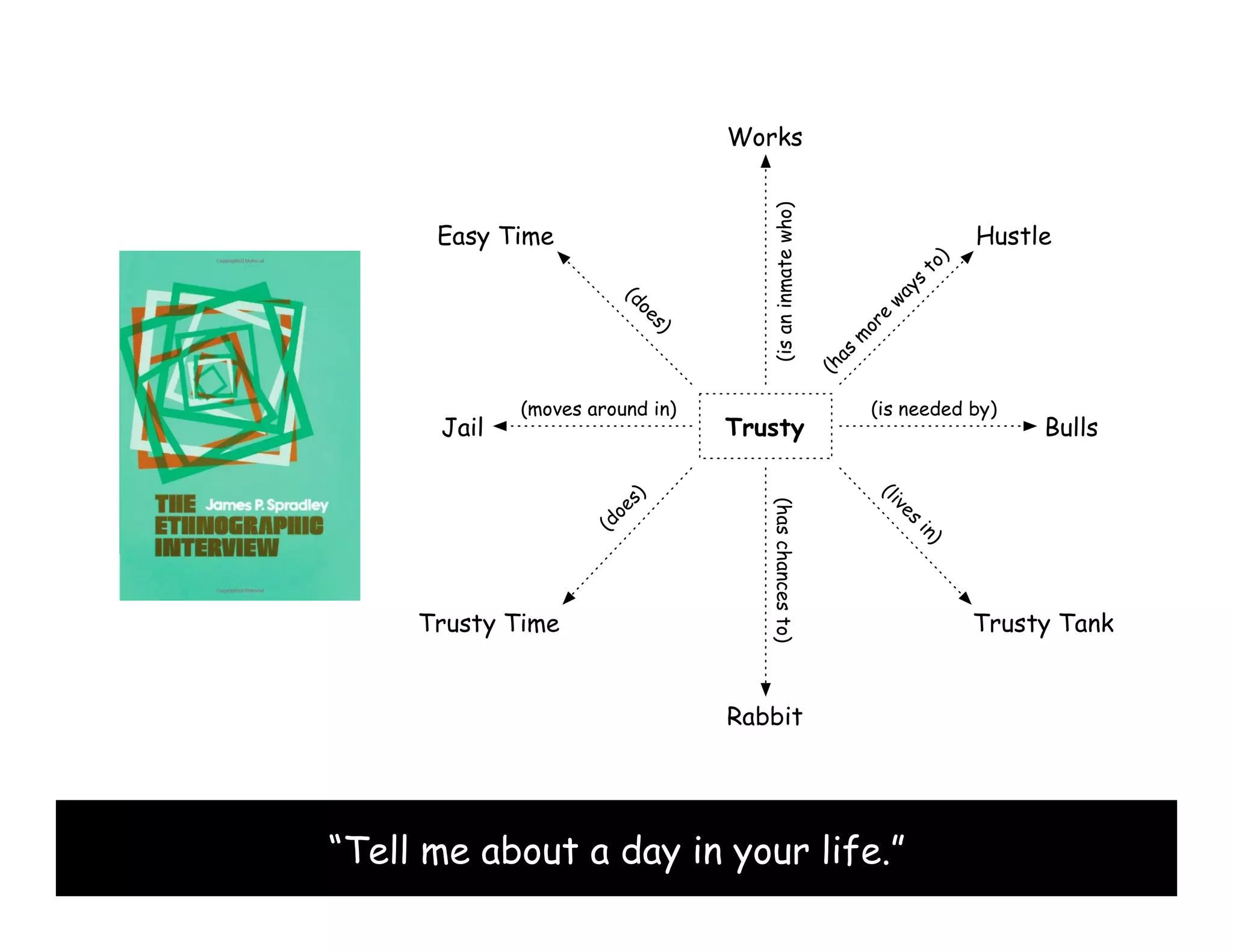
“Tell me about a day in your life.”
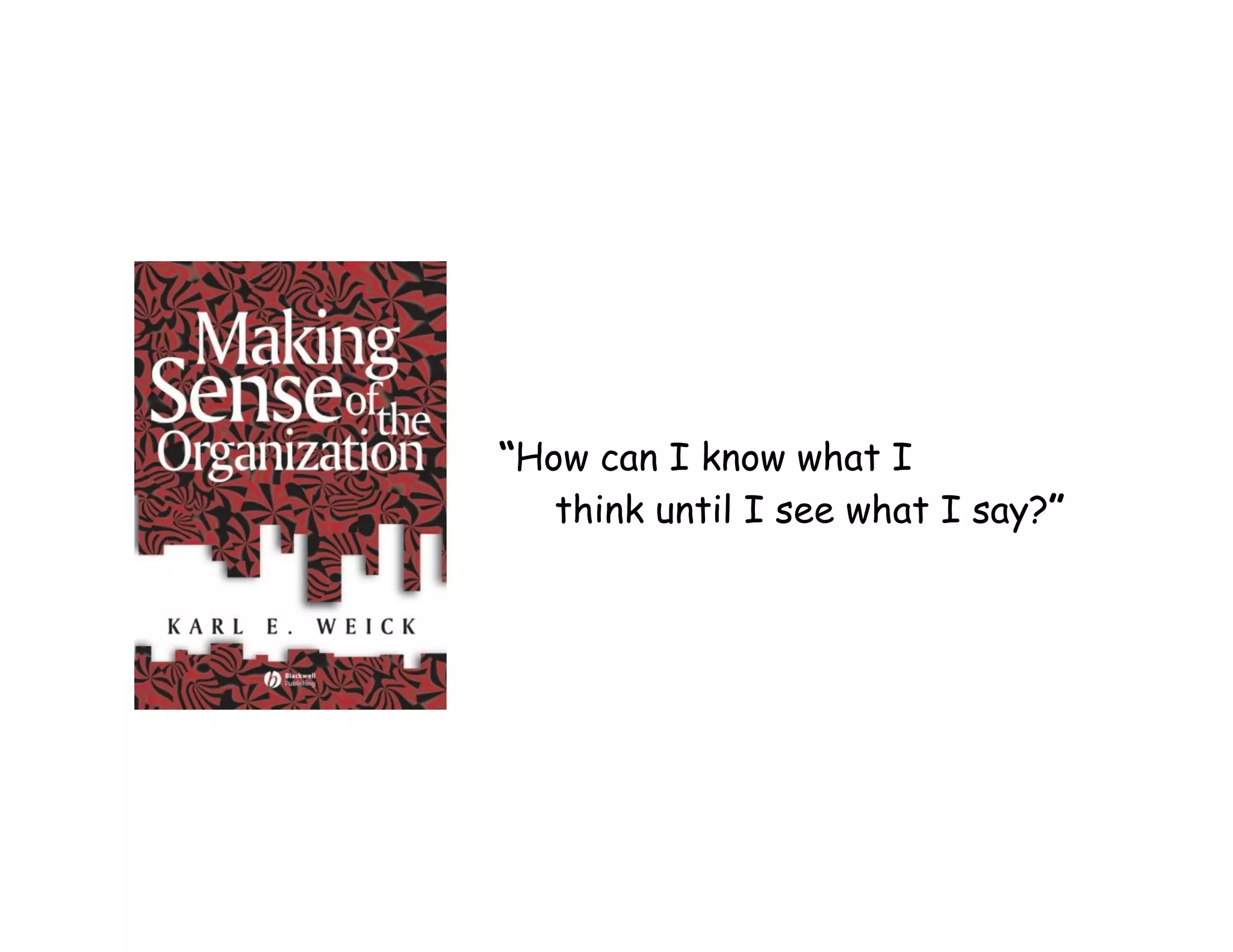
“How can I know what I
think until I see what I say?”
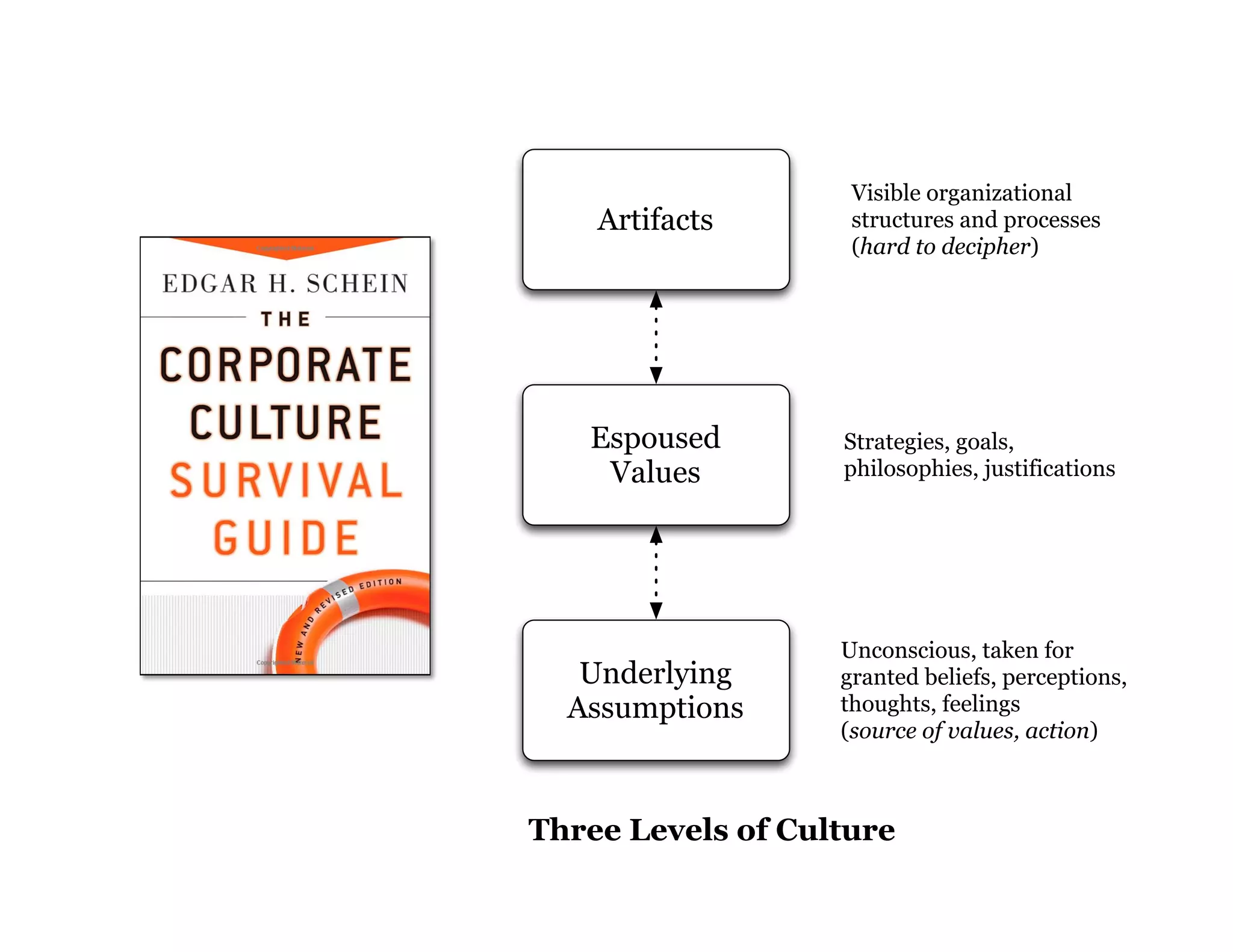
Culture
Underlying
Assumptions
Espoused
Values
Artifacts
Visible organizational
structures and processes
(hard to decipher)
Strategies, goals,
philosophies, justifications
Unconscious, taken for
granted beliefs, perceptions,
thoughts, feelings
(source of values, action)
Three Levels of Culture
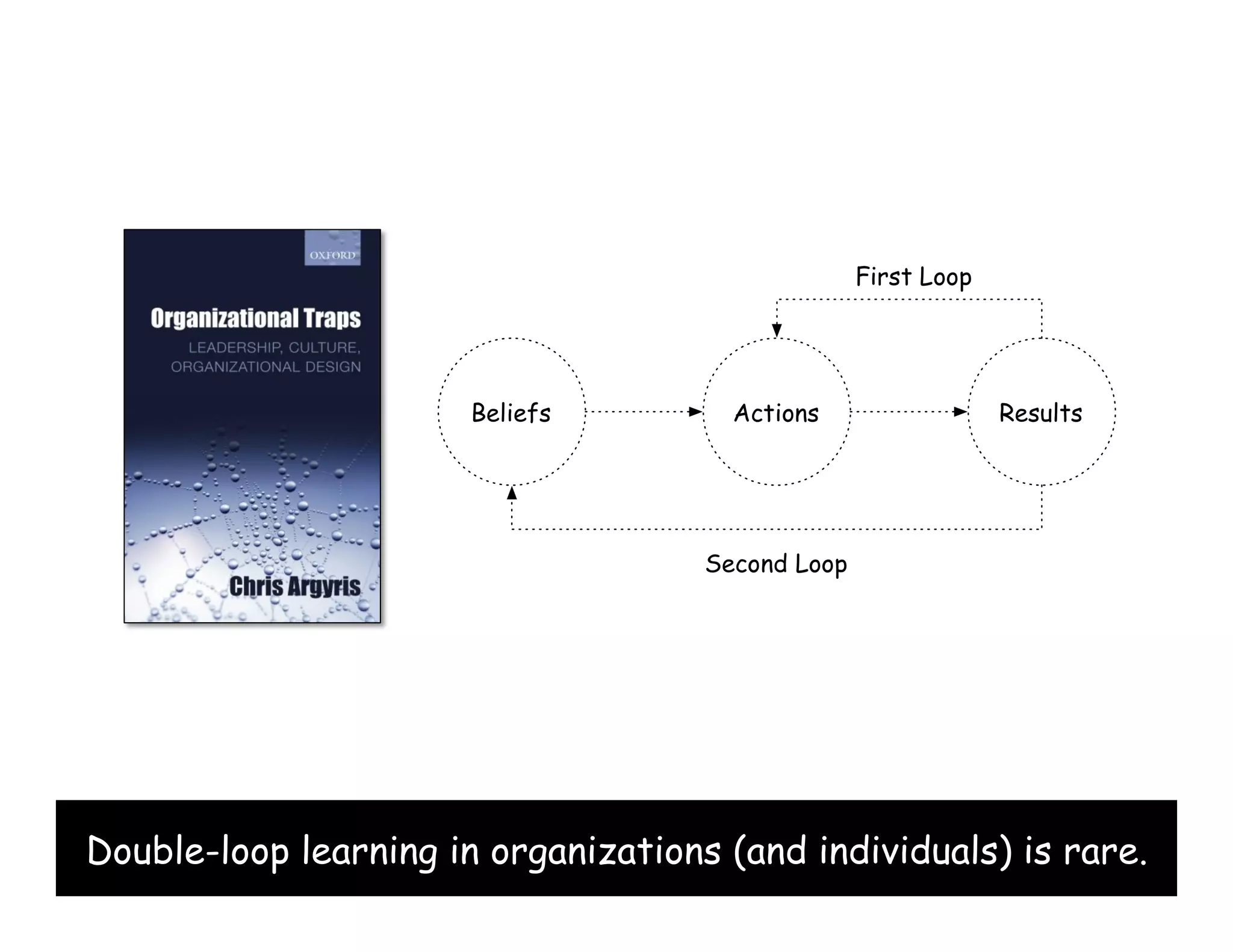
Double-loop learning in organizations (and individuals) is rare.
The relationship between information and culture.
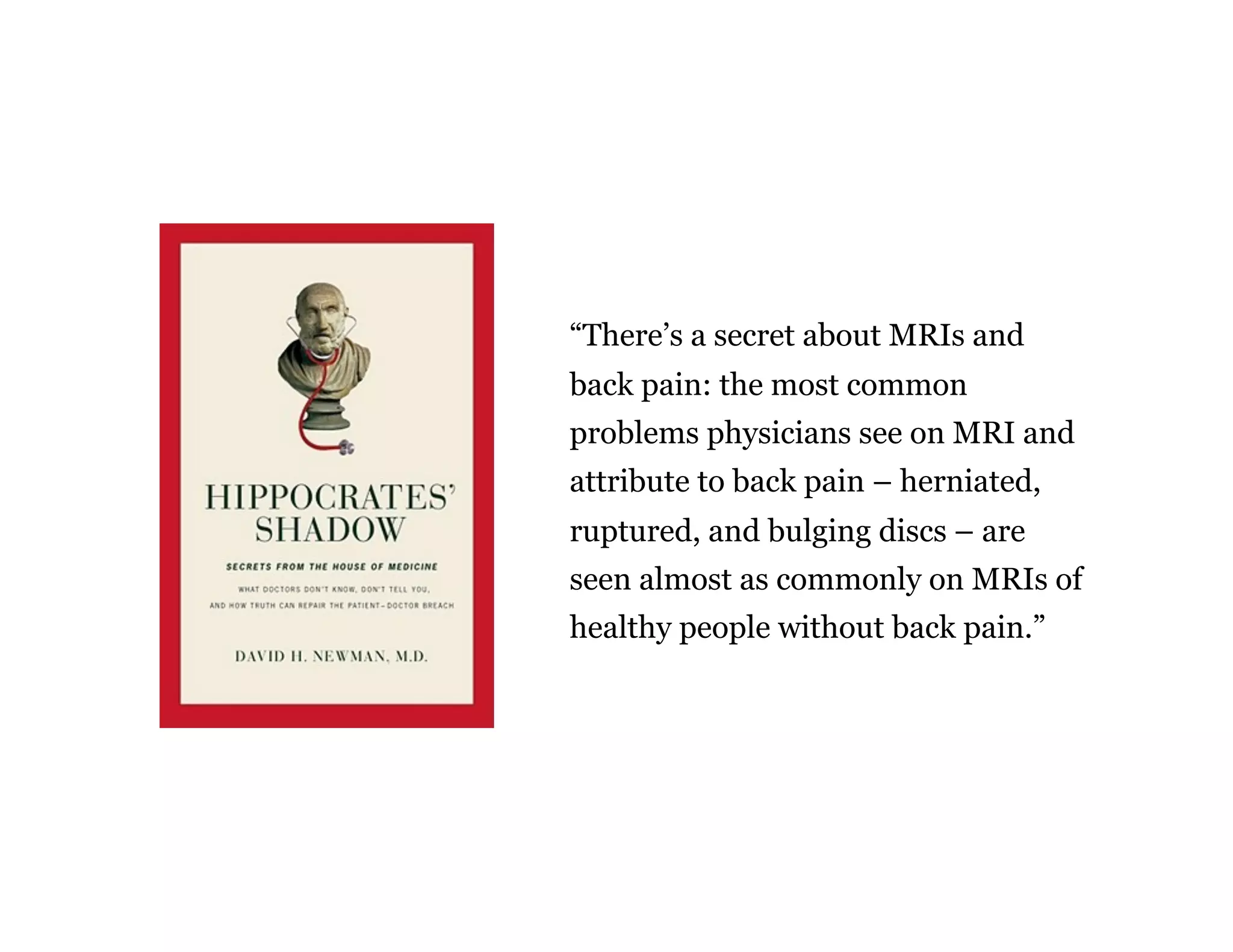
“There’s a secret about MRIs and
back pain: the most common
problems physicians see on MRI and
attribute to back pain – herniated,
ruptured, and bulging discs – are
seen almost as commonly on MRIs of
healthy people without back pain.”
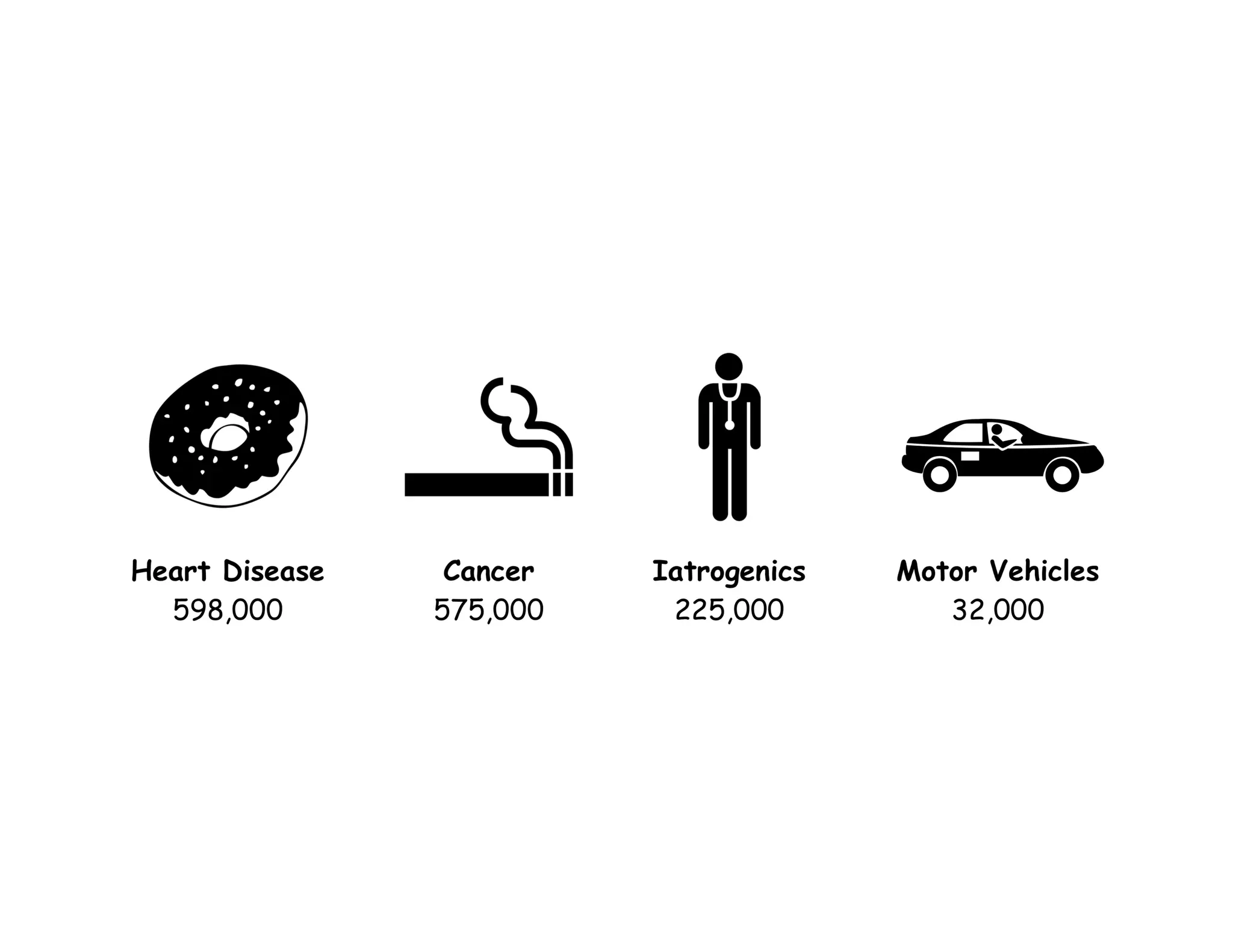
“If you want to accelerate
someone’s death, give him a
personal doctor. I don’t mean
provide him with a bad doctor.
Just pay for him to choose his
own. Any doctor will do.”
48	
  
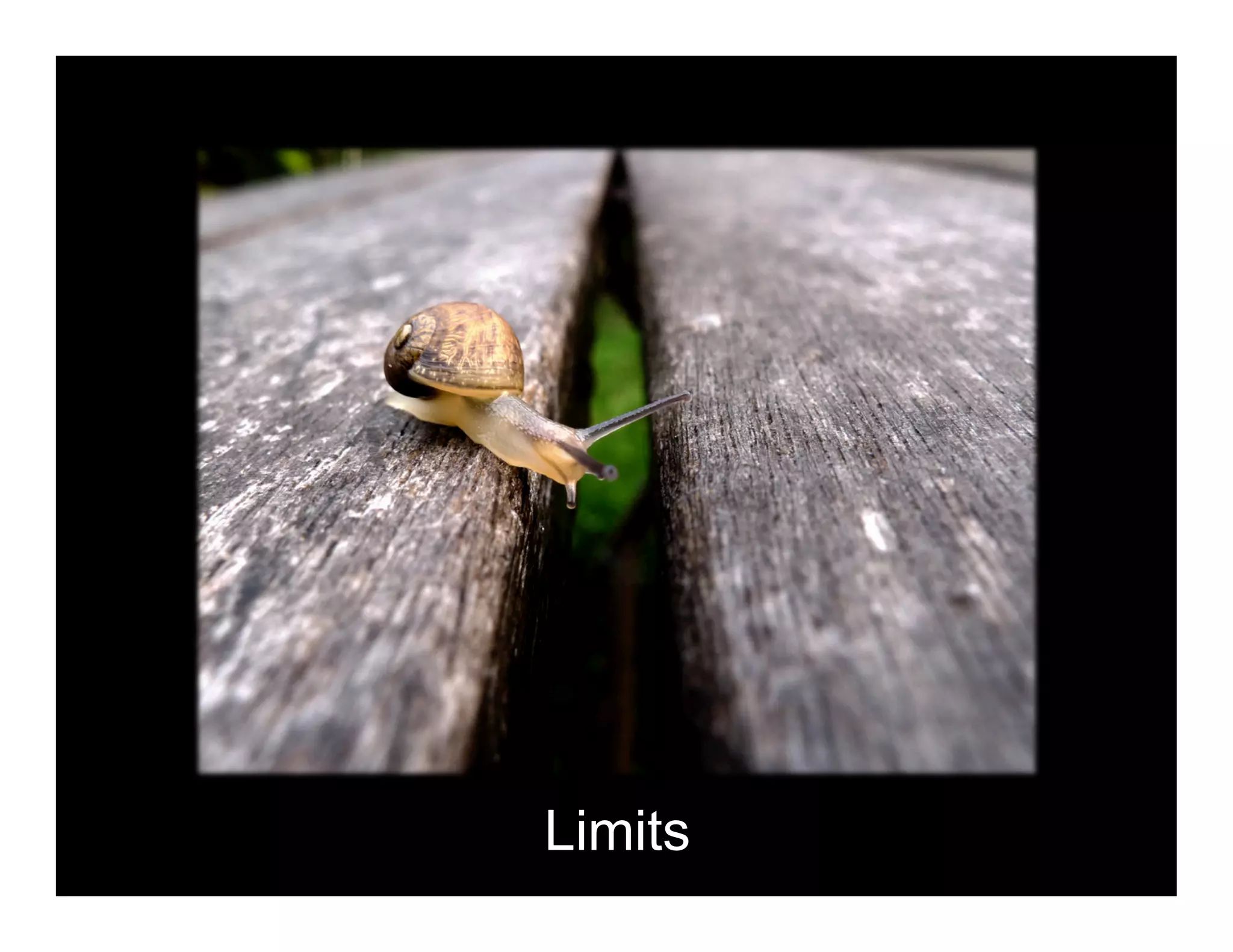
Limits
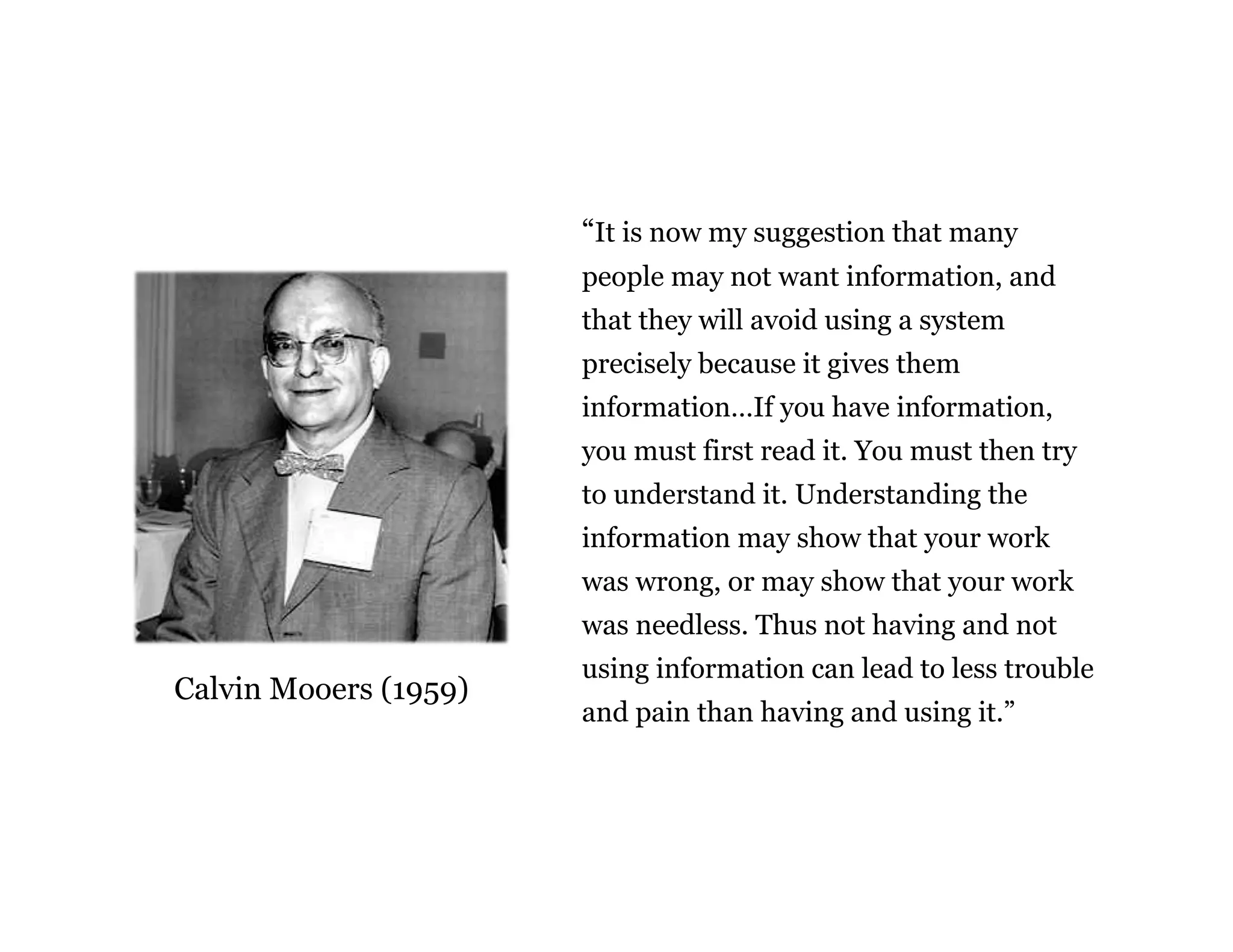
“It is now my suggestion that many
people may not want information, and
that they will avoid using a system
precisely because it gives them
information…If you have information,
you must first read it. You must then try
to understand it. Understanding the
information may show that your work
was wrong, or may show that your work
was needless. Thus not having and not
using information can lead to less trouble
and pain than having and using it.”
Calvin Mooers (1959)
The limits of information
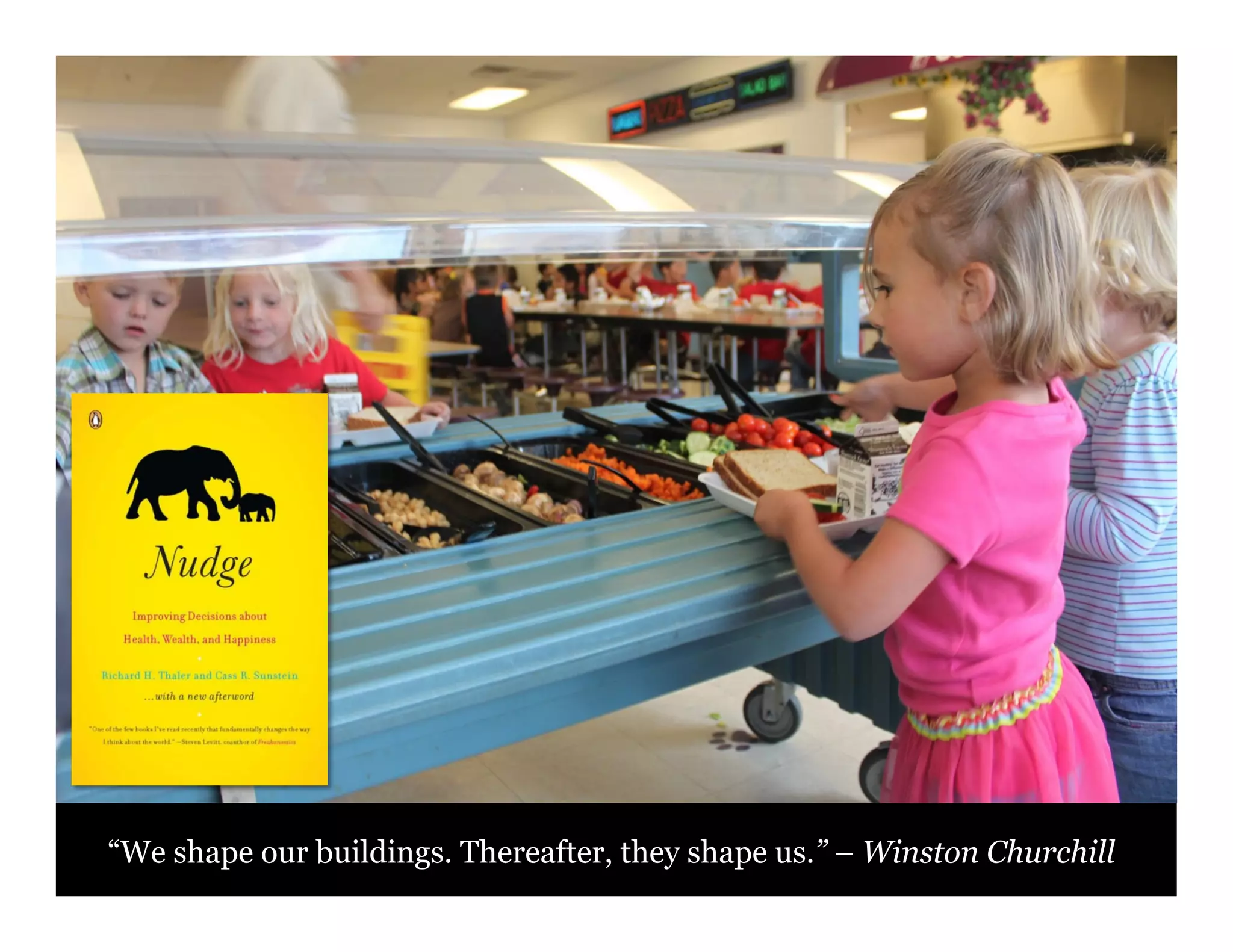
“We shape our buildings. Thereafter, they shape us.” – Winston Churchill
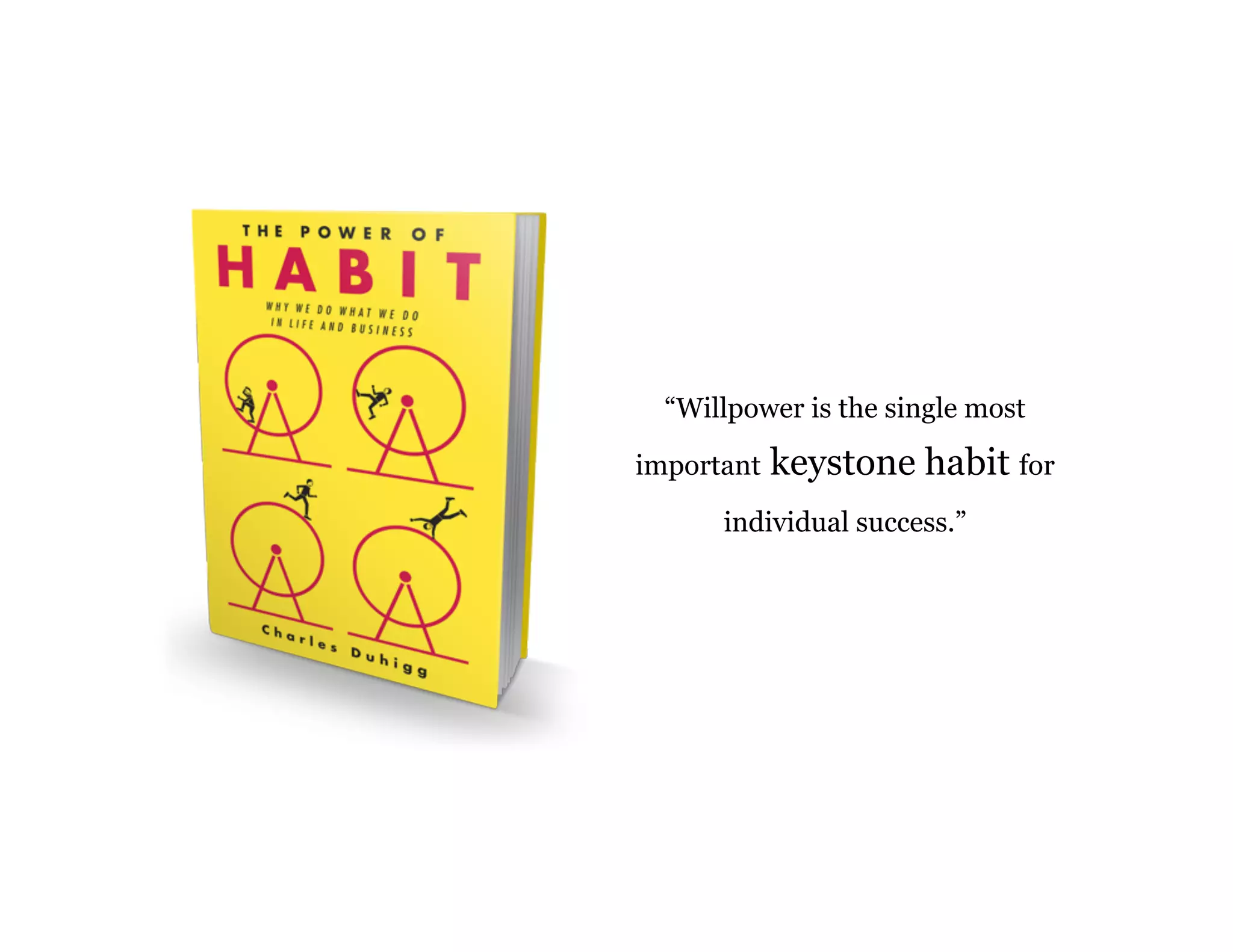
“Willpower is the single most
important keystone habit for
individual success.”
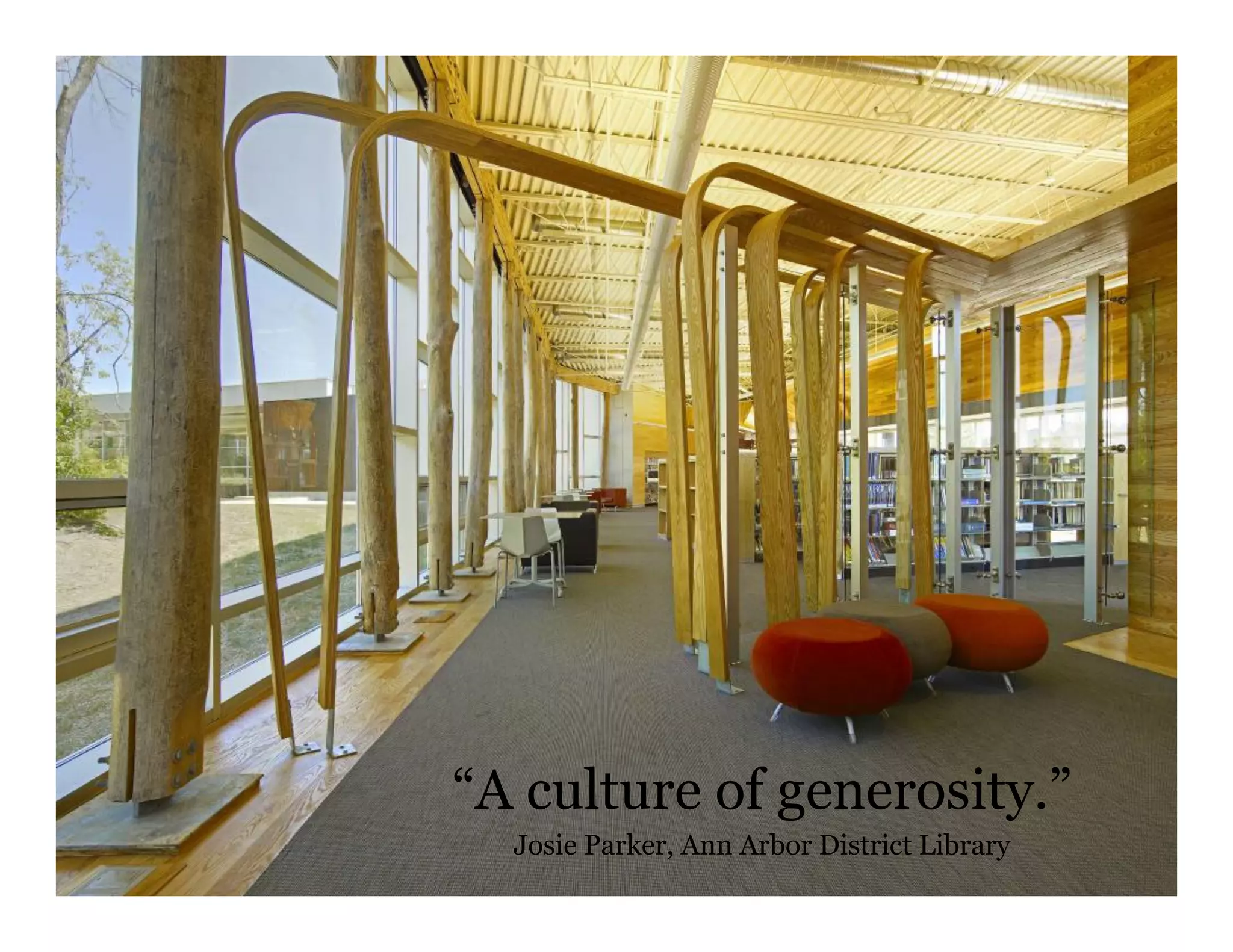
“A culture of generosity.”
Josie Parker, Ann Arbor District Library
“Where architects use forms and spaces to design
environments for inhabitation, information architects use
nodes and links to create environments for understanding.”
Jorge Arango, Architectures (2011)
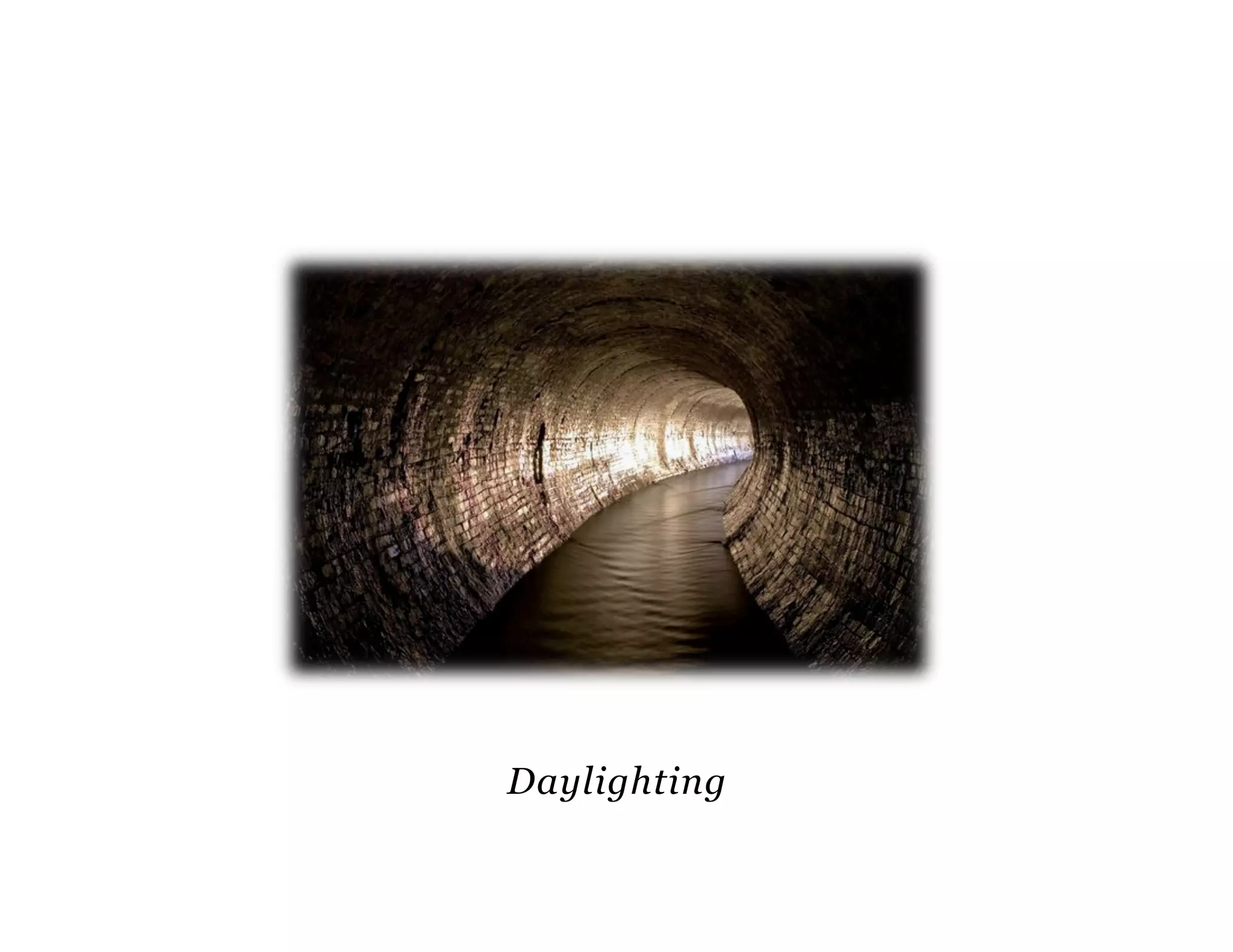
Daylighting
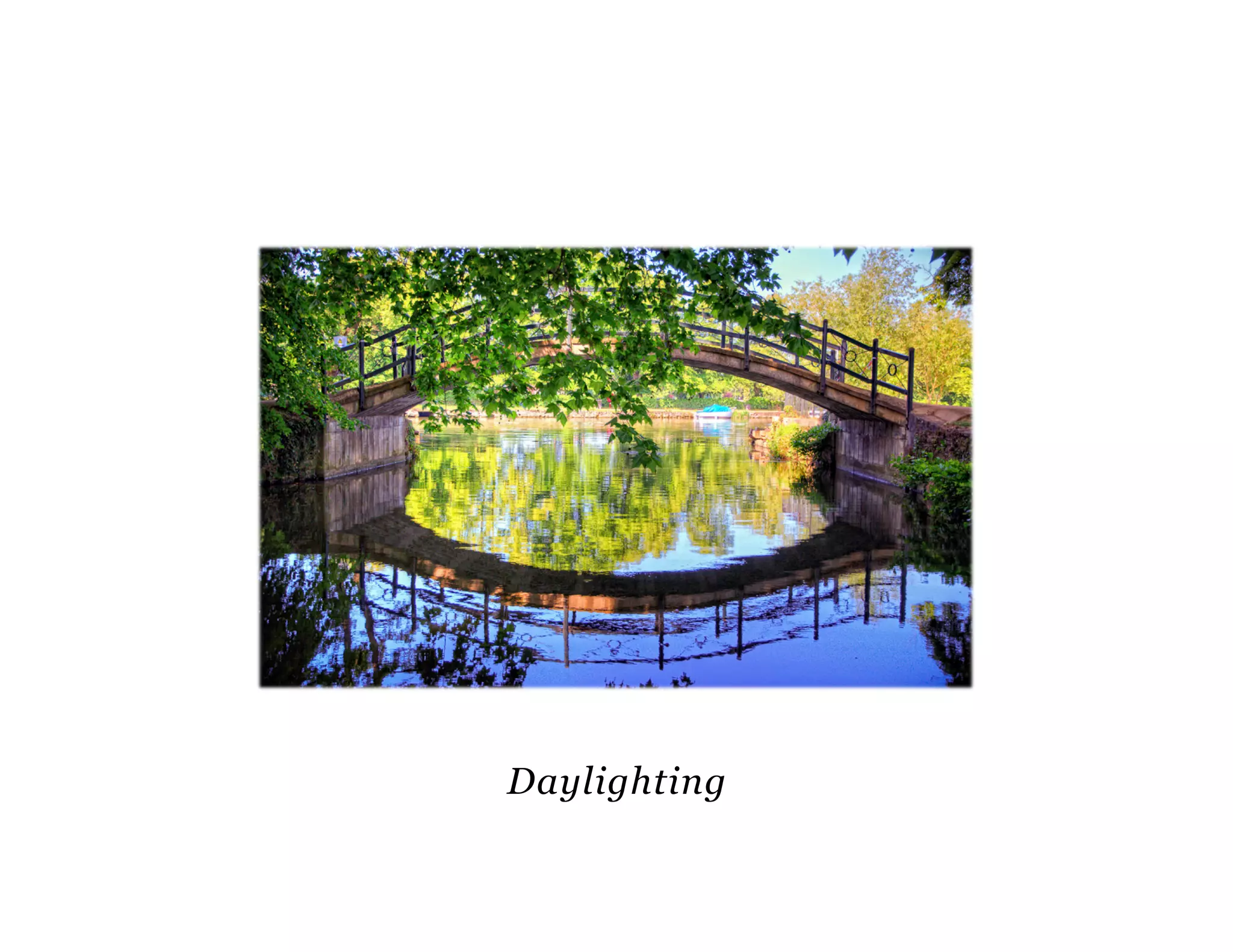
Daylighting
Map the System
Map the Context Share the Map
62	
  
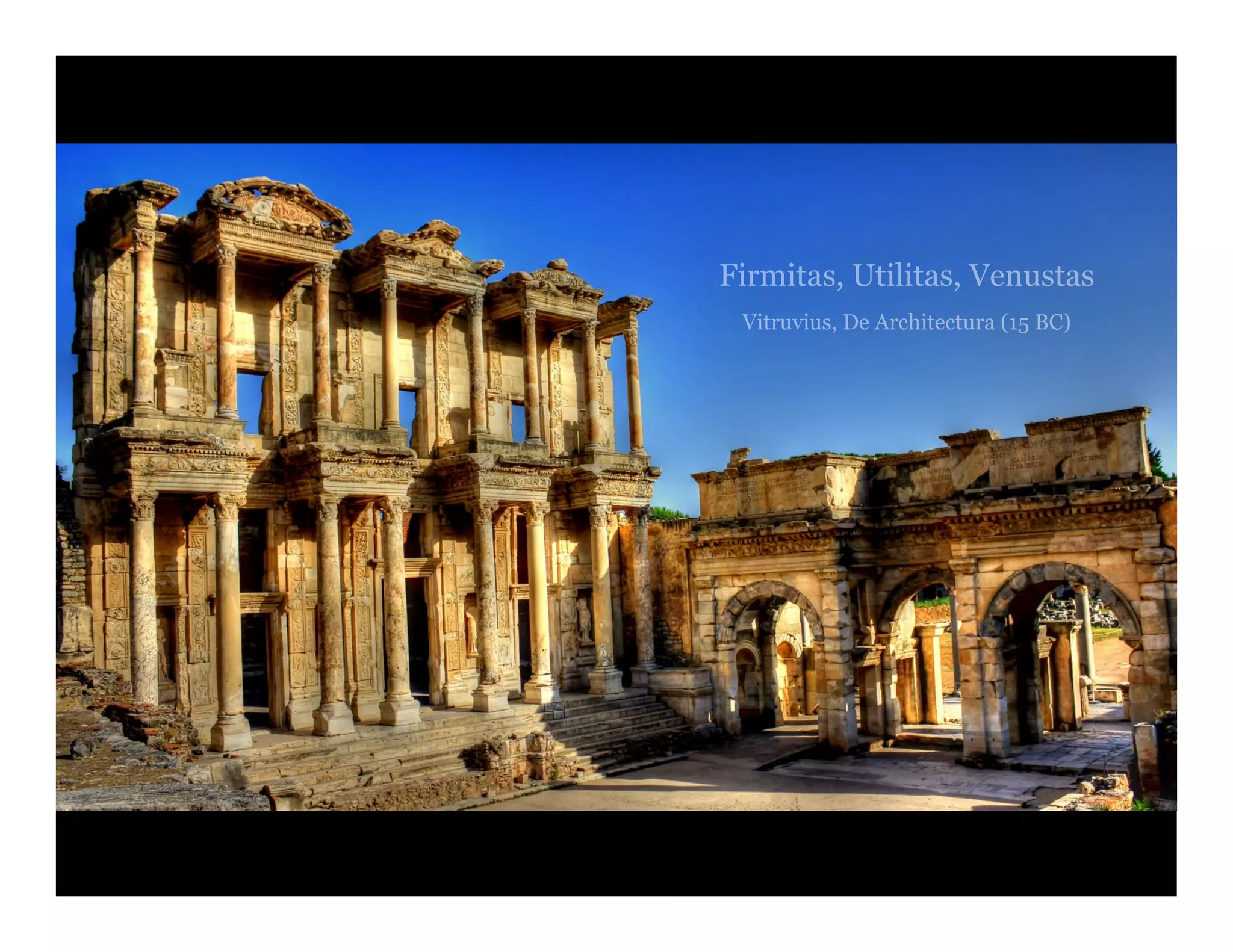
Firmitas, Utilitas, Venustas
Vitruvius, De Architectura (15 BC)
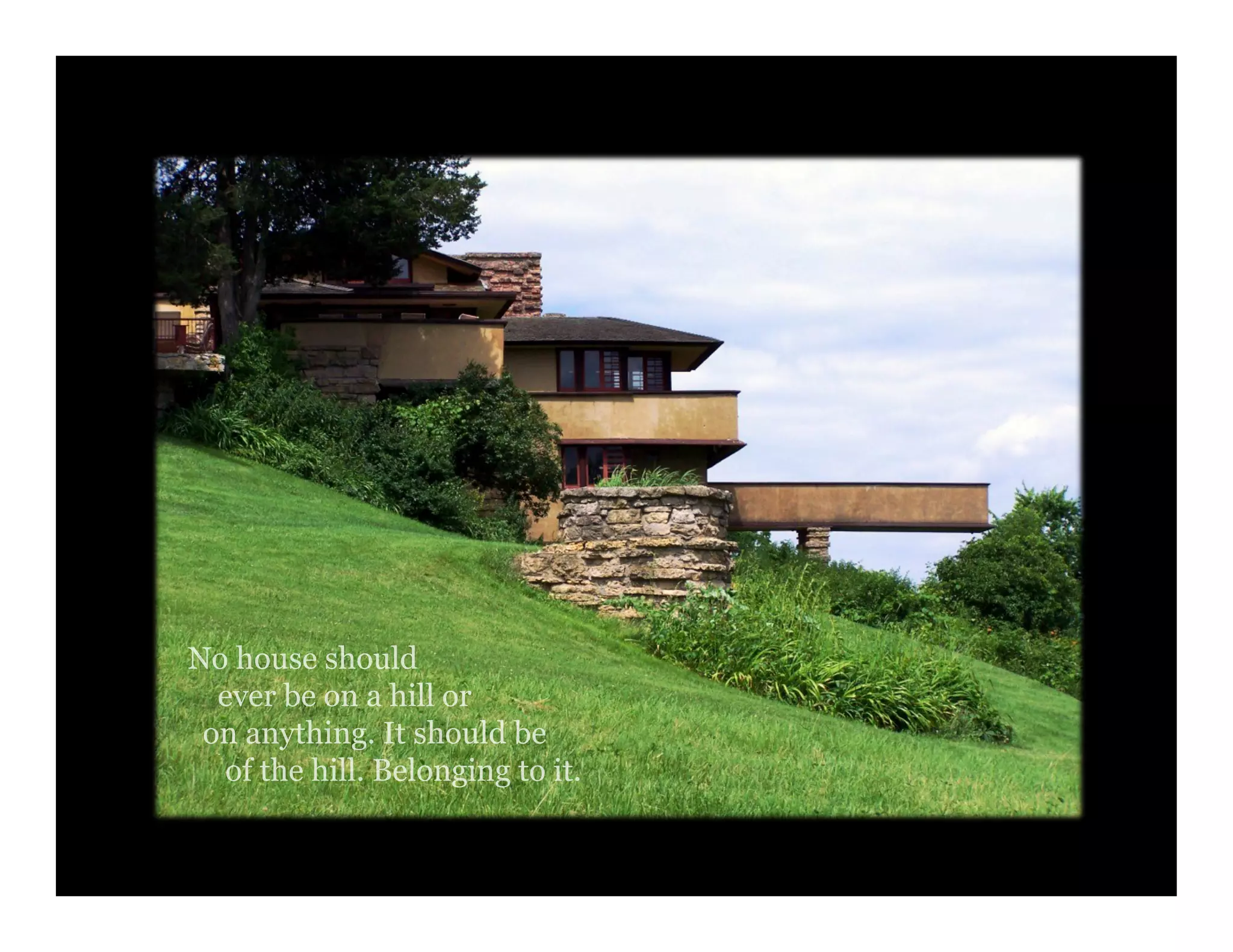
No house should
ever be on a hill or
on anything. It should be
of the hill. Belonging to it.
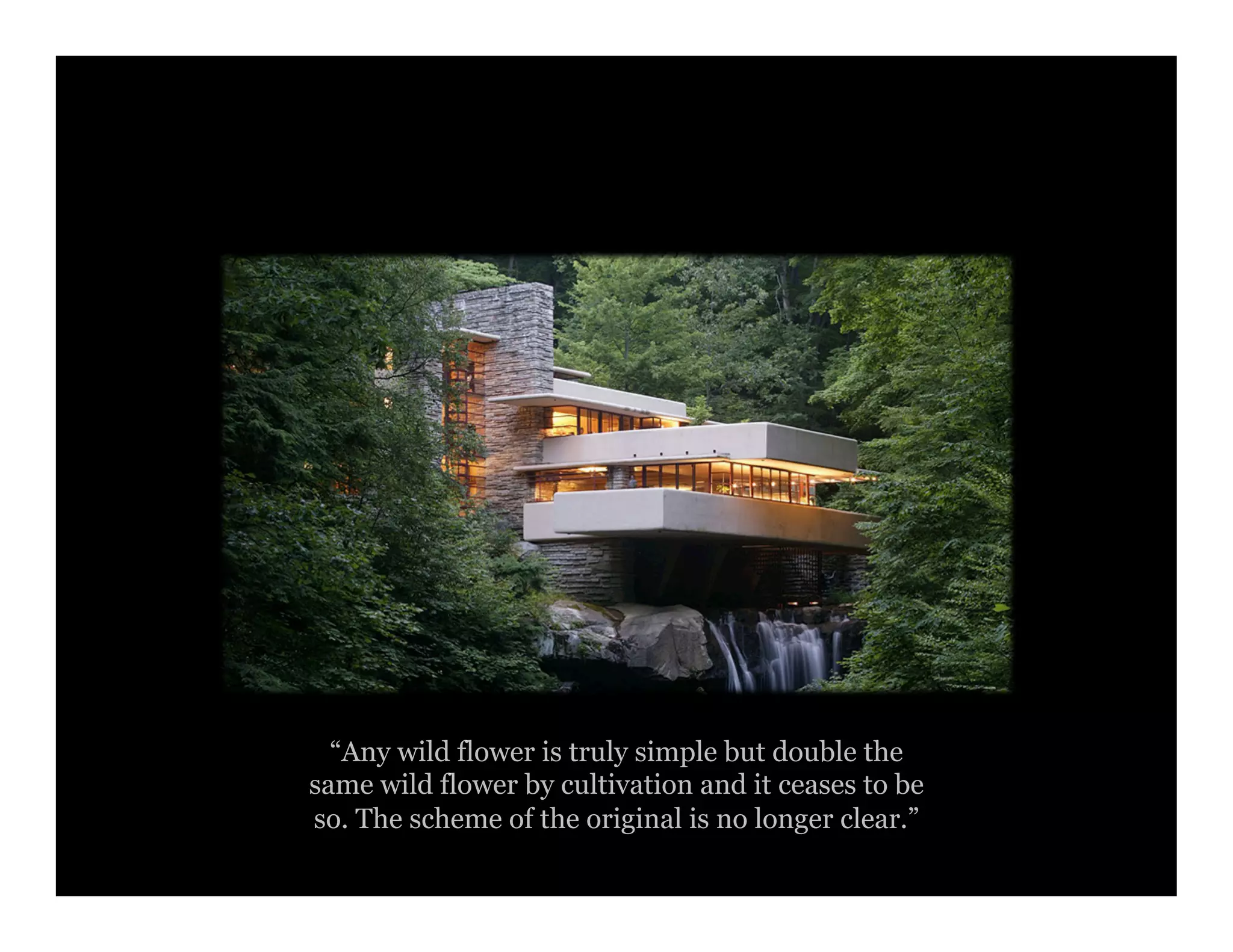
“Any wild flower is truly simple but double the
same wild flower by cultivation and it ceases to be
so. The scheme of the original is no longer clear.”
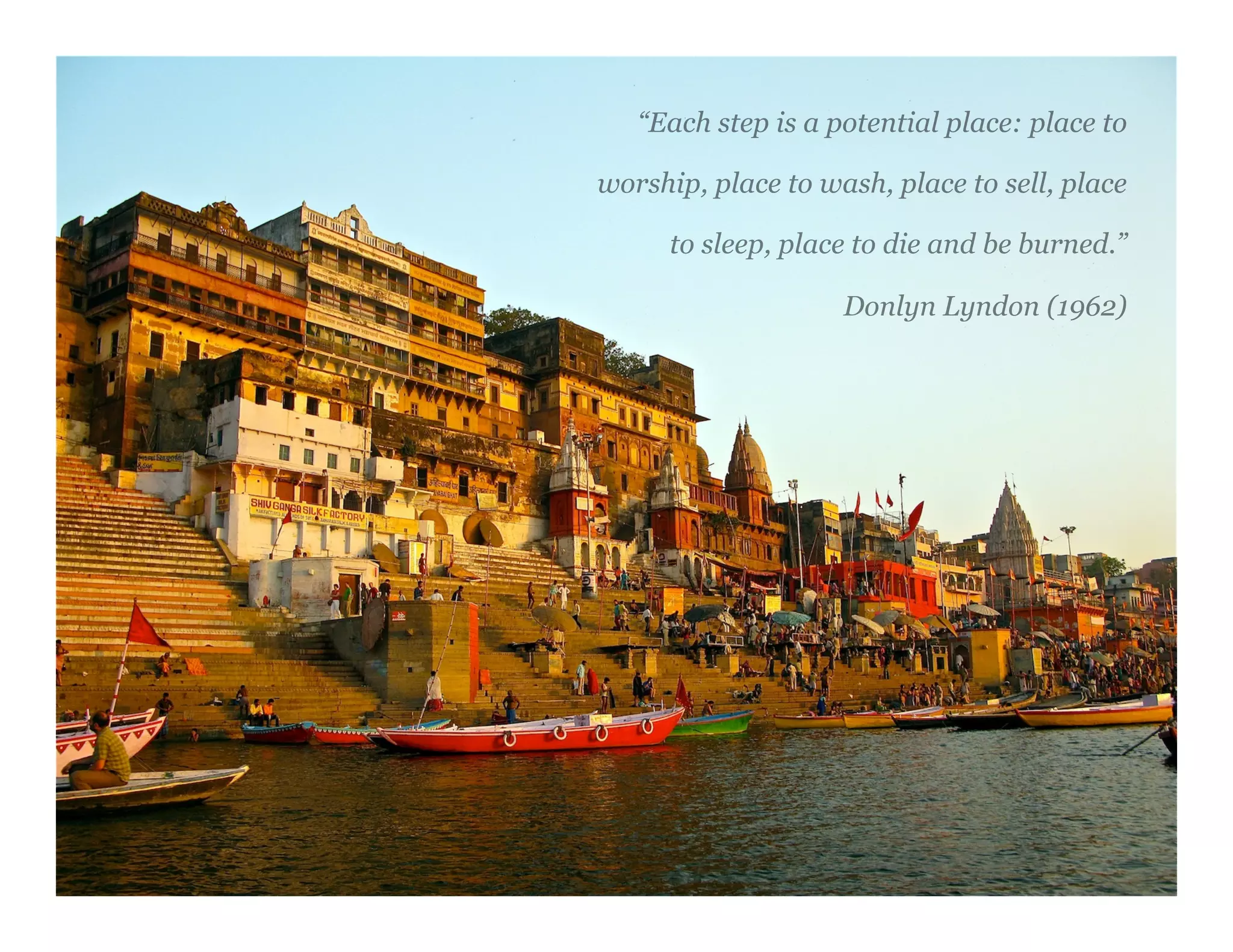
“Each step is a potential place: place to
worship, place to wash, place to sell, place
to sleep, place to die and be burned.”
Donlyn Lyndon (1962)
67	
  
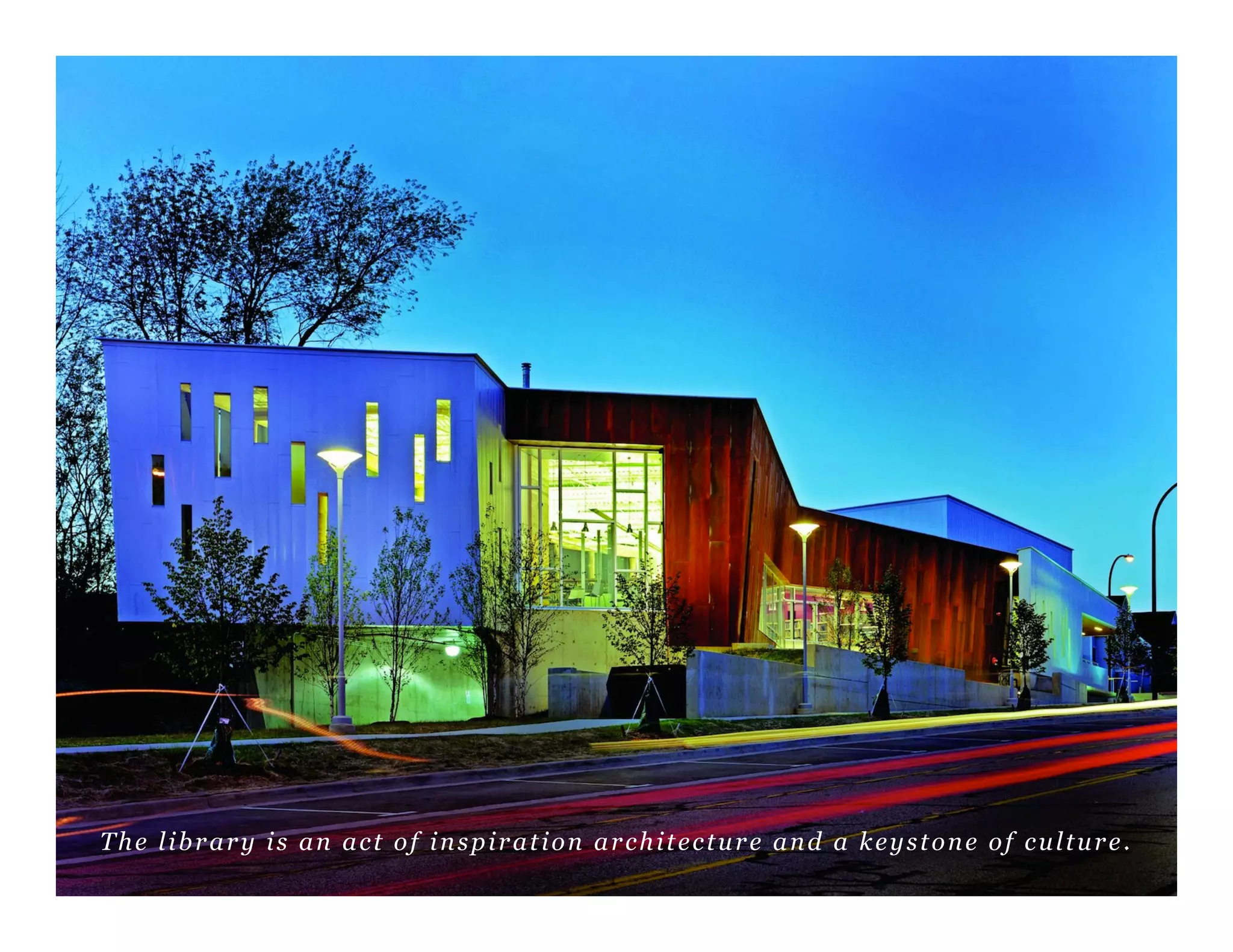
The library is an act of inspiration architecture and a keystone of culture.
Thank You!IA Therefore I Am

The Architecture of Understanding