Opportunity for Active Learning
      in a Global World
   Tamra S. Davis, Ph.D.
    Assistant Professor
Business Teacher Education
   Illinois State University
      College of Business
  Department of Marketing

                                  1
Contact Information
Tamra Davis
  tdavis2@ilstu.edu
  +1.918.906.6574 (cell)
  +1.309.438.3823 (office)
   Mailing Address:
     340 State Farm Hall of Business
     Campus Box 5590
     Normal, IL 61790-5590


                                       2
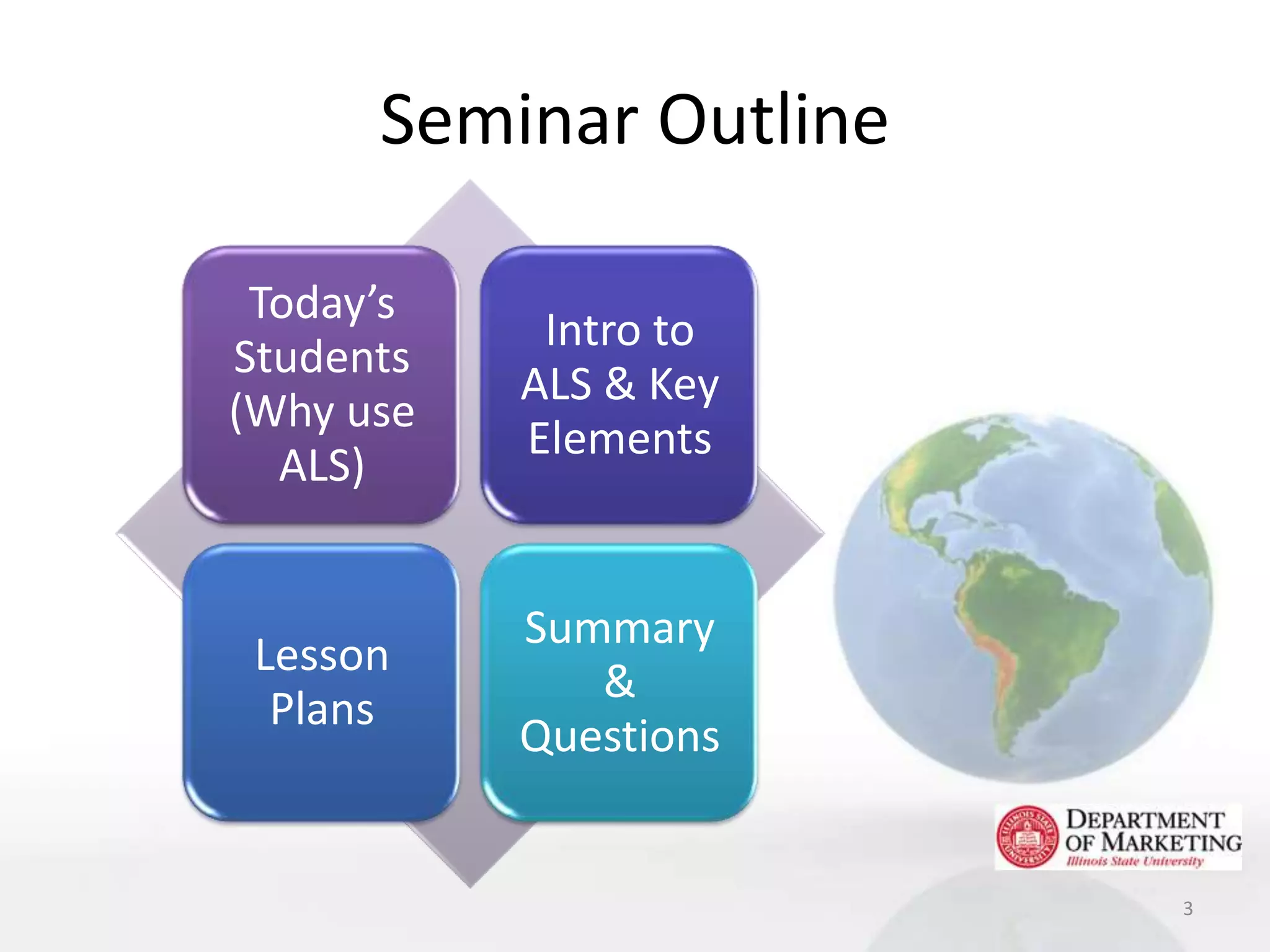
Seminar Outline

 Today’s
            Intro to
Students
           ALS & Key
(Why use
           Elements
  ALS)


           Summary
 Lesson
              &
  Plans
           Questions


                        3
4
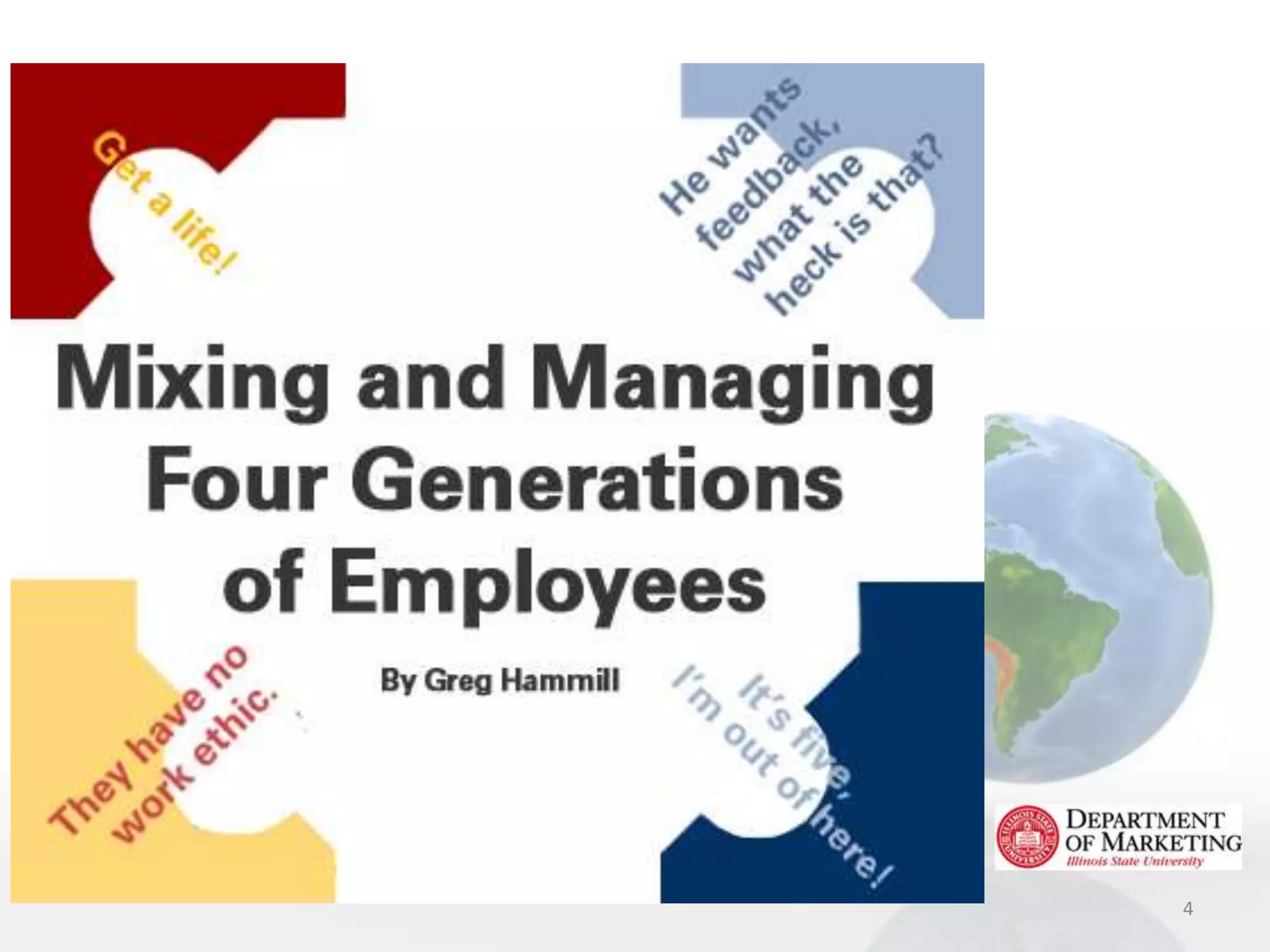
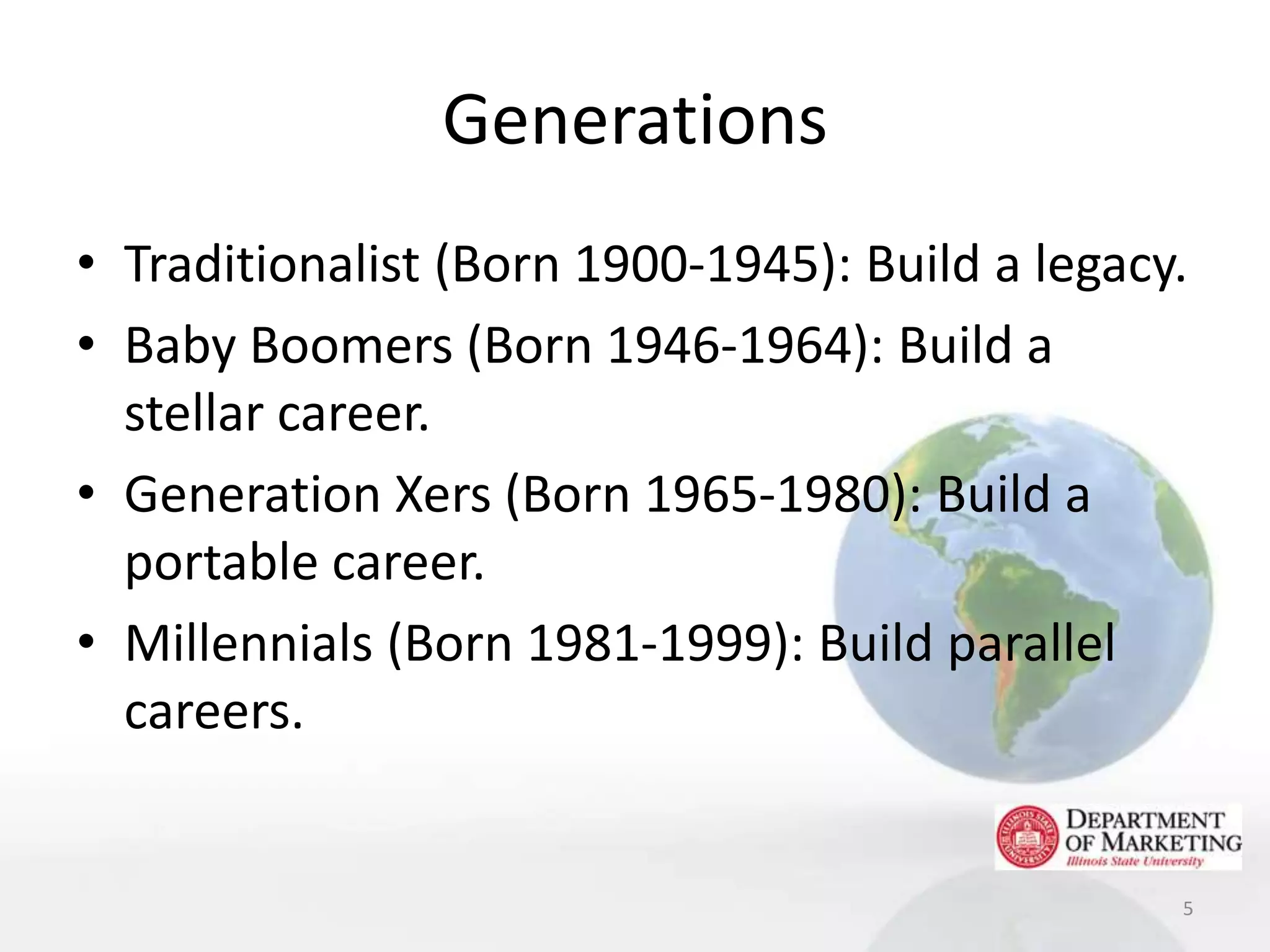
Generations
• Traditionalist (Born 1900-1945): Build a legacy.
• Baby Boomers (Born 1946-1964): Build a
  stellar career.
• Generation Xers (Born 1965-1980): Build a
  portable career.
• Millennials (Born 1981-1999): Build parallel
  careers.


                                                 5
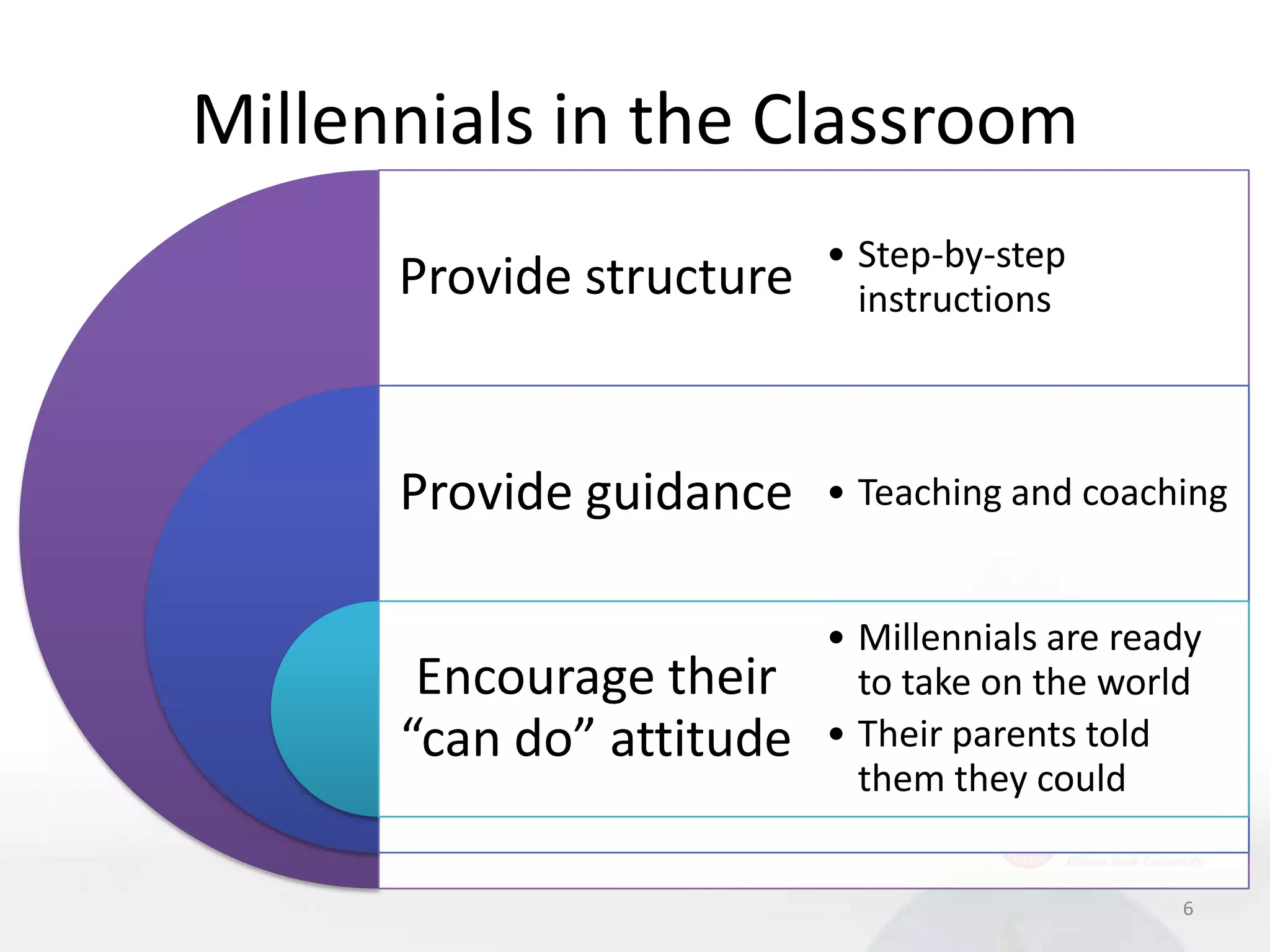
Millennials in the Classroom
                          • Step-by-step
      Provide structure     instructions


      Provide guidance    • Teaching and coaching


                          • Millennials are ready
       Encourage their      to take on the world
      “can do” attitude   • Their parents told
                            them they could


                                               6
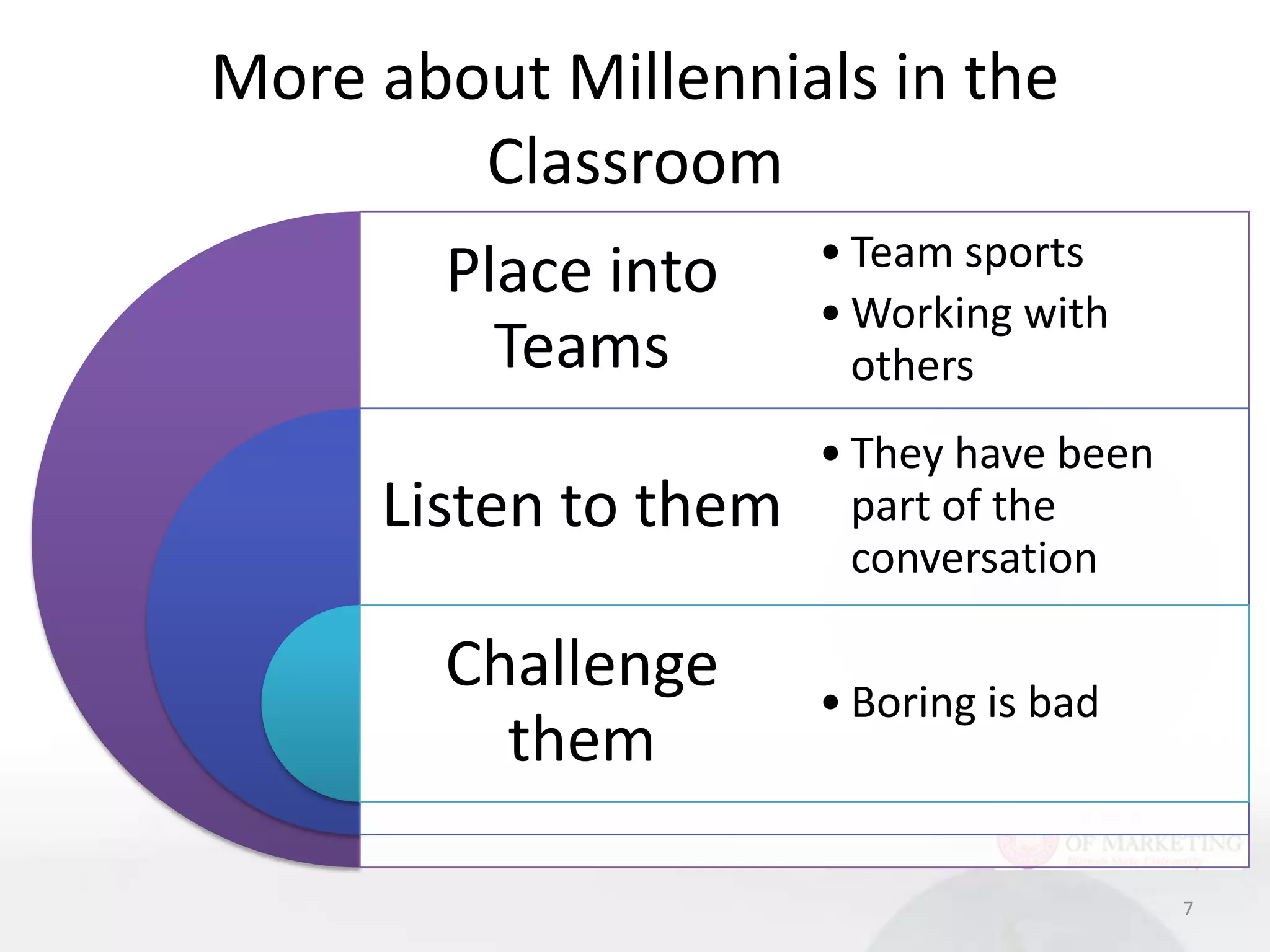
More about Millennials in the
        Classroom
                      • Team sports
        Place into
                      • Working with
          Teams         others
                      • They have been
     Listen to them     part of the
                        conversation

        Challenge     • Boring is bad
          them

                                         7
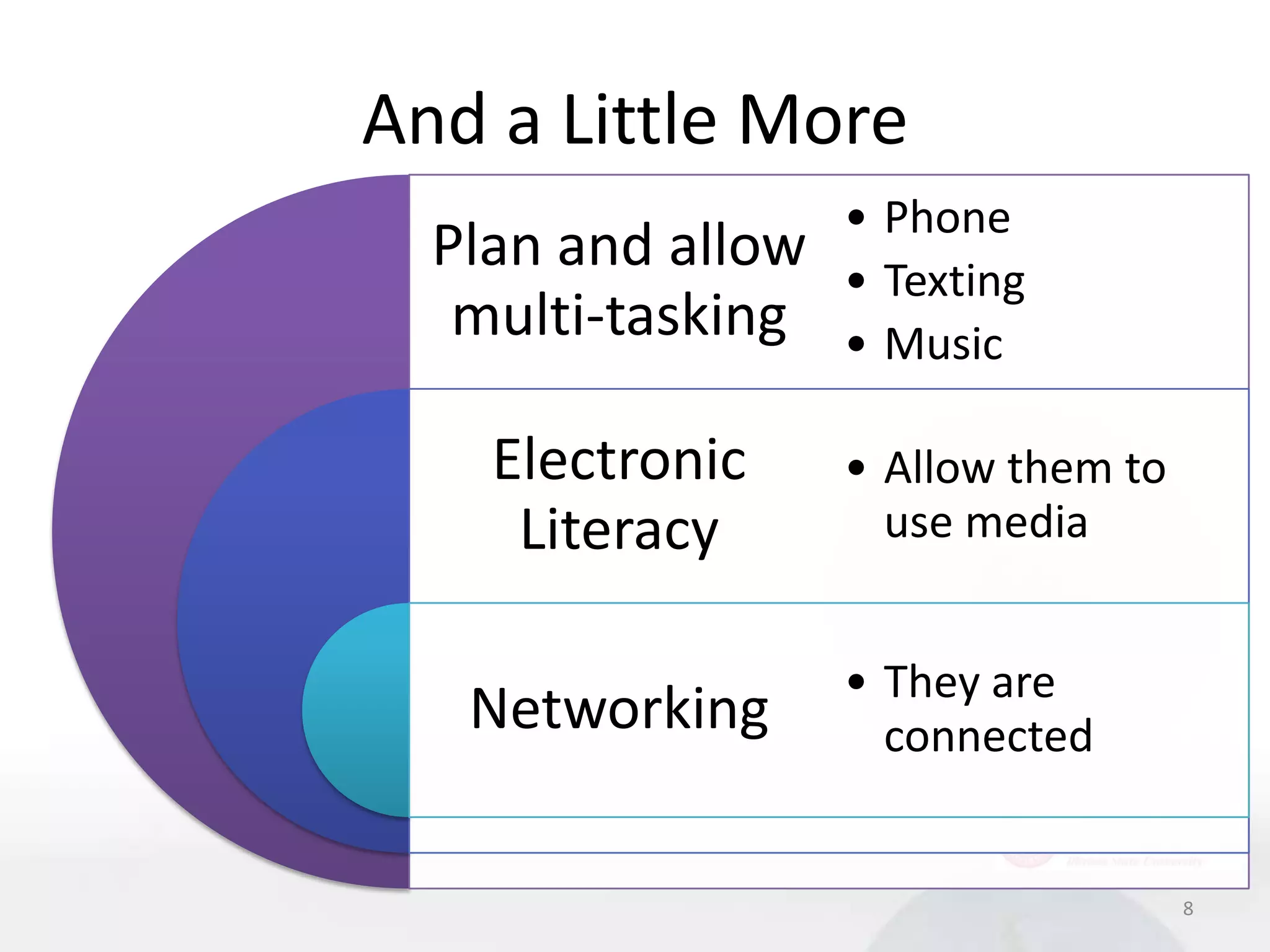
And a Little More
                   • Phone
  Plan and allow   • Texting
   multi-tasking   • Music

    Electronic     • Allow them to
     Literacy        use media


                   • They are
   Networking        connected


                                     8
http://youtu.be/dGCJ46vyR9o


                              9
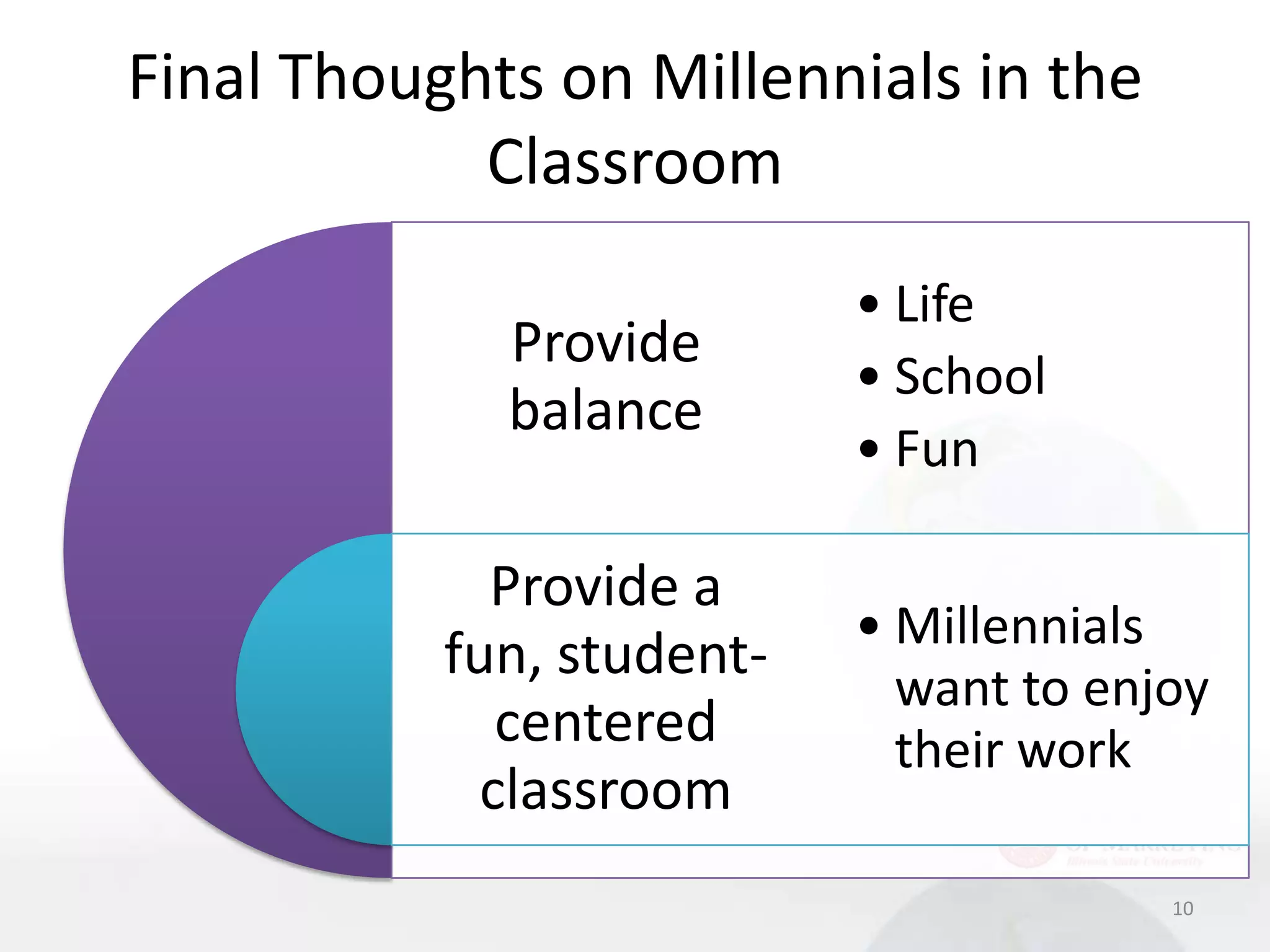
Final Thoughts on Millennials in the
            Classroom
                           • Life
             Provide
                           • School
             balance
                           • Fun

             Provide a
                           • Millennials
           fun, student-
                             want to enjoy
              centered       their work
             classroom
                                        10
http://youtu.be/jp_oyHY5bug


                              11
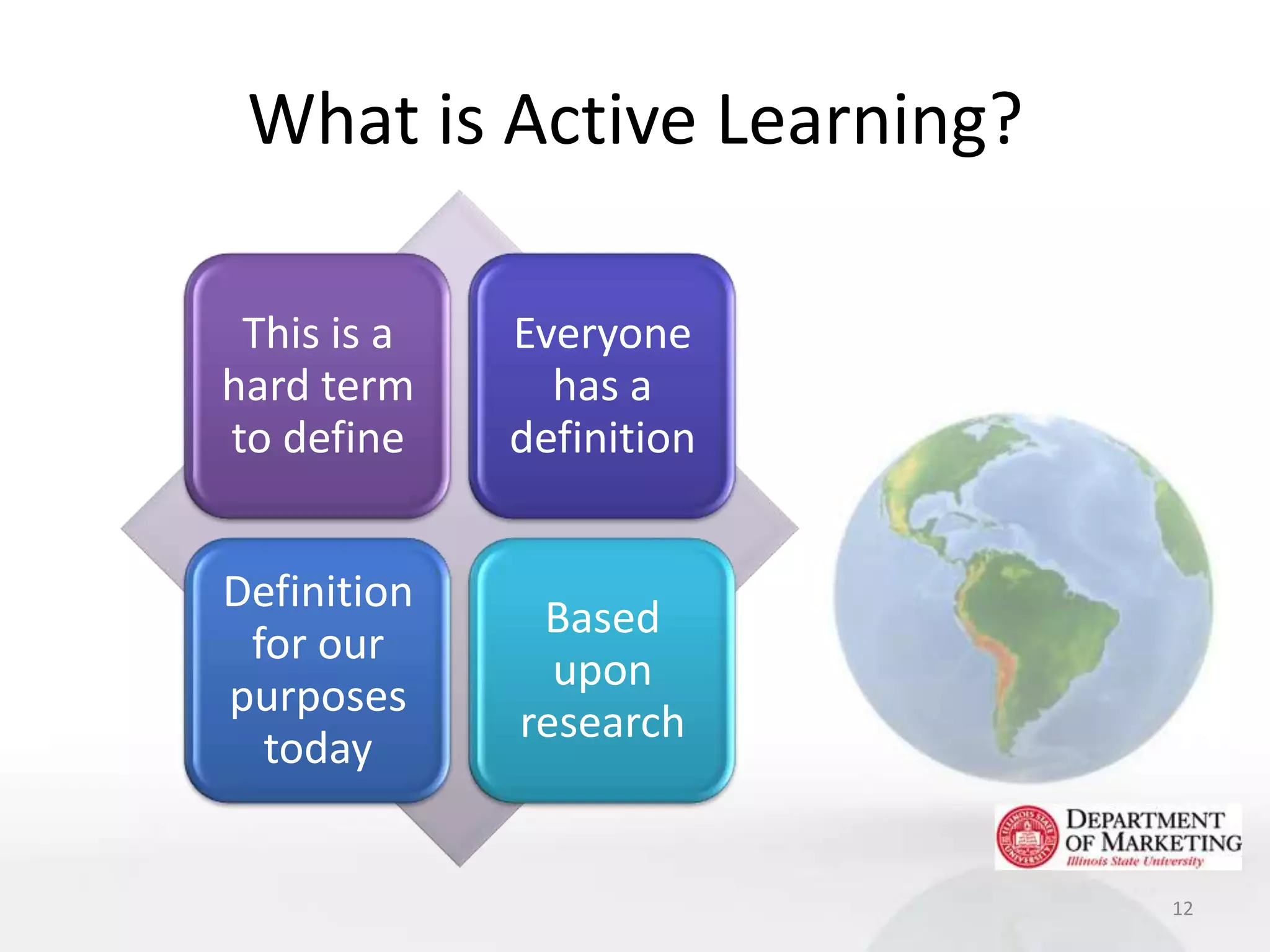
What is Active Learning?

 This is a   Everyone
hard term      has a
to define    definition


Definition
              Based
 for our
               upon
purposes
             research
  today


                            12
Definition

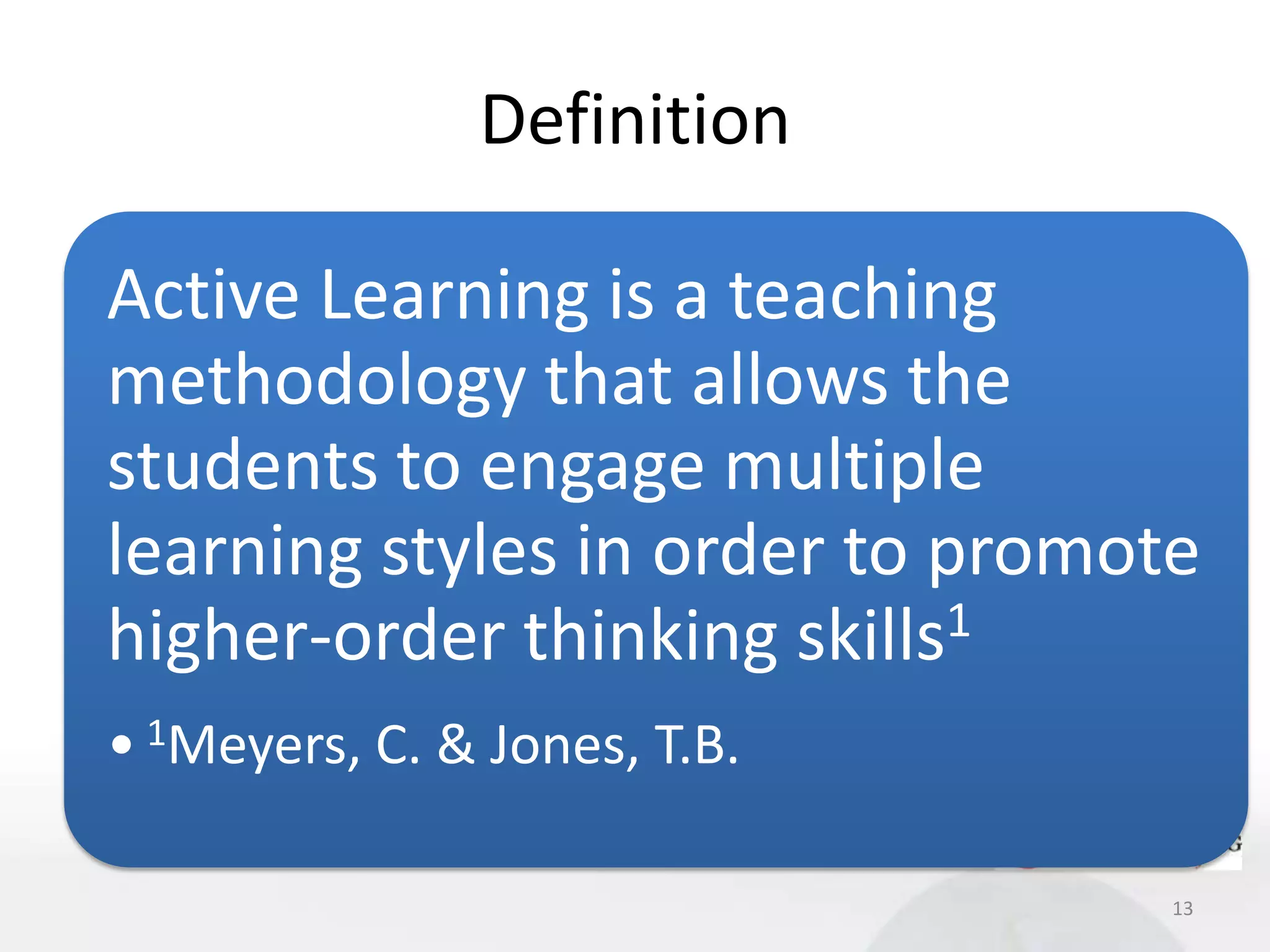
Active Learning is a teaching
methodology that allows the
students to engage multiple
learning styles in order to promote
higher-order thinking skills1
• 1Meyers, C. & Jones, T.B.

                                  13
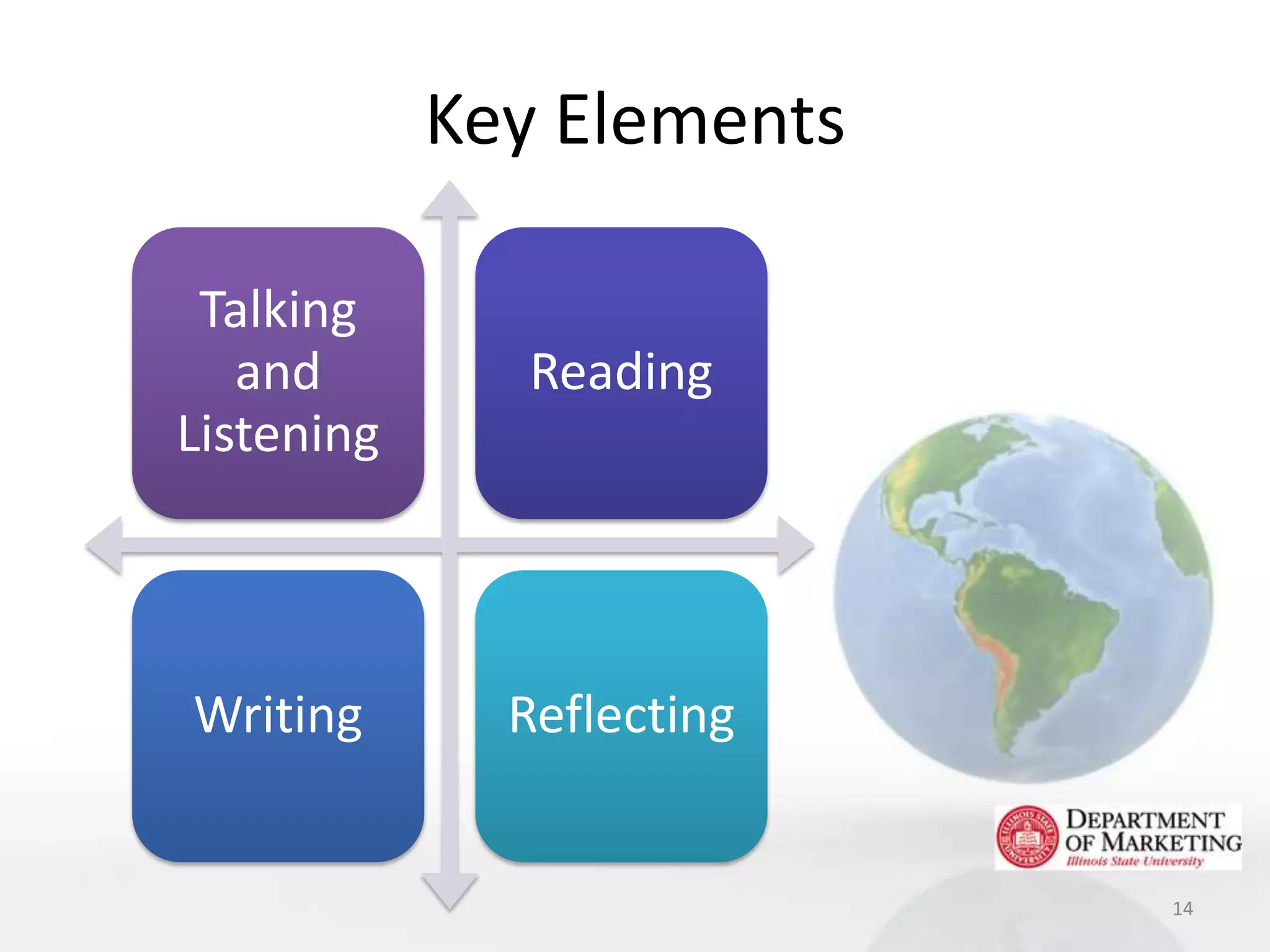
Key Elements

 Talking
   and        Reading
Listening


Writing       Reflecting


                           14
Talking and Listening

“Talk by teachers can be a valuable
  prelude to active learning. The
   problem, however, is not that
teachers talk; it’s that they talk too
 much” (Meyers & Jones, 1993, p.
                 21).
                                    15
Writing

   “Writing clarifies
thinking. . . . Writing is
an act of creation and
 clarification” (p. 23).
                         16
Reading

Critical reading involves scanning
   the material, identifying the
 important information, sorting
       that information into
categories, and then prioritizing
          the information
                                 17
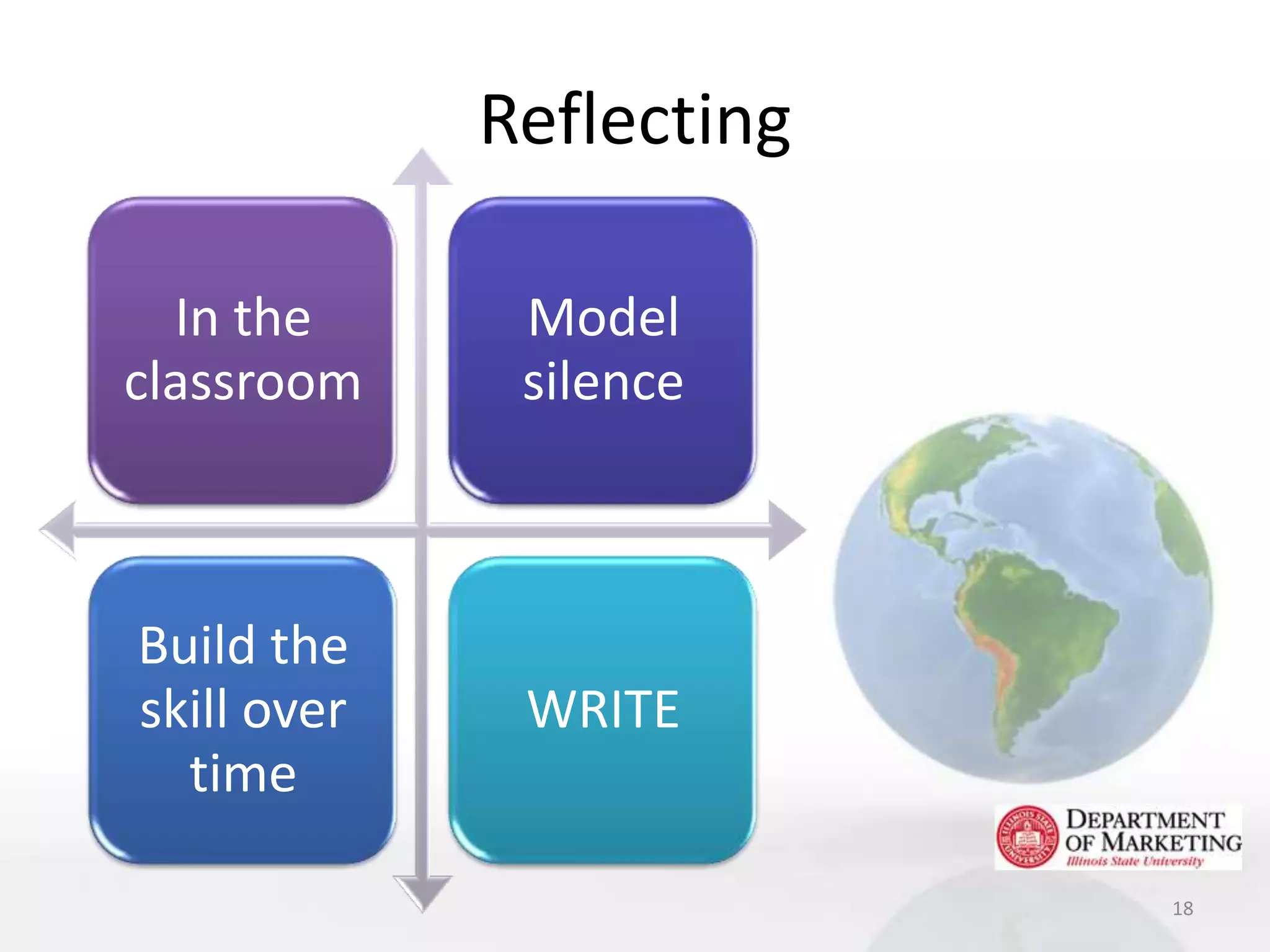
Reflecting

  In the      Model
classroom     silence


Build the
skill over    WRITE
  time

                          18
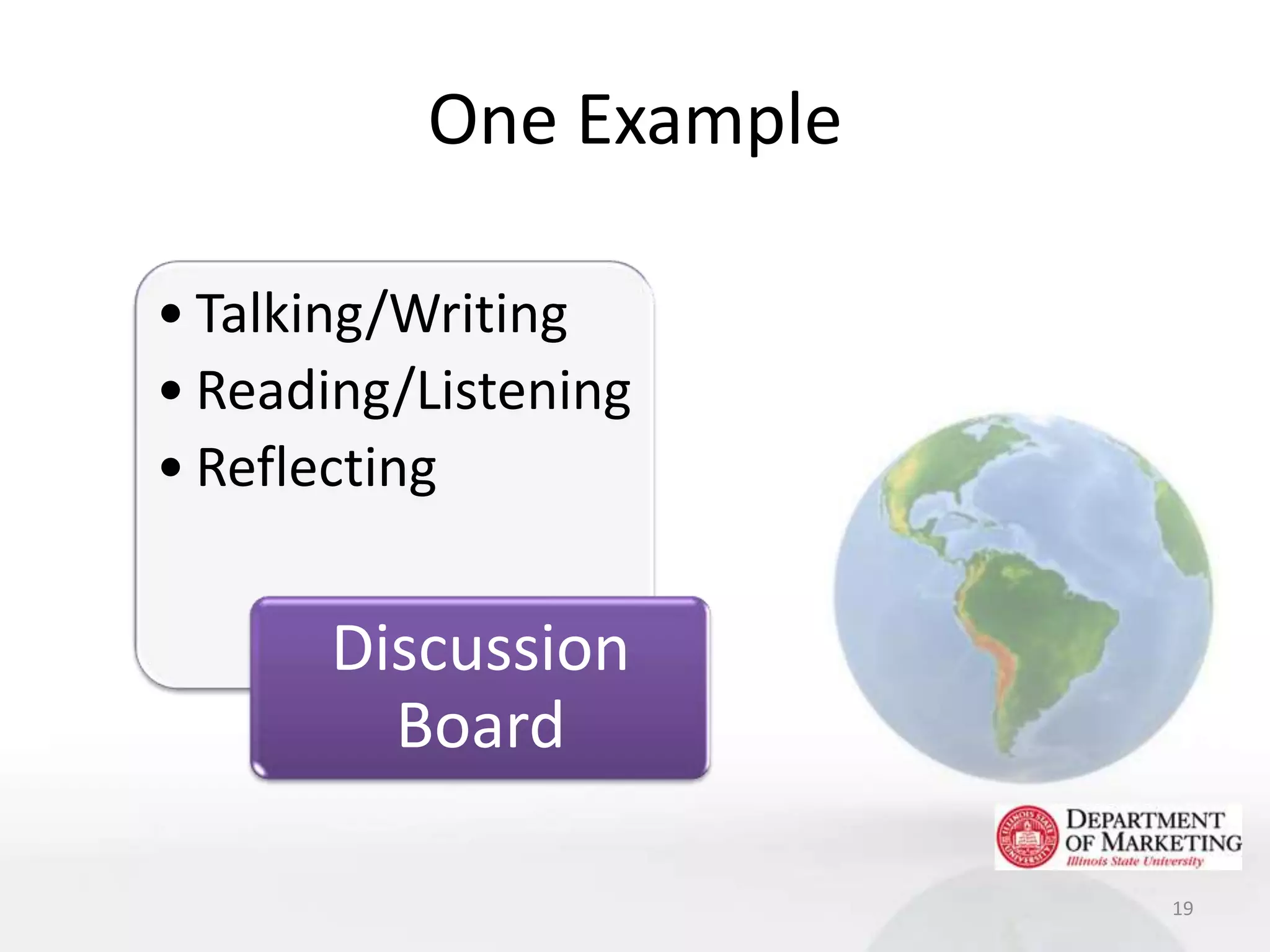
One Example

• Talking/Writing
• Reading/Listening
• Reflecting


      Discussion
        Board

                        19
Specific Example


Silently—Define the
  term “American”

                       20
Specific Example


Volunteer to share the
     definition?

                         21
Specific Example


How would you change
 your definition based
 upon what you heard
   from your peers?
                        22
Much More Than Time Allows
  I could spend an entire 3-
credit hour class on this topic
 But, I want to give you more
       specific examples


                                  23
Lesson Plans
  Handouts are provided on the
website that you will receive at the
     end of the presentation
You have permission to use and/or
adapt these lessons for your classes


                                       24
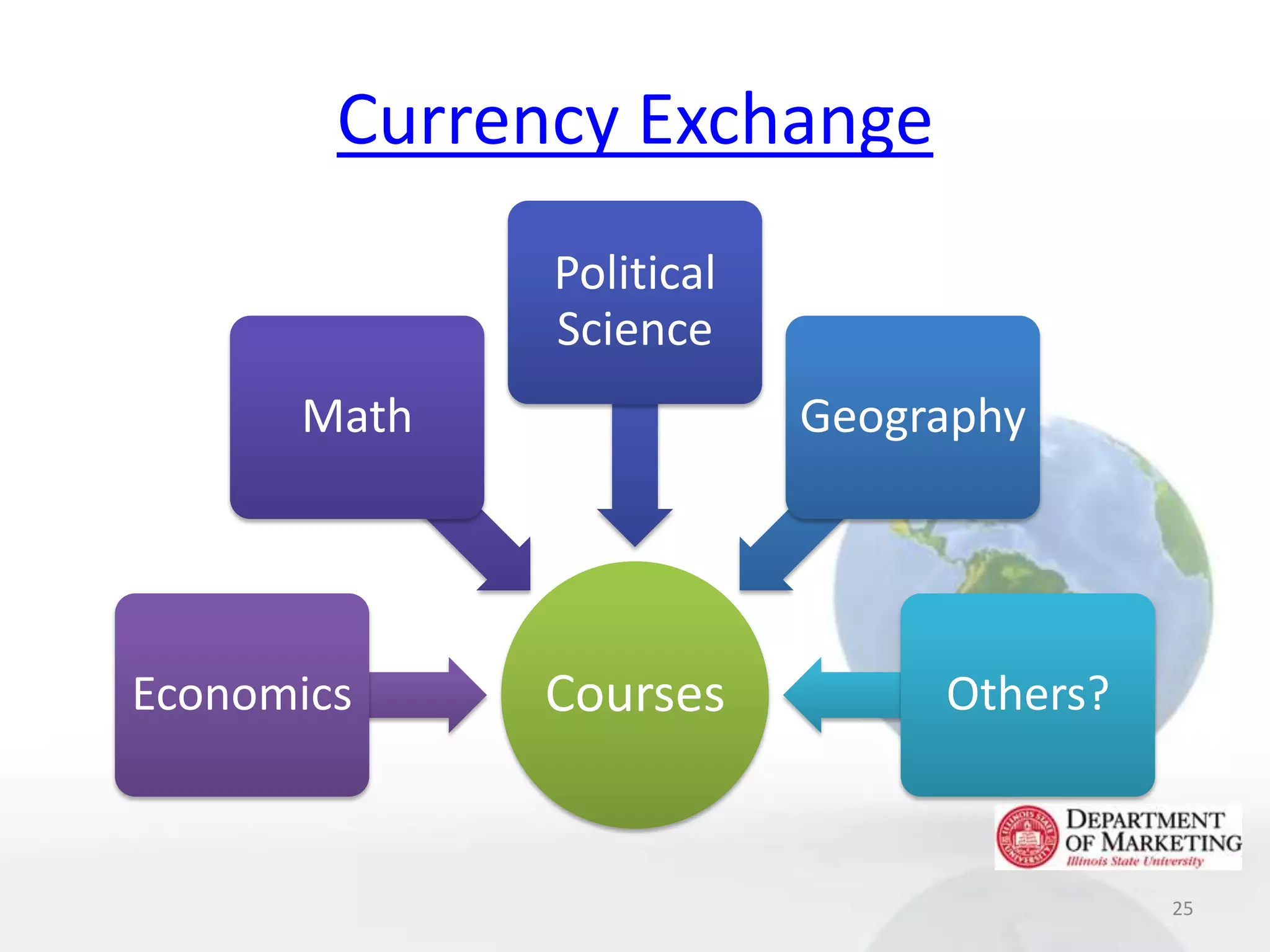
Currency Exchange
              Political
              Science
      Math                Geography


Economics    Courses           Others?


                                         25
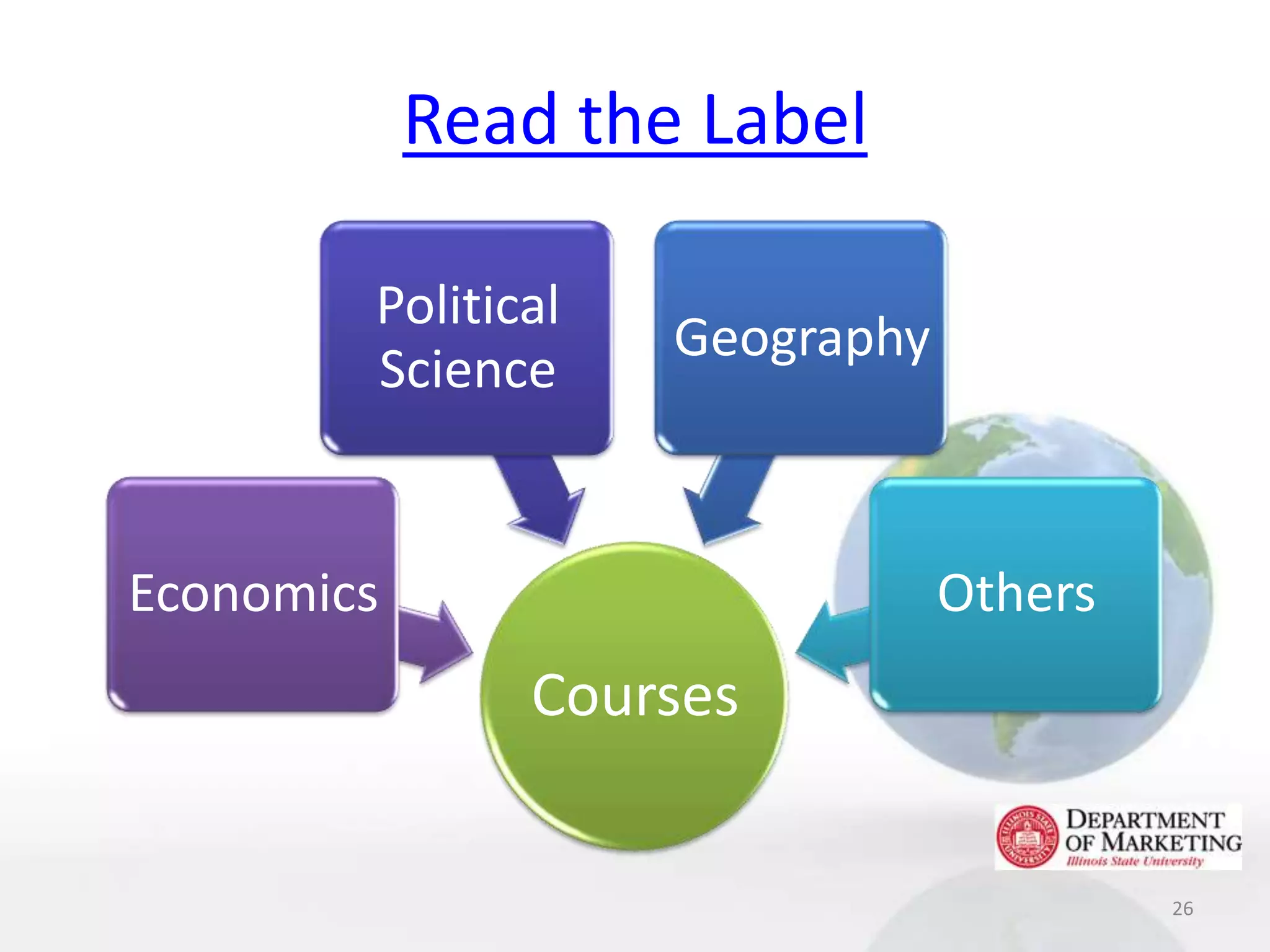
Read the Label

        Political
                    Geography
        Science


Economics                       Others
               Courses


                                         26
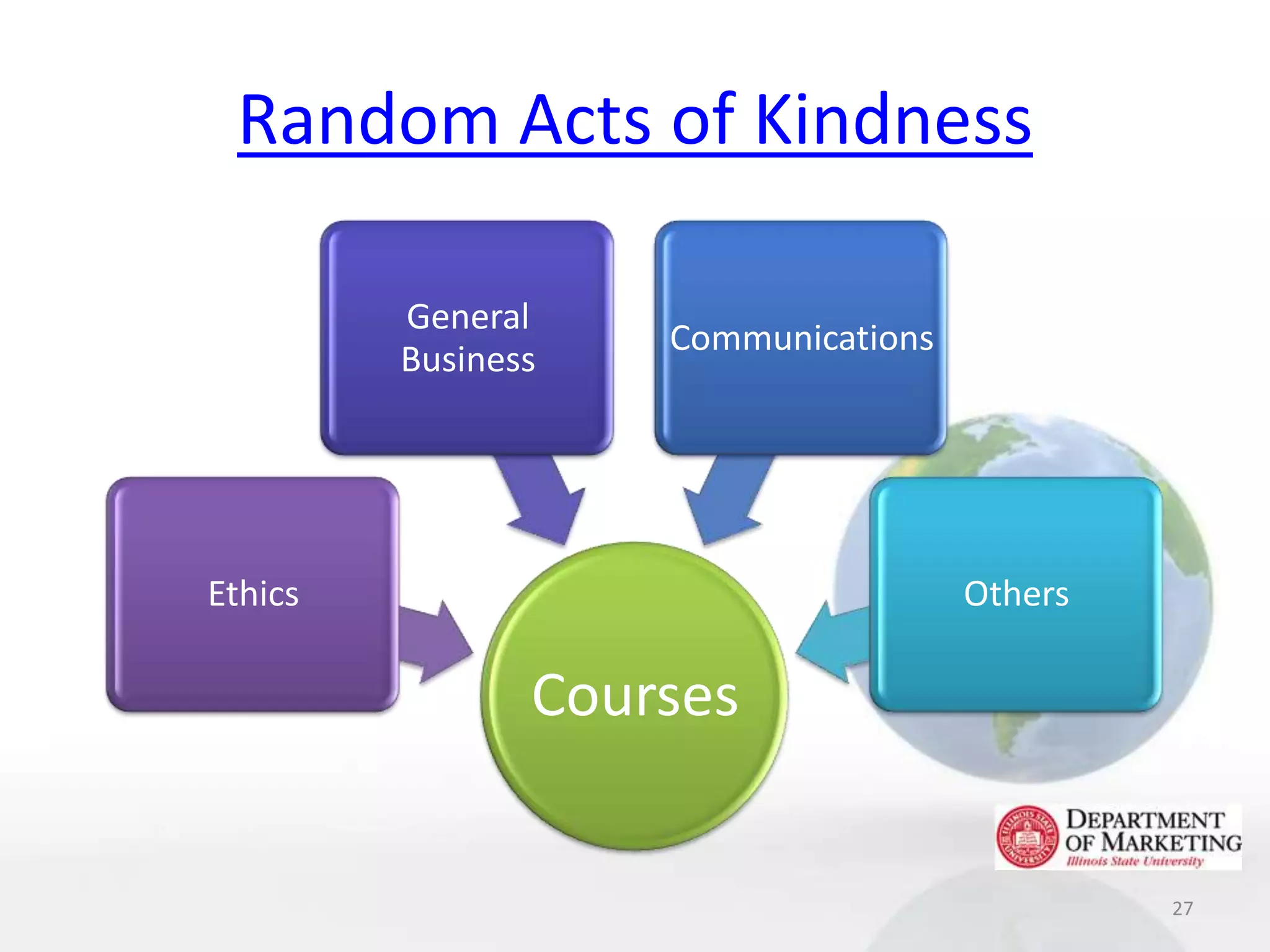
Random Acts of Kindness

         General
                    Communications
         Business


Ethics                               Others

                Courses


                                              27
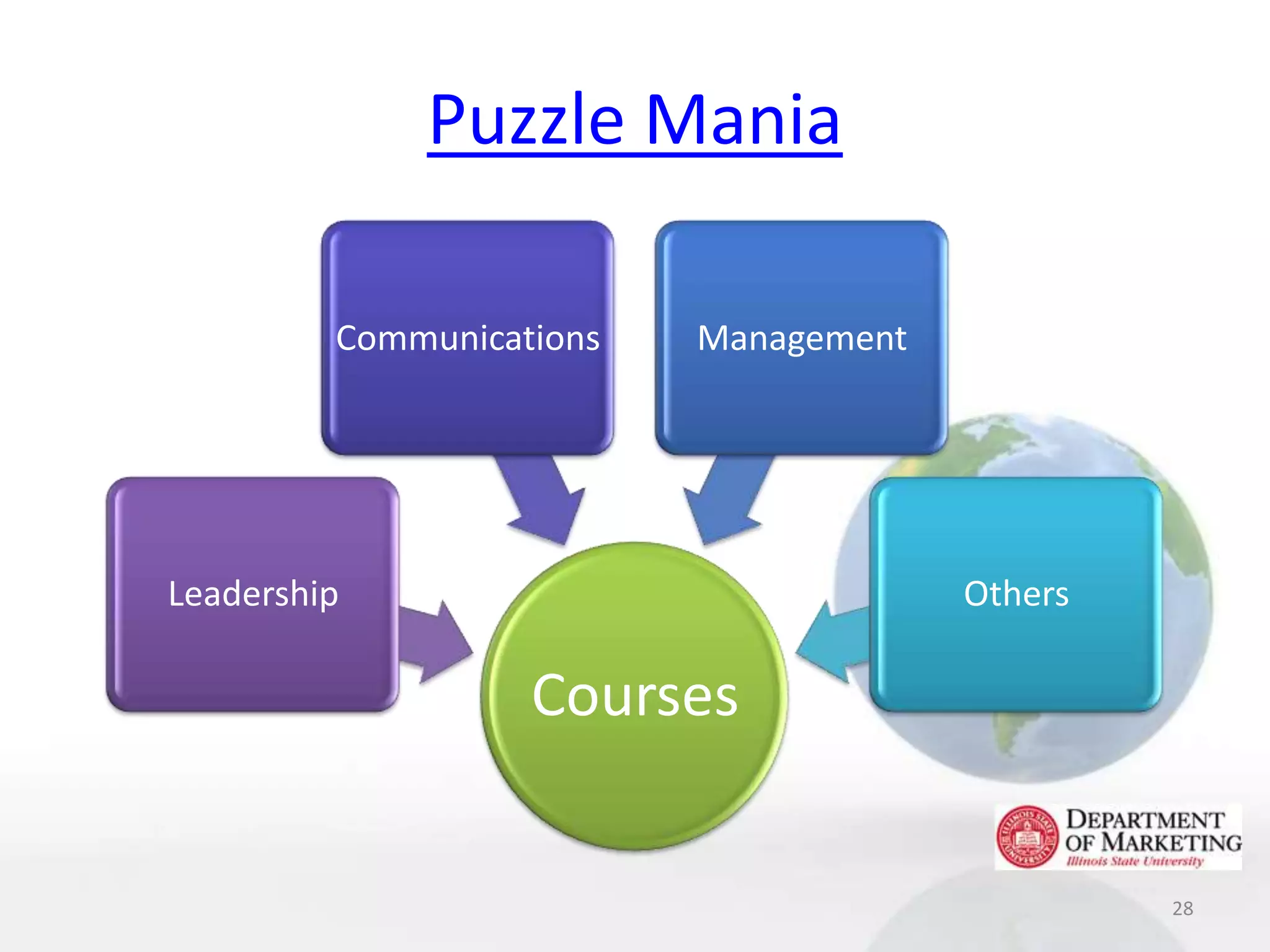
Puzzle Mania

         Communications   Management


Leadership                             Others

                   Courses


                                                28
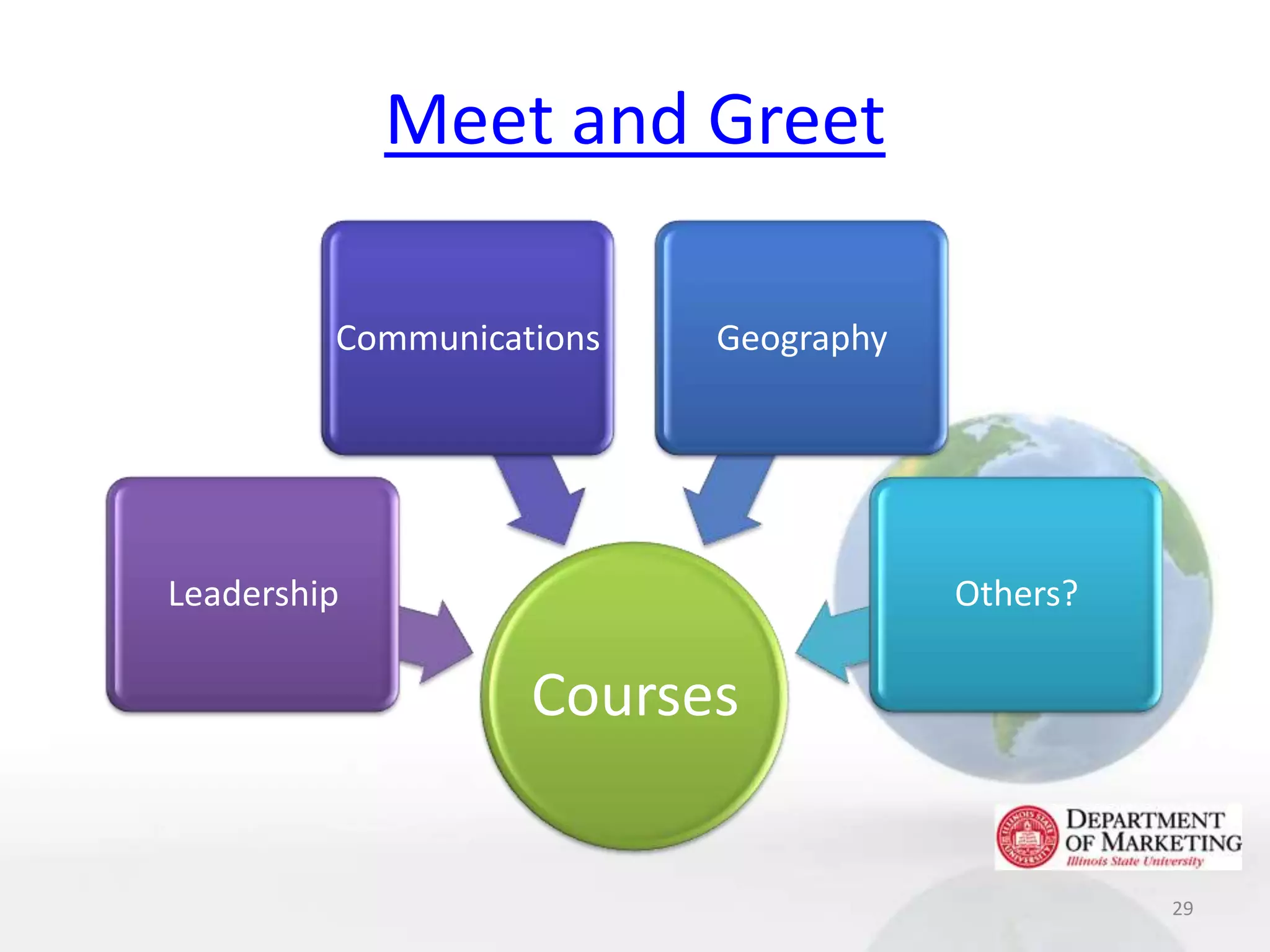
Meet and Greet

         Communications   Geography


Leadership                            Others?

                   Courses


                                                29
Other Activities
• Across the Board
• Involve to Solve
• Walk the Talk

• These games will not be available on the website
  due to copyright issues

Games are from:
El-Shamy, S. (2004). How to design and deliver training of the new and
emerging generations. San Fransico, CA: Pfeiffer Publishing

                                                                         30
Other AL Strategies
•   Think-Pair-Share
•   Brain Dump
•   Active Notetaking
•   Concept Mapping
•   Reciprocal Teaching
•   Microsituations Teaching


                                  31
Social Networking Ideas
•   Facebook
•   Twitter
•   Ning
•   Wikis
•   Blogs
•   Others


                                  32
33
Works Cited
El-Shamy, S. (2004). How to design and deliver training of
   the new and emerging generations. San Fransico, CA:
   Pfeiffer Publishing

Heathfield, S. (2009). Managing Millennials: Eleven Tips
  for Managing Millennials. Retrieved July 29, 2009, from
  http://humanresources.about.com/
  od/managementtips/a/millenials.htm

Meyers, C. & Jones, T. B. (1993). Promoting active
 learning: Strategies for the college classroom. San
 Francisco: Jossey-Bass Publishers

                                                         34
Acknowledgements
• Melinda Smith, MBA from Tulsa Community
  College is a former colleague and she typically
  co-presents this session with me
• Many of the lesson plans are from her classes
  and she has kindly agreed to share


                                                35

Th -11-00--davis-reduced

  • 1.
    Opportunity for ActiveLearning in a Global World Tamra S. Davis, Ph.D. Assistant Professor Business Teacher Education Illinois State University College of Business Department of Marketing 1
  • 2.
    Contact Information Tamra Davis tdavis2@ilstu.edu +1.918.906.6574 (cell) +1.309.438.3823 (office) Mailing Address: 340 State Farm Hall of Business Campus Box 5590 Normal, IL 61790-5590 2
  • 3.
    Seminar Outline Today’s Intro to Students ALS & Key (Why use Elements ALS) Summary Lesson & Plans Questions 3
  • 4.
  • 5.
    Generations • Traditionalist (Born1900-1945): Build a legacy. • Baby Boomers (Born 1946-1964): Build a stellar career. • Generation Xers (Born 1965-1980): Build a portable career. • Millennials (Born 1981-1999): Build parallel careers. 5
  • 6.
    Millennials in theClassroom • Step-by-step Provide structure instructions Provide guidance • Teaching and coaching • Millennials are ready Encourage their to take on the world “can do” attitude • Their parents told them they could 6
  • 7.
    More about Millennialsin the Classroom • Team sports Place into • Working with Teams others • They have been Listen to them part of the conversation Challenge • Boring is bad them 7
  • 8.
    And a LittleMore • Phone Plan and allow • Texting multi-tasking • Music Electronic • Allow them to Literacy use media • They are Networking connected 8
  • 9.
  • 10.
    Final Thoughts onMillennials in the Classroom • Life Provide • School balance • Fun Provide a • Millennials fun, student- want to enjoy centered their work classroom 10
  • 11.
  • 12.
    What is ActiveLearning? This is a Everyone hard term has a to define definition Definition Based for our upon purposes research today 12
  • 13.
    Definition Active Learning isa teaching methodology that allows the students to engage multiple learning styles in order to promote higher-order thinking skills1 • 1Meyers, C. & Jones, T.B. 13
  • 14.
    Key Elements Talking and Reading Listening Writing Reflecting 14
  • 15.
    Talking and Listening “Talkby teachers can be a valuable prelude to active learning. The problem, however, is not that teachers talk; it’s that they talk too much” (Meyers & Jones, 1993, p. 21). 15
  • 16.
    Writing “Writing clarifies thinking. . . . Writing is an act of creation and clarification” (p. 23). 16
  • 17.
    Reading Critical reading involvesscanning the material, identifying the important information, sorting that information into categories, and then prioritizing the information 17
  • 18.
    Reflecting Inthe Model classroom silence Build the skill over WRITE time 18
  • 19.
    One Example • Talking/Writing •Reading/Listening • Reflecting Discussion Board 19
  • 20.
  • 21.
    Specific Example Volunteer toshare the definition? 21
  • 22.
    Specific Example How wouldyou change your definition based upon what you heard from your peers? 22
  • 23.
    Much More ThanTime Allows I could spend an entire 3- credit hour class on this topic But, I want to give you more specific examples 23
  • 24.
    Lesson Plans Handouts are provided on the website that you will receive at the end of the presentation You have permission to use and/or adapt these lessons for your classes 24
  • 25.
    Currency Exchange Political Science Math Geography Economics Courses Others? 25
  • 26.
    Read the Label Political Geography Science Economics Others Courses 26
  • 27.
    Random Acts ofKindness General Communications Business Ethics Others Courses 27
  • 28.
    Puzzle Mania Communications Management Leadership Others Courses 28
  • 29.
    Meet and Greet Communications Geography Leadership Others? Courses 29
  • 30.
    Other Activities • Acrossthe Board • Involve to Solve • Walk the Talk • These games will not be available on the website due to copyright issues Games are from: El-Shamy, S. (2004). How to design and deliver training of the new and emerging generations. San Fransico, CA: Pfeiffer Publishing 30
  • 31.
    Other AL Strategies • Think-Pair-Share • Brain Dump • Active Notetaking • Concept Mapping • Reciprocal Teaching • Microsituations Teaching 31
  • 32.
    Social Networking Ideas • Facebook • Twitter • Ning • Wikis • Blogs • Others 32
  • 33.
  • 34.
    Works Cited El-Shamy, S.(2004). How to design and deliver training of the new and emerging generations. San Fransico, CA: Pfeiffer Publishing Heathfield, S. (2009). Managing Millennials: Eleven Tips for Managing Millennials. Retrieved July 29, 2009, from http://humanresources.about.com/ od/managementtips/a/millenials.htm Meyers, C. & Jones, T. B. (1993). Promoting active learning: Strategies for the college classroom. San Francisco: Jossey-Bass Publishers 34
  • 35.
    Acknowledgements • Melinda Smith,MBA from Tulsa Community College is a former colleague and she typically co-presents this session with me • Many of the lesson plans are from her classes and she has kindly agreed to share 35

Editor's Notes

  • #17 Analyze: Take apart and look at something closelyCompare: Look for similarities and differences; stress similaritiesContrast: Look for differences and similarities; stress differencesDefine: Explain exactly what something meansDescribe: Show what something looks like, including physical featuresEvaluate: Make a value judgment according to some criteria (which it would be wise to make clear)Justify: Argue in support of something; to find positive reasonsProve: Demonstrate correctness by use of logic, fact, or exampleSummarize: Pull together the main pointsSynthesize: combine or pull together pieces or conceptsSource: Fulwiler, 1987, pp. 117-118 and printed with permission in Meyers, C. & Jones, T.B.