Guru Gobind Singh Indraprastha University
Dwarka Sec-16 New Delhi
A
-: PRESENTATION :-
ON
TERAHERTZ COMMUNICATION
Presented To :-
Dr. M. BALA KRISHNA
ASSISTANT PROFESSOR
USIC&T
Presented By :-
Manoj Kumar
00116404219
M.Tech(ECE)(W)
1
LIST OF CONTENTS
 What is terahertz communication
 Intoduction
 Field where terahertz communication used
 Argument for thz communication
 Challenges with thz communication
 Solution for their exiting challenges
 Terahertz trail underway
 Prototyping terahertz communication
 Terahertz next in line
 Applications of THz communication
 References
2
What is terahertz communication?
 Terahertz (THz)-band communications are eminent as key aiding technology for next-
generation wireless systems that assures to integrate a wide range of data demanding and
delay sensitive applications. Advancement in optical, electronic, and plasmonic transceiver
design, integrated, adaptive, and efficient THz systems are no longer far-fetched.
 We suggest that the revolution that the THz band will introduce will not be merely obsessed
by achievable high data rates, but more profoundly by the interaction between THz sensing,
imaging, and localization applications. We have detail the uniqueness of each of these
applications at the THz band. Then, we illustrate how their combination results in improved
environment aware system performance in beyond-5G use cases.
3
Introduction
 The terahertz band (0.3 thz to 10 thz) is the next edge in wireless communications for its
knack to expose significantly wider divisions of unutilized bandwidth. Though radio
channels above 100 ghz are little known, And many terahertz communication models had
been shown in few past years.
 There is Nothing a lot to explain about terahertz communications because the industry is
currently preoccupied with mm wave frequency bands (30 to 300 ghz) to offer multi-
gigabit-per-second (gbps) data rates for 5G mobile devices. Moreover, terahertz
communication takes the problem that mm wave bands are currently facing to a whole new
level: propagation loss caused by a terrific amount of signal attenuation due to molecule
absorption of electromagnetic waves.
 Like mm wave communications, terahertz bands can be used as mobile backhaul for
transferring large bandwidth signals between base stations. Another venue for fiber or
copper replacement is point-to-point links in rural environments and macro-cell
communications.
4
 More importantly, terahertz bands can be employed in close-in communications, also known
as whisper radio applications. That includes wiring harnesses in circuit boards and vehicles,
nanosensors, and wireless personal area networks (PANs).
 Then, there are applications like high-resolution spectroscopy and imaging and
communication studies that require short-range communications in the form of massive
bandwidth channels with zero error rate in crucial areas like coding, redundancy, and
frequency diversity.
5Introduction
6
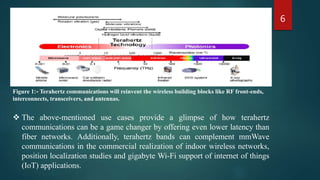
Figure 1:- Terahertz communications will reinvent the wireless building blocks like RF front-ends,
interconnects, transceivers, and antennas.
 The above-mentioned use cases provide a glimpse of how terahertz
communications can be a game changer by offering even lower latency than
fiber networks. Additionally, terahertz bands can complement mmWave
communications in the commercial realization of indoor wireless networks,
position localization studies and gigabyte Wi-Fi support of internet of things
(IoT) applications.
Field where Terahertz communication used
 THz-band communications are expected to play a vital role in the upcoming sixth-generation
(6G) of wireless mobile communications, enabling ultra-high bandwidth communication
prototypes. To this end, many research groups have attracted significant funding to conduct
THz-related research and standardization efforts have been launched [1].
 Despite the fact that by definition the THz band extends from 300 GHz to 10 THz, researchers
have found it convenient to categorize beyond-100 GHz applications as THz communications,
below which the millimeter-wave bands of 5G are defined.
7
Argument for THz communication
 Unlike mmWave communications, THz communications can leverage the large available
bandwidths at the THz band to achieve a terabit/second data rate without additional spectral
efficiency enhancement techniques [4].
 Pushing research beyond mm Waves is thus predictable, as some applications can never be
accomplished in any current or envisioned mm Wave system (transmitting an uncompressed
8K-resolution video, for example). Due to their shorter wavelengths, THz communication
systems can support higher link directionality, are less susceptible to free-space diffraction
and inter-antenna interference, can be realized in much smaller footprints, and possess higher
flexibility to snooping.
 Furthermore, the THz band promises to support higher user densities, higher reliability, less
latency, more energy efficiency, higher positioning accuracy, better spectrum utilization, and
increased adaptability to propagation scenarios.
8
Argument for THz communication
 On the other side of the spectrum, optical communications over the infrared and visible
bands, mainly VLC, are very mature (except for the ultraviolet band, which has limitations).
VLC has the potential to provide higher data rates than the rates promised by THz
communications, and at a low cost.
 However, the two technologies are fundamentally different [1]. For instance, THz signals are
not affected by ambient light, atmospheric turbulence, scintillation, cloud dust, or temporary
spatial variations of light intensity in the same way that optical signals are affected. More
importantly, the severe unguided narrow-beam properties of optical signals require more
delicate pointing, acquisition, and tracking to guarantee alignment.
9
Argument for THz communication
 Despite possessing quasi-optical propagation traits, THz communications retain several
characteristics of microwave communications, and they can still draw on reflections and
antenna array-processing techniques to support non-line-of-sight (NLoS) propagation and
efficient beamforming, respectively.
 Nevertheless, due to human eye sensitivity, VLC is not the best option for uplink
communications, and it is susceptible to a different type of blockage.
 Therefore, availability can be enhanced by using both mmWave/THz communications and
VLC in a heterogeneous setup.
10
Challenges with THz communication
 Many challenges need to be addressed prior to the widespread introduction of THz
communications. For instance, the THz band’s high propagation losses and power limitations
result in very short communication distances, and frequency dependent molecular absorptions
result in band-splitting and bandwidth reduction.
 Signal misalignment and blockage are also more severe at the THz band. Furthermore, except
for recent measurements at sub-THz frequencies [5], there are no realistic THz channel models.
 In fact, the THz channel is dominated by a line-of-sight (LoS) and a few NLoS paths because
of significant signal reflection losses and very high signal diffraction and scattering losses.
Note that NLoS communication can naturally exist at the THz band because of the relatively
low loss in specular reflection from specific surfaces (drywall for example). (see [6], [7] and
references there in).
11
Solution for their existing challenges
 UM-MIMO and RIS systems:
 Very dense ultra-massive multiple-input multiple-output (UM-MIMO) antenna systems can
provide the required beamforming gains necessary to overcome the distance problem.
 While mmWave UM-MIMO systems require footprints of a few square centimeters for a
small number of antenna elements, a large number of antenna elements can be embedded at
THz in a few square millimeters.
 Note that both the magnitude of the propagation 3 loss and the number of antennas that can
be fit in the same footprint increase in the square of the wavelength. Therefore, higher
beamforming gains due to increased compactness can account for the increasing path loss.
12
 THz array-of-subarrays (AoSA) configurations enable hybrid beamforming, which in turn
reduces hardware costs and power consumption and provides the flexibility to trade
beamforming and multiplexing, for a better communication range and spectral efficiency,
respectively. Configurable AoSA architectures can support multi-carrier communications and
variations of spatial and index modulation schemes [6], by tuning each antenna element to a
specific frequency, turning it on/off, or changing its modulation type in real-time (in
plasmonic solutions, the frequency of operation can be tuned by simple material doping or
electrostatic bias).
 To enhance the correlated MIMO channel conditions in LoS scenarios, spatial tuning
techniques [6] that optimize the separations between antenna elements can be applied.
Nevertheless, a high multiplexing gain can only be achieved when the communication range is
less than the socalled Rayleigh distance. Reconfigurable intelligent surfaces (RISs) can extend
the communication range and the Rayleigh distance of the THz system.
13Solution for their existing challenges
Solution for their existing challenges
 Waveform and modulation:
 Since bandwidth reduction from molecular absorption gets more pronounced at larger
distances, the available absorption-free spectral windows are distance-dependent. Hence,
distance-aware solutions that optimize waveform design, transmission power, and
beamforming are required.
 Optimized THz-specific multi-carrier waveform designs other than orthogonal frequency-
division multiplexing (OFDM) are favored. OFDM is very complex to implement at the THz
band and it results in a peak-to-average power ratio problem; single-carrier schemes are
recommended (alongside carrier aggregation) due to the large available bandwidths and flat
nature of the channel.
 Moreover, since generating continuous modulations in compact architectures is challenging,
plasmonic pulse-based architectures (asymmetric on-off keying modulations that consist of
transmitting femtosecond-long short pulses) are proposed [4].
14
Solution for their existing challenges
 The output power of pulse-based systems is limited. In addition, since the frequency
response of pulse-based systems covers the entire THz range, it is no longer possible to
operate in absorption-free spectra.
 Re-transmissions following molecular absorption (re-radiation of absorbed energy with
negligible frequency shifts) result in a frequency-dependent (colored) noise component that
is induced by the channel.
15
Solution for their existing challenges
 Low-complexity baseband:
 Many more challenges need to be addressed from a signal processing perspective to overcome
the mismatch between the bandwidth of the THz channel (terabit/second) and that of the
digital baseband system (which is limited by clock speeds of few GHz).
 Channel coding is the most computationally-demanding component of the baseband chain;
nevertheless, the complete chain should be made efficient and parallelizable. Therefore, joint
architecture and algorithm co-optimization of channel coding, channel estimation, and data
detection is required.
 Low-resolution digital-to-analog conversion systems can further reduce the baseband
complexity; all-analog THz solutions are also considered.
16
Terahertz Trials Underway
 For a start, mmWave communication is accelerating wireless broadband deployment by
removing barriers to small cell infrastructure deployment and investment. Once that happens,
terahertz communications can significantly complement mmWave in indoor environments such
as a hallway, meeting rooms, cubical offices, laboratories, and open areas.
 Take, for instance, the propagation measurements in the 140 GHz D-band conducted by Aalto
University at a shopping mall. The transmitter (TX) and receiver (VX) were placed at 200 m
using a channel sounder system and omnidirectional path losses at 140 GHz were compared
with the 28 GHz wireless channel. The slope and variations of the path loss data of the two
bands were quite similar.
 Likewise, NYU Wireless, a research program at New York University working on mmWave
and terahertz communications, formulated a 140 GHz channel sounding system that carried out
both long-distance propagation measurements with angular and delay spread and short-range
dynamic channel measurements for Doppler and rapidly-fading characterization,
17
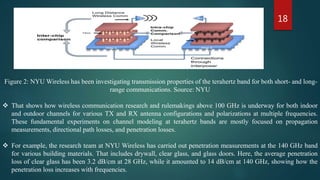
Figure 2: NYU Wireless has been investigating transmission properties of the terahertz band for both short- and long-
range communications. Source: NYU
 That shows how wireless communication research and rulemakings above 100 GHz is underway for both indoor
and outdoor channels for various TX and RX antenna configurations and polarizations at multiple frequencies.
These fundamental experiments on channel modeling at terahertz bands are mostly focused on propagation
measurements, directional path losses, and penetration losses.
 For example, the research team at NYU Wireless has carried out penetration measurements at the 140 GHz band
for various building materials. That includes drywall, clear glass, and glass doors. Here, the average penetration
loss of clear glass has been 3.2 dB/cm at 28 GHz, while it amounted to 14 dB/cm at 140 GHz, showing how the
penetration loss increases with frequencies.
18
Prototyping Terahertz Communications
 Engineers, for instance, can employ these prototypes in real-time and over-the-air (OTA) setups
in a variety of scenarios. Here, two things are fundamental in creating prototypes for new
technologies like terahertz communications: flexible hardware and software that allow
engineers to iterate and optimize designs quickly.
19
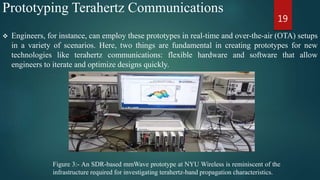
Figure 3:- An SDR-based mmWave prototype at NYU Wireless is reminiscent of the
infrastructure required for investigating terahertz-band propagation characteristics.
 A terahertz communication system processing a multi-GHz channel will demand greater
computational capacity in the digital domain where the baseband subsystem encompasses tasks
like physical layer (PHY) channel coding. Similarly, the analog domain mandates
improvements in analog-to-digital (ADC) and digital-to-analog (DAC) parts to efficiently
capture higher frequency signals.
 At a time when broadband and high-gain components are not available, a prototype can
facilitate the key building blocks of the terahertz communication systems. That includes high-
bandwidth baseband processing subsystem, bandwidth-filtered immediate frequency (IF) stage,
local oscillator (LO) module, and radio heads to cover multiple frequency spectrums.
 These prototype systems can also incorporate third-party RF front-ends to explore new
frequency bands like 140 GHz. Next, a modular platform based on software-defined radio
(SDR) technology can accommodate a variety of applications ranging from channel sounding
to prototyping real-time, two-way communications.
20
Prototyping Terahertz Communications
Terahertz Next in Line
 The 5G dynamo is opening the floodgates of wireless bandwidth, and once mmWave bands
move toward wider adoption and proliferation for 5G and other communication use cases,
terahertz bands like 140 GHz are inevitably going to be the next in line.
 That may not be very far away amid the speed of wireless technology advancements, so
industry players need to start preparing for wireless communications above 100 GHz. And,
while commercial components are not yet available, the SDR-based communication prototype
systems seem to be the best bet for conducting the propagation and signal loss measurements
in terahertz bands.
21
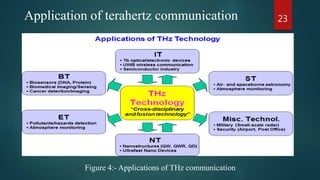
Application of terahertz communication
 Thz sensing and imaging
 Localization
 6G and beyond cases
 Vehicular and drone to drone communication
 Implementation aspects
Roles in machine learning
Health and privacy concern
22
23Application of terahertz communication
Figure 4:- Applications of THz communication
REFERENCES
1. Next generation terahertz communications: A rendezvous of sensing, imaging, and
localization hadi sarieddeen, member, IEEE, nasir saeed, senior member, IEEE, tareq Y. Al-
naffouri, senior member, IEEE and mohamed-slim alouini, fellow, IEEE
2. H. Elayan, O. Amin, B. Shihada, R. M. Shubair, and M. Alouini, “terahertz band: the last
piece of RF spectrum puzzle for communication systems,” IEEE open J. Of the commun.
Soc., Vol. 1, pp. 1–32, 2020.
3. K. Sengupta, T. Nagatsuma, and D. M. Mittleman, “terahertz integrated electronic and
hybrid electronic-photonic systems,” nature electronics, vol. 1, no. 12, p. 622, 2018.
4. K. K. O, w. Choi, Q. Zhong, N. Sharma, Y. Zhang, R. Han, Z. Ahmad, D. Kim, S. Kshattry,
I. R. Medvedev, D. J. Lary, H. Nam, P. Raskin, and I. Kim, “opening terahertz for everyday
applications,” IEEE commun. Mag., Vol. 57, no. 8, pp. 70–76, aug. 2019.
5. Https://spectrum.Ieee.Org/telecom/internet/wireless-industrys-newest-gambit-terahertz-
communication-bands
24
THANK YOU!!
25

TERAHERTZ COMMUNICATION

  • 1.
    Guru Gobind SinghIndraprastha University Dwarka Sec-16 New Delhi A -: PRESENTATION :- ON TERAHERTZ COMMUNICATION Presented To :- Dr. M. BALA KRISHNA ASSISTANT PROFESSOR USIC&T Presented By :- Manoj Kumar 00116404219 M.Tech(ECE)(W) 1
  • 2.
    LIST OF CONTENTS What is terahertz communication  Intoduction  Field where terahertz communication used  Argument for thz communication  Challenges with thz communication  Solution for their exiting challenges  Terahertz trail underway  Prototyping terahertz communication  Terahertz next in line  Applications of THz communication  References 2
  • 3.
    What is terahertzcommunication?  Terahertz (THz)-band communications are eminent as key aiding technology for next- generation wireless systems that assures to integrate a wide range of data demanding and delay sensitive applications. Advancement in optical, electronic, and plasmonic transceiver design, integrated, adaptive, and efficient THz systems are no longer far-fetched.  We suggest that the revolution that the THz band will introduce will not be merely obsessed by achievable high data rates, but more profoundly by the interaction between THz sensing, imaging, and localization applications. We have detail the uniqueness of each of these applications at the THz band. Then, we illustrate how their combination results in improved environment aware system performance in beyond-5G use cases. 3
  • 4.
    Introduction  The terahertzband (0.3 thz to 10 thz) is the next edge in wireless communications for its knack to expose significantly wider divisions of unutilized bandwidth. Though radio channels above 100 ghz are little known, And many terahertz communication models had been shown in few past years.  There is Nothing a lot to explain about terahertz communications because the industry is currently preoccupied with mm wave frequency bands (30 to 300 ghz) to offer multi- gigabit-per-second (gbps) data rates for 5G mobile devices. Moreover, terahertz communication takes the problem that mm wave bands are currently facing to a whole new level: propagation loss caused by a terrific amount of signal attenuation due to molecule absorption of electromagnetic waves.  Like mm wave communications, terahertz bands can be used as mobile backhaul for transferring large bandwidth signals between base stations. Another venue for fiber or copper replacement is point-to-point links in rural environments and macro-cell communications. 4
  • 5.
     More importantly,terahertz bands can be employed in close-in communications, also known as whisper radio applications. That includes wiring harnesses in circuit boards and vehicles, nanosensors, and wireless personal area networks (PANs).  Then, there are applications like high-resolution spectroscopy and imaging and communication studies that require short-range communications in the form of massive bandwidth channels with zero error rate in crucial areas like coding, redundancy, and frequency diversity. 5Introduction
  • 6.
    6 Figure 1:- Terahertzcommunications will reinvent the wireless building blocks like RF front-ends, interconnects, transceivers, and antennas.  The above-mentioned use cases provide a glimpse of how terahertz communications can be a game changer by offering even lower latency than fiber networks. Additionally, terahertz bands can complement mmWave communications in the commercial realization of indoor wireless networks, position localization studies and gigabyte Wi-Fi support of internet of things (IoT) applications.
  • 7.
    Field where Terahertzcommunication used  THz-band communications are expected to play a vital role in the upcoming sixth-generation (6G) of wireless mobile communications, enabling ultra-high bandwidth communication prototypes. To this end, many research groups have attracted significant funding to conduct THz-related research and standardization efforts have been launched [1].  Despite the fact that by definition the THz band extends from 300 GHz to 10 THz, researchers have found it convenient to categorize beyond-100 GHz applications as THz communications, below which the millimeter-wave bands of 5G are defined. 7
  • 8.
    Argument for THzcommunication  Unlike mmWave communications, THz communications can leverage the large available bandwidths at the THz band to achieve a terabit/second data rate without additional spectral efficiency enhancement techniques [4].  Pushing research beyond mm Waves is thus predictable, as some applications can never be accomplished in any current or envisioned mm Wave system (transmitting an uncompressed 8K-resolution video, for example). Due to their shorter wavelengths, THz communication systems can support higher link directionality, are less susceptible to free-space diffraction and inter-antenna interference, can be realized in much smaller footprints, and possess higher flexibility to snooping.  Furthermore, the THz band promises to support higher user densities, higher reliability, less latency, more energy efficiency, higher positioning accuracy, better spectrum utilization, and increased adaptability to propagation scenarios. 8
  • 9.
    Argument for THzcommunication  On the other side of the spectrum, optical communications over the infrared and visible bands, mainly VLC, are very mature (except for the ultraviolet band, which has limitations). VLC has the potential to provide higher data rates than the rates promised by THz communications, and at a low cost.  However, the two technologies are fundamentally different [1]. For instance, THz signals are not affected by ambient light, atmospheric turbulence, scintillation, cloud dust, or temporary spatial variations of light intensity in the same way that optical signals are affected. More importantly, the severe unguided narrow-beam properties of optical signals require more delicate pointing, acquisition, and tracking to guarantee alignment. 9
  • 10.
    Argument for THzcommunication  Despite possessing quasi-optical propagation traits, THz communications retain several characteristics of microwave communications, and they can still draw on reflections and antenna array-processing techniques to support non-line-of-sight (NLoS) propagation and efficient beamforming, respectively.  Nevertheless, due to human eye sensitivity, VLC is not the best option for uplink communications, and it is susceptible to a different type of blockage.  Therefore, availability can be enhanced by using both mmWave/THz communications and VLC in a heterogeneous setup. 10
  • 11.
    Challenges with THzcommunication  Many challenges need to be addressed prior to the widespread introduction of THz communications. For instance, the THz band’s high propagation losses and power limitations result in very short communication distances, and frequency dependent molecular absorptions result in band-splitting and bandwidth reduction.  Signal misalignment and blockage are also more severe at the THz band. Furthermore, except for recent measurements at sub-THz frequencies [5], there are no realistic THz channel models.  In fact, the THz channel is dominated by a line-of-sight (LoS) and a few NLoS paths because of significant signal reflection losses and very high signal diffraction and scattering losses. Note that NLoS communication can naturally exist at the THz band because of the relatively low loss in specular reflection from specific surfaces (drywall for example). (see [6], [7] and references there in). 11
  • 12.
    Solution for theirexisting challenges  UM-MIMO and RIS systems:  Very dense ultra-massive multiple-input multiple-output (UM-MIMO) antenna systems can provide the required beamforming gains necessary to overcome the distance problem.  While mmWave UM-MIMO systems require footprints of a few square centimeters for a small number of antenna elements, a large number of antenna elements can be embedded at THz in a few square millimeters.  Note that both the magnitude of the propagation 3 loss and the number of antennas that can be fit in the same footprint increase in the square of the wavelength. Therefore, higher beamforming gains due to increased compactness can account for the increasing path loss. 12
  • 13.
     THz array-of-subarrays(AoSA) configurations enable hybrid beamforming, which in turn reduces hardware costs and power consumption and provides the flexibility to trade beamforming and multiplexing, for a better communication range and spectral efficiency, respectively. Configurable AoSA architectures can support multi-carrier communications and variations of spatial and index modulation schemes [6], by tuning each antenna element to a specific frequency, turning it on/off, or changing its modulation type in real-time (in plasmonic solutions, the frequency of operation can be tuned by simple material doping or electrostatic bias).  To enhance the correlated MIMO channel conditions in LoS scenarios, spatial tuning techniques [6] that optimize the separations between antenna elements can be applied. Nevertheless, a high multiplexing gain can only be achieved when the communication range is less than the socalled Rayleigh distance. Reconfigurable intelligent surfaces (RISs) can extend the communication range and the Rayleigh distance of the THz system. 13Solution for their existing challenges
  • 14.
    Solution for theirexisting challenges  Waveform and modulation:  Since bandwidth reduction from molecular absorption gets more pronounced at larger distances, the available absorption-free spectral windows are distance-dependent. Hence, distance-aware solutions that optimize waveform design, transmission power, and beamforming are required.  Optimized THz-specific multi-carrier waveform designs other than orthogonal frequency- division multiplexing (OFDM) are favored. OFDM is very complex to implement at the THz band and it results in a peak-to-average power ratio problem; single-carrier schemes are recommended (alongside carrier aggregation) due to the large available bandwidths and flat nature of the channel.  Moreover, since generating continuous modulations in compact architectures is challenging, plasmonic pulse-based architectures (asymmetric on-off keying modulations that consist of transmitting femtosecond-long short pulses) are proposed [4]. 14
  • 15.
    Solution for theirexisting challenges  The output power of pulse-based systems is limited. In addition, since the frequency response of pulse-based systems covers the entire THz range, it is no longer possible to operate in absorption-free spectra.  Re-transmissions following molecular absorption (re-radiation of absorbed energy with negligible frequency shifts) result in a frequency-dependent (colored) noise component that is induced by the channel. 15
  • 16.
    Solution for theirexisting challenges  Low-complexity baseband:  Many more challenges need to be addressed from a signal processing perspective to overcome the mismatch between the bandwidth of the THz channel (terabit/second) and that of the digital baseband system (which is limited by clock speeds of few GHz).  Channel coding is the most computationally-demanding component of the baseband chain; nevertheless, the complete chain should be made efficient and parallelizable. Therefore, joint architecture and algorithm co-optimization of channel coding, channel estimation, and data detection is required.  Low-resolution digital-to-analog conversion systems can further reduce the baseband complexity; all-analog THz solutions are also considered. 16
  • 17.
    Terahertz Trials Underway For a start, mmWave communication is accelerating wireless broadband deployment by removing barriers to small cell infrastructure deployment and investment. Once that happens, terahertz communications can significantly complement mmWave in indoor environments such as a hallway, meeting rooms, cubical offices, laboratories, and open areas.  Take, for instance, the propagation measurements in the 140 GHz D-band conducted by Aalto University at a shopping mall. The transmitter (TX) and receiver (VX) were placed at 200 m using a channel sounder system and omnidirectional path losses at 140 GHz were compared with the 28 GHz wireless channel. The slope and variations of the path loss data of the two bands were quite similar.  Likewise, NYU Wireless, a research program at New York University working on mmWave and terahertz communications, formulated a 140 GHz channel sounding system that carried out both long-distance propagation measurements with angular and delay spread and short-range dynamic channel measurements for Doppler and rapidly-fading characterization, 17
  • 18.
    Figure 2: NYUWireless has been investigating transmission properties of the terahertz band for both short- and long- range communications. Source: NYU  That shows how wireless communication research and rulemakings above 100 GHz is underway for both indoor and outdoor channels for various TX and RX antenna configurations and polarizations at multiple frequencies. These fundamental experiments on channel modeling at terahertz bands are mostly focused on propagation measurements, directional path losses, and penetration losses.  For example, the research team at NYU Wireless has carried out penetration measurements at the 140 GHz band for various building materials. That includes drywall, clear glass, and glass doors. Here, the average penetration loss of clear glass has been 3.2 dB/cm at 28 GHz, while it amounted to 14 dB/cm at 140 GHz, showing how the penetration loss increases with frequencies. 18
  • 19.
    Prototyping Terahertz Communications Engineers, for instance, can employ these prototypes in real-time and over-the-air (OTA) setups in a variety of scenarios. Here, two things are fundamental in creating prototypes for new technologies like terahertz communications: flexible hardware and software that allow engineers to iterate and optimize designs quickly. 19 Figure 3:- An SDR-based mmWave prototype at NYU Wireless is reminiscent of the infrastructure required for investigating terahertz-band propagation characteristics.
  • 20.
     A terahertzcommunication system processing a multi-GHz channel will demand greater computational capacity in the digital domain where the baseband subsystem encompasses tasks like physical layer (PHY) channel coding. Similarly, the analog domain mandates improvements in analog-to-digital (ADC) and digital-to-analog (DAC) parts to efficiently capture higher frequency signals.  At a time when broadband and high-gain components are not available, a prototype can facilitate the key building blocks of the terahertz communication systems. That includes high- bandwidth baseband processing subsystem, bandwidth-filtered immediate frequency (IF) stage, local oscillator (LO) module, and radio heads to cover multiple frequency spectrums.  These prototype systems can also incorporate third-party RF front-ends to explore new frequency bands like 140 GHz. Next, a modular platform based on software-defined radio (SDR) technology can accommodate a variety of applications ranging from channel sounding to prototyping real-time, two-way communications. 20 Prototyping Terahertz Communications
  • 21.
    Terahertz Next inLine  The 5G dynamo is opening the floodgates of wireless bandwidth, and once mmWave bands move toward wider adoption and proliferation for 5G and other communication use cases, terahertz bands like 140 GHz are inevitably going to be the next in line.  That may not be very far away amid the speed of wireless technology advancements, so industry players need to start preparing for wireless communications above 100 GHz. And, while commercial components are not yet available, the SDR-based communication prototype systems seem to be the best bet for conducting the propagation and signal loss measurements in terahertz bands. 21
  • 22.
    Application of terahertzcommunication  Thz sensing and imaging  Localization  6G and beyond cases  Vehicular and drone to drone communication  Implementation aspects Roles in machine learning Health and privacy concern 22
  • 23.
    23Application of terahertzcommunication Figure 4:- Applications of THz communication
  • 24.
    REFERENCES 1. Next generationterahertz communications: A rendezvous of sensing, imaging, and localization hadi sarieddeen, member, IEEE, nasir saeed, senior member, IEEE, tareq Y. Al- naffouri, senior member, IEEE and mohamed-slim alouini, fellow, IEEE 2. H. Elayan, O. Amin, B. Shihada, R. M. Shubair, and M. Alouini, “terahertz band: the last piece of RF spectrum puzzle for communication systems,” IEEE open J. Of the commun. Soc., Vol. 1, pp. 1–32, 2020. 3. K. Sengupta, T. Nagatsuma, and D. M. Mittleman, “terahertz integrated electronic and hybrid electronic-photonic systems,” nature electronics, vol. 1, no. 12, p. 622, 2018. 4. K. K. O, w. Choi, Q. Zhong, N. Sharma, Y. Zhang, R. Han, Z. Ahmad, D. Kim, S. Kshattry, I. R. Medvedev, D. J. Lary, H. Nam, P. Raskin, and I. Kim, “opening terahertz for everyday applications,” IEEE commun. Mag., Vol. 57, no. 8, pp. 70–76, aug. 2019. 5. Https://spectrum.Ieee.Org/telecom/internet/wireless-industrys-newest-gambit-terahertz- communication-bands 24
  • 25.