Technology Use in EducationApril 2011Farivar RahimiAcademic Computing Services, ICT, ULFarivar.rahimi@ul.ac.zaExt: 2449
Trends in Technology in EducationThe E-Learning Team Relevance of technology in UL’s teaching and learning practicesTheoretical frameworkFindings related to our InstitutionWhere are we with respect to ET?Blackboard UsePlanContent
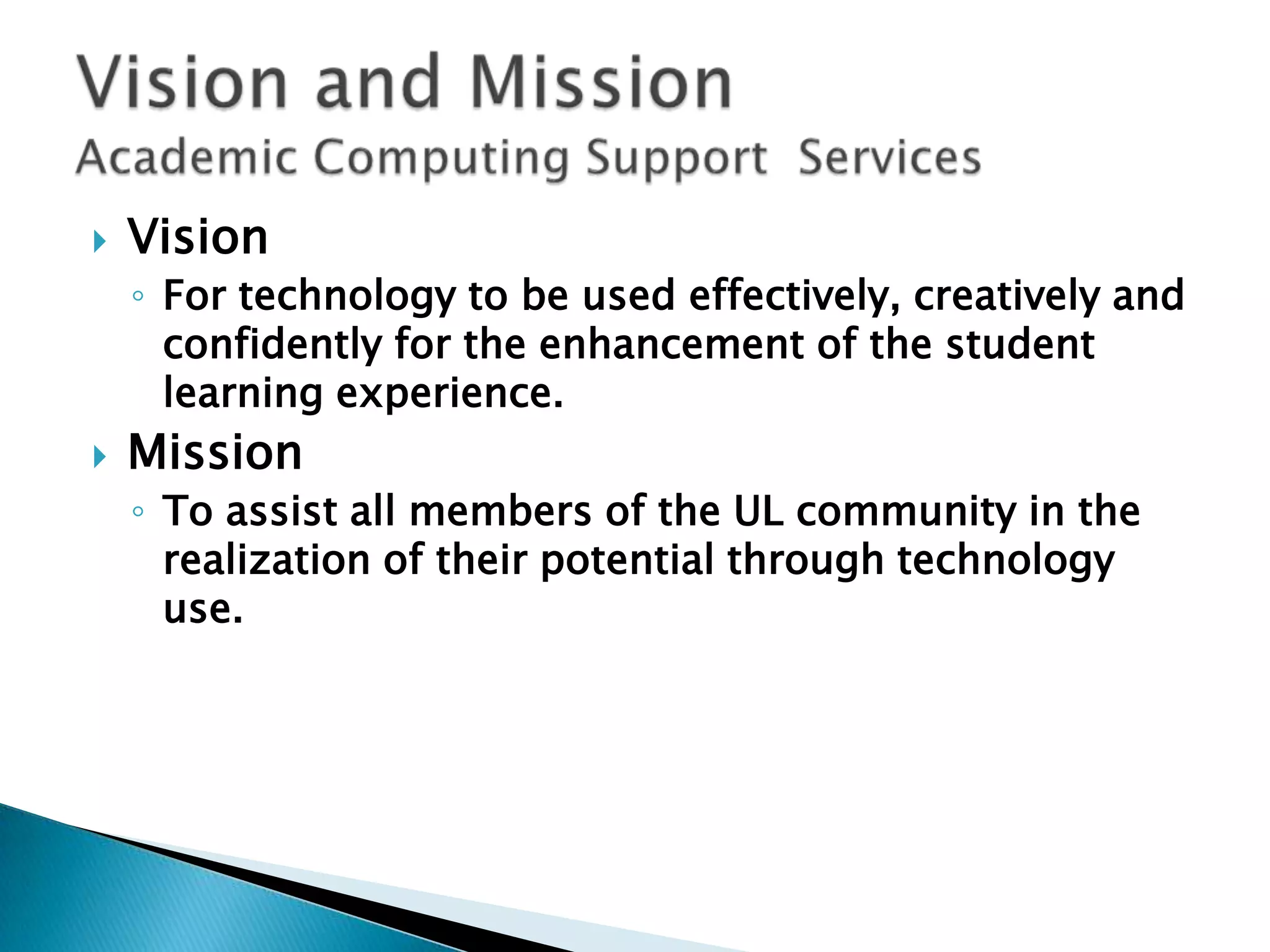
VisionFor technology to be used effectively, creatively and confidently for the enhancement of the student learning experience.MissionTo assist all members of the UL community in the realization of their potential through technology use. Vision and Mission Academic Computing Support  Services
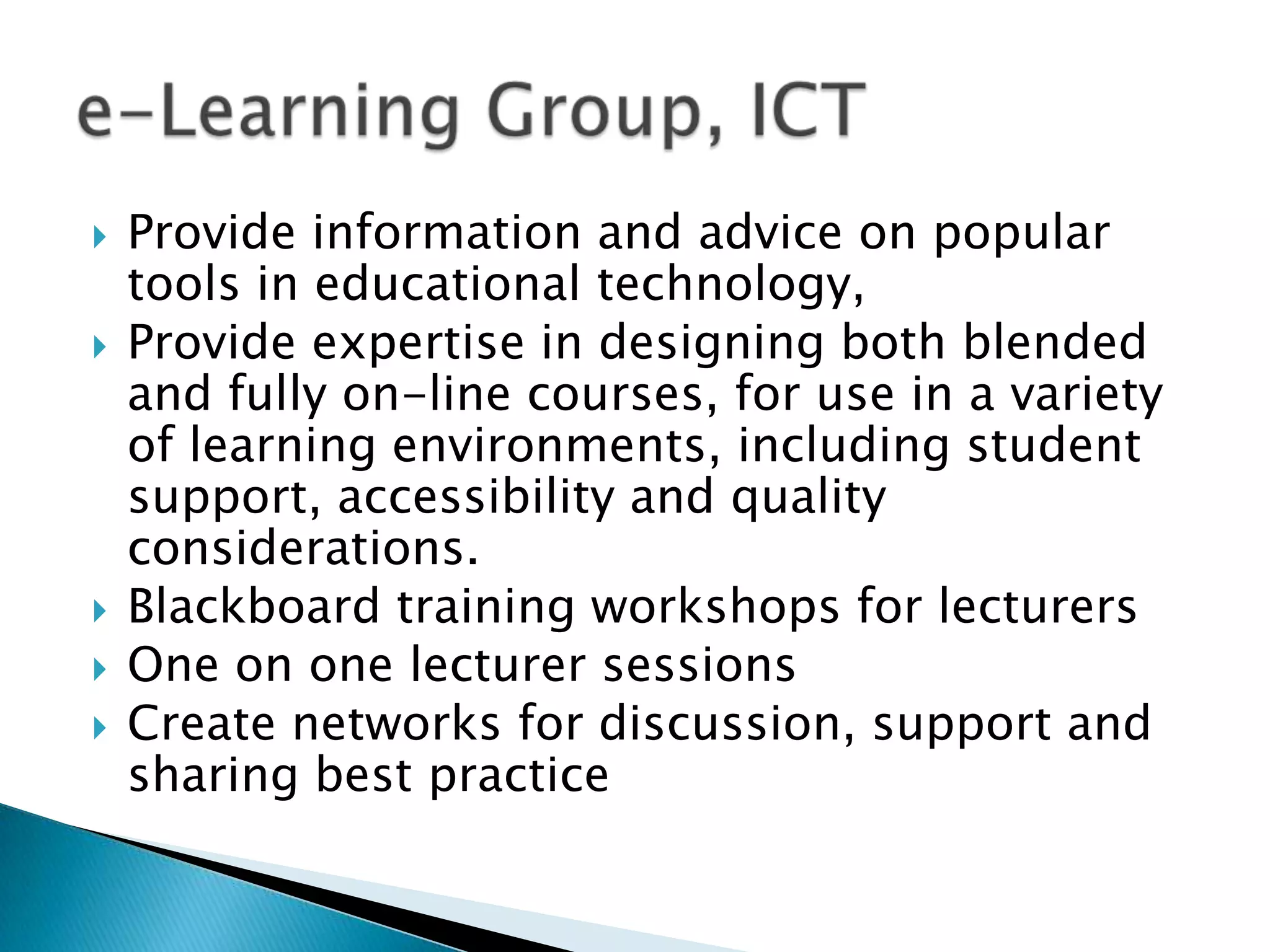
Provide information and advice on popular tools in educational technology, Provide expertise in designing both blended and fully on-line courses, for use in a variety of learning environments, including student support, accessibility and quality considerations.Blackboard training workshops for lecturersOne on one lecturer sessionsCreate networks for discussion, support and sharing best practice e-Learning Group, ICT
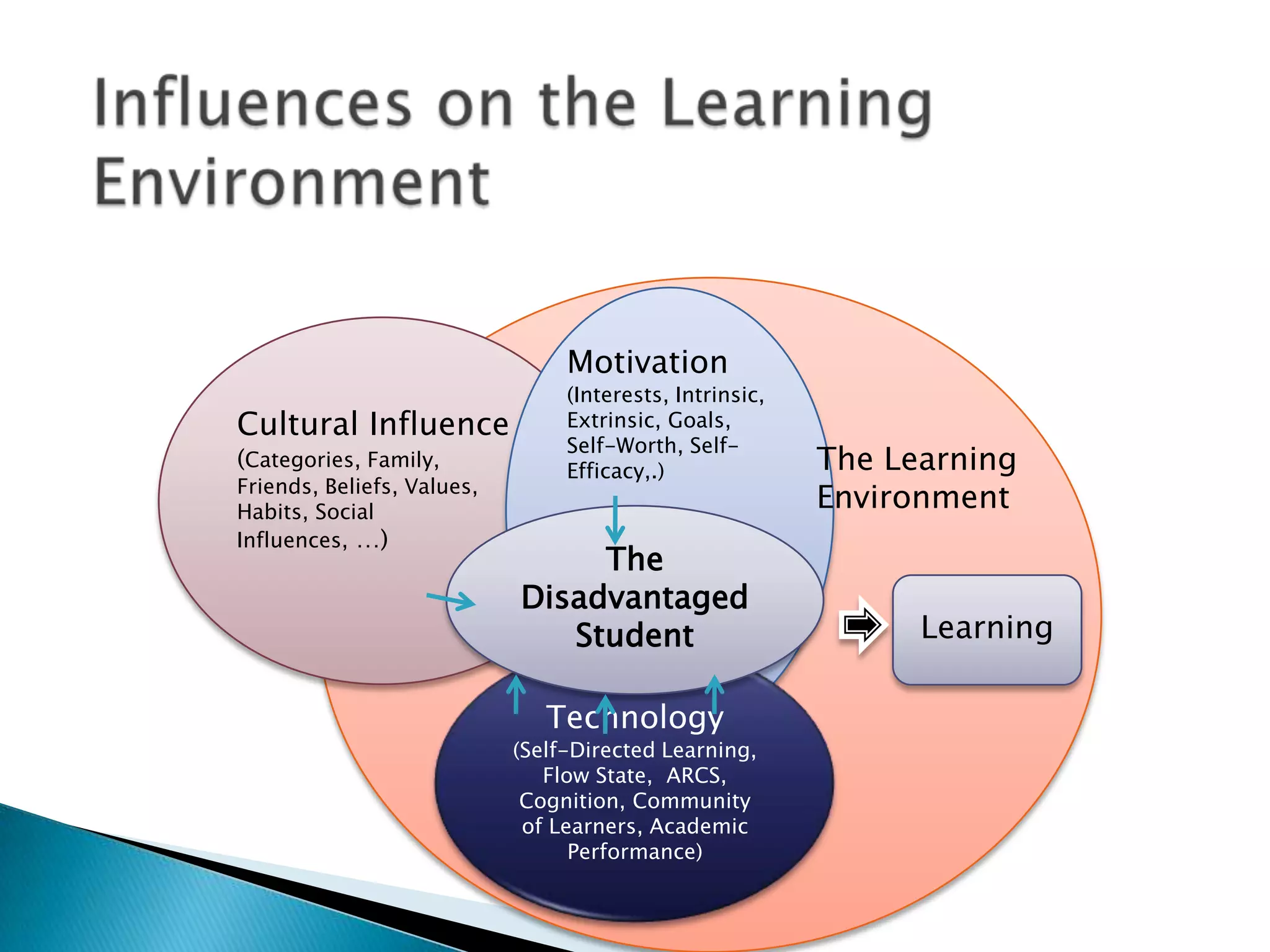
Influences on the Learning EnvironmentMotivation(Interests, Intrinsic, Extrinsic, Goals, Self-Worth, Self- Efficacy,.)Cultural Influence(Categories, Family, Friends, Beliefs, Values, Habits, SocialInfluences, …)The Learning EnvironmentThe Disadvantaged StudentLearningTechnology(Self-Directed Learning, Flow State,  ARCS, Cognition, Community of Learners, Academic  Performance)
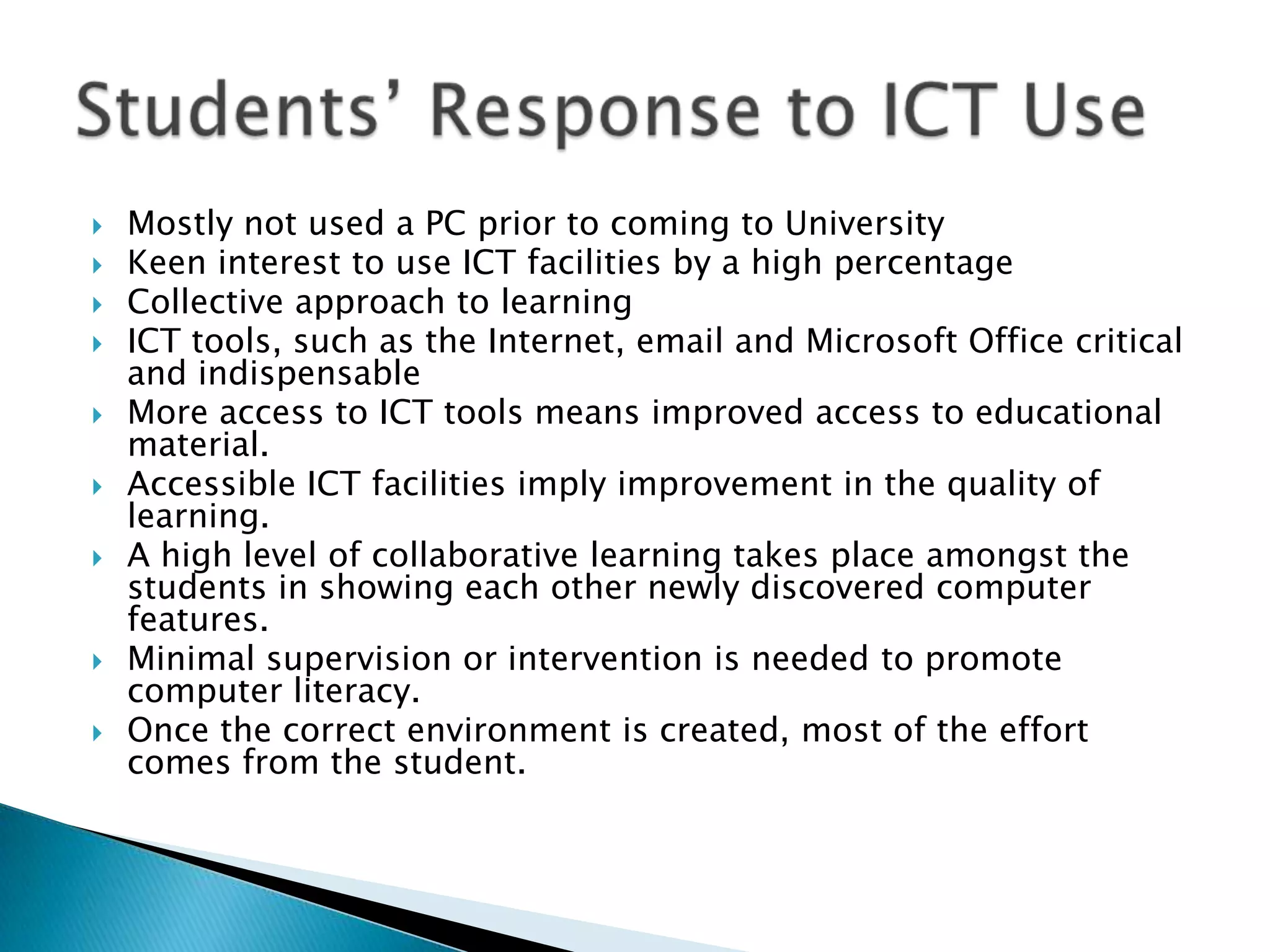
Students’ Response to ICT Use Mostly not used a PC prior to coming to UniversityKeen interest to use ICT facilities by a high percentageCollective approach to learningICT tools, such as the Internet, email and Microsoft Office critical and indispensableMore access to ICT tools means improved access to educational material.Accessible ICT facilities imply improvement in the quality of learning.A high level of collaborative learning takes place amongst the students in showing each other newly discovered computer features.Minimal supervision or intervention is needed to promote computer literacy.  Once the correct environment is created, most of the effort comes from the student.
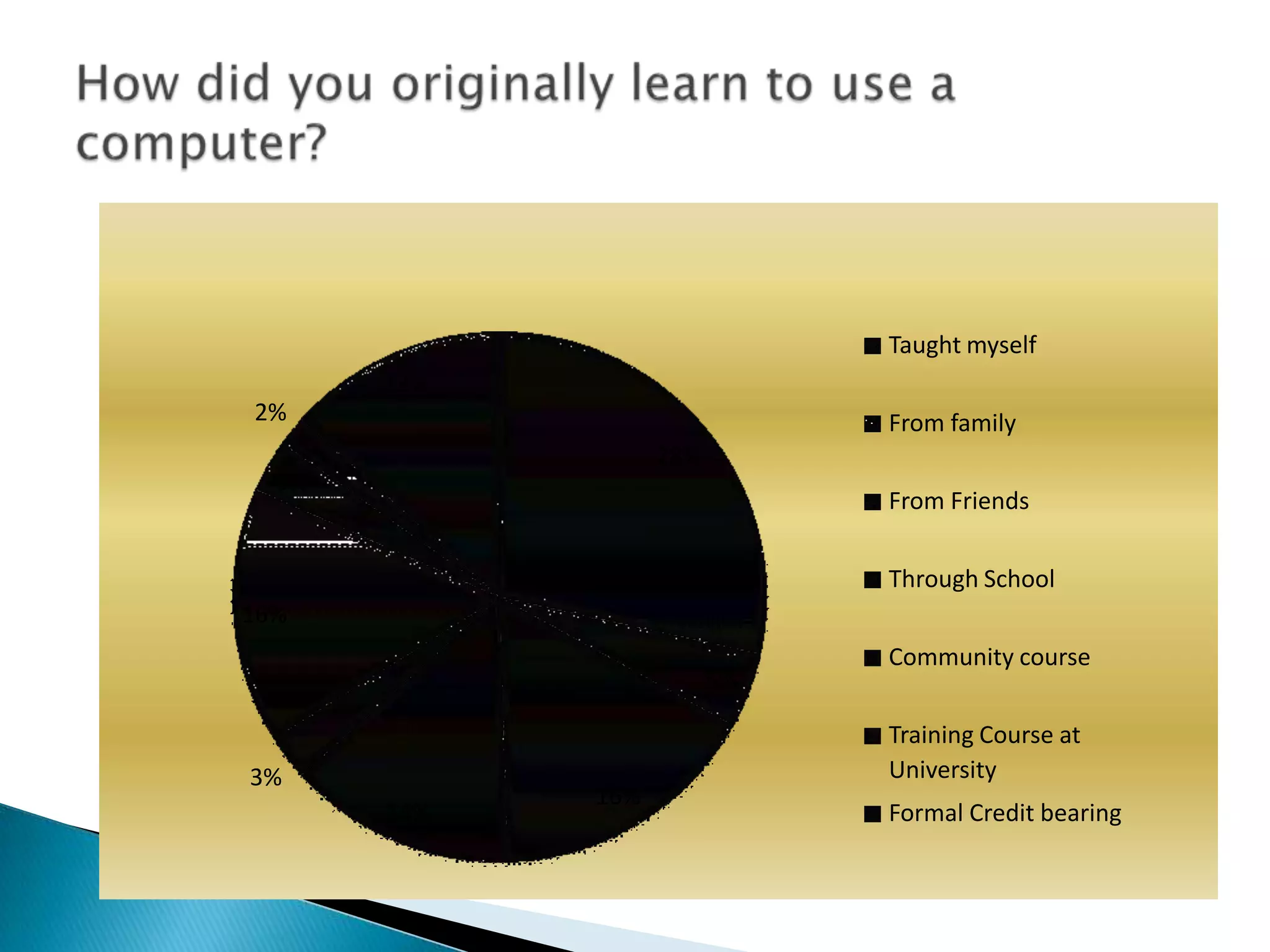
How did you originally learn to use a computer?Taught myself13%2%From family28%3%From Friends Through School16%Community course5%Training Course at University3%16%14%Formal Credit bearing
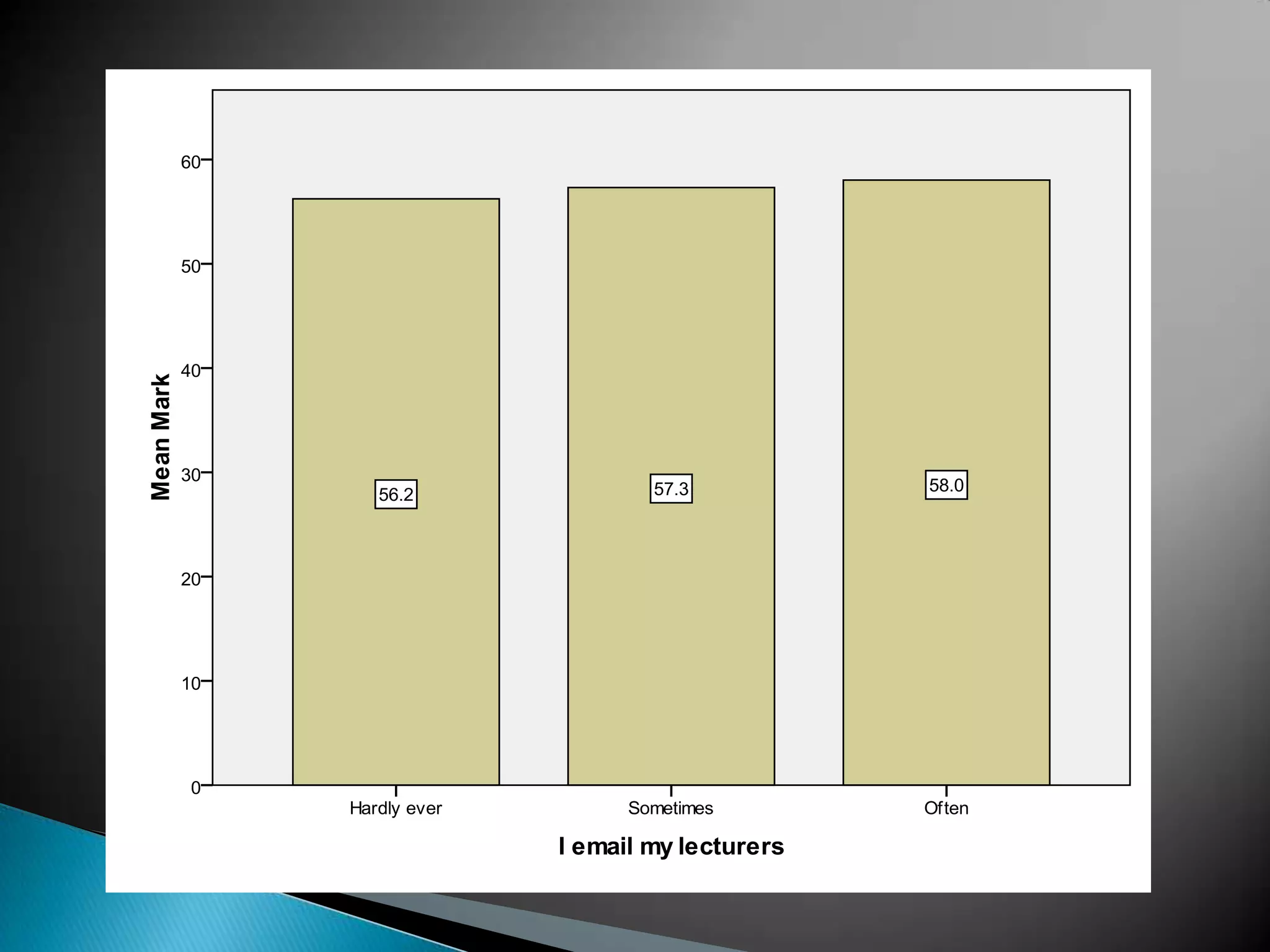
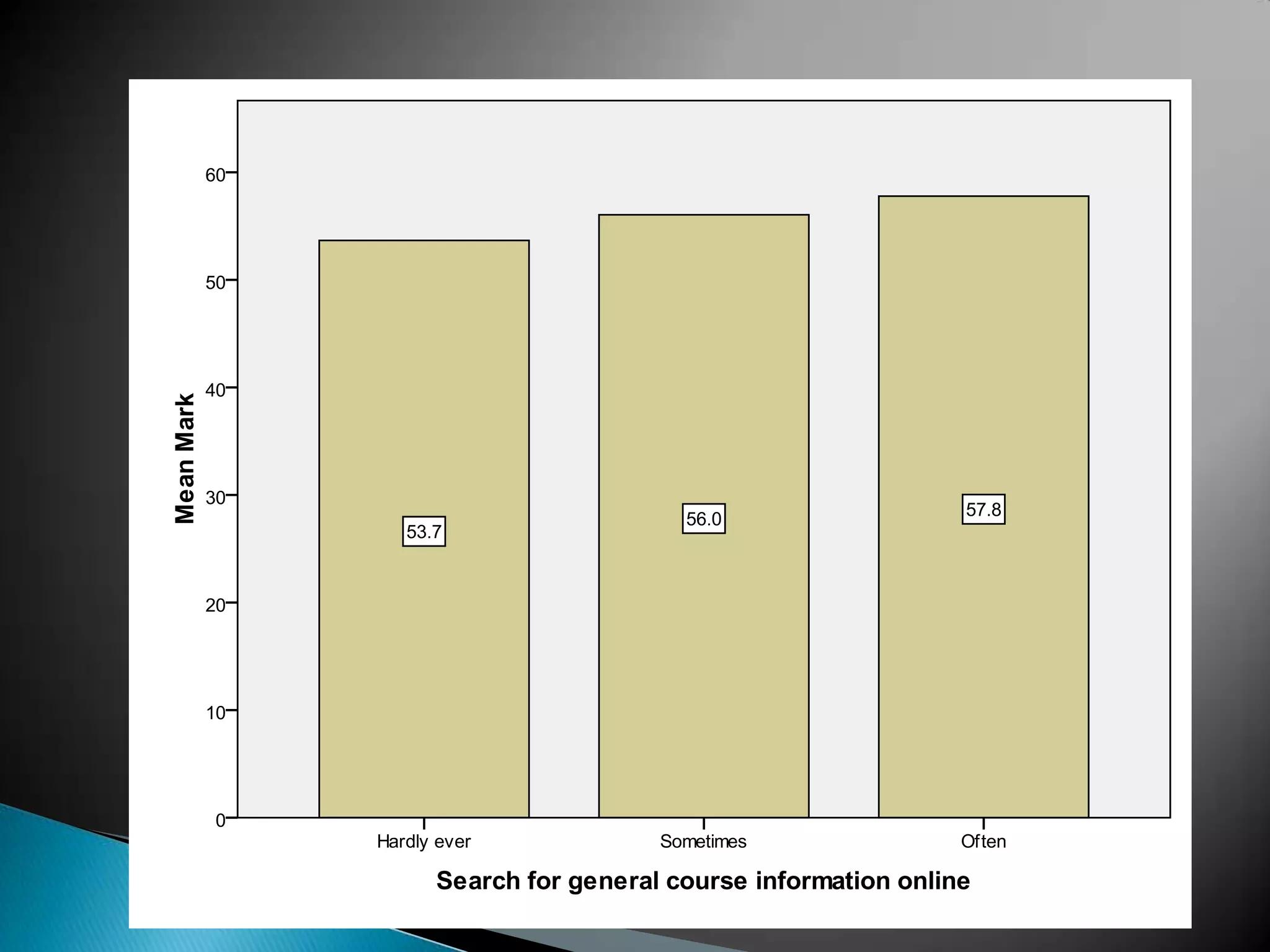
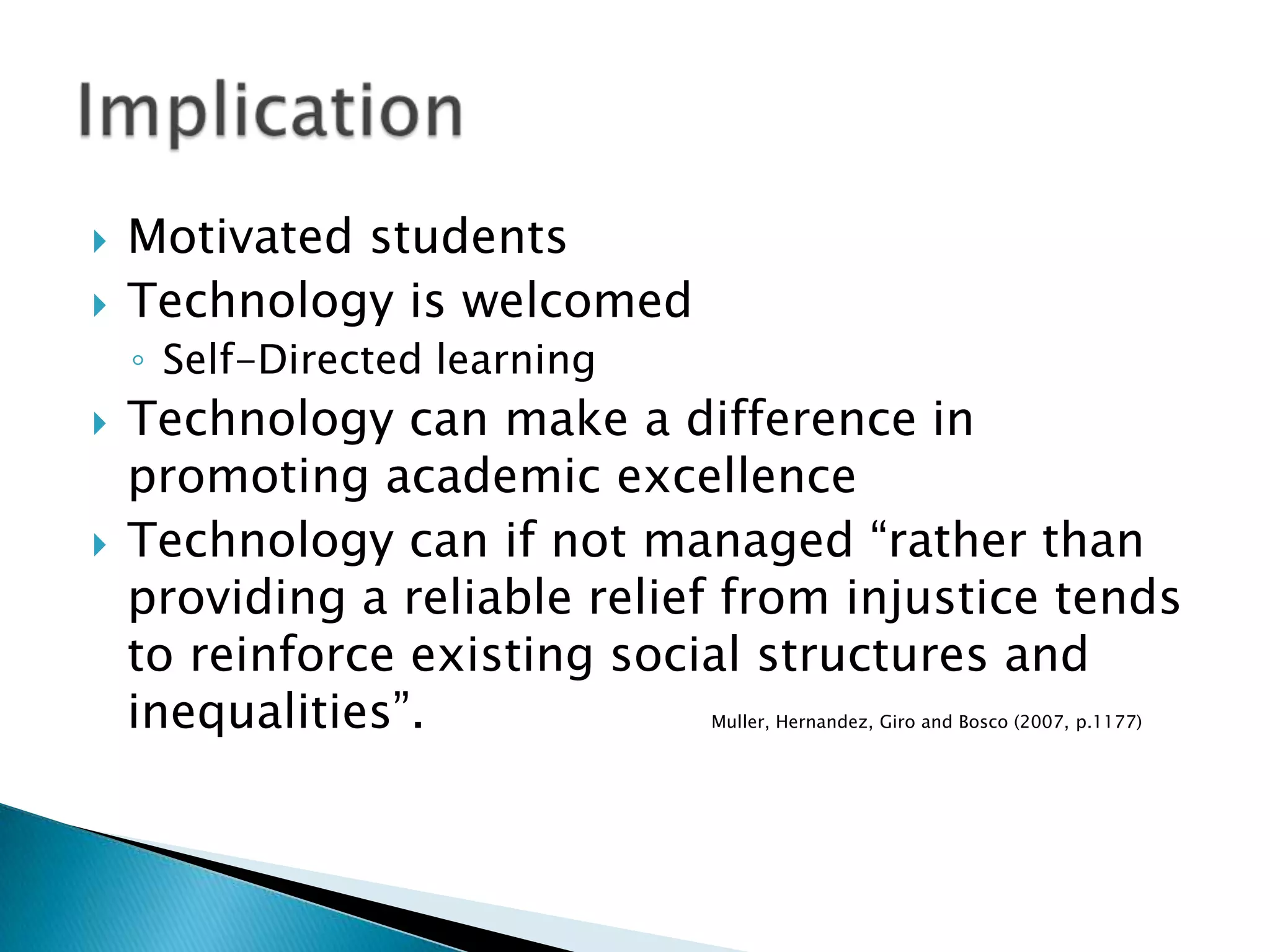
ImplicationMotivated studentsTechnology is welcomedSelf-Directed learningTechnology can make a difference in promoting academic excellenceTechnology can if not managed “rather than providing a reliable relief from injustice tends to reinforce existing social structures and inequalities”. 			Muller, Hernandez, Giro and Bosco (2007, p.1177)
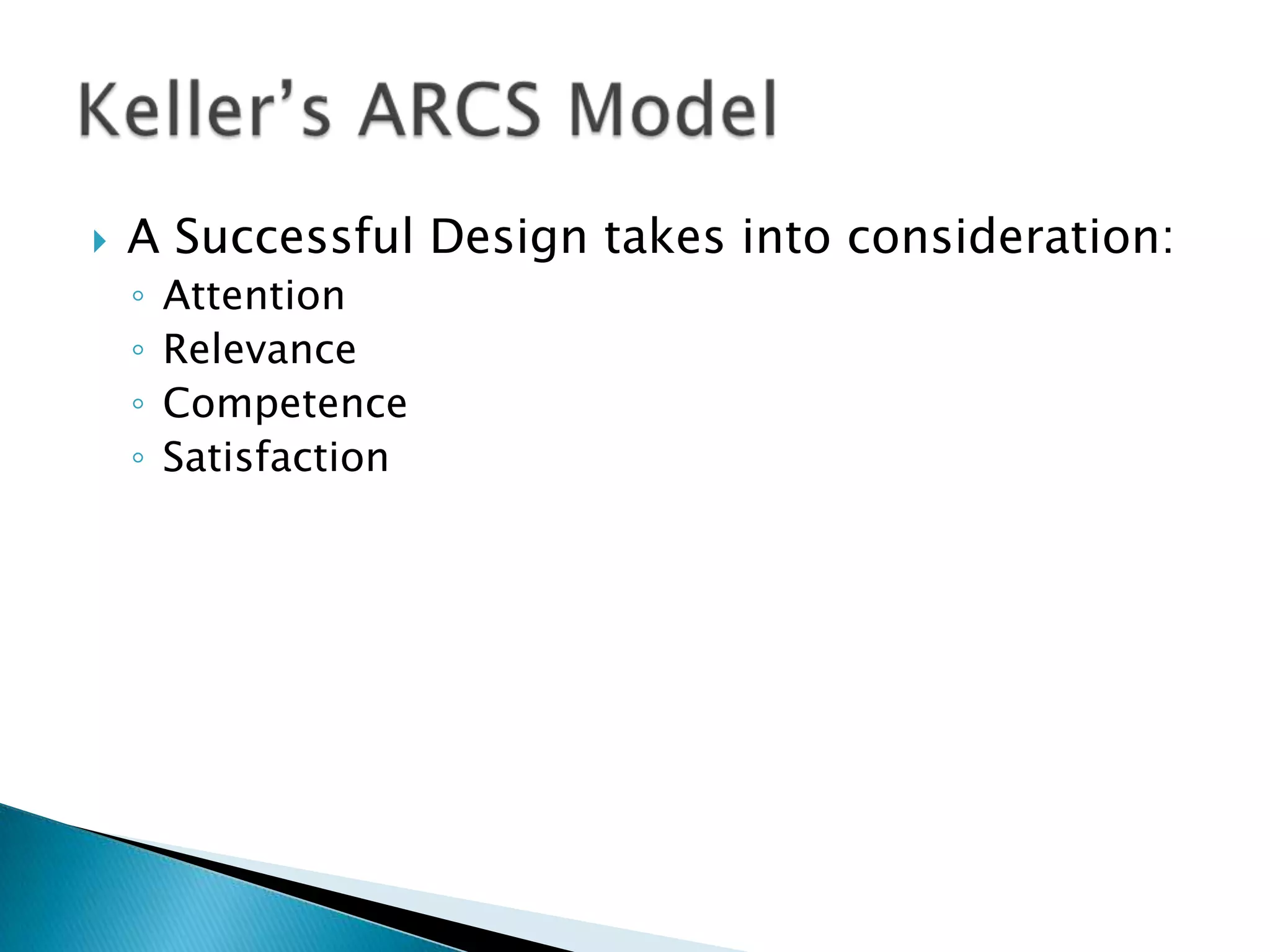
A Successful Design takes into consideration:AttentionRelevanceCompetenceSatisfactionKeller’s ARCS Model
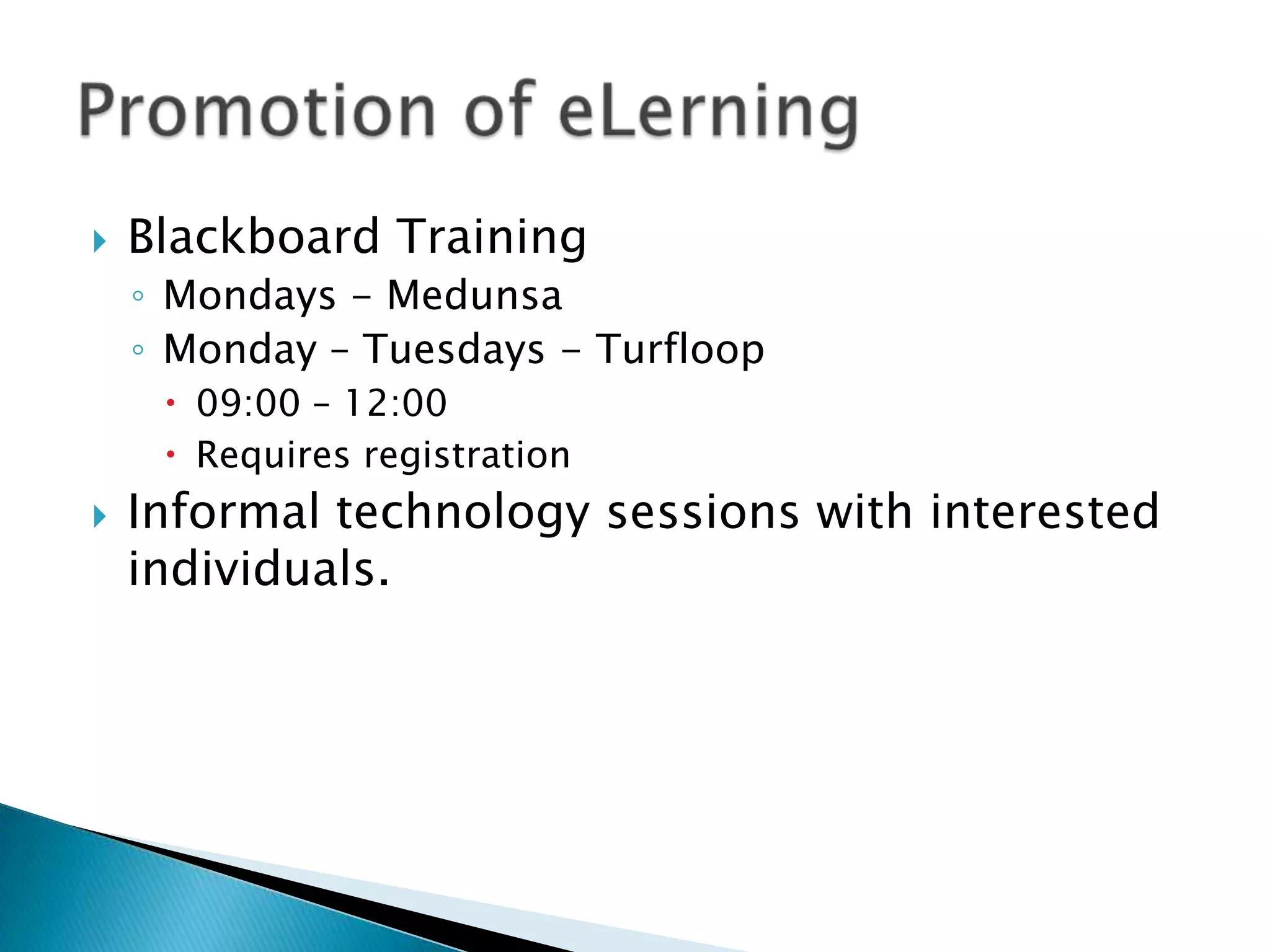
Blackboard TrainingMondays - MedunsaMonday – Tuesdays - Turfloop09:00 – 12:00Requires registration Informal technology sessions with interested individuals.Promotion of eLerning
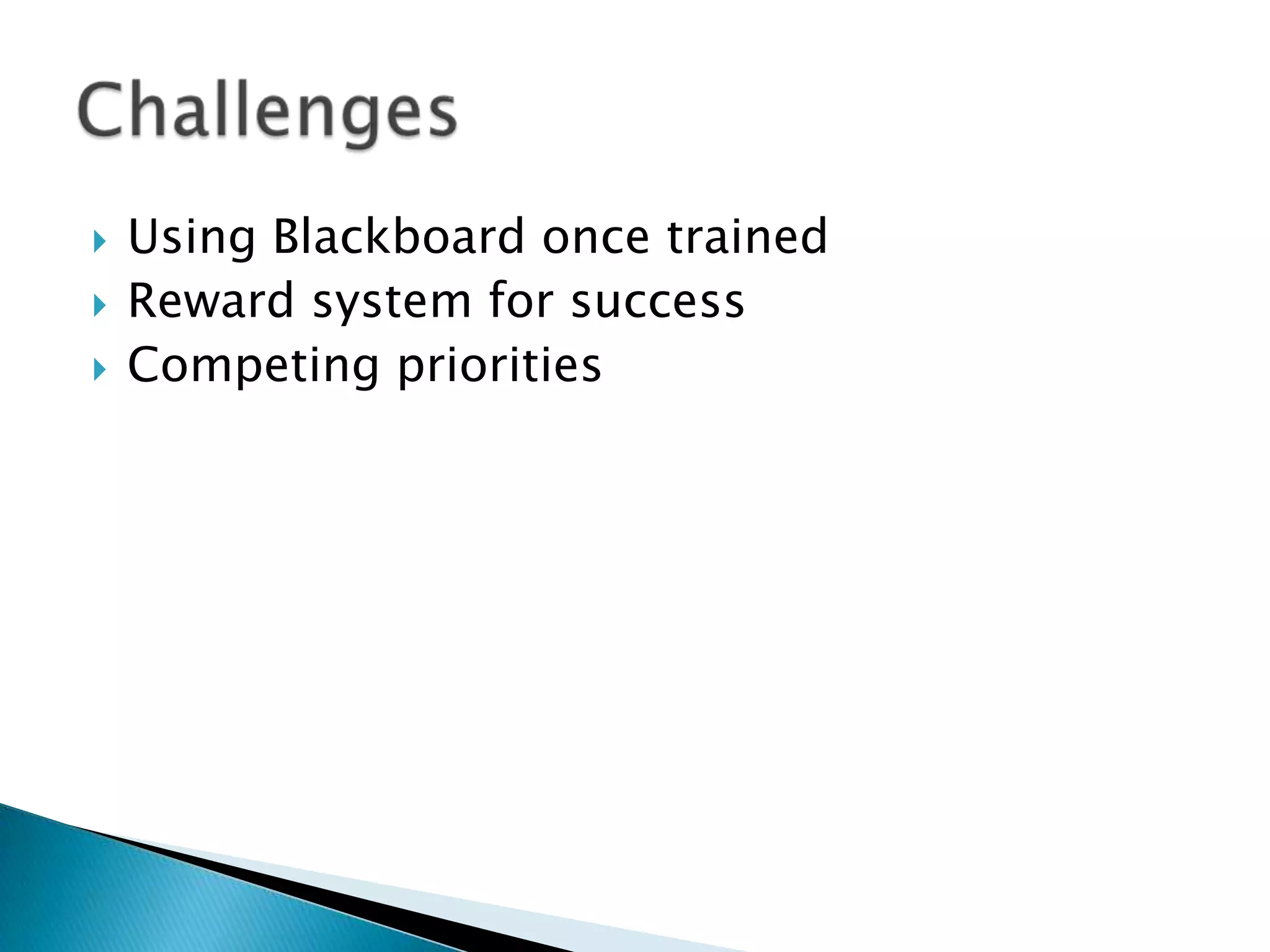
Using Blackboard once trainedReward system for successCompeting priorities Challenges
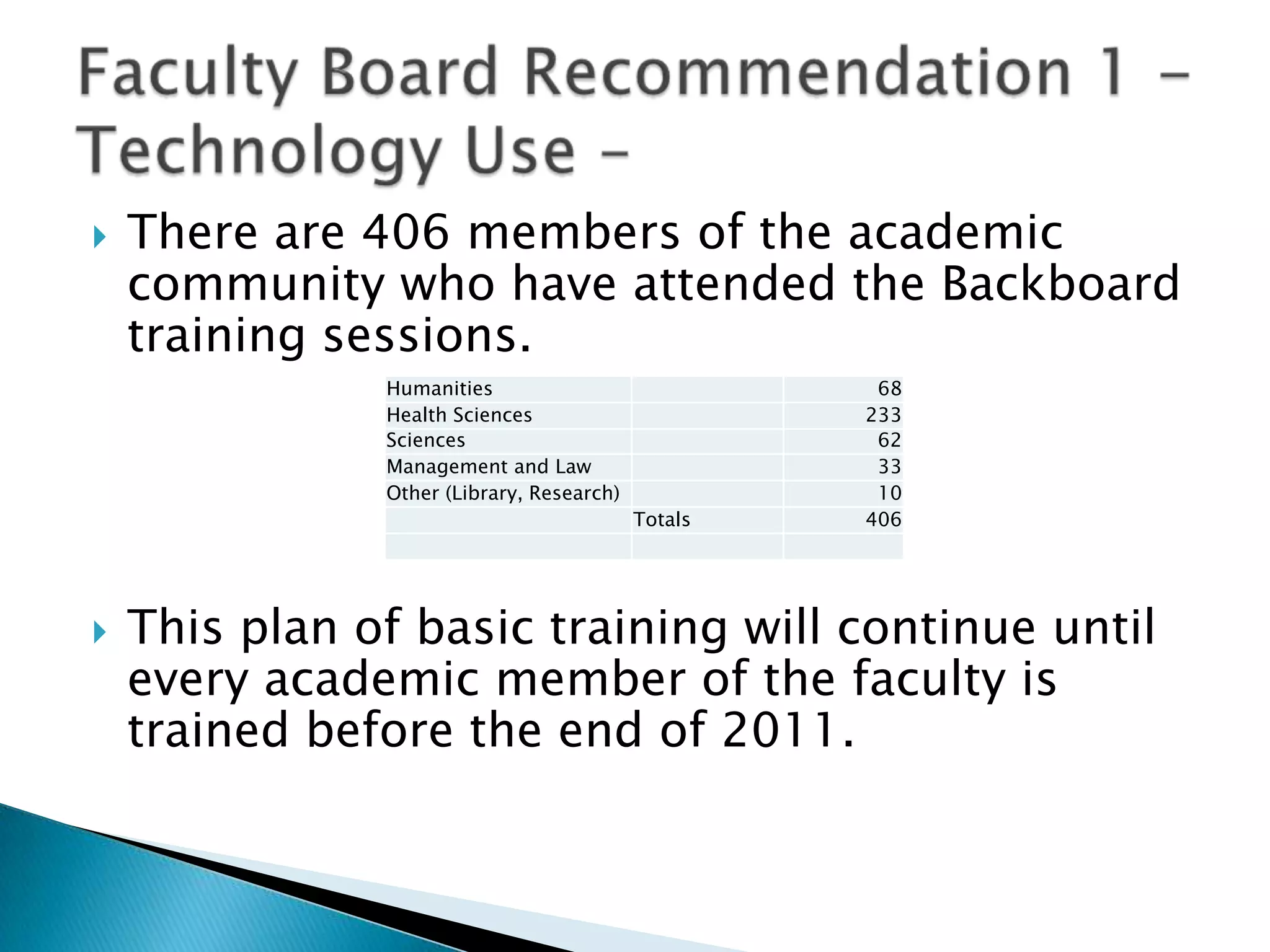
Faculty Board Recommendation 1 - Technology Use – There are 406 members of the academic community who have attended the Backboard training sessions. This plan of basic training will continue until every academic member of the faculty is trainedbefore the end of 2011.
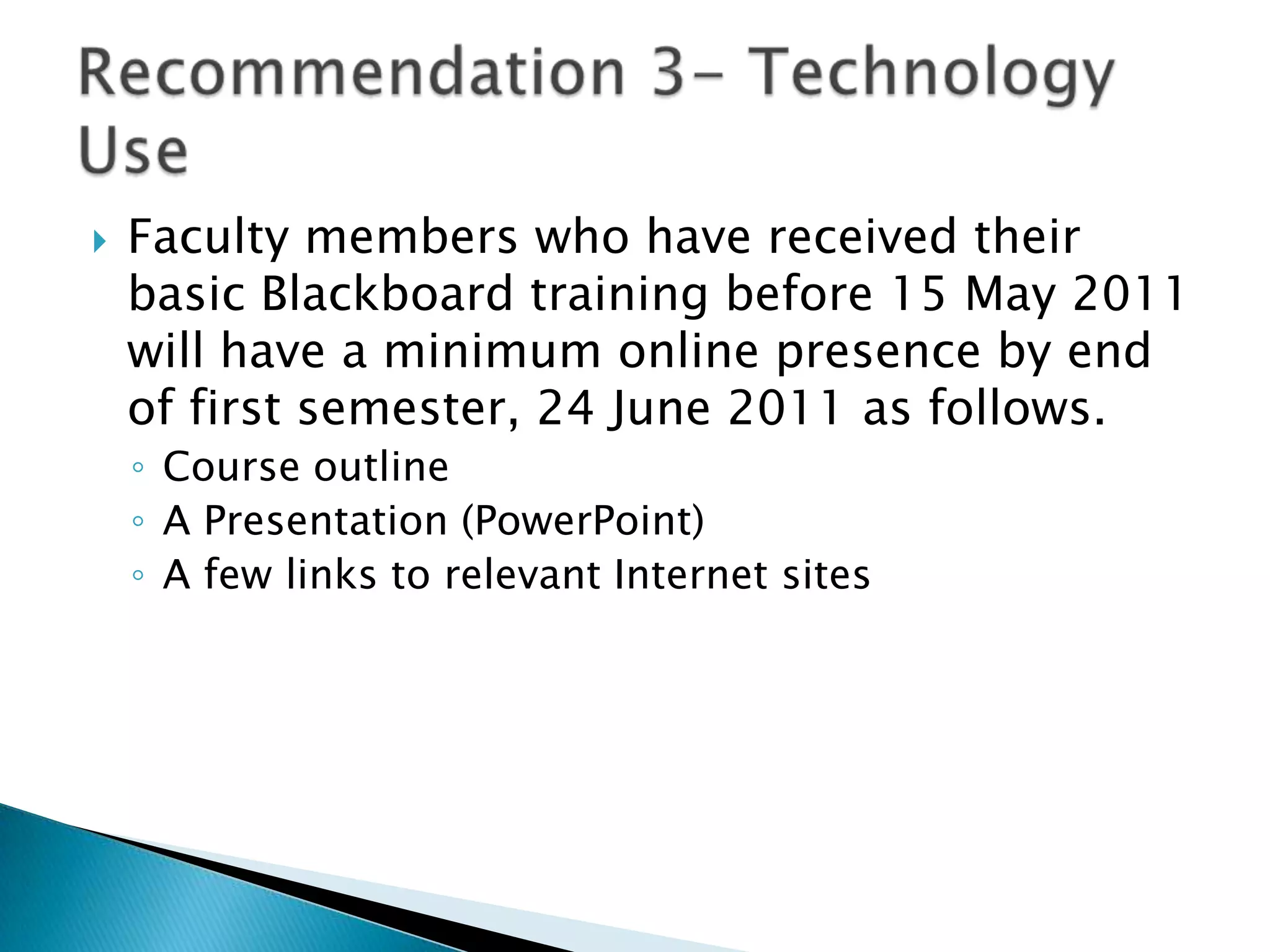
Recommendation 3- Technology UseFaculty members who have received their basic Blackboard training before 15 May 2011 will have a minimum online presence by end of first semester, 24 June 2011 as follows. Course outlineA Presentation (PowerPoint) A few links to relevant Internet sites
Technology use in education

Technology use in education

  • 1.
    Technology Use inEducationApril 2011Farivar RahimiAcademic Computing Services, ICT, ULFarivar.rahimi@ul.ac.zaExt: 2449
  • 2.
    Trends in Technologyin EducationThe E-Learning Team Relevance of technology in UL’s teaching and learning practicesTheoretical frameworkFindings related to our InstitutionWhere are we with respect to ET?Blackboard UsePlanContent
  • 7.
    VisionFor technology tobe used effectively, creatively and confidently for the enhancement of the student learning experience.MissionTo assist all members of the UL community in the realization of their potential through technology use. Vision and Mission Academic Computing Support Services
  • 8.
    Provide information andadvice on popular tools in educational technology, Provide expertise in designing both blended and fully on-line courses, for use in a variety of learning environments, including student support, accessibility and quality considerations.Blackboard training workshops for lecturersOne on one lecturer sessionsCreate networks for discussion, support and sharing best practice e-Learning Group, ICT
  • 9.
    Influences on theLearning EnvironmentMotivation(Interests, Intrinsic, Extrinsic, Goals, Self-Worth, Self- Efficacy,.)Cultural Influence(Categories, Family, Friends, Beliefs, Values, Habits, SocialInfluences, …)The Learning EnvironmentThe Disadvantaged StudentLearningTechnology(Self-Directed Learning, Flow State, ARCS, Cognition, Community of Learners, Academic Performance)
  • 10.
    Students’ Response toICT Use Mostly not used a PC prior to coming to UniversityKeen interest to use ICT facilities by a high percentageCollective approach to learningICT tools, such as the Internet, email and Microsoft Office critical and indispensableMore access to ICT tools means improved access to educational material.Accessible ICT facilities imply improvement in the quality of learning.A high level of collaborative learning takes place amongst the students in showing each other newly discovered computer features.Minimal supervision or intervention is needed to promote computer literacy. Once the correct environment is created, most of the effort comes from the student.
  • 11.
    How did youoriginally learn to use a computer?Taught myself13%2%From family28%3%From Friends Through School16%Community course5%Training Course at University3%16%14%Formal Credit bearing
  • 15.
    ImplicationMotivated studentsTechnology iswelcomedSelf-Directed learningTechnology can make a difference in promoting academic excellenceTechnology can if not managed “rather than providing a reliable relief from injustice tends to reinforce existing social structures and inequalities”. Muller, Hernandez, Giro and Bosco (2007, p.1177)
  • 17.
    A Successful Designtakes into consideration:AttentionRelevanceCompetenceSatisfactionKeller’s ARCS Model
  • 18.
    Blackboard TrainingMondays -MedunsaMonday – Tuesdays - Turfloop09:00 – 12:00Requires registration Informal technology sessions with interested individuals.Promotion of eLerning
  • 19.
    Using Blackboard oncetrainedReward system for successCompeting priorities Challenges
  • 20.
    Faculty Board Recommendation1 - Technology Use – There are 406 members of the academic community who have attended the Backboard training sessions. This plan of basic training will continue until every academic member of the faculty is trainedbefore the end of 2011.
  • 21.
    Recommendation 3- TechnologyUseFaculty members who have received their basic Blackboard training before 15 May 2011 will have a minimum online presence by end of first semester, 24 June 2011 as follows. Course outlineA Presentation (PowerPoint) A few links to relevant Internet sites