AN OVERVIEW
OF
EDTECH
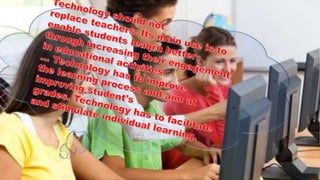
Technology should
not
replace teachers.
Its main use is to
enable students
learn better
through
increasing their
engagement in
educational
activities
Technology has to
improve
the learning
process and aim at
improving
student's grades.
Technology has to
facilitate and
stimulate
individual learning.
This course intends to help our
target learners to weave
technology in teaching with
software (computer
programmed learning
materials) becoming a natural
extension of their learning
tools.

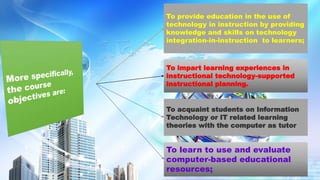
To provide education in the use of
technology in instruction by providing
knowledge and skills on technology
integration-in-instruction to learners;
To impart learning experiences in
instructional technology-supported
instructional planning.
To acquaint students on Information
Technology or IT related learning
theories with the computer as tutor
To learn to use and evaluate
computer-based educational
resources;
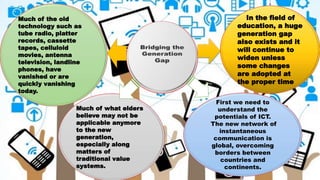
Much of the old
technology such as
tube radio, platter
records, cassette
tapes, celluloid
movies, antenna
television, landline
phones, have
vanished or are
quickly vanishing
today.
In the field of
education, a huge
generation gap
also exists and it
will continue to
widen unless
some changes
are adopted at
the proper time
Much of what elders
believe may not be
applicable anymore
to the new
generation,
especially along
matters of
traditional value
systems.
First we need to
understand the
potentials of ICT.
The new network of
instantaneous
communication is
global, overcoming
borders between
countries and
continents.
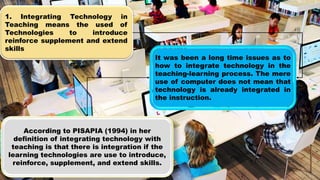
1. Integrating Technology in
Teaching means the used of
Technologies to introduce
reinforce supplement and extend
skills
It was been a long time issues as to
how to integrate technology in the
teaching-learning process. The mere
use of computer does not mean that
technology is already integrated in
the instruction.
According to PISAPIA (1994) in her
definition of integrating technology with
teaching is that there is integration if the
learning technologies are use to introduce,
reinforce, supplement, and extend skills.
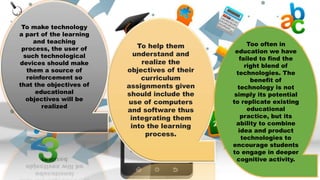
To make technology
a part of the learning
and teaching
process, the user of
such technological
devices should make
them a source of
reinforcement so
that the objectives of
educational
objectives will be
realized
To help them
understand and
realize the
objectives of their
curriculum
assignments given
should include the
use of computers
and software thus
integrating them
into the learning
process.
Too often in
education we have
failed to find the
right blend of
technologies. The
benefit of
technology is not
simply its potential
to replicate existing
educational
practice, but its
ability to combine
idea and product
technologies to
encourage students
to engage in deeper
cognitive activity.
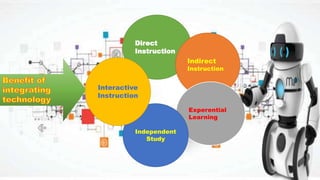
Direct
Instruction
Indirect
Instruction
Experential
Learning
Independent
Study
Interactive
Instruction
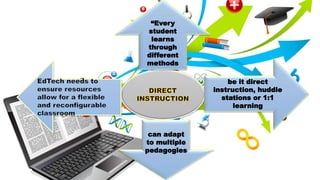
be it direct
instruction, huddle
stations or 1:1
learning
“Every
student
learns
through
different
methods
can adapt
to multiple
pedagogies
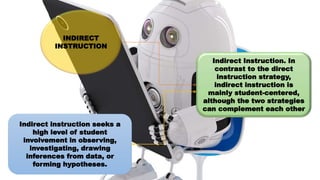
INDIRECT
INSTRUCTION
Indirect Instruction. In
contrast to the direct
instruction strategy,
indirect instruction is
mainly student-centered,
although the two strategies
can complement each other
Indirect instruction seeks a
high level of student
involvement in observing,
investigating, drawing
inferences from data, or
forming hypotheses.
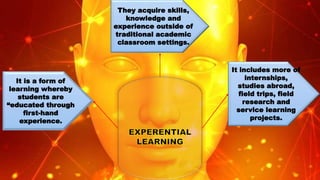
It includes more of
internships,
studies abroad,
field trips, field
research and
service learning
projects.
They acquire skills,
knowledge and
experience outside of
traditional academic
classroom settings.
It is a form of
learning whereby
students are
“educated through
first-hand
experience.
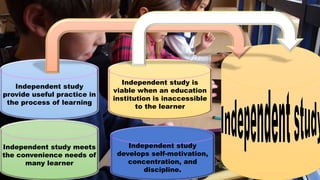
Independent study meets
the convenience needs of
many learner
Independent study
provide useful practice in
the process of learning
Independent study is
viable when an education
institution is inaccessible
to the learner
Independent study
develops self-motivation,
concentration, and
discipline.
Information technology is playing a
major role for both, the students,
to achieve a better understanding,
learning and education while
teachers to keep themselves up to
date and improve
their teaching skills
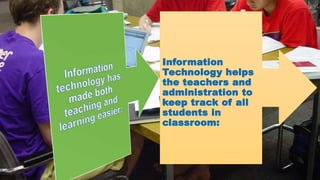
Information
Technology helps
the teachers and
administration to
keep track of all
students in
classroom:
Information
Technology has
made group
studies and
Assignments
much easier:
Education
using Digital
Books:
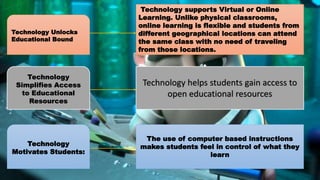
Technology Unlocks
Educational Bound
Technology supports Virtual or Online
Learning. Unlike physical classrooms,
online learning is flexible and students from
different geographical locations can attend
the same class with no need of traveling
from those locations.
Technology
Simplifies Access
to Educational
Resources
Technology helps students gain access to
open educational resources
Technology
Motivates Students:
The use of computer based instructions
makes students feel in control of what they
learn
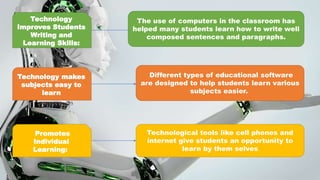
Technology
Improves Students
Writing and
Learning Skills:
The use of computers in the classroom has
helped many students learn how to write well
composed sentences and paragraphs.
Technology makes
subjects easy to
learn
Different types of educational software
are designed to help students learn various
subjects easier.
Promotes
Individual
Learning:
Technological tools like cell phones and
internet give students an opportunity to
learn by them selves
As the world develops, every
job in the future will require
applicants to have some
technical skills
Many teachers have discovered
that integrating technology in
their classroom increases
student’s engagement in the
classroom.
Prepares
Students for
Tomorrows
Technological
Jobs:
Increases
Students
Innovation
and
Creativity:
Assistive technology can be
defined as an item, piece of
equipment or product system
that can be used to maintain,
increase or improve functional
capabilities for any person
with a special need.
Thus, the incorporation of
educational technology can also
provide benefits to students with
disabilities who may be in a
better position to interact with
the lesson through technology.
Thus, the incorporation of
educational technology
can also provide benefits
to students with
disabilities who may be in
a better position to
interact with the lesson
through technology.
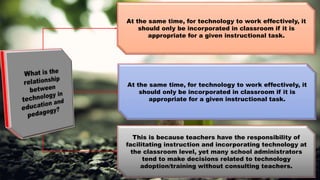
At the same time, for technology to work effectively, it
should only be incorporated in classroom if it is
appropriate for a given instructional task.
At the same time, for technology to work effectively, it
should only be incorporated in classroom if it is
appropriate for a given instructional task.
This is because teachers have the responsibility of
facilitating instruction and incorporating technology at
the classroom level, yet many school administrators
tend to make decisions related to technology
adoption/training without consulting teachers.
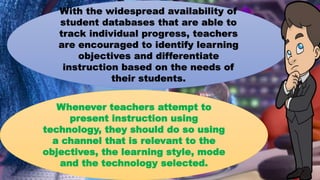
With the widespread availability of
student databases that are able to
track individual progress, teachers
are encouraged to identify learning
objectives and differentiate
instruction based on the needs of
their students.
Whenever teachers attempt to
present instruction using
technology, they should do so using
a channel that is relevant to the
objectives, the learning style, mode
and the technology selected.
When evaluating technology-based
instruction, there needs to be
appropriate evaluation techniques
that are in line with the methods of
instruction, objectives and the
technology.
Teachers can design follow-up
activities when using technology to
evaluate students’ learning and the
role technology played in that
process.
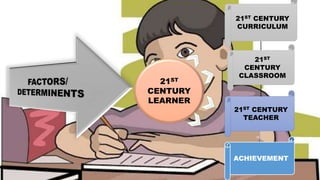
21ST
CENTURY
LEARNER
21ST CENTURY
CURRICULUM
21ST
CENTURY
CLASSROOM
21ST CENTURY
TEACHER
ACHIEVEMENT
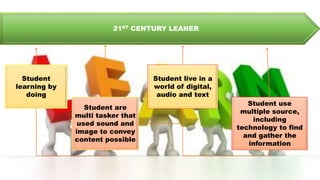
21ST CENTURY LEANER
Student
learning by
doing
Student are
multi tasker that
used sound and
image to convey
content possible
Student live in a
world of digital,
audio and text
Student use
multiple source,
including
technology to find
and gather the
information
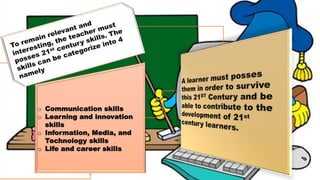
o Communication skills
o Learning and innovation
skills
o Information, Media, and
Technology skills
o Life and career skills
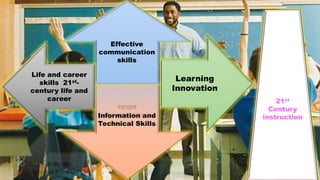
Learning
Innovation
Information and
Technical Skills
Effective
communication
skills
Life and career
skills 21st-
century life and
career 21st
Century
instruction
As stated in the course outline, the main focus of this course is on the
educational uses of Information and Communication Technology;
allowing for the balancing of learning theories and educational
technology applications.
There are opportunities for students to practice and use educational
media and equipment in a cooperative learning environment and in
various micro-teaching situations.
transport
business
productivity
home and
environment
health and
enabled
ageing; and
public
sector
services
Smart Nation
focuses on five
key domains in
which digital
technology
takes on a key
role in
Singapore:
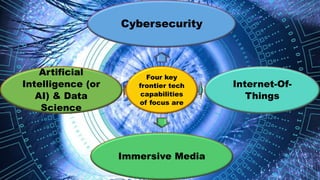
Four key
frontier tech
capabilities
of focus are
Cybersecurity
Internet-Of-
Things
Immersive Media
Artificial
Intelligence (or
AI) & Data
Science
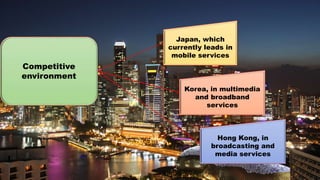
Competitive
environment
Japan, which
currently leads in
mobile services
Korea, in multimedia
and broadband
services
Hong Kong, in
broadcasting and
media services
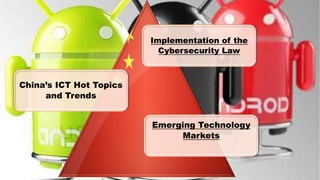
Implementation of the
Cybersecurity Law
Emerging Technology
Markets
China’s ICT Hot Topics
and Trends
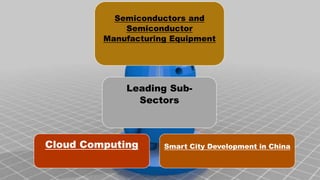
Leading Sub-
Sectors
Semiconductors and
Semiconductor
Manufacturing Equipment
Smart City Development in ChinaCloud Computing
Policies
Multi-Level Protection Scheme (MLPS)
Policy/Regulation-Led Market Barriers
https://www.slideshare.net › LoriReed › 21st-century-learners-21st-century...
https://www.slideshare.net › ruby011965 › the-21st-century-teacher-46943...
A
https://www.slideshare.net › josephestroga › 21st-centur...
Translate this page
https://www.austrade.gov.au › Export › Countries › Singapore › Industries
https://www.export.gov › article › id=China-Technology-
and-ICT

educational technology power point presentation

  • 2.
  • 3.
    Technology should not replace teachers. Itsmain use is to enable students learn better through increasing their engagement in educational activities Technology has to improve the learning process and aim at improving student's grades. Technology has to facilitate and stimulate individual learning.
  • 4.
    This course intendsto help our target learners to weave technology in teaching with software (computer programmed learning materials) becoming a natural extension of their learning tools.
  • 5.
    To provide educationin the use of technology in instruction by providing knowledge and skills on technology integration-in-instruction to learners; To impart learning experiences in instructional technology-supported instructional planning. To acquaint students on Information Technology or IT related learning theories with the computer as tutor To learn to use and evaluate computer-based educational resources;
  • 6.
    Much of theold technology such as tube radio, platter records, cassette tapes, celluloid movies, antenna television, landline phones, have vanished or are quickly vanishing today. In the field of education, a huge generation gap also exists and it will continue to widen unless some changes are adopted at the proper time Much of what elders believe may not be applicable anymore to the new generation, especially along matters of traditional value systems. First we need to understand the potentials of ICT. The new network of instantaneous communication is global, overcoming borders between countries and continents.
  • 8.
    1. Integrating Technologyin Teaching means the used of Technologies to introduce reinforce supplement and extend skills It was been a long time issues as to how to integrate technology in the teaching-learning process. The mere use of computer does not mean that technology is already integrated in the instruction. According to PISAPIA (1994) in her definition of integrating technology with teaching is that there is integration if the learning technologies are use to introduce, reinforce, supplement, and extend skills.
  • 9.
    To make technology apart of the learning and teaching process, the user of such technological devices should make them a source of reinforcement so that the objectives of educational objectives will be realized To help them understand and realize the objectives of their curriculum assignments given should include the use of computers and software thus integrating them into the learning process. Too often in education we have failed to find the right blend of technologies. The benefit of technology is not simply its potential to replicate existing educational practice, but its ability to combine idea and product technologies to encourage students to engage in deeper cognitive activity.
  • 10.
  • 11.
    be it direct instruction,huddle stations or 1:1 learning “Every student learns through different methods can adapt to multiple pedagogies
  • 12.
    INDIRECT INSTRUCTION Indirect Instruction. In contrastto the direct instruction strategy, indirect instruction is mainly student-centered, although the two strategies can complement each other Indirect instruction seeks a high level of student involvement in observing, investigating, drawing inferences from data, or forming hypotheses.
  • 13.
    It includes moreof internships, studies abroad, field trips, field research and service learning projects. They acquire skills, knowledge and experience outside of traditional academic classroom settings. It is a form of learning whereby students are “educated through first-hand experience.
  • 14.
    Independent study meets theconvenience needs of many learner Independent study provide useful practice in the process of learning Independent study is viable when an education institution is inaccessible to the learner Independent study develops self-motivation, concentration, and discipline.
  • 16.
    Information technology isplaying a major role for both, the students, to achieve a better understanding, learning and education while teachers to keep themselves up to date and improve their teaching skills
  • 17.
    Information Technology helps the teachersand administration to keep track of all students in classroom:
  • 19.
    Information Technology has made group studiesand Assignments much easier: Education using Digital Books:
  • 24.
    Technology Unlocks Educational Bound Technologysupports Virtual or Online Learning. Unlike physical classrooms, online learning is flexible and students from different geographical locations can attend the same class with no need of traveling from those locations. Technology Simplifies Access to Educational Resources Technology helps students gain access to open educational resources Technology Motivates Students: The use of computer based instructions makes students feel in control of what they learn
  • 25.
    Technology Improves Students Writing and LearningSkills: The use of computers in the classroom has helped many students learn how to write well composed sentences and paragraphs. Technology makes subjects easy to learn Different types of educational software are designed to help students learn various subjects easier. Promotes Individual Learning: Technological tools like cell phones and internet give students an opportunity to learn by them selves
  • 27.
    As the worlddevelops, every job in the future will require applicants to have some technical skills Many teachers have discovered that integrating technology in their classroom increases student’s engagement in the classroom. Prepares Students for Tomorrows Technological Jobs: Increases Students Innovation and Creativity:
  • 28.
    Assistive technology canbe defined as an item, piece of equipment or product system that can be used to maintain, increase or improve functional capabilities for any person with a special need. Thus, the incorporation of educational technology can also provide benefits to students with disabilities who may be in a better position to interact with the lesson through technology. Thus, the incorporation of educational technology can also provide benefits to students with disabilities who may be in a better position to interact with the lesson through technology.
  • 29.
    At the sametime, for technology to work effectively, it should only be incorporated in classroom if it is appropriate for a given instructional task. At the same time, for technology to work effectively, it should only be incorporated in classroom if it is appropriate for a given instructional task. This is because teachers have the responsibility of facilitating instruction and incorporating technology at the classroom level, yet many school administrators tend to make decisions related to technology adoption/training without consulting teachers.
  • 32.
    With the widespreadavailability of student databases that are able to track individual progress, teachers are encouraged to identify learning objectives and differentiate instruction based on the needs of their students. Whenever teachers attempt to present instruction using technology, they should do so using a channel that is relevant to the objectives, the learning style, mode and the technology selected.
  • 33.
    When evaluating technology-based instruction,there needs to be appropriate evaluation techniques that are in line with the methods of instruction, objectives and the technology. Teachers can design follow-up activities when using technology to evaluate students’ learning and the role technology played in that process.
  • 35.
  • 36.
    21ST CENTURY LEANER Student learningby doing Student are multi tasker that used sound and image to convey content possible Student live in a world of digital, audio and text Student use multiple source, including technology to find and gather the information
  • 38.
    o Communication skills oLearning and innovation skills o Information, Media, and Technology skills o Life and career skills
  • 39.
    Learning Innovation Information and Technical Skills Effective communication skills Lifeand career skills 21st- century life and career 21st Century instruction
  • 40.
    As stated inthe course outline, the main focus of this course is on the educational uses of Information and Communication Technology; allowing for the balancing of learning theories and educational technology applications. There are opportunities for students to practice and use educational media and equipment in a cooperative learning environment and in various micro-teaching situations.
  • 44.
    transport business productivity home and environment health and enabled ageing;and public sector services Smart Nation focuses on five key domains in which digital technology takes on a key role in Singapore:
  • 45.
    Four key frontier tech capabilities offocus are Cybersecurity Internet-Of- Things Immersive Media Artificial Intelligence (or AI) & Data Science
  • 46.
    Competitive environment Japan, which currently leadsin mobile services Korea, in multimedia and broadband services Hong Kong, in broadcasting and media services
  • 48.
    Implementation of the CybersecurityLaw Emerging Technology Markets China’s ICT Hot Topics and Trends
  • 49.
    Leading Sub- Sectors Semiconductors and Semiconductor ManufacturingEquipment Smart City Development in ChinaCloud Computing
  • 50.
    Policies Multi-Level Protection Scheme(MLPS) Policy/Regulation-Led Market Barriers
  • 54.
    https://www.slideshare.net › LoriReed› 21st-century-learners-21st-century... https://www.slideshare.net › ruby011965 › the-21st-century-teacher-46943... A https://www.slideshare.net › josephestroga › 21st-centur... Translate this page https://www.austrade.gov.au › Export › Countries › Singapore › Industries https://www.export.gov › article › id=China-Technology- and-ICT