SYMPOSIUM
ON

ANTI-BULLYING
What is bullying?
Bullying is being mean to another student over and over again. Bullying often
includes:
• Teasing
• Talking about hurting someone
• Spreading rumors
• Leaving kids out on purpose
• Attacking someone by hitting them or yelling at them
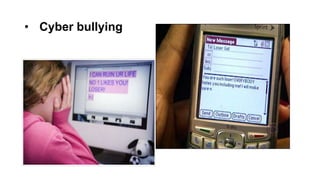
• Bullying does not always happen in person. Cyberbullying is a type of
bullying that happens online or through text messages or emails. It
includes posting rumors on sites like Facebook, sharing embarrassing
pictures or videos, and making fake profiles or websites.
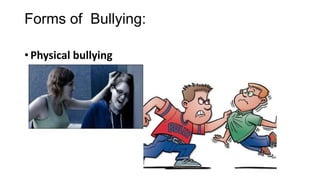
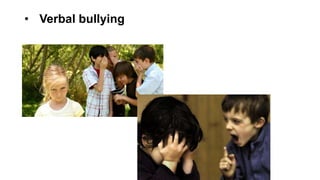
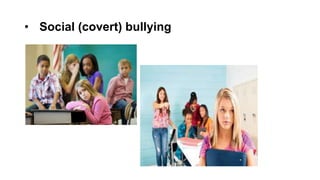
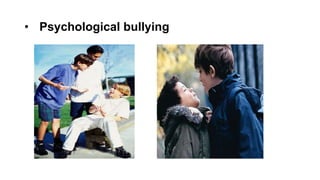
Forms of Bullying:
• Physical bullying
• Verbal bullying
• Social (covert) bullying
• Psychological bullying
• Cyber bullying
Why Do Kids Bully?
• There is no one single cause of bullying among children;
individual, family, peer, school, and community factors can place a
child or youth at risk for bullying.
Family risk factors for bullying:
•
•
•
•
•
•

A lack of warmth and involvement on the part of parents.
Overly-permissive parenting (including a lack of limits for children’s behavior).
A lack of supervision by parents.
Harsh, physical discipline.
Parent modelling of bullying behavior.
Victimization by older brothers.
Peer risk factors for bullying:
• Friends who bully.
• Friends who have positive attitudes about violence.
• Some aggressive children who take on high status roles may use bullying as a
way to enhance their social power and protect their prestige with peers.
• Some children with low social status may use bullying as a way to deflect
taunting and aggression that is directed towards them, or to enhance their
social position with higher status peers.
Other Factors:
• Bullying thrives in schools where faculty and staff do not address
bullying, where there is no policy against bullying, and where there is little
supervision of students—especially during lunch, bathroom breaks, and
recess.
• Models of bullying behavior are prevalent throughout society, especially in
television, movies, and video games.
• When children are aggregated together, they associate with others who are
similar to them or who have qualities or characteristics that in some way
support their own behaviors.
Victims of Bullying
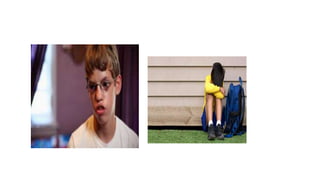
Kids who are bullied have a hard time standing up for themselves. They
think the kid who bullies them is more powerful than they are. Bullying
can make them:
• Sad, lonely, or nervous
• Feel sick
• Have problems at school
• Bully other kids
The LONG TERM effects of bullying are:

• Psychological Post-Trauma disorders
• Self destructive behavior
• Alcohol or substance abuse may result
EFFECTS OF BULLYING
• Low self-confidence
• Depression
• Suicidal thoughts and suicide attempts
• Abnormal fears and worries
• Sleep disorders
• Nervous habits
• Frequent crying
• Bed-wetting
• Poor appetite or digestive problems
• School problems
• Rage
What to do?
If being bullied or cyber bullied , here are the
things that a victim can do:
• tell an adult right away (the best thing to do)
• either stand up against the bully (if it’s safe) or to walk away from the
bully
• be with other kids. Loners are easy objects of bullies.
• tell your teachers or school authorities about the incident. Per Dep
Ed policy, both public and private schools are to set-up a CPC (Child
Protection Committee) to receive reports and handle cases involving
abuse and exploitation of kids.
• if social web was used for bullying, report it to the service provider
the alleged abusive behavior so they can act on it.
• ~ for Facebook, go
here: http://www.facebook.com/help/359033794168099/
• ~ for Twitter, go here: https://support.twitter.com/groups/33-reporta-violation/topics/122-reporting-violations/articles/15789-how-toreport-violations
• also for cyber bullying, block the concerned hostile account from
accessing your social networking account(s)
• if applicable, change your email address and CP # or sim card and
gradually share it to the people you trust
• if necessary, have a vacation from your online activities
•
- file a complaint to police authorities. If you are from the
Philippines, you can file an online complaint at PNP CIDGAngelNet, go here: http://cidgangelnet.ph/main/?page_id=121
• keep in mind that there are 2 laws that can be used for bullying
cases. These are Batas Pambansa 232 and Republic Act 7610
• seek professional help if needed to recover from the trauma.
• move on.
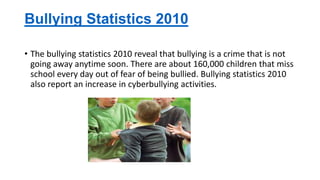
Bullying Statistics 2010
• The bullying statistics 2010 reveal that bullying is a crime that is not
going away anytime soon. There are about 160,000 children that miss
school every day out of fear of being bullied. Bullying statistics 2010
also report an increase in cyberbullying activities.
• New bullying statistics released in 2010 are showing that bullying is
still a problem among children and teens, but is taking on a different
approach with cyberbullying becoming more and more rampant in
school and after school among teens and children. Social networking
has provided an entirely new environment for bullying to take place.
According to bullying statistics 2010, there are about 2.7 million
students being bullied each year by about 2.1 students taking on the
role of the bully.
Republic Act No. 10627 – Anti-Bullying Act of
2013
THANK YOU
FOR
INVITING ME

Symposium On Anti-Bullying In Schools

  • 1.
  • 5.
    What is bullying? Bullyingis being mean to another student over and over again. Bullying often includes: • Teasing • Talking about hurting someone • Spreading rumors • Leaving kids out on purpose • Attacking someone by hitting them or yelling at them • Bullying does not always happen in person. Cyberbullying is a type of bullying that happens online or through text messages or emails. It includes posting rumors on sites like Facebook, sharing embarrassing pictures or videos, and making fake profiles or websites.
  • 6.
    Forms of Bullying: •Physical bullying
  • 7.
  • 8.
  • 9.
  • 10.
  • 11.
    Why Do KidsBully? • There is no one single cause of bullying among children; individual, family, peer, school, and community factors can place a child or youth at risk for bullying.
  • 12.
    Family risk factorsfor bullying: • • • • • • A lack of warmth and involvement on the part of parents. Overly-permissive parenting (including a lack of limits for children’s behavior). A lack of supervision by parents. Harsh, physical discipline. Parent modelling of bullying behavior. Victimization by older brothers.
  • 13.
    Peer risk factorsfor bullying: • Friends who bully. • Friends who have positive attitudes about violence. • Some aggressive children who take on high status roles may use bullying as a way to enhance their social power and protect their prestige with peers. • Some children with low social status may use bullying as a way to deflect taunting and aggression that is directed towards them, or to enhance their social position with higher status peers.
  • 14.
    Other Factors: • Bullyingthrives in schools where faculty and staff do not address bullying, where there is no policy against bullying, and where there is little supervision of students—especially during lunch, bathroom breaks, and recess. • Models of bullying behavior are prevalent throughout society, especially in television, movies, and video games. • When children are aggregated together, they associate with others who are similar to them or who have qualities or characteristics that in some way support their own behaviors.
  • 15.
  • 17.
    Kids who arebullied have a hard time standing up for themselves. They think the kid who bullies them is more powerful than they are. Bullying can make them: • Sad, lonely, or nervous • Feel sick • Have problems at school • Bully other kids
  • 18.
    The LONG TERMeffects of bullying are: • Psychological Post-Trauma disorders • Self destructive behavior • Alcohol or substance abuse may result
  • 19.
    EFFECTS OF BULLYING •Low self-confidence • Depression • Suicidal thoughts and suicide attempts • Abnormal fears and worries • Sleep disorders
  • 20.
    • Nervous habits •Frequent crying • Bed-wetting • Poor appetite or digestive problems • School problems • Rage
  • 21.
    What to do? Ifbeing bullied or cyber bullied , here are the things that a victim can do: • tell an adult right away (the best thing to do) • either stand up against the bully (if it’s safe) or to walk away from the bully • be with other kids. Loners are easy objects of bullies. • tell your teachers or school authorities about the incident. Per Dep Ed policy, both public and private schools are to set-up a CPC (Child Protection Committee) to receive reports and handle cases involving abuse and exploitation of kids.
  • 22.
    • if socialweb was used for bullying, report it to the service provider the alleged abusive behavior so they can act on it. • ~ for Facebook, go here: http://www.facebook.com/help/359033794168099/ • ~ for Twitter, go here: https://support.twitter.com/groups/33-reporta-violation/topics/122-reporting-violations/articles/15789-how-toreport-violations • also for cyber bullying, block the concerned hostile account from accessing your social networking account(s)
  • 23.
    • if applicable,change your email address and CP # or sim card and gradually share it to the people you trust • if necessary, have a vacation from your online activities • - file a complaint to police authorities. If you are from the Philippines, you can file an online complaint at PNP CIDGAngelNet, go here: http://cidgangelnet.ph/main/?page_id=121
  • 24.
    • keep inmind that there are 2 laws that can be used for bullying cases. These are Batas Pambansa 232 and Republic Act 7610 • seek professional help if needed to recover from the trauma. • move on.
  • 25.
    Bullying Statistics 2010 •The bullying statistics 2010 reveal that bullying is a crime that is not going away anytime soon. There are about 160,000 children that miss school every day out of fear of being bullied. Bullying statistics 2010 also report an increase in cyberbullying activities.
  • 26.
    • New bullyingstatistics released in 2010 are showing that bullying is still a problem among children and teens, but is taking on a different approach with cyberbullying becoming more and more rampant in school and after school among teens and children. Social networking has provided an entirely new environment for bullying to take place. According to bullying statistics 2010, there are about 2.7 million students being bullied each year by about 2.1 students taking on the role of the bully.
  • 27.
    Republic Act No.10627 – Anti-Bullying Act of 2013
  • 28.