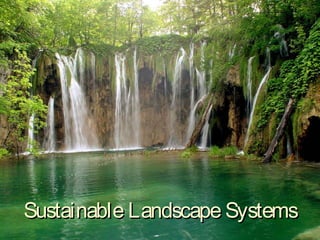
SustainableSustainable LandscapeLandscape SystemsSystems
Sustainable Development:Sustainable Development:
Development that meets the needs of theDevelopment that meets the needs of the
present with-out compromising the abilitypresent with-out compromising the ability
of future generations to meet their ownof future generations to meet their own
needs.needs.
To see a world in a grain of sand,To see a world in a grain of sand,
And a heaven in a wild flower,And a heaven in a wild flower,
Hold infinity in the palm of your hand,Hold infinity in the palm of your hand,
And eternity in an hourAnd eternity in an hour
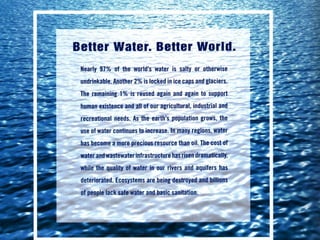
Our BluePlanet
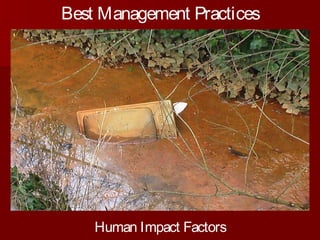
Thisiswhat happenswhen weignorethepower of our
natural world.
Best Management Practices
Human Impact Factors
Where to Begin?Where to Begin?
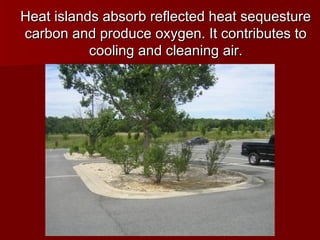
Heat islands absorb reflected heat sequestureHeat islands absorb reflected heat sequesture
carbon and produce oxygen. It contributes tocarbon and produce oxygen. It contributes to
cooling and cleaning air.cooling and cleaning air.
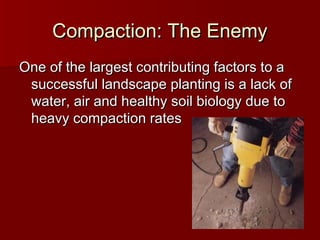
Compaction: The EnemyCompaction: The Enemy
One of the largest contributing factors to aOne of the largest contributing factors to a
successful landscape planting is a lack ofsuccessful landscape planting is a lack of
water, air and healthy soil biology due towater, air and healthy soil biology due to
heavy compaction ratesheavy compaction rates
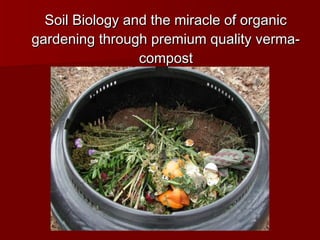
Soil Biology and the miracle of organicSoil Biology and the miracle of organic
gardening through premium quality verma-gardening through premium quality verma-
compostcompost
Edible LandscapesEdible Landscapes
Grow Your Own Food NaturallyGrow Your Own Food Naturally
Everything starts With The SoilEverything starts With The Soil
Clean water, healthy soil and fresh air makeClean water, healthy soil and fresh air make
up a world of healthy and happy peopleup a world of healthy and happy people
Health benefits of ecological landscapingHealth benefits of ecological landscaping
and sustainable landscape systemsand sustainable landscape systems
produce a reduction of pollutants andproduce a reduction of pollutants and
contaminants that improve our health andcontaminants that improve our health and
well-beingwell-being
 Pro biotics, antioxidants, organic food andPro biotics, antioxidants, organic food and
clean water increase instead of suppressclean water increase instead of suppress
our bodies immune response system.our bodies immune response system.
Current environmental factors haveCurrent environmental factors have
produced or contributed to disease.produced or contributed to disease.
Examples:Examples:
AsthmaAsthma
Alzheimer'sAlzheimer's
AutismAutism
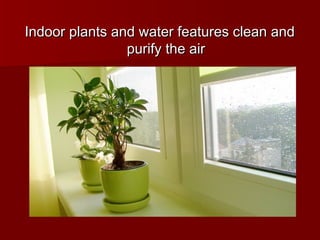
Indoor plants and water features clean andIndoor plants and water features clean and
purify the airpurify the air
Components Of SustainableComponents Of Sustainable
Landscape PlansLandscape Plans
 Identify architectural featuresIdentify architectural features
 Perform and conduct a proper site analysisPerform and conduct a proper site analysis
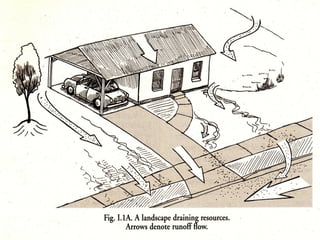
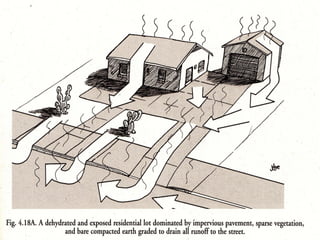
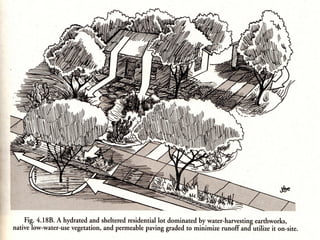
 Examine storm water flow paths, high impact areas andExamine storm water flow paths, high impact areas and
low lying depressionslow lying depressions
 Map compass points to evaluate heat and light indexMap compass points to evaluate heat and light index’’ss
 Engage action plan (proposed design, development andEngage action plan (proposed design, development and
management protocols)management protocols)
 Perform laboratory analysis for soil and waterPerform laboratory analysis for soil and water
 Make special notes of any erosion, point source pollutionMake special notes of any erosion, point source pollution
etc…etc…
 Use photo documentation, topographic surveys,Use photo documentation, topographic surveys,
sketches and recorded/written observations to determinesketches and recorded/written observations to determine
the overall health of the landscape environment and itsthe overall health of the landscape environment and its
connection/relationship in buildings and infrastructure.connection/relationship in buildings and infrastructure.
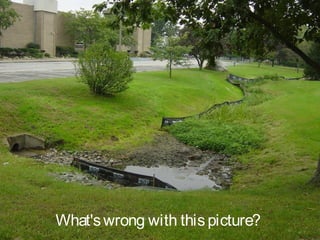
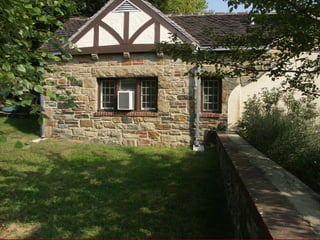
What'swrong with thispicture?
Point sourcepollution and badPoint sourcepollution and bad
management practicesand sitemanagement practicesand site
protectionprotection
Identify problemsand issuesIdentify problemsand issues
Develop design planDevelop design plan
Implement action planImplement action plan
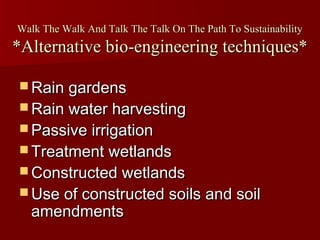
Walk The Walk And Talk The Talk On The Path To SustainabilityWalk The Walk And Talk The Talk On The Path To Sustainability
*Alternative bio-engineering techniques**Alternative bio-engineering techniques*
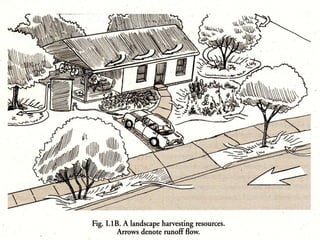
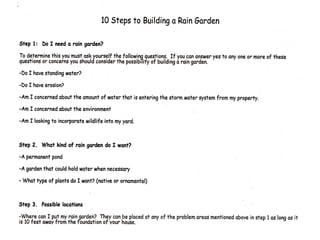
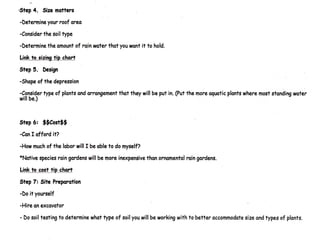
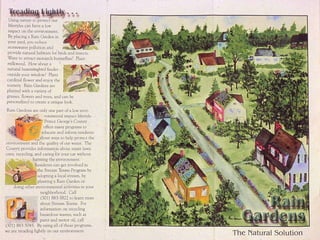
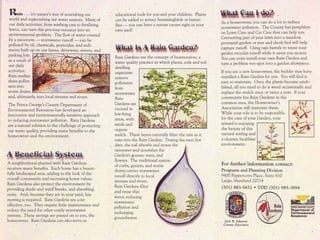
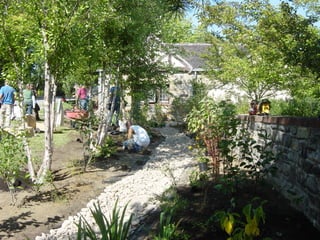
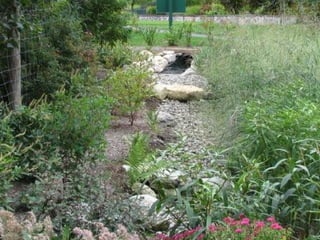
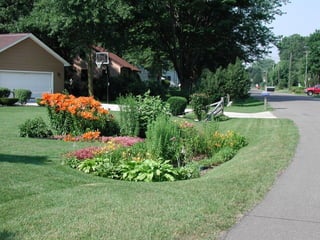
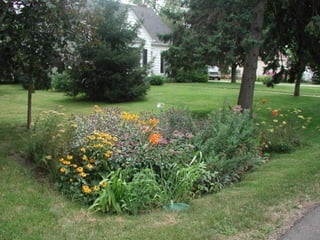
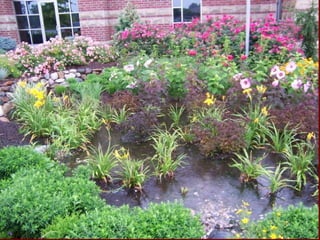
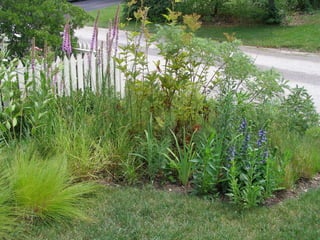
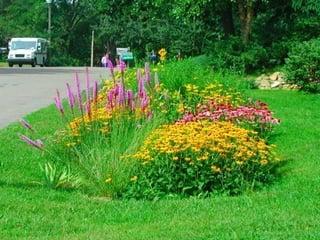
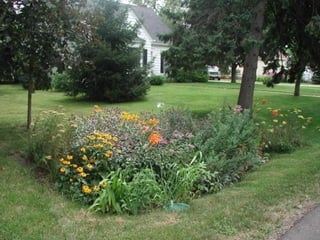
 Rain gardensRain gardens
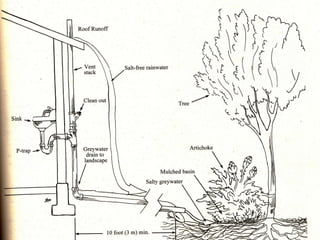
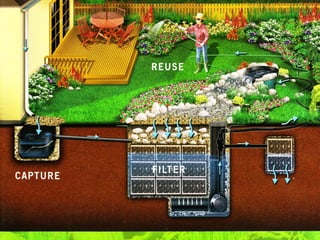
 Rain water harvestingRain water harvesting
 Passive irrigationPassive irrigation
 Treatment wetlandsTreatment wetlands
 Constructed wetlandsConstructed wetlands
 Use of constructed soils and soilUse of constructed soils and soil
amendmentsamendments
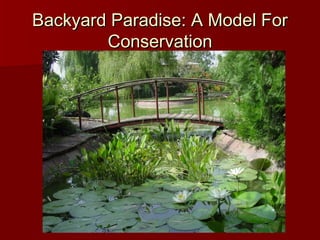
Backyard Paradise: A Model ForBackyard Paradise: A Model For
ConservationConservation
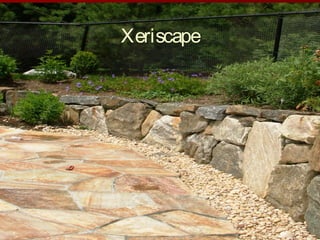
Xeriscape
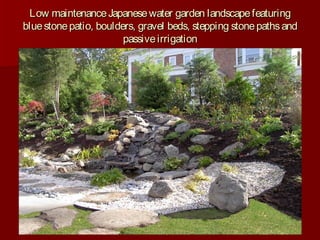
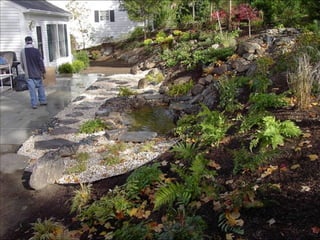
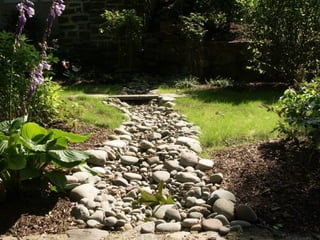
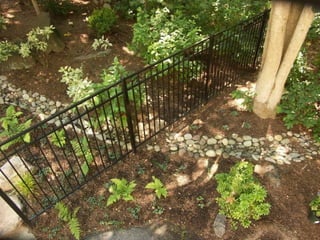
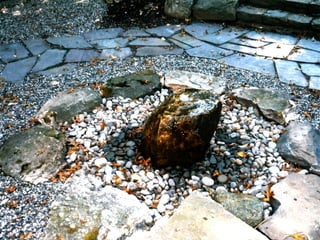
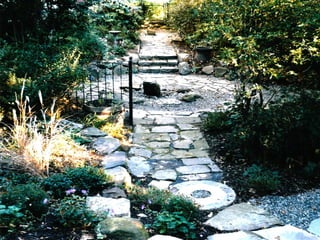
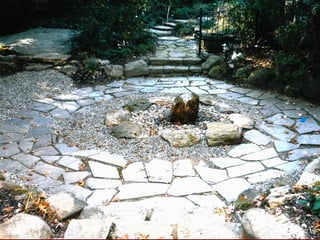
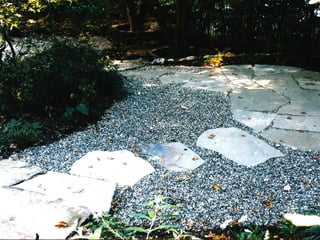
Low maintenanceJapanesewater garden landscapefeaturingLow maintenanceJapanesewater garden landscapefeaturing
bluestonepatio, boulders, gravel beds, stepping stonepathsandbluestonepatio, boulders, gravel beds, stepping stonepathsand
passiveirrigationpassiveirrigation
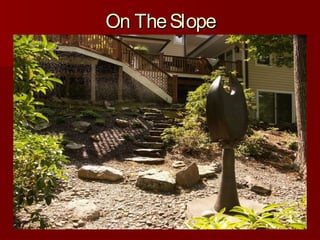
On TheSlopeOn TheSlope
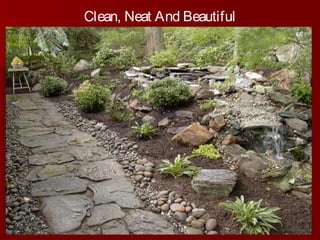
Clean, Neat And Beautiful
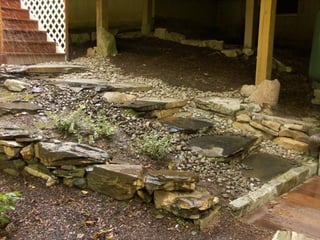
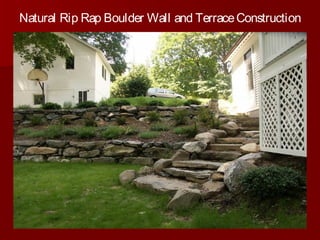
Natural Rip Rap Boulder Wall and TerraceConstruction
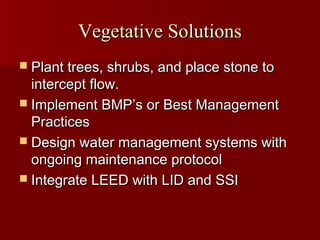
Vegetative SolutionsVegetative Solutions
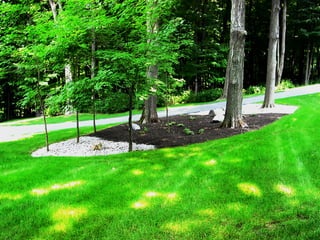
 Plant trees, shrubs, and place stone toPlant trees, shrubs, and place stone to
intercept flow.intercept flow.
 Implement BMPImplement BMP’’s or Best Managements or Best Management
PracticesPractices
 Design water management systems withDesign water management systems with
ongoing maintenance protocolongoing maintenance protocol
 Integrate LEED with LID and SSIIntegrate LEED with LID and SSI
Landscaping For Wildlife HabitatsLandscaping For Wildlife Habitats
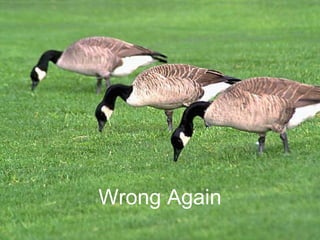
Woops….... not that habitat
Wrong Again
Butterflies Are Free
Do you have bats in your belfry…….whyDo you have bats in your belfry…….why
not?not?
Restoring the balance of nature through soilRestoring the balance of nature through soil
biology and beneficial biological selection ofbiology and beneficial biological selection of
speciesspecies
TheFutureIsNow
Enjoy Life!

Sustainable landscape presentation final

  • 1.
  • 2.
    Sustainable Development:Sustainable Development: Developmentthat meets the needs of theDevelopment that meets the needs of the present with-out compromising the abilitypresent with-out compromising the ability of future generations to meet their ownof future generations to meet their own needs.needs.
  • 3.
    To see aworld in a grain of sand,To see a world in a grain of sand, And a heaven in a wild flower,And a heaven in a wild flower, Hold infinity in the palm of your hand,Hold infinity in the palm of your hand, And eternity in an hourAnd eternity in an hour
  • 4.
  • 6.
  • 7.
  • 8.
  • 9.
    Heat islands absorbreflected heat sequestureHeat islands absorb reflected heat sequesture carbon and produce oxygen. It contributes tocarbon and produce oxygen. It contributes to cooling and cleaning air.cooling and cleaning air.
  • 10.
    Compaction: The EnemyCompaction:The Enemy One of the largest contributing factors to aOne of the largest contributing factors to a successful landscape planting is a lack ofsuccessful landscape planting is a lack of water, air and healthy soil biology due towater, air and healthy soil biology due to heavy compaction ratesheavy compaction rates
  • 11.
    Soil Biology andthe miracle of organicSoil Biology and the miracle of organic gardening through premium quality verma-gardening through premium quality verma- compostcompost
  • 12.
    Edible LandscapesEdible Landscapes GrowYour Own Food NaturallyGrow Your Own Food Naturally
  • 13.
    Everything starts WithThe SoilEverything starts With The Soil Clean water, healthy soil and fresh air makeClean water, healthy soil and fresh air make up a world of healthy and happy peopleup a world of healthy and happy people
  • 14.
    Health benefits ofecological landscapingHealth benefits of ecological landscaping and sustainable landscape systemsand sustainable landscape systems produce a reduction of pollutants andproduce a reduction of pollutants and contaminants that improve our health andcontaminants that improve our health and well-beingwell-being
  • 15.
     Pro biotics,antioxidants, organic food andPro biotics, antioxidants, organic food and clean water increase instead of suppressclean water increase instead of suppress our bodies immune response system.our bodies immune response system. Current environmental factors haveCurrent environmental factors have produced or contributed to disease.produced or contributed to disease. Examples:Examples: AsthmaAsthma Alzheimer'sAlzheimer's AutismAutism
  • 16.
    Indoor plants andwater features clean andIndoor plants and water features clean and purify the airpurify the air
  • 17.
    Components Of SustainableComponentsOf Sustainable Landscape PlansLandscape Plans  Identify architectural featuresIdentify architectural features  Perform and conduct a proper site analysisPerform and conduct a proper site analysis  Examine storm water flow paths, high impact areas andExamine storm water flow paths, high impact areas and low lying depressionslow lying depressions  Map compass points to evaluate heat and light indexMap compass points to evaluate heat and light index’’ss  Engage action plan (proposed design, development andEngage action plan (proposed design, development and management protocols)management protocols)  Perform laboratory analysis for soil and waterPerform laboratory analysis for soil and water  Make special notes of any erosion, point source pollutionMake special notes of any erosion, point source pollution etc…etc…  Use photo documentation, topographic surveys,Use photo documentation, topographic surveys, sketches and recorded/written observations to determinesketches and recorded/written observations to determine the overall health of the landscape environment and itsthe overall health of the landscape environment and its connection/relationship in buildings and infrastructure.connection/relationship in buildings and infrastructure.
  • 22.
  • 23.
    Point sourcepollution andbadPoint sourcepollution and bad management practicesand sitemanagement practicesand site protectionprotection
  • 24.
    Identify problemsand issuesIdentifyproblemsand issues Develop design planDevelop design plan Implement action planImplement action plan
  • 25.
    Walk The WalkAnd Talk The Talk On The Path To SustainabilityWalk The Walk And Talk The Talk On The Path To Sustainability *Alternative bio-engineering techniques**Alternative bio-engineering techniques*  Rain gardensRain gardens  Rain water harvestingRain water harvesting  Passive irrigationPassive irrigation  Treatment wetlandsTreatment wetlands  Constructed wetlandsConstructed wetlands  Use of constructed soils and soilUse of constructed soils and soil amendmentsamendments
  • 26.
    Backyard Paradise: AModel ForBackyard Paradise: A Model For ConservationConservation
  • 27.
  • 28.
    Low maintenanceJapanesewater gardenlandscapefeaturingLow maintenanceJapanesewater garden landscapefeaturing bluestonepatio, boulders, gravel beds, stepping stonepathsandbluestonepatio, boulders, gravel beds, stepping stonepathsand passiveirrigationpassiveirrigation
  • 30.
  • 32.
    Clean, Neat AndBeautiful
  • 33.
    Natural Rip RapBoulder Wall and TerraceConstruction
  • 43.
    Vegetative SolutionsVegetative Solutions Plant trees, shrubs, and place stone toPlant trees, shrubs, and place stone to intercept flow.intercept flow.  Implement BMPImplement BMP’’s or Best Managements or Best Management PracticesPractices  Design water management systems withDesign water management systems with ongoing maintenance protocolongoing maintenance protocol  Integrate LEED with LID and SSIIntegrate LEED with LID and SSI
  • 66.
    Landscaping For WildlifeHabitatsLandscaping For Wildlife Habitats
  • 67.
  • 68.
  • 69.
  • 70.
    Do you havebats in your belfry…….whyDo you have bats in your belfry…….why not?not?
  • 71.
    Restoring the balanceof nature through soilRestoring the balance of nature through soil biology and beneficial biological selection ofbiology and beneficial biological selection of speciesspecies
  • 72.
  • 73.

Editor's Notes