Structure
And
Function
Approach
By Amarta Chithani
Under the guidance of
Palak Berchha ma'am
A Quick Overview
1. Introduction
2. Meaning
3. Types
4. Activity
5. Steps
6. Uses
7. Advantages
8. Disadvantages
Introduction
The structure and function approach in teaching
biological sciences is a method that emphasizes
understanding biological phenomena by examining
the relationship between the form (structure) of a
biological entity and its role (function).
It posits that the way something is built determines
what it does and how it works, and conversely, the
function often dictates the necessary structure.
Meaning:
* At its core, this approach focuses on the
interconnectedness of what something is (its physical and
chemical makeup, arrangement of parts) and what it does (its
role, purpose, or activity within a biological system).
* It encourages students to move beyond rote memorization
of facts and instead develop a deeper understanding of why
biological systems are the way they are.
* The approach highlights that biological structures, from
molecules to entire organisms, are adapted through
evolution to perform specific functions essential for life.
Types
1. Comparative Approach – comparing the structures
and functions across different organisms.
2. System-Based Approach – focusing on one
biological system (e.g., respiratory or circulatory) to
understand its structure and function.
3. Microscopic to Macroscopic Approach – starting
from the cellular/molecular level and building up to
tissues and organs, and finally ecosystem level.
* Molecular Level: Examining the structure of proteins, carbohydrates,
lipids, and nucleic acids and how their specific shapes and chemical
properties enable them to carry out their functions (e.g., the active site of
an enzyme fitting its substrate).
* Cellular Level: Studying the structure of organelles and how their
organization contributes to the overall function of the cell
* Tissue and Organ Level: Investigating how different tissues with
specialized structures work together to form organs with specific
function.
* Organismal Level: Analyzing how the anatomical structures of an
organism are adapted for its survival and specific function.
* Ecosystem Level: While less direct, the structure and function concept
can extend to how the arrangement of different species influences
ecosystem processes .
Activity
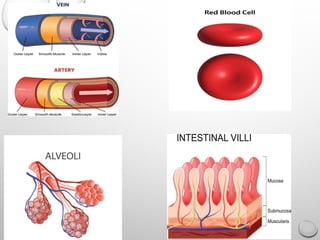
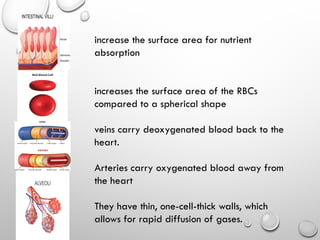
increase the surface area for nutrient
absorption
increases the surface area of the RBCs
compared to a spherical shape
veins carry deoxygenated blood back to the
heart.
Arteries carry oxygenated blood away from
the heart
They have thin, one-cell-thick walls, which
allows for rapid diffusion of gases.
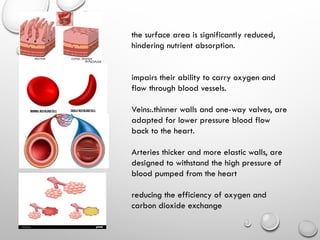
the surface area is significantly reduced,
hindering nutrient absorption.
impairs their ability to carry oxygen and
flow through blood vessels.
Veins:.thinner walls and one-way valves, are
adapted for lower pressure blood flow
back to the heart.
Arteries thicker and more elastic walls, are
designed to withstand the high pressure of
blood pumped from the heart
reducing the efficiency of oxygen and
carbon dioxide exchange
Steps
The implementation of a structure and function approach in
teaching can involve the following steps:
* Introduction of a Biological Entity or Phenomenon: Begin
by presenting a specific biological structure (e.g., a plant cell,
the human heart, a DNA molecule) or a biological process
(e.g., photosynthesis, respiration, protein synthesis).
* Detailed Examination of the Structure: Guide students to
observe and understand the components, organization, and
physical/chemical properties of the structure. This might
involve diagrams, models, microscopy, or other visual aids.
* Exploration of the Function: Lead students to investigate the role or
purpose of the structure within the larger biological system. This could
involve experiments, simulations, discussions, or research.
* Establishing the Structure-Function Relationship: Facilitate the
connection between the observed structure and its corresponding
function. Encourage students to explain how the specific features of the
structure enable it to perform its function effectively.
Ask "why" questions related to the observed characteristics.
* Comparative Analysis: Compare different structures that perform similar
functions (e.g., different types of animal hearts) or different structures
within the same organism that perform different functions (e.g., different
types of plant leaves). This helps students appreciate the diversity of
biological adaptations.
Uses
* Anatomy and Physiology: Understanding how the body is organized
and how its parts work.
* Cell Biology: Exploring the intricate structures within cells and their
roles in cellular processes.
* Molecular Biology: Comprehending the relationship between the
shape and properties of biomolecules and their functions.
* Botany and Zoology: Studying the adaptations of plants and animals to
their environments.
* Ecology: Understanding how the physical structures of organisms
influence their interactions within ecosystems.
* Evolution: Recognizing how changes in structure over time have led to
the diversity of biological functions.
Advantages
* Promotes Deeper Understanding
* Enhances Retention:
* Develops Analytical skills
* Fosters Scientific Inquiry
* Increases Relevance:
* Connects Different Levels of Organization
* Supports Visual Learners
Disadvantages:
* Can Be Time-Consuming
* May Require Specialized Resources:
* Potential for Oversimplification
* Difficulty with Abstract Concepts
* Teacher Preparation:
* Assessment Challenges:
Conclusion
The structure and function approach is a powerful
and valuable method for teaching biological
sciences. By emphasizing the interconnectedness of
form and function, it fosters deeper understanding,
enhances retention, and develops critical thinking
skills in students. While it has some limitations, its
advantages in promoting meaningful learning often
outweigh the challenges when implemented
effectively.
Than
k you

structure and function approach bio.pptx

  • 1.
  • 2.
    A Quick Overview 1.Introduction 2. Meaning 3. Types 4. Activity 5. Steps 6. Uses 7. Advantages 8. Disadvantages
  • 3.
    Introduction The structure andfunction approach in teaching biological sciences is a method that emphasizes understanding biological phenomena by examining the relationship between the form (structure) of a biological entity and its role (function). It posits that the way something is built determines what it does and how it works, and conversely, the function often dictates the necessary structure.
  • 4.
    Meaning: * At itscore, this approach focuses on the interconnectedness of what something is (its physical and chemical makeup, arrangement of parts) and what it does (its role, purpose, or activity within a biological system). * It encourages students to move beyond rote memorization of facts and instead develop a deeper understanding of why biological systems are the way they are. * The approach highlights that biological structures, from molecules to entire organisms, are adapted through evolution to perform specific functions essential for life.
  • 5.
    Types 1. Comparative Approach– comparing the structures and functions across different organisms. 2. System-Based Approach – focusing on one biological system (e.g., respiratory or circulatory) to understand its structure and function. 3. Microscopic to Macroscopic Approach – starting from the cellular/molecular level and building up to tissues and organs, and finally ecosystem level.
  • 6.
    * Molecular Level:Examining the structure of proteins, carbohydrates, lipids, and nucleic acids and how their specific shapes and chemical properties enable them to carry out their functions (e.g., the active site of an enzyme fitting its substrate). * Cellular Level: Studying the structure of organelles and how their organization contributes to the overall function of the cell * Tissue and Organ Level: Investigating how different tissues with specialized structures work together to form organs with specific function. * Organismal Level: Analyzing how the anatomical structures of an organism are adapted for its survival and specific function. * Ecosystem Level: While less direct, the structure and function concept can extend to how the arrangement of different species influences ecosystem processes .
  • 7.
  • 9.
    increase the surfacearea for nutrient absorption increases the surface area of the RBCs compared to a spherical shape veins carry deoxygenated blood back to the heart. Arteries carry oxygenated blood away from the heart They have thin, one-cell-thick walls, which allows for rapid diffusion of gases.
  • 10.
    the surface areais significantly reduced, hindering nutrient absorption. impairs their ability to carry oxygen and flow through blood vessels. Veins:.thinner walls and one-way valves, are adapted for lower pressure blood flow back to the heart. Arteries thicker and more elastic walls, are designed to withstand the high pressure of blood pumped from the heart reducing the efficiency of oxygen and carbon dioxide exchange
  • 11.
    Steps The implementation ofa structure and function approach in teaching can involve the following steps: * Introduction of a Biological Entity or Phenomenon: Begin by presenting a specific biological structure (e.g., a plant cell, the human heart, a DNA molecule) or a biological process (e.g., photosynthesis, respiration, protein synthesis). * Detailed Examination of the Structure: Guide students to observe and understand the components, organization, and physical/chemical properties of the structure. This might involve diagrams, models, microscopy, or other visual aids.
  • 12.
    * Exploration ofthe Function: Lead students to investigate the role or purpose of the structure within the larger biological system. This could involve experiments, simulations, discussions, or research. * Establishing the Structure-Function Relationship: Facilitate the connection between the observed structure and its corresponding function. Encourage students to explain how the specific features of the structure enable it to perform its function effectively. Ask "why" questions related to the observed characteristics. * Comparative Analysis: Compare different structures that perform similar functions (e.g., different types of animal hearts) or different structures within the same organism that perform different functions (e.g., different types of plant leaves). This helps students appreciate the diversity of biological adaptations.
  • 13.
    Uses * Anatomy andPhysiology: Understanding how the body is organized and how its parts work. * Cell Biology: Exploring the intricate structures within cells and their roles in cellular processes. * Molecular Biology: Comprehending the relationship between the shape and properties of biomolecules and their functions. * Botany and Zoology: Studying the adaptations of plants and animals to their environments. * Ecology: Understanding how the physical structures of organisms influence their interactions within ecosystems. * Evolution: Recognizing how changes in structure over time have led to the diversity of biological functions.
  • 14.
    Advantages * Promotes DeeperUnderstanding * Enhances Retention: * Develops Analytical skills * Fosters Scientific Inquiry * Increases Relevance: * Connects Different Levels of Organization * Supports Visual Learners
  • 15.
    Disadvantages: * Can BeTime-Consuming * May Require Specialized Resources: * Potential for Oversimplification * Difficulty with Abstract Concepts * Teacher Preparation: * Assessment Challenges:
  • 16.
    Conclusion The structure andfunction approach is a powerful and valuable method for teaching biological sciences. By emphasizing the interconnectedness of form and function, it fosters deeper understanding, enhances retention, and develops critical thinking skills in students. While it has some limitations, its advantages in promoting meaningful learning often outweigh the challenges when implemented effectively.

  • 17.