Mohammadreza Soleimani
Iran-November 2016
AZ-Academy
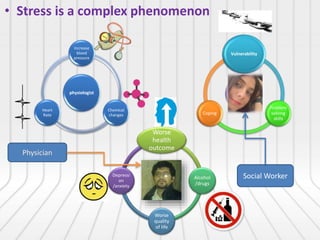
• Stress is a complex phenomenon
physiologist
Increase
blood
pressure
Chemical
changes
Heart
Rate
Social
worker
Vulnerability
Problem
solving
skills
Coping
Worse
health
outcome
Alcohol
/drugs
Worse
quality
of life
Depressi
on
/anxiety
Physician
Social Worker
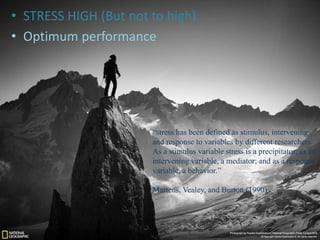
• STRESS HIGH (But not to high)
• Optimum performance
ā€œstress has been defined as stimulus, intervening
and response to variables by different researchers.
As a stimulus variable stress is a precipitator; as an
intervening variable, a mediator; and as a response
variable, a behavior.ā€
Martens, Vealey, and Burton (1990)
• Stress management refers to the wide spectrum of
techniques and psychotherapies aimed at controlling a
person's levels of stress, especially chronic stress,
usually for the purpose of improving everyday
functioning
Stress management
Change your thinking style
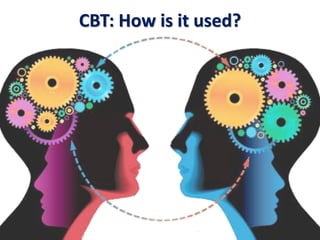
CBT: How is it used?
1-CBT aim to teach people that it is possible to have control over their
thoughts, feeling and behavior
2- Thus it helps the person to challenge and overcome automatic beliefs,
and use practical strategies to change or modify their behavior
3- the result is more positive feeling, which in turn lead to more positive
thoughts and behavior
4- thus CBT is a Learning process
5- CBT is thought to be effective for the treatment of a variety of
conditions including:
-Phobias
-Addictions
-Schizophrenia
-depression
Cognitive behavioral therapy (CBT) focuses on exploring relationships among a
person's thoughts, feelings and behaviors.
For instance, CBT can help someone replace thoughts that lead to low self-
esteem ("I can't do anything right") with positive expectations ("I can do this
most of the time, based on my prior experiences").
CBT/Stress Management
On the first session a series of CBT diagnostic tests are administered to assess both
the internal and external stressors which are contributing to the presence of
excessive stress reactions. Personality tests are administered. For example (click to
Type A Questionnaire) to determine Type A/B personality variables in the areas of:-
achievement striving
time urgency
perfectionism
multi-tasking
low self-esteem
hostility
excessive job involvement
lack of relaxation/recuperation
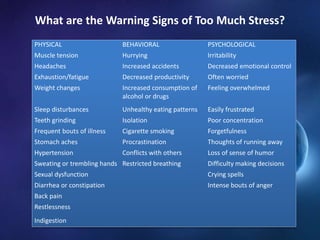
What are the Warning Signs of Too Much Stress?
PHYSICAL BEHAVIORAL PSYCHOLOGICAL
Muscle tension Hurrying Irritability
Headaches Increased accidents Decreased emotional control
Exhaustion/fatigue Decreased productivity Often worried
Weight changes Increased consumption of
alcohol or drugs
Feeling overwhelmed
Sleep disturbances Unhealthy eating patterns Easily frustrated
Teeth grinding Isolation Poor concentration
Frequent bouts of illness Cigarette smoking Forgetfulness
Stomach aches Procrastination Thoughts of running away
Hypertension Conflicts with others Loss of sense of humor
Sweating or trembling hands Restricted breathing Difficulty making decisions
Sexual dysfunction Crying spells
Diarrhea or constipation Intense bouts of anger
Back pain
Restlessness
Indigestion
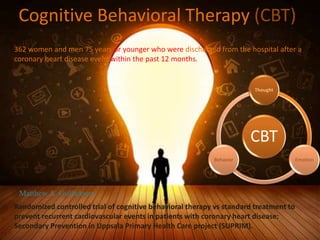
Cognitive Behavioral Therapy (CBT)
CBT
Thought
Emotion
Behavior
Randomized controlled trial of cognitive behavioral therapy vs standard treatment to
prevent recurrent cardiovascular events in patients with coronary heart disease:
Secondary Prevention in Uppsala Primary Health Care project (SUPRIM).
362 women and men 75 years or younger who were discharged from the hospital after a
coronary heart disease event within the past 12 months.
Matthew A. Gullickson
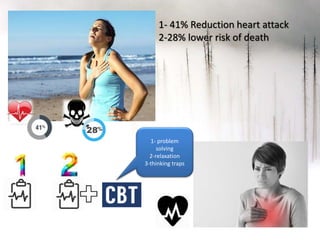
1- 41% Reduction heart attack
2-28% lower risk of death
1- problem
solving
2-relaxation
3-thinking traps
Mindfulness Techniques
(Mindfulness program are more mainstream)
• Mindfulness means maintaining a moment-by-moment awareness of our
thoughts, feelings, bodily sensations, and surrounding environment.
• Mindfulness helps us focus
• Mindfulness fosters compassion and altruism:
• Mindfulness enhances relationships
• Mindfulness helps health care professionals cope with stress, connect with
their patients, and improve their general quality of life.
Mindfulness-based stress reduction
• Mindfulness-based stress reduction (MBSR) is
a mindfulness-based cognitive
therapy program[96] developed by Jon Kabat-Zinn
at the University of Massachusetts Medical
Center, which uses a combination of mindfulness
meditation, body awareness, and yoga to help
people become more mindfulness. In recent
years, meditation has been the subject of
controlled clinical research. This suggests it may
have beneficial effects, including stress reduction,
relaxation, and improvements to quality of life,
but that it does not help prevent or cure
disease. While MBSR has its roots in spiritual
teachings, the program itself is secular.
Ways to Focus Your Attention
• How Attention Works
• According to cognitive neuroscientist Andrew Hill,
Ph.D., in your moment-to-moment experience the role
of visual attention operates in four dominant ways
that:
• • orient you to see things in visual space
• • focus you on one specific object
• • inhibit your response to things outside the scope of
your focus (ā€œsaliencyā€)
• • allow you to handle multiple stimuli both in your
environment and in your mind by helping you
distinguish and choose among them.
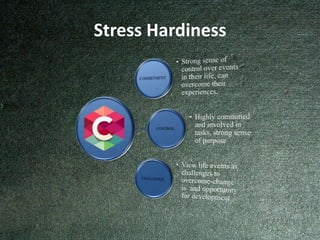
Stress Hardiness
Commitment
• When we have this commitment to something or someone that is important
to us, this gives our life a purpose. This can help us to find a goodness and
meaning to our lives.
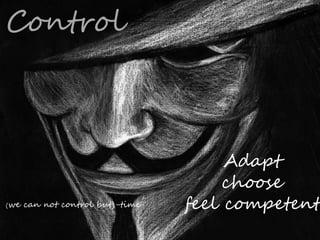
Adapt
choose
feel competent
Control
(we can not control but)-time
Challenge
• Change is an opportunity for development
Hardiness
• The concept of ā€œstress hardinessā€ was
developed by Dr. Suzanne Kobasa, based on
research that looked at many groups of people
who have very stressful occupations.
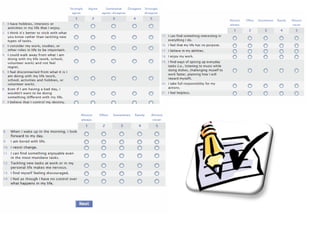
• http://testyourself.psychtests.com/
BASIC
• Time management
• Social relation
• Planning and decision making
• Mindfulness
• Cognitive therapy (Activity monitoring and activity scheduling)
• Music as a coping strategy
• Diaphragmatic breathing
• Physical exercise
• Relaxation
• Massage
Sharing our techniques
Stress management

Stress management

  • 1.
  • 2.
    • Stress isa complex phenomenon physiologist Increase blood pressure Chemical changes Heart Rate Social worker Vulnerability Problem solving skills Coping Worse health outcome Alcohol /drugs Worse quality of life Depressi on /anxiety Physician Social Worker
  • 3.
    • STRESS HIGH(But not to high) • Optimum performance ā€œstress has been defined as stimulus, intervening and response to variables by different researchers. As a stimulus variable stress is a precipitator; as an intervening variable, a mediator; and as a response variable, a behavior.ā€ Martens, Vealey, and Burton (1990)
  • 4.
    • Stress managementrefers to the wide spectrum of techniques and psychotherapies aimed at controlling a person's levels of stress, especially chronic stress, usually for the purpose of improving everyday functioning Stress management
  • 5.
  • 7.
    CBT: How isit used?
  • 8.
    1-CBT aim toteach people that it is possible to have control over their thoughts, feeling and behavior 2- Thus it helps the person to challenge and overcome automatic beliefs, and use practical strategies to change or modify their behavior 3- the result is more positive feeling, which in turn lead to more positive thoughts and behavior 4- thus CBT is a Learning process 5- CBT is thought to be effective for the treatment of a variety of conditions including: -Phobias -Addictions -Schizophrenia -depression
  • 9.
    Cognitive behavioral therapy(CBT) focuses on exploring relationships among a person's thoughts, feelings and behaviors. For instance, CBT can help someone replace thoughts that lead to low self- esteem ("I can't do anything right") with positive expectations ("I can do this most of the time, based on my prior experiences"). CBT/Stress Management On the first session a series of CBT diagnostic tests are administered to assess both the internal and external stressors which are contributing to the presence of excessive stress reactions. Personality tests are administered. For example (click to Type A Questionnaire) to determine Type A/B personality variables in the areas of:- achievement striving time urgency perfectionism multi-tasking low self-esteem hostility excessive job involvement lack of relaxation/recuperation
  • 10.
    What are theWarning Signs of Too Much Stress? PHYSICAL BEHAVIORAL PSYCHOLOGICAL Muscle tension Hurrying Irritability Headaches Increased accidents Decreased emotional control Exhaustion/fatigue Decreased productivity Often worried Weight changes Increased consumption of alcohol or drugs Feeling overwhelmed Sleep disturbances Unhealthy eating patterns Easily frustrated Teeth grinding Isolation Poor concentration Frequent bouts of illness Cigarette smoking Forgetfulness Stomach aches Procrastination Thoughts of running away Hypertension Conflicts with others Loss of sense of humor Sweating or trembling hands Restricted breathing Difficulty making decisions Sexual dysfunction Crying spells Diarrhea or constipation Intense bouts of anger Back pain Restlessness Indigestion
  • 12.
    Cognitive Behavioral Therapy(CBT) CBT Thought Emotion Behavior Randomized controlled trial of cognitive behavioral therapy vs standard treatment to prevent recurrent cardiovascular events in patients with coronary heart disease: Secondary Prevention in Uppsala Primary Health Care project (SUPRIM). 362 women and men 75 years or younger who were discharged from the hospital after a coronary heart disease event within the past 12 months. Matthew A. Gullickson
  • 13.
    1- 41% Reductionheart attack 2-28% lower risk of death 1- problem solving 2-relaxation 3-thinking traps
  • 14.
    Mindfulness Techniques (Mindfulness programare more mainstream) • Mindfulness means maintaining a moment-by-moment awareness of our thoughts, feelings, bodily sensations, and surrounding environment. • Mindfulness helps us focus • Mindfulness fosters compassion and altruism: • Mindfulness enhances relationships • Mindfulness helps health care professionals cope with stress, connect with their patients, and improve their general quality of life.
  • 16.
    Mindfulness-based stress reduction •Mindfulness-based stress reduction (MBSR) is a mindfulness-based cognitive therapy program[96] developed by Jon Kabat-Zinn at the University of Massachusetts Medical Center, which uses a combination of mindfulness meditation, body awareness, and yoga to help people become more mindfulness. In recent years, meditation has been the subject of controlled clinical research. This suggests it may have beneficial effects, including stress reduction, relaxation, and improvements to quality of life, but that it does not help prevent or cure disease. While MBSR has its roots in spiritual teachings, the program itself is secular.
  • 18.
    Ways to FocusYour Attention • How Attention Works • According to cognitive neuroscientist Andrew Hill, Ph.D., in your moment-to-moment experience the role of visual attention operates in four dominant ways that: • • orient you to see things in visual space • • focus you on one specific object • • inhibit your response to things outside the scope of your focus (ā€œsaliencyā€) • • allow you to handle multiple stimuli both in your environment and in your mind by helping you distinguish and choose among them.
  • 21.
  • 22.
    Commitment • When wehave this commitment to something or someone that is important to us, this gives our life a purpose. This can help us to find a goodness and meaning to our lives.
  • 23.
  • 24.
    Challenge • Change isan opportunity for development
  • 25.
    Hardiness • The conceptof ā€œstress hardinessā€ was developed by Dr. Suzanne Kobasa, based on research that looked at many groups of people who have very stressful occupations. • http://testyourself.psychtests.com/
  • 27.
    BASIC • Time management •Social relation • Planning and decision making • Mindfulness • Cognitive therapy (Activity monitoring and activity scheduling) • Music as a coping strategy • Diaphragmatic breathing • Physical exercise • Relaxation • Massage
  • 28.

Editor's Notes

  • #3Ā das
  • #8Ā Ų±ŁŲŖŲ§Ų±ŲÆŲ±Ł…Ų§Ł†ŪŒ Ų“Ł†Ų§Ų®ŲŖŪŒ  که به Ų§Ų®ŲŖŲµŲ§Ų± CBT Ł†ŪŒŲ² یاد Ł…ŪŒā€ŒŲ“ŁˆŲÆŲŒ یک Ų±ŁˆŪŒŚ©Ų±ŲÆĀ Ų±ŁˆŲ§Ł†ā€ŒŲÆŲ±Ł…Ų§Ł†ŪŒĀ Ų§Ų³ŲŖŲŒ که Ų§Ų­Ų³Ų§Ų³Ų§ŲŖ ناکارآمد و Ų±ŁŲŖŲ§Ų±Ł‡Ų§ŲŒ ŁŲ±Ų§ŪŒŁ†ŲÆŁ‡Ų§ و Ł…Ų¶Ų§Ł…ŪŒŁ† Ų“Ł†Ų§Ų®ŲŖŪŒ ناسازگارانه را، Ų§Ų² Ų·Ų±ŪŒŁ‚ Ų“Ł…Ų§Ų±ŪŒ Ų§Ų² Ų±ŁˆŲ“ā€ŒŁ‡Ų§ŪŒ Ų³ŪŒŲ³ŲŖŁ…Ų§ŲŖŪŒŚ©ŲŒ صریح و Ł‡ŲÆŁā€ŒŁ…ŲÆŲ§Ų± نؓانه Ł…ŪŒā€ŒŚÆŪŒŲ±ŲÆ. نام Ų§ŪŒŁ† روؓ اؓاره به رفتار ŲÆŲ±Ł…Ų§Ł†ŪŒŲŒĀ Ų“Ł†Ų§Ų®ŲŖ ŲÆŲ±Ł…Ų§Ł†ŪŒŲŒ و به ترکیبی ŲÆŲ±Ł…Ų§Ł†ŪŒ Ų§Ų² Ų§ŪŒŁ† دو ŲØŲ± Ų§Ų³Ų§Ų³ Ų§ŲµŁˆŁ„ Ł¾Ų§ŪŒŁ‡ و Ł¾Ś˜ŁˆŁ‡Ų“ā€ŒŁ‡Ų§ŪŒ رفتاری و Ų“Ł†Ų§Ų®ŲŖŪŒ ŲÆŲ§Ų±ŲÆ. بسیاری Ų§Ų² Ų§ŪŒŁ† ŲÆŲ±Ł…Ų§Ł†ā€ŒŚÆŲ±Ų§Ł† ŲØŲ§ Ł…Ų“Ś©Ł„Ų§ŲŖŪŒ Ų§Ų² Ł‚ŲØŪŒŁ„Ā Ų§Ų¶Ų·Ų±Ų§ŲØĀ ŁˆĀ Ų§ŁŲ³Ų±ŲÆŚÆŪŒĀ ŲØŲ± Ų§Ų³Ų§Ų³ Ł…Ų¬Ł…ŁˆŲ¹Ł‡ā€ŒŲ§ŪŒ Ų§Ų² Ų±ŁˆŲ“ā€ŒŁ‡Ų§ŪŒ Ų“Ł†Ų§Ų®ŲŖŪŒ و رفتاری مقابله Ł…ŪŒā€ŒŚ©Ł†Ł†ŲÆ. Ų§ŪŒŁ† روؓ اذعان ŲÆŲ§Ų±ŲÆ که ممکن Ų§Ų³ŲŖ Ų±ŁŲŖŲ§Ų±Ł‡Ų§ŪŒŪŒ باؓند که Ų§Ų² Ų·Ų±ŪŒŁ‚ تفکر Ų¹Ł‚Ł„Ų§Ł†ŪŒ قابل کنترل نباؓند. رفتار ŲÆŲ±Ł…Ų§Ł†ŪŒ Ų“Ł†Ų§Ų®ŲŖŪŒ ŲØŲ§ «تمرکز ŲØŲ± Ų­Ł„ مسئله» Ų¹Ł‡ŲÆŁ‡ā€ŒŲÆŲ§Ų± Ų­Ł„ مؓکلات به خصوصی Ł…ŪŒā€ŒŲ“ŁˆŲÆŲŒ و ŲÆŲ± Ų§ŪŒŁ† رویکرد درمانگر ŲØŲ§ «عمل گرایی» تلاؓ Ł…ŪŒā€ŒŚ©Ł†ŲÆ ŲØŲ§ کمک به Ł…Ų±Ų§Ų¬Ų¹ ŲÆŲ± انتخاب استراتژی خاصی برای Ł…ŁˆŲ§Ų¬Ł‡Ł‡ ŲØŲ§ مؓکل به او کمک کند.
  • #15Ā Mindfulness is good for our bodies: AĀ seminal studyĀ found that, after just eight weeks of training, practicing mindfulness meditation boosts ourĀ immune system’sĀ ability to fight off illness. Mindfulness isĀ good for our minds: Several studies have found that mindfulness increases positive emotions while reducing negative emotions andĀ stress. Indeed, at least one study suggests it may be as good as antidepressants in fightingĀ depressionĀ and preventing relapse. MindfulnessĀ changes our brains: Research has found that it increases density of gray matter in brain regions linked to learning, memory, emotion regulation, and empathy. Mindfulness helps us focus: Studies suggest that mindfulness helps usĀ tune out distractionsĀ and improves ourĀ memoryĀ andĀ attention skills. Mindfulness fosters compassion and altruism: Research suggests mindfulness training makes usĀ more likely to help someone in needĀ and increases activity in neural networks involved inĀ understanding the suffering of othersĀ and regulating emotions. Evidence suggests it mightĀ boost self-compassionĀ as well. MindfulnessĀ enhances relationships: Research suggests mindfulness training makes couples more satisfied with their relationship, makes each partner feel more optimistic and relaxed, and makes them feel more accepting of and closer to one another. Mindfulness is good forĀ parentsĀ andĀ parents-to-be: Studies suggest it mayĀ reduce pregnancy-related anxiety, stress, and depressionĀ in expectant parents.Ā Parents who practice mindfulnessreport being happier with their parenting skills and their relationship with their kids, and their kids were found to have better social skills. Mindfulness helps schools: There’s scientific evidence that teaching mindfulness in the classroom reduces behavior problems and aggression among students, and improves their happiness levels andĀ ability to pay attention.Ā TeachersĀ trained in mindfulness also show lower blood pressure, less negative emotion and symptoms of depression, and greater compassion and empathy. Mindfulness helpsĀ health care professionalsĀ cope with stress,Ā connect with their patients, andĀ improve their general quality of life. It also helpsĀ mental health professionalsĀ by reducing negative emotions and anxiety, and increasing their positive emotions and feelings ofĀ self-compassion. Mindfulness helps prisons: Evidence suggests mindfulness reduces anger, hostility, and mood disturbances among prisoners by increasing their awareness of their thoughts and emotions, helping with their rehabilitation and reintegration. Mindfulness helpsĀ veterans: Studies suggest it can reduce the symptoms of Post Traumatic Stress Disorder (PTSD) in the aftermath of war.
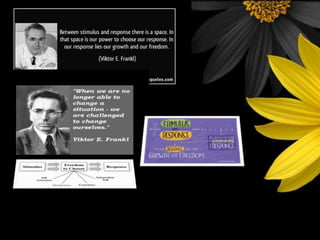
  • #20Ā Viktor Emil FranklĀ (26 March 1905 – 2 September 1997)[1][2]Ā was anĀ AustrianĀ neurologistĀ andĀ psychiatristĀ as well as aĀ Holocaustsurvivor. Frankl was the founder ofĀ logotherapy, which is a form ofĀ existential analysis, the "Third Viennese School ofĀ Psychotherapy". His best-selling bookĀ Man's Search for MeaningĀ (published under a different title in 1959:Ā From Death-Camp to Existentialism, and originally published in 1946 asĀ Trotzdem Ja Zum Leben Sagen: Ein Psychologe erlebt das Konzentrationslager, meaningĀ Nevertheless, Say "Yes" to Life: A Psychologist Experiences the Concentration Camp) chronicles his experiences as aĀ concentration campĀ inmate, which led him to discover the importance of finding meaning in all forms of existence, even the most brutal ones, and thus, a reason to continue living. Frankl became one of the key figures inĀ existential therapyĀ and a prominent source of inspiration forĀ humanistic psychologists.[3]
  • #22Ā Ų³Ų®ŲŖā€ŒŲ±ŁˆŪŒŪŒĀ ŲØŁ‡ یک Ł†ŁˆŲ¹ Ų³ŲØŚ© ؓخصیتی گفته Ł…ŪŒā€ŒŲ“ŁˆŲÆ که ŲÆŲ± آن ؓخصی به جای عقب Ł†Ų“ŪŒŁ†ŪŒ و کنار Ś©Ų“ŪŒŲÆŁ†ŲŒŲ§Ų­Ų³Ų§Ų³ التزام Ł…ŪŒā€ŒŚ©Ł†ŲÆ و به جای Ų§Ų­Ų³Ų§Ų³ Ų¹Ų¬Ų² و Ł†Ų§ŲŖŁˆŲ§Ł†ŪŒ Ų§Ų­Ų³Ų§Ų³ Ł†ŁˆŲ¹ŪŒ کنترل Ł…ŪŒā€ŒŚ©Ł†ŲÆ و مؓکلات Ų²Ł†ŲÆŚÆŪŒ Ų±Ų§ چالؓ Ł…ŪŒ داند و نه ŲŖŁ‡ŲÆŪŒŲÆ.به جهت Ų§ŪŒŁ† Ų³ŲØŚ© Ų“Ų®ŲµŪŒŲŖŪŒŲŒŲ§ŪŒŁ† ŚÆŁˆŁ†Ł‡ افراد Ł‡Ł†ŚÆŲ§Ł…ŪŒ که ŲØŲ§ مؓکلات Ų²Ł†ŲÆŚÆŪŒ روبرو Ł…ŪŒā€ŒŲ“ŁˆŁ†ŲÆŲŒŲØŁ‡ جای Ų§ŪŒŁ†Ś©Ł‡ مؓکلات Ų±Ų§ ŲŗŪŒŲ±Ł‚Ų§ŲØŁ„ Ų­Ł„ ŲØŲÆŲ§Ł†Ł†ŲÆŲŒŲ¢Ł†ā€ŒŁ‡Ų§ Ų±Ų§ چالؓ دانسته و ŲØŲ§ مؓکل روبرو ؓده و ŲÆŲ± ŲµŲÆŲÆ Ų­Ł„ آن ŲØŲ± Ł…ŪŒā€ŒŲ¢ŪŒŁ†ŲÆ. Research has shown that some people are more resistant to stress and better able to cope with it than others.Ā Ā This is partly due to the fact that some people have a number of personality traits that protect them from the effects of stress; psychologists call this the stress-hardy personality.Ā  One researcher in the stress hardiness field is clinical psychologist at the City University, New York, Doctor Susan Kobasa PhD.Ā Ā In the late 1970s she carried out a study on a group of executives who were under a lot of stress whilst their company, the Bell Telephone Company in the USA, was undergoing radical restructuring.Ā Ā On completion of the study, when the data was analysed, she found that certain personality traits protected some of the executives and managers from the health ravages of stress.Ā  These stress hardy personality traits included: Ā  1.Ā Ā Ā Ā Ā Ā Ā Ā Ā Ā Commitment 2.Ā Ā Ā Ā Ā Ā Ā Ā Ā Ā Control 3.Ā Ā Ā Ā Ā Ā Ā Ā Ā Ā Challenge Ā  The executives who had these stress hardy personality traits decreased their risk of developing a stress related health problem by a massive 50%.Ā Ā Ā  Stress hardy people obviously have a natural advantage than those of us who do not have these personality traits; however research is suggesting that those of us who do not naturally have the stress hardy personality traits can actually learn them, with time and practice, and so increase our own levels of stress hardiness.Ā Ā Having a stress hardy personality doesn't mean that a person never ever suffers stress, it means that their ability to deal with it, without it causing a problem, is greater.Ā Ā It's about learning to control how we react to the challenges we face in a more flexible, confident and less destructive way. Ā  We will now discuss in more detail the Stress Hardy personality traits: Ā  1.Ā Ā Ā Ā Ā Commitment Commitment means having a purpose to life and involvement in family, work, community, social, friends, religious faith, ourselves, etc., giving us a meaning to our lives.Ā Ā When we have this commitment to something or someone that is important to us, this gives our life a purpose.Ā Ā When committed to something we tend to be motivated to put in more effort.Ā Ā This can help us to find a goodness and meaning to our lives.Ā  Ā  2.Ā Ā Ā Ā Ā Control Studies have shown that how much control weĀ perceive we have over any stressor will influence how difficult the stressor will be for us to cope with.Ā Ā Researchers have found there are basically two types of control, Internal and External, and these can either exacerbate or reduce a stressful situation.Ā  Internal Locus of Control With the internal locus of control people are aware that they cannot influence all the external events that go on in their lives, but they do have a deep sense that they have a choice in how they react to that stressor and believe that although they cannot totally influence it, they do have some influence over the event.Ā  External Locus of ControlĀ  In the external locus of control people believe that they have little or no control over what happens to them; what happens is due to fate or destiny and that they will not be able toĀ influence it.Ā Ā For example,Ā someone who suffers a chronic back problemĀ may believe it is theirĀ destiny and fate in life to suffer the pain.Ā  TheyĀ may believe thereĀ is nothing they can do to influence their condition and the subsequent pain, so therefore they do not take any action, nor use any strategies that could enable them to reduceĀ their pain. Ā  In life it is impossible to remove all the pressure and stress that we will encounter, but that doesn't mean we are impotent in the face of it.Ā Ā By learning stress Management strategies we can influence how these events affect us, even though we cannot remove them.Ā Ā For example, in one study researchers looked at two groups of people who were under stress.Ā Ā One group practiced relaxation regularly and the other group did not.Ā Ā The research data revealed that, although both groups had higher levels of stress hormones, the group that practiced relaxation showed less effects of these stress hormones on their organs and systems when compared to the group who did not practice relaxation. We do have some degree of control over how stressors affect us.Ā Ā The late Dr Viktor Frankyl, a psychiatrist who was a prisoner in the Nazi concentration camp at Auschwitz, said the one thing that you can not take away from a person is their choice of how they deal with the difficult situations which they find themselves in. In managing our stress its important to recognise where our locus of control is and with time, stress management training and practice we can move from an external locus of control to a more internal locus of control and in so doing improve our coping abilities. Ā  3.Ā Ā Ā Ā Ā Challenge Challenge is about how we perceive the events that occur in our lives; seeing our difficulties as a challenge rather than as a threat and accepting that the only thing in life that is constant, is change.Ā Ā There is an Old Russian proverb that says we can never put our foot in the same river water twice.Ā Ā If we view change as a total threat or see every difficulty we encounter as threatening to us then this is going to trigger a stronger fight/flight response than if we see the event as a challenge.Ā Ā Stress hardy people do not spend time ruminating over why things have to change, they are not frightened by it, they accept it as being a natural part of life, not a threat but an opportunity to learn and grow.