How to use storytelling
    to facilitate change
“All the world’s stage, and all the men and
                   women merely players.”

                  Shakespeare, As You Like It


             Ines and Rima
Storytelling definitions
   Storytelling is humanity’s oldest form of literacy, art of
    portraying real or imagined events involving words,
    images and sounds.
                                                         Wikipedia


   Organisational storytelling are valuable windows into
    the emotional, political and symbolic lives of
    organisations. It also helps us in understanding culture
    and change in an uniquely illuminating way that’s going
    on in an organisation.
                                                     Gabriel (2000)


22/02/06                                                         2
Narratives and stories
   Narratives are plotted, directed and staged to produce
    linear, coherent and monological rendering of events,
    whereas ‘stories’ are self-deconstructing, flowing,
    emerging and networking, not at all static .
                                                         (Boje, 2001)
   A creative narrative blends the dialogue told in specific
    stories to form a composite, interpretive narrative that
    relates an impressionistic account of the concept under
    investigation – through a ‘fiction writing’.
                                          (Brown and McMillan, 1991)


22/02/06                                                           3
Storytelling and modern
                organisations

“When faced with the task of persuading a group of
managers and front-line staff in a large organisation
to get enthusiastic about a major change, I found that
storytelling was the only thing that really worked.”
                                             Stephen Denning
                      ex Programme Director at the World Bank


22/02/06                                                        4
Type of stories we can apply in
               modern organisation:
1.         The anecdotal or biographical story (feelings or
           assumptions about the organisation)
2.         The creative characterisation (problem or
           challenge transformed into a new stories)
3.         Story as a metaphor (creating a metaphor for a
           situation taking us into a more imaginative
           level)


22/02/06                                                  5
Approached in this wider context,
      organisations are using stories:
   To communicate corporate values and ideals
   To adapt to change
   To define and better understand the organisational
    culture
   To communicate the essence of a complex message
   Explore and develop leadership styles
   To develop communication and presentation skills
   Developing employees relationship to a product or the
    organisation

22/02/06                                                    6
22/02/06   7
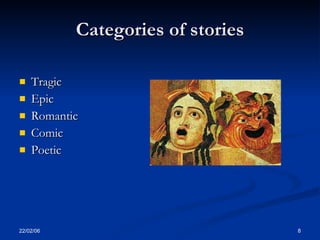
Categories of stories

   Tragic
   Epic
   Romantic
   Comic
   Poetic


22/02/06                           8
Storytelling helps in

   relationship building
   motivating employees
   integrating employees
   sense of belonging to the organisation
   guiding through change
   driving organisation to success


22/02/06                                     9
Example: How story telling can drive
         strategic change

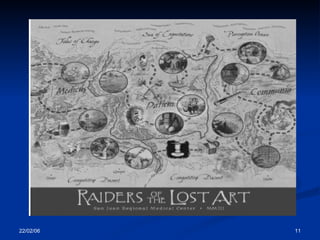
   Problems of San Juan Regional Medical centre
       Hospital-sponsored health plan facing bankruptcy
       Unions trying to organise nurses
       Operational and management changes
       Lots of anxiety and uncertainty among staff
       New mission and vision developed

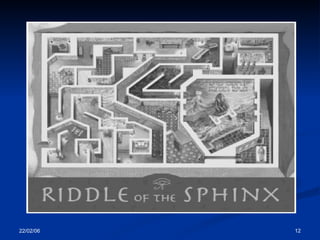
   Let’s make a story

22/02/06                                                   10
22/02/06   11
22/02/06   12
Link to scenario planning

   Storytelling can act as an important tool in
    scenario planning
   It helps in giving new insights to available
    information
   It helps to explore alternative futures


22/02/06                                           13
Conclusion
   If you want your change message to be
    communicated to employees – if you want it to
    transform the way they perceive the organisation
    and their roles in the organisation – then weaver
    your message about the new strategy into a
    compelling and memorable story

   Different stories for different audience and
    different purpose

22/02/06                                            14
Criticism of
storytelling?

Storytelling

  • 1.
    How to usestorytelling to facilitate change “All the world’s stage, and all the men and women merely players.” Shakespeare, As You Like It Ines and Rima
  • 2.
    Storytelling definitions  Storytelling is humanity’s oldest form of literacy, art of portraying real or imagined events involving words, images and sounds. Wikipedia  Organisational storytelling are valuable windows into the emotional, political and symbolic lives of organisations. It also helps us in understanding culture and change in an uniquely illuminating way that’s going on in an organisation. Gabriel (2000) 22/02/06 2
  • 3.
    Narratives and stories  Narratives are plotted, directed and staged to produce linear, coherent and monological rendering of events, whereas ‘stories’ are self-deconstructing, flowing, emerging and networking, not at all static . (Boje, 2001)  A creative narrative blends the dialogue told in specific stories to form a composite, interpretive narrative that relates an impressionistic account of the concept under investigation – through a ‘fiction writing’. (Brown and McMillan, 1991) 22/02/06 3
  • 4.
    Storytelling and modern organisations “When faced with the task of persuading a group of managers and front-line staff in a large organisation to get enthusiastic about a major change, I found that storytelling was the only thing that really worked.” Stephen Denning ex Programme Director at the World Bank 22/02/06 4
  • 5.
    Type of storieswe can apply in modern organisation: 1. The anecdotal or biographical story (feelings or assumptions about the organisation) 2. The creative characterisation (problem or challenge transformed into a new stories) 3. Story as a metaphor (creating a metaphor for a situation taking us into a more imaginative level) 22/02/06 5
  • 6.
    Approached in thiswider context, organisations are using stories:  To communicate corporate values and ideals  To adapt to change  To define and better understand the organisational culture  To communicate the essence of a complex message  Explore and develop leadership styles  To develop communication and presentation skills  Developing employees relationship to a product or the organisation 22/02/06 6
  • 7.
  • 8.
    Categories of stories  Tragic  Epic  Romantic  Comic  Poetic 22/02/06 8
  • 9.
    Storytelling helps in  relationship building  motivating employees  integrating employees  sense of belonging to the organisation  guiding through change  driving organisation to success 22/02/06 9
  • 10.
    Example: How storytelling can drive strategic change  Problems of San Juan Regional Medical centre  Hospital-sponsored health plan facing bankruptcy  Unions trying to organise nurses  Operational and management changes  Lots of anxiety and uncertainty among staff  New mission and vision developed  Let’s make a story 22/02/06 10
  • 11.
  • 12.
  • 13.
    Link to scenarioplanning  Storytelling can act as an important tool in scenario planning  It helps in giving new insights to available information  It helps to explore alternative futures 22/02/06 13
  • 14.
    Conclusion  If you want your change message to be communicated to employees – if you want it to transform the way they perceive the organisation and their roles in the organisation – then weaver your message about the new strategy into a compelling and memorable story  Different stories for different audience and different purpose 22/02/06 14
  • 15.