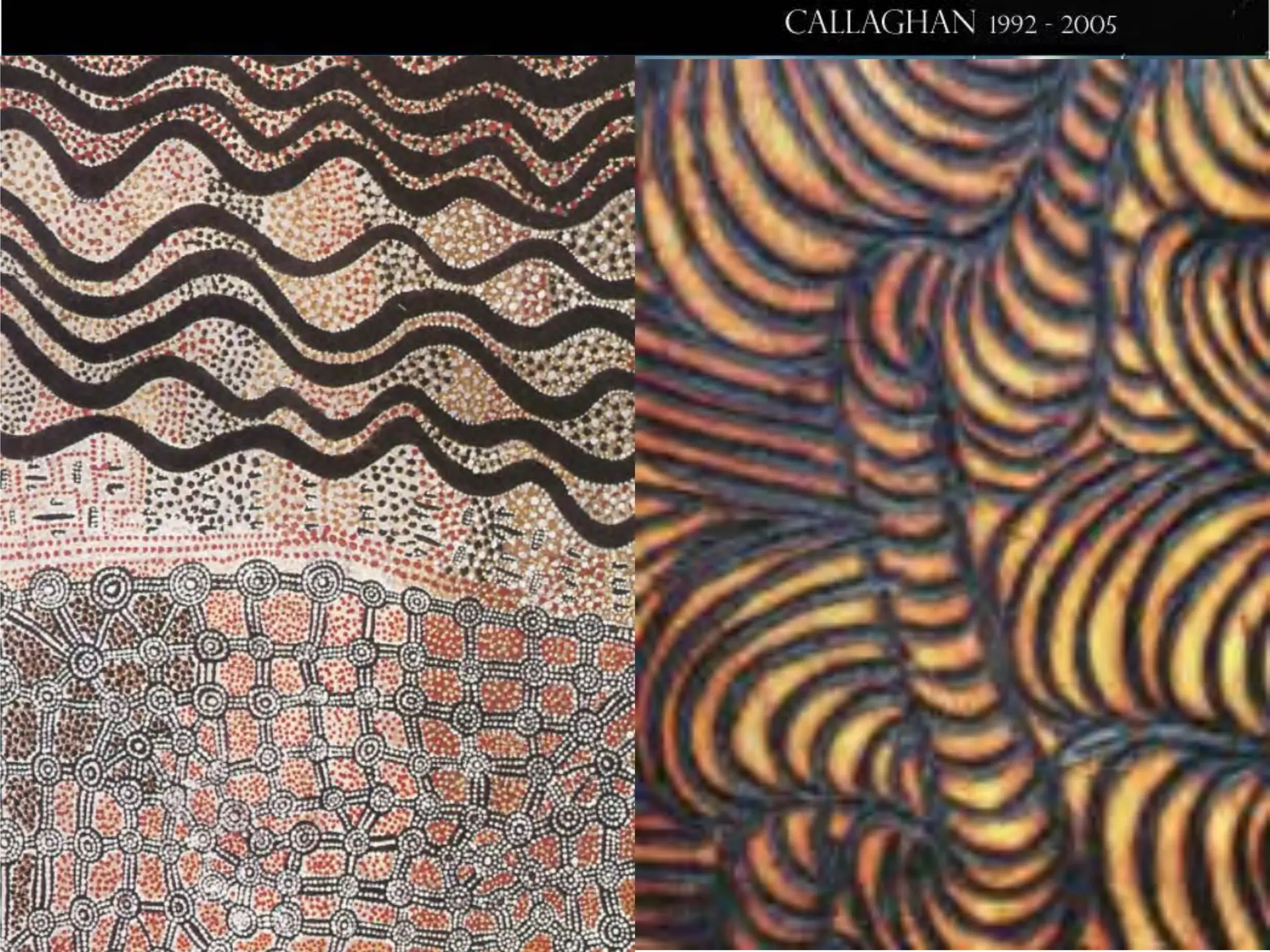
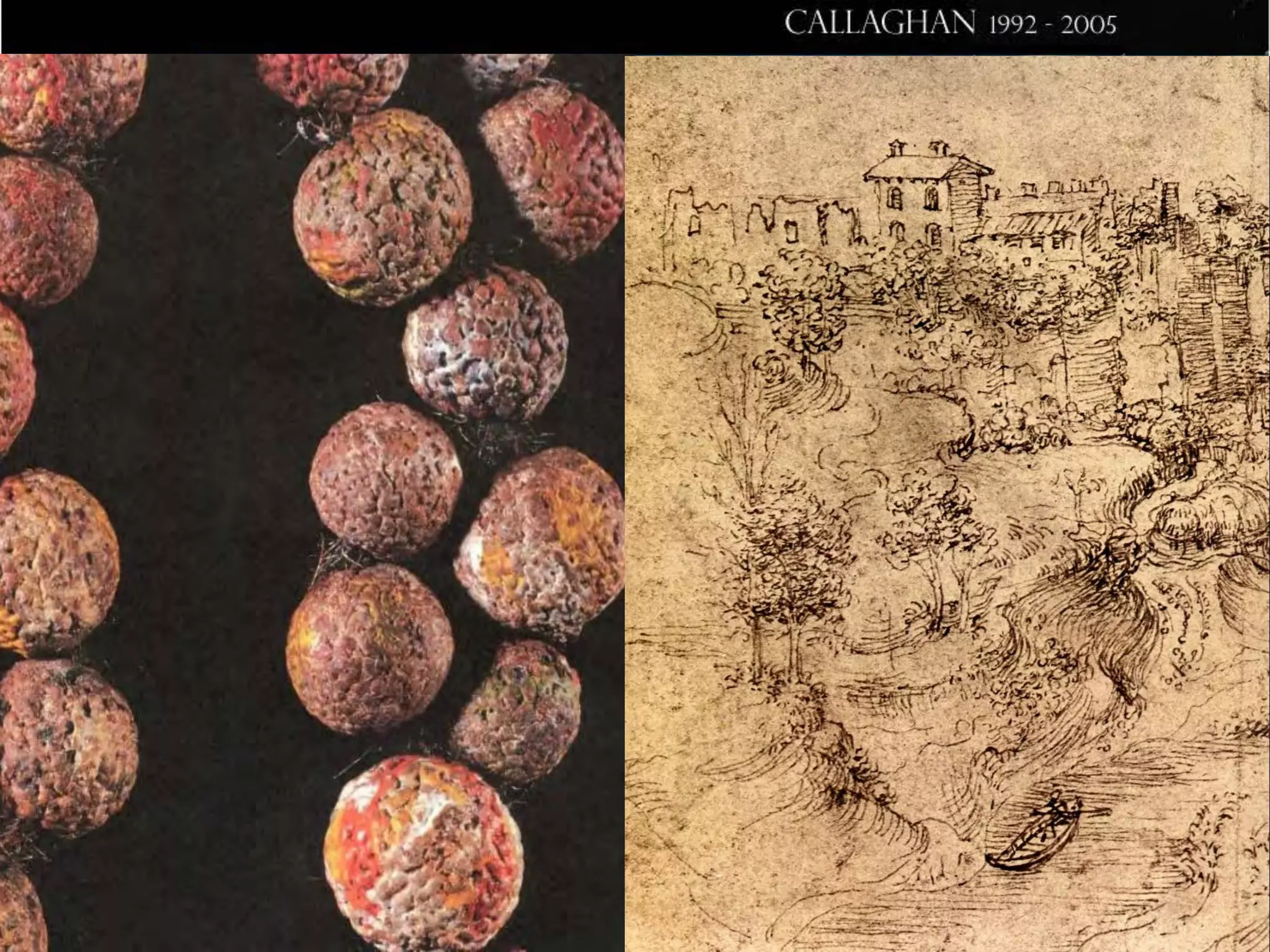
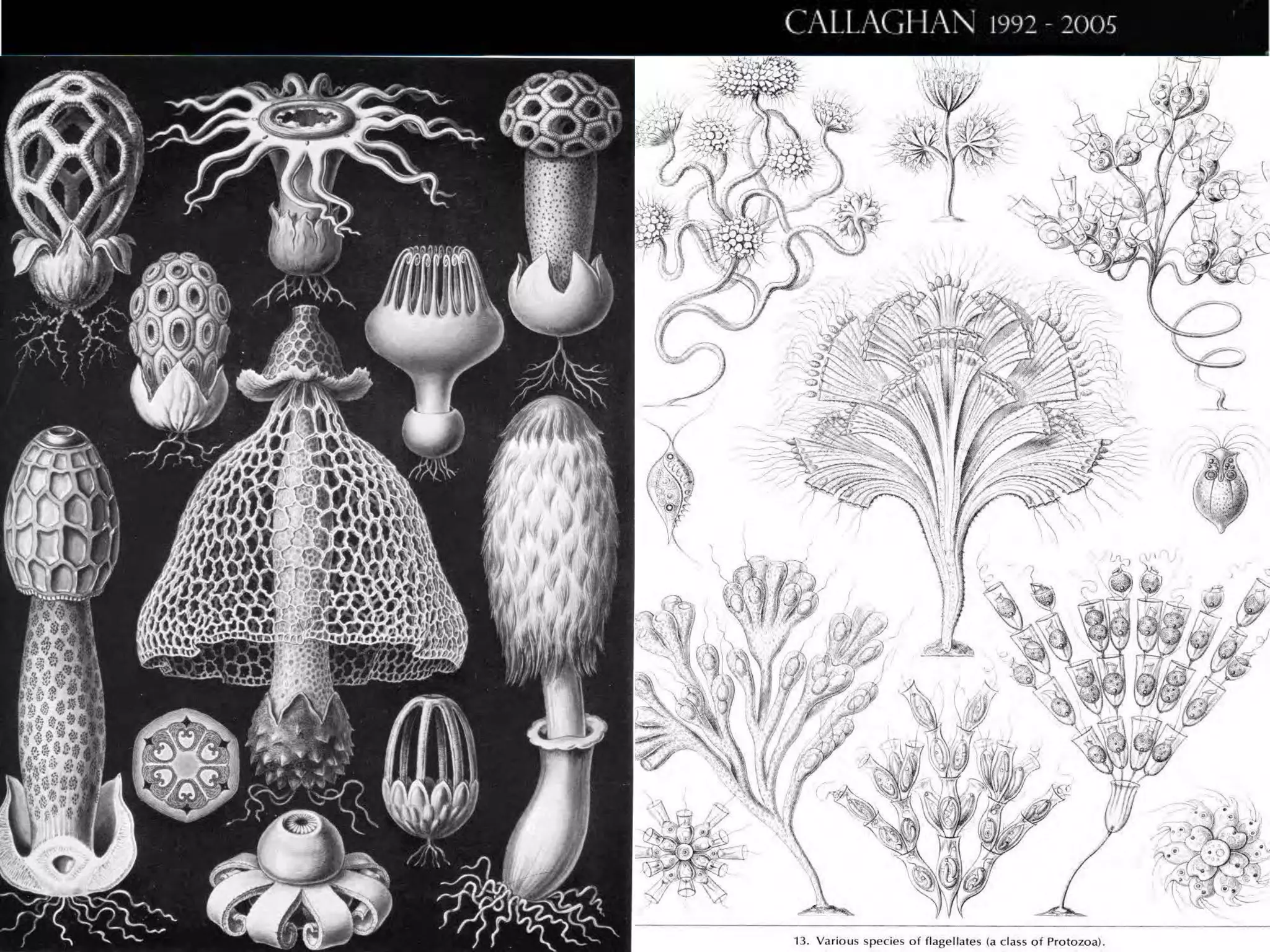
On Scale and Abundance
re Watering Peri-urban landscapes
Peter Stevens Prof. Tim Roberts Dr Steven Lucas
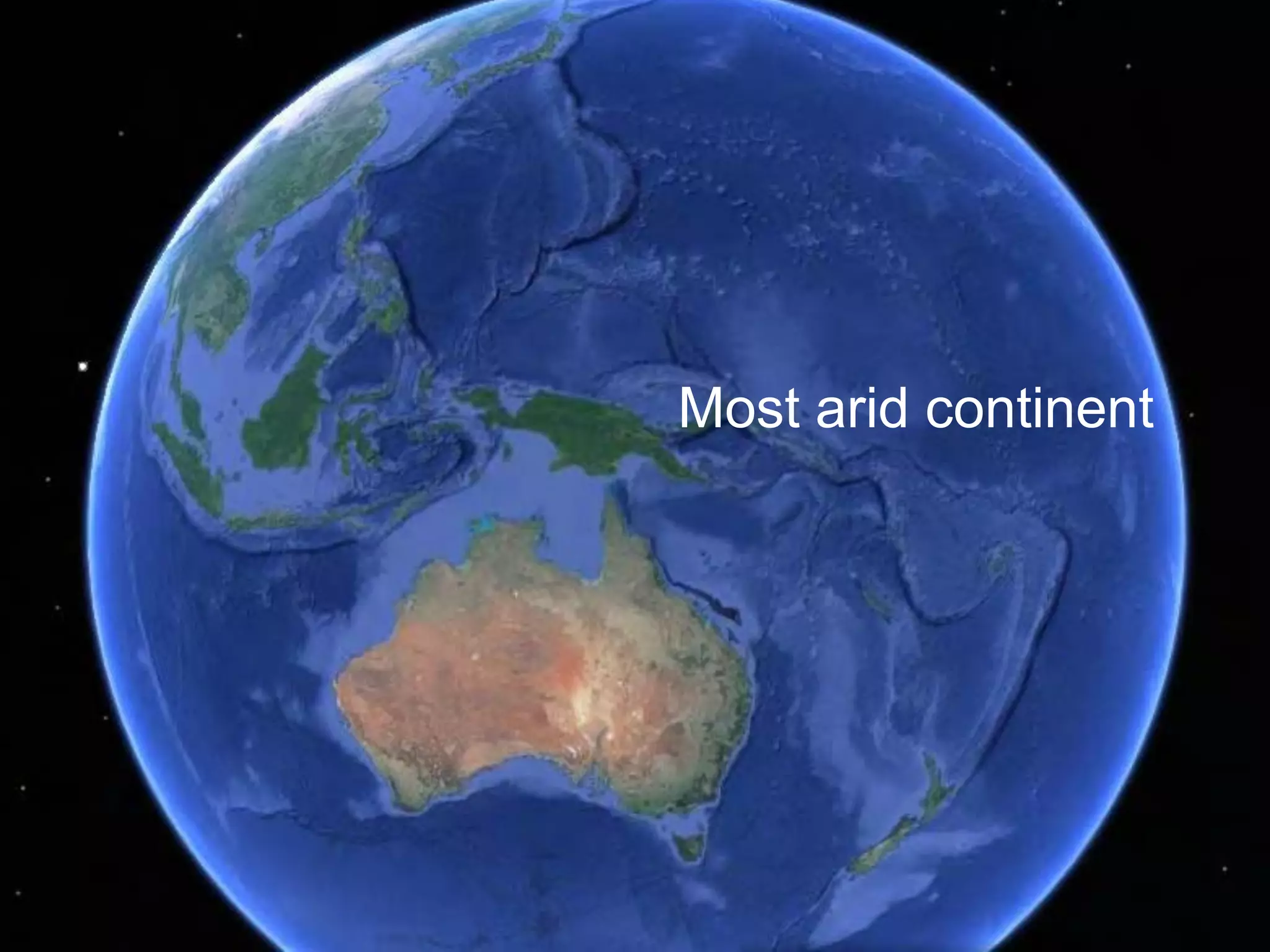
Most arid continent
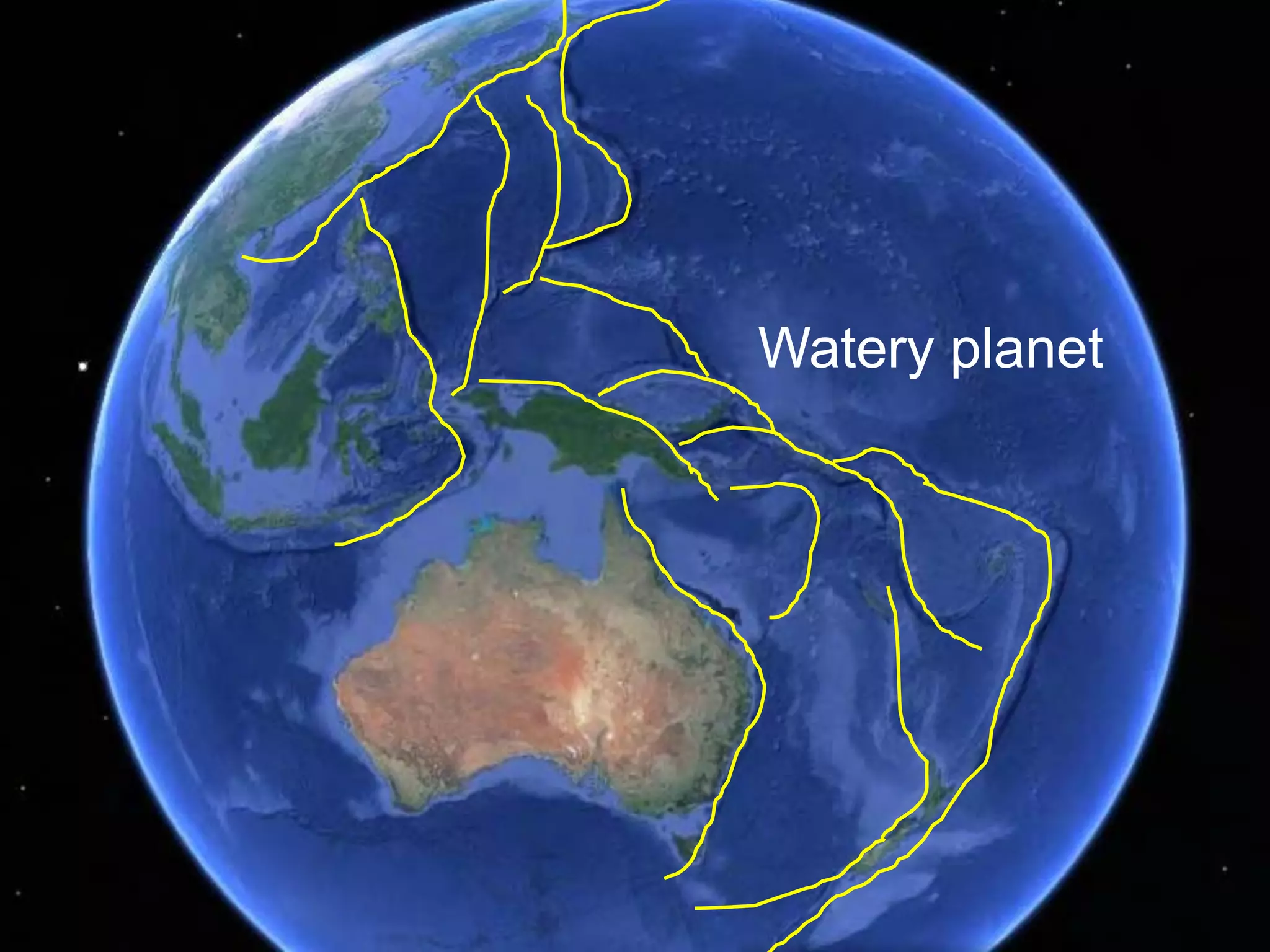
Watery planet
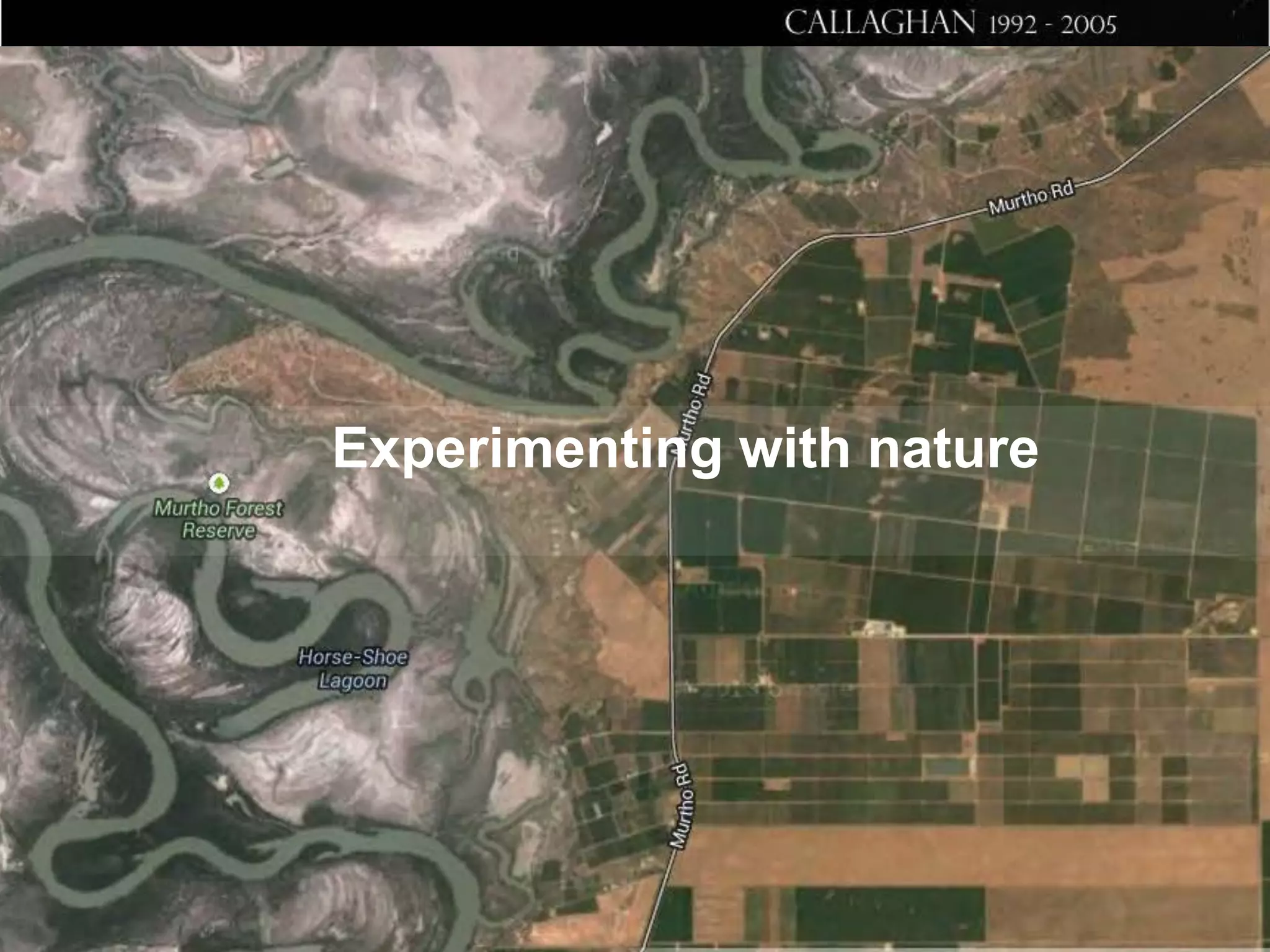
Experimenting with nature
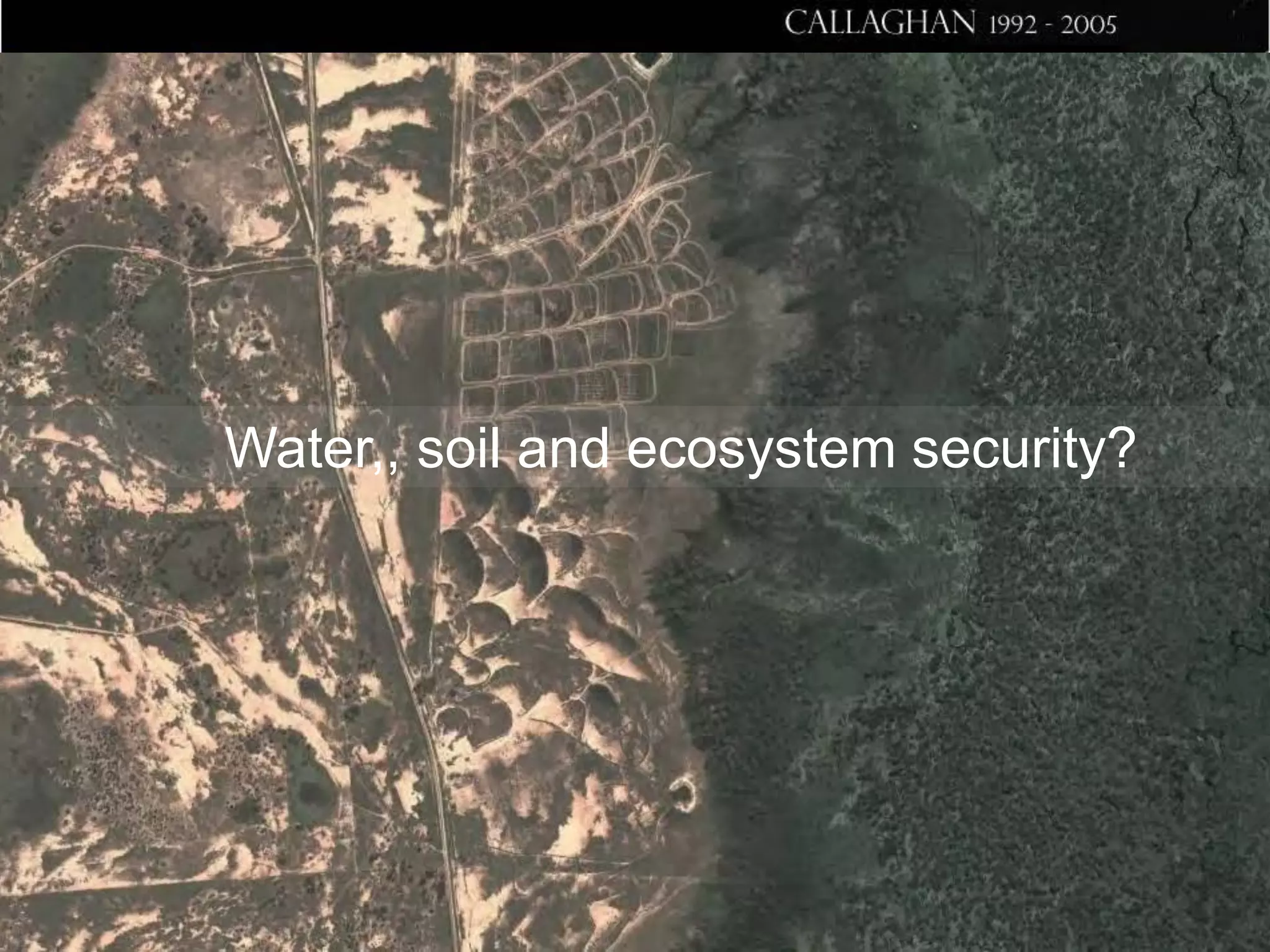
Water,, soil and ecosystem security?
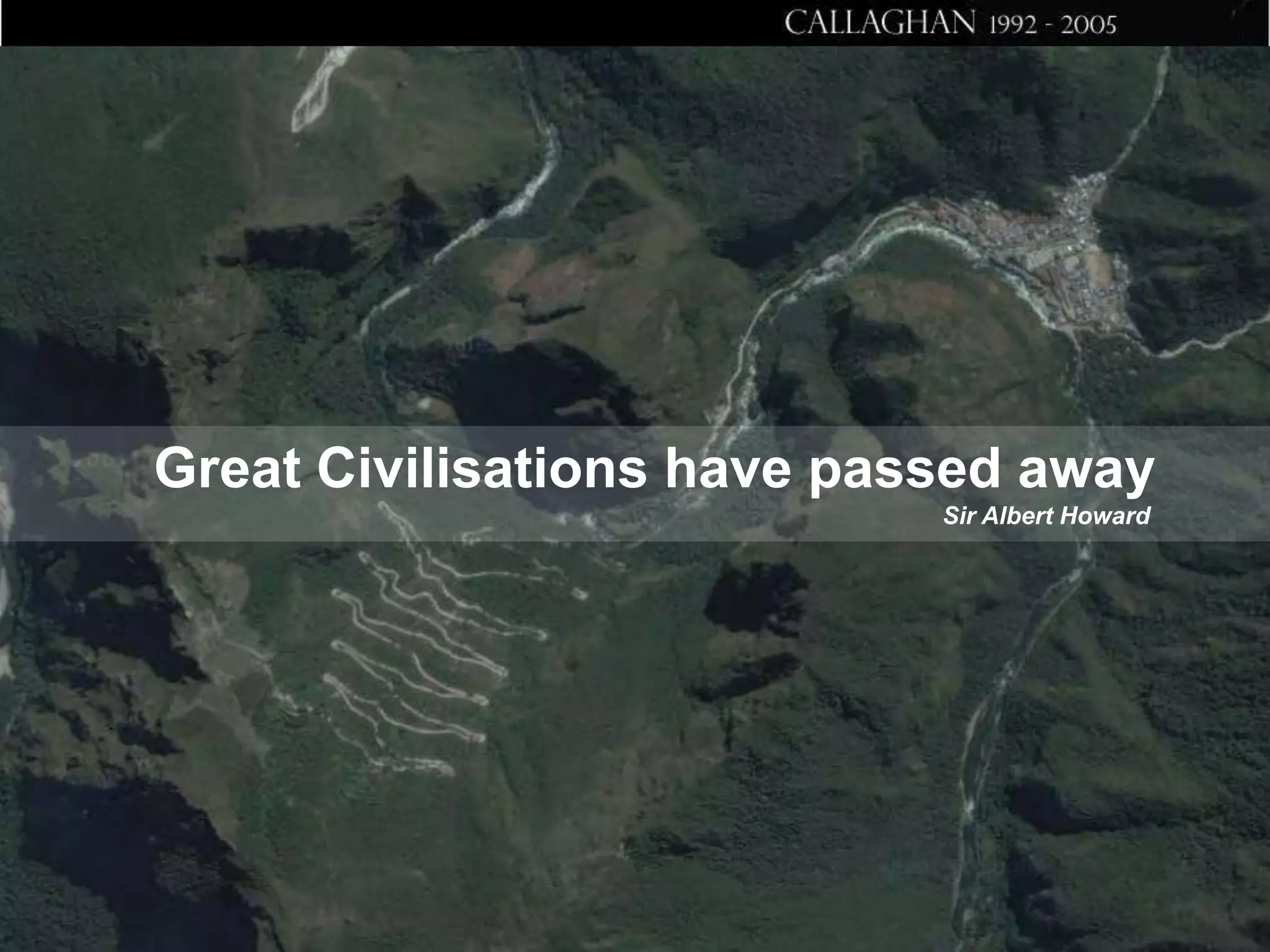
Great Civilisations have passed away
Sir Albert Howard
Honeymoon is over for ‘man over nature’
Mary E White
Response

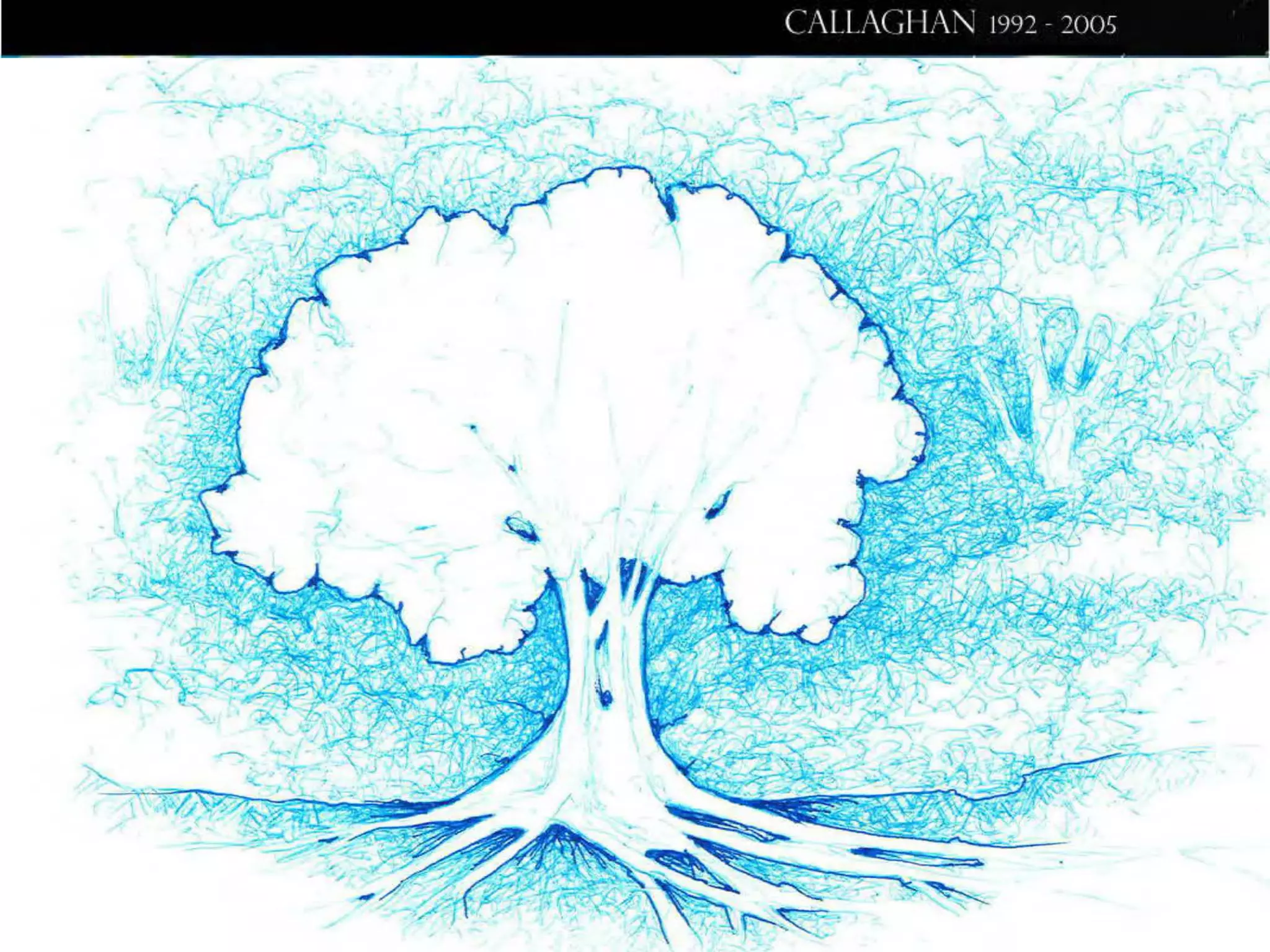
Seamless ecology-based design
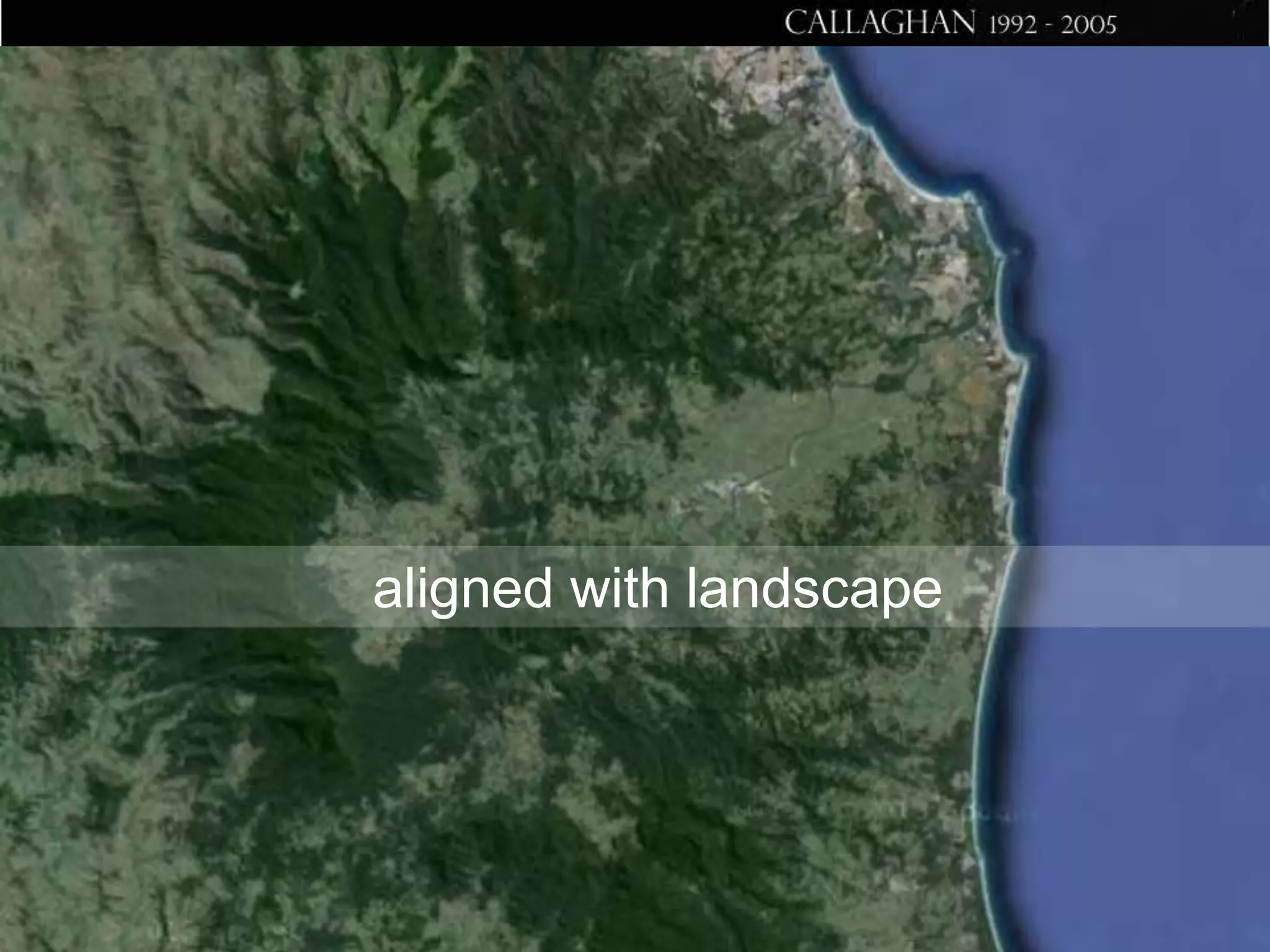
aligned with landscape
laws of the biosphere
plants and bacteria
biocapacity
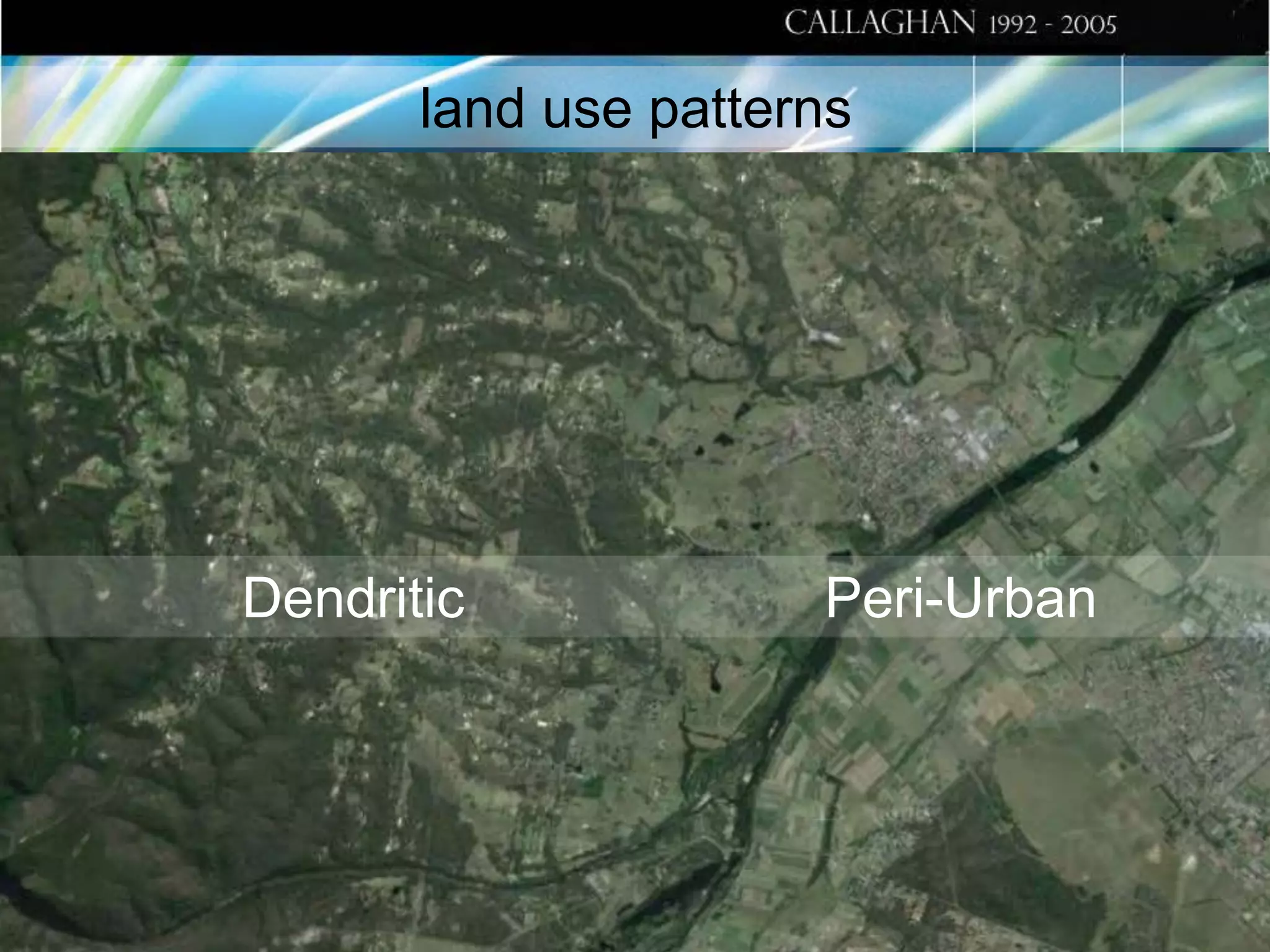
land use patterns

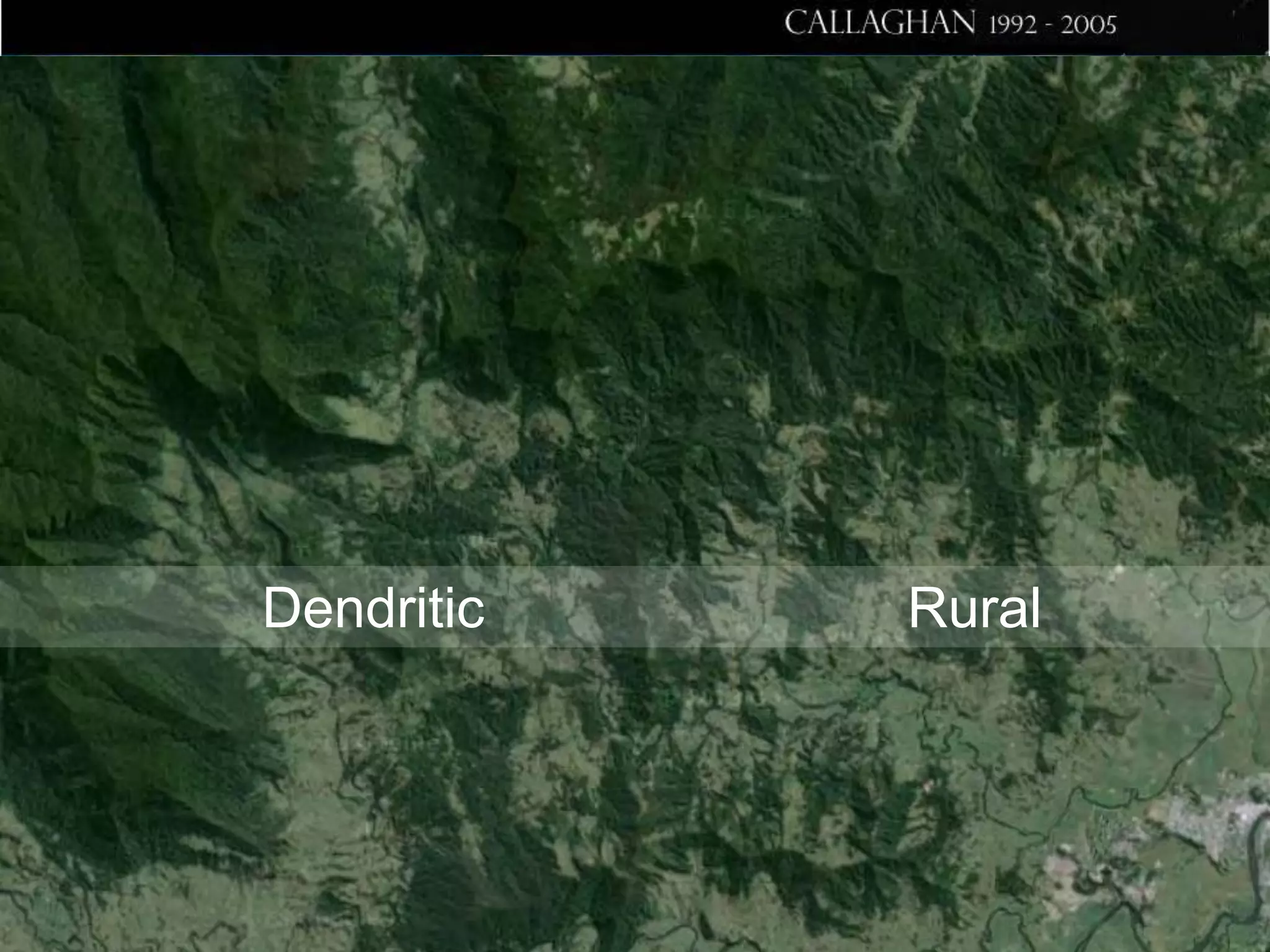
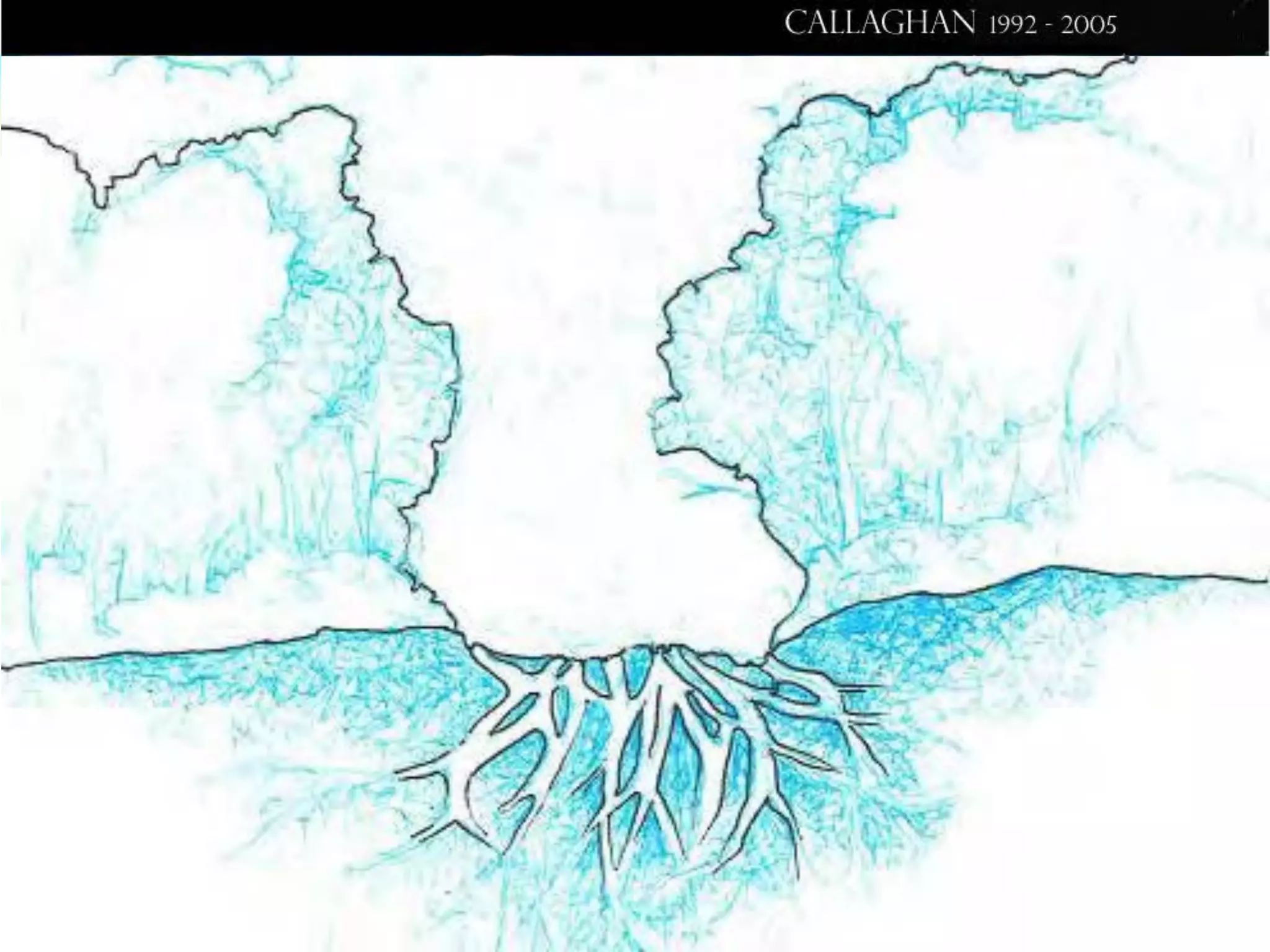
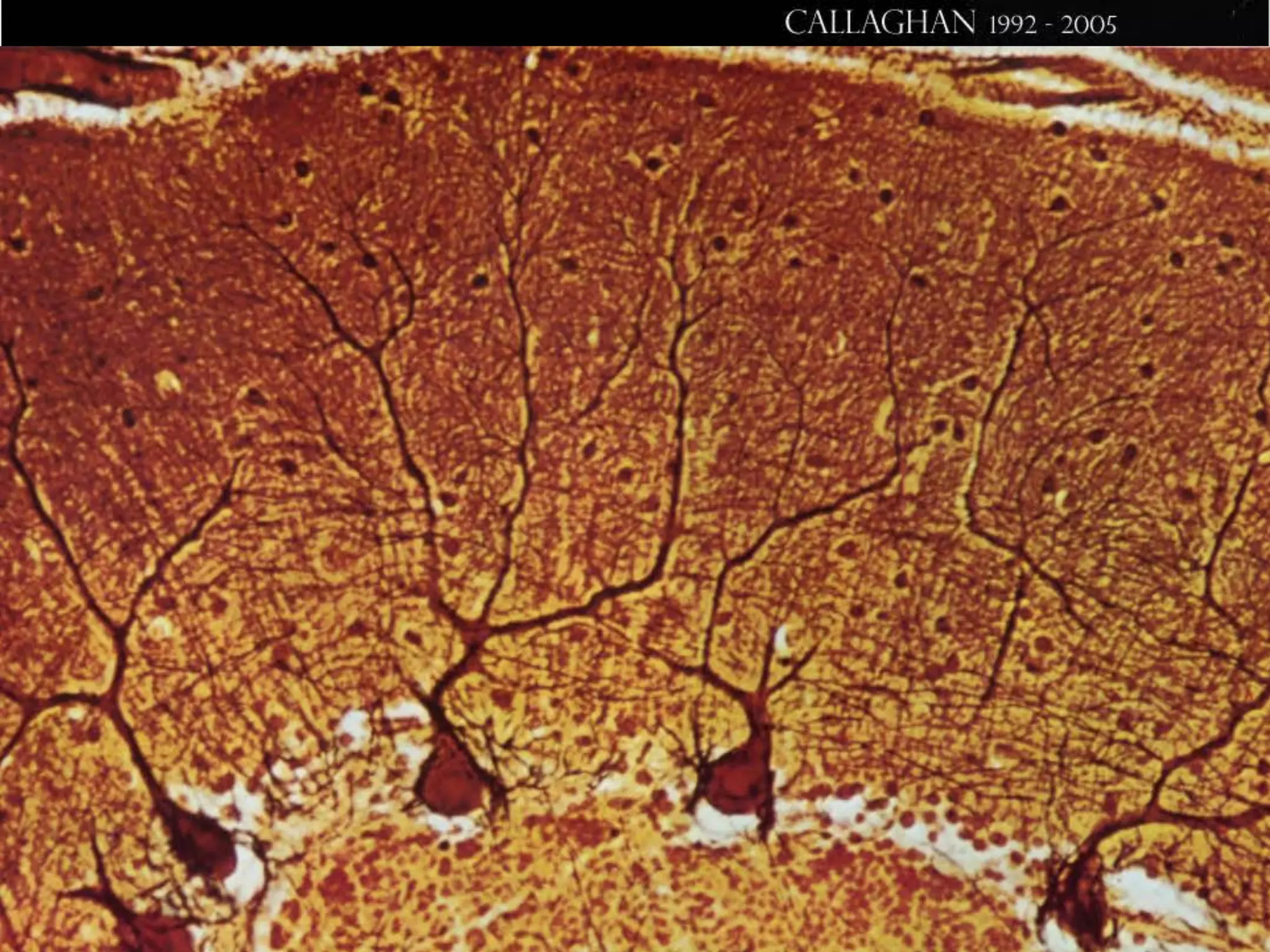
Dendritic

Peri-Urban
Dendritic

Rural
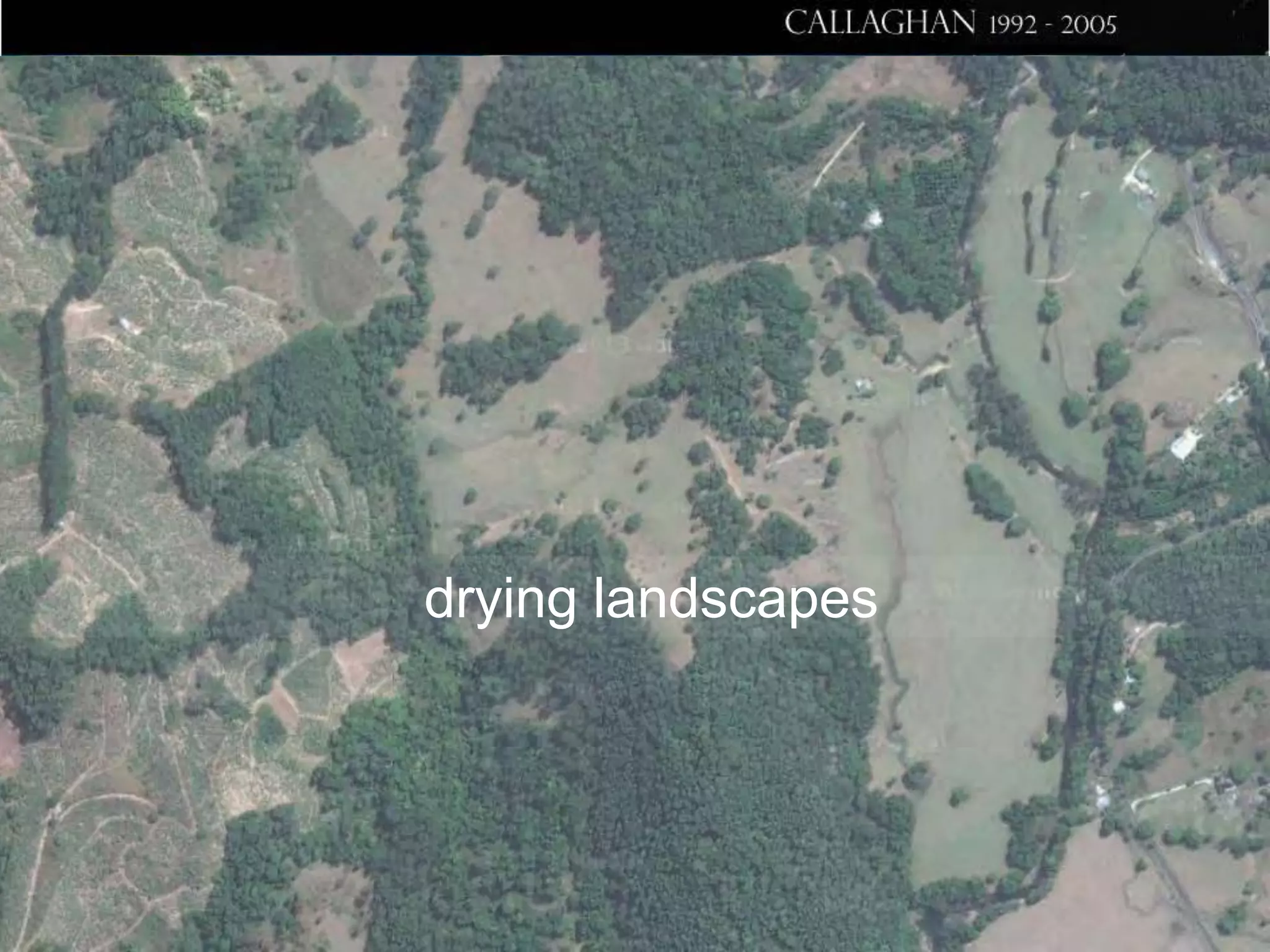
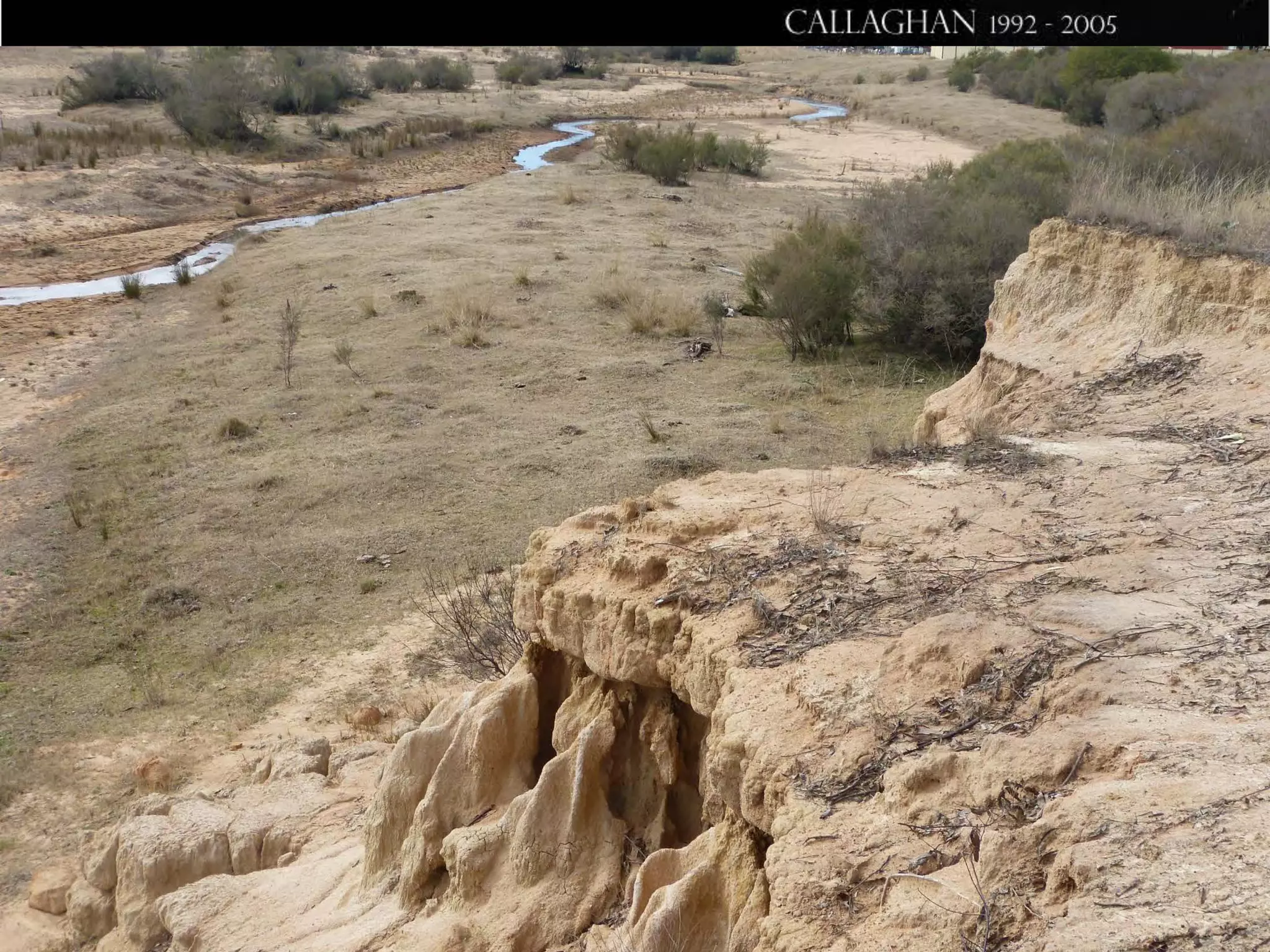
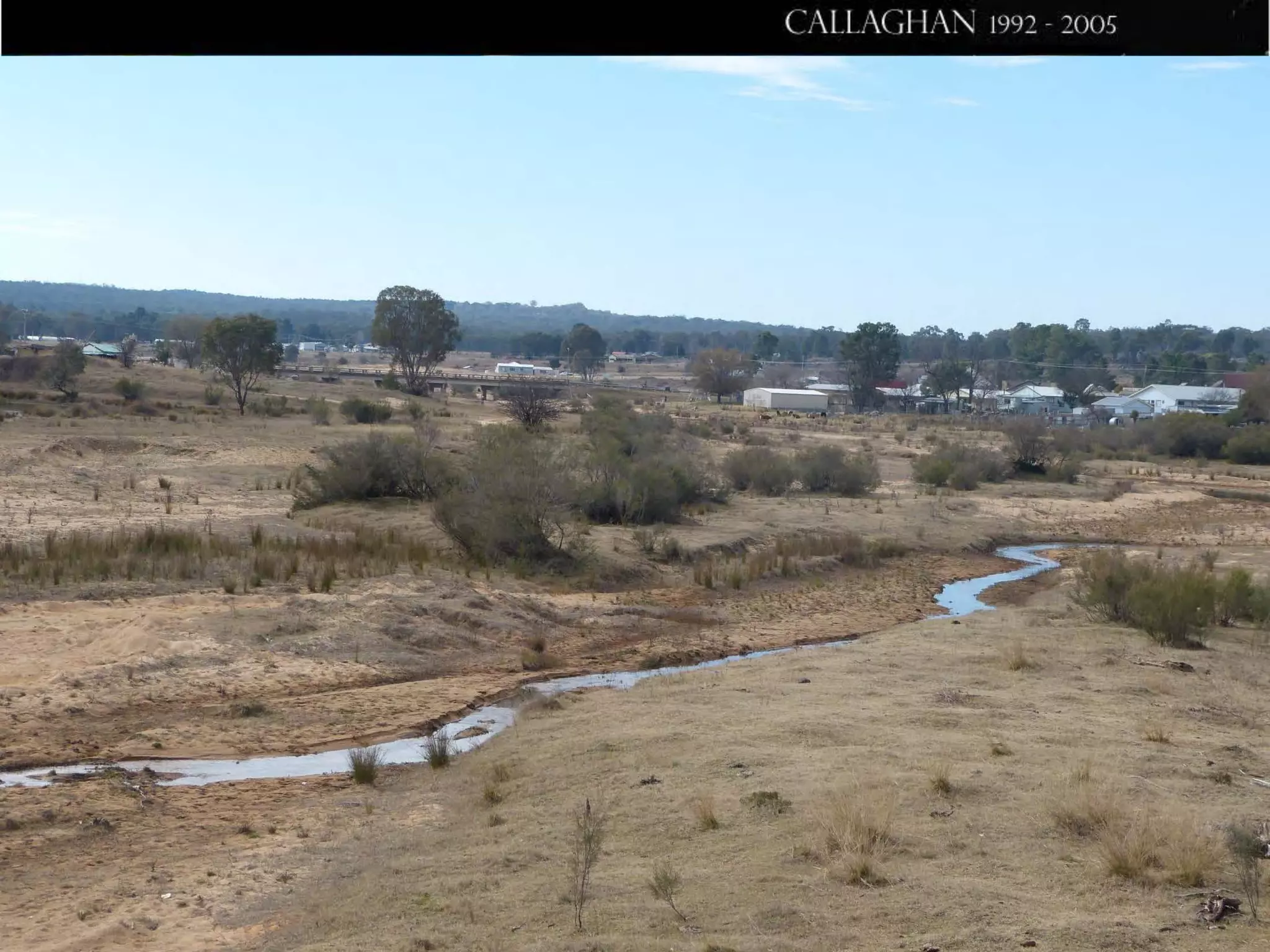
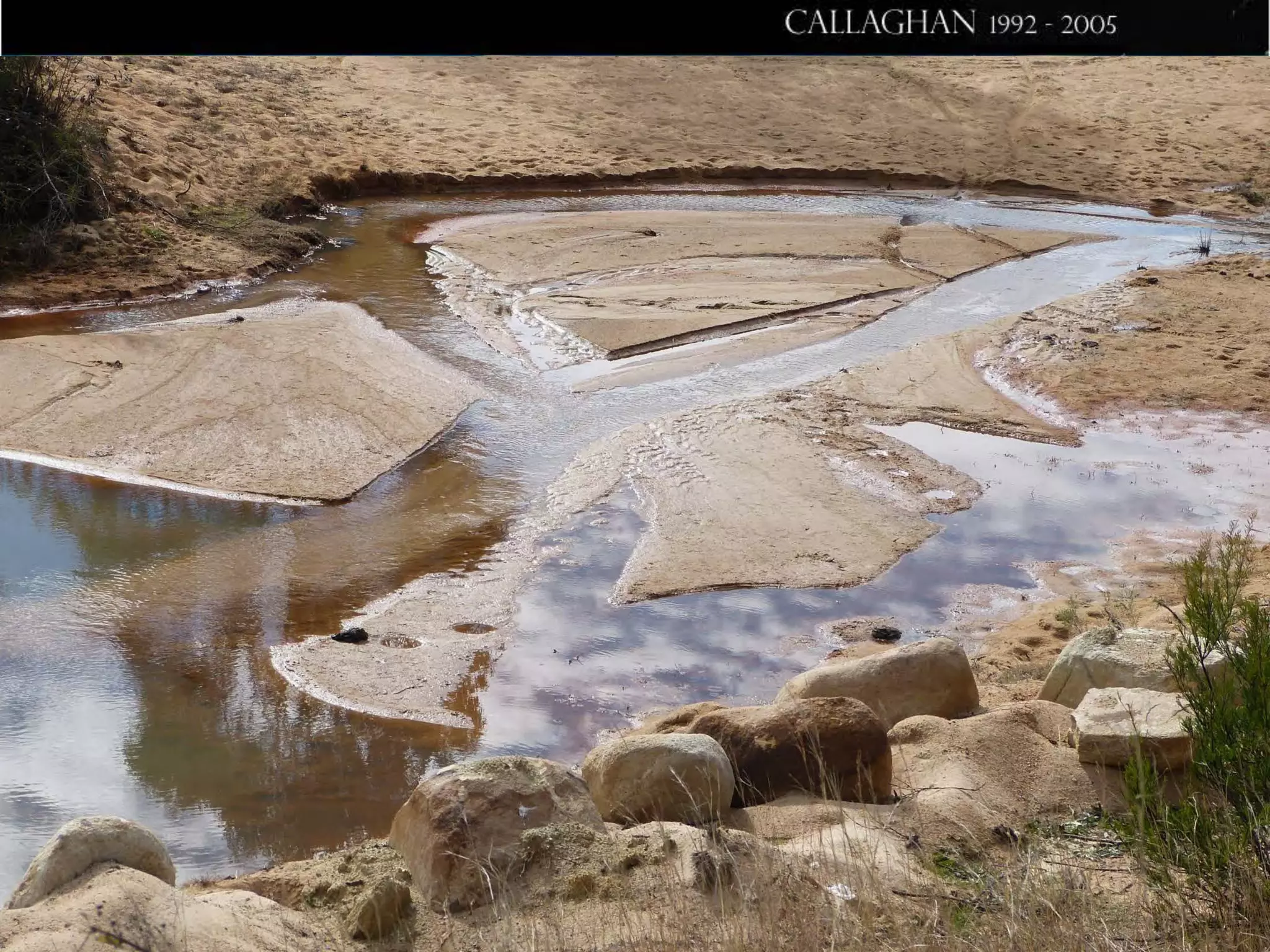
drying landscapes
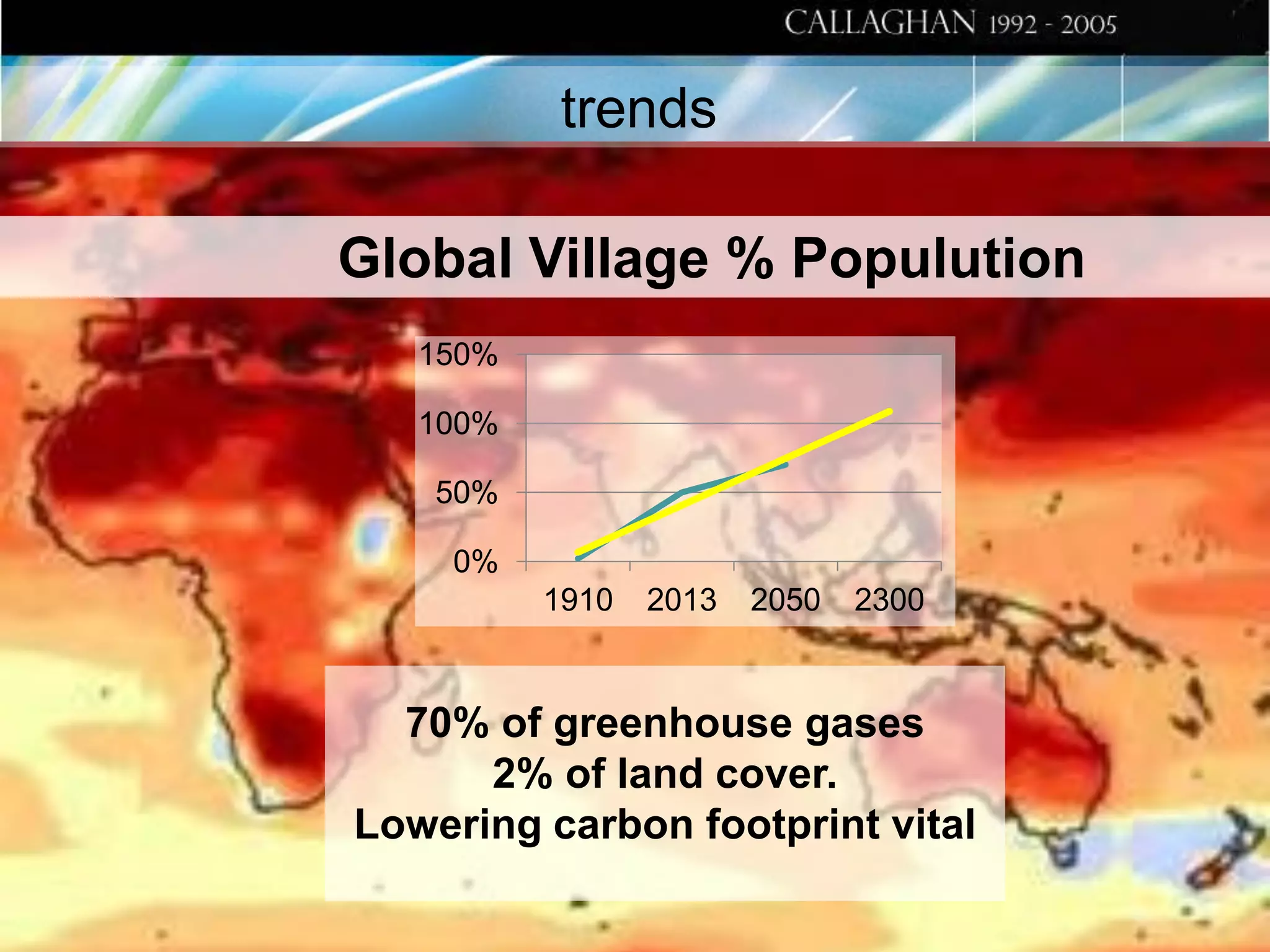
trends
Global Village % Populution
150%

100%
50%
0%

1910

2013

2050

2300

70% of greenhouse gases
2% of land cover.
Lowering carbon footprint vital
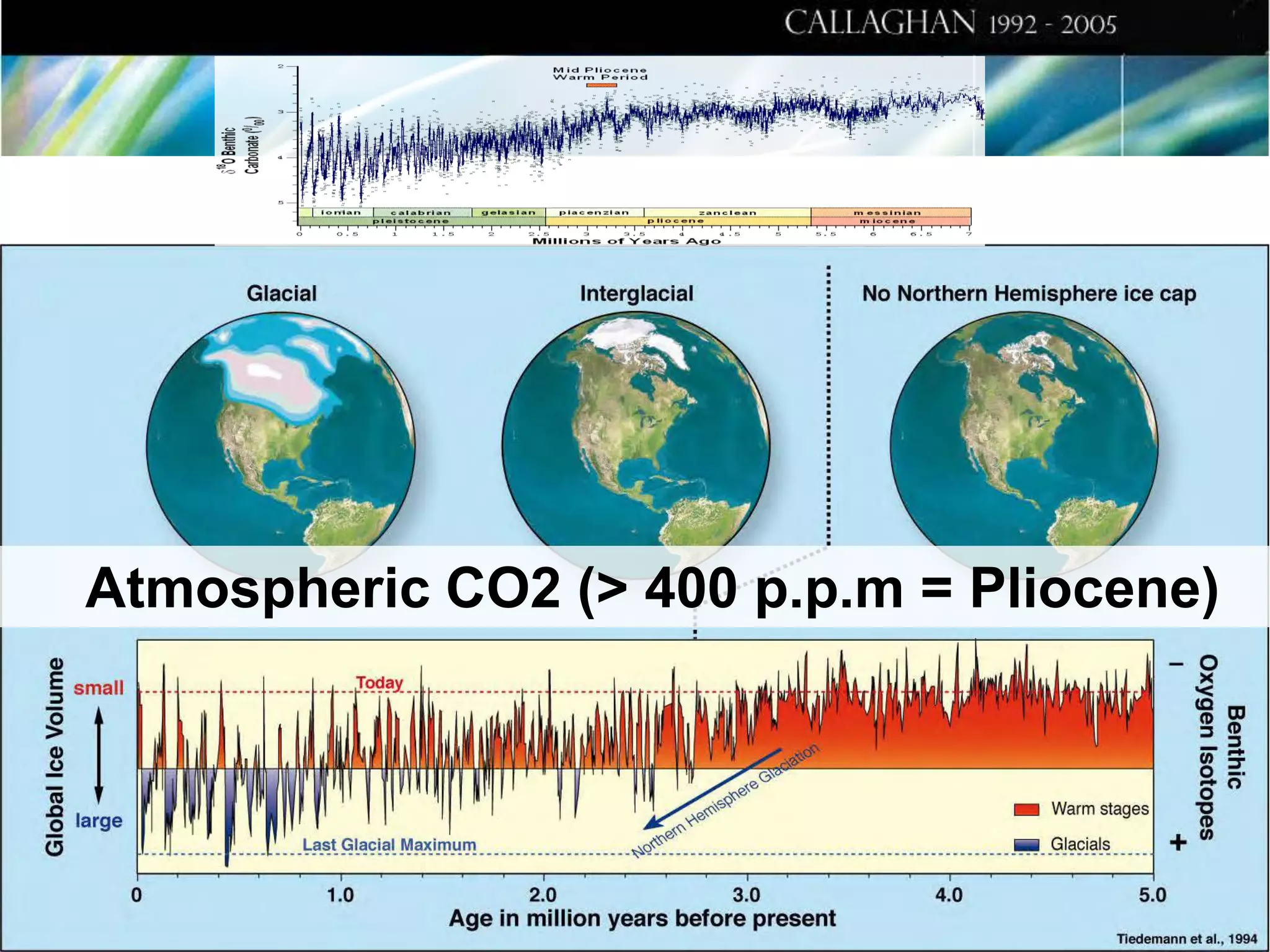
Atmospheric CO2 (> 400 p.p.m = Pliocene)
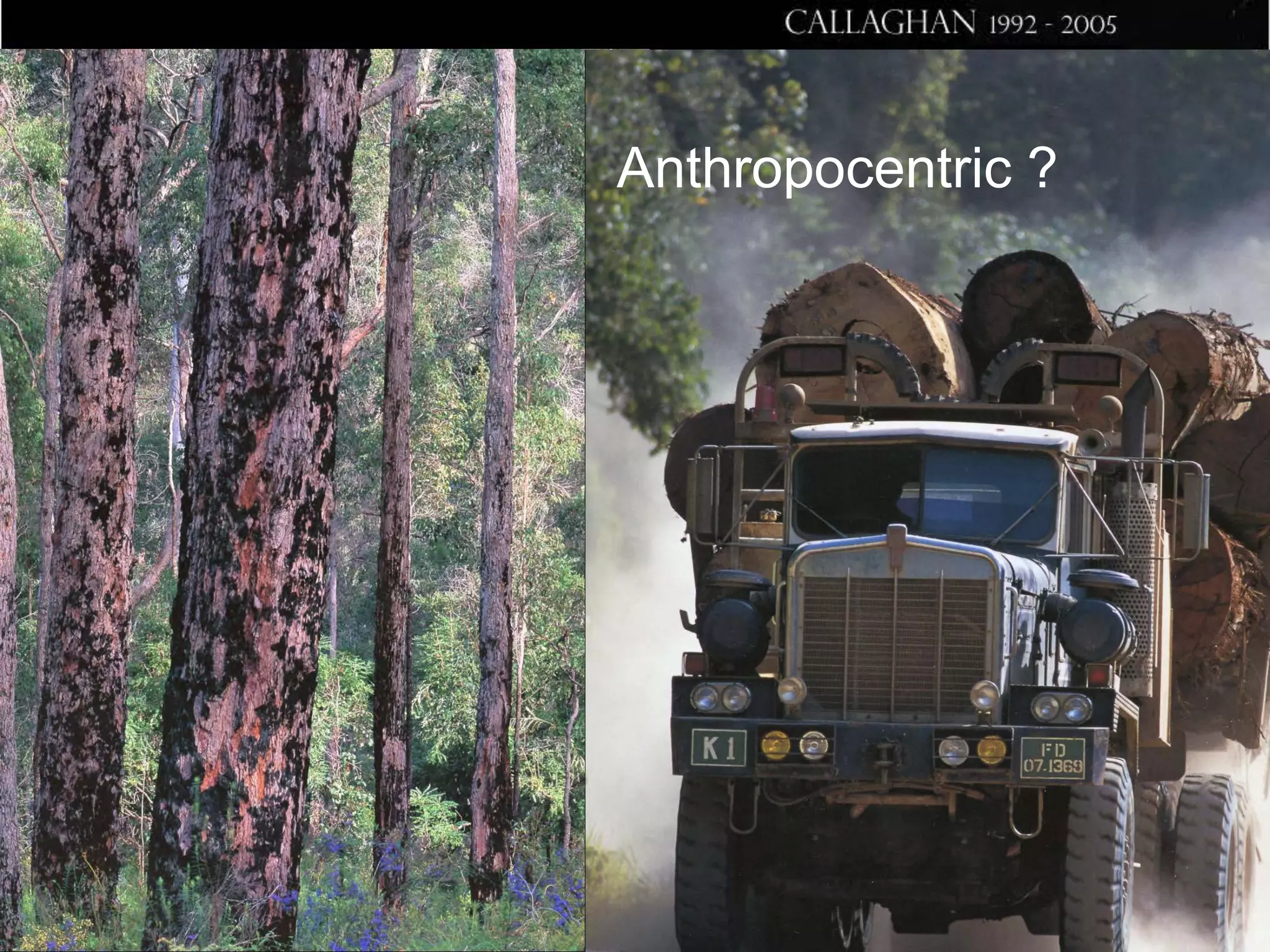
Anthropocentric ?
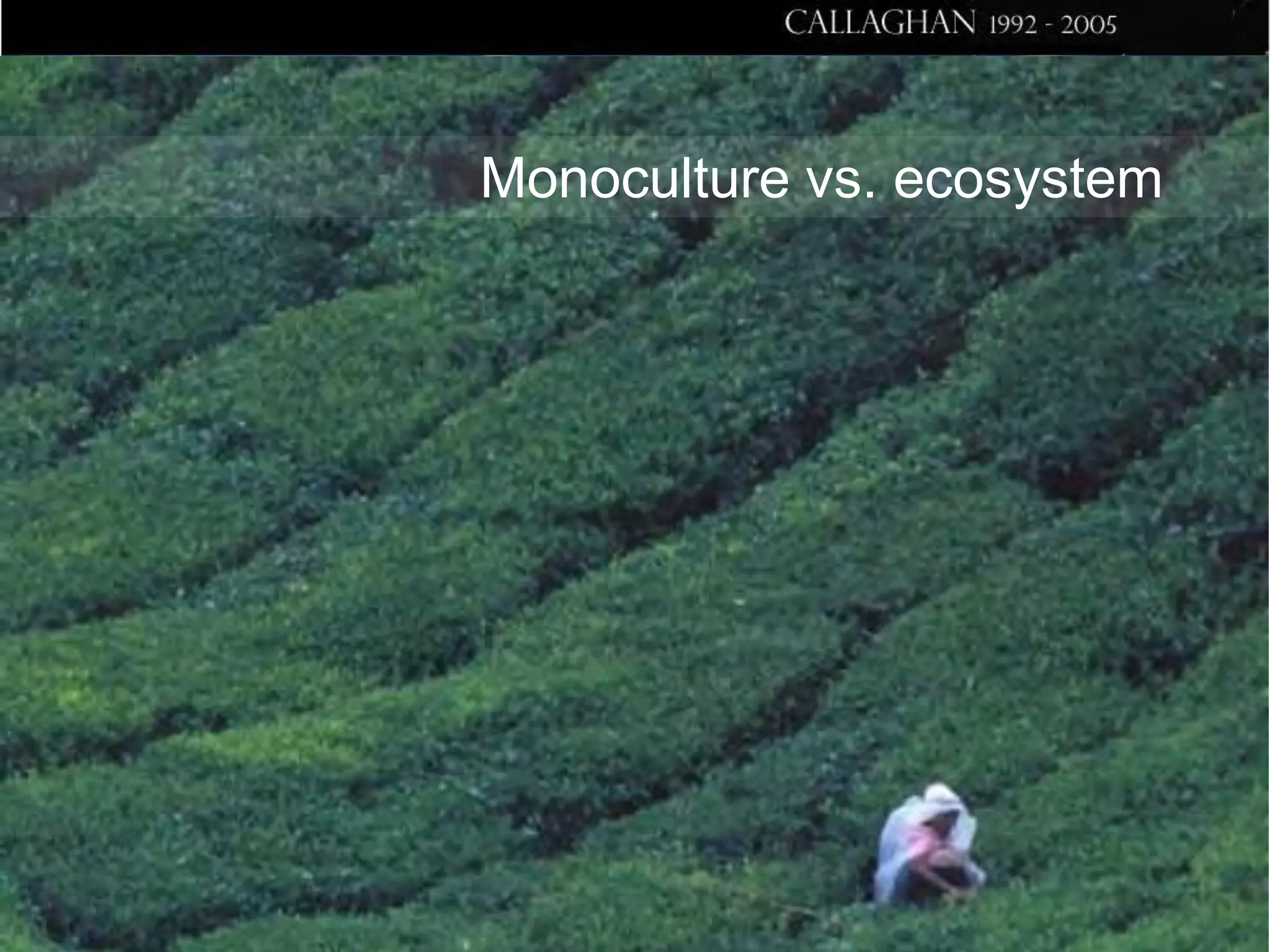
Monoculture vs. ecosystem
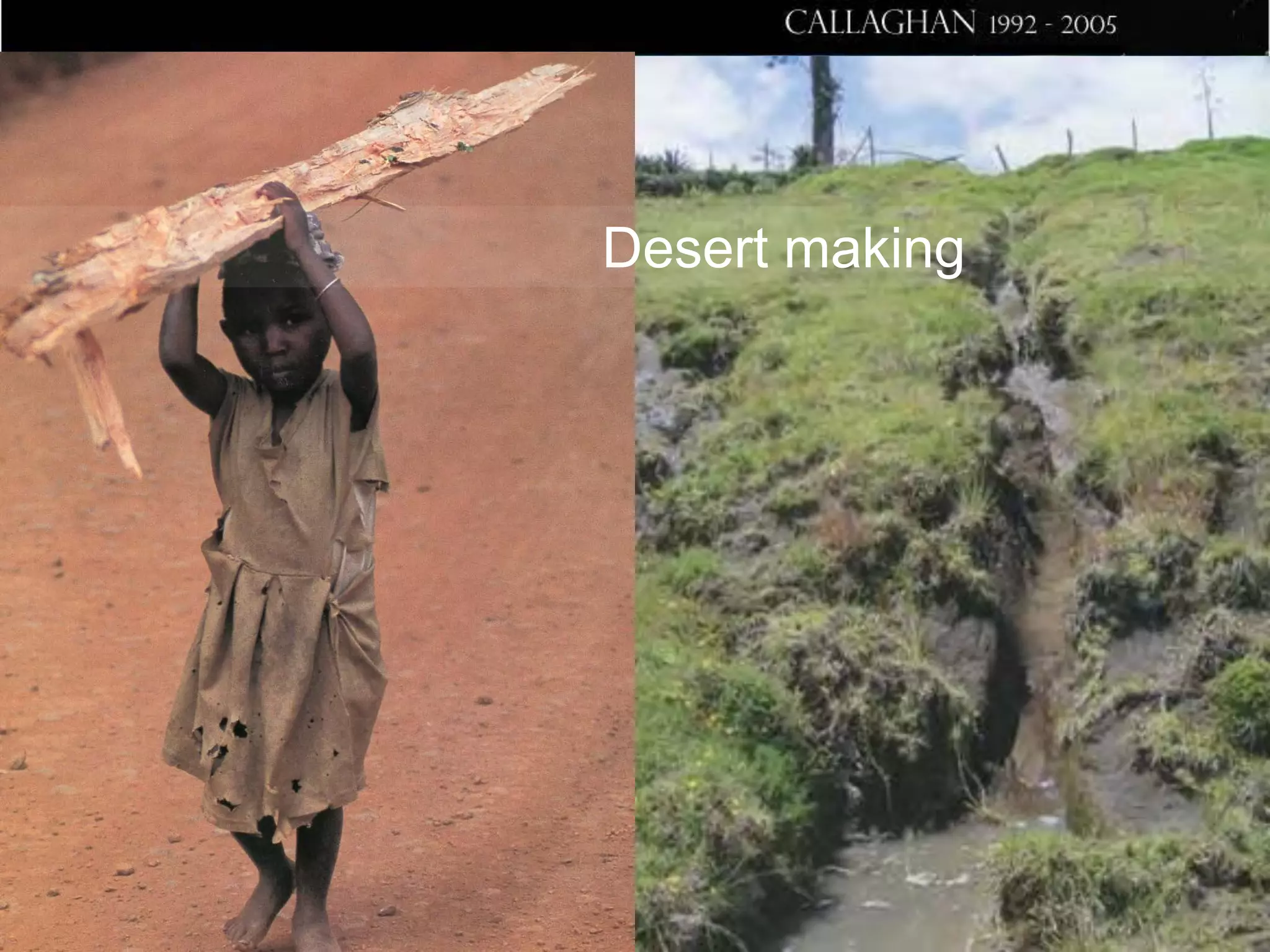
Desert making
Choices
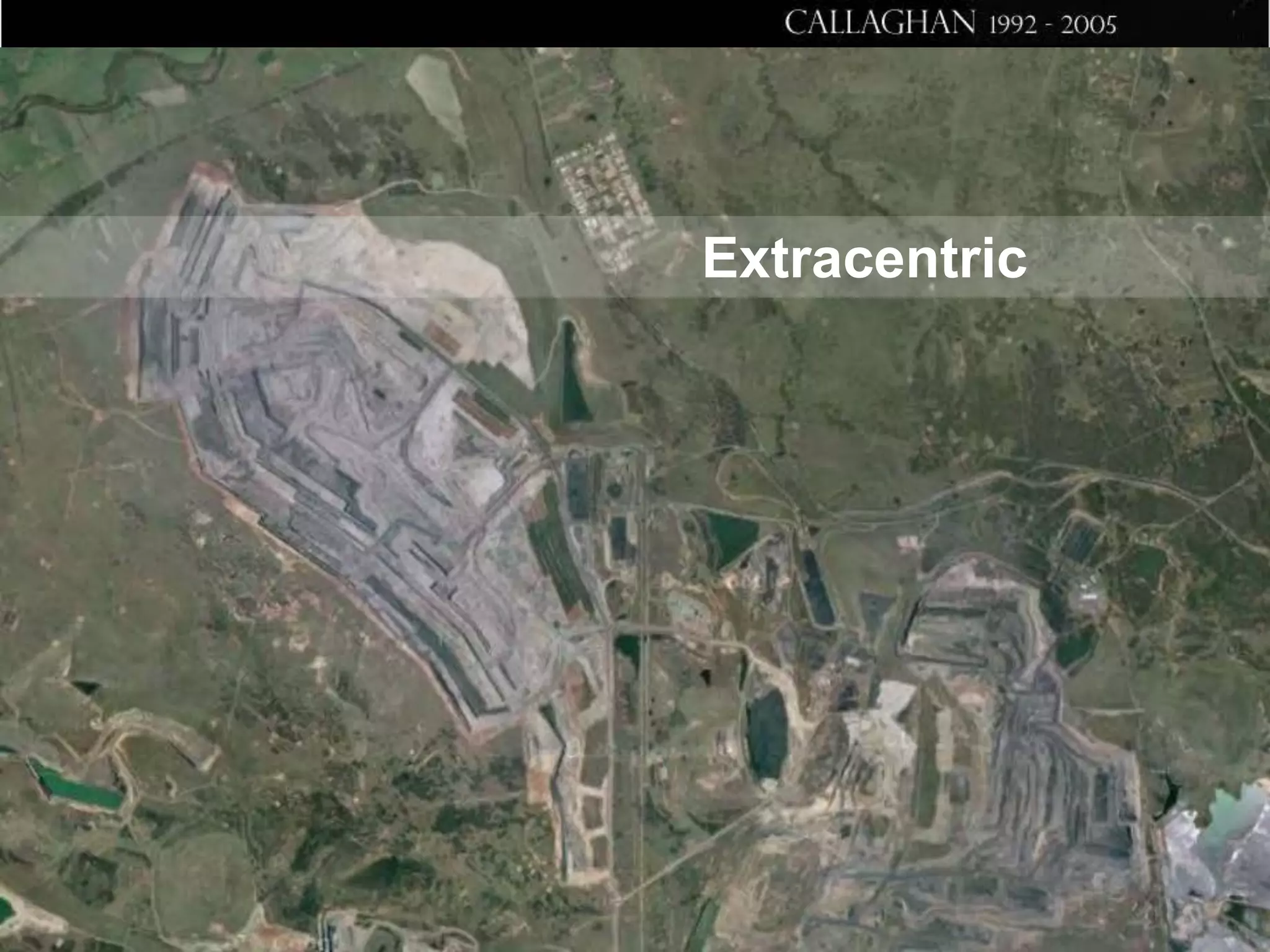
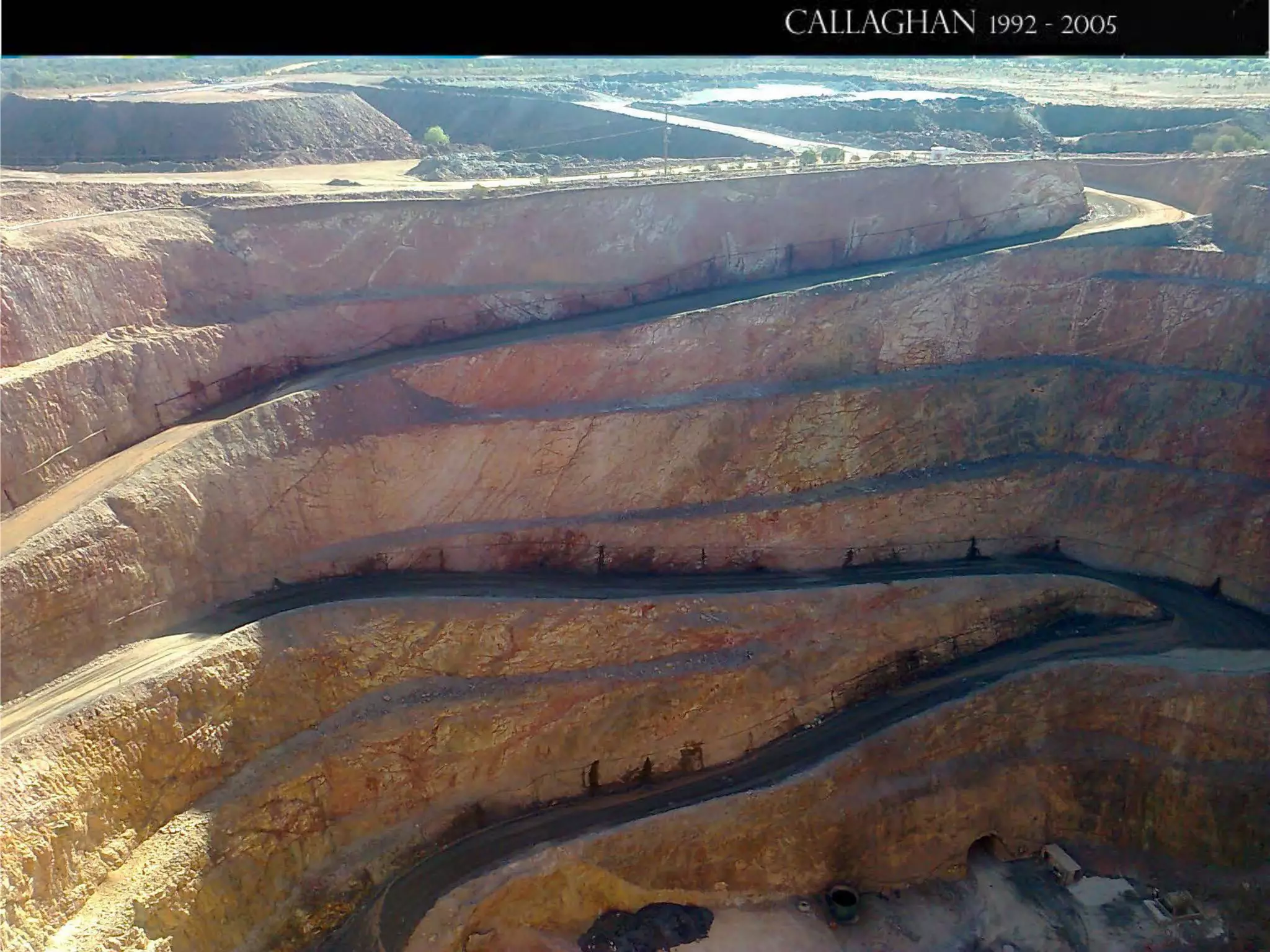
Extracentric
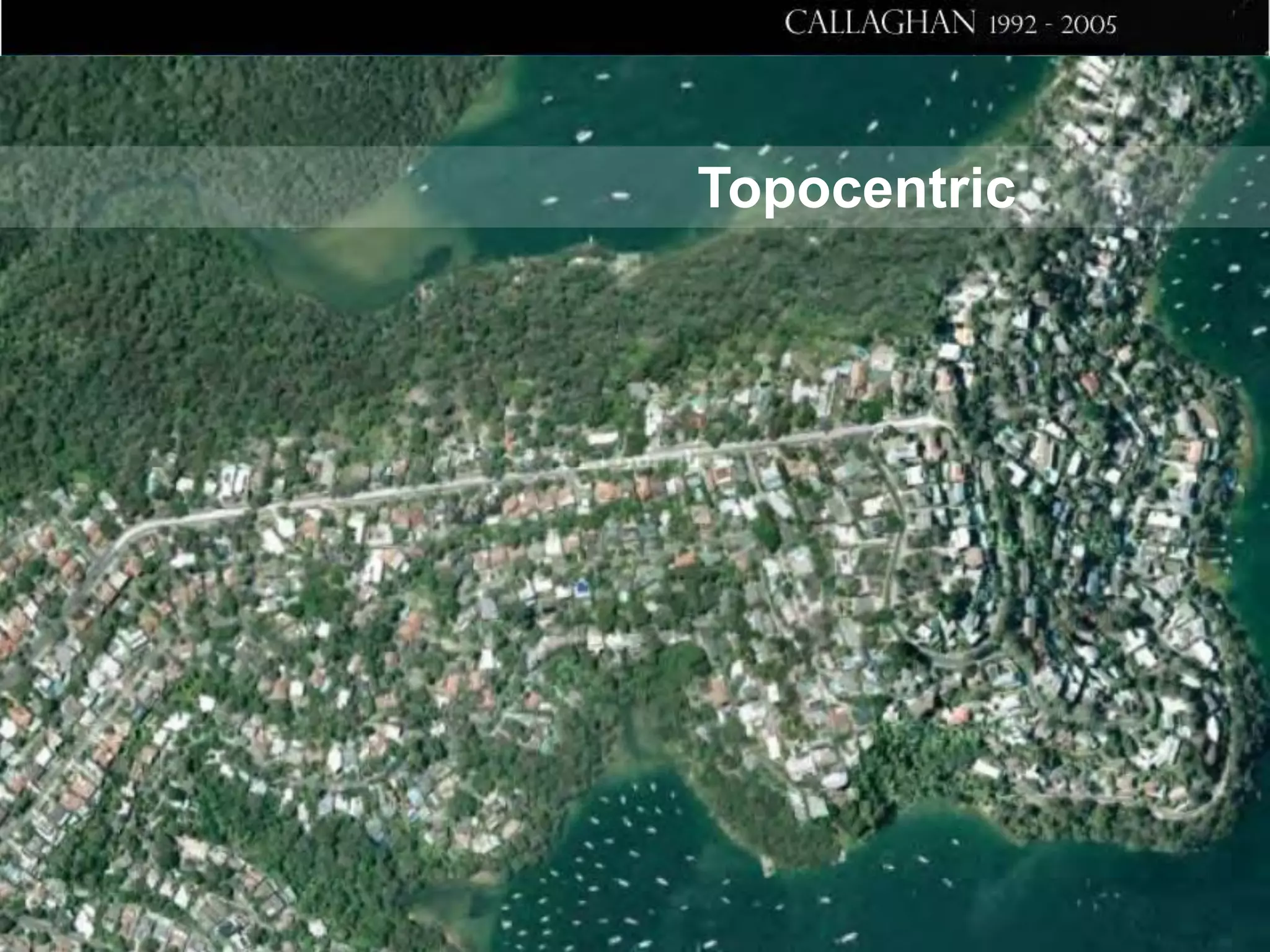
Topocentric
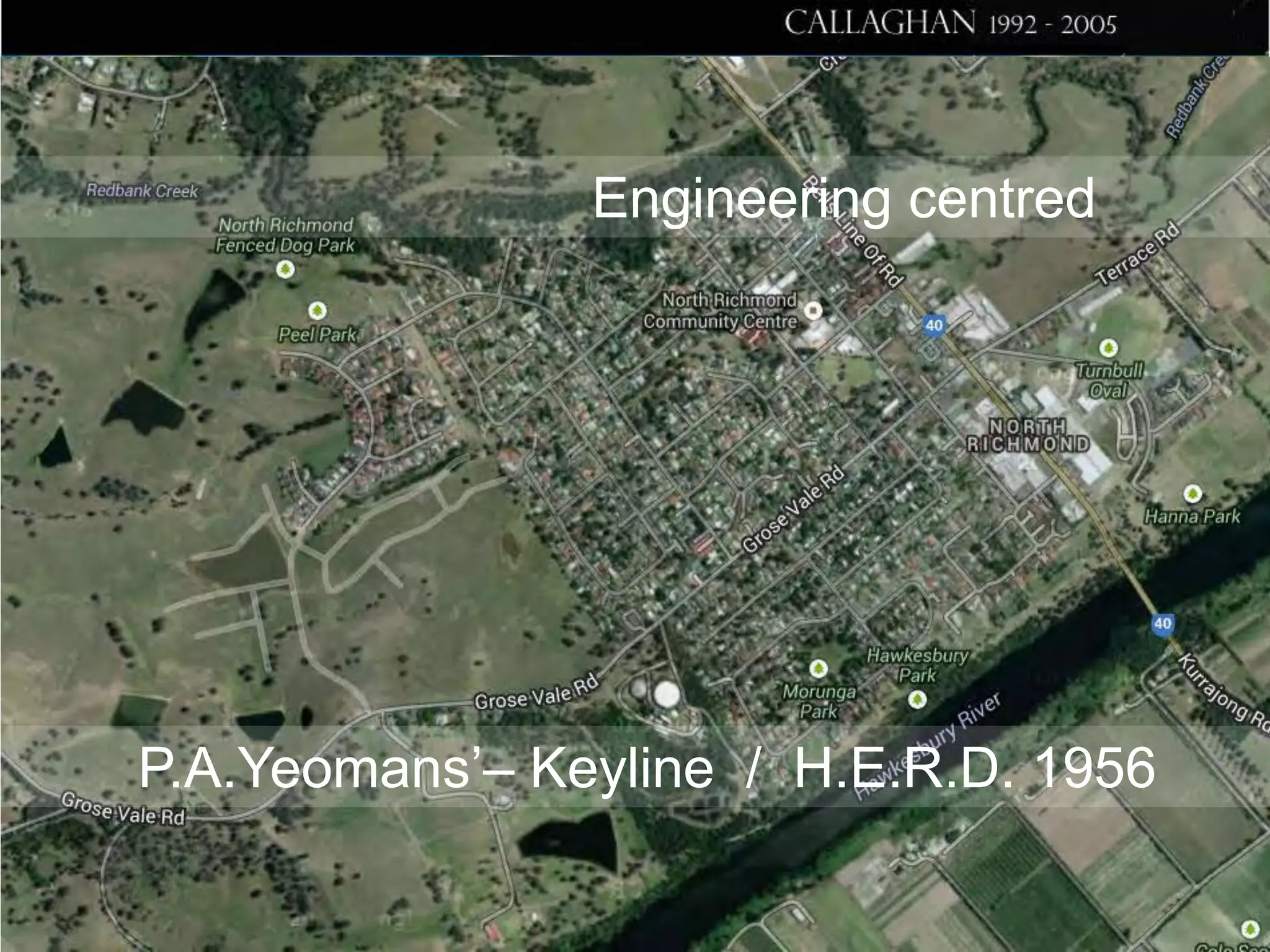
Engineering centred

P.A.Yeomans’– Keyline / H.E.R.D. 1956
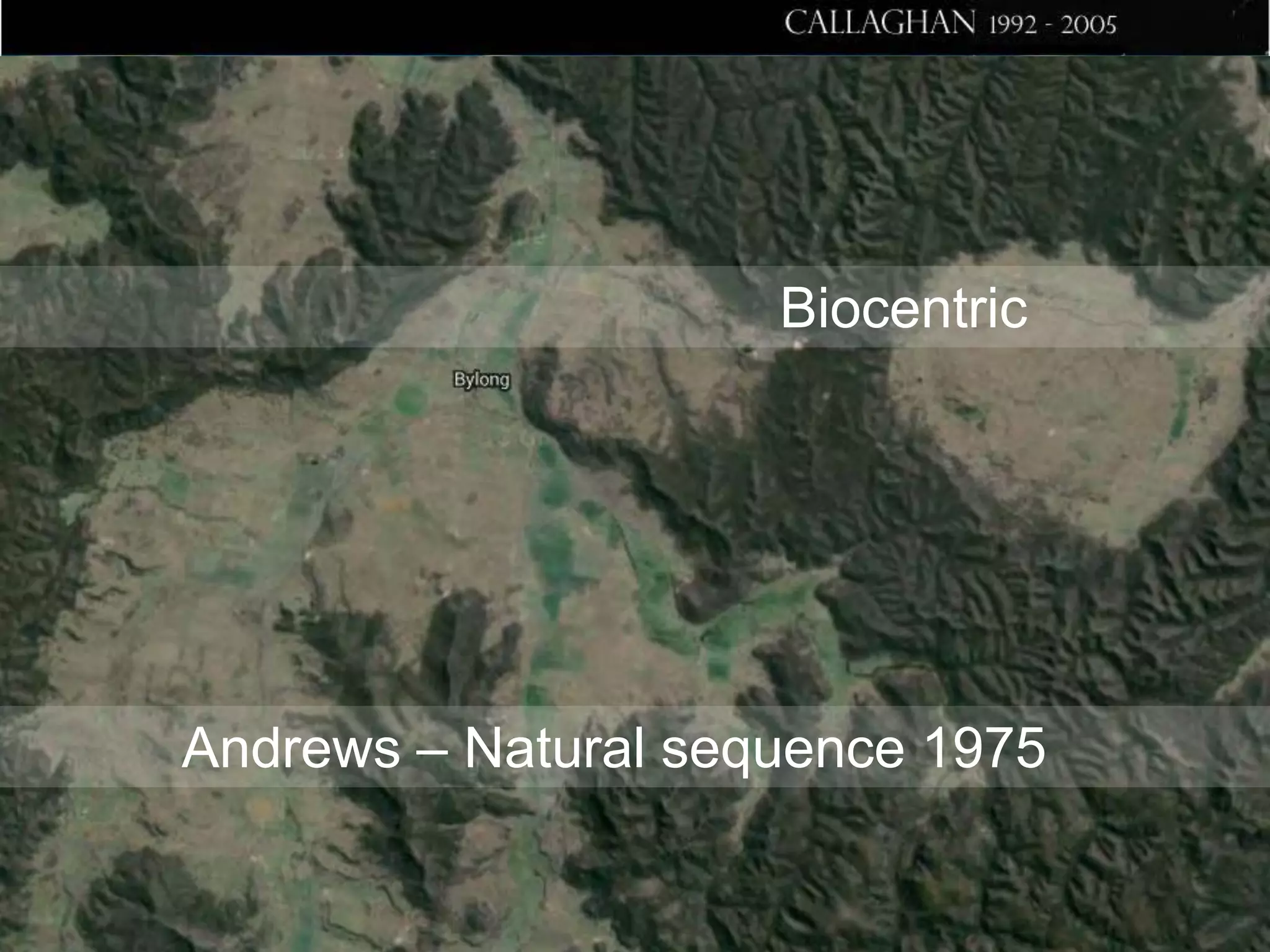
Biocentric

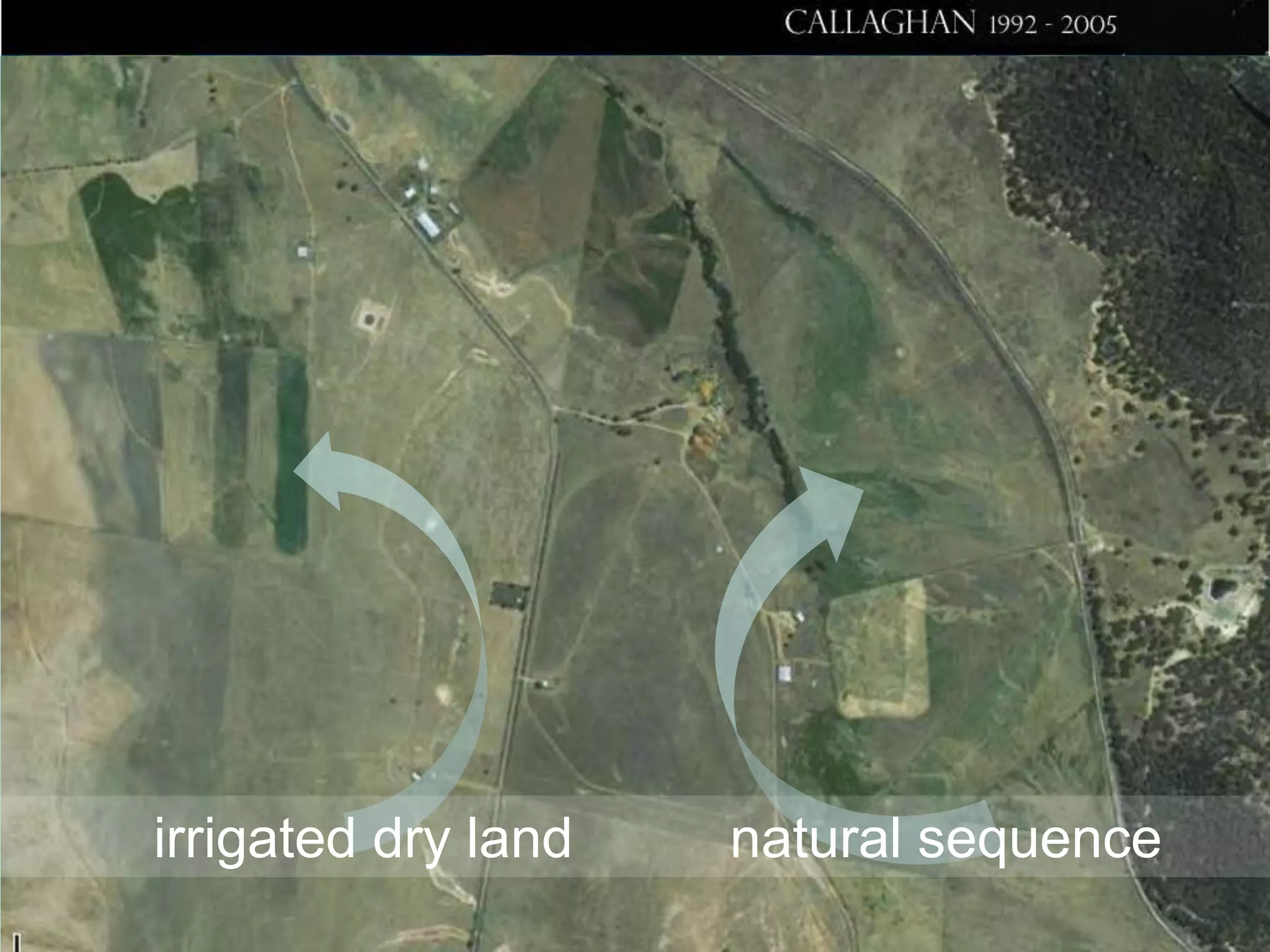
Andrews – Natural sequence 1975
irrigated dry land

natural sequence
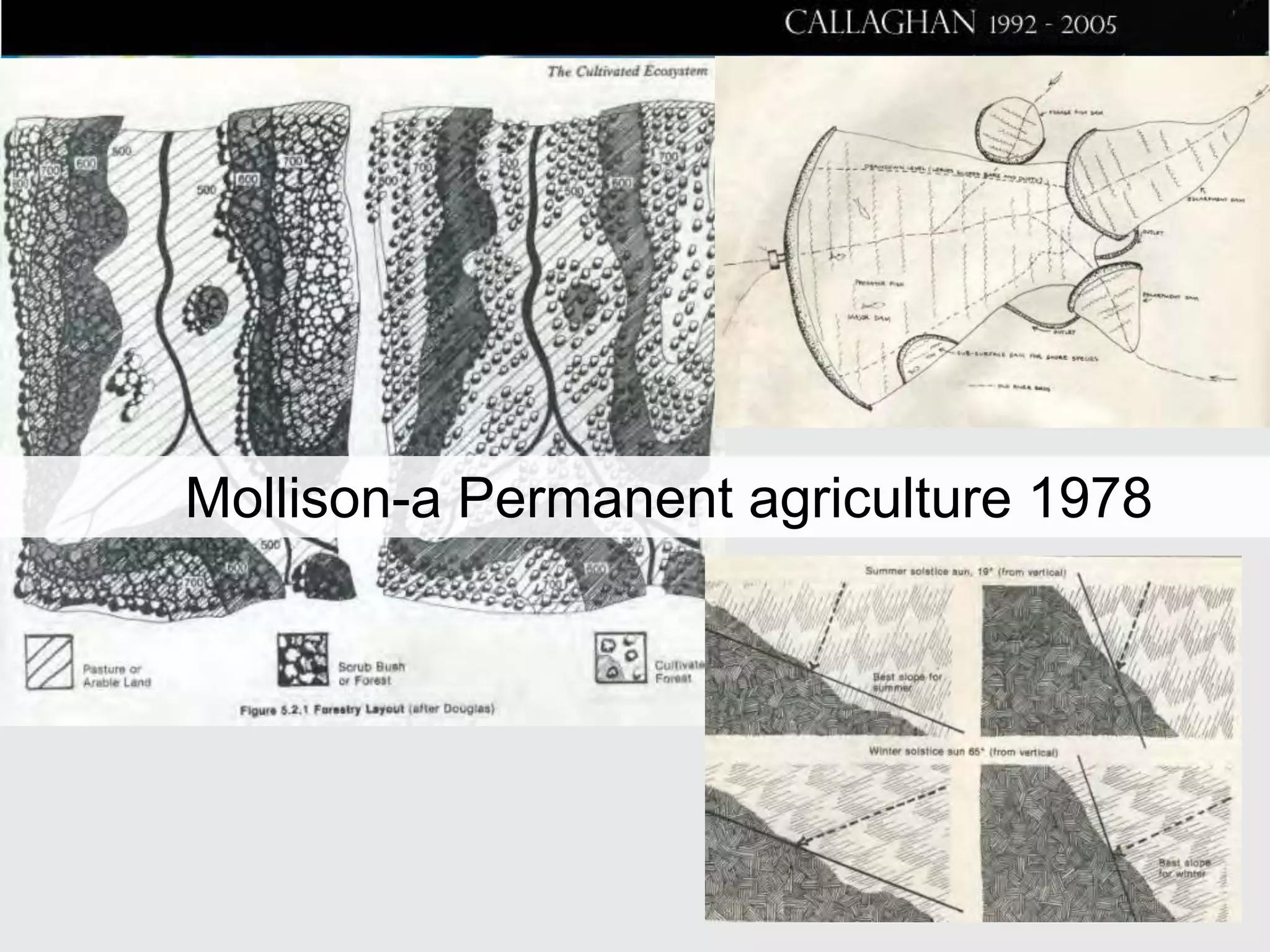
Mollison-a Permanent agriculture 1978
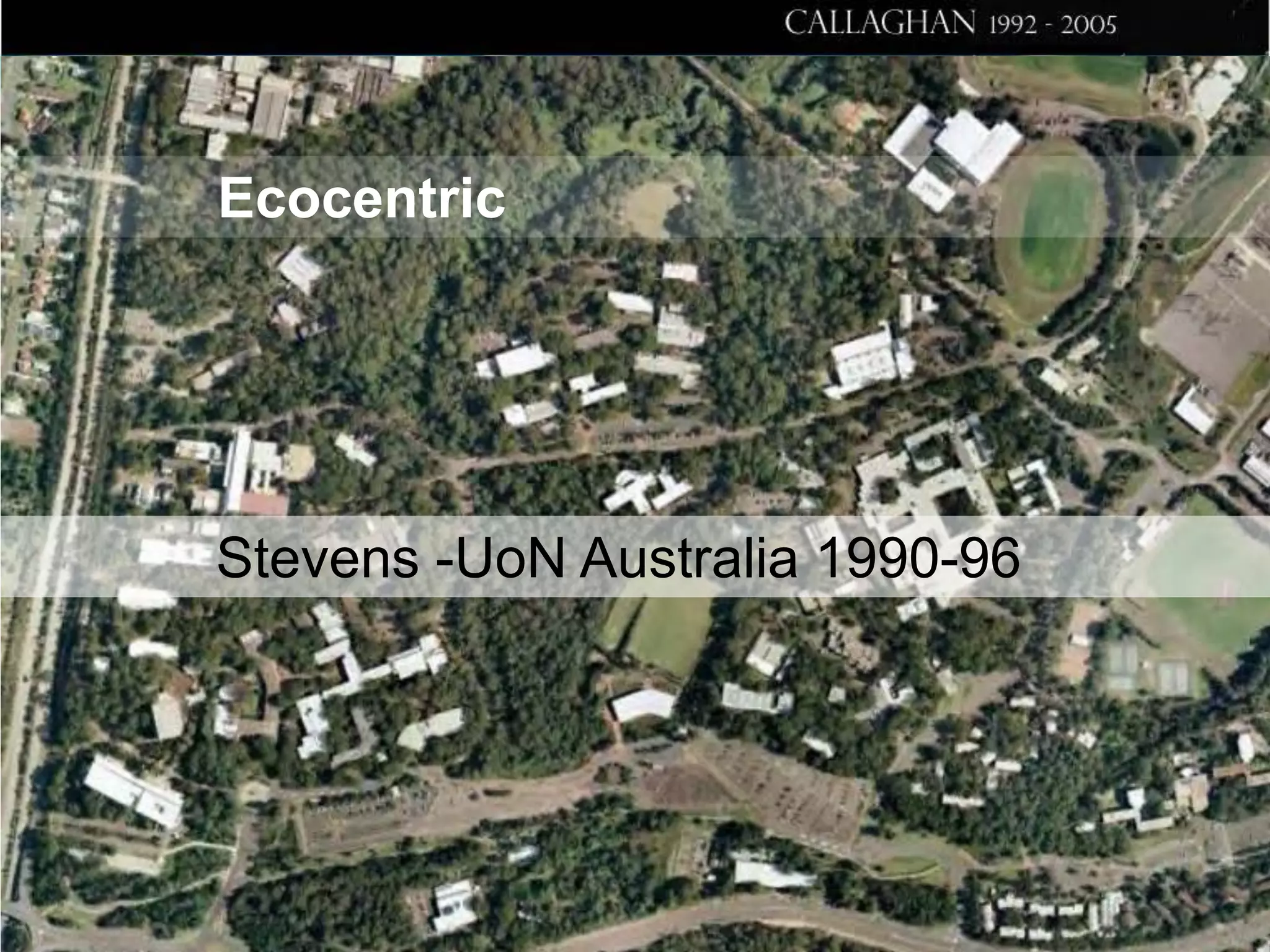
Ecocentric

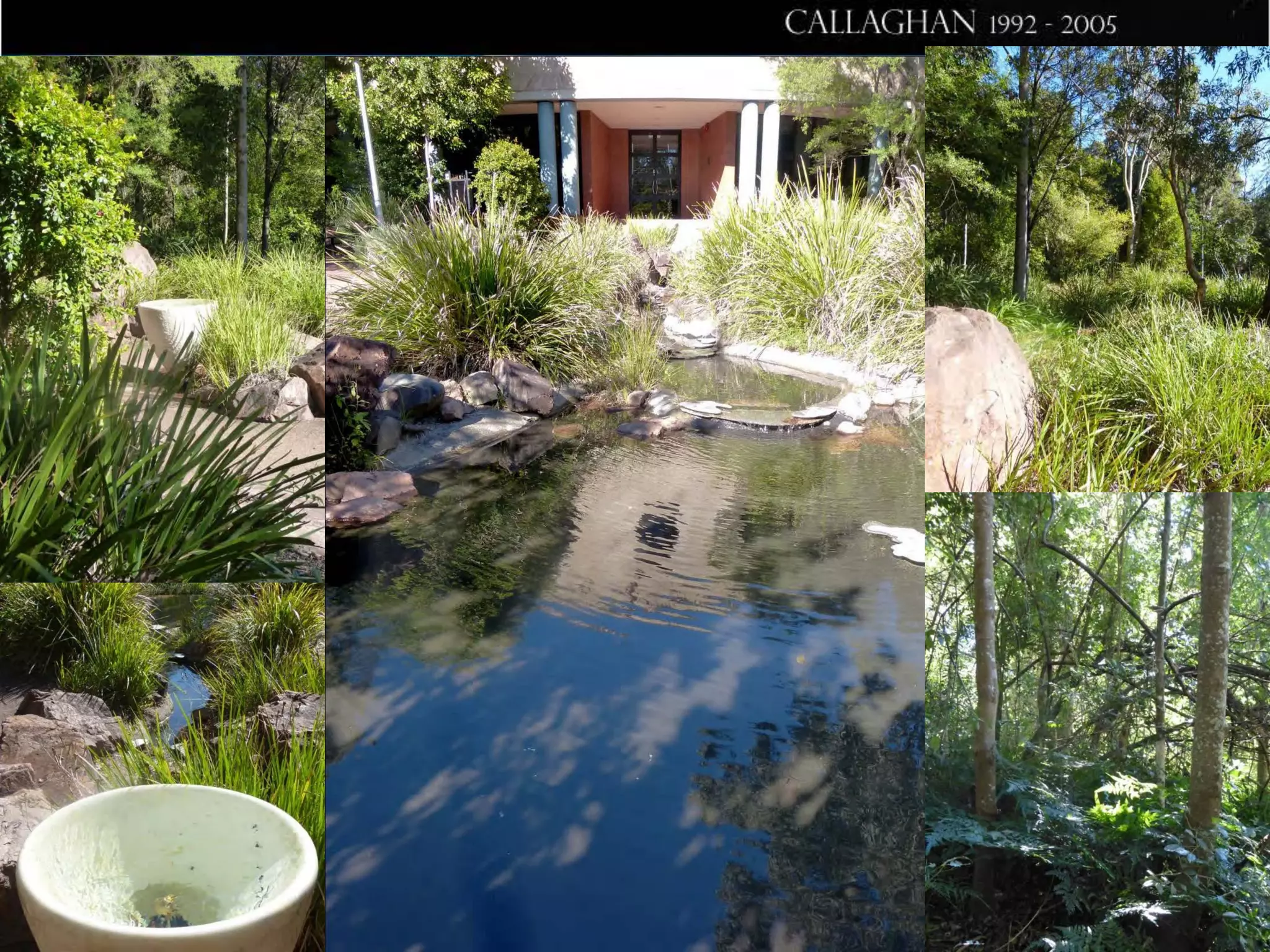
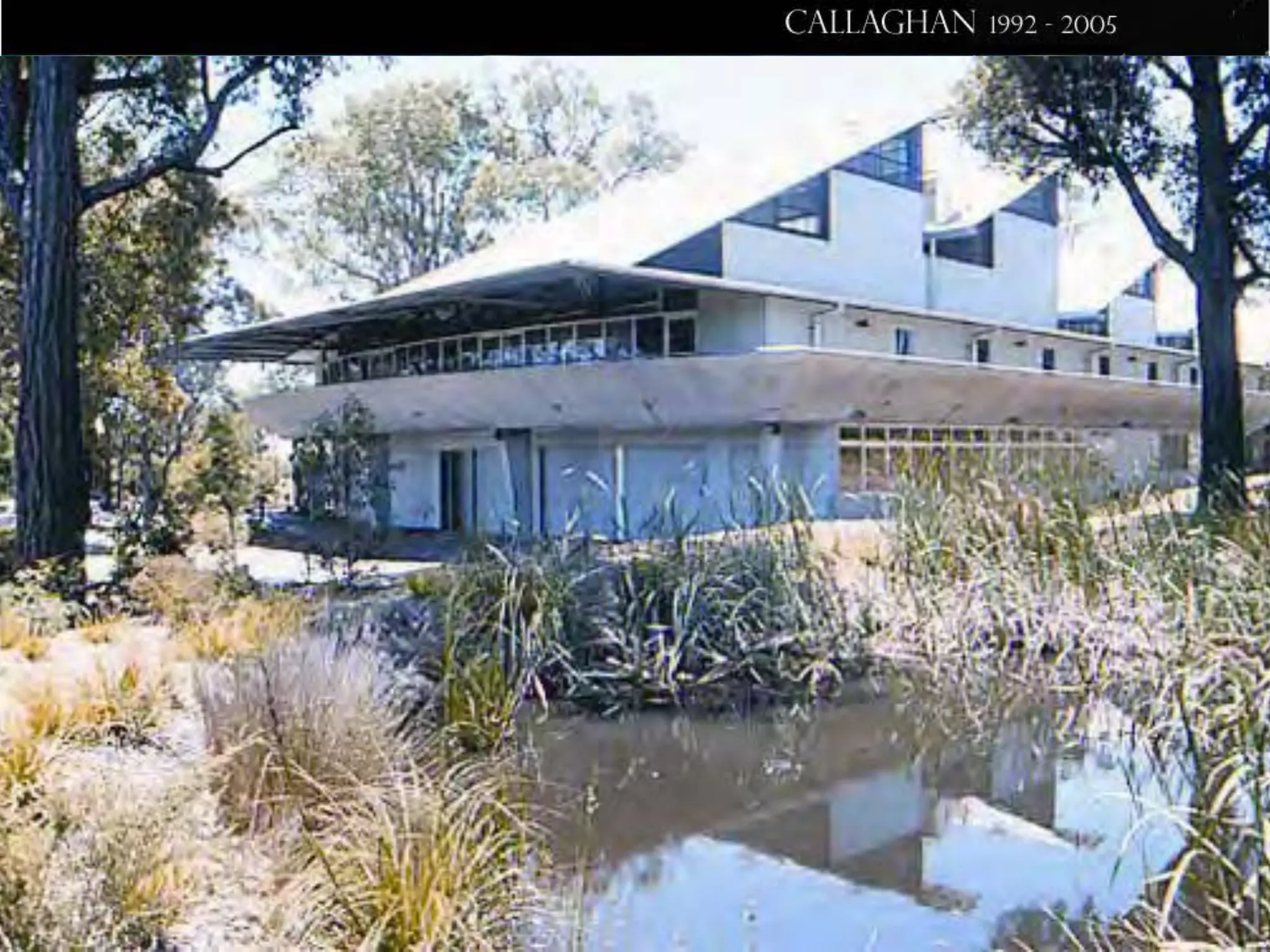
Stevens -UoN Australia 1990-96
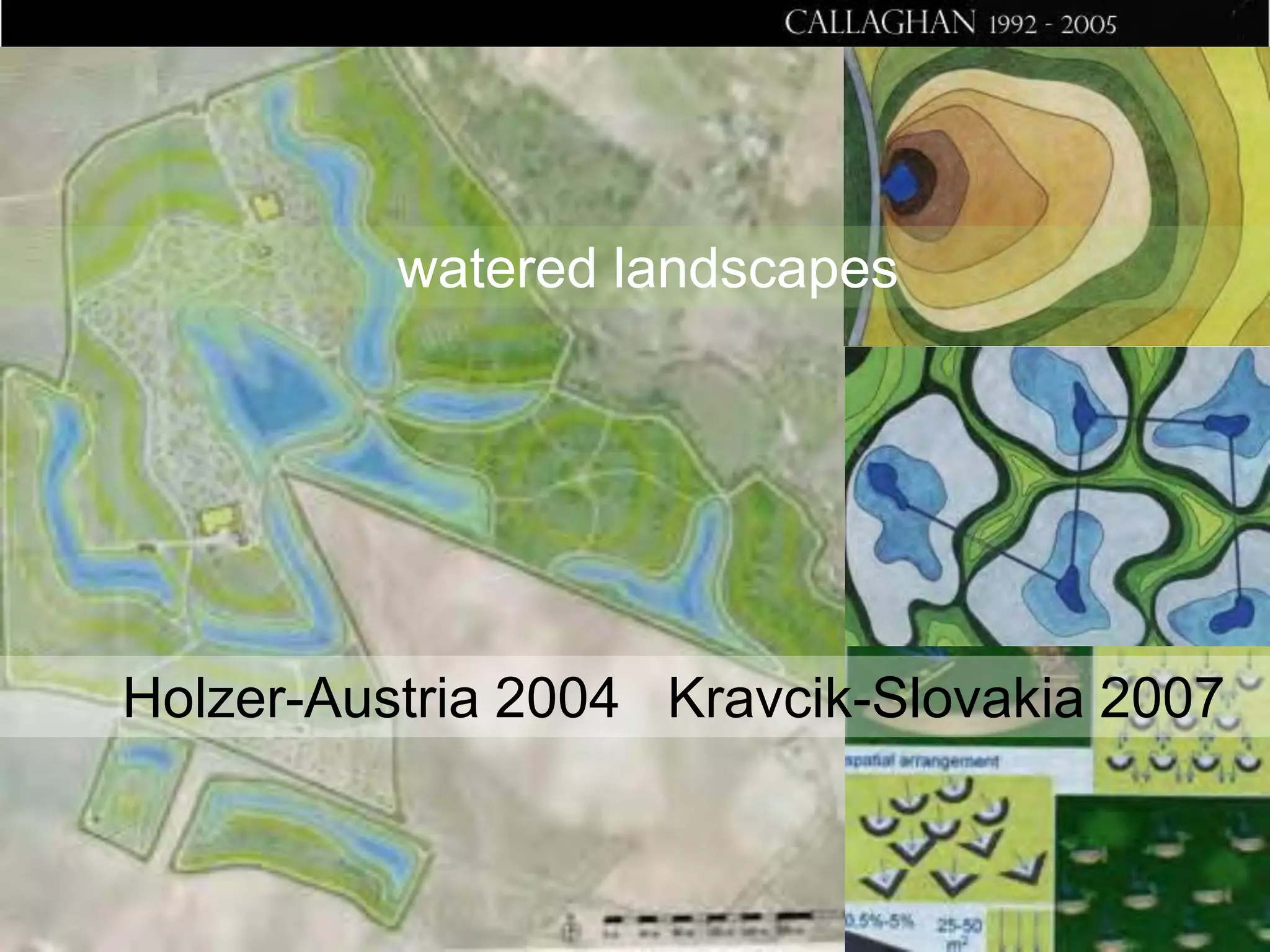
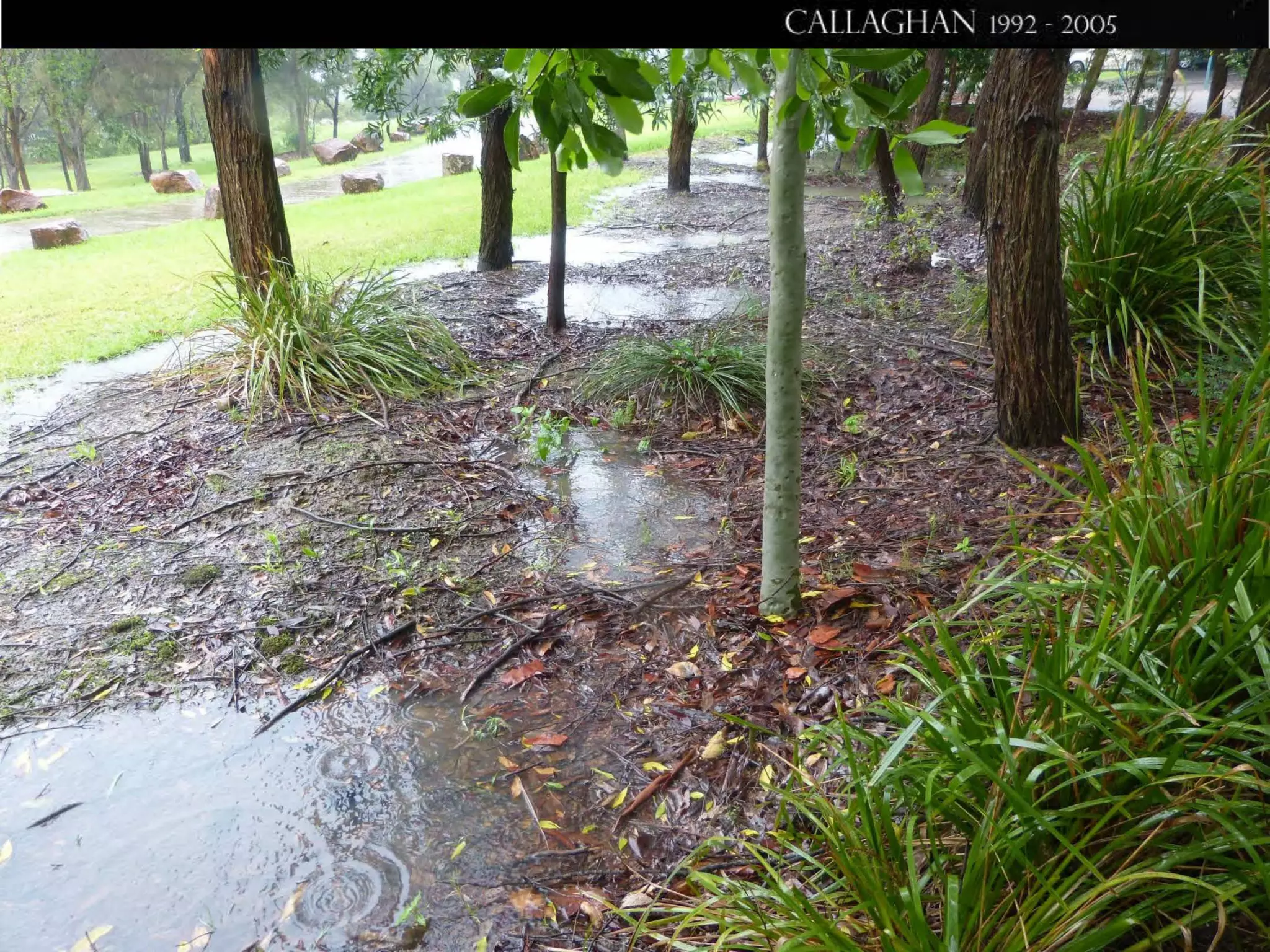
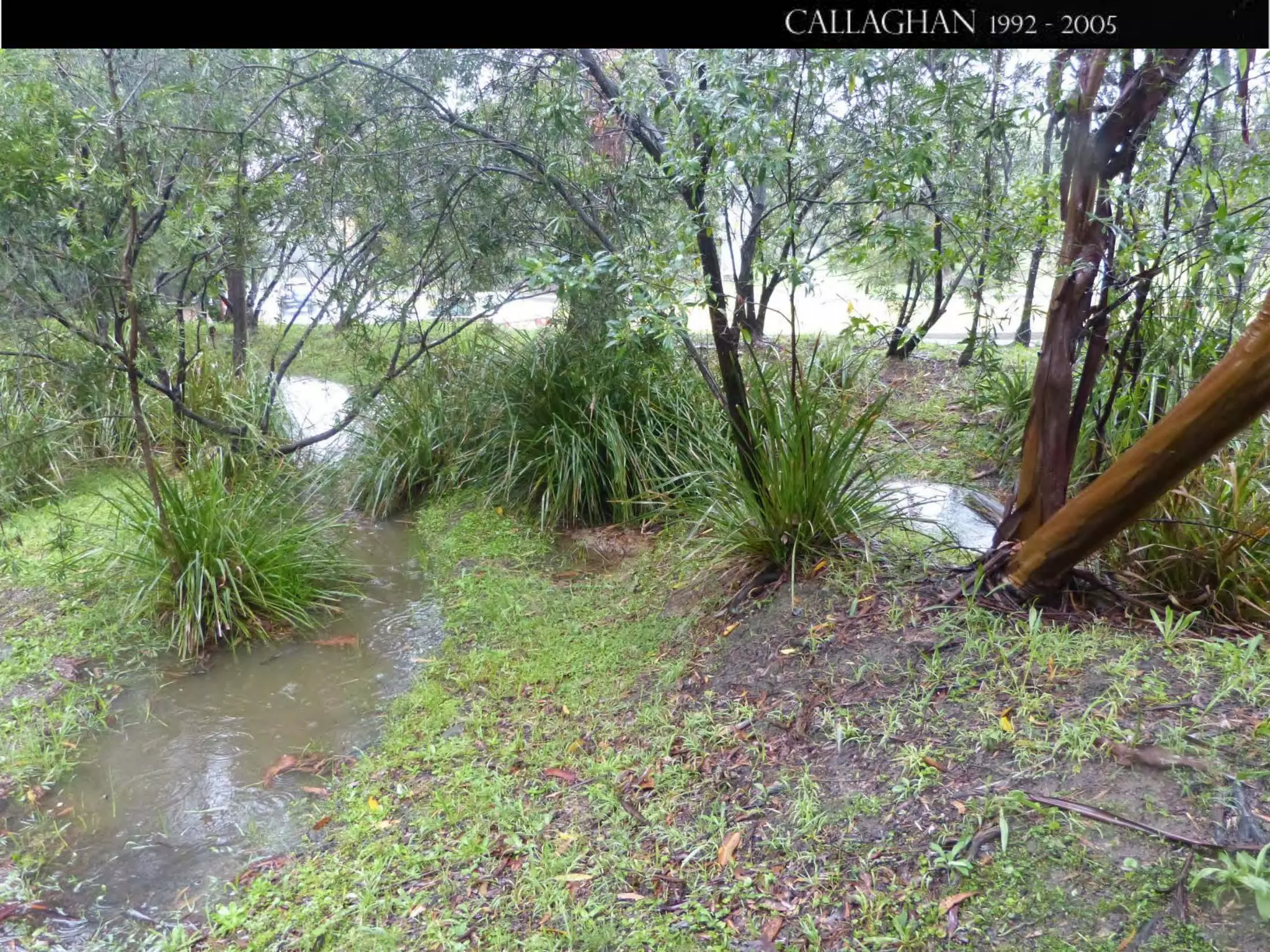
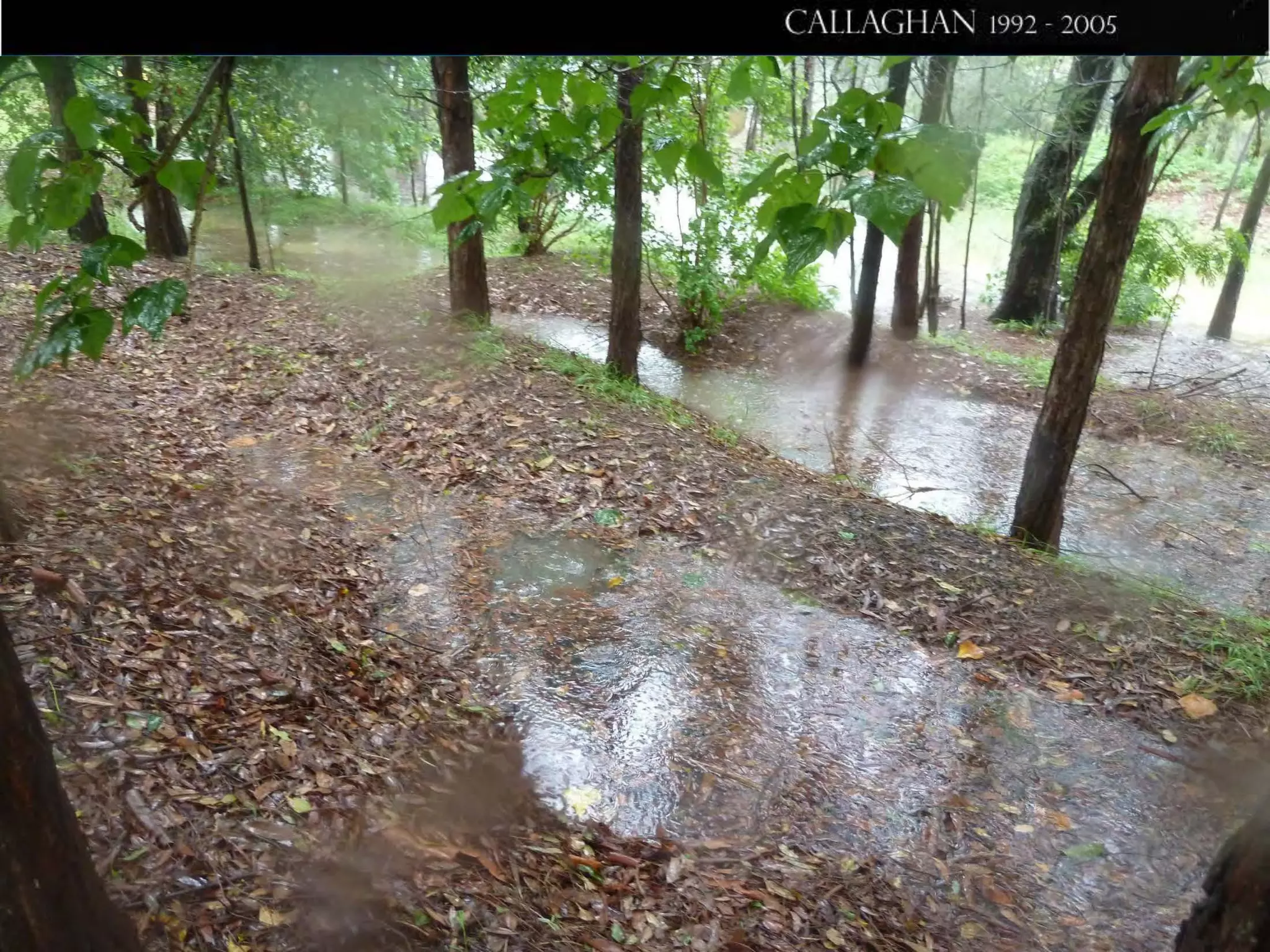
watered landscapes

Holzer-Austria 2004 Kravcik-Slovakia 2007
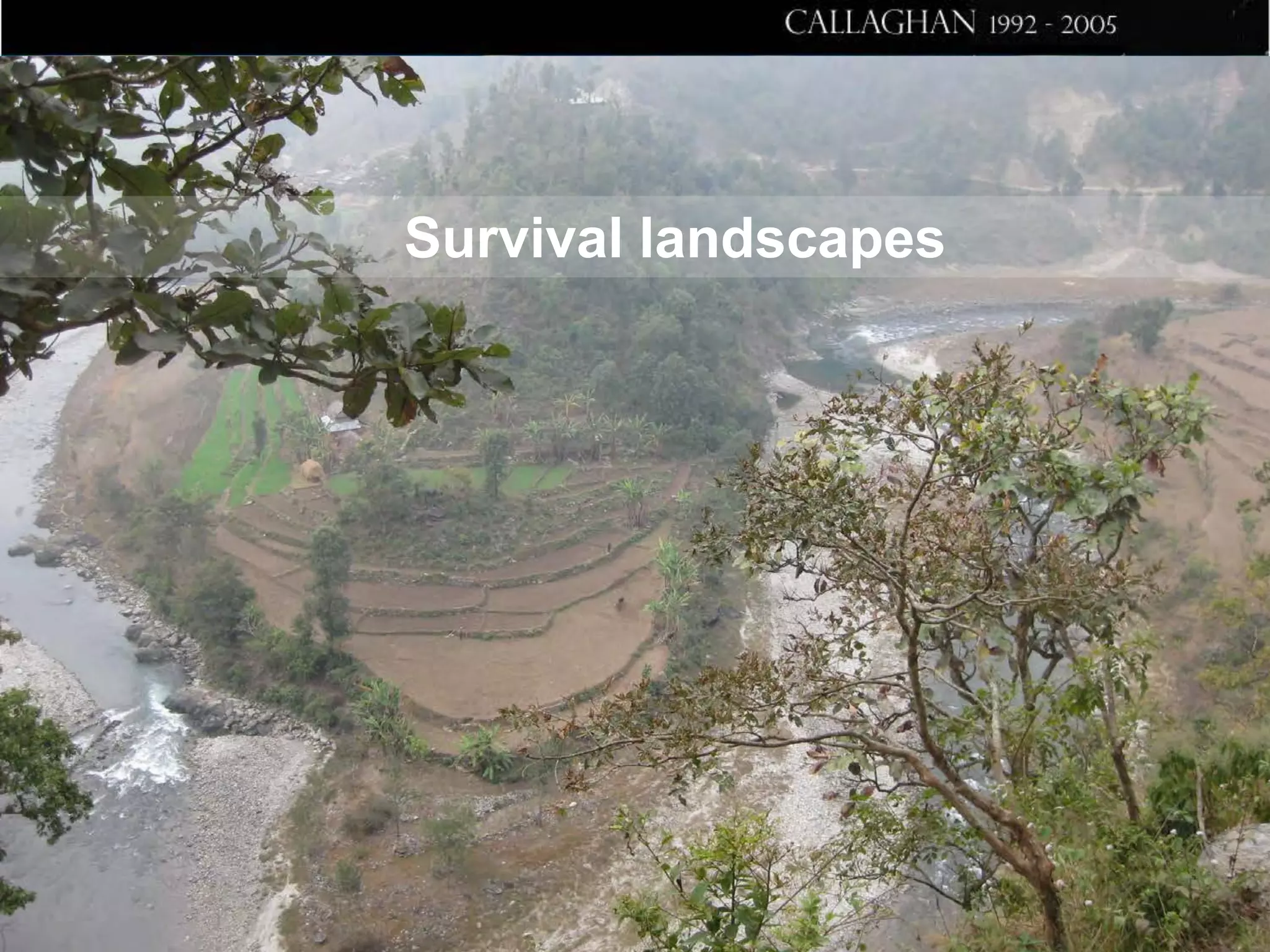
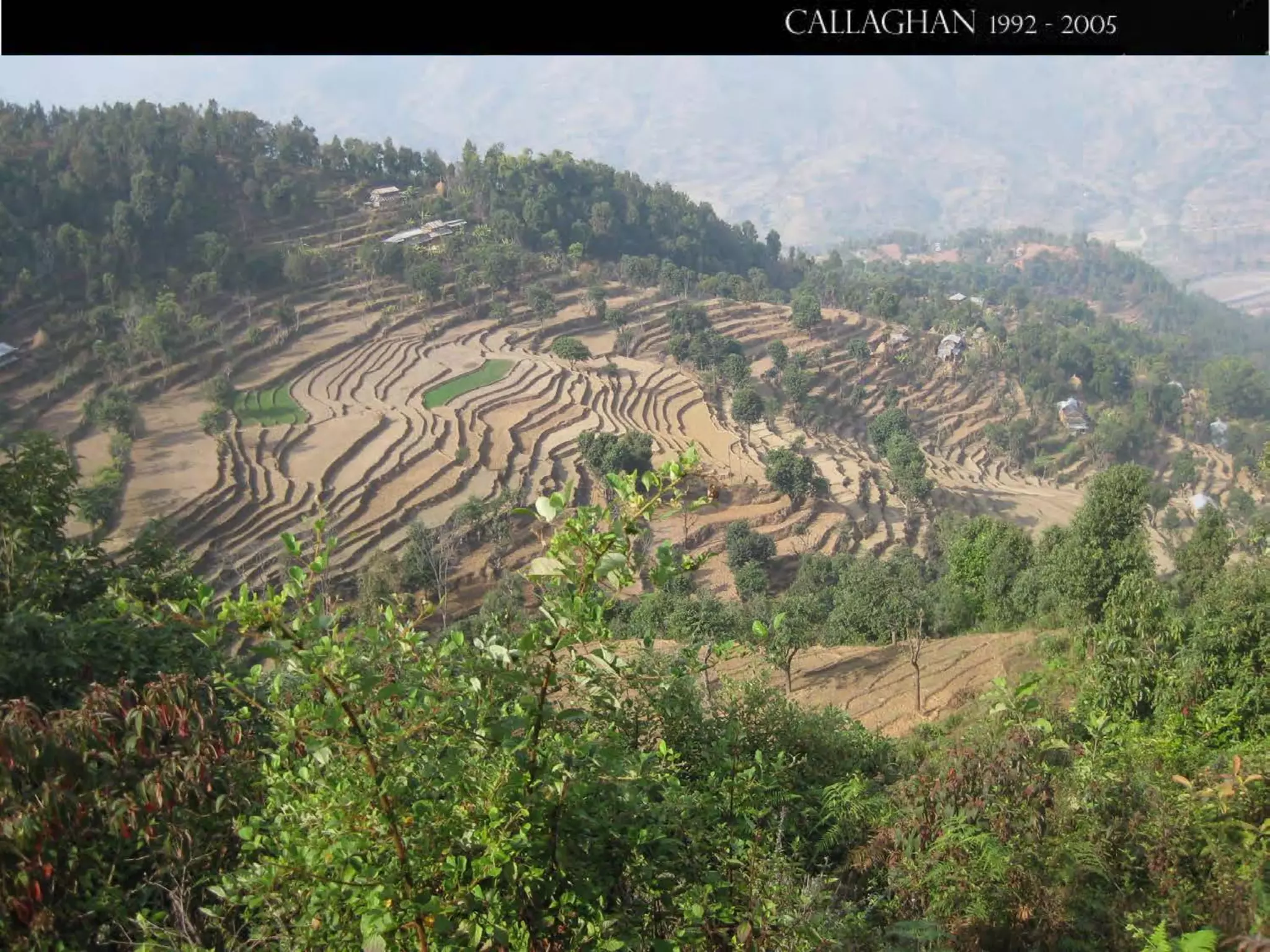
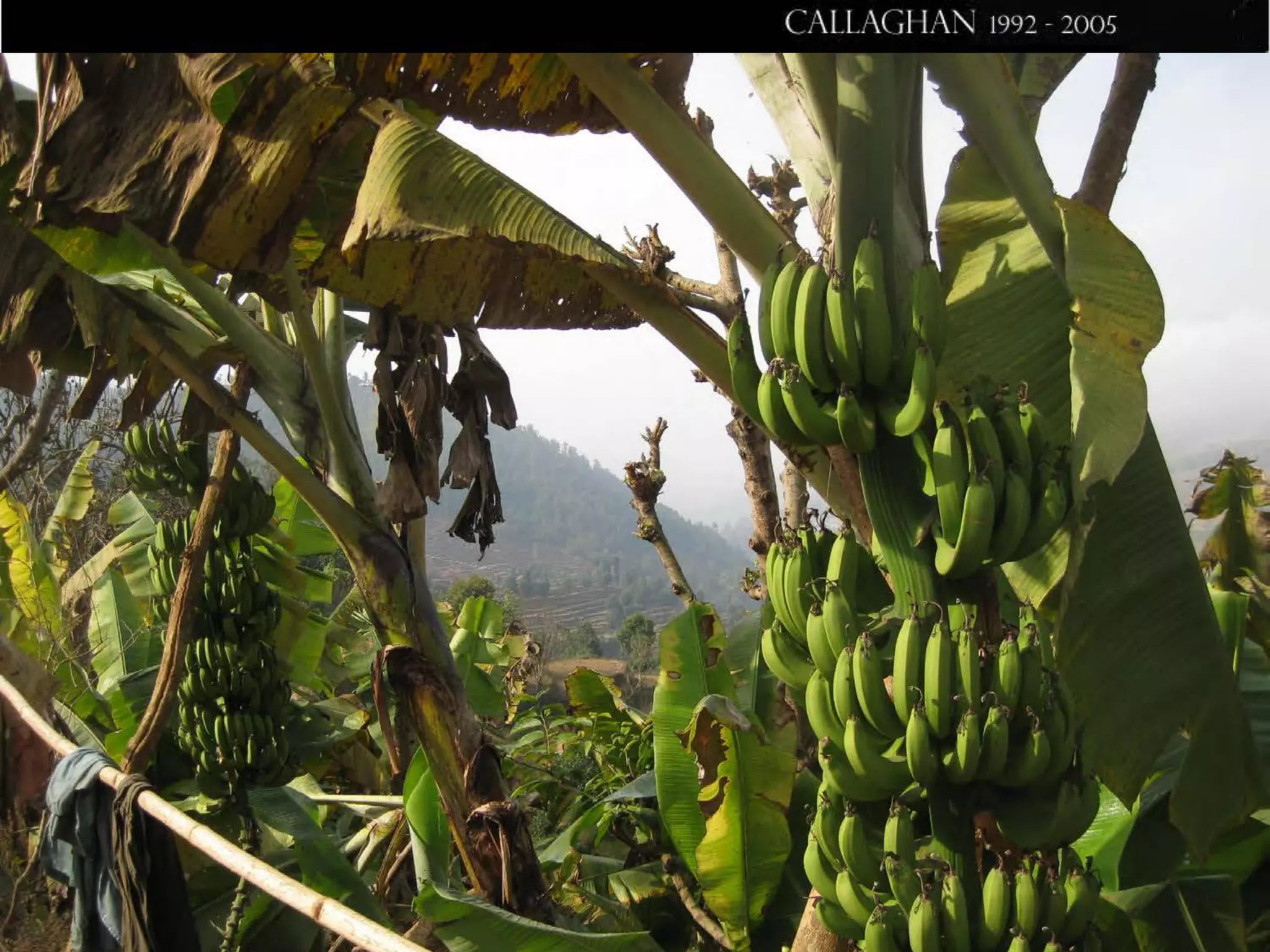
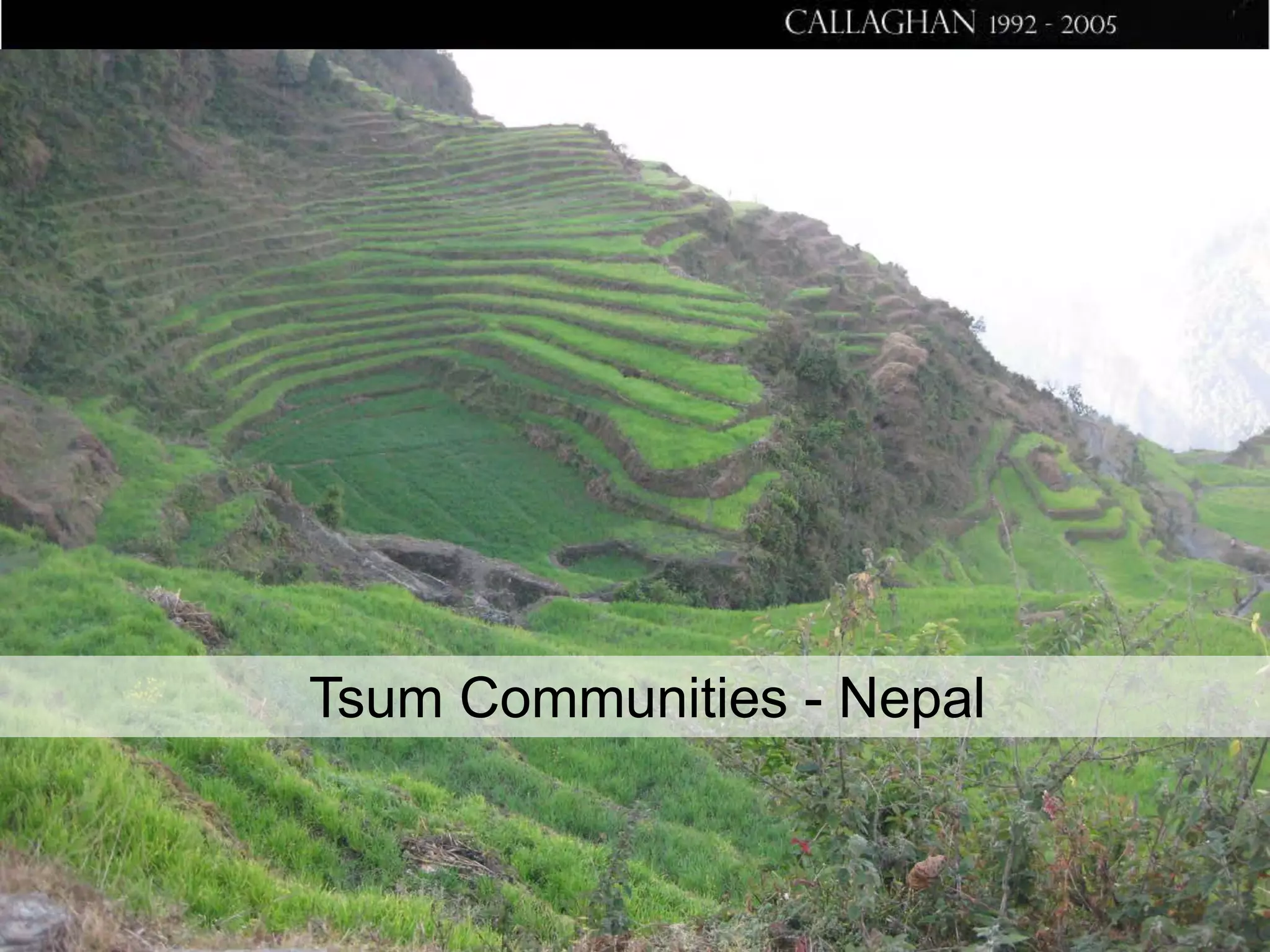
Survival landscapes
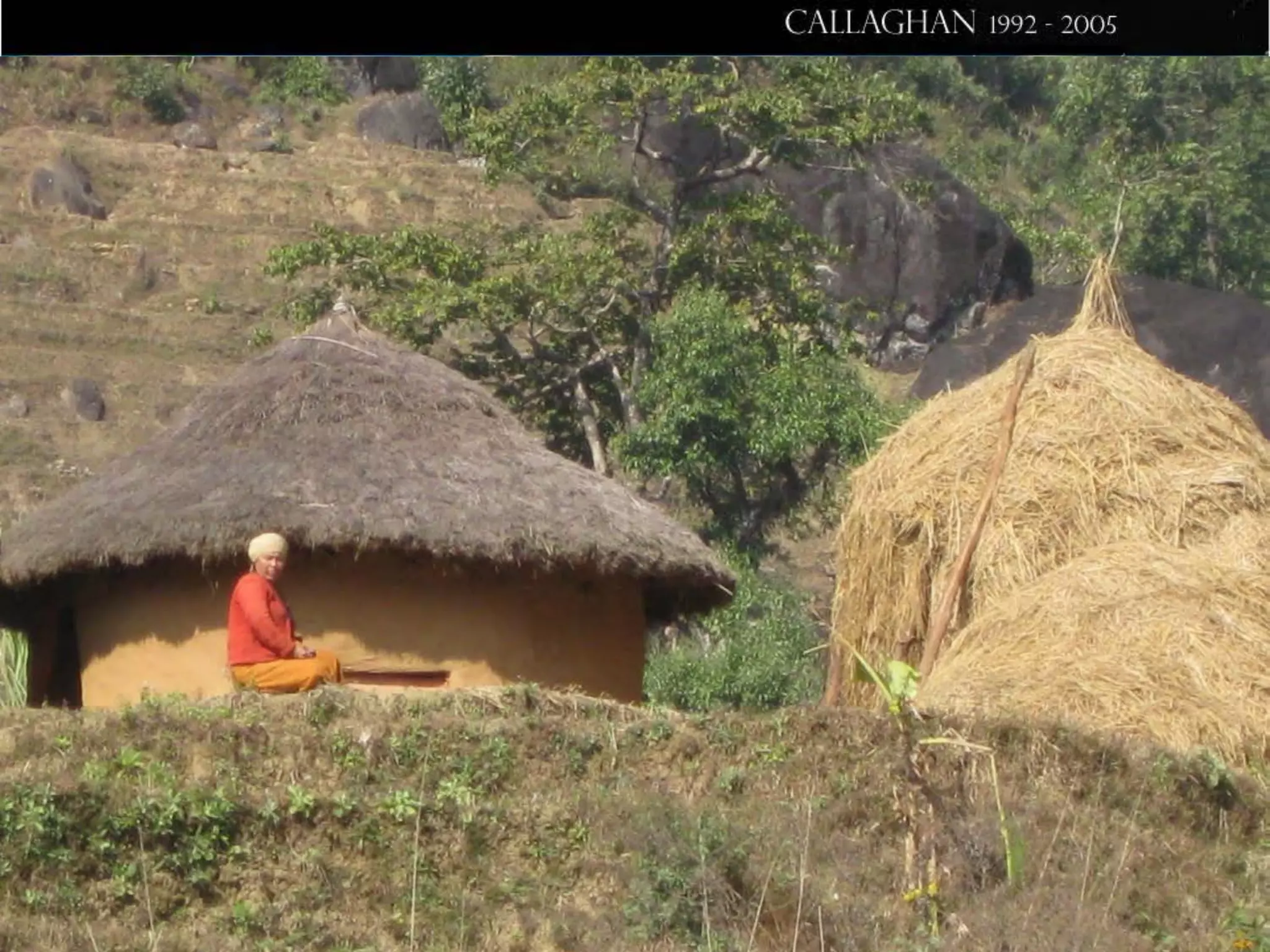
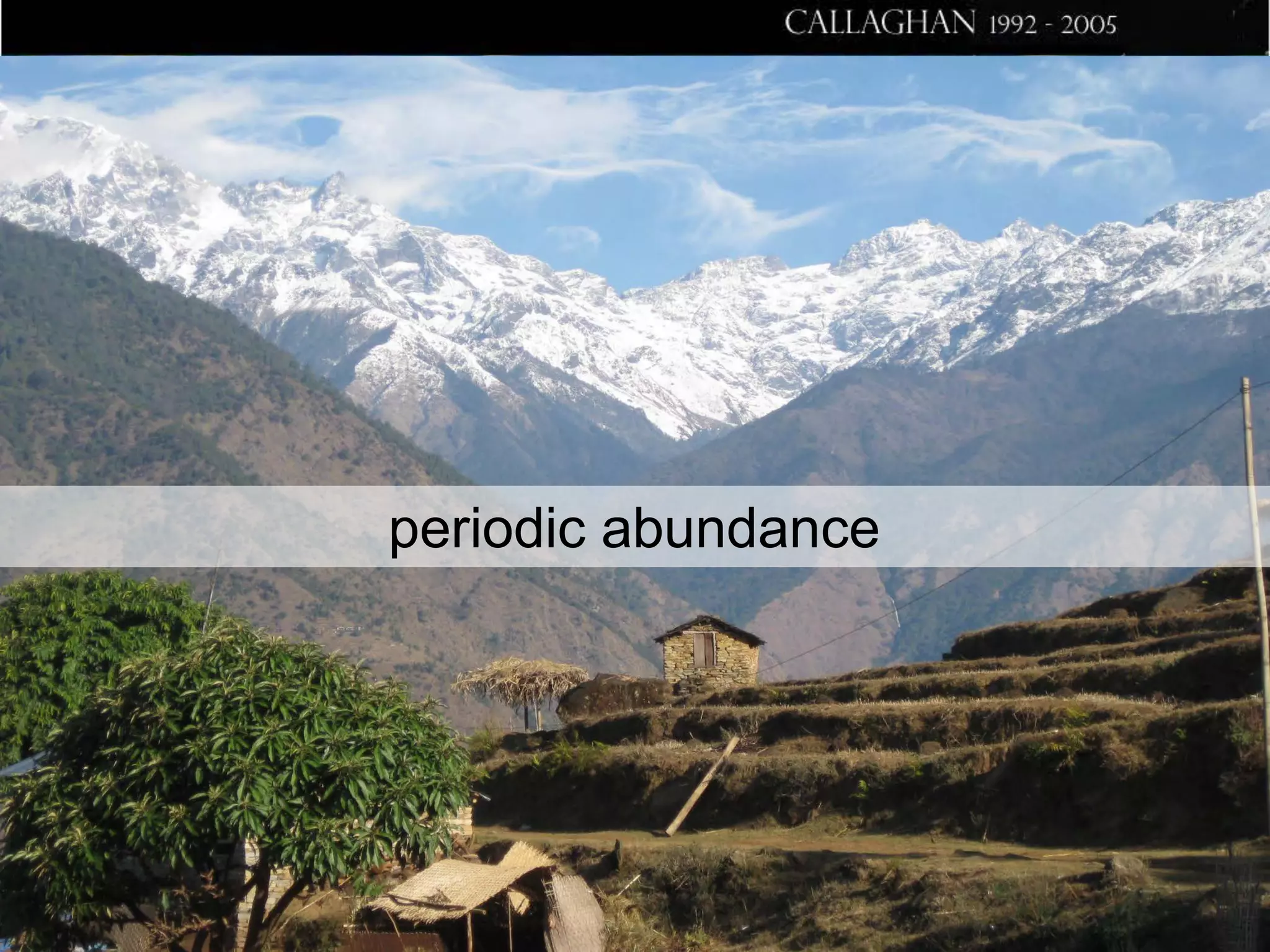
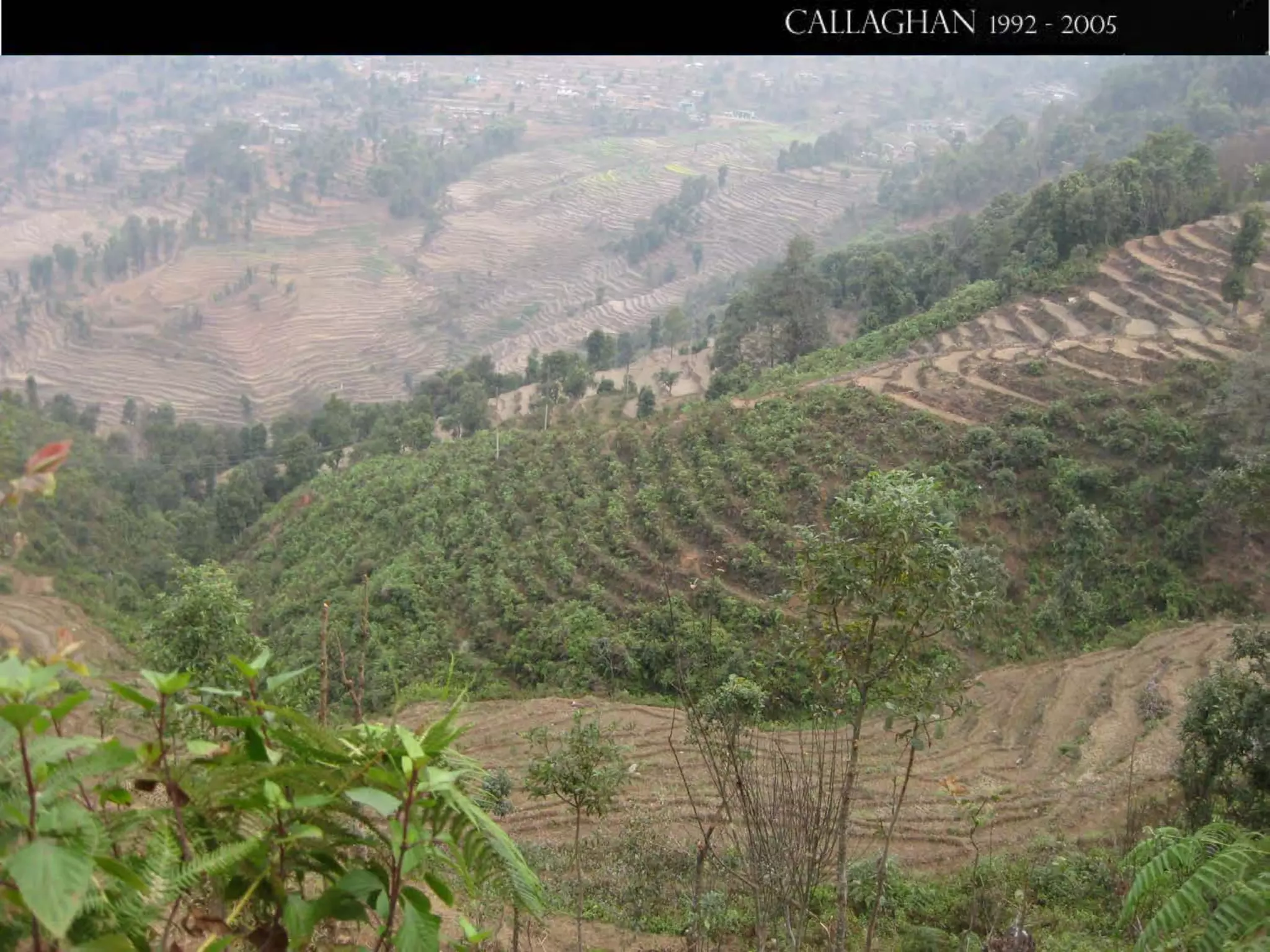
Tsum Communities - Nepal
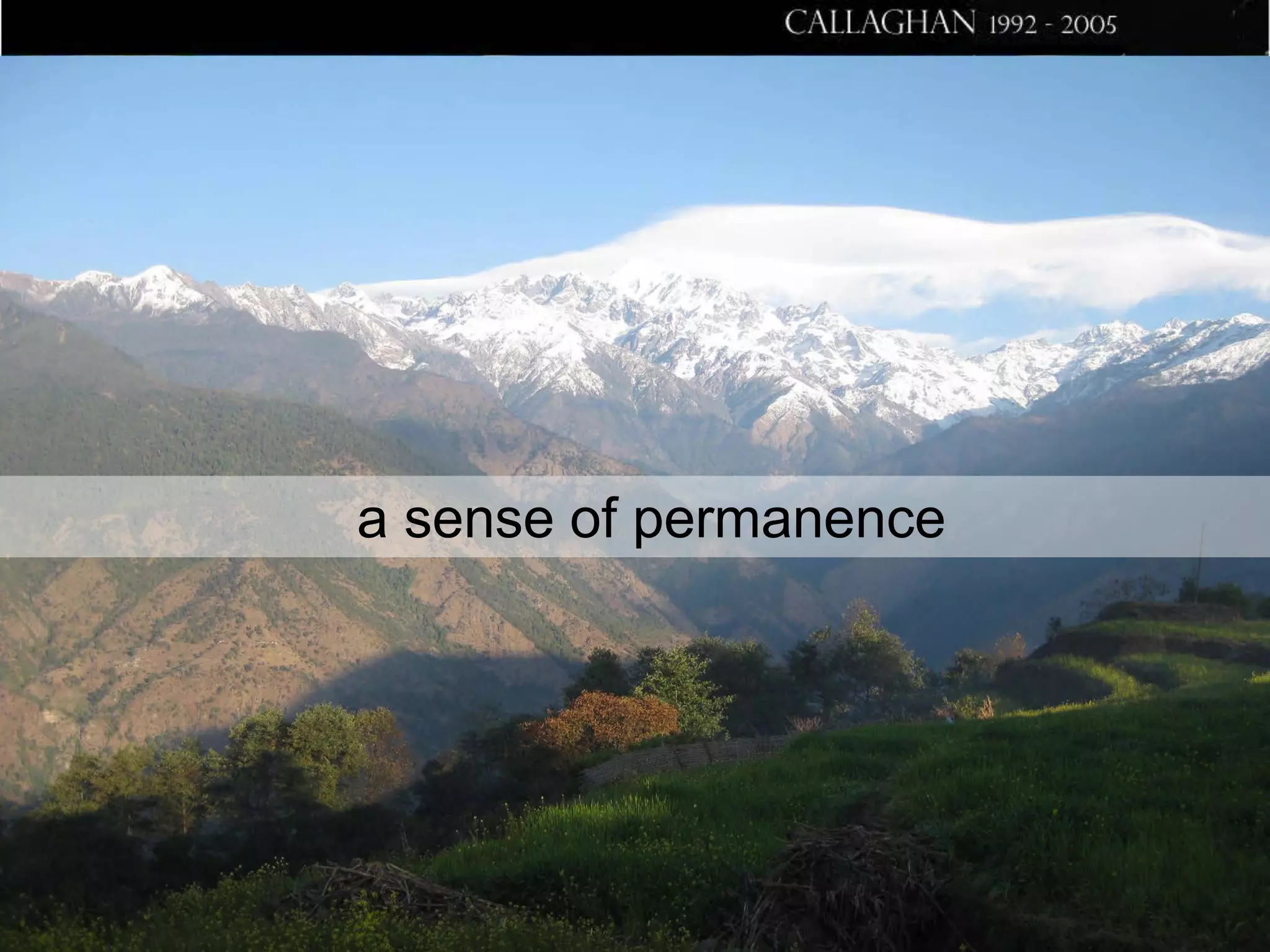
a sense of permanence
periodic abundance
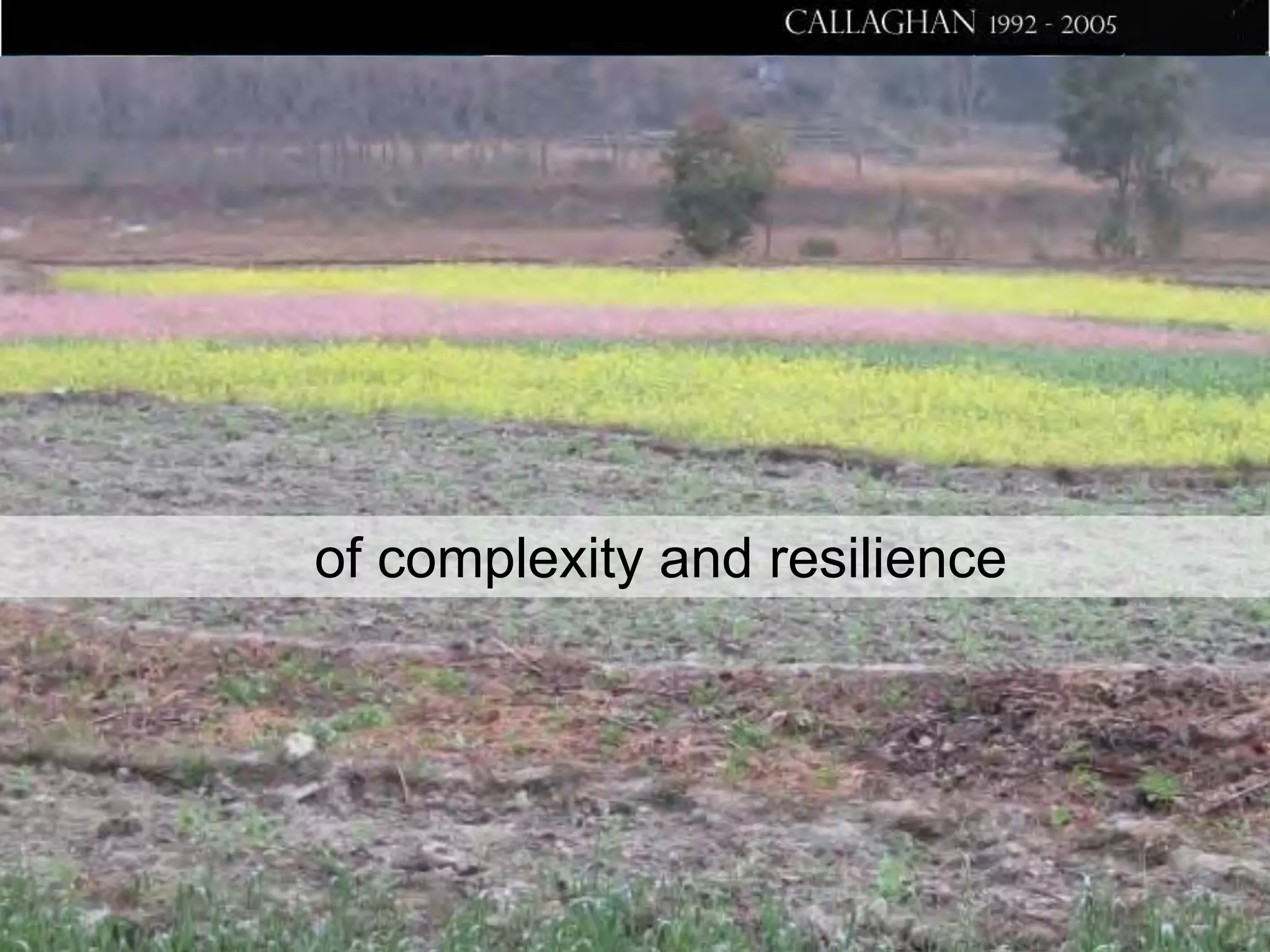
of complexity and resilience
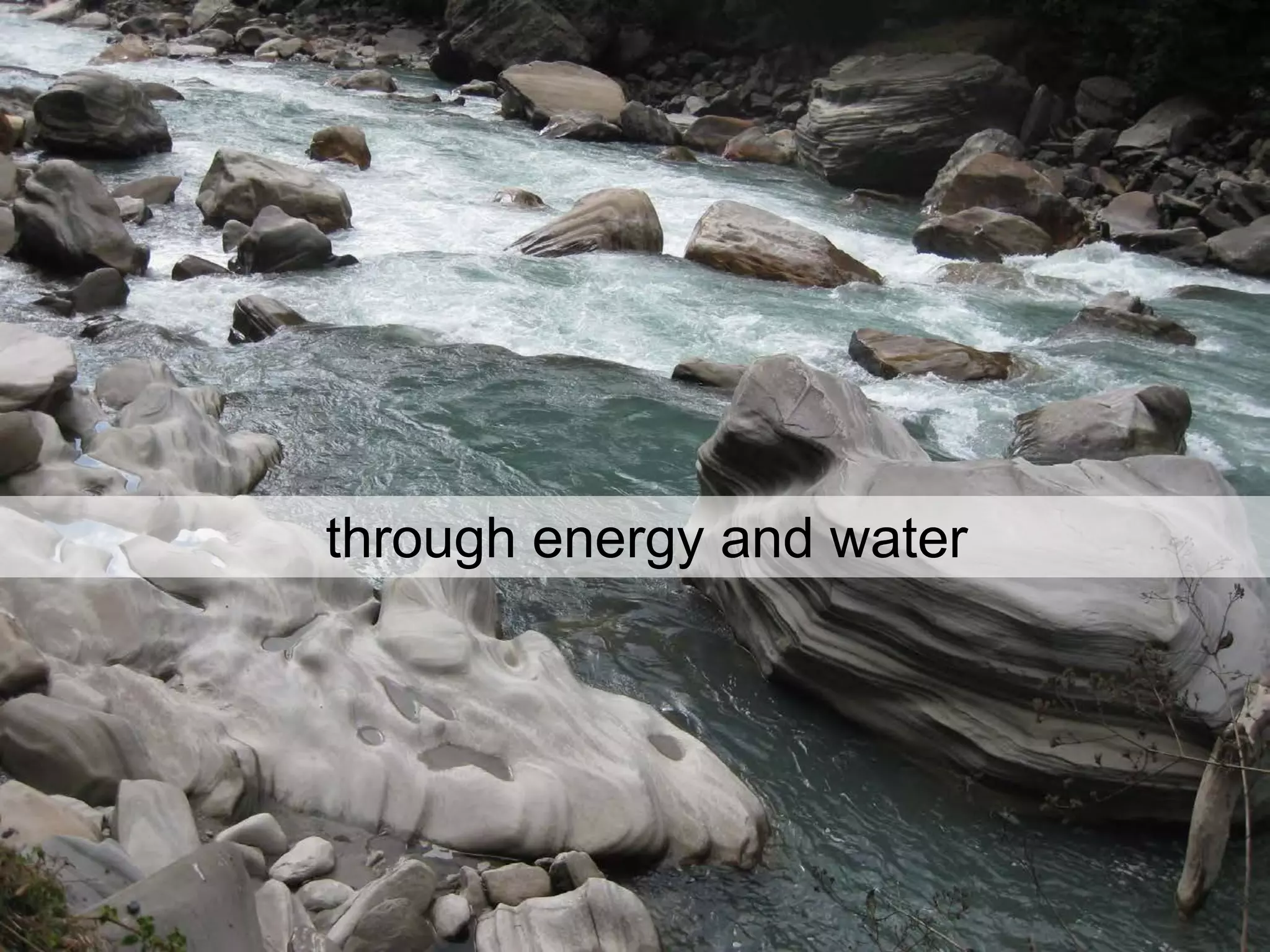
through energy and water
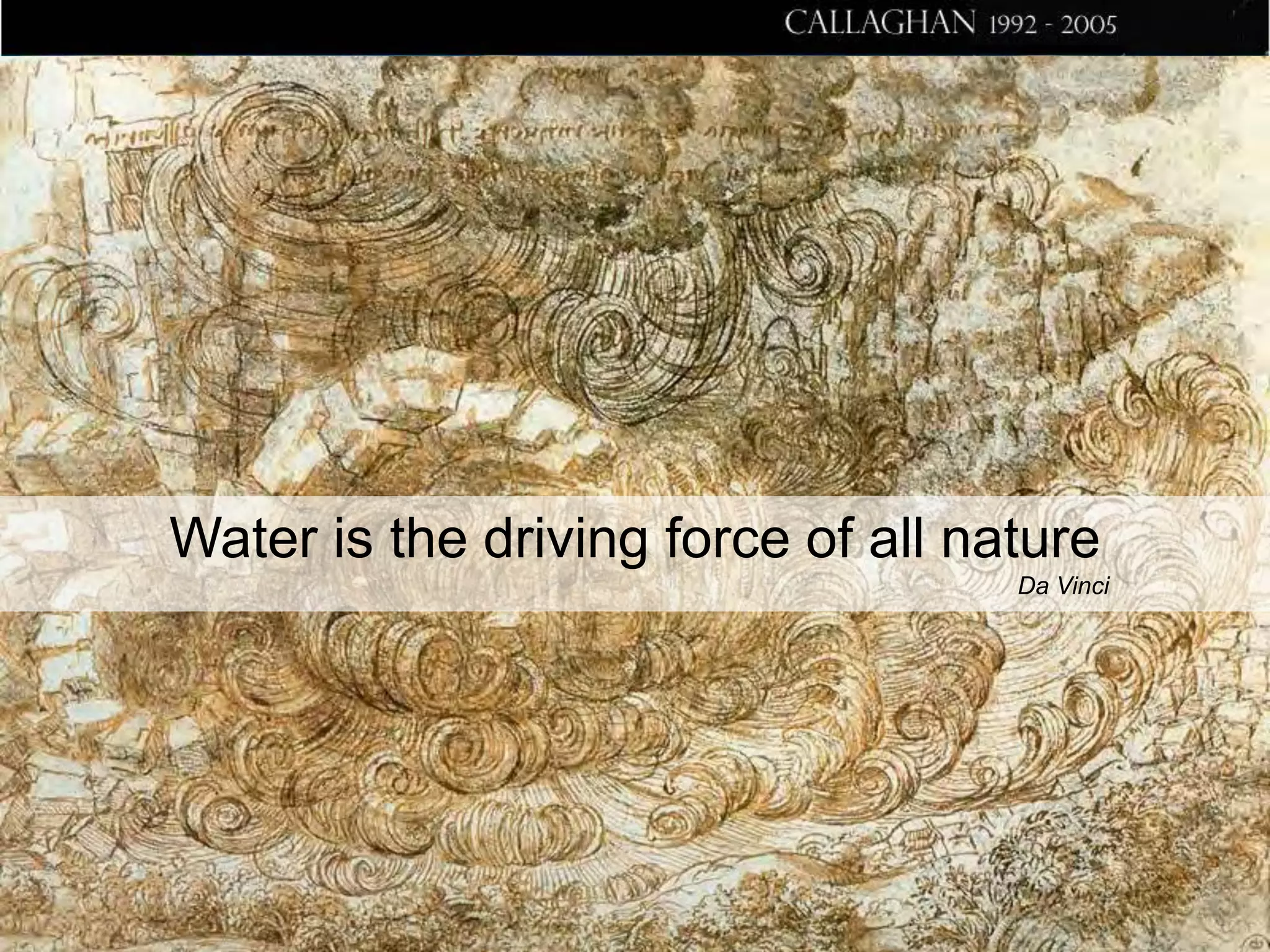
Water is the driving force of all nature
Da Vinci
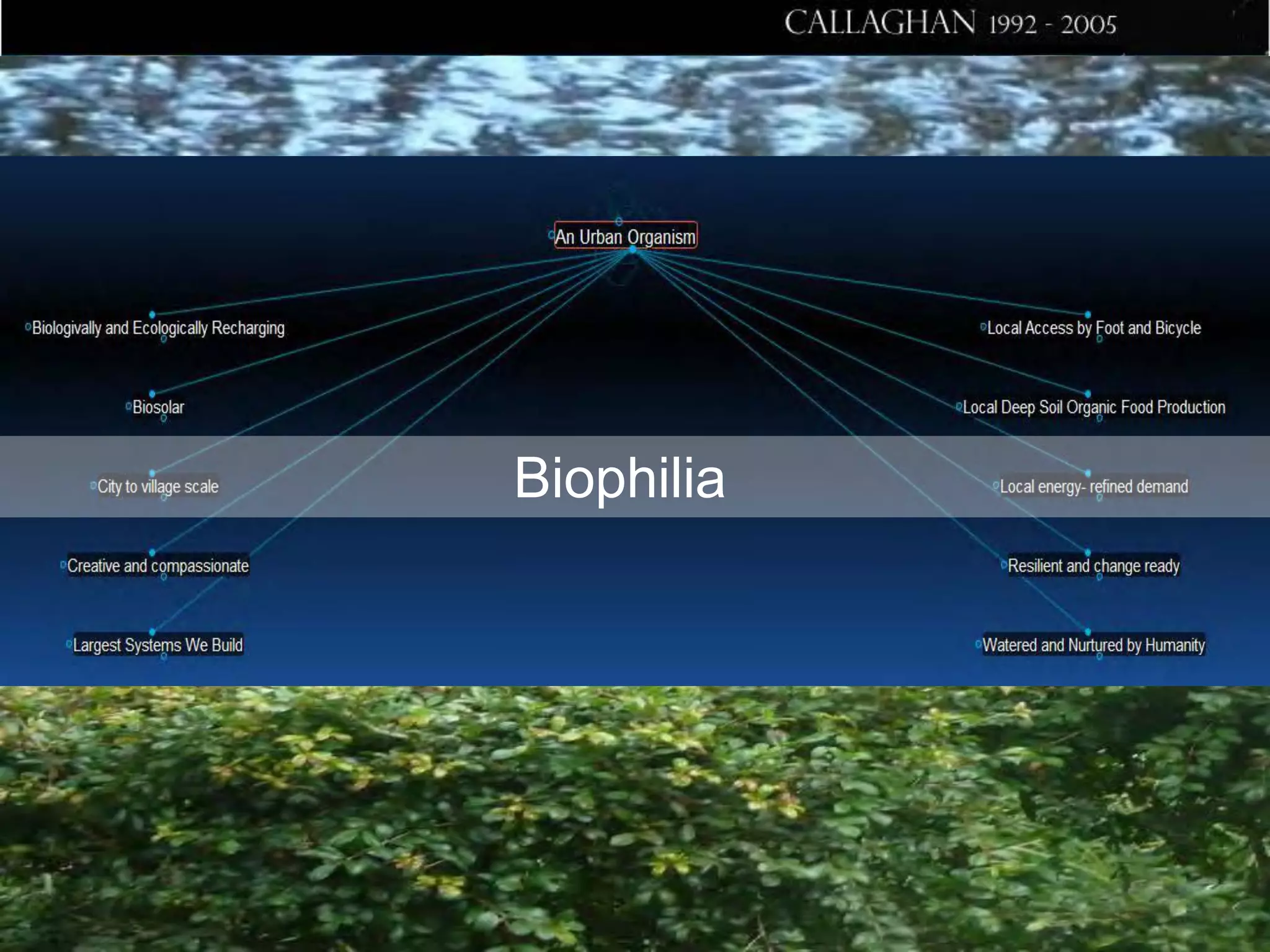
Biophilia
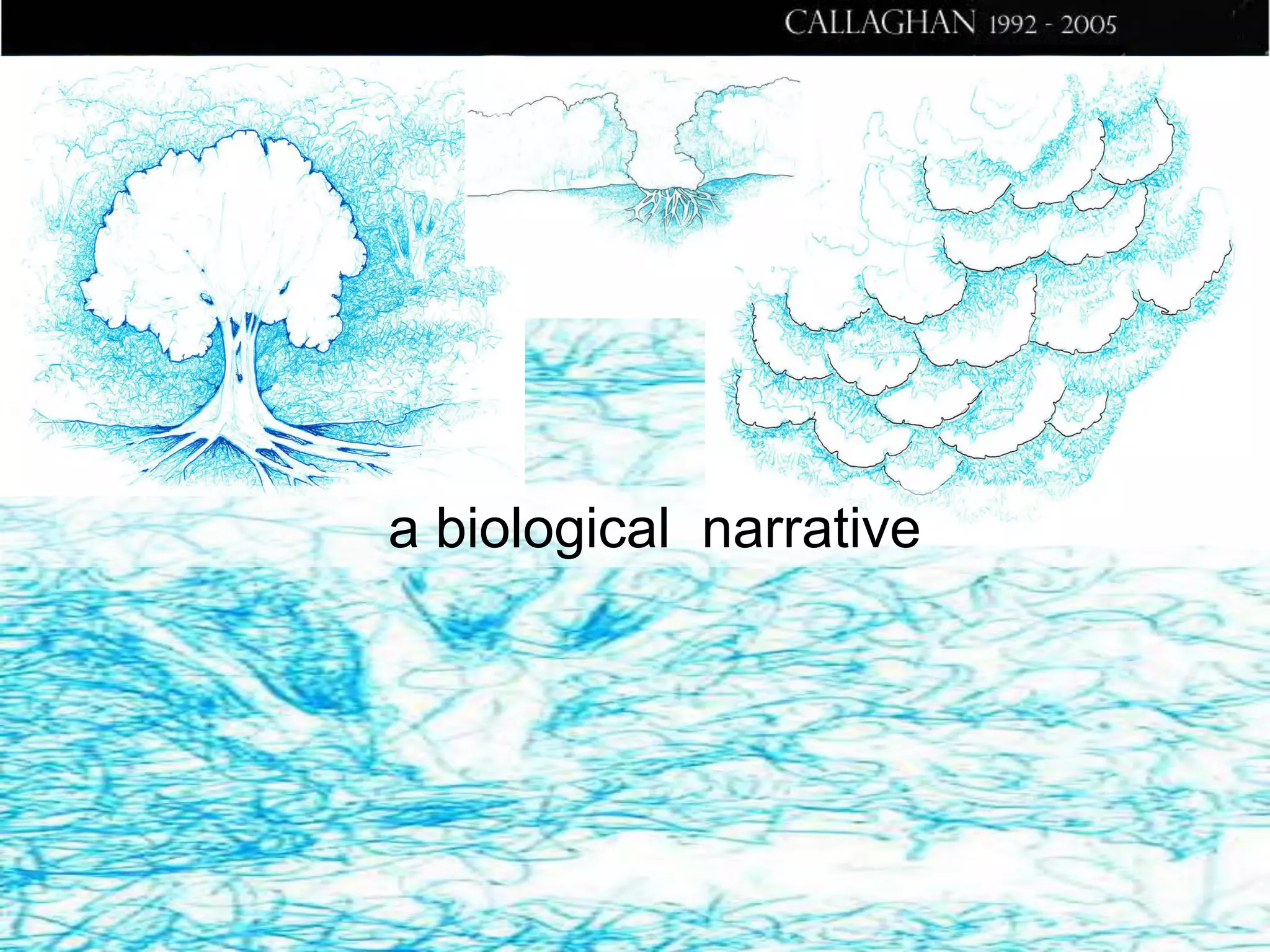
a biological narrative
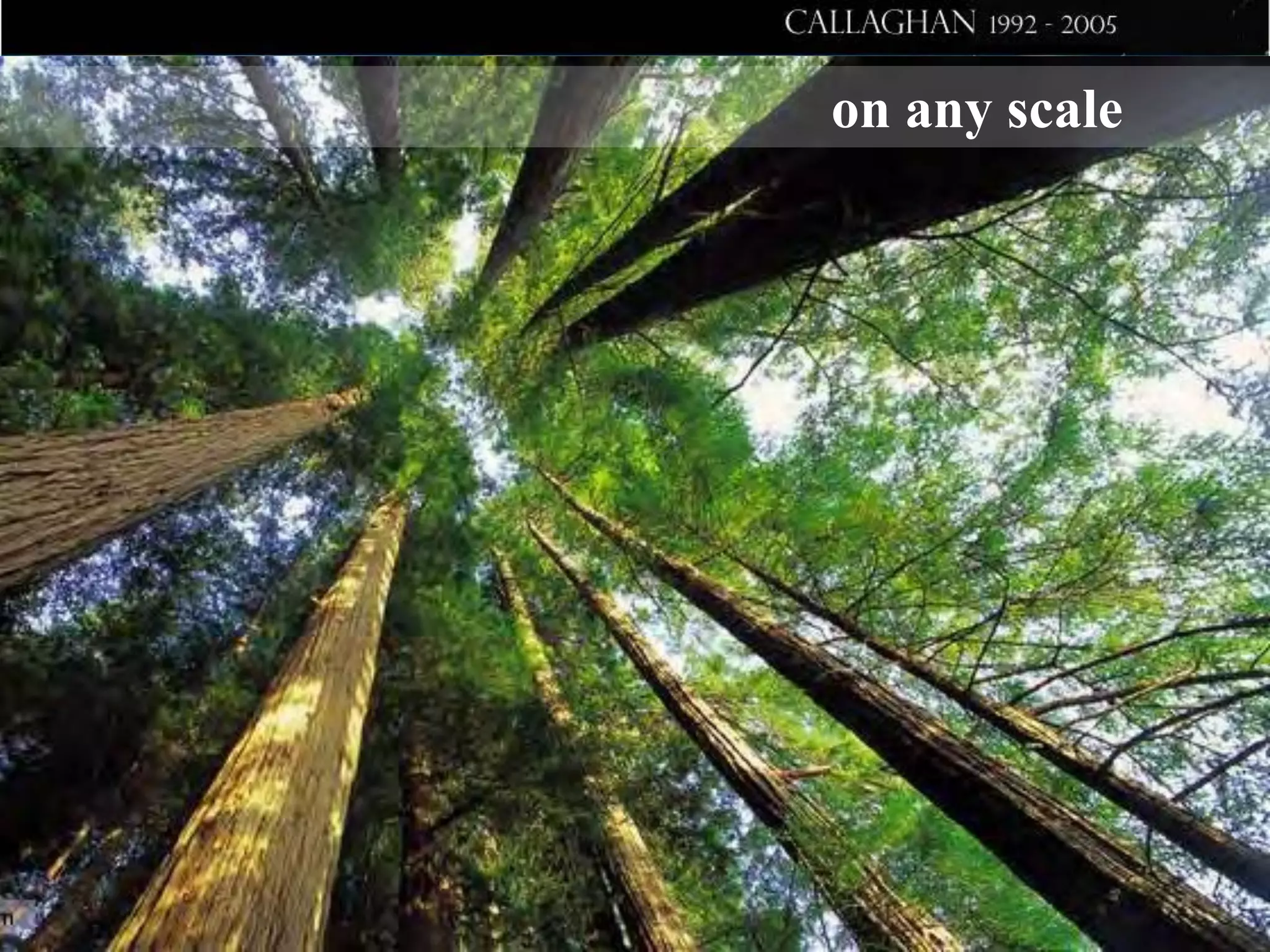
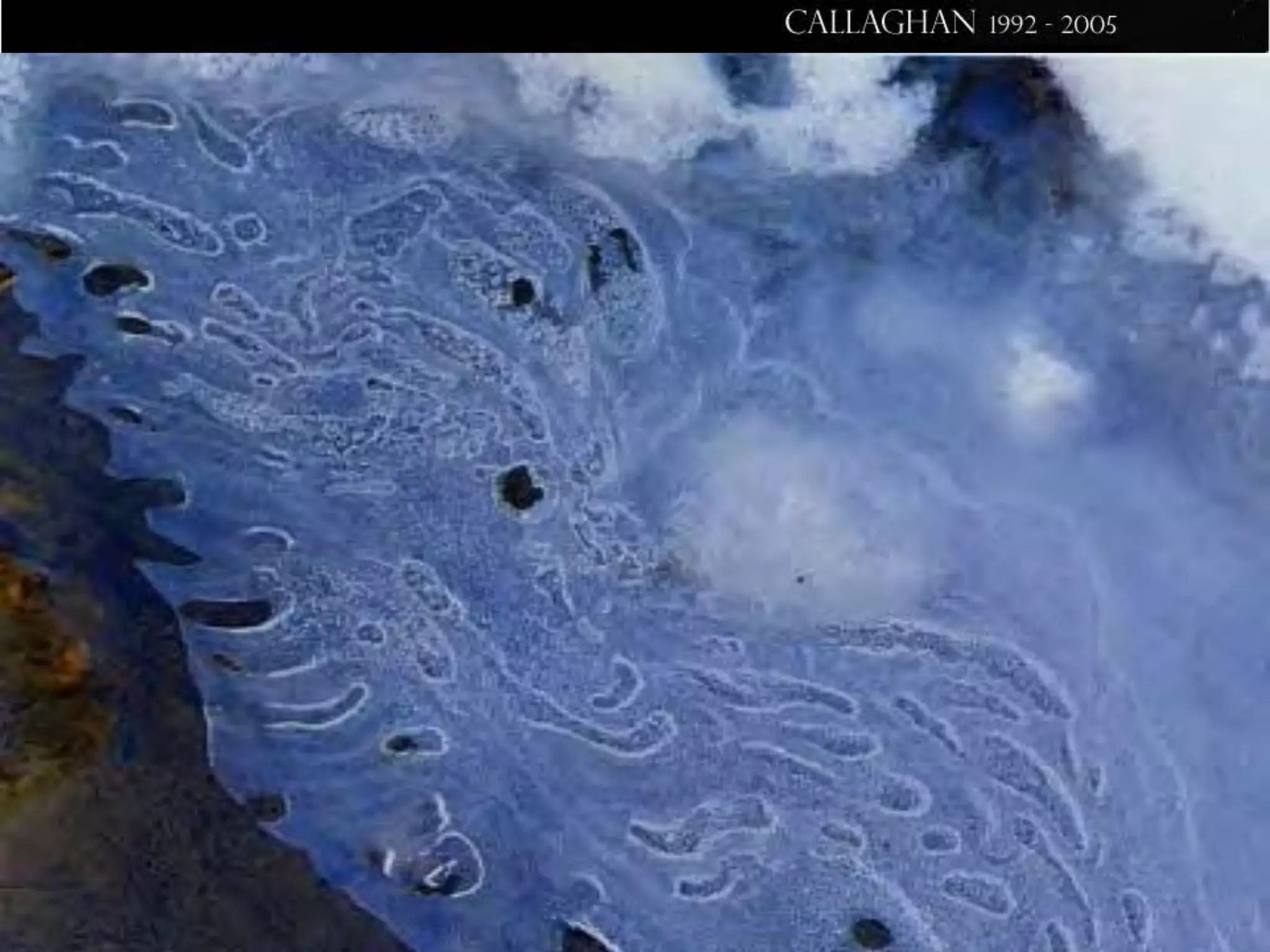
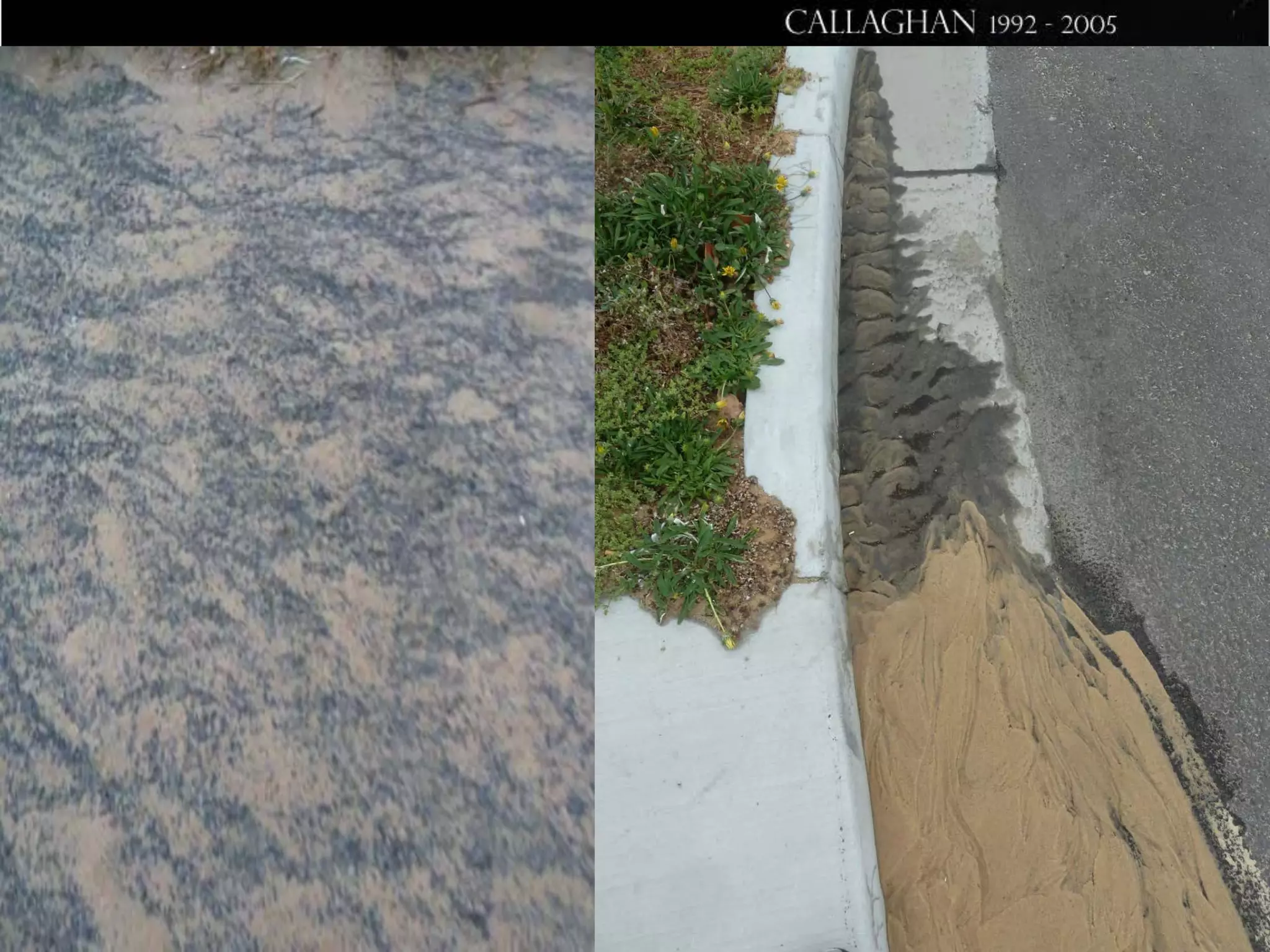
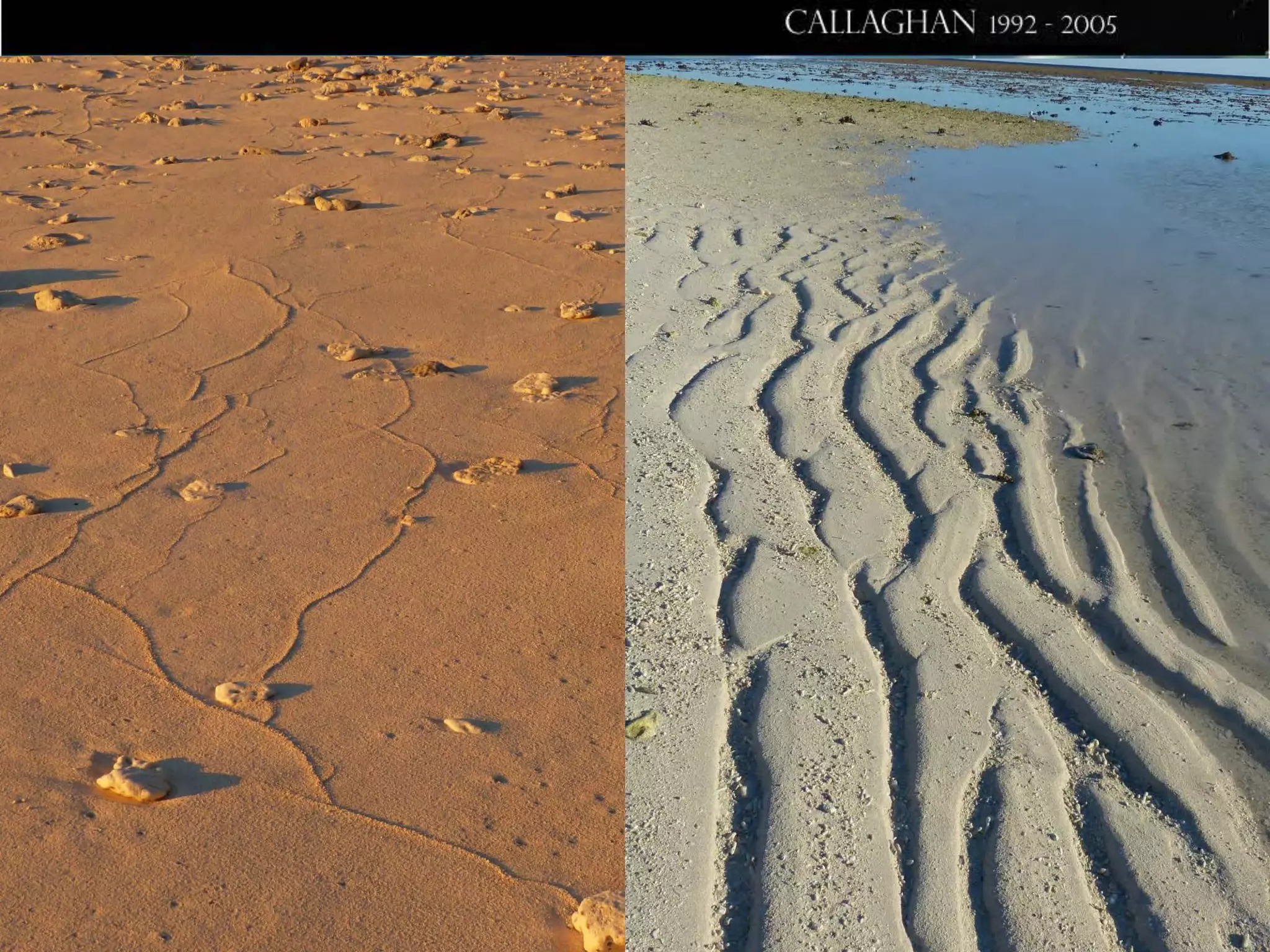
patterns of abundance
on any scale
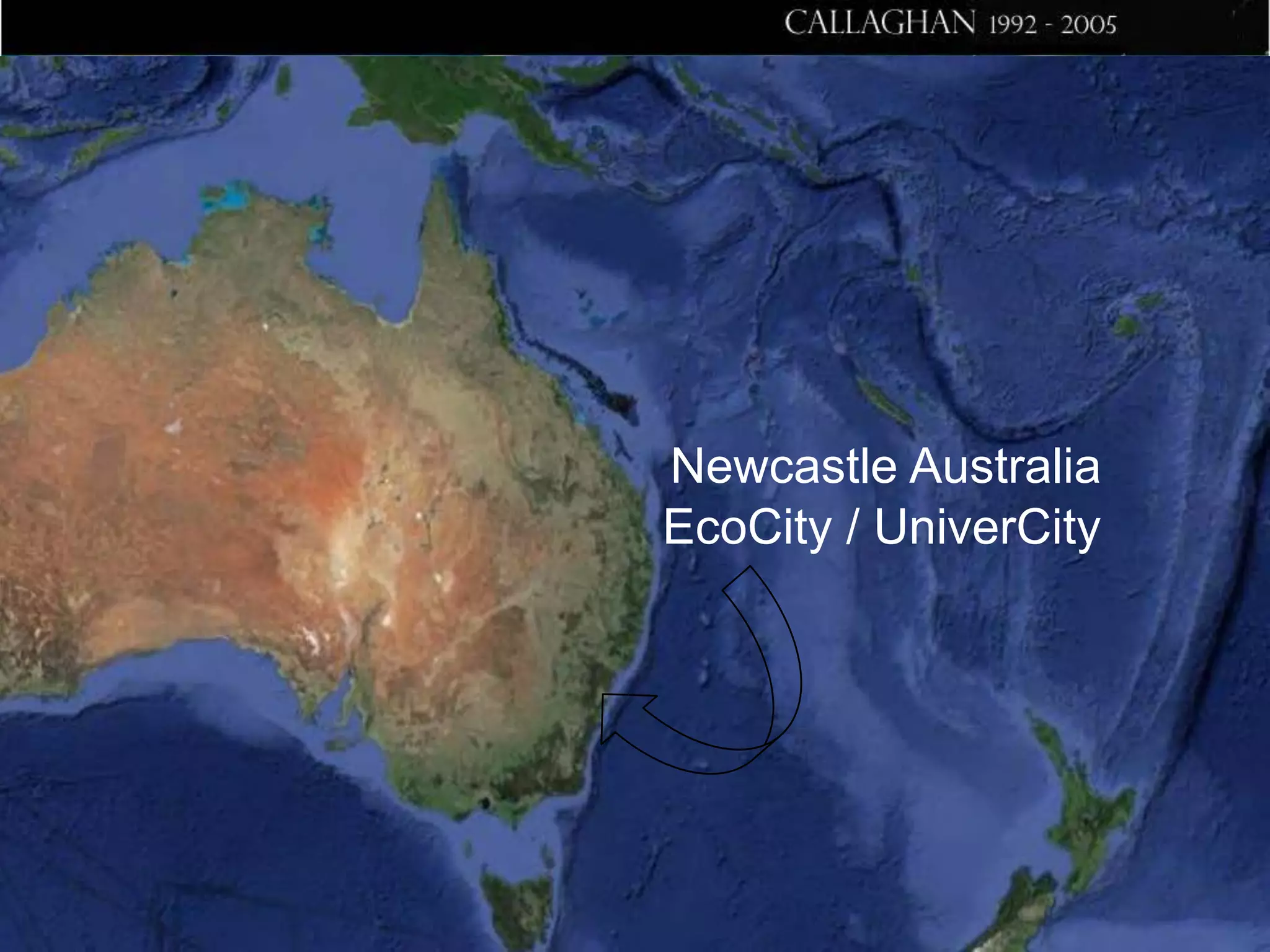
Newcastle Australia
EcoCity / UniverCity
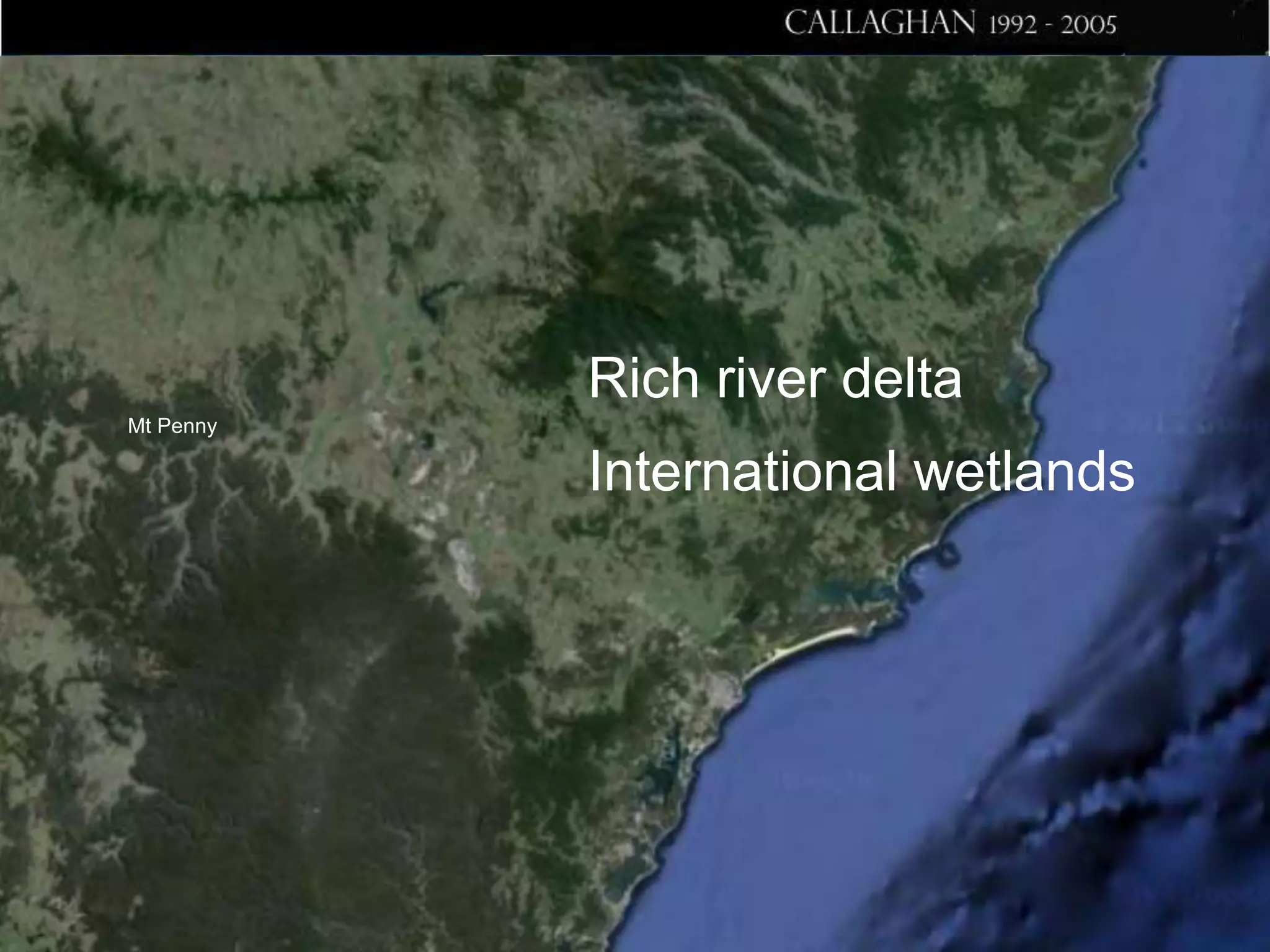
Mt Penny

Rich river delta
International wetlands
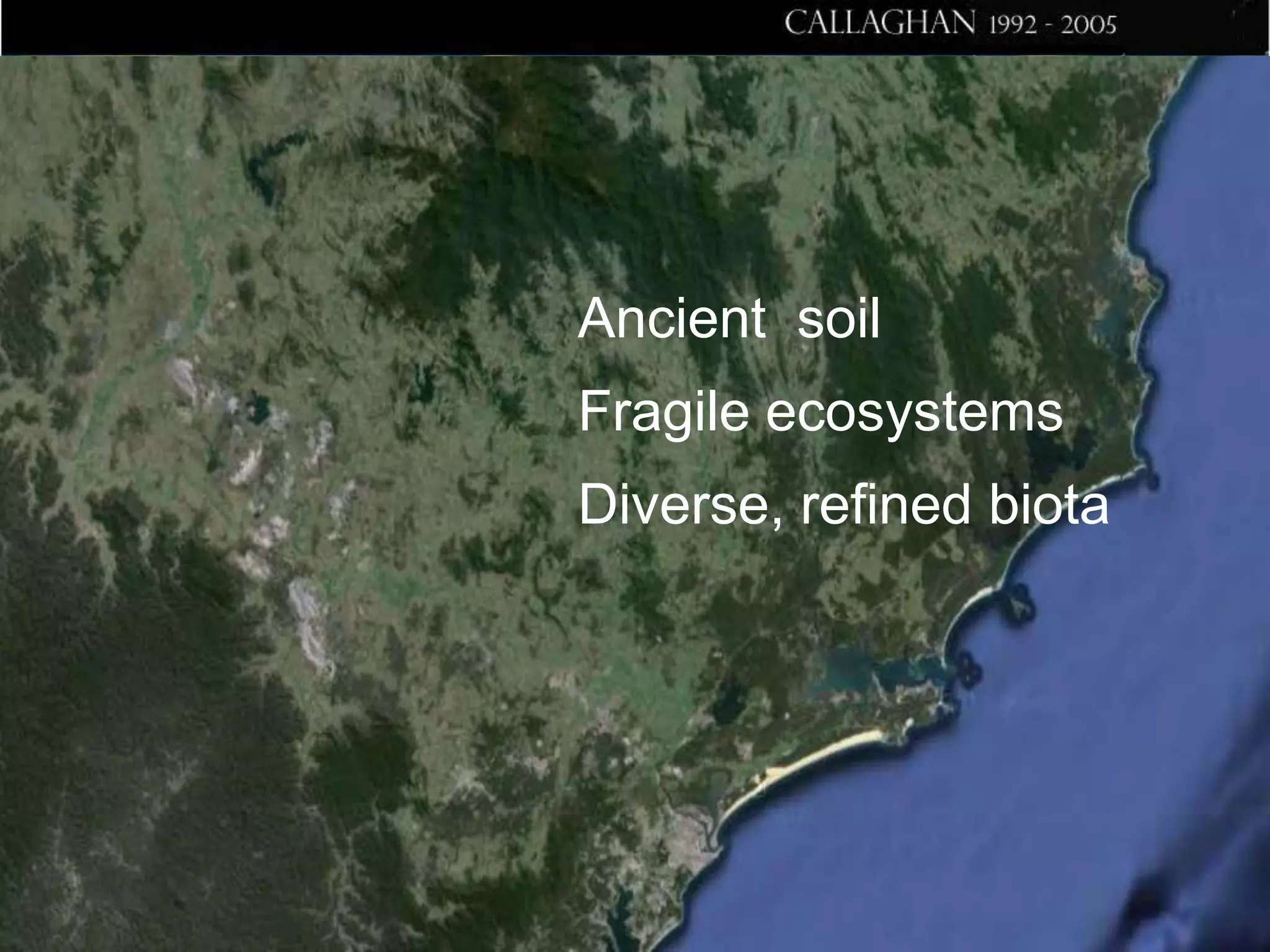
Ancient soil
Fragile ecosystems
Diverse, refined biota
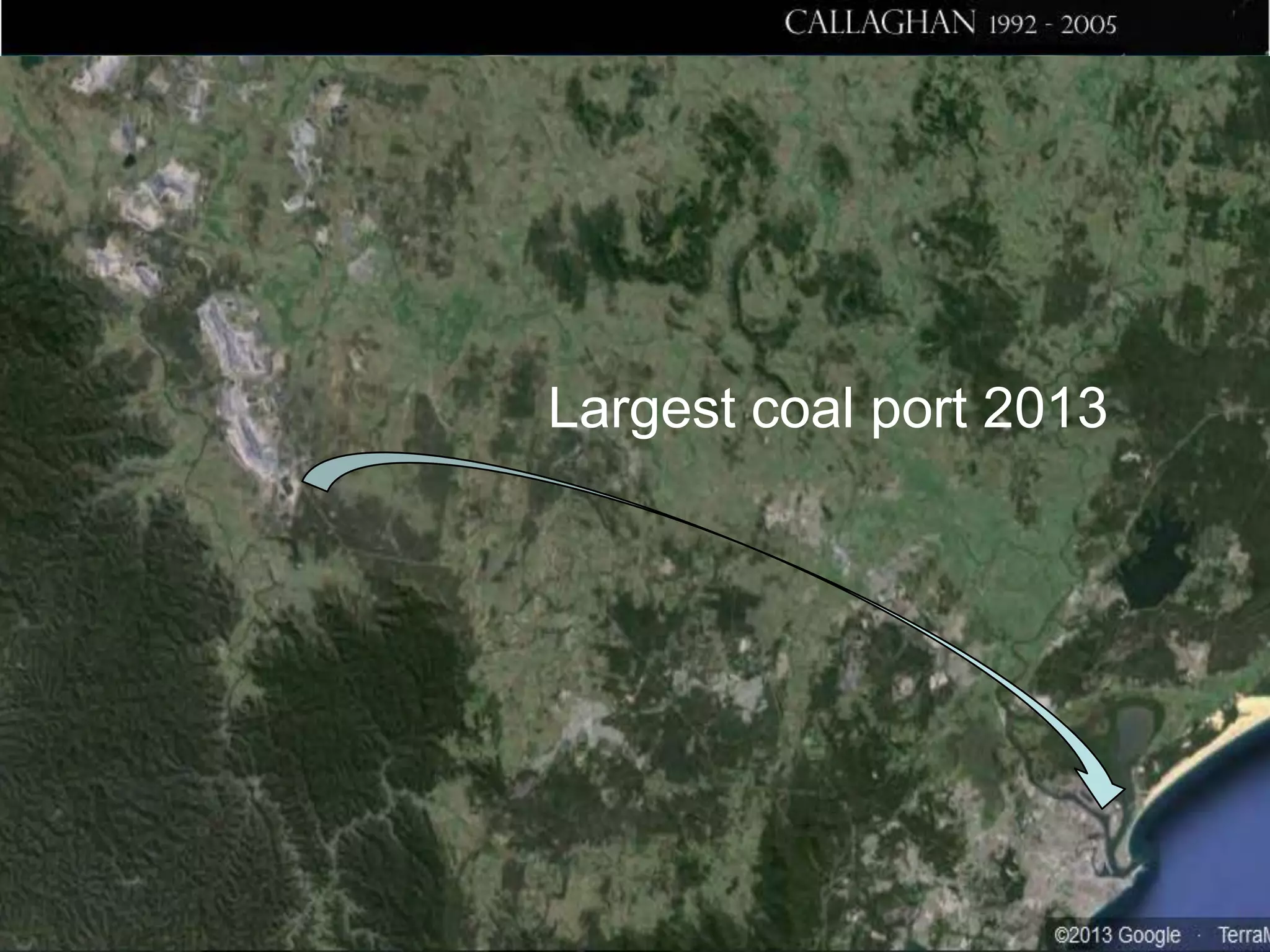
Largest coal port 2013
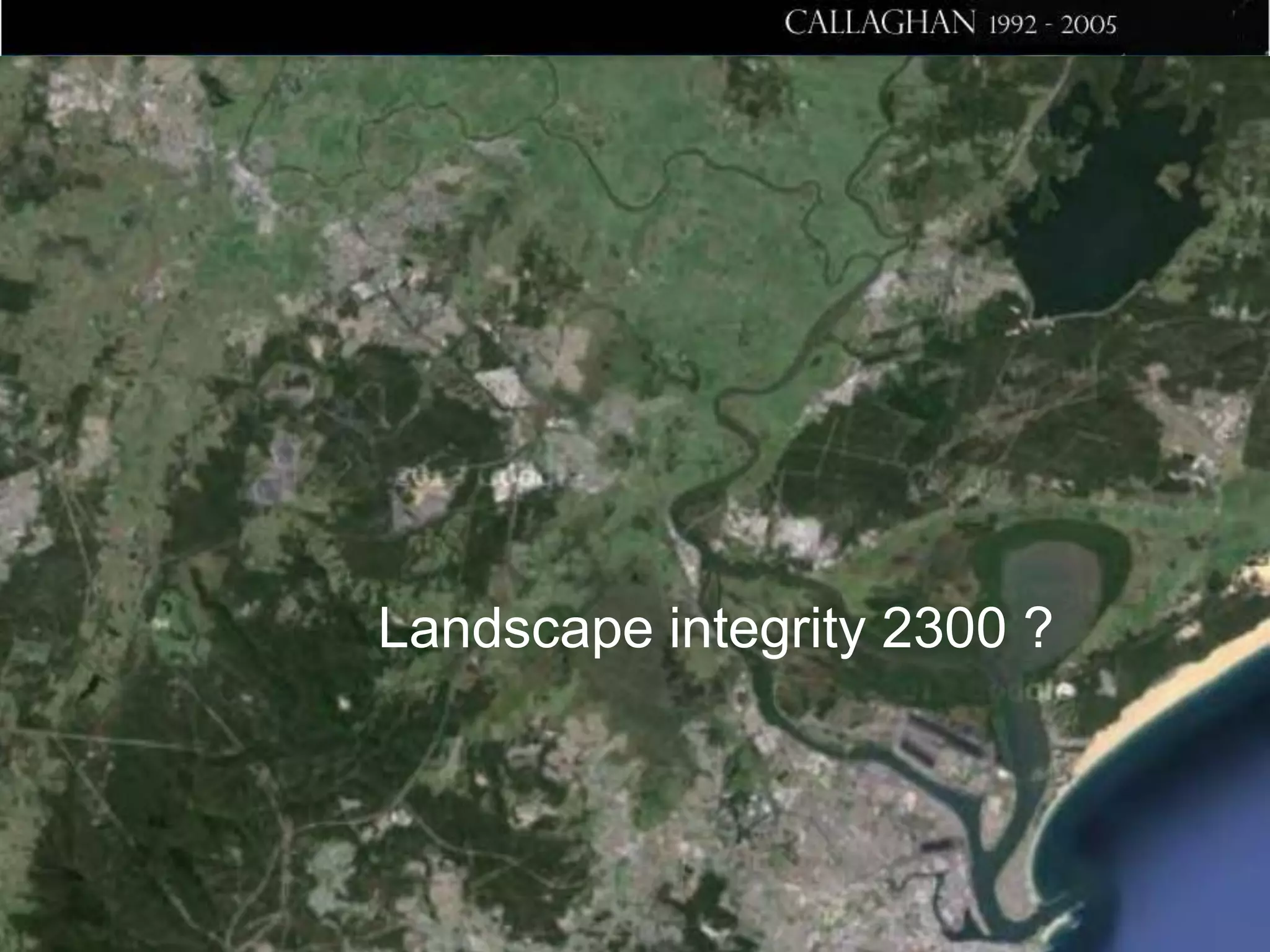
Landscape integrity 2300 ?
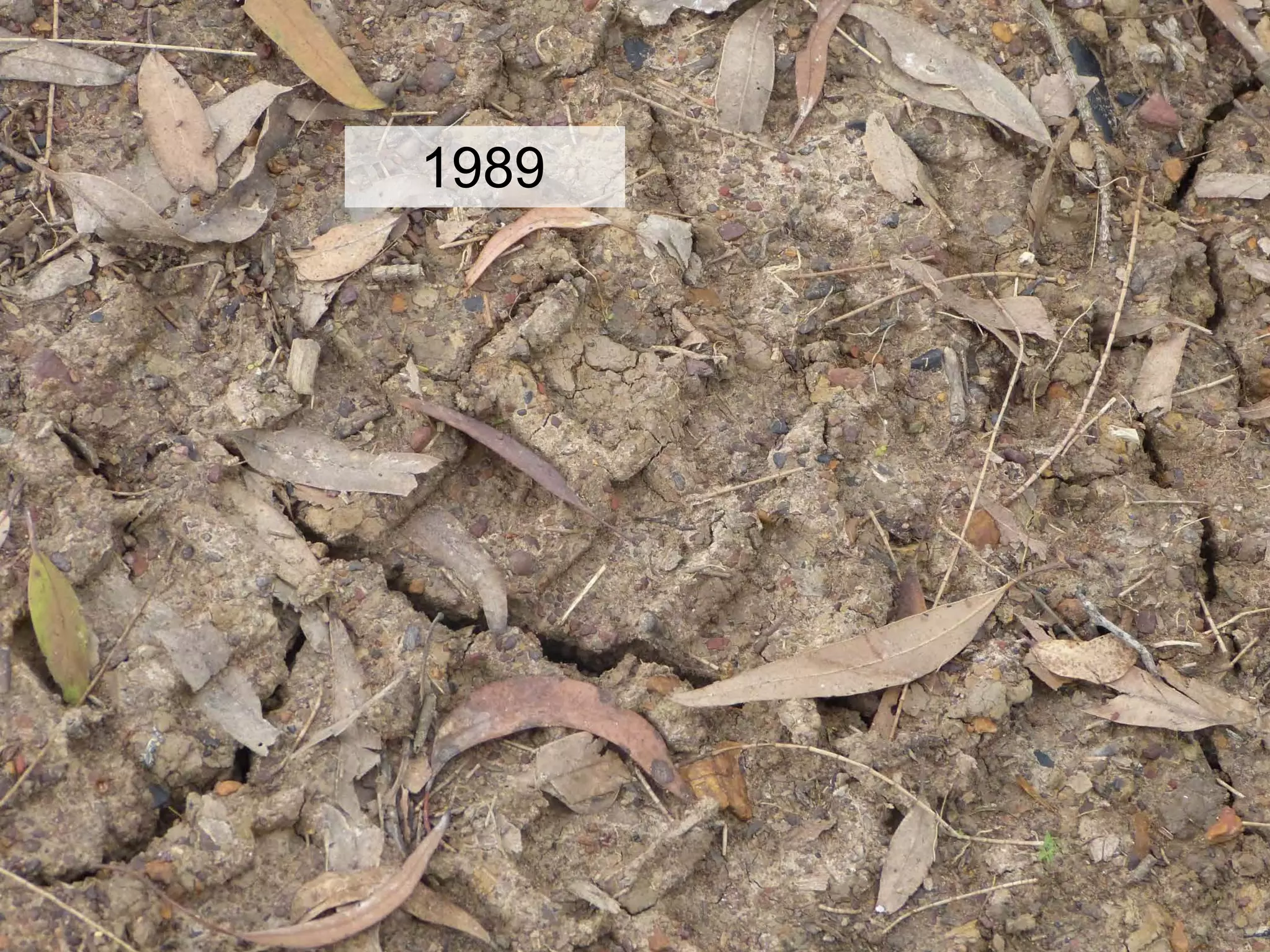
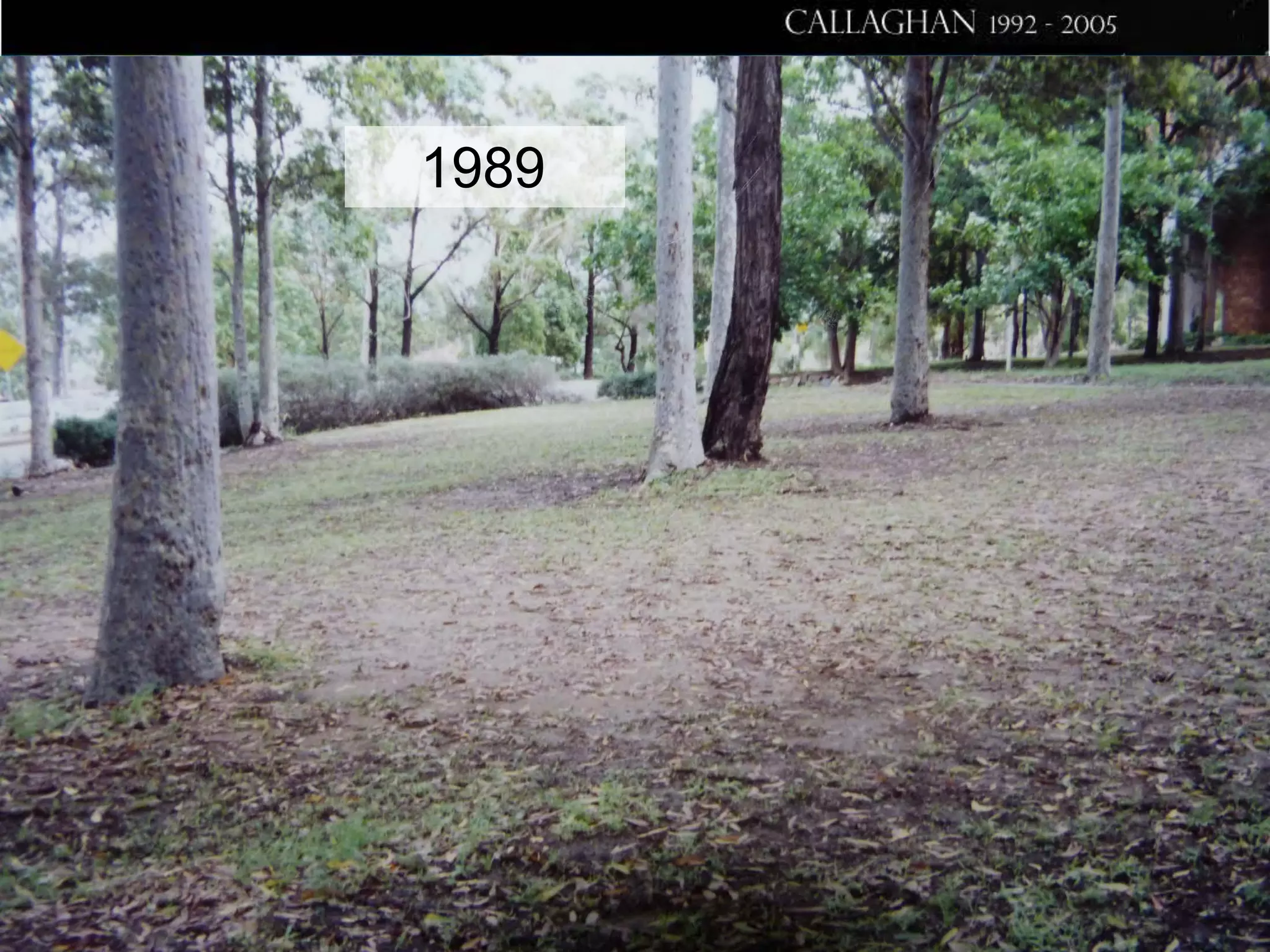
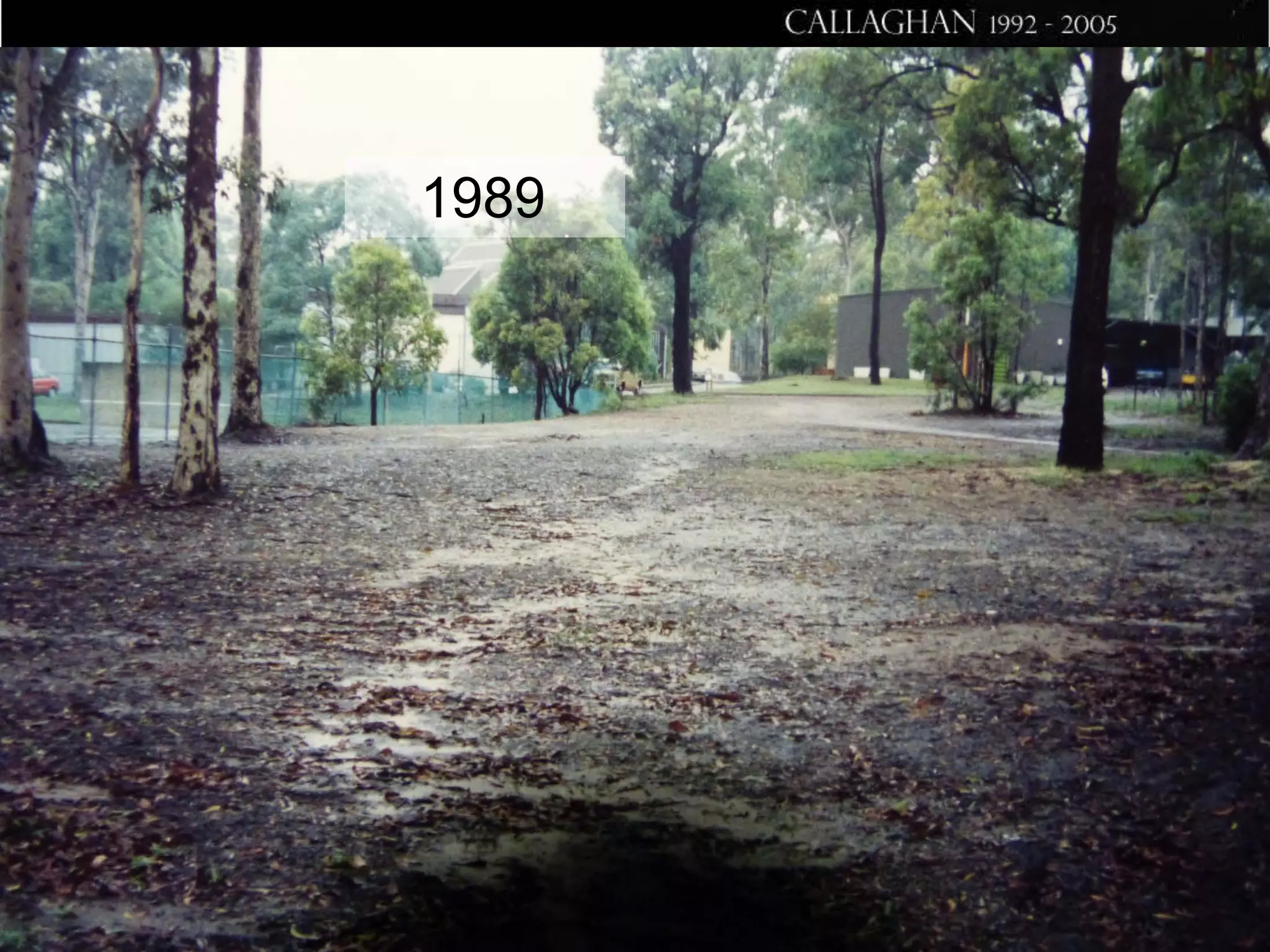
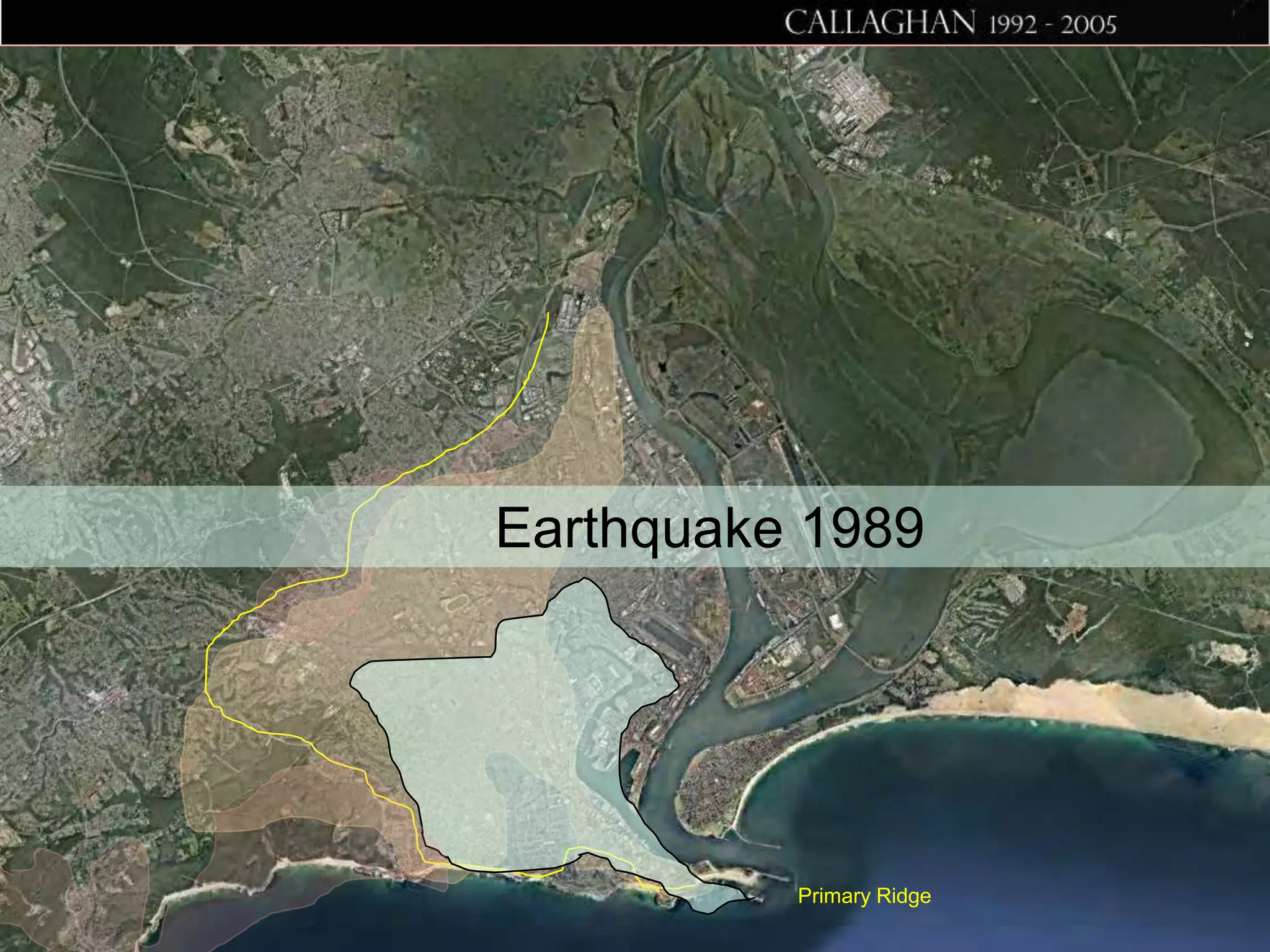
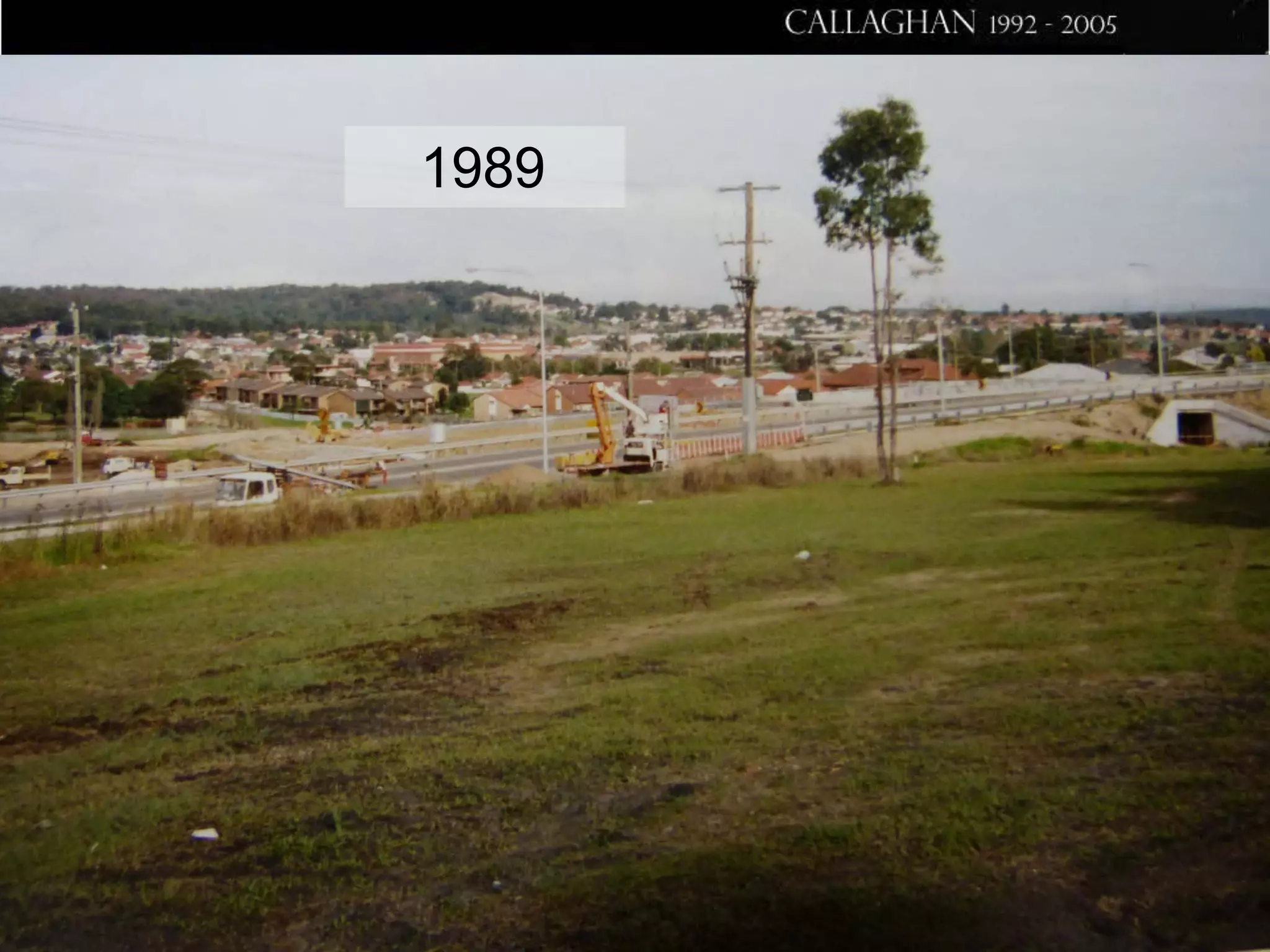
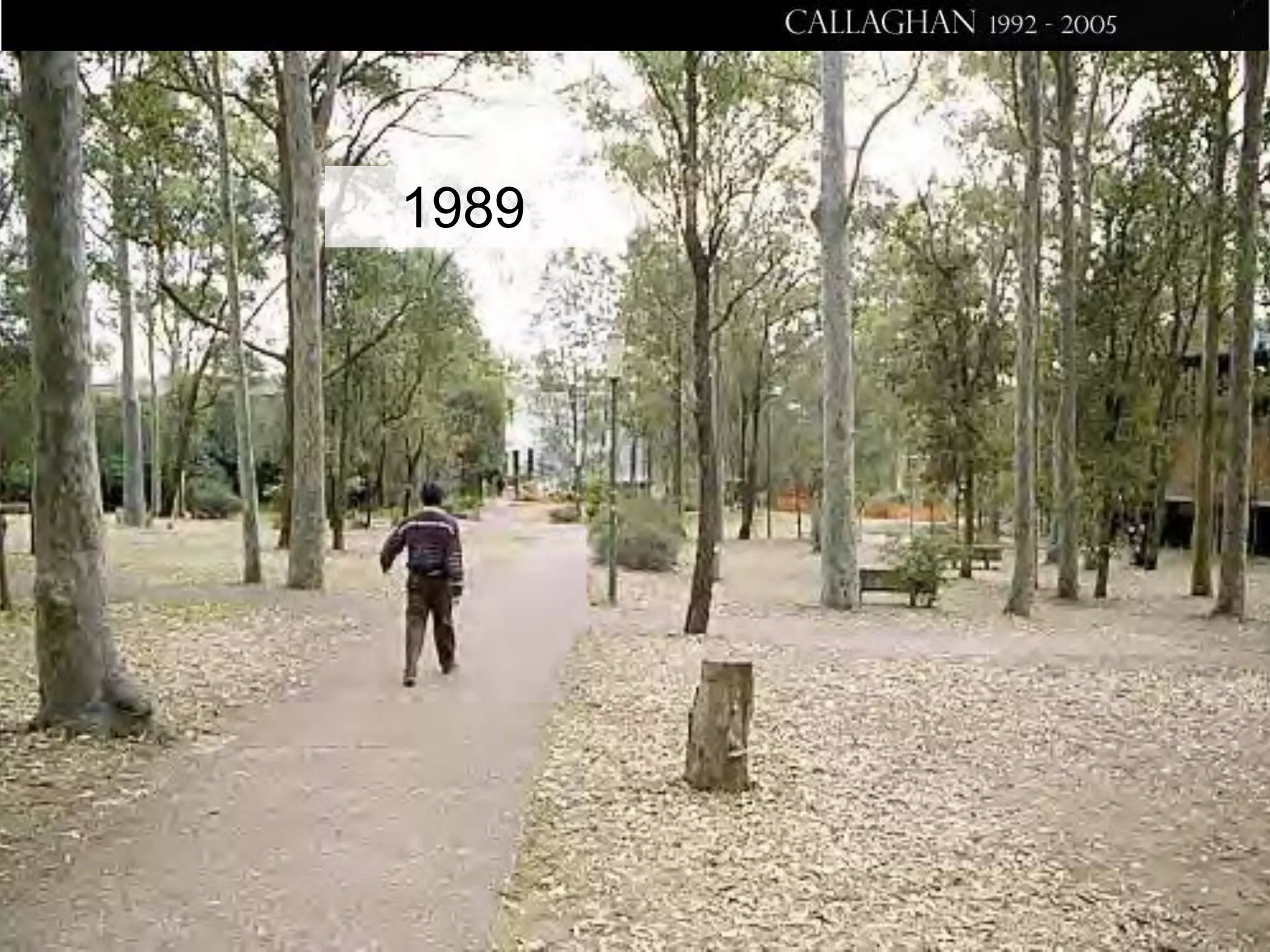
1989
1989
1989
1989
1989
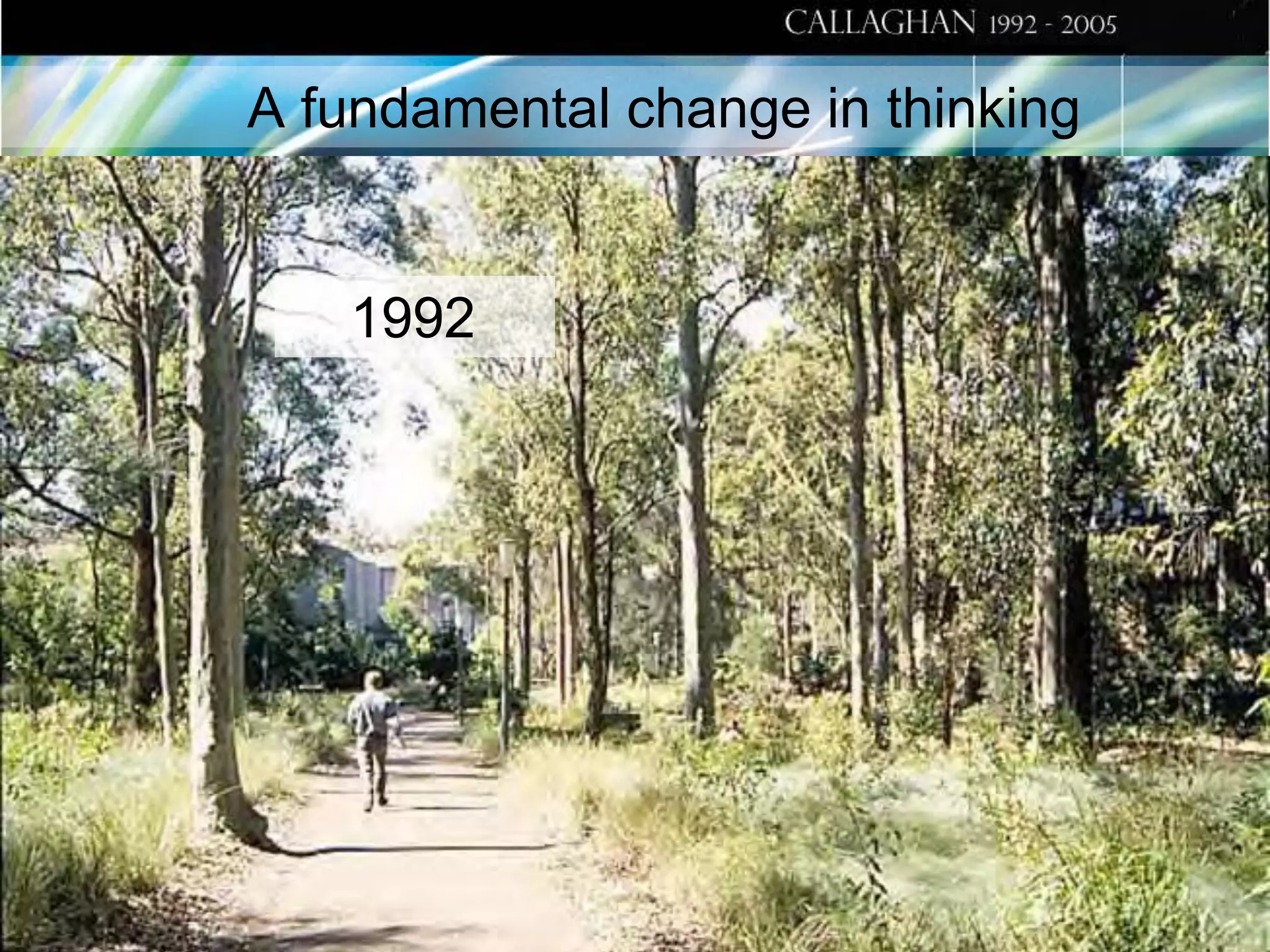
A fundamental change in thinking
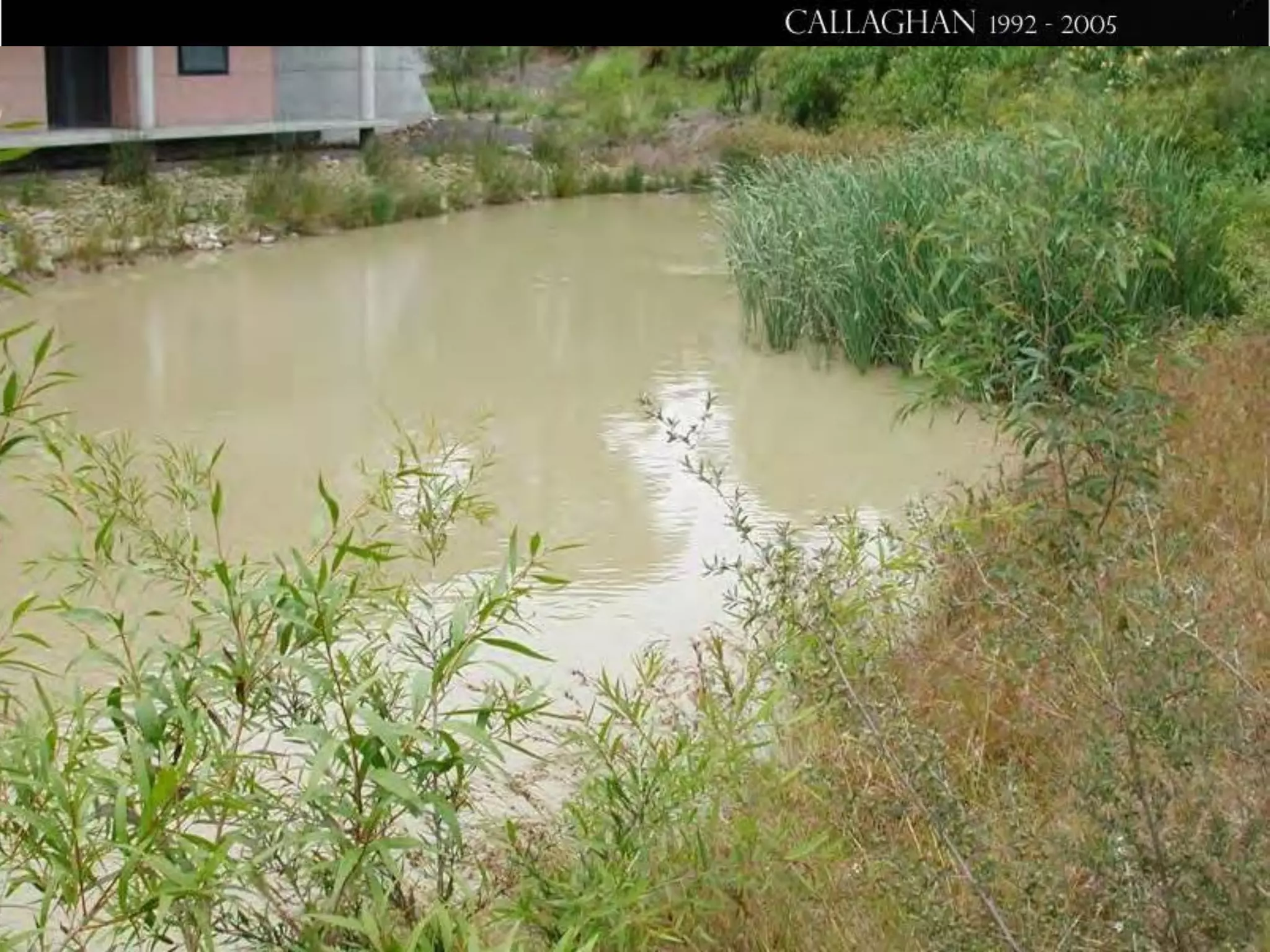
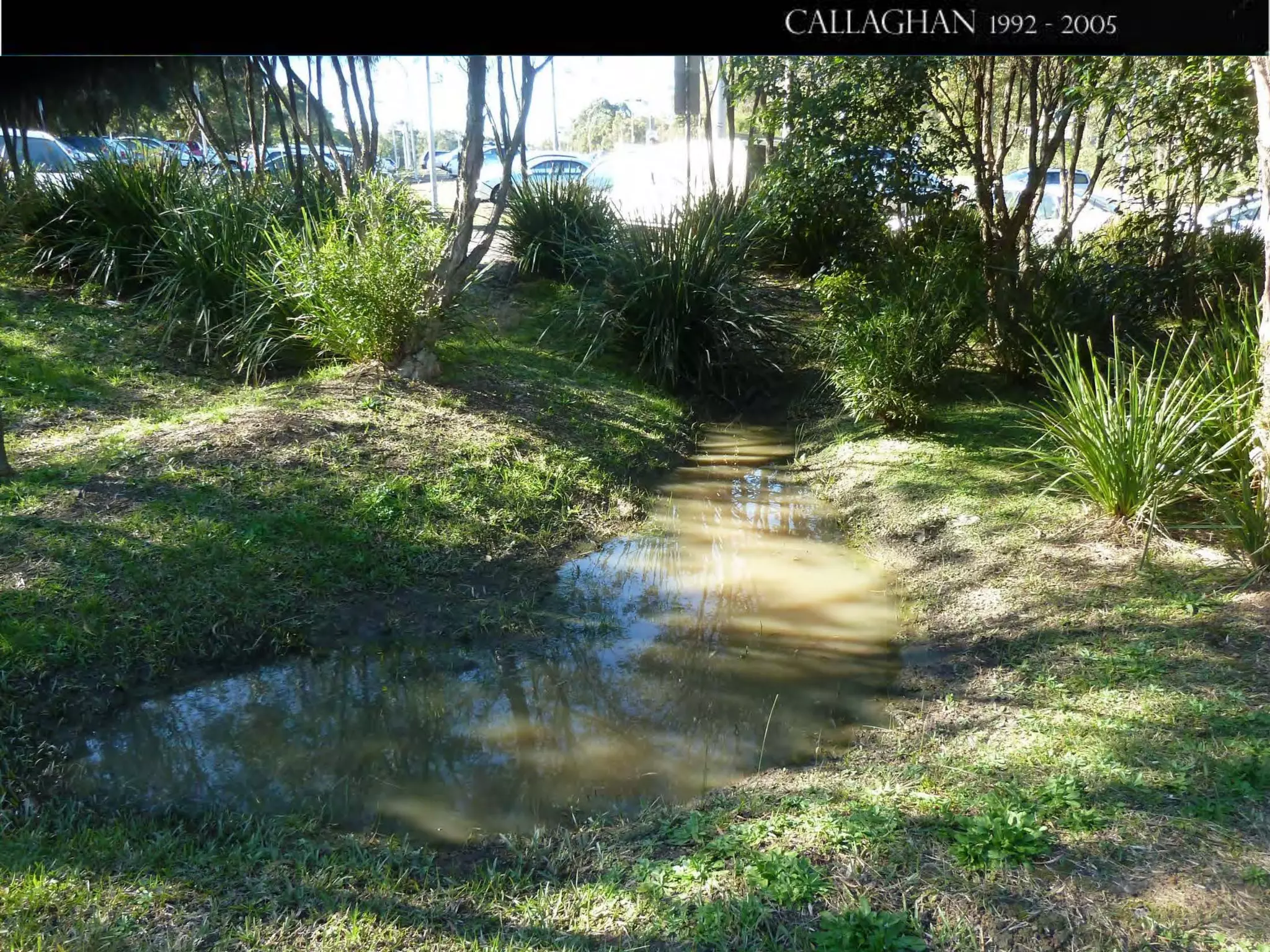
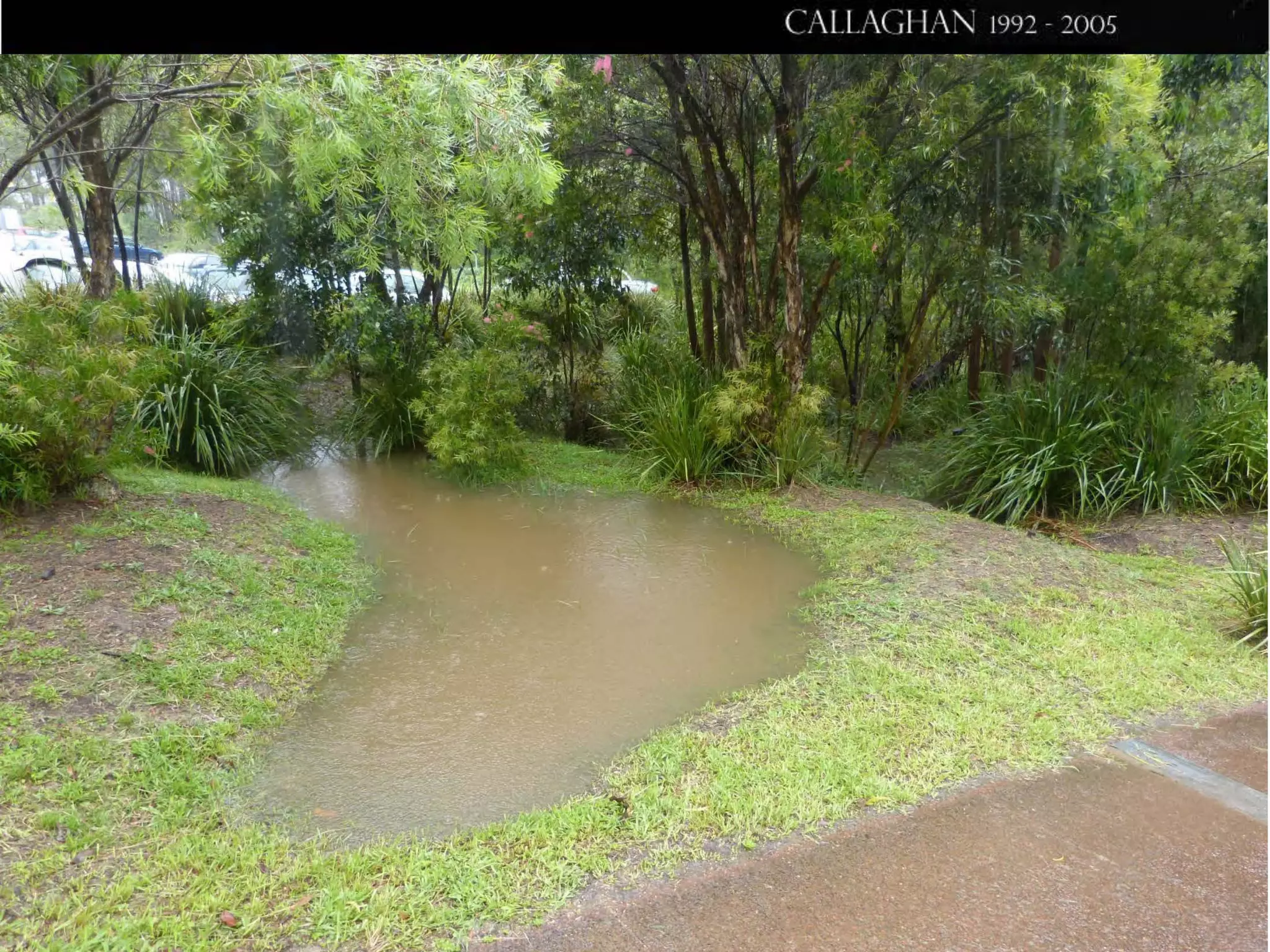
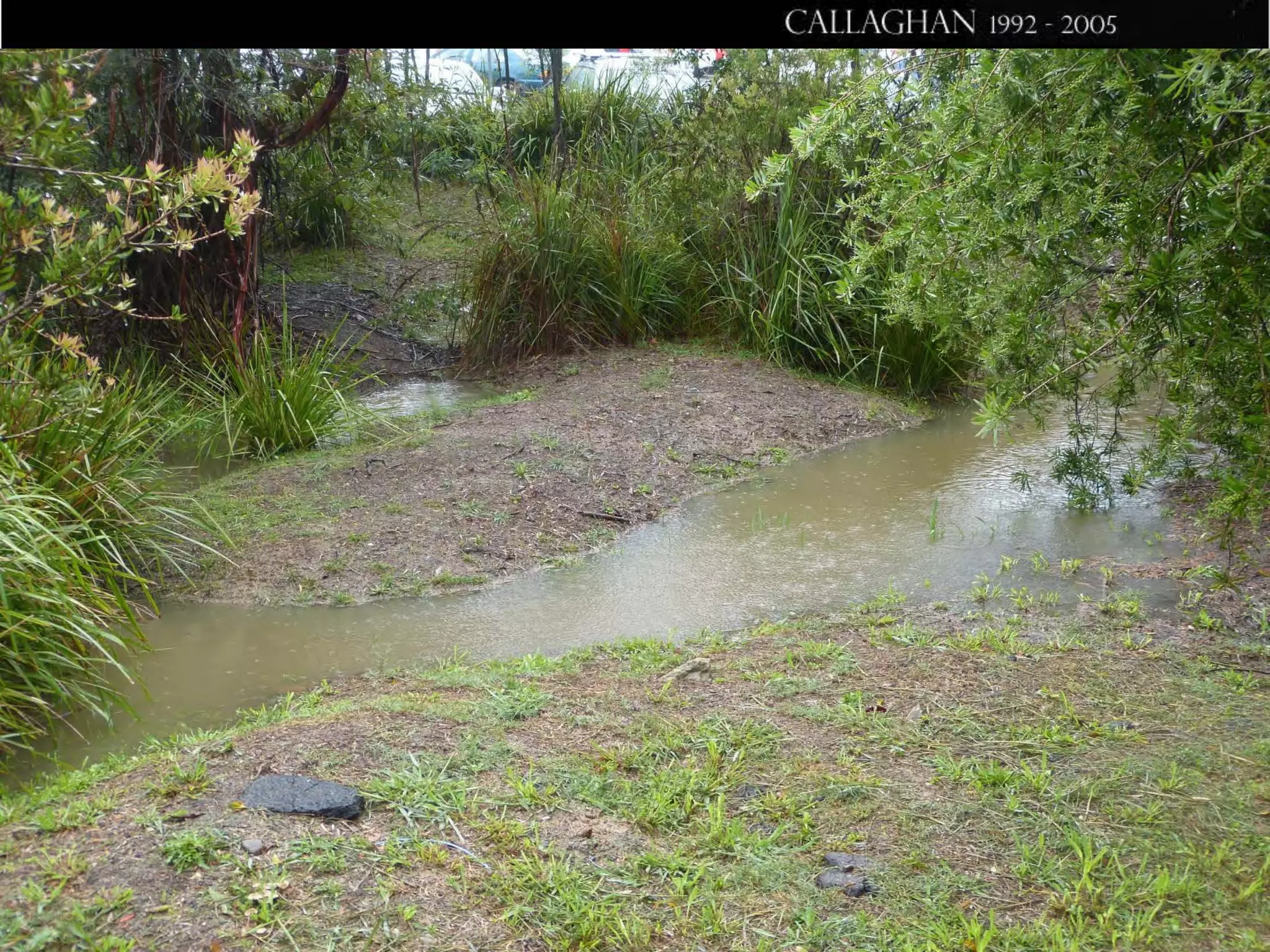
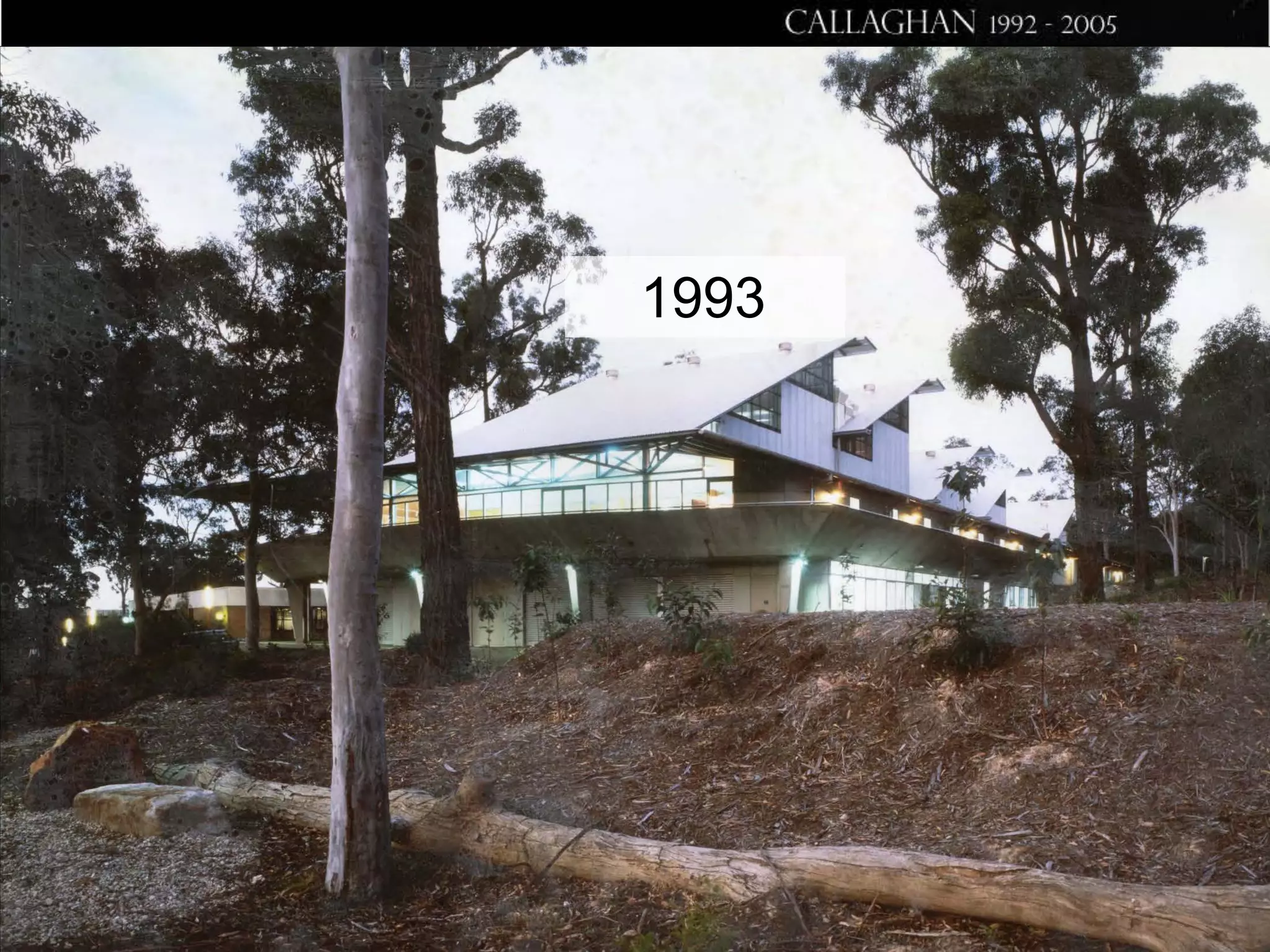
1992
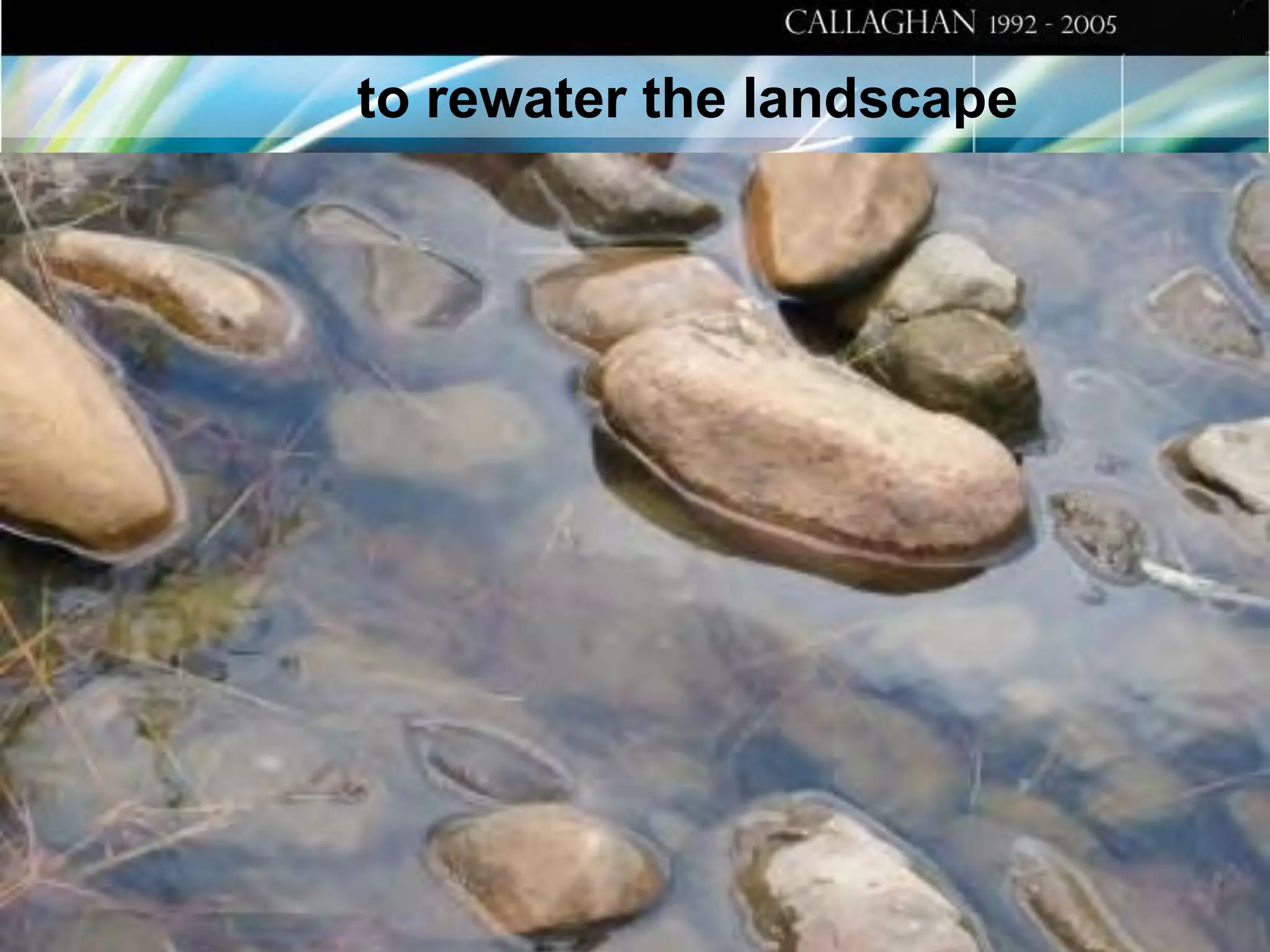
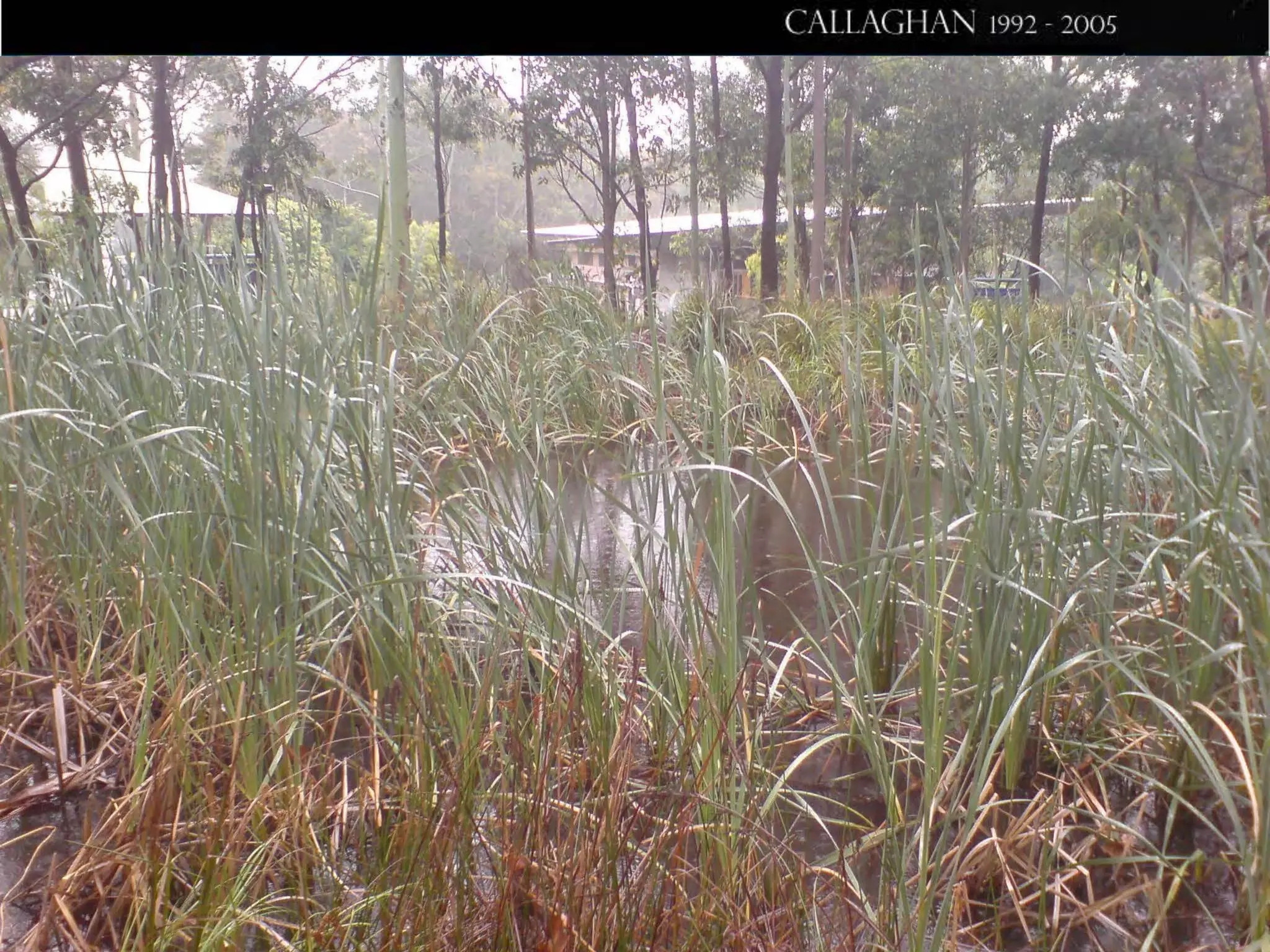
to rewater the landscape
1993
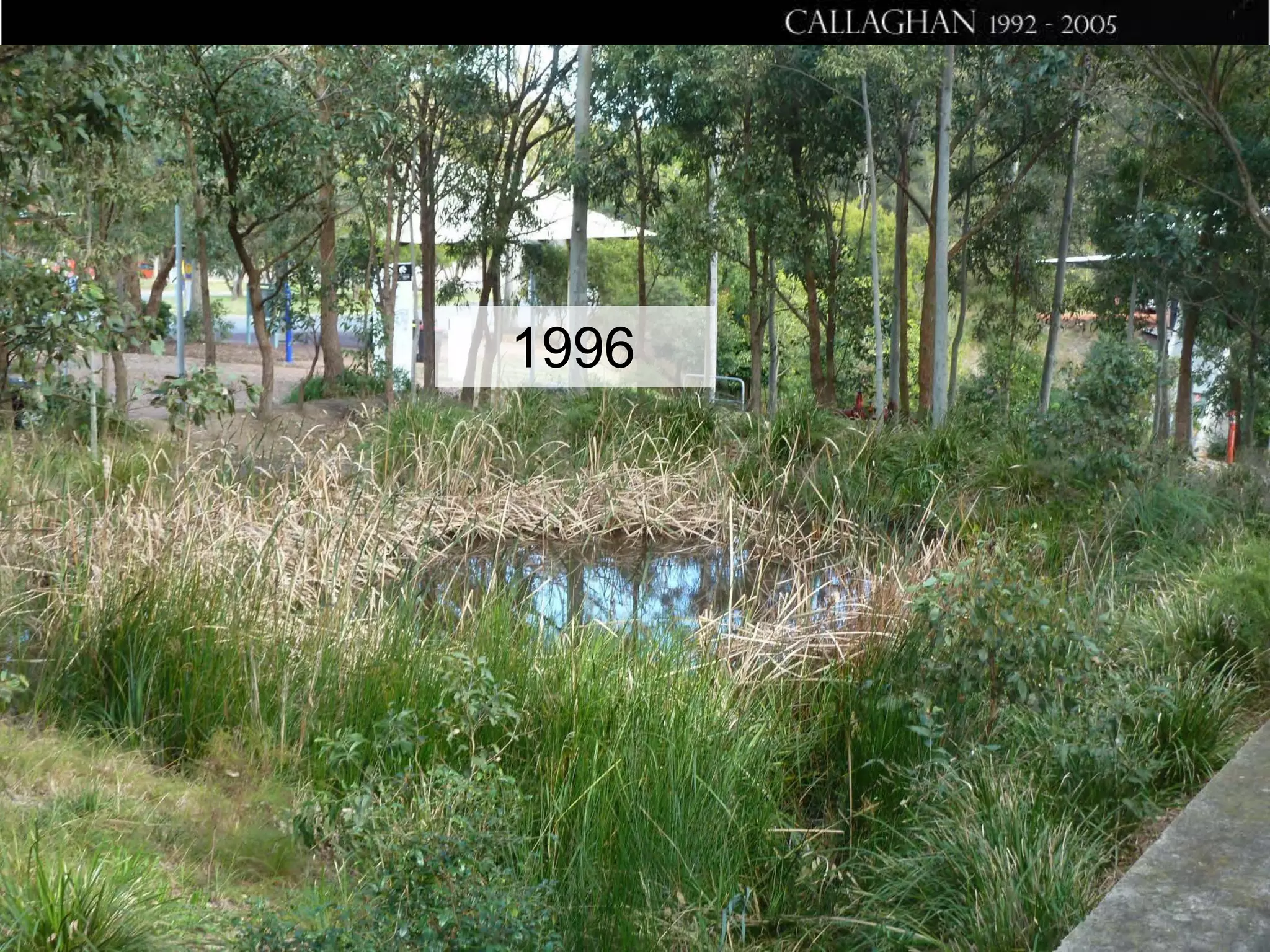
1996
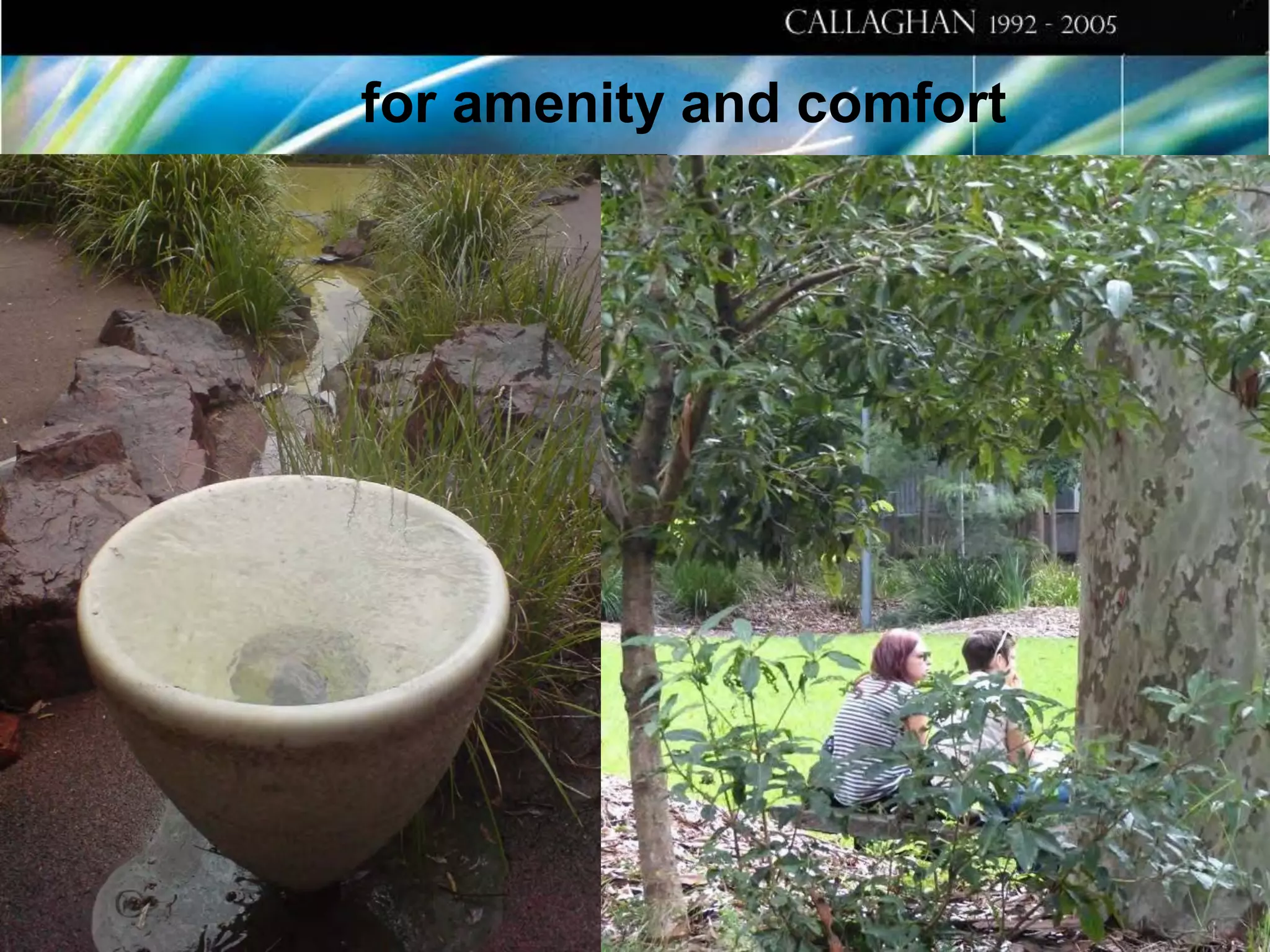
for amenity and comfort
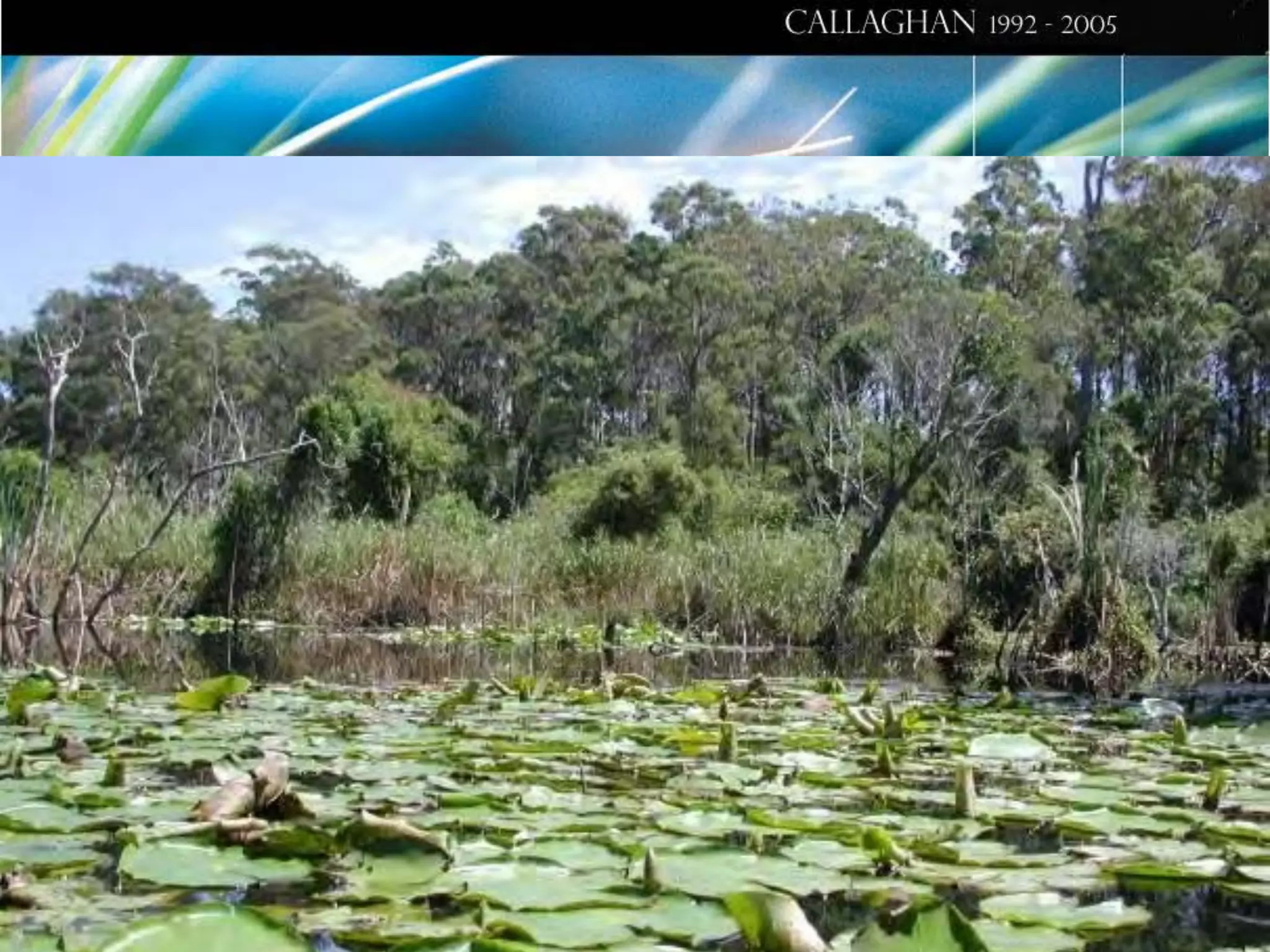
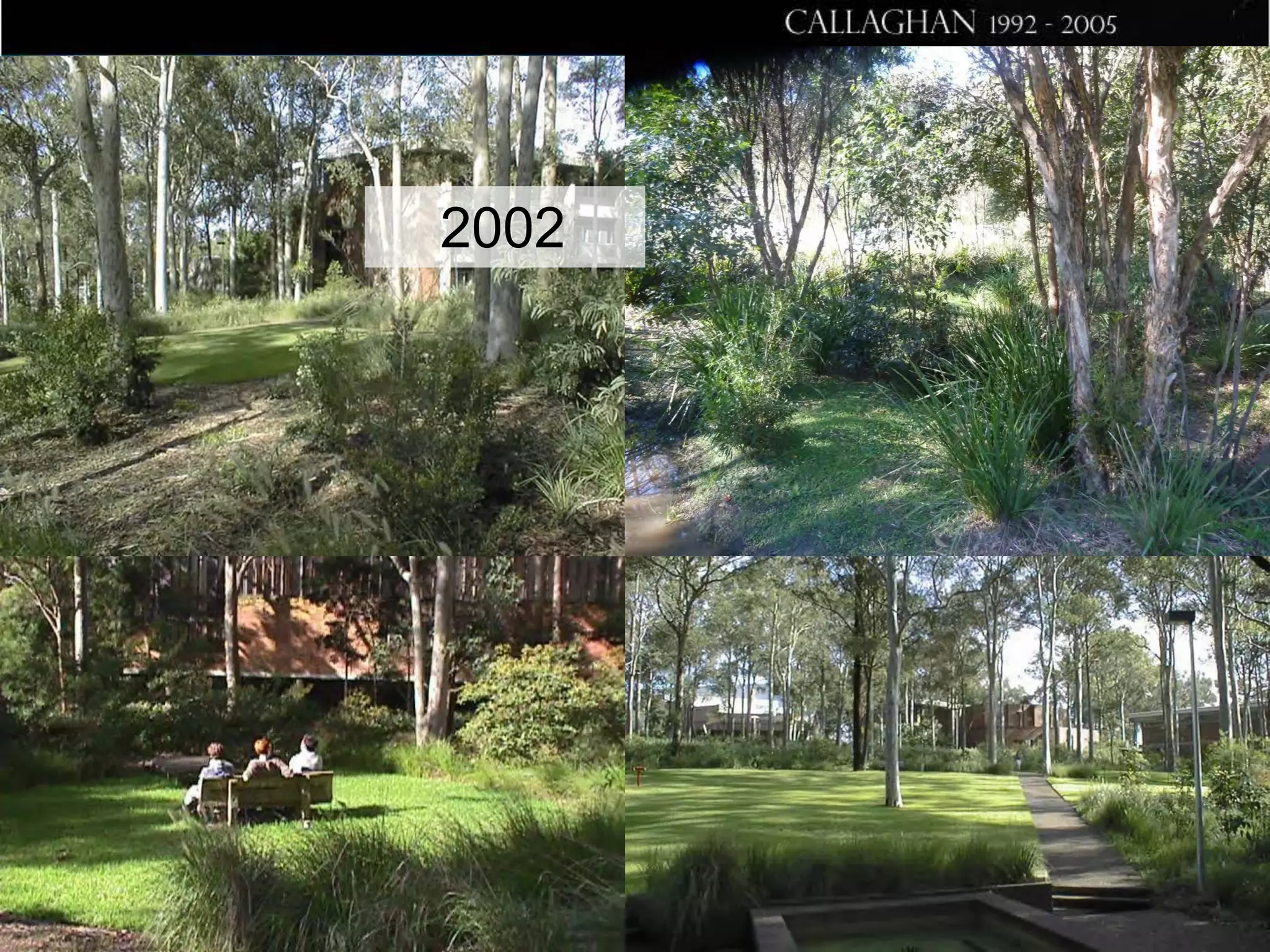
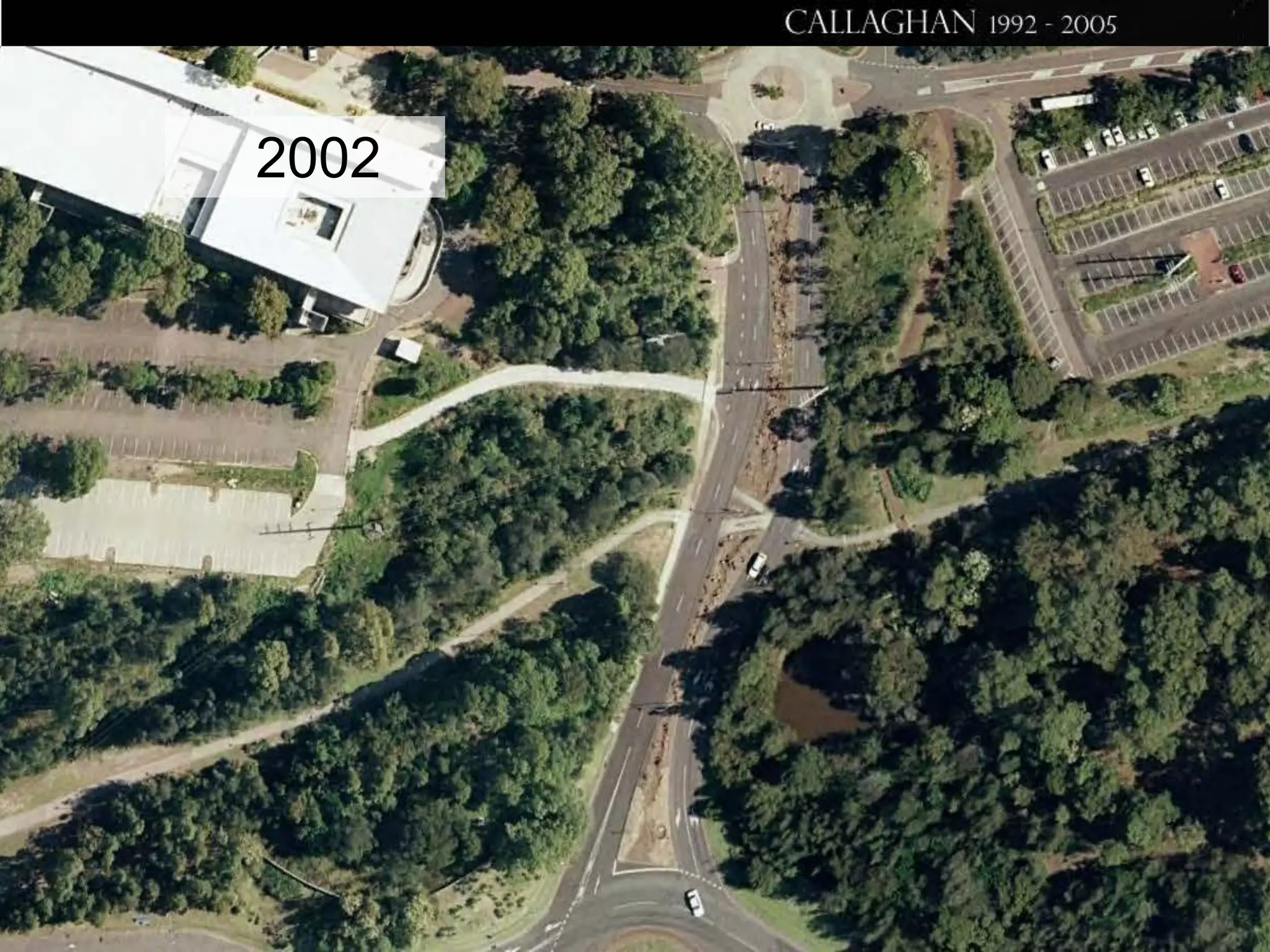
2002
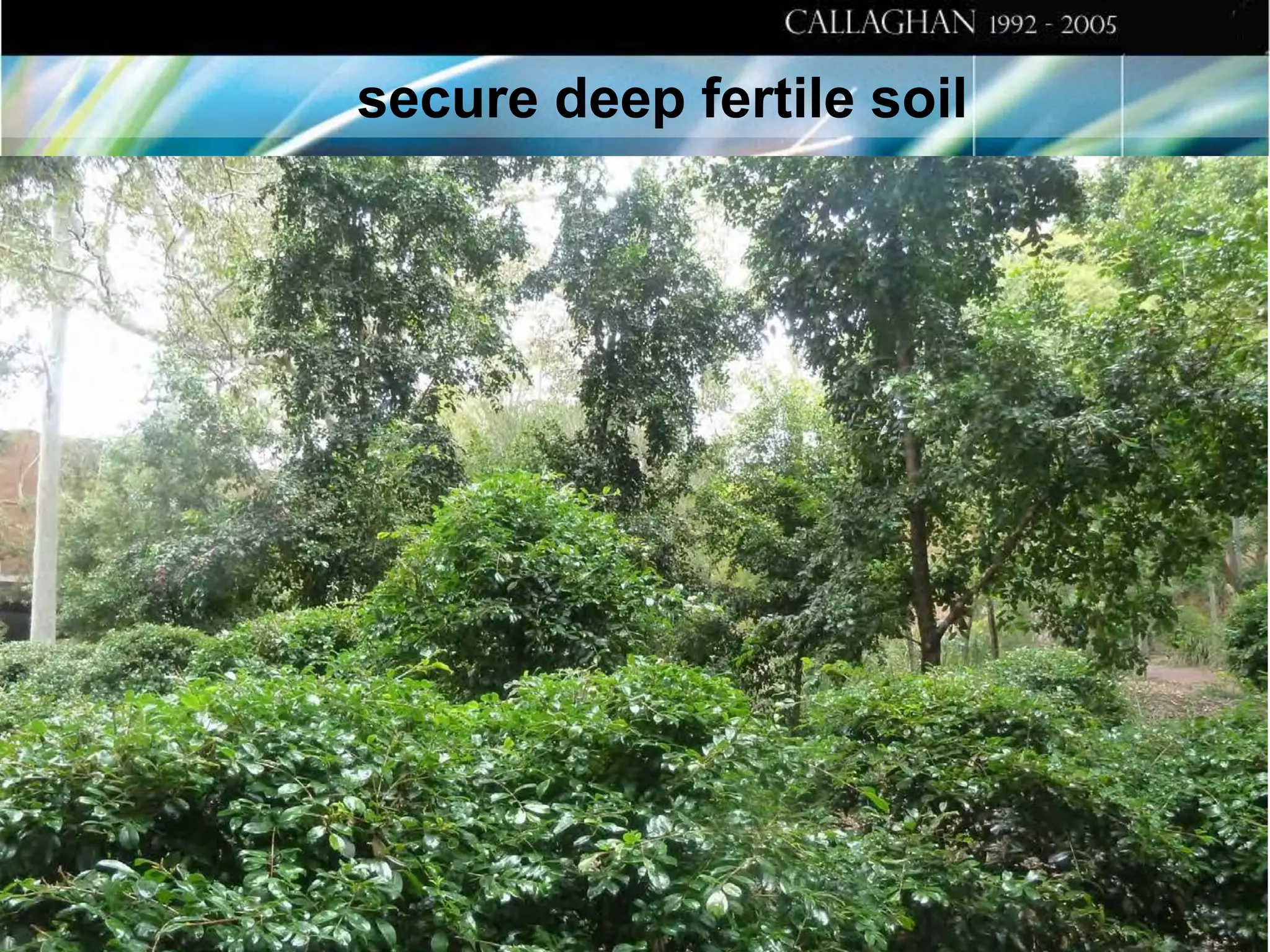
secure deep fertile soil
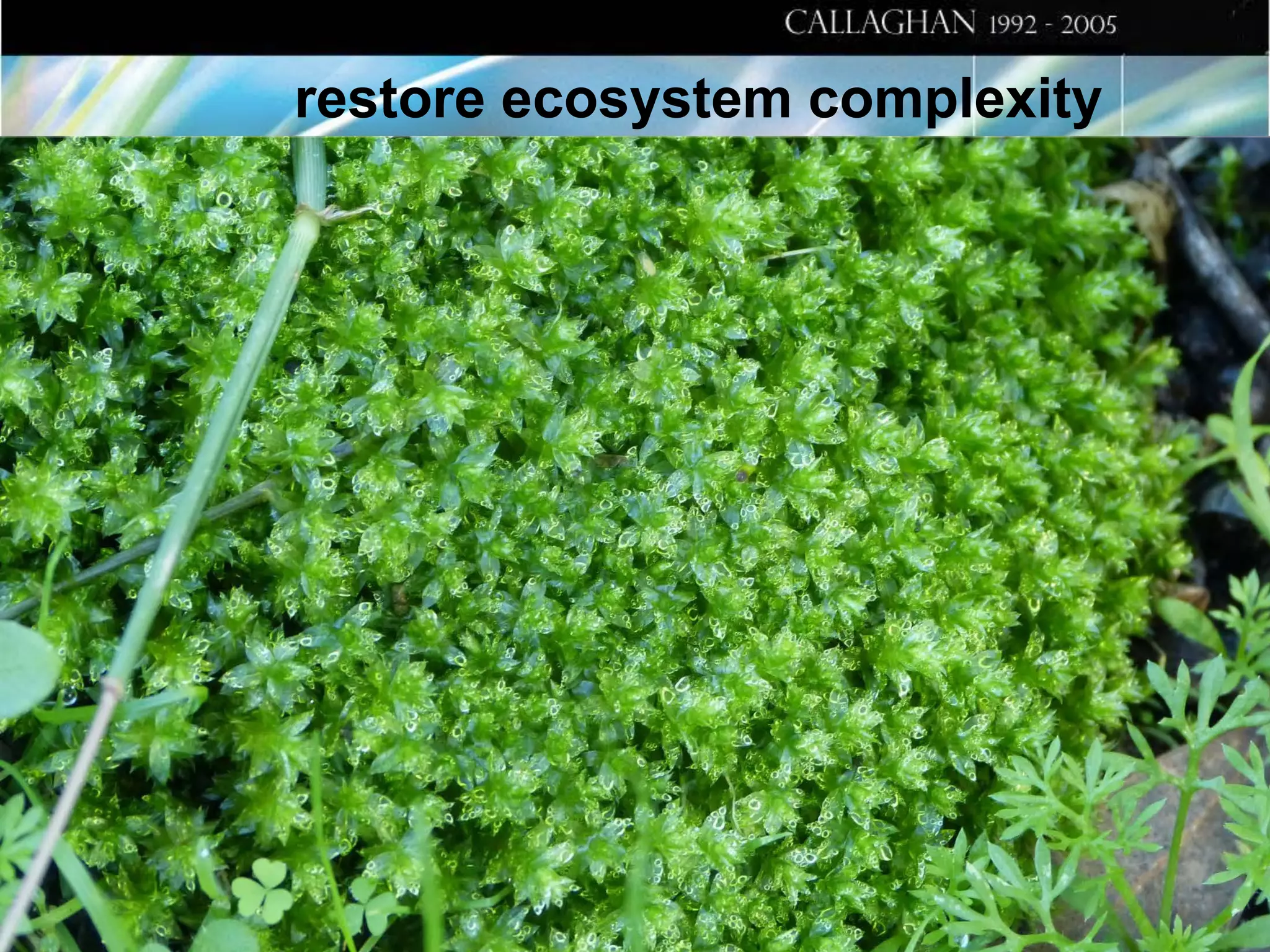
restore ecosystem complexity
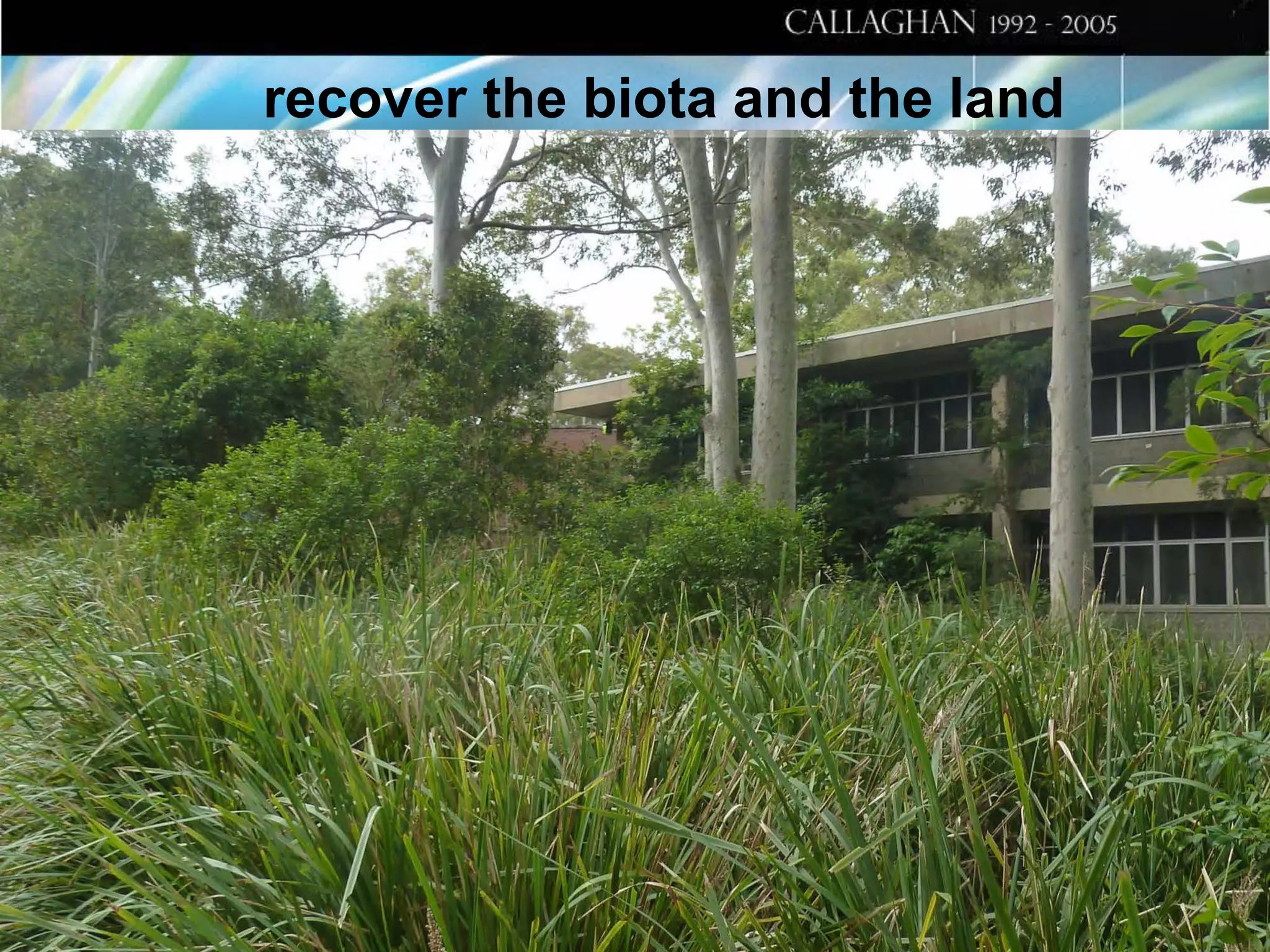
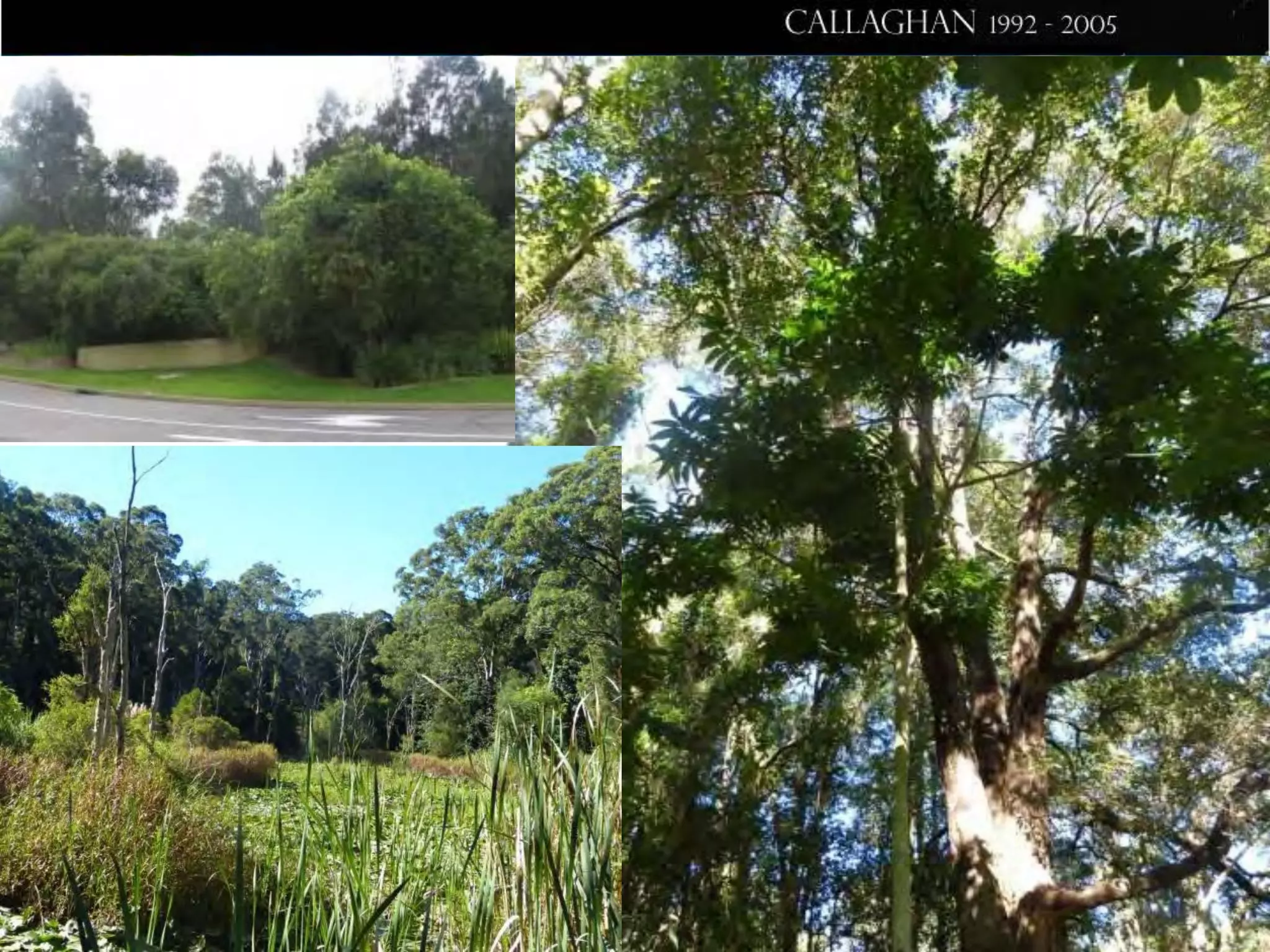
recover the biota and the land
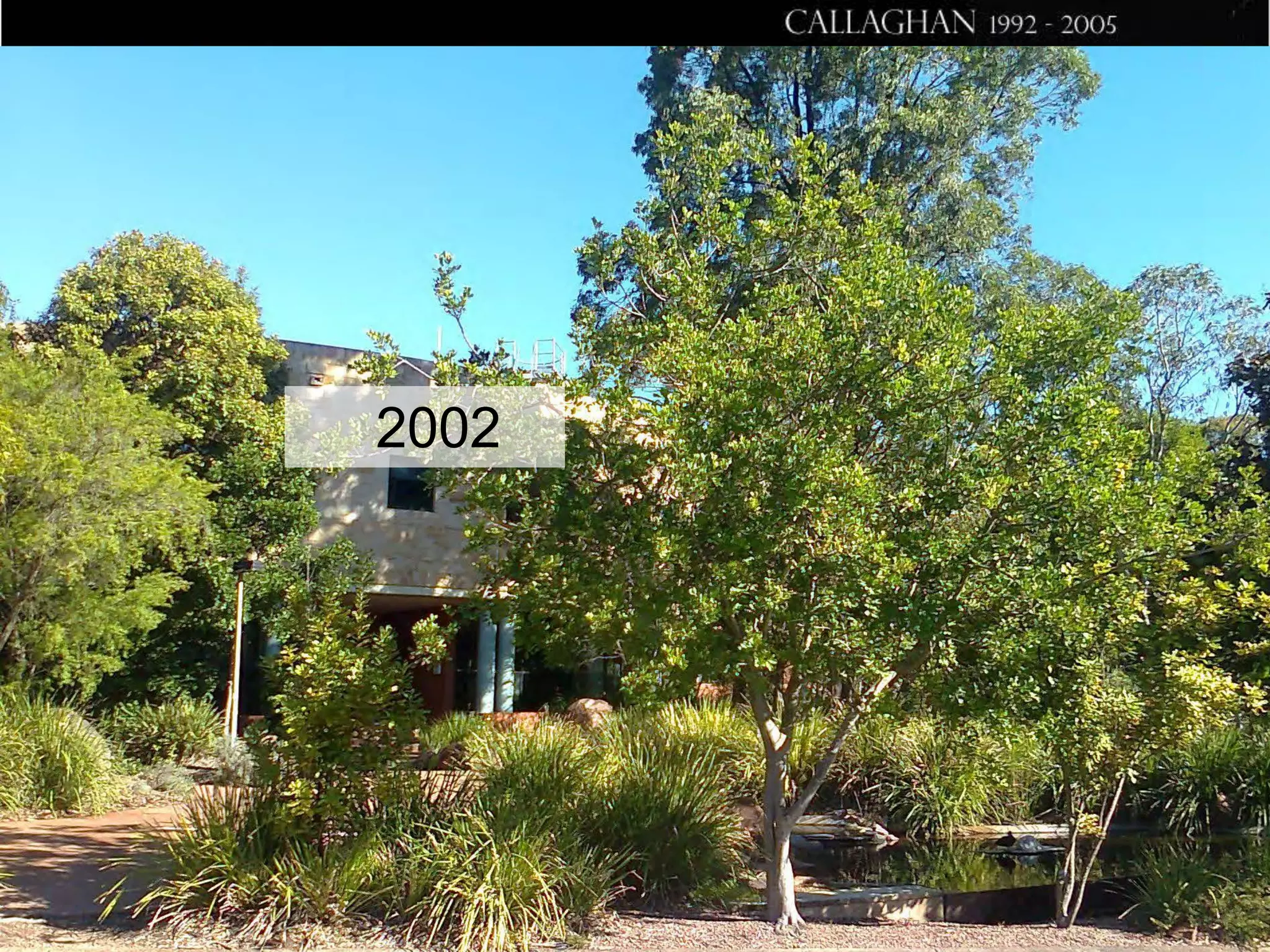
2002
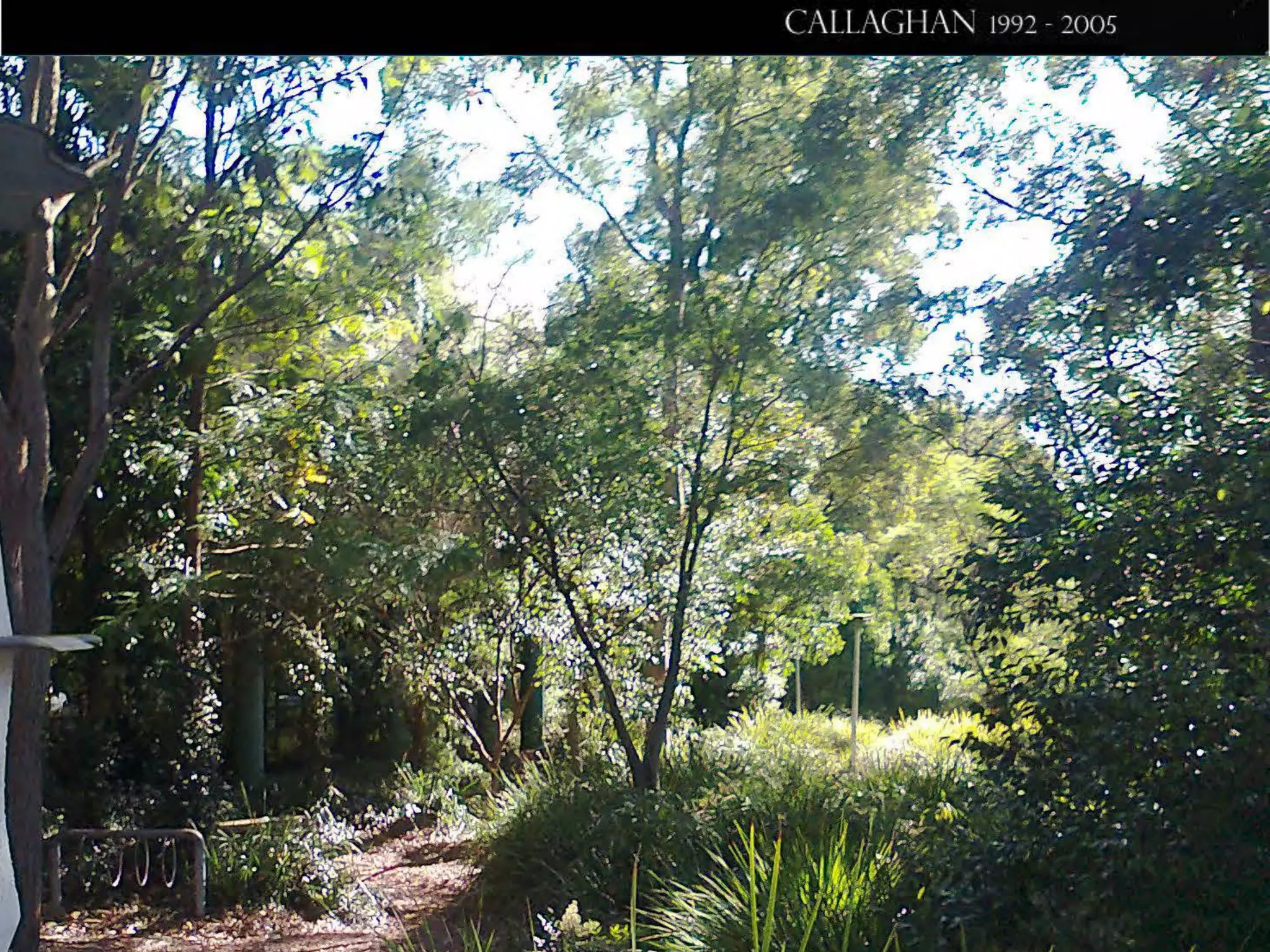
2002
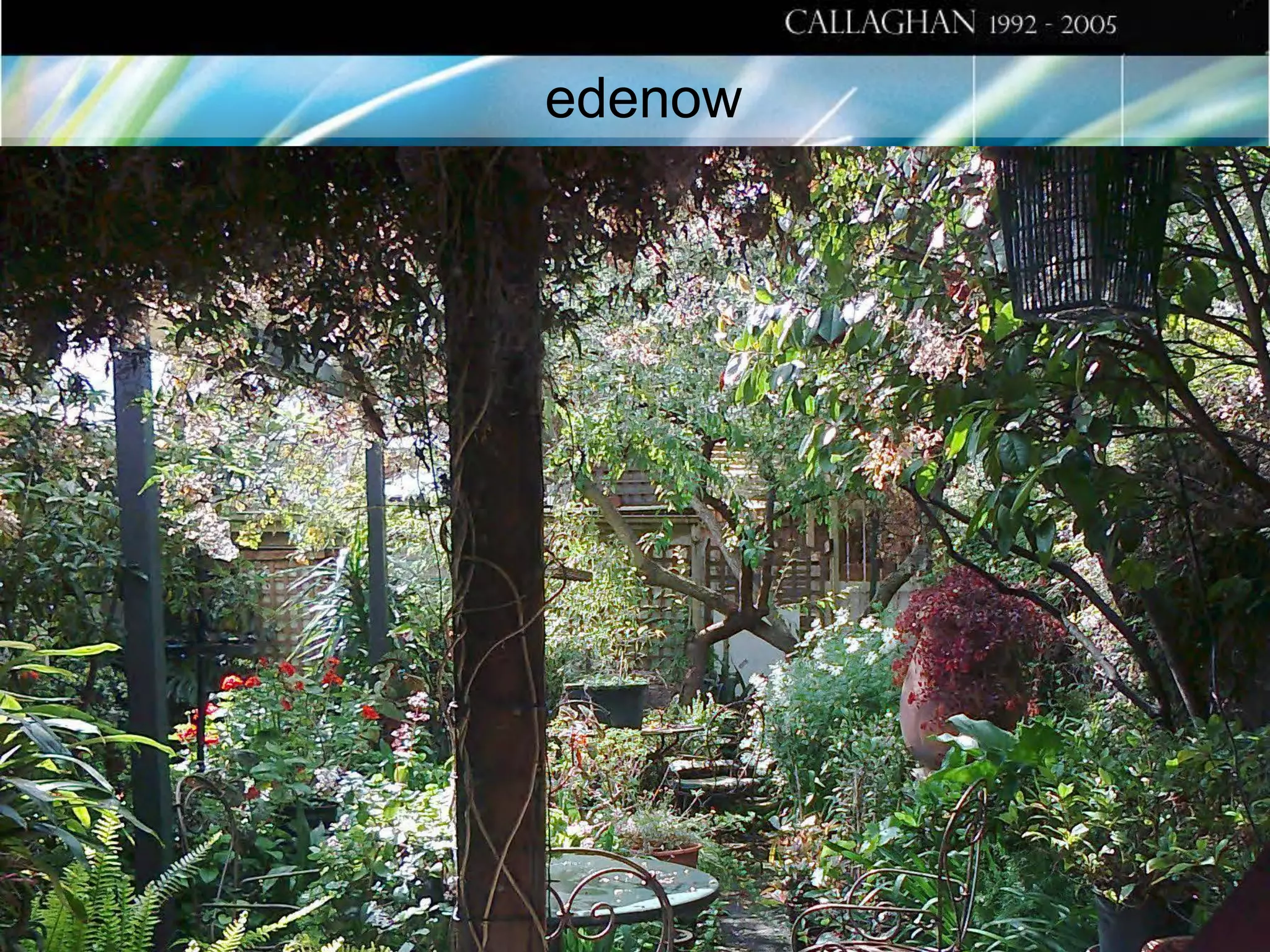
edenow
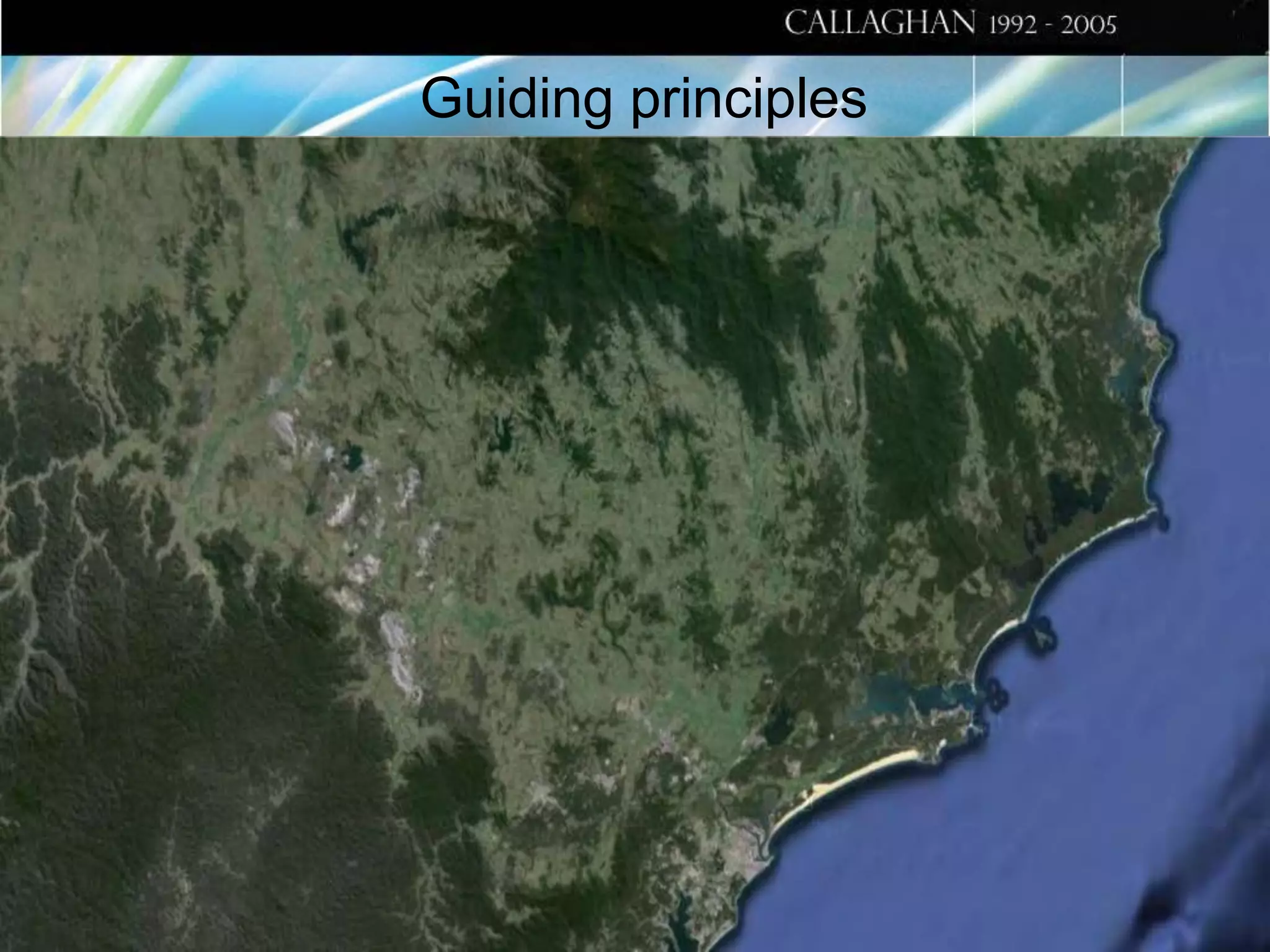
Guiding principles
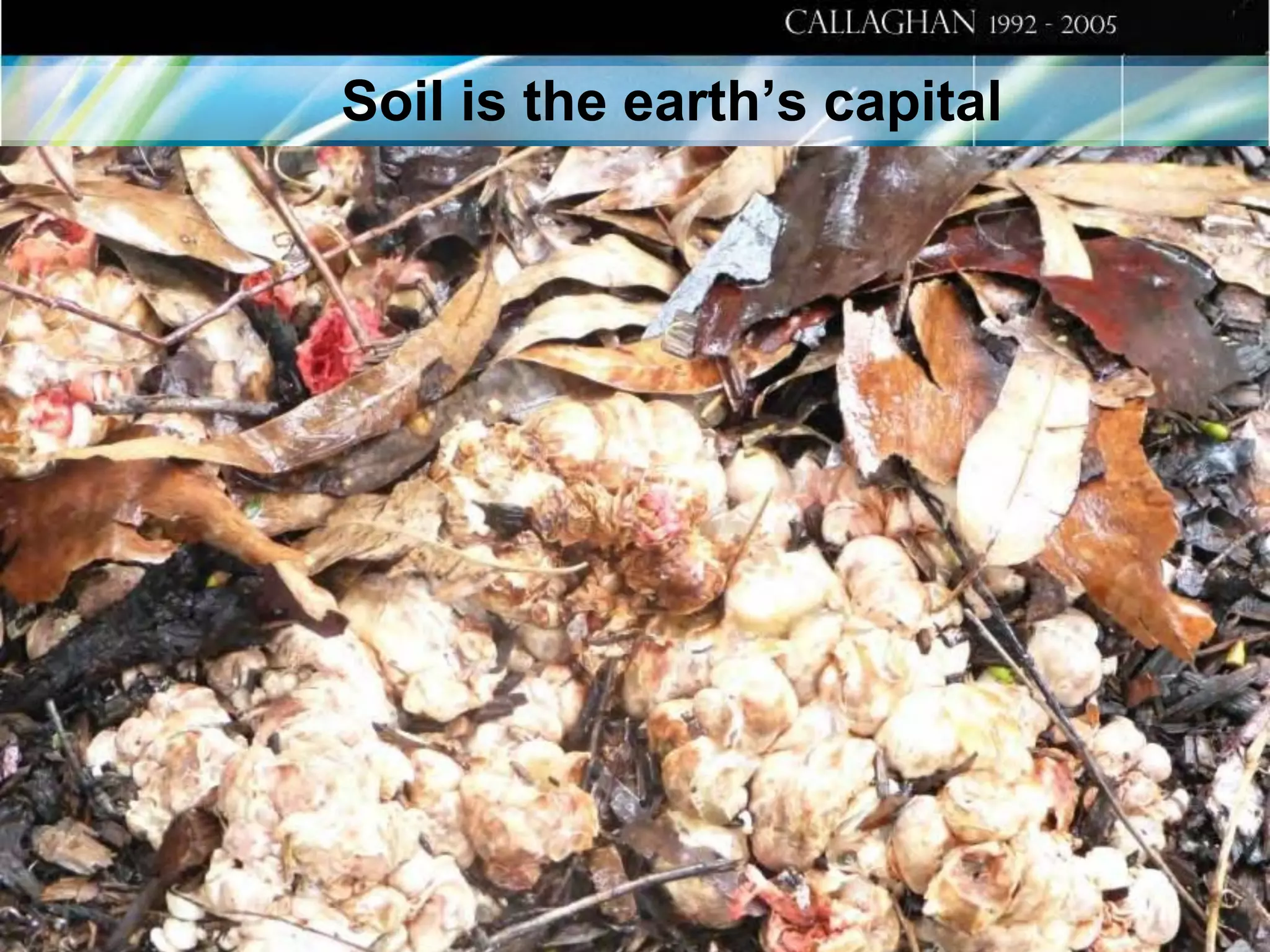
Soil is the earth’s capital
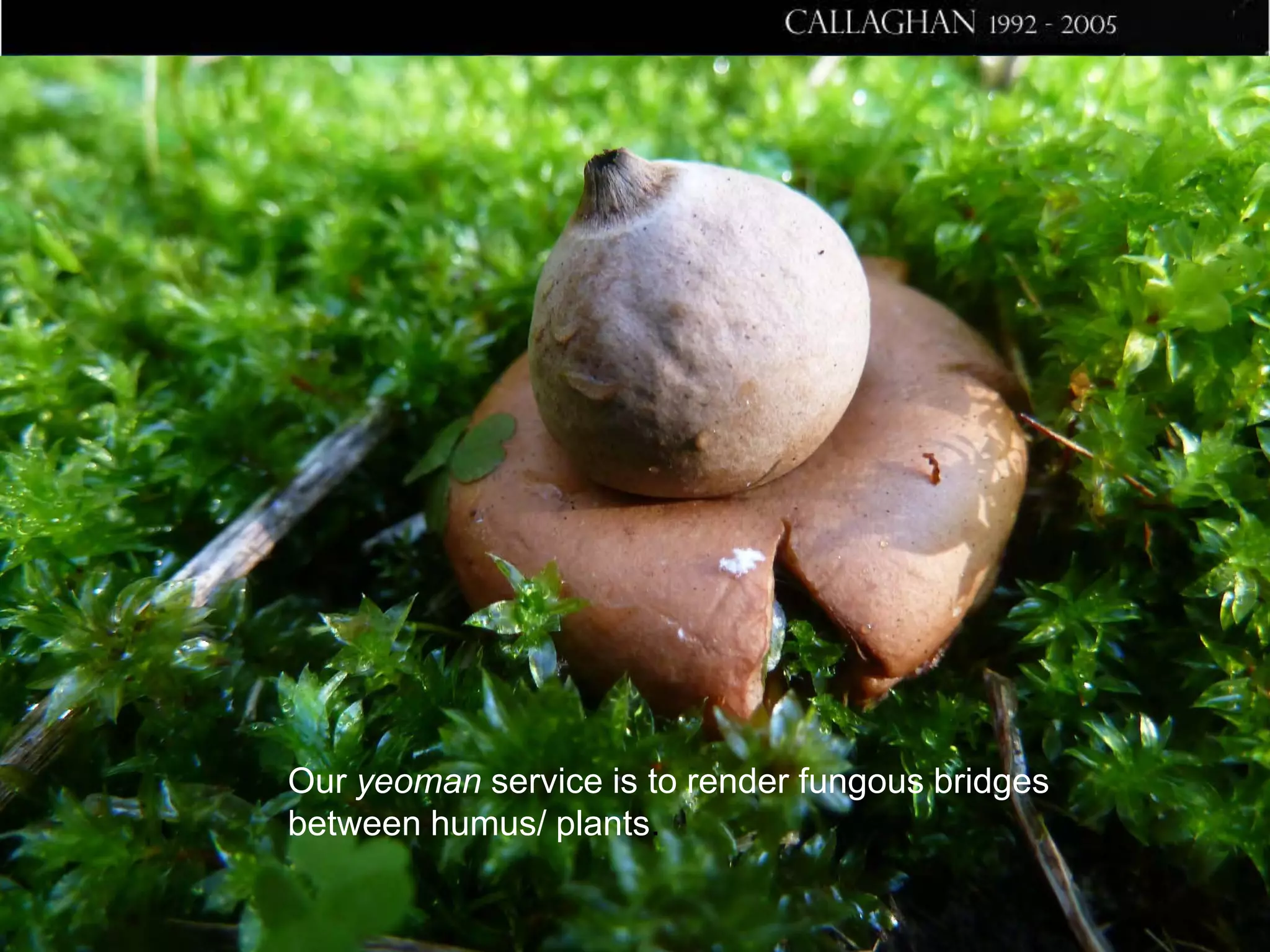
Our yeoman service is to render fungous bridges
between humus/ plants.
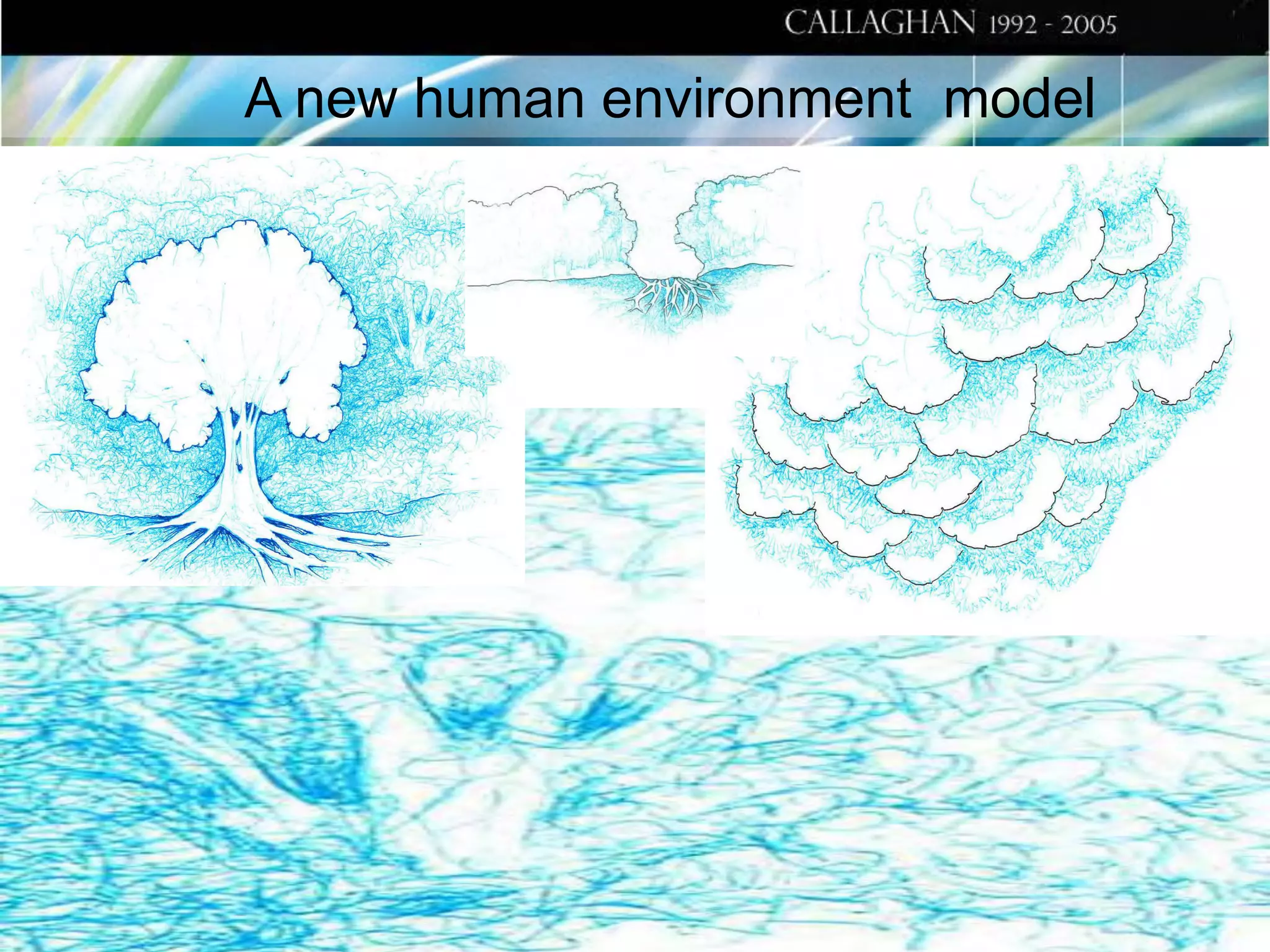
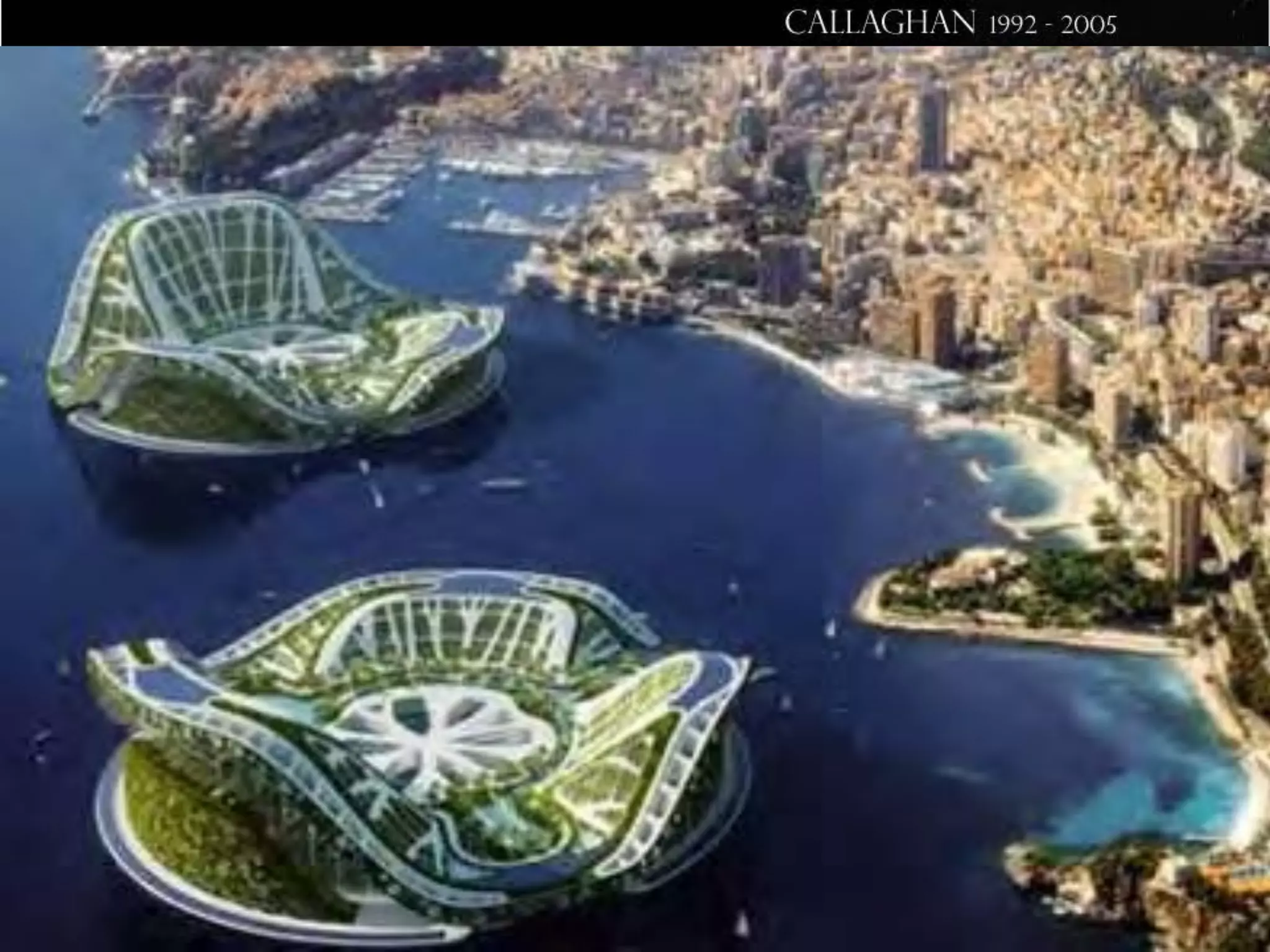
A new human environment model
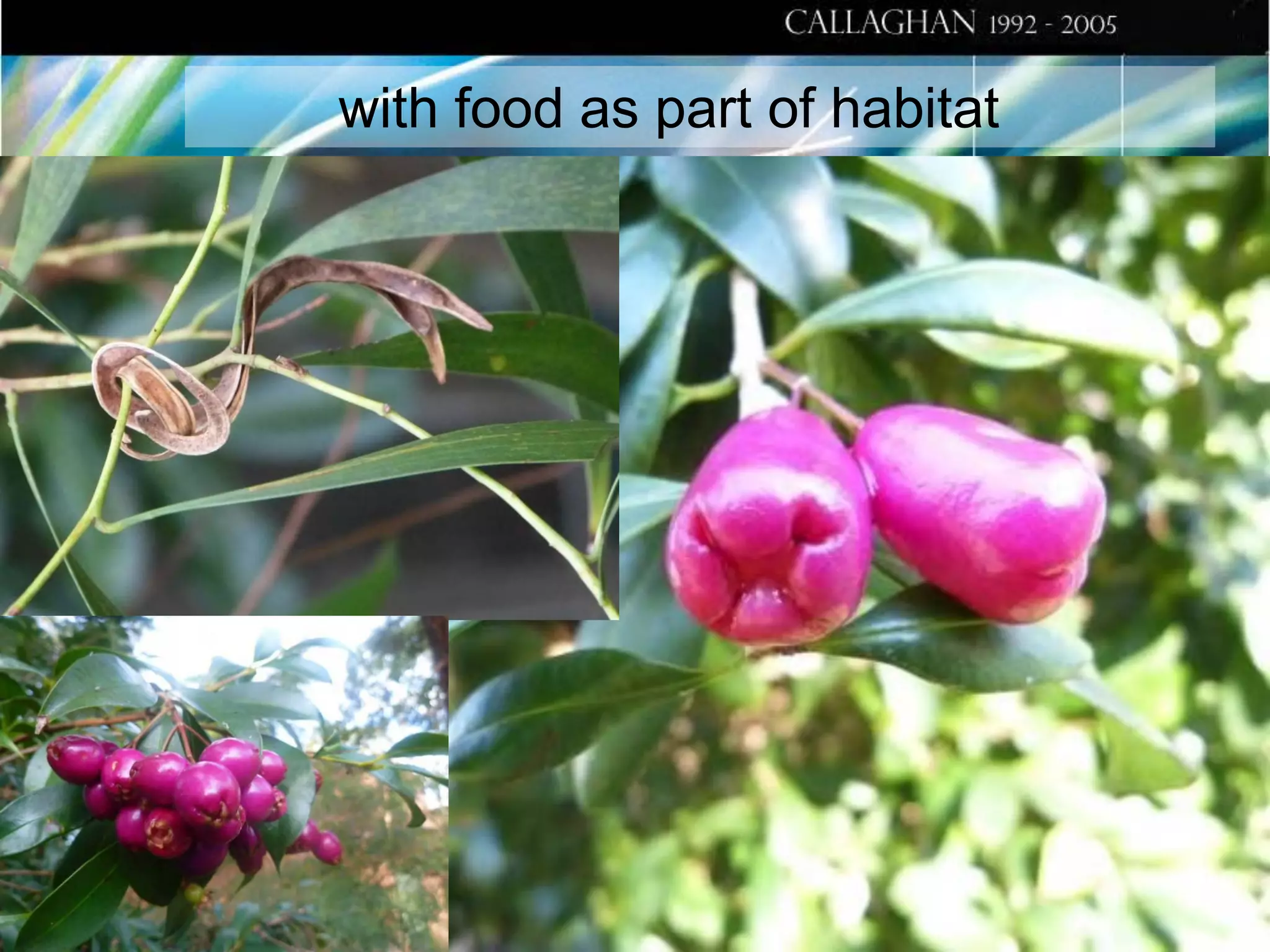
with food as part of habitat
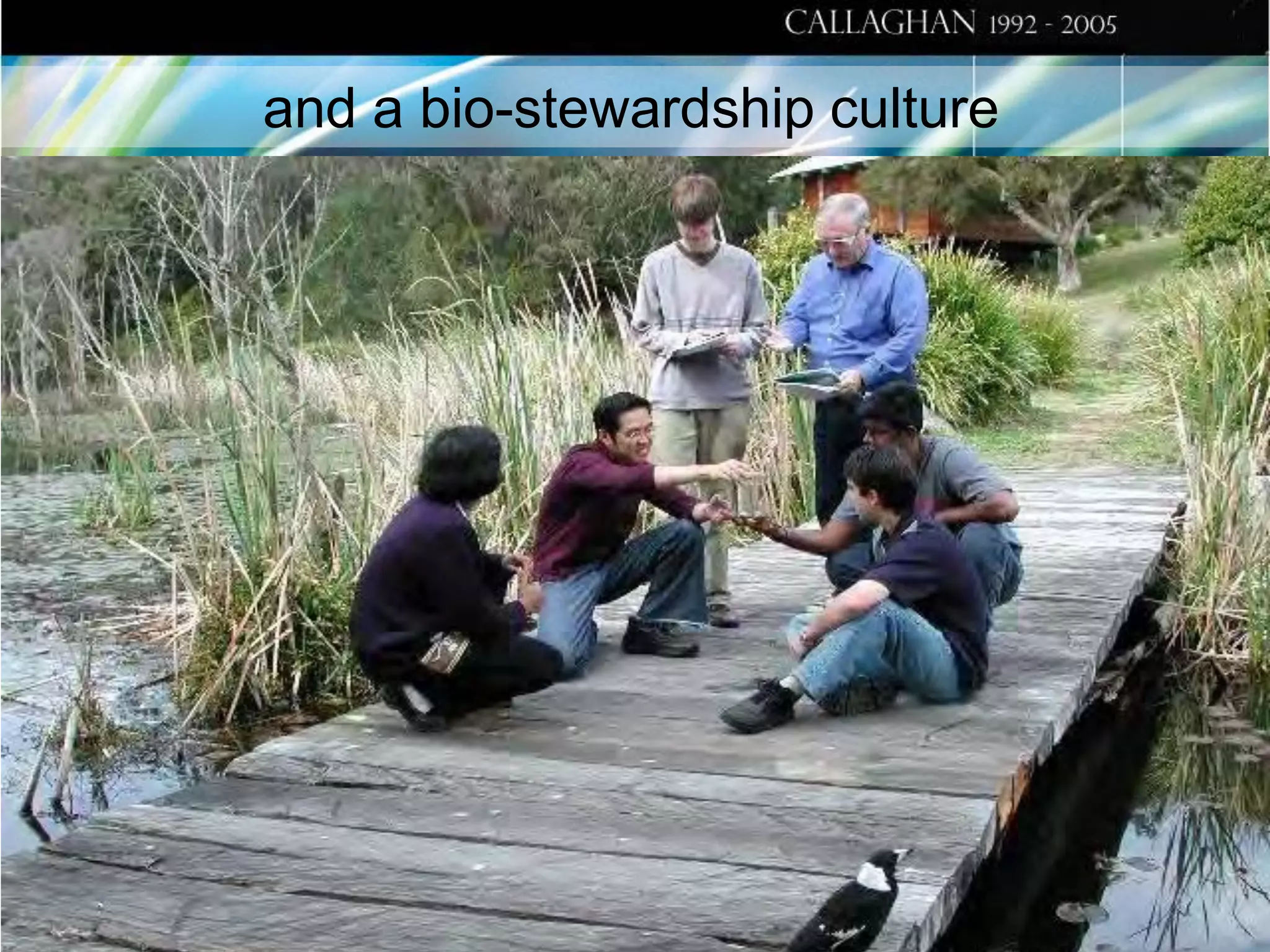
and a bio-stewardship culture
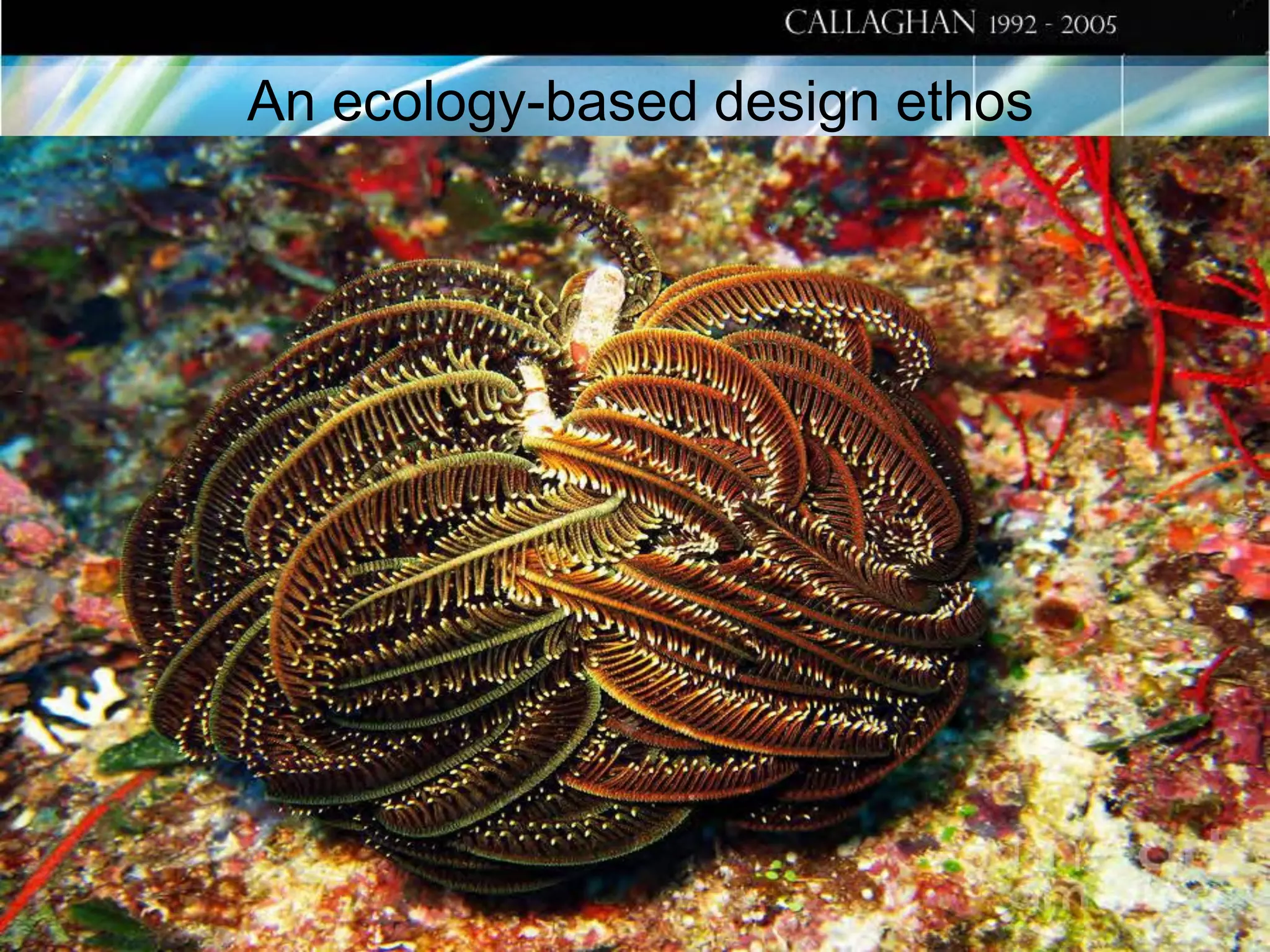
An ecology-based design ethos
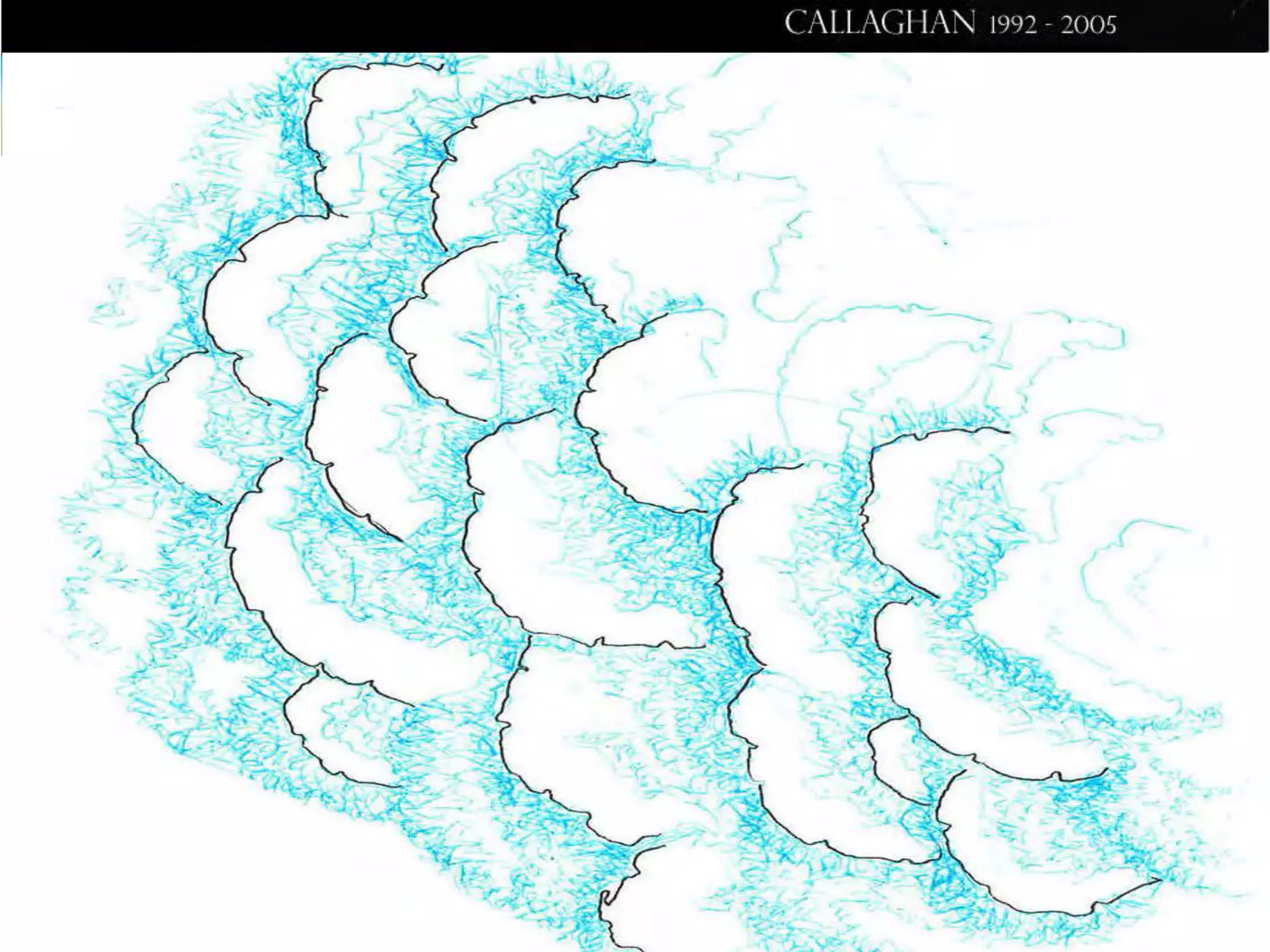
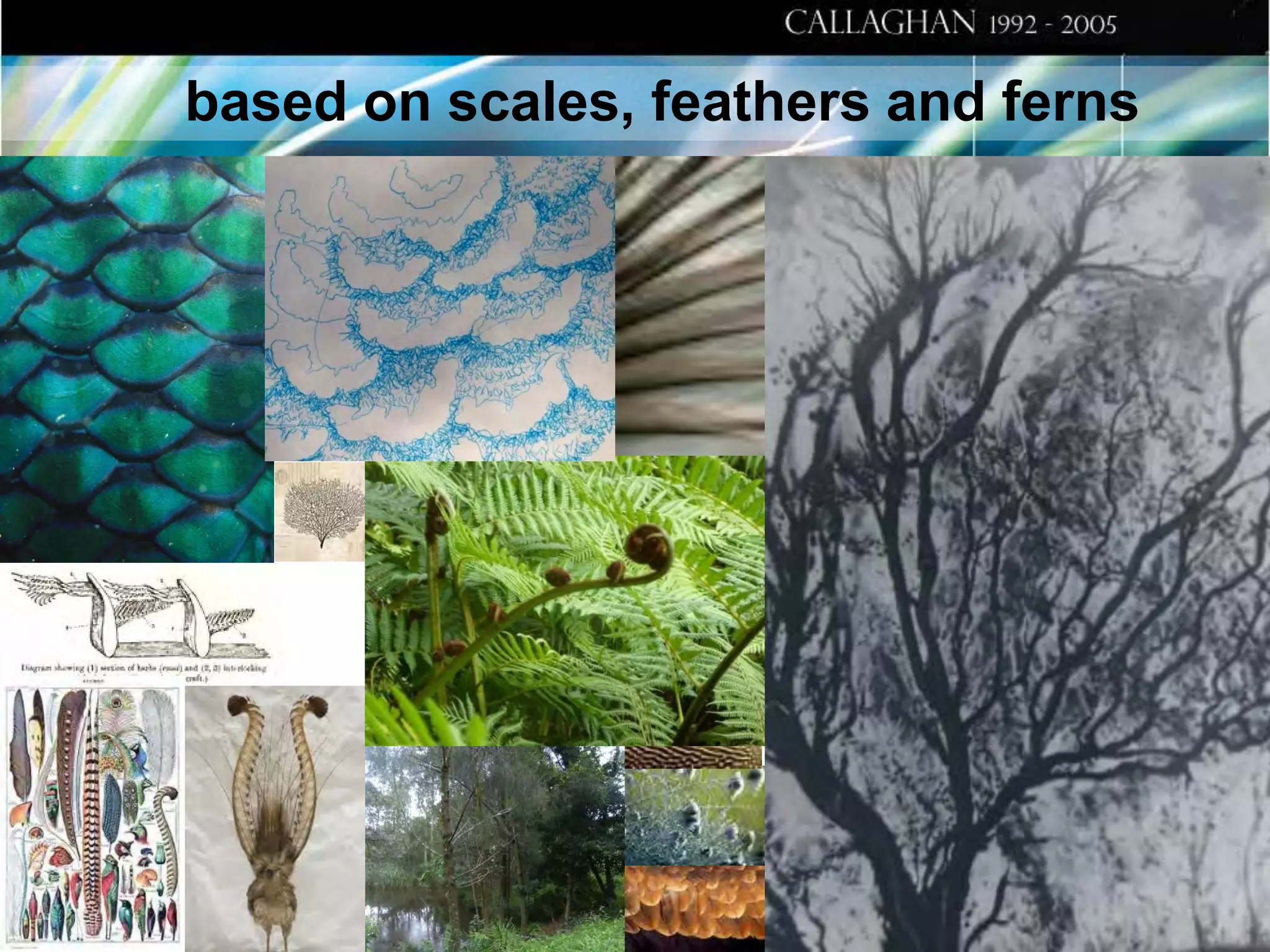
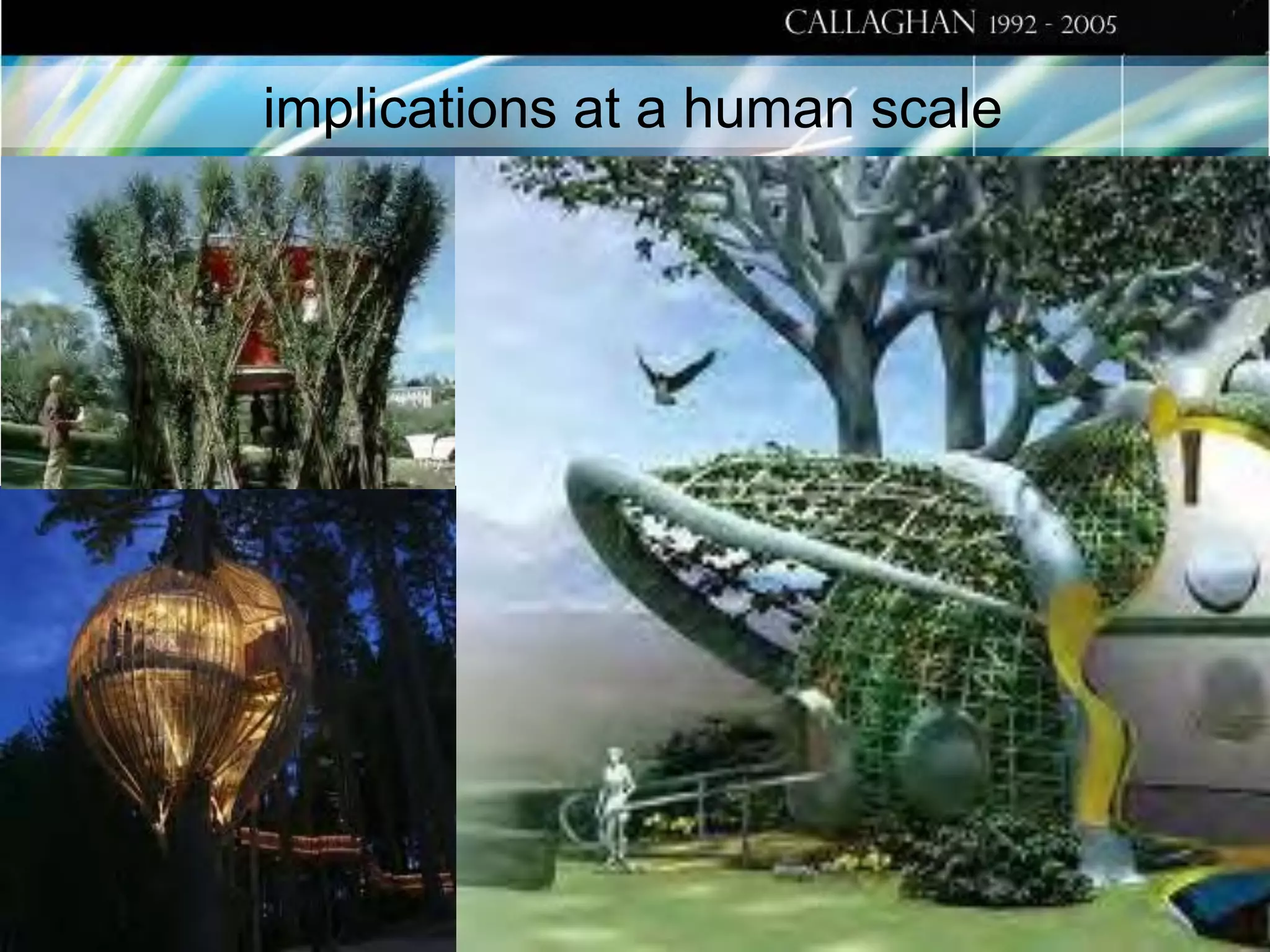
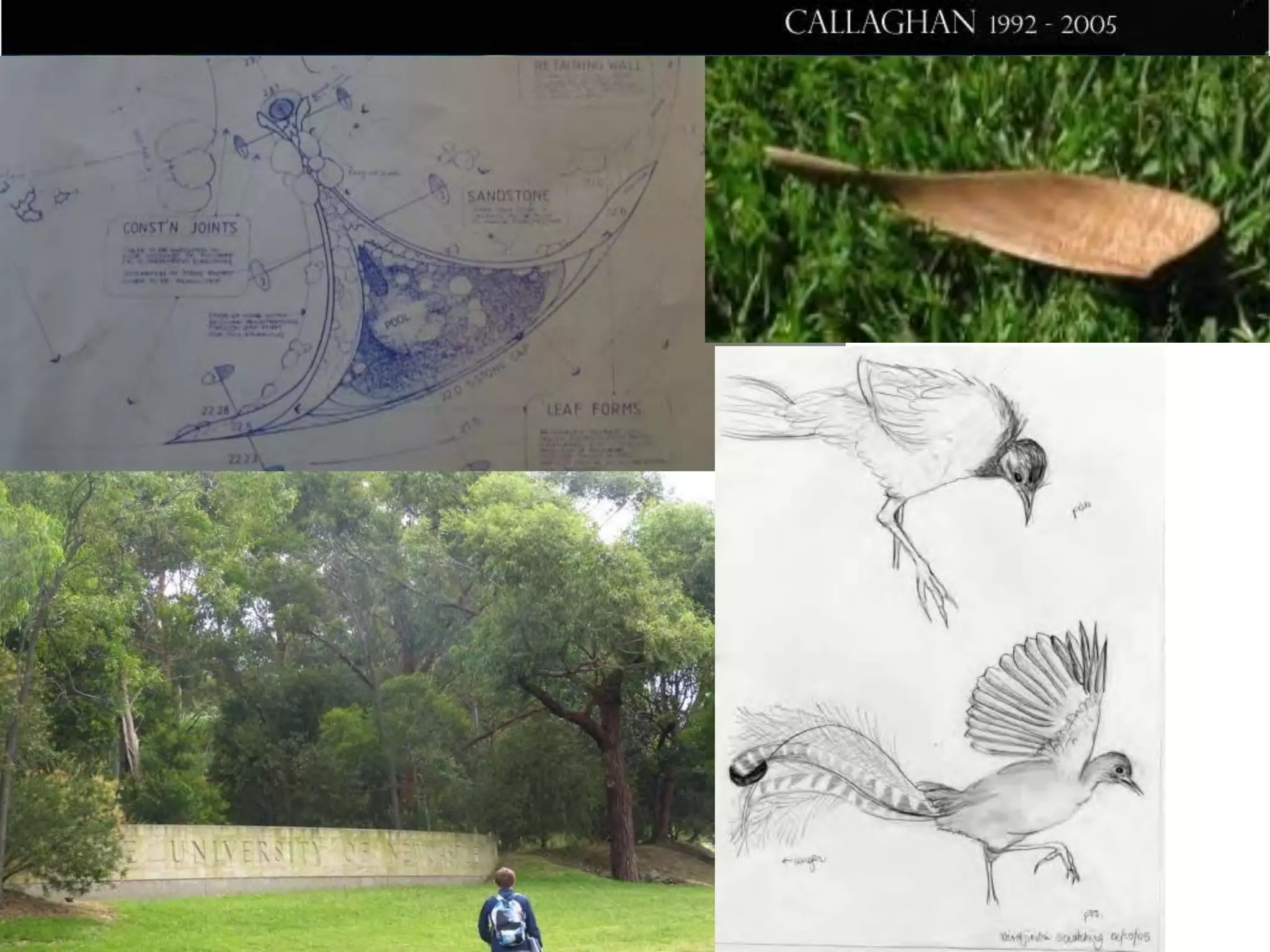
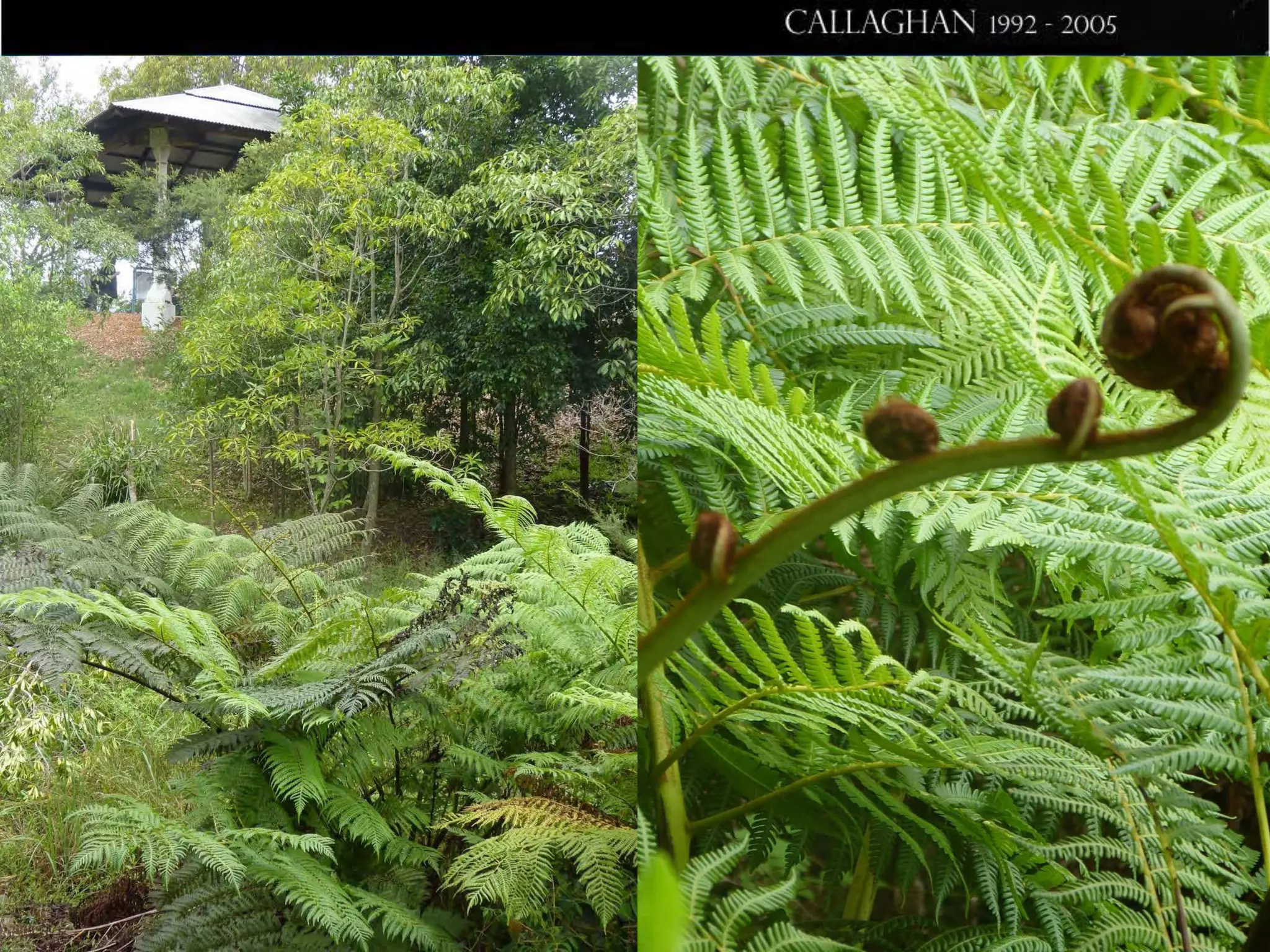
based on scales, feathers and ferns
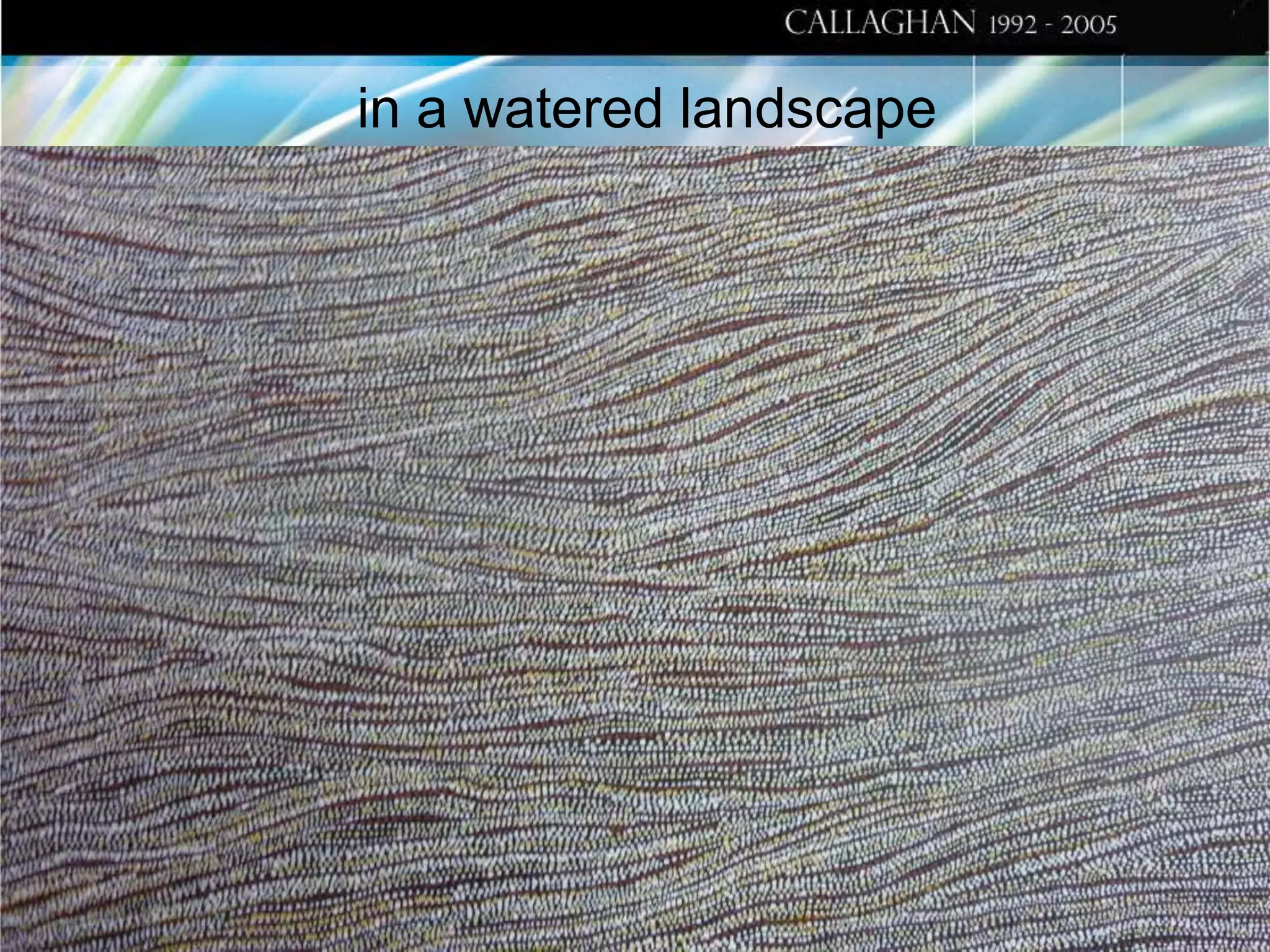
in a watered landscape
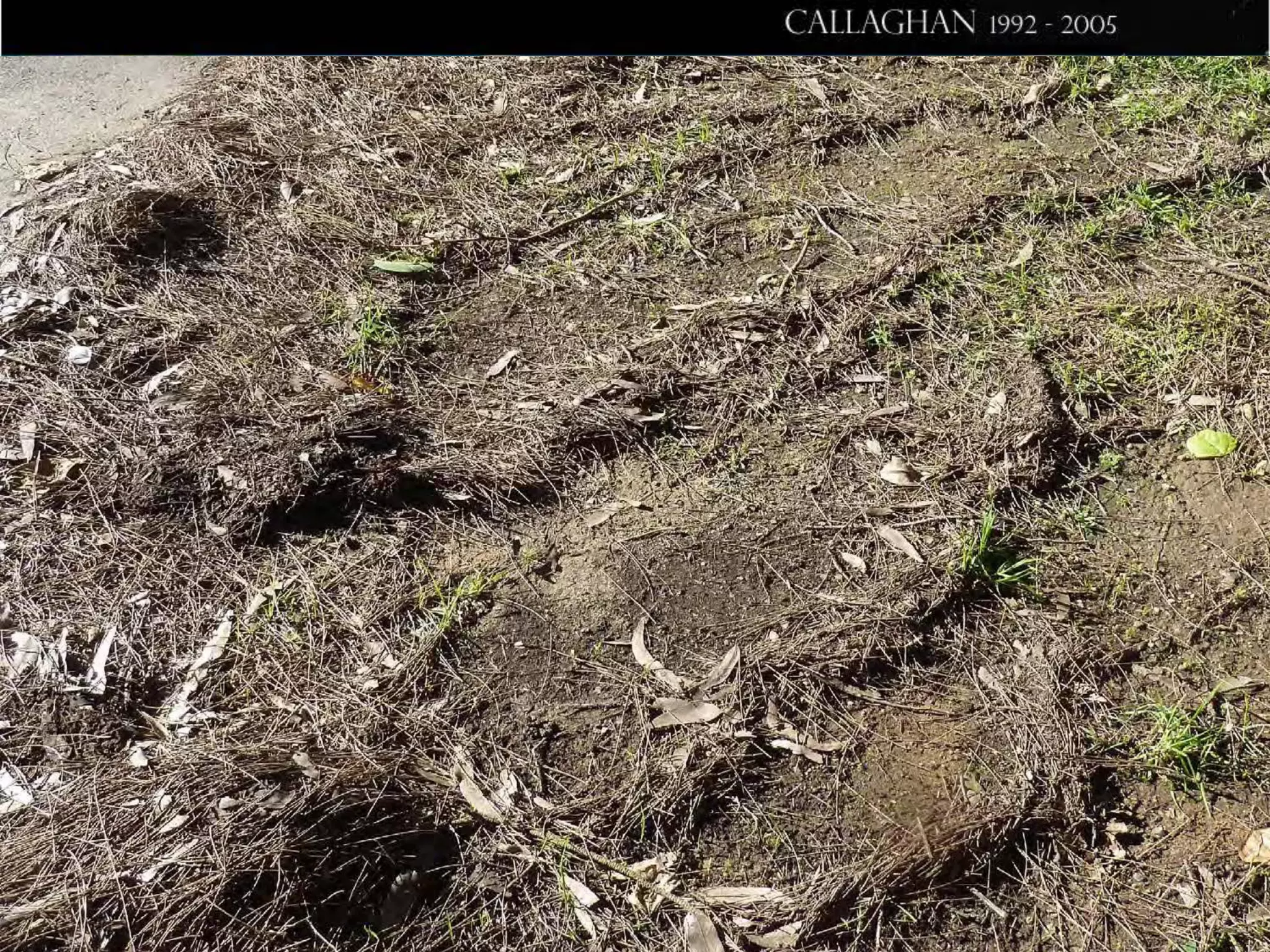
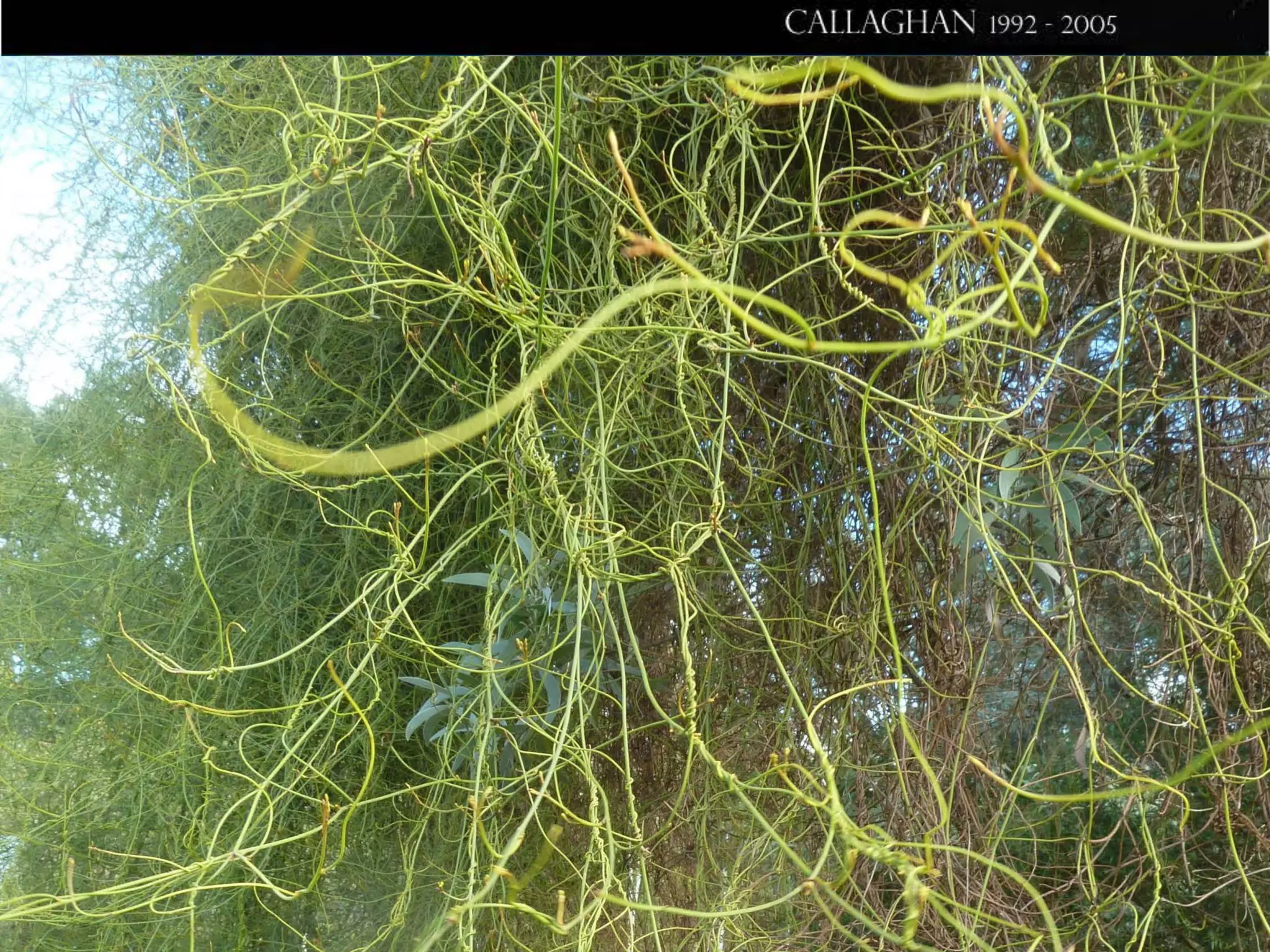
Growth forms and detail
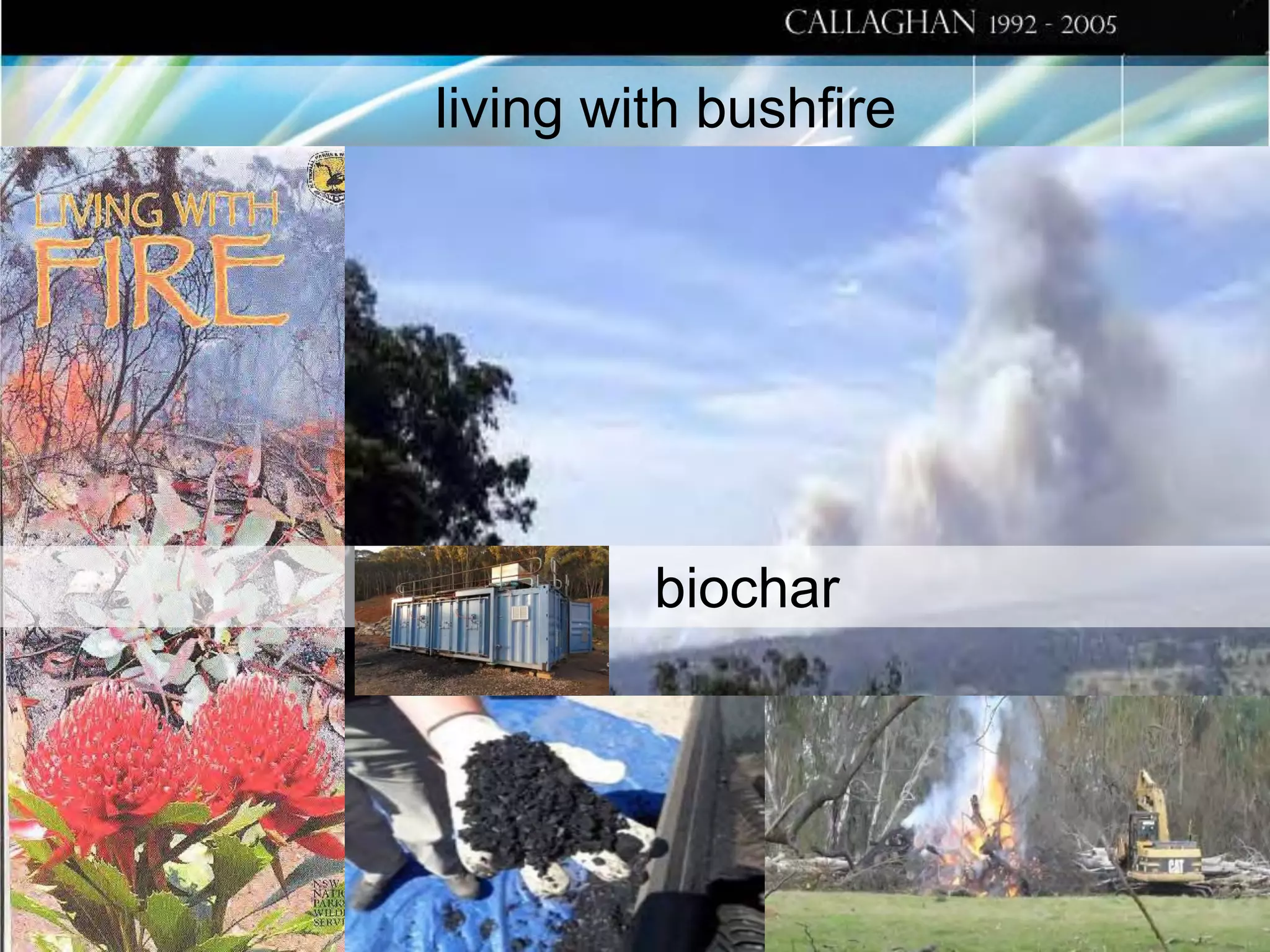
living with bushfire

biochar
implications at a human scale
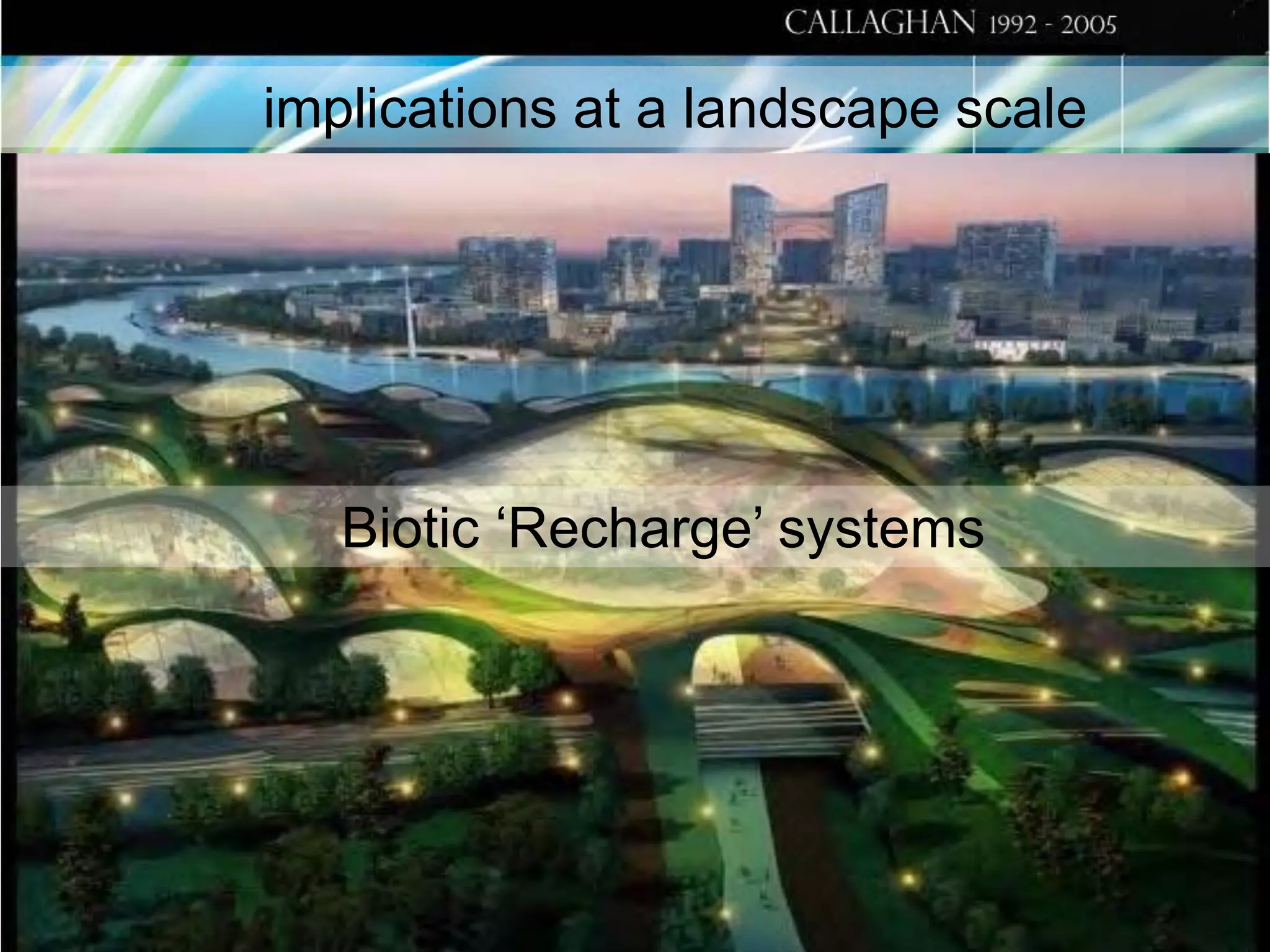
implications at a landscape scale

Biotic ‘Recharge’ systems
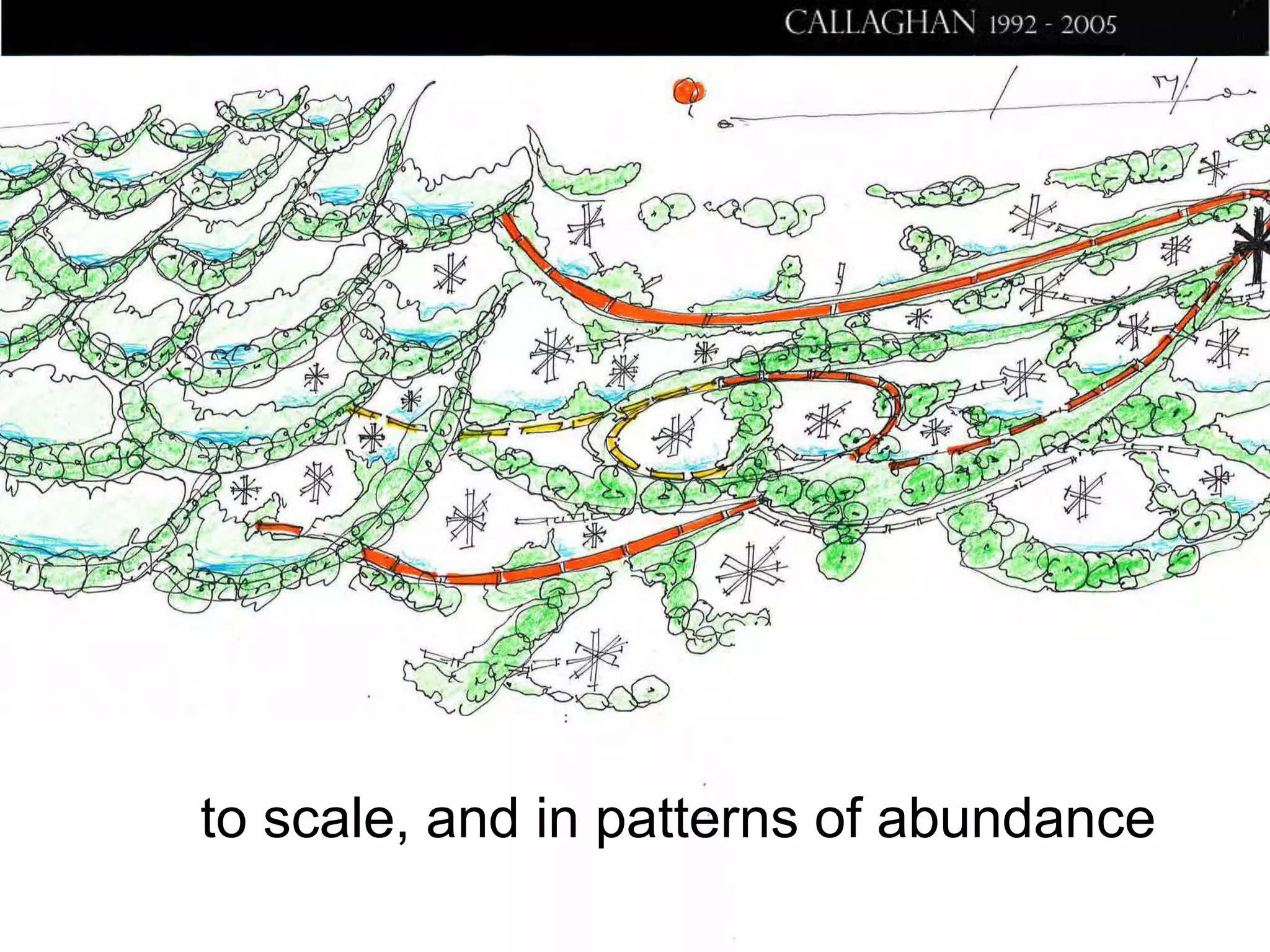
re-aligning landuse with nature’s pattern book
to scale, and in patterns of abundance
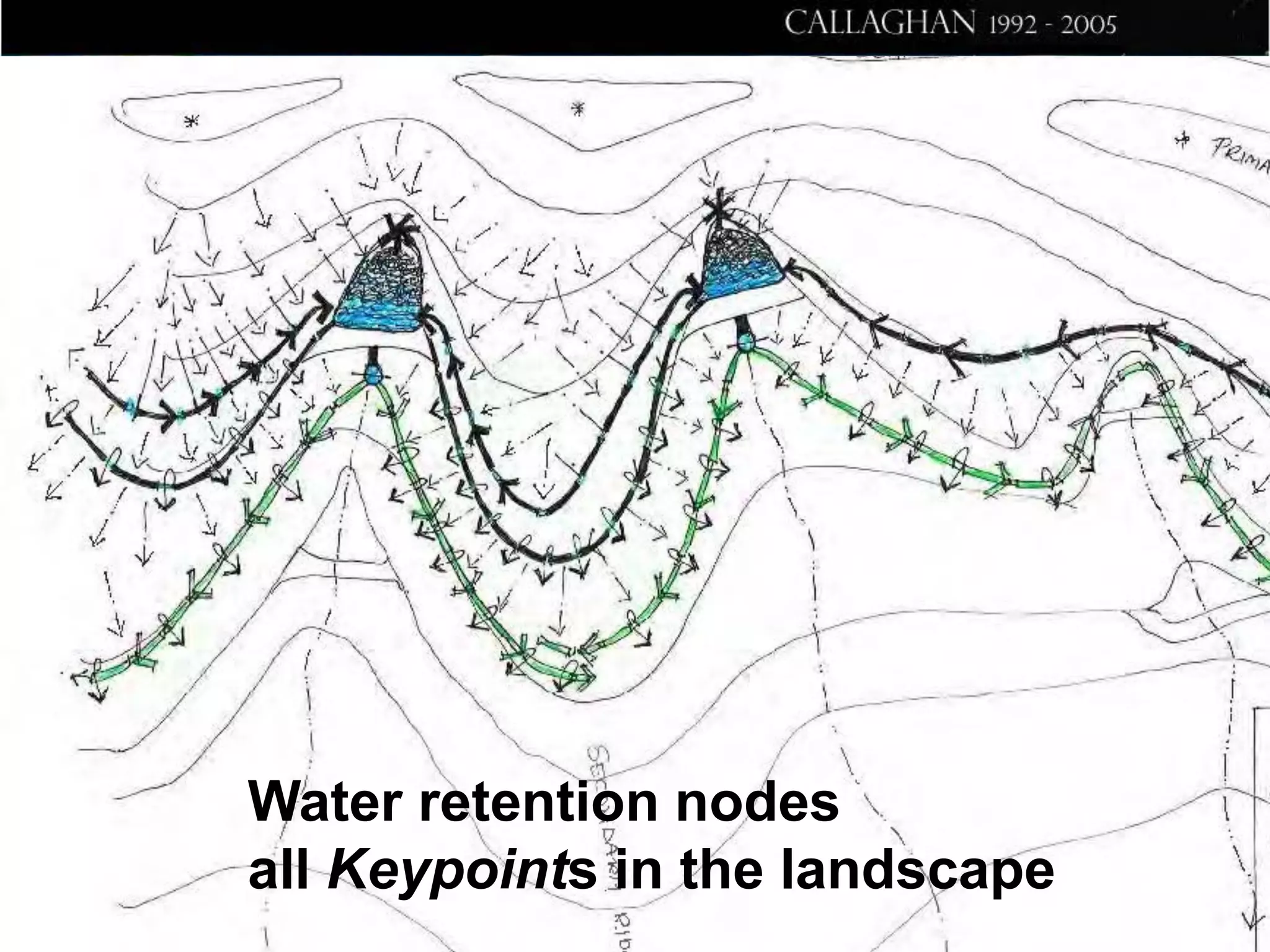
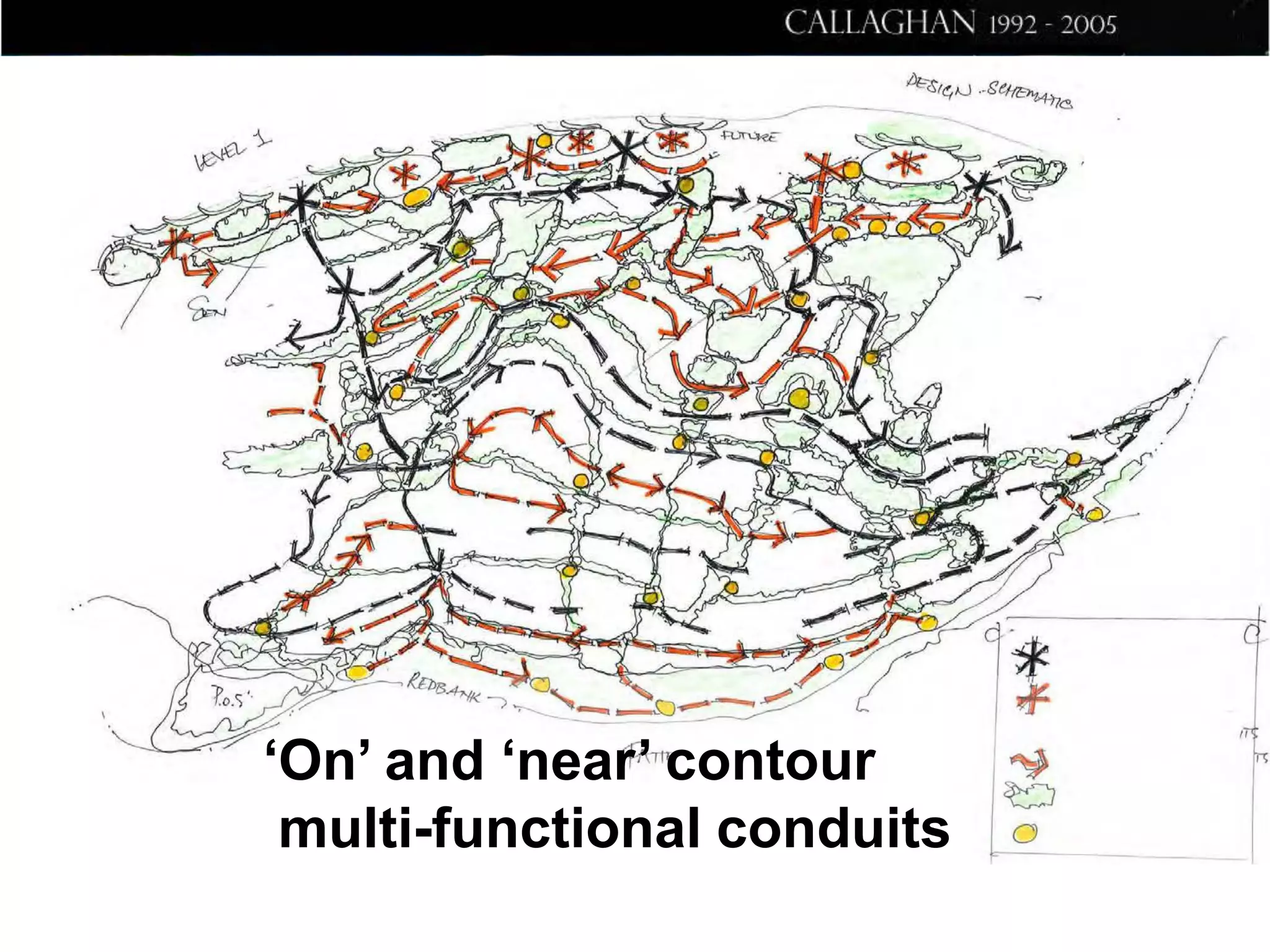
Water retention nodes
all Keypoints in the landscape
‘On’ and ‘near’ contour
multi-functional conduits
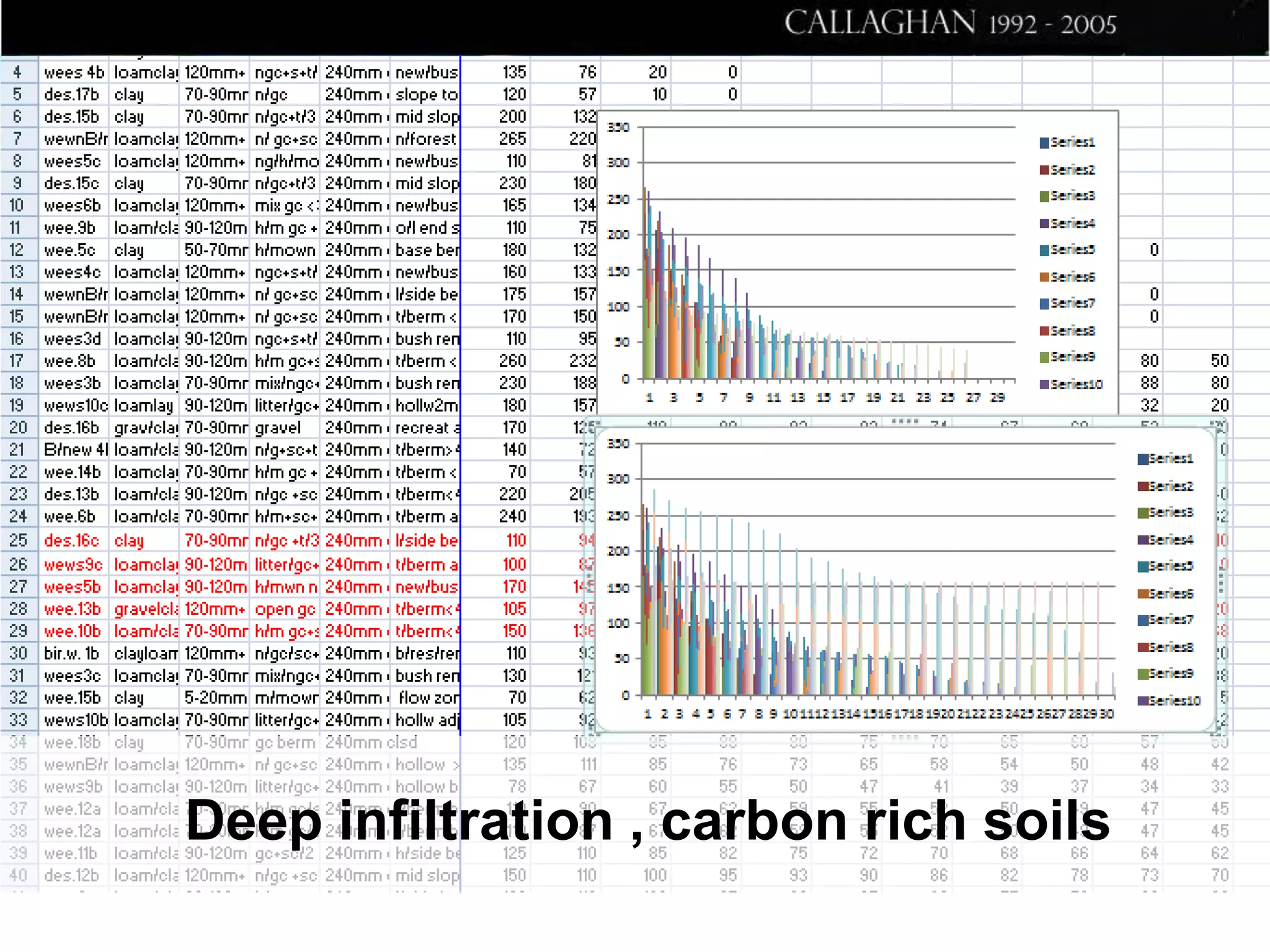
Deep infiltration , carbon rich soils
• Vegetation and water nodes- all keypoints and secondary ridges
• Seamless flow of all design elements so that the landform and
natural aesthetic dominates
• Vegetation and water nodes- all keypoints and secondary ridges
• Seamless flow of all design elements so that the landform and
natural aesthetic dominates
• Replace ‘discharge’ systems with ‘recharge’ systems
• Vegetation and water nodes-all keypoints and secondary ridges
• Seamless flow of all design elements so that the landform and
natural aesthetic dominates
• Replace ‘discharge’ systems with ‘recharge’ systems
• Use biological and ecological processes to ensure water and soil
security, landscape and ecological integrity, and amenity
• Vegetation and water nodes- all keypoints and secondary ridges
• Seamless flow of all design elements so that the landform and
natural aesthetic dominates
• Replace discharge systems with recharge systems
• Biological and ecological processes to ensure water and soil
security, landscape and ecological integrity, and amenity
• Every element- multiple biological and ecological functions
• Vegetation and water nodes- all keypoints and secondary ridges
• Seamless flow of all design elements so that the landform and
natural aesthetic dominates
• Replace discharge systems with recharge systems
• Biological and ecological processes to ensure water and soil
security, landscape and ecological integrity, create human scale
space and amenity
• Every element - multiple biological and ecological functions
• Elevate infrastructure to enable ecological functions across
contour, tenure and landuse
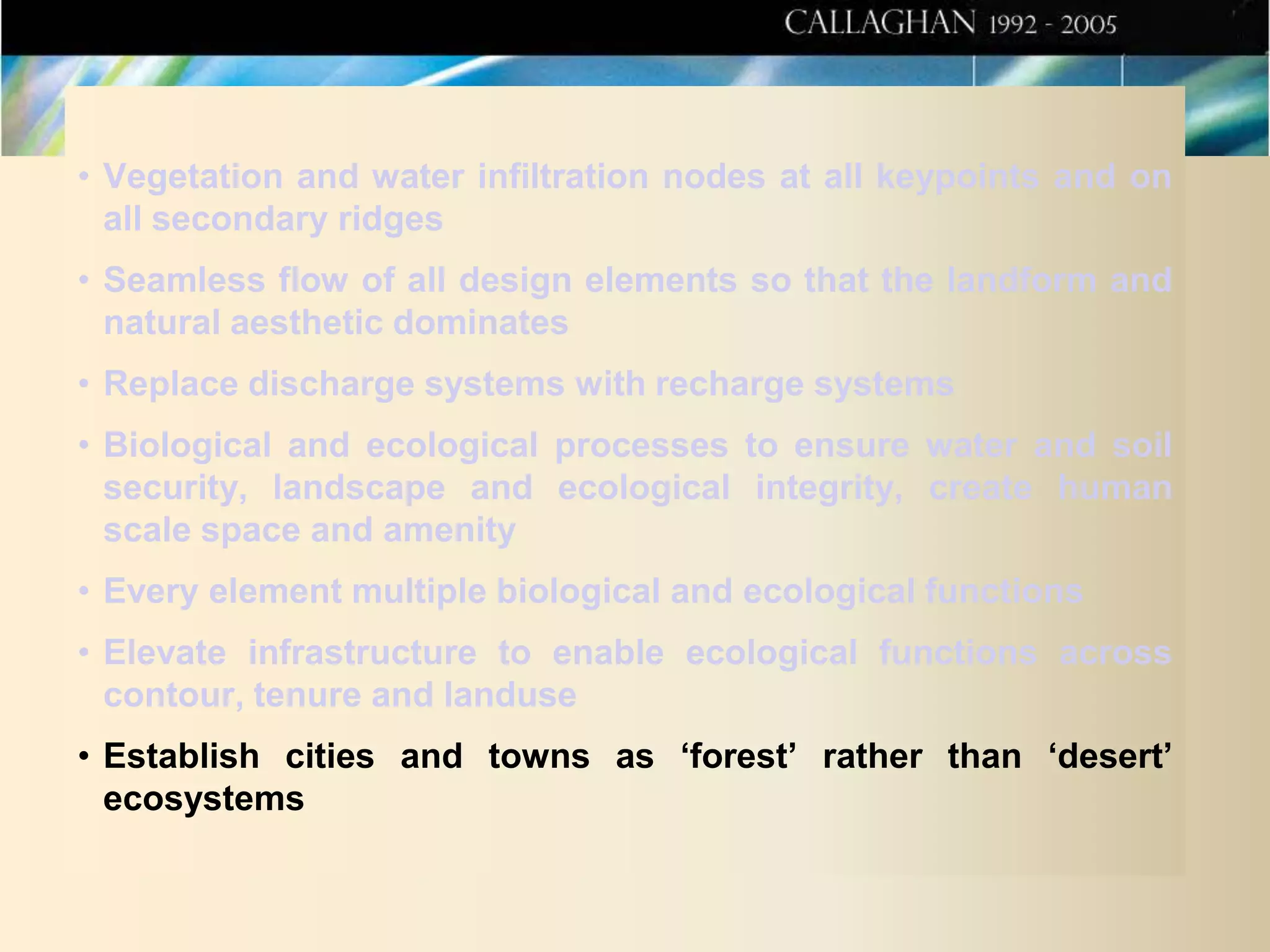
• Vegetation and water infiltration nodes at all keypoints and on
all secondary ridges
• Seamless flow of all design elements so that the landform and
natural aesthetic dominates
• Replace discharge systems with recharge systems

• Biological and ecological processes to ensure water and soil
security, landscape and ecological integrity, create human
scale space and amenity
• Every element multiple biological and ecological functions

• Elevate infrastructure to enable ecological functions across
contour, tenure and landuse
• Establish cities and towns as ‘forest’ rather than ‘desert’
ecosystems
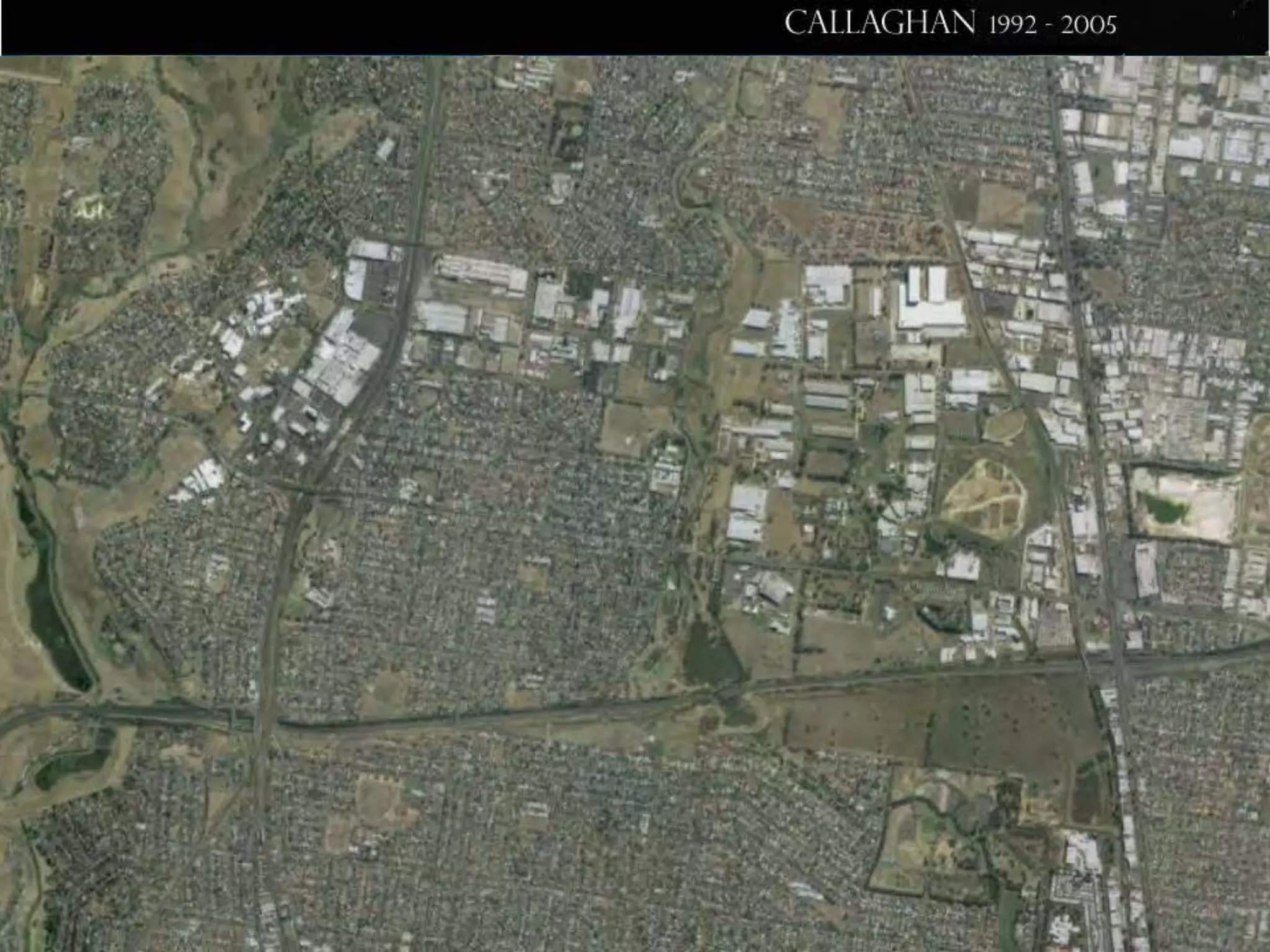
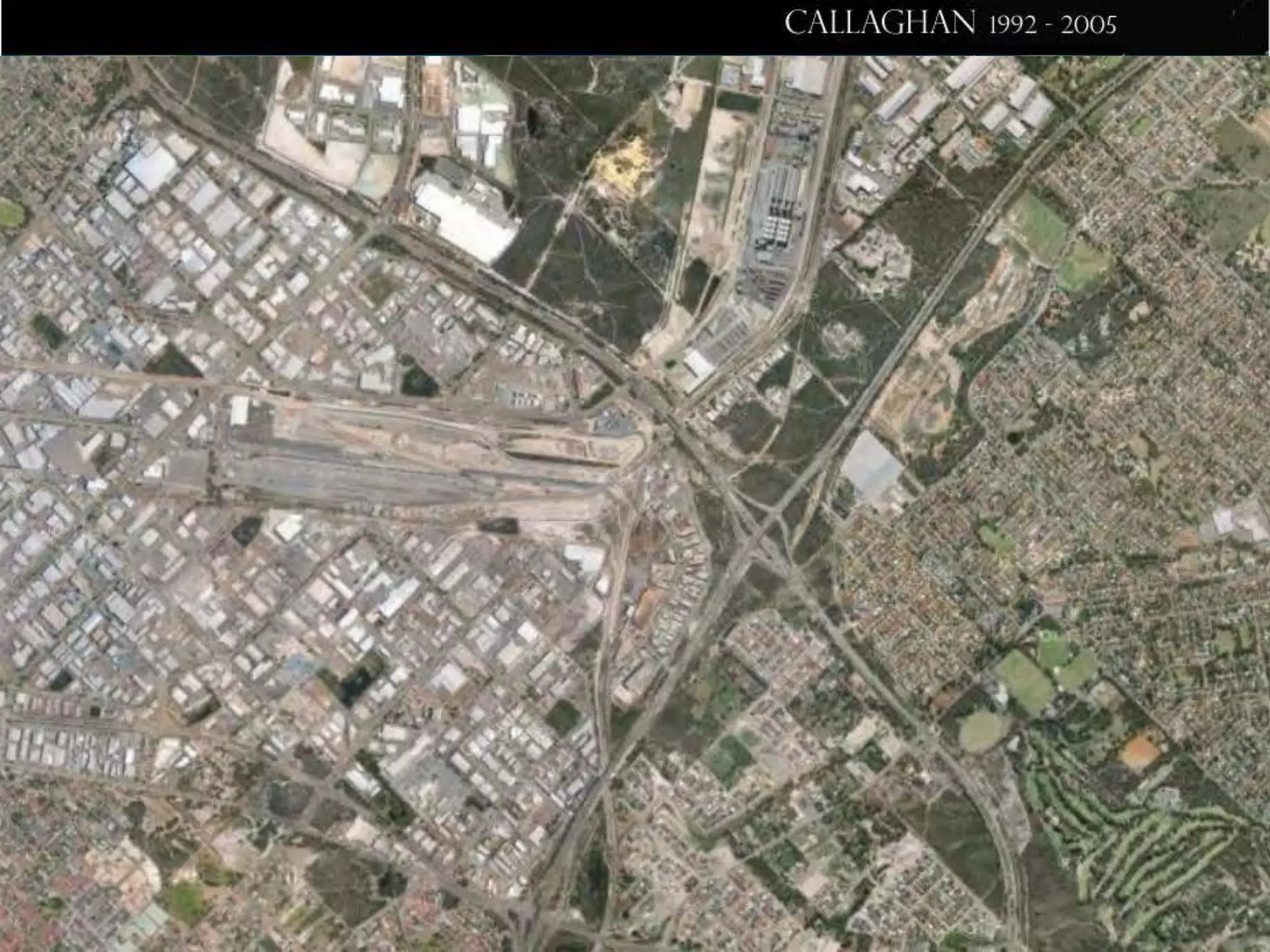
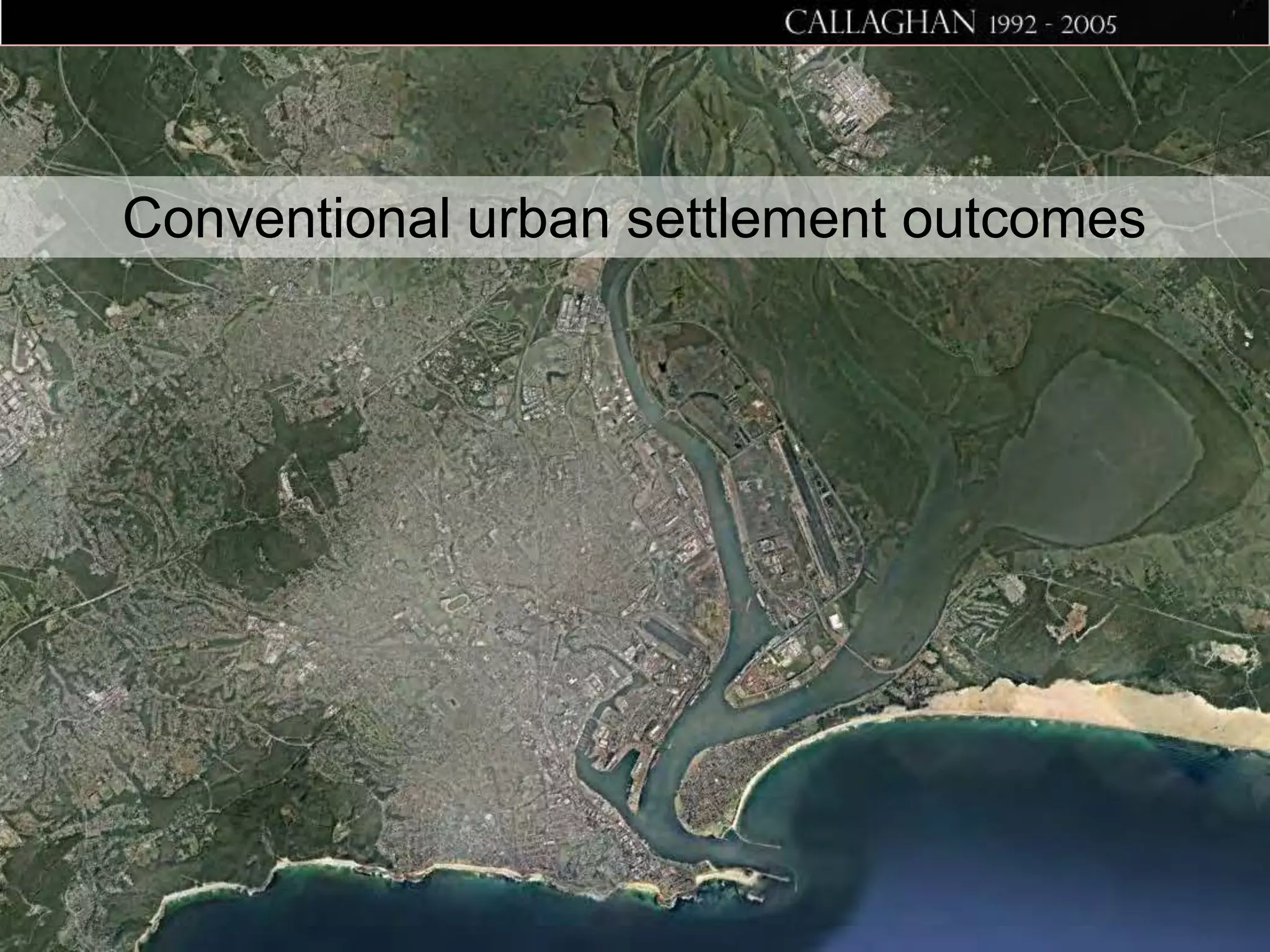
Conventional urban settlement outcomes
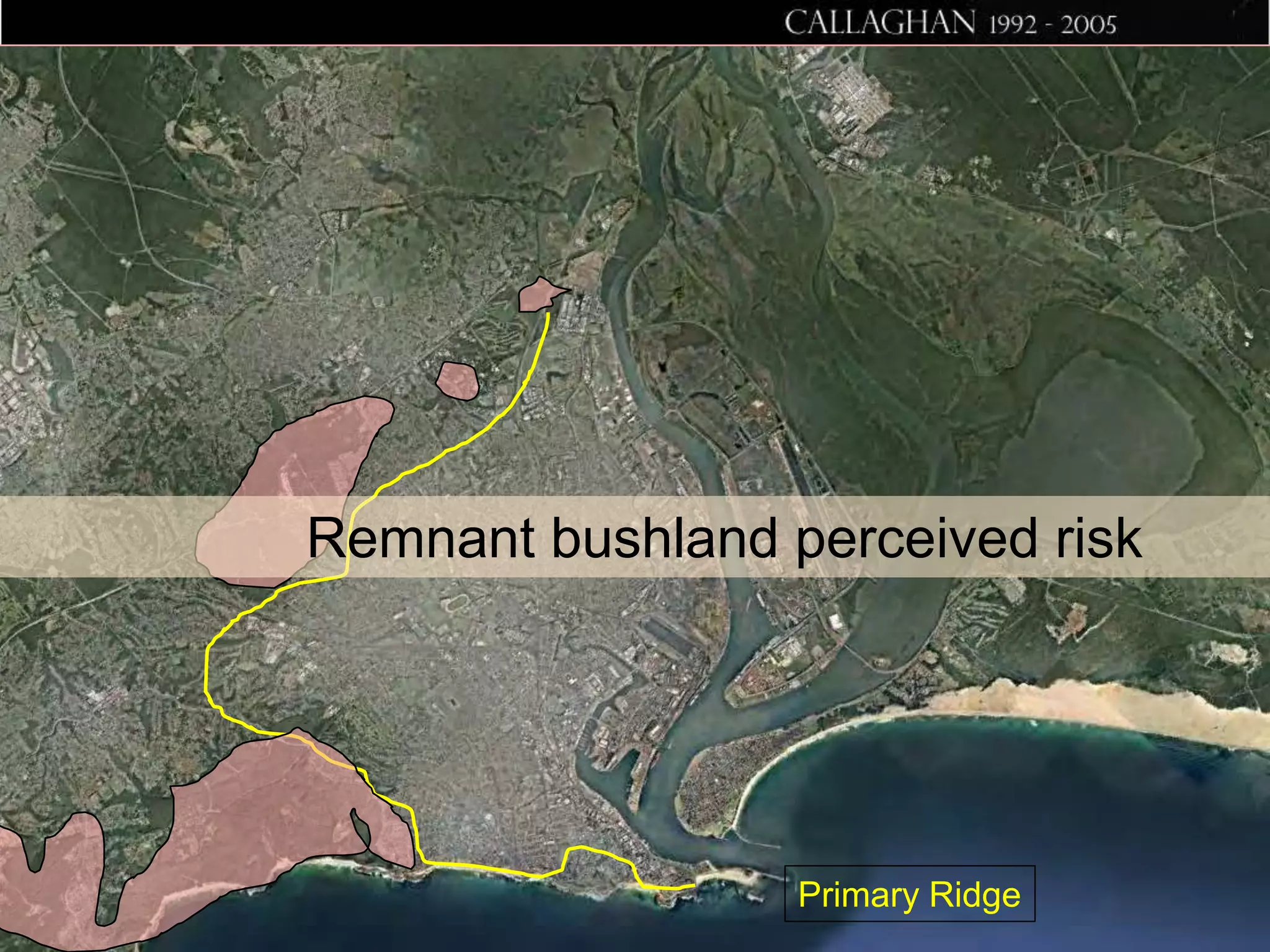
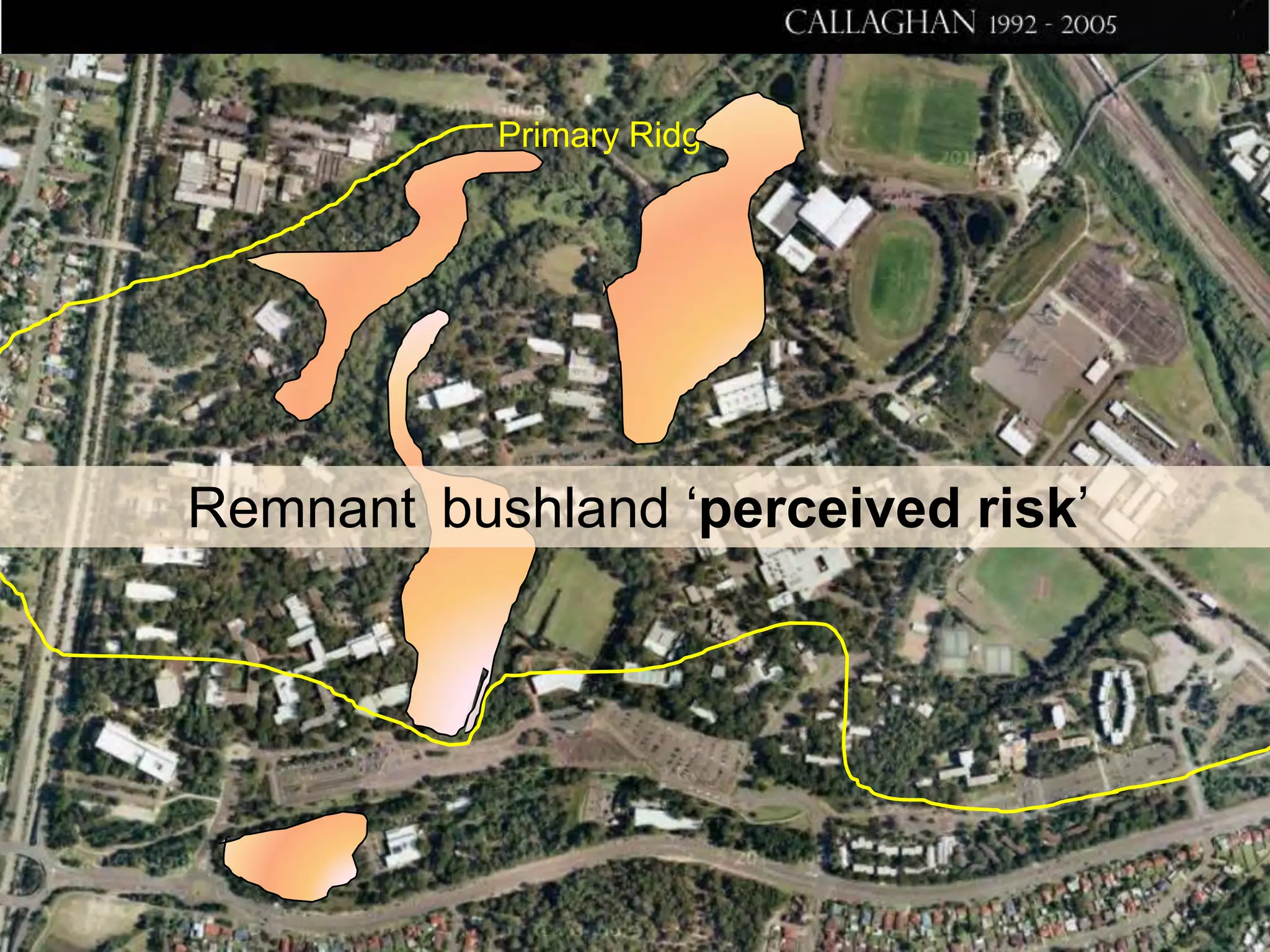
Remnant bushland perceived risk

Primary Ridge
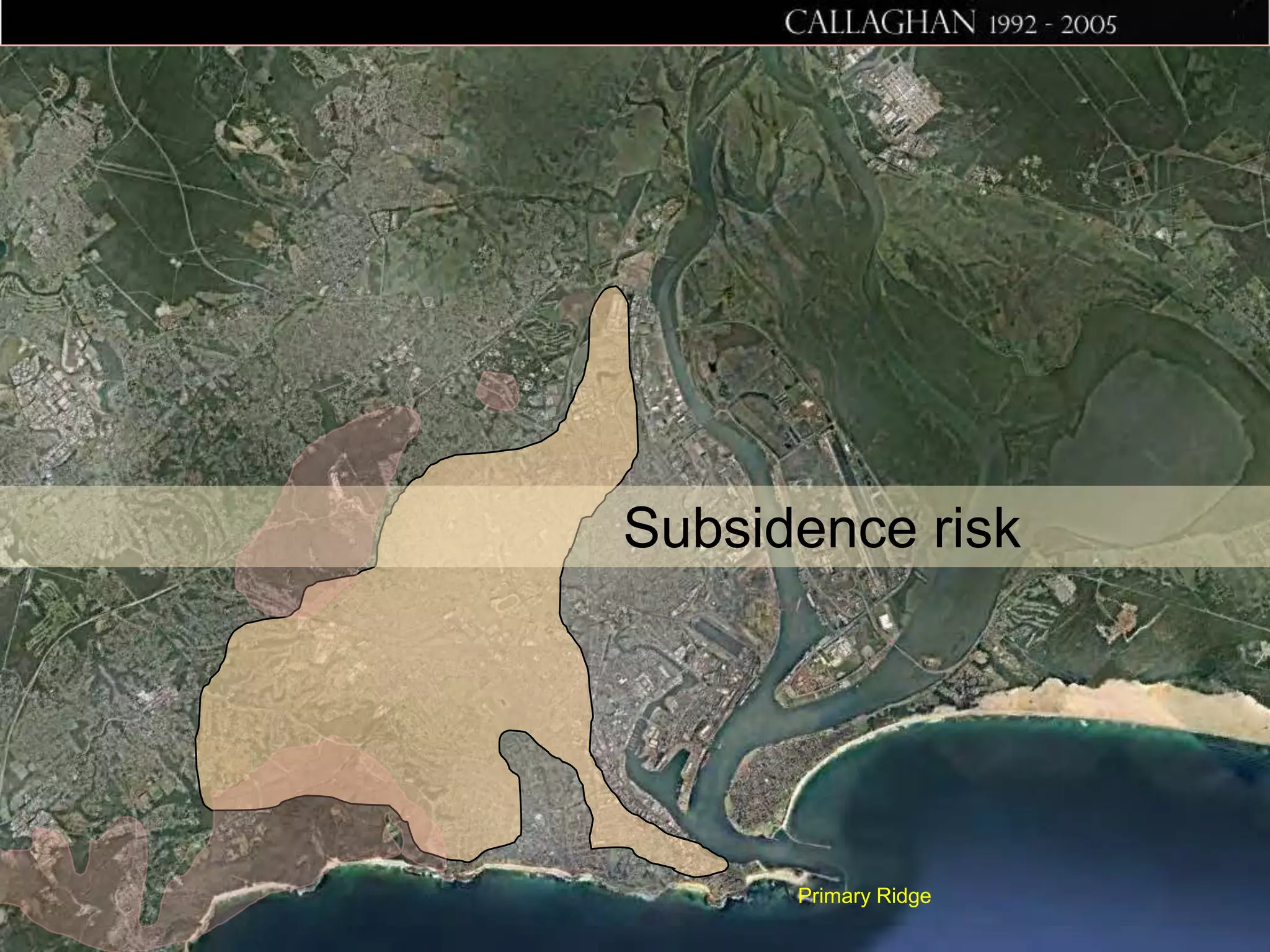
Subsidence risk

Primary Ridge
Earthquake 1989

Primary Ridge
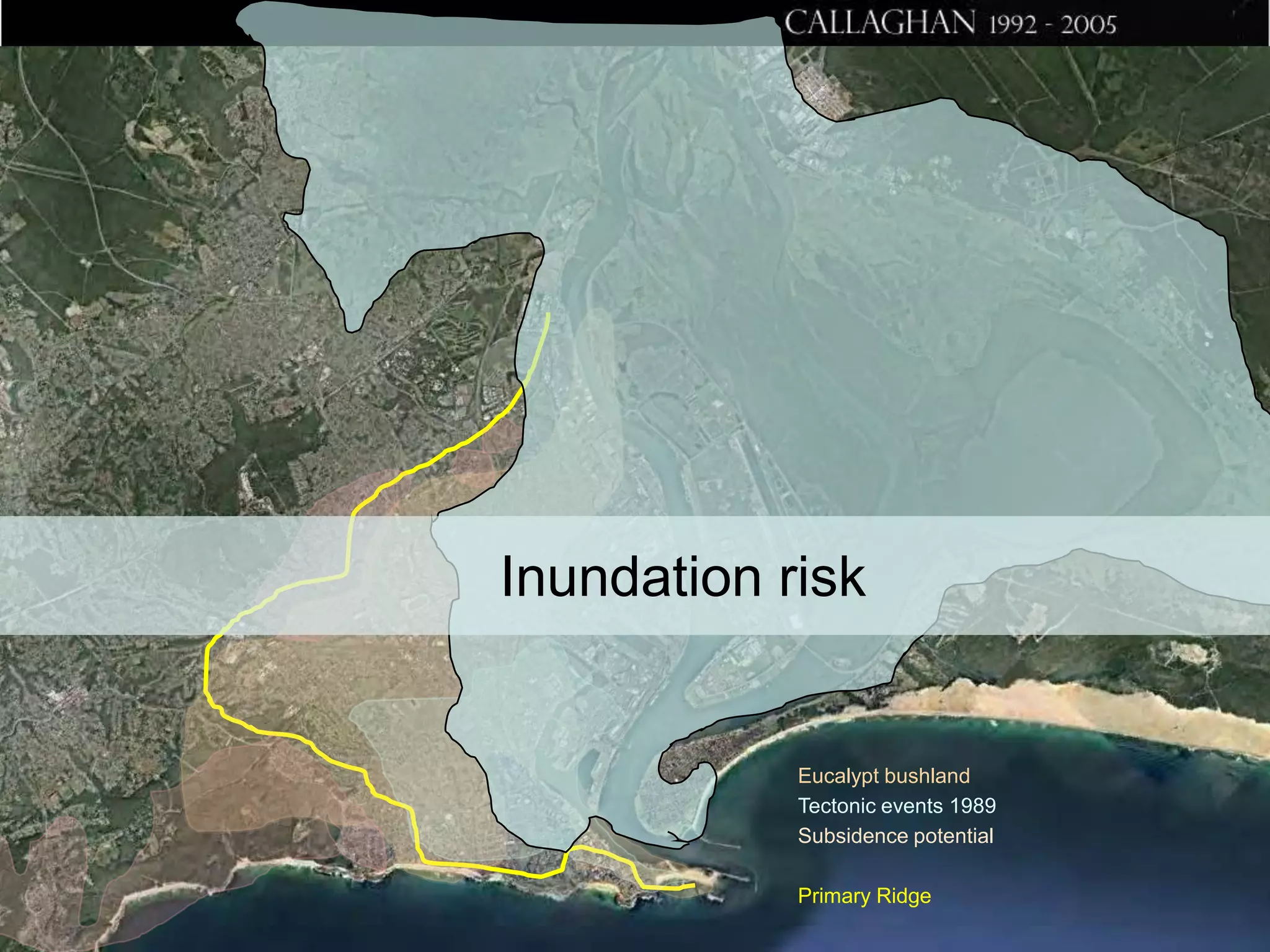
Inundation risk

Eucalypt bushland
Tectonic events 1989
Subsidence potential

Primary Ridge
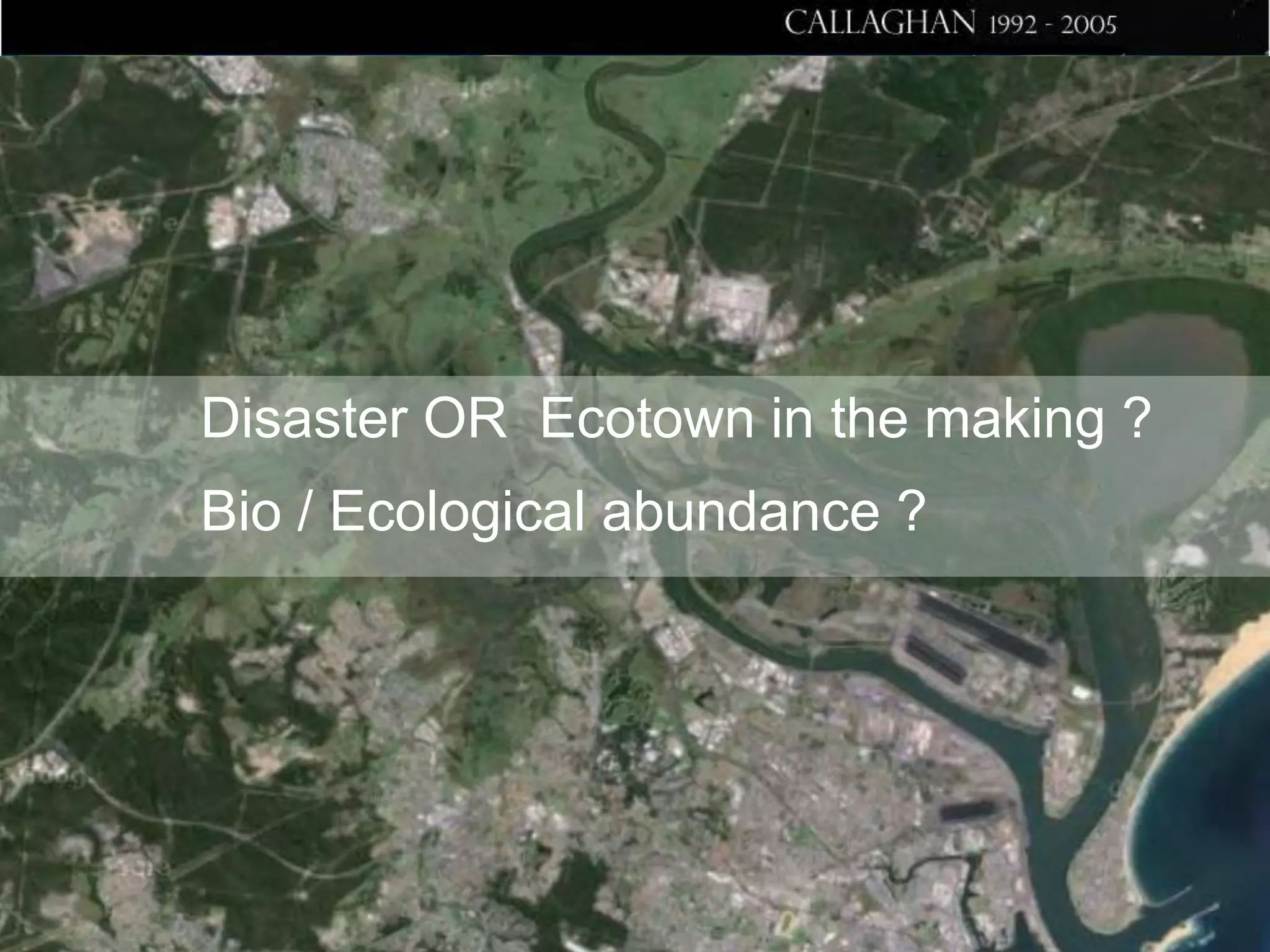
Disaster OR Ecotown in the making ?
Bio / Ecological abundance ?
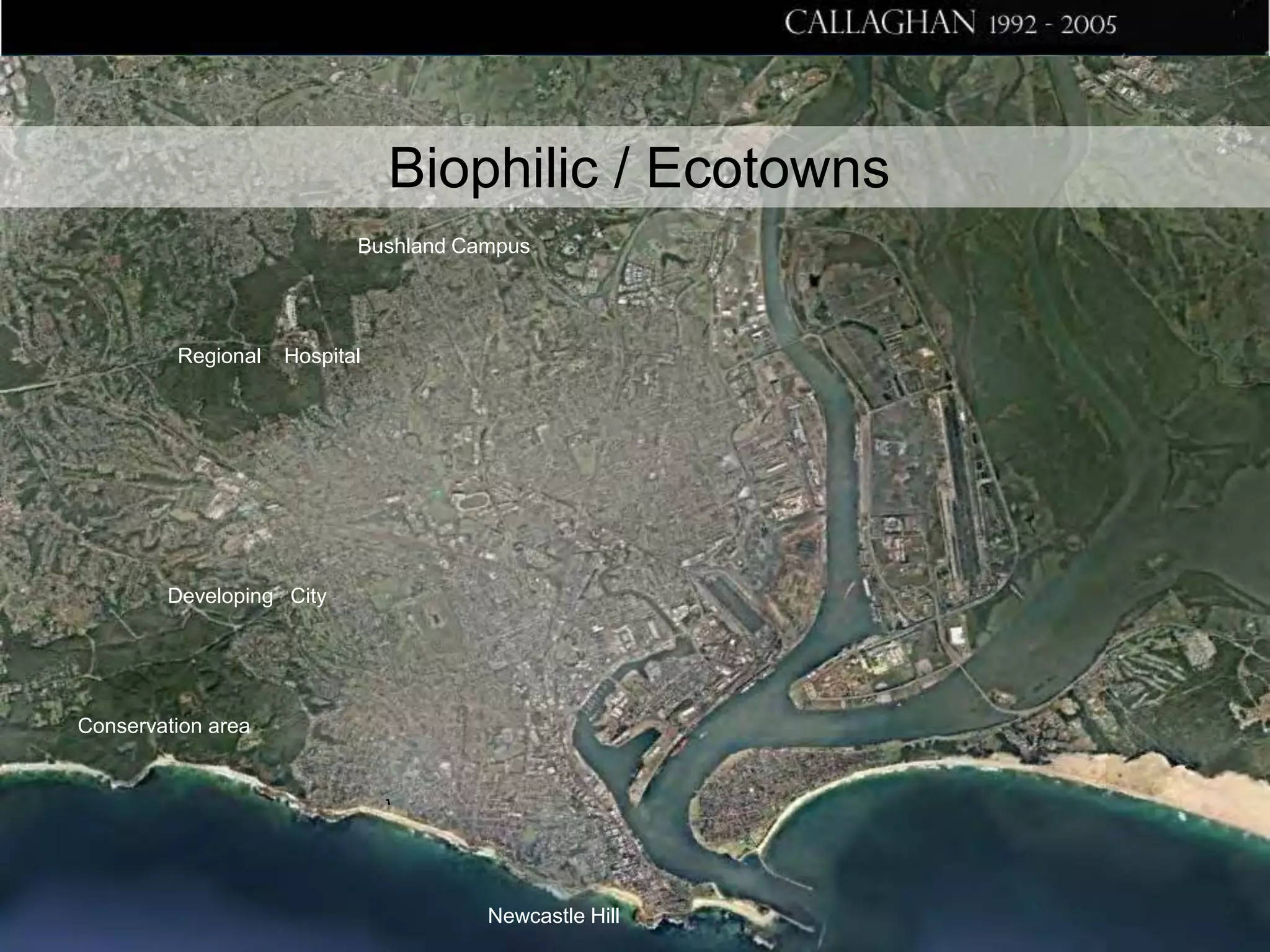
Biophilic / Ecotowns
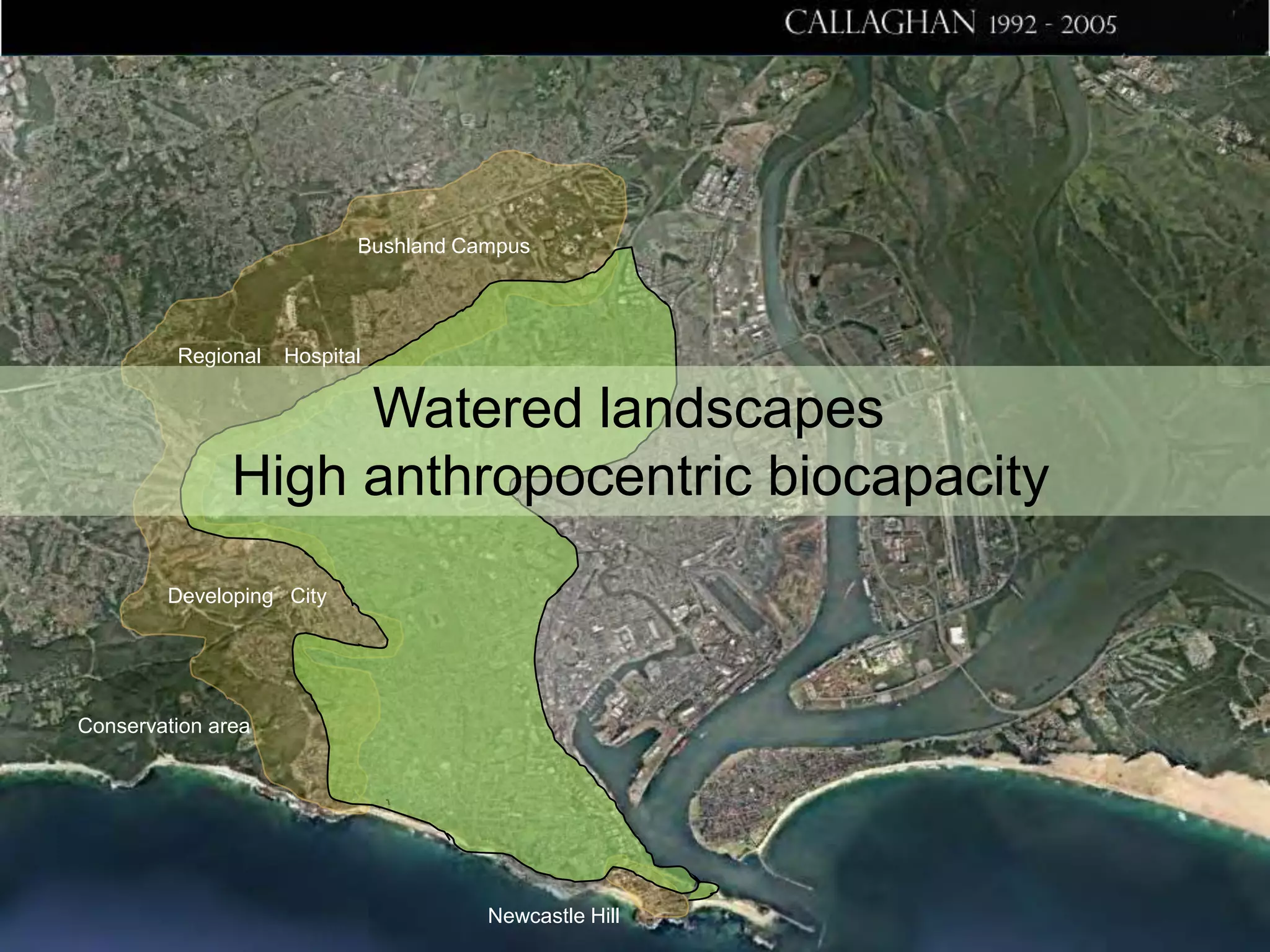
Bushland Campus

Regional

Hospital

Developing City

Conservation area

Newcastle Hill
Bushland Campus

Regional

Hospital

High value topography >60m ASL
Biophilic / Ecotown capacity

Developing City

Conservation area

Newcastle Hill
Bushland Campus

Regional

Hospital

Watered landscapes
High anthropocentric biocapacity
Developing City

Conservation area

Newcastle Hill
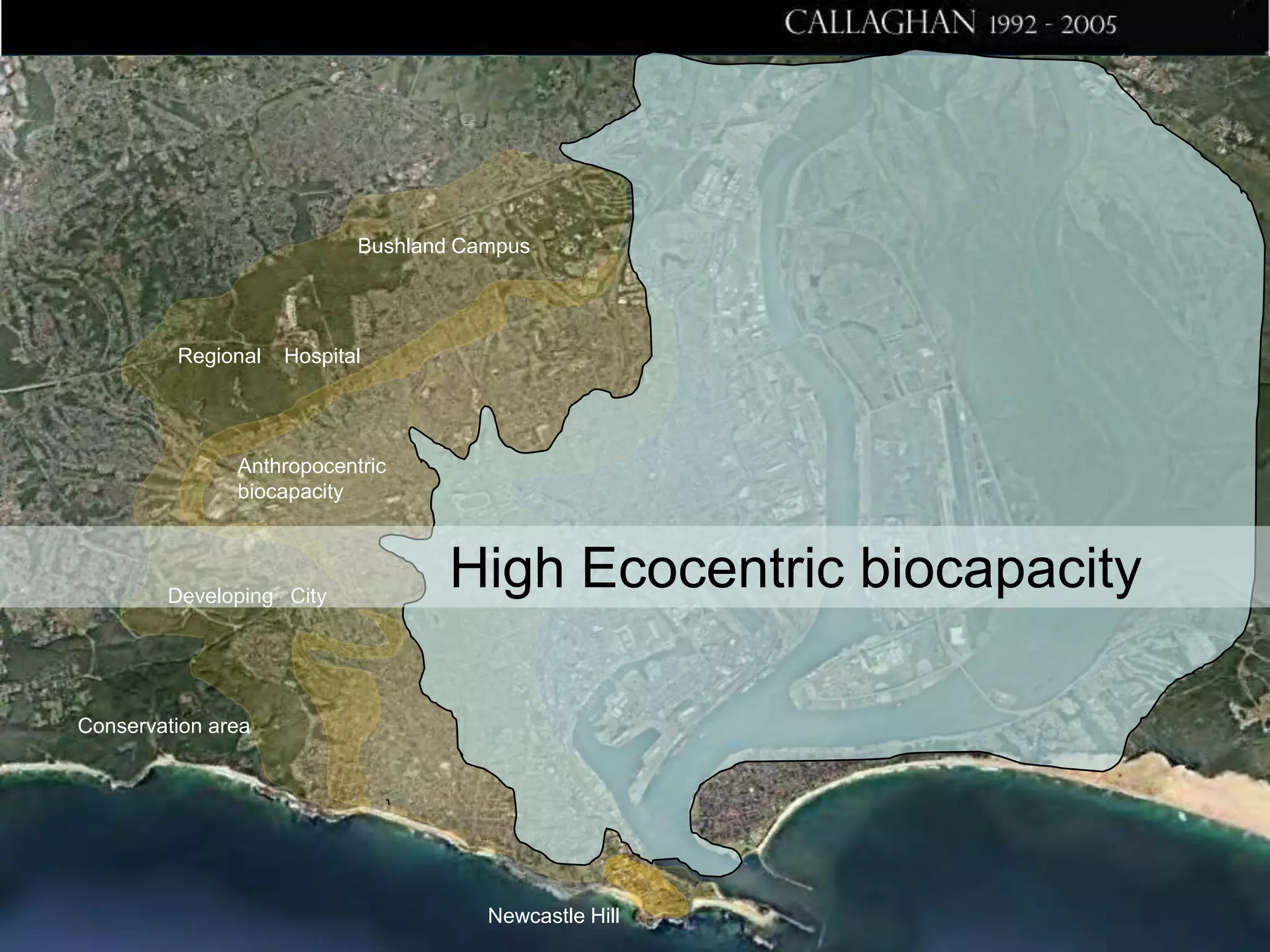
Bushland Campus

Regional

Hospital

Anthropocentric
biocapacity

Developing City

High Ecocentric biocapacity

Conservation area

Newcastle Hill
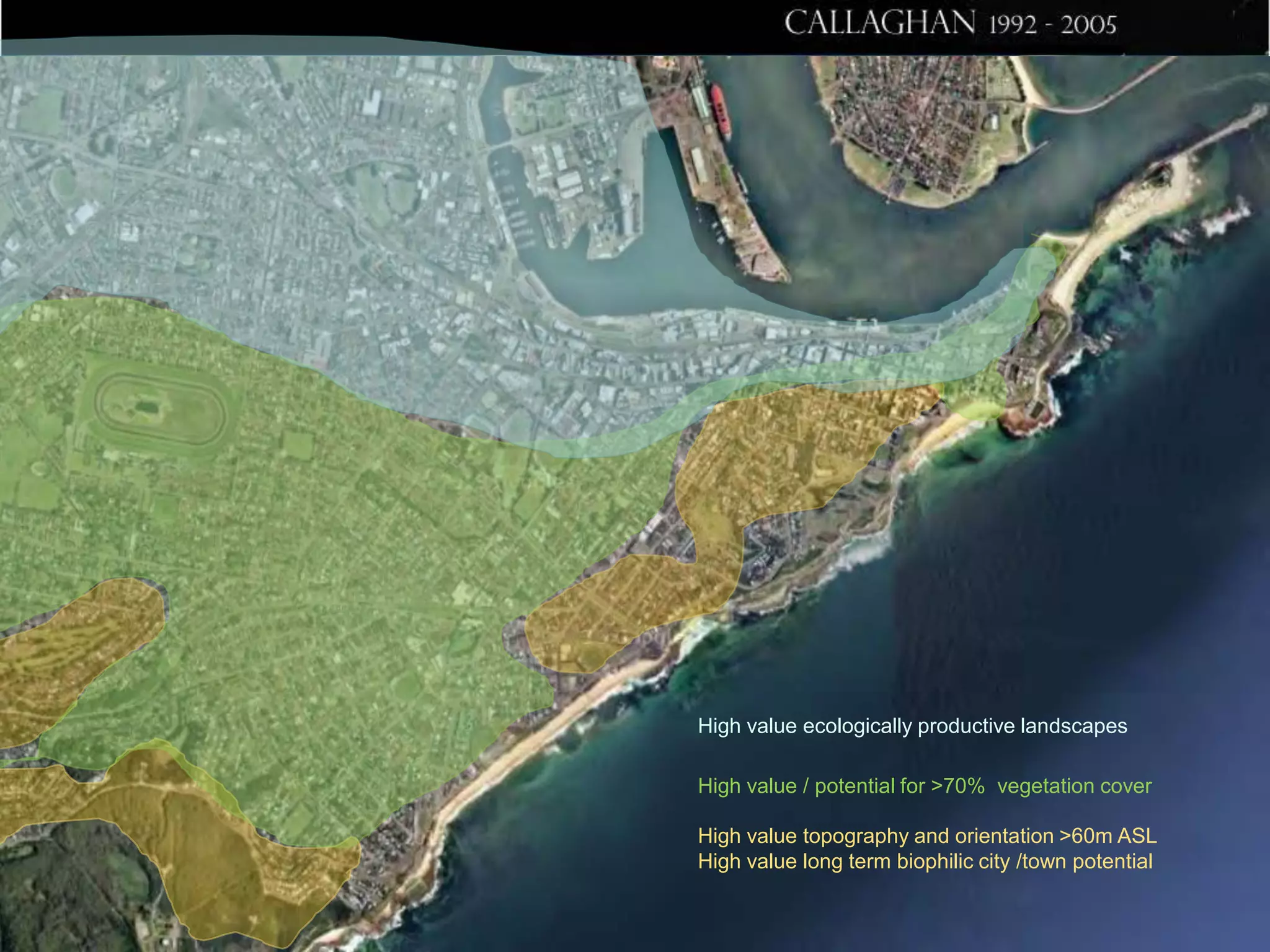
High value ecologically productive landscapes
High value / potential for >70% vegetation cover
High value topography and orientation >60m ASL
High value long term biophilic city /town potential
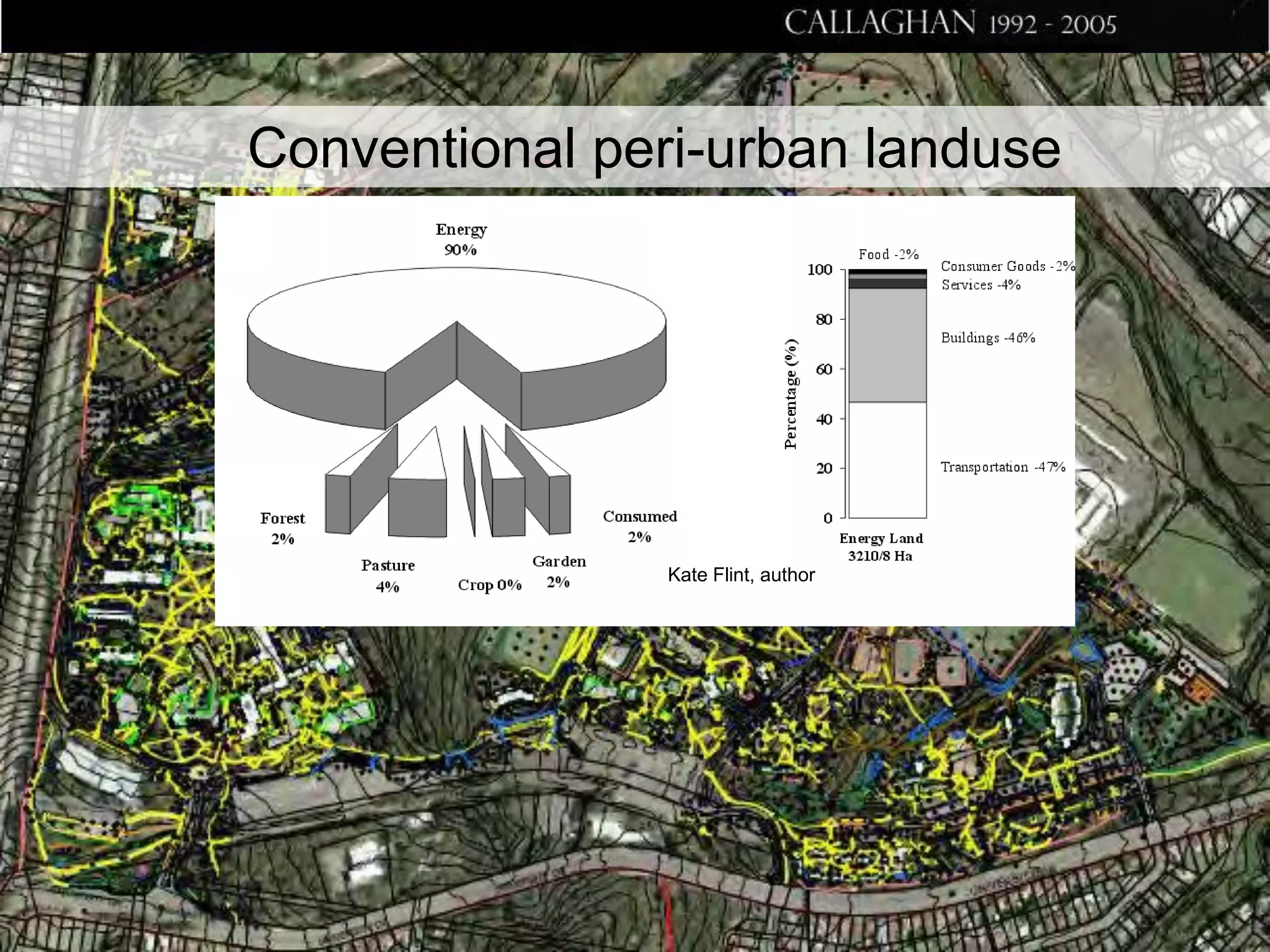
Conventional peri-urban landuse

Kate Flint, author
Primary Ridge

Remnant bushland ‘perceived risk’
Primary Ridge

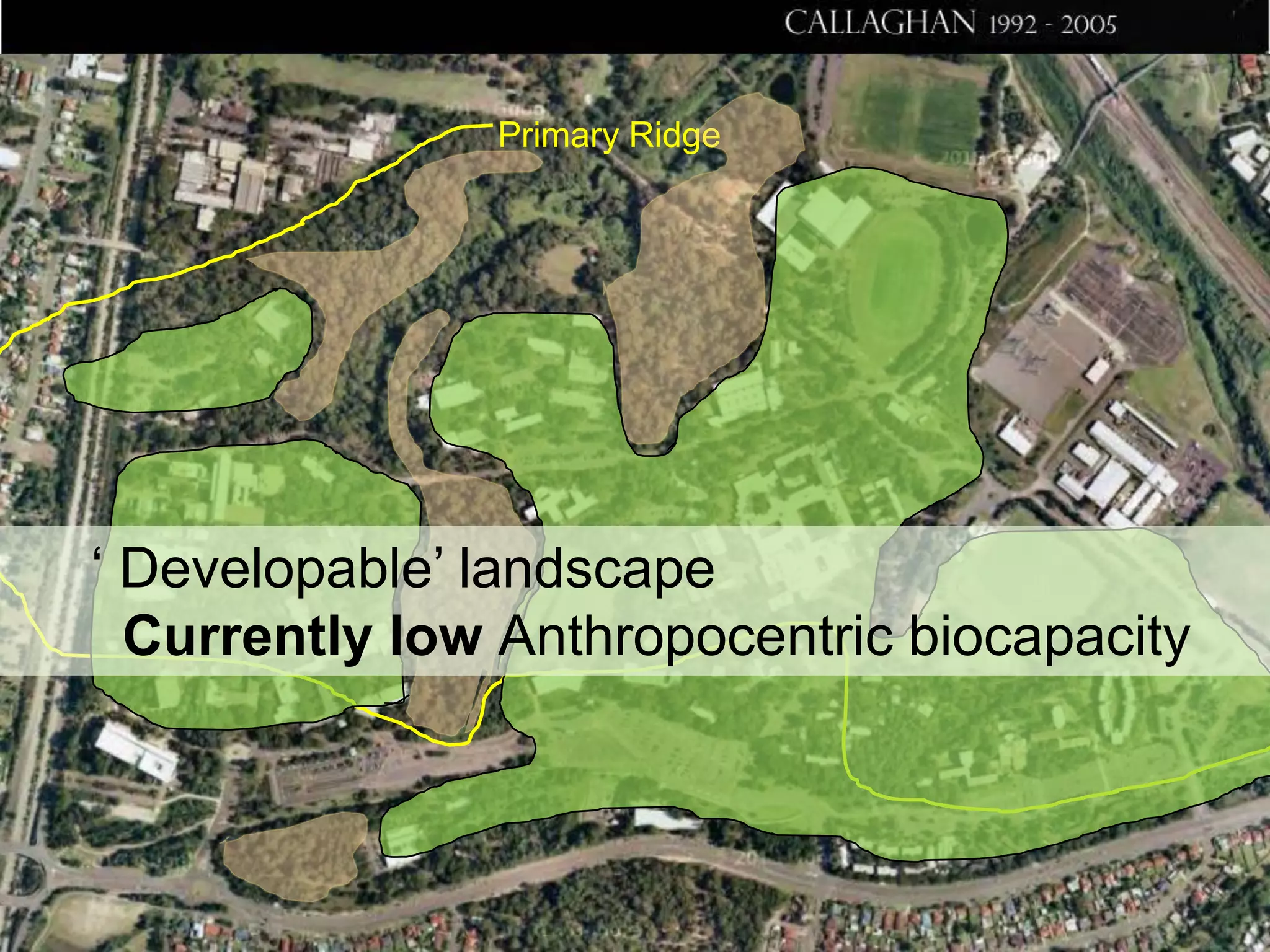
‘ Developable’ landscape
Currently low Anthropocentric biocapacity
Primary Ridge

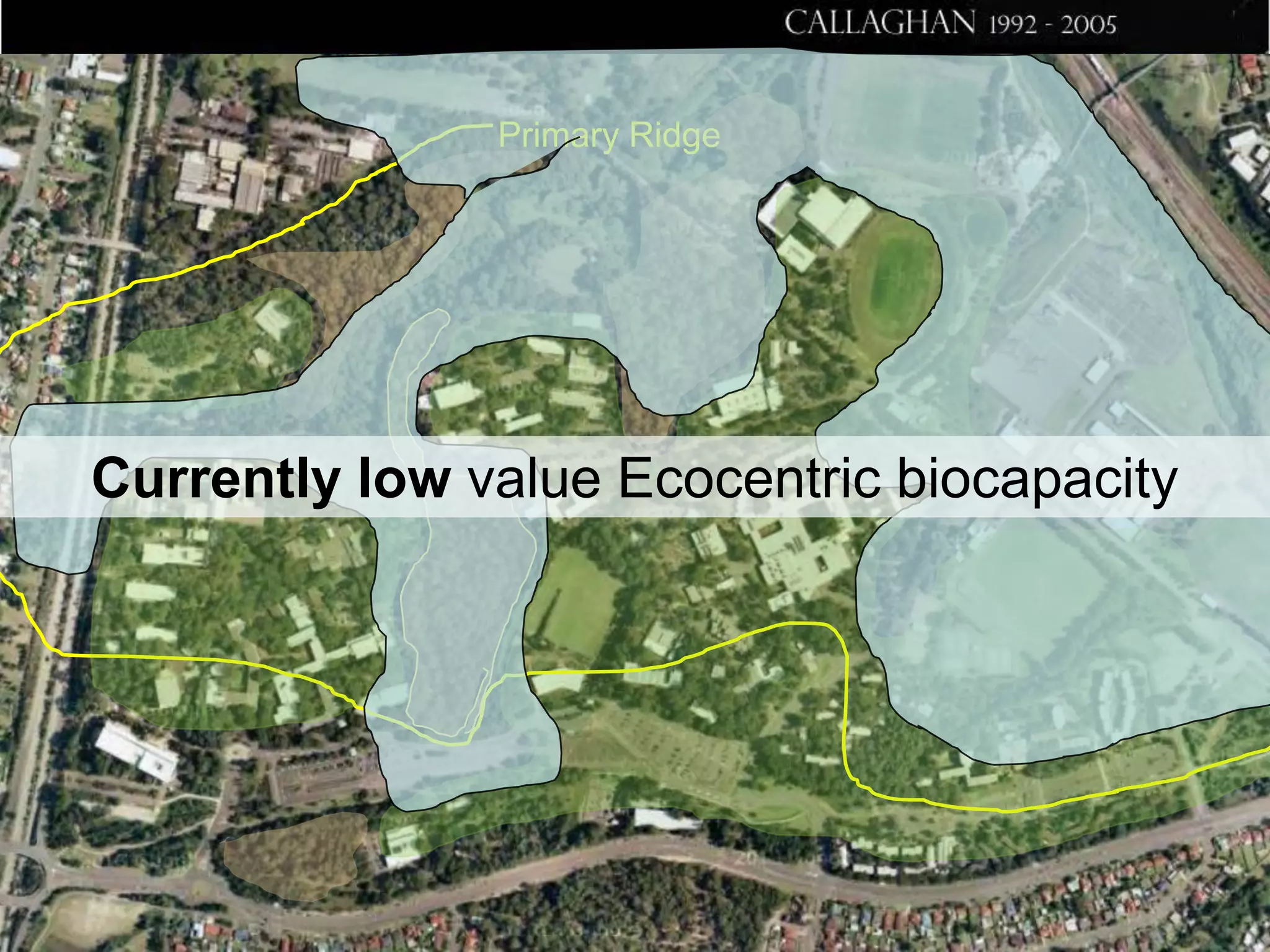
Currently low value Ecocentric biocapacity
Primary Ridge

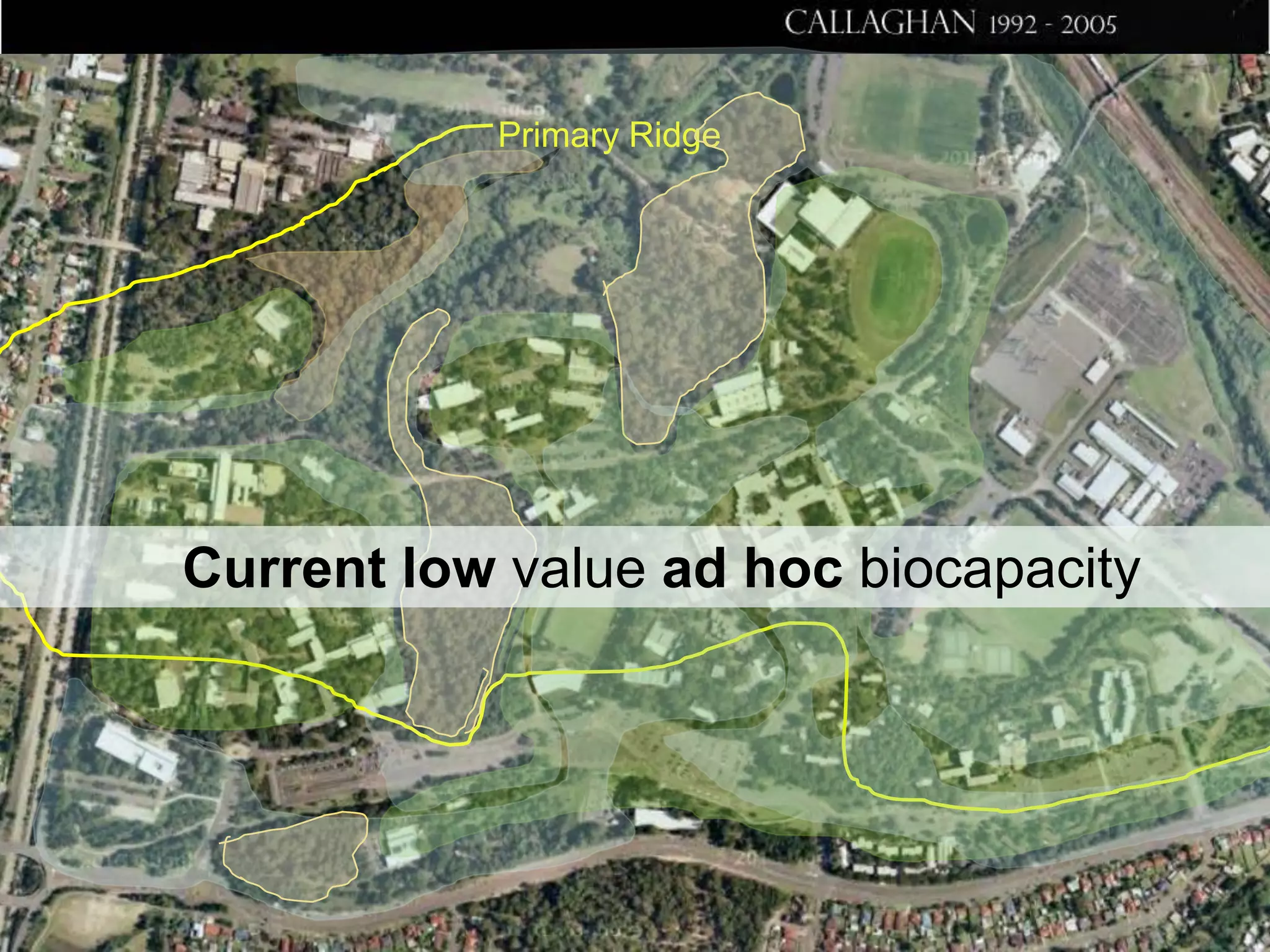
Current low value ad hoc biocapacity
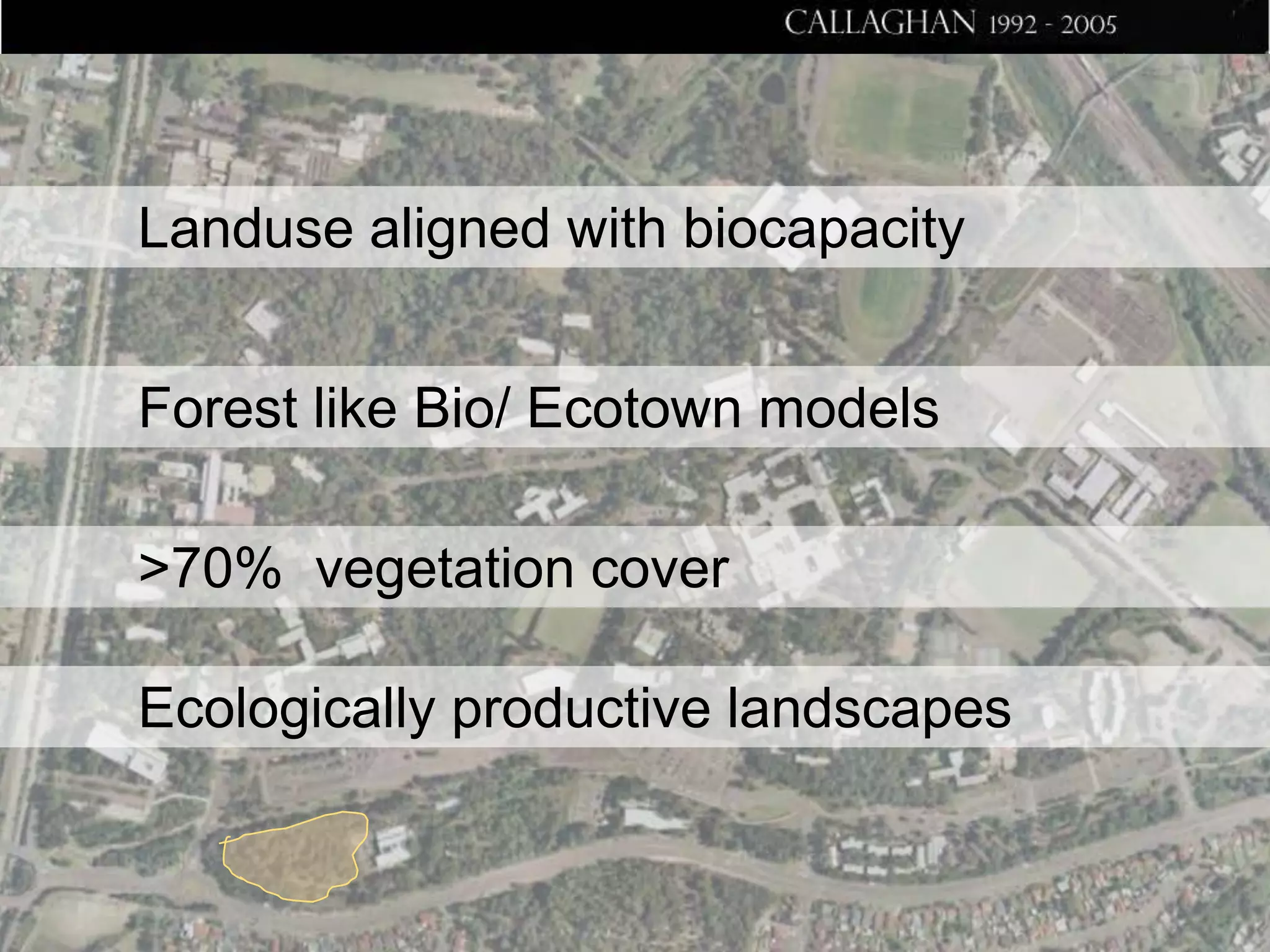
Landuse aligned with biocapacity
Forest like Bio/ Ecotown models
>70% vegetation cover
Ecologically productive landscapes
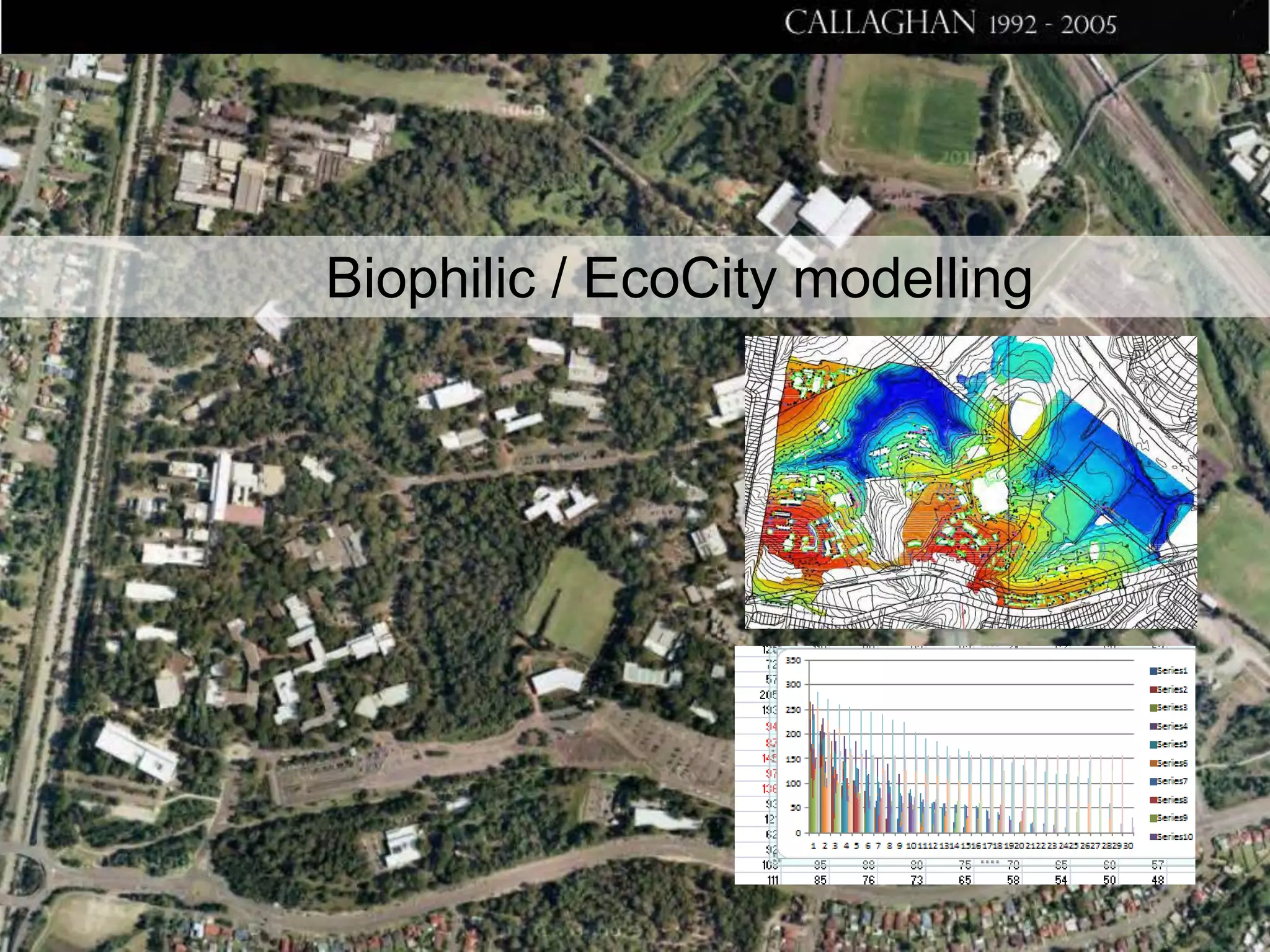
Biophilic / EcoCity modelling
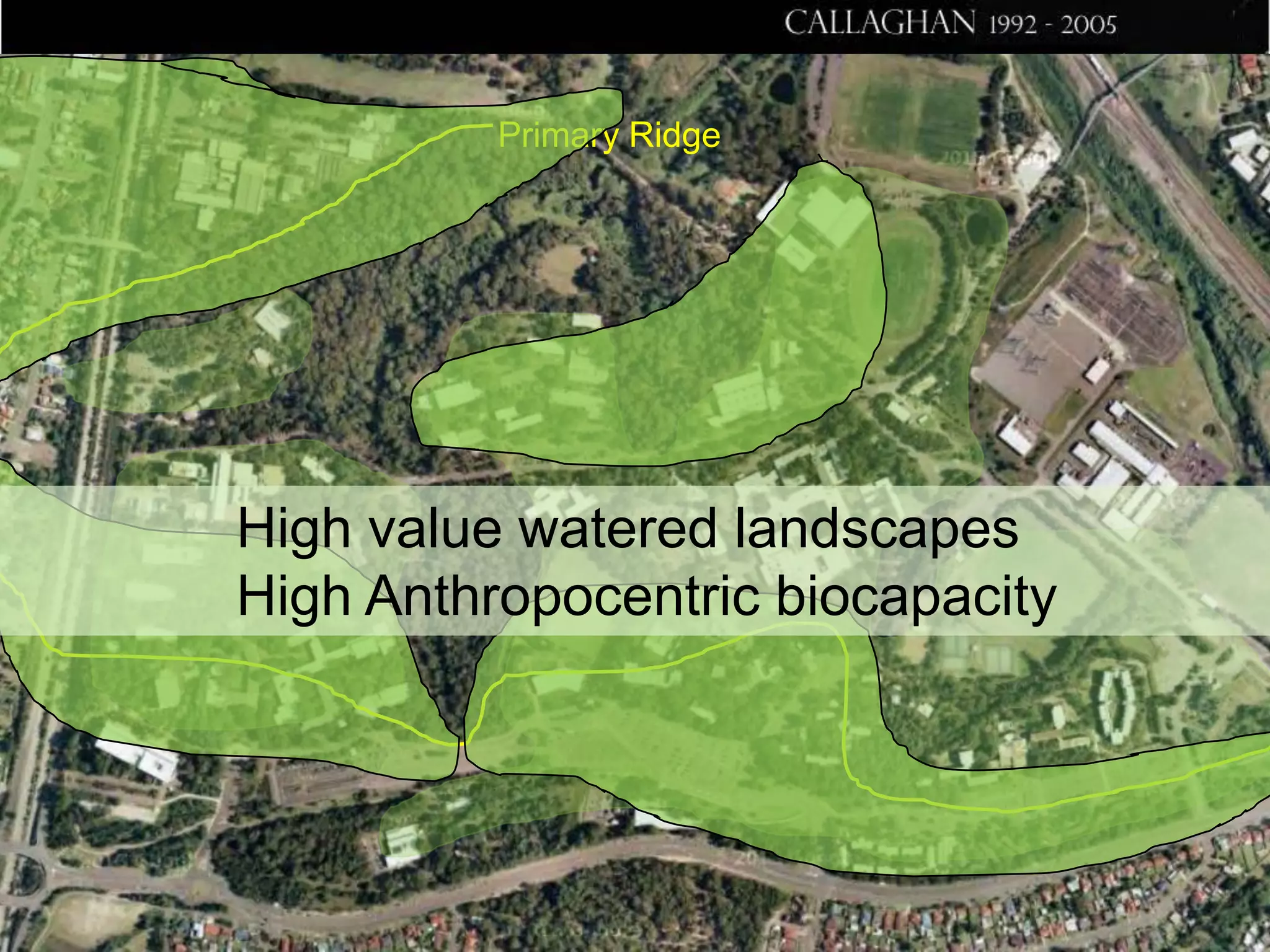
Primary Ridge

High value watered landscapes
High Anthropocentric biocapacity
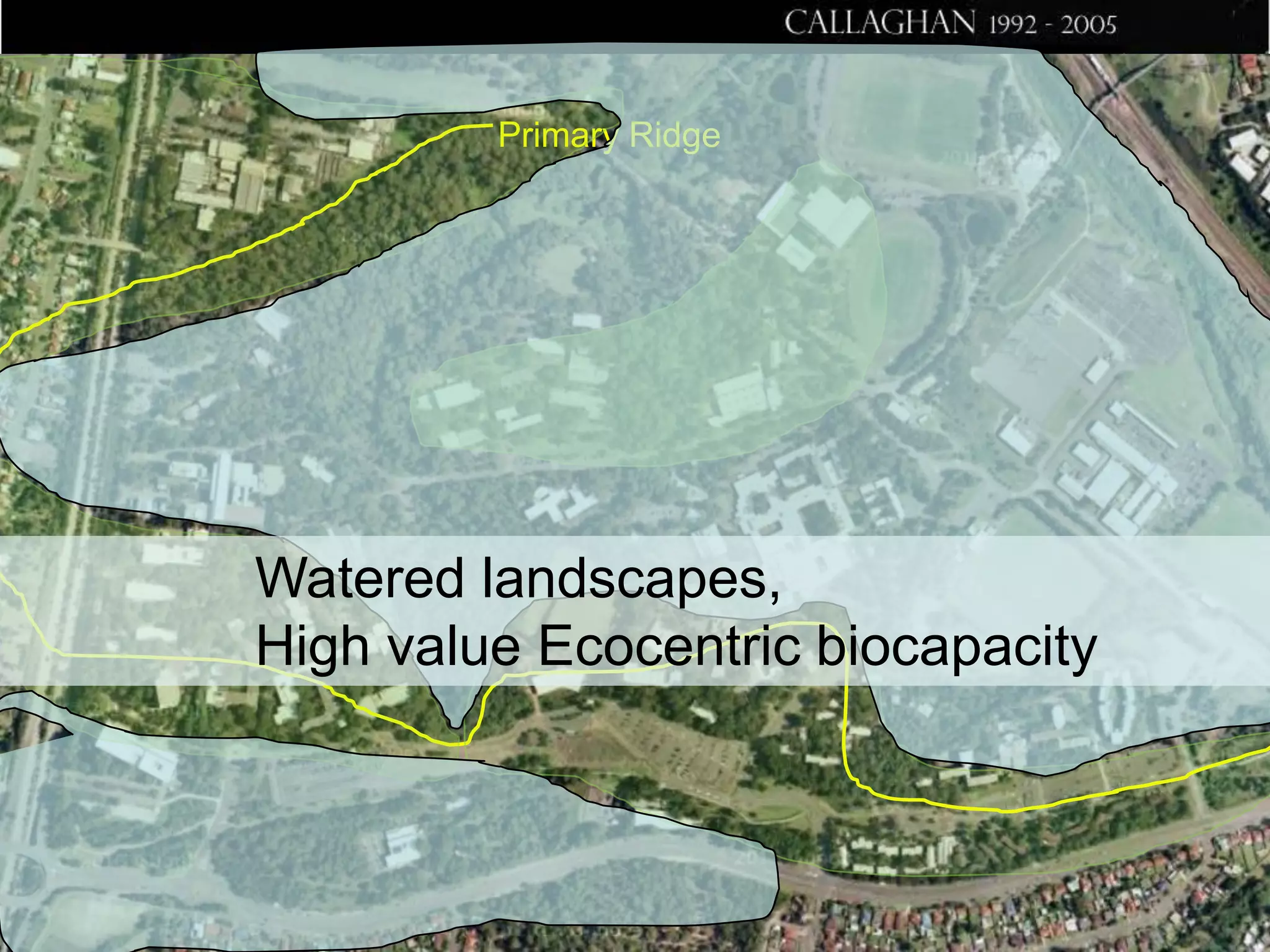
Primary Ridge

Watered landscapes,
High value Ecocentric biocapacity
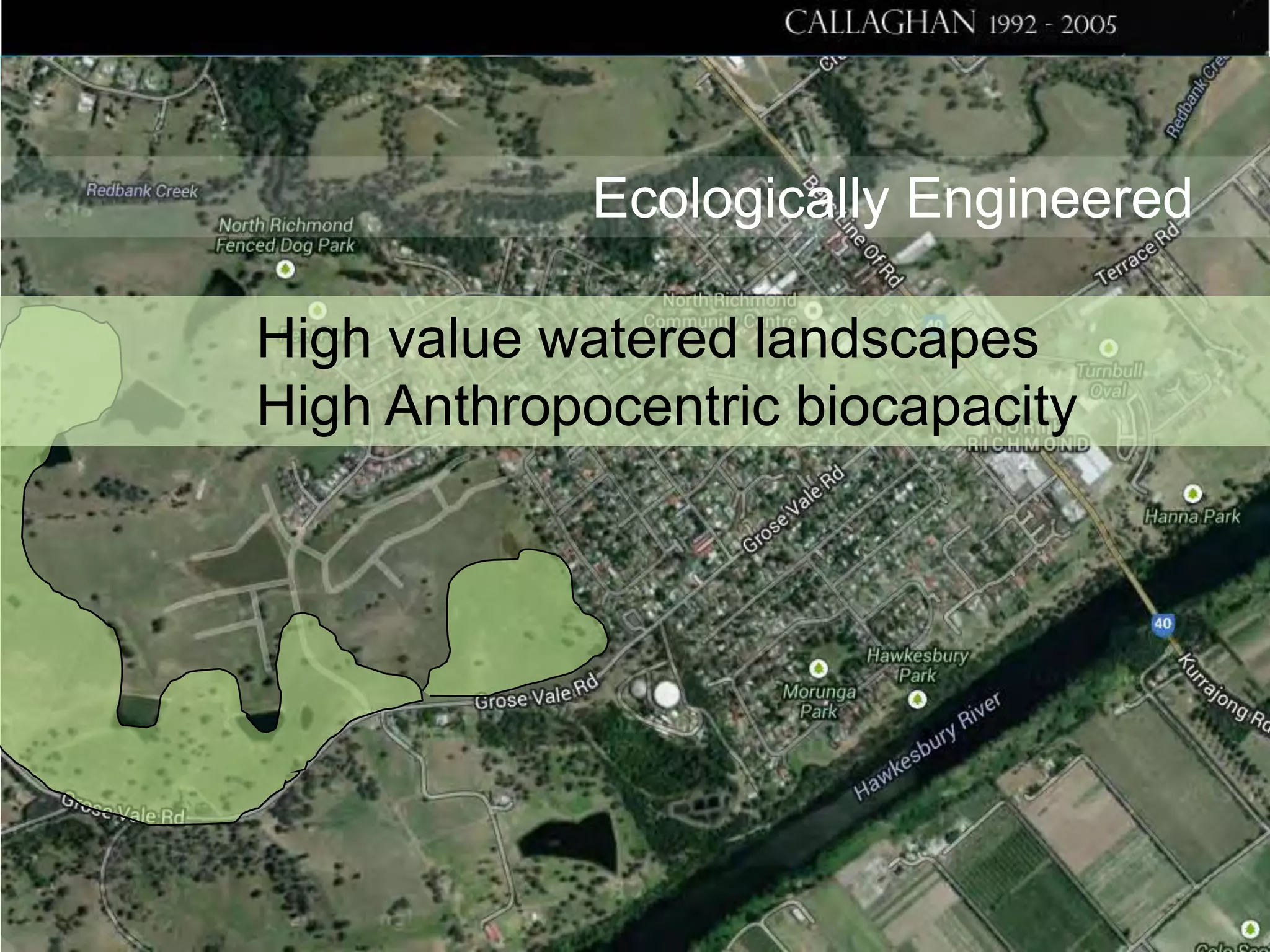
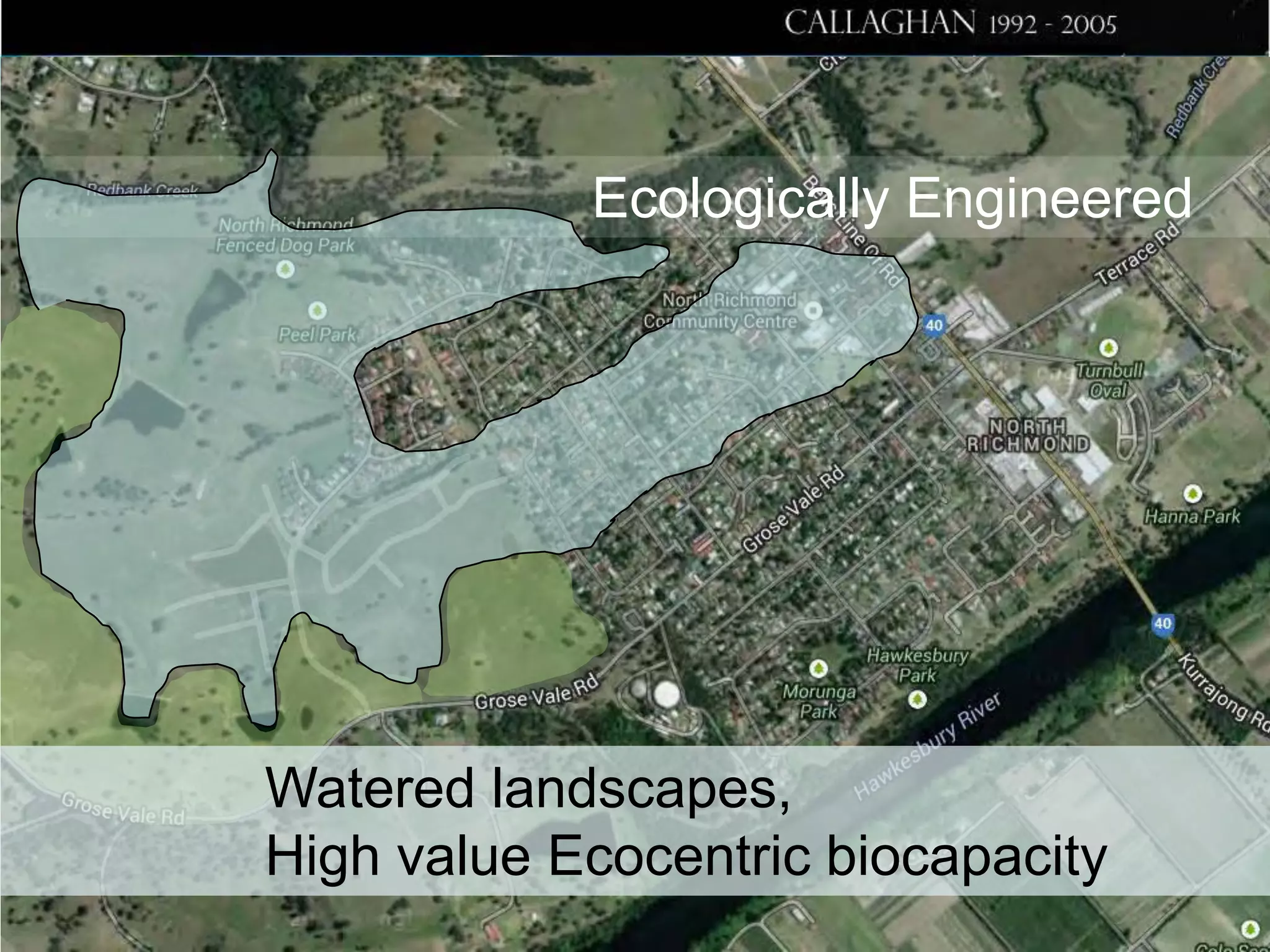
Ecologically Engineered
High value watered landscapes
High Anthropocentric biocapacity
Ecologically Engineered

Watered landscapes,
High value Ecocentric biocapacity
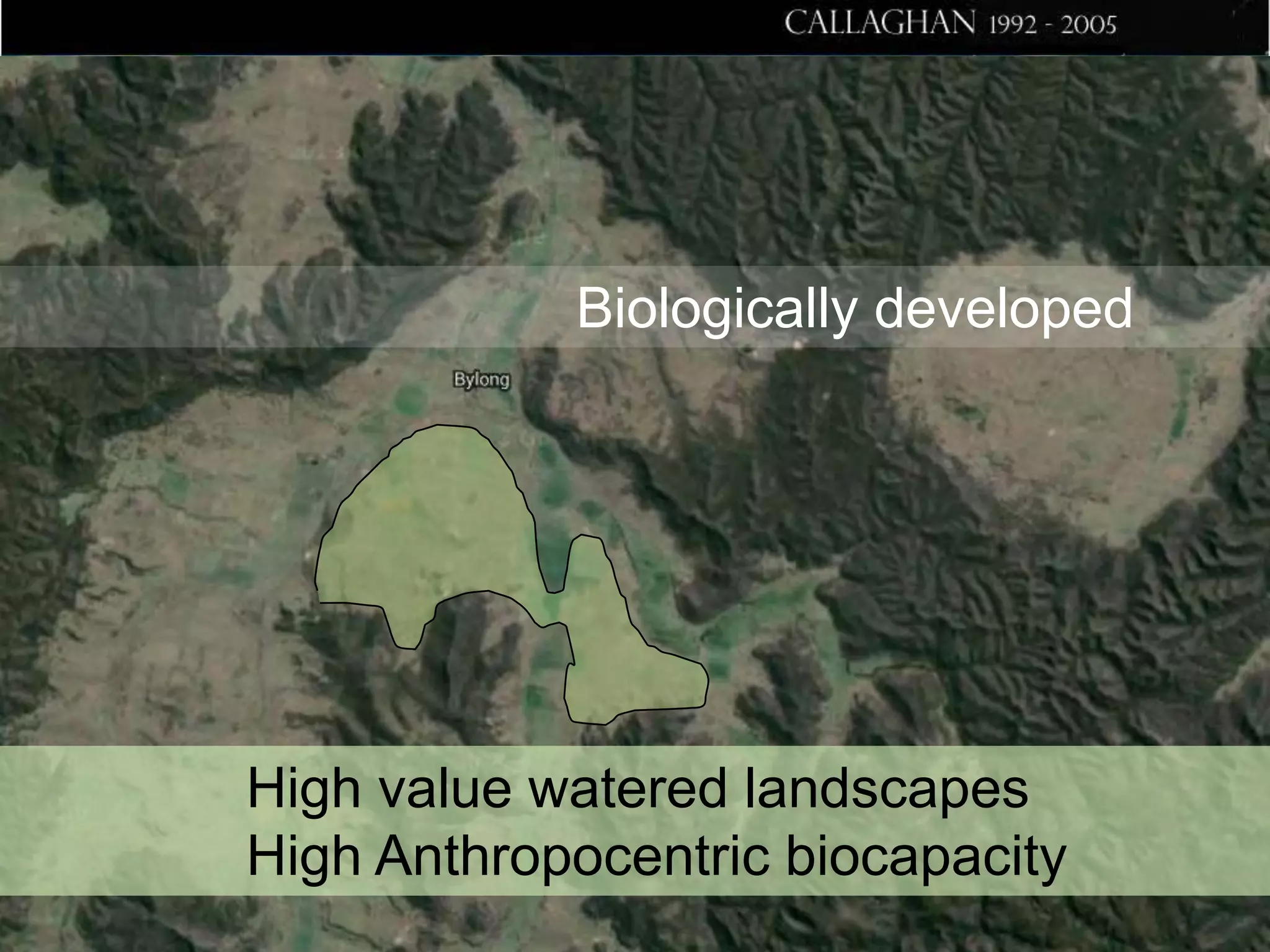
Biologically developed

High value watered landscapes
High Anthropocentric biocapacity
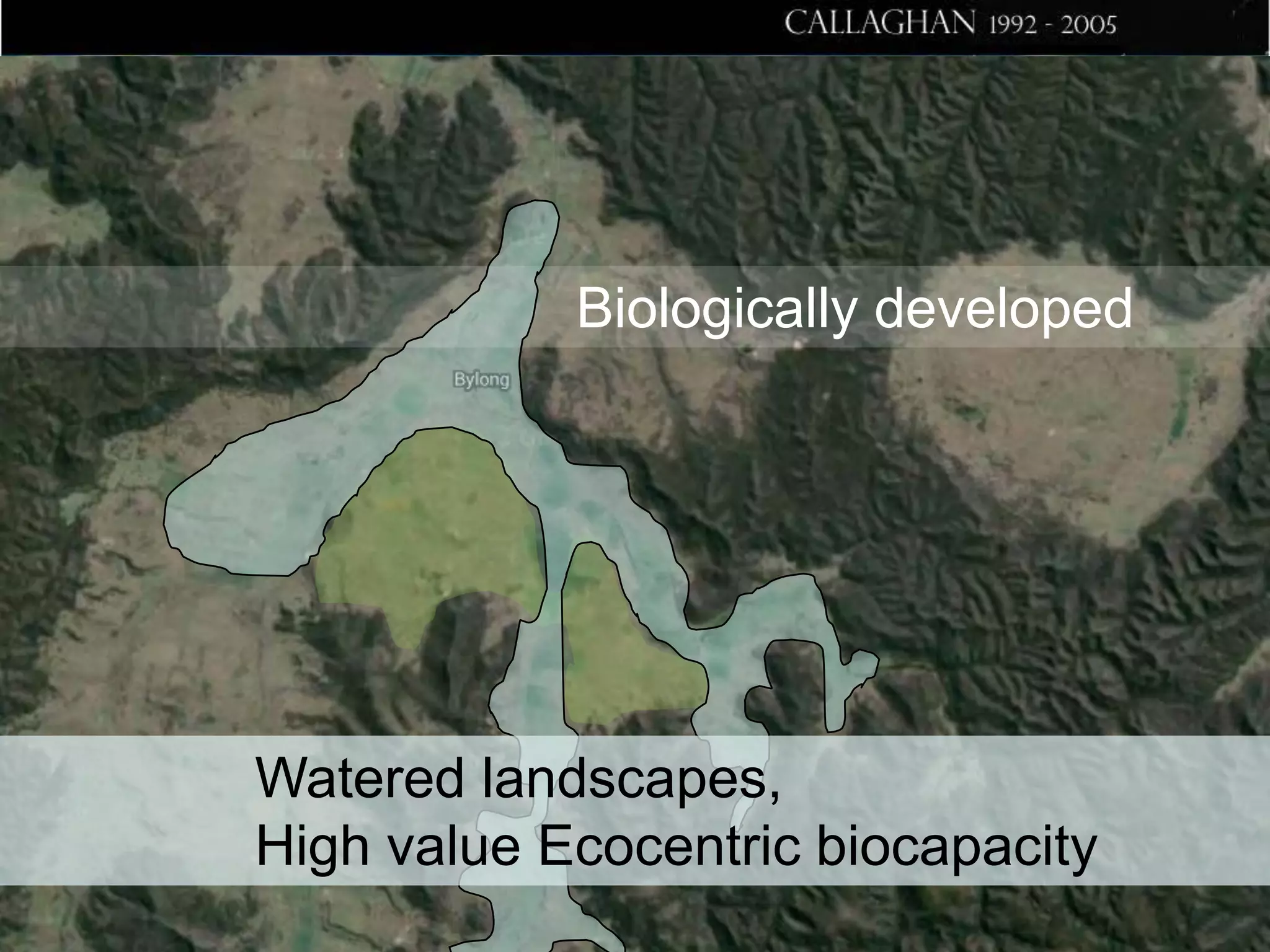
Biologically developed

Watered landscapes,
High value Ecocentric biocapacity
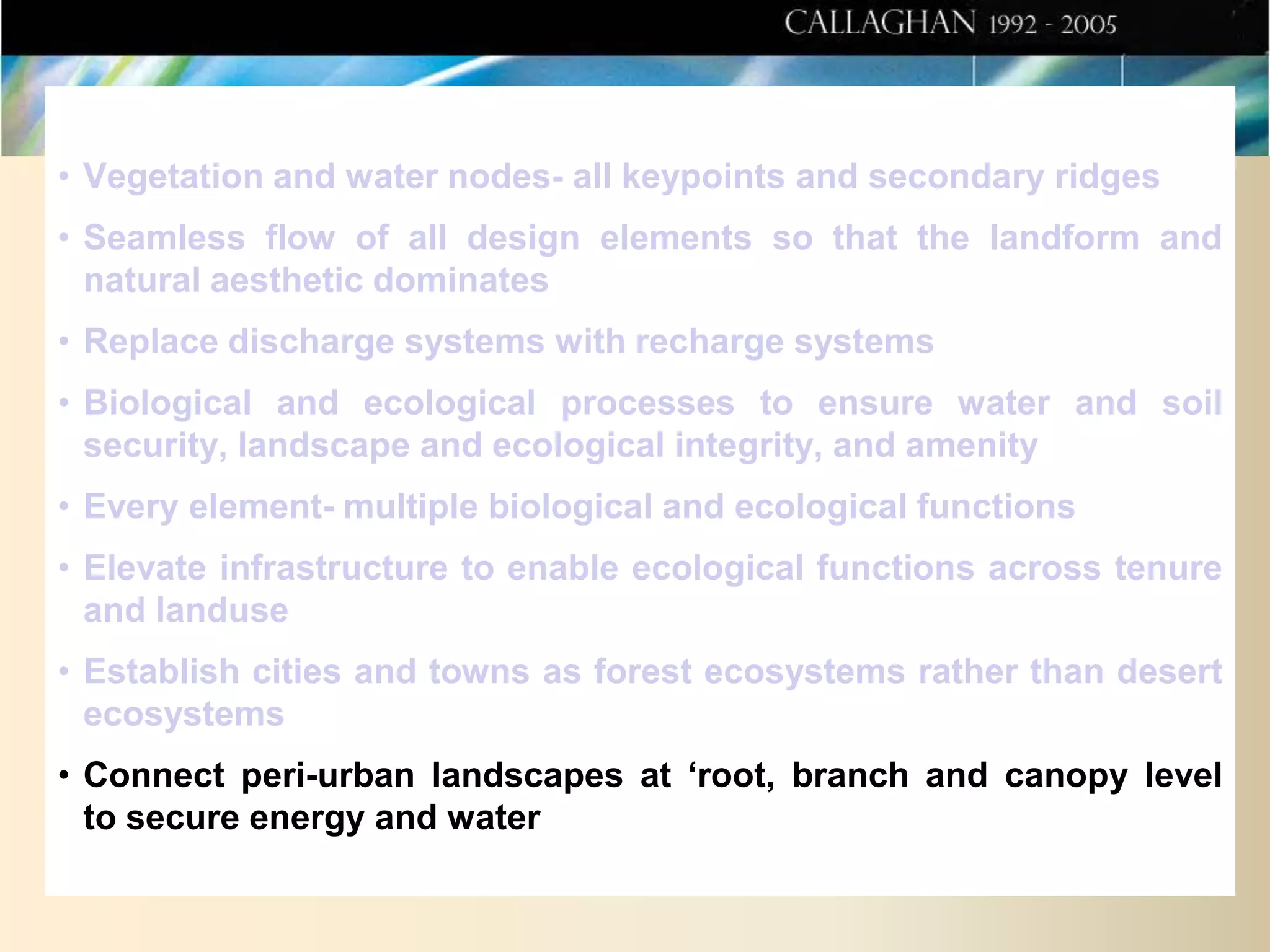
• Vegetation and water nodes- all keypoints and secondary ridges
• Seamless flow of all design elements so that the landform and
natural aesthetic dominates
• Replace discharge systems with recharge systems
• Biological and ecological processes to ensure water and soil
security, landscape and ecological integrity, and amenity
• Every element- multiple biological and ecological functions
• Elevate infrastructure to enable ecological functions across tenure
and landuse
• Establish cities and towns as forest ecosystems rather than desert
ecosystems
• Connect peri-urban landscapes at ‘root, branch and canopy level
to secure energy and water
Peter Stevens
peter.stevens@newcastle.edu.au
+61 431 333 337
Tom Farrell Institute
University of Newcastle,
Australia

Prof. Timothy Roberts
Dr Steven Lucas

Stevens_P_On Scale and Abundance – Rewatering the peri-urban landscapes of Australia as a physical, social and economic imperative