CSD  Industry Research Liting Dai Rui Liu Yi Li Yige Xiao
Introduction The CSD industry is the largest beverage industry which includes two key players: Coca Cola & Pepsi. Coca Cola   Founded:1886 Country of origin :  United States Sold in over 200 countries now Pepsi Introduced1898 (as Brad's Drink), 1903 (as Pepsi-Cola),1961 (as Pepsi) Country of origin :  United States
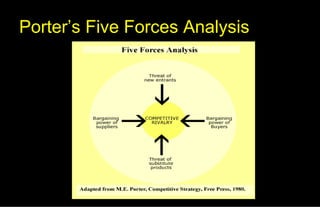
Porter’s Five Forces Analysis
Rivalry High investment leads to high exit barriers High industry concentration (two industry giants with a lot of mediums and laggards) ; fierce competition between competitors Industry growth slows down in recent years A lot of choices in whole beverage industry Most current producers have high brand identity even reputation Many different products make it have high diversity between rivals Soft-drink Industry
Threat of Substitute Various beverages exist in the market Low cost for customers to switch into any other beverage Buyer always has a low inclination to substitute More other drinks get popular than CSD Soft-drink Industry
Barriers to Entry Easy to use experience from existing company Economies of scale stays steadily and has slightly decrease A large amount of investment for entry and commercials Difficult for new entrant to find out niche market in saturated market Soft-drink Industry
Supplier Power Entry Simple additives available in open market Low cost of ingredient Large amount of buying weakens supplier’s bargain power Soft-drink Industry
Buyer Power Food-stores, fountains, mass merchandisers, vending machines are main selling channels Some big buyers have bargain power Concentrate producer has great freedom to change price Soft-drink Industry
Rivalry High exit barriers because of large amount of investment 2,000 in 1970 reducing to 300 in 2000 reveals high industry concentration and low industry growth. Bottling and canning lines 4-10million for each. Minimum cost to build a small bottling plant 25-35 million. Low product differences High switching costs Low brand identity Low diversity of rivals Bottling Industry
Threat of Substitute Bottling industry including metal cans (60%), plastic bottles(38%), glass bottles(2%). The only substitute, soft package is not the ideal option.   Bottling Industry
Barriers to Entry 2,000 in 1970 reducing to 300 in 2000 indicates the low economics of scale Bottling and canning lines 4-10million for each. Minimum cost to build a small bottling plant 25-35 million Low brand identity High switching costs Bottling Industry
Supplier Power Package and sweetener sellers are main suppliers Open market with various providers and low reputation Low bargaining power Bottling Industry
Buyer Power Food-stores, mass merchandisers, vending machines are main selling channels Some big buyers have bargain power Bargaining power depends on different products Bottling Industry
Recommendation Intensive competition exists in soft-drink industry with monopoly by two beverage magnates Saturation in bottling industry and low power Soft-drink industry have higher profitability compared with bottling industry
Challenge Seesaw battles in US and other countries between two giants Low price strategy threatens other competitors to follow, leading to low profitability High exposure commercials of two giants and new strategies draw consumers away from other brands Two giants going into popular non-carbs makes profit run away from existing producers The conquering in new countries makes local beverage market reshuffle
Challenge Different industries can sustain different level of profitability; part of this difference is explained by industry structure.  Five forces provided a framework help business manager to better understand the industry context in which the firm operates http:// www.quickmba.com/strategy/porter.shtml
References http://www.quickmba.com/strategy/porter.shtml DAVI D B . YOFFIE, “Cola Wars Continue: Coke and Pepsi in the Twenty-First Century”,  Harvard Business School , January, 2004 http://en.wikipedia.org/wiki/Coca-Cola http://en.wikipedia.org/wiki/Pepsi
Thank  you

Sse Cola Wars Group2

  • 1.
    CSD IndustryResearch Liting Dai Rui Liu Yi Li Yige Xiao
  • 2.
    Introduction The CSDindustry is the largest beverage industry which includes two key players: Coca Cola & Pepsi. Coca Cola Founded:1886 Country of origin : United States Sold in over 200 countries now Pepsi Introduced1898 (as Brad's Drink), 1903 (as Pepsi-Cola),1961 (as Pepsi) Country of origin : United States
  • 3.
  • 4.
    Rivalry High investmentleads to high exit barriers High industry concentration (two industry giants with a lot of mediums and laggards) ; fierce competition between competitors Industry growth slows down in recent years A lot of choices in whole beverage industry Most current producers have high brand identity even reputation Many different products make it have high diversity between rivals Soft-drink Industry
  • 5.
    Threat of SubstituteVarious beverages exist in the market Low cost for customers to switch into any other beverage Buyer always has a low inclination to substitute More other drinks get popular than CSD Soft-drink Industry
  • 6.
    Barriers to EntryEasy to use experience from existing company Economies of scale stays steadily and has slightly decrease A large amount of investment for entry and commercials Difficult for new entrant to find out niche market in saturated market Soft-drink Industry
  • 7.
    Supplier Power EntrySimple additives available in open market Low cost of ingredient Large amount of buying weakens supplier’s bargain power Soft-drink Industry
  • 8.
    Buyer Power Food-stores,fountains, mass merchandisers, vending machines are main selling channels Some big buyers have bargain power Concentrate producer has great freedom to change price Soft-drink Industry
  • 9.
    Rivalry High exitbarriers because of large amount of investment 2,000 in 1970 reducing to 300 in 2000 reveals high industry concentration and low industry growth. Bottling and canning lines 4-10million for each. Minimum cost to build a small bottling plant 25-35 million. Low product differences High switching costs Low brand identity Low diversity of rivals Bottling Industry
  • 10.
    Threat of SubstituteBottling industry including metal cans (60%), plastic bottles(38%), glass bottles(2%). The only substitute, soft package is not the ideal option. Bottling Industry
  • 11.
    Barriers to Entry2,000 in 1970 reducing to 300 in 2000 indicates the low economics of scale Bottling and canning lines 4-10million for each. Minimum cost to build a small bottling plant 25-35 million Low brand identity High switching costs Bottling Industry
  • 12.
    Supplier Power Packageand sweetener sellers are main suppliers Open market with various providers and low reputation Low bargaining power Bottling Industry
  • 13.
    Buyer Power Food-stores,mass merchandisers, vending machines are main selling channels Some big buyers have bargain power Bargaining power depends on different products Bottling Industry
  • 14.
    Recommendation Intensive competitionexists in soft-drink industry with monopoly by two beverage magnates Saturation in bottling industry and low power Soft-drink industry have higher profitability compared with bottling industry
  • 15.
    Challenge Seesaw battlesin US and other countries between two giants Low price strategy threatens other competitors to follow, leading to low profitability High exposure commercials of two giants and new strategies draw consumers away from other brands Two giants going into popular non-carbs makes profit run away from existing producers The conquering in new countries makes local beverage market reshuffle
  • 16.
    Challenge Different industriescan sustain different level of profitability; part of this difference is explained by industry structure. Five forces provided a framework help business manager to better understand the industry context in which the firm operates http:// www.quickmba.com/strategy/porter.shtml
  • 17.
    References http://www.quickmba.com/strategy/porter.shtml DAVID B . YOFFIE, “Cola Wars Continue: Coke and Pepsi in the Twenty-First Century”, Harvard Business School , January, 2004 http://en.wikipedia.org/wiki/Coca-Cola http://en.wikipedia.org/wiki/Pepsi
  • 18.