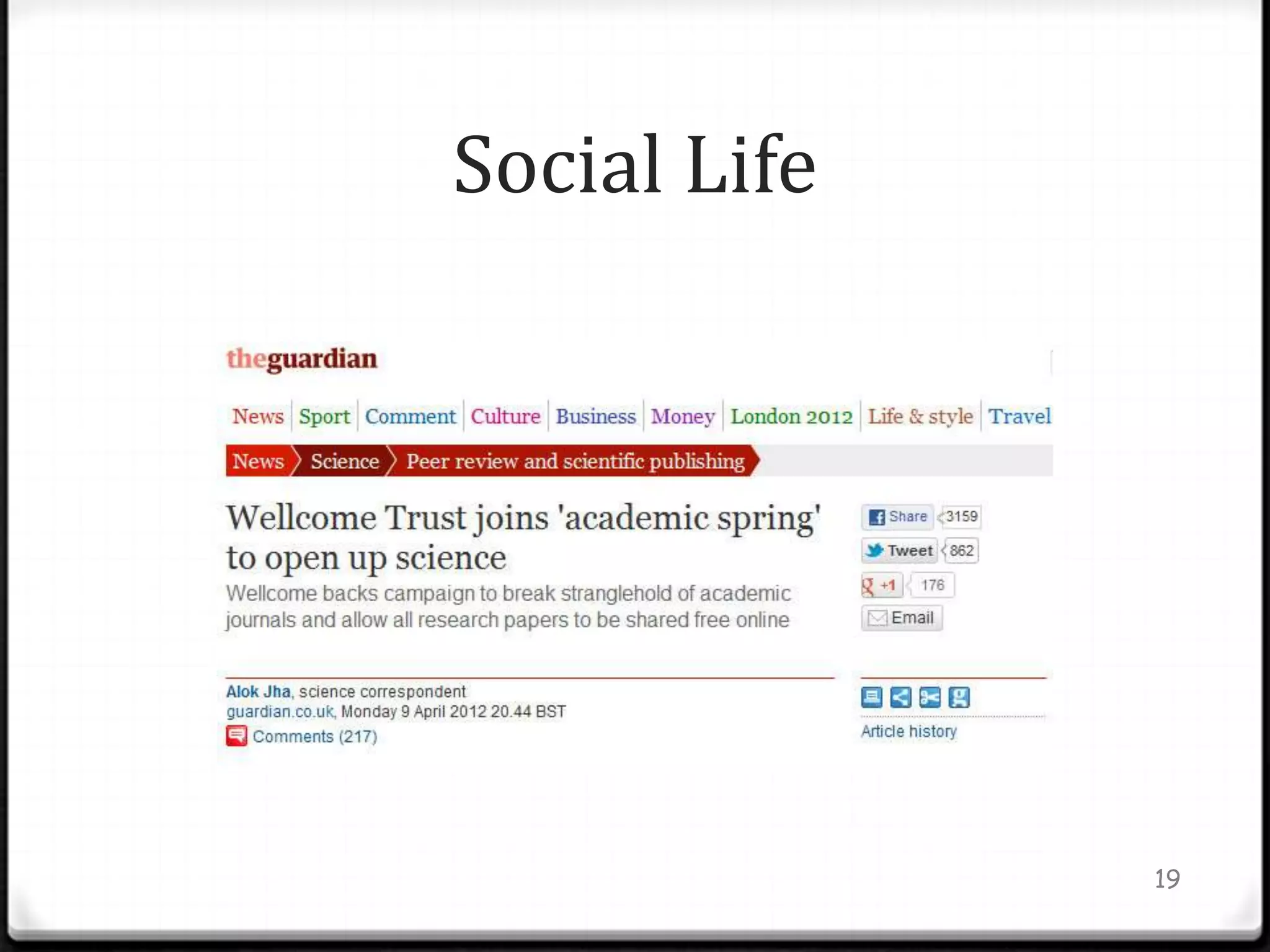
Spring


         2
A Fad?


                                                    3
http://www.flickr.com/photos/toastkid/5172547797/
New Rules


                                                    4
http://www.flickr.com/photos/cynthia_/7008786615/
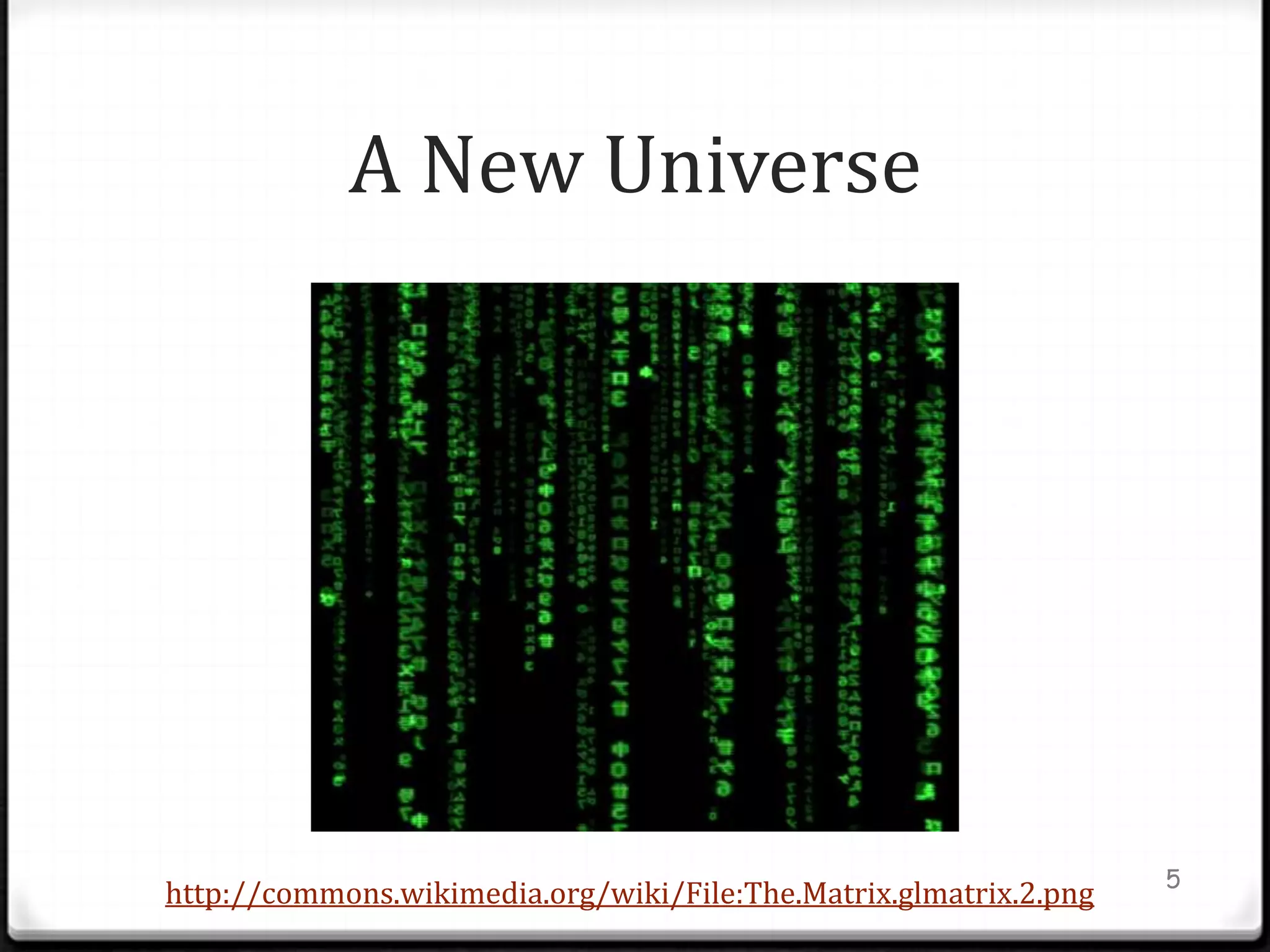
A New Universe


                                                                   5
http://commons.wikimedia.org/wiki/File:The.Matrix.glmatrix.2.png
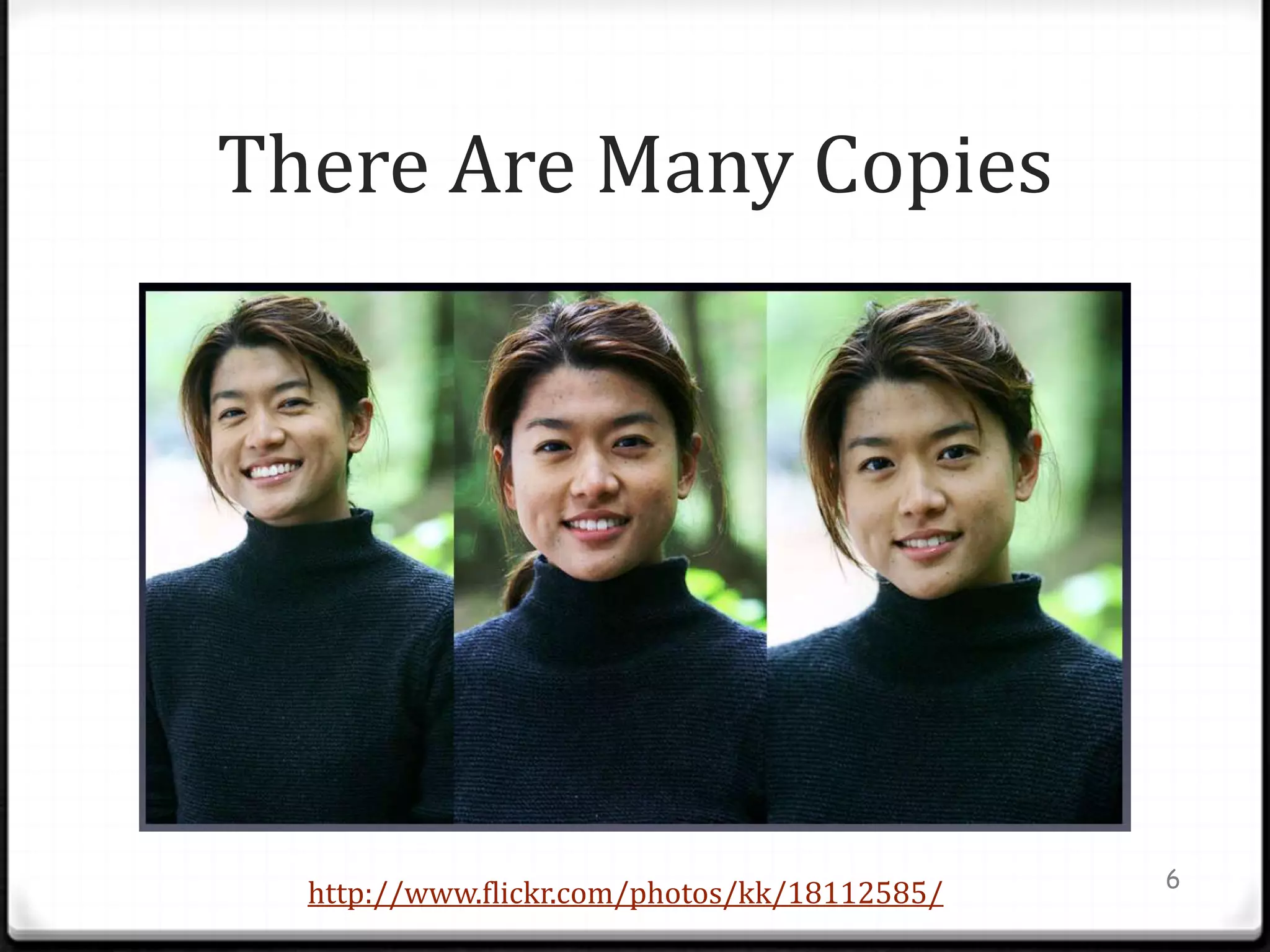
There Are Many Copies


                                              6
  http://www.flickr.com/photos/kk/18112585/
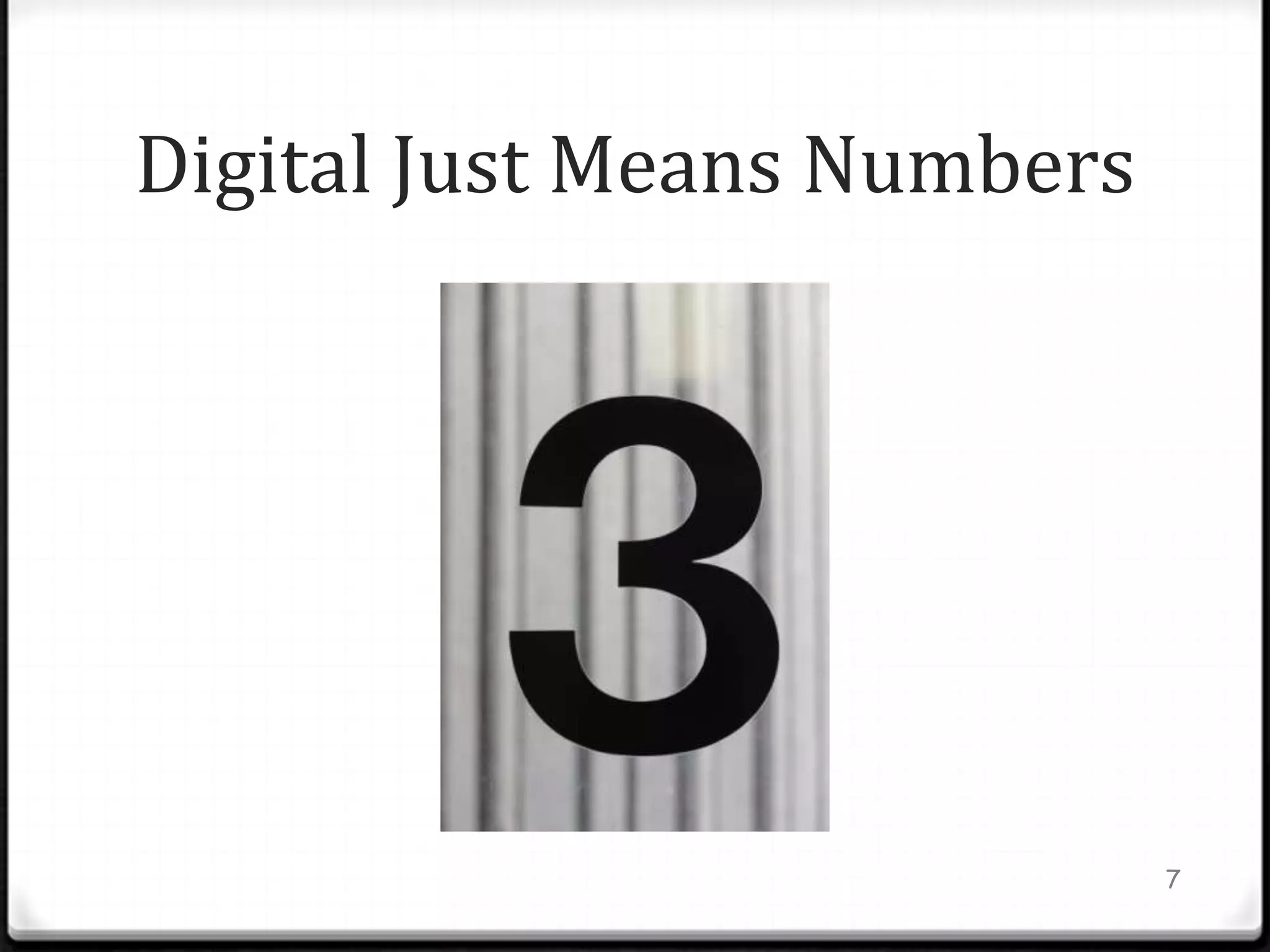
Digital Just Means Numbers


                             7
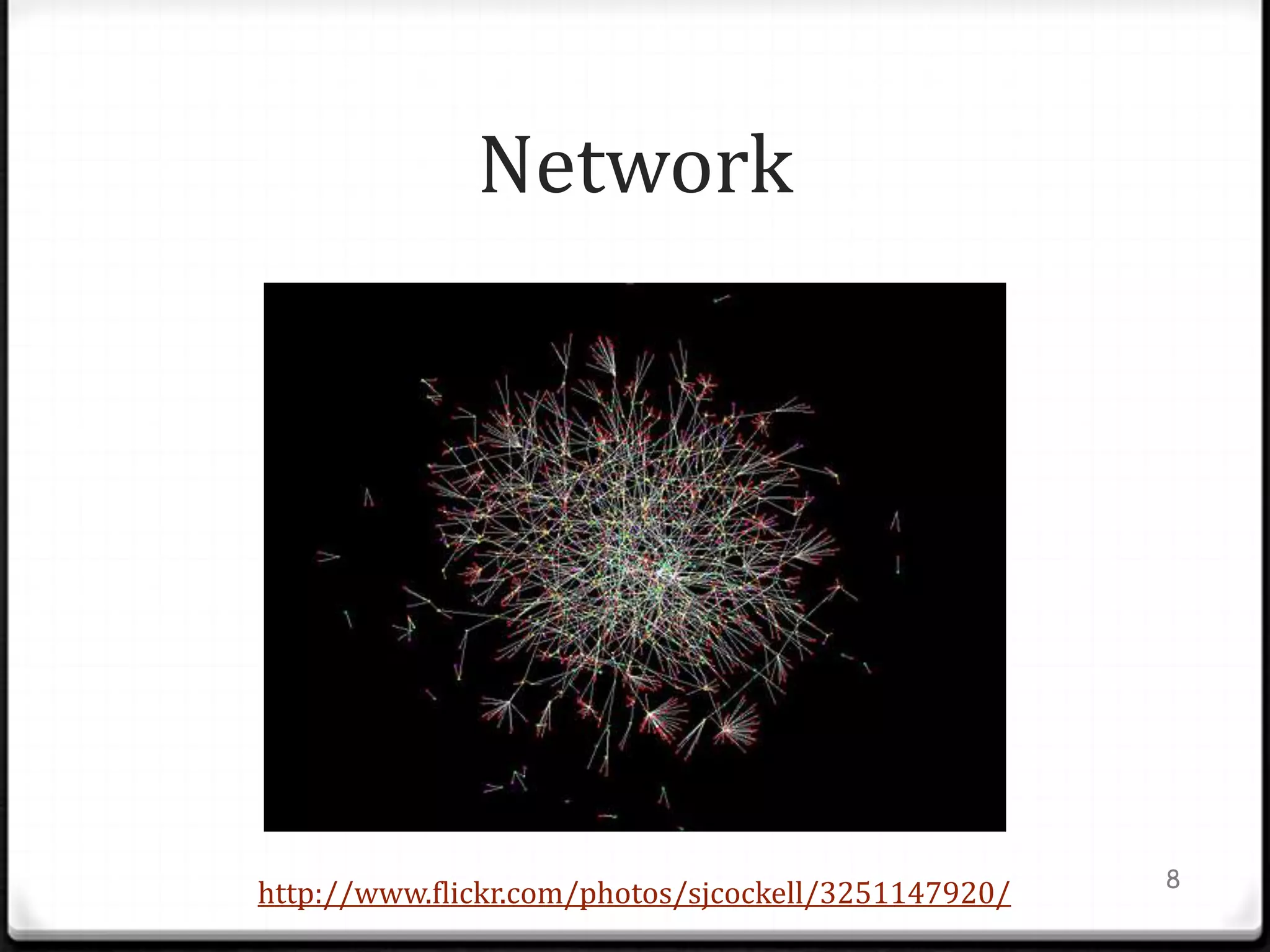
Network


                                                     8
http://www.flickr.com/photos/sjcockell/3251147920/
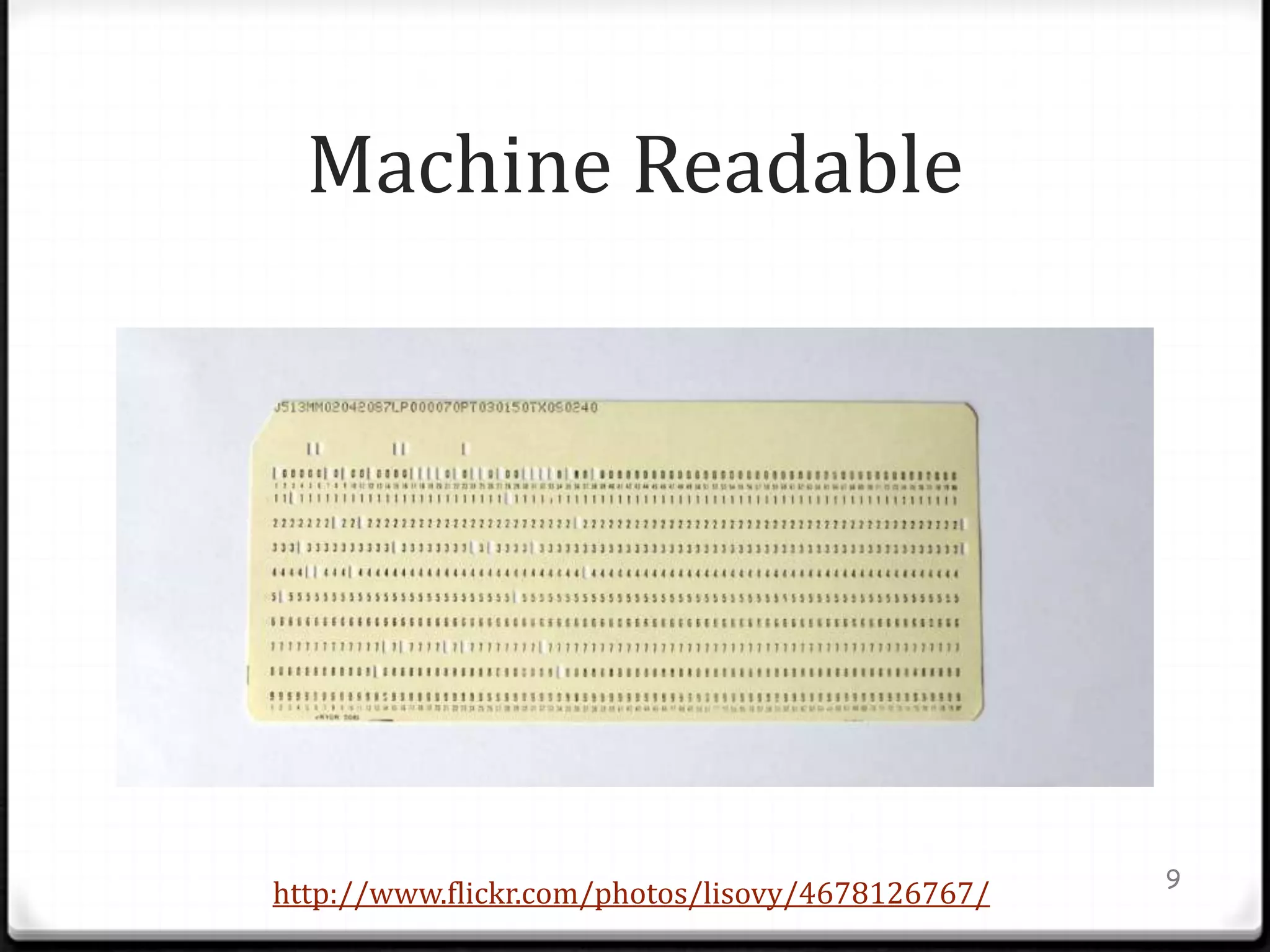
Machine Readable


                                                  9
http://www.flickr.com/photos/lisovy/4678126767/
Discovery


            10
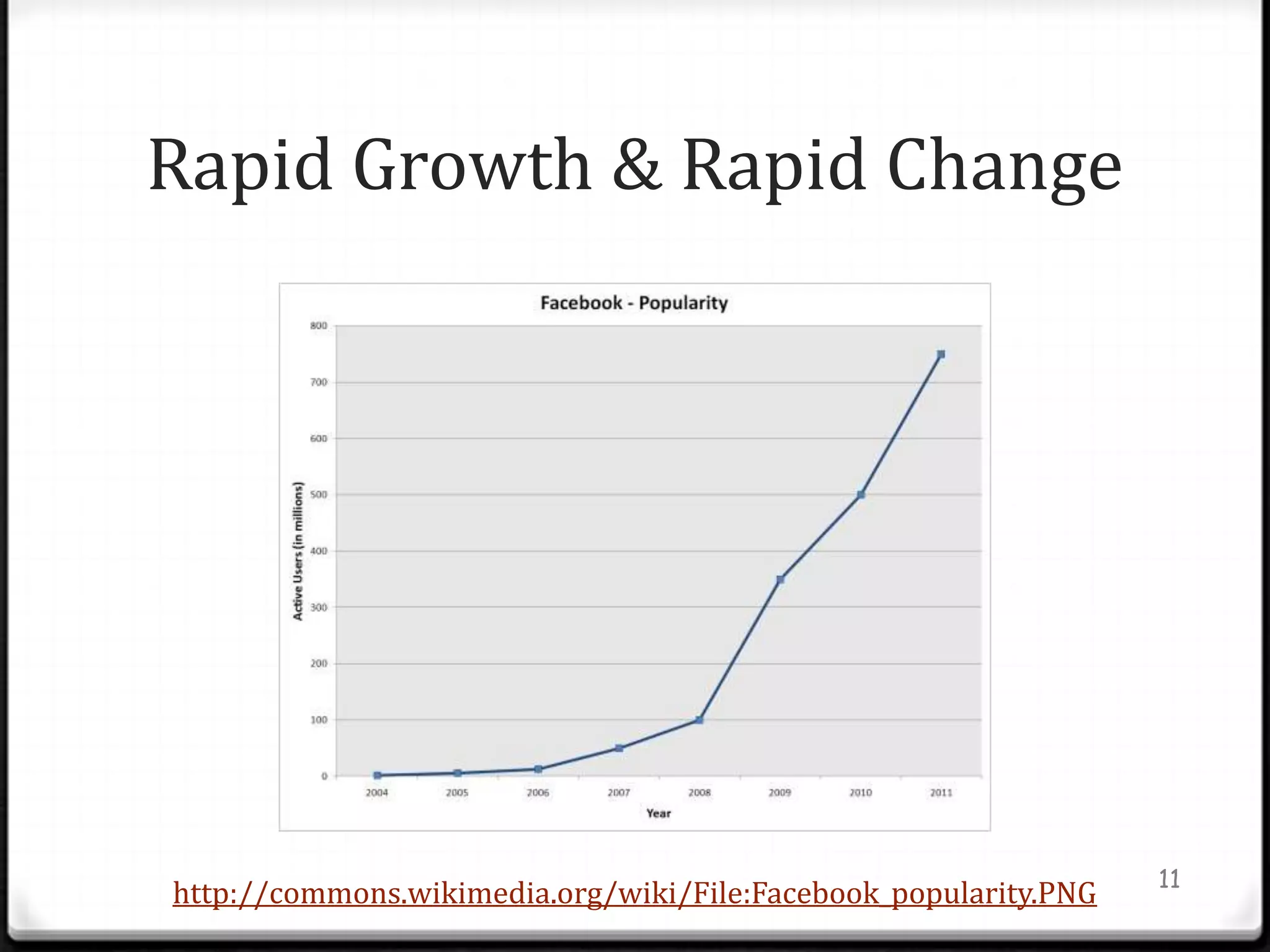
Rapid Growth & Rapid Change


                                                                 11
http://commons.wikimedia.org/wiki/File:Facebook_popularity.PNG
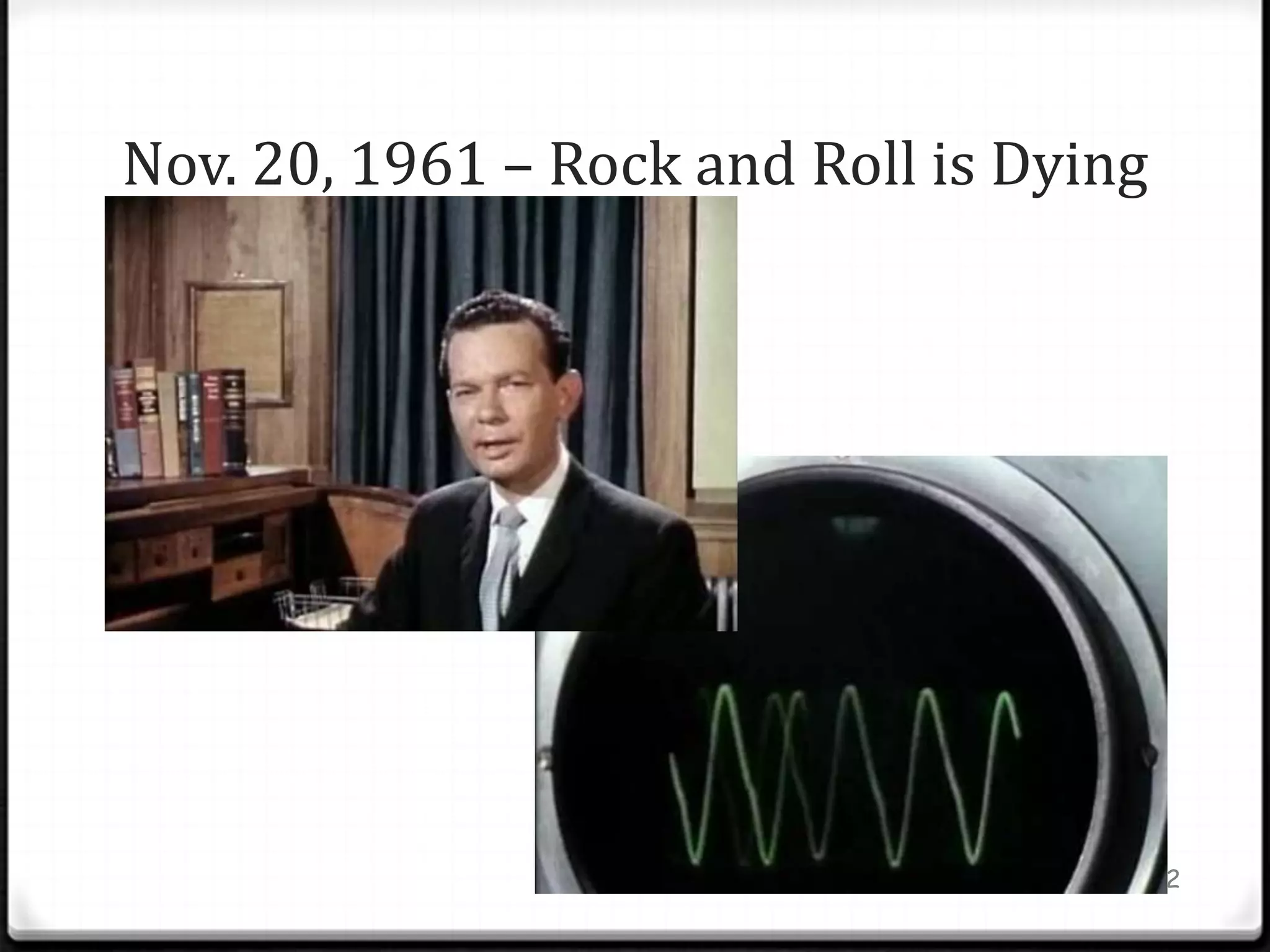
Nov. 20, 1961 – Rock and Roll is Dying


                                         12
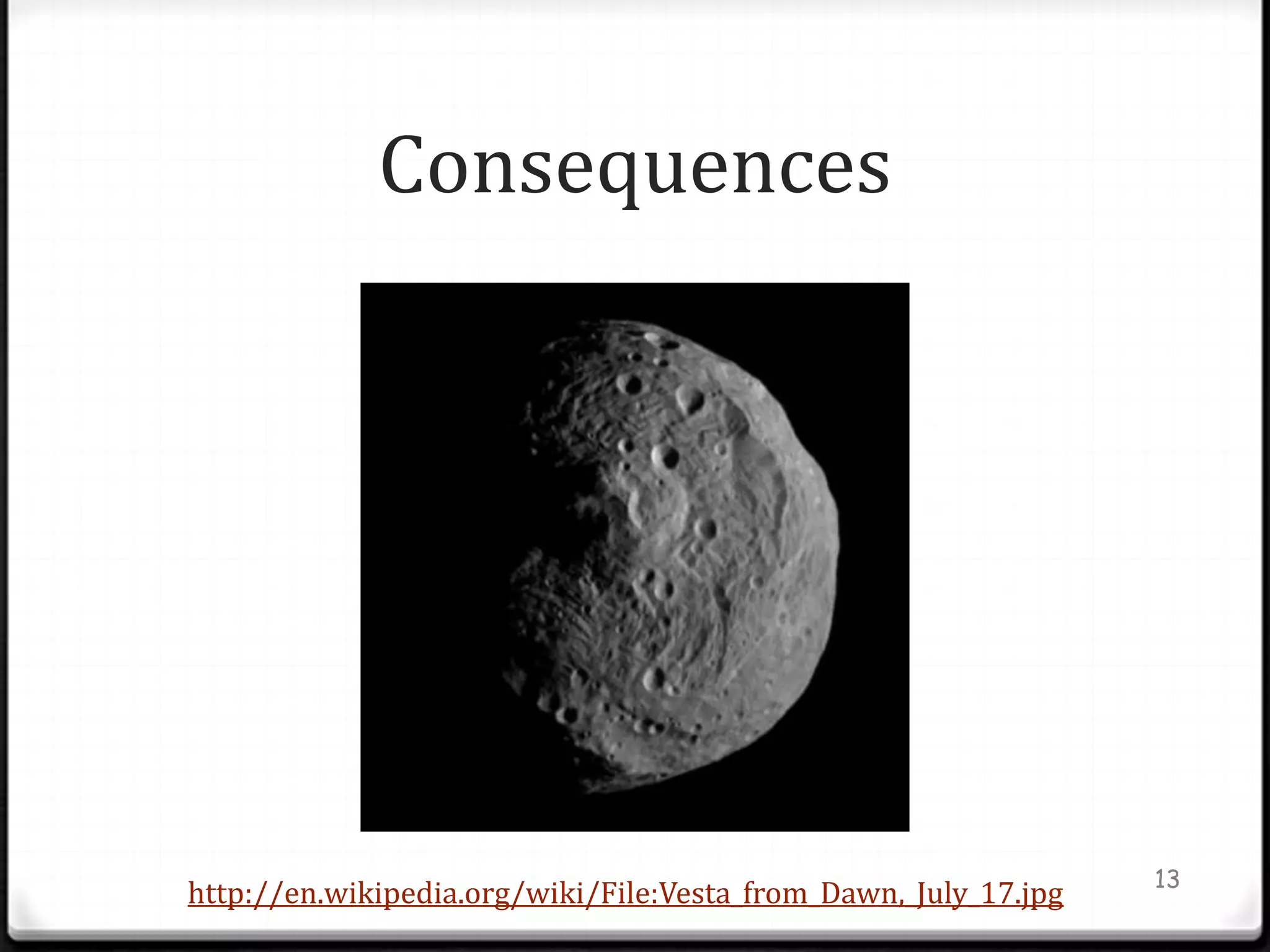
Consequences


                                                                 13
http://en.wikipedia.org/wiki/File:Vesta_from_Dawn,_July_17.jpg
Consequences (2)
•   End of record stores (but not music)
•   End of video stores
•   End of book stores
•   End of film developers
•   End of physical money
•   Re-examination of any content communications
    system
    • Enormous challenges for academic libraries
    • Enormous challenges for scholarly communication
    • Enormous challenges for universities


                                                        14
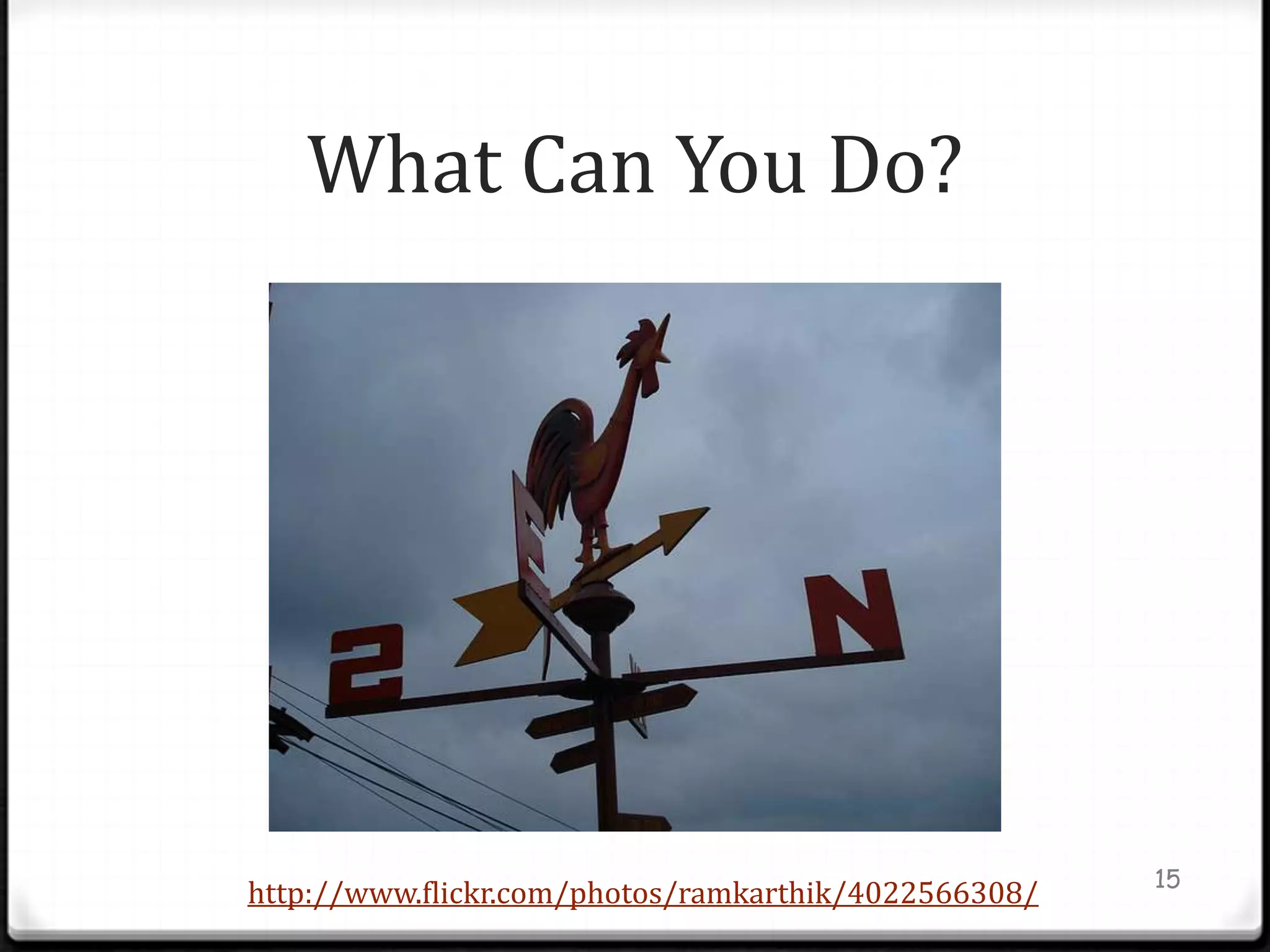
What Can You Do?


                                                      15
http://www.flickr.com/photos/ramkarthik/4022566308/
Web 1.0, Web 2.0, Web 3.0
• Each of these has a different “reader”;
  know your audience(s)


                                            16
Be on the web and be OF the web
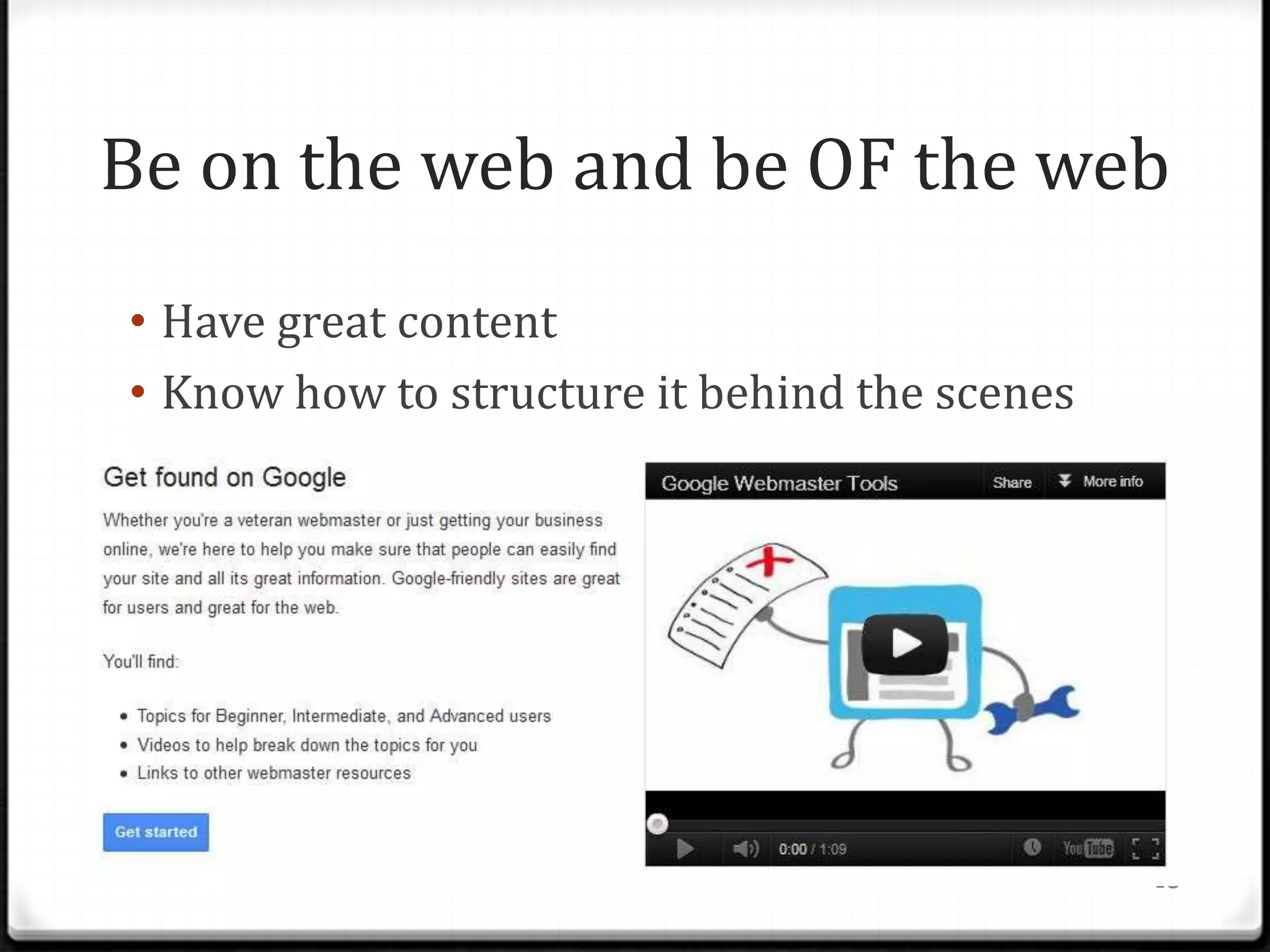
• Have great content
• Know how to structure it behind the scenes


                                               18
Social Life


              19
Social Life (2)


                  20
Social Life (3)
• Just write about what you are doing, and have
  conversations about it.
• Remember it’s about community.


                                                  21
Linked Data


              22
Analytics


            23
Analytics (2)


                24
Analytics (3)


                25
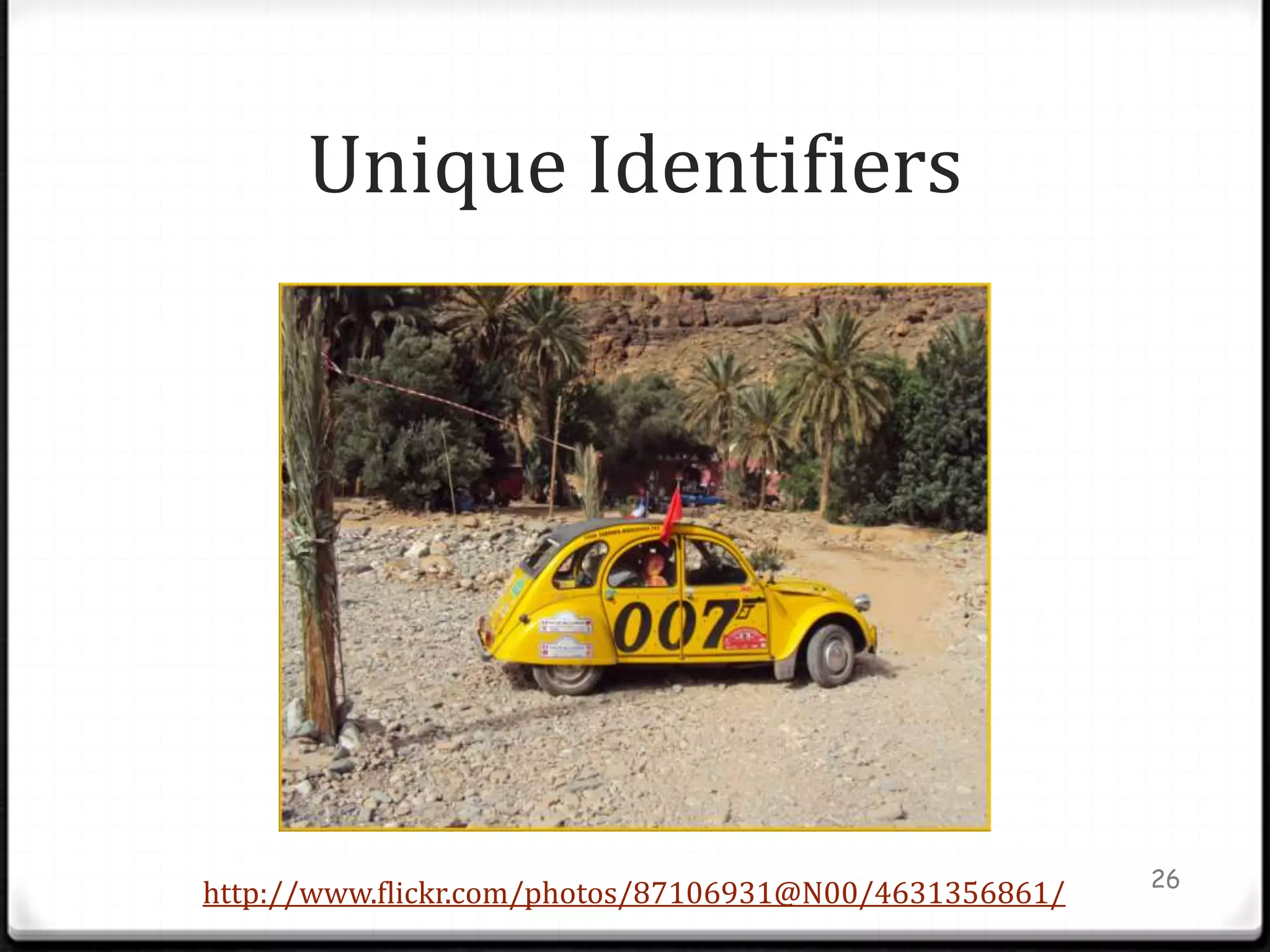
Unique Identifiers


                                                        26
http://www.flickr.com/photos/87106931@N00/4631356861/
Raw Data


           27
New Channels
• Audio
• Video
• Graphics (Visualization)


                             28
Eppur si muove
• All of the previous items are basically about
  details of presenting content within the
  existing system
• Yet a deeper revolution is afoot


                                                  30
Break the System to Understand It

• What appeared to be a single integrated
  system actually has many individual
  components. Each one of them is being re-
  examined in the new digital ecosystem.
  • registration, certification, awareness, archiving and
    rewarding


                                                            31
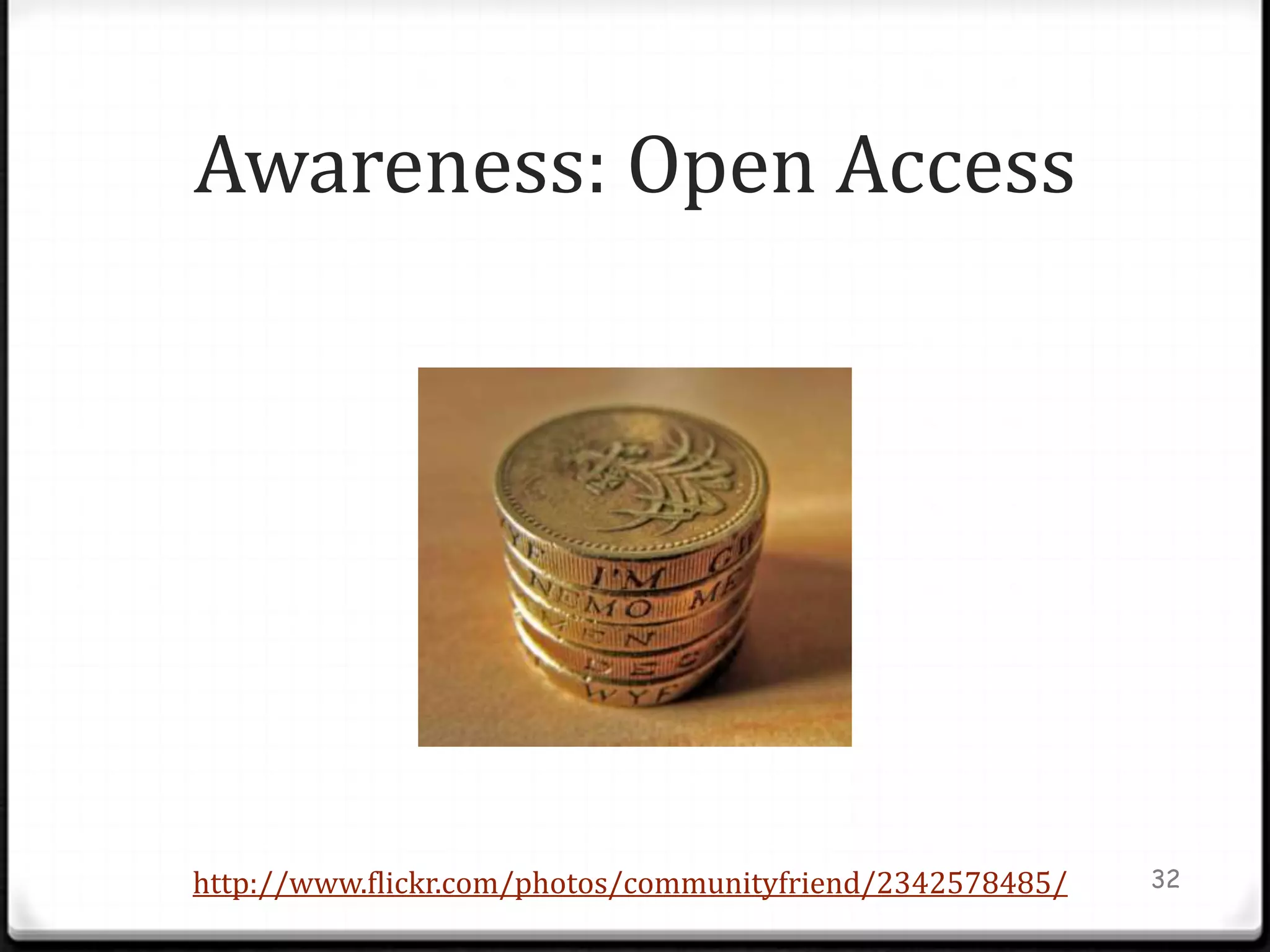
Awareness: Open Access


http://www.flickr.com/photos/communityfriend/2342578485/   32
Open Access (2)
• http://thecostofknowledge.com/ 11,896
• We The People petition 18,257
• US Federal Research Public Access Act
• (Harvard) Faculty Advisory Council
  Memorandum on Journal Pricing
  • “Consider submitting articles to open-access journals, or
    to ones that have reasonable, sustainable subscription
    costs; move prestige to open access”


                                                                33
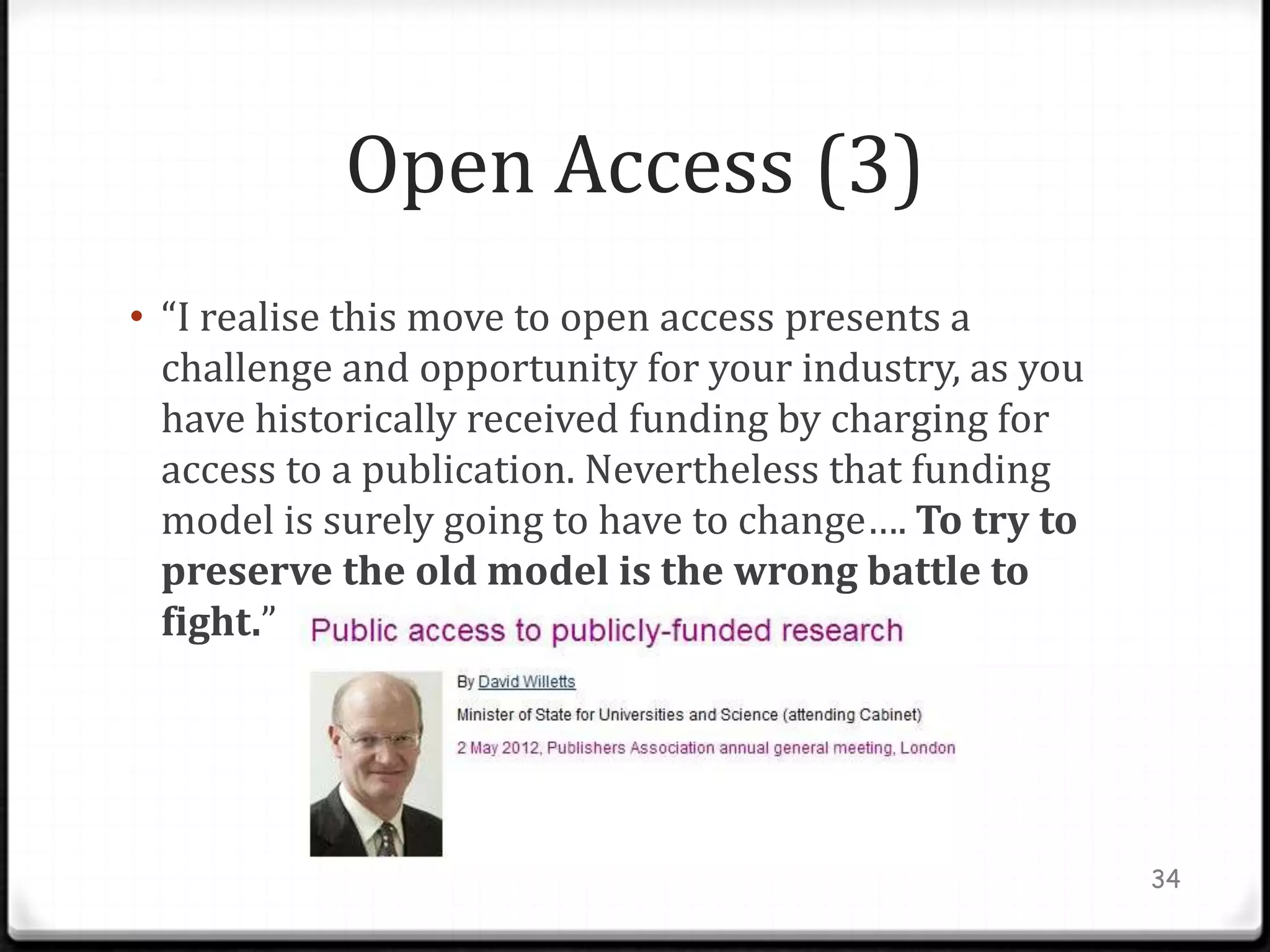
Open Access (3)
• “I realise this move to open access presents a
  challenge and opportunity for your industry, as you
  have historically received funding by charging for
  access to a publication. Nevertheless that funding
  model is surely going to have to change…. To try to
  preserve the old model is the wrong battle to
  fight.”


                                                        34
Certification: Peer Review
• Pre-review
• Traditional review
• Post-review


                              35
Archiving: Data Curation &
       Data Repositories
• Opportunity particularly for scholarly
  societies (and their associated publishing
  arms) to be the repository of record for data
  in their discipline, and to set the data
  standards


                                                  36
Rewarding: Impact Factor;
       Alternative Metrics
• Impact Factor becoming less... Impactful
• Many alternative metrics, including article-
  level metrics
  • #altmetrics
  • http://article-level-metrics.plos.org/


                                                 37
What Can You Do? (2)


                                                      38
http://www.flickr.com/photos/ramkarthik/4022566308/
Monitoring: Blogs to Read
• LSE Impact Blog
• T. Scott Plutchak
• Scholarly Kitchen
• Science in the Open
• Michael Neilsen


                             39
Monitoring: Journals to Watch
• PLoS
  • PLoS ONE
• eLife
  • “We commit to serving authors and advancing careers in
    science. At eLife, Publishing is just the beginning.”
• PeerJ
  • “The $99 Sustainable Model”


                                                             40
Be Small
• Small is good
• Agility
• Experimentation


                          41
Be Big
• Open Source
• Off-the-shelf software (COTS)
• “The Cloud”


                                  42
Summary
• Fundamental change due to properties of the
  digital environment – impacting all of our culture
• Need to understand audience: both machines and
  humans
• Many basic steps in order to be a healthy part of
  the digital ecosystem
• Disruption of each aspect of scholarly communication
• Monitor the ongoing experiments
• Opportunities for adaptive organisations

                                                         43
Springtime for Publishers?

Springtime for Publishers?

  • 2.
  • 3.
    A Fad? 3 http://www.flickr.com/photos/toastkid/5172547797/
  • 4.
    New Rules 4 http://www.flickr.com/photos/cynthia_/7008786615/
  • 5.
    A New Universe 5 http://commons.wikimedia.org/wiki/File:The.Matrix.glmatrix.2.png
  • 6.
    There Are ManyCopies 6 http://www.flickr.com/photos/kk/18112585/
  • 7.
  • 8.
    Network 8 http://www.flickr.com/photos/sjcockell/3251147920/
  • 9.
    Machine Readable 9 http://www.flickr.com/photos/lisovy/4678126767/
  • 10.
  • 11.
    Rapid Growth &Rapid Change 11 http://commons.wikimedia.org/wiki/File:Facebook_popularity.PNG
  • 12.
    Nov. 20, 1961– Rock and Roll is Dying 12
  • 13.
    Consequences 13 http://en.wikipedia.org/wiki/File:Vesta_from_Dawn,_July_17.jpg
  • 14.
    Consequences (2) • End of record stores (but not music) • End of video stores • End of book stores • End of film developers • End of physical money • Re-examination of any content communications system • Enormous challenges for academic libraries • Enormous challenges for scholarly communication • Enormous challenges for universities 14
  • 15.
    What Can YouDo? 15 http://www.flickr.com/photos/ramkarthik/4022566308/
  • 16.
    Web 1.0, Web2.0, Web 3.0 • Each of these has a different “reader”; know your audience(s) 16
  • 18.
    Be on theweb and be OF the web • Have great content • Know how to structure it behind the scenes 18
  • 19.
  • 20.
  • 21.
    Social Life (3) •Just write about what you are doing, and have conversations about it. • Remember it’s about community. 21
  • 22.
  • 23.
  • 24.
  • 25.
  • 26.
    Unique Identifiers 26 http://www.flickr.com/photos/87106931@N00/4631356861/
  • 27.
  • 28.
    New Channels • Audio •Video • Graphics (Visualization) 28
  • 30.
    Eppur si muove •All of the previous items are basically about details of presenting content within the existing system • Yet a deeper revolution is afoot 30
  • 31.
    Break the Systemto Understand It • What appeared to be a single integrated system actually has many individual components. Each one of them is being re- examined in the new digital ecosystem. • registration, certification, awareness, archiving and rewarding 31
  • 32.
  • 33.
    Open Access (2) •http://thecostofknowledge.com/ 11,896 • We The People petition 18,257 • US Federal Research Public Access Act • (Harvard) Faculty Advisory Council Memorandum on Journal Pricing • “Consider submitting articles to open-access journals, or to ones that have reasonable, sustainable subscription costs; move prestige to open access” 33
  • 34.
    Open Access (3) •“I realise this move to open access presents a challenge and opportunity for your industry, as you have historically received funding by charging for access to a publication. Nevertheless that funding model is surely going to have to change…. To try to preserve the old model is the wrong battle to fight.” 34
  • 35.
    Certification: Peer Review •Pre-review • Traditional review • Post-review 35
  • 36.
    Archiving: Data Curation& Data Repositories • Opportunity particularly for scholarly societies (and their associated publishing arms) to be the repository of record for data in their discipline, and to set the data standards 36
  • 37.
    Rewarding: Impact Factor; Alternative Metrics • Impact Factor becoming less... Impactful • Many alternative metrics, including article- level metrics • #altmetrics • http://article-level-metrics.plos.org/ 37
  • 38.
    What Can YouDo? (2) 38 http://www.flickr.com/photos/ramkarthik/4022566308/
  • 39.
    Monitoring: Blogs toRead • LSE Impact Blog • T. Scott Plutchak • Scholarly Kitchen • Science in the Open • Michael Neilsen 39
  • 40.
    Monitoring: Journals toWatch • PLoS • PLoS ONE • eLife • “We commit to serving authors and advancing careers in science. At eLife, Publishing is just the beginning.” • PeerJ • “The $99 Sustainable Model” 40
  • 41.
    Be Small • Smallis good • Agility • Experimentation 41
  • 42.
    Be Big • OpenSource • Off-the-shelf software (COTS) • “The Cloud” 42
  • 43.
    Summary • Fundamental changedue to properties of the digital environment – impacting all of our culture • Need to understand audience: both machines and humans • Many basic steps in order to be a healthy part of the digital ecosystem • Disruption of each aspect of scholarly communication • Monitor the ongoing experiments • Opportunities for adaptive organisations 43

Editor's Notes

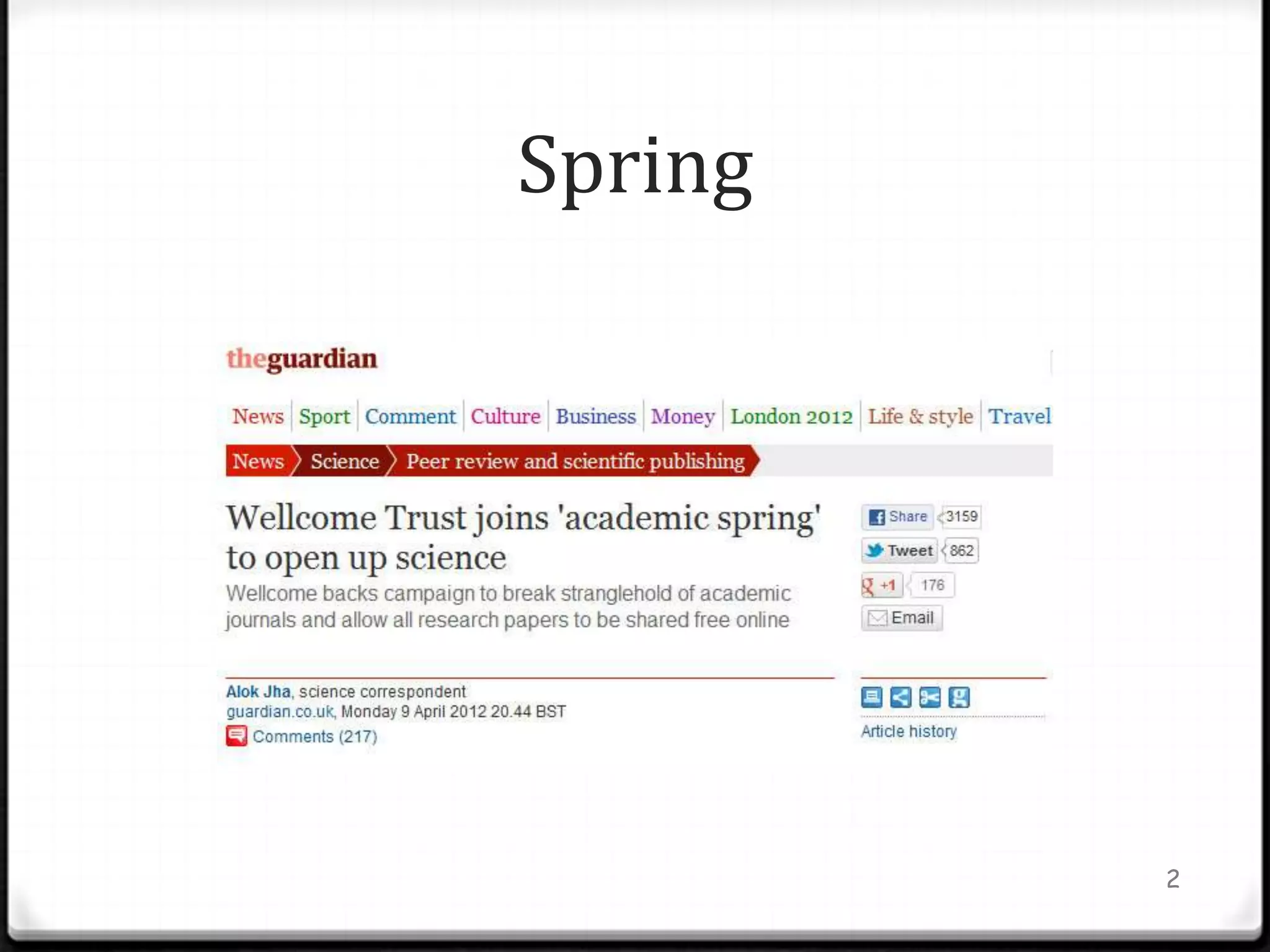
  • #3 Submitted abstract in February. Screenshot from April.Spring = fresh, new growth, new opportunity, reawakeninghttp://www.guardian.co.uk/science/2012/apr/09/wellcome-trust-academic-spring
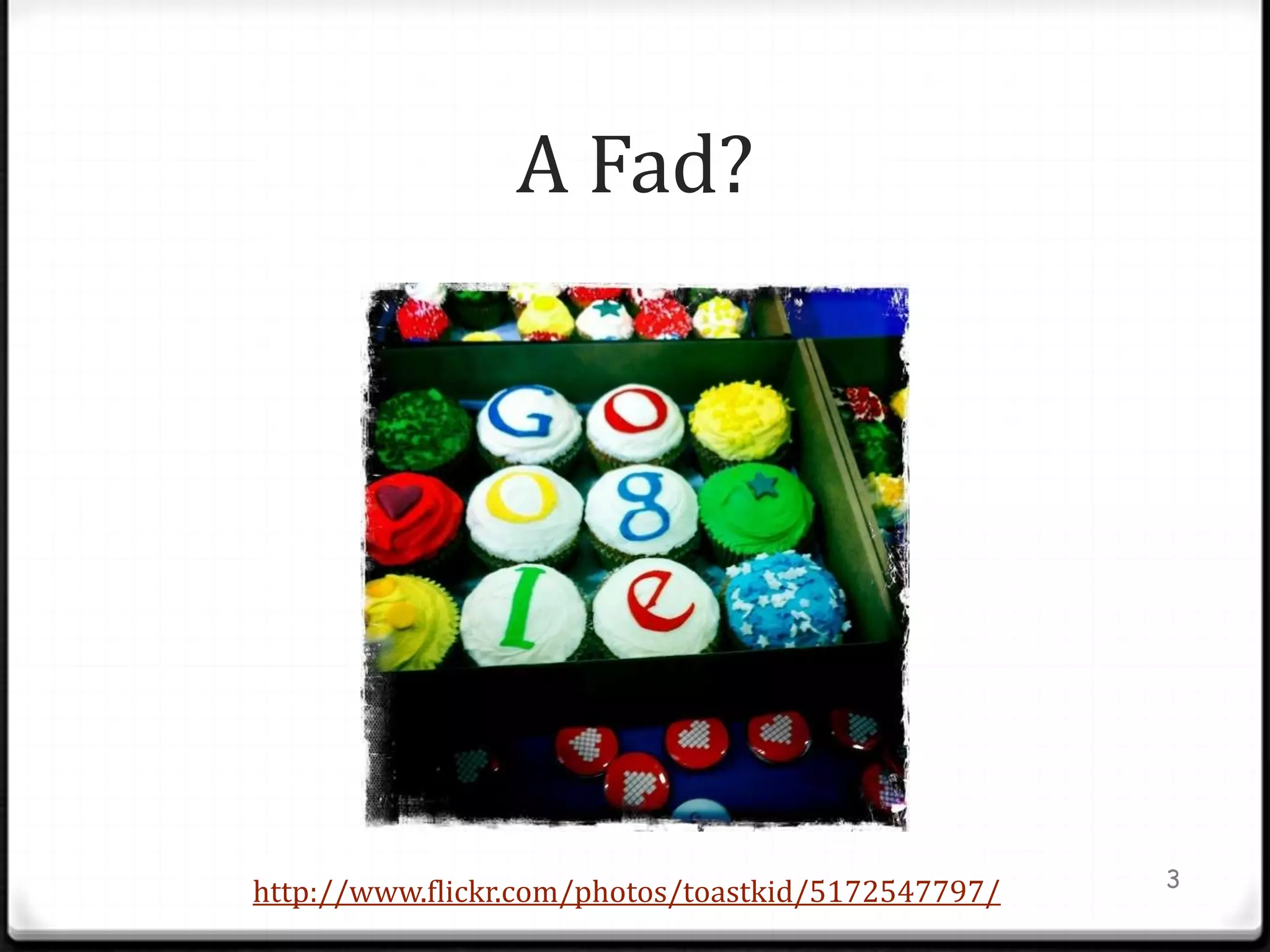
  • #4 Transformational change or temporary fashion?http://www.flickr.com/photos/toastkid/5172547797/ByAleksKrotoskiCC BY-NC-SAhttp://creativecommons.org/licenses/by-nc-sa/2.0/
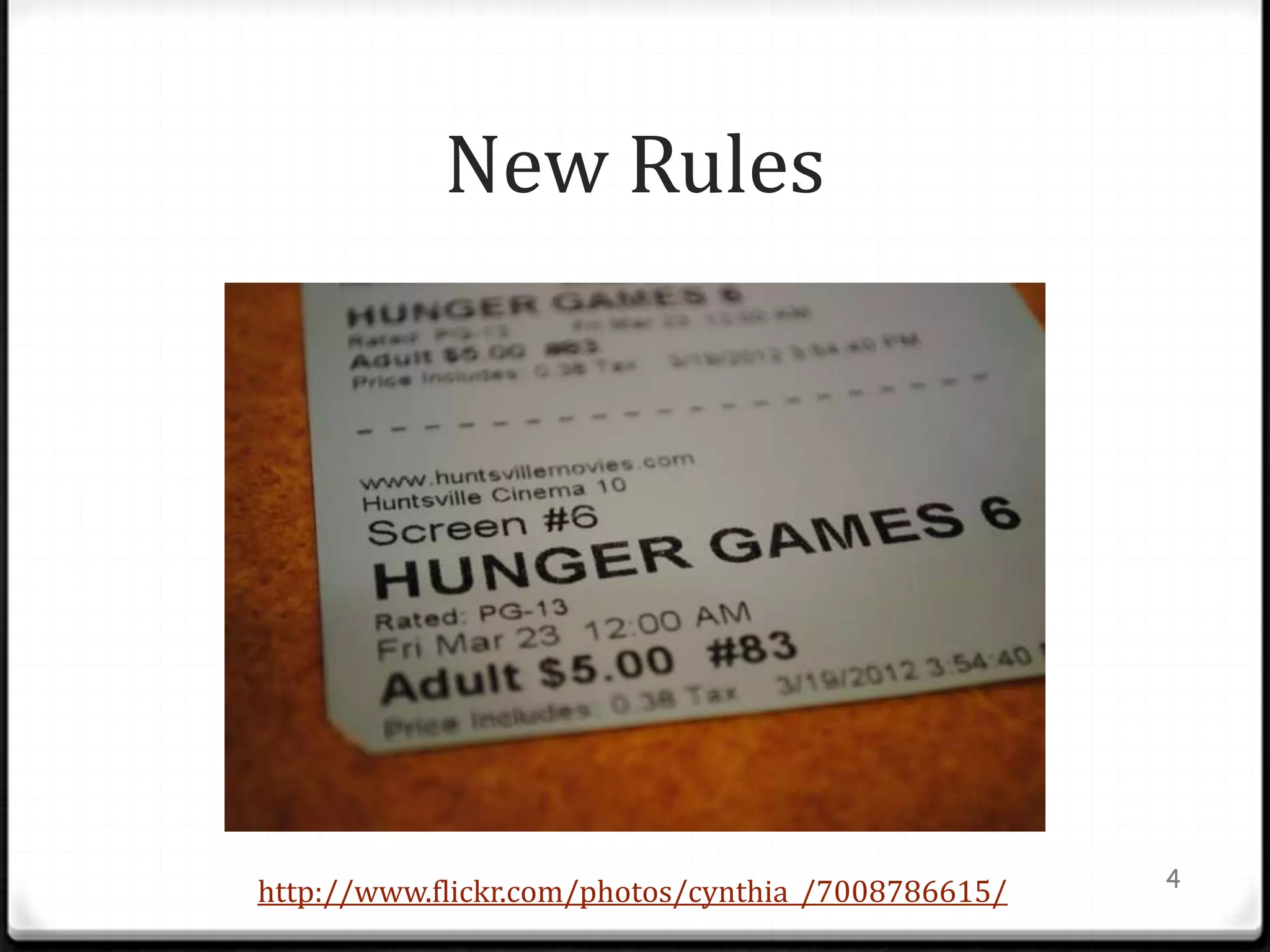
  • #5 Rise of fantasy and SFhttp://www.flickr.com/photos/cynthia_/7008786615/CC BY-NC-NDhttps://creativecommons.org/licenses/by-nc-nd/2.0/By Cynthia Isabel
  • #6 http://commons.wikimedia.org/wiki/File:The.Matrix.glmatrix.2.pngThe copyright holder of this file, Jamie Zawinski, allows anyone to use it for any purpose, provided that the copyright holder is properly attributed. Redistribution, derivative work, commercial use, and all other use is permitted. Attribution: Jamie ZawinskiDifference between culture (fashion) and fundamental change.
  • #7 http://www.flickr.com/photos/kk/18112585/https://creativecommons.org/licenses/by-nc-sa/2.0/Screencap from PDF of my presentation Service-Oriented Architecture for Libraries http://www.slideshare.net/scilib/serviceoriented-architecture-for-librariesSlide 8
  • #8 Everything in the digital world is just a number. E.g. a photograph is just one long giant number.Crop from http://www.flickr.com/photos/rakerman/6852523143/Trying to stop copying in a digital environment is like trying to stop mathematics.Consequences of first language of digital being numeric.Numérique
  • #9 Mitotic Cell Cycle network from Reactome. Visualized in Cytoscape via Pathway Commons.http://www.flickr.com/photos/sjcockell/3251147920/Name: Simon CockellCC-BYhttp://creativecommons.org/licenses/by/2.0/“Rule”: Network means information can be connected, copied.
  • #10 http://www.flickr.com/photos/lisovy/4678126767/CC BY-NC-SAhttp://creativecommons.org/licenses/by-nc-sa/2.0/Derivative (cropped)IBM Punch CardBy lisovyRostislavLisovyIn the world of the machine, you must first provide information the machine can understand.Everything else is just a presentation layer.
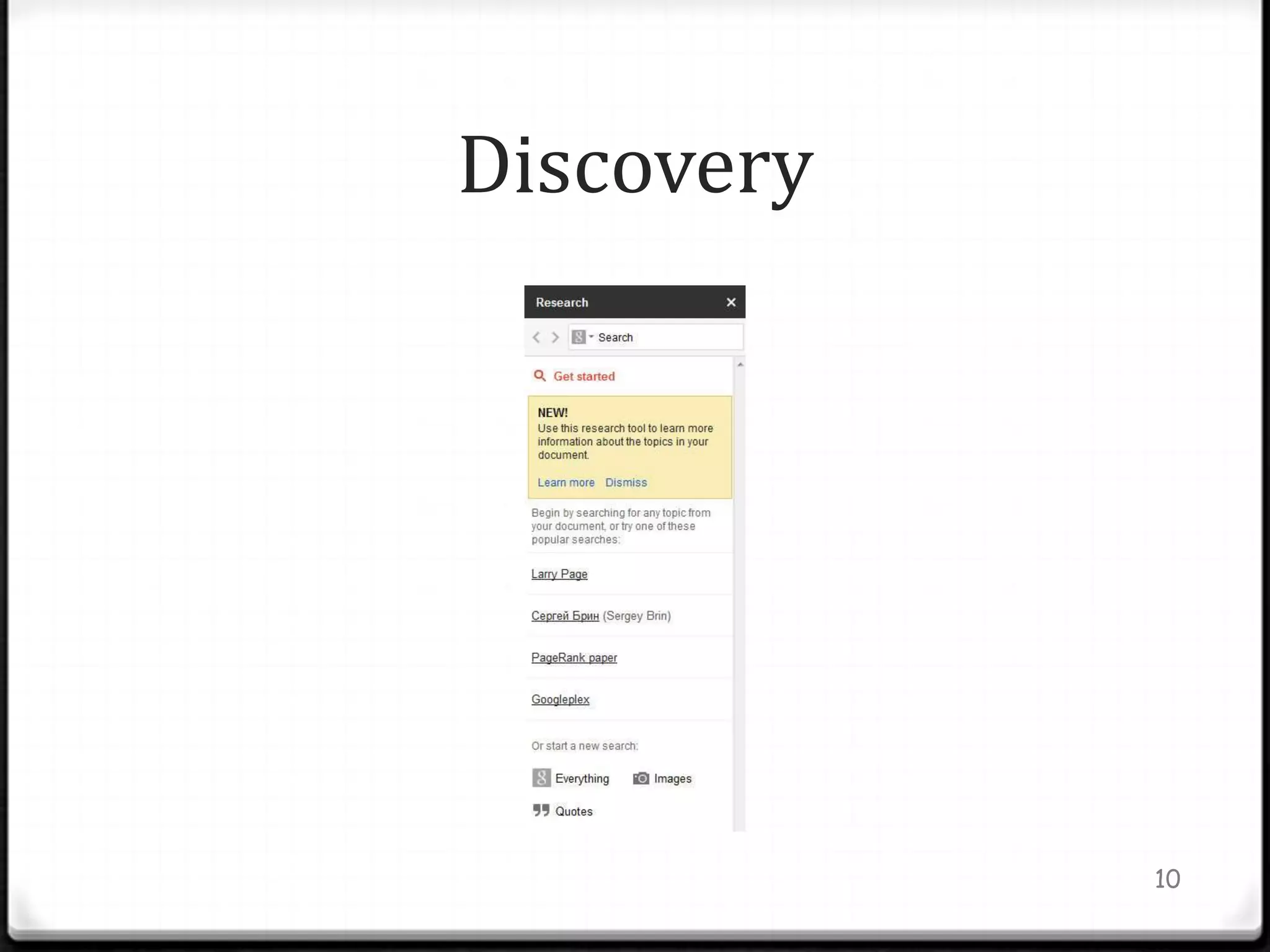
  • #11 Research tool from Google Docs
  • #12 “exponential”http://commons.wikimedia.org/wiki/File:Facebook_popularity.PNGThis file is licensed under the Creative CommonsAttribution-Share Alike 3.0 Unported license. You are free: to share – to copy, distribute and transmit the workto remix – to adapt the workUnder the following conditions: attribution – You must attribute the work in the manner specified by the author or licensor (but not in any way that suggests that they endorse you or your use of the work).share alike – If you alter, transform, or build upon this work, you may distribute the resulting work only under the same or similar license to this one.User:Tatiraju.rishabhhttps://en.wikipedia.org/wiki/User:Tatiraju.rishabh Growth of bandwithGrowth of storageGrowth of computationGrowth of number of usersGrowth of mobile devices
  • #13 We won’t know what is going on for another 50 years.http://video.msnbc.msn.com/rock-center/47359976
  • #14  End of all physical content container stores: record stores, video stores, book stores End of physical money – penny, credit card, MintChip, pay-by-phone NFC End of the phone as voice deviceKaboom. Disruption.4 Vestahttp://en.wikipedia.org/wiki/File:Vesta_from_Dawn,_July_17.jpghttps://en.wikipedia.org/wiki/4_Vesta
  • #16 http://www.flickr.com/photos/ramkarthik/4022566308/
  • #18 Trying to be too much like paper
  • #19 https://developers.google.com/webmasters/Google WANTS your pages to be structured for discovery.
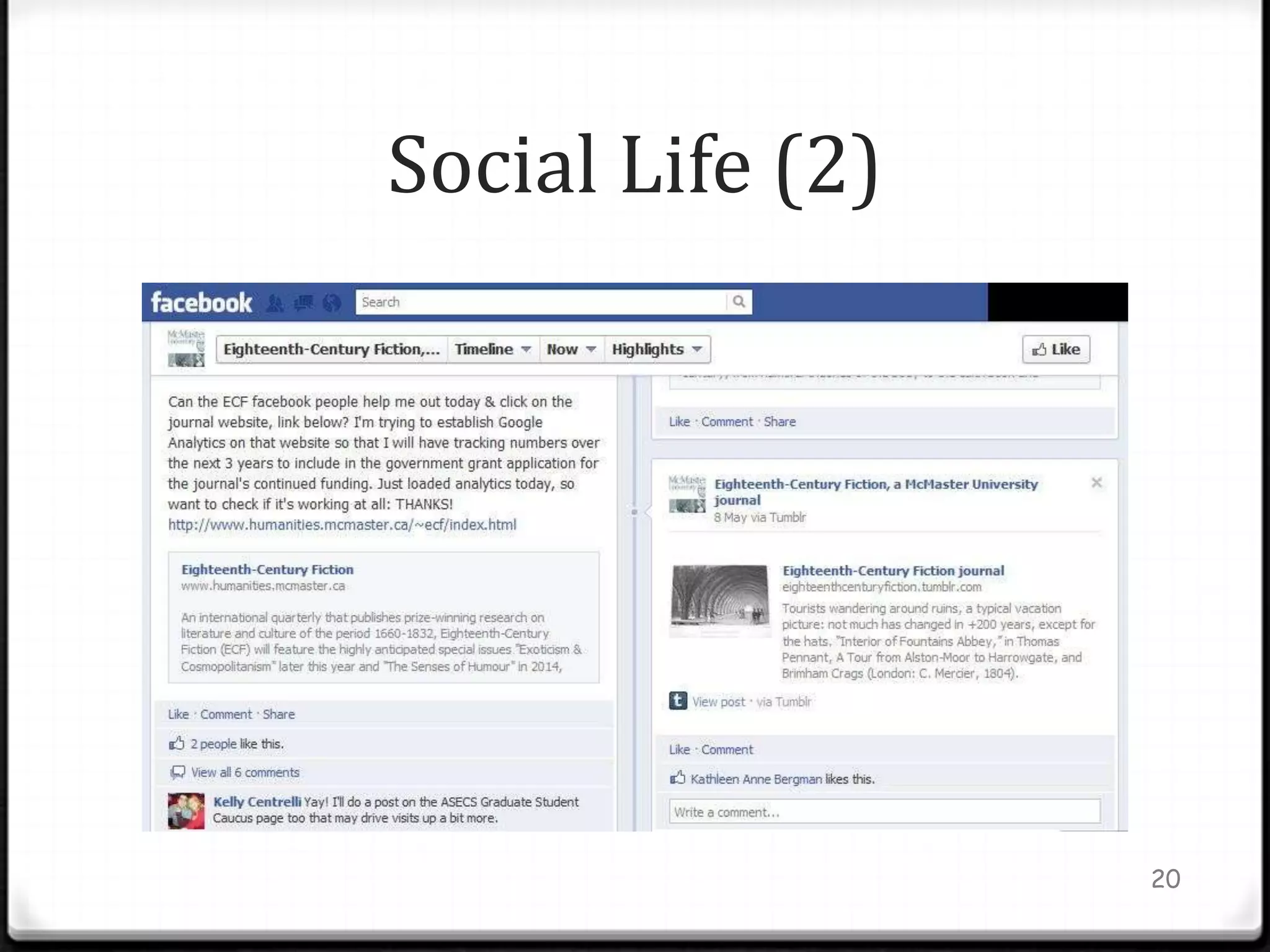
  • #20 Facebook, Twitter, G+ shares, and comments.Talking to people.
  • #21 http://www.facebook.com/pages/Eighteenth-Century-Fiction-a-McMaster-University-journal/290191677662167?sk=wall
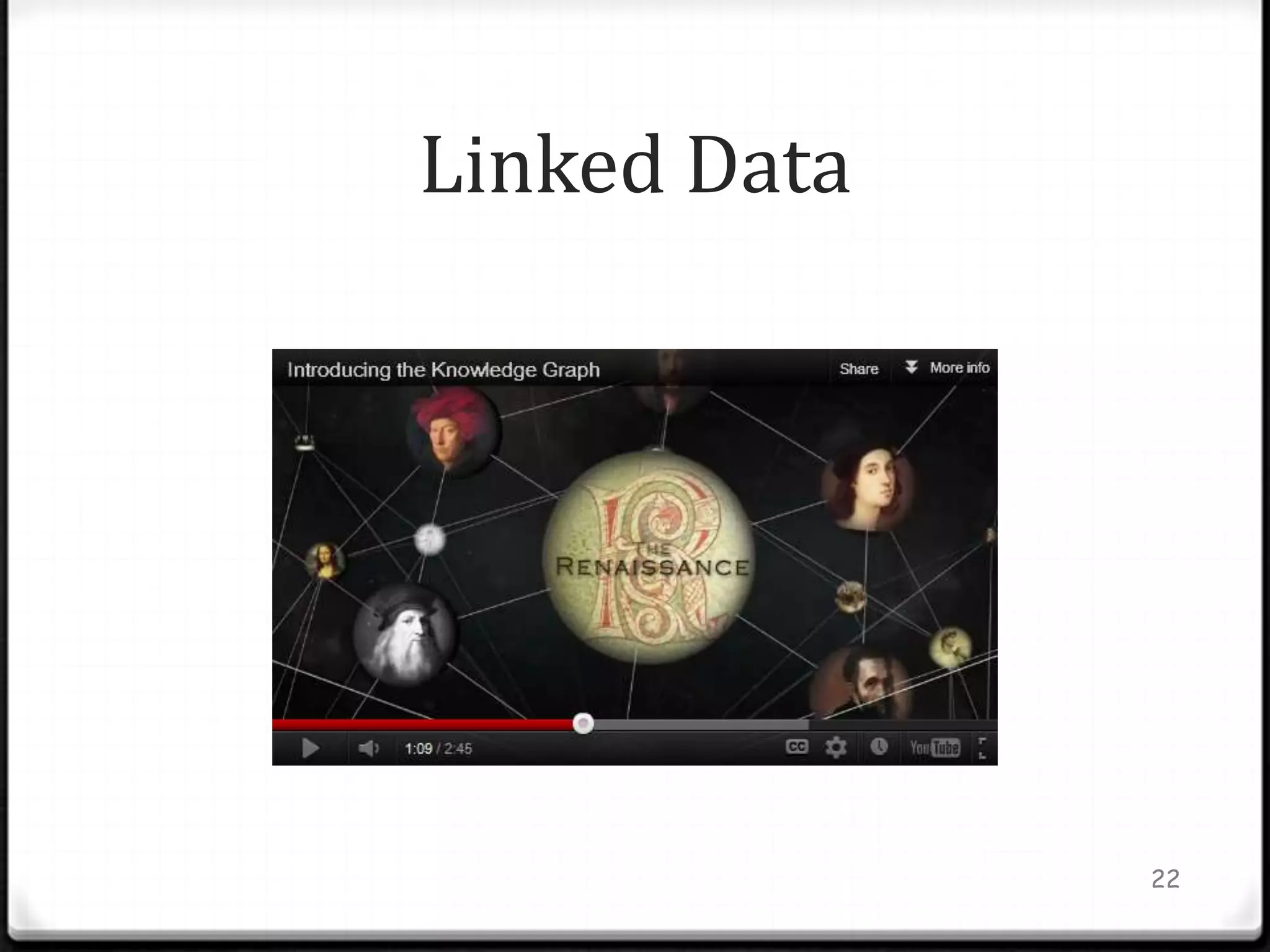
  • #23 First we connected content (hypertext links, the web). – Web 1.0Then we connected people (social media). – Web 2.0Now we connect concepts / things (Semantic Web / Linked Data / Knowledge Graph). – Web 3.0http://en.wikipedia.org/wiki/Linked_datahttp://googleblog.blogspot.co.uk/2012/05/introducing-knowledge-graph-things-not.html
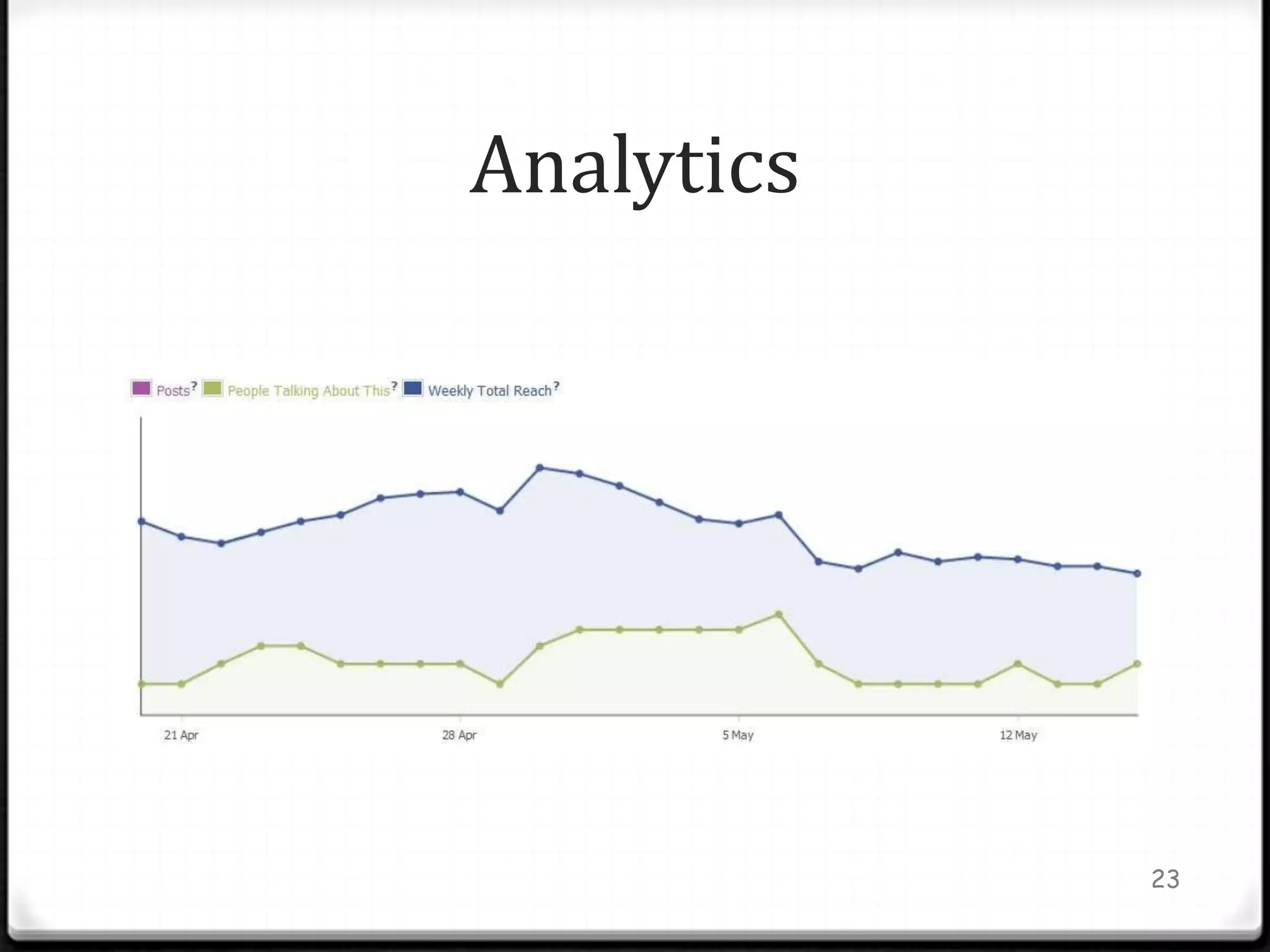
  • #24 Screen capture of part of CISTI Facebook analytics.
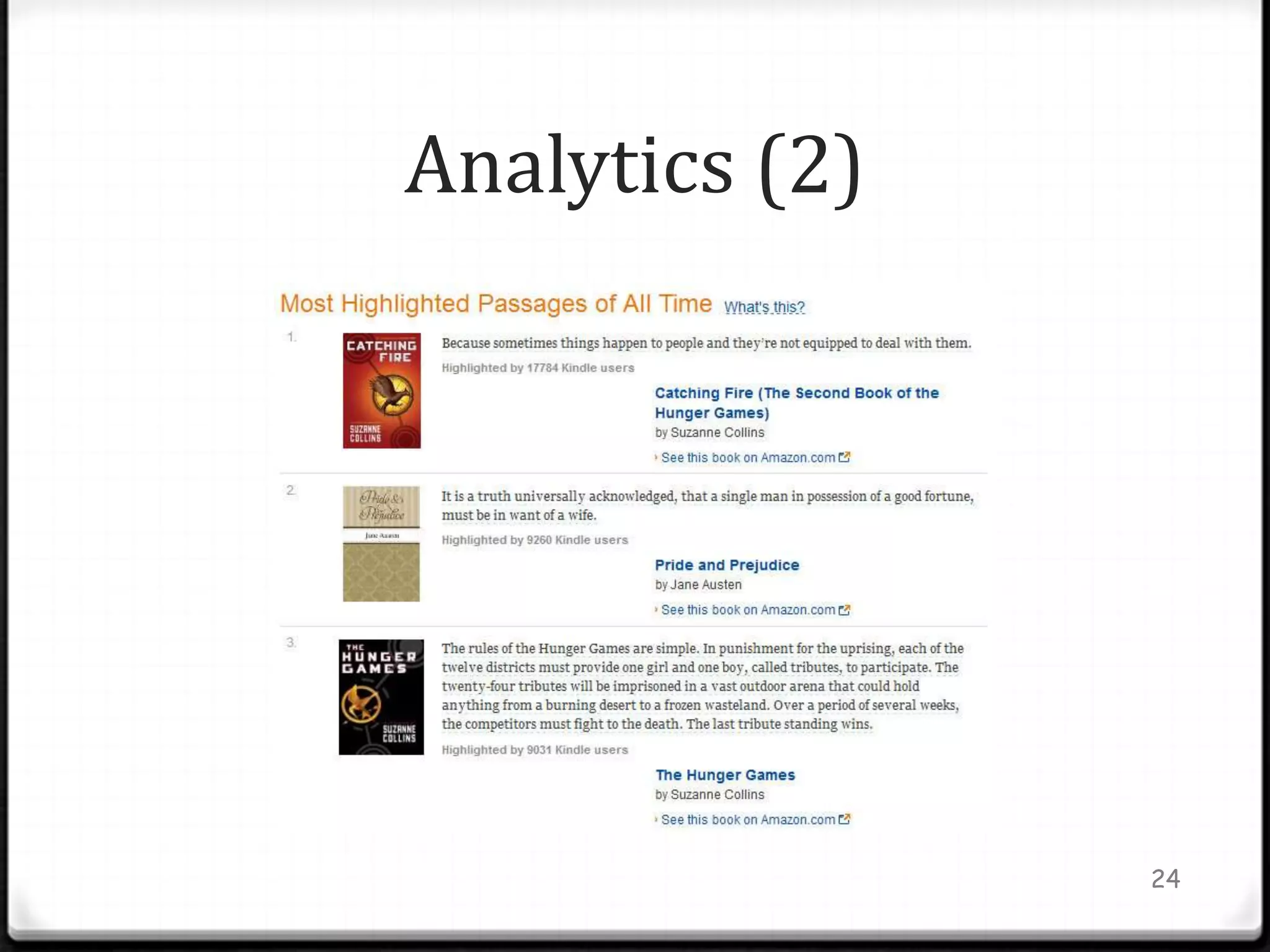
  • #25 Digital makes new things possible.https://kindle.amazon.com/most_popular
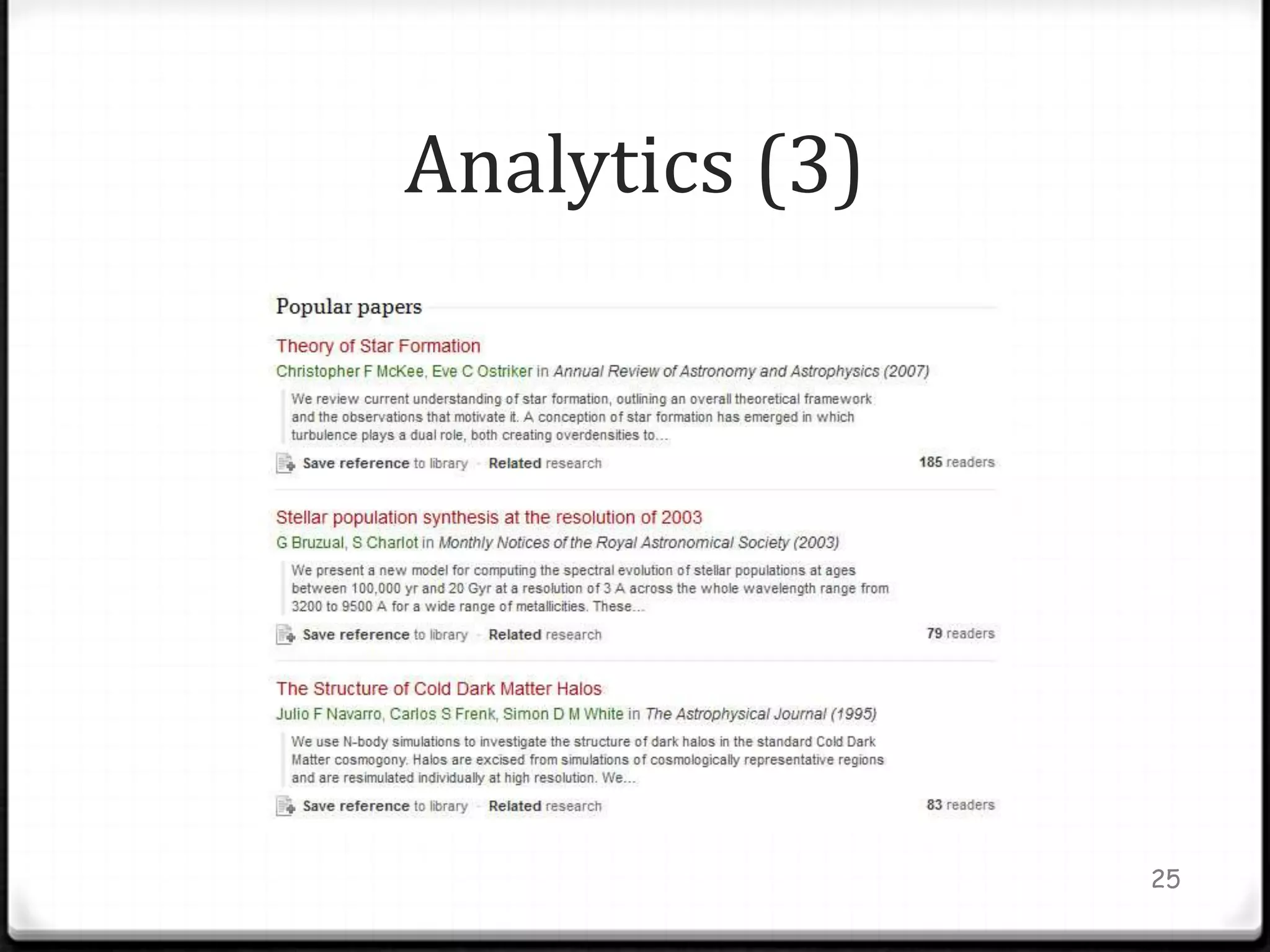
  • #26 http://www.mendeley.com/astronomy-astrophysics-space-science/
  • #27 http://www.flickr.com/photos/87106931@N00/4631356861/http://creativecommons.org/licenses/by-nc/2.0/By mhoblWe give cars unique identifiers that we bolt on – license plates.007 unique ID for personORCIDDataCiteDomain-specific unique IDs.Know when you’re talking to machines.
  • #28 Open DataMachine Readable Datahttp://www.flickr.com/photos/keso/161762043/http://creativecommons.org/licenses/by-nc-nd/2.0/keso s
  • #30 Facebook.iPhone apps.Trying to be too much like a specific device.
  • #32 http://www.nature.com/nature/peerreview/debate/nature04997.htmlhttp://www.dlib.org/dlib/september04/vandesompel/09vandesompel.html
  • #33 Just changes how you pay.http://www.flickr.com/photos/communityfriend/2342578485/http://creativecommons.org/licenses/by-nc-nd/2.0/By Community Friend
  • #34 http://thecostofknowledge.com/http://en.wikipedia.org/wiki/Federal_Research_Public_Access_Acthttp://isites.harvard.edu/icb/icb.do?keyword=k77982&tabgroupid=icb.tabgroup143448https://wwws.whitehouse.gov/petitions#!/petition/require-free-access-over-internet-scientific-journal-articles-arising-taxpayer-funded-research/wDX82FLQ
  • #35 http://www.bis.gov.uk/news/speeches/david-willetts-public-access-to-researchAwaiting Finch report in June.Jimmy Wales (Wikipedia) to assist.
  • #38 https://twitter.com/#!/search/%23altmetrics
  • #39 http://www.flickr.com/photos/ramkarthik/4022566308/