SPOTTING
BIOLOGY PRACTICALS
CLASS 12
By Archana Upmanyu PGT Biology
• IDENTIFY AND COMMENT ON THE
SPOTS……….
SPOT A
Spot A-Entomophilous flower
• Brightly coloured.
• Nice fragrance.
• Nectar present in flowers.
• Pollen grain are sticky.
• Pollinated by insects.
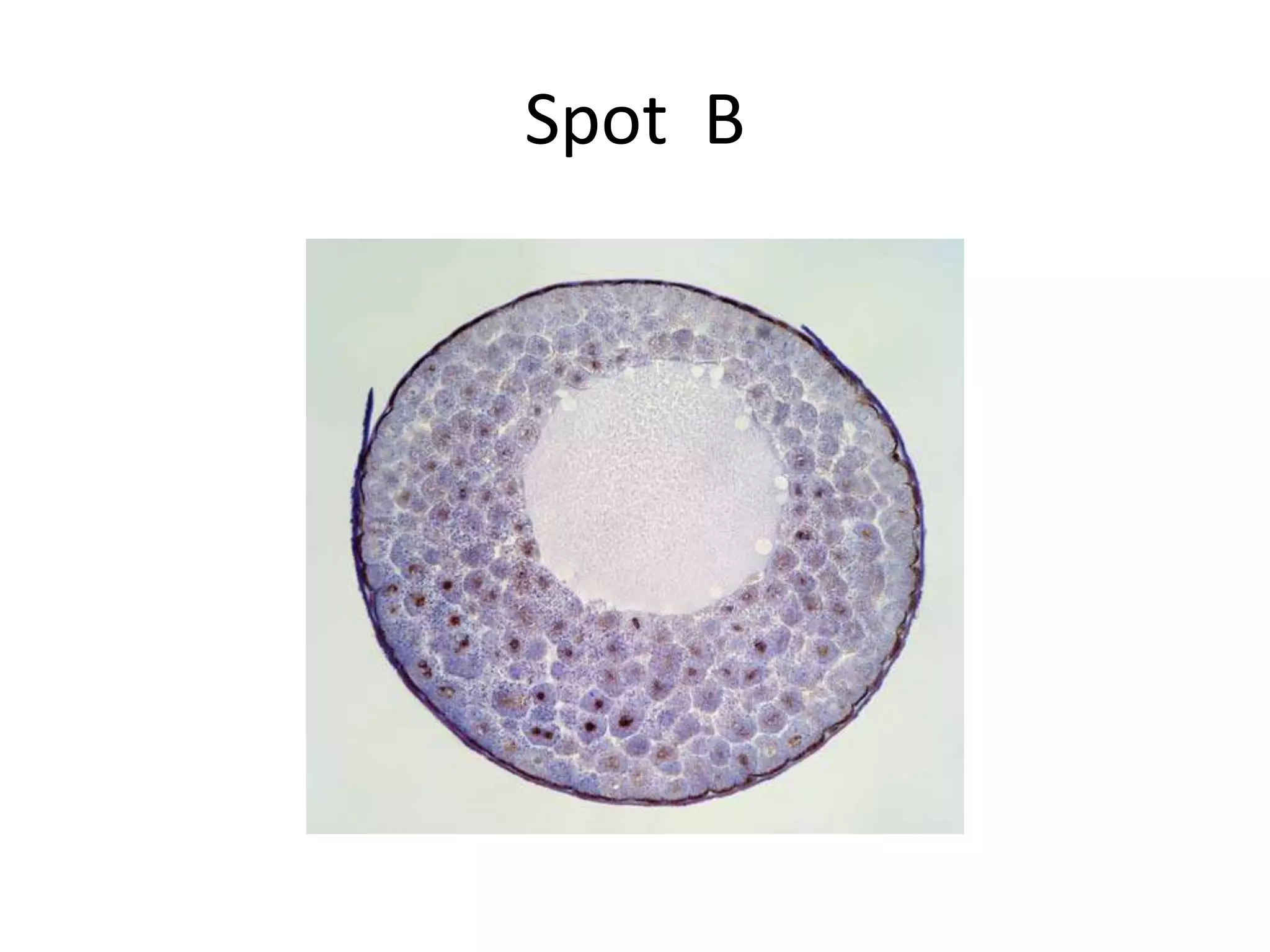
Spot B
Spot B- Blastula
• It is a spherical mass of cells.
• It is composed of an outer envelope of cells,
the trophoblast and an inner cell mass.
• There is a central fluid filled cavity called
blastocoel.
Spot C
Spot C-Section of Ovary
• Ovary consists of outer cortex and inner
medulla.
• The medulla contains many rounded or oval
bodies called ovarian or graafian follicles at
various stages of development.
• Medulla also contains blood vessels,nerve
fibres and some smooth muscles
SPOT D
Spot D- T.S Testes
• Seminiferous tubules can be seen.
• Various types of germinal cells are present –
spermatogonia, spermatocytes etc
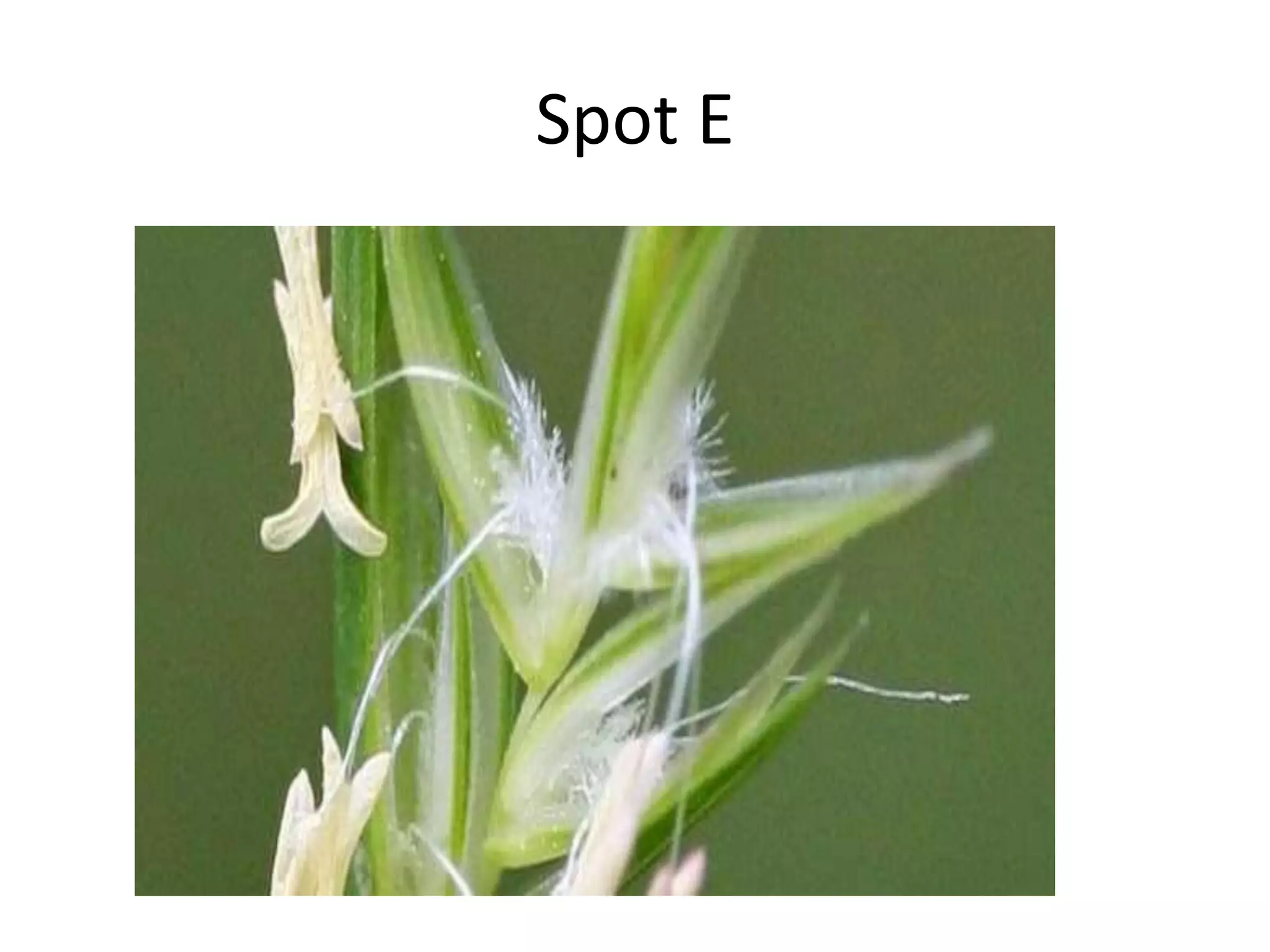
Spot E
Spot E- Anaemophilous Flower
• Small inconspicuous flowers.
• Flowers colourless ,odourless and nectar less.
• Pollen grains produced in large numbers.
• Pollinated by wind.
• Both the stigma and anthers hang outside the
flowers.
SPOT F
SPOT F- Metaphase 1
• The homologous chromosomes arrange
themselves at the equator of the spindle.
• The spindle gets attached to the centromere
of the chromosome.
SPOT- G
SPOT G-ORNITHOPHILOUS FLOWER
• Pollinated by birds.
• Funnel shaped flowers.
• Brightly coloured.
• Odourless.
• Produce a lot of nectar.
SPOT- H
SPOT H – Entamoeba histolytica
• It is a protozoan parasite seen in the large
intestine of humans.
• Causes Amoebiasis.
• Symptoms include constipation, abdominal
pain, stools with excess mucous blood clots.
SPOT- I
SPOT I- Round Worm/Ascaris
• Causes a disease called Ascariasis .
• It is pathogenic to humans.
• It is an intestinal parasite.
• Symptoms of this disease include internal
bleeding, muscular pain,fever, anaemia and
blockage of the intestinal passage.
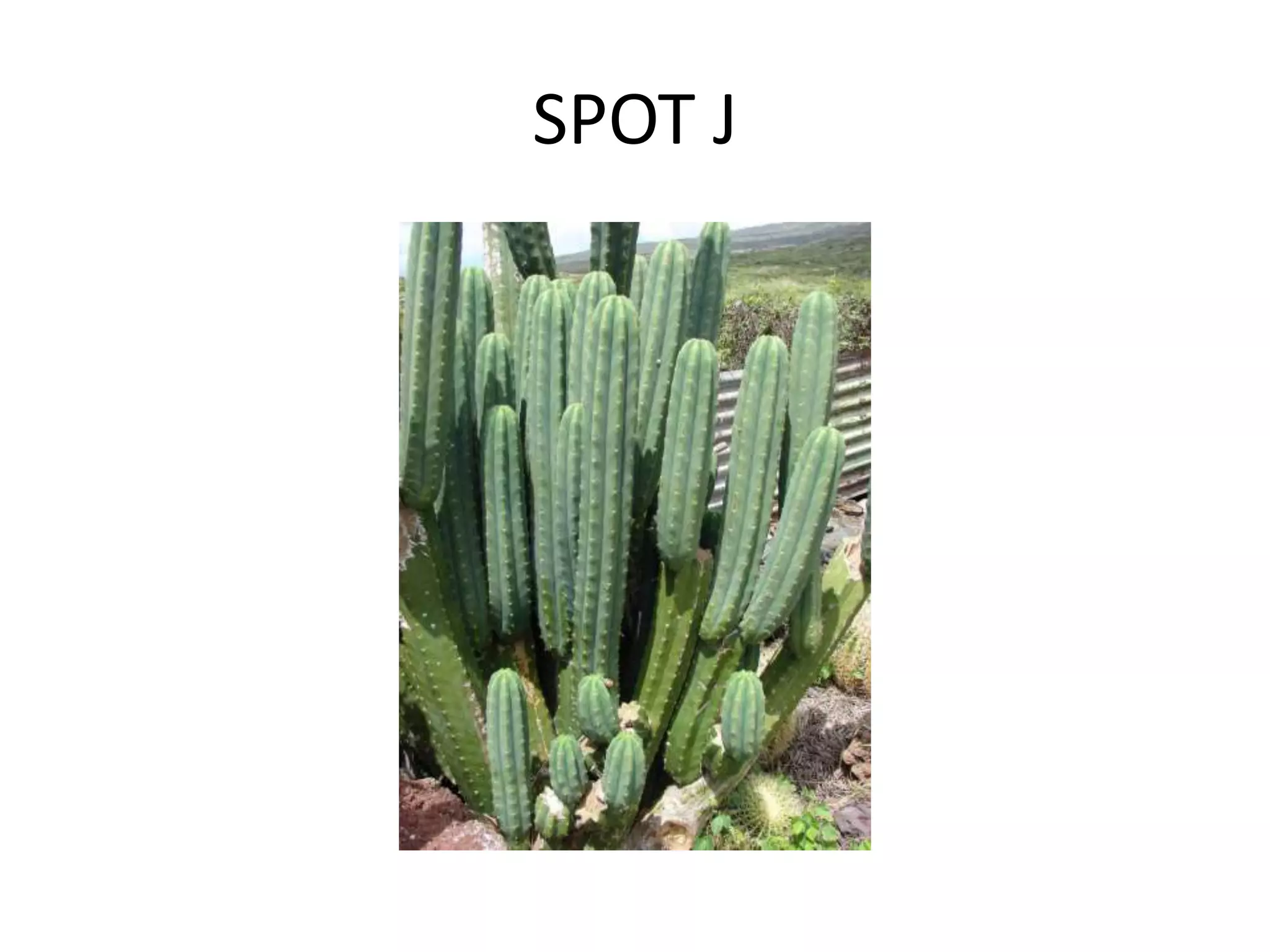
SPOT J
SPOT J- Cactus
• It is a zerophytic plant, found in deserts.
• Leaves changed into spines.
• Stem is fleshy, stores water and performs
photosynthesis.
SPOT- K
SPOT K-Pedigree Chart
• A record of inheritance of certain genetic
traits for two or more generations presented
in the form of a diagram or family tree.
• Circle stands for female, square for male and
shaded square for affected male.
• It shows the inheritance of colour blindness,a
sex linked recessive disorder of humans.
SPOT- L
Spot L- Rolling of tongue
• Is the ability of a person to roll the tongue in a
U shape.
• The inability to roll the tongue is caused by an
autosomal recessive allele “a”.
• Thus, homozygous AA and heterozygous Aa
are able to roll their tongue but homozygous
recessive aa are not able to roll their tongue.
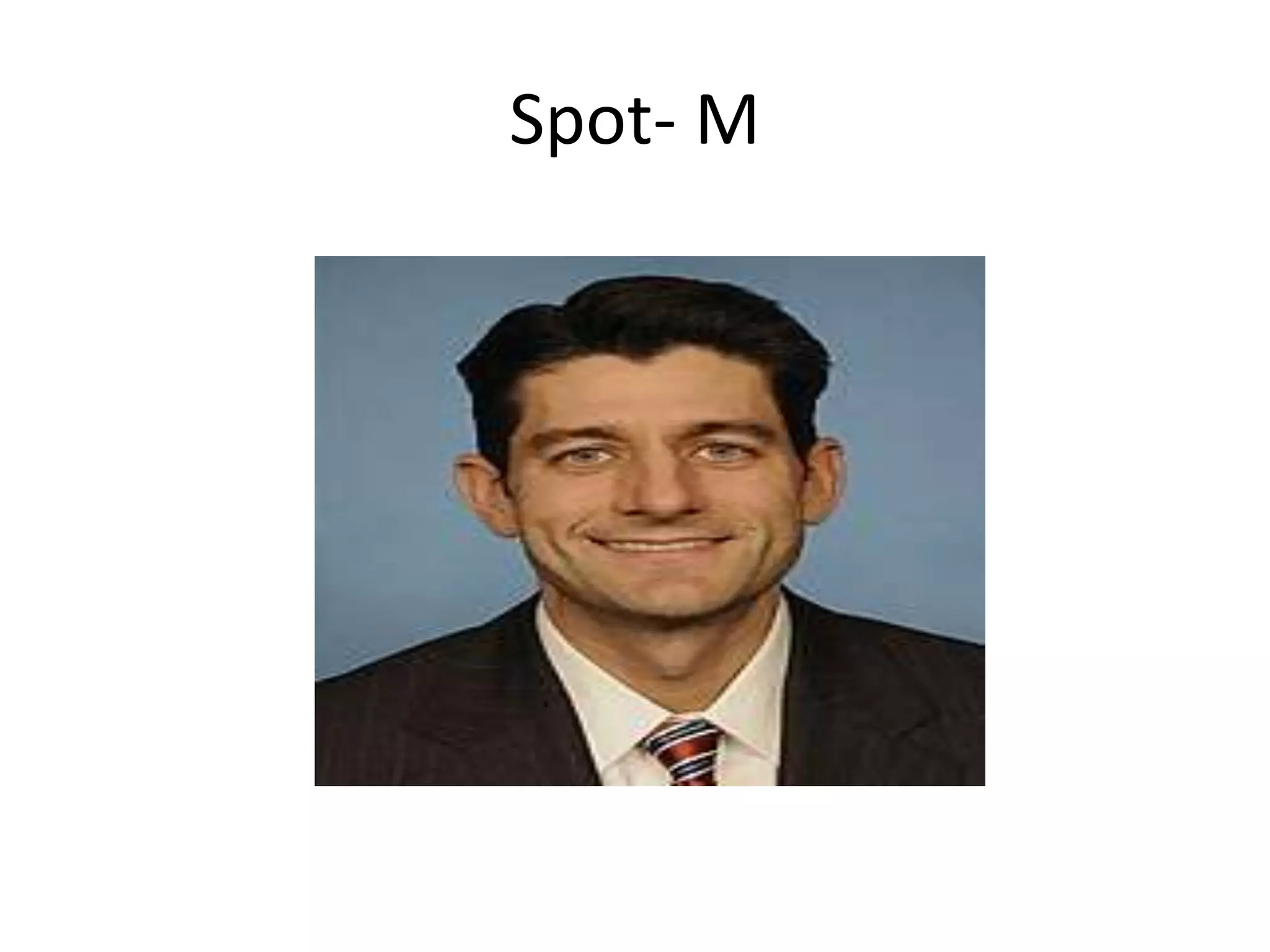
Spot- M
SPOT M-Widow peak
• Widow peak is a “V” shaped hairline across
the forehead.
• It is a dominant trait.
• Thus , both homozygous AA and heterozygous
Aa will have widow peak and homozygous
recessive aa will have straight hairline.
SPOT-N
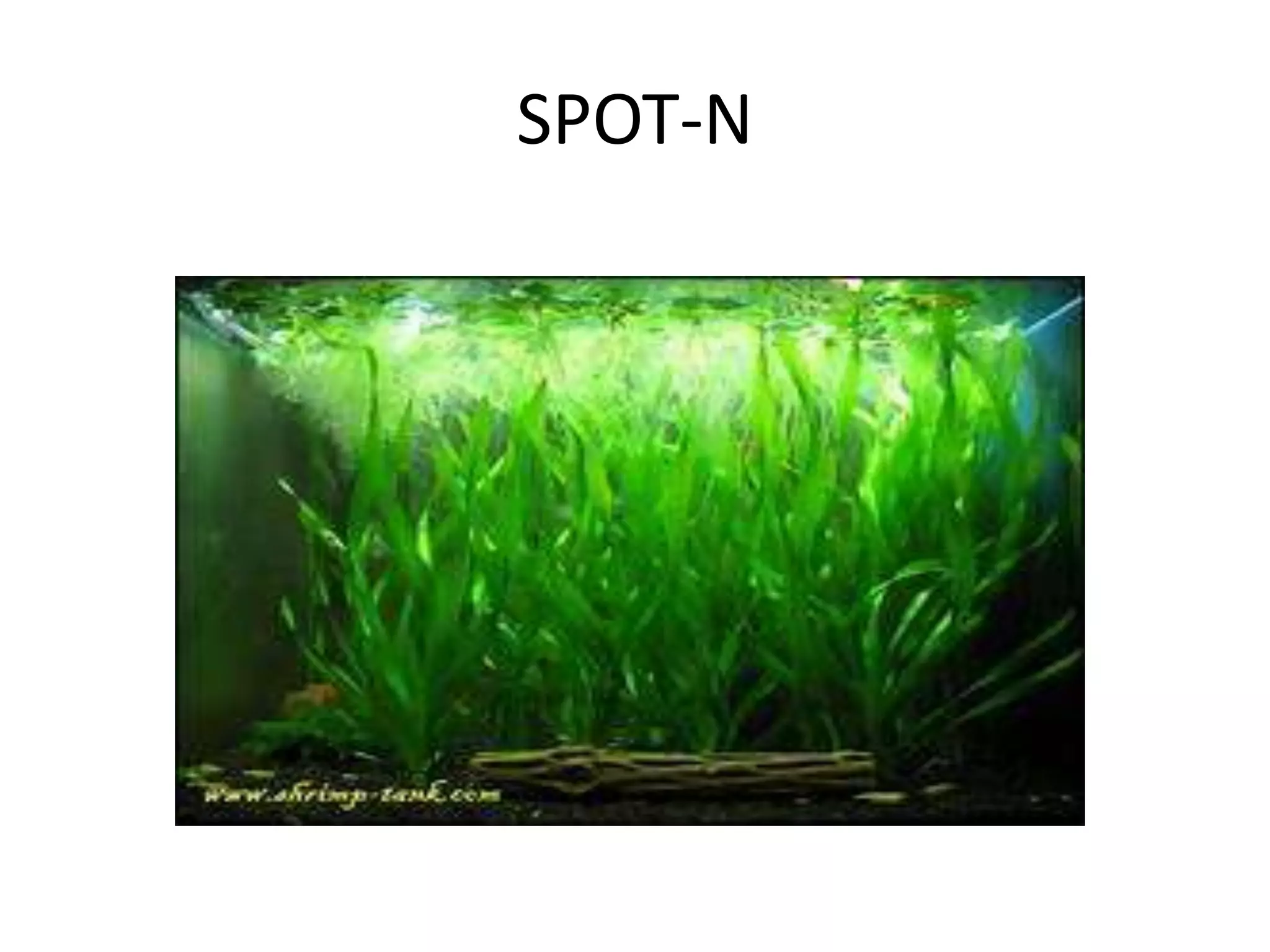
SPOT N- Vallisneria
• A submerged aquatic plant.
• Stems are reduced.
• The leaves are large and ribbon shaped and do
not provide any resistance to the flow of
water.
• The whole plant is covered with mucilage.
• Pollination by water.
SPOT - O
SPOT O-KANGAROO RAT
• It lives in the desert.
• Conserves water by giving out concentrated
/solid urine.
• It oxidises fats to produce water.
SPOT P
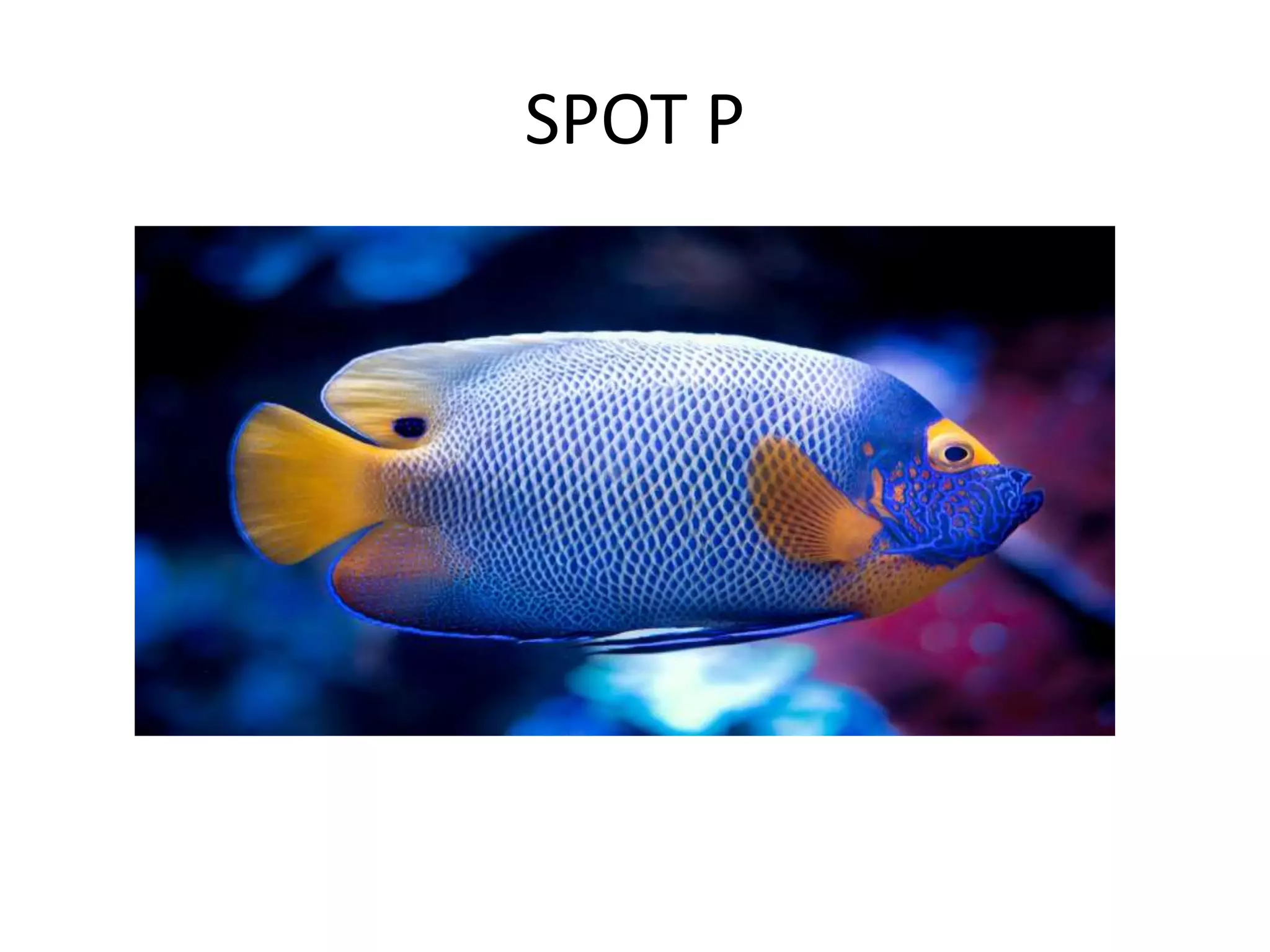
SPOT P- FISH
• Aquatic animal.
• Streamlined body.
• Fins help in swimming.
• Breathes through gills.

Spotting copy

  • 1.
    SPOTTING BIOLOGY PRACTICALS CLASS 12 ByArchana Upmanyu PGT Biology
  • 2.
    • IDENTIFY ANDCOMMENT ON THE SPOTS……….
  • 3.
  • 4.
    Spot A-Entomophilous flower •Brightly coloured. • Nice fragrance. • Nectar present in flowers. • Pollen grain are sticky. • Pollinated by insects.
  • 5.
  • 6.
    Spot B- Blastula •It is a spherical mass of cells. • It is composed of an outer envelope of cells, the trophoblast and an inner cell mass. • There is a central fluid filled cavity called blastocoel.
  • 7.
  • 8.
    Spot C-Section ofOvary • Ovary consists of outer cortex and inner medulla. • The medulla contains many rounded or oval bodies called ovarian or graafian follicles at various stages of development. • Medulla also contains blood vessels,nerve fibres and some smooth muscles
  • 9.
  • 10.
    Spot D- T.STestes • Seminiferous tubules can be seen. • Various types of germinal cells are present – spermatogonia, spermatocytes etc
  • 11.
  • 12.
    Spot E- AnaemophilousFlower • Small inconspicuous flowers. • Flowers colourless ,odourless and nectar less. • Pollen grains produced in large numbers. • Pollinated by wind. • Both the stigma and anthers hang outside the flowers.
  • 13.
  • 14.
    SPOT F- Metaphase1 • The homologous chromosomes arrange themselves at the equator of the spindle. • The spindle gets attached to the centromere of the chromosome.
  • 15.
  • 16.
    SPOT G-ORNITHOPHILOUS FLOWER •Pollinated by birds. • Funnel shaped flowers. • Brightly coloured. • Odourless. • Produce a lot of nectar.
  • 17.
  • 18.
    SPOT H –Entamoeba histolytica • It is a protozoan parasite seen in the large intestine of humans. • Causes Amoebiasis. • Symptoms include constipation, abdominal pain, stools with excess mucous blood clots.
  • 19.
  • 20.
    SPOT I- RoundWorm/Ascaris • Causes a disease called Ascariasis . • It is pathogenic to humans. • It is an intestinal parasite. • Symptoms of this disease include internal bleeding, muscular pain,fever, anaemia and blockage of the intestinal passage.
  • 21.
  • 22.
    SPOT J- Cactus •It is a zerophytic plant, found in deserts. • Leaves changed into spines. • Stem is fleshy, stores water and performs photosynthesis.
  • 23.
  • 24.
    SPOT K-Pedigree Chart •A record of inheritance of certain genetic traits for two or more generations presented in the form of a diagram or family tree. • Circle stands for female, square for male and shaded square for affected male. • It shows the inheritance of colour blindness,a sex linked recessive disorder of humans.
  • 25.
  • 26.
    Spot L- Rollingof tongue • Is the ability of a person to roll the tongue in a U shape. • The inability to roll the tongue is caused by an autosomal recessive allele “a”. • Thus, homozygous AA and heterozygous Aa are able to roll their tongue but homozygous recessive aa are not able to roll their tongue.
  • 27.
  • 28.
    SPOT M-Widow peak •Widow peak is a “V” shaped hairline across the forehead. • It is a dominant trait. • Thus , both homozygous AA and heterozygous Aa will have widow peak and homozygous recessive aa will have straight hairline.
  • 29.
  • 30.
    SPOT N- Vallisneria •A submerged aquatic plant. • Stems are reduced. • The leaves are large and ribbon shaped and do not provide any resistance to the flow of water. • The whole plant is covered with mucilage. • Pollination by water.
  • 31.
  • 32.
    SPOT O-KANGAROO RAT •It lives in the desert. • Conserves water by giving out concentrated /solid urine. • It oxidises fats to produce water.
  • 33.
  • 34.
    SPOT P- FISH •Aquatic animal. • Streamlined body. • Fins help in swimming. • Breathes through gills.