Using Next Generation Sequencing (NGS) Technology for Taxonomic and Population
Genetic Studies of Insect Species and Populations
Sophie B. Friedheim and David Haymer
Dept. of Cell and Molecular Biology, UH Manoa, Honolulu, HI 96822
Purpose and Introduction
Methods and Materials
Results Discussion
Conclusions
The purpose of this research project is to demonstrate the utility as well as
convenience of using DNA to identify and analyze closely related species,
especially as compared to traditional methods of taxonomy. Traditional methods,
which primarily mean morphological methods, have a number of limitations. First,
especially for insects, the sheer number of species already described is > 1
million, and many more remain to be identified. Second, these methods require
highly specialized training, and relatively few incoming students are learning these
traditional methods. Third, ongoing controversies persist between different
morphological taxonomists emphasizing the importance of a one character over
others. Finally, even the best morphological characters are based on adult stage
specimens and require fresh or intact parts for identification.
By comparison, DNA based methods have a number of advantages. DNA (or
RNA) is common to all living organisms, it is relatively simple to characterize and
many of the analytical methods can be automated. DNA methods typically only
require a small amount for analysis, and it is constant at any stage of life in an
organism. Once it is well characterized in individuals of one population or
species, it may be relatively easy to compare and contrast to other populations
and/or species.
DNA sequences which can be used for comparison include nuclear and
mitochondrial and coding and noncoding regions. DNA based studies often begin
using mitochondrial SNA which in particular has a number of advantages. It is
present in a haploid state and is maternally inherited from the mother, which has
its issues. Through the use of appropriate primers and Polymerase Chain
Reaction, we can amplify specific parts of different individuals in a species that
range in geographic or habitat location, or compare the sequences of one section
of the DNA sequence of one species to another of the same family or genus to
better identify similarities and differences amongst them.
1. DNA was extracted from individual specimens of closely related species
such as B. phillipinensis and B.occipitalis using the Life Technologies Invitrogen
PureLink™ Genomic DNA Mini Kit.
2. Overlapping primers were designed with National Center for
Biotechnology Information program Primer BLAST which uses Primer3 to
find specific overlapping sections of primers for a certain gene.
3. Polymerase Chain Reactions (PCRs) were done using overlapping primers
(NADH5 1-6; 16S 1-4; ITS a(4,7,15) and ITS b(2,8,10) to amplify gene
sequences
4. Check product with 1% Argose elecrophoresis gel
4. PCR products were purified with Life Technologies PureLink™ DNA
Purification Kit.
5. Purified products were sequenced with the help of the ASGPB DNA
Sequencing Service at University of Hawaii at Manoa, Snyder Hall.
6. Sequences were cleaned up and aligned with DNASTAR Navigator
programs; EditSeq and MegAlign.
Figure 4. Bactrocera
philippinensis
Species NADH5 16S ITS
B. philippinensis + + +
B. occipitalis +
Table 1. Collection sites and individuals analyzed by genes
Mitochondrial
genome
CO1
NAD4
NAD5
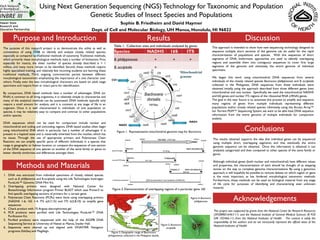
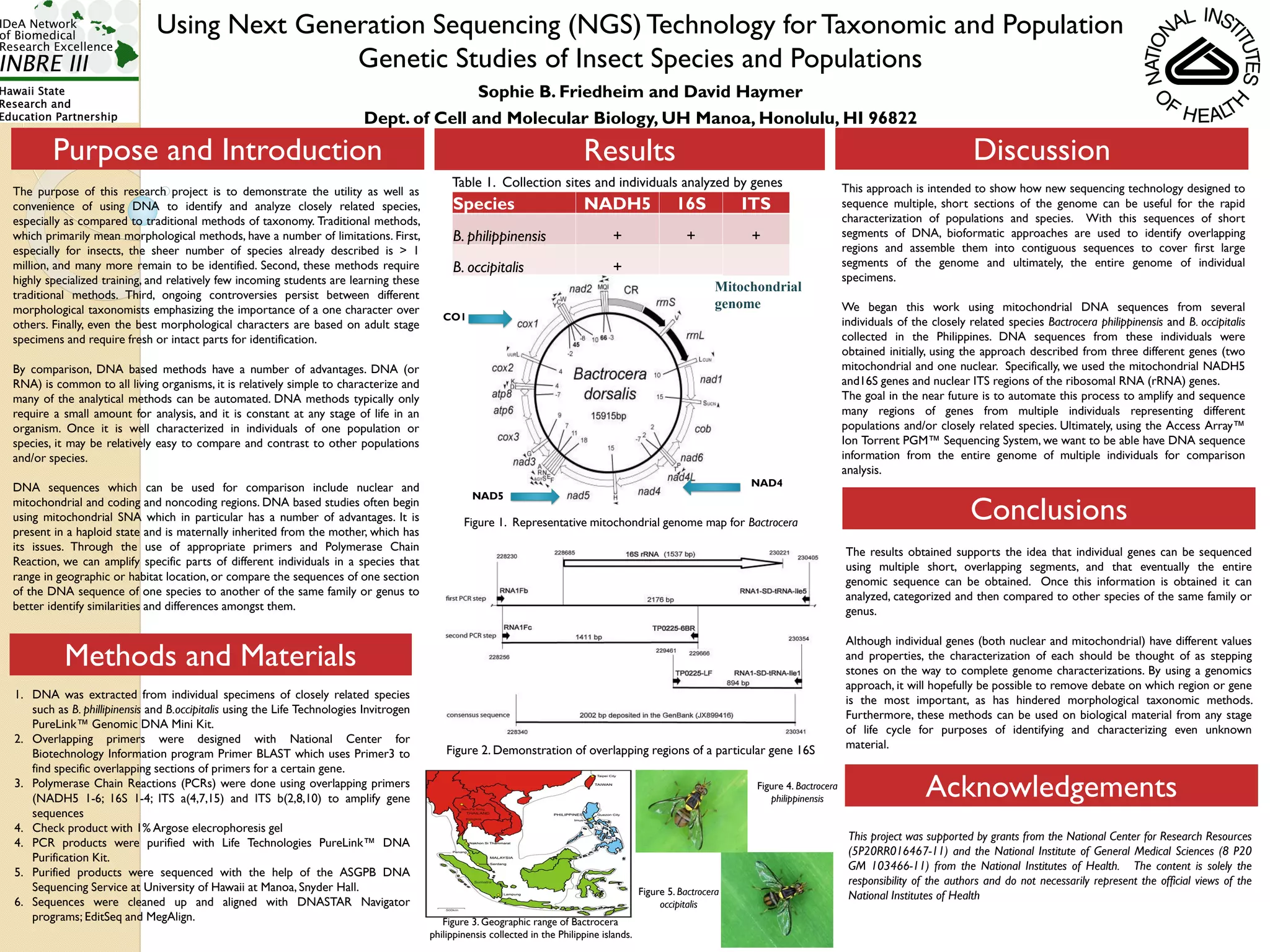
Figure 1. Representative mitochondrial genome map for Bactrocera
This approach is intended to show how new sequencing technology designed to
sequence multiple, short sections of the genome can be useful for the rapid
characterization of populations and species. With this sequences of short
segments of DNA, bioformatic approaches are used to identify overlapping
regions and assemble them into contiguous sequences to cover first large
segments of the genome and ultimately, the entire genome of individual
specimens.
We began this work using mitochondrial DNA sequences from several
individuals of the closely related species Bactrocera philippinensis and B. occipitalis
collected in the Philippines. DNA sequences from these individuals were
obtained initially, using the approach described from three different genes (two
mitochondrial and one nuclear. Specifically, we used the mitochondrial NADH5
and16S genes and nuclear ITS regions of the ribosomal RNA (rRNA) genes.
The goal in the near future is to automate this process to amplify and sequence
many regions of genes from multiple individuals representing different
populations and/or closely related species. Ultimately, using the Access Array™
Ion Torrent PGM™ Sequencing System, we want to be able have DNA sequence
information from the entire genome of multiple individuals for comparison
analysis.
Acknowledgements
The results obtained supports the idea that individual genes can be sequenced
using multiple short, overlapping segments, and that eventually the entire
genomic sequence can be obtained. Once this information is obtained it can
analyzed, categorized and then compared to other species of the same family or
genus.
Although individual genes (both nuclear and mitochondrial) have different values
and properties, the characterization of each should be thought of as stepping
stones on the way to complete genome characterizations. By using a genomics
approach, it will hopefully be possible to remove debate on which region or gene
is the most important, as has hindered morphological taxonomic methods.
Furthermore, these methods can be used on biological material from any stage
of life cycle for purposes of identifying and characterizing even unknown
material.
This project was supported by grants from the National Center for Research Resources
(5P20RR016467-11) and the National Institute of General Medical Sciences (8 P20
GM 103466-11) from the National Institutes of Health. The content is solely the
responsibility of the authors and do not necessarily represent the official views of the
National Institutes of Health
Figure 3. Geographic range of Bactrocera
philippinensis collected in the Philippine islands.
Figure 2. Demonstration of overlapping regions of a particular gene 16S
Figure 5. Bactrocera
occipitalis

Sophie F. summer Poster Final

  • 1.
    Using Next GenerationSequencing (NGS) Technology for Taxonomic and Population Genetic Studies of Insect Species and Populations Sophie B. Friedheim and David Haymer Dept. of Cell and Molecular Biology, UH Manoa, Honolulu, HI 96822 Purpose and Introduction Methods and Materials Results Discussion Conclusions The purpose of this research project is to demonstrate the utility as well as convenience of using DNA to identify and analyze closely related species, especially as compared to traditional methods of taxonomy. Traditional methods, which primarily mean morphological methods, have a number of limitations. First, especially for insects, the sheer number of species already described is > 1 million, and many more remain to be identified. Second, these methods require highly specialized training, and relatively few incoming students are learning these traditional methods. Third, ongoing controversies persist between different morphological taxonomists emphasizing the importance of a one character over others. Finally, even the best morphological characters are based on adult stage specimens and require fresh or intact parts for identification. By comparison, DNA based methods have a number of advantages. DNA (or RNA) is common to all living organisms, it is relatively simple to characterize and many of the analytical methods can be automated. DNA methods typically only require a small amount for analysis, and it is constant at any stage of life in an organism. Once it is well characterized in individuals of one population or species, it may be relatively easy to compare and contrast to other populations and/or species. DNA sequences which can be used for comparison include nuclear and mitochondrial and coding and noncoding regions. DNA based studies often begin using mitochondrial SNA which in particular has a number of advantages. It is present in a haploid state and is maternally inherited from the mother, which has its issues. Through the use of appropriate primers and Polymerase Chain Reaction, we can amplify specific parts of different individuals in a species that range in geographic or habitat location, or compare the sequences of one section of the DNA sequence of one species to another of the same family or genus to better identify similarities and differences amongst them. 1. DNA was extracted from individual specimens of closely related species such as B. phillipinensis and B.occipitalis using the Life Technologies Invitrogen PureLink™ Genomic DNA Mini Kit. 2. Overlapping primers were designed with National Center for Biotechnology Information program Primer BLAST which uses Primer3 to find specific overlapping sections of primers for a certain gene. 3. Polymerase Chain Reactions (PCRs) were done using overlapping primers (NADH5 1-6; 16S 1-4; ITS a(4,7,15) and ITS b(2,8,10) to amplify gene sequences 4. Check product with 1% Argose elecrophoresis gel 4. PCR products were purified with Life Technologies PureLink™ DNA Purification Kit. 5. Purified products were sequenced with the help of the ASGPB DNA Sequencing Service at University of Hawaii at Manoa, Snyder Hall. 6. Sequences were cleaned up and aligned with DNASTAR Navigator programs; EditSeq and MegAlign. Figure 4. Bactrocera philippinensis Species NADH5 16S ITS B. philippinensis + + + B. occipitalis + Table 1. Collection sites and individuals analyzed by genes Mitochondrial genome CO1 NAD4 NAD5 Figure 1. Representative mitochondrial genome map for Bactrocera This approach is intended to show how new sequencing technology designed to sequence multiple, short sections of the genome can be useful for the rapid characterization of populations and species. With this sequences of short segments of DNA, bioformatic approaches are used to identify overlapping regions and assemble them into contiguous sequences to cover first large segments of the genome and ultimately, the entire genome of individual specimens. We began this work using mitochondrial DNA sequences from several individuals of the closely related species Bactrocera philippinensis and B. occipitalis collected in the Philippines. DNA sequences from these individuals were obtained initially, using the approach described from three different genes (two mitochondrial and one nuclear. Specifically, we used the mitochondrial NADH5 and16S genes and nuclear ITS regions of the ribosomal RNA (rRNA) genes. The goal in the near future is to automate this process to amplify and sequence many regions of genes from multiple individuals representing different populations and/or closely related species. Ultimately, using the Access Array™ Ion Torrent PGM™ Sequencing System, we want to be able have DNA sequence information from the entire genome of multiple individuals for comparison analysis. Acknowledgements The results obtained supports the idea that individual genes can be sequenced using multiple short, overlapping segments, and that eventually the entire genomic sequence can be obtained. Once this information is obtained it can analyzed, categorized and then compared to other species of the same family or genus. Although individual genes (both nuclear and mitochondrial) have different values and properties, the characterization of each should be thought of as stepping stones on the way to complete genome characterizations. By using a genomics approach, it will hopefully be possible to remove debate on which region or gene is the most important, as has hindered morphological taxonomic methods. Furthermore, these methods can be used on biological material from any stage of life cycle for purposes of identifying and characterizing even unknown material. This project was supported by grants from the National Center for Research Resources (5P20RR016467-11) and the National Institute of General Medical Sciences (8 P20 GM 103466-11) from the National Institutes of Health. The content is solely the responsibility of the authors and do not necessarily represent the official views of the National Institutes of Health Figure 3. Geographic range of Bactrocera philippinensis collected in the Philippine islands. Figure 2. Demonstration of overlapping regions of a particular gene 16S Figure 5. Bactrocera occipitalis