SONY VAIO
Case study
Problem
• Richard Lopez (product manager)
• Marketing plan presentation to senior management
• Struggle: too much data
• 3 market research reports
• Which segment to choose ?
• Best plan for vaio in china
Introduction
• Sony corporation began in 1946
• Major player in multiple electronic markets
• 171000 employees worldwide including japan, US,
Europe and China.
• Total annual sales: $89 billion in March 2010
Product Details
• After handycam camcorders and Walkman personal
stereo Sony introduced series of computer products in
mid 1996.
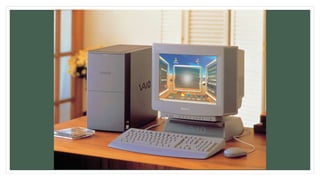
• Vaio desktop
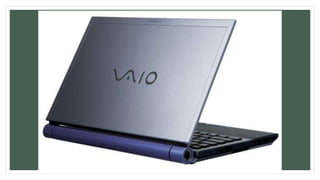
• Vaio laptops in Japan
Strategy for Vaio
• High end niche products
• Consumers who give top priority to style and design
• Competitor: unexciting designs
• Existing laptops: grays, blacks, boxy, bulky and heavy.
• Vaio 505 line (1998) gain significant awareness and
recognition
• Positioned as “statement computer”
• “sleek”
• Available in colours (first production run)
• Iconic: rich purple
• Popular with image conscious people
• Focused on reducing weight and size
• Installed software providers
• Distinctive advantage: (multimedia software)
computers were not likely to have
• Premium offering
• Higher avg selling price
• Kept away from attracting mass audience like others
• Outstripped desktops in late 2000’s
• Individual consumers and business professionals
• Not suitable for businesses
• China: moderate success
• Replica
• Copycats less successful imitating branding and
aesthetics
•
Shanghai Report
• Early 2010 research
• Education and income gaps, inequality among Chinese
consumer gaps
• Low quality products and pirated softwares.
• Growing segment enjoyed status, money and
technology
• “Detail oriented consumers”
• Post 1980’s generation were more status seeking and
powerful
• 50% laptop owners
• 75% desktop owners
• Male laptop owners 57%
• 36% of laptop buyers are between 25-34
• Upper class 46%
Customer interviews
• 40 vaio users and 4 non-sony users
• Self expression
• Lenovo vs. sony
• Consumers sought knowledge and advice from family
and friends
• “Meaningless information”
1- some used laptop for social connection
2- some used as a productive tool
3- Some used for everyday tasks, confused by extra
features
4- (Growing segment) used it for multimedia. Eg: games,
movies, shows and social media
CLUES report
• 760 surveys (face to face and video conference)
• 18 and 55 years of age
• Participants owned or were interested to purchase
laptops
• Rate laptop and its characteristics
• Six segments of Chinese laptop users
• Entertainment Lover
• Business focused
• Family user
• Tech enthusiast
• Fashion oriented
• Heavy user
Project compass
• Cross company cross regional segmentation
• Global research
• 30,000 respondents
• 4000 participants from eight countries
• 16-65 age
• Interested in any one: tv, digi cam, dvd player or audio
system.
• Six global consumer segments
• Technosocializers
• Performance seekers
• Status focused
• Unfussy basics
• Functional socializers
• Quality of lifers
Solution
• Business professionals with high income.
• Customer interviews (target the growing segment)
• Clues (family users and business focused)
• Compass (technosocializers), (word of mouth)

Sony vaio case study

  • 1.
  • 2.
    Problem • Richard Lopez(product manager) • Marketing plan presentation to senior management • Struggle: too much data • 3 market research reports • Which segment to choose ? • Best plan for vaio in china
  • 3.
    Introduction • Sony corporationbegan in 1946 • Major player in multiple electronic markets • 171000 employees worldwide including japan, US, Europe and China. • Total annual sales: $89 billion in March 2010
  • 4.
    Product Details • Afterhandycam camcorders and Walkman personal stereo Sony introduced series of computer products in mid 1996. • Vaio desktop • Vaio laptops in Japan
  • 7.
    Strategy for Vaio •High end niche products • Consumers who give top priority to style and design • Competitor: unexciting designs • Existing laptops: grays, blacks, boxy, bulky and heavy.
  • 8.
    • Vaio 505line (1998) gain significant awareness and recognition • Positioned as “statement computer” • “sleek” • Available in colours (first production run) • Iconic: rich purple • Popular with image conscious people • Focused on reducing weight and size
  • 11.
    • Installed softwareproviders • Distinctive advantage: (multimedia software) computers were not likely to have • Premium offering • Higher avg selling price • Kept away from attracting mass audience like others • Outstripped desktops in late 2000’s
  • 12.
    • Individual consumersand business professionals • Not suitable for businesses • China: moderate success • Replica • Copycats less successful imitating branding and aesthetics •
  • 13.
    Shanghai Report • Early2010 research • Education and income gaps, inequality among Chinese consumer gaps • Low quality products and pirated softwares. • Growing segment enjoyed status, money and technology • “Detail oriented consumers” • Post 1980’s generation were more status seeking and powerful
  • 14.
    • 50% laptopowners • 75% desktop owners • Male laptop owners 57% • 36% of laptop buyers are between 25-34 • Upper class 46%
  • 15.
    Customer interviews • 40vaio users and 4 non-sony users • Self expression • Lenovo vs. sony • Consumers sought knowledge and advice from family and friends • “Meaningless information”
  • 16.
    1- some usedlaptop for social connection 2- some used as a productive tool 3- Some used for everyday tasks, confused by extra features 4- (Growing segment) used it for multimedia. Eg: games, movies, shows and social media
  • 17.
    CLUES report • 760surveys (face to face and video conference) • 18 and 55 years of age • Participants owned or were interested to purchase laptops • Rate laptop and its characteristics • Six segments of Chinese laptop users
  • 18.
    • Entertainment Lover •Business focused • Family user • Tech enthusiast • Fashion oriented • Heavy user
  • 19.
    Project compass • Crosscompany cross regional segmentation • Global research • 30,000 respondents • 4000 participants from eight countries • 16-65 age • Interested in any one: tv, digi cam, dvd player or audio system. • Six global consumer segments
  • 20.
    • Technosocializers • Performanceseekers • Status focused • Unfussy basics • Functional socializers • Quality of lifers
  • 21.
    Solution • Business professionalswith high income. • Customer interviews (target the growing segment) • Clues (family users and business focused) • Compass (technosocializers), (word of mouth)