


Uncovering and Correcting
   Students' Science
    Misconceptions

         Jinan Karameh,
         Rowaida Aboul Hosn, and
         Faten Sleem

           MA Students in Biology
           Lebanese University
Definition of Misconception

The term misconception is used to
describe “a situation in which students’
ideas differ from those of scientists about
a concept”.
Misconceptions

Many childrens’ conceptions and
misconceptions are based on their
everyday experiences.They explore
natural phenomena by curiosity and
interest; however, their description and
explanation to the world is often guided
by logical but scientifically inaccurate
understandings.
Misconception

Prior to instruction, teachers should be
aware that some students might already
have some pre-instructional knowledge
about the learned topic . However,
students’ knowledge can be erroneous,
illogical, or misinformed.
These erroneous understandings of
students are termed alternative
conceptions or misconceptions (or
intuitive theories).
Sources of Misconceptions
Preconceived notions
Nonscientific beliefs
Conceptual misunderstandings
Vernacular misconceptions
Factual misconceptions
Sources ( Continued)

1. Preconceived notions are popular
   conceptions rooted in everyday
   experiences. For example, many people
   believe that water flowing underground
   must flow in streams because the water
   they see at the earth's surface flows in
   streams.
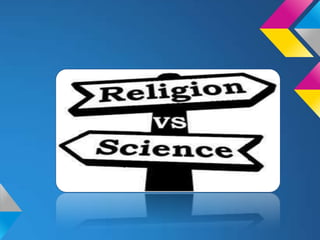
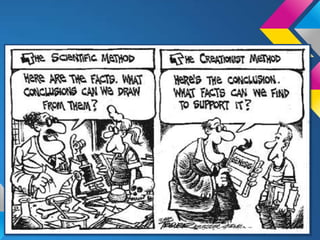
2. Nonscientific beliefs include views
  learned by students from sources other
  than scientific education, such as religious
  or mythical teachings. For example,
  students’ understanding of the history of
  Earth learned through religious instruction
3. Conceptual misunderstandings arise
  when students are taught scientific
  information in a way that does not provoke
  them to confront paradoxes and conflicts
  resulting from their own preconceived
  notions and nonscientific beliefs.
4. Vernacular misconceptions arise
   from the use of words that mean one
   thing in everyday life and another in a
  scientific context (e.g., "work").
  Another example is the expression
  “glaciers retreat” where students picture
  the glacier stopping, turning around, and
  moving in the opposite direction. How do
  you think we can correct this type of
  misconception?
5. Factual misconceptions are falsities
  often learned at an early age and retained
  unchallenged into adulthood. If you think
  about it, the idea that "lightning never
  strikes twice in the same place" is clearly
  nonsense, but that notion may be buried
  somewhere in your belief system.
Uncovering Misconception
Some useful techniques are:

Concept Cartoons
 Probes
 Concept Mapping
 Predict-Observe- Explain
 Interviews
 Students Drawings
 Post Box technique
 Viewfinders
 Card Sorting.
Tools to correct
       Misconceptions
Instructional strategies that can lead to
changes in students’ alternative
conceptions (misconceptions) and to
learning of new concepts and theories :
Correcting misconceptions

1.Present the new concepts or theories
  in a plausible, high-quality, intelligible and
  generative way.

  Plausible: means consistent with other
  knowledge and provide a good
  explanation of the available data.
What does high Quality mean?

The presented theory should be both
correct and scientific and take into account
the data available to students. Thus, the
instructor should deal with the problem
from the perspective of the students.
Intelligible?
Learners must be able to grasp how the new
conception works.
To increase intelligibility, teachers can use
methods such as:
a. analogies
b. models
c. direct exposition
Generative/fruitful?
The new concept/theory should foster
new areas of inquiry.
This can be done by applying the new
concept/theory to a wide range of familiar
and new real life problems.
Correcting Misconceptions

2. Use students’ correct conceptions and
   build on those by creating a bridge of
   examples to the new concept or theory
   that students are having trouble learning
   due to having misconceptions.

3. Use model-based reasoning, which helps
   students construct new representations
   that vary from their intuitive theories.
Correcting Misconceptions

4. Use “diverse instruction” where you
   present a few examples that challenge
   multiple assumptions rather than a larger
   number of examples that challenge just
   one assumption.
5. Raise students’ metacognition by helping
   students become aware of their own
   alternative conceptions (misconceptions)
Correcting Misconceptions

6. Provide experiences that cause cognitive
   conflict in the student’s mind. Such
   experiences get students to consider their
   own misconception side-by-side or at the
   same time with the correct concept or
   theory.
Correcting Misconceptions

7. Develop students’ epistemological
   thinking, which is their beliefs and theories
  about the nature of knowledge and the nature of
  learning, in ways that will facilitate
  conceptual change. The more naïve
  students’ beliefs are about knowledge and
  learning, the less likely they are to revise
  their misconceptions.
Correcting Misconceptions

8. Help students “self-repair” their
   misconceptions.

9. Once students have overcome their
   alternative conceptions (misconceptions),
   engage them in arguments that help
   strengthen their new knowledge
   (representations).
Thank you

Smec power point

  • 1.
    Uncovering and Correcting Students' Science Misconceptions Jinan Karameh, Rowaida Aboul Hosn, and Faten Sleem MA Students in Biology Lebanese University
  • 2.
    Definition of Misconception Theterm misconception is used to describe “a situation in which students’ ideas differ from those of scientists about a concept”.
  • 3.
    Misconceptions Many childrens’ conceptionsand misconceptions are based on their everyday experiences.They explore natural phenomena by curiosity and interest; however, their description and explanation to the world is often guided by logical but scientifically inaccurate understandings.
  • 5.
    Misconception Prior to instruction,teachers should be aware that some students might already have some pre-instructional knowledge about the learned topic . However, students’ knowledge can be erroneous, illogical, or misinformed. These erroneous understandings of students are termed alternative conceptions or misconceptions (or intuitive theories).
  • 6.
    Sources of Misconceptions Preconceivednotions Nonscientific beliefs Conceptual misunderstandings Vernacular misconceptions Factual misconceptions
  • 7.
    Sources ( Continued) 1.Preconceived notions are popular conceptions rooted in everyday experiences. For example, many people believe that water flowing underground must flow in streams because the water they see at the earth's surface flows in streams.
  • 9.
    2. Nonscientific beliefsinclude views learned by students from sources other than scientific education, such as religious or mythical teachings. For example, students’ understanding of the history of Earth learned through religious instruction
  • 12.
    3. Conceptual misunderstandingsarise when students are taught scientific information in a way that does not provoke them to confront paradoxes and conflicts resulting from their own preconceived notions and nonscientific beliefs.
  • 13.
    4. Vernacular misconceptionsarise from the use of words that mean one thing in everyday life and another in a scientific context (e.g., "work"). Another example is the expression “glaciers retreat” where students picture the glacier stopping, turning around, and moving in the opposite direction. How do you think we can correct this type of misconception?
  • 15.
    5. Factual misconceptionsare falsities often learned at an early age and retained unchallenged into adulthood. If you think about it, the idea that "lightning never strikes twice in the same place" is clearly nonsense, but that notion may be buried somewhere in your belief system.
  • 17.
    Uncovering Misconception Some usefultechniques are: Concept Cartoons  Probes  Concept Mapping  Predict-Observe- Explain  Interviews  Students Drawings  Post Box technique  Viewfinders  Card Sorting.
  • 18.
    Tools to correct Misconceptions Instructional strategies that can lead to changes in students’ alternative conceptions (misconceptions) and to learning of new concepts and theories :
  • 19.
    Correcting misconceptions 1.Present thenew concepts or theories in a plausible, high-quality, intelligible and generative way. Plausible: means consistent with other knowledge and provide a good explanation of the available data.
  • 21.
    What does highQuality mean? The presented theory should be both correct and scientific and take into account the data available to students. Thus, the instructor should deal with the problem from the perspective of the students.
  • 22.
    Intelligible? Learners must beable to grasp how the new conception works. To increase intelligibility, teachers can use methods such as: a. analogies b. models c. direct exposition
  • 23.
    Generative/fruitful? The new concept/theoryshould foster new areas of inquiry. This can be done by applying the new concept/theory to a wide range of familiar and new real life problems.
  • 25.
    Correcting Misconceptions 2. Usestudents’ correct conceptions and build on those by creating a bridge of examples to the new concept or theory that students are having trouble learning due to having misconceptions. 3. Use model-based reasoning, which helps students construct new representations that vary from their intuitive theories.
  • 26.
    Correcting Misconceptions 4. Use“diverse instruction” where you present a few examples that challenge multiple assumptions rather than a larger number of examples that challenge just one assumption. 5. Raise students’ metacognition by helping students become aware of their own alternative conceptions (misconceptions)
  • 27.
    Correcting Misconceptions 6. Provideexperiences that cause cognitive conflict in the student’s mind. Such experiences get students to consider their own misconception side-by-side or at the same time with the correct concept or theory.
  • 28.
    Correcting Misconceptions 7. Developstudents’ epistemological thinking, which is their beliefs and theories about the nature of knowledge and the nature of learning, in ways that will facilitate conceptual change. The more naïve students’ beliefs are about knowledge and learning, the less likely they are to revise their misconceptions.
  • 29.
    Correcting Misconceptions 8. Helpstudents “self-repair” their misconceptions. 9. Once students have overcome their alternative conceptions (misconceptions), engage them in arguments that help strengthen their new knowledge (representations).
  • 30.