Presented By-
Lakshya
Bhardwaj
Prashant
Chauhan
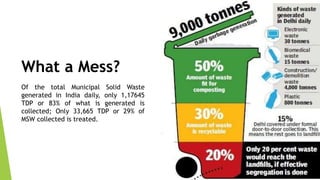
What a Mess?
Of the total Municipal Solid Waste
generated in India daily, only 1,17645
TDP or 83% of what is generated is
collected; Only 33,665 TDP or 29% of
MSW collected is treated.
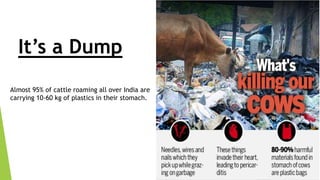
It’s a Dump
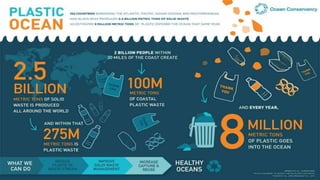
Almost 95% of cattle roaming all over India are
carrying 10-60 kg of plastics in their stomach.
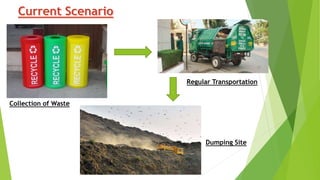
Collection of Waste
Regular Transportation
Dumping Site
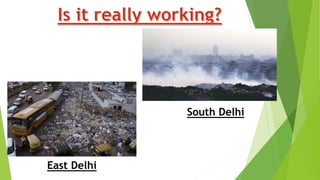
East Delhi
South Delhi
Internet of Things
Artificial Intelligence
Robotics
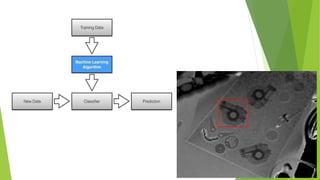
Deep Learning
Computer Vision
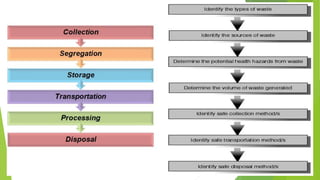
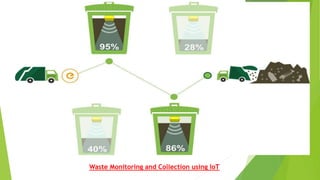
Waste Monitoring and Collection using IoT
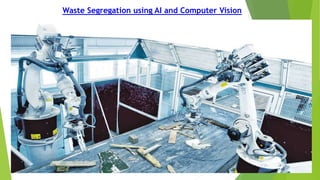
Waste Segregation using AI and Computer Vision
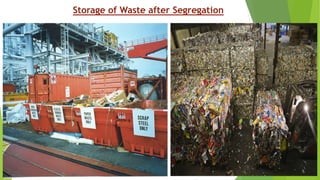
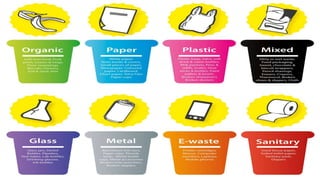
Storage of Waste after Segregation
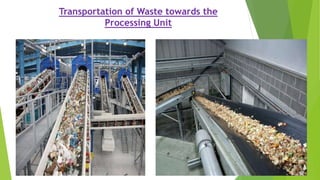
Transportation of Waste towards the
Processing Unit
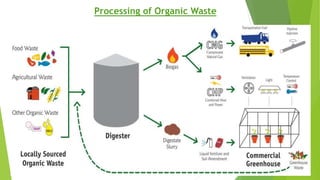
Processing of Organic Waste
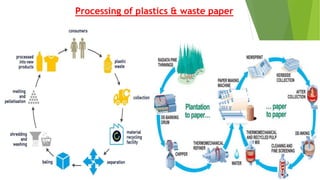
Processing of plastics & waste paper
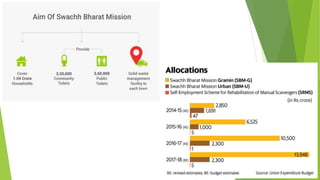
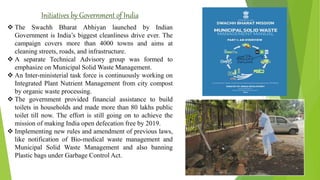
Initiatives by Government of India
 The Swachh Bharat Abhiyan launched by Indian
Government is India’s biggest cleanliness drive ever. The
campaign covers more than 4000 towns and aims at
cleaning streets, roads, and infrastructure.
 A separate Technical Advisory group was formed to
emphasize on Municipal Solid Waste Management.
 An Inter-ministerial task force is continuously working on
Integrated Plant Nutrient Management from city compost
by organic waste processing.
 The government provided financial assistance to build
toilets in households and made more than 80 lakhs public
toilet till now. The effort is still going on to achieve the
mission of making India open defecation free by 2019.
 Implementing new rules and amendment of previous laws,
like notification of Bio-medical waste management and
Municipal Solid Waste Management and also banning
Plastic bags under Garbage Control Act.
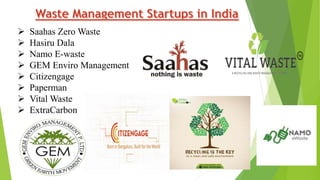
 Saahas Zero Waste
 Hasiru Dala
 Namo E-waste
 GEM Enviro Management
 Citizengage
 Paperman
 Vital Waste
 ExtraCarbon
Conclusion
 Safe and effective management of
waste is not only a legal necessity,
but also a social responsibility.
 Individual awareness and
participation should be given equal
importance.
 Ample fund allocation and their
proper utilization should be done
by the government for management
of waste.
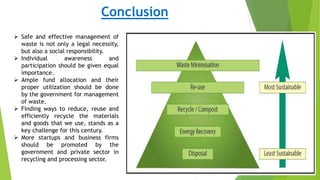
 Finding ways to reduce, reuse and
efficiently recycle the materials
and goods that we use, stands as a
key challenge for this century.
 More startups and business firms
should be promoted by the
government and private sector in
recycling and processing sector.
“The greatest fear to our planet is the belief that someone else will
save it.”
- Robert swan

Smart Waste Management

  • 1.
  • 3.
    What a Mess? Ofthe total Municipal Solid Waste generated in India daily, only 1,17645 TDP or 83% of what is generated is collected; Only 33,665 TDP or 29% of MSW collected is treated.
  • 4.
    It’s a Dump Almost95% of cattle roaming all over India are carrying 10-60 kg of plastics in their stomach.
  • 6.
    Collection of Waste RegularTransportation Dumping Site
  • 7.
  • 8.
    Internet of Things ArtificialIntelligence Robotics Deep Learning Computer Vision
  • 10.
    Waste Monitoring andCollection using IoT
  • 13.
    Waste Segregation usingAI and Computer Vision
  • 15.
    Storage of Wasteafter Segregation
  • 16.
    Transportation of Wastetowards the Processing Unit
  • 17.
  • 18.
  • 20.
    Initiatives by Governmentof India  The Swachh Bharat Abhiyan launched by Indian Government is India’s biggest cleanliness drive ever. The campaign covers more than 4000 towns and aims at cleaning streets, roads, and infrastructure.  A separate Technical Advisory group was formed to emphasize on Municipal Solid Waste Management.  An Inter-ministerial task force is continuously working on Integrated Plant Nutrient Management from city compost by organic waste processing.  The government provided financial assistance to build toilets in households and made more than 80 lakhs public toilet till now. The effort is still going on to achieve the mission of making India open defecation free by 2019.  Implementing new rules and amendment of previous laws, like notification of Bio-medical waste management and Municipal Solid Waste Management and also banning Plastic bags under Garbage Control Act.
  • 21.
     Saahas ZeroWaste  Hasiru Dala  Namo E-waste  GEM Enviro Management  Citizengage  Paperman  Vital Waste  ExtraCarbon
  • 22.
    Conclusion  Safe andeffective management of waste is not only a legal necessity, but also a social responsibility.  Individual awareness and participation should be given equal importance.  Ample fund allocation and their proper utilization should be done by the government for management of waste.  Finding ways to reduce, reuse and efficiently recycle the materials and goods that we use, stands as a key challenge for this century.  More startups and business firms should be promoted by the government and private sector in recycling and processing sector.
  • 23.
    “The greatest fearto our planet is the belief that someone else will save it.” - Robert swan