


AGENDA
• WHAT IS SMART HOUSE ?
• TRADITIONAL HOUSE
• NEEDS
• SYSTEM
• PCS
• APPLICATIONS
• EXISTING PROJECTS
• CONCLUSION
• REFERENCES
WHAT IS SMART HOUSE ?
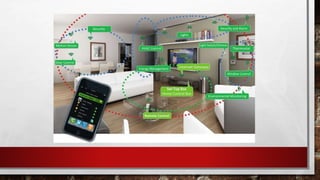
• A smart house is a house that highly advanced automatic systems for lighting, temperature
control, multi-media, security, window and door operations, and many other function.
• It is not just a house but “A House With Brain”.
• It is one that provides its home owners comfort, energy efficiency, and convenience at all time.
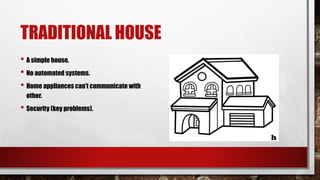
TRADITIONAL HOUSE
• A simple house.
• No automated systems.
• Home appliances can’t communicate with
other.
• Security (key problems).
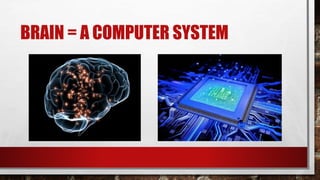
BRAIN = A COMPUTER SYSTEM
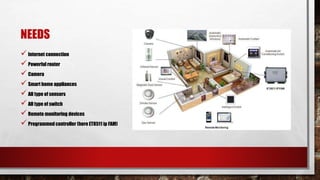
NEEDS
 Internet connection
 Powerful router
 Camera
 Smart home appliances
 All type of sensors
 All type of switch
 Remote monitoring devices
 Programmed controller (here ET8511 ip FAM)
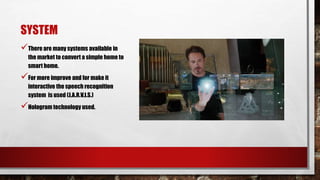
SYSTEM
There are many systems available in
the market to convert a simple home to
smart home.
For more improve and for make it
interactive the speech recognition
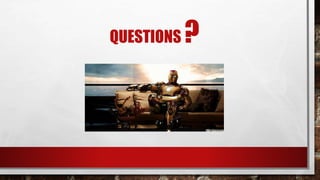
system is used (J.A.R.V.I.S.)
Hologram technology used.
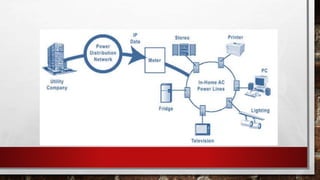
PCS – POWER LINE CARRIER SYSTEM
• A technology known as power line carrier system(pcs) is used to send coded signals along a home’s existing
electronic wiring to programmable switches, or outlets.
• This signals convey commands that corresponded to address or location of the device and that control how and
when those device operate .
• Transmitter/receiver
• One common protocol known as X10 signal.
• Involved devices are connected over an electronic power line.
• It involves sort radio frequency bursts that represent digital information , enable communication between
transmitter and receiver.
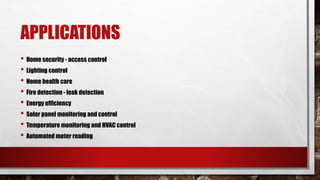
APPLICATIONS
• Home security - access control
• Lighting control
• Home health care
• Fire detection - leak detection
• Energy efficiency
• Solar panel monitoring and control
• Temperature monitoring and HVAC control
• Automated meter reading
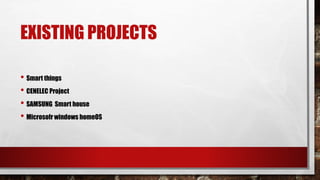
EXISTING PROJECTS
• Smart things
• CENELEC Project
• SAMSUNG Smart house
• Microsofr windows homeOS
UPCOMING
• Apple home kit
• Intel jarvis
CONCLUSION
• The use of modern technology is adding to a safe and comfortable living environment for
everybody. For the disabled person, the benefits are even greater. Smart home technology has
proved to contribute to increased independence and safety for lots of end-users, their families
and carers. Smart home technology may be used to minimize disabling obstacles.
REFERENCES
• http://www.about.com/smarthouse
• http://whatis.techtarget.com/bcs
• http://www.cesweb.org
• http://www.greenpeak.com/Application/SmartHome.html
• http://www.instructables.com/id/How-to-make-a-Clap-Clap-on-Clap-Clap-Off-switch-/
QUESTIONS ?
THANKYOU

Smart house (Move to Easy Life)

  • 3.
    AGENDA • WHAT ISSMART HOUSE ? • TRADITIONAL HOUSE • NEEDS • SYSTEM • PCS • APPLICATIONS • EXISTING PROJECTS • CONCLUSION • REFERENCES
  • 4.
    WHAT IS SMARTHOUSE ? • A smart house is a house that highly advanced automatic systems for lighting, temperature control, multi-media, security, window and door operations, and many other function. • It is not just a house but “A House With Brain”. • It is one that provides its home owners comfort, energy efficiency, and convenience at all time.
  • 5.
    TRADITIONAL HOUSE • Asimple house. • No automated systems. • Home appliances can’t communicate with other. • Security (key problems).
  • 6.
    BRAIN = ACOMPUTER SYSTEM
  • 7.
    NEEDS  Internet connection Powerful router  Camera  Smart home appliances  All type of sensors  All type of switch  Remote monitoring devices  Programmed controller (here ET8511 ip FAM)
  • 8.
    SYSTEM There are manysystems available in the market to convert a simple home to smart home. For more improve and for make it interactive the speech recognition system is used (J.A.R.V.I.S.) Hologram technology used.
  • 9.
    PCS – POWERLINE CARRIER SYSTEM • A technology known as power line carrier system(pcs) is used to send coded signals along a home’s existing electronic wiring to programmable switches, or outlets. • This signals convey commands that corresponded to address or location of the device and that control how and when those device operate . • Transmitter/receiver • One common protocol known as X10 signal. • Involved devices are connected over an electronic power line. • It involves sort radio frequency bursts that represent digital information , enable communication between transmitter and receiver.
  • 11.
    APPLICATIONS • Home security- access control • Lighting control • Home health care • Fire detection - leak detection • Energy efficiency • Solar panel monitoring and control • Temperature monitoring and HVAC control • Automated meter reading
  • 13.
    EXISTING PROJECTS • Smartthings • CENELEC Project • SAMSUNG Smart house • Microsofr windows homeOS
  • 14.
    UPCOMING • Apple homekit • Intel jarvis
  • 15.
    CONCLUSION • The useof modern technology is adding to a safe and comfortable living environment for everybody. For the disabled person, the benefits are even greater. Smart home technology has proved to contribute to increased independence and safety for lots of end-users, their families and carers. Smart home technology may be used to minimize disabling obstacles.
  • 16.
    REFERENCES • http://www.about.com/smarthouse • http://whatis.techtarget.com/bcs •http://www.cesweb.org • http://www.greenpeak.com/Application/SmartHome.html • http://www.instructables.com/id/How-to-make-a-Clap-Clap-on-Clap-Clap-Off-switch-/
  • 17.
  • 18.