
KSC RehabWorks
Safety & Health Presentation

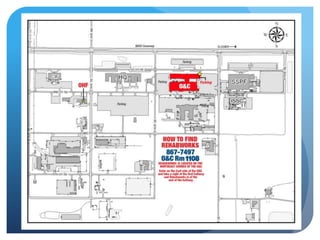
O&C Building, Room 1108
Phone: 867-7497
Fax: 867-1144
KSC-RehabWorks@mail.nasa.gov
RehabWorks Operations
ď‚— Monday - Friday, 7am-5pm

ď‚— Treat work, non-work, sport injuries
ď‚— Pre and post-operative rehabilitation
 Patient Treatment Days – M, W, F
ď‚— Each appointment last approx. 1 hour
ď‚— Avg. patient receives 2-3 appointments/week

ď‚— Tuesdays and Thursdays are for new patients and employee
outreach/training
ď‚— Employees can request a one-time consult
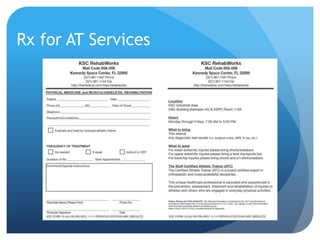
Rx for AT Services
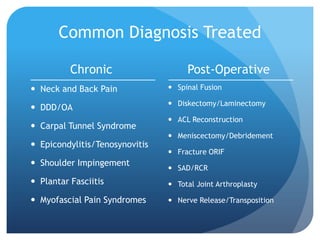
Common Diagnosis Treated
Chronic

Post-Operative

ď‚— Neck and Back Pain

ď‚— Spinal Fusion

ď‚— DDD/OA

ď‚— Diskectomy/Laminectomy

ď‚— Carpal Tunnel Syndrome

ď‚— Epicondylitis/Tenosynovitis
ď‚— Shoulder Impingement

ď‚— ACL Reconstruction
ď‚— Meniscectomy/Debridement
ď‚— Fracture ORIF
ď‚— SAD/RCR

ď‚— Plantar Fasciitis

ď‚— Total Joint Arthroplasty

ď‚— Myofascial Pain Syndromes

ď‚— Nerve Release/Transposition
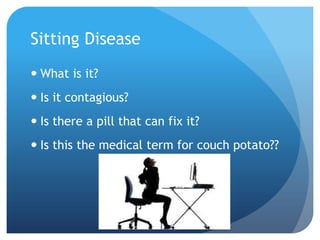
Sitting Disease
ď‚— What is it?
ď‚— Is it contagious?
ď‚— Is there a pill that can fix it?

ď‚— Is this the medical term for couch potato??
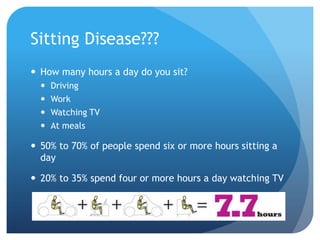
Sitting Disease???
ď‚— How many hours a day do you sit?
ď‚—
ď‚—
ď‚—
ď‚—

Driving
Work
Watching TV
At meals

ď‚— 50% to 70% of people spend six or more hours sitting a
day
ď‚— 20% to 35% spend four or more hours a day watching TV
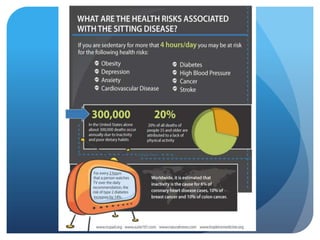
Increased Risks
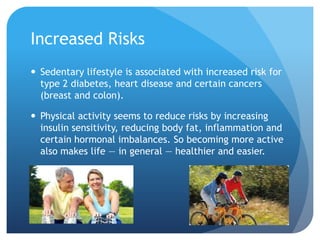
ď‚— Sedentary lifestyle is associated with increased risk for
type 2 diabetes, heart disease and certain cancers
(breast and colon).
ď‚— Physical activity seems to reduce risks by increasing
insulin sensitivity, reducing body fat, inflammation and
certain hormonal imbalances. So becoming more active
also makes life — in general — healthier and easier.
Sitting Disease
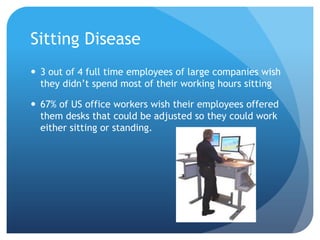
ď‚— 3 out of 4 full time employees of large companies wish
they didn’t spend most of their working hours sitting
ď‚— 67% of US office workers wish their employees offered
them desks that could be adjusted so they could work
either sitting or standing.
Life Expectancy
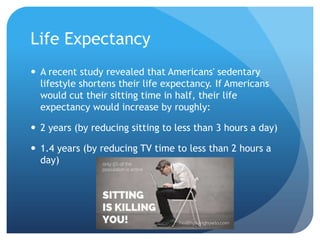
ď‚— A recent study revealed that Americans' sedentary
lifestyle shortens their life expectancy. If Americans
would cut their sitting time in half, their life
expectancy would increase by roughly:
ď‚— 2 years (by reducing sitting to less than 3 hours a day)

ď‚— 1.4 years (by reducing TV time to less than 2 hours a
day)
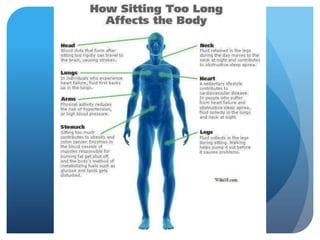
Sitting vs. Standing
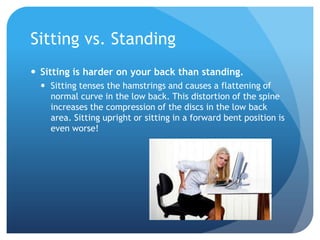
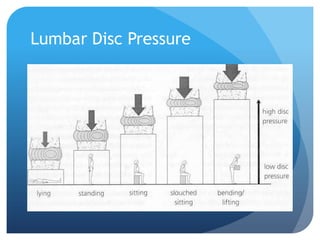
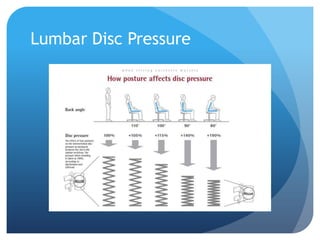
ď‚— Sitting is harder on your back than standing.
ď‚— Sitting tenses the hamstrings and causes a flattening of
normal curve in the low back. This distortion of the spine
increases the compression of the discs in the low back
area. Sitting upright or sitting in a forward bent position is
even worse!
Lumbar Disc Pressure
Tendonitis
ď‚— Repetitive wrist motions

ď‚— Repetitive shoulder motions
ď‚— Sustained hyper extension
of arms and wrists
ď‚— Prolonged load on shoulders

ď‚— Medial/Lateral
Epicondylitis
(Tennis/Golfers Elbow)
ď‚— DeQuervians
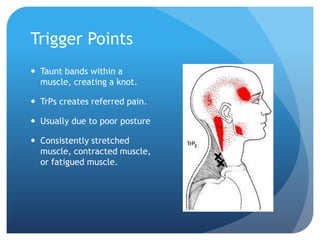
Trigger Points
ď‚— Taunt bands within a
muscle, creating a knot.
ď‚— TrPs creates referred pain.
ď‚— Usually due to poor posture
ď‚— Consistently stretched
muscle, contracted muscle,
or fatigued muscle.
NEAT
ď‚— Non-Exercise Activity Thermogenesis
ď‚— Includes stretching, turning, bending,
ď‚— Aim for 10 minutes each hour
ď‚— No excuses

ď‚— Even if you workout, you may be sitting too long and
suffering from the sitting disease.
ď‚— To prevent the sitting disease you have to look at the whole
day….what are you doing each hour?

ď‚— Turn TV time into a productive time.
ď‚— Iron while watching TV
ď‚— Walk on a treadmill/stationary bike
ď‚— Clean the room where the TV is
How to increase activity?
ď‚— Increased activity simply means
ď‚— Stand more (set a timer and stand hourly)
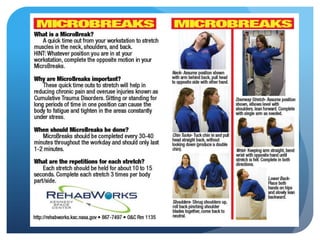
ď‚— Take microbreaks every 30 minutes while working at a desk
 Get a pedometer and count your steps — increase from
your baseline
ď‚— Take stairs vs. elevator
ď‚— Walk down the hall to co-workers instead of email
ď‚— Adopt new habits
ď‚— Stand during meetings, go for a walk with your co-worker as
you discuss ―abc‖.

ď‚— VIDEO
Summary
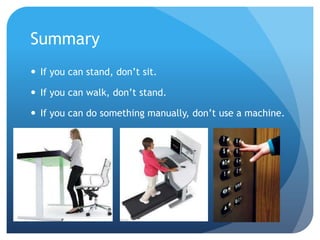
 If you can stand, don’t sit.

 If you can walk, don’t stand.
 If you can do something manually, don’t use a machine.
Thank You

Sitting Disease: The effects of the corporate sedentary lifestyle

  • 1.
    KSC RehabWorks Safety &Health Presentation O&C Building, Room 1108 Phone: 867-7497 Fax: 867-1144 KSC-RehabWorks@mail.nasa.gov
  • 3.
    RehabWorks Operations  Monday- Friday, 7am-5pm  Treat work, non-work, sport injuries  Pre and post-operative rehabilitation  Patient Treatment Days – M, W, F  Each appointment last approx. 1 hour  Avg. patient receives 2-3 appointments/week  Tuesdays and Thursdays are for new patients and employee outreach/training  Employees can request a one-time consult
  • 6.
    Rx for ATServices
  • 7.
    Common Diagnosis Treated Chronic Post-Operative ď‚—Neck and Back Pain ď‚— Spinal Fusion ď‚— DDD/OA ď‚— Diskectomy/Laminectomy ď‚— Carpal Tunnel Syndrome ď‚— Epicondylitis/Tenosynovitis ď‚— Shoulder Impingement ď‚— ACL Reconstruction ď‚— Meniscectomy/Debridement ď‚— Fracture ORIF ď‚— SAD/RCR ď‚— Plantar Fasciitis ď‚— Total Joint Arthroplasty ď‚— Myofascial Pain Syndromes ď‚— Nerve Release/Transposition
  • 10.
    Sitting Disease ď‚— Whatis it? ď‚— Is it contagious? ď‚— Is there a pill that can fix it? ď‚— Is this the medical term for couch potato??
  • 11.
    Sitting Disease??? ď‚— Howmany hours a day do you sit? ď‚— ď‚— ď‚— ď‚— Driving Work Watching TV At meals ď‚— 50% to 70% of people spend six or more hours sitting a day ď‚— 20% to 35% spend four or more hours a day watching TV
  • 14.
    Increased Risks  Sedentarylifestyle is associated with increased risk for type 2 diabetes, heart disease and certain cancers (breast and colon).  Physical activity seems to reduce risks by increasing insulin sensitivity, reducing body fat, inflammation and certain hormonal imbalances. So becoming more active also makes life — in general — healthier and easier.
  • 15.
    Sitting Disease  3out of 4 full time employees of large companies wish they didn’t spend most of their working hours sitting  67% of US office workers wish their employees offered them desks that could be adjusted so they could work either sitting or standing.
  • 16.
    Life Expectancy ď‚— Arecent study revealed that Americans' sedentary lifestyle shortens their life expectancy. If Americans would cut their sitting time in half, their life expectancy would increase by roughly: ď‚— 2 years (by reducing sitting to less than 3 hours a day) ď‚— 1.4 years (by reducing TV time to less than 2 hours a day)
  • 17.
    Sitting vs. Standing ď‚—Sitting is harder on your back than standing. ď‚— Sitting tenses the hamstrings and causes a flattening of normal curve in the low back. This distortion of the spine increases the compression of the discs in the low back area. Sitting upright or sitting in a forward bent position is even worse!
  • 18.
  • 19.
  • 20.
    Tendonitis ď‚— Repetitive wristmotions ď‚— Repetitive shoulder motions ď‚— Sustained hyper extension of arms and wrists ď‚— Prolonged load on shoulders ď‚— Medial/Lateral Epicondylitis (Tennis/Golfers Elbow) ď‚— DeQuervians
  • 21.
    Trigger Points ď‚— Tauntbands within a muscle, creating a knot. ď‚— TrPs creates referred pain. ď‚— Usually due to poor posture ď‚— Consistently stretched muscle, contracted muscle, or fatigued muscle.
  • 25.
    NEAT  Non-Exercise ActivityThermogenesis  Includes stretching, turning, bending,  Aim for 10 minutes each hour  No excuses  Even if you workout, you may be sitting too long and suffering from the sitting disease.  To prevent the sitting disease you have to look at the whole day….what are you doing each hour?  Turn TV time into a productive time.  Iron while watching TV  Walk on a treadmill/stationary bike  Clean the room where the TV is
  • 26.
    How to increaseactivity?  Increased activity simply means  Stand more (set a timer and stand hourly)  Take microbreaks every 30 minutes while working at a desk  Get a pedometer and count your steps — increase from your baseline  Take stairs vs. elevator  Walk down the hall to co-workers instead of email  Adopt new habits  Stand during meetings, go for a walk with your co-worker as you discuss ―abc‖.  VIDEO
  • 27.
    Summary  If youcan stand, don’t sit.  If you can walk, don’t stand.  If you can do something manually, don’t use a machine.
  • 28.

Editor's Notes

  • #12 Study done by the National Health and Nutrition Examination Surveys – 5000 people in study.
  • #15 After a few hours of sitting the body starts to send harmful signals…..the gene’s that regulate the amount of glucose and fat begin to shutdown. Standing, walking, fidgeting, and contracting/relaxing the muscles every hour or more seems to reactivate the sleeping Lipoprotein Lipase enzymes. This stimulates your metabolism.