Objectives:
In this lesson, you are expected
to :
1. determine the significant digits
in a given situation.
Significant digits
 are the digits in a number that express the
precision of a measurement rather than its
magnitude. The number of significant digits
in a given measurement depends on the
number of significant digits in the given
data.
 In calculations involving multiplication,
division, trigonometric functions, for
example, the number of significant digits in
the final answer is equal to the least
number of significant digits in any of the
factors or data involved.
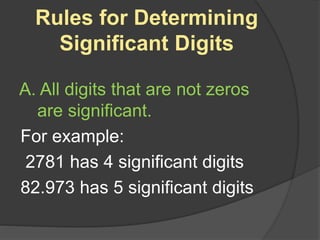
Rules for Determining
Significant Digits
A. All digits that are not zeros
are significant.
For example:
2781 has 4 significant digits
82.973 has 5 significant digits
B. Zeros may or may not be
significant. Furthermore,
1. Zeros appearing between
nonzero digits are
significant.
For example:
20.1 has 3 significant digits
79002 has 5 significant digits
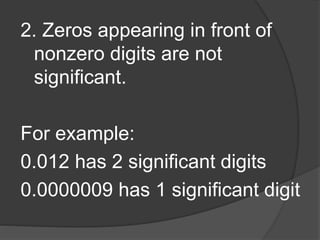
2. Zeros appearing in front of
nonzero digits are not
significant.
For example:
0.012 has 2 significant digits
0.0000009 has 1 significant digit
3. Zeros at the end of a number
and to the right of a decimal are
significant digits. Zeros between
nonzero digits and significant
zeros are also significant.
For example:
15.0 has 3 significant digits
25000.00 has 7 significant digits
4. Zeros at the end of a number but to the
left of a decimal may or may not be
significant. If such a zero has been
measured or is the first estimated digit, it
is significant. On the other hand, if the
zero has not been measured or estimated
but is just a place holder it is not
significant. A decimal placed after the
zeros indicates that they are significant
For example:
560000 has 2 significant digits
560000. has 6 significant digits
Significant Figures in
Calculations
1. When multiplying or dividing measured
quantities, round the answer to as many
significant figures in the answer as there are
in the measurement with the least number of
significant figures.
For example:
3.0 x 20.536 = 61.608
Answer: 61 since the least number of
significant digits is 2, coming from 3.0
2. When adding or subtracting measured
quantities, round the answer to the same
number of decimal places as there are in
the measurement with the least number of
decimal places.
For example:
b. 3.0 + 20.536 = 23.536
Answer: 23.5 since the addend with the
least number of decimal places is 3.0
The following is a list
of numbers. Identify
the number of
significant digits in
each number.
234
Answer:
3 significant digits
745.1
Answer: 4
6007
Answer: 4
0.012300
Answer: 5
100.0
Answer: 4
100
Answer: 1
7890
Answer: 3
4970.00
Answer: 6
0.0122
Answer: 3
0.00430
Answer: 3
0.0003668
Answer: 4
10000
Answer: 1
1000.
Answer: 4
6120.
Answer: 4
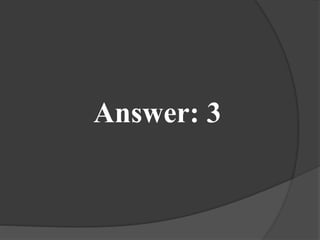
120.0
Answer: 4
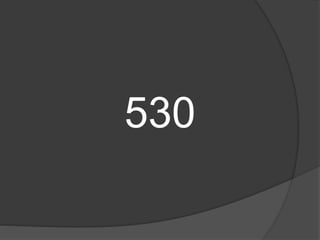
530
Answer: 2
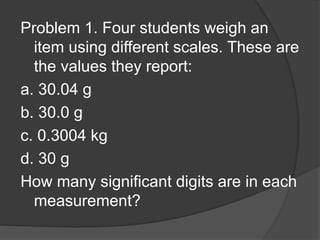
Problem 1. Four students weigh an
item using different scales. These are
the values they report:
a. 30.04 g
b. 30.0 g
c. 0.3004 kg
d. 30 g
How many significant digits are in each
measurement?
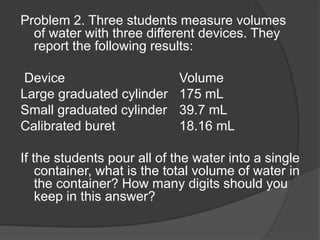
Problem 2. Three students measure volumes
of water with three different devices. They
report the following results:
Device Volume
Large graduated cylinder 175 mL
Small graduated cylinder 39.7 mL
Calibrated buret 18.16 mL
If the students pour all of the water into a single
container, what is the total volume of water in
the container? How many digits should you
keep in this answer?
A. Determine the number of significant
digits in the following measurements.
1. 0.0000056 L 6. 8207 mm
2. 4.003 kg 7. 0.83500 kg
3. 350 m 8. 50.800 km
4. 4113.000 cm 9. 0.0010003 m3
5. 700.0 mL 10. 8 000 L
Assignment
Write the answers in the correct
number of significant figures
1. 5.6713 + 0.31 + 8.123
2. 3.111 + 3.11 + 3.1
3. 1237.6 + 23 + 0.12
4. 43.65 – 23.7
5. 0.009 – 0.005 + 0.013
THANK
YOU!!!

Significant digits

  • 2.
    Objectives: In this lesson,you are expected to : 1. determine the significant digits in a given situation.
  • 3.
    Significant digits  arethe digits in a number that express the precision of a measurement rather than its magnitude. The number of significant digits in a given measurement depends on the number of significant digits in the given data.  In calculations involving multiplication, division, trigonometric functions, for example, the number of significant digits in the final answer is equal to the least number of significant digits in any of the factors or data involved.
  • 4.
    Rules for Determining SignificantDigits A. All digits that are not zeros are significant. For example: 2781 has 4 significant digits 82.973 has 5 significant digits
  • 5.
    B. Zeros mayor may not be significant. Furthermore, 1. Zeros appearing between nonzero digits are significant. For example: 20.1 has 3 significant digits 79002 has 5 significant digits
  • 6.
    2. Zeros appearingin front of nonzero digits are not significant. For example: 0.012 has 2 significant digits 0.0000009 has 1 significant digit
  • 7.
    3. Zeros atthe end of a number and to the right of a decimal are significant digits. Zeros between nonzero digits and significant zeros are also significant. For example: 15.0 has 3 significant digits 25000.00 has 7 significant digits
  • 8.
    4. Zeros atthe end of a number but to the left of a decimal may or may not be significant. If such a zero has been measured or is the first estimated digit, it is significant. On the other hand, if the zero has not been measured or estimated but is just a place holder it is not significant. A decimal placed after the zeros indicates that they are significant For example: 560000 has 2 significant digits 560000. has 6 significant digits
  • 9.
    Significant Figures in Calculations 1.When multiplying or dividing measured quantities, round the answer to as many significant figures in the answer as there are in the measurement with the least number of significant figures. For example: 3.0 x 20.536 = 61.608 Answer: 61 since the least number of significant digits is 2, coming from 3.0
  • 10.
    2. When addingor subtracting measured quantities, round the answer to the same number of decimal places as there are in the measurement with the least number of decimal places. For example: b. 3.0 + 20.536 = 23.536 Answer: 23.5 since the addend with the least number of decimal places is 3.0
  • 11.
    The following isa list of numbers. Identify the number of significant digits in each number.
  • 12.
  • 13.
  • 14.
  • 15.
  • 16.
  • 17.
  • 18.
  • 19.
  • 20.
  • 21.
  • 22.
  • 23.
  • 24.
  • 25.
  • 26.
  • 27.
  • 28.
  • 29.
  • 30.
  • 31.
  • 32.
  • 33.
  • 34.
  • 35.
  • 36.
  • 37.
  • 38.
  • 39.
  • 40.
  • 41.
  • 42.
  • 43.
  • 44.
    Problem 1. Fourstudents weigh an item using different scales. These are the values they report: a. 30.04 g b. 30.0 g c. 0.3004 kg d. 30 g How many significant digits are in each measurement?
  • 45.
    Problem 2. Threestudents measure volumes of water with three different devices. They report the following results: Device Volume Large graduated cylinder 175 mL Small graduated cylinder 39.7 mL Calibrated buret 18.16 mL If the students pour all of the water into a single container, what is the total volume of water in the container? How many digits should you keep in this answer?
  • 46.
    A. Determine thenumber of significant digits in the following measurements. 1. 0.0000056 L 6. 8207 mm 2. 4.003 kg 7. 0.83500 kg 3. 350 m 8. 50.800 km 4. 4113.000 cm 9. 0.0010003 m3 5. 700.0 mL 10. 8 000 L
  • 47.
    Assignment Write the answersin the correct number of significant figures 1. 5.6713 + 0.31 + 8.123 2. 3.111 + 3.11 + 3.1 3. 1237.6 + 23 + 0.12 4. 43.65 – 23.7 5. 0.009 – 0.005 + 0.013
  • 48.